
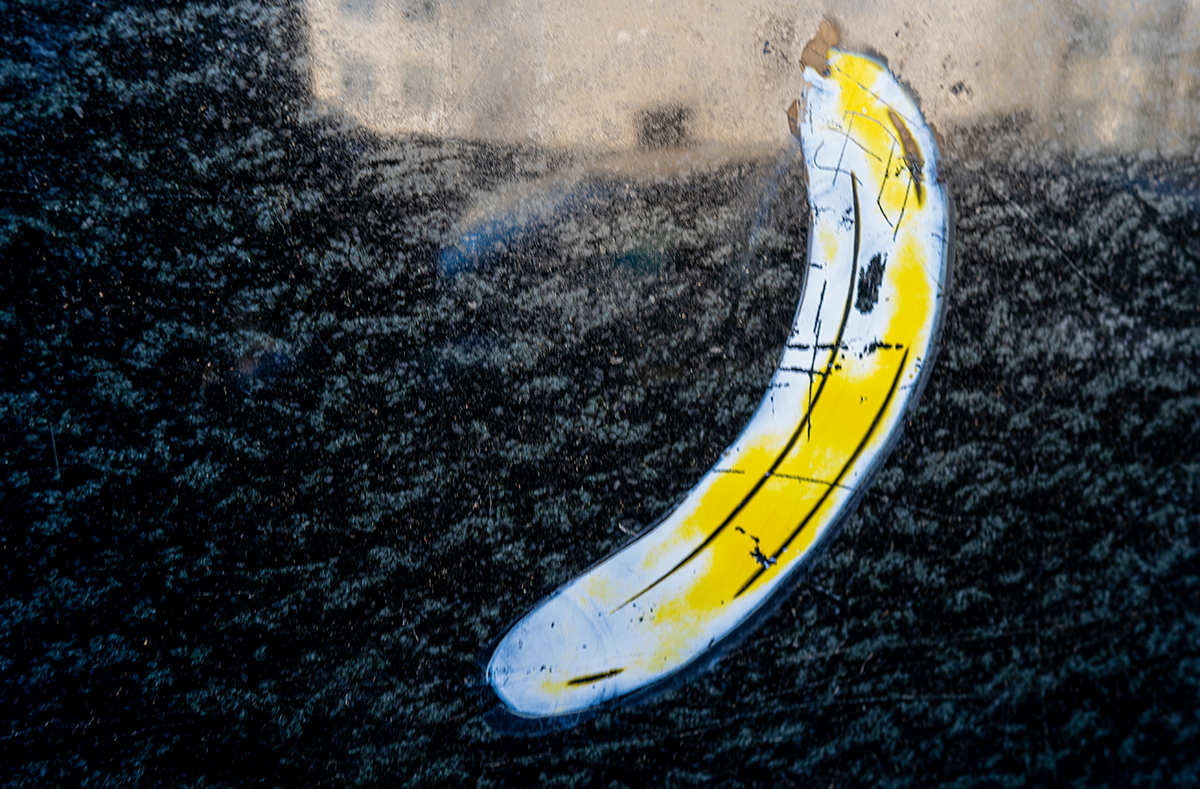
The name Thomas Baumgartel may not be a household name, but his contribution to world art scene cannot be forgotten. He is affectionately known as “Banana Sprayer” in grafitti circles.

As you venture about Cologne, keep an eye out for Baumgartel’s handiwork. In 1987, he spraypainted a banana on the Museum Ludwig. Later that same night he was apprehended in a major sweep and spent the night in jail.
The banana tag is seen as a badge of honor, patrons could tell a museum was worth visiting if it had been deemed so by Baumgartel.
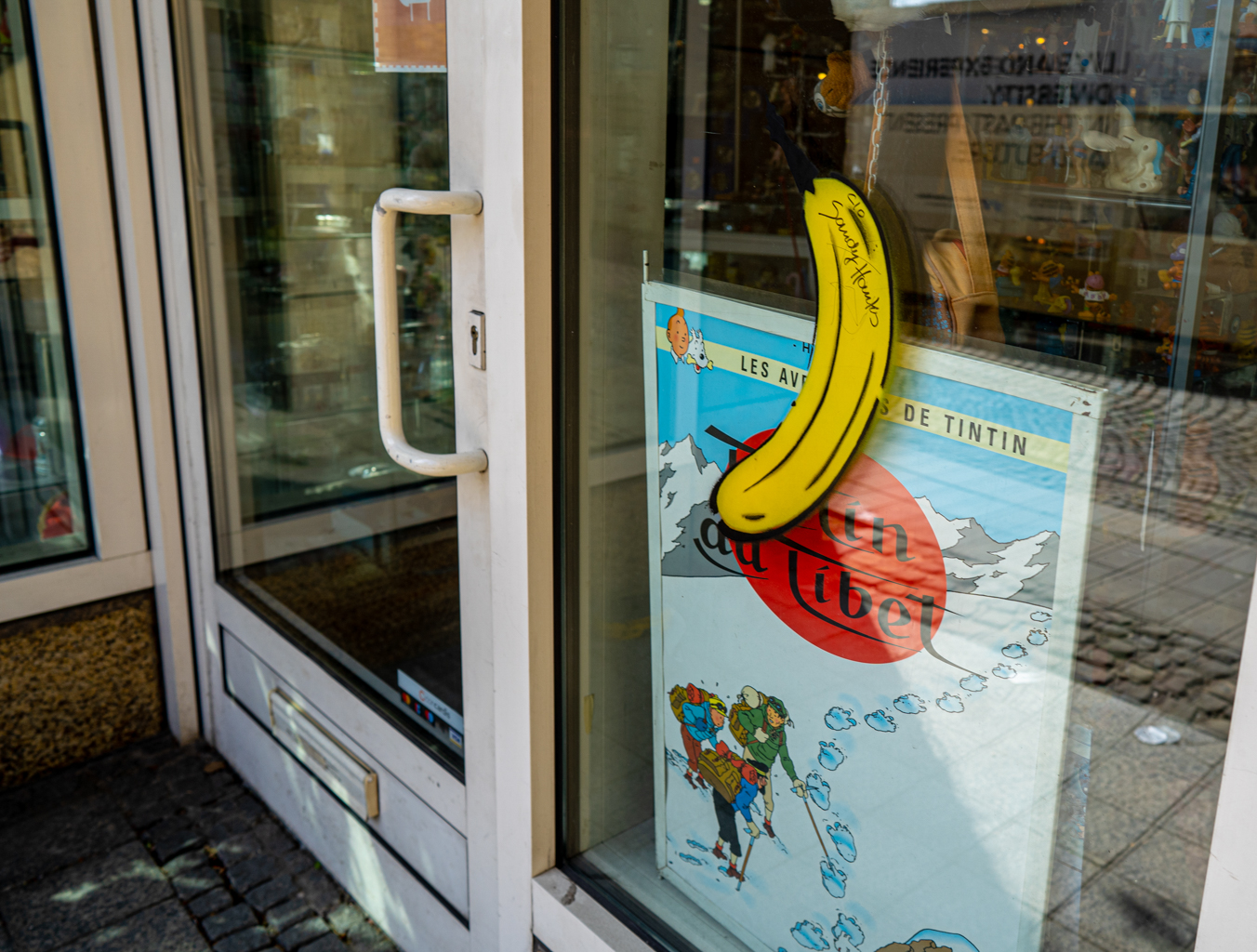
Want to learn more and see Baumgartel’s studio, click below…
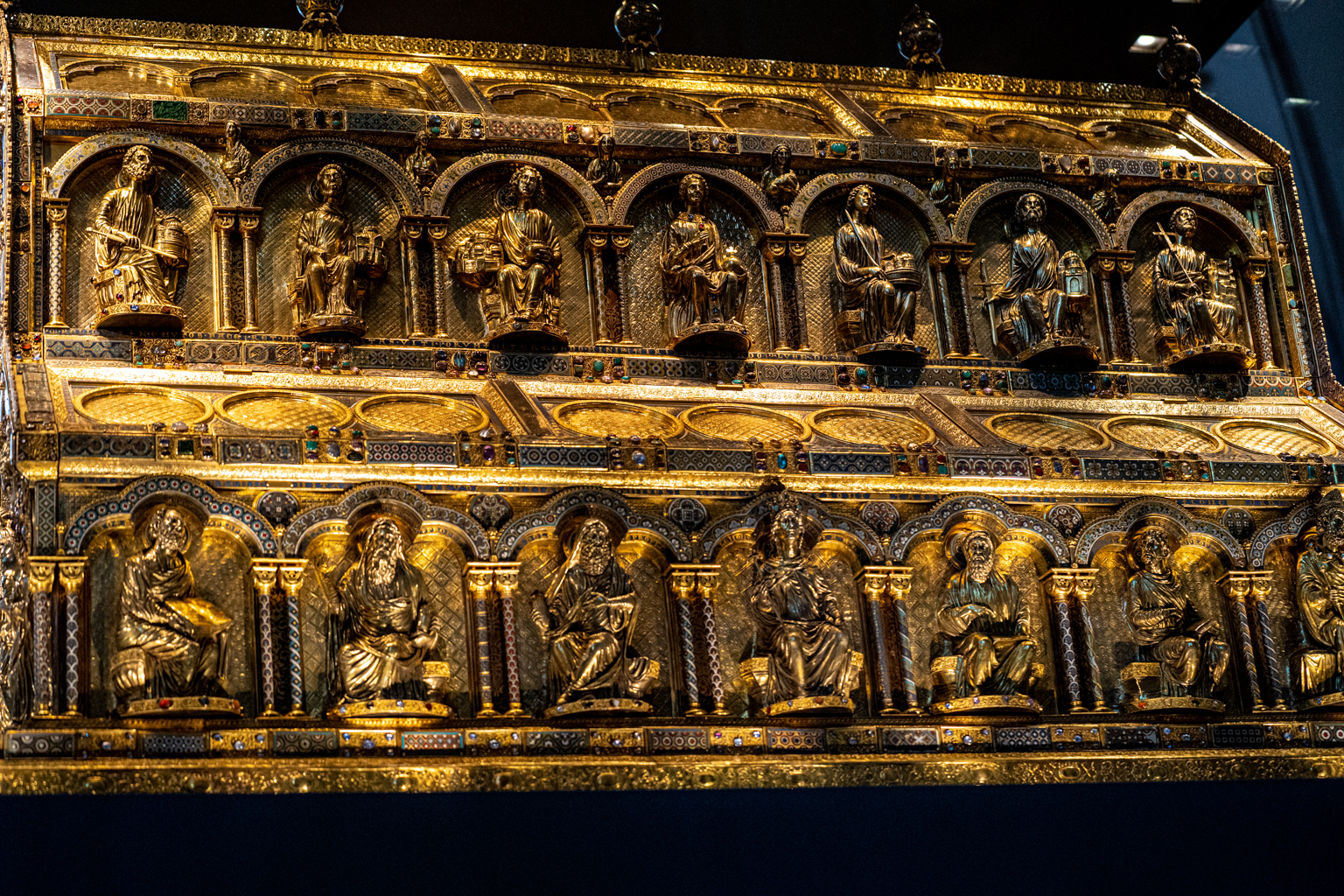
Dreikönigsschrein, the Reliquary of the Three Kings is a tomb where they say that the remains of the Three Wise Men are enshrined. Set in a huge display case behind the main altar of the Cologne Cathedral, this is considered to be the largest shrine in the western world.
It took the world renowned goldsmith, Nicolau de Verdun spent half of a century building this masterpiece. The shrine was completed in 1225 and the remains of the Magi were laid to rest here.
This golden Reliquary of the Three Kings is made of wood, coated with gold, silver, enamel, and adorned with precious and semi-precious stones.

According to the legend, Queen Helena, mother of Constantine travelled to the Middle East to find the remains and bring them back to Cologne. The reliquary is comprised of three sarcophagi, two on the bottom and one on top.
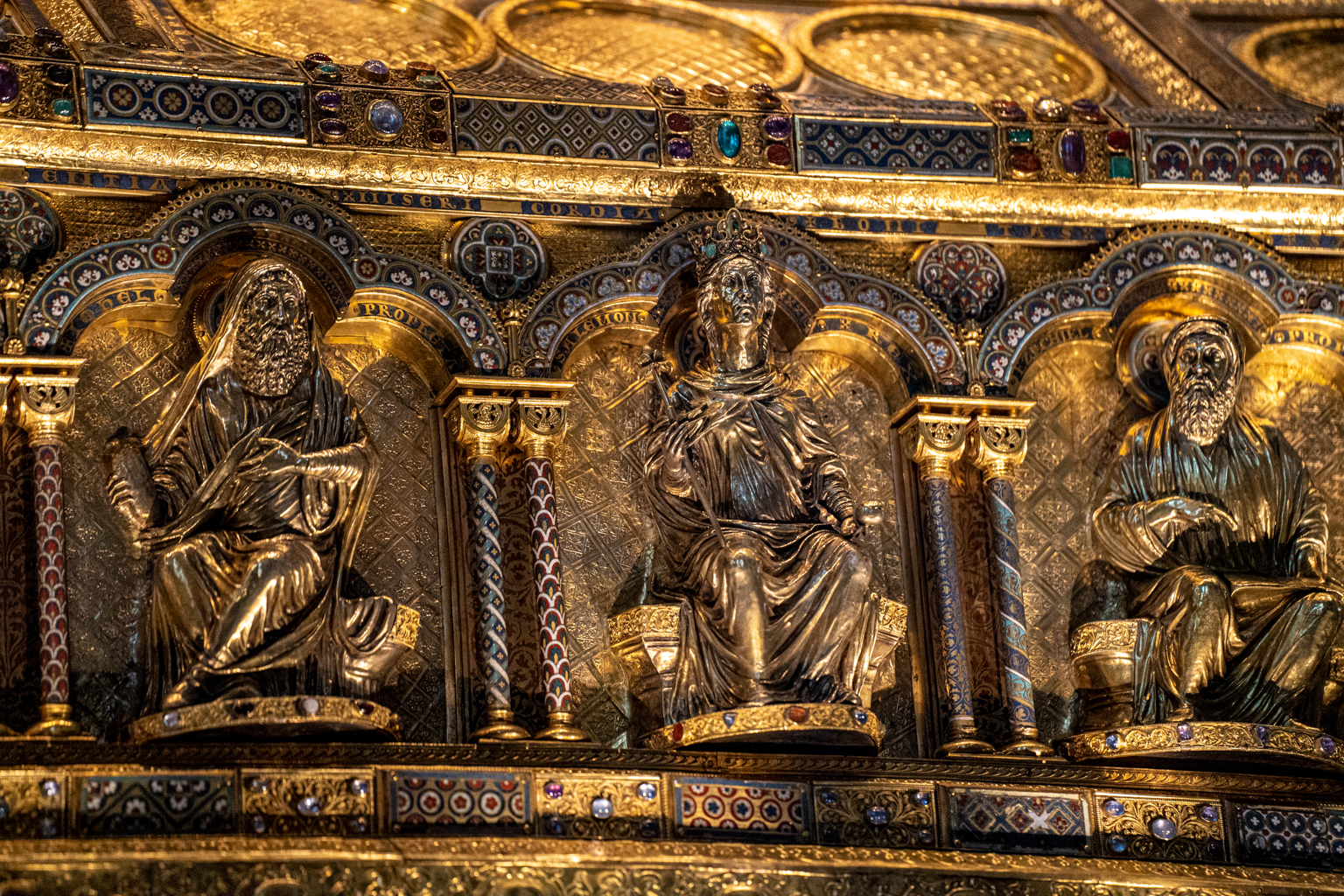
More about the Three Wisemen can be found at this link…
http://projects.leadr.msu.edu/medievalart/exhibits/show/reliquary_cathedral_comparison/three_magi
Near the Cathedral in Colgne is a charming fountain. The sculpted characters respresent the heroes of a German folksong. These “magic helpers” worked there magic at night when the citizens are fast asleep to help finish the households chores they has started earlier.
Even though the elves loved to be hard at work, they did not like being around humans. All went well until one evening the tailor’s wife decided she wanted to see the helpers. She scattered peas all over her floor in hopes that the little elves would slip on them and then she could rush in to see them for herself.
She heard a commotion and quickly lit her lantern and stomped her feet. The elves ran out of the house and were so offended that they left the city. The people of Cologne then had to finish all of there chores by themselves.

You can see the hardworking elves and the tailor’s wife with her lantern carved into the fountain.
Built on the ancient ruins of a Roman cemetery, where 11,000 virgins associated with the legend of Saint Ursula were supposedly buried. Inside the church is a reliquary featuring the bones of these martyred girls. The story of Saint Ursula is now considered to be fiction. It’s thought that there were originally 11 girls accompanying St. Ursula but over the years the letter M was mistaken for the Roman numeral for 1000.

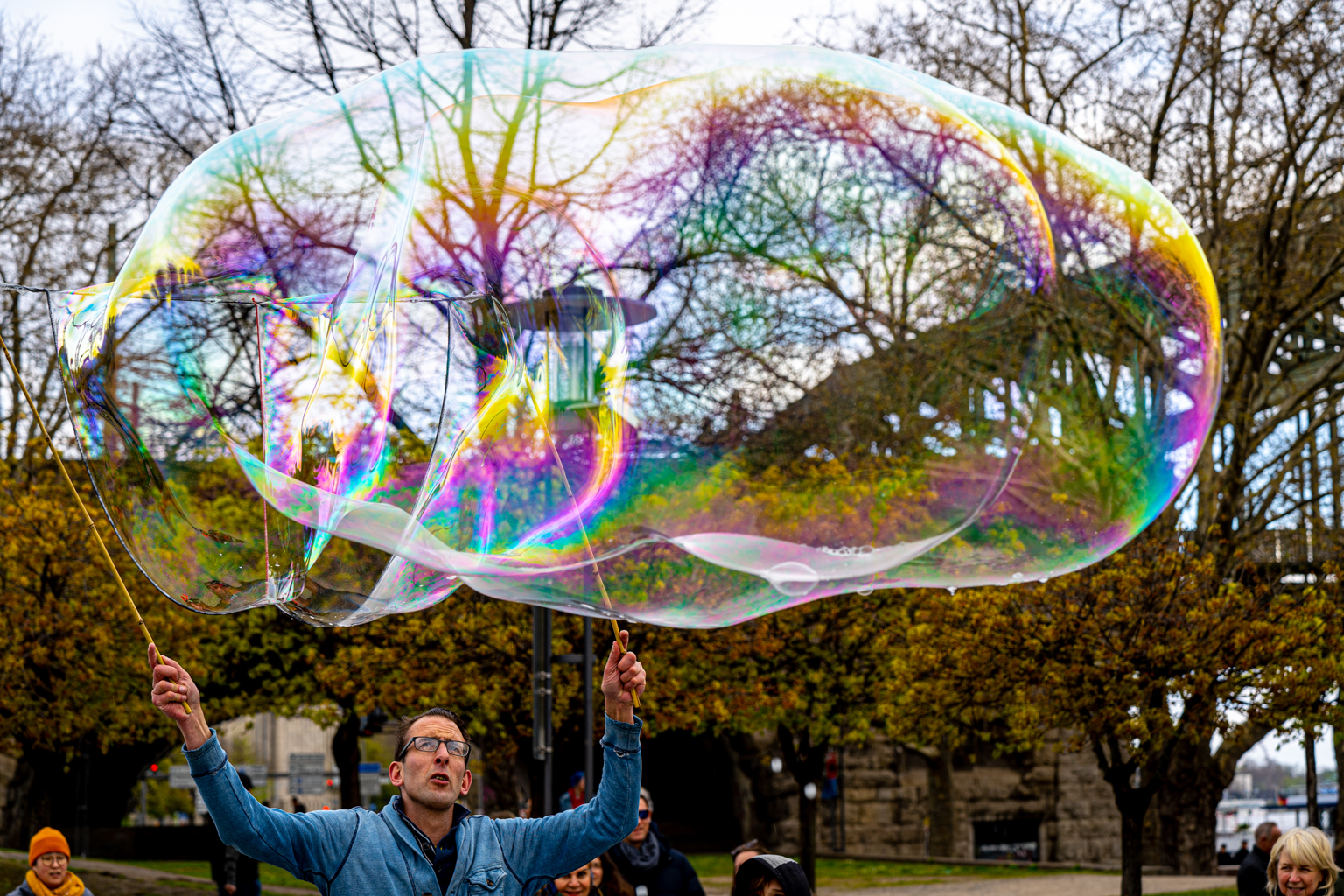
On the plaza behind the Cologne Cathedral was amgical man blowing the most amazing bubbles.



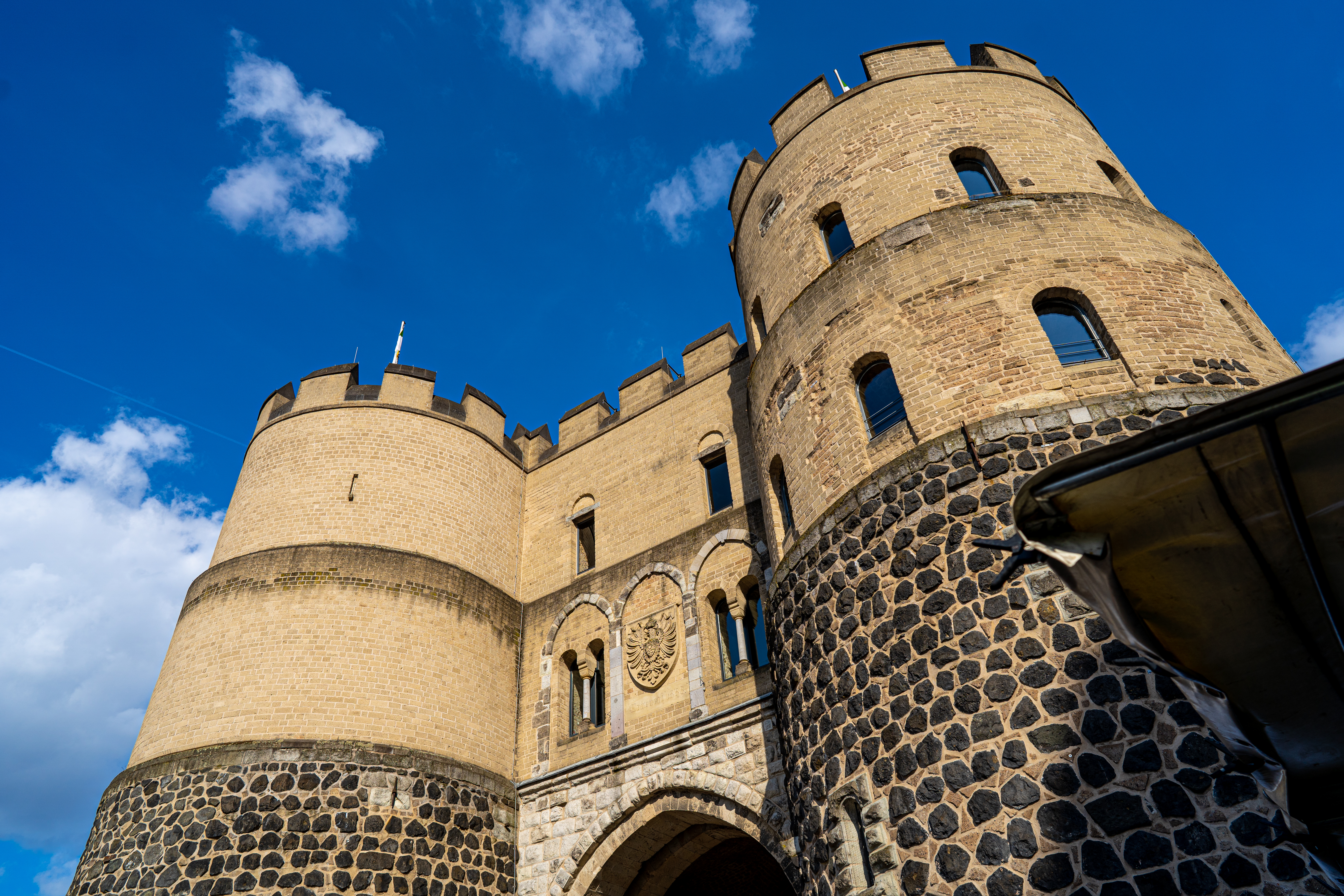
There are 12 gates through which you can enter the city of Cologne. Hahnentorburg is the most popular.

The gate features 2 semi-circular towers. In between you can see Cologne’s Coat of Arms. As was the case with much of Cologne, the gate was damaged during WWII and later rebuilt.
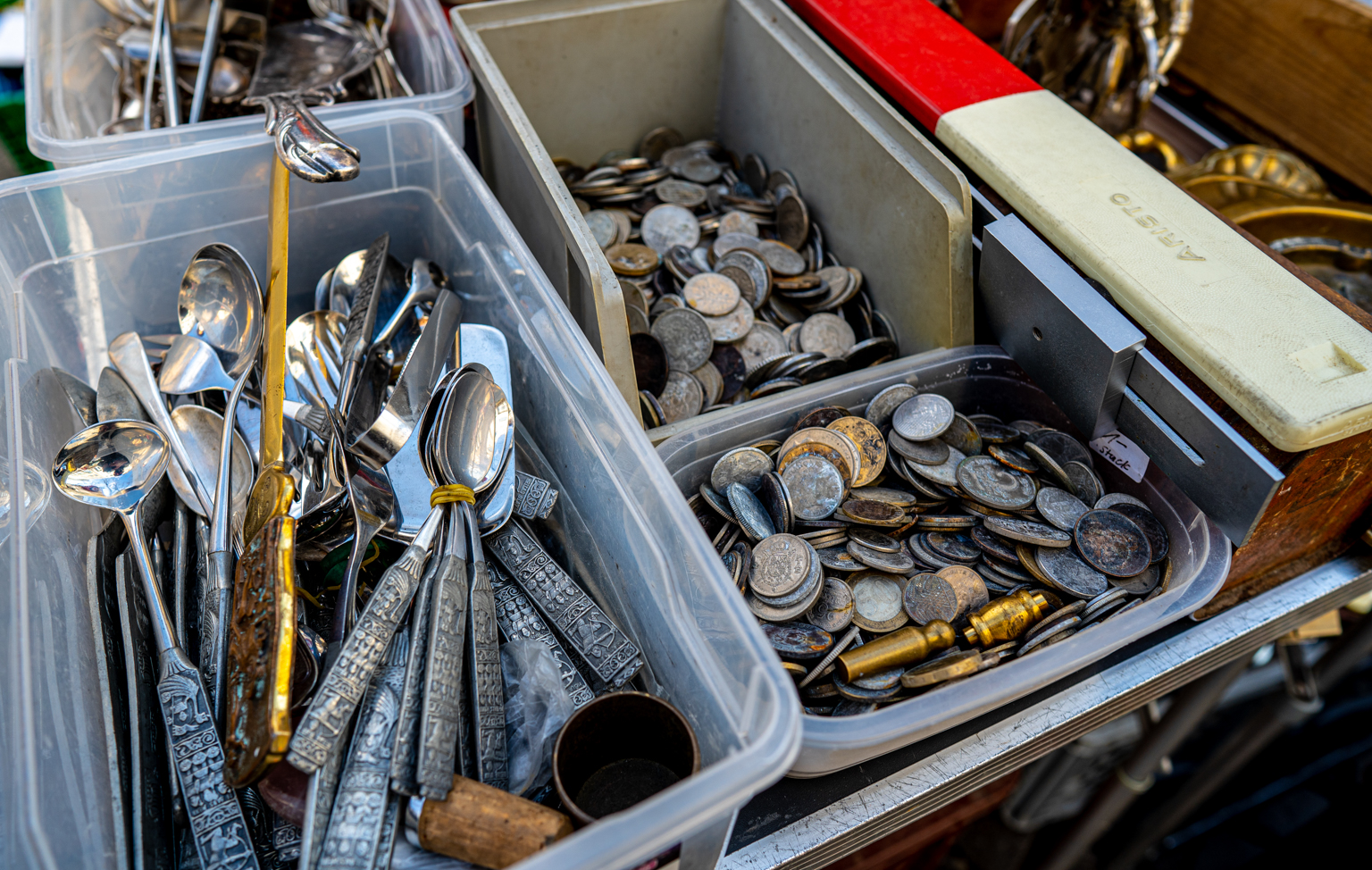
On the day I visited, there was a flea market going on with many vendors set up along the path to the Gate.
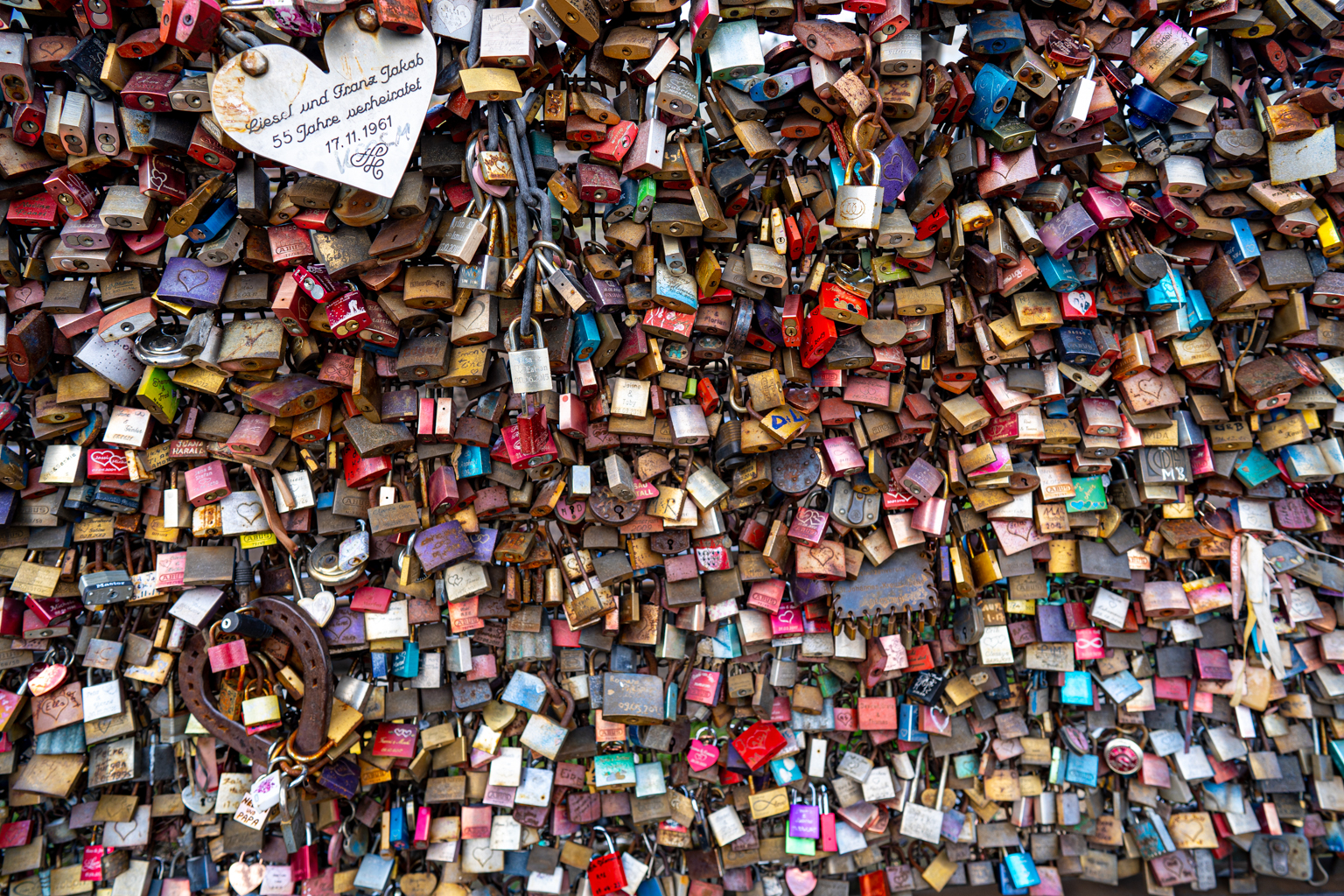
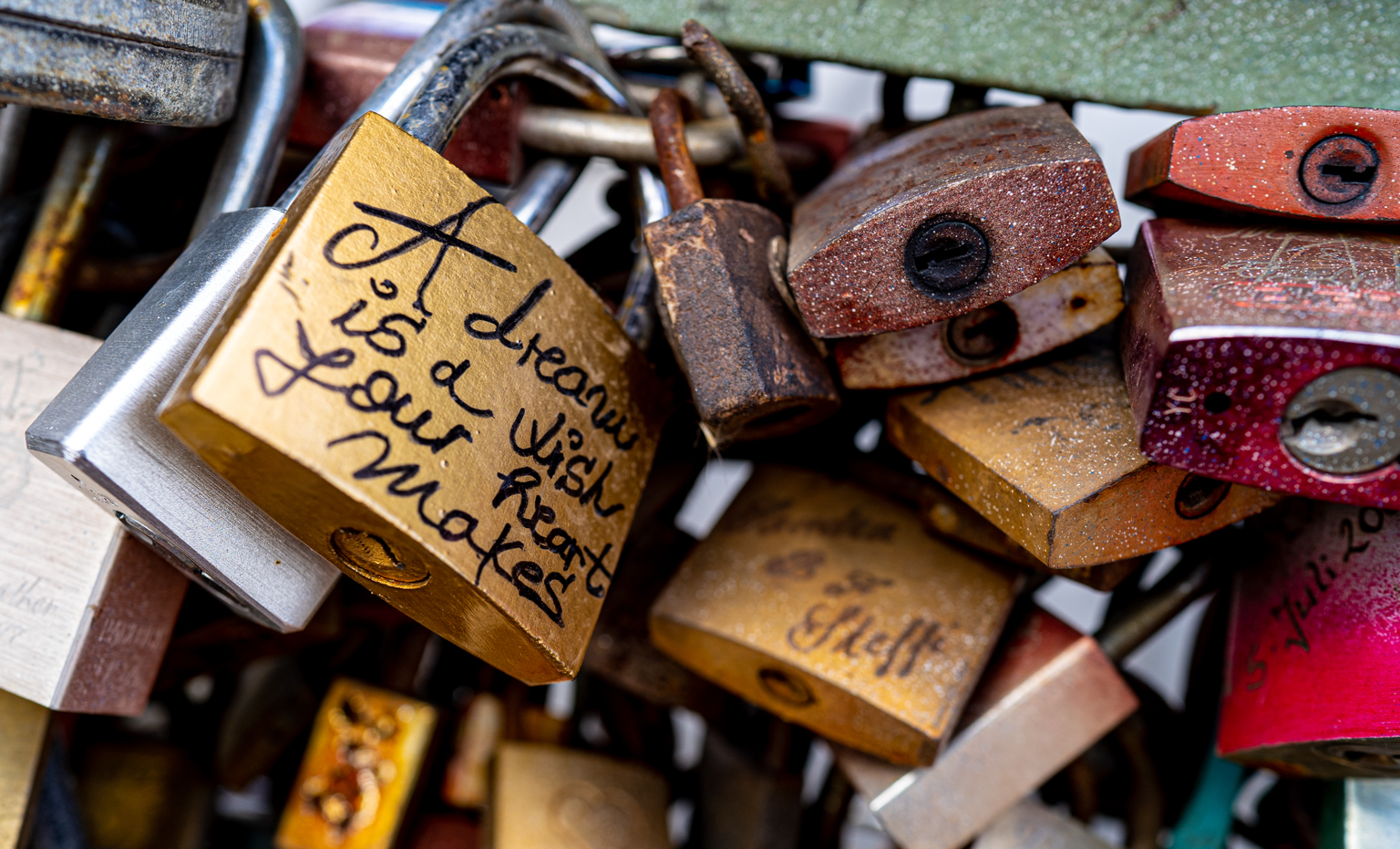
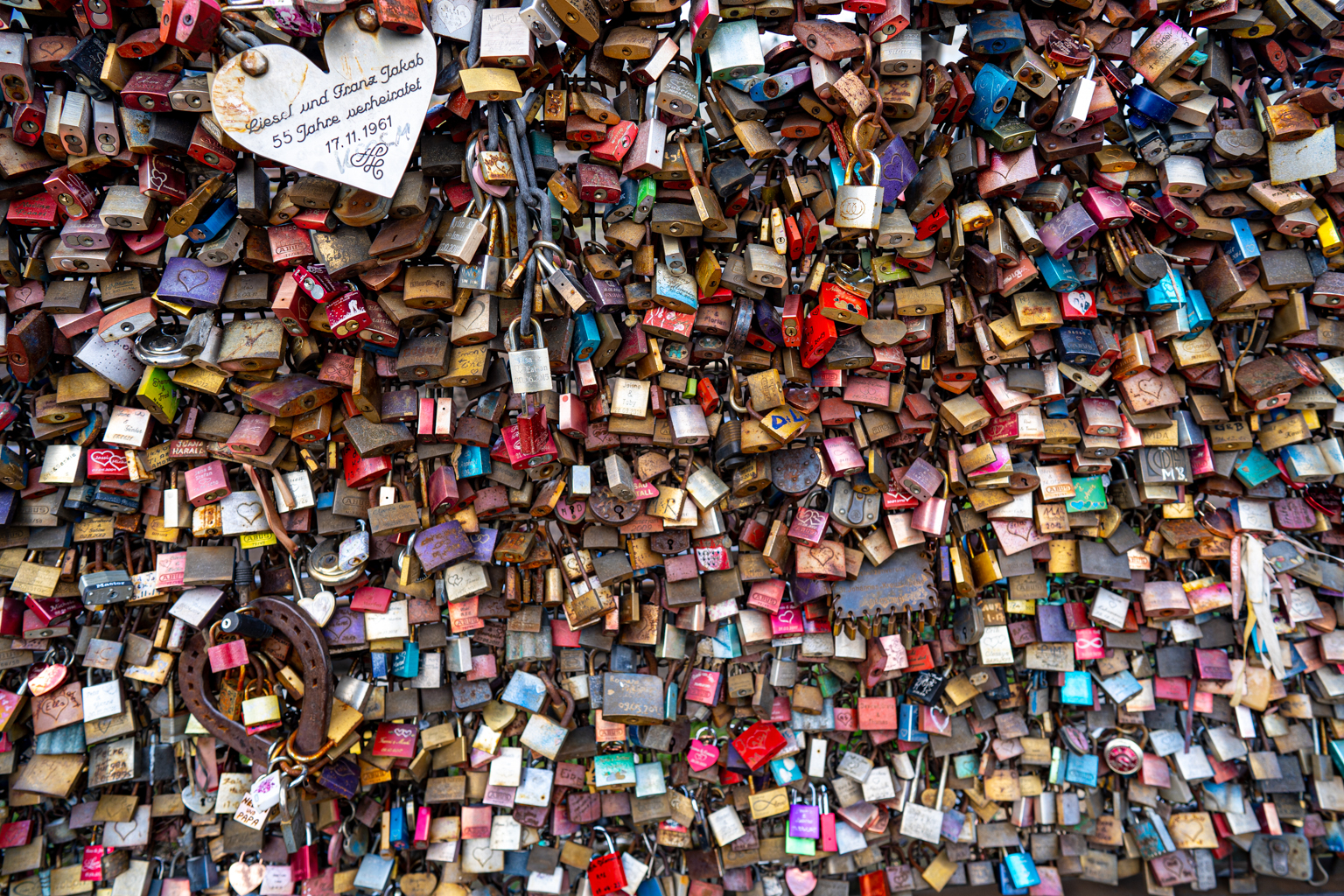
There is an arched bridge that spans the Rhine River in Cologne. Hohenzollern Bridge has become a “Love Lock” bridge where couples lock a padlock onto the bridge and throw the key into the river to show their love and devotion.
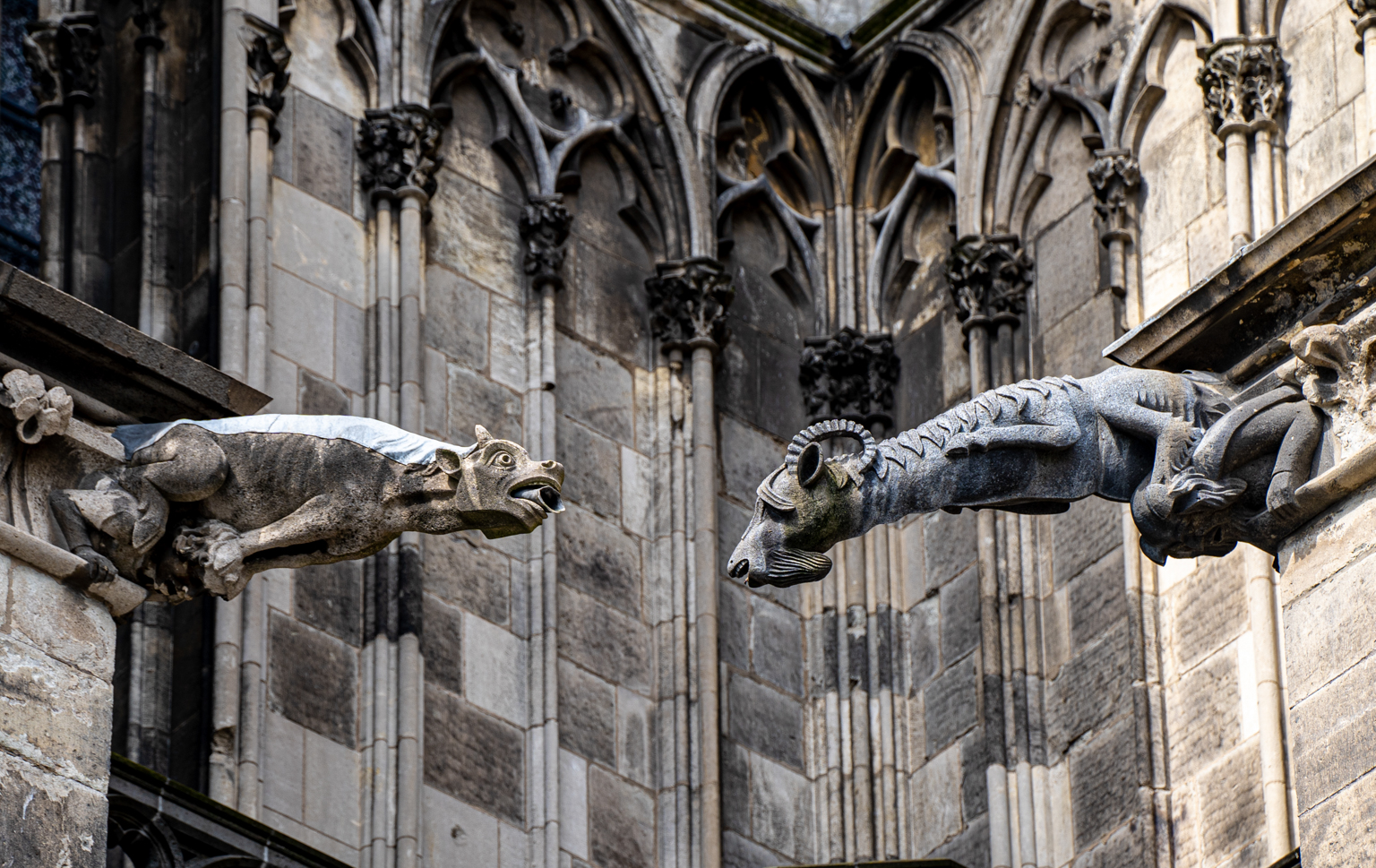
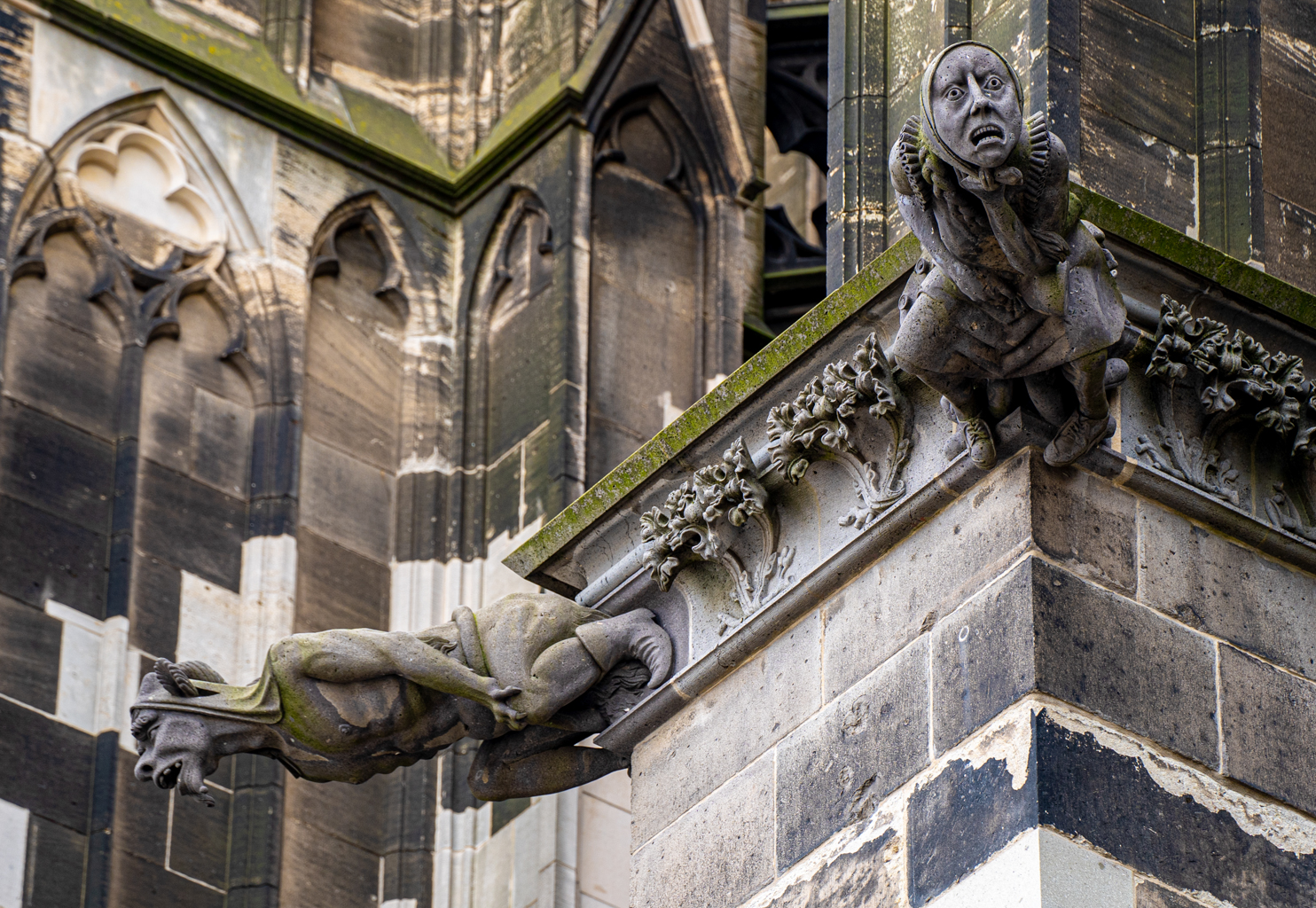
In Gothic architecture, a gargoyle is a carved figure with spout to move water away from the building and prevent damage from rainwater eroding the mortar between the bricks.
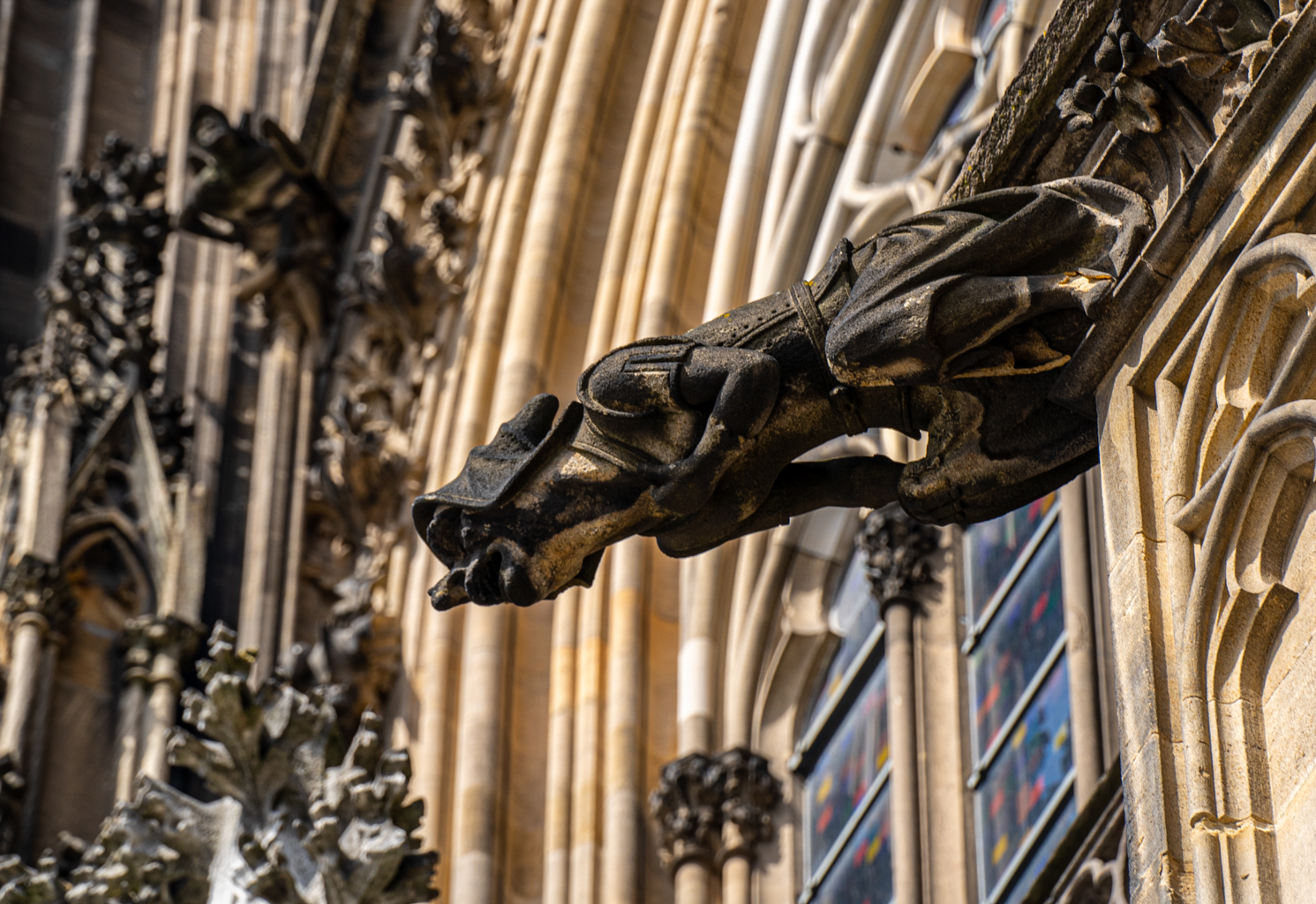
A gargoyle is often times a fantastic creature, an animal or grotesque creation.
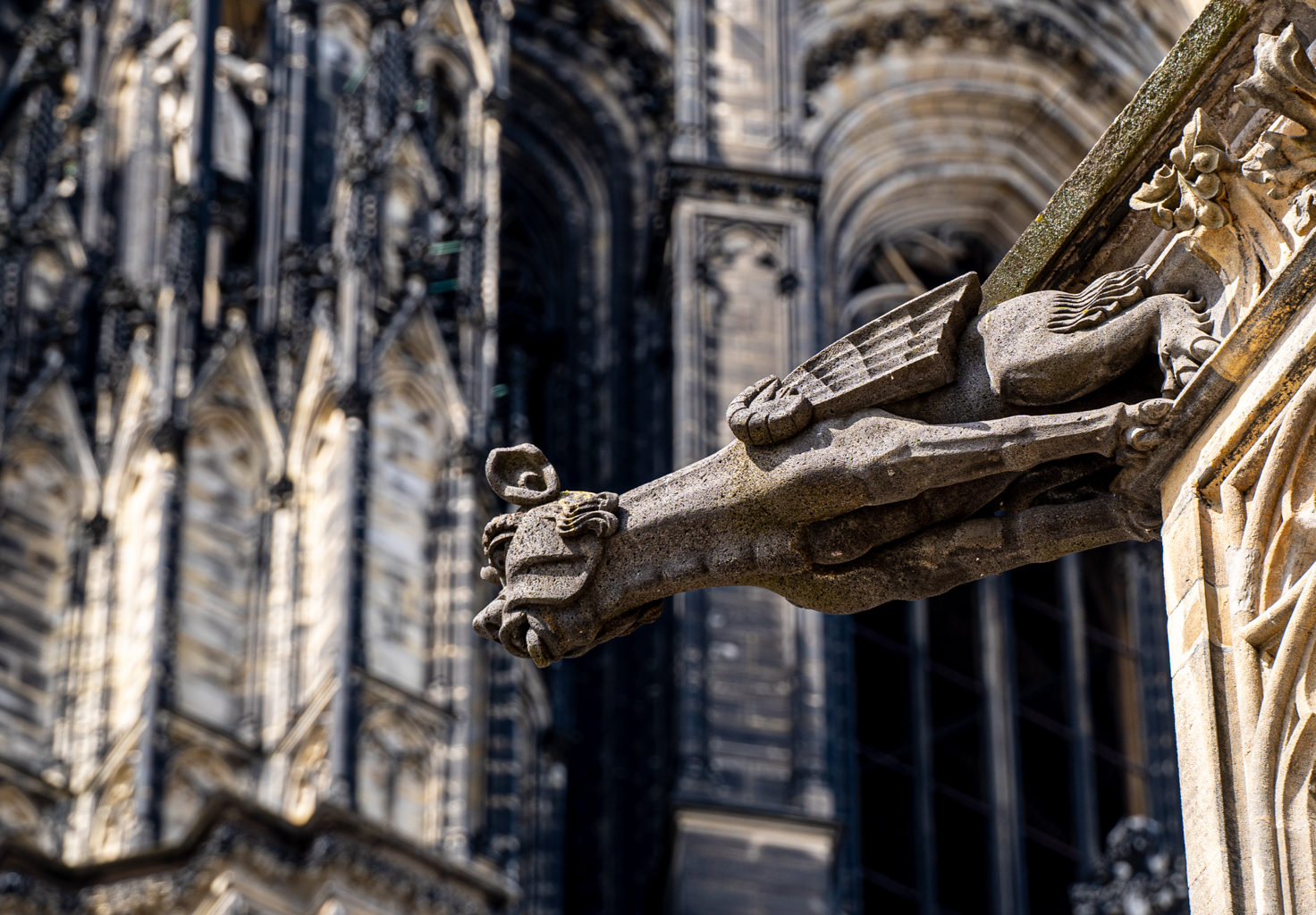
The French word gargouille which means throat or gullet leads to the name and gargoyle calls to mind the sound of the water rushing out it’s mouth as it gargles.
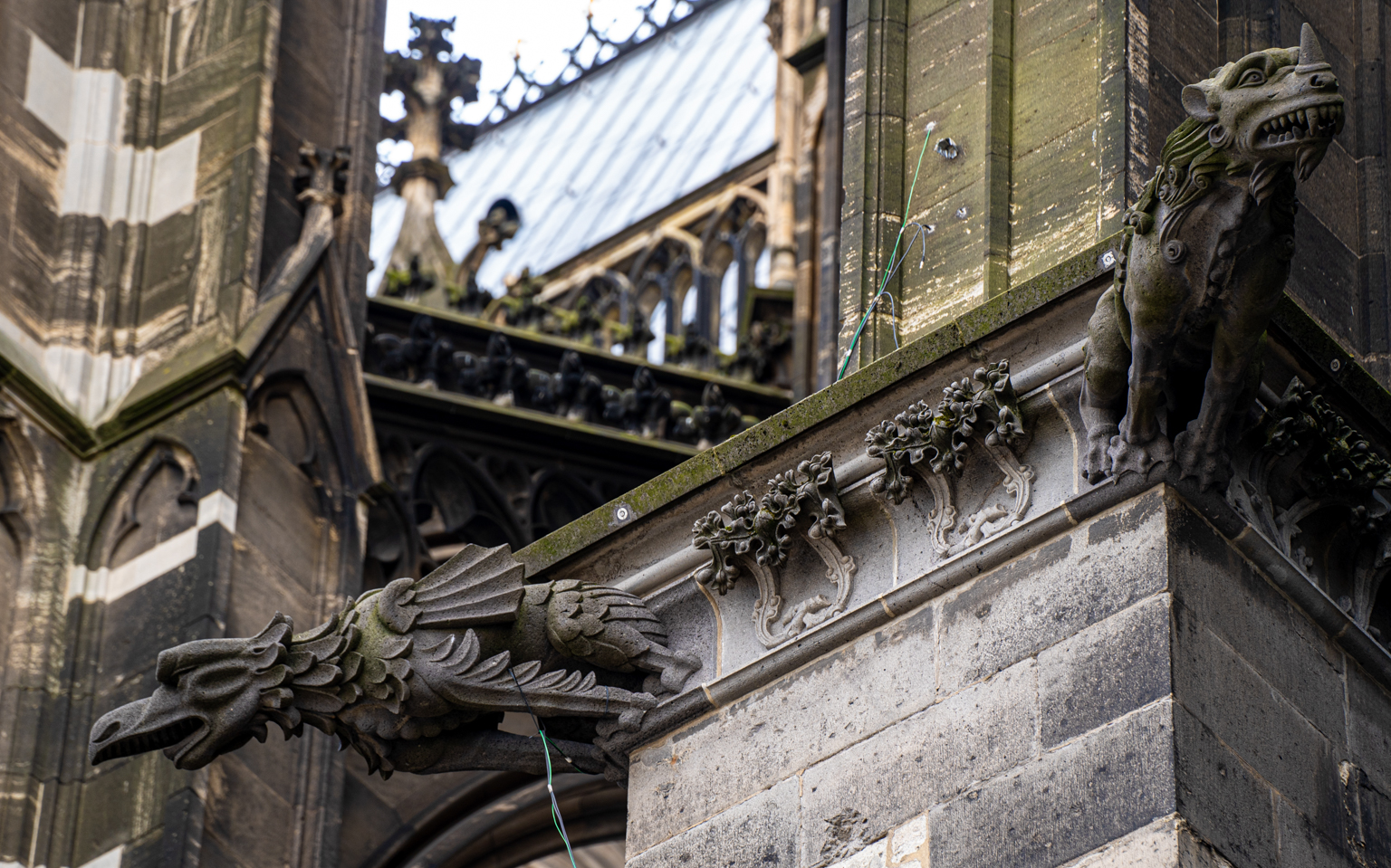
A carved figure that does not act as a rainspout is called a Chimera or grotesque.


 Travels With Ackbar