
Travel in the time of Covid has been an adventure in and of itself. Flying over seas in a mostly empty plane and being locked in a hotel room for a 12 day quarantine made it all the more interesting. I was in the UK for work and had planned on staying in London for a few days, but the universe had other plans.
Even though London and the UK were emerging from lockdown, the country wasn’t necessarily open to foreign travelers. I had to cancel my plans and leave as soon as my work was done. Until, the flights home kept getting cancelled. In the end, I had about 4 hours in London the night before my flight.
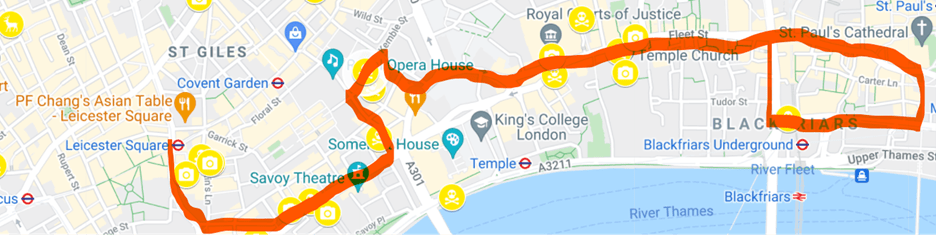
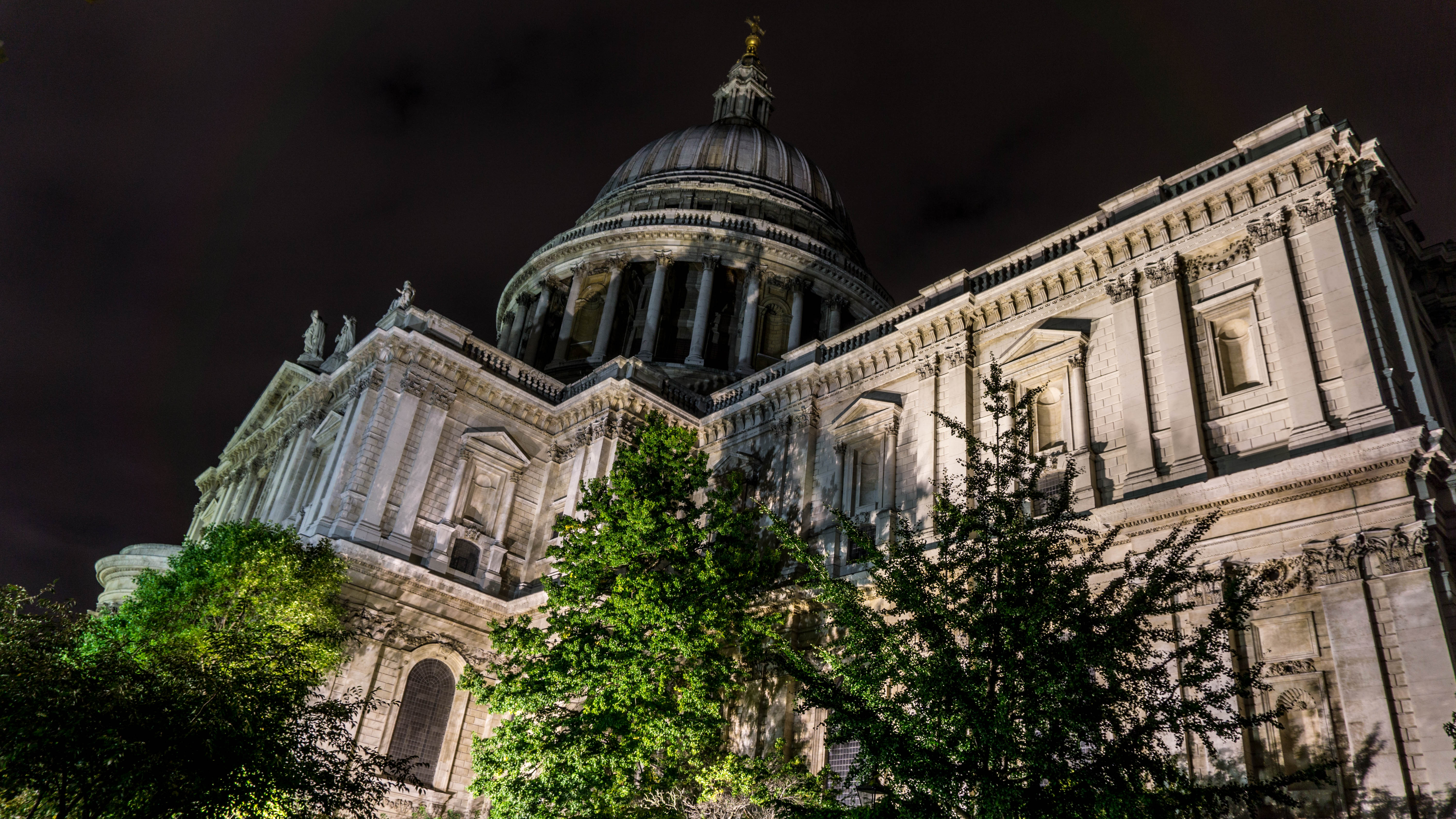
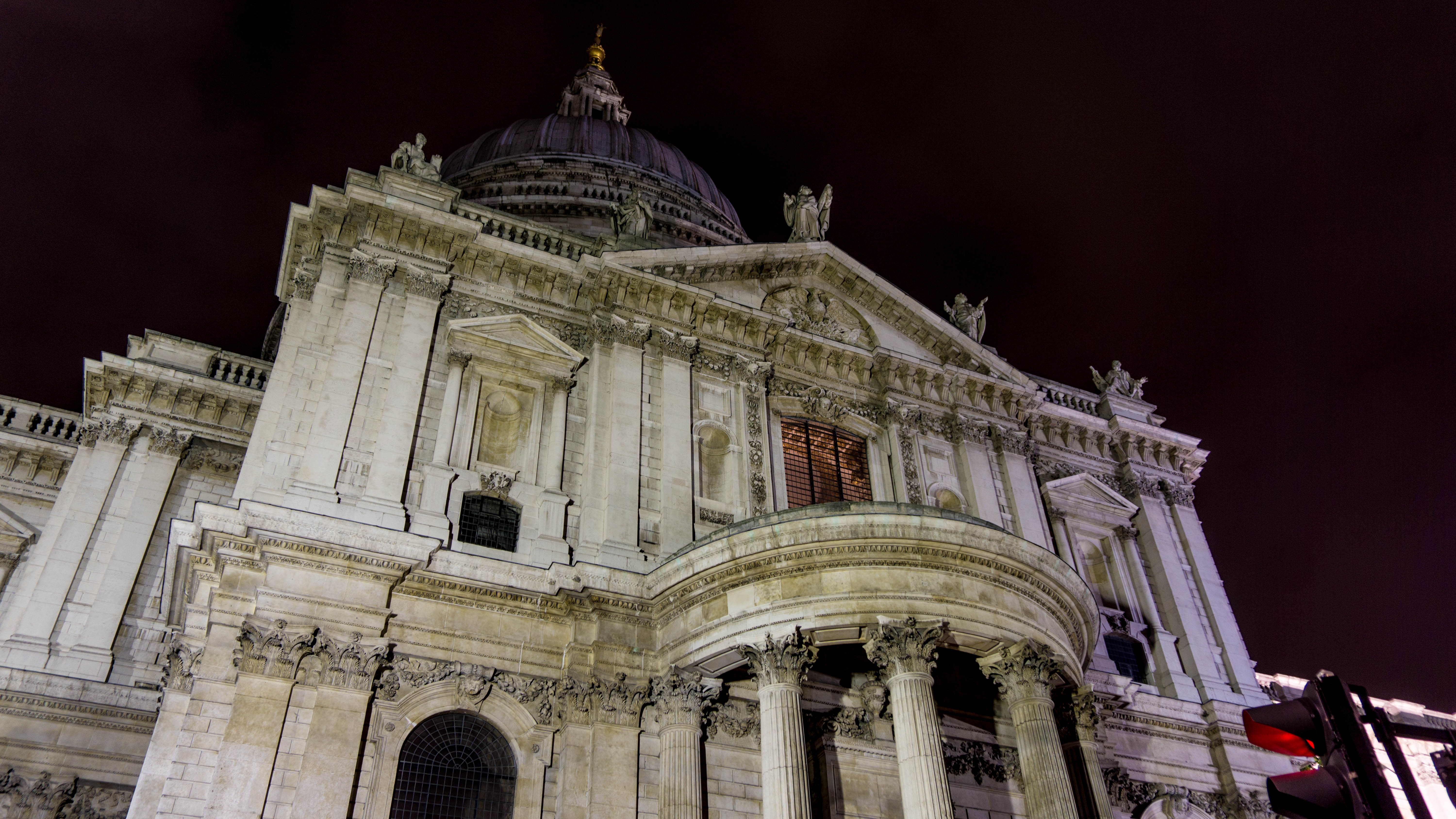
I mapped out a route from Leicester Square down to St. Paul’s and set out to see as much as I could see.
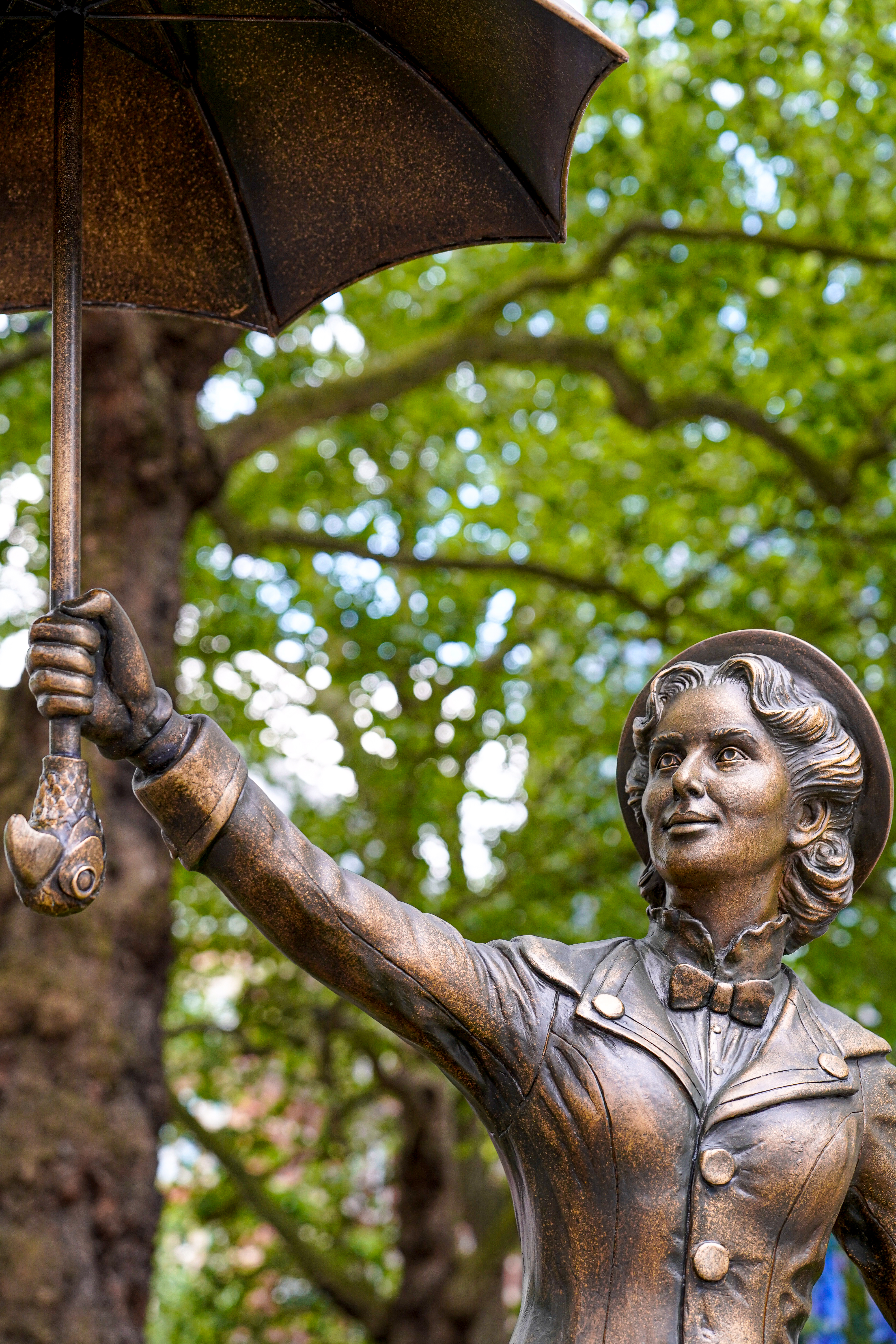
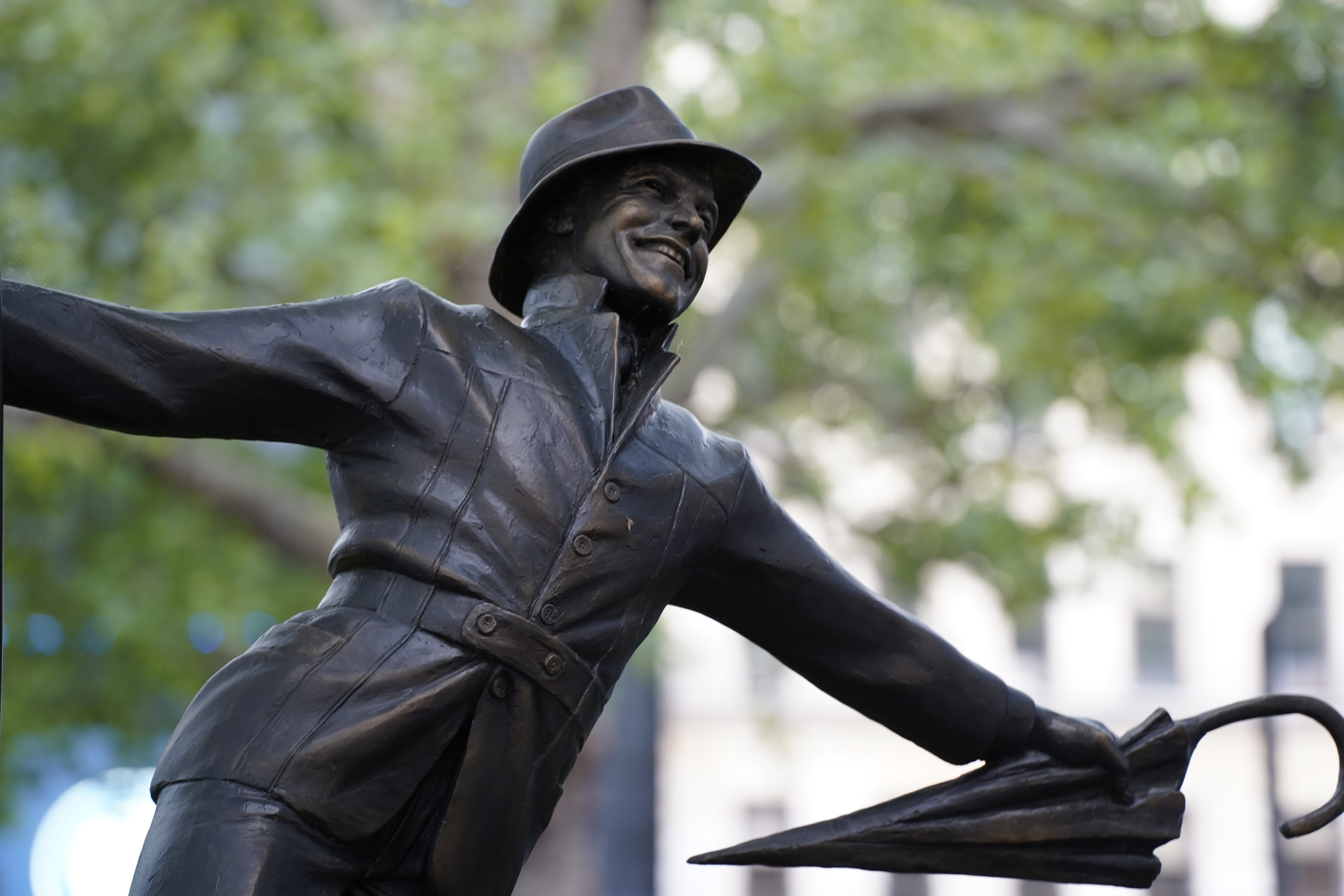
To celebrate the 350th anniversary of Leicester Square, a series of statues depicting famous movie scenes were in stalled. If you aren’t looking for them, you may actually miss them.
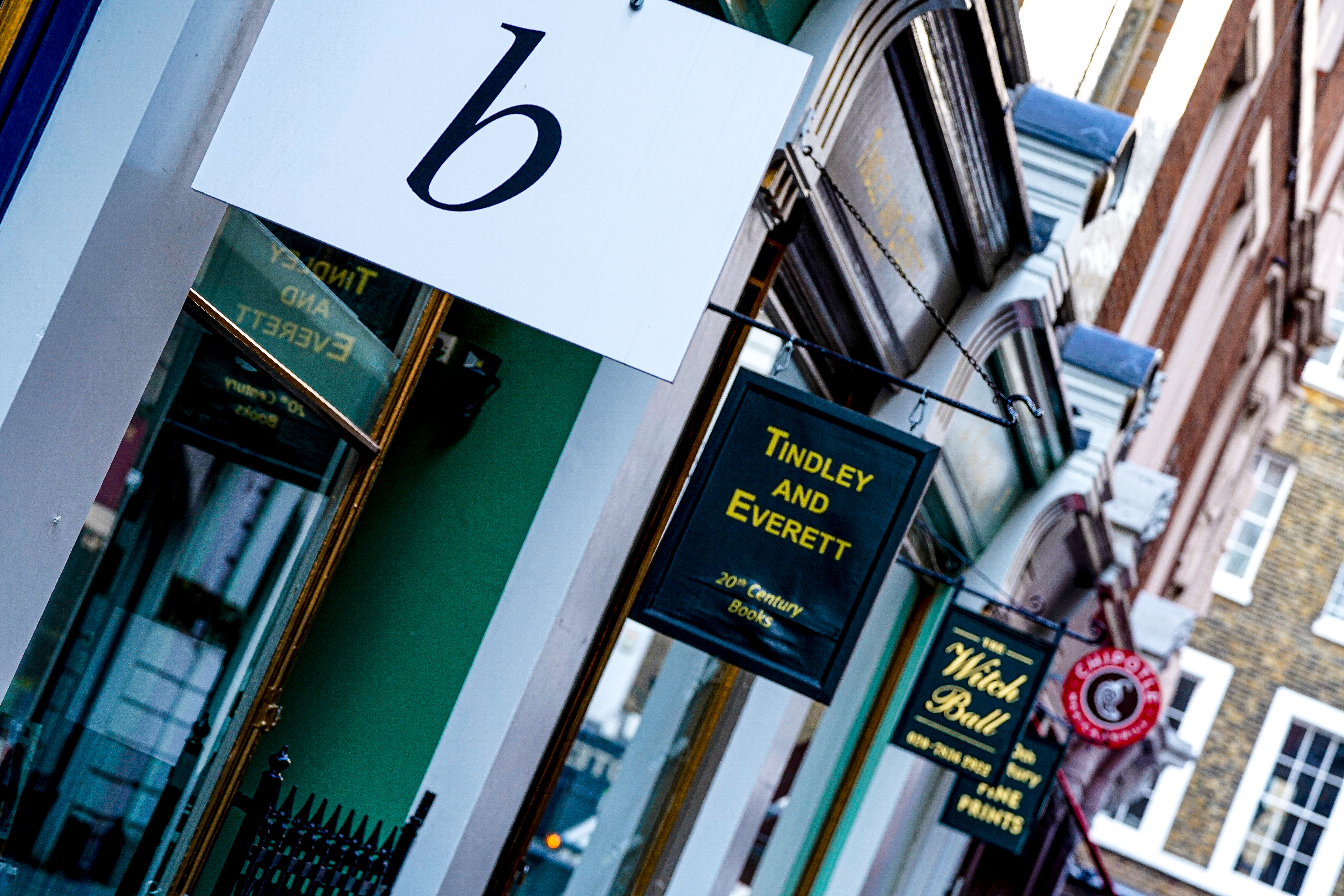
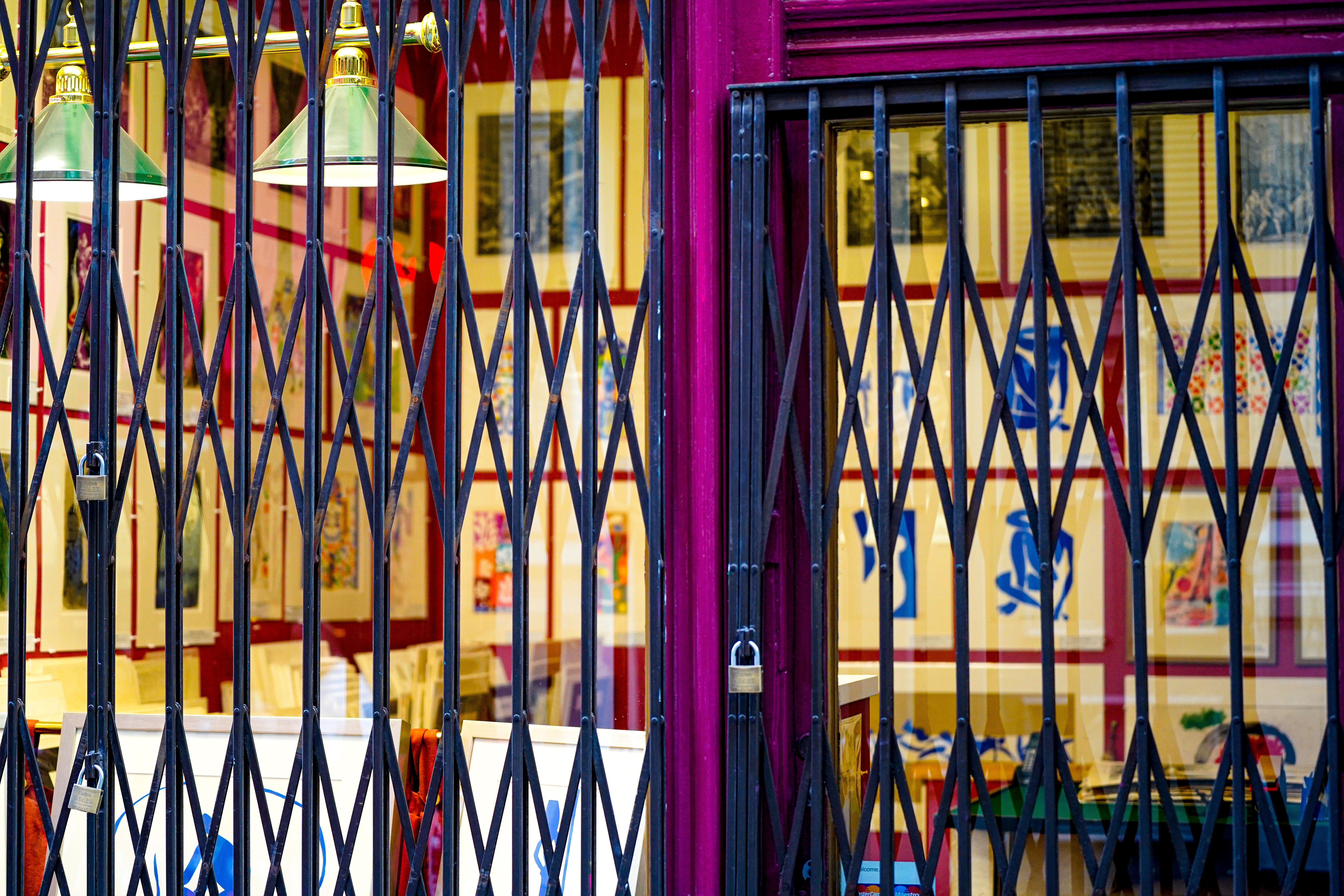
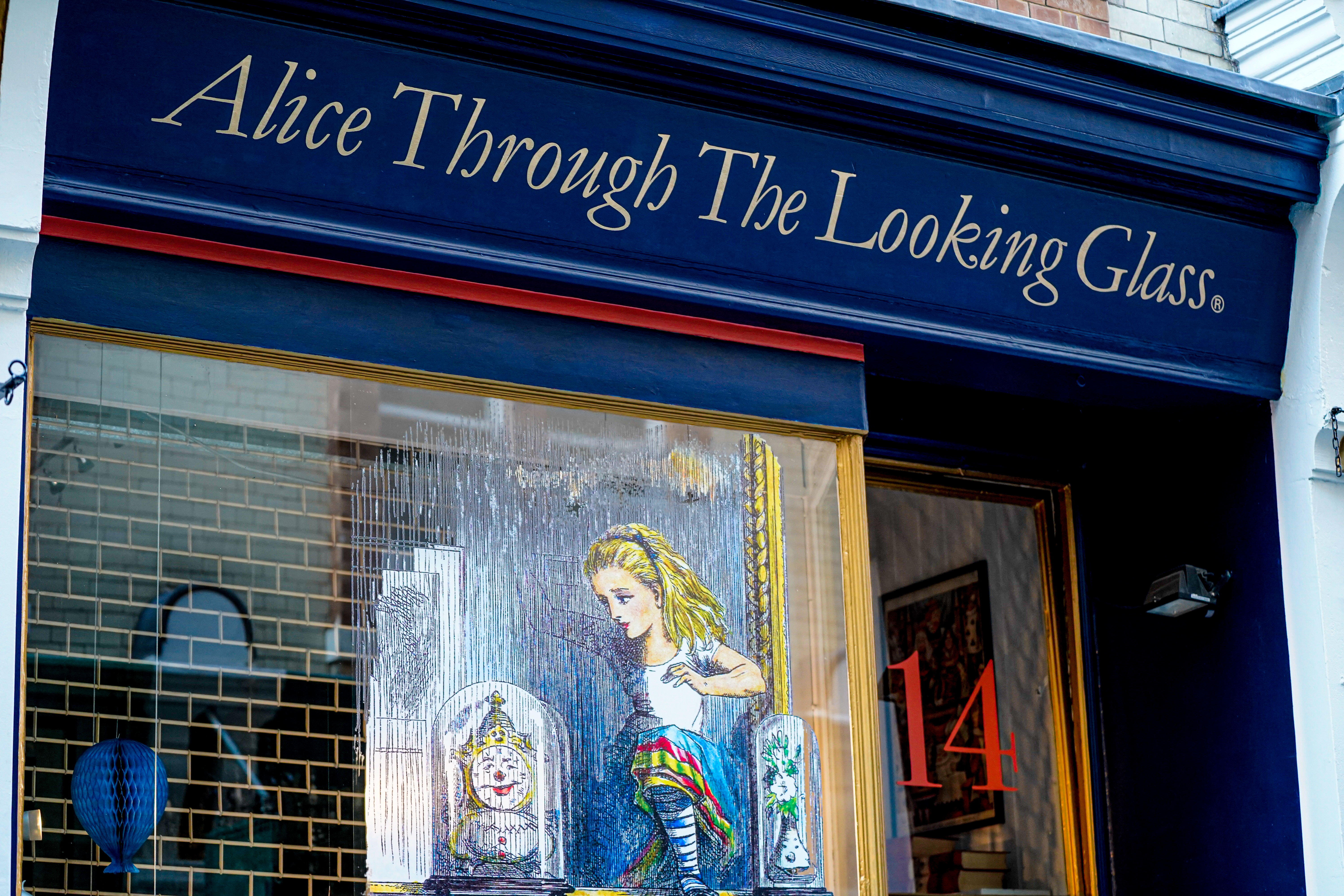
A short distance from Leicester Square is where you can find Cecil Court. This hidden thoroughfare in London is the home to some of the most unique bookstores. Second-Hand books, Antiquarian books, even the residence of an 8 year old Mozart can be found on this narrow street. I didn’t get a chance to explore as most of the shops closed early or had yet to open from the lockdown.


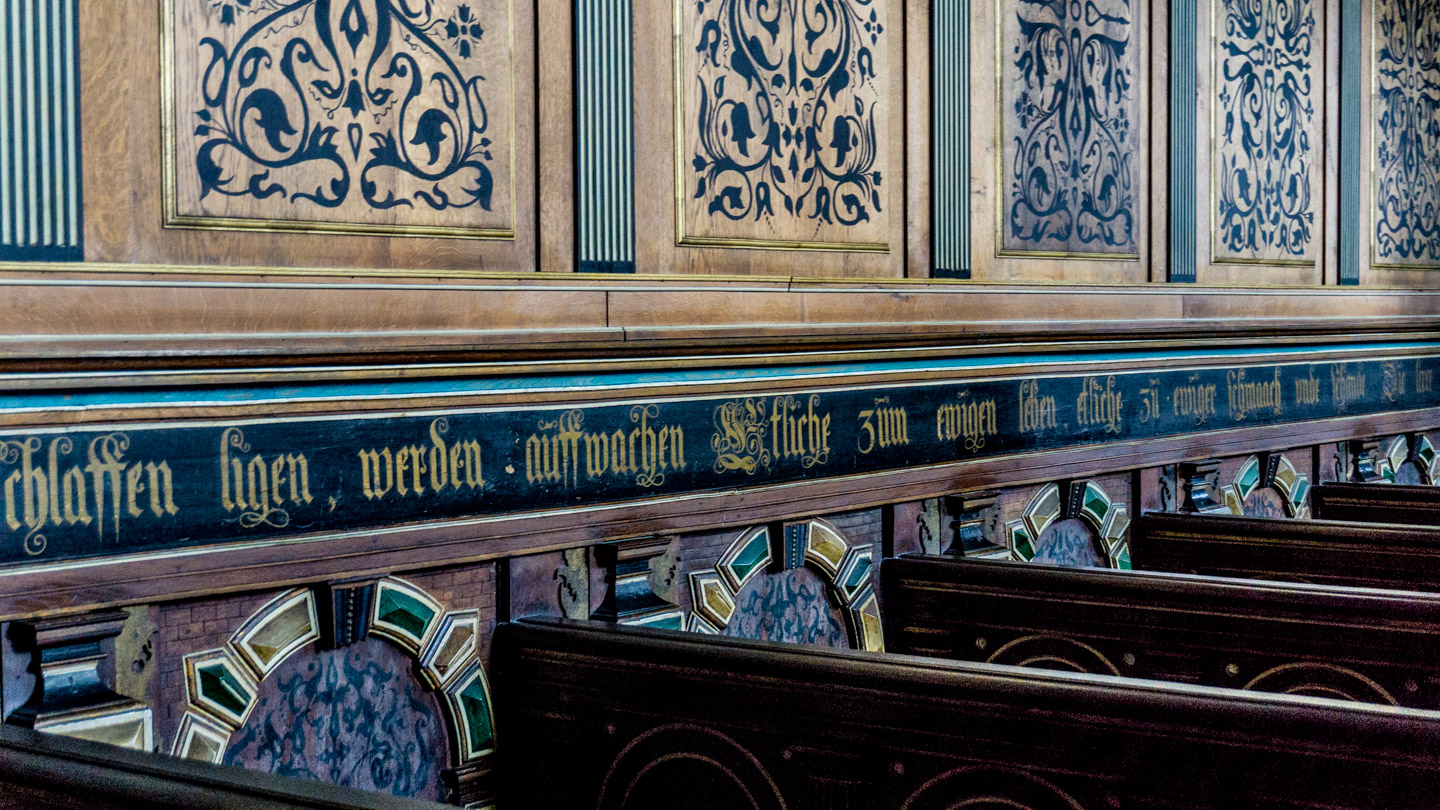
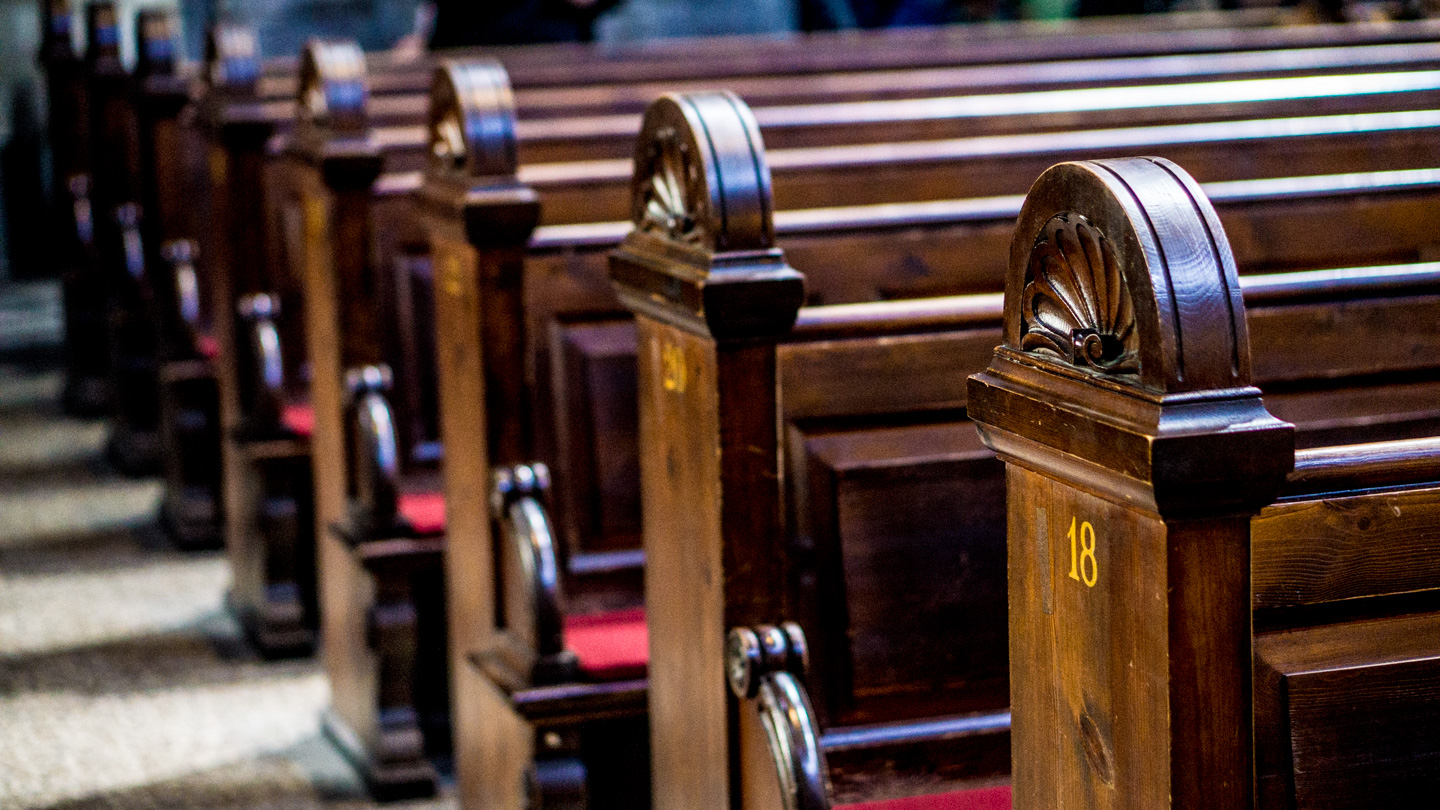
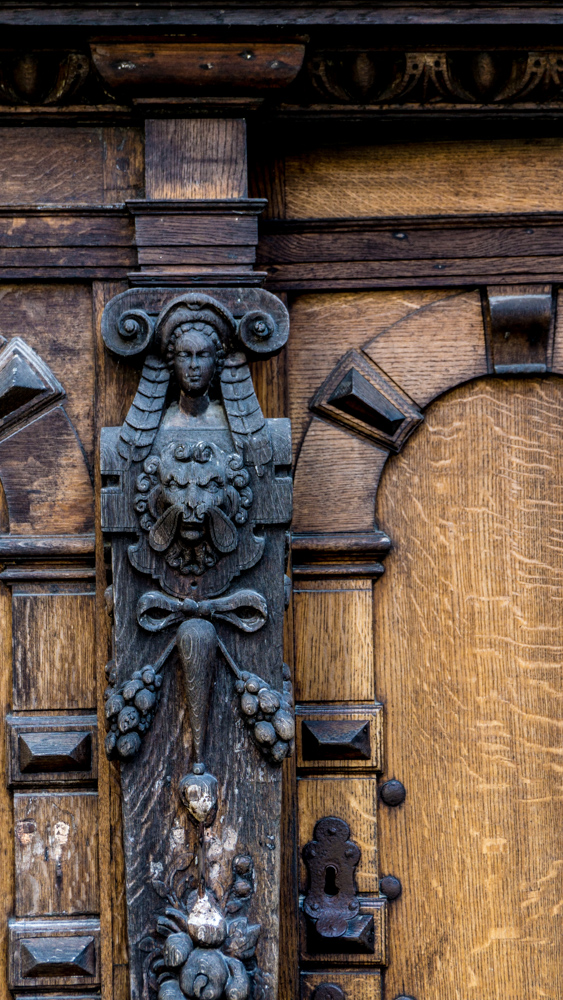 The chapel features the original pews dating back to King Frederik II.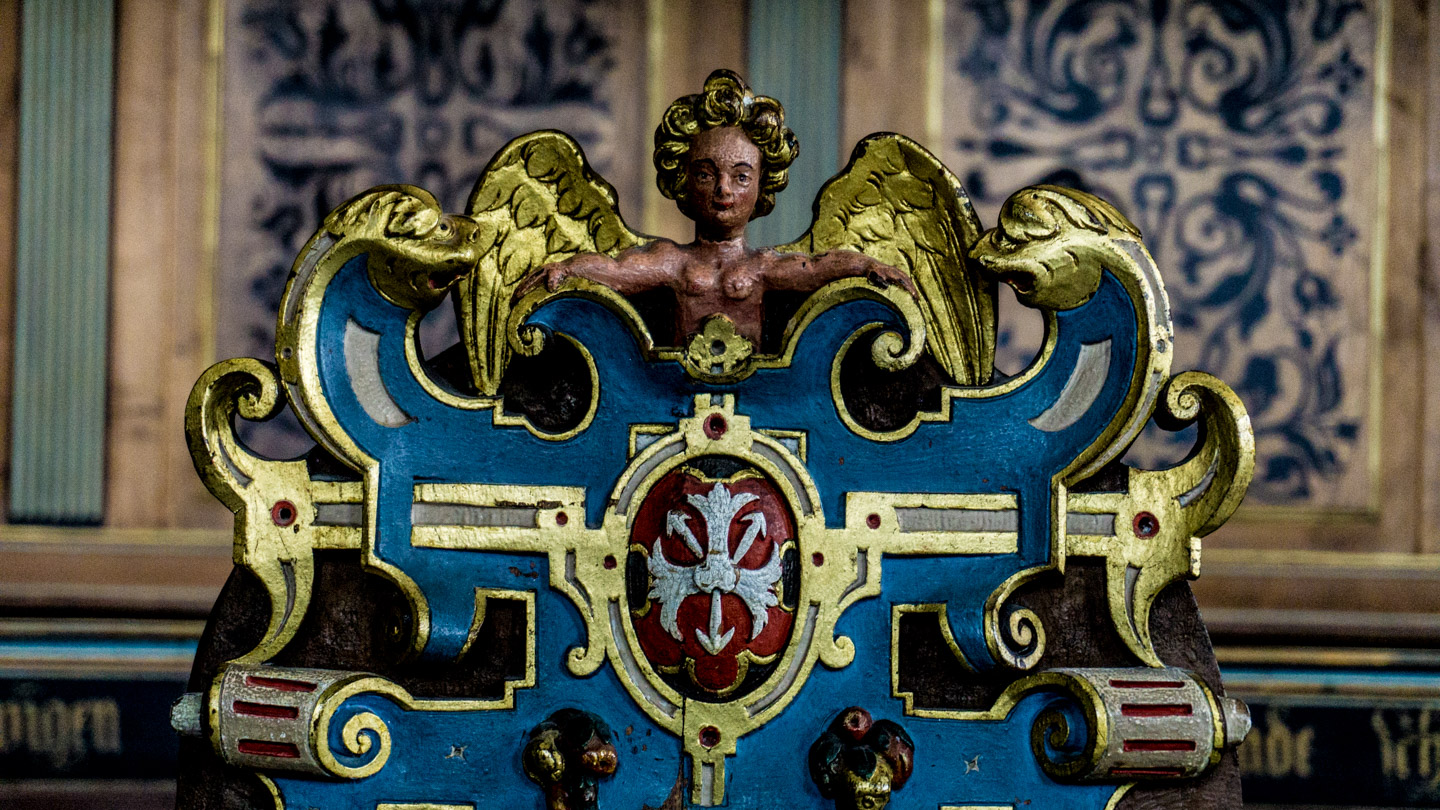
 The casements deep beneath the castle are a unique experience. Dimly lit and at times a bit treacherous, the casements are fun to explore but watch your step.
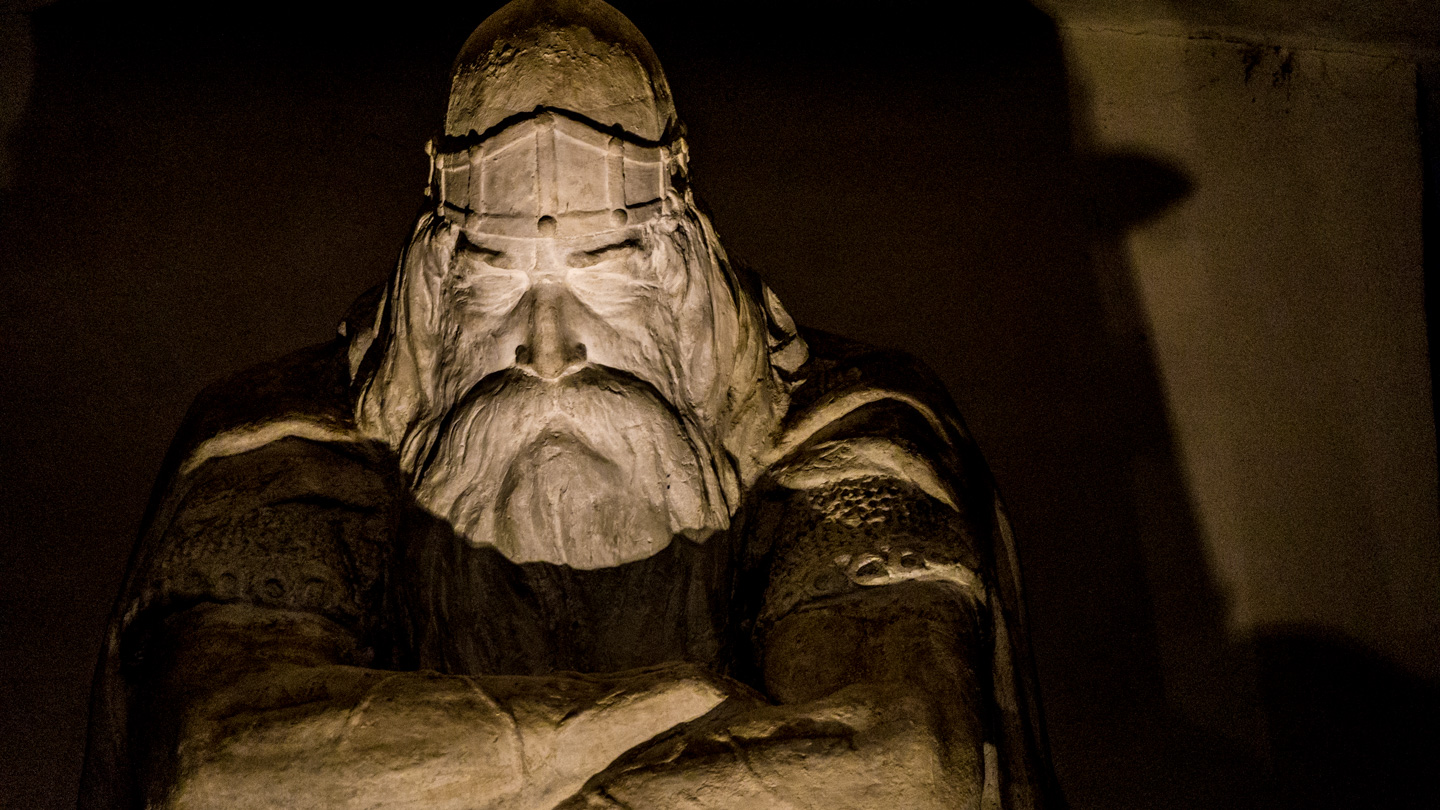
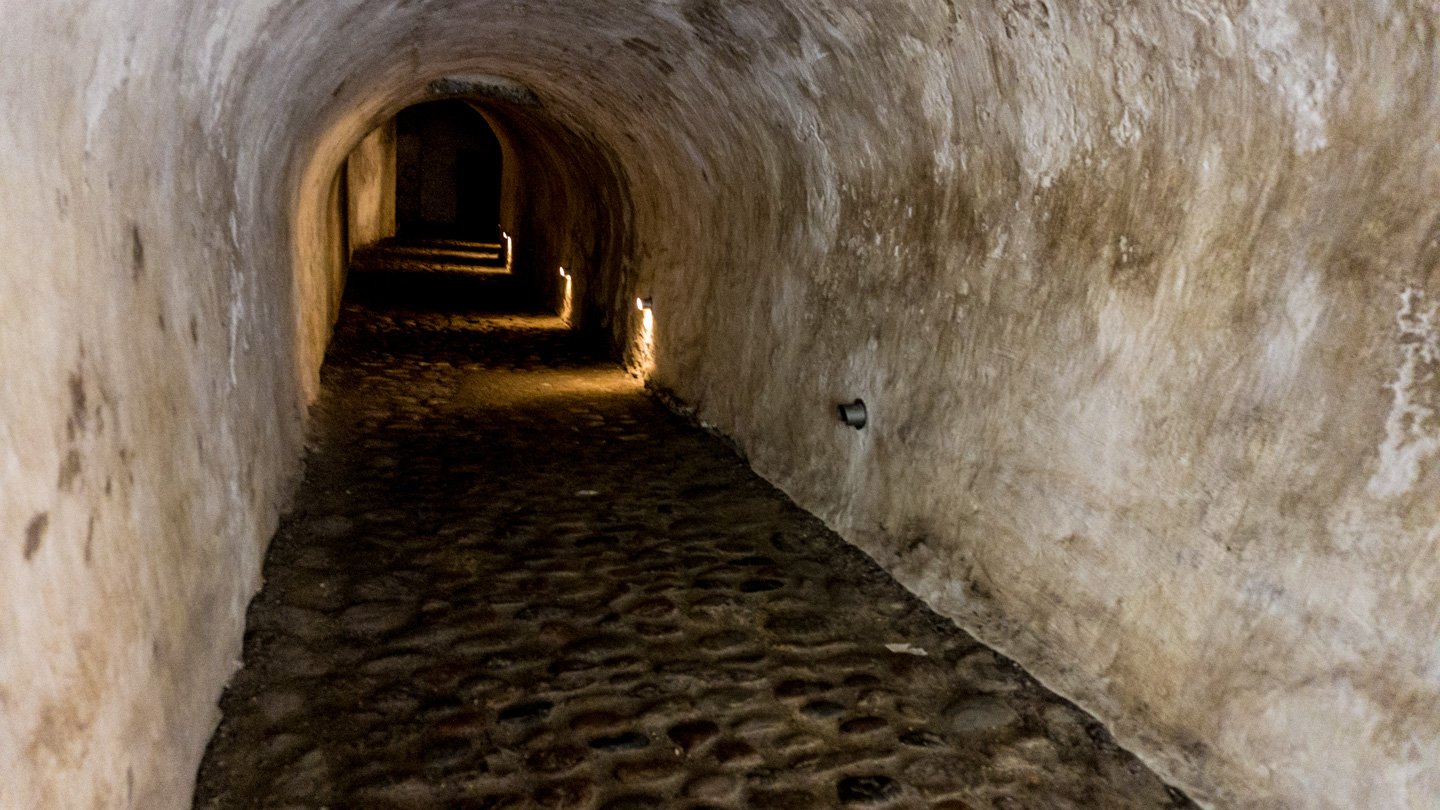 This subterranean labyrinth is where you can meet Holger. According to the myth of King Arthur, a Danish king known as Holger the Dane, was kidnapped by the sorceress, Morgan le Fay and taken to Avalon. He escaped to rescue France from danger and then traveled to Kronborg castle. Today he sleeps until he is needed to save his homeland.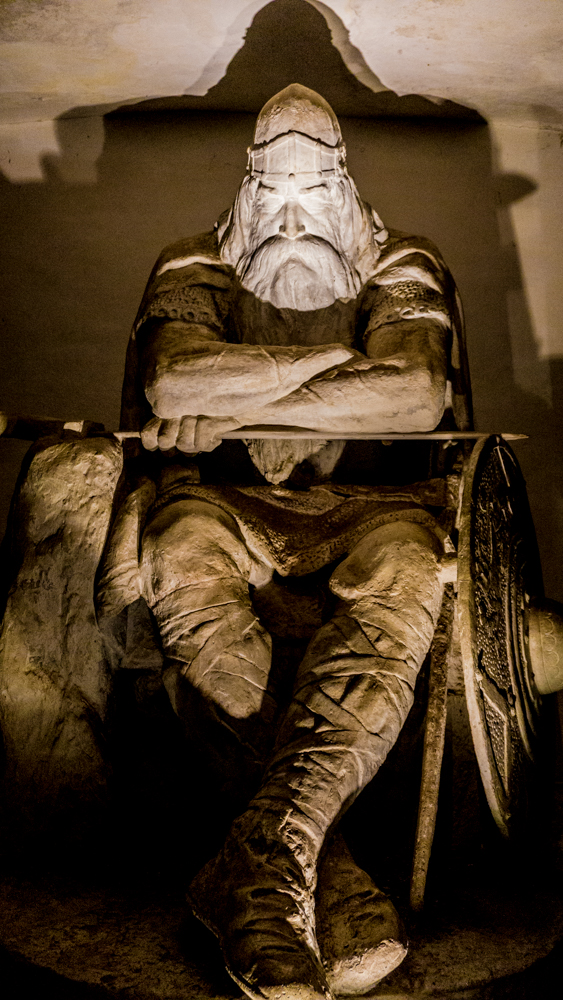
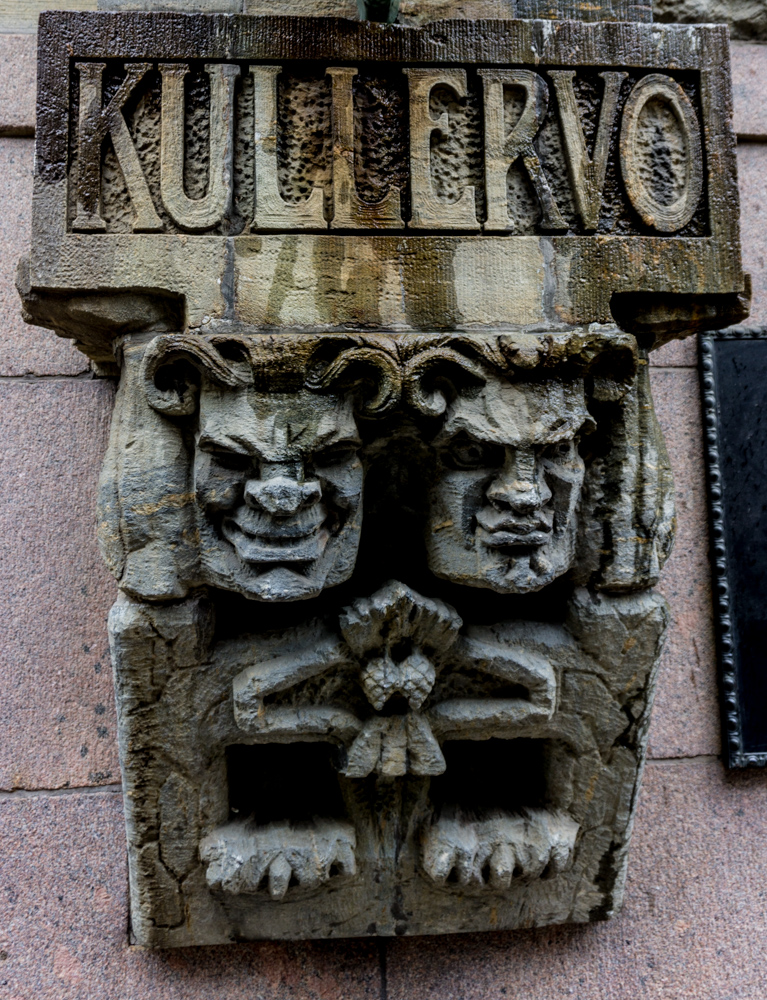 Kullervo is an orphan boy in search of a real family. In his journey he finds his real family, who he thought were slaughtered, but accidentally sleeps with his sister. When he finds out her identity he kills himself on his own sword. Not quite a happy ending.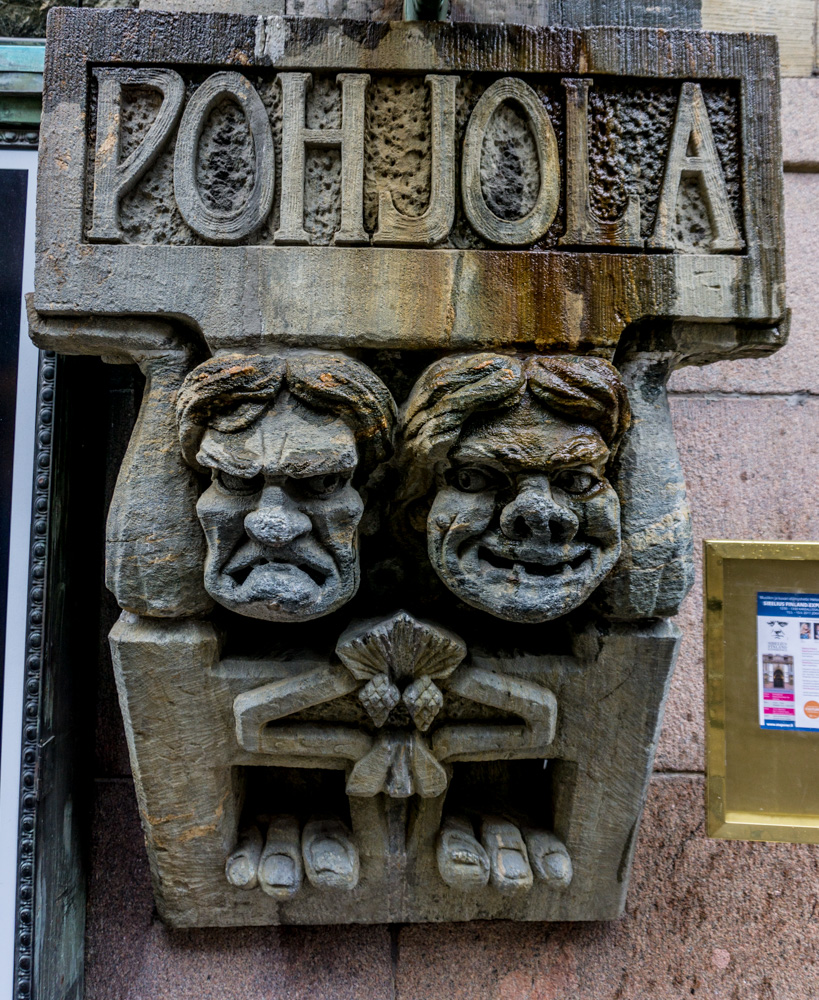
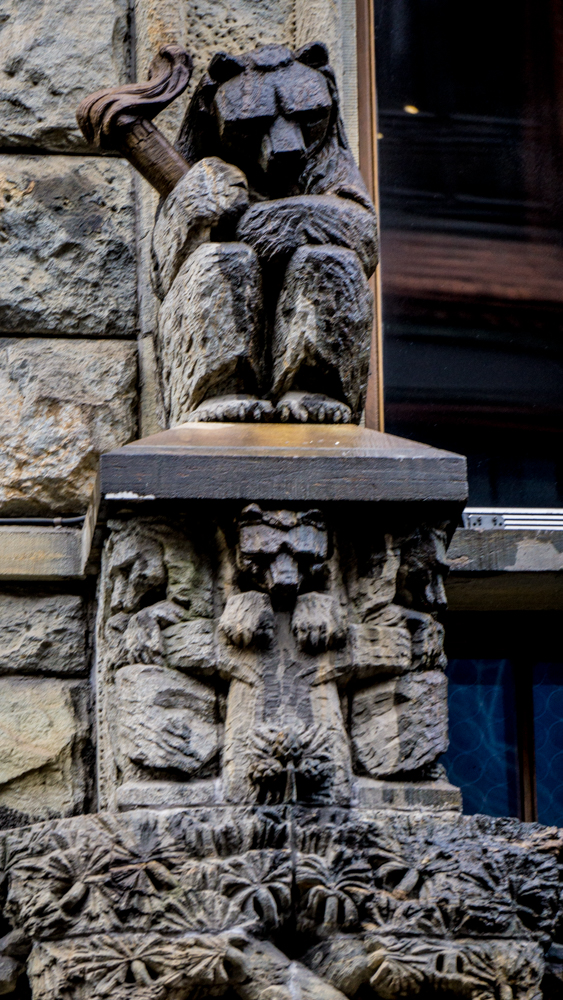
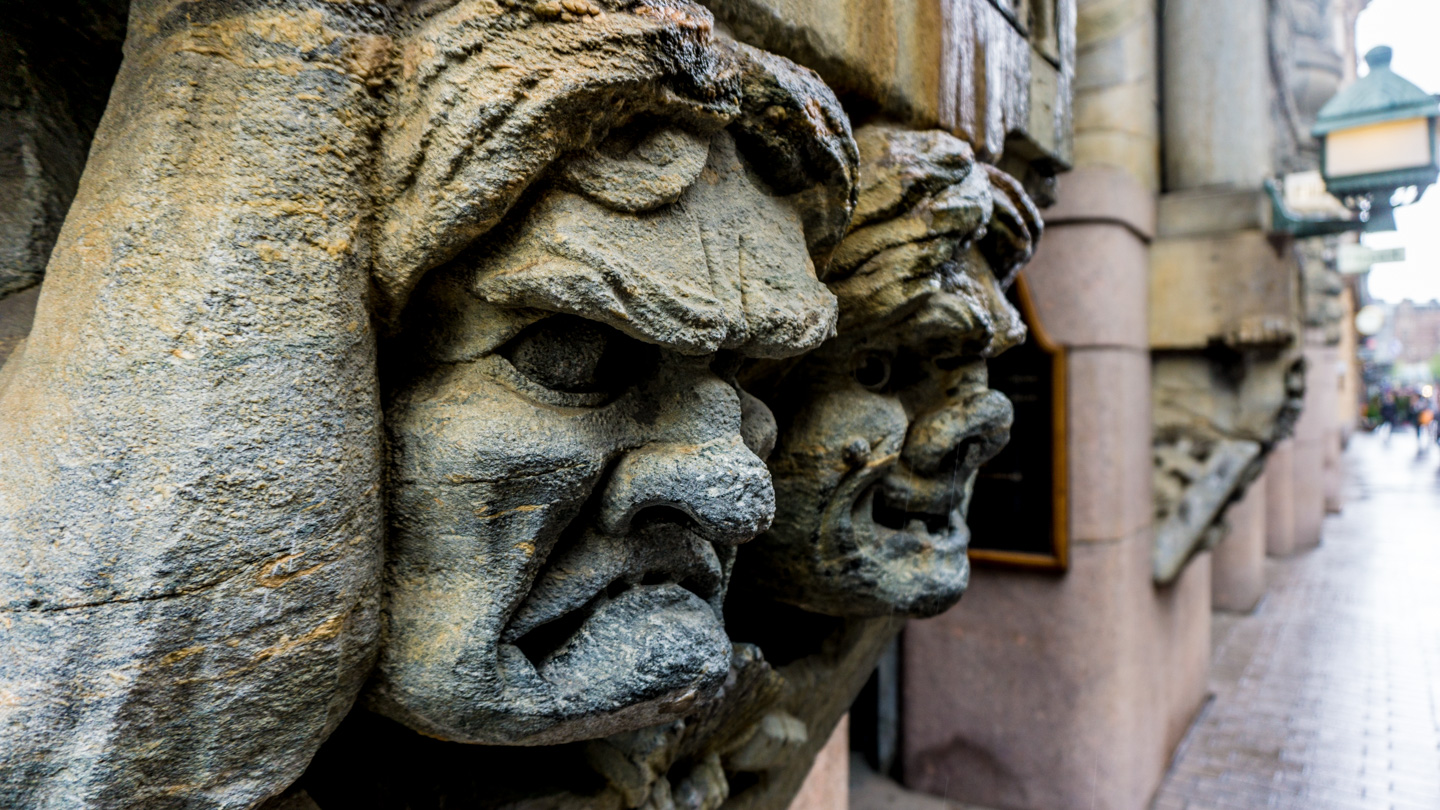
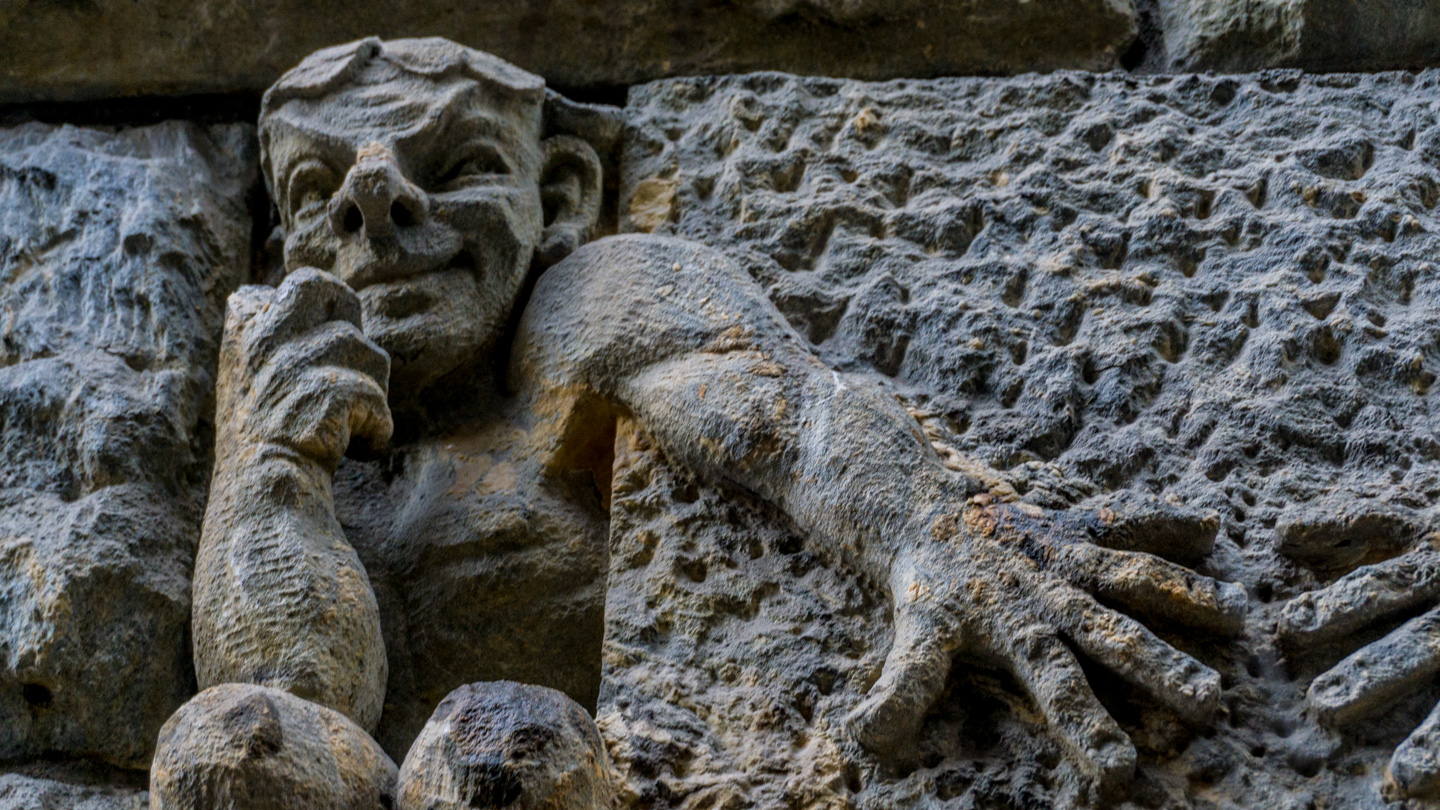 Pohjola is where many believe that the roots of the world tree are. This could account for all of the trees and squirrels across the building’s front. More broadly the word refers to any northerly direction. Given its mythological namesake, it’s no surprise that the Pohjola Insurance company agreed to decorate their building with statues of monsters, fools and animals.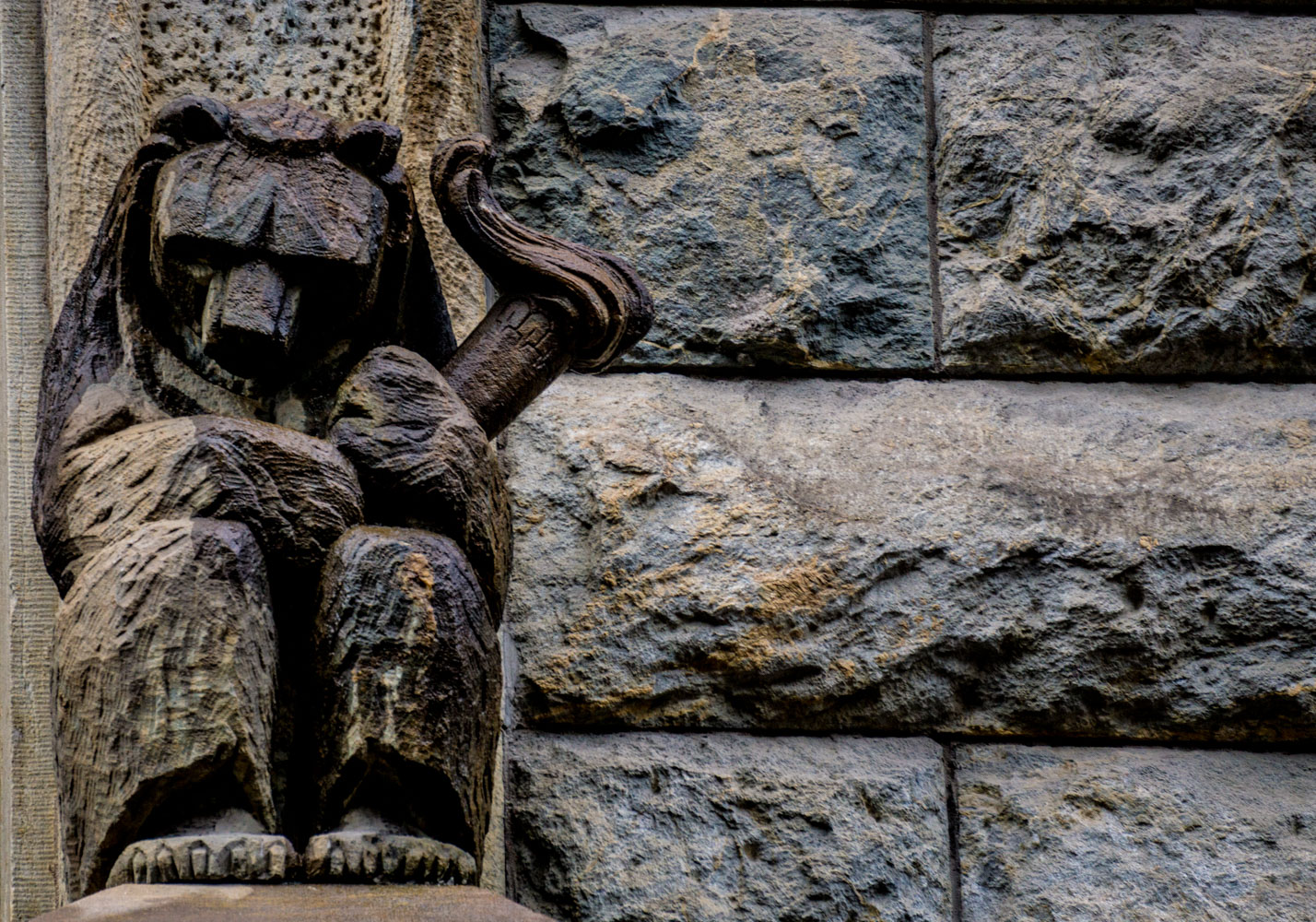
 Toompea, the upper town is where you can visit Alexander Nevsky Cathedral. During the period when Tallin was under the control of the USSR, the cathedral was much hated by the people. They saw it as a symbol of oppression and in 1924 the authorities scehduled the cathedral for demolition. Unfortunately a lack of funds caused the project to be abandoned.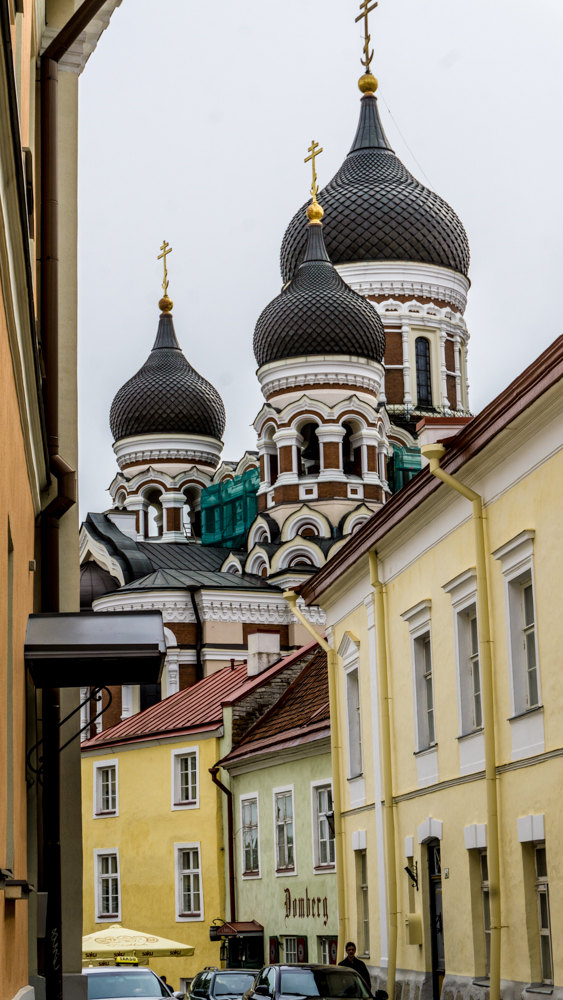
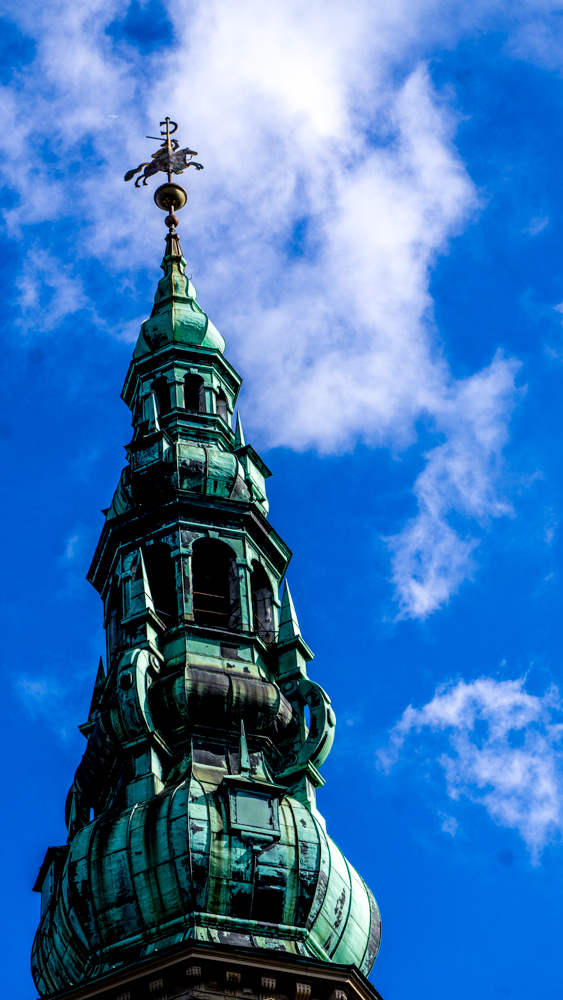
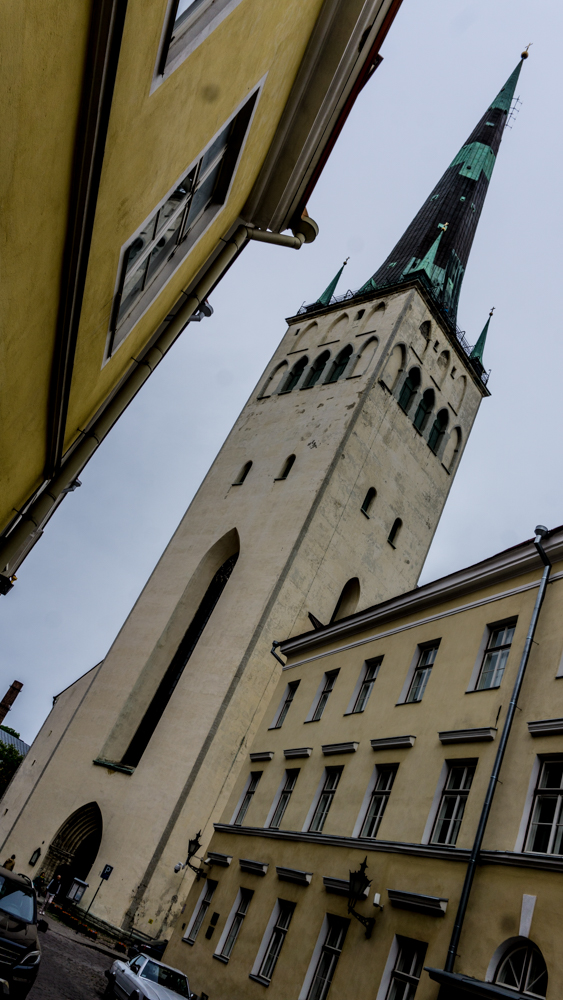
 Between 1549 and 1625, St. Olaf’s Church may have been the tallest building in the world. Up until 1991, the KGB used the church’s spire as a radio tower and surveillance point.
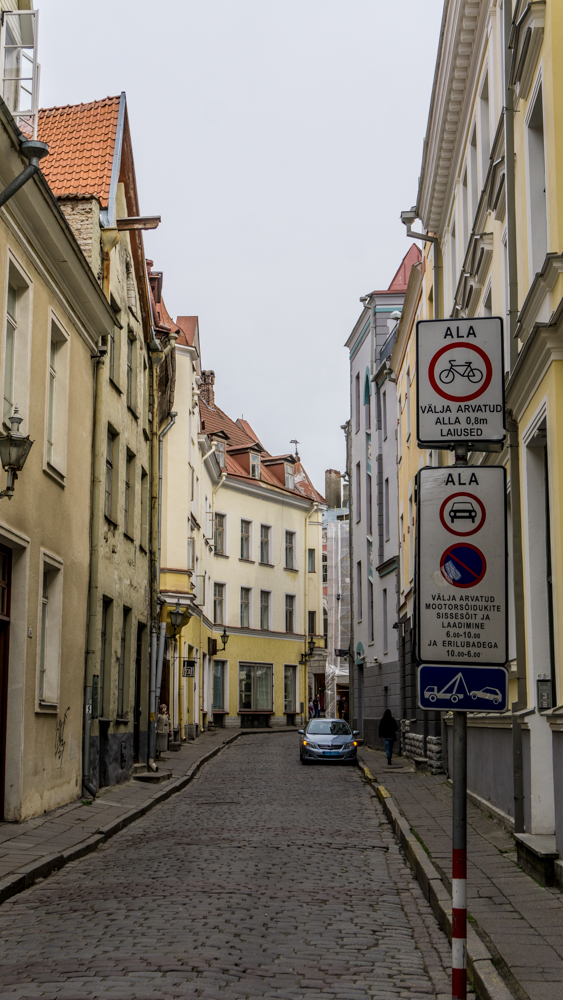
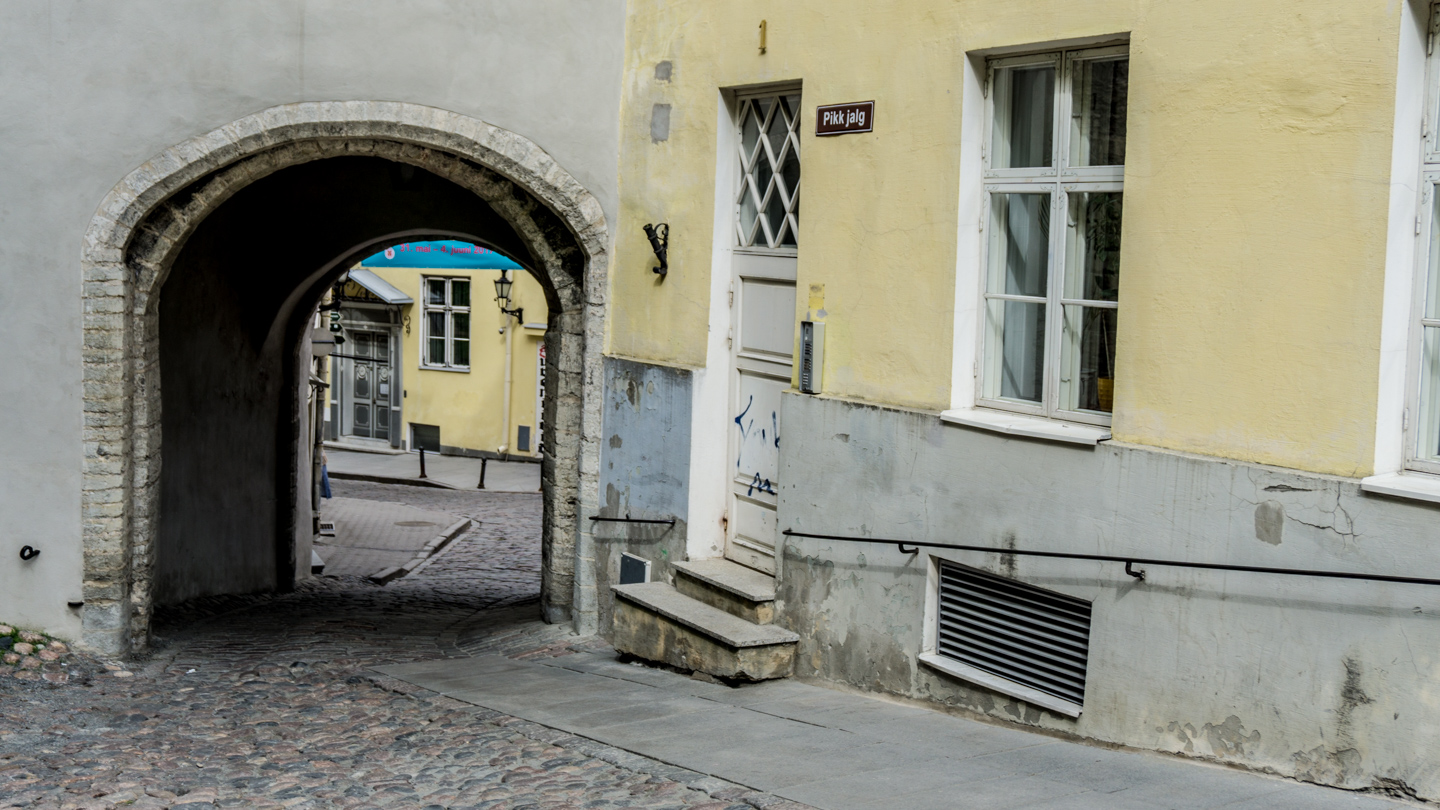
 Colorful buildings and twisting cobblestone streets are made to wander through.
  Local artists set up their masterpieces along the old city walls.
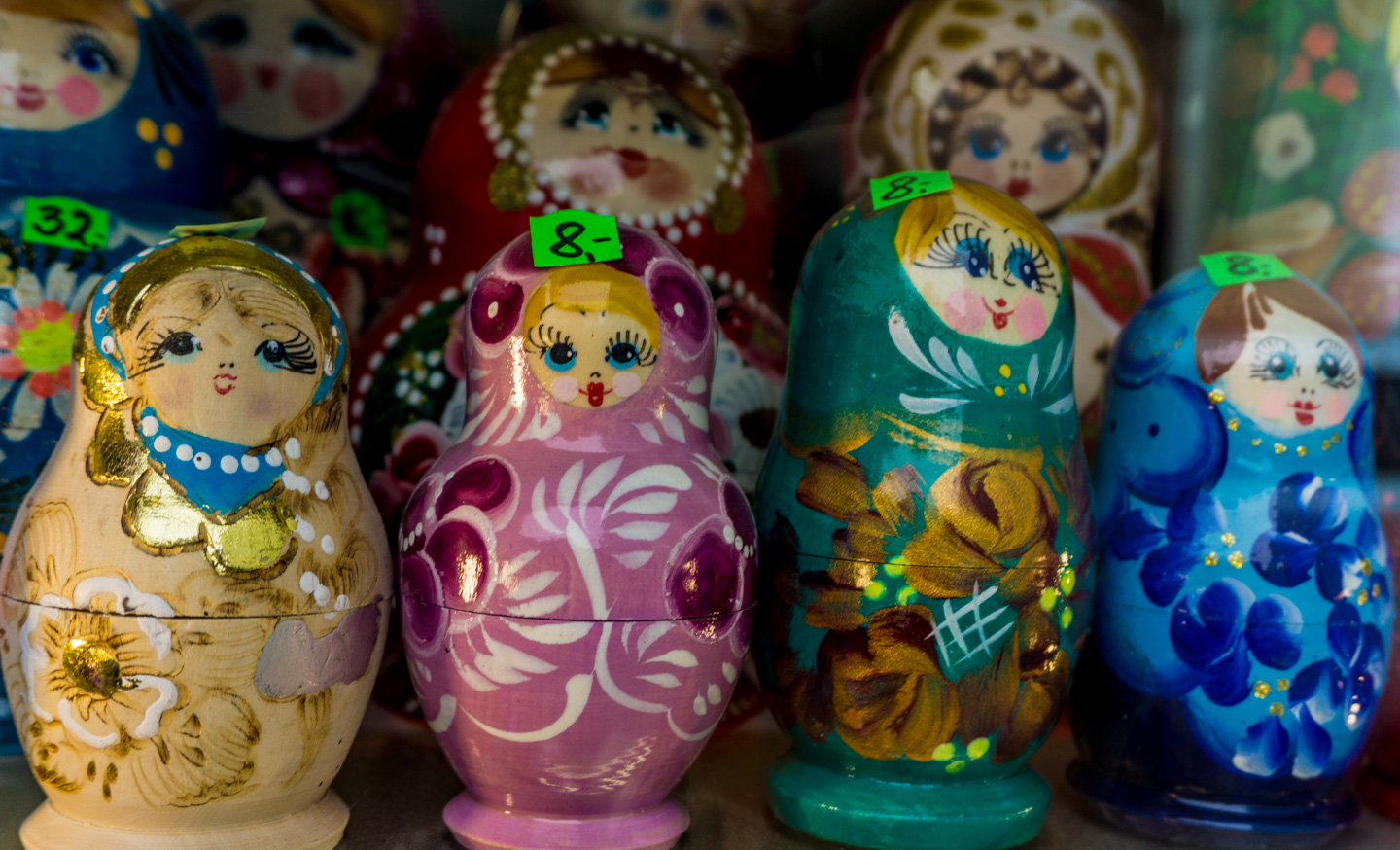
 Russian nesting dolls known as matryoshka are available for sale in many shops.
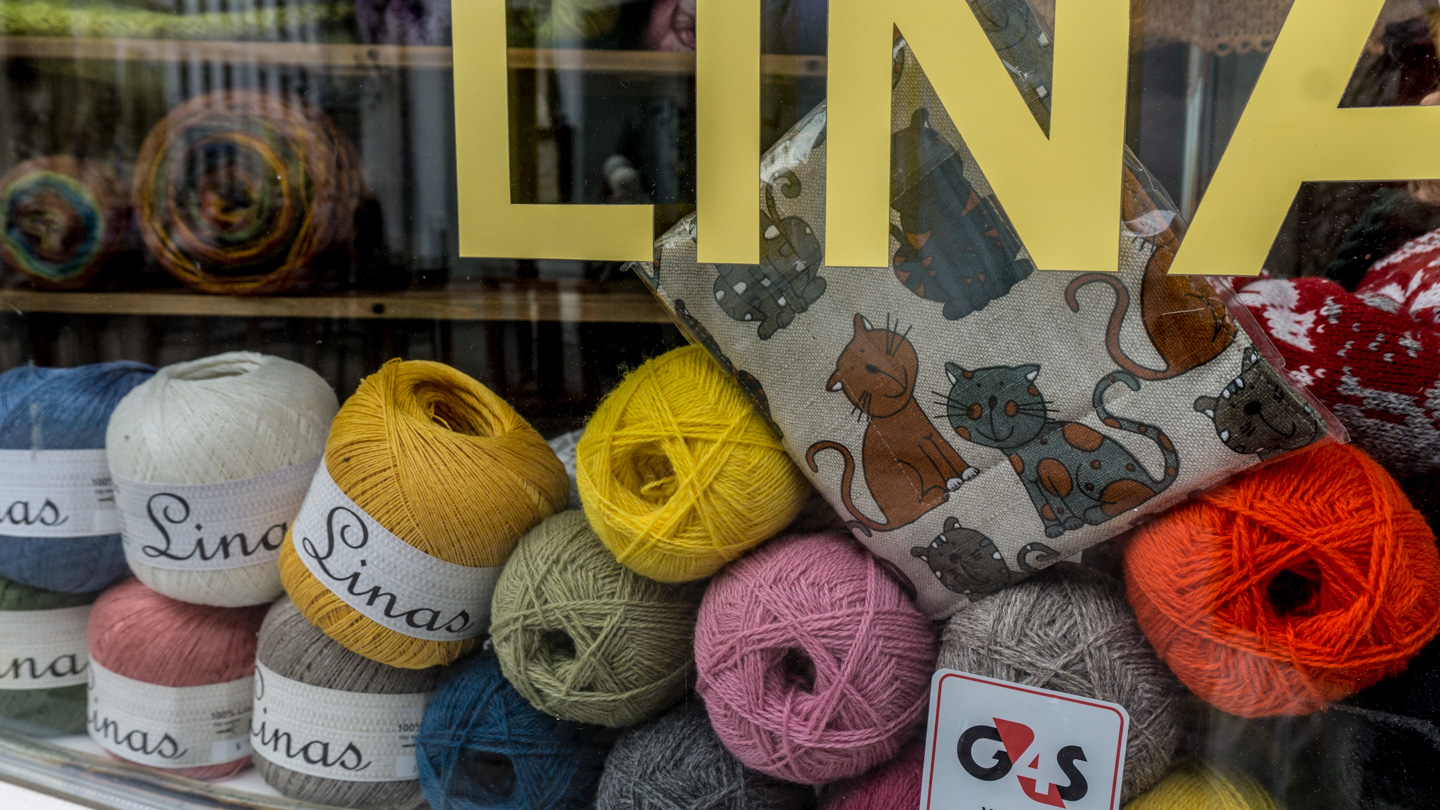
  Knitting played an important part in Estonia’s history, so much so that it wasn’t uncommon for hundreds of mittens to be knitted as gifts for wedding guests.
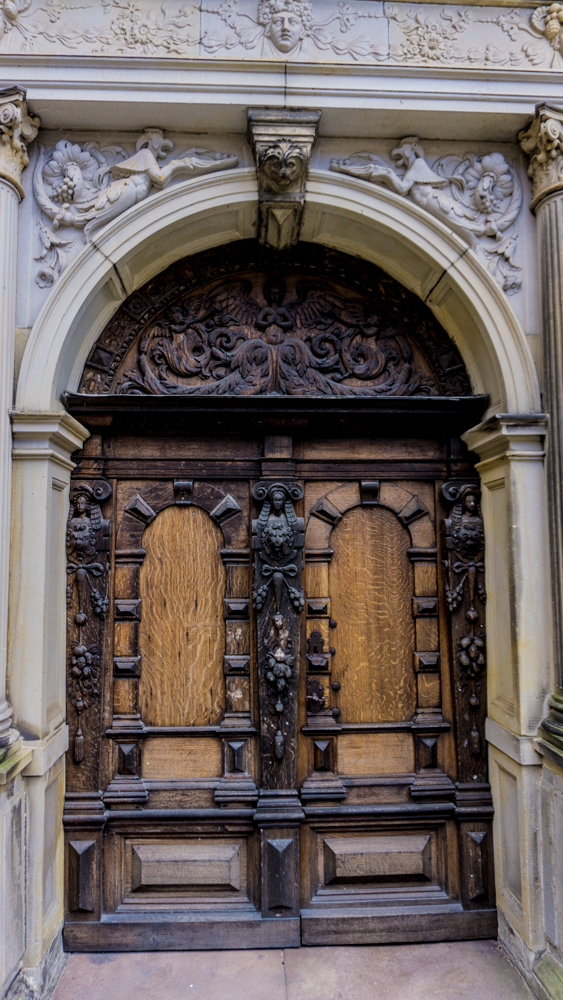
 There is something magical about the brightly decorated doors along Tallin’s city streets. Bright colors, metal and wooden embellishments turn each into it’s own work of art.


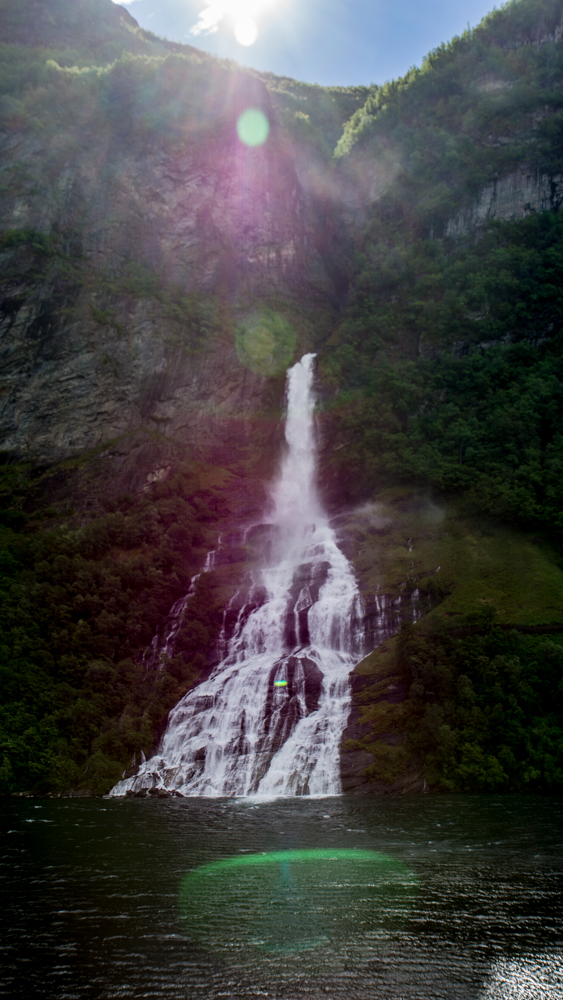
 Geirangerfjord is home to several well-known waterfalls. ‘De Syv Søstre’ (the seven sisters) dance playfully down the mountain while the ‘Friaren’ (the suitor) is said to be wooing the Seven Sisters across the way.
  Fairytales explain that the shape of the mountains is due to trolls. When the creatures are hit by sunlight, it’s said that they turn to stone. Could that be a face staring at us on the mountainside?
  The tallest of the Seven Sisters tops out at an impressive 820 feet. Be sure to visit later in the Spring when the winter snow and ice are melting to get the best views.



 In medieval times the church was quite different than it is today. Around the church interior were different altars dedicated to different saints. Daily masses were held around these altars. The St. Swithun relic, an arm bone from an English bishop could be found in the choir. The cathedral also had several relics during this time, these included a cloth with Jesus’ blood, a piece of Jesus’ cross and other relics connected to different saints.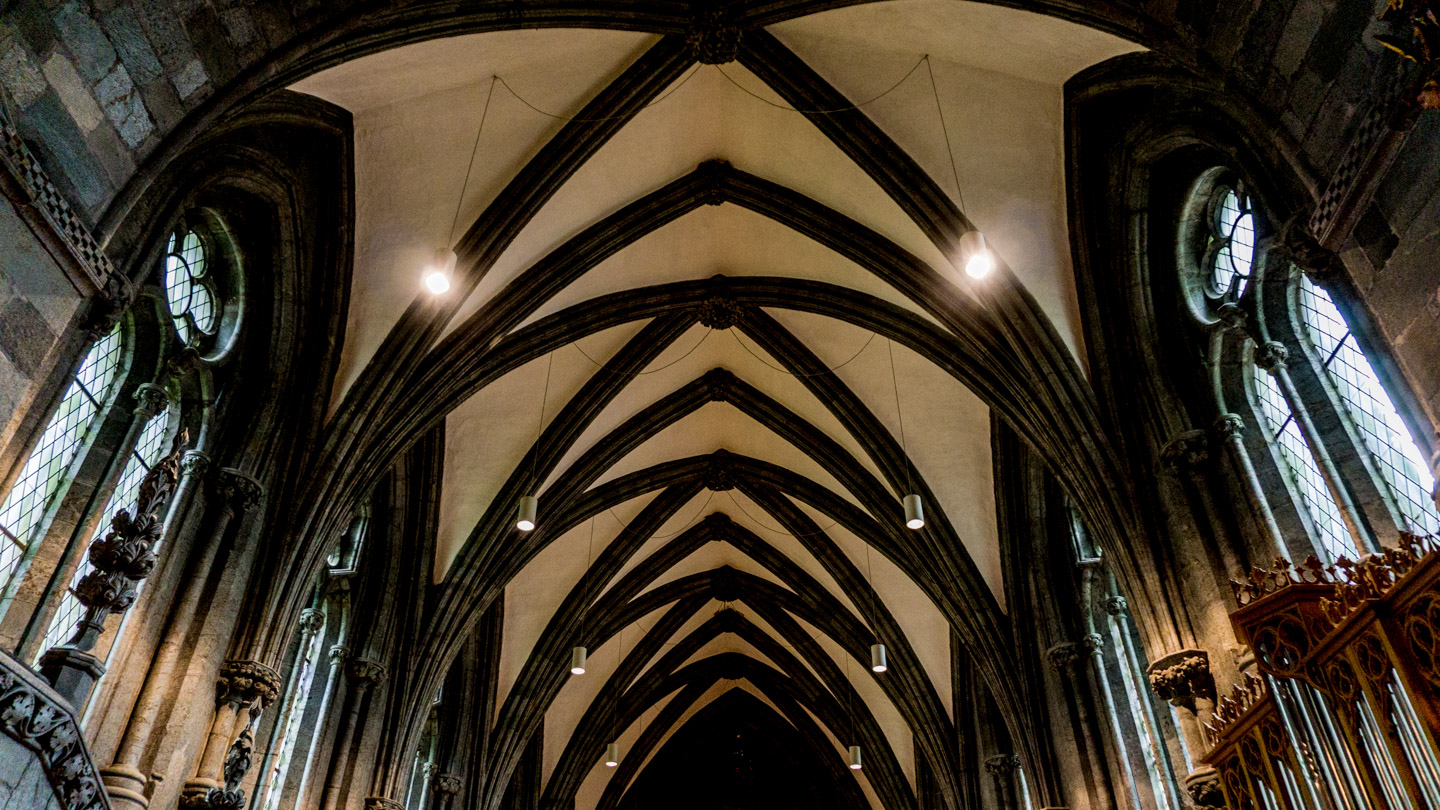
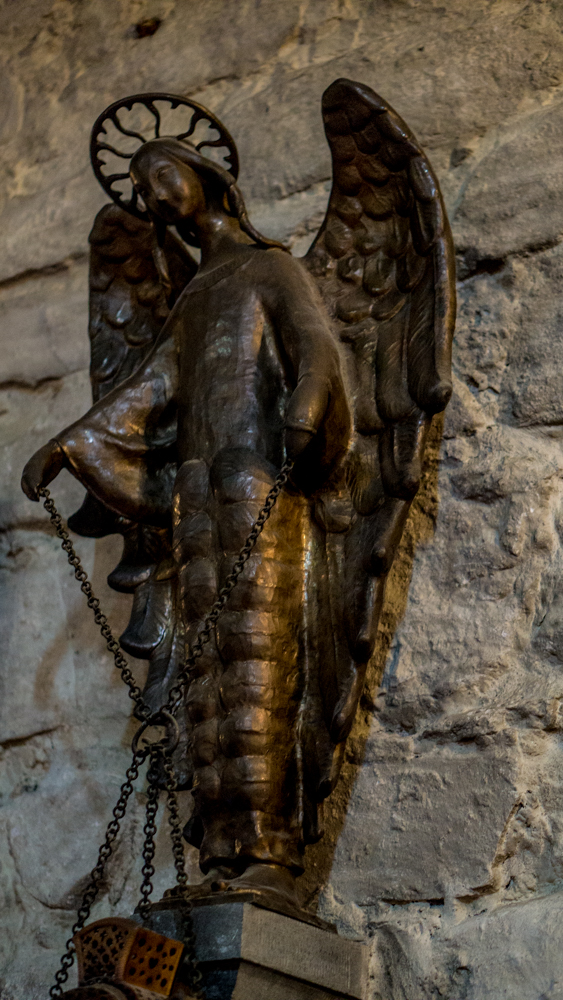
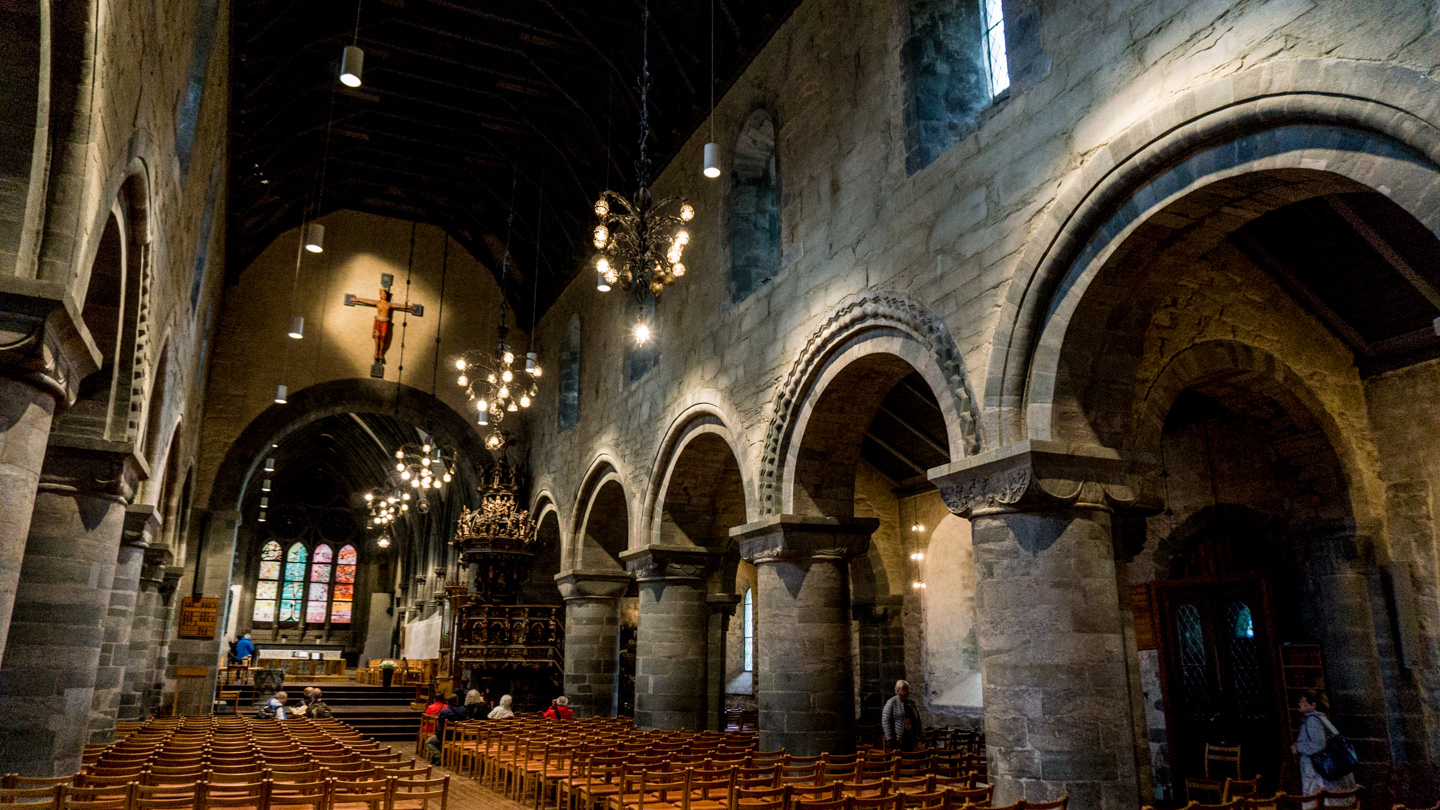 New lighting for the cathedral was installed in the 1920’s. Emanuel Vigeland designed six chandeliers in the nave and eight lamps on the side walls. The lamps were designed with an angel figurine that holds a hanging lamp.
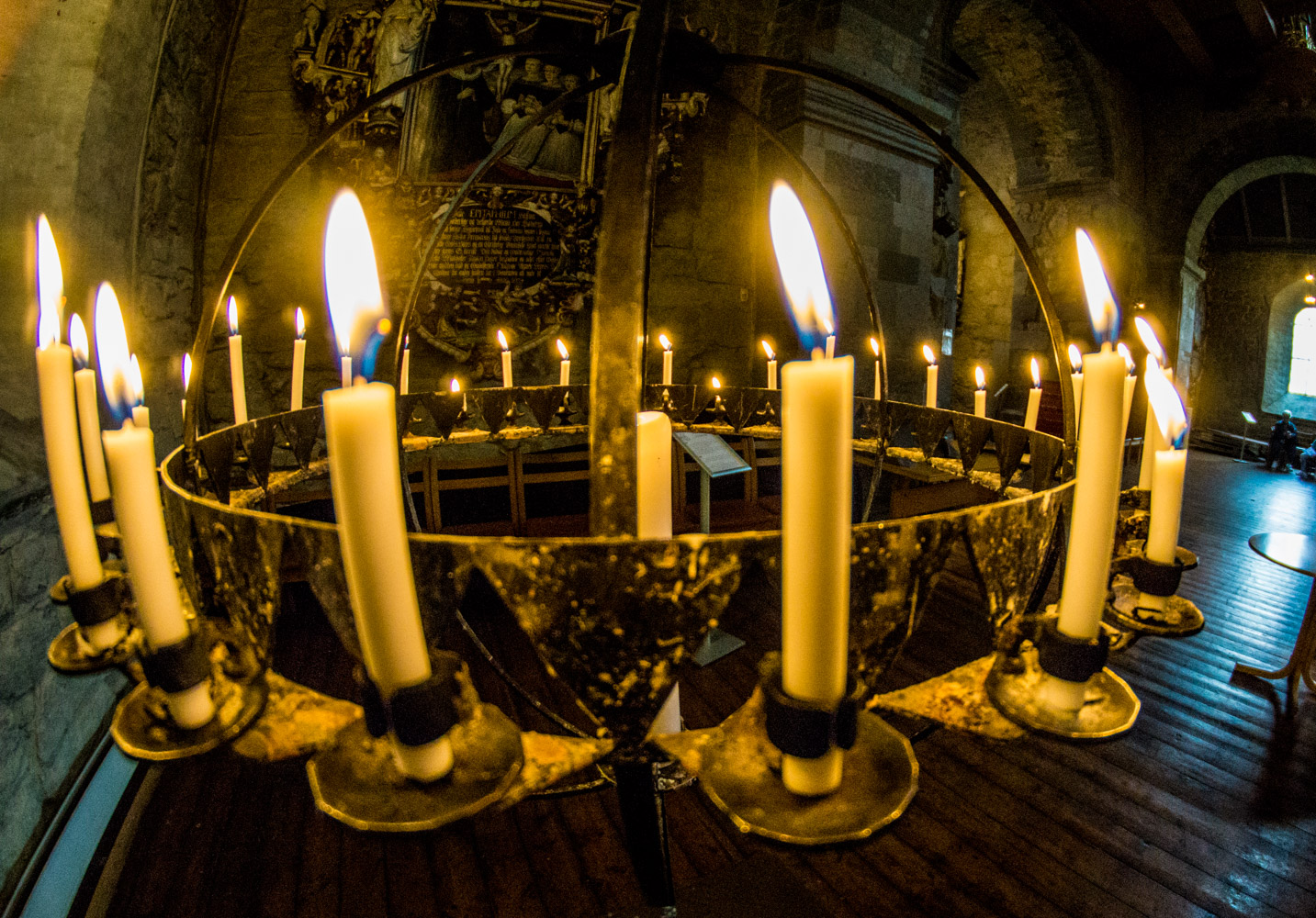
 The chandeliers look like thorn bushes and vines.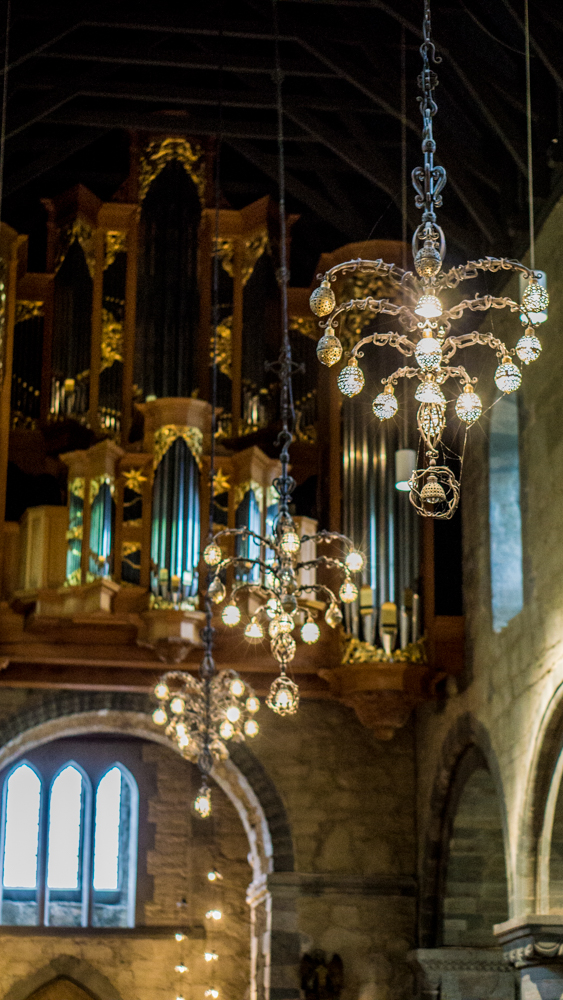
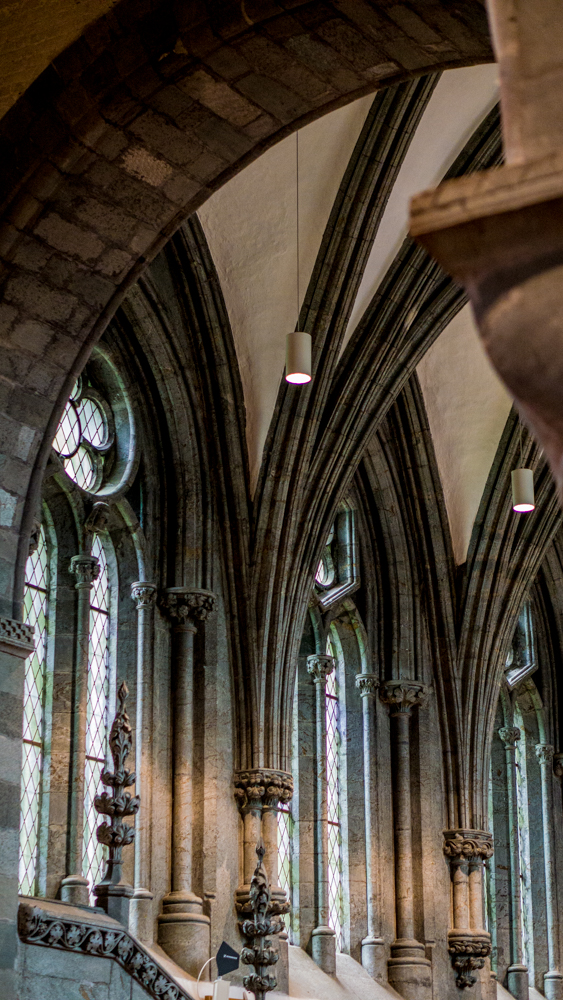
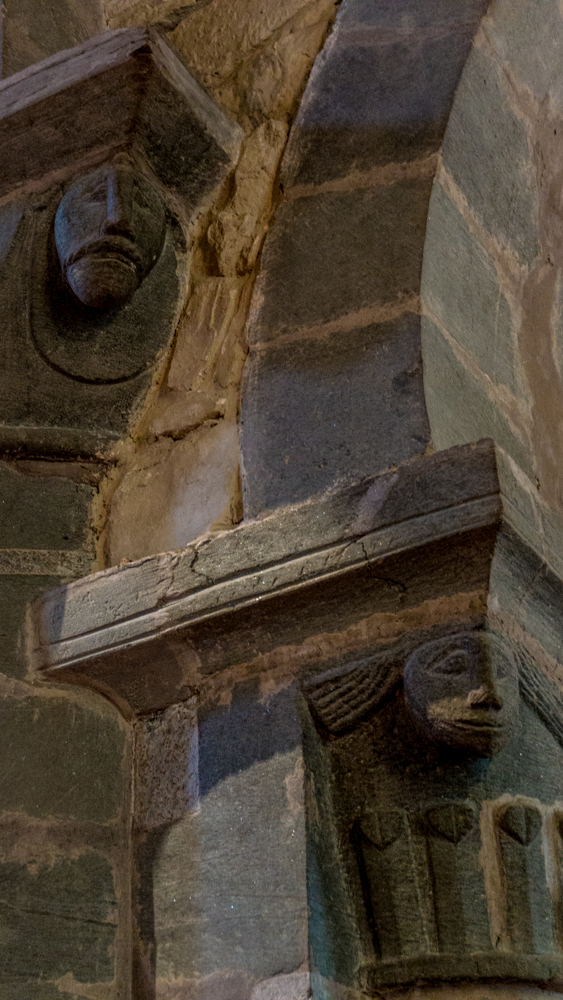
 Faces in the Medieval portion of the church reflect the Norse heritage of the craftsmen.
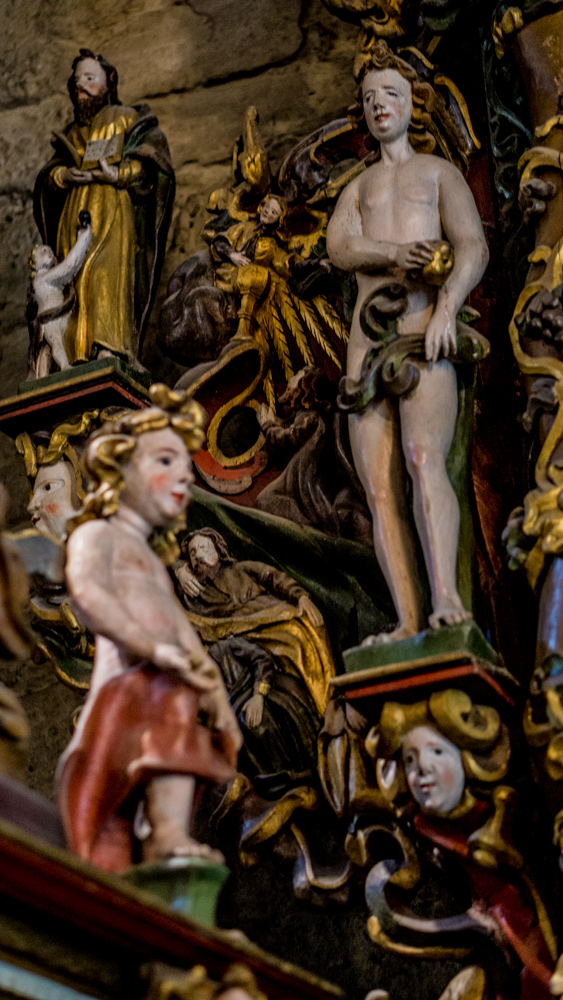
 The ornate pulpit was a gift from the feudal overlord Henrik Below, in 1658, created by Scottish sculptor Andrew (Anders) Smith. As one of the biggest pieces in Norwegian baroque style the pulpit is an example of cartilage baroque. The base of the pulpit is the biblical character of Samson facing down a lion.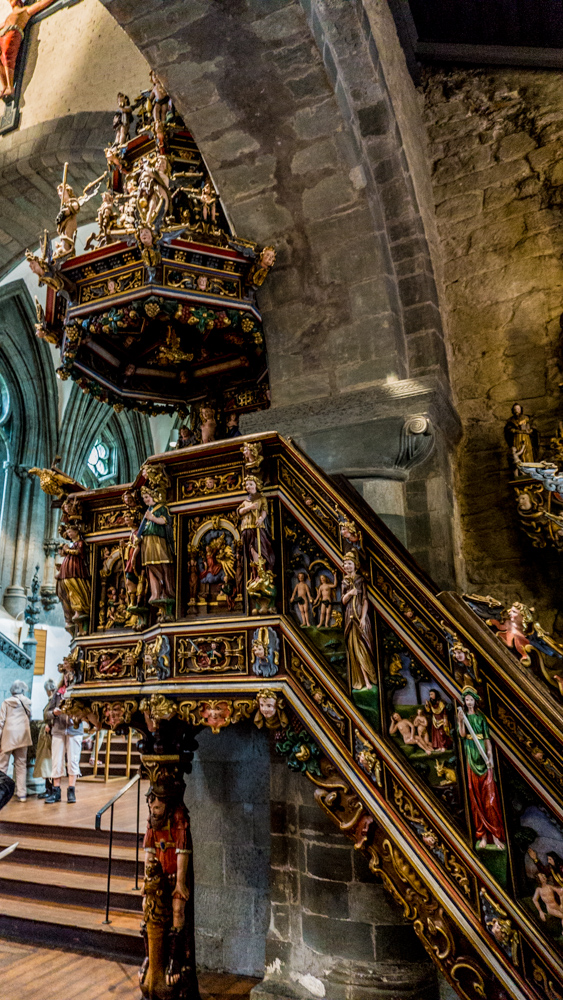
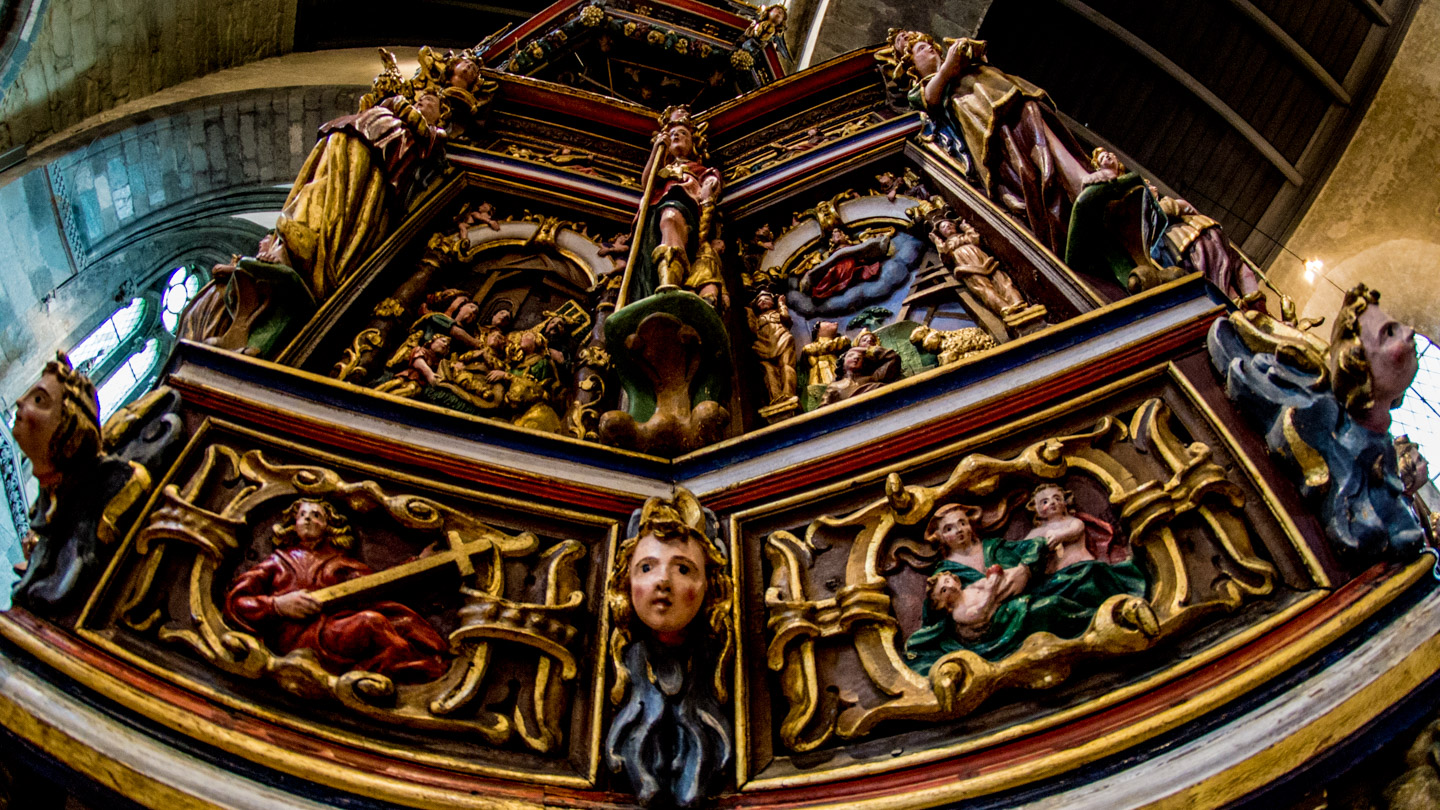 The various carvings display stories of the bible starting with the Garden of Eden towards the bottom and ending with a triumphant Jesus at the top.Since many people at the time couldn’t read, the carvings were used to tell the tales.
 Five large and elaborately carved memorial plaques are epitaphs for known men in the community. Their hanging in the cathedral brought honor to their families. Many rich and powerful families wanted to mark their position and make their presence known within the church. These families often received preferred seats in the front rows. This practice was popular in the 1600 and 1700’s.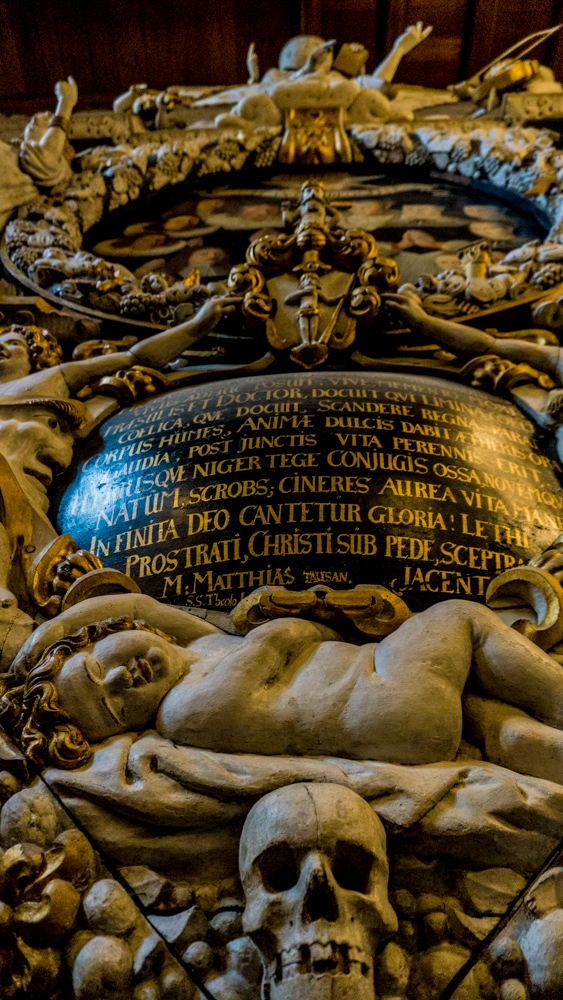
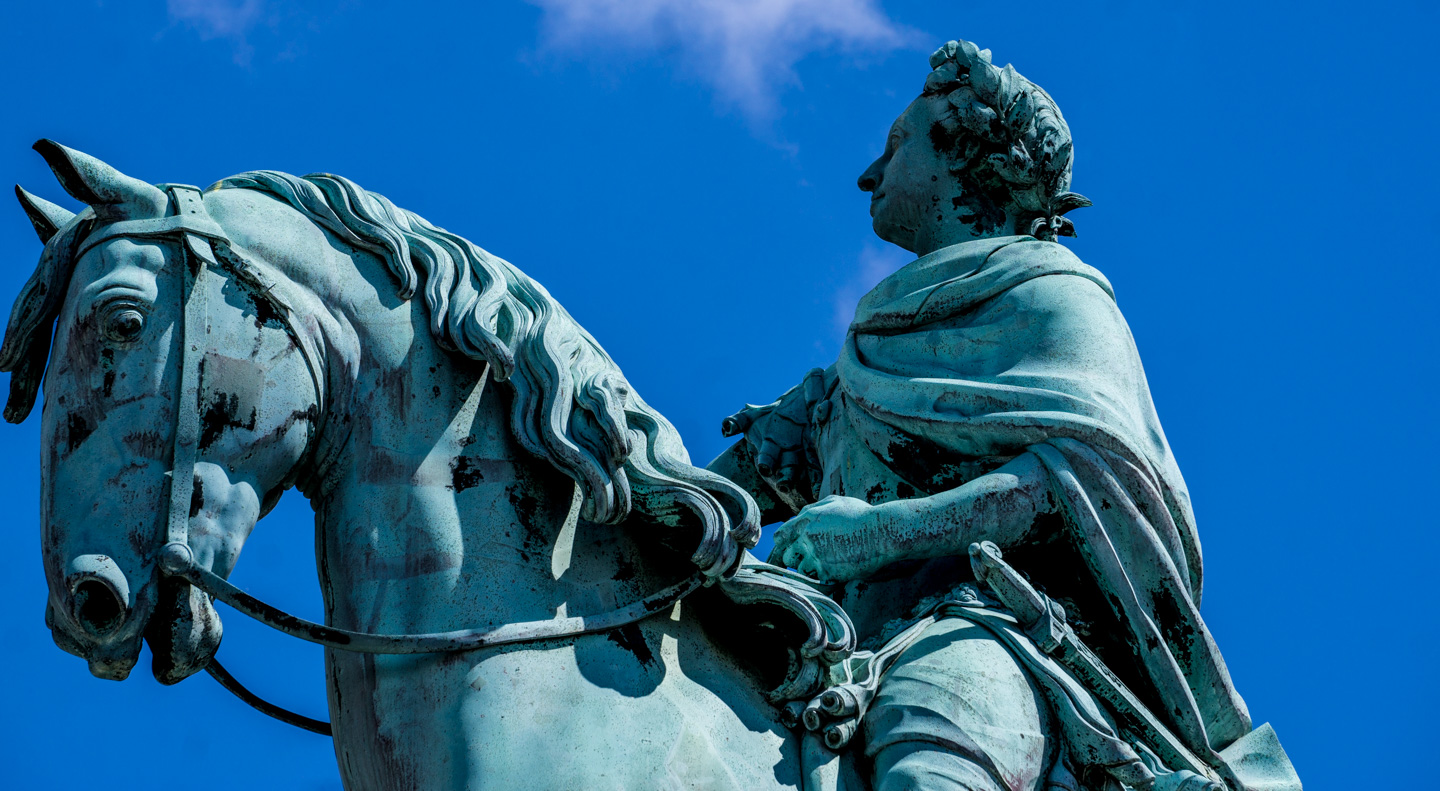 One of the highlights of a visit to Amalienborg Palace is the pageantry of the changing of the guard. Every day Den Kongelige Livgarde take to the streets and march from their barracks by Rosenborg Castle to Amalienborg. At precisely 12 noon the changing of the guard takes place. Unlike the changing of the guards in England, there are no fences separating the guards from the public.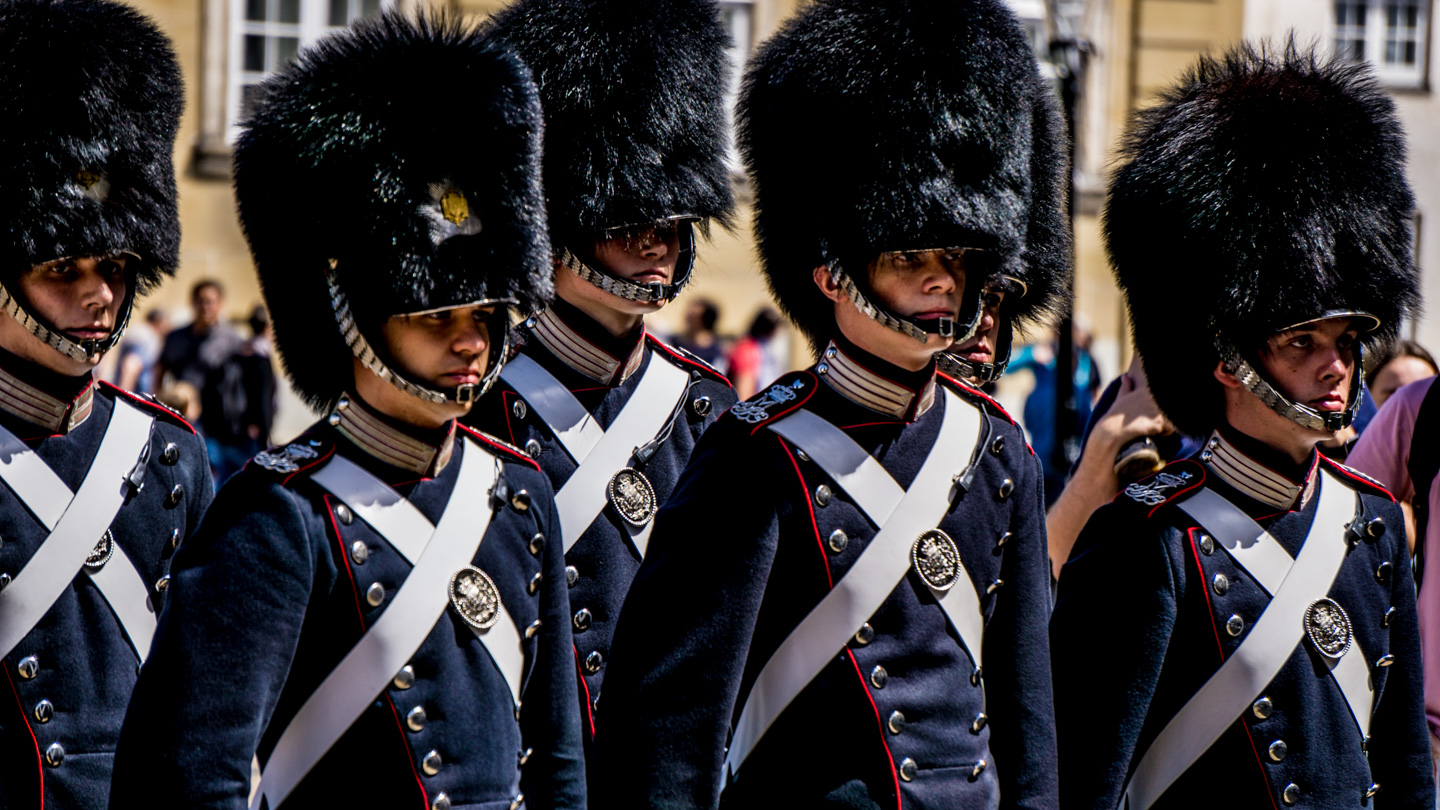
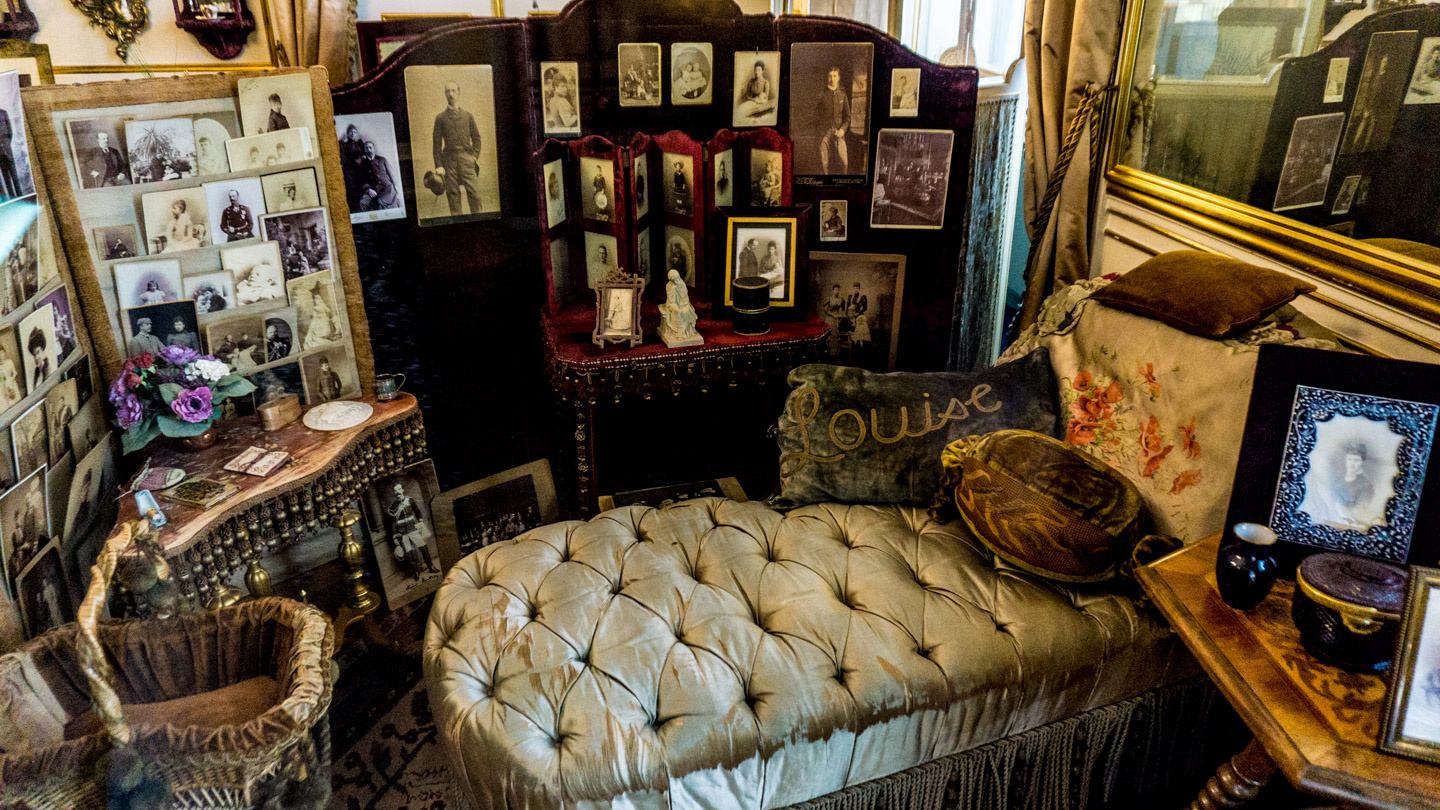
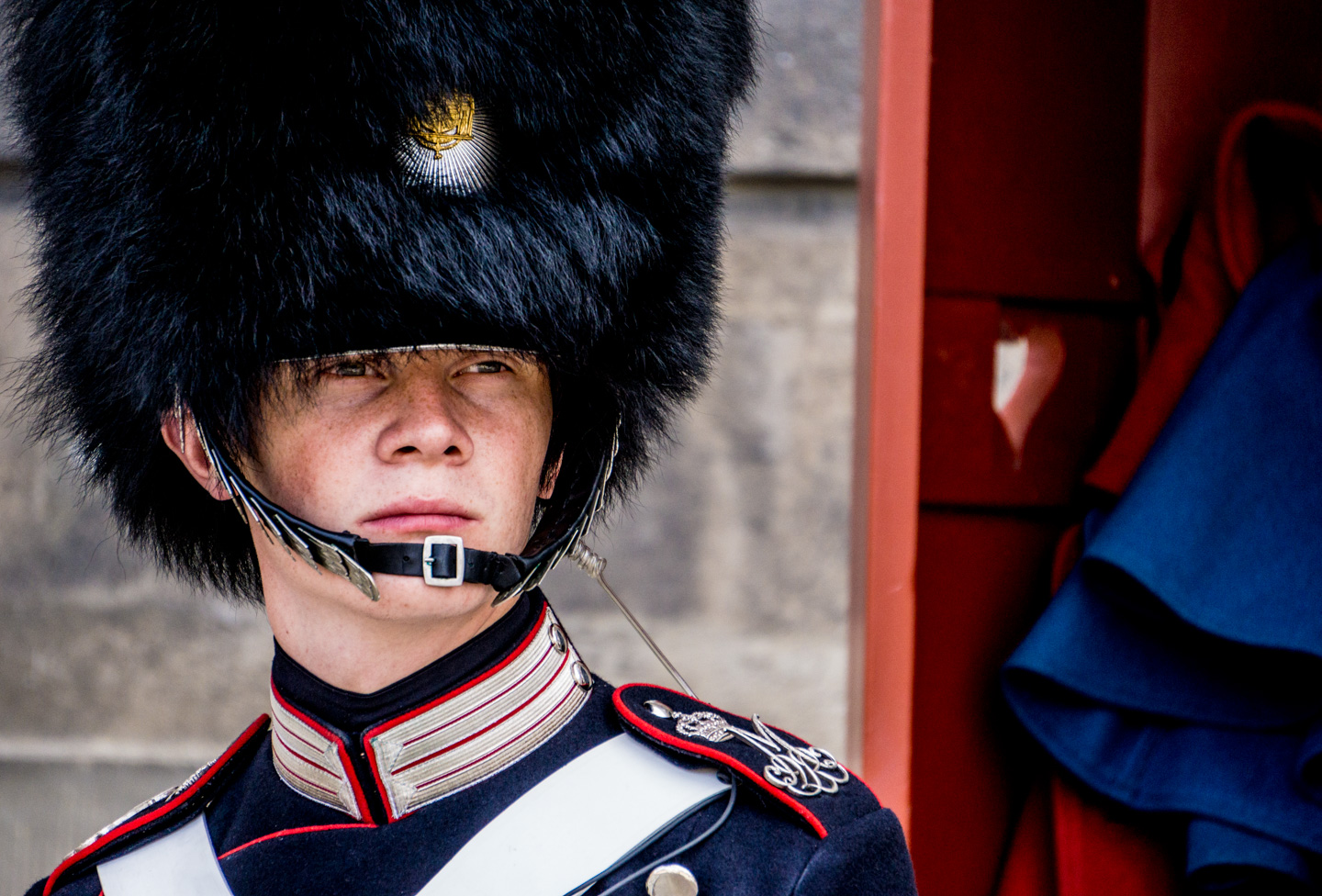 Although you can’t drop in on to visit the Queen, you can visit one of the buildings where 4 kings of the House of Glucksborg who ruled from 1863 through 1972 resided. Among the rooms you can see are the study and drawing room of Christian IX and Queen Louise. Queen Louise was the great-great-grandmother of today’s Queen Margreth and through marriage allowed Prince Christian IX to ascend the throne. Queen Louise made sure that all six of her children married well and Queen Louise and King Christian IX became known as Europe’s Parents-In-Law. Four of their children sat in the thrones of Denmark, Greece, England, and Russia.
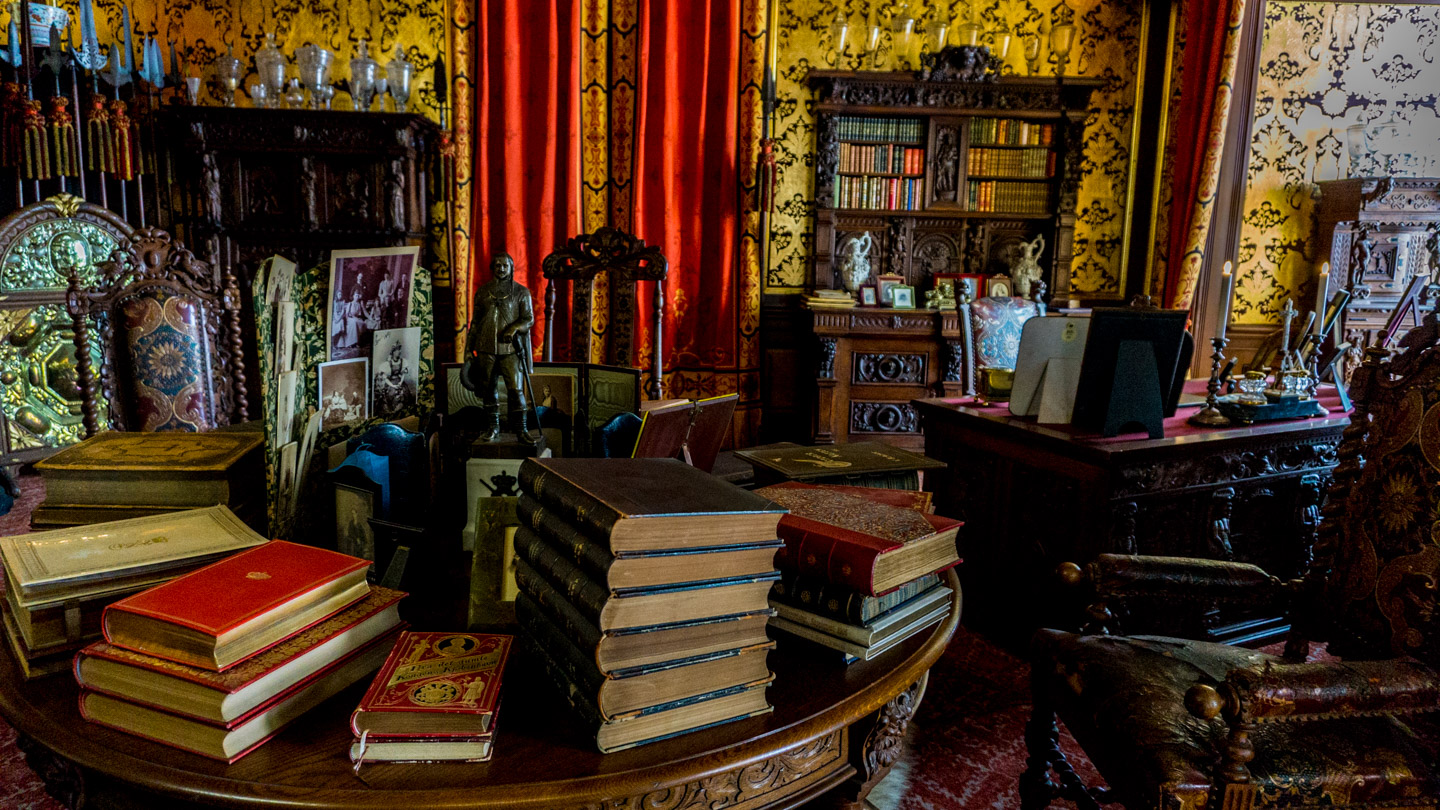 The private salon of Queen Louise is full of Victorian treasures and personal souvenirs.
  Christian IX’s study is decorated with framed photos of family. During Christian IX’s time, photographs were a new sensation and expensive. They were a status symbol and also showed how seriously Christian IX took his fame as Europe’s Father-In-Law.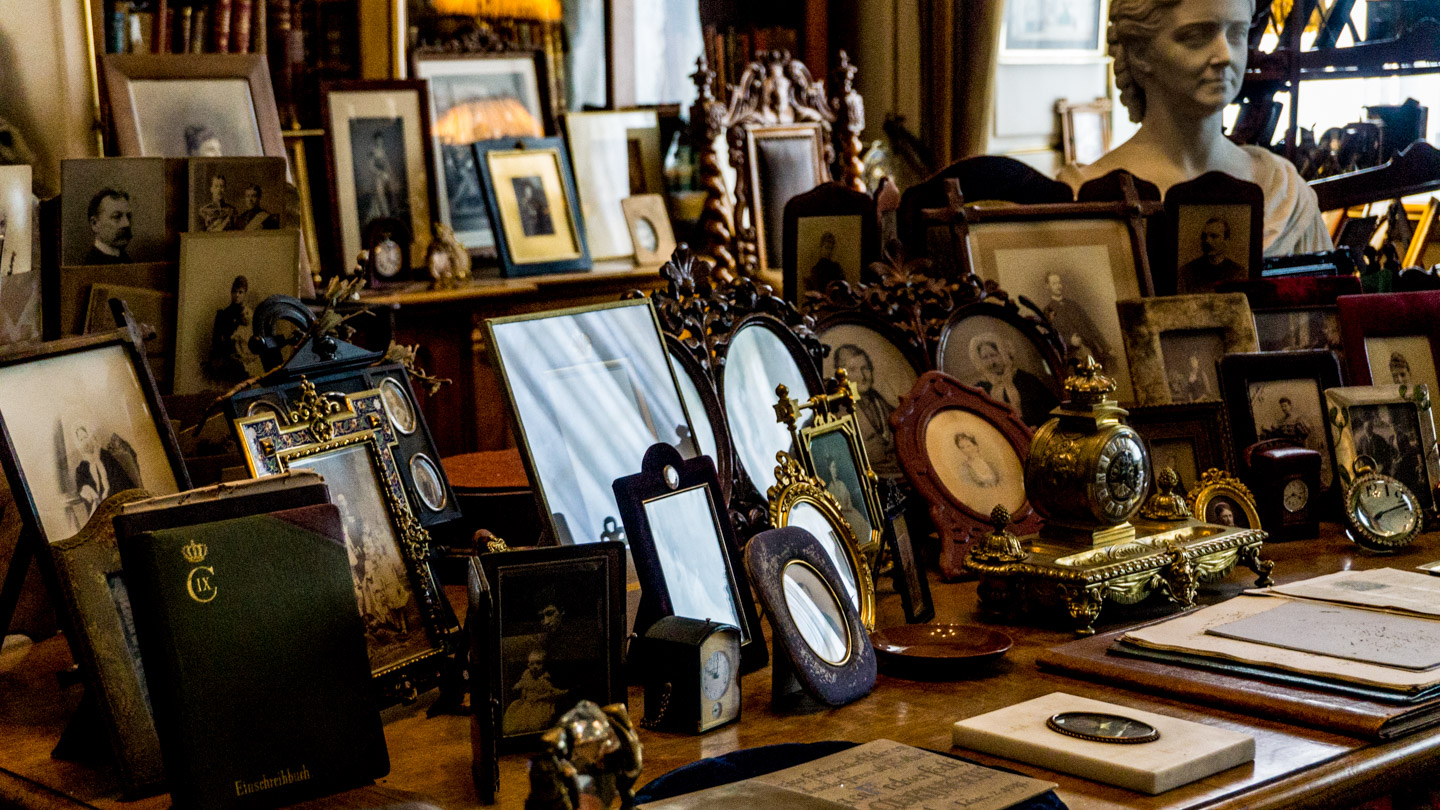
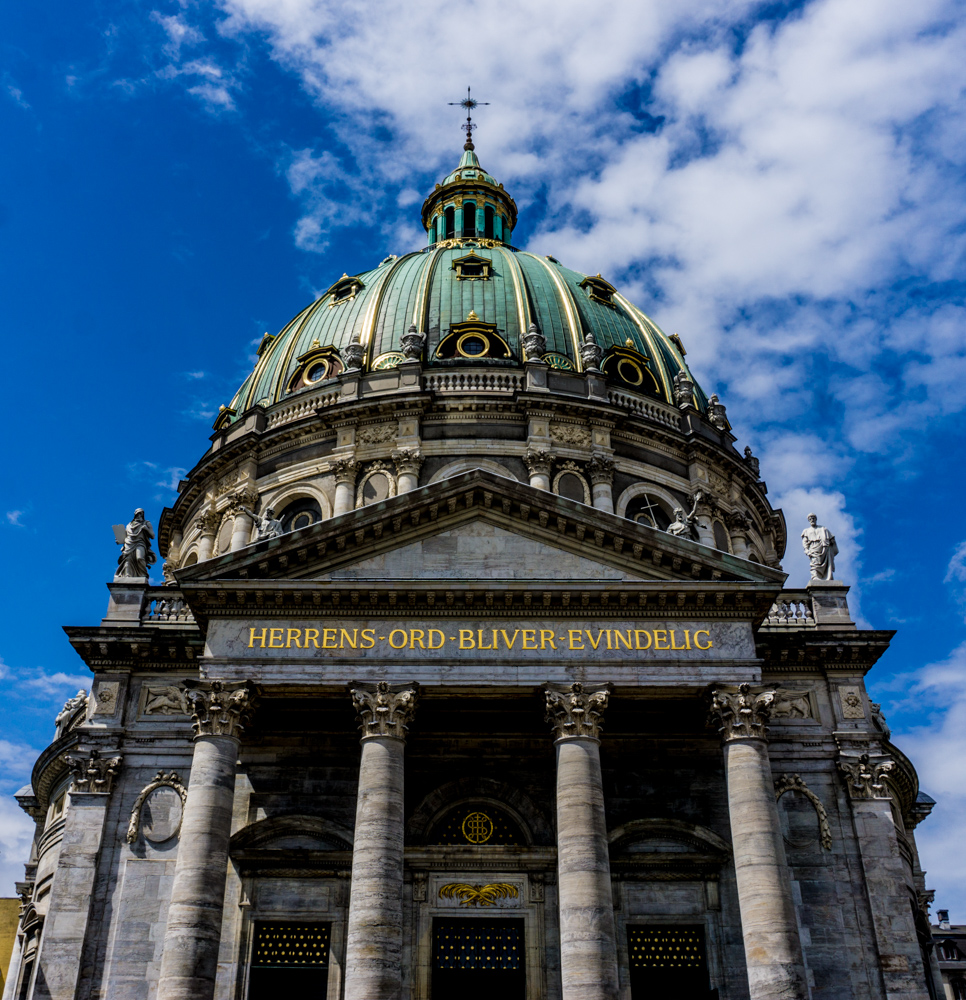 The gold lettering over the entrance portico HERRENS ORD BLIVER EVINDELIG translates to “the word of the Lord endureth for ever.” – 1 Peter 1:25
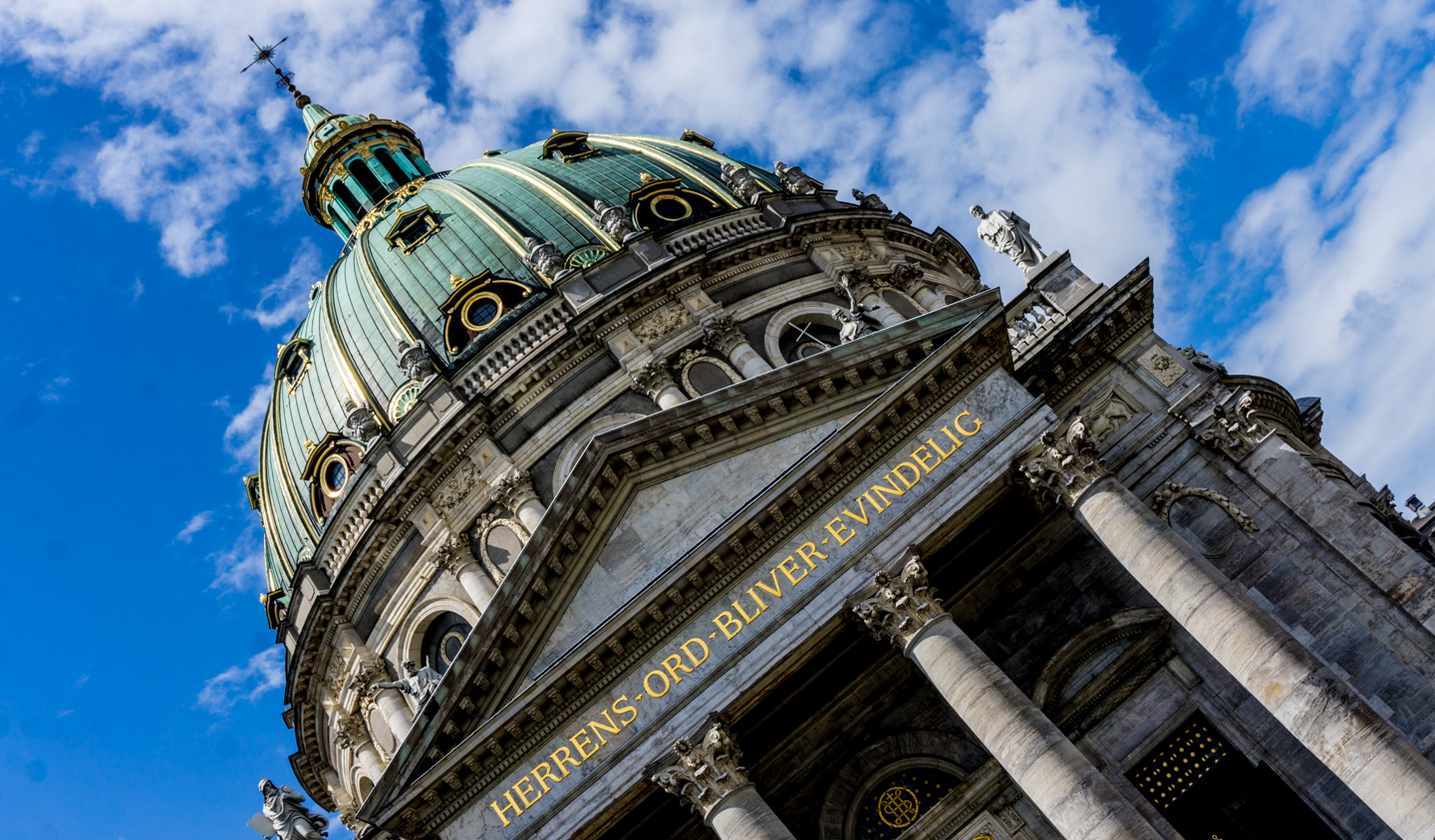 Some say the large dome was meant to rival St.Peter’s in Rome. It remains the largest dome in Scandinavia and one of the largest in Northern Europe.
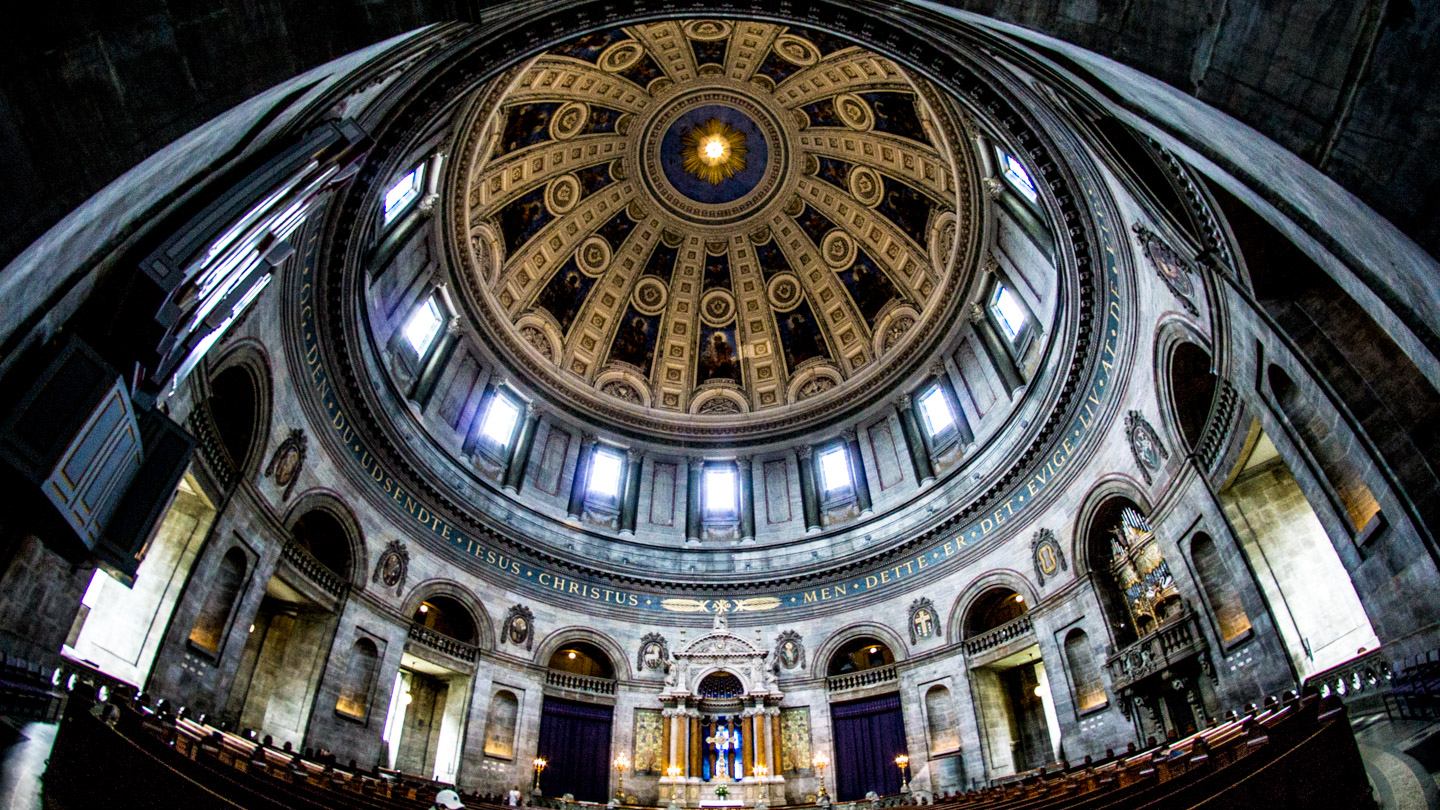 The ornate Swan Organ is no longer in use. The swan is Denmark’s official bird.

 The inner dome of the church is resting on 12 columns. The cupola is split into 12 equal parts and decorated with angels and the 12 apostles.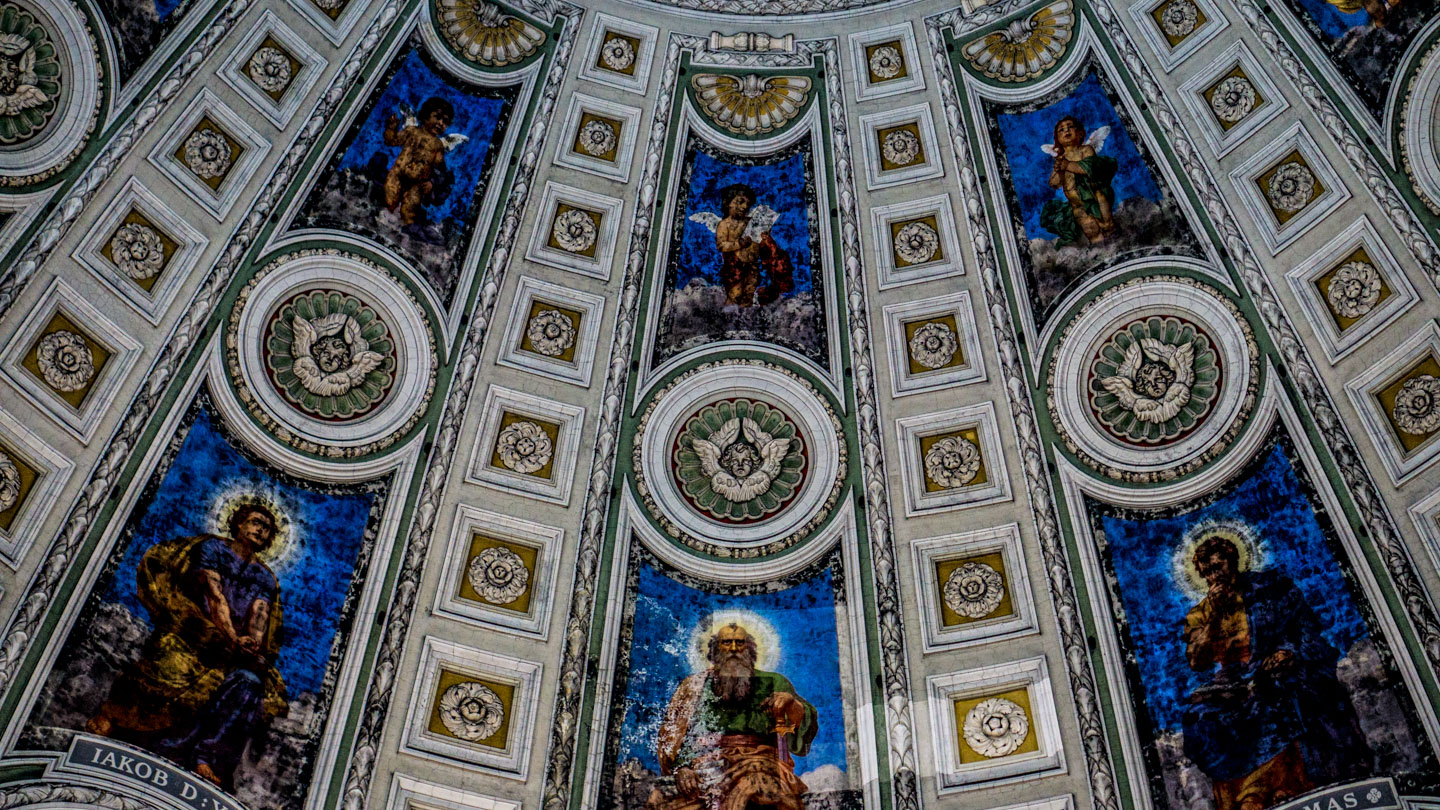
 Travels With Ackbar