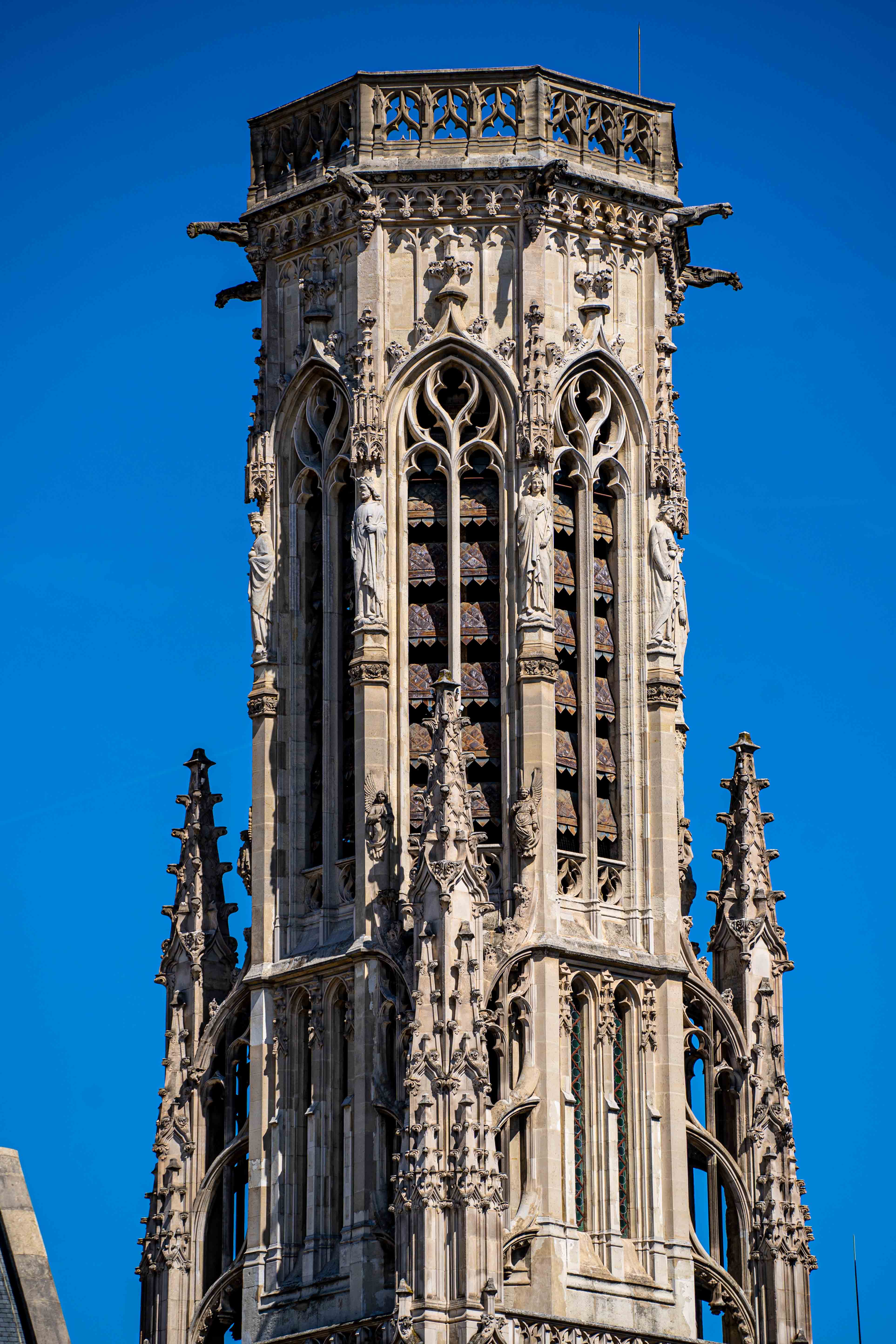
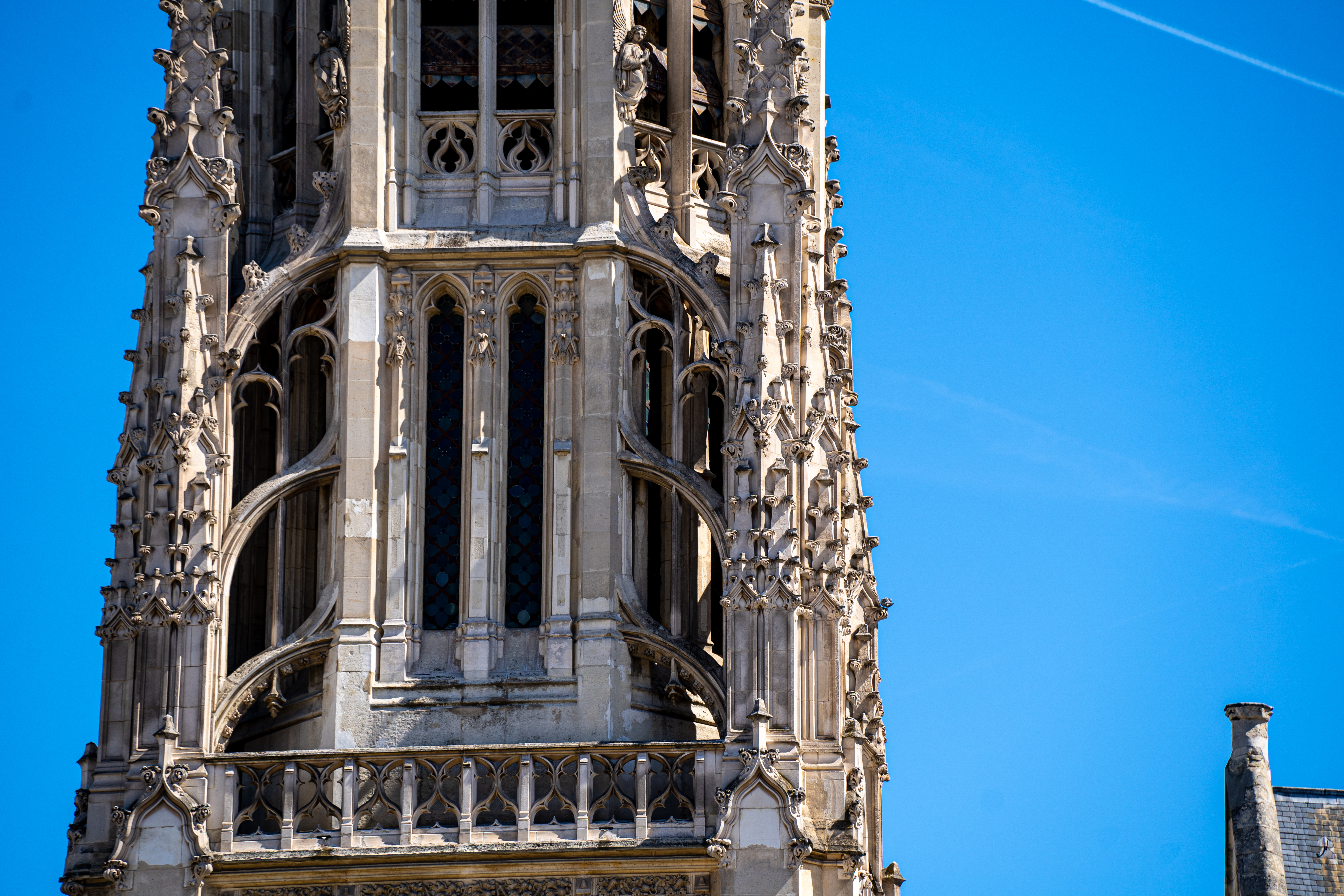
Across from the Louvre is the Tower of St. Jacques. This Gothic tower is all that remains of the 16th-century Church of Saint-Jacques-de-la-Boucherie, “Saint James of the butchers”
Built in the early 1500’s, the tower’s opulent ornamentation reflects the wealth of the church’s patron. The butchers of Les Halles Market.
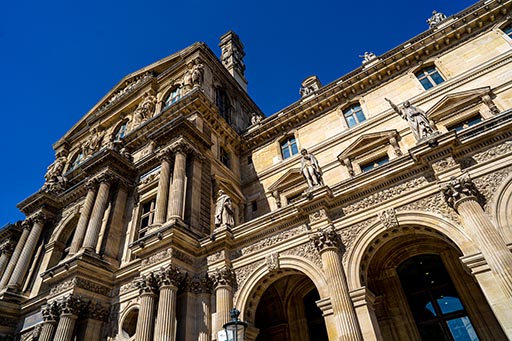
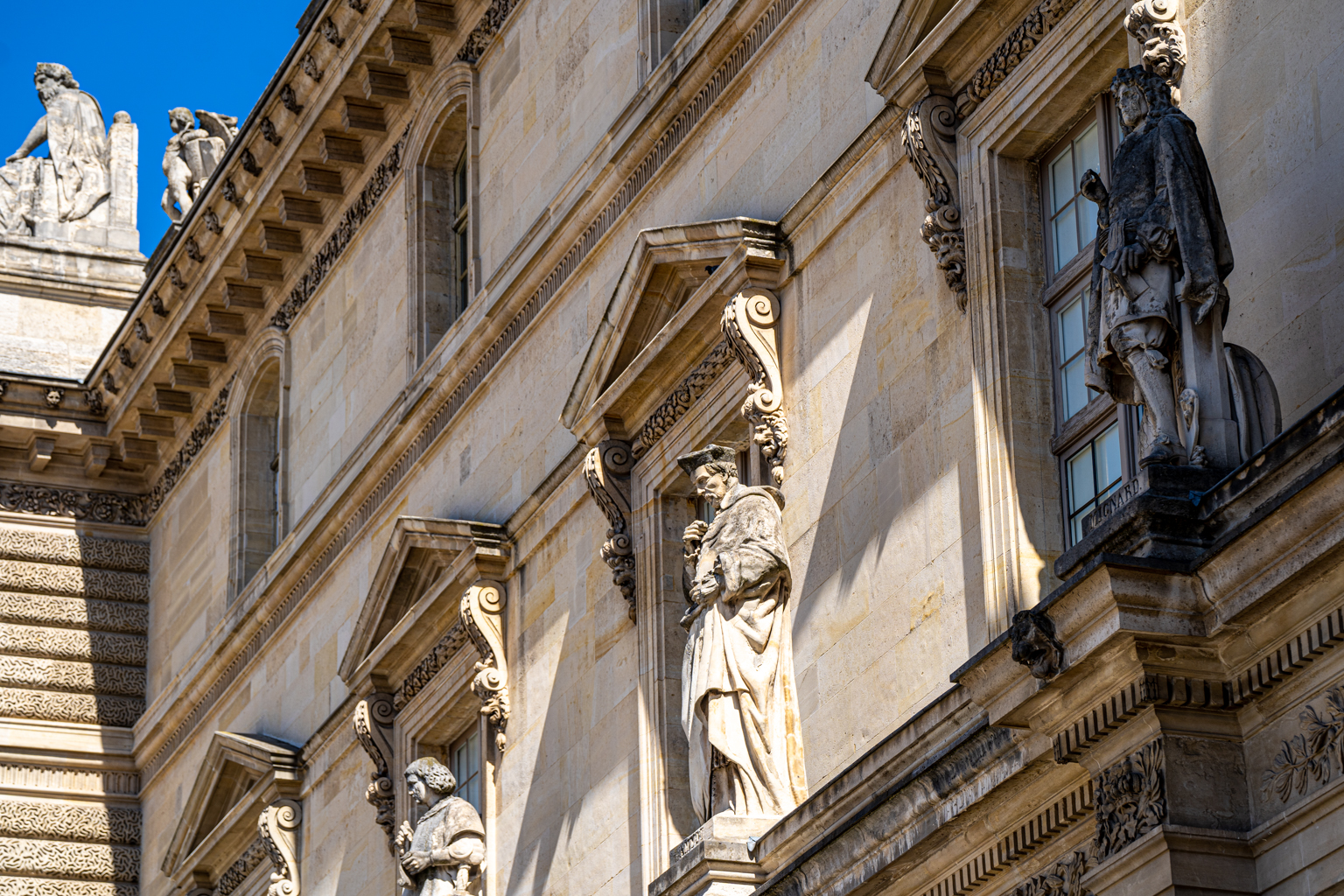
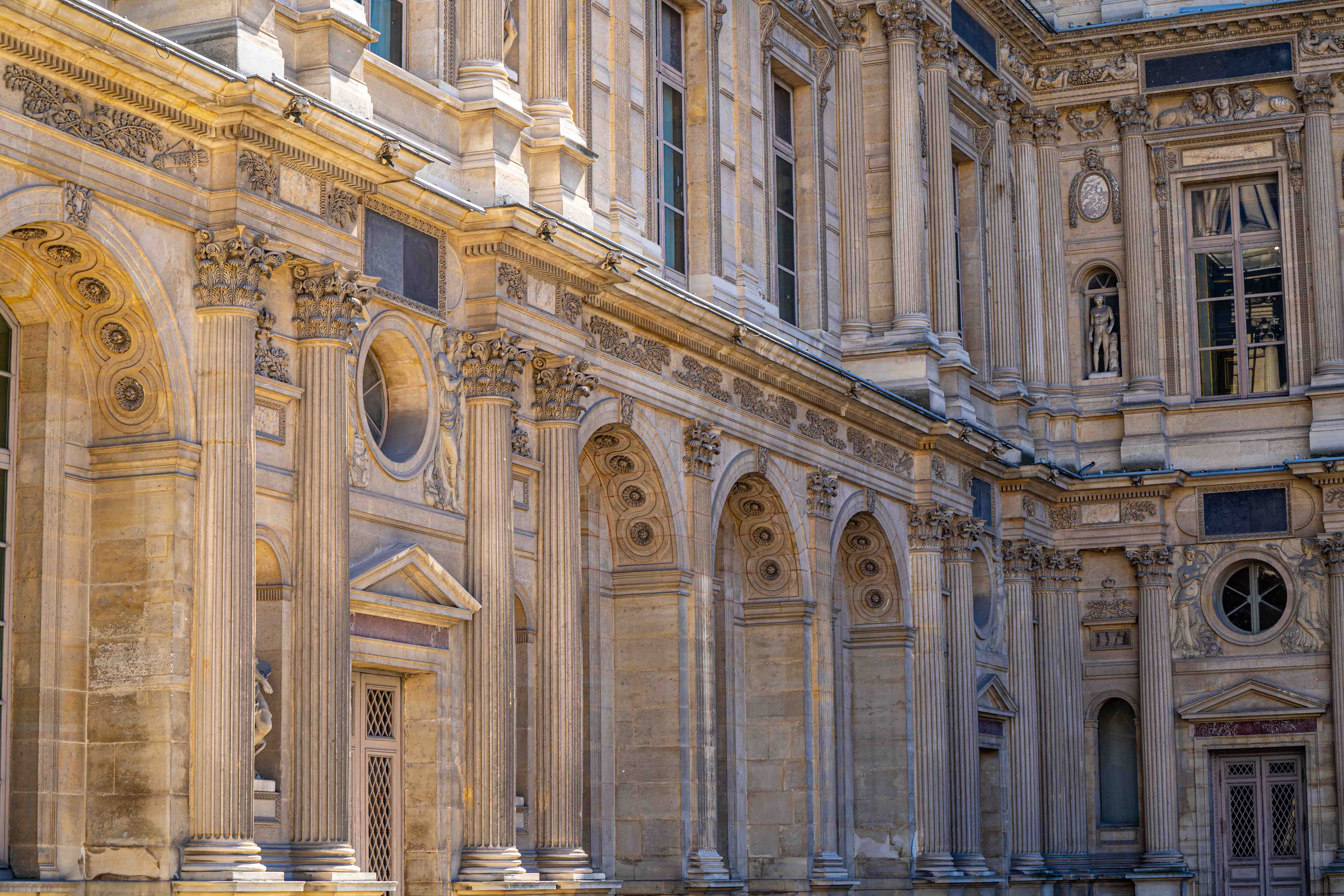
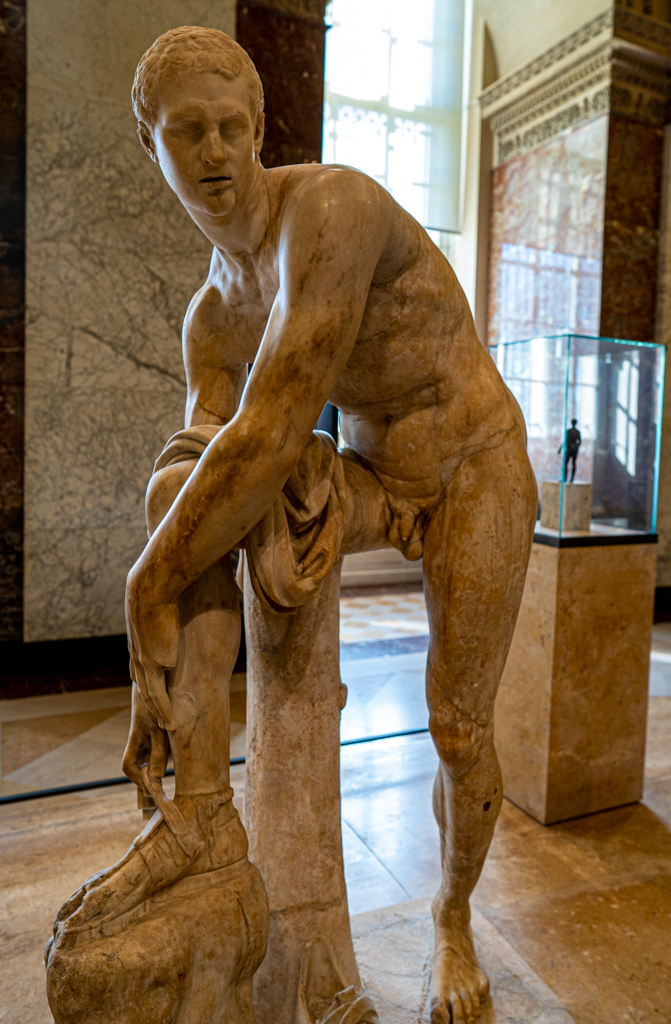
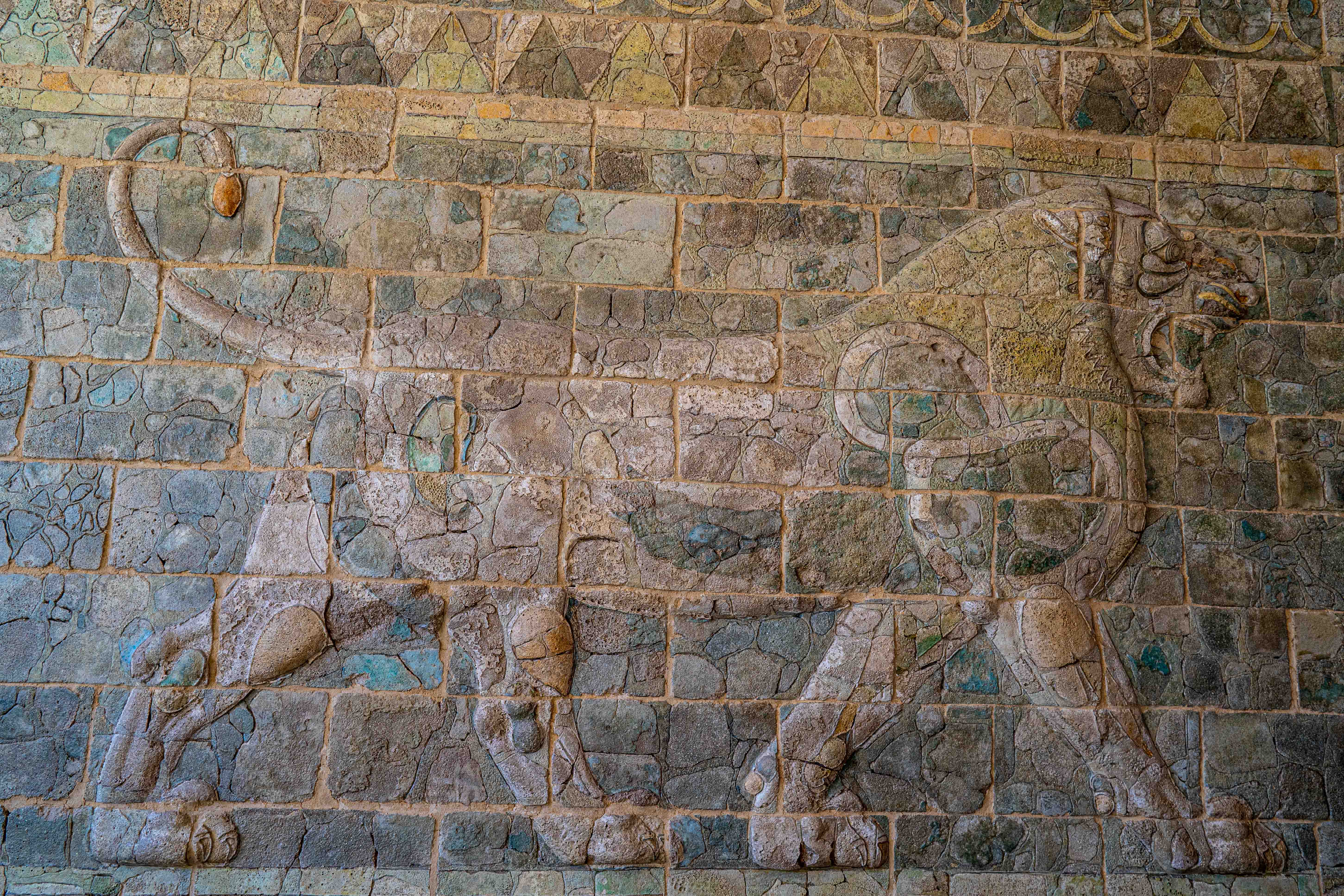
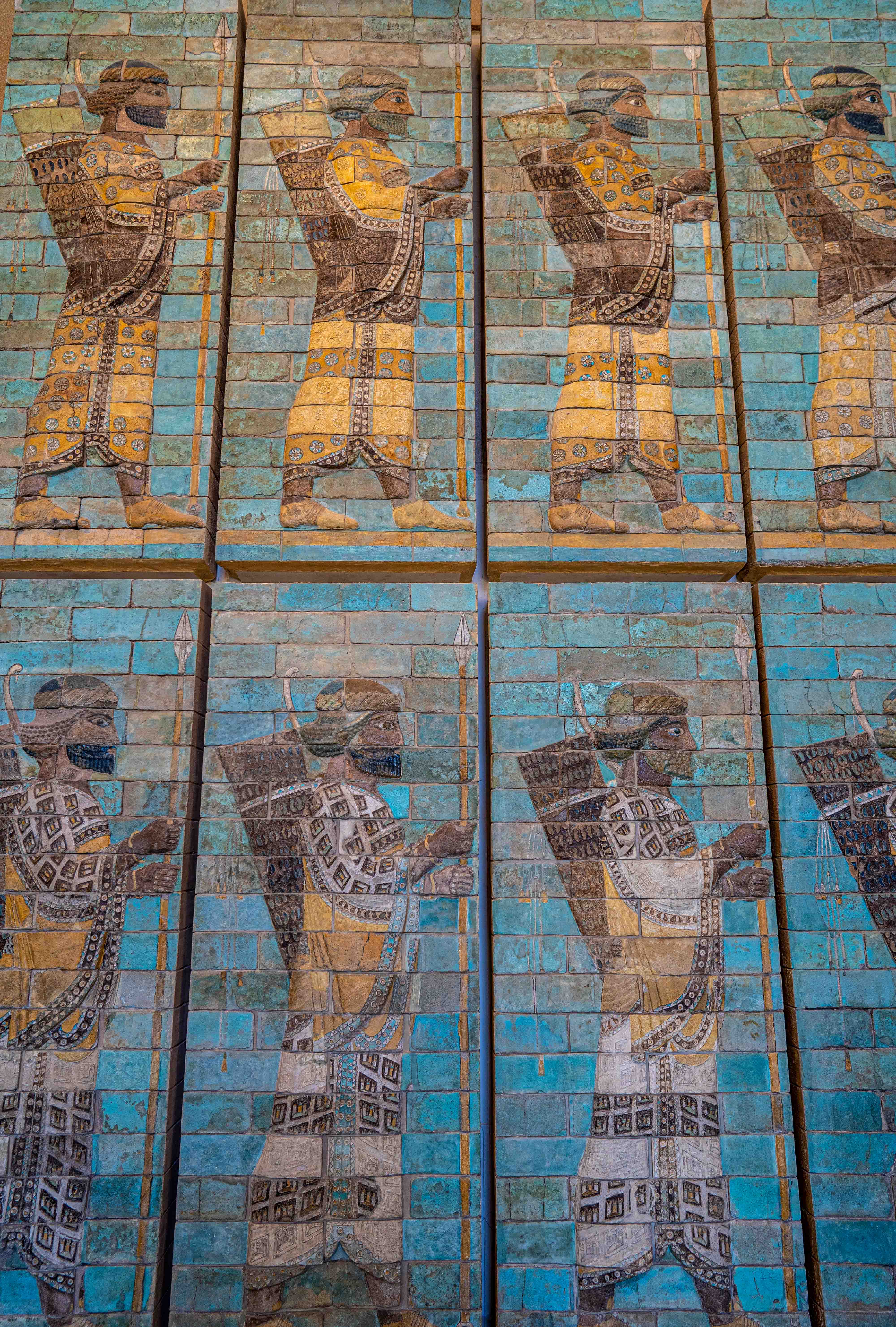
There is never enough time to fully explore the Louvre. Over 2.8 million visitors venture through it’s cavernous halls in a year. With over 380,000 objects, something is bound to be missed on your first visit.
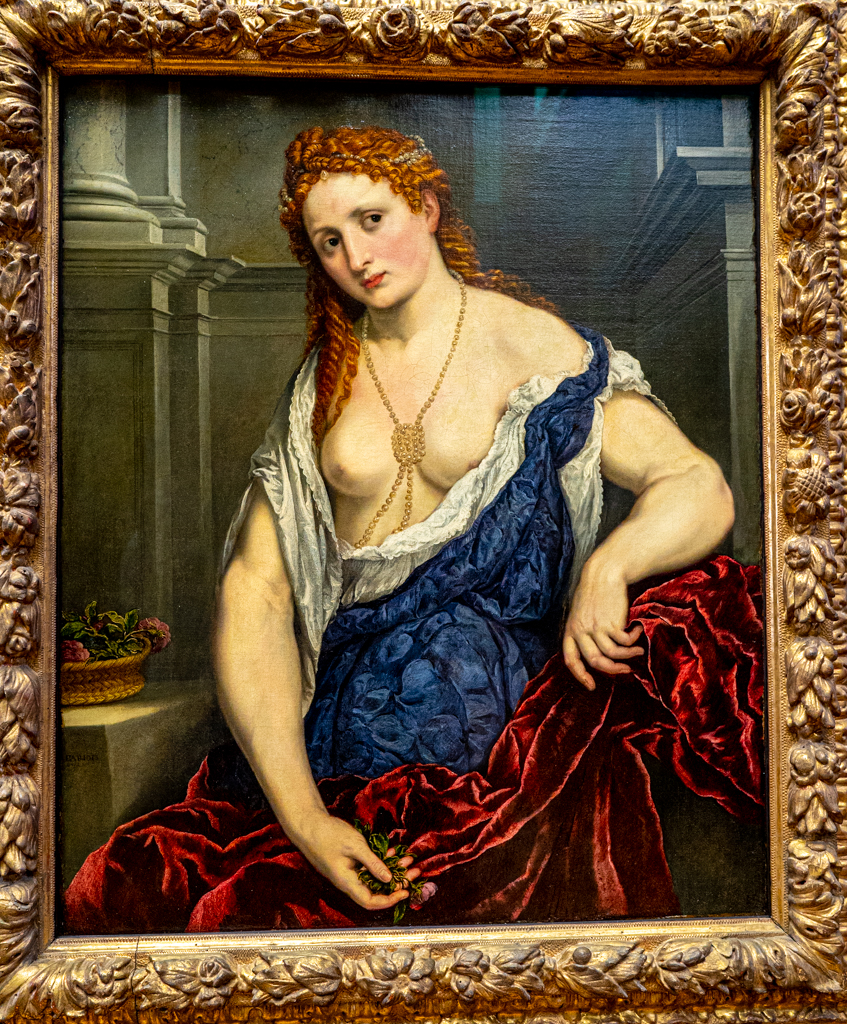
A mere 20′ away from the Mona Lisa is this painting of “Flora”.
Paris Bordone was an Italian painter. His paintings of religious themes were created for some of the great churches of the 1500s.
Biagio d’Antonio’s painting of “The Carrying of The Cross” depicts Jesus on his way to Cavalry. In the lower right corner is a woman holding a piece of fabric with Jesus’s face on it. This is known as Veronica’s Veil. Although not mentioned in the Bible, the legend of a woman that wiped the blood and sweat off of Jesus’ face has been retold across the world. This is but one of many representations of the meeting.
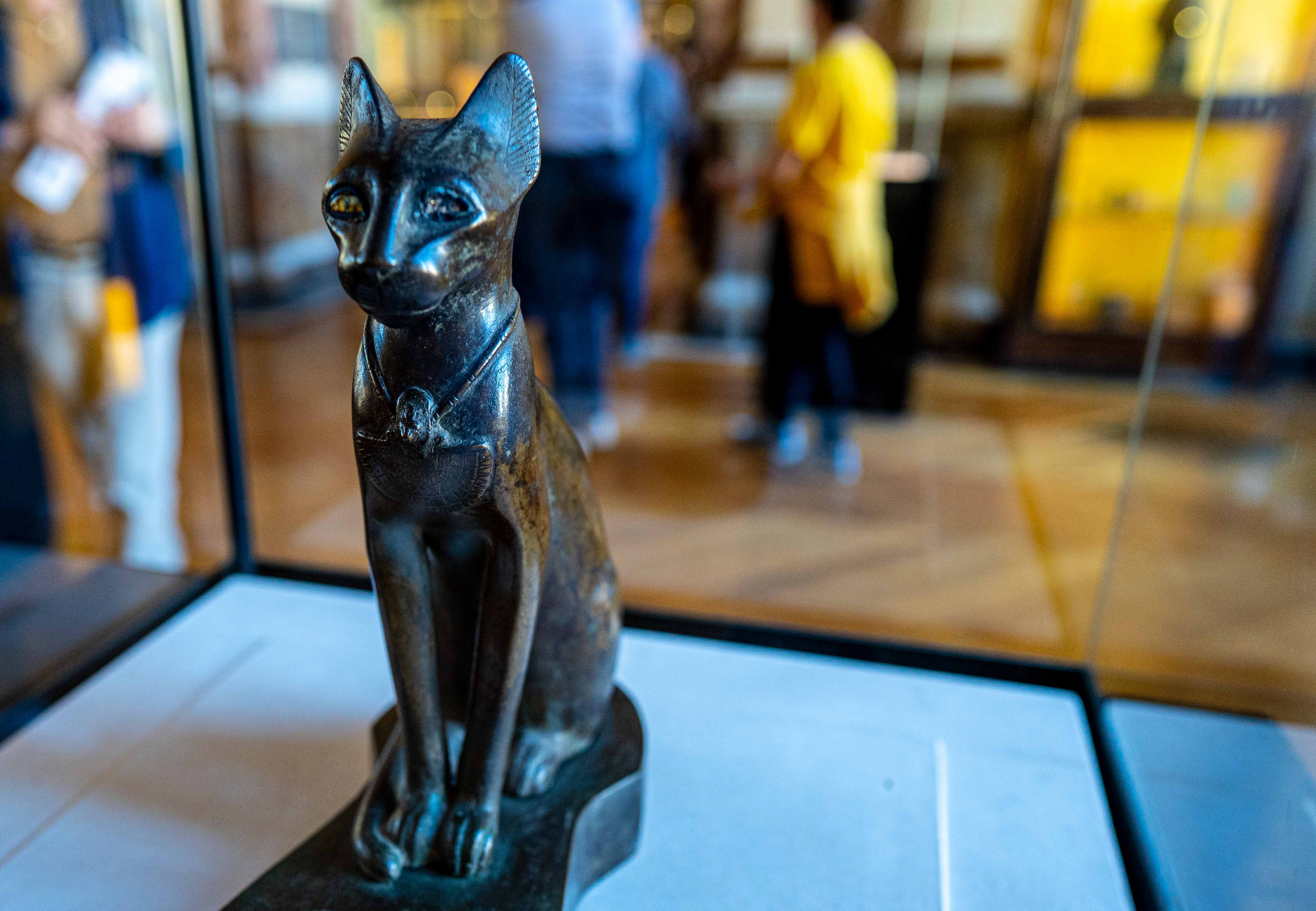
In the Egyptian collection, a bronze statue of a cat is on display. This is the Goddess Bastet in her form as a feline. The Goddess certainly has her plate full. She was the Goddess of cats, the sun, the East, fire, love, intoxication, music, dancing, joy, celebration, fertility, secrets, magic, and sex, to name a few of her duties.
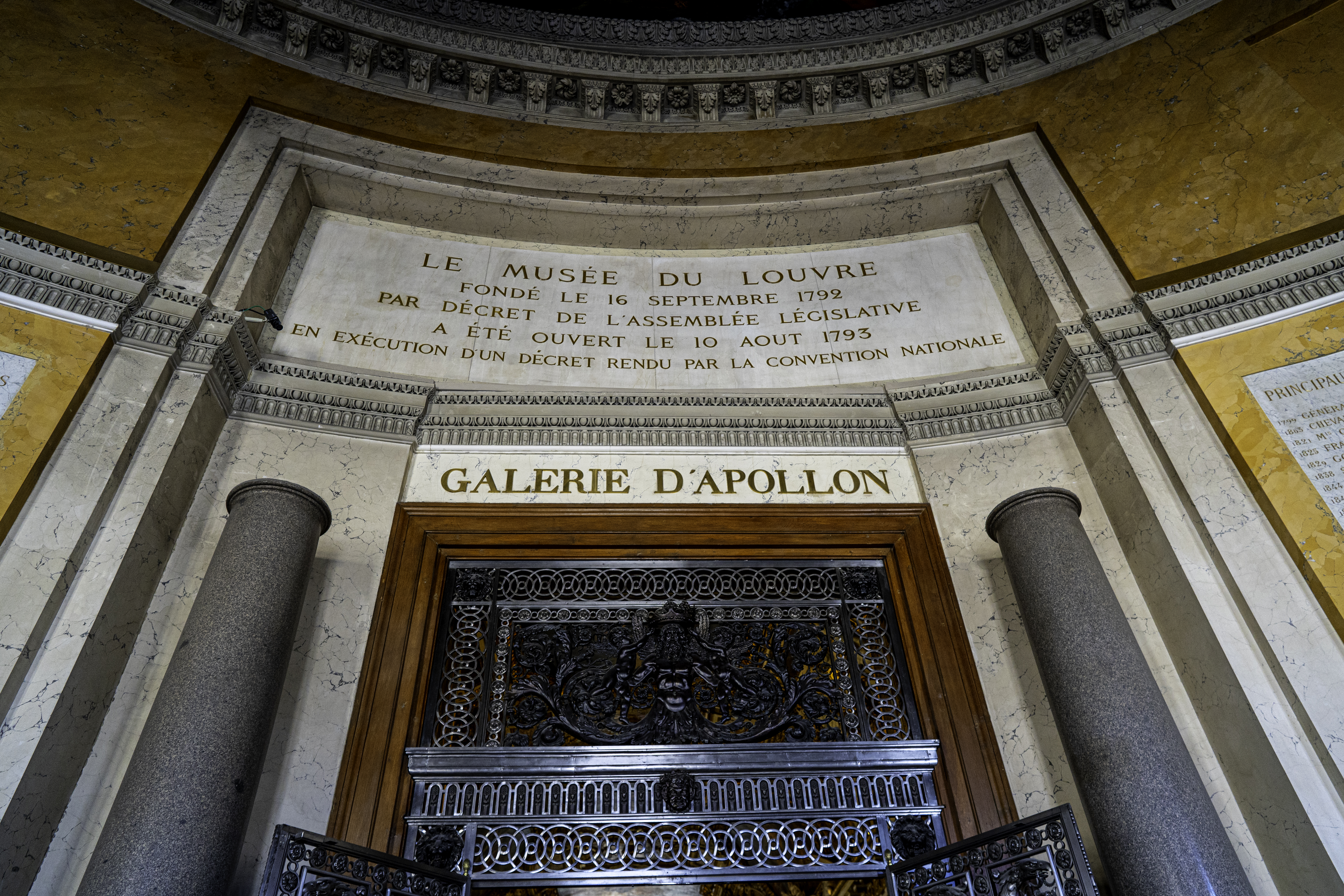
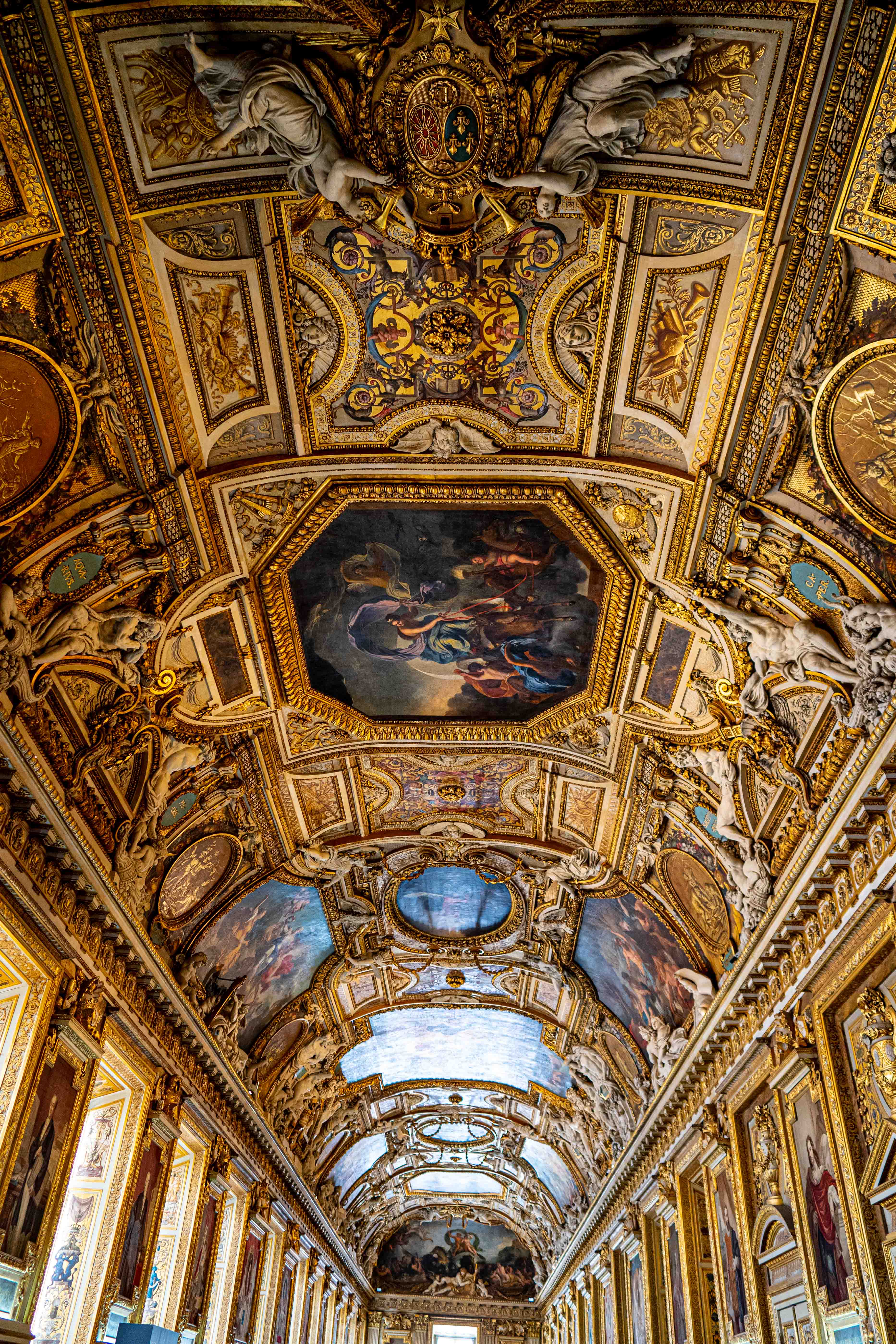
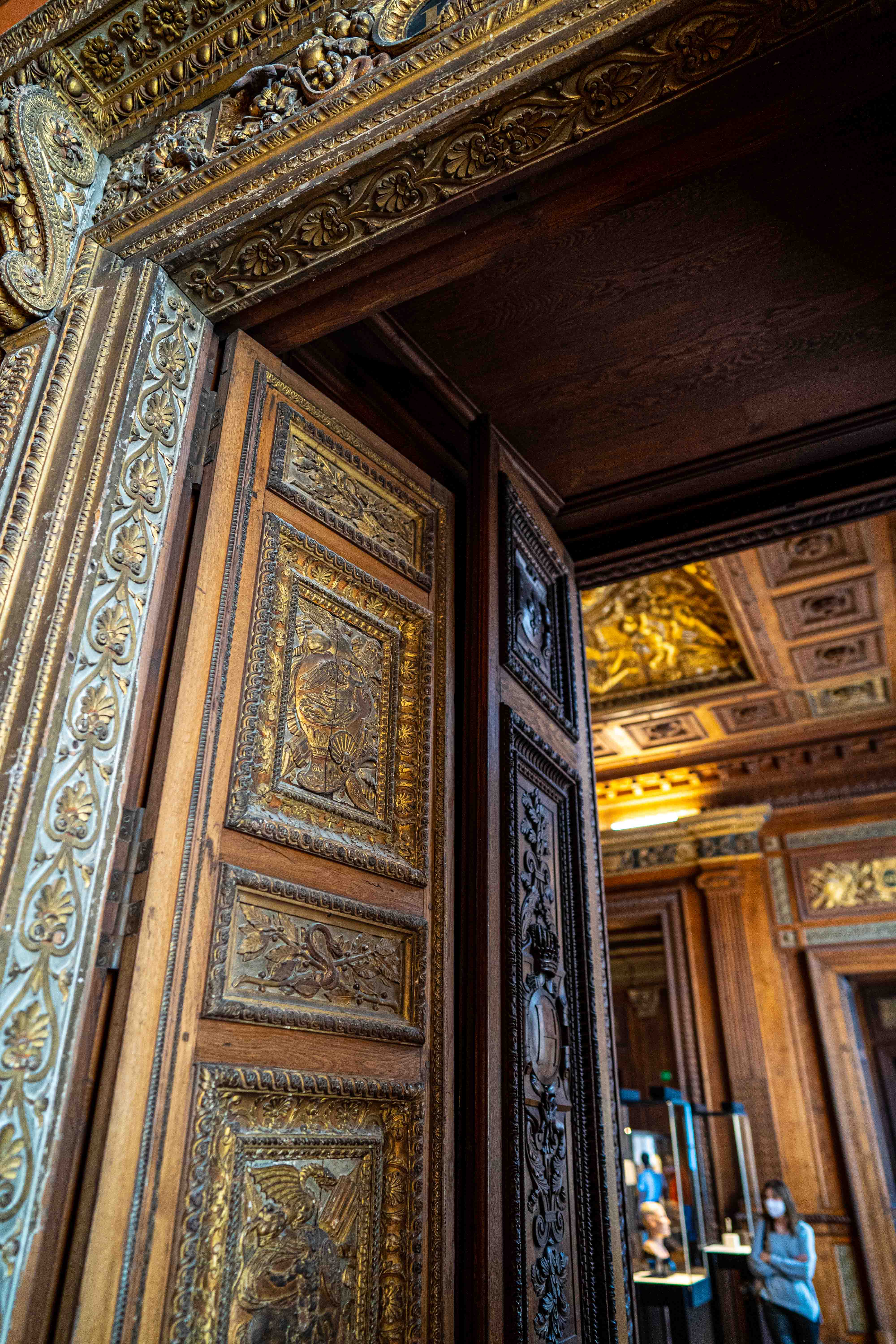
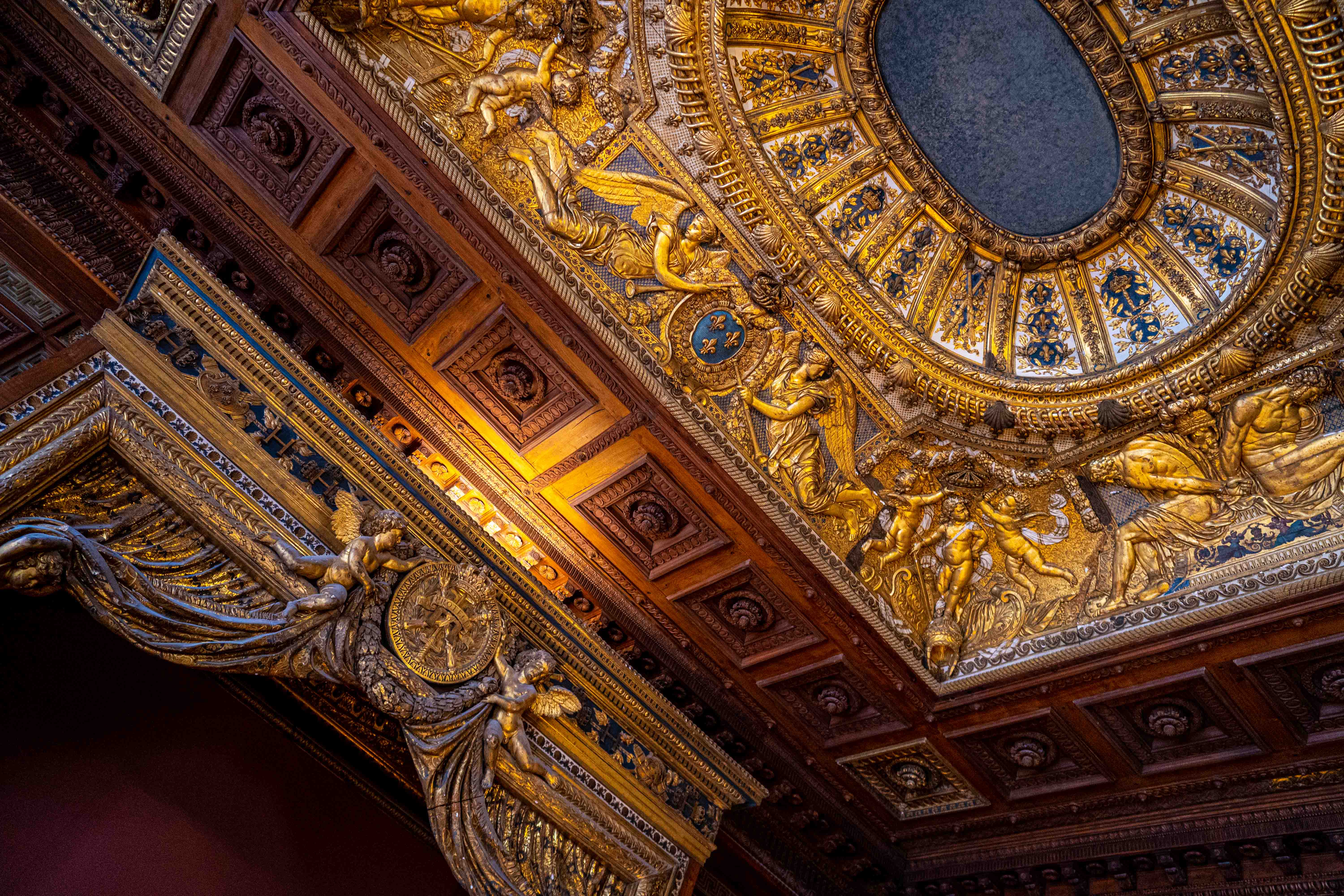
Louis XIV was long associated with Apollo, the Greek God of the Sun. This chamber of The Sun King is richly appointed with gold embellishments.
Charles le Brun was the painter to the king and charged with designing the decorations. The ceiling is adorned with a painting of Apollo riding his chariot across the sky.
In addition to the references to Apollo, there are also 28 portrait tapestries of kings and artists who built and embellished the Louvre palace over the centuries.
In traditional French Palace design, the King’s bedchamber was the main feature of the king’s apartments.
During the Ancien Regime, the late Middle Ages until the French Revolution. Placed significant emphasis to the King’s bed. Instead of sitting on a throne, the king would lounge in his ornate bed.
A trip to Paris should include a trip to the World Famous Louvre Museum. Planning ahead is crucial to your enjoyment. When we visited in April, we purchased our tickets ahead of time. This gave us a set time that we could enter the Museum.
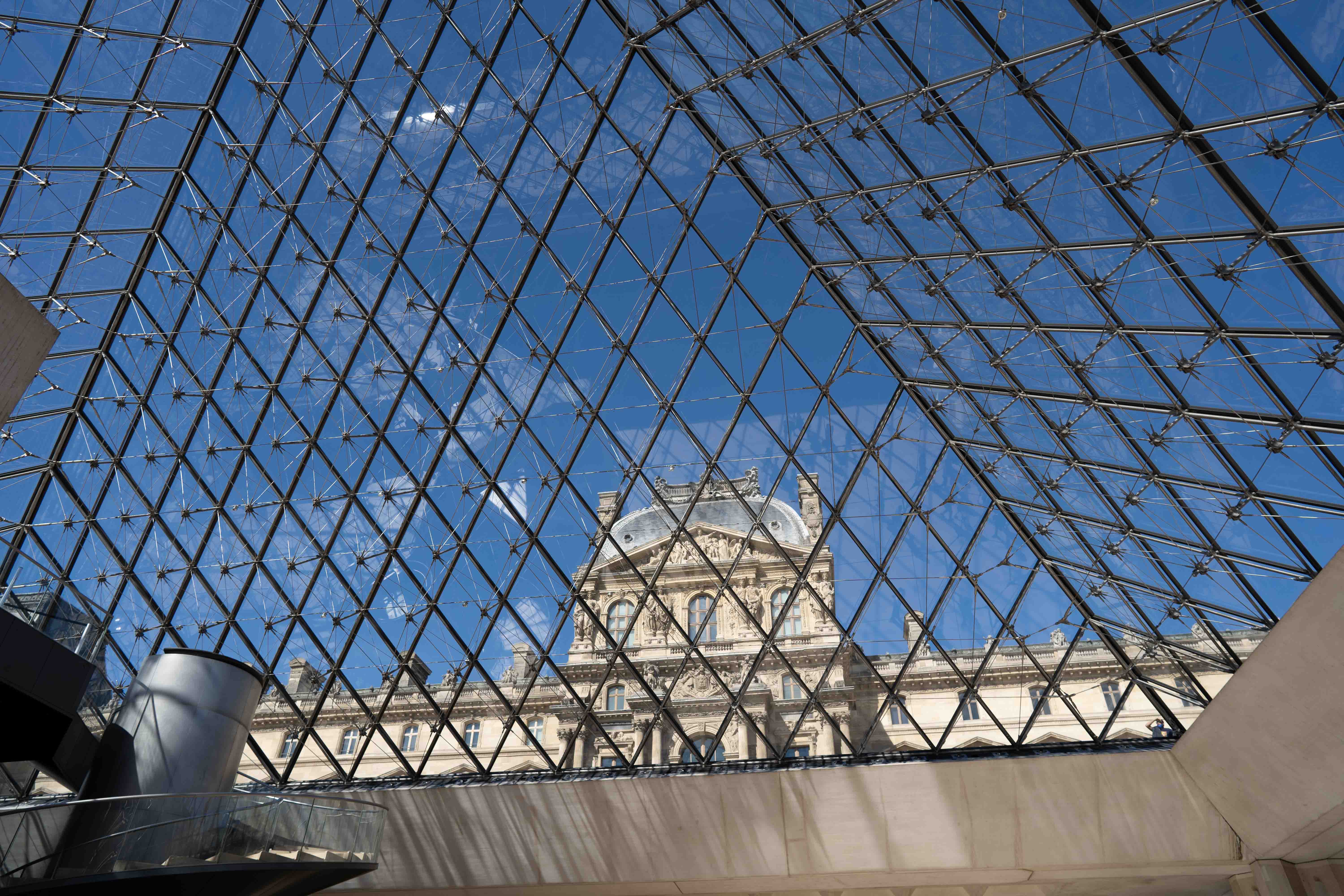
Tip#1: Don’t queue up to enter the Glass Pyramid. Instead, look for Carrousel de Louvre. If you are facing the Gardens, go through the building on your right. This will take out to the street where you can find the entrance to the Louvre. This is an underground shopping mall and takes you right under the Glass Pyramid. There was no line, but we had to wait for our designated time.
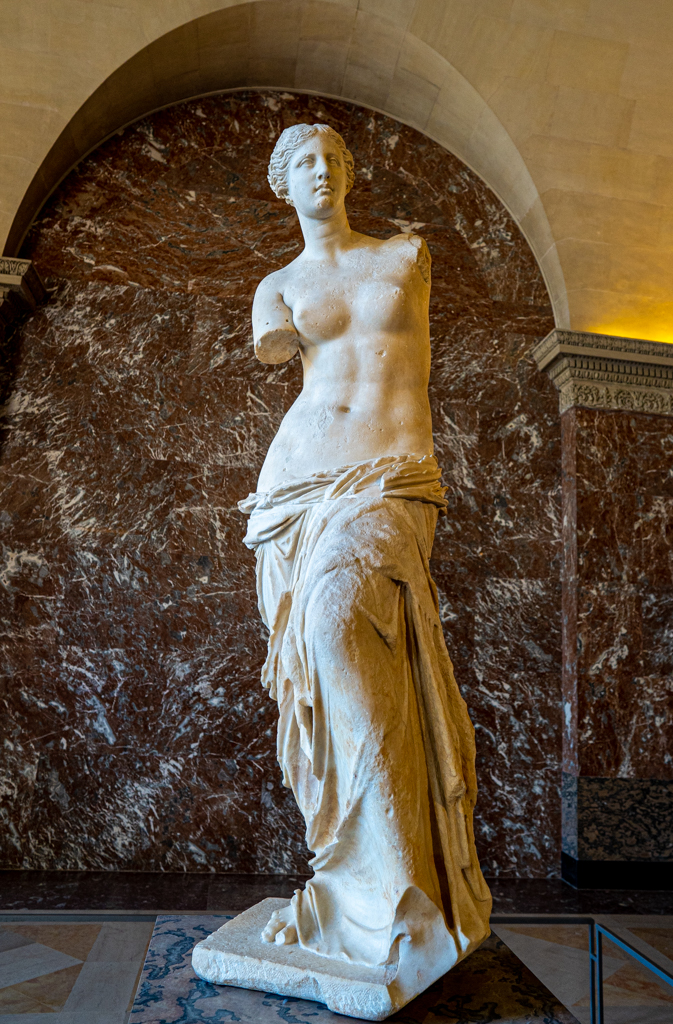
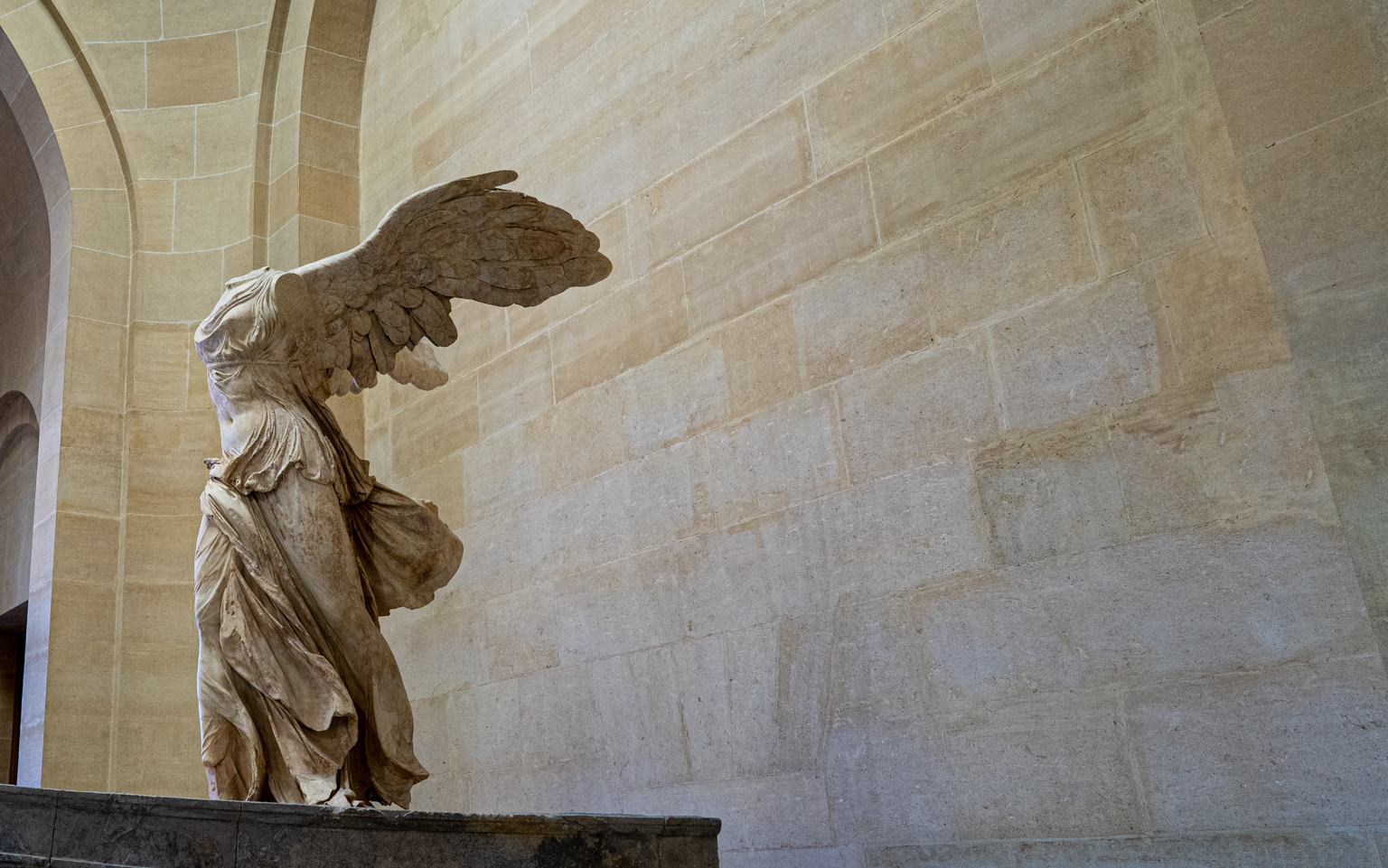
Tip#2: Do your homework and know what you want to see. The Louvre is Massive! Our highlights included Mona Lisa, Venus deMilo and Winged Victory.
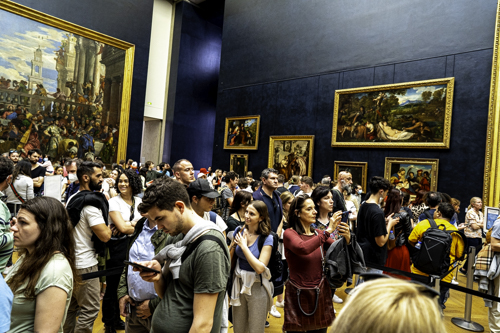
The Line for Mona can be very long.
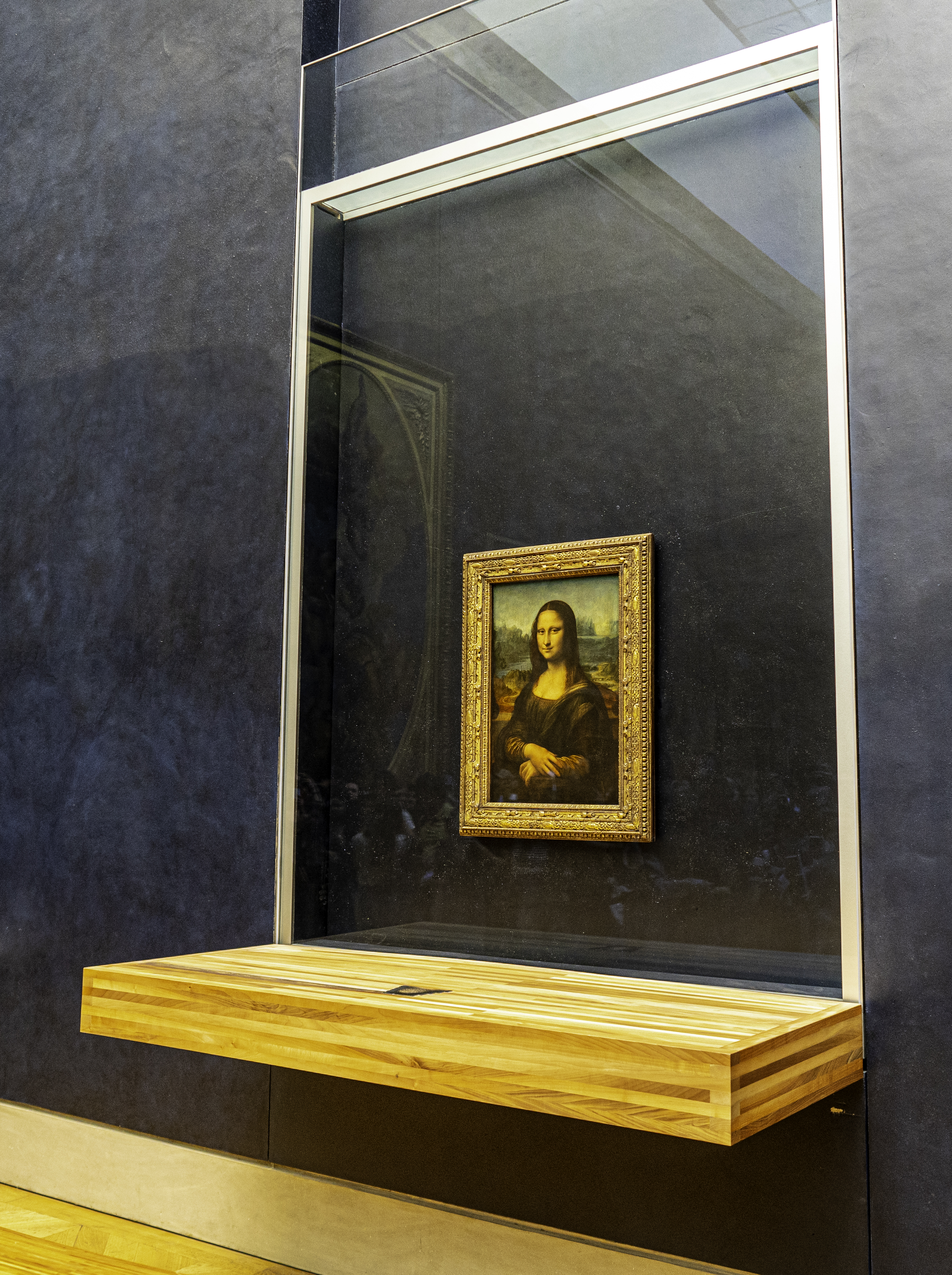
And when you actually get close enough, she can be underwhelming. The official name of this work of art is “La Gioconda”
Just a month after our visit, a protestor smeared a piece of cake on the glass protecting the Mona Lisa. Unfortunately, she has had her share of mayhem
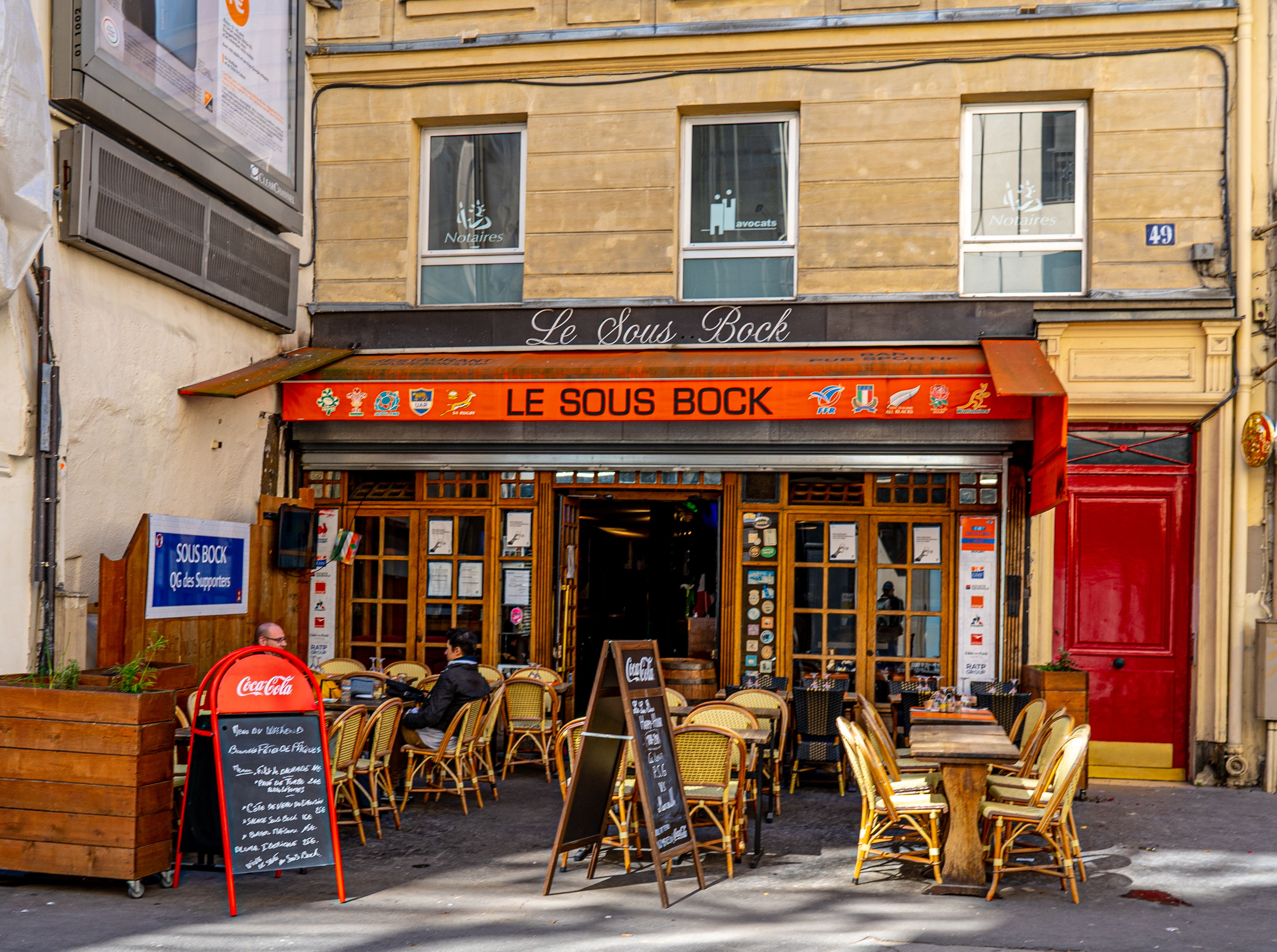
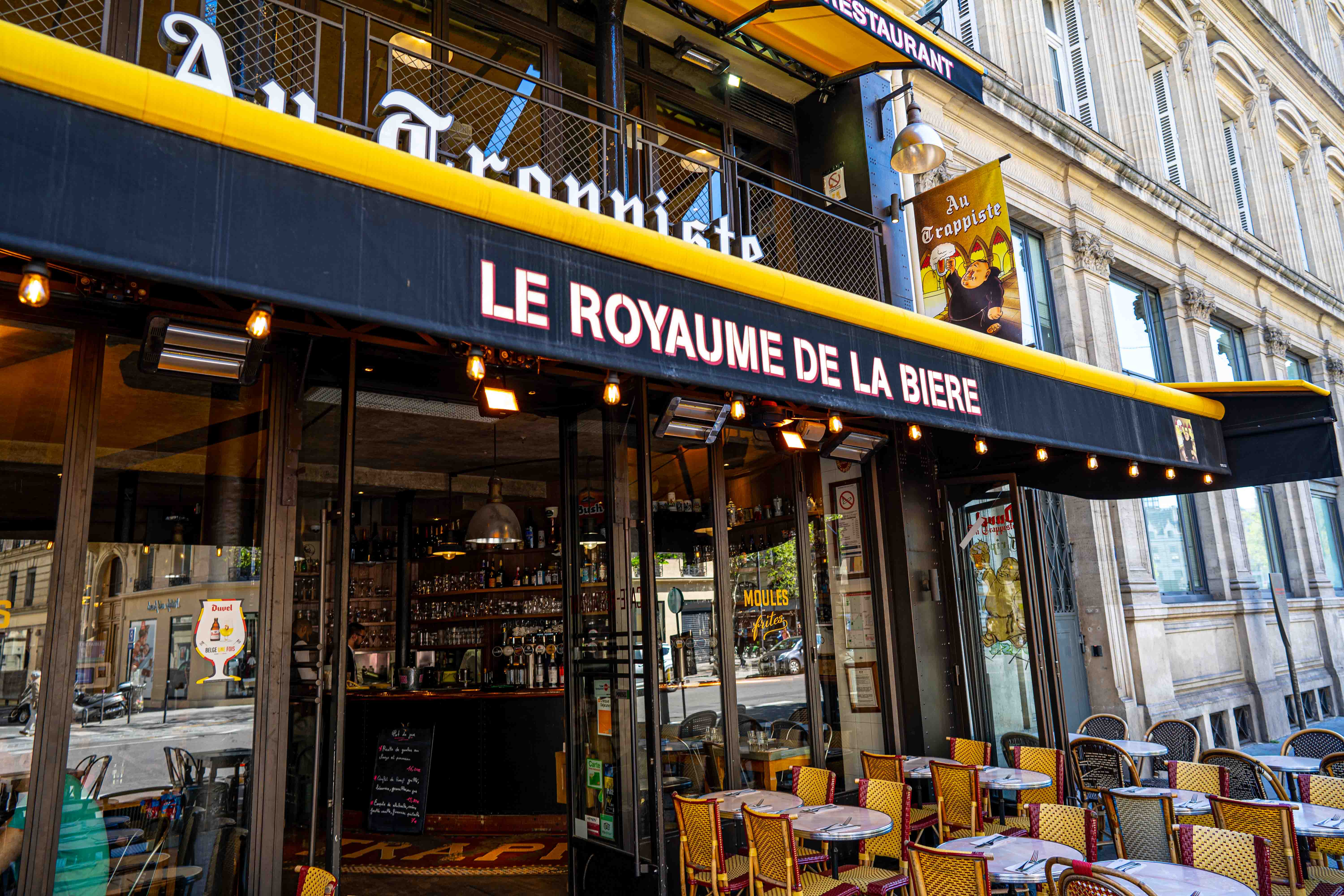
There are so many choices when it comes to eating in Paris. Cafes line streets, vendors sell there wares in the street and deciding where to eat can be a challenge.
My friends and I settled on the Cafe Leone in the area surrounding Notre Dame. I would recommend this charming little restaurant to anyone looking for a quick bite. Their pizza was delicious.
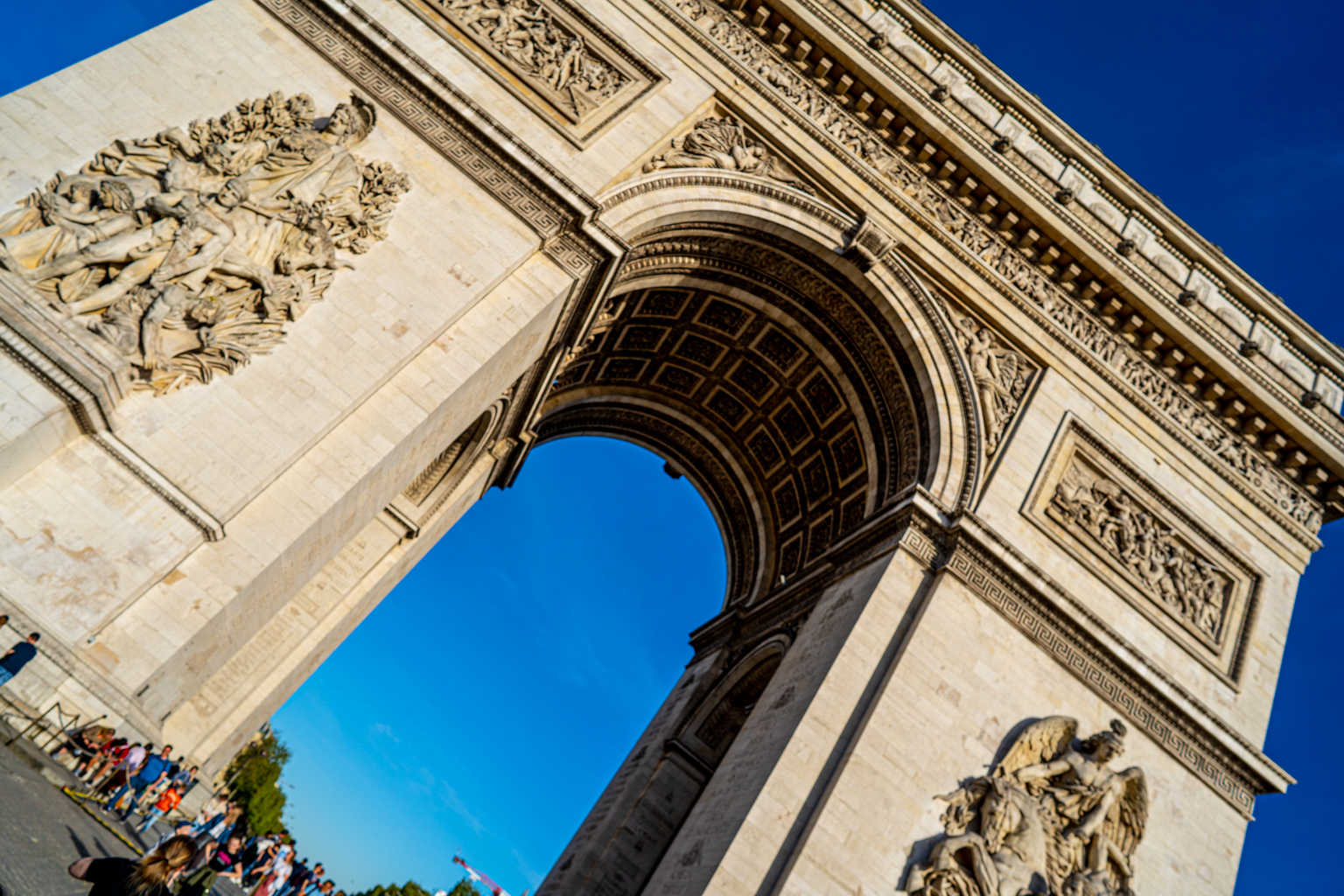
The Arc de Triomphe, was commissioned by napoleon in 1806. It wasn’t until 1836 when it was inaugurated in King Louis-Philippe. The monument is dedicated to the armies of the Revolution and the Empire.
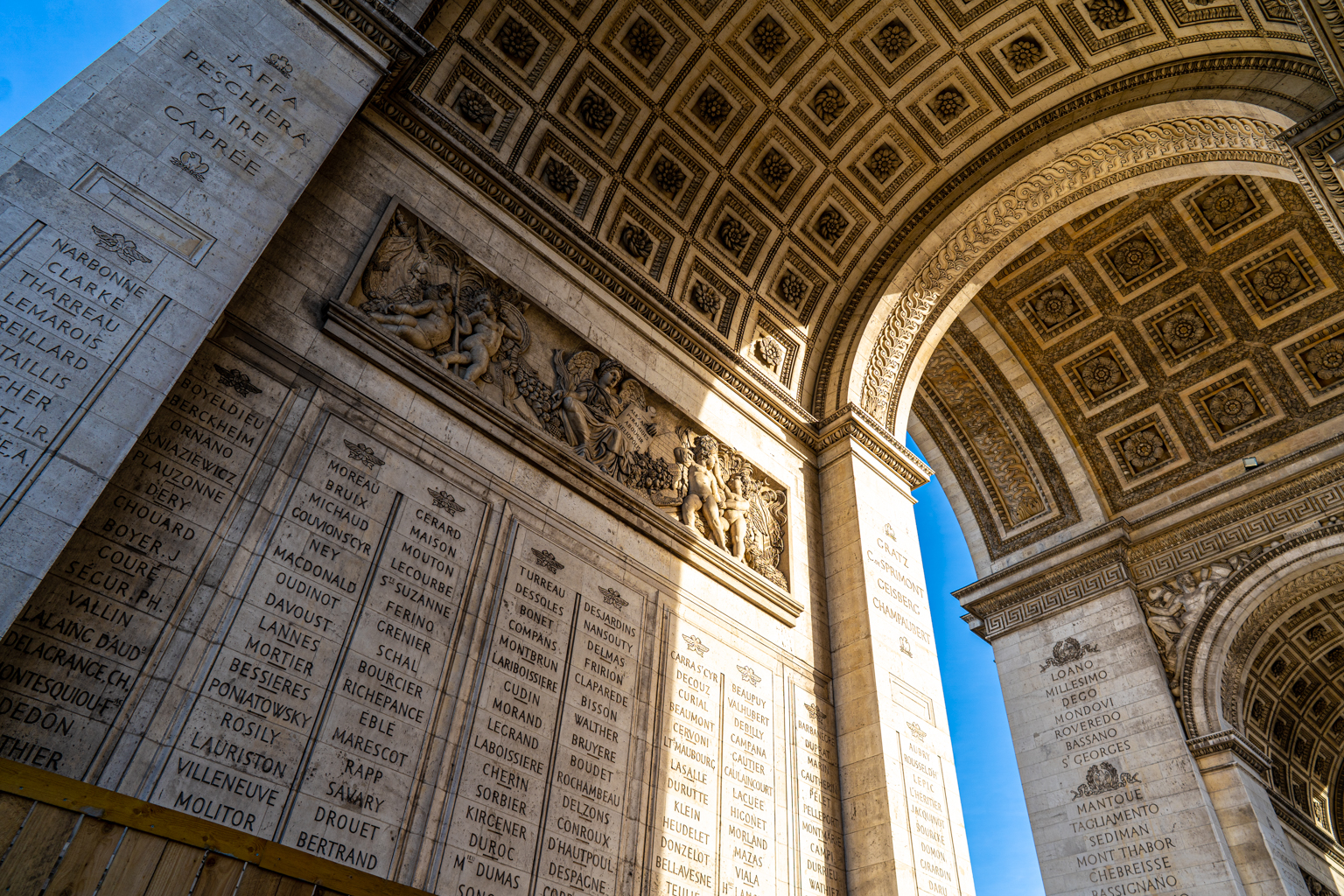
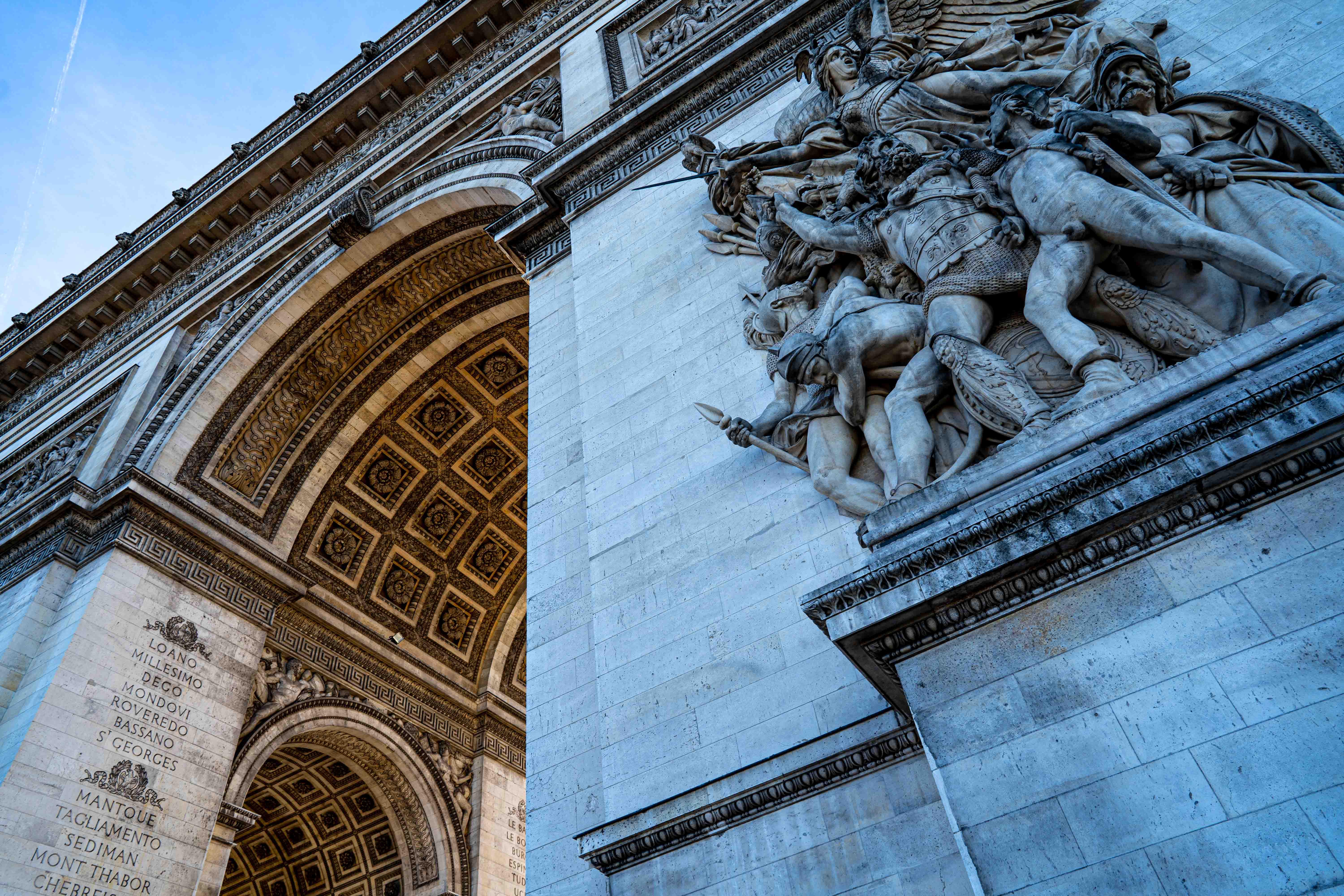
Within the small arches are engraved The names of 600 military leaders who served during the French First Republic and the First French Empire. Underlined names signify those who died on the battlefield.
The Unknown Soldier was buried at the base of the arch in 1921. The flame of remembrance is rekindled every day at 18:30. Every year on November 11th a special ceremony is held.
Of the four statues on the Arcs pillars is Le Départ de 1792 or La Marseillaise by sculptor, Francois Rude. The sculpture celebrates the cause of the French First Republicduring the August 10th uprising. Above the volunteers is the winged representation of Liberty. During World War I it served as a recruitment tool and encouraged the French to buy war loans in 1915–1916.
La Marseillaise is the French National Anthem. Originally known as The War Song For The Republic Of The Rhine. The melody became a rallying cry for The French Revolution and became La Marseillaise after army volunteers from Marseillaise were heard singing it in the streets.
To help you plan your own trip to visit this monument check out the official website.











 Travels With Ackbar