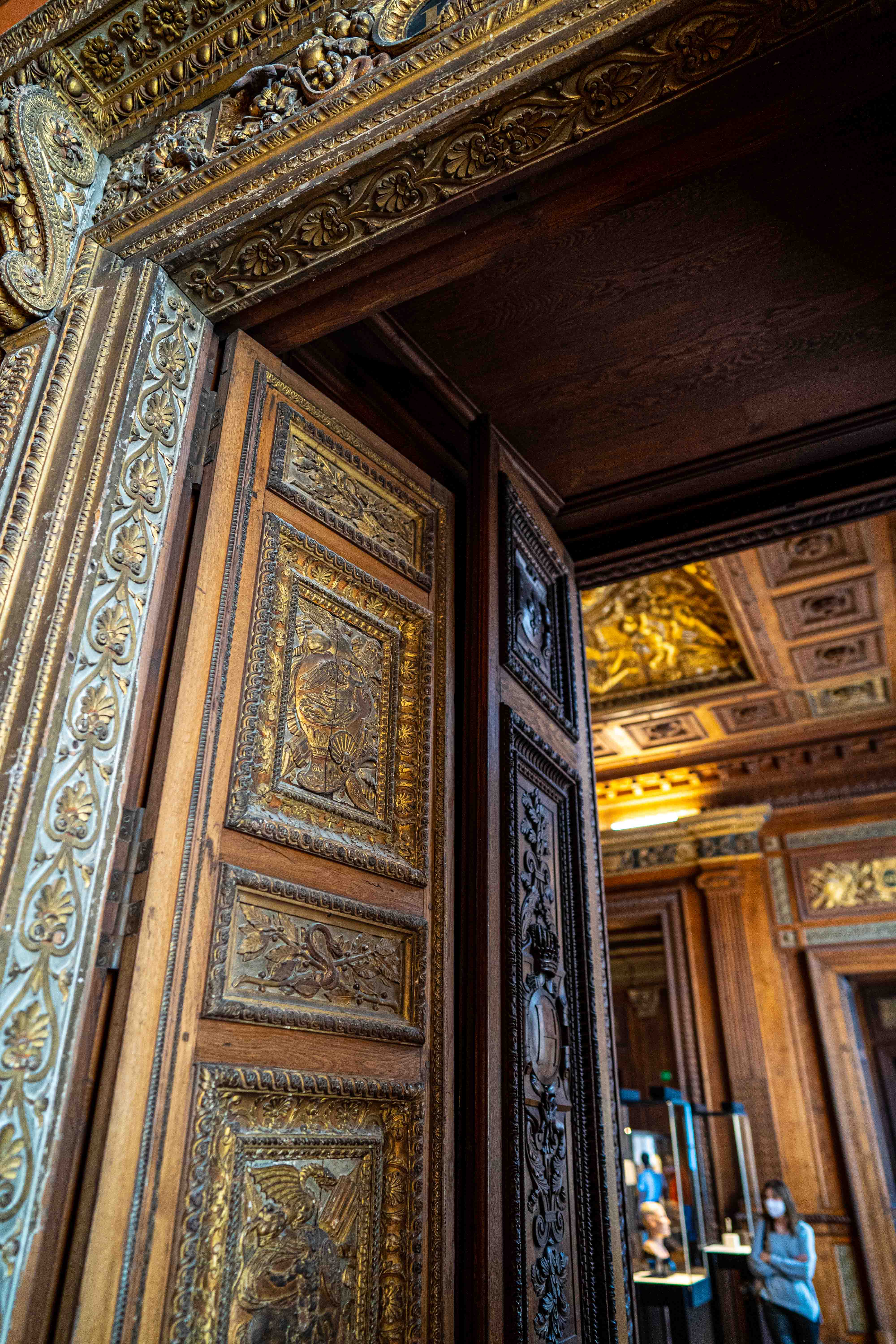
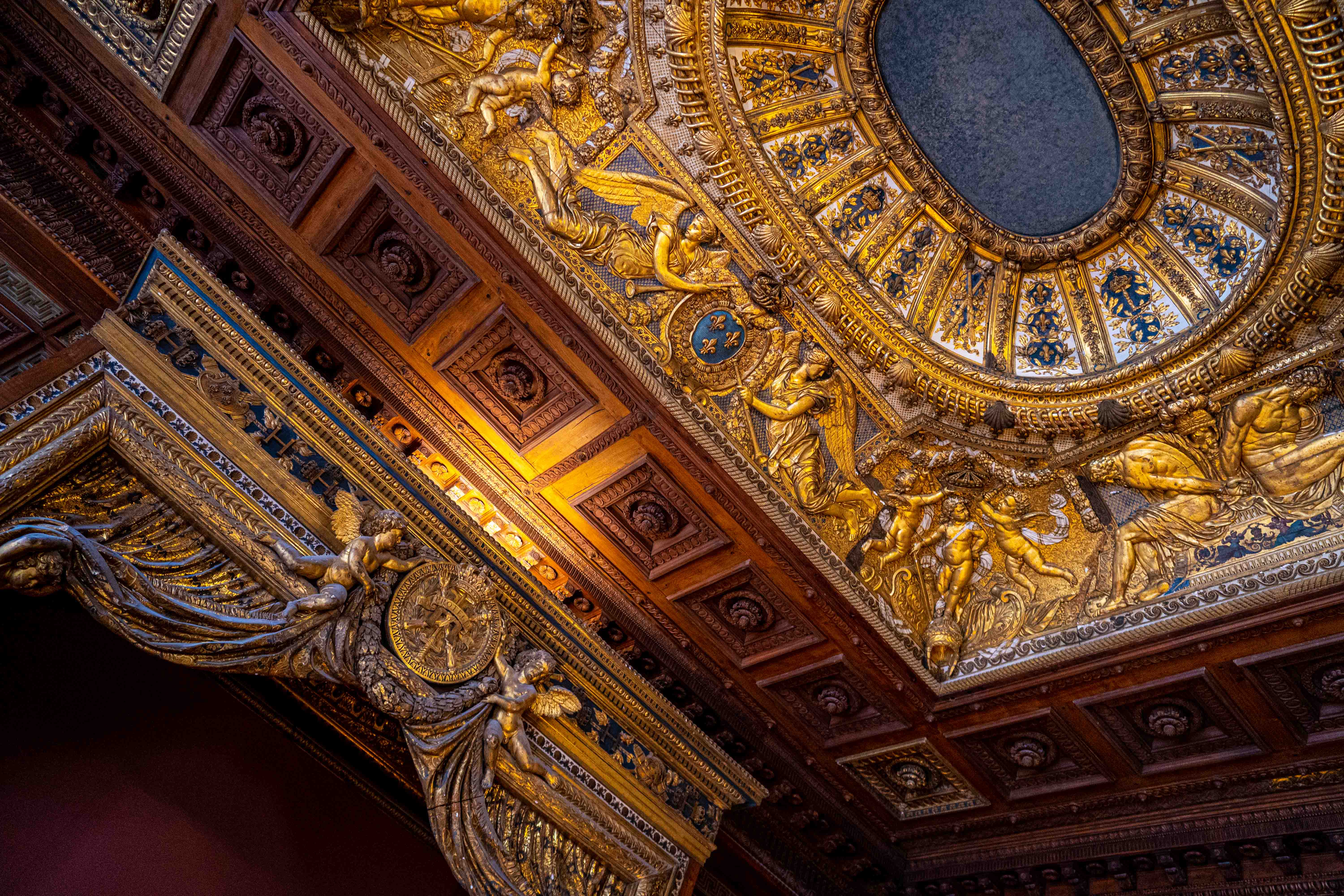
In traditional French Palace design, the King’s bedchamber was the main feature of the king’s apartments.
During the Ancien Regime, the late Middle Ages until the French Revolution. Placed significant emphasis to the King’s bed. Instead of sitting on a throne, the king would lounge in his ornate bed.
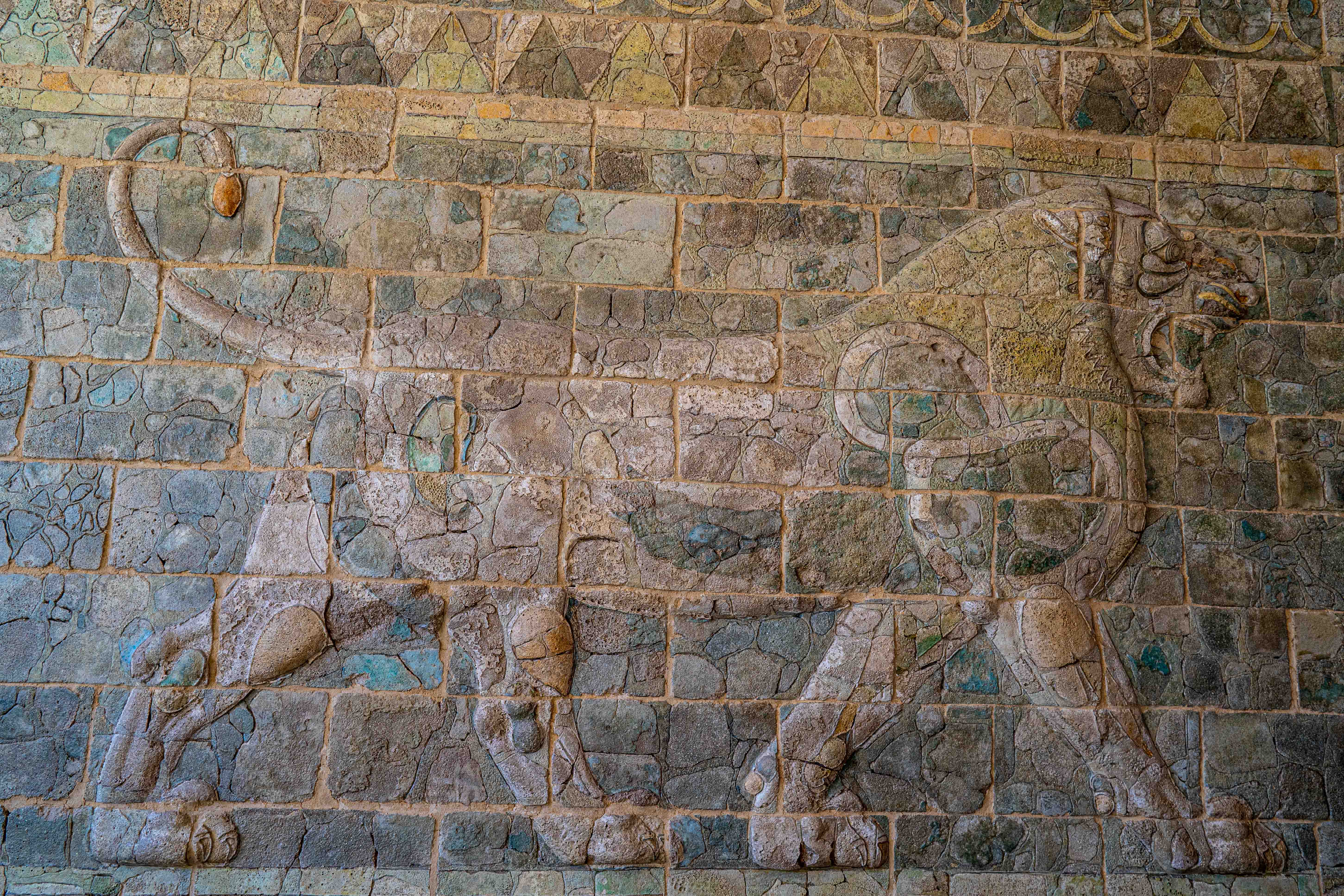
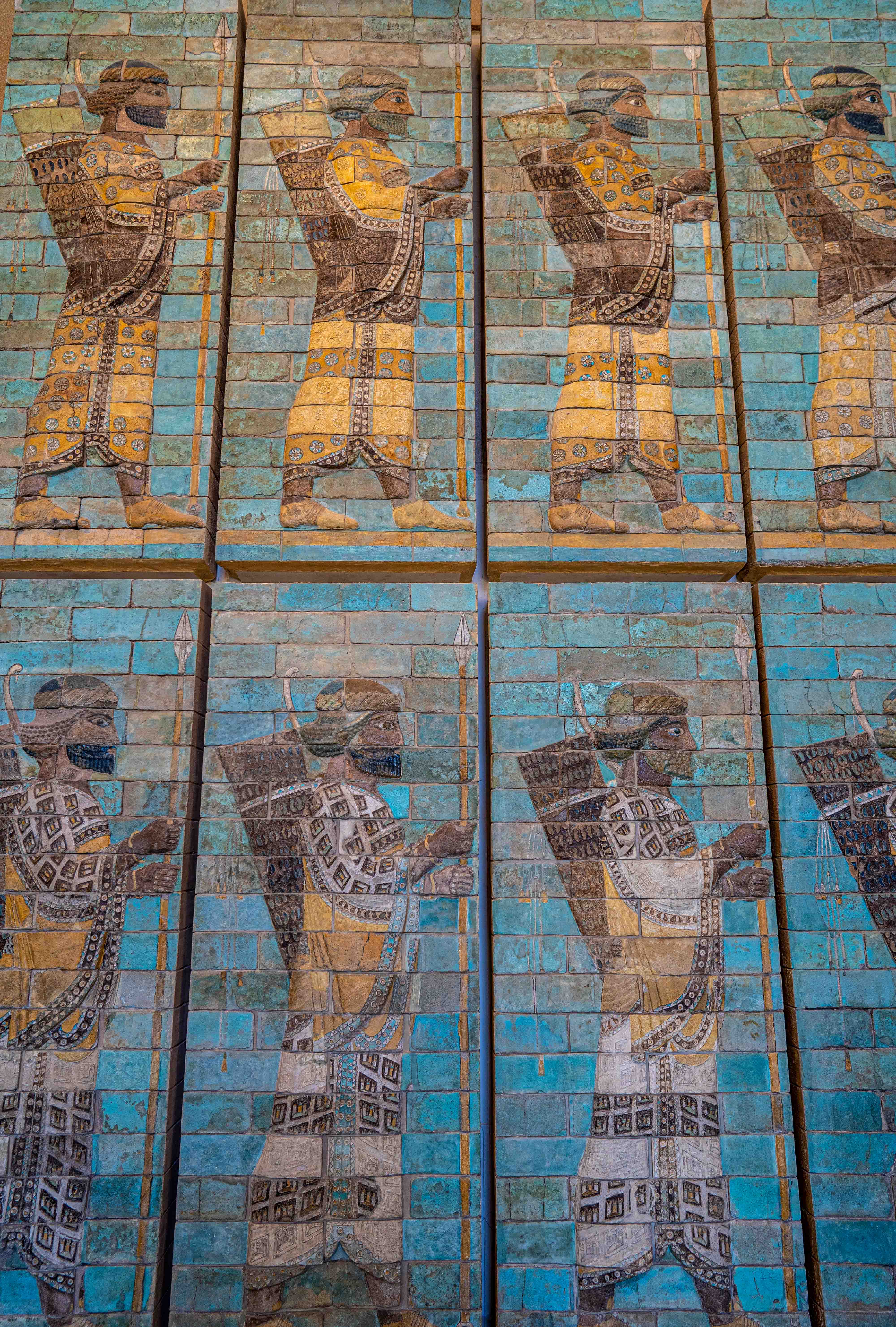
A trip to Paris should include a trip to the World Famous Louvre Museum. Planning ahead is crucial to your enjoyment. When we visited in April, we purchased our tickets ahead of time. This gave us a set time that we could enter the Museum.
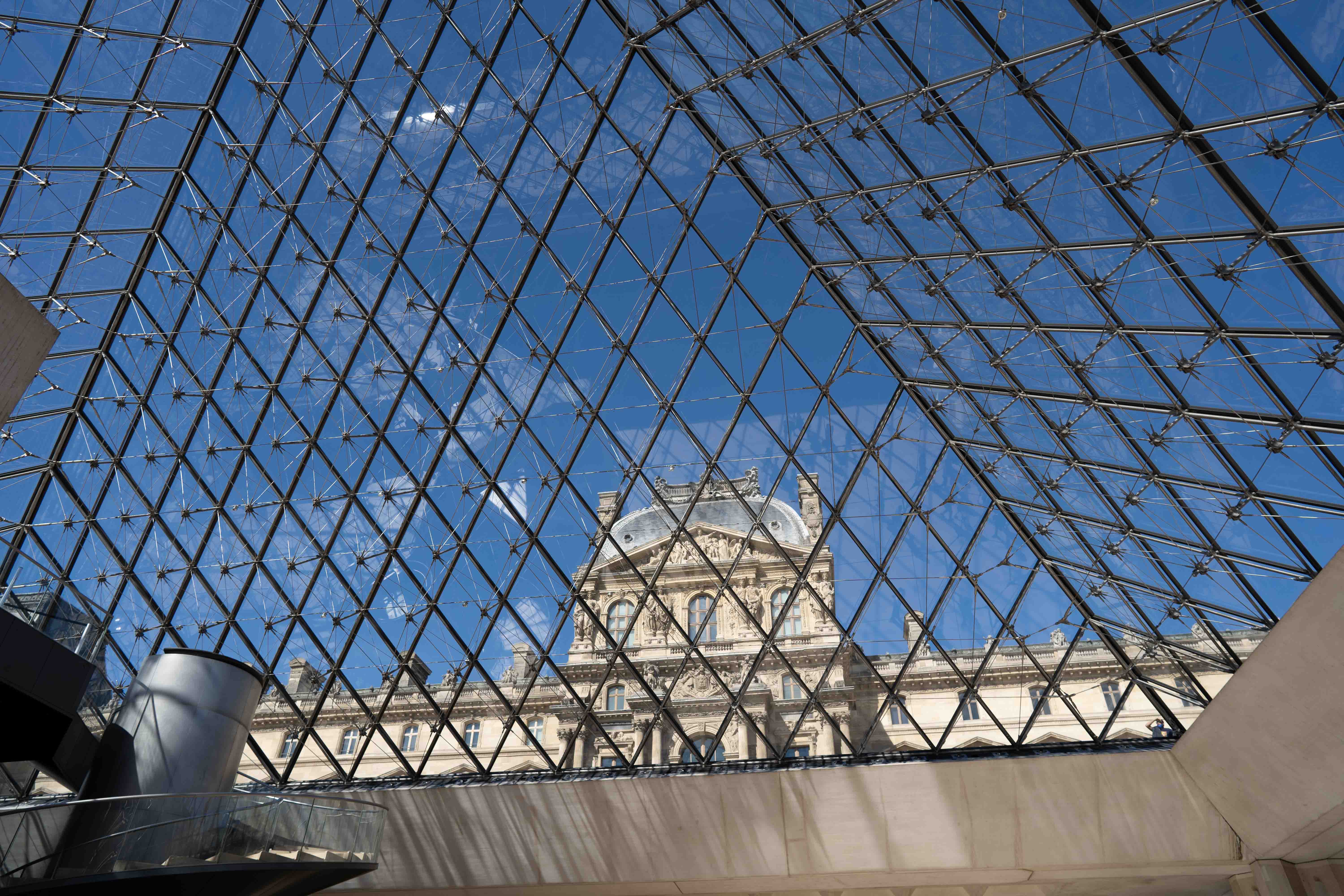
Tip#1: Don’t queue up to enter the Glass Pyramid. Instead, look for Carrousel de Louvre. If you are facing the Gardens, go through the building on your right. This will take out to the street where you can find the entrance to the Louvre. This is an underground shopping mall and takes you right under the Glass Pyramid. There was no line, but we had to wait for our designated time.
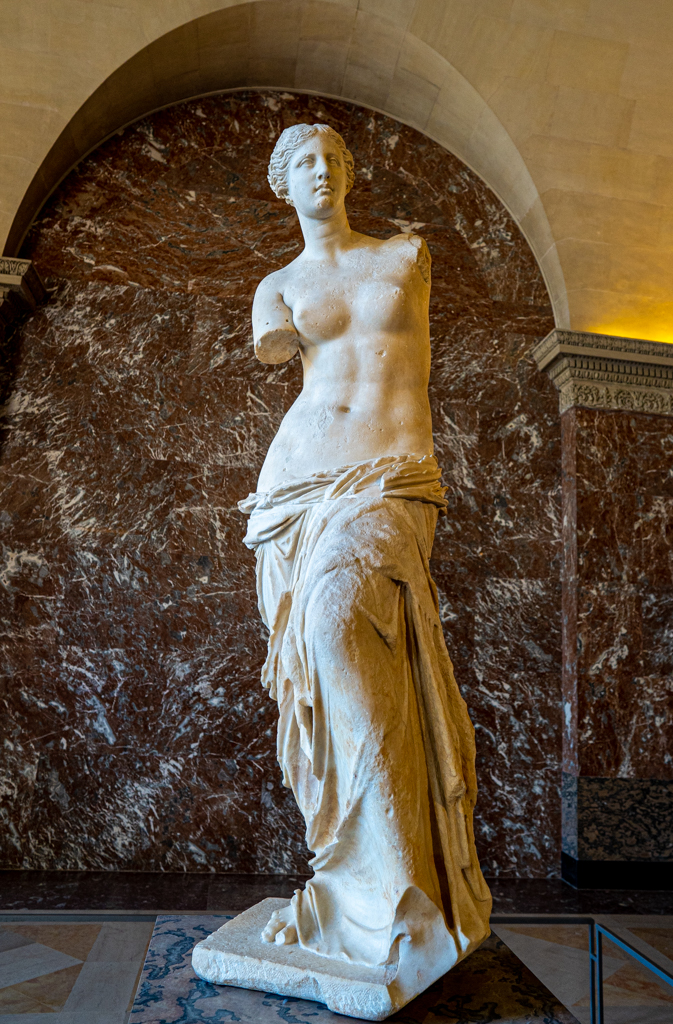
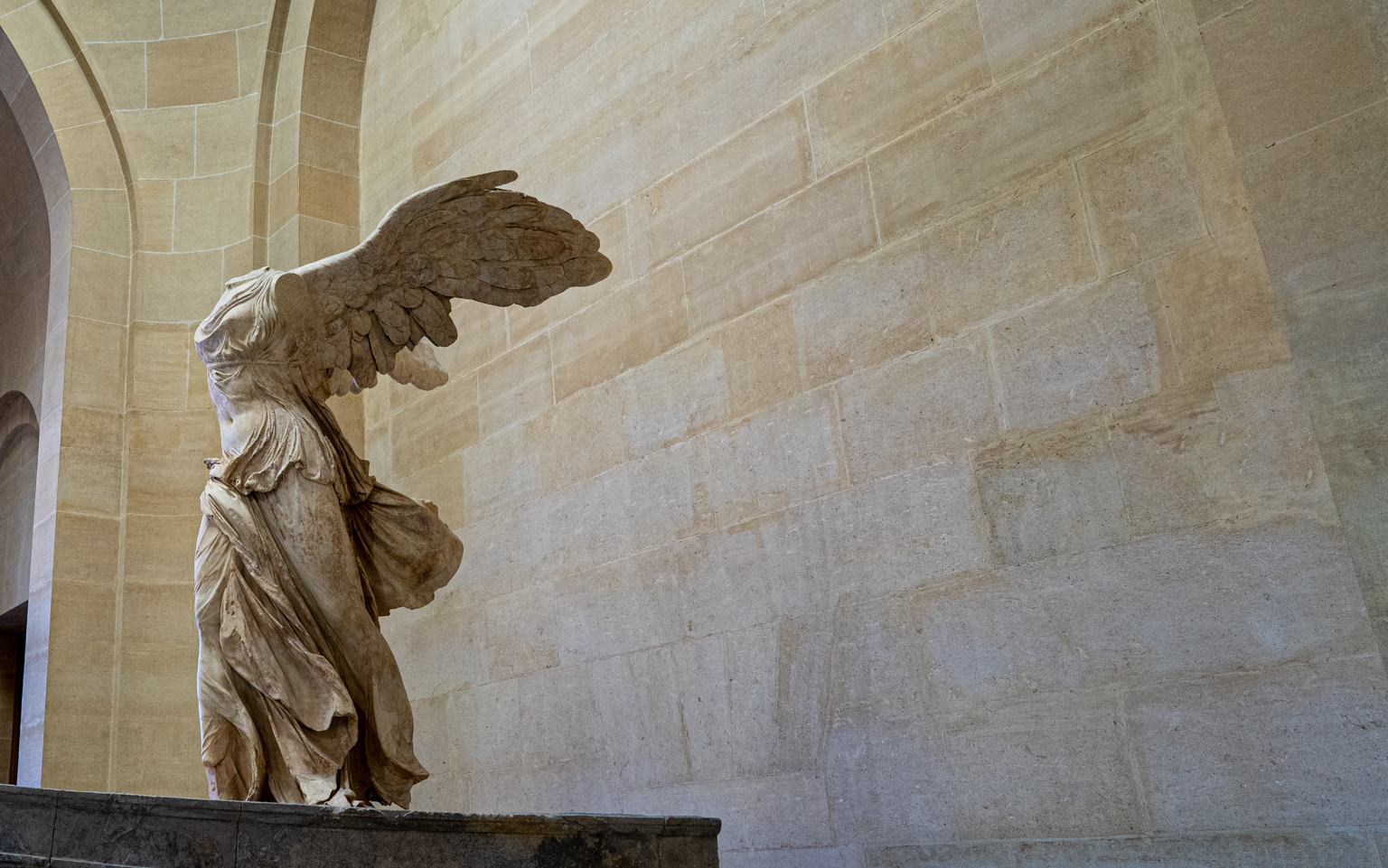
Tip#2: Do your homework and know what you want to see. The Louvre is Massive! Our highlights included Mona Lisa, Venus deMilo and Winged Victory.
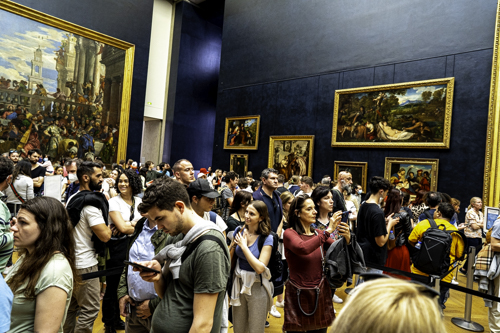
The Line for Mona can be very long.
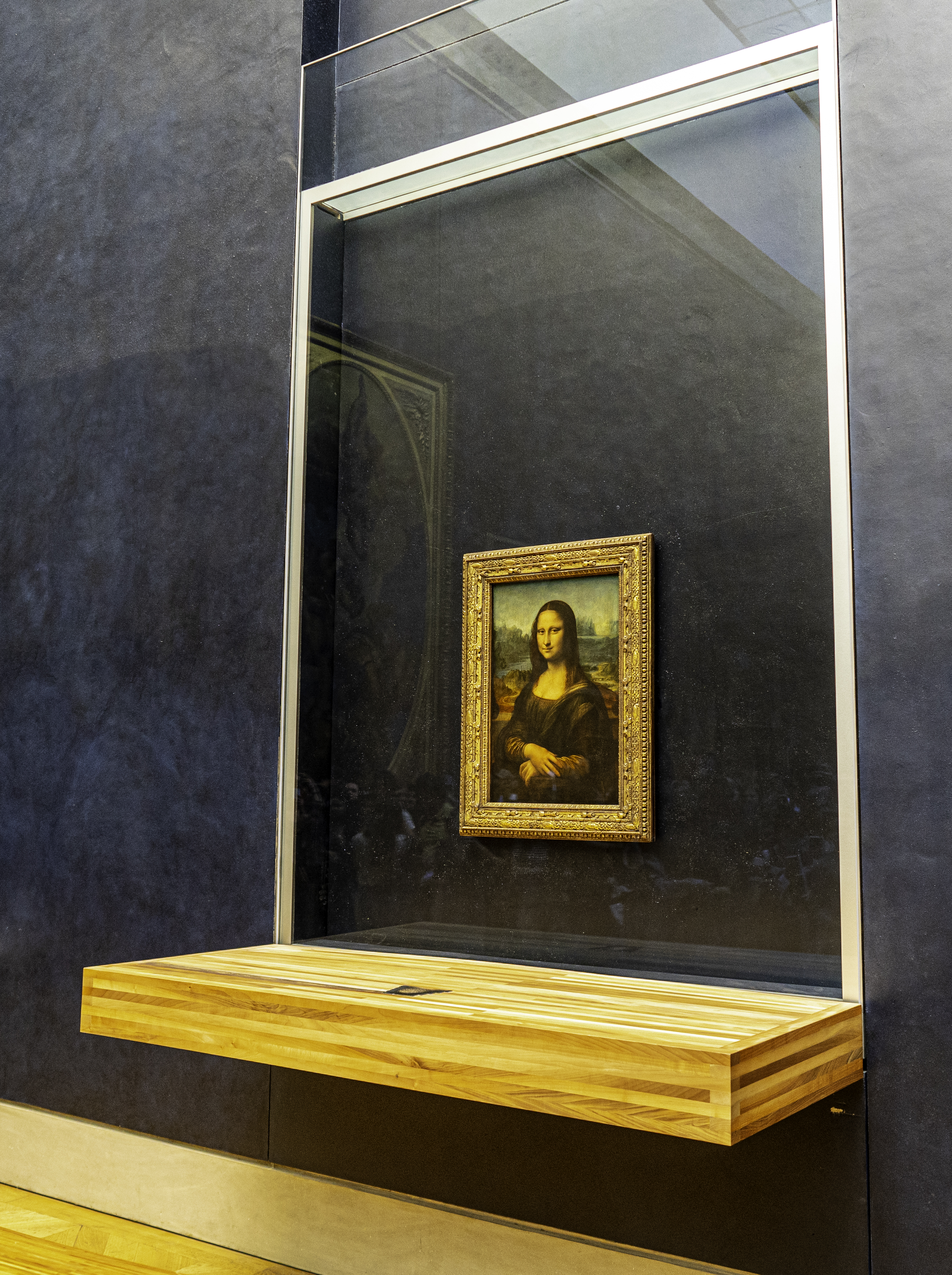
And when you actually get close enough, she can be underwhelming. The official name of this work of art is “La Gioconda”
Just a month after our visit, a protestor smeared a piece of cake on the glass protecting the Mona Lisa. Unfortunately, she has had her share of mayhem
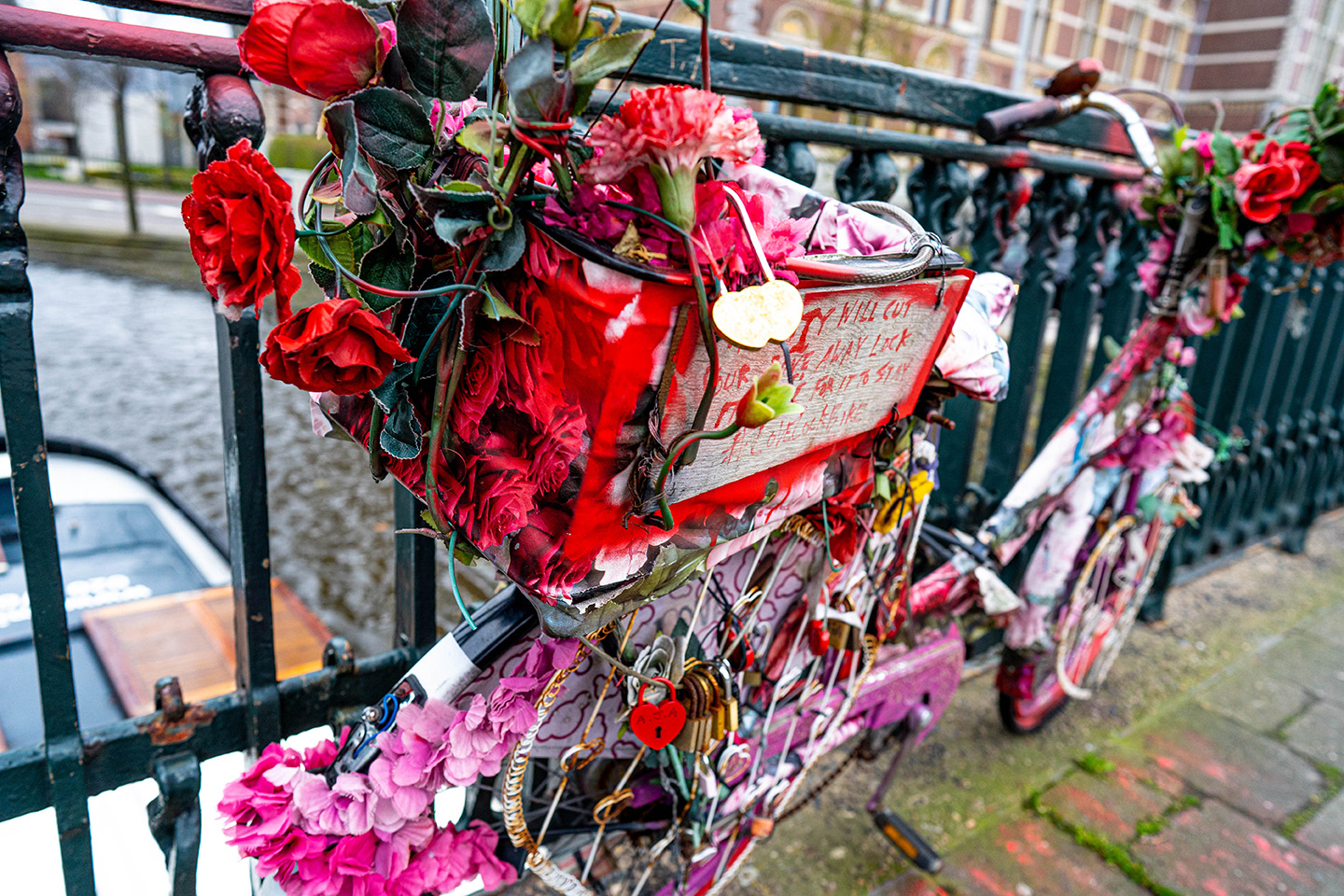
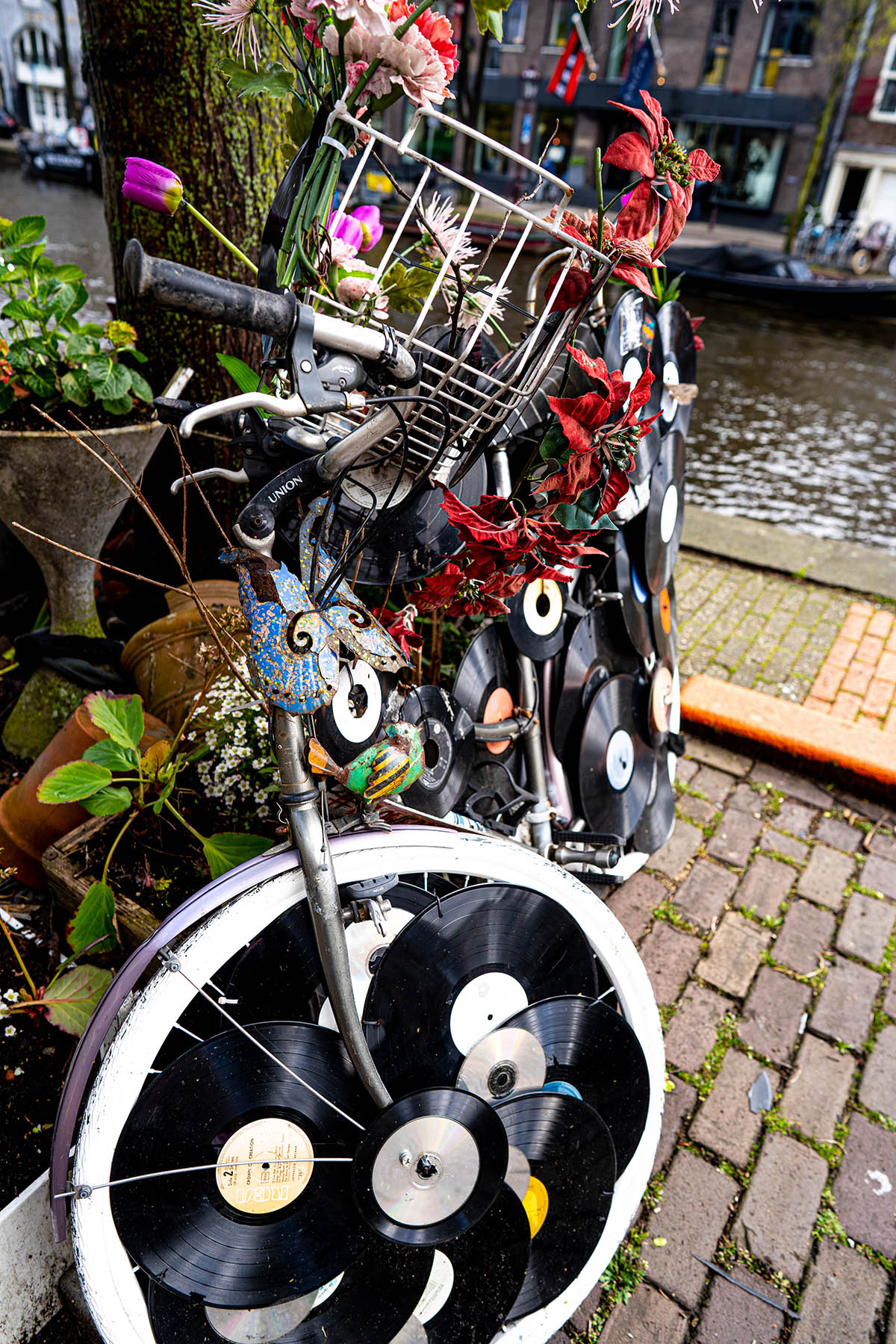
Along the bridges and streets of Amsterdam keep your eyes peeled for the Flower Bikes. These are the handiwork of an American man named Warren Gregory, Flower Bike Man. When his wife had difficulty finding her bike, he decorated hers with colorful flowers so it stood out. He also decorated a number of abandoned bikes and staged them along the route home to their houseboat so she wouldn’t get lost.
The Dutch capital of Amsterdam in The Netherlands started out as a fishing village in the 13th century. Today it is a cosmopolitan city full of historic neighborhoods and an exciting nightlife.
The 17th century is considered Amsterdam’s Golden Age. Thinkers and artists such as Rembrandt and Descartes called Amsterdam home.
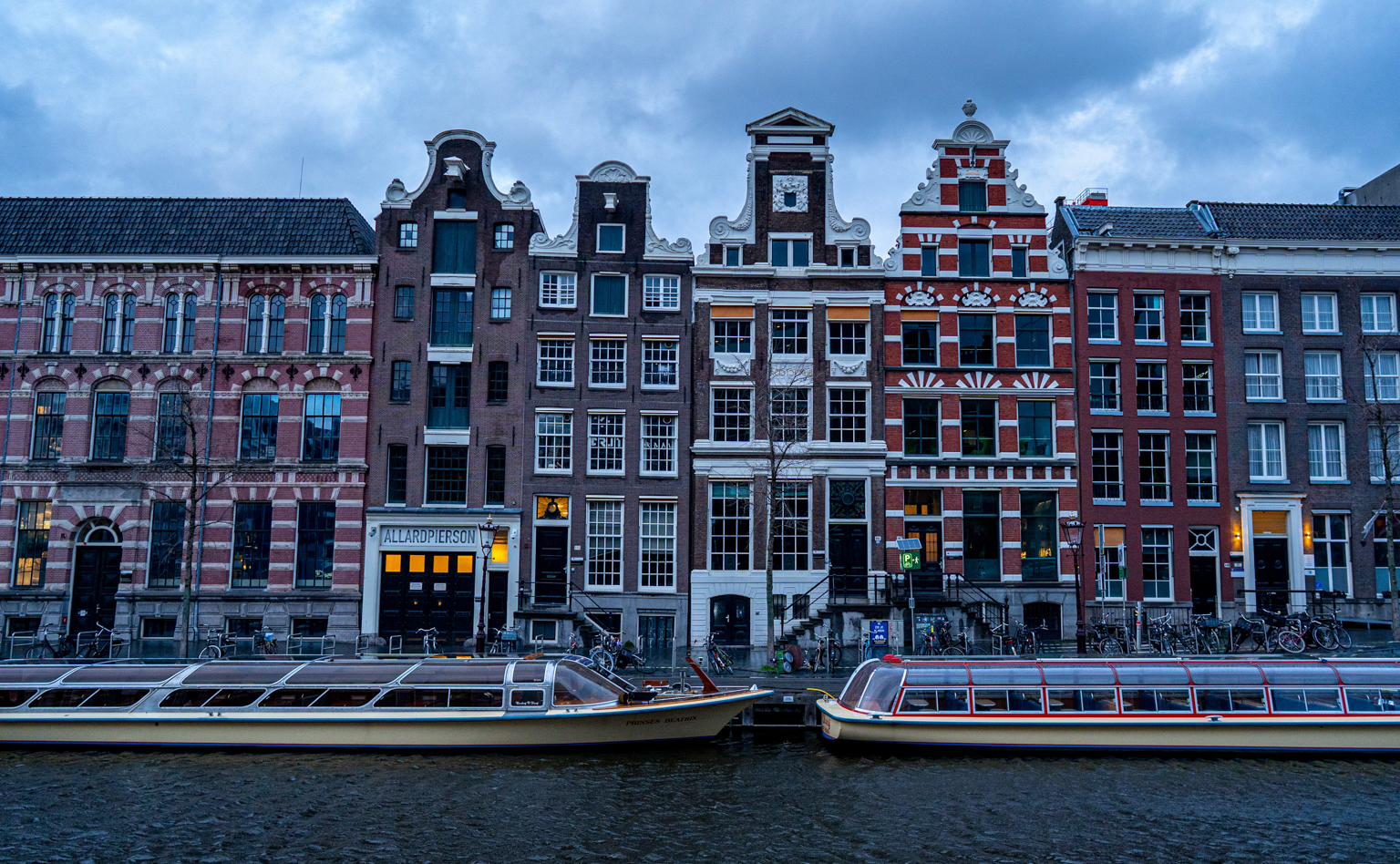
Along the canals, the narrow houses were built by merchants. They had their businesses in the front with access to the canals and lived in the back and above. A trio of canals Prinsengracht, Herengracht and Keizergracht encircle the historic city center. The waterways gave the merchants a means to bring goods and materials into the city. The houses average 25 -35 feet across and have steep gabled roofs.
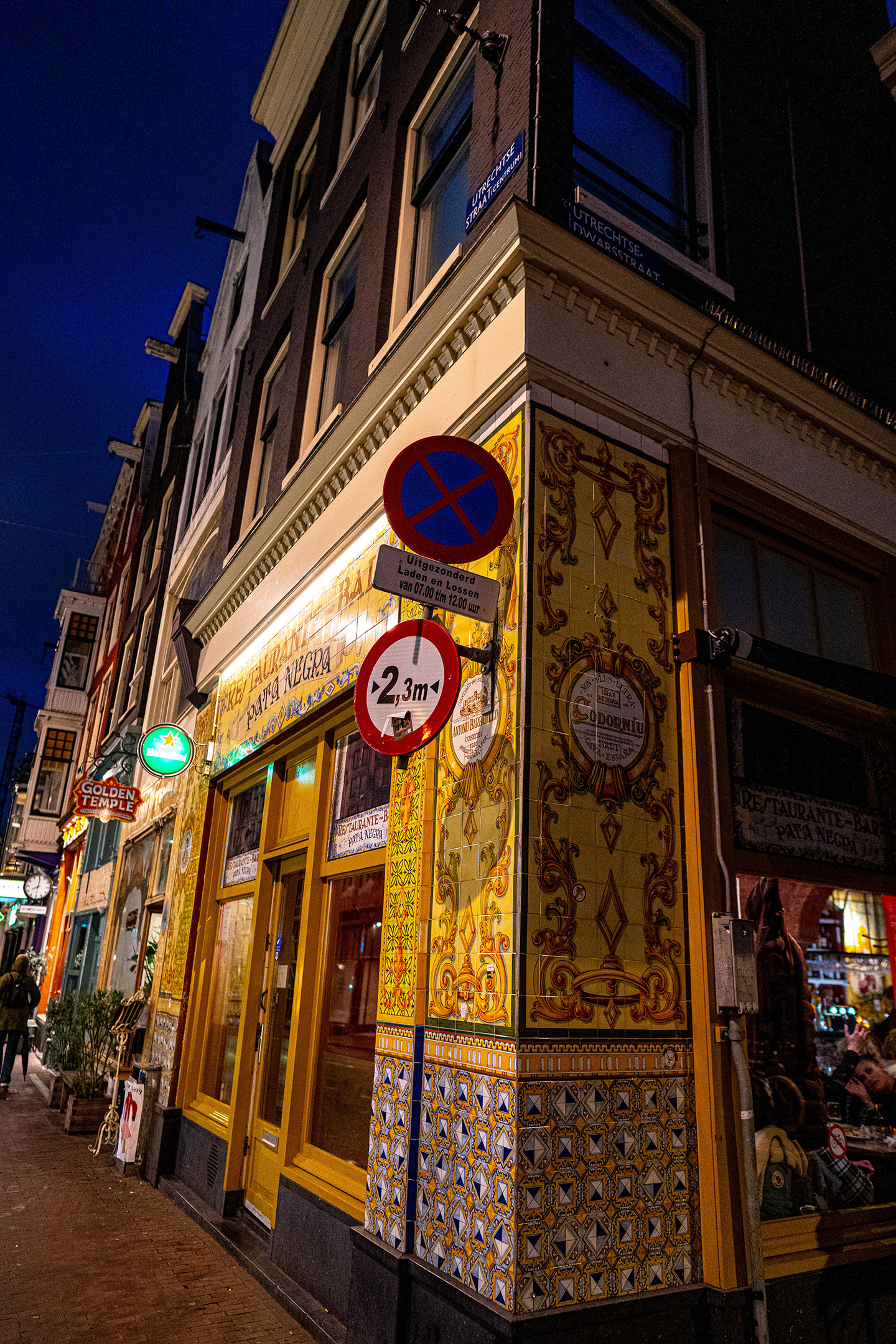
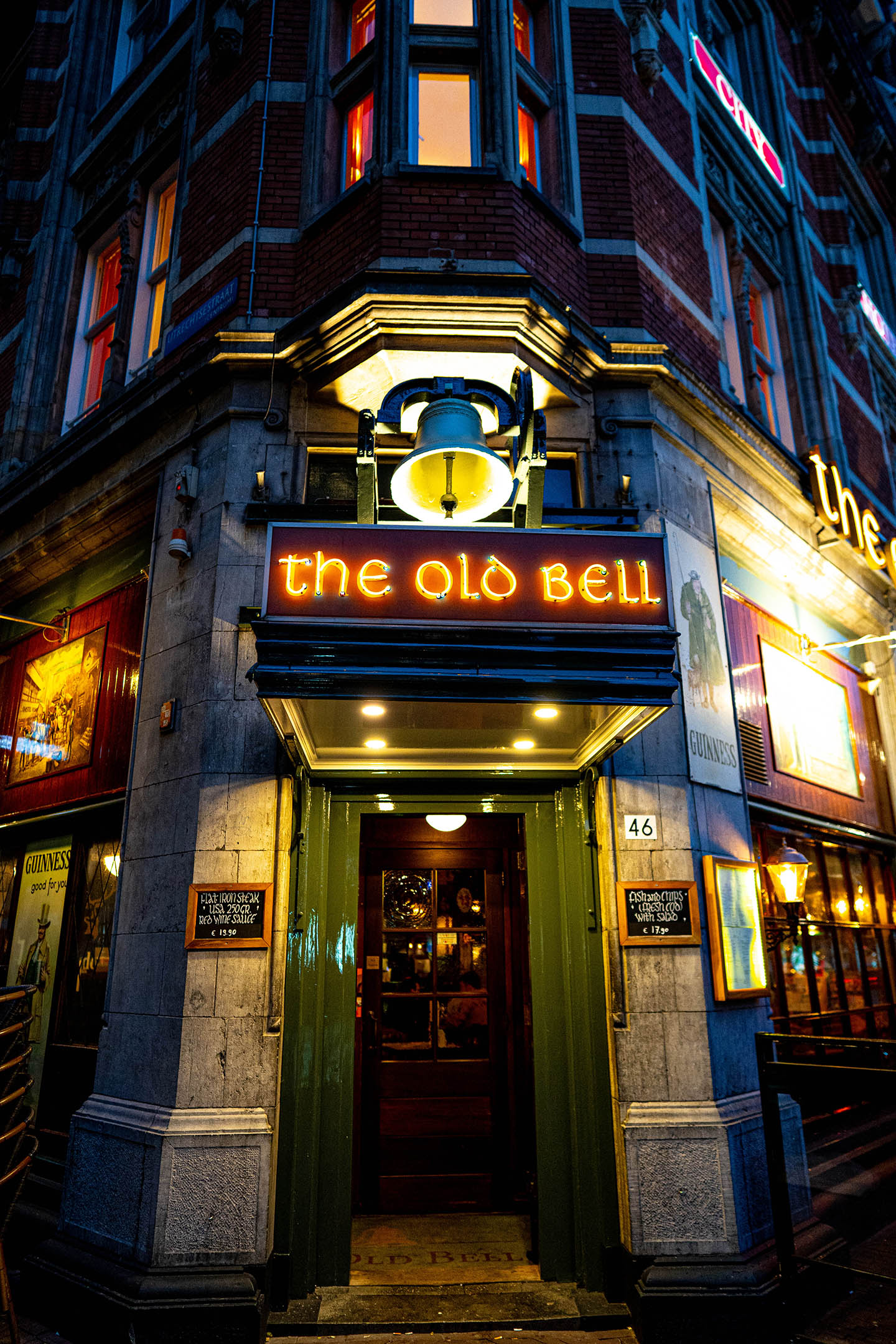
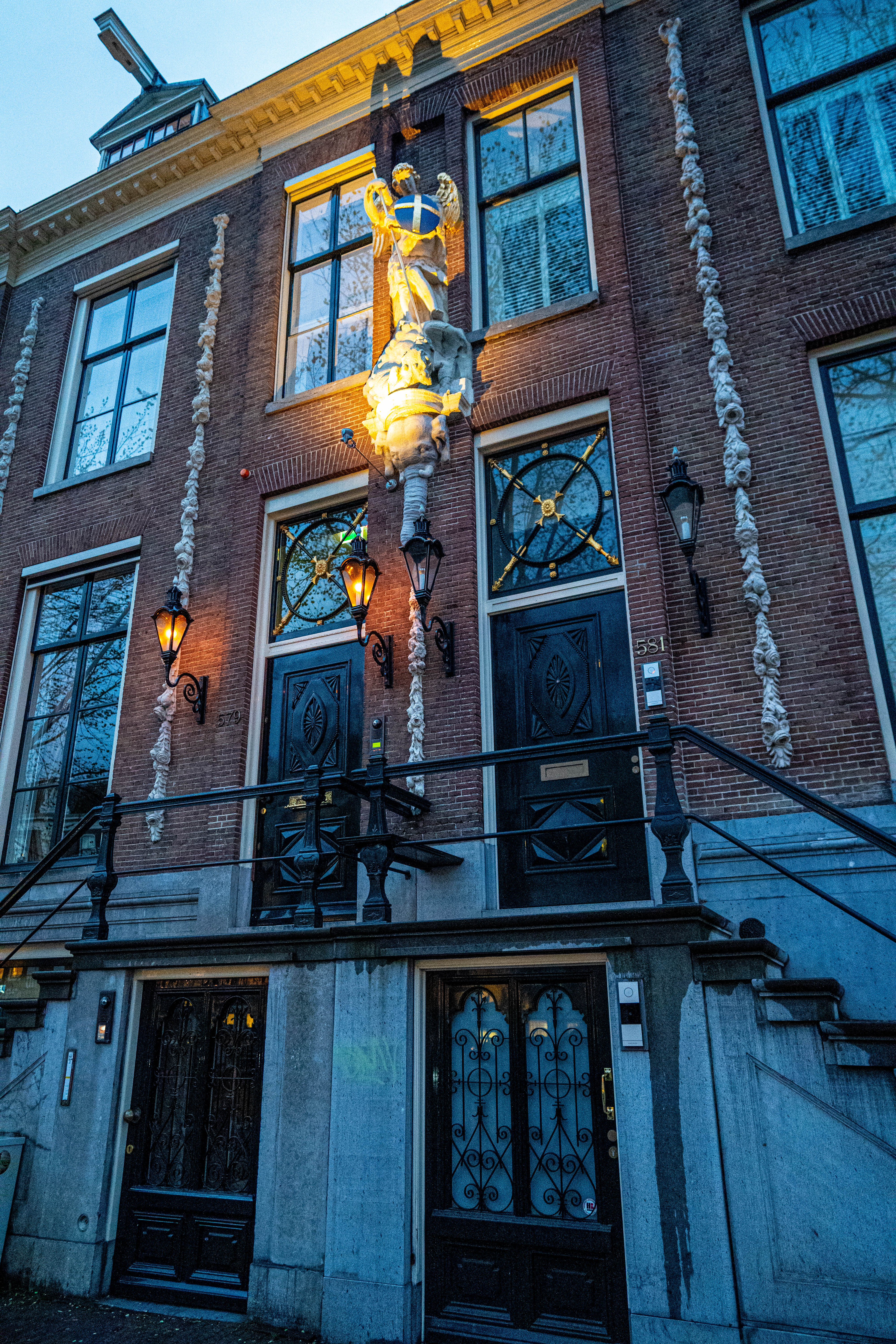
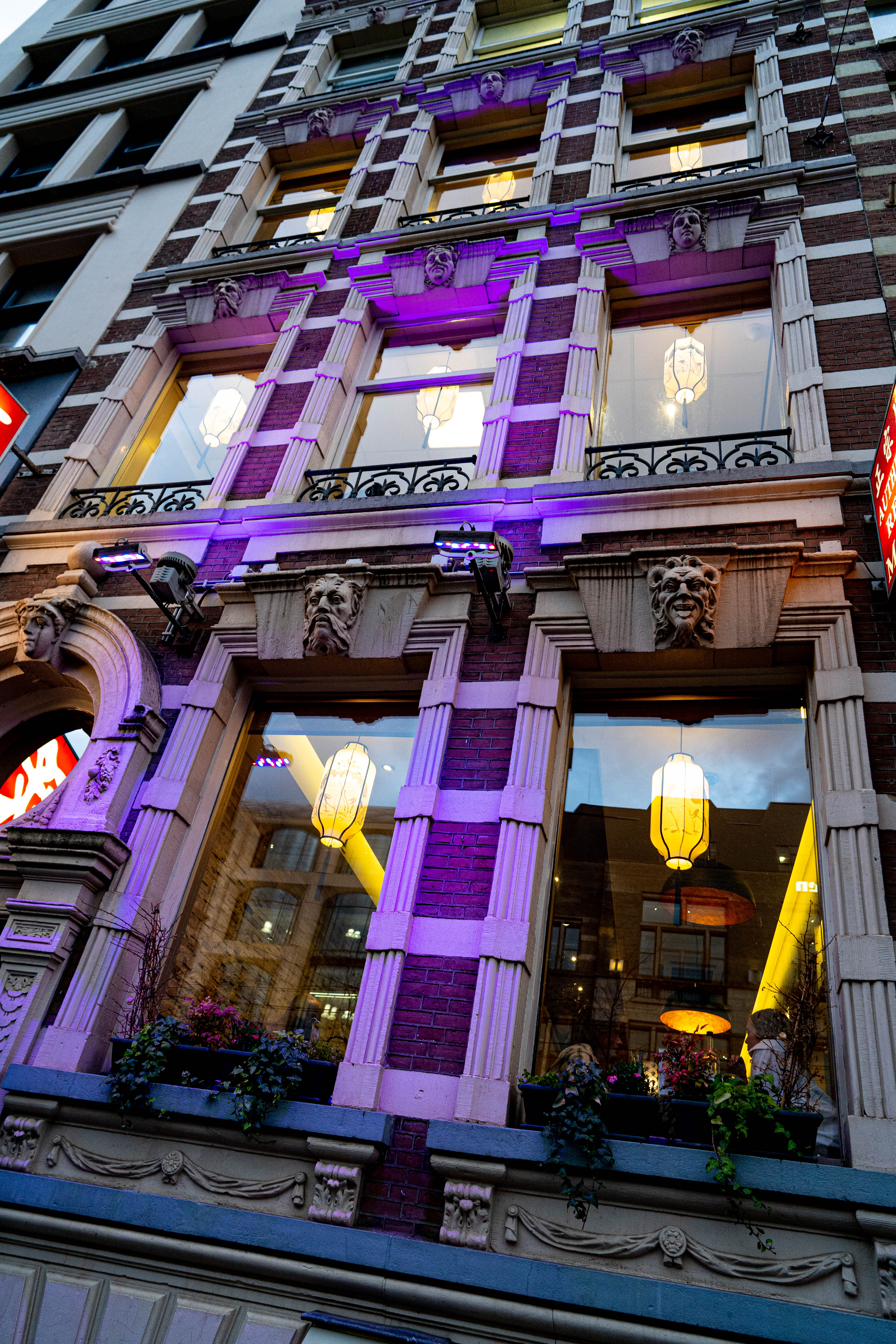
You can lose an afternoon wandering the streets of Amsterdam. Every facade has a story to tell.
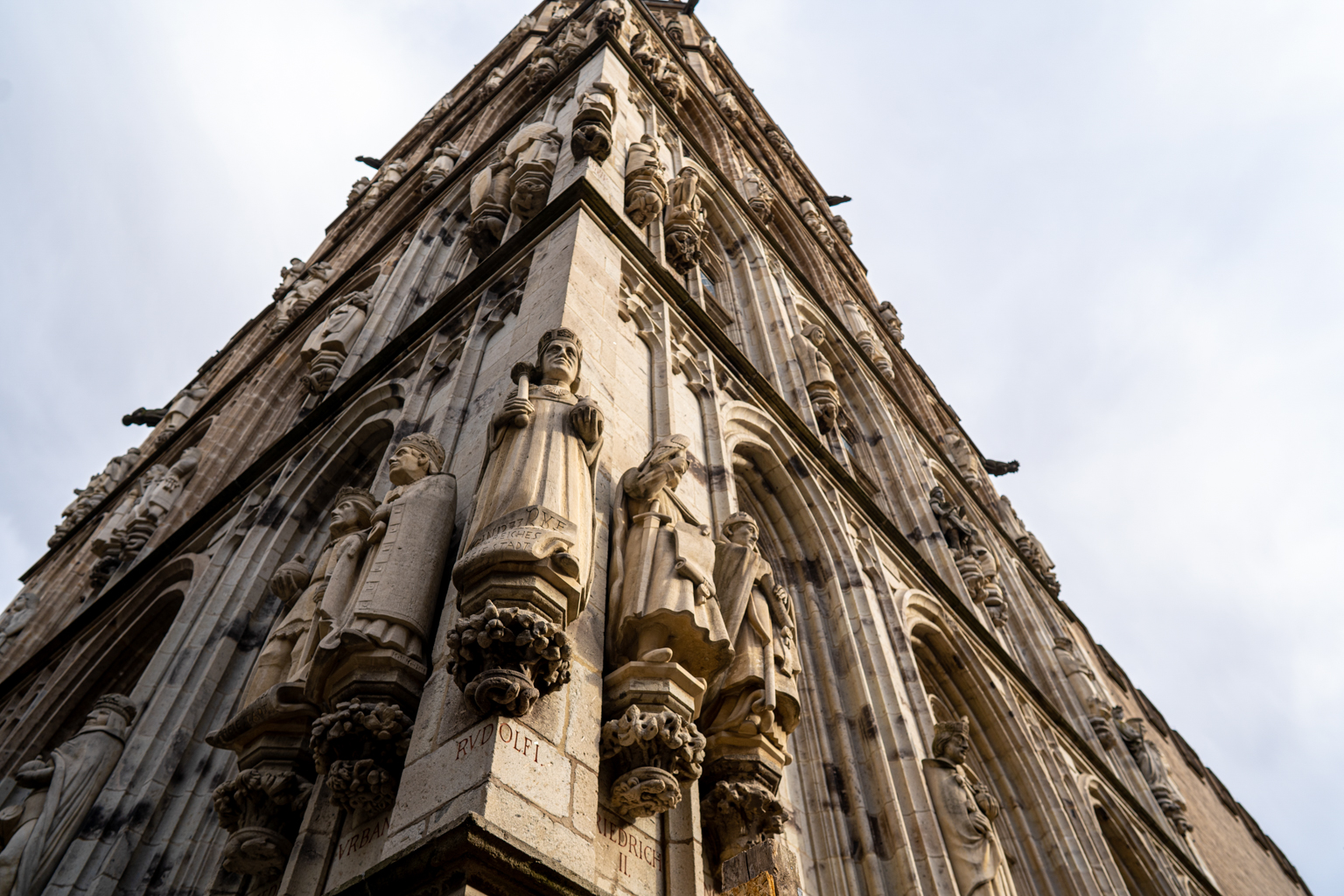
The Cologne City Hall is one of the oldest Rathauses in Germany. Documents that mention the City Hall date back as far as the mid-12th century referring to a “House of the citizens”. In the 14th century, the current city hall was built on its foundation.
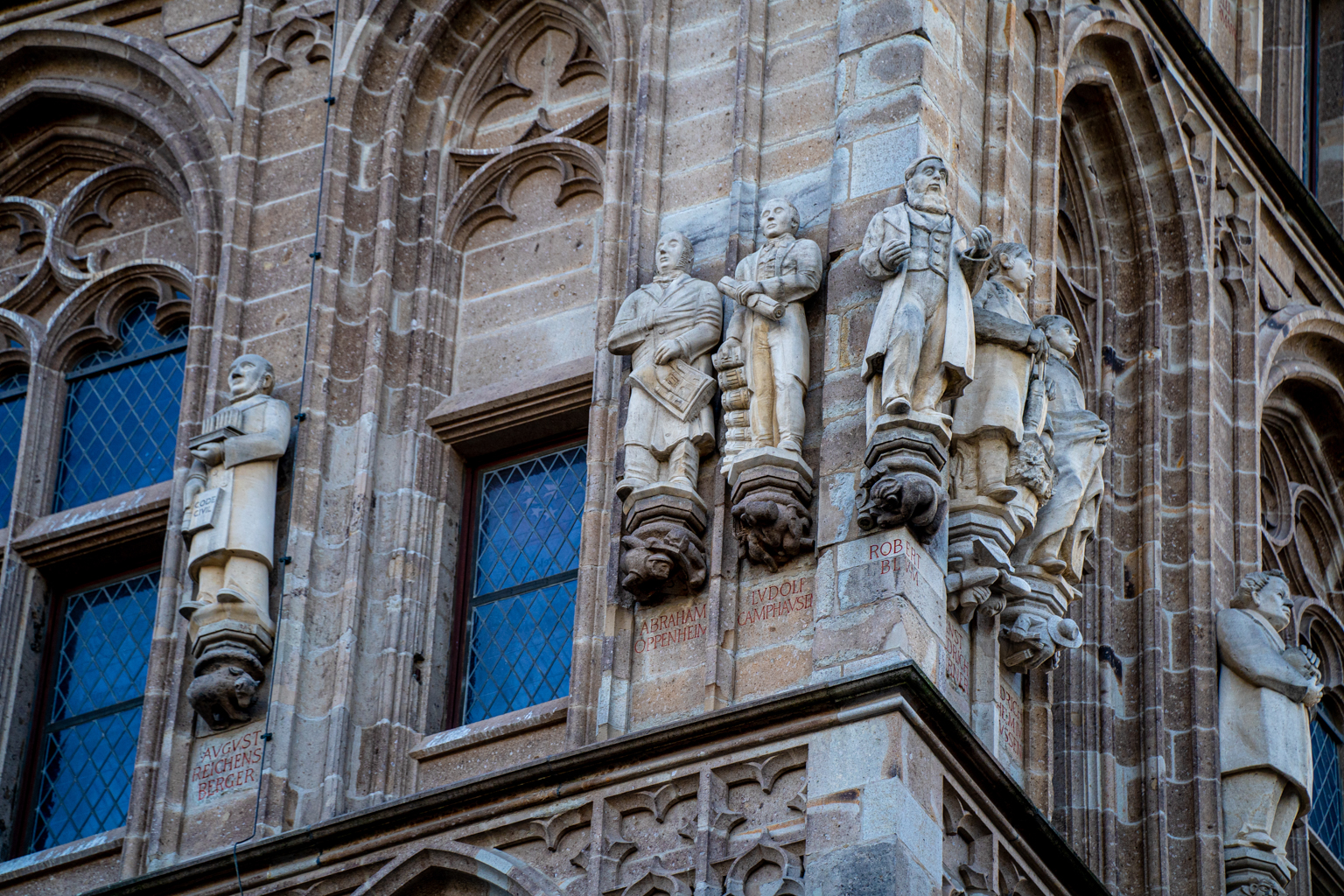
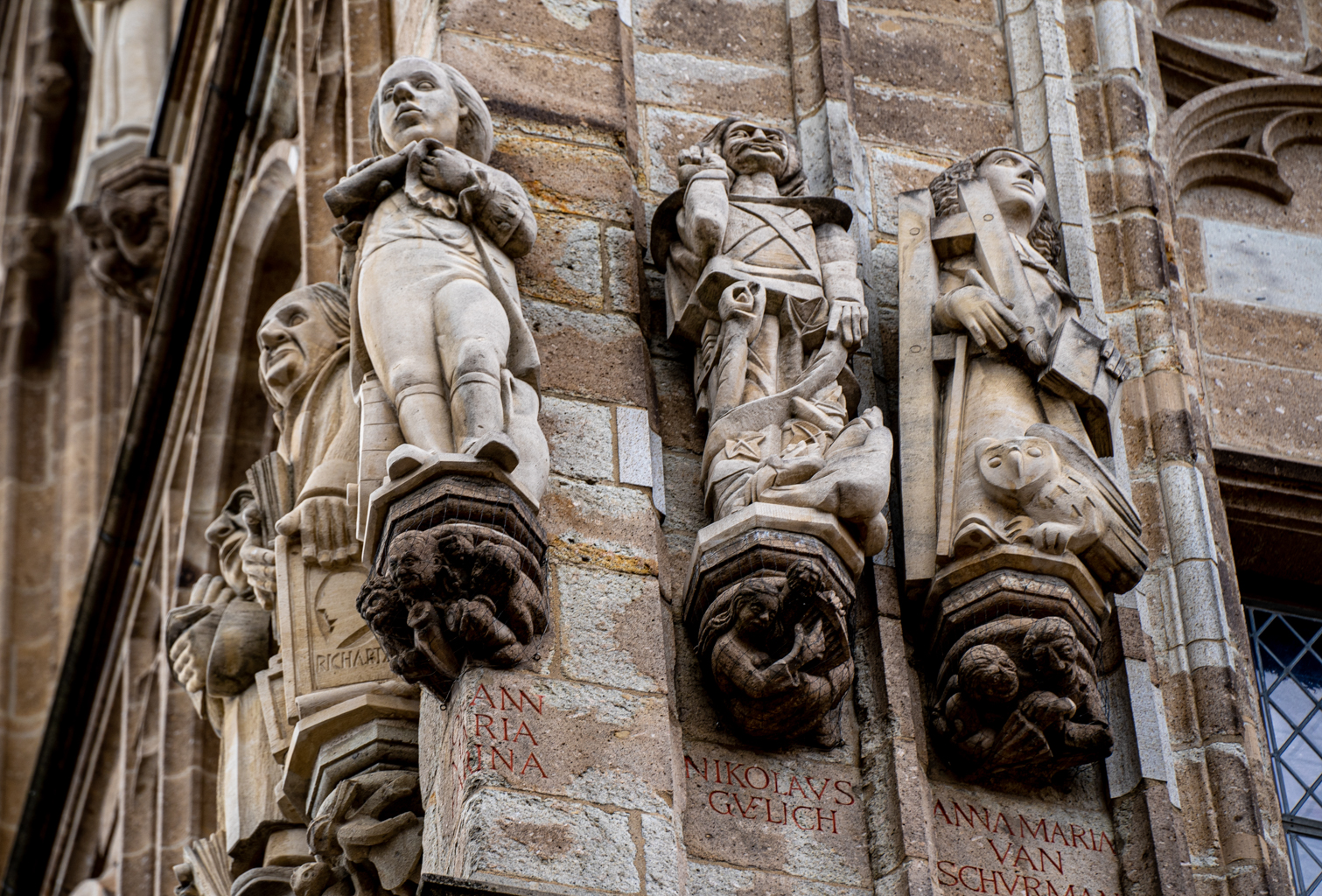
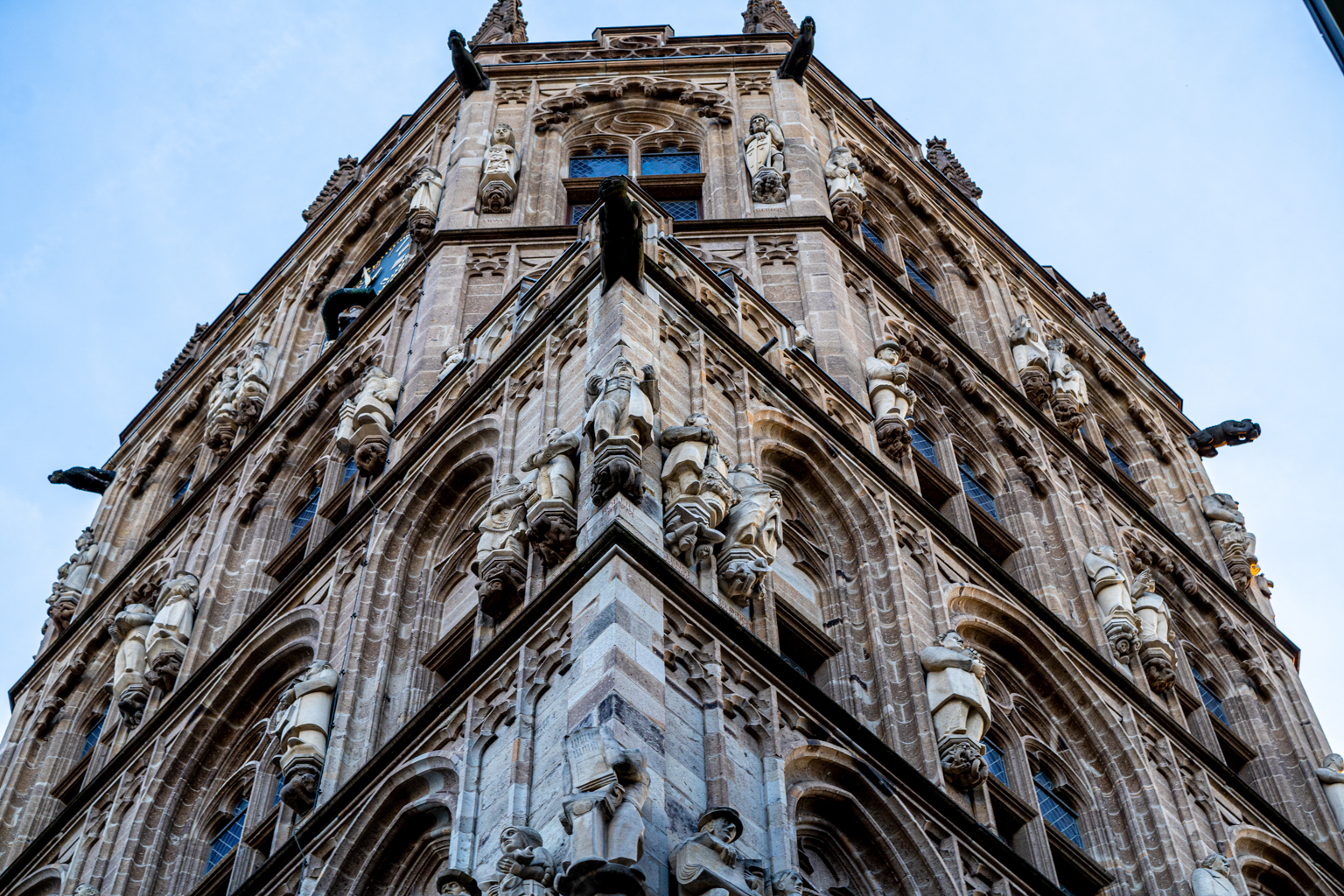
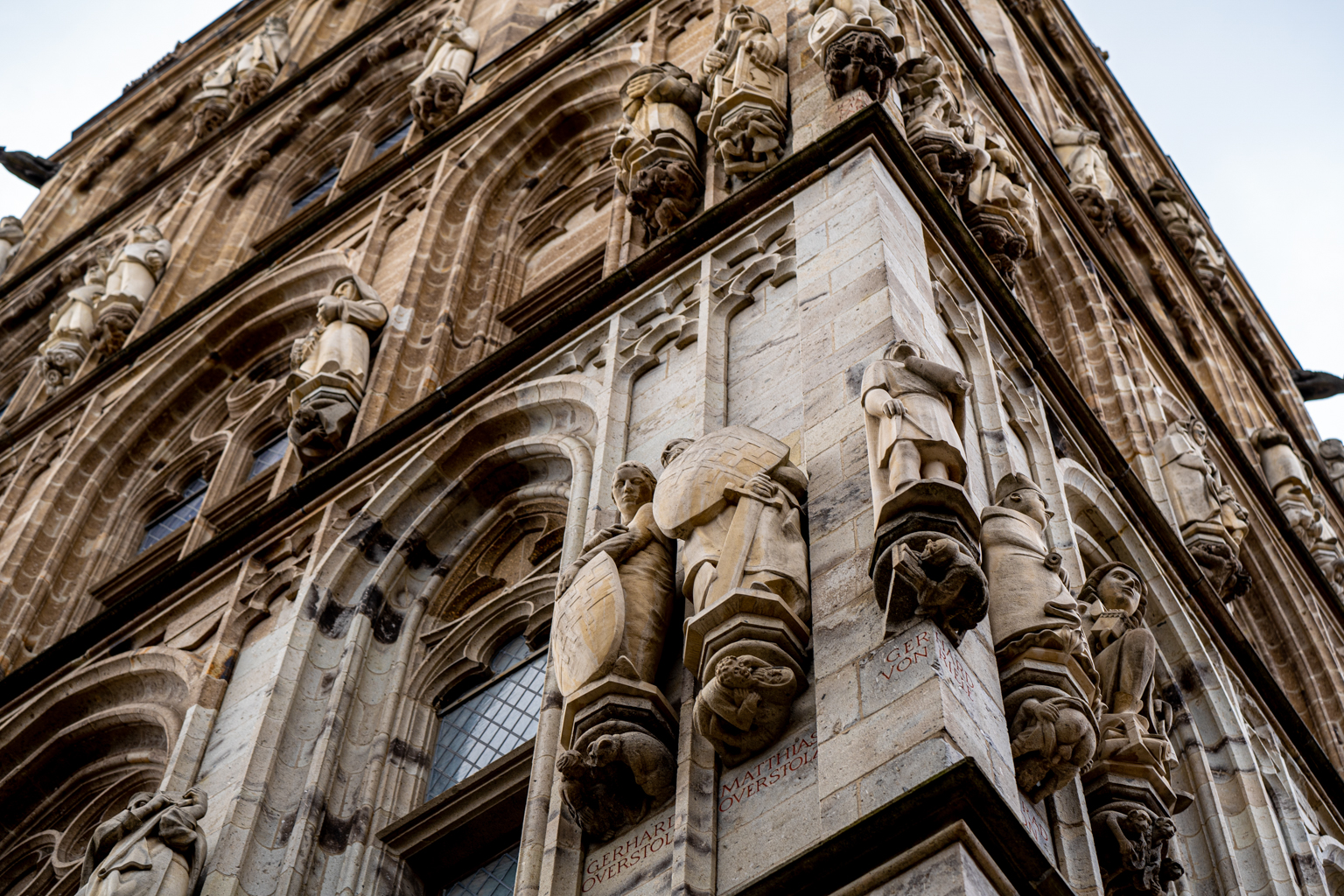
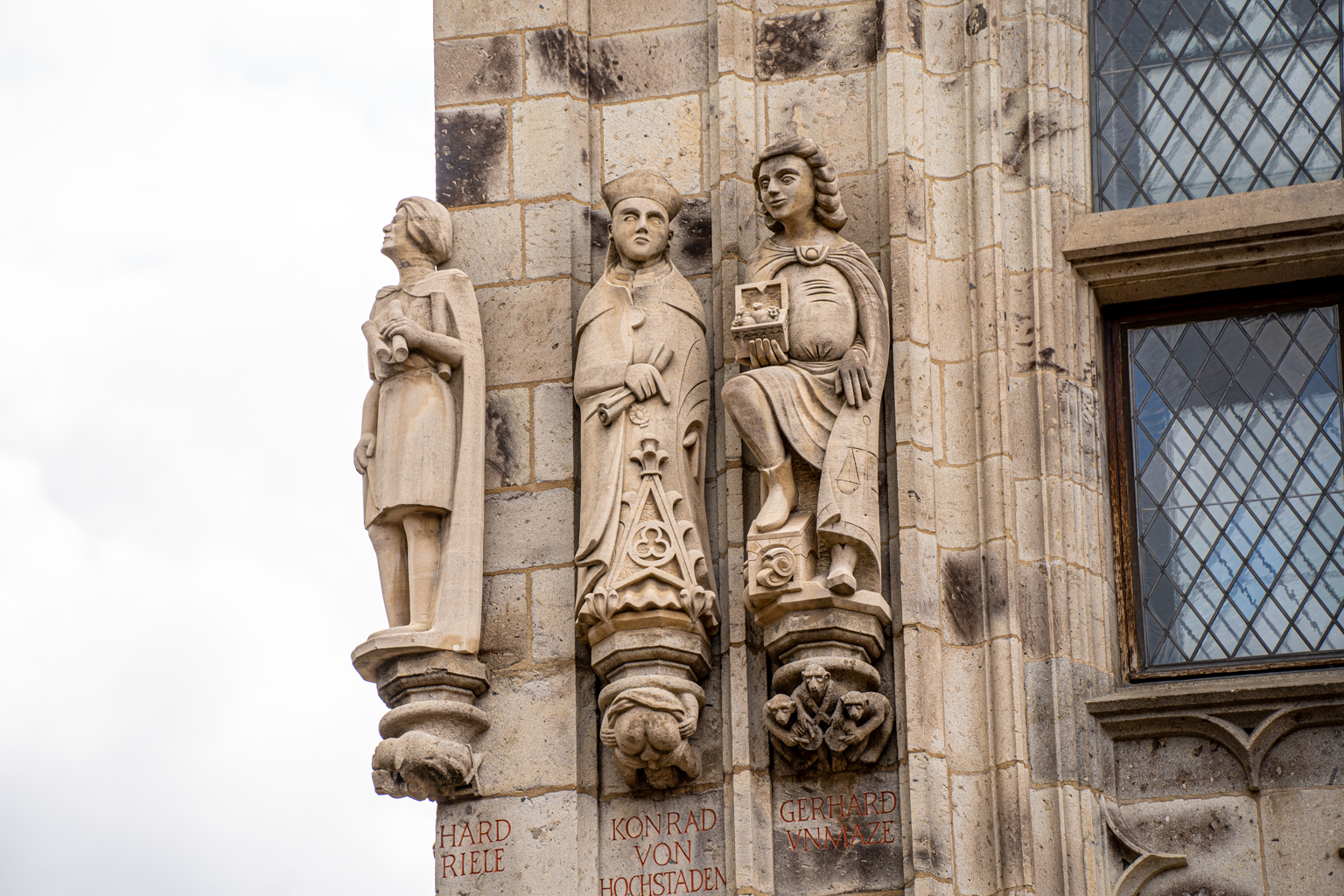
In the early 15th Century, a tower resembling a church steeple was added. The 5 story tower of the Rathaus is decorated with 124 figures of emperors, kings, popes, honorary citizens of Cologne and patron saints of the city. Due to a poor choice of building materials the figures deteriorated over several centuries and were restored several times.
When standing in the square, take a look back at the city hall tower. Watch the clock every hour when it chimes. When the clock strikes, the bearded head beneath it shows tongue and starts teasing passerbys.
As you’re looking at the carved figures, pay special attention to what they are standing on. You will see a number of monkeys, musicians and hidden under a larger statue of Archbishop Konrad von Hochstaden, there is a man giving oral sex to himself. Dating back to 1410, the obscene carving was a popular motif in the Middle Ages. It literally represents showing one’s backside to the authorities. The carvers wanted to show that they don’t care about the morals or the public appearance of the authority figures.
Konrad von Hochstaden was the Archbishop of Cologne from 1238 – 1261. His position as one of the seven elector seats of the Holy Roman Empire made him quite powerful. Kings throughout Europe beseeched him for his approval before their coronation. In addition to laying the foundation stone for the Koln Cathedral, it’s also thought he used his authority to implement a tax on beer. Probably a very poor decison given the number of breweries in the city.
If you want more information or plan a visit The Rathaus follow this link.
Built on the ancient ruins of a Roman cemetery, where 11,000 virgins associated with the legend of Saint Ursula were supposedly buried. Inside the church is a reliquary featuring the bones of these martyred girls. The story of Saint Ursula is now considered to be fiction. It’s thought that there were originally 11 girls accompanying St. Ursula but over the years the letter M was mistaken for the Roman numeral for 1000.









 Travels With Ackbar