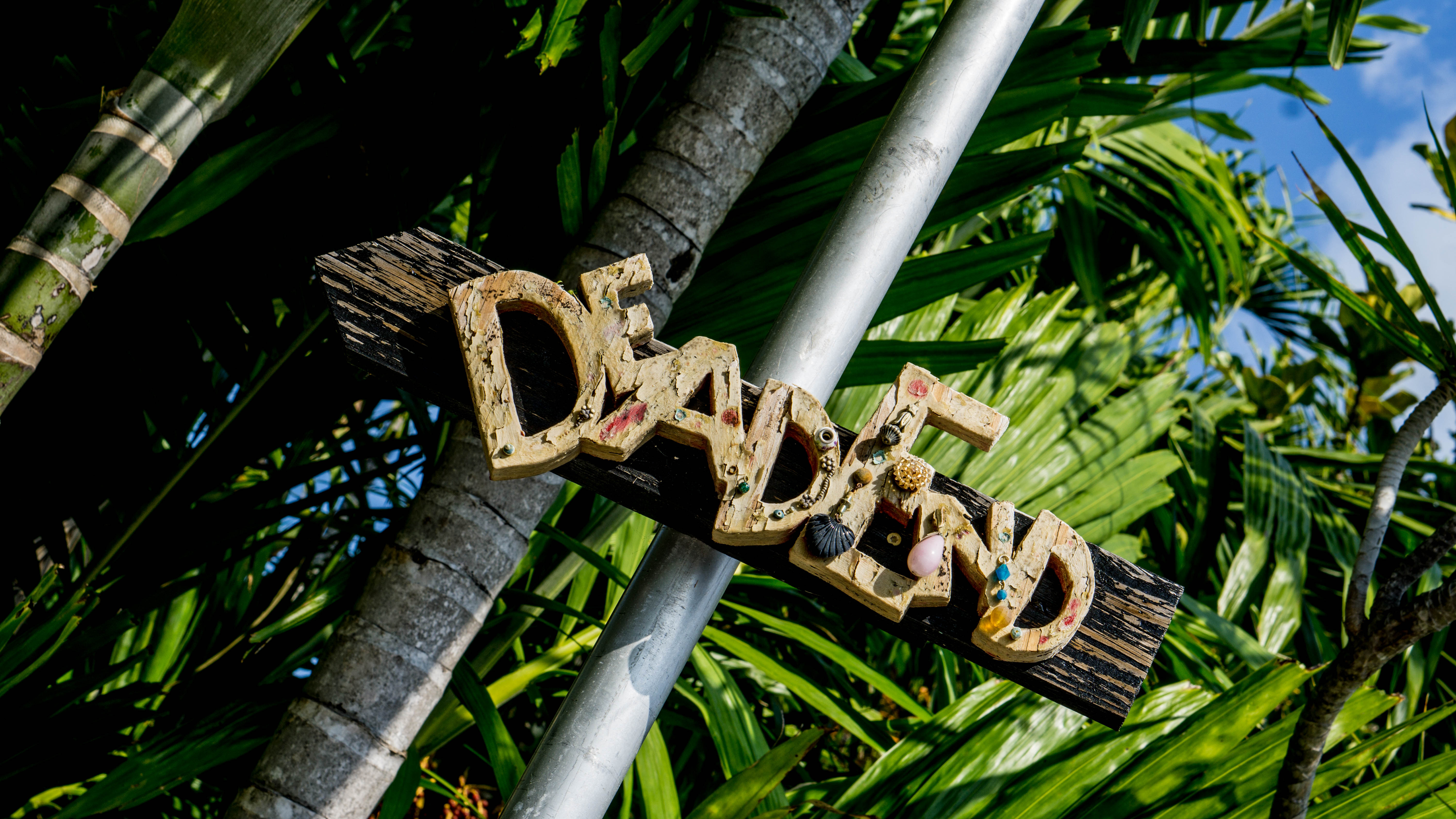
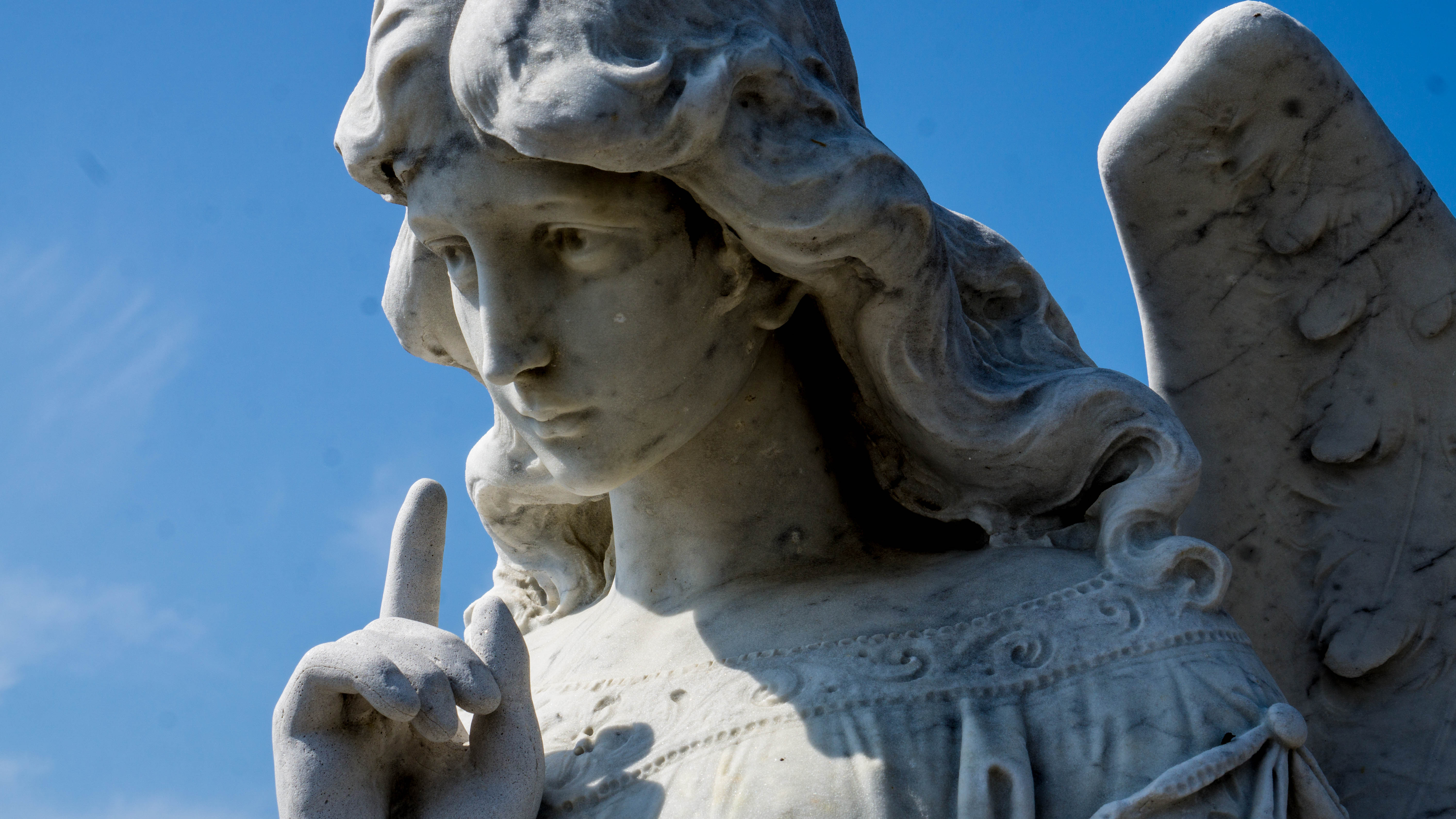
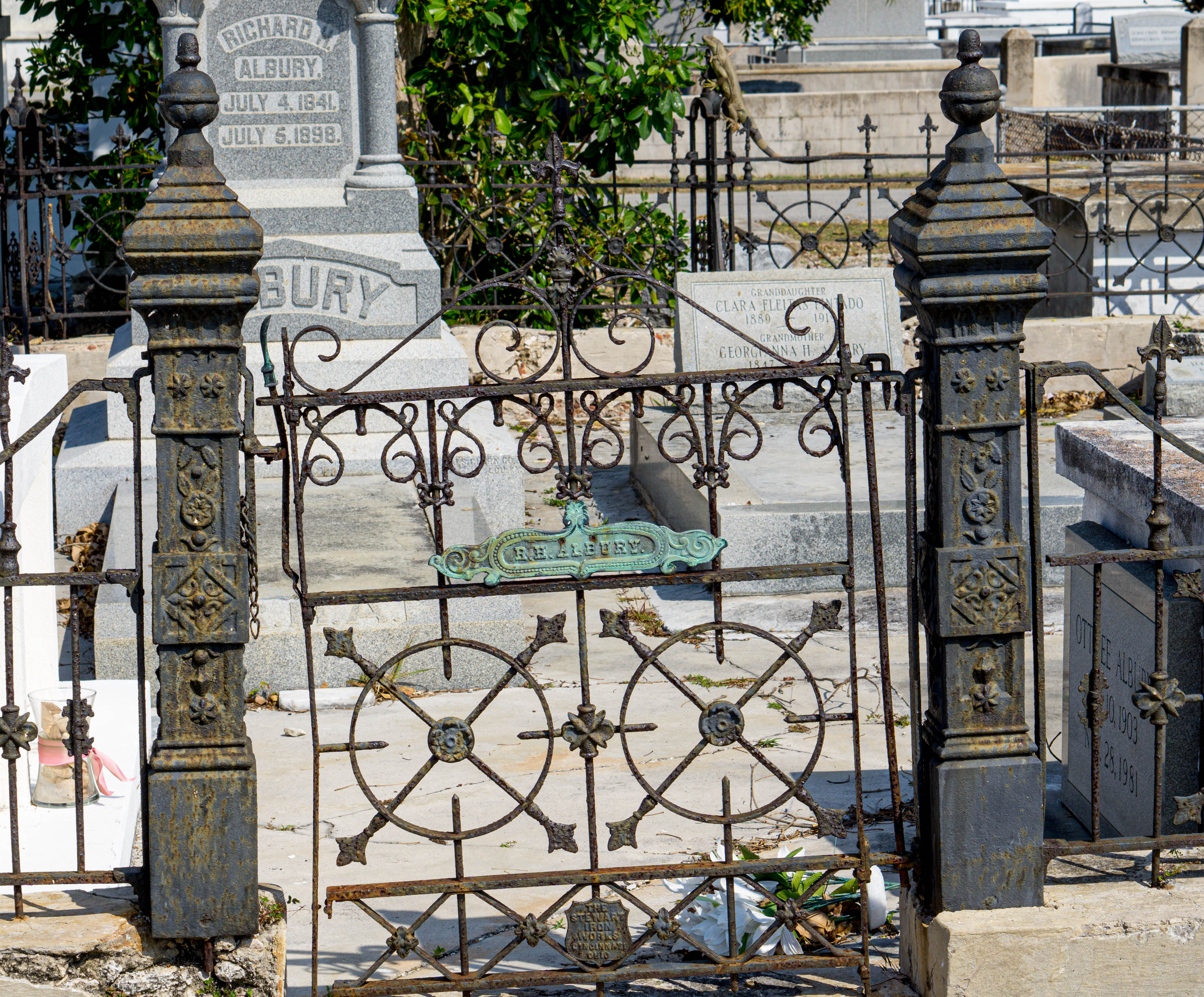
Looking for somewhere to spend Eternity? Look no further than the Key West Cemetery. If you’d like to preview your everlasting rest stop, start at the entrance at Passover Lane and Angela St. and pick up a free map at the office.
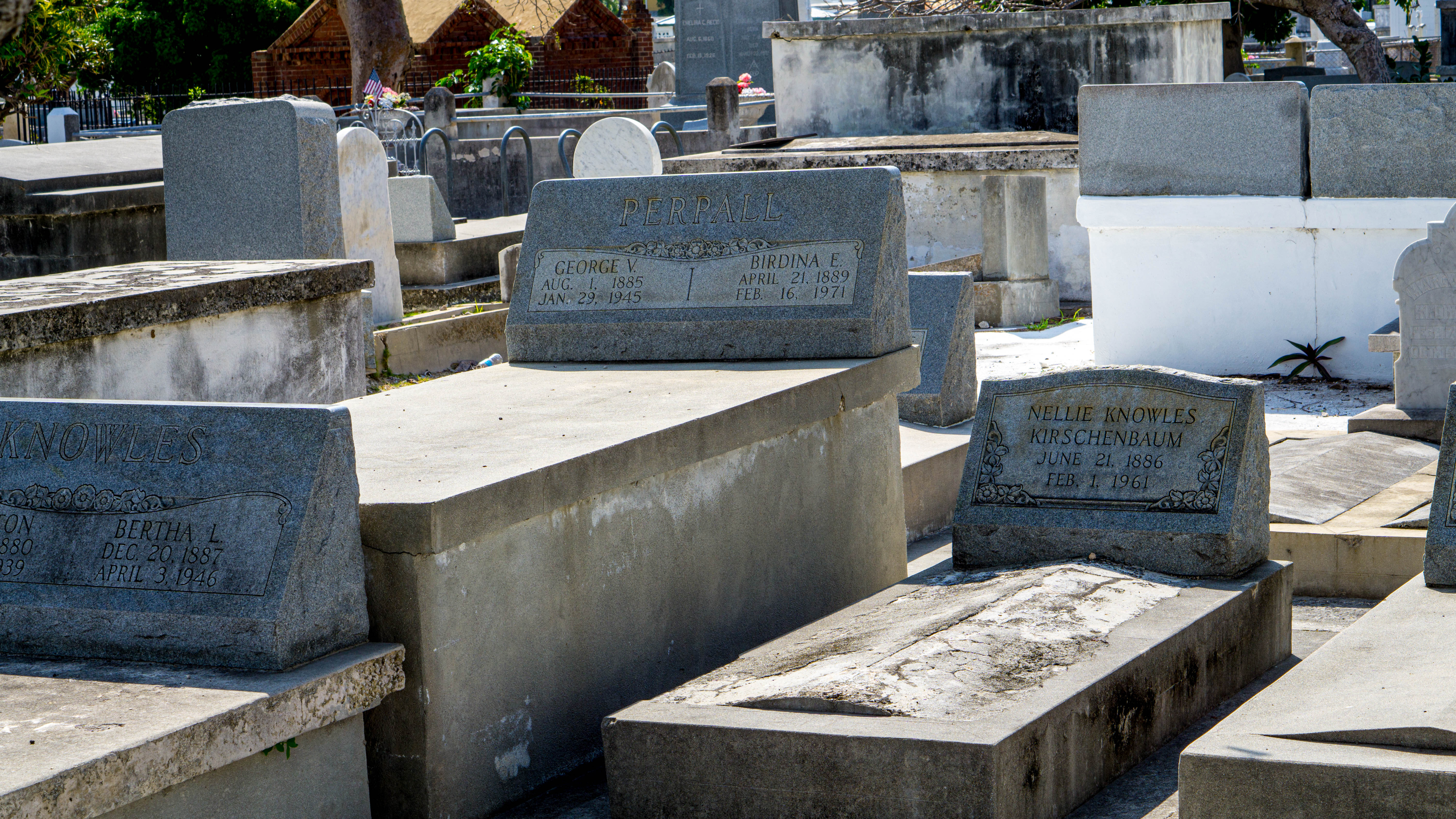
The cemetery was built in 1847 after the original cemetery was washed away in a hurricane a year earlier. Bodies were discharged from the sandy graves and drifted down the street. Some reported that even after the waters subsided, there were bodies stuck in trees around the city. To prevent the horrors of the flood, the new cemetery was built on the highest ground in Key West. Some of the new gravesites are above ground like in New Orleans.
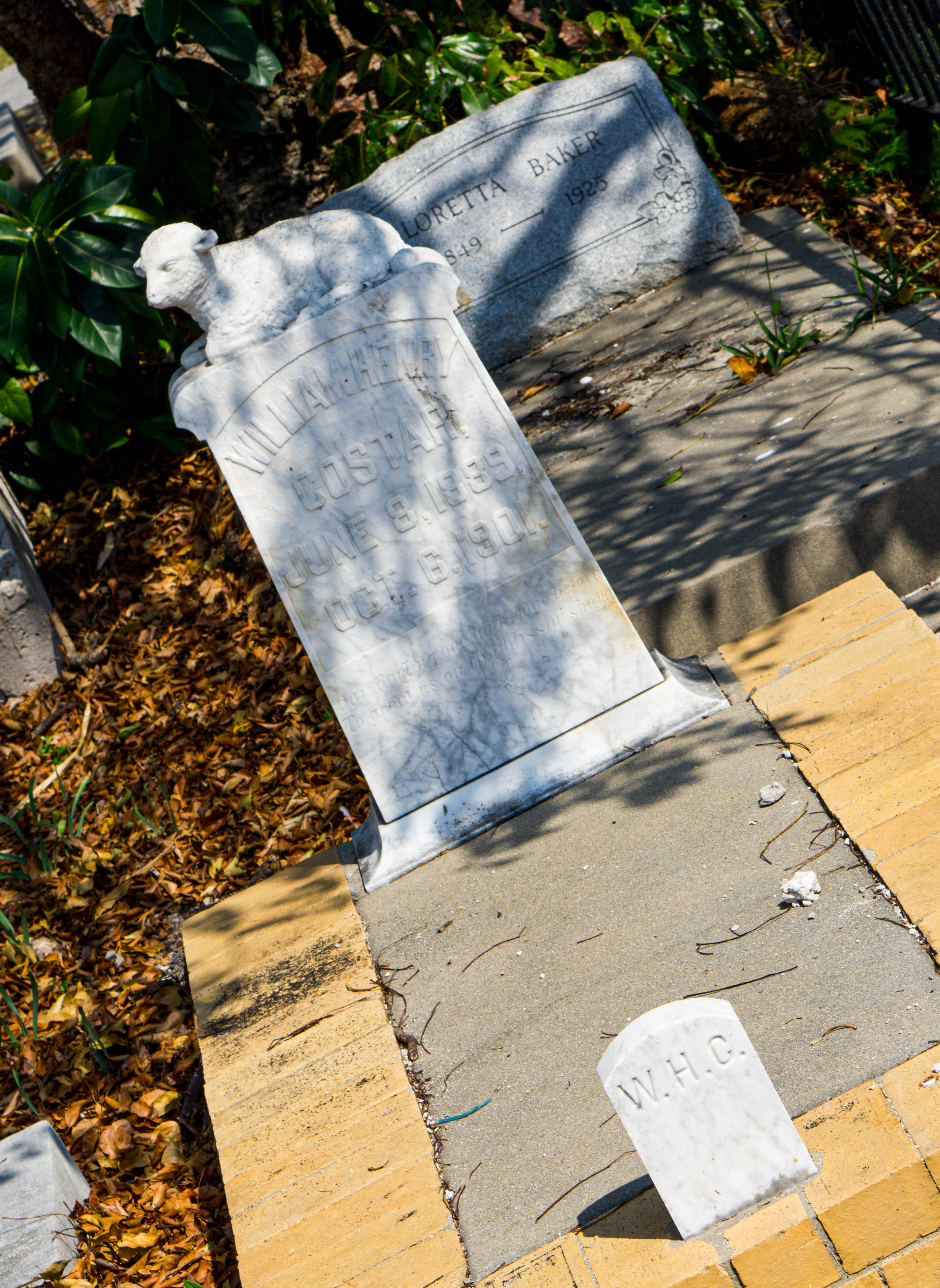
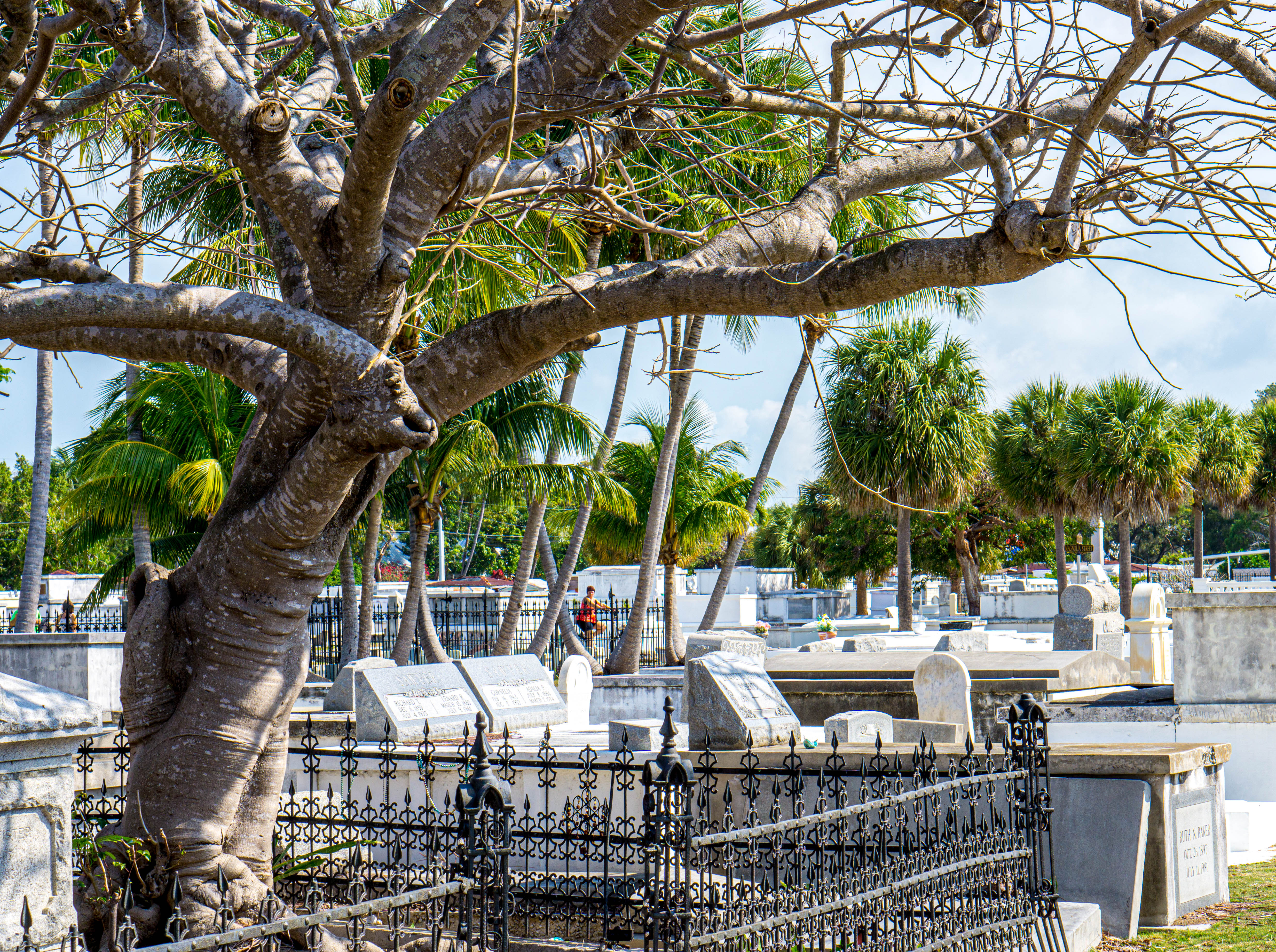
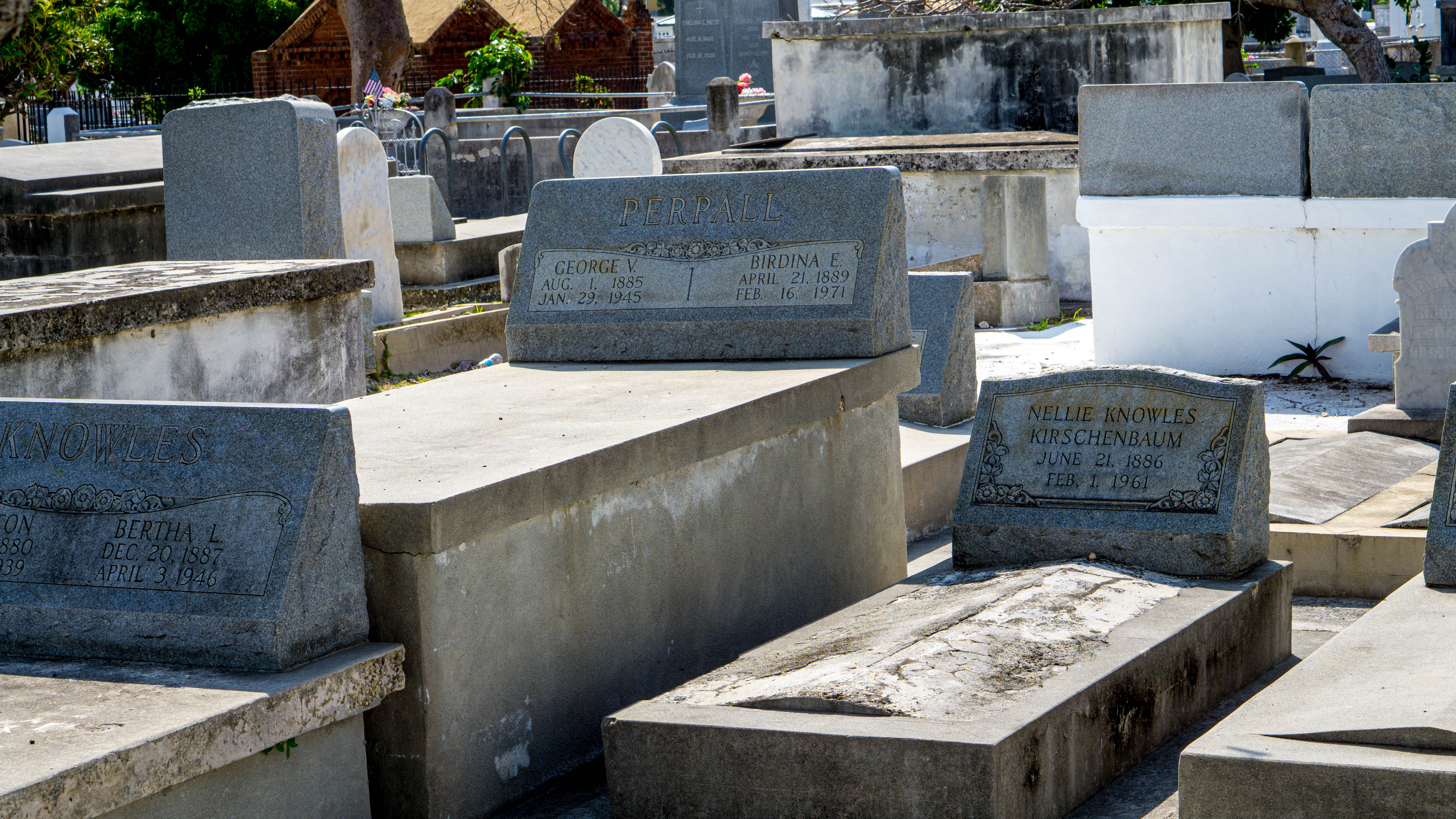
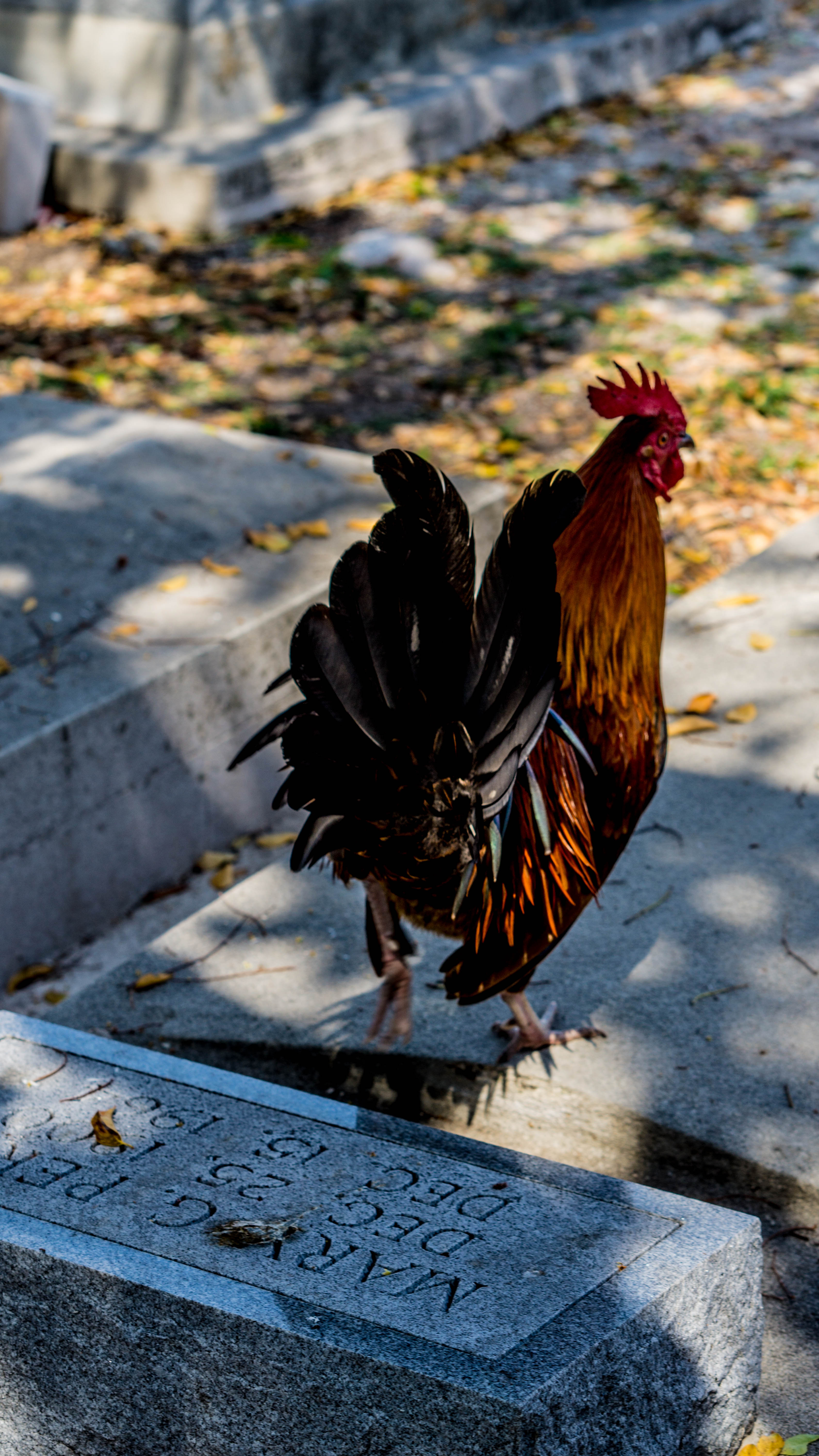
Walking around the cemetery gives you the impression that this is it’s own little city. Populated by the dead, chickens and iguanas.
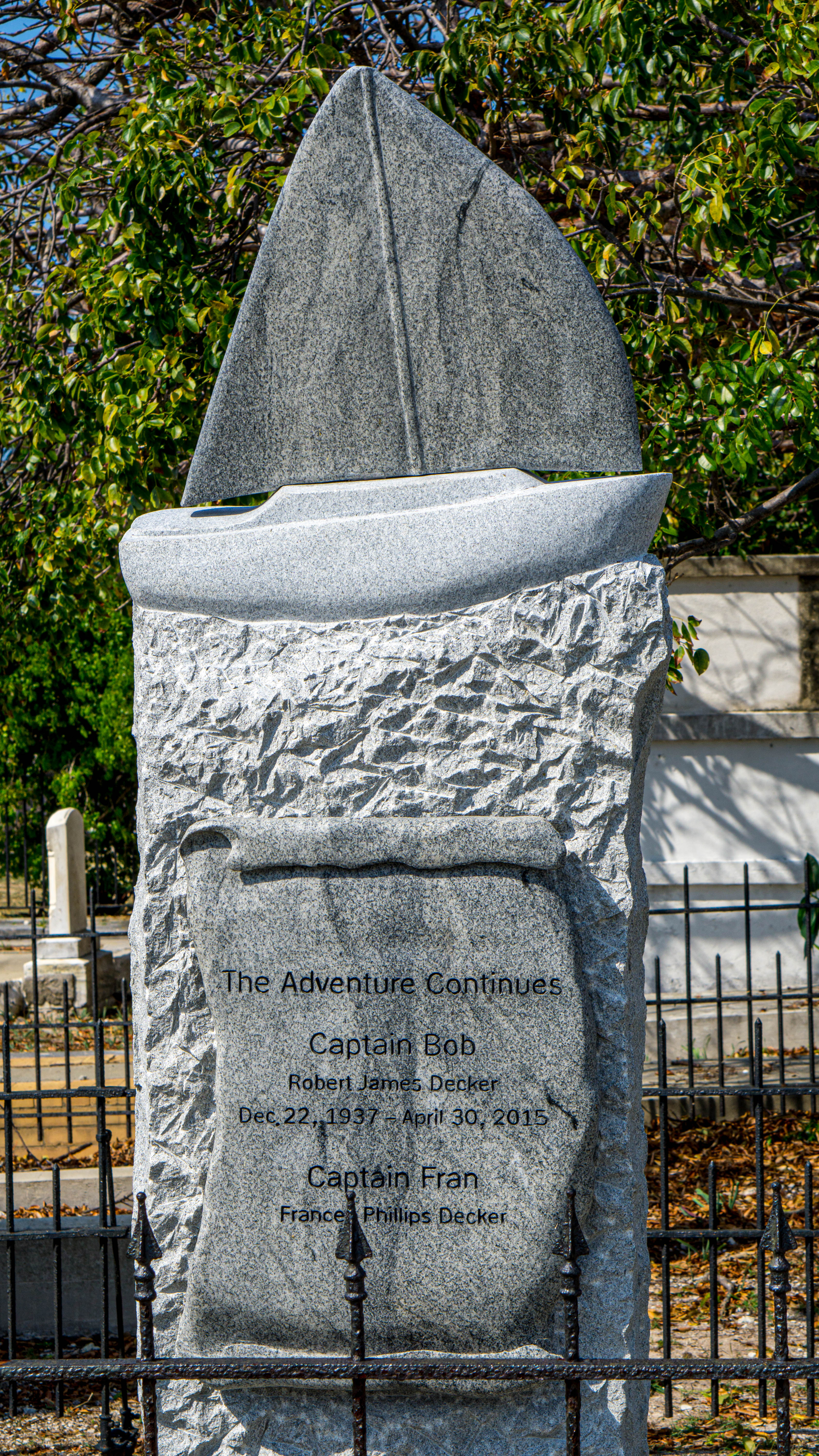
Here lie the graves of Key West’s famous residents. See if you can find “Sloppy Joe” Russell, Hemingway’s fishing guide and famous bartender. Popular epitaphs located around the grounds showcase the eccentricities of the Key West population.
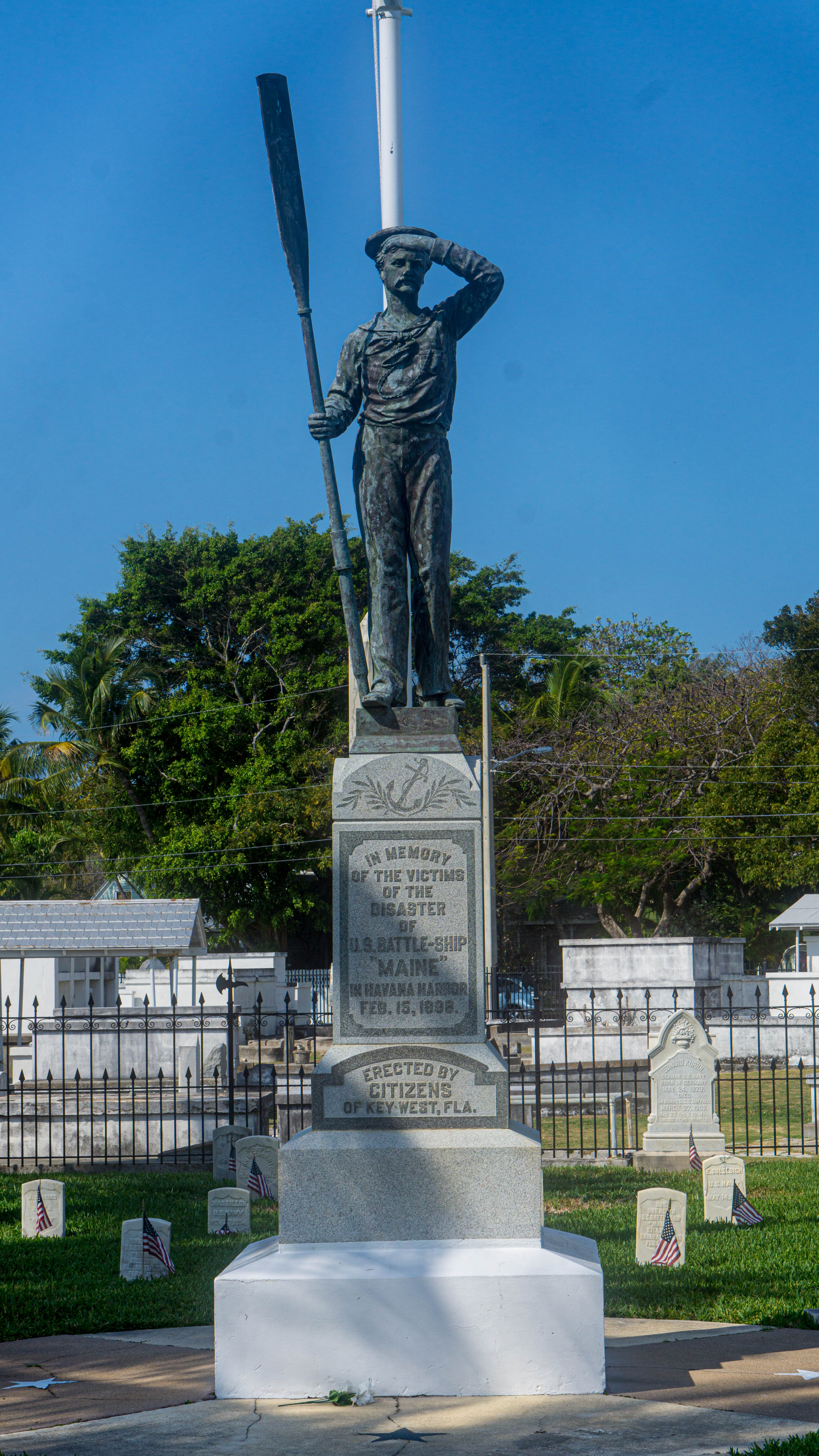
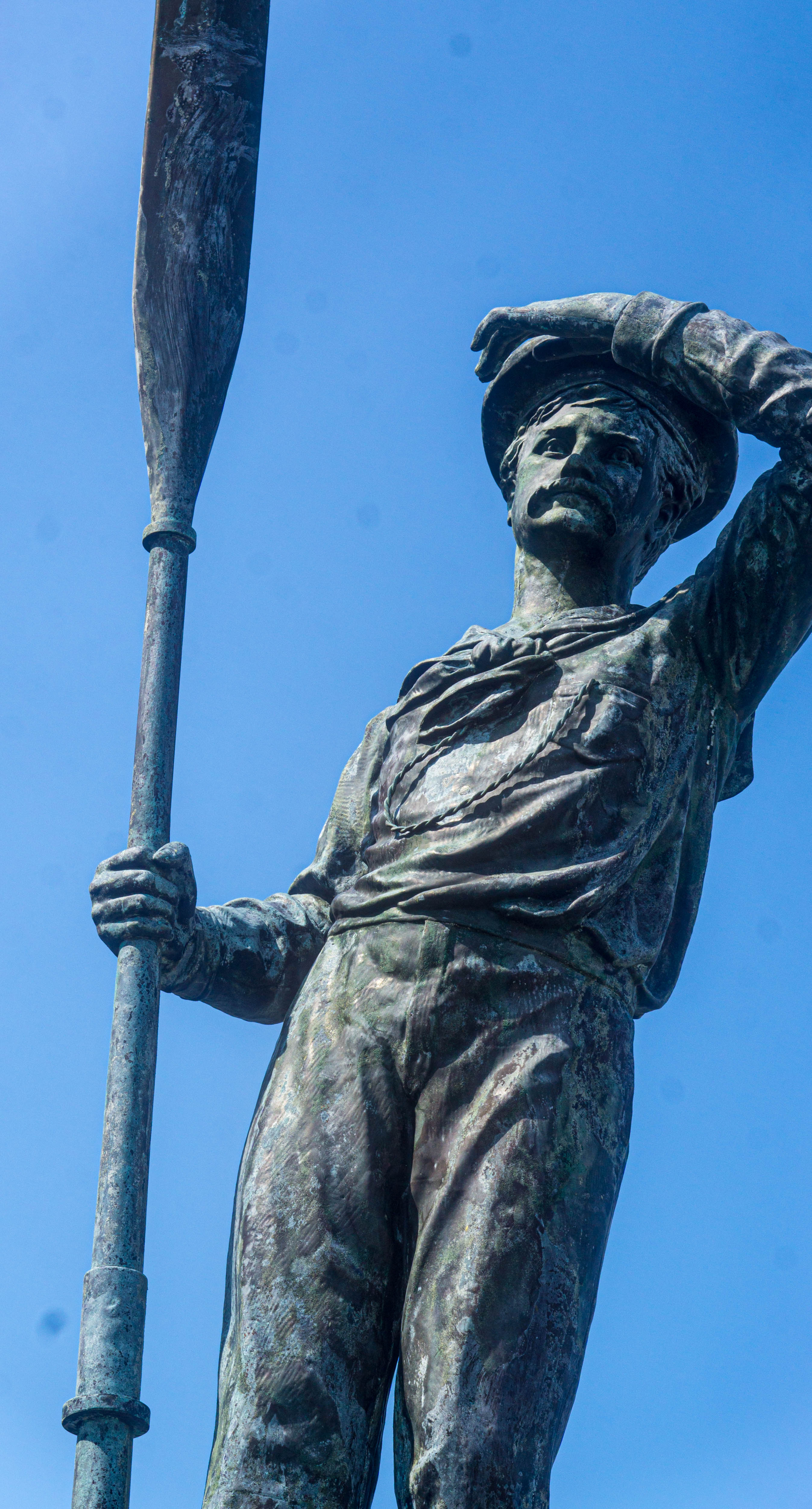
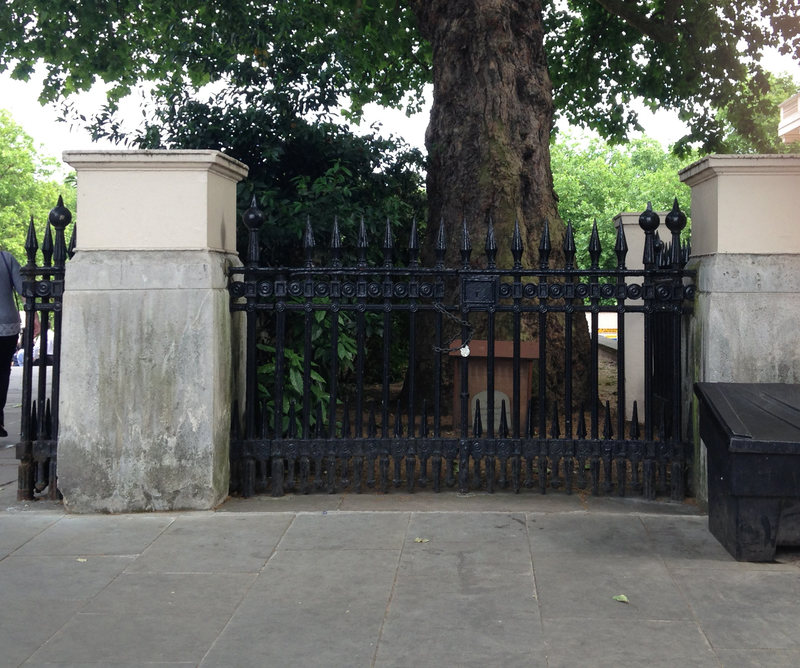
If you “Remember the Maine” stop near the entrance where there is a fenced in area that contains the remains, known and unknown of many of the 260 sailors killed in Havana Harbor on February 15, 1898. An explosion occurred by accident and not a Spanish mine, as was originally thought. William Randolph Hearst and other newspapers shouted ‘Remember the Maine!’ and was the beginning of US involvement in the Spanish-American War.
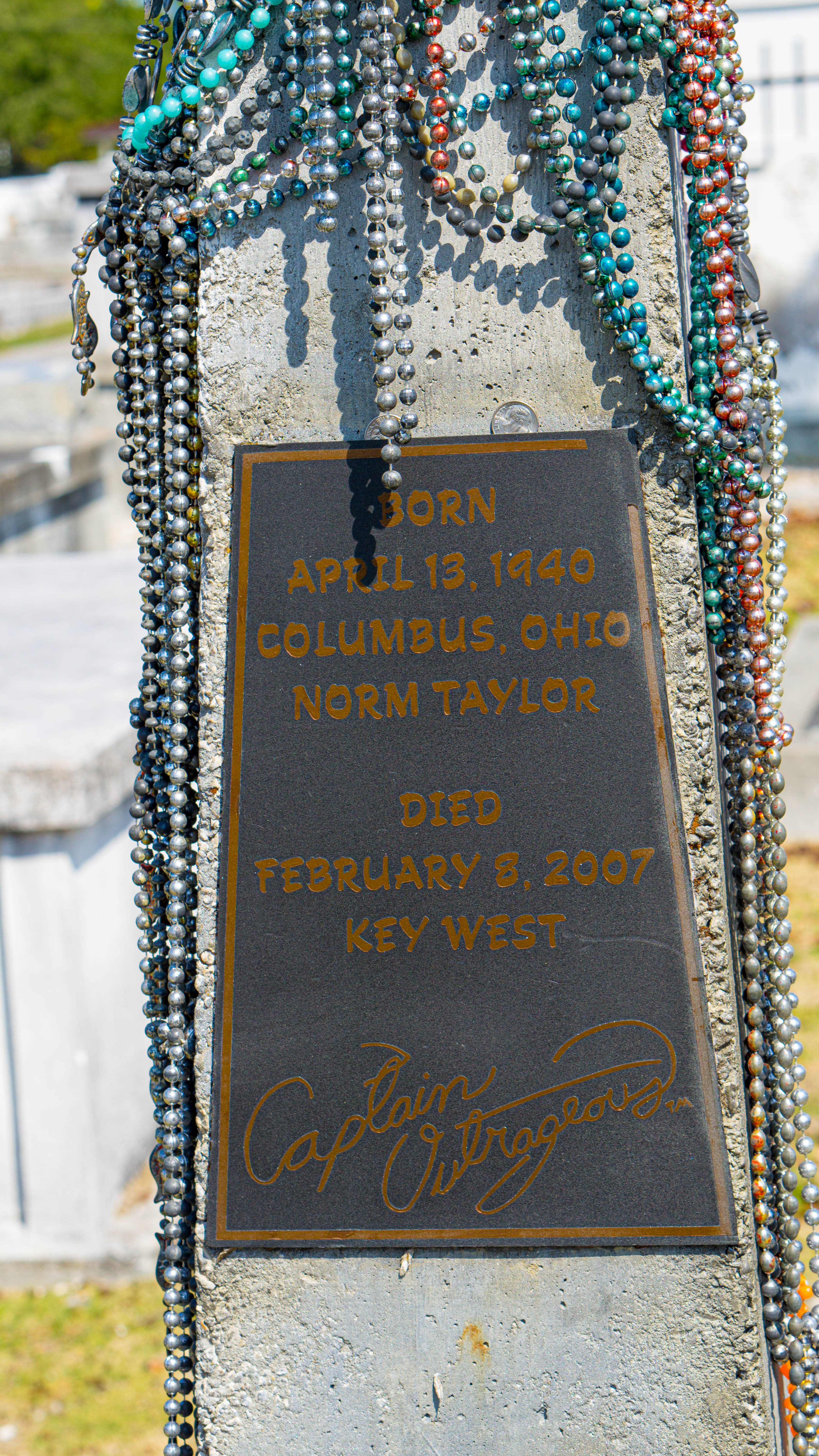
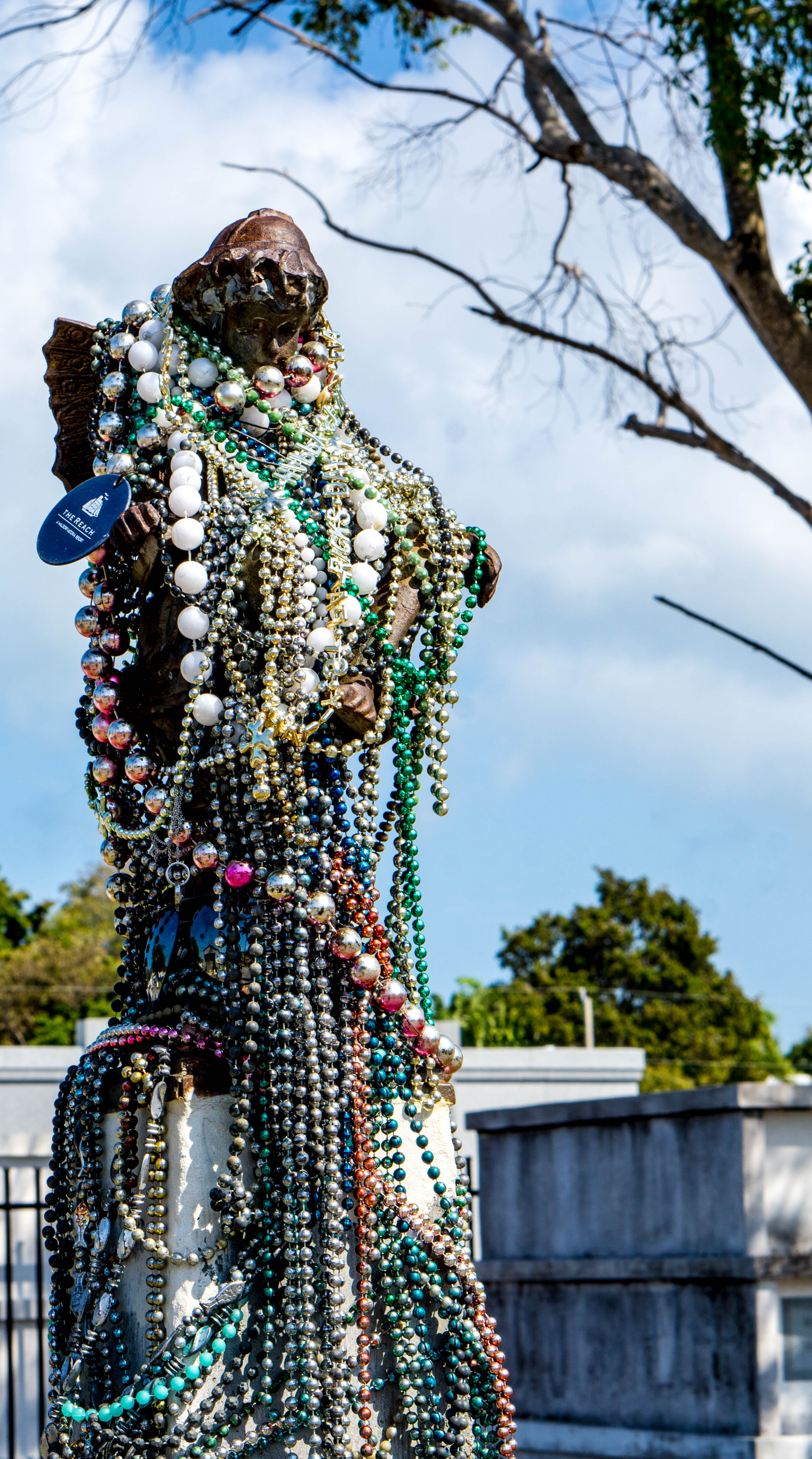
Visit the grave of Norm Taylor aka Captain Outrageous. He legally changed his name to run as mayor of Key West. Visitors to the gravesite often leave offerings of Mardi Gras beads to let him know that he is remembered.
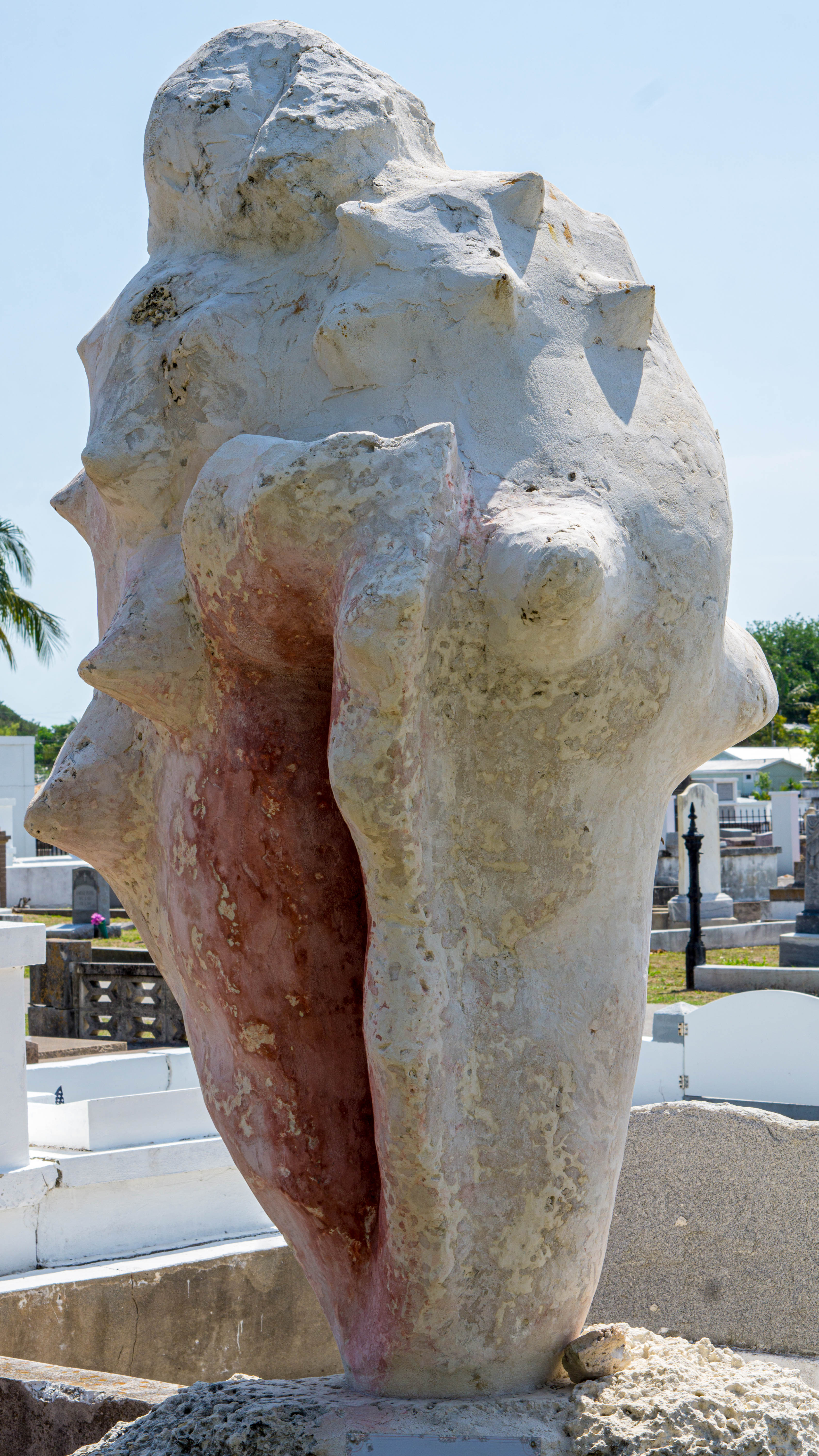
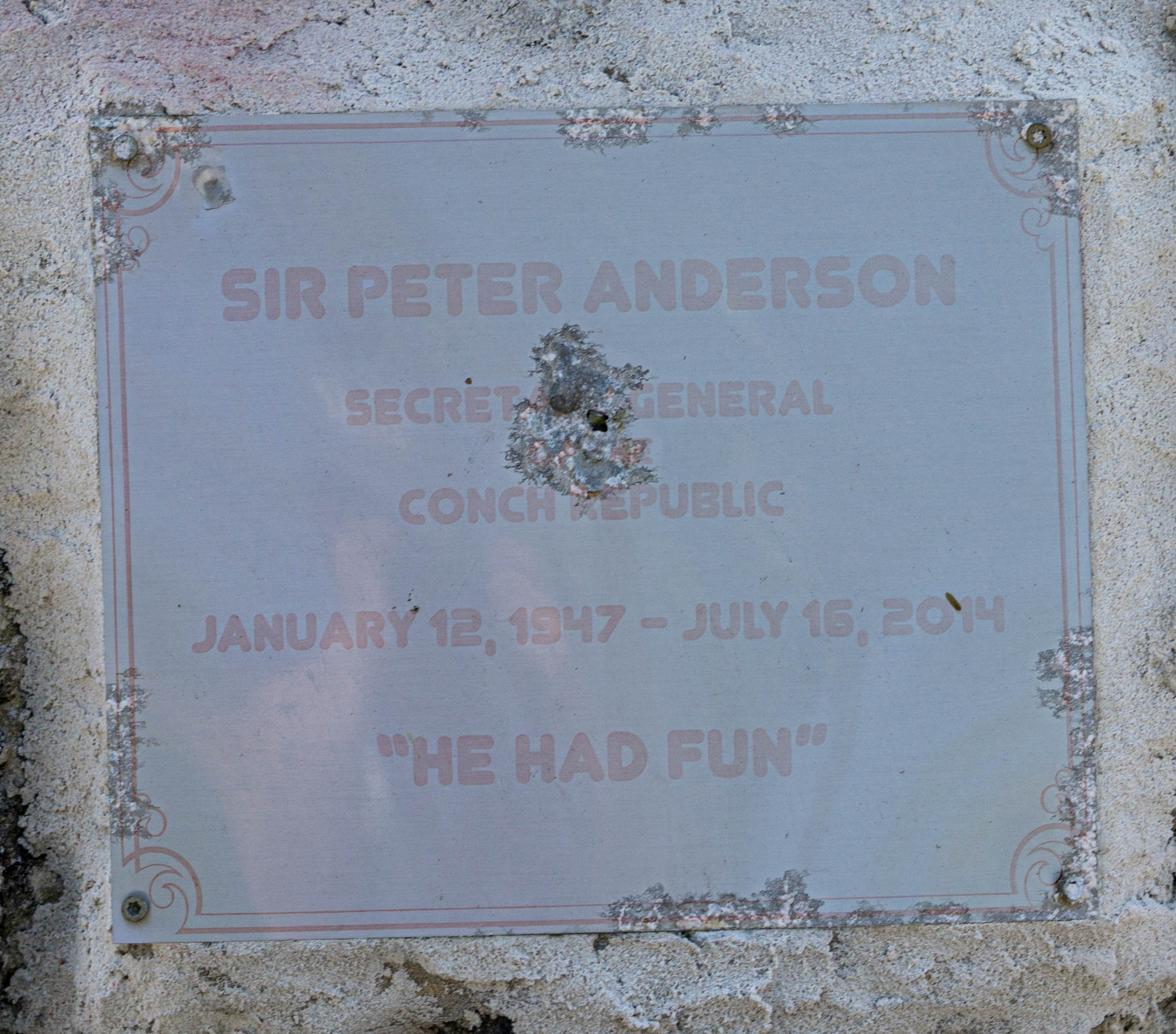
A giant Florida Conch marks the grave of Sir Peter Anderson, Secretary General of The Conch Republic. Sir Peter was one of those colorful people that made Duval Street so much fun.
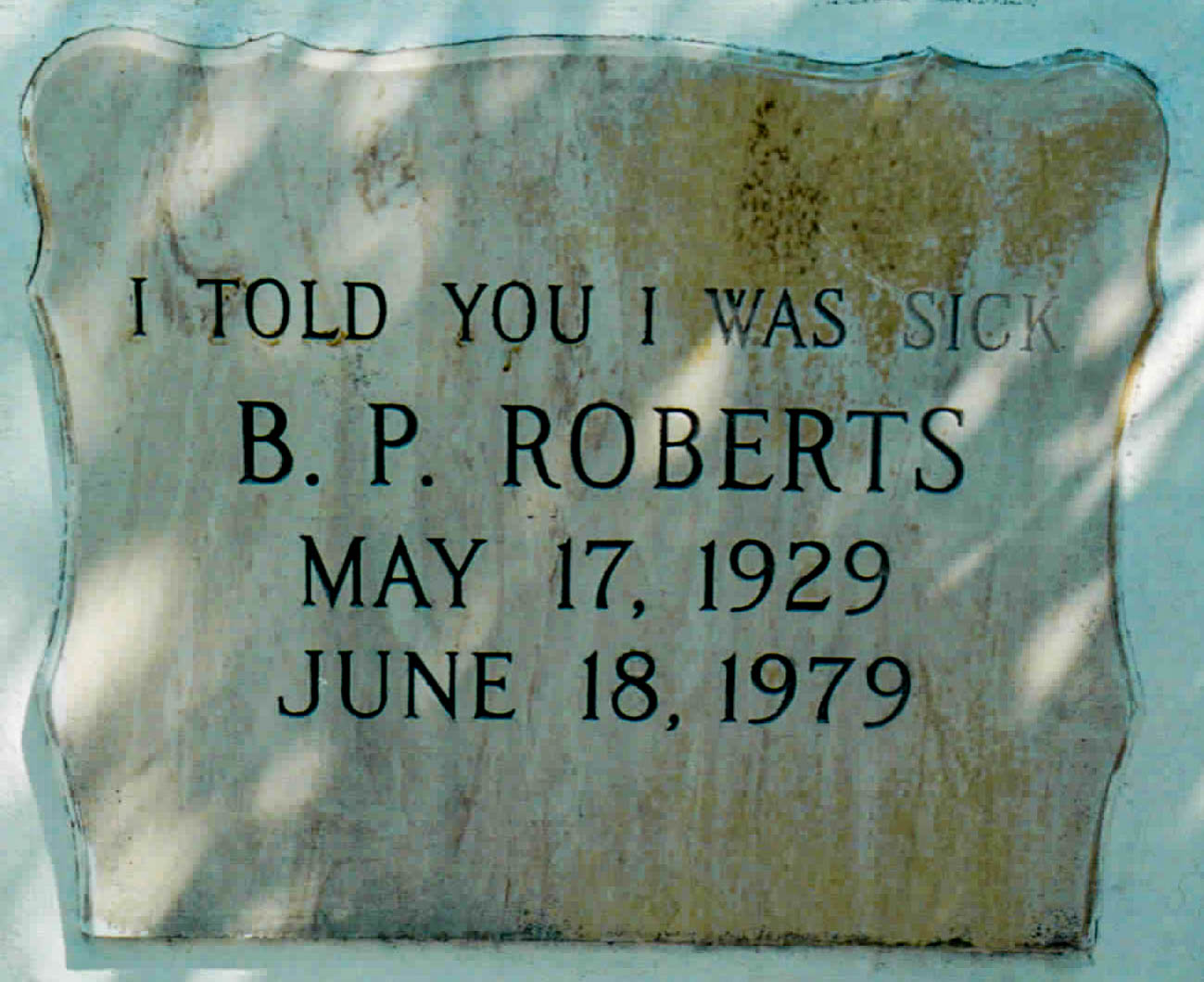

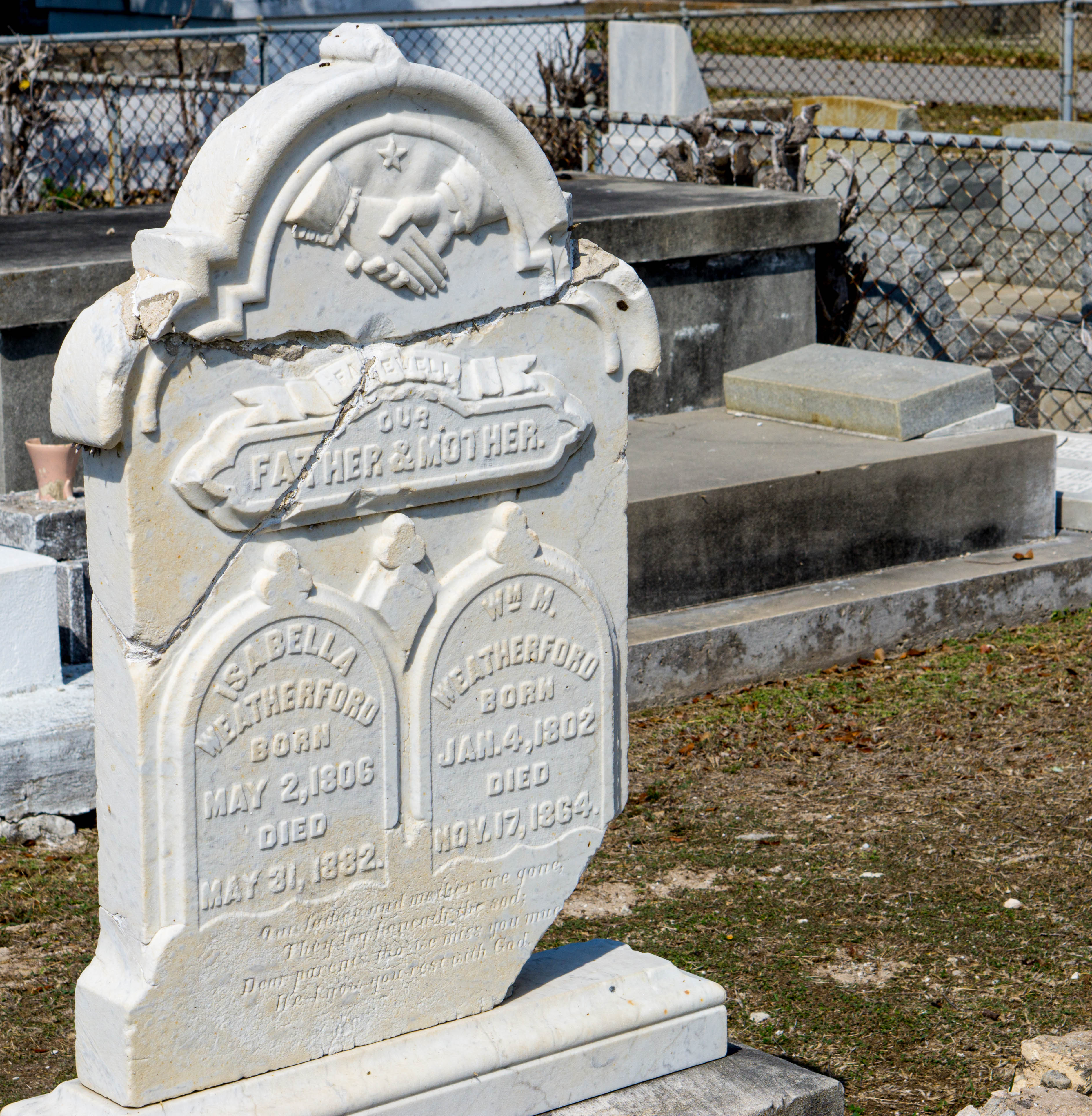
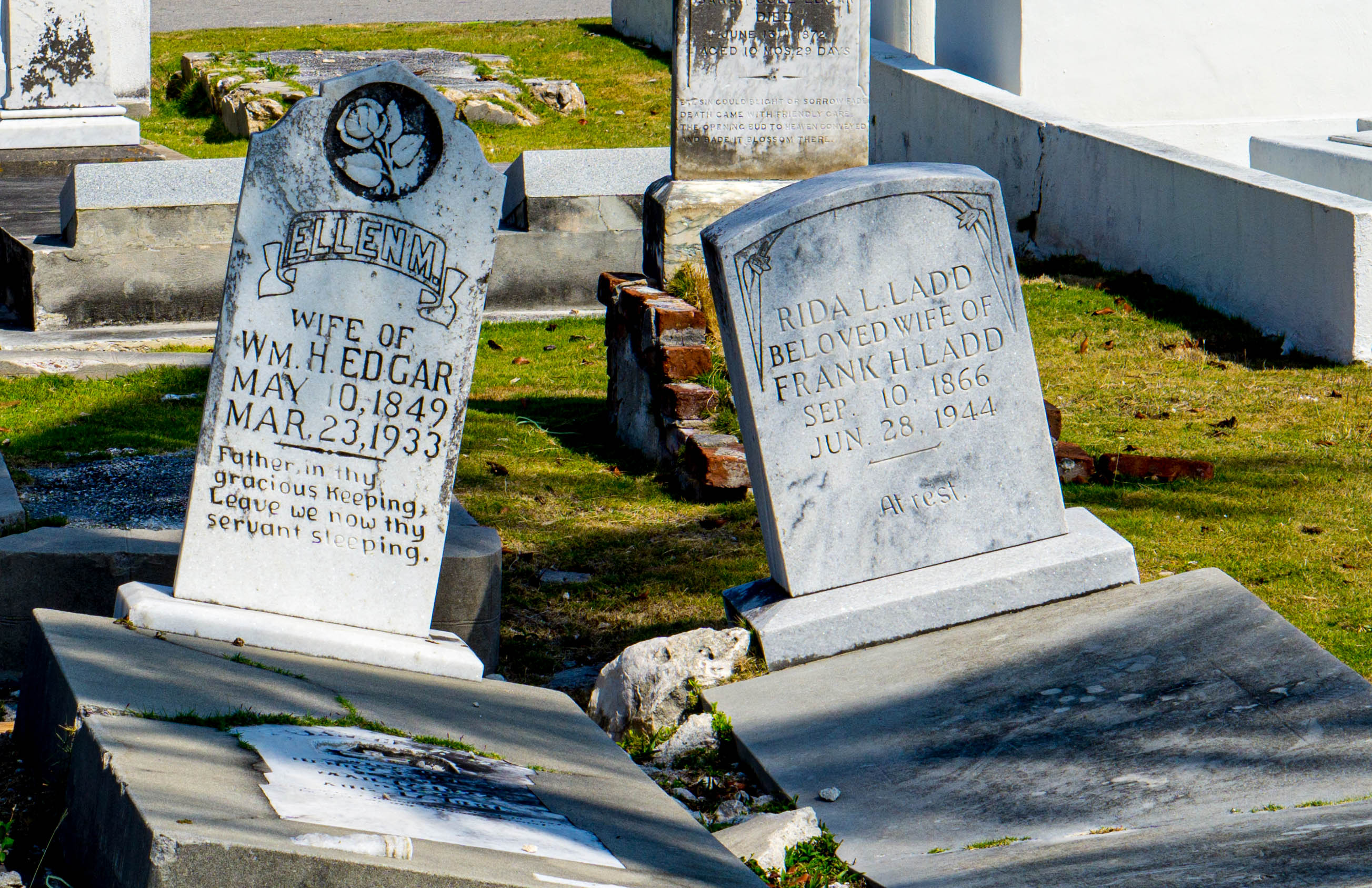
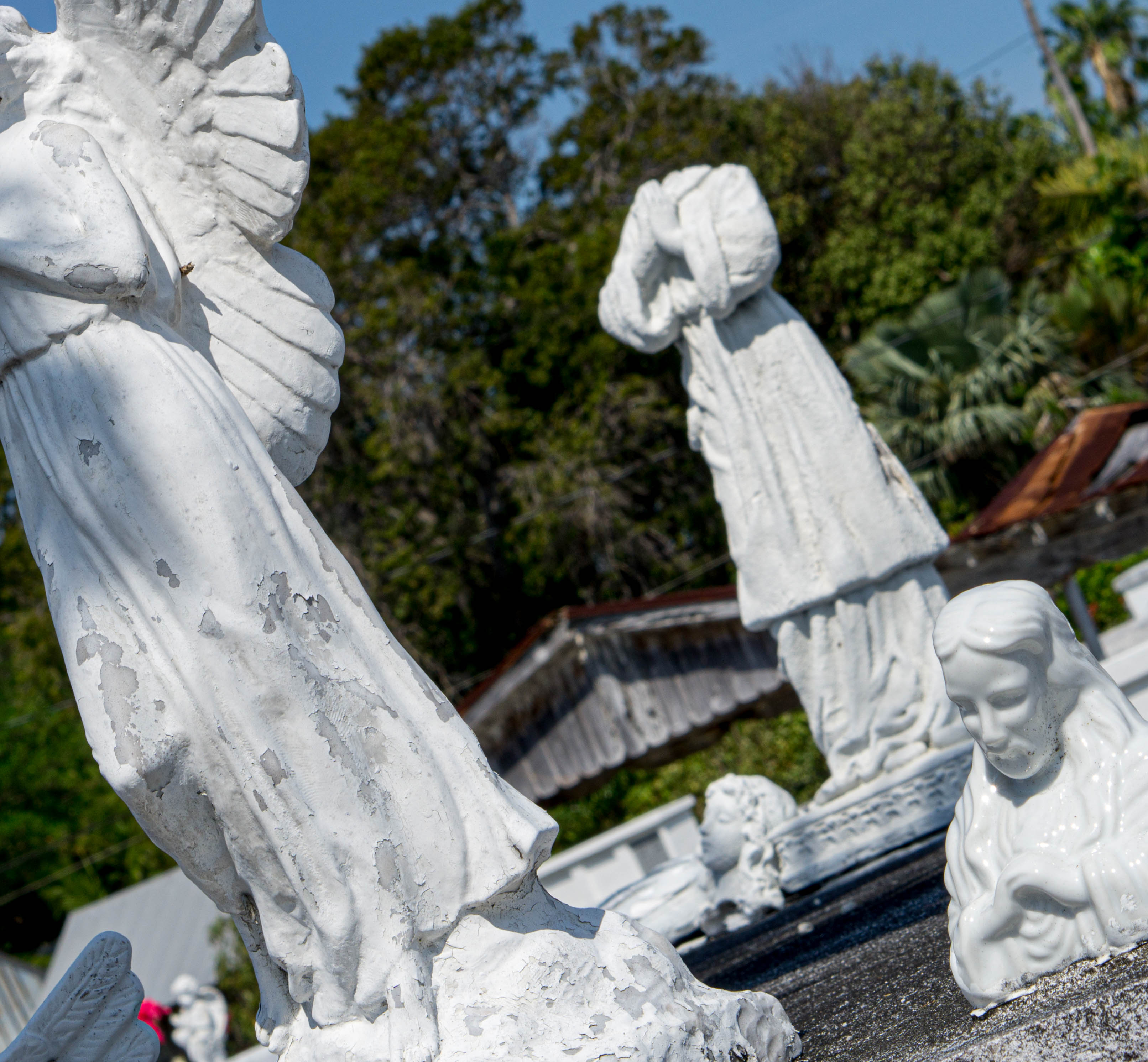
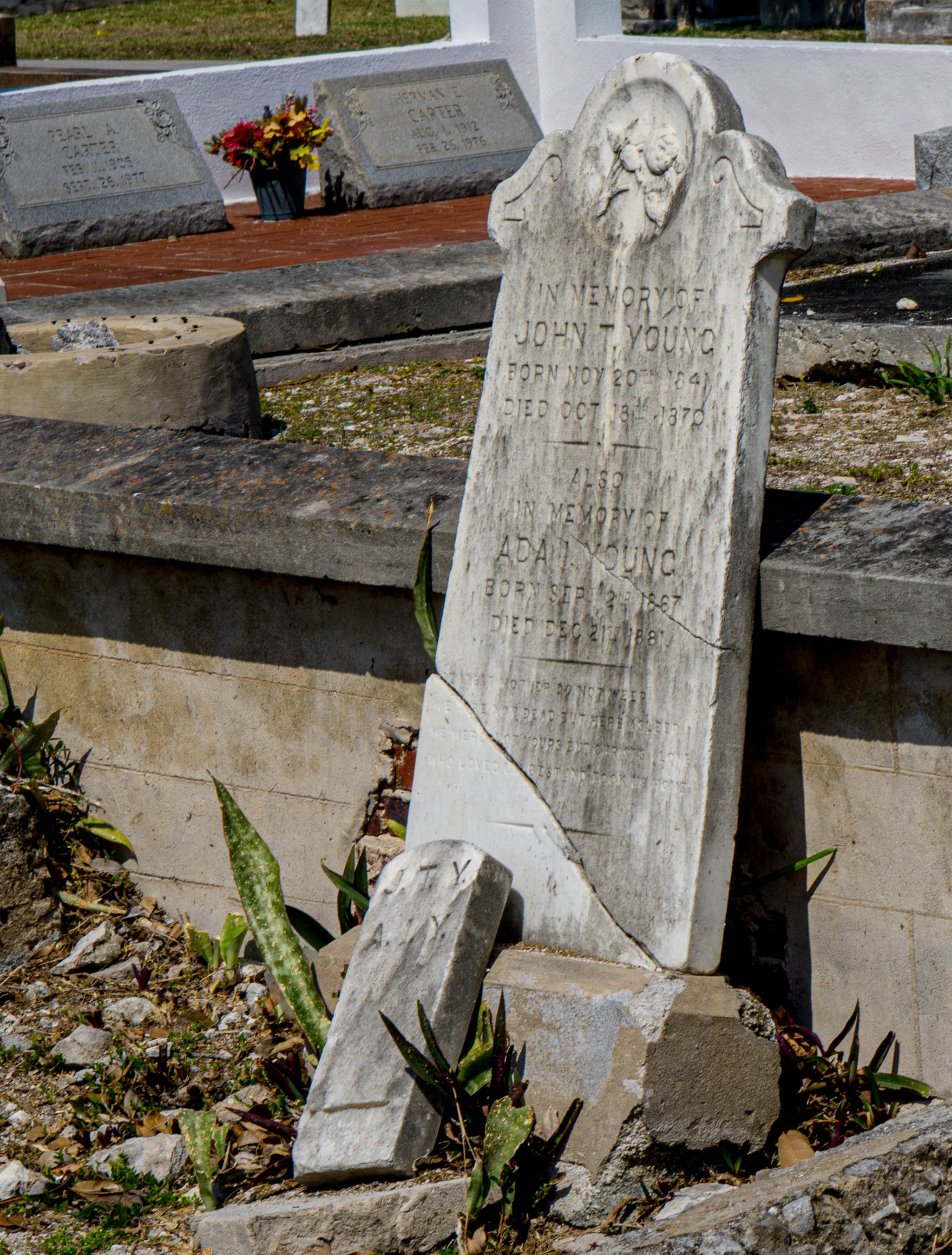
As you wander among the graves and enjoy the sun bleached marble headstones, look carefully and pick out your future spot.
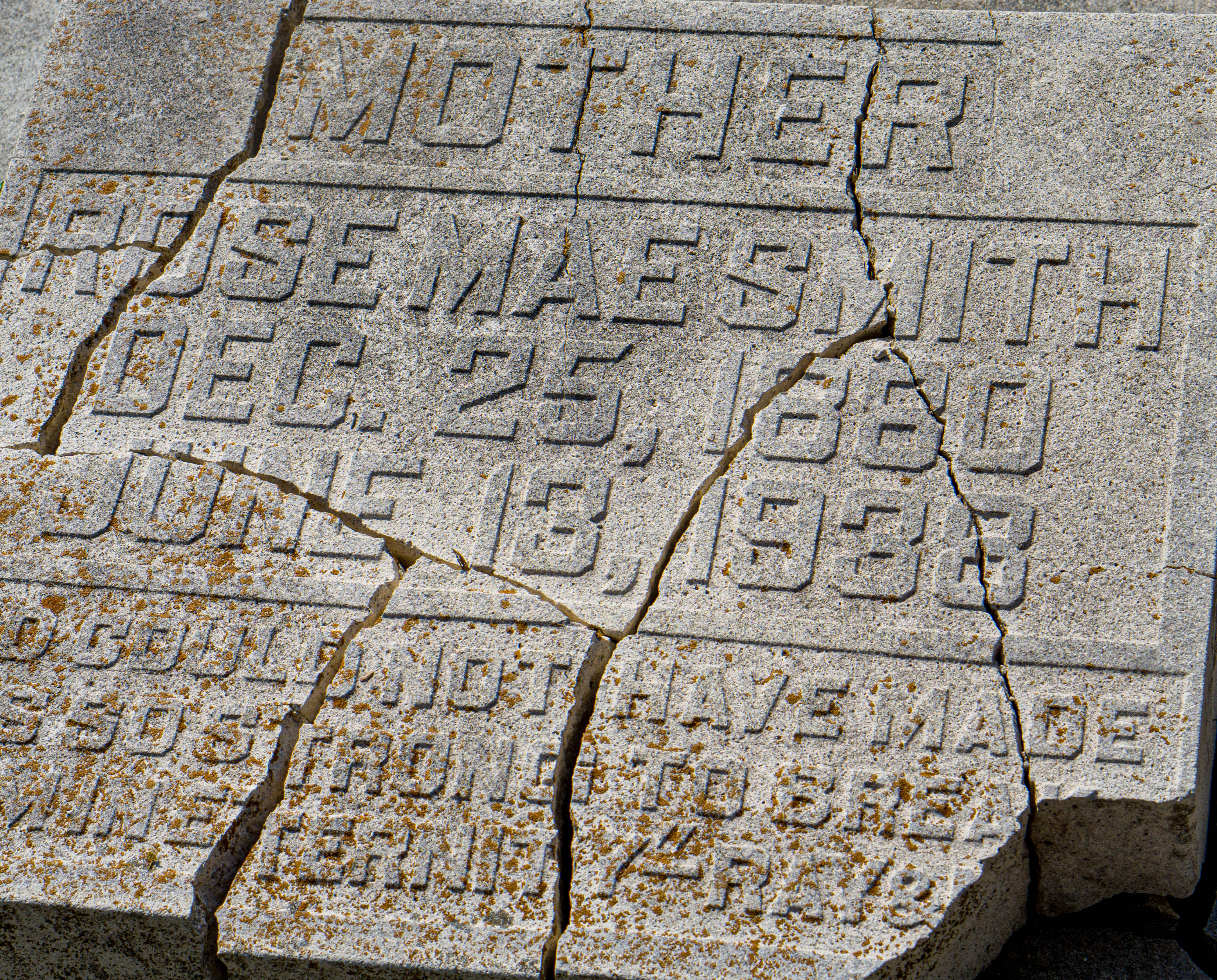
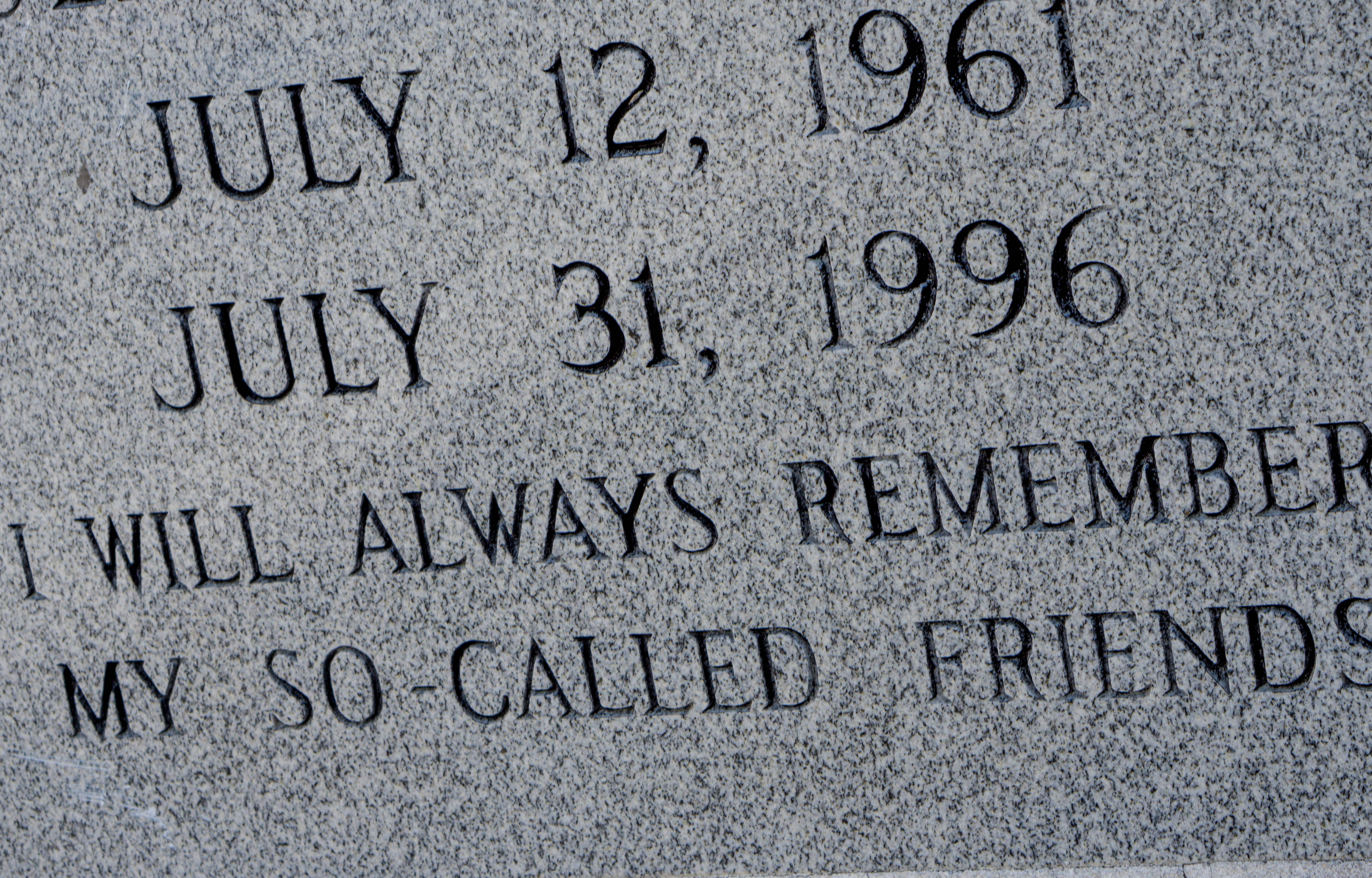
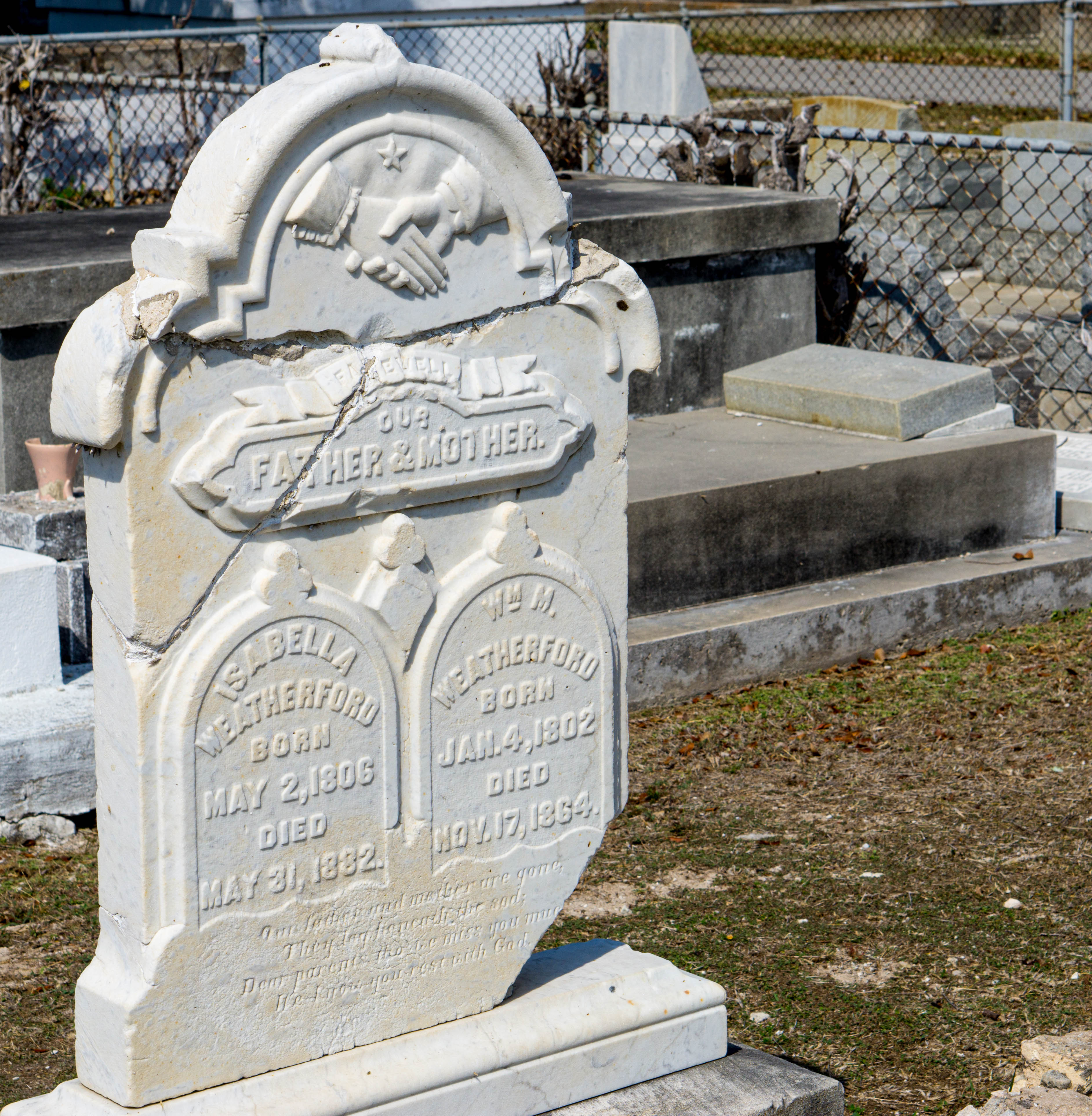
The Friends of Key West Cemetery website has information on the famous and infamous buried here. Check it out below…
http://www.friendsofthekeywestcemetery.com/
A memorial to Captain Outrageous can be found here…
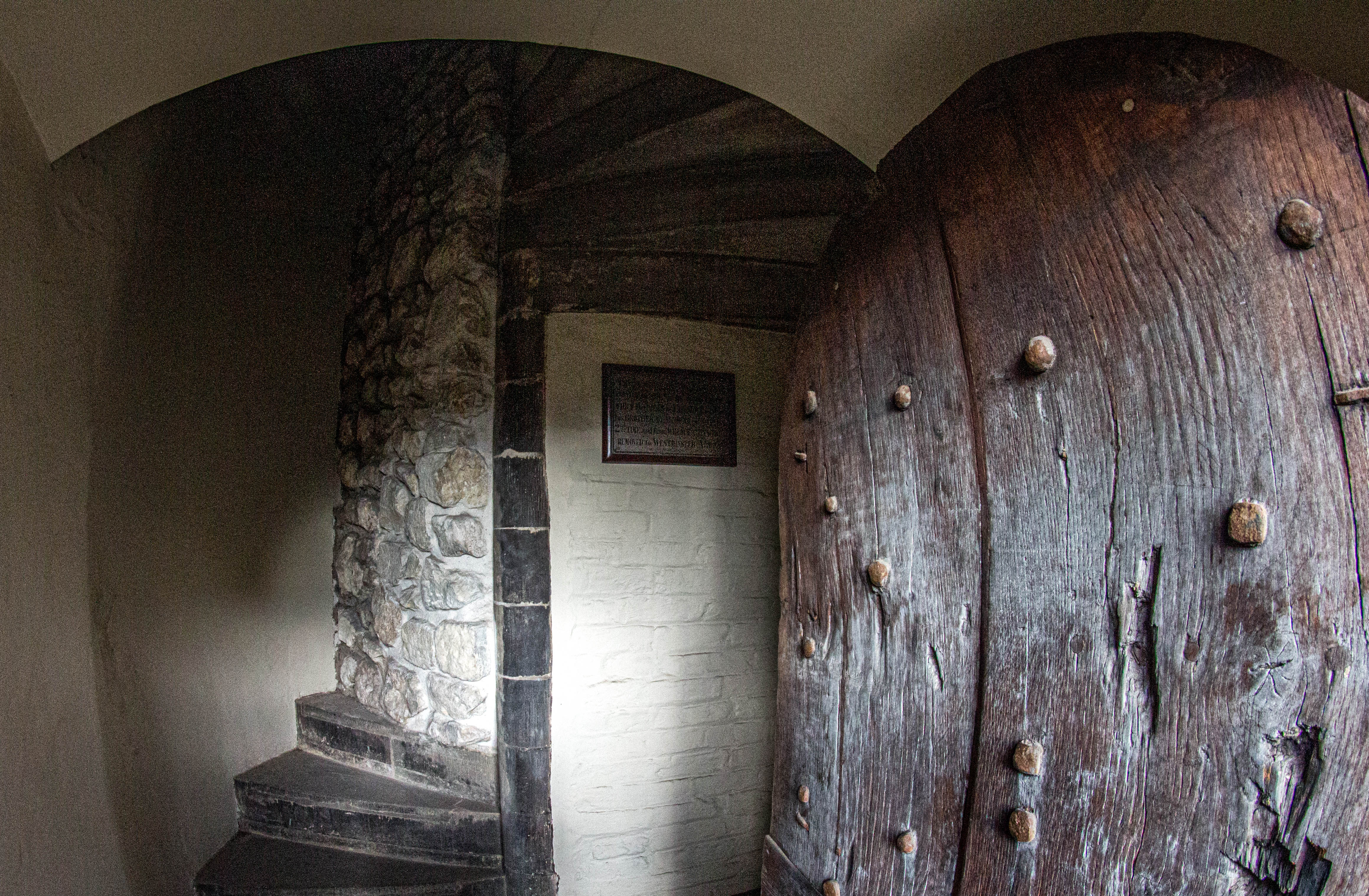

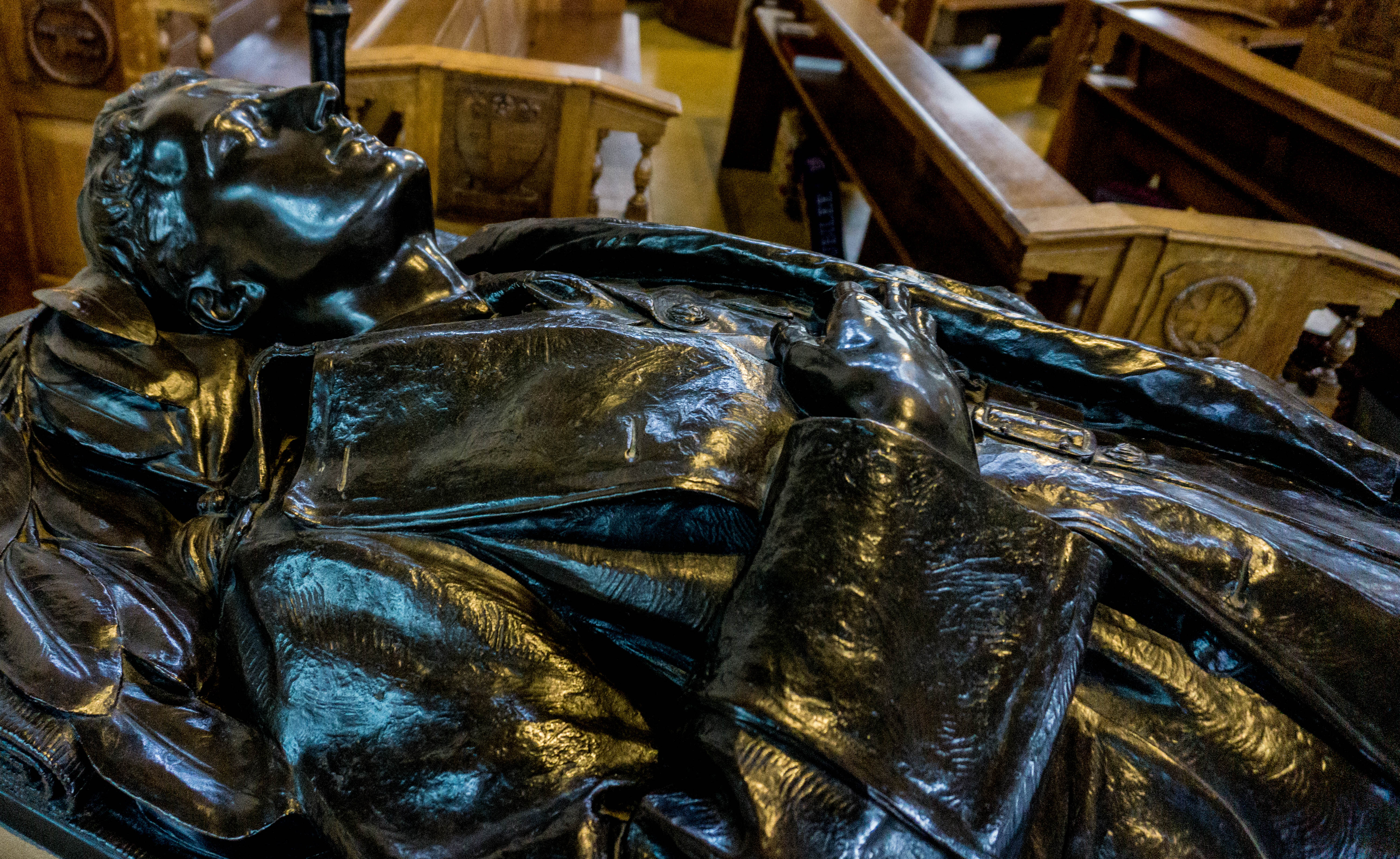
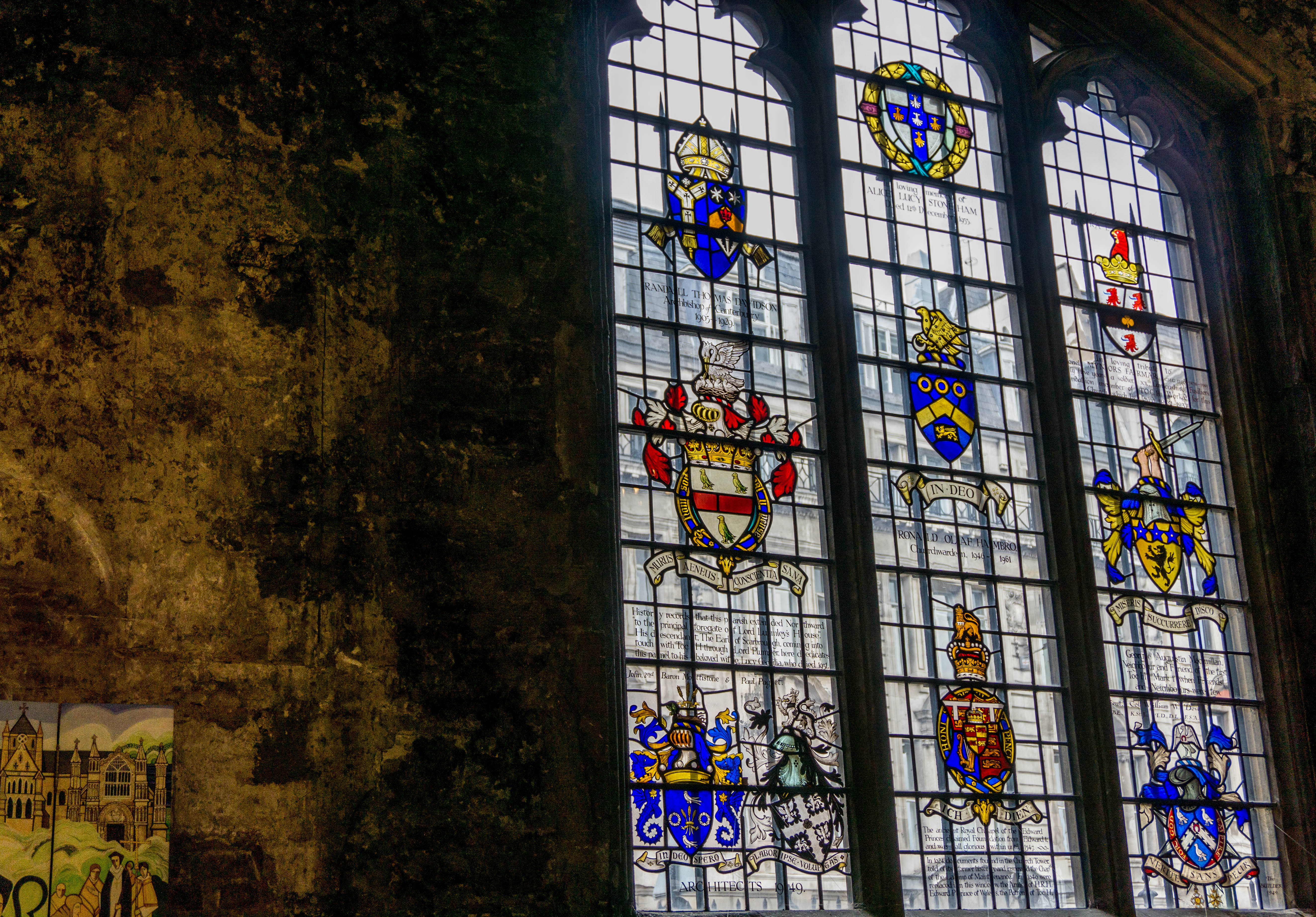








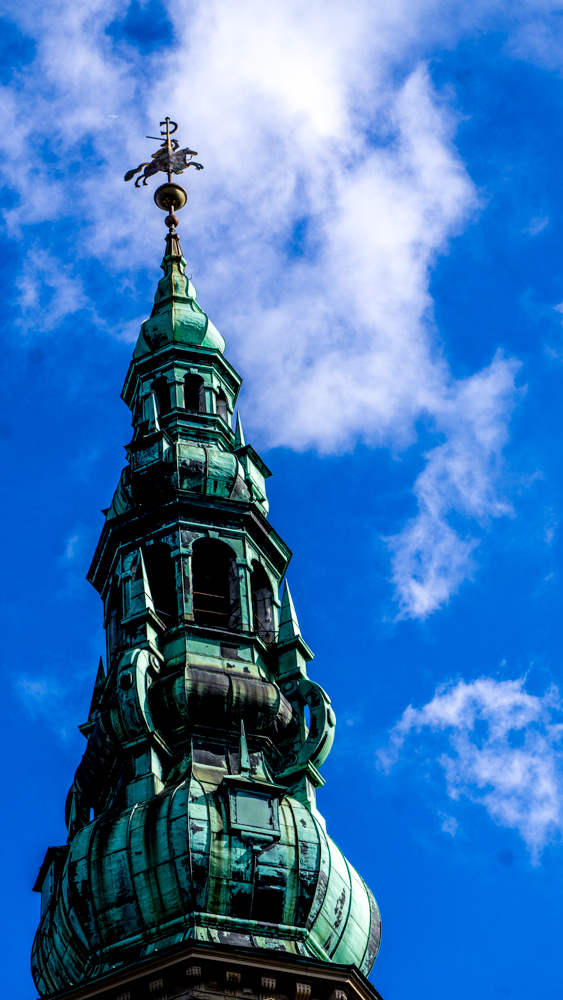
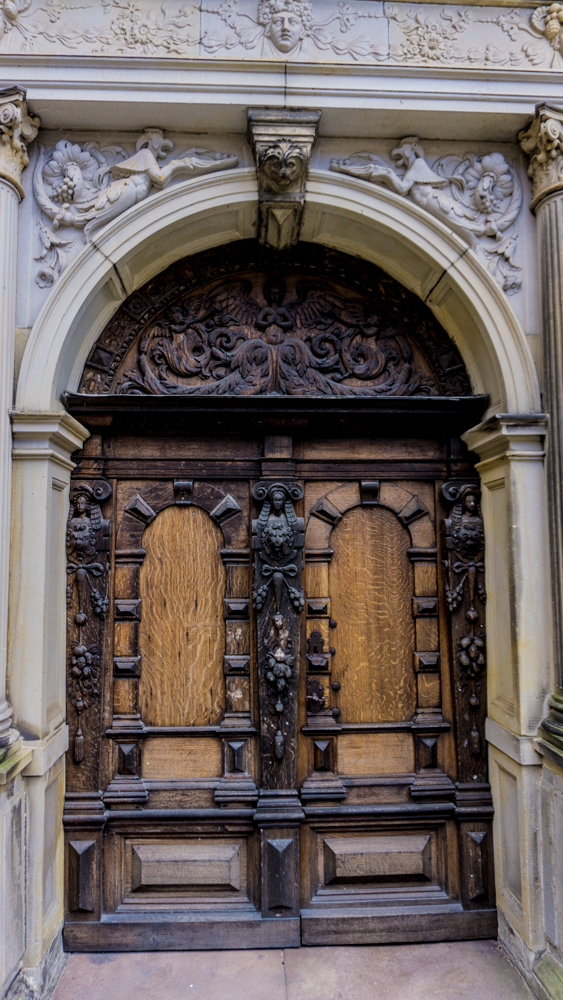
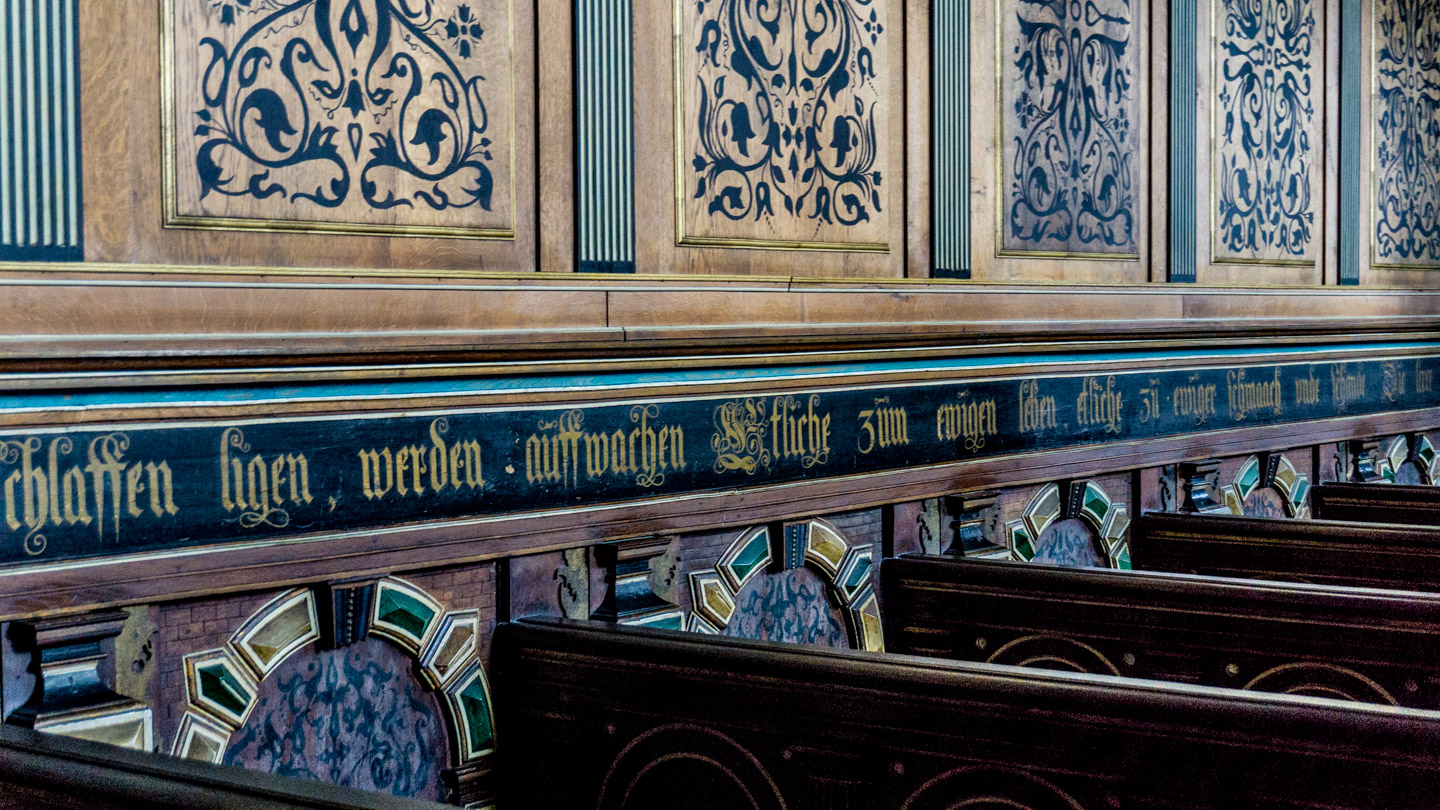
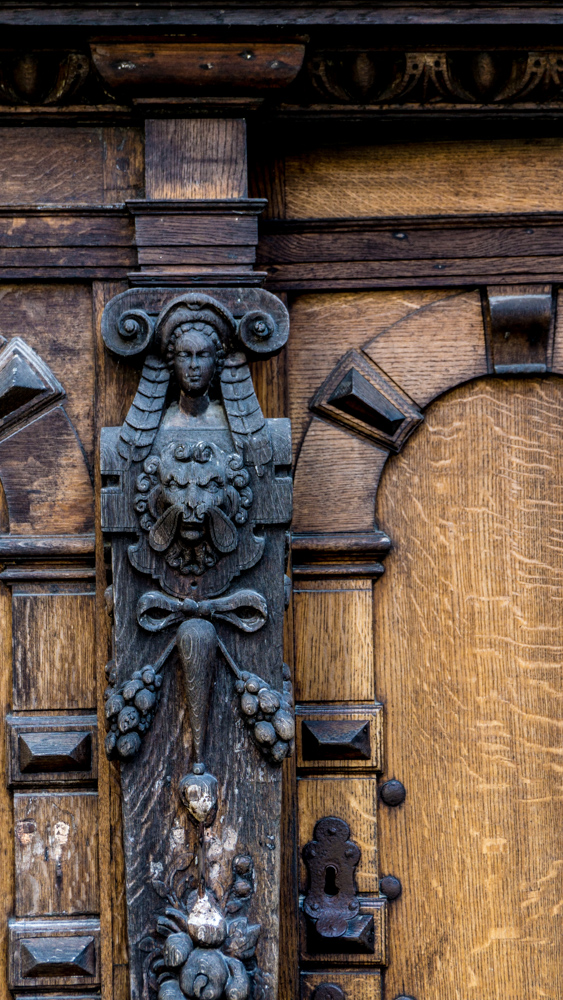 The chapel features the original pews dating back to King Frederik II.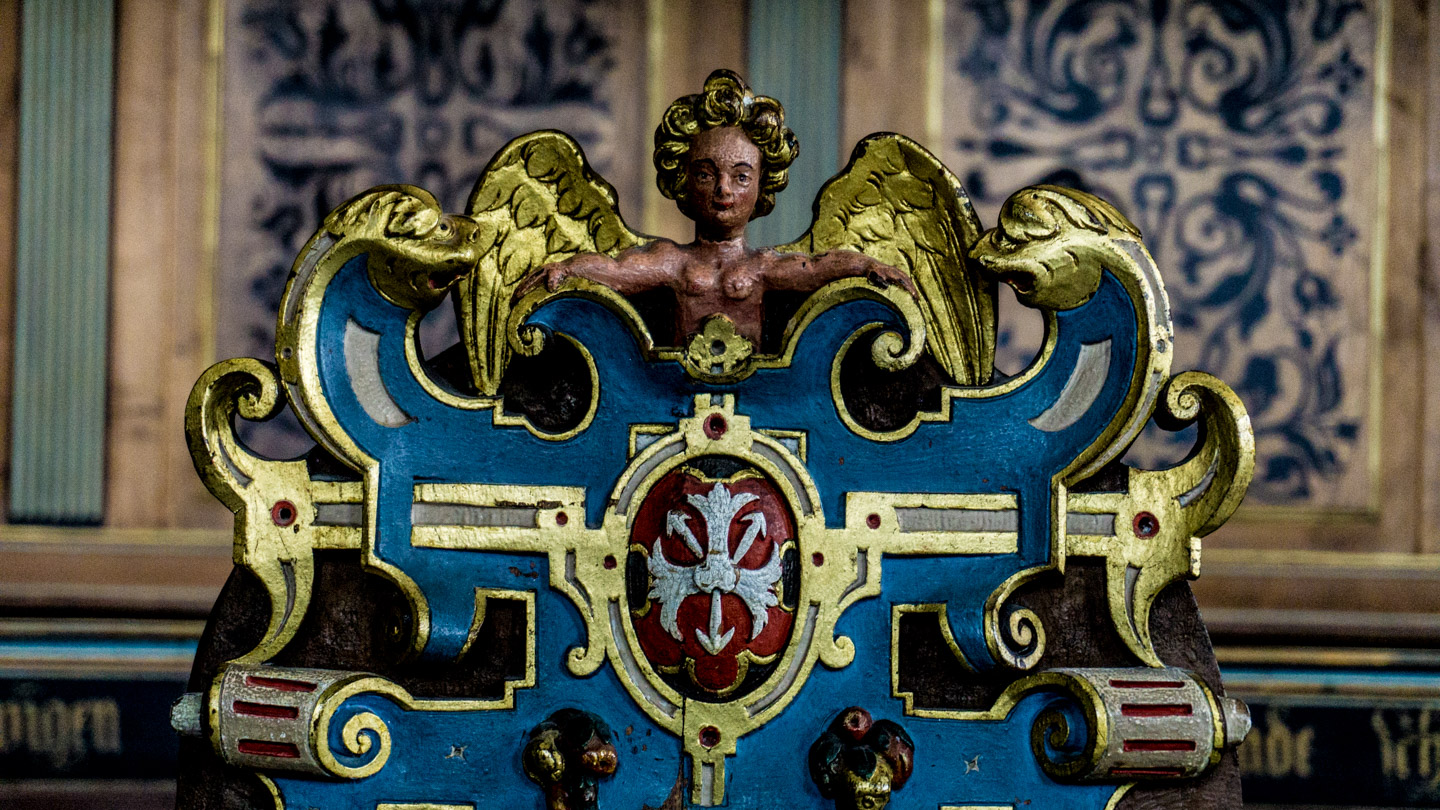
 The casements deep beneath the castle are a unique experience. Dimly lit and at times a bit treacherous, the casements are fun to explore but watch your step.
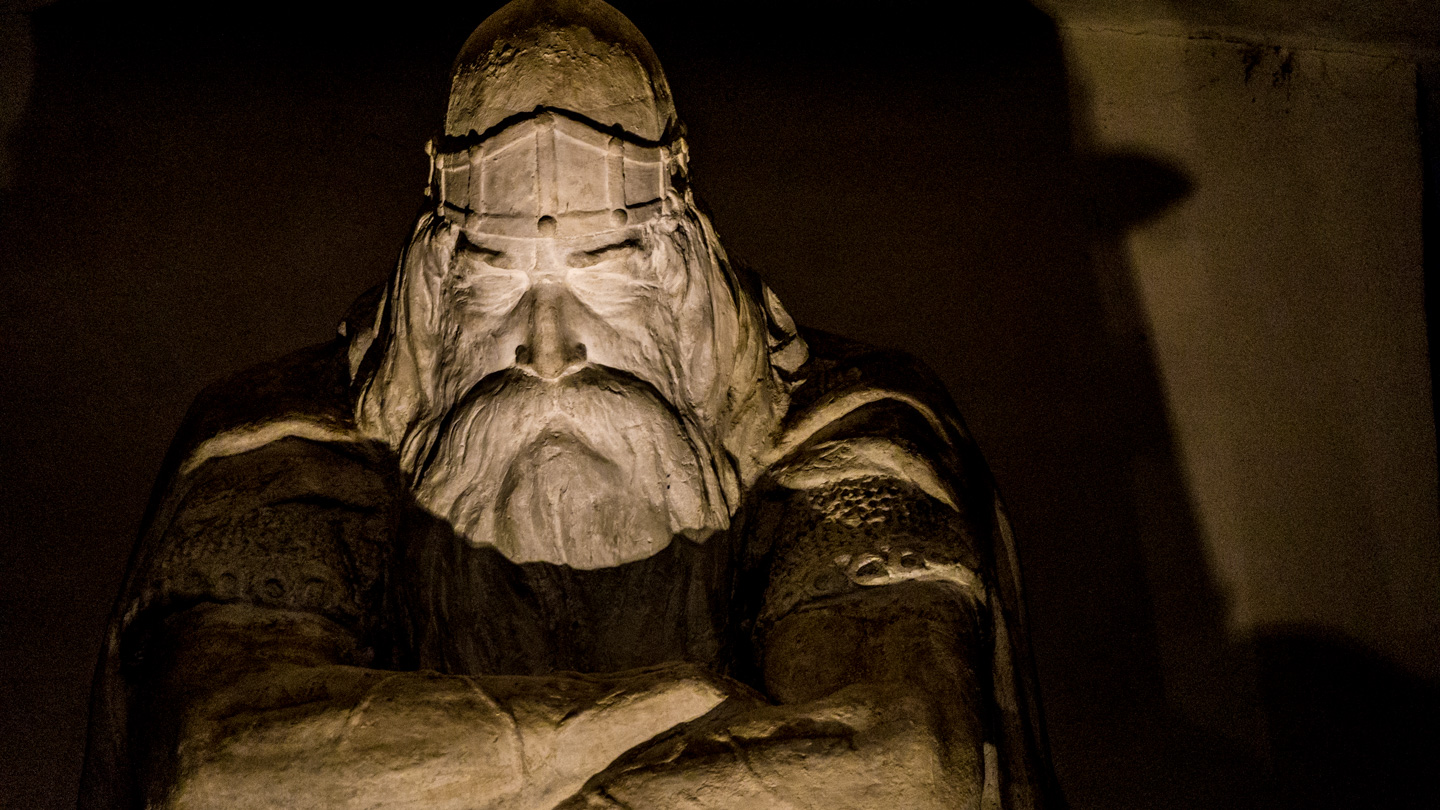
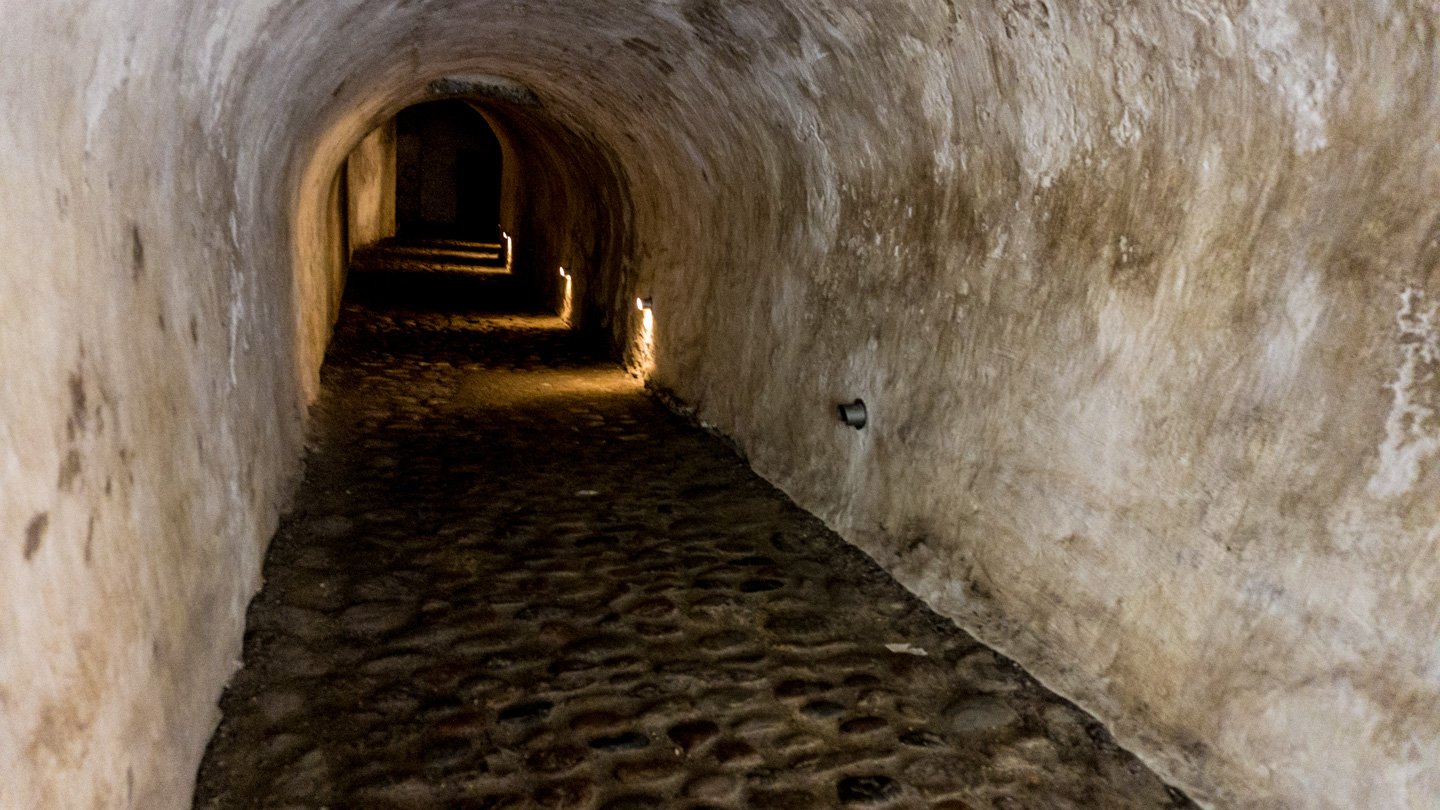 This subterranean labyrinth is where you can meet Holger. According to the myth of King Arthur, a Danish king known as Holger the Dane, was kidnapped by the sorceress, Morgan le Fay and taken to Avalon. He escaped to rescue France from danger and then traveled to Kronborg castle. Today he sleeps until he is needed to save his homeland.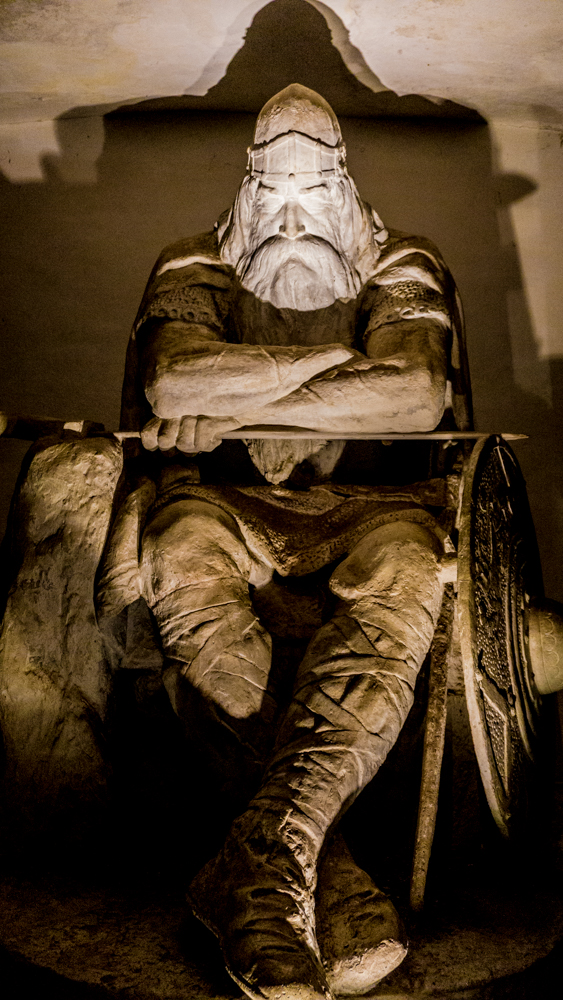
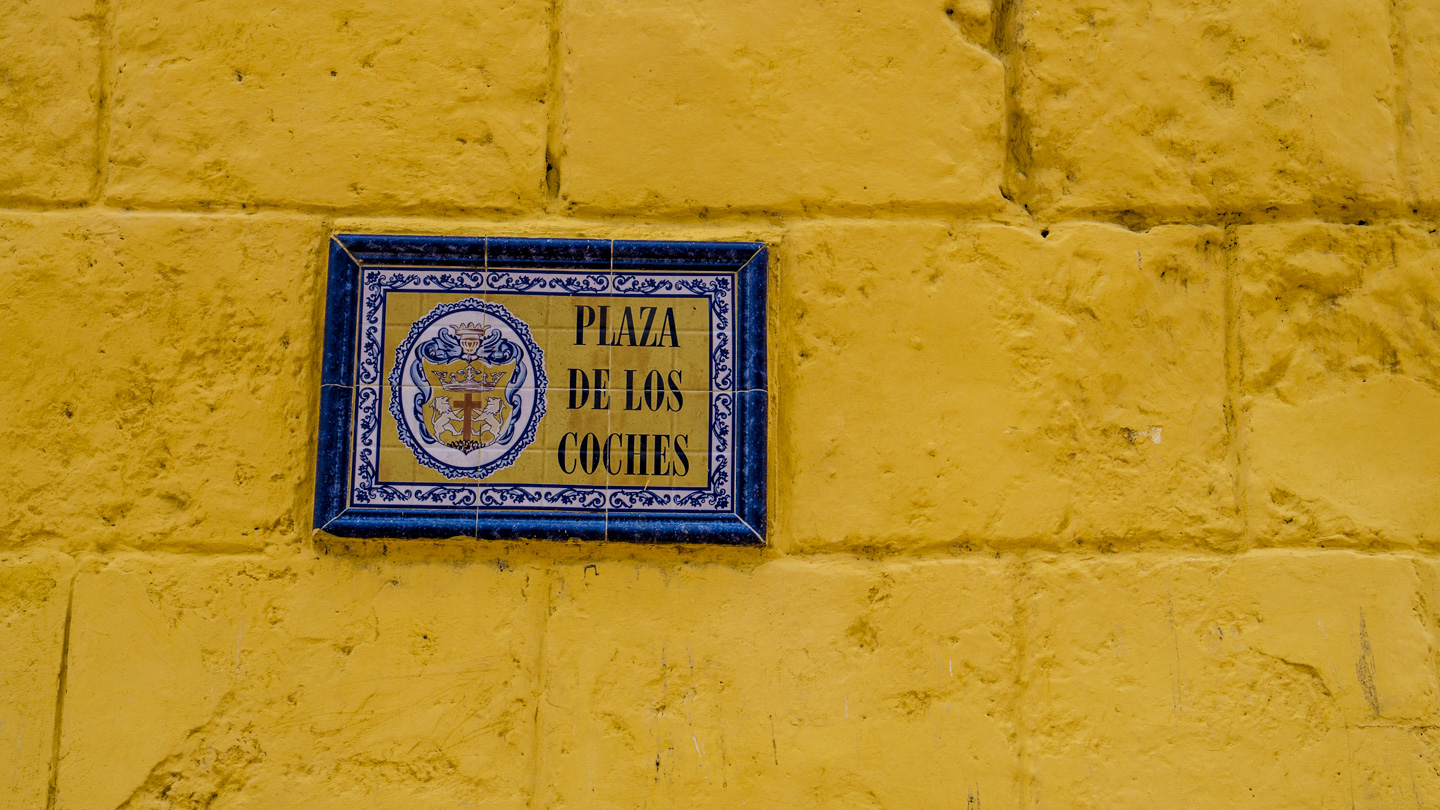
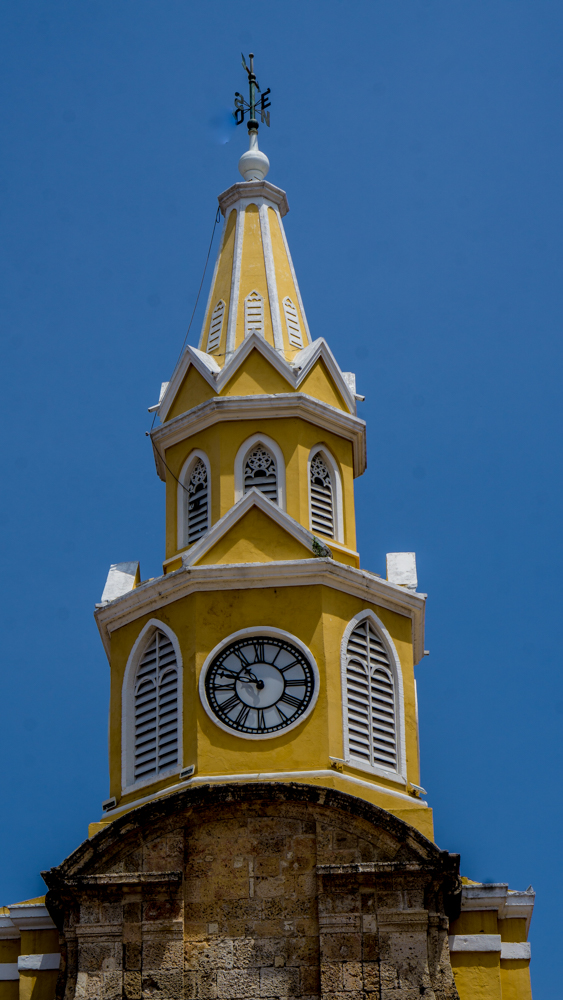 The Plaza of the Carriages (Plaza de los Cloches) next to the clock tower, was the site of the original slave market. Slaves were brought into the New World through Cartegena and Veracruz, Mexico. And yes, you can pick up a carriage ride in the Plaza de los Coches.
  If you’re on the hunt for some vintage record albums or a used copy of the South Beach Diet, this market is just for you.
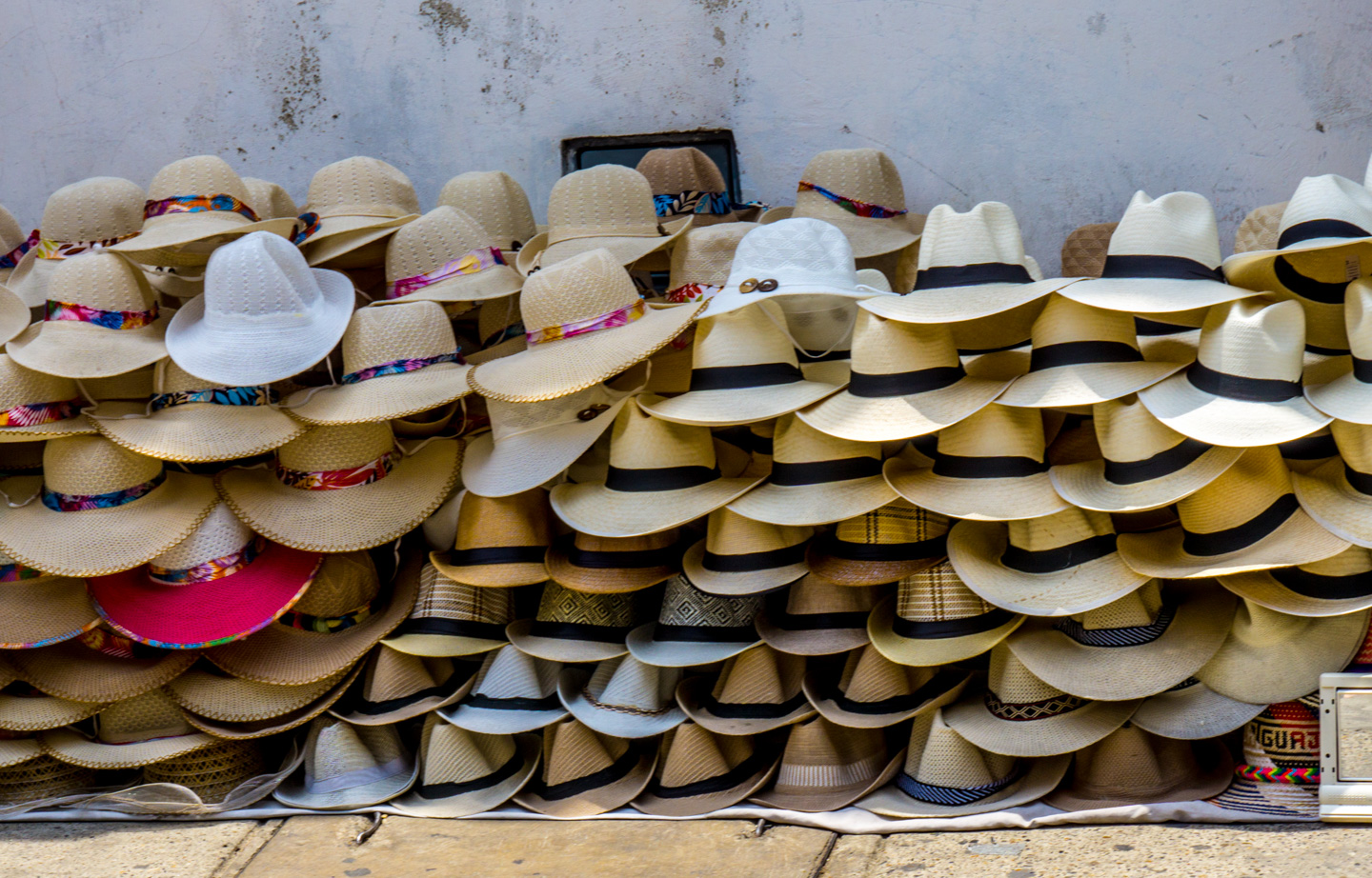
 Be sure to check out the street vendors and maybe pick up a Panama hat to keep you cool. The heat and humidity are overwhelming and most people stay away during the heat of the afternoon.
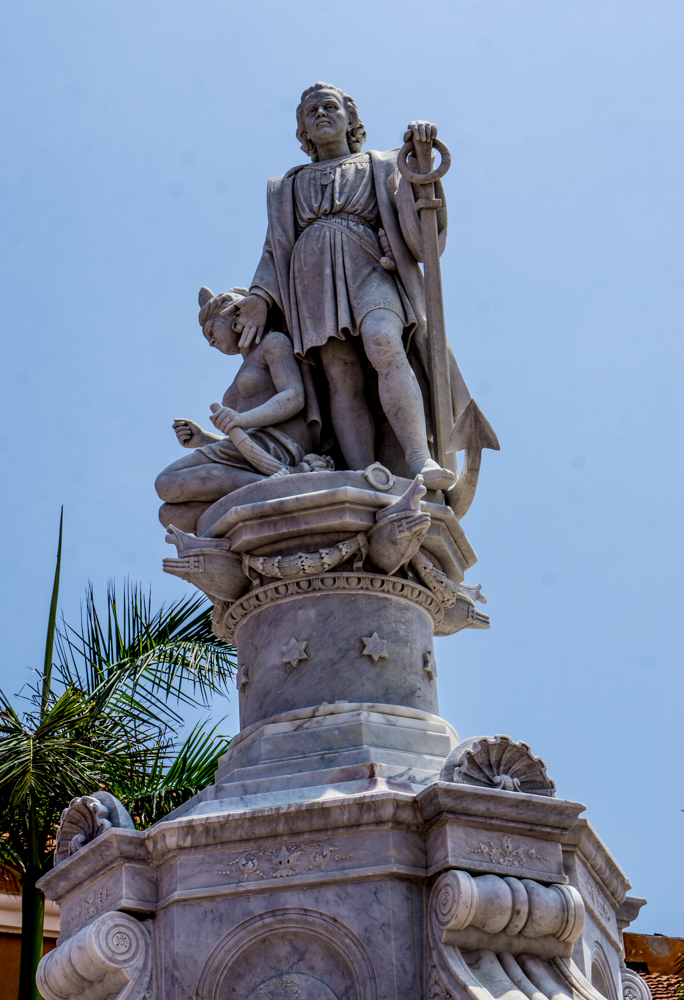
 A towering statue of Christopher Columbus stands in the Plaza de la Aruanda. Columbus explored the coast of Panama, which was part of Columbia on his fourth voyage of discovery.
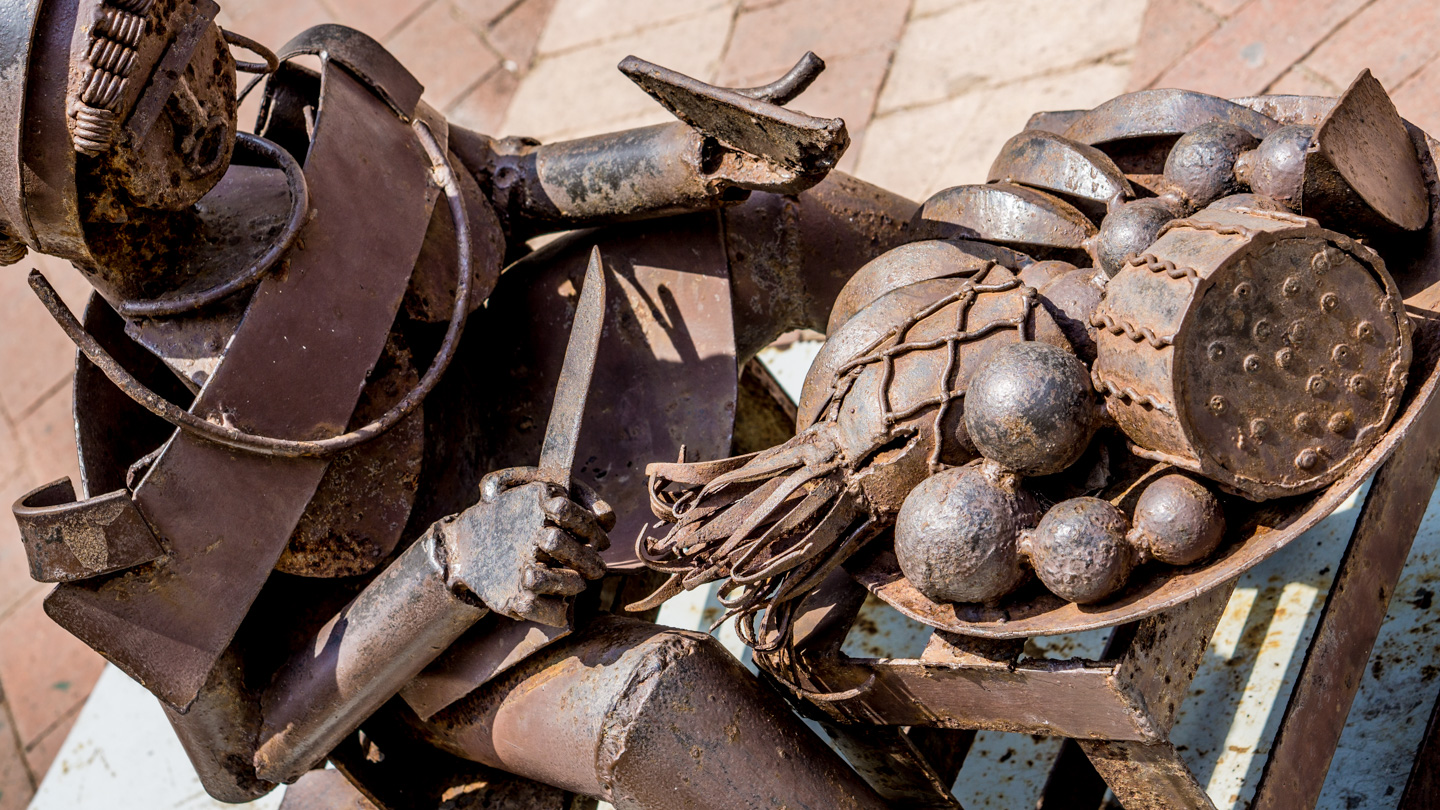
  Modern art sculptures adorn the streets and plazas. This palenquera was one of several sculptures in the Plaza San Pedro Claver.
 The Church of San Pedro Claver was built in the early 17th century. Saint Peter Claver was known as the slave of slaves by his Jesuit brethren. Unlike his brothers, Claver did not support Slavery and chose to minister to the many slaves brought through Cartegena. He would meet the slave ships before the human cargo was unloaded so that he could be the first and only friendly face they saw in the New World. San Pedro Claver was the first saint canonized in the New World.
  The $5 entry fee was well worth it to get out of the hot sun for a half hour or so. The church grounds feature heavy wood furniture offset by the gleaming white washed walls.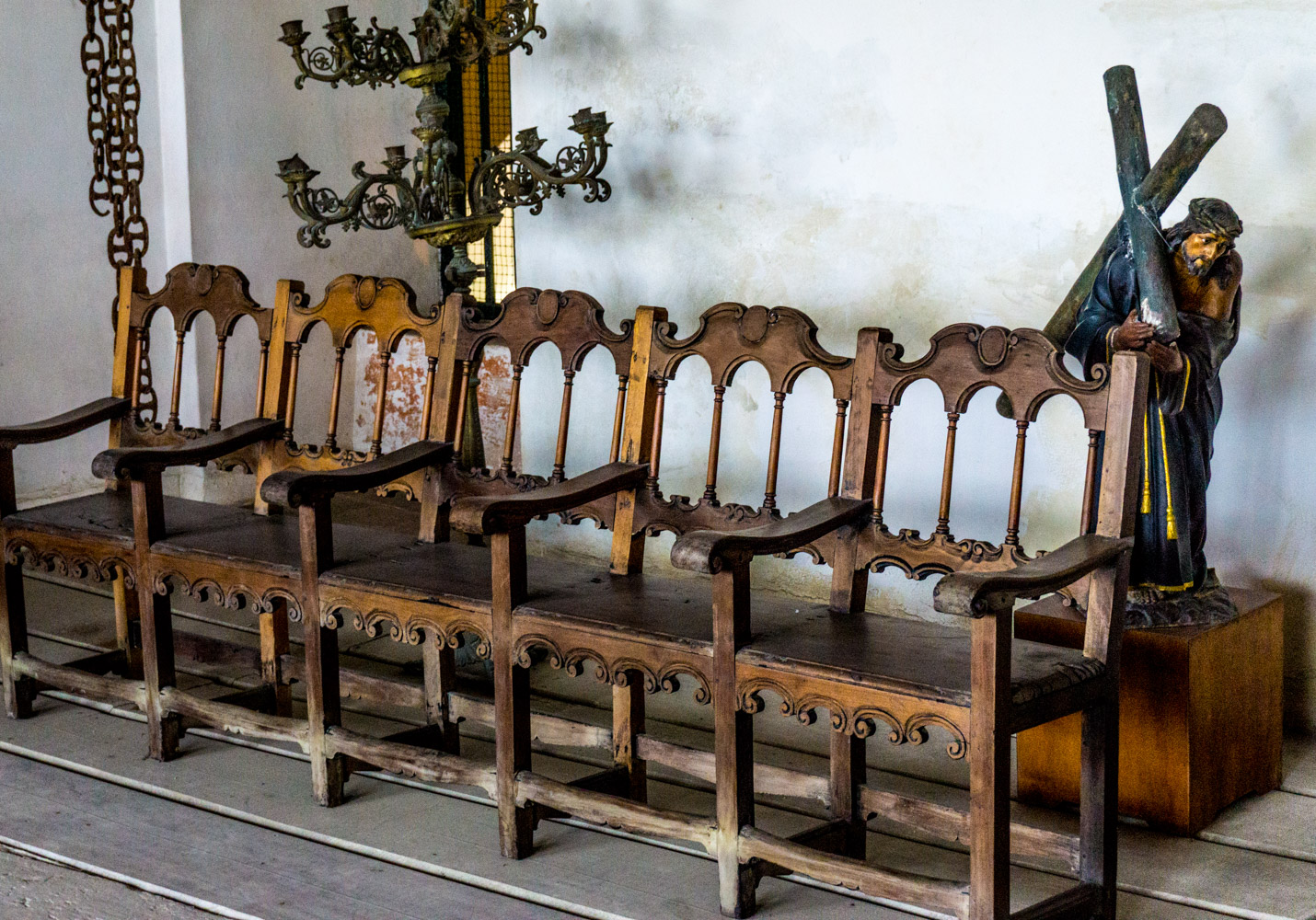
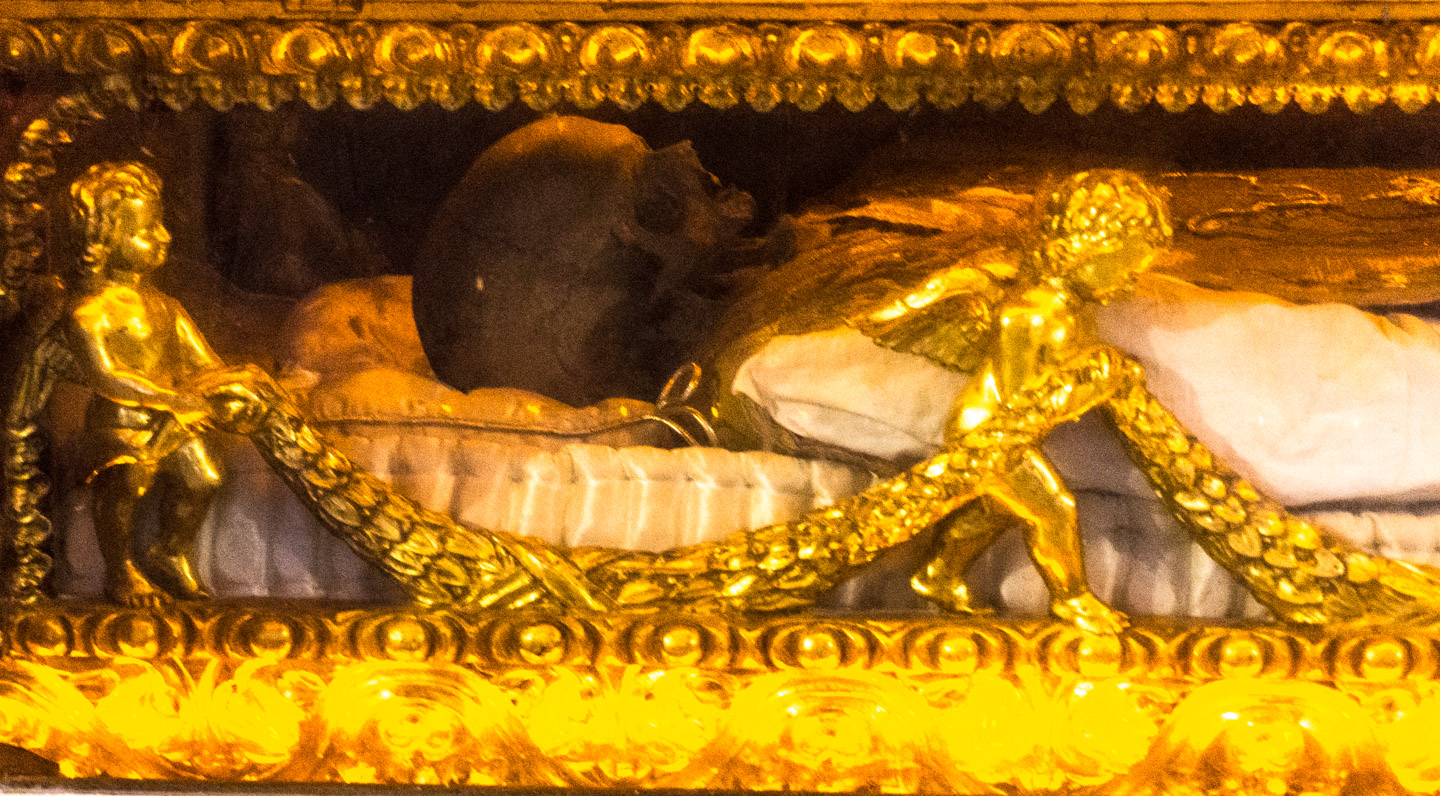
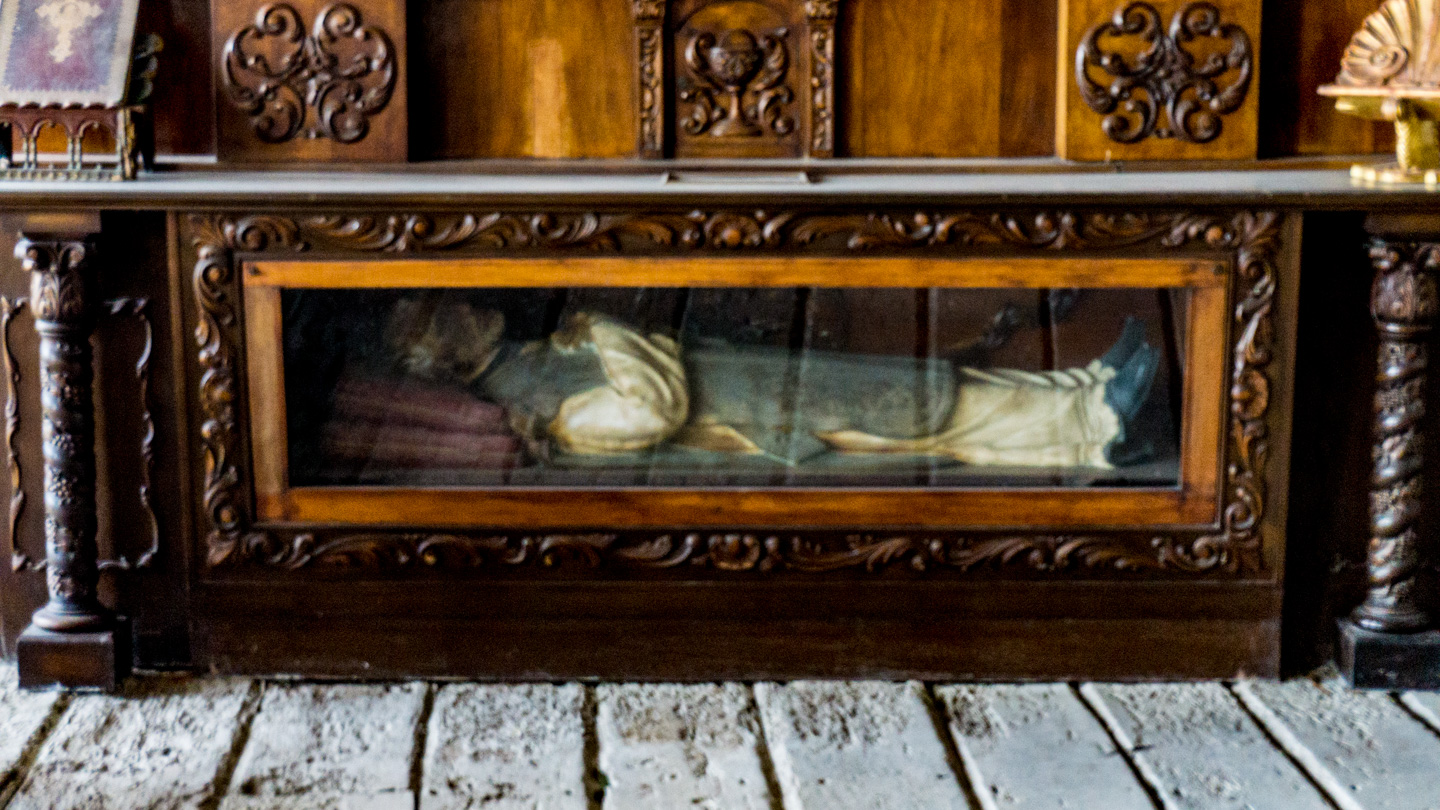 The altar is dedicated to San Pedro and his remains are visible underneath. You can check out his skull if you want to get up close and personal.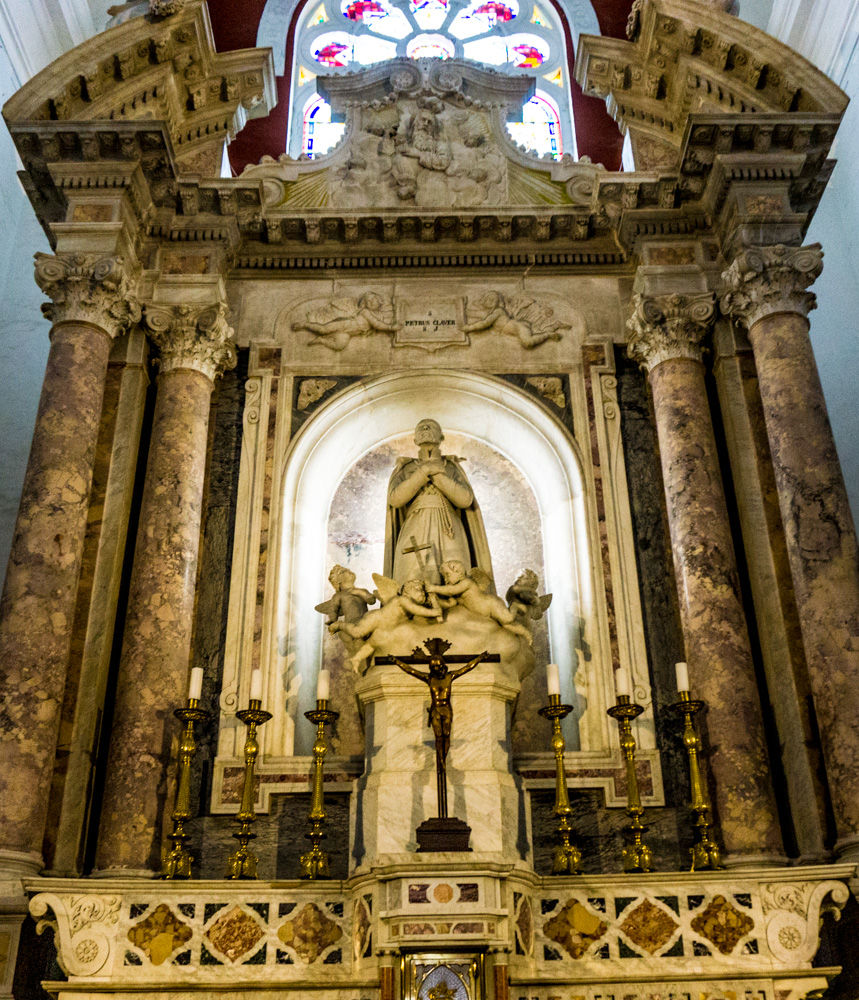
 The mausoleum in the back of the cloister houses more recent parishioners.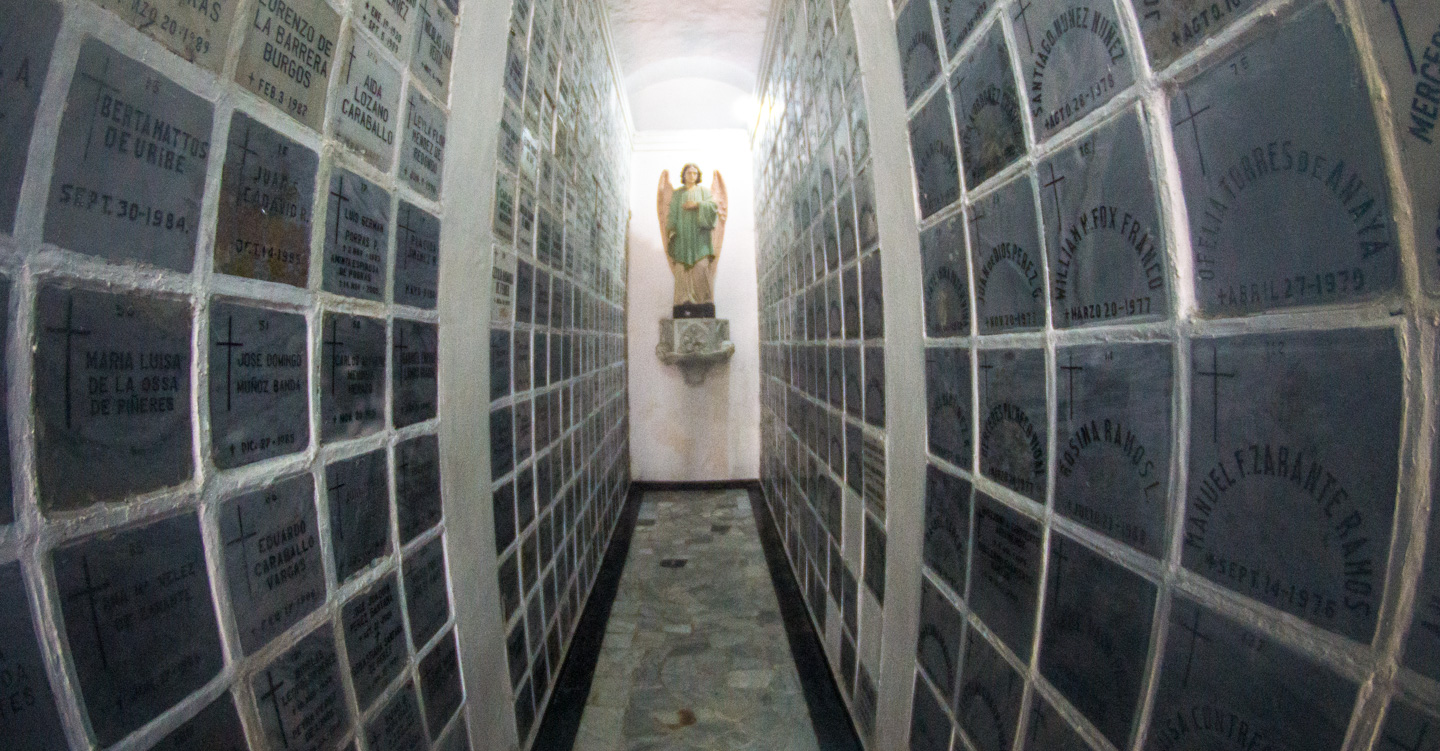
 Toompea, the upper town is where you can visit Alexander Nevsky Cathedral. During the period when Tallin was under the control of the USSR, the cathedral was much hated by the people. They saw it as a symbol of oppression and in 1924 the authorities scehduled the cathedral for demolition. Unfortunately a lack of funds caused the project to be abandoned.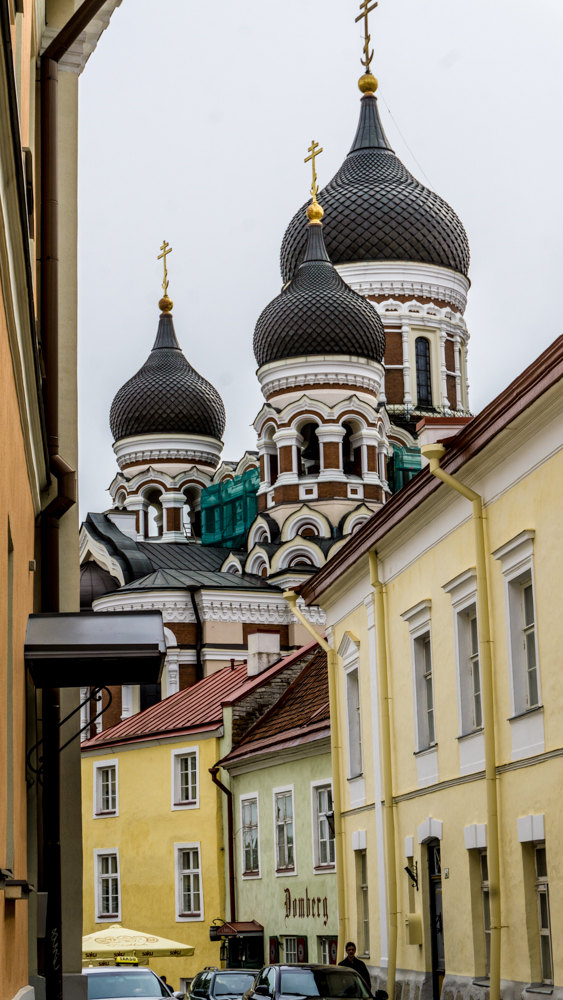
 Between 1549 and 1625, St. Olaf’s Church may have been the tallest building in the world. Up until 1991, the KGB used the church’s spire as a radio tower and surveillance point.
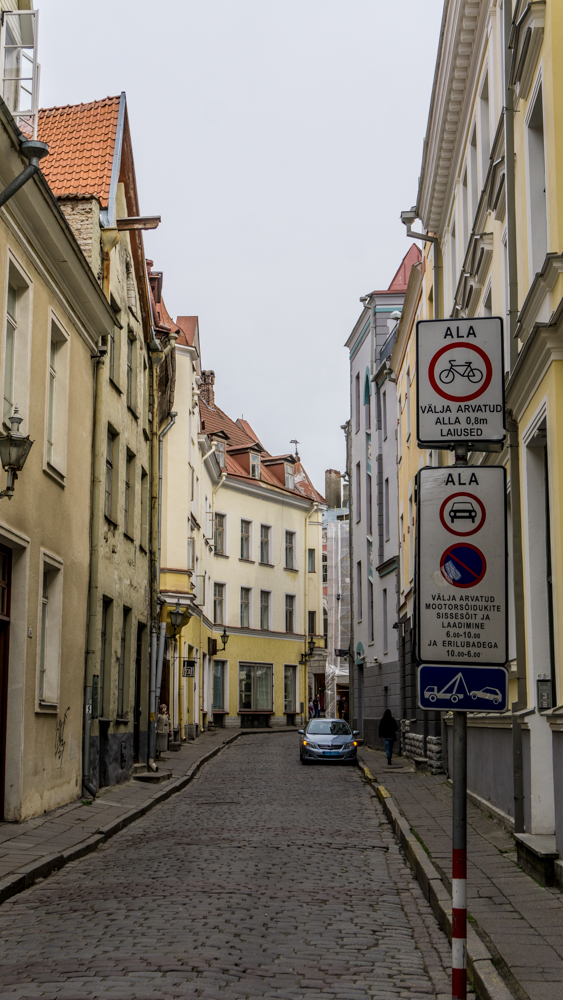
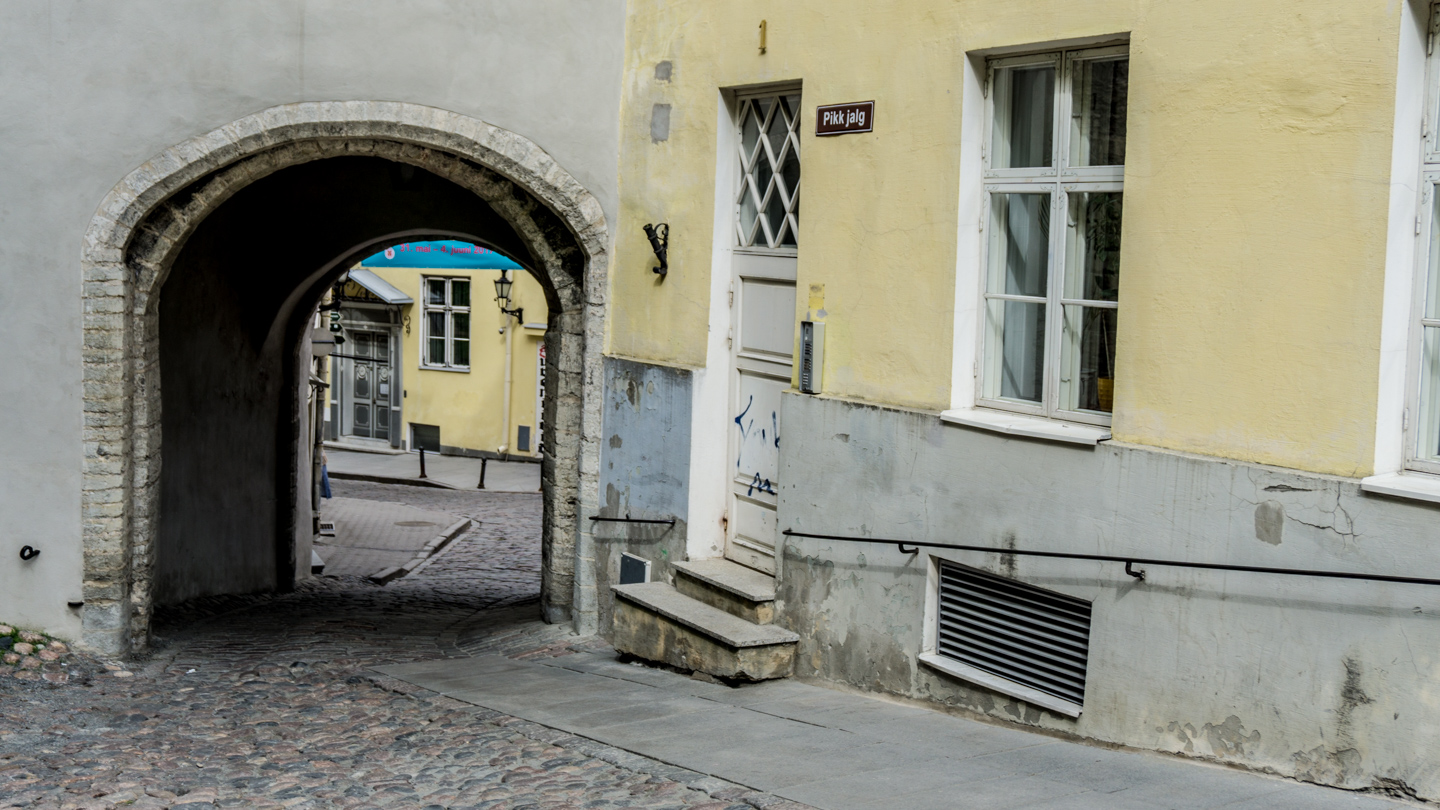
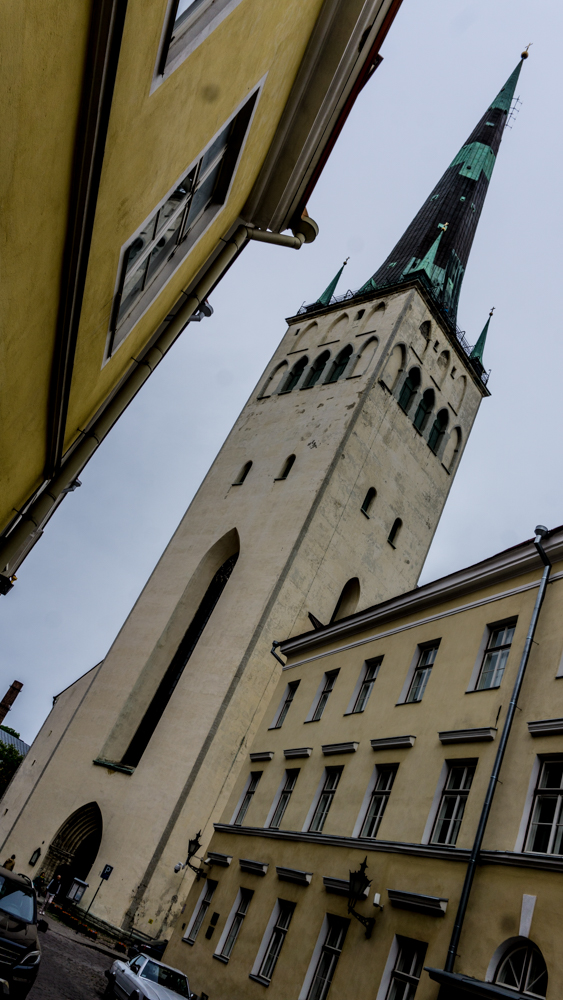 Colorful buildings and twisting cobblestone streets are made to wander through.
  Local artists set up their masterpieces along the old city walls.
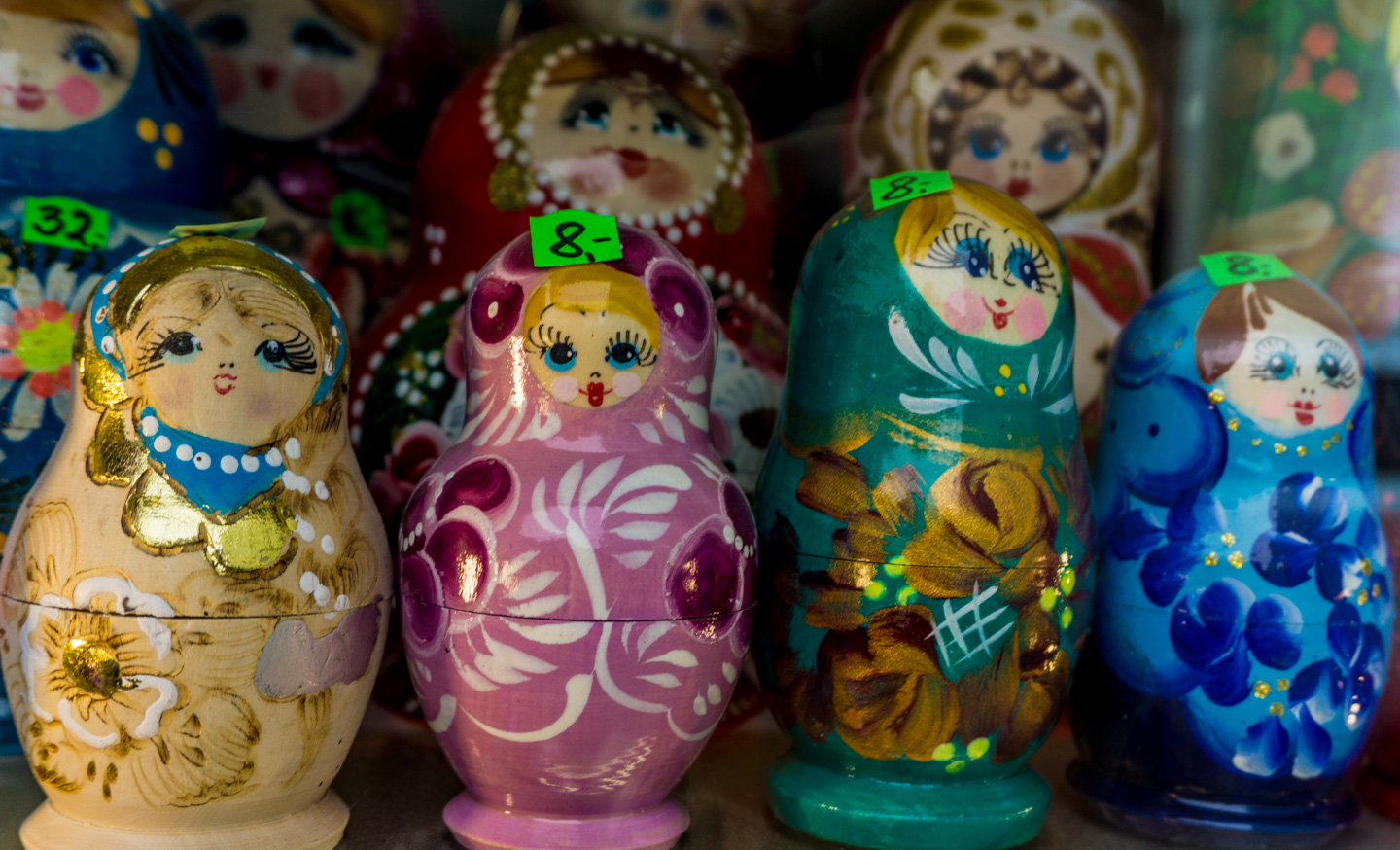
 Russian nesting dolls known as matryoshka are available for sale in many shops.
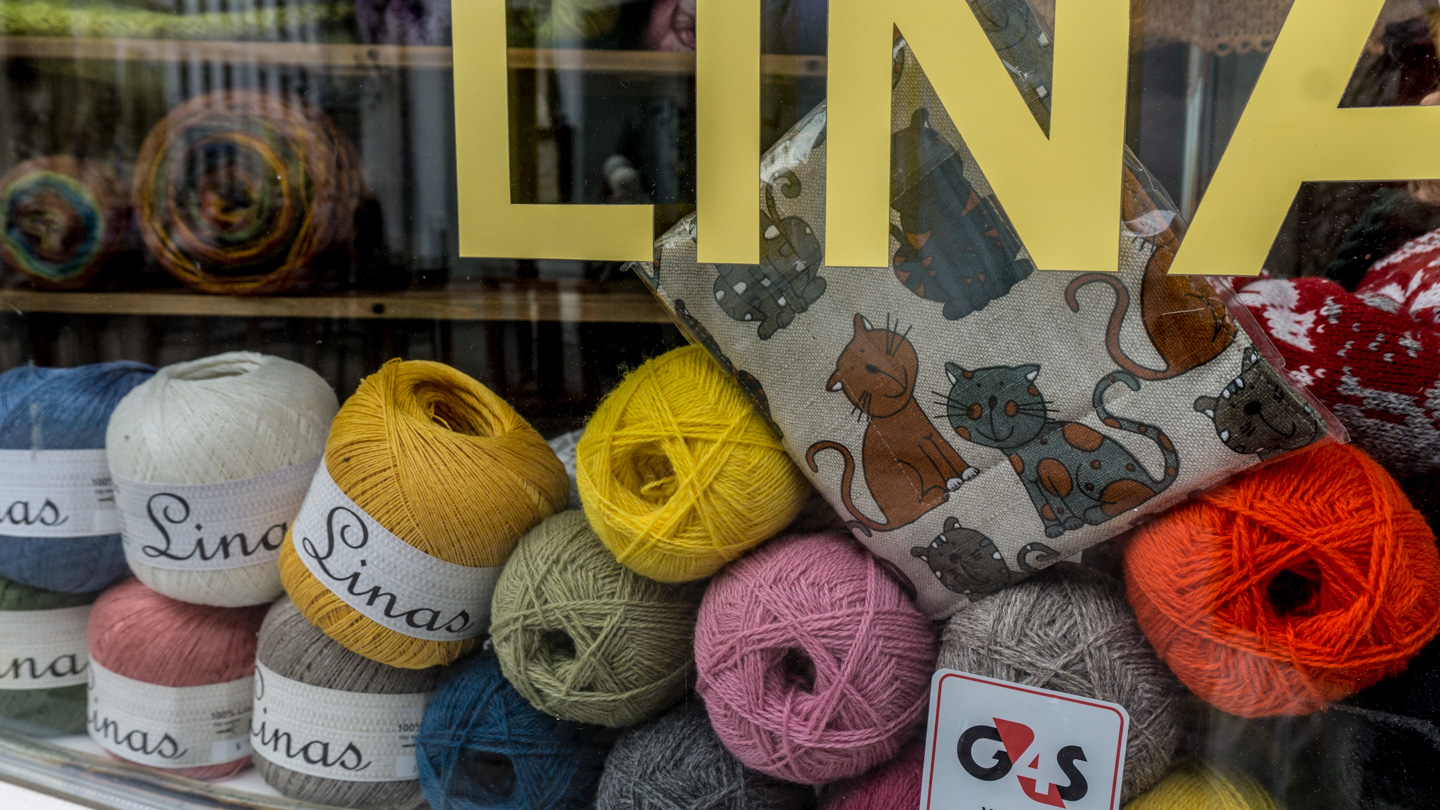
  Knitting played an important part in Estonia’s history, so much so that it wasn’t uncommon for hundreds of mittens to be knitted as gifts for wedding guests.
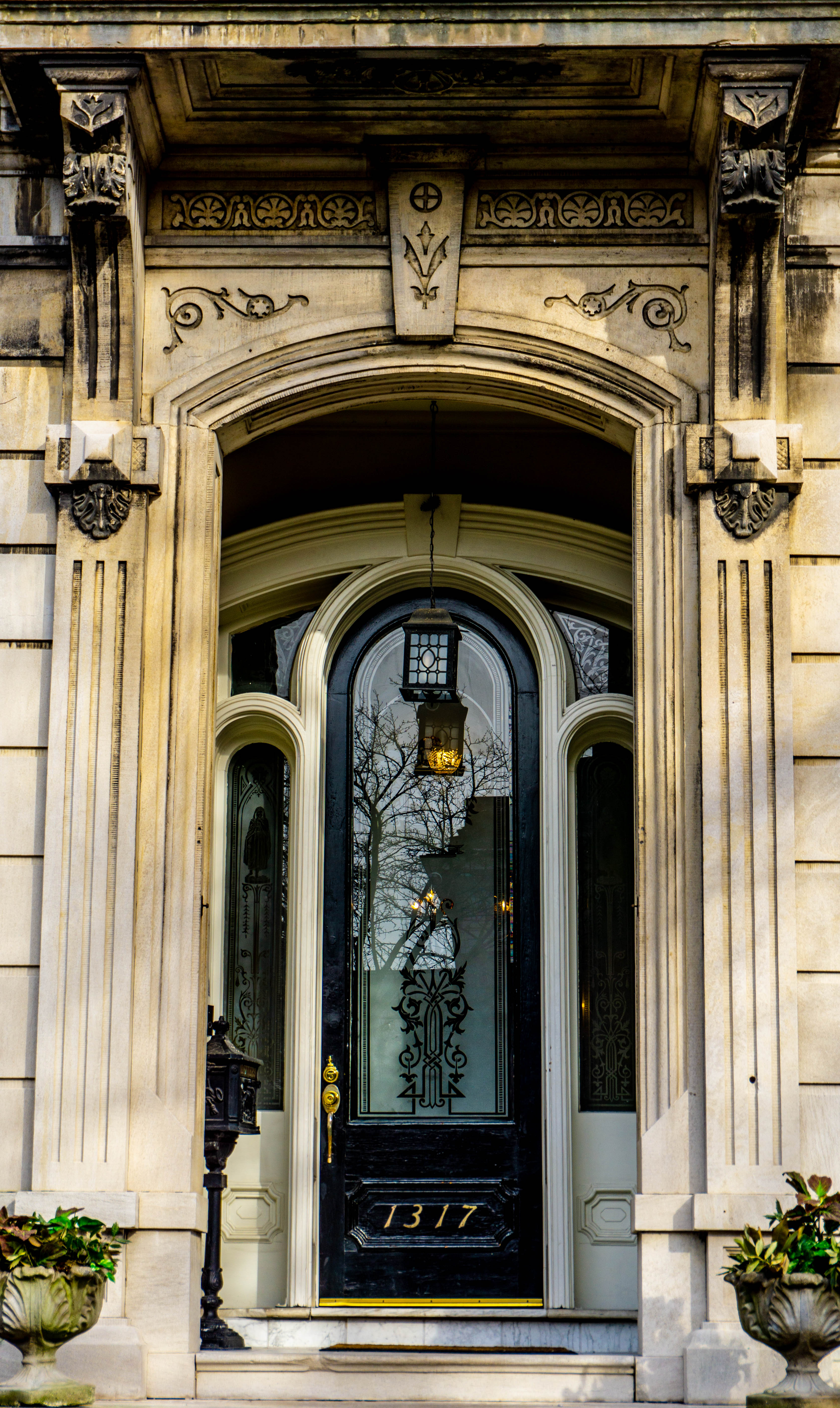
 There is something magical about the brightly decorated doors along Tallin’s city streets. Bright colors, metal and wooden embellishments turn each into it’s own work of art.


 Travels With Ackbar