Souvenir and Window Shopping

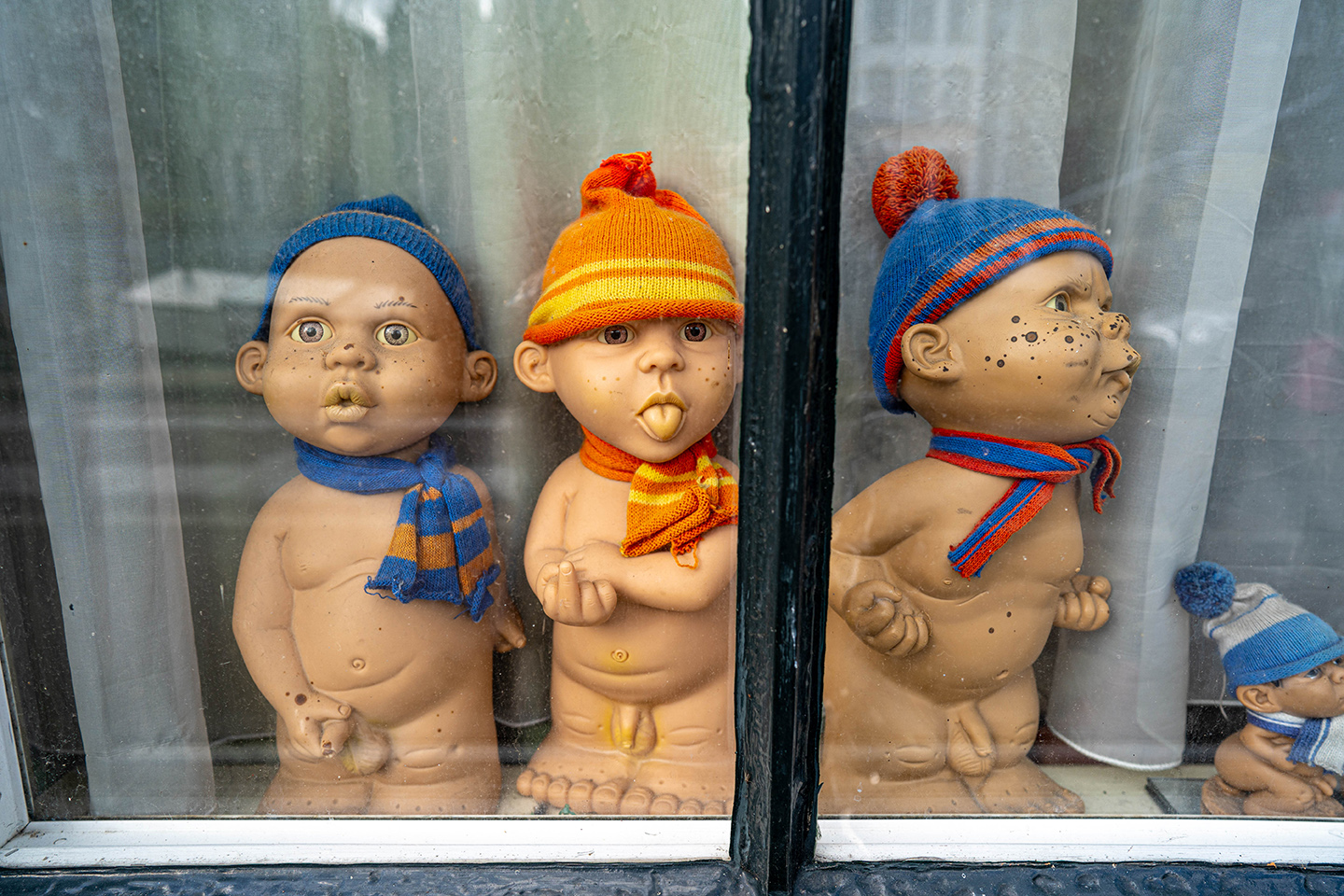
As I walked along the canals of Amsterdam, I noticed these funny little boys in a window.

Among the items for sail are items of Blue Delft ceramic. These delicately painted vases and plates were crafted at a 33 different “porcelain” factories. Only one of them is still in business, Royal Delft. These items are made of earthenware but were designed to compete with Chinese porcelain.
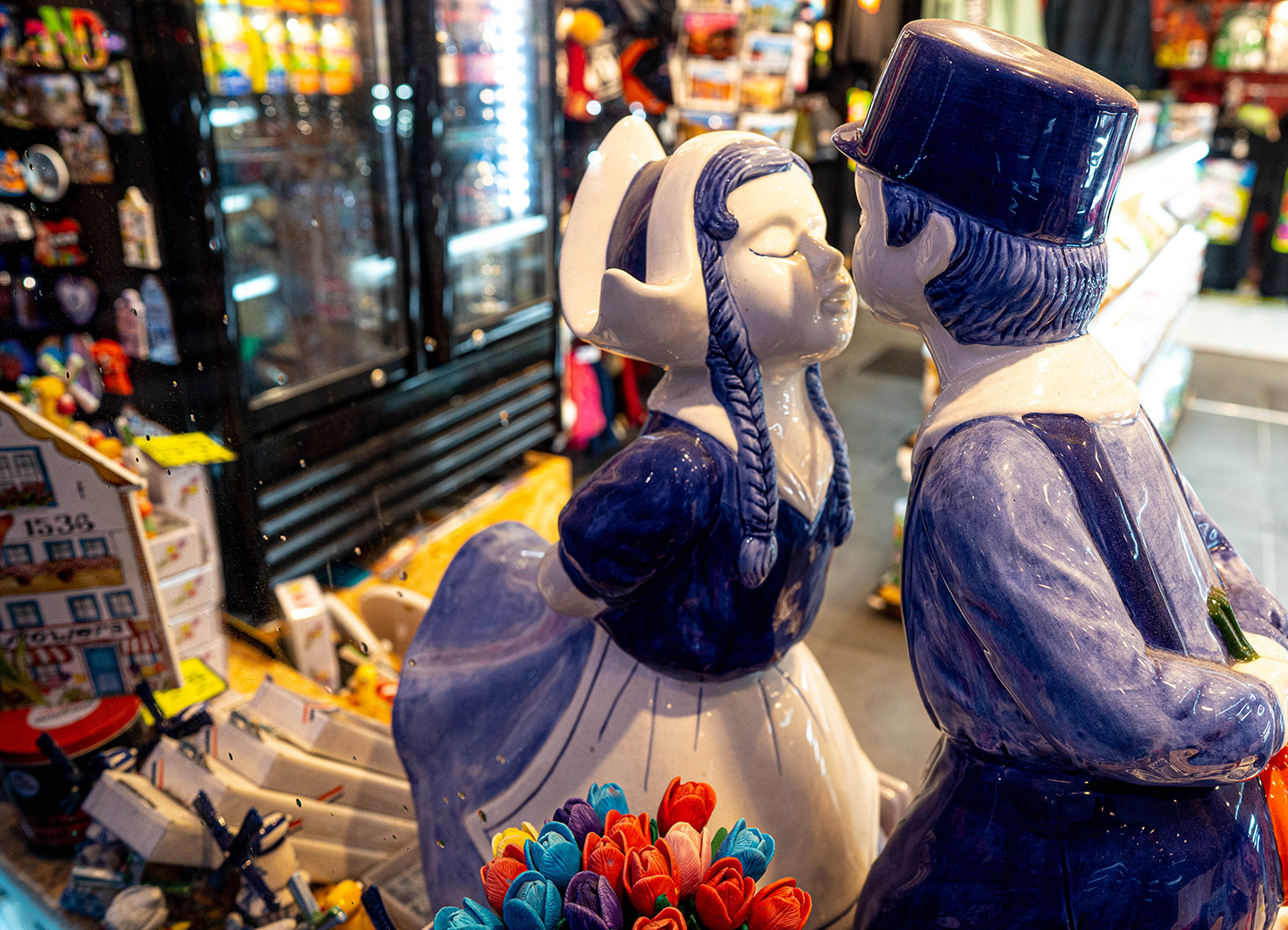
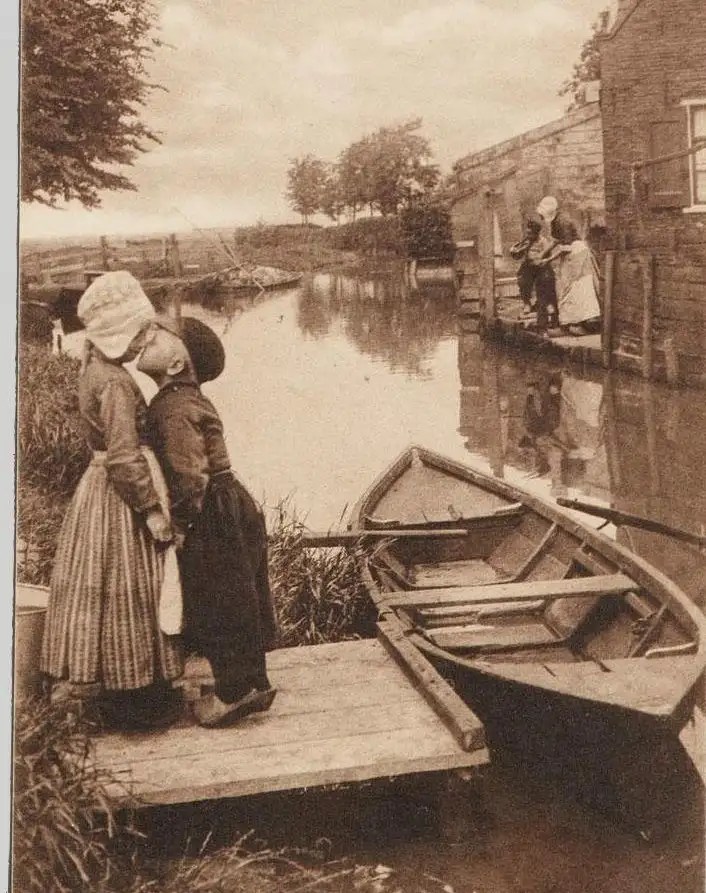
Some of the most popular Delft Blue items are the Kissing Couple. No one knows for sure the true history of the young lovers. Some think they are based on a photo taken in 1920.
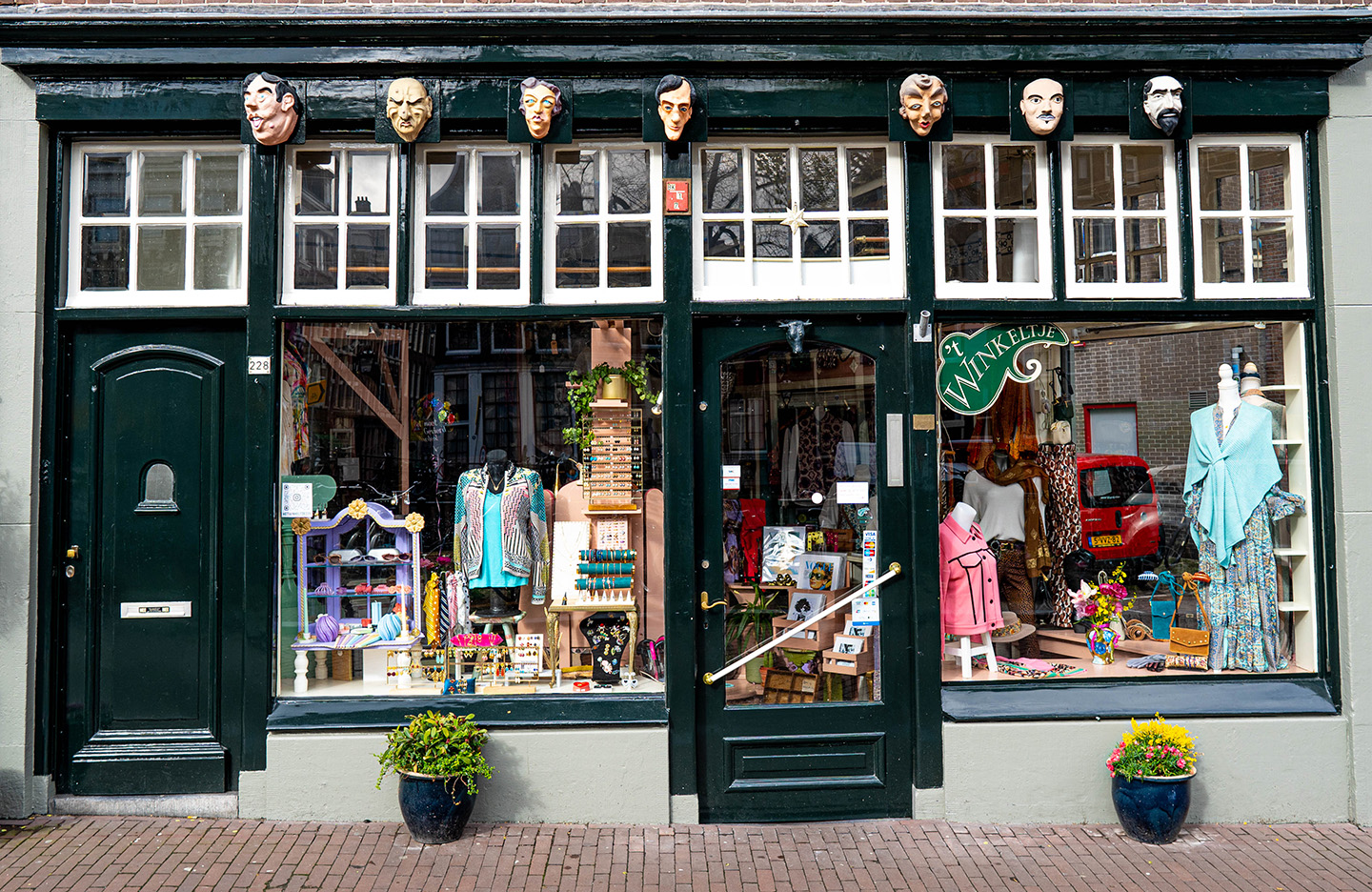
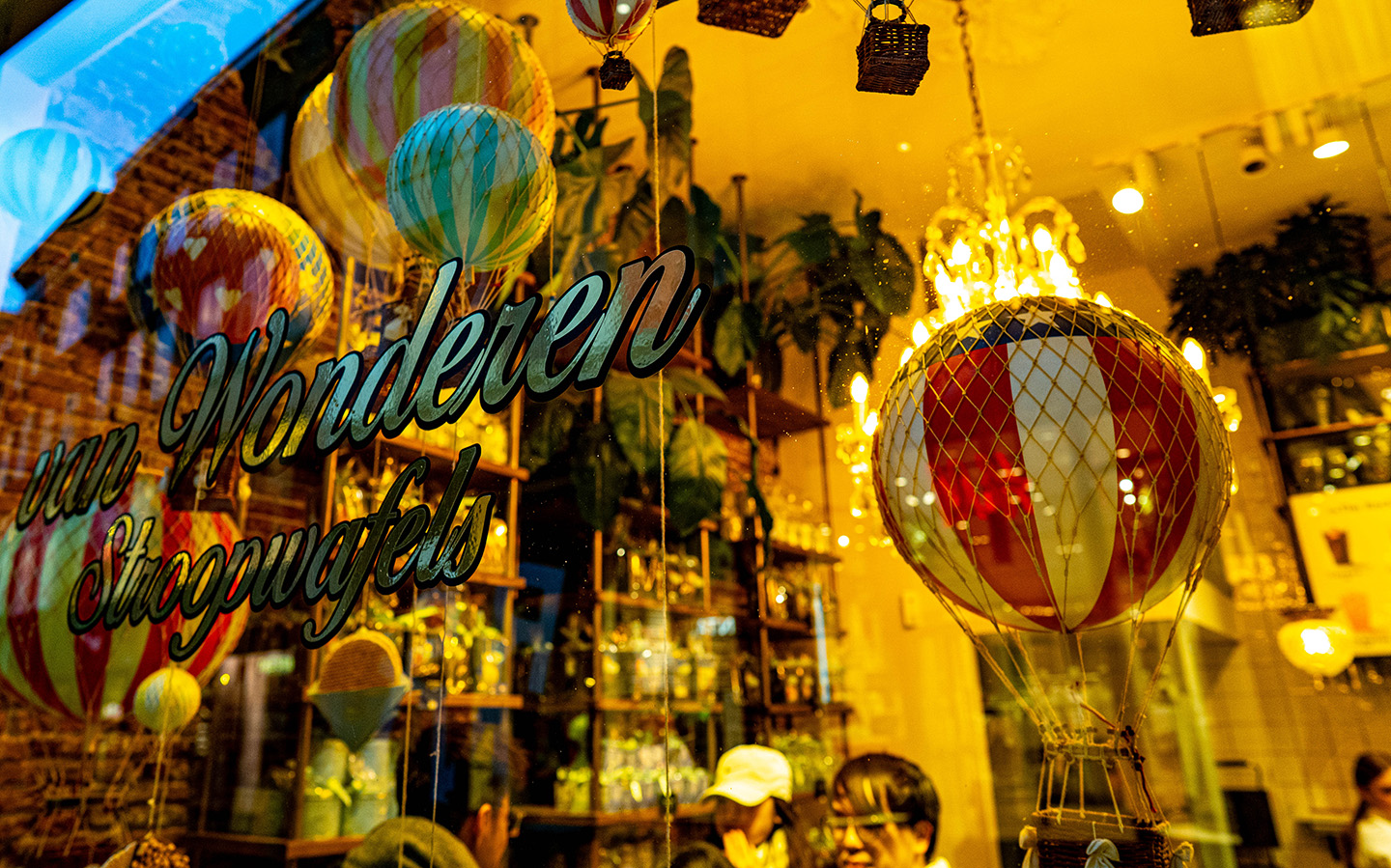
Wandering the streets of Amsterdam you can find Antique Shops, Sweet Shops, Bakery’s and Dutch Cheese Shops. There’s literally something for everyone.
Seven Country Houses

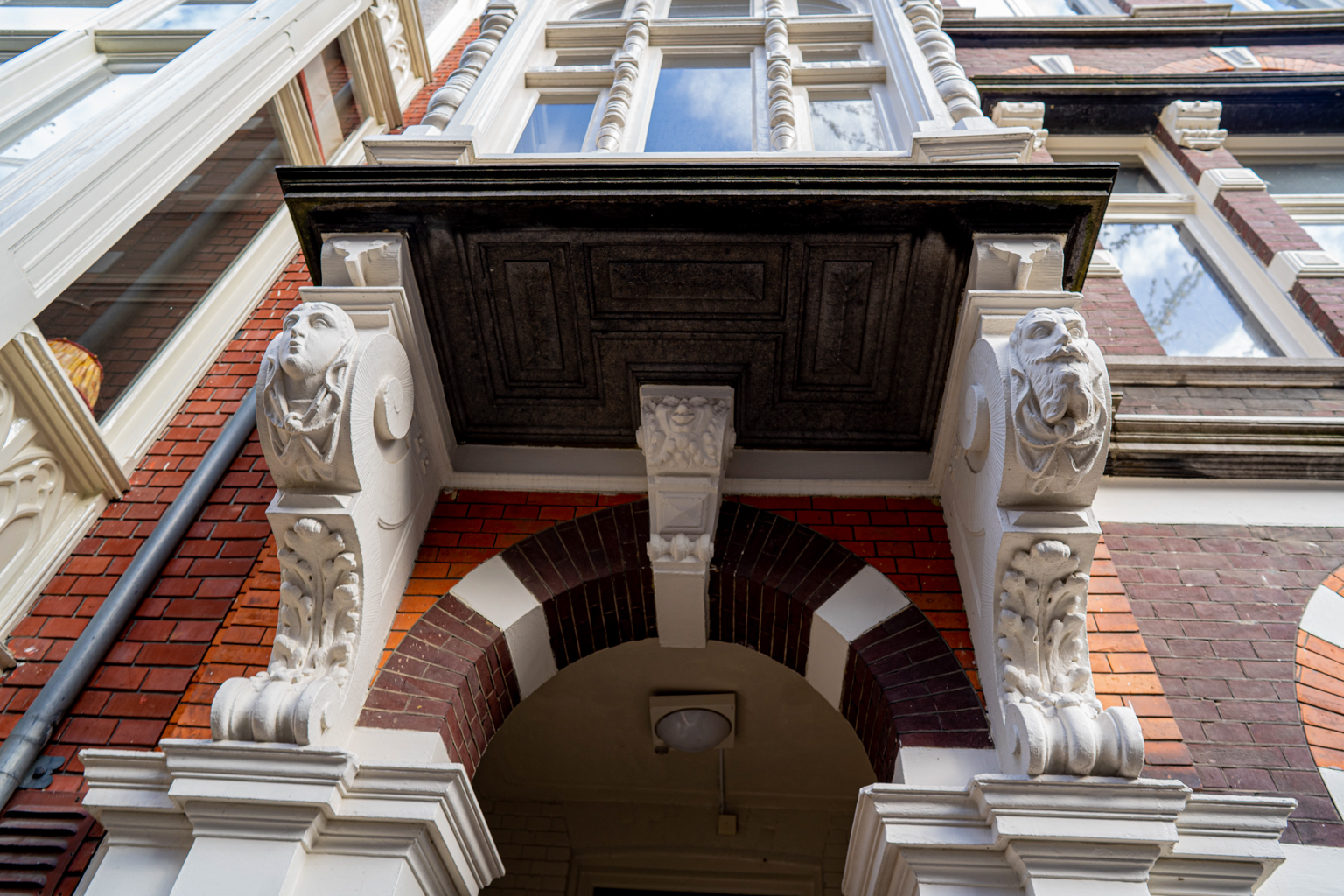
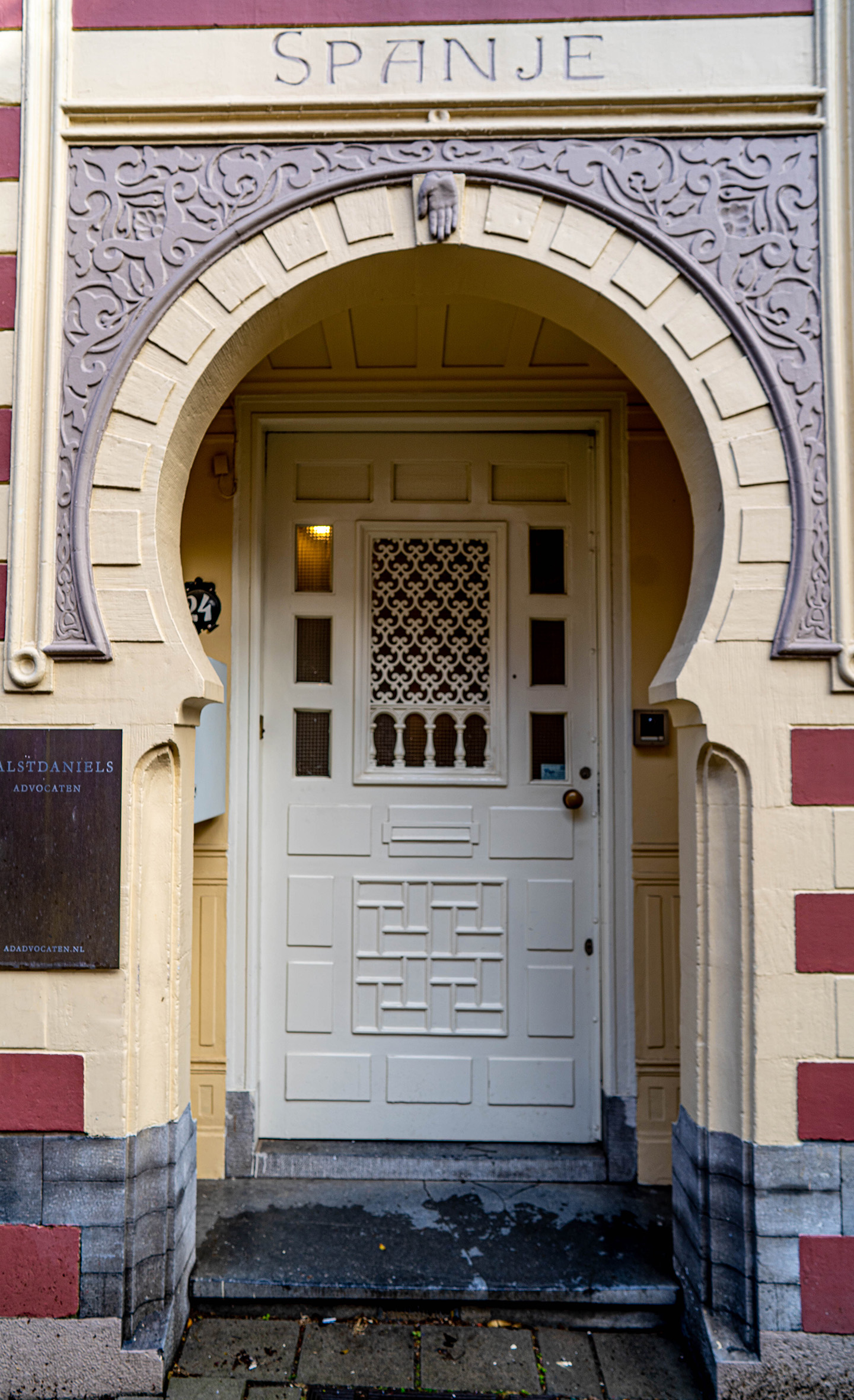
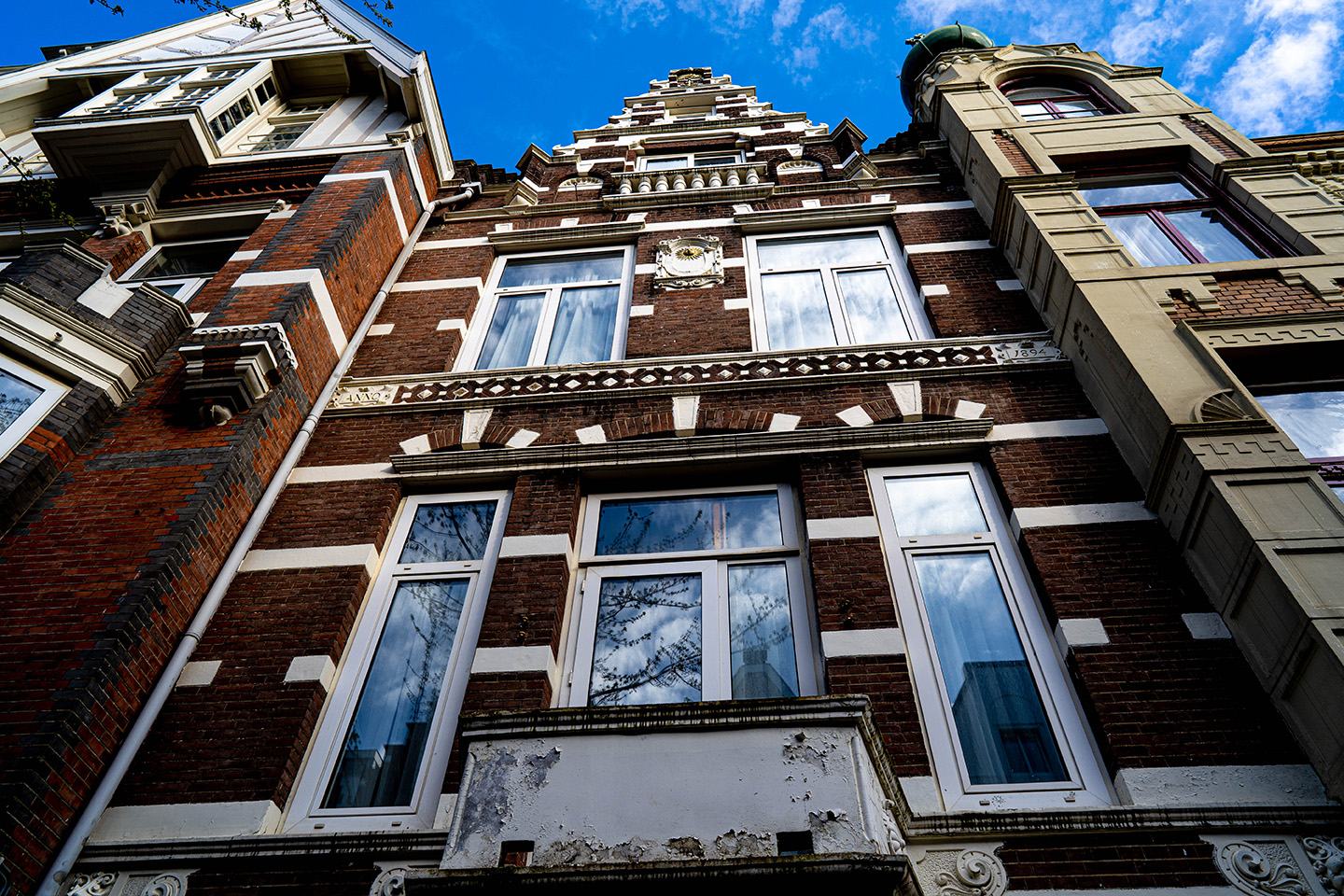
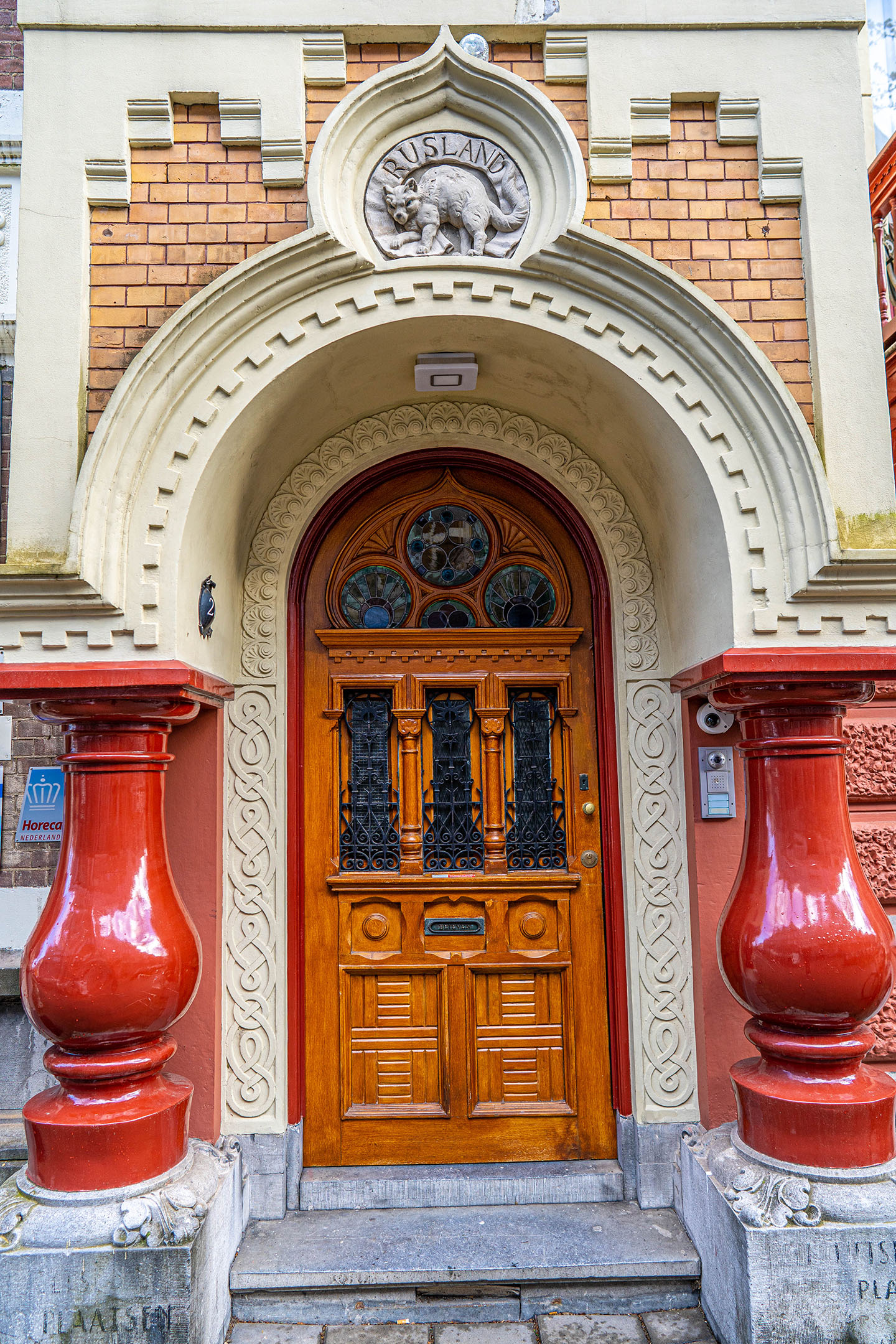
Architect Tjeerd Kuipers, is most famous for the aptly named Seven Country Houses. The row of seven houses represent the architectural styles of Europe. Exotism is the term for a romanticized longing for what is far away. Each of the houses is built in a different architectural style representing seven different countries in Europe.

Germany, France, Russia, England, Spain, Italy and the Netherlands are all represented in architectural styles of their respective countries.

If you’d like to see these for yourself head to…

32II Roemer Visscherstraat
Amsterdam, 1054 EZ
Netherlands

52.3615, 4.8770

Please remember these are people’s homes and businesses so don’t be a nuisance.

Going Bananas in Cologne

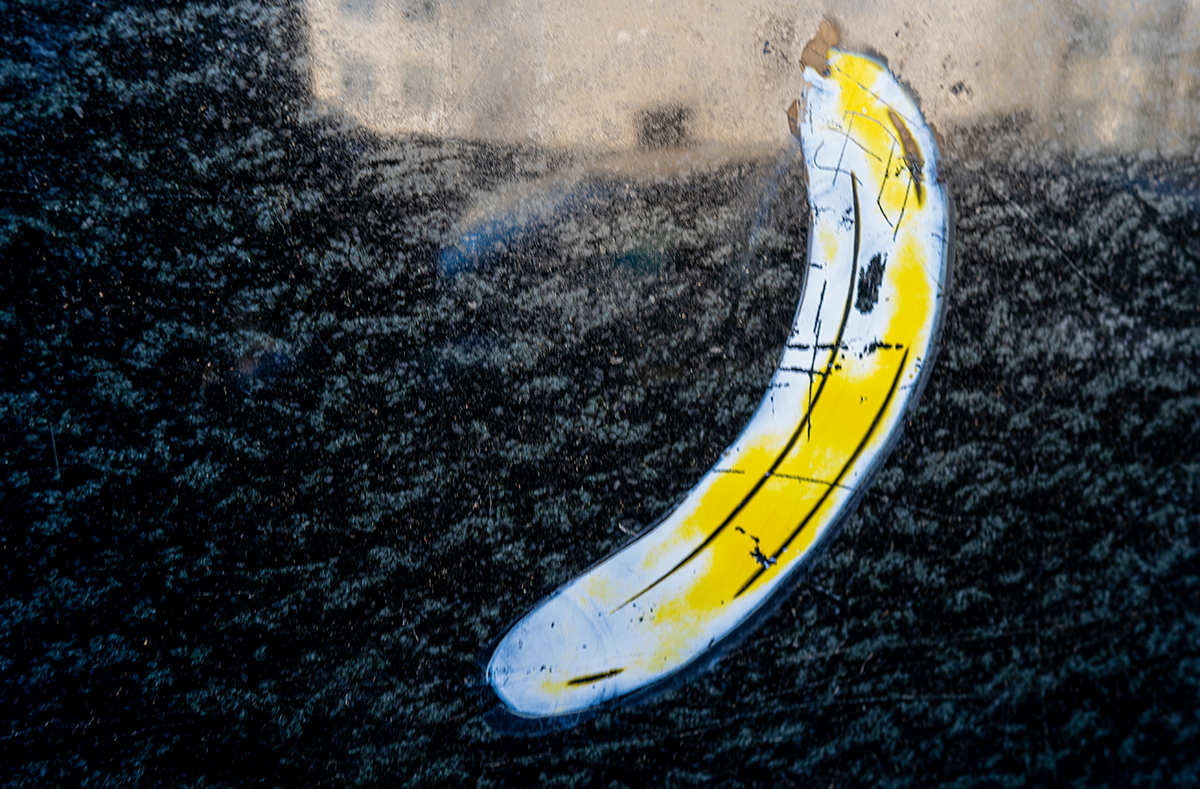
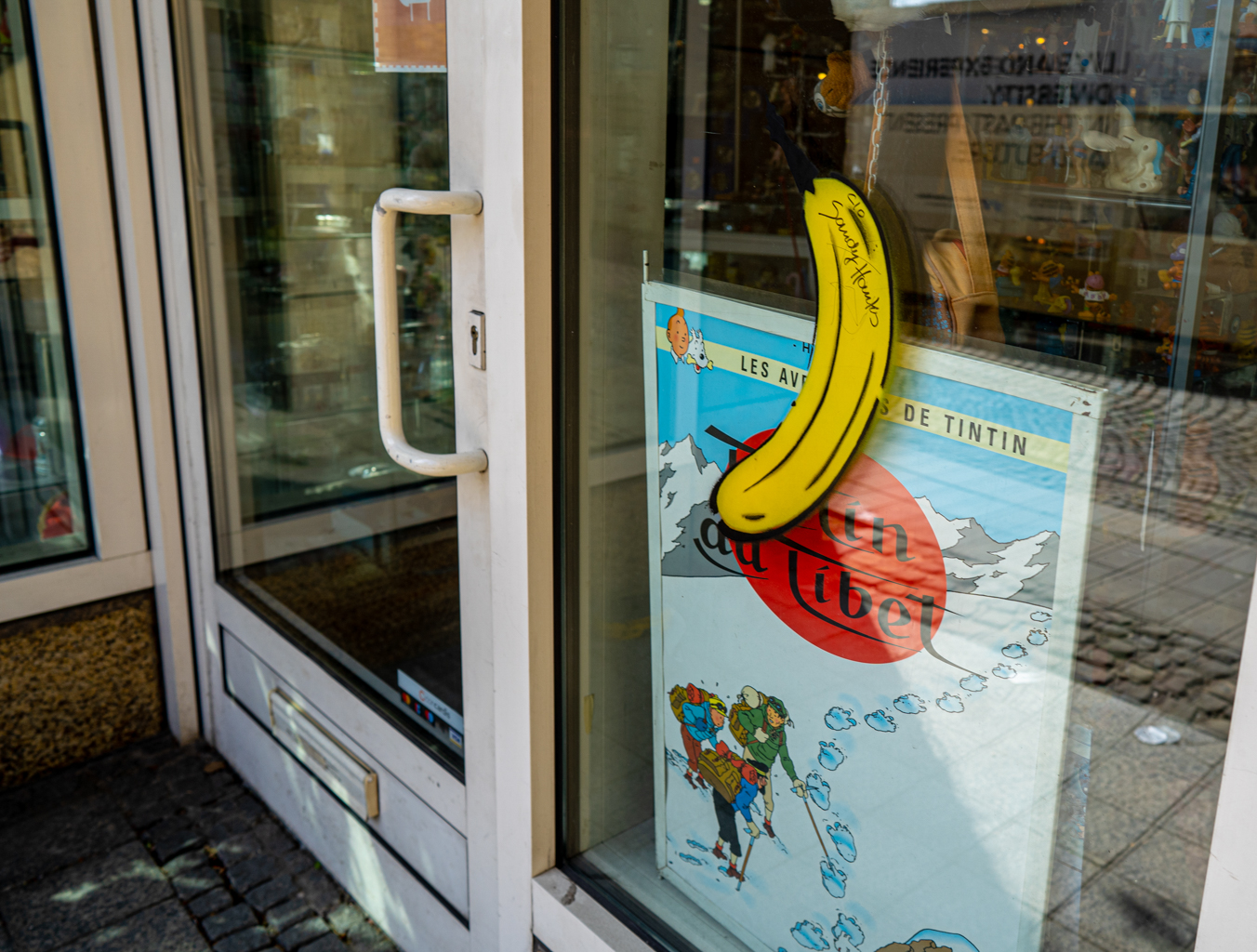
The name Thomas Baumgartel may not be a household name, but his contribution to world art scene cannot be forgotten. He is affectionately known as “Banana Sprayer” in grafitti circles.

As you venture about Cologne, keep an eye out for Baumgartel’s handiwork. In 1987, he spraypainted a banana on the Museum Ludwig. Later that same night he was apprehended in a major sweep and spent the night in jail.

The banana tag is seen as a badge of honor, patrons could tell a museum was worth visiting if it had been deemed so by Baumgartel.

Want to learn more and see Baumgartel’s studio, click below…

Shrine of the Three Wisemen

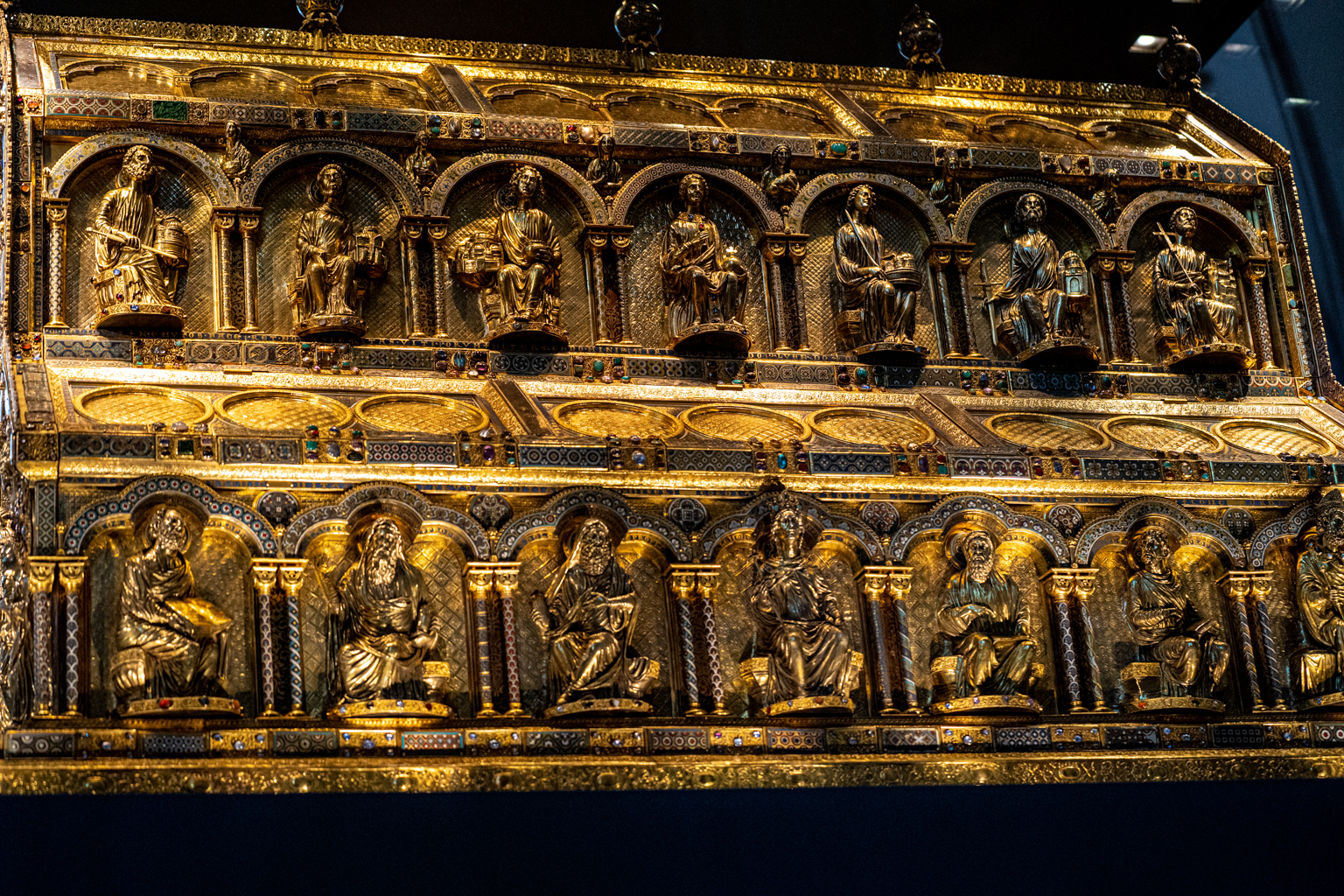
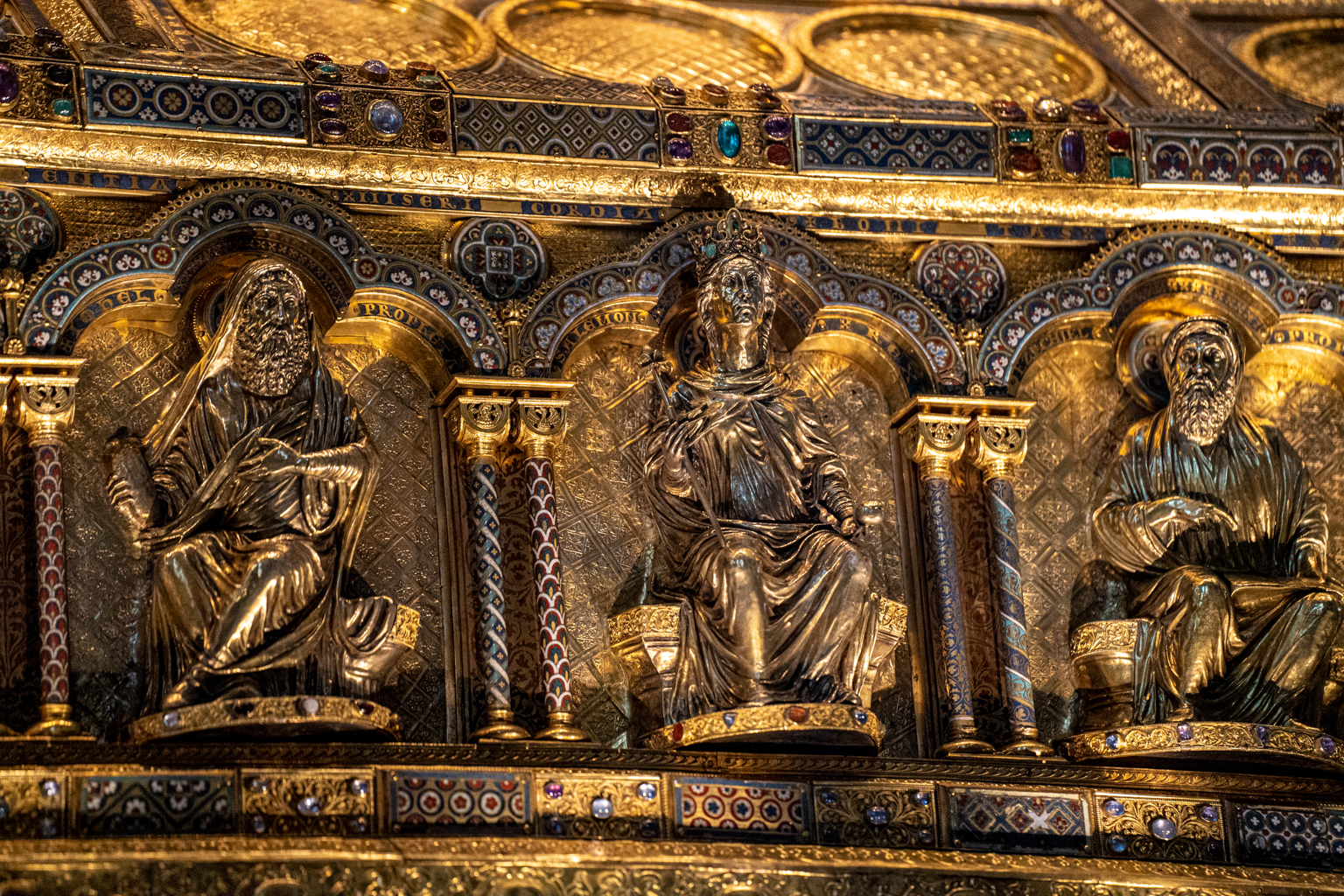
Dreikönigsschrein, the Reliquary of the Three Kings is a tomb where they say that the remains of the Three Wise Men are enshrined. Set in a huge display case behind the main altar of the Cologne Cathedral, this is considered to be the largest shrine in the western world.

It took the world renowned goldsmith, Nicolau de Verdun spent half of a century building this masterpiece. The shrine was completed in 1225 and the remains of the Magi were laid to rest here.

This golden Reliquary of the Three Kings is made of wood, coated with gold, silver, enamel, and adorned with precious and semi-precious stones.

According to the legend, Queen Helena, mother of Constantine travelled to the Middle East to find the remains and bring them back to Cologne. The reliquary is comprised of three sarcophagi, two on the bottom and one on top.

More about the Three Wisemen can be found at this link…

http://projects.leadr.msu.edu/medievalart/exhibits/show/reliquary_cathedral_comparison/three_magi

The Elves Fountain

Near the Cathedral in Colgne is a charming fountain. The sculpted characters respresent the heroes of a German folksong. These “magic helpers” worked there magic at night when the citizens are fast asleep to help finish the households chores they has started earlier.
Even though the elves loved to be hard at work, they did not like being around humans. All went well until one evening the tailor’s wife decided she wanted to see the helpers. She scattered peas all over her floor in hopes that the little elves would slip on them and then she could rush in to see them for herself.

She heard a commotion and quickly lit her lantern and stomped her feet. The elves ran out of the house and were so offended that they left the city. The people of Cologne then had to finish all of there chores by themselves.

You can see the hardworking elves and the tailor’s wife with her lantern carved into the fountain.

Is Someone Watching Me?

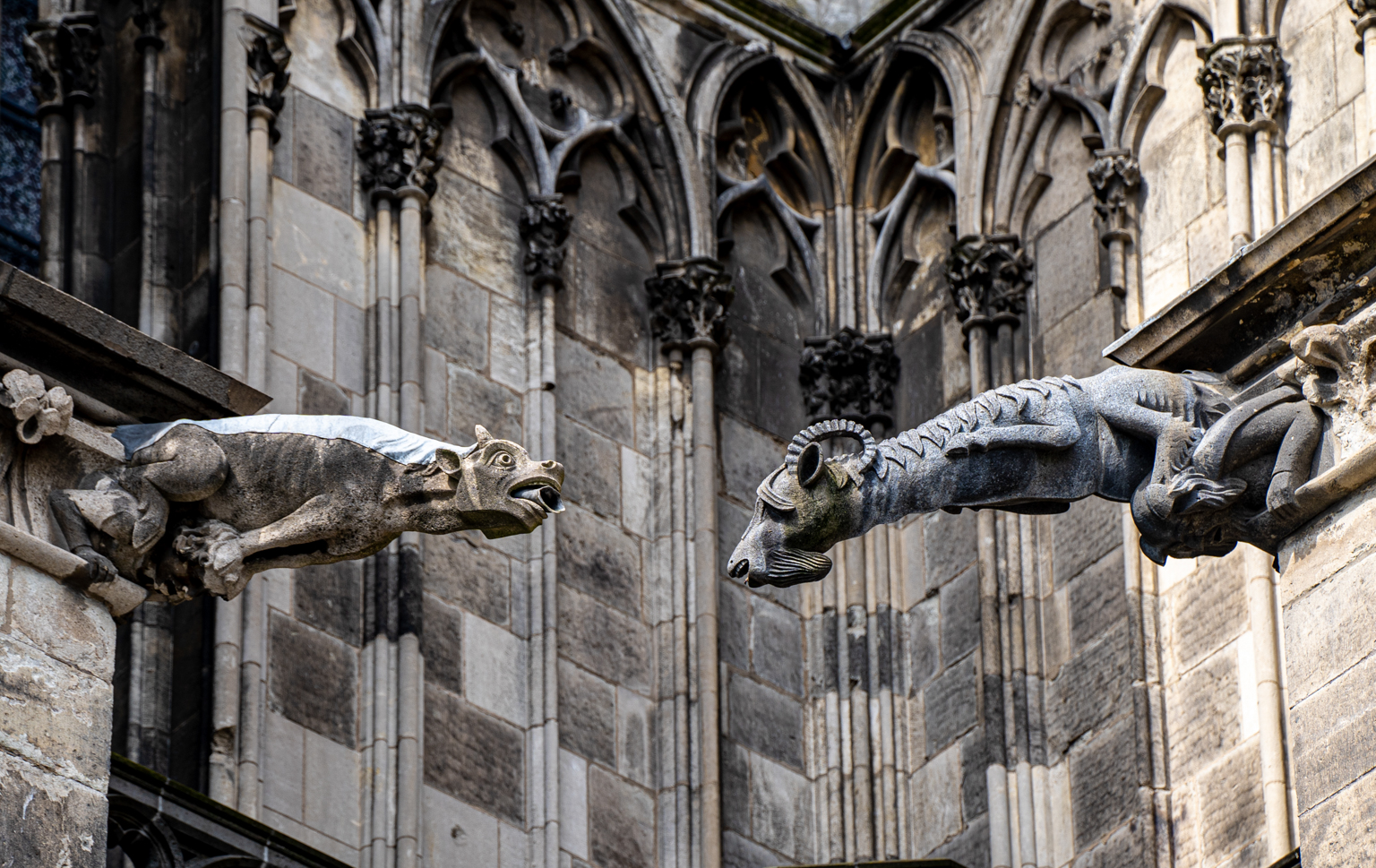
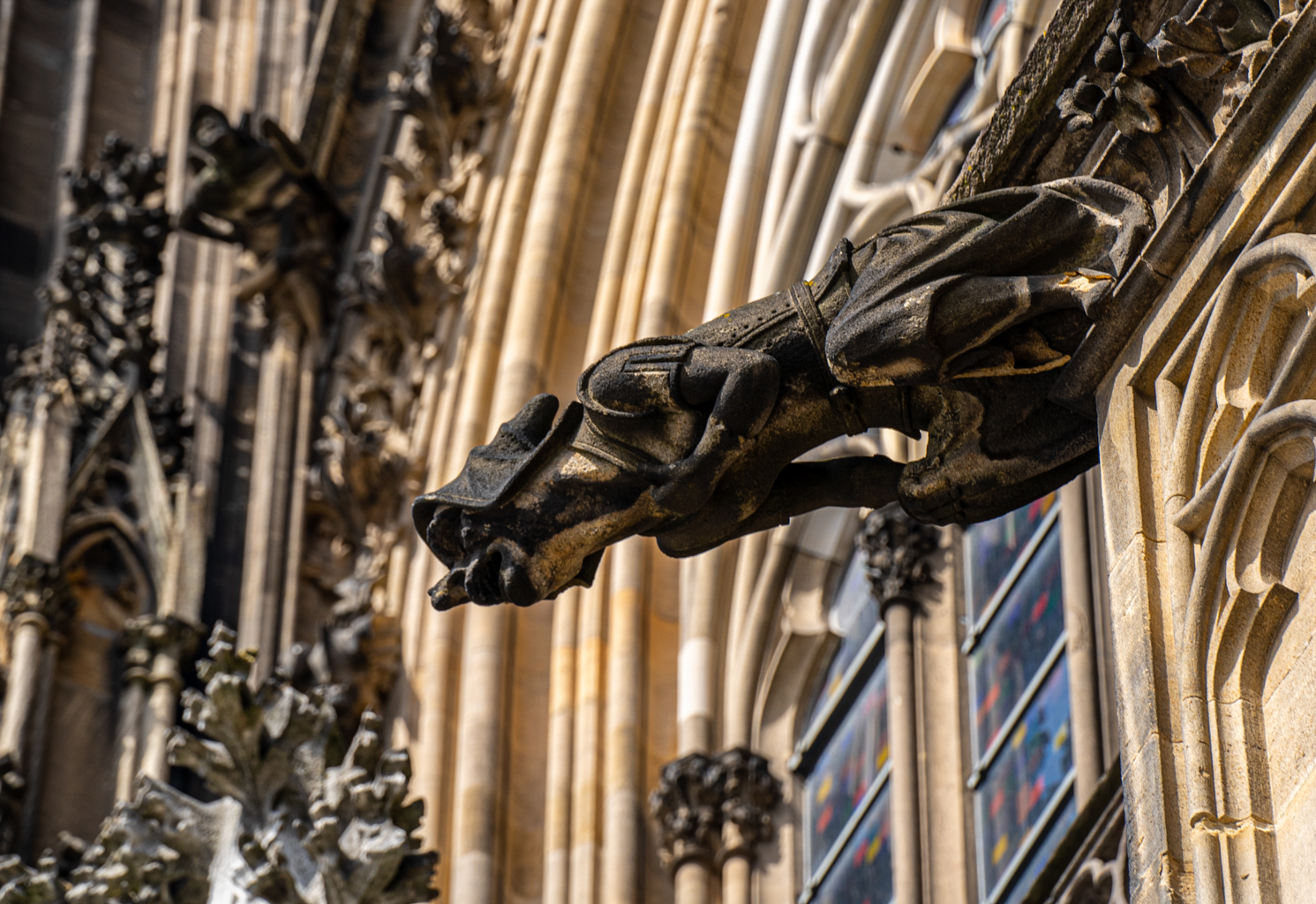
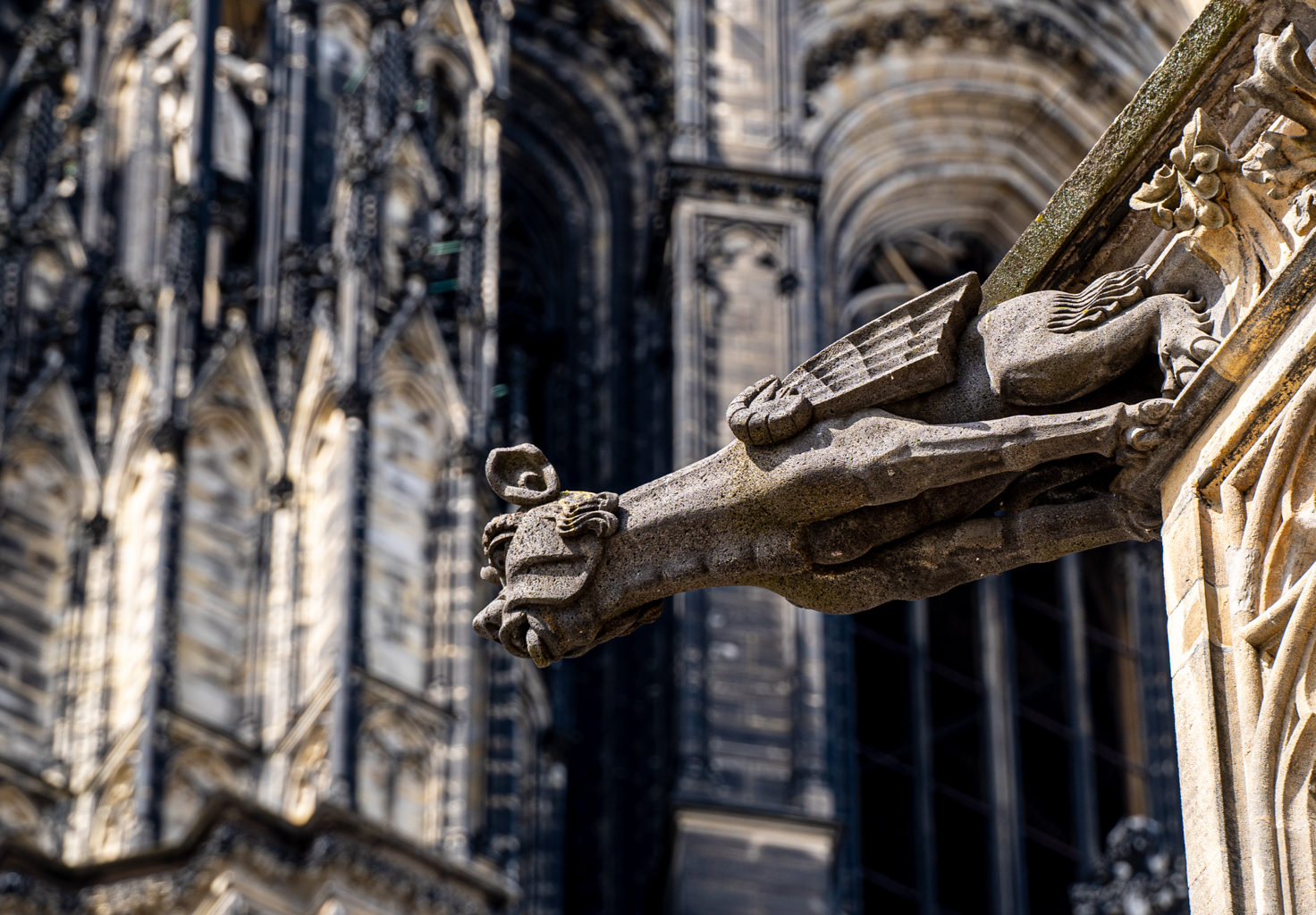
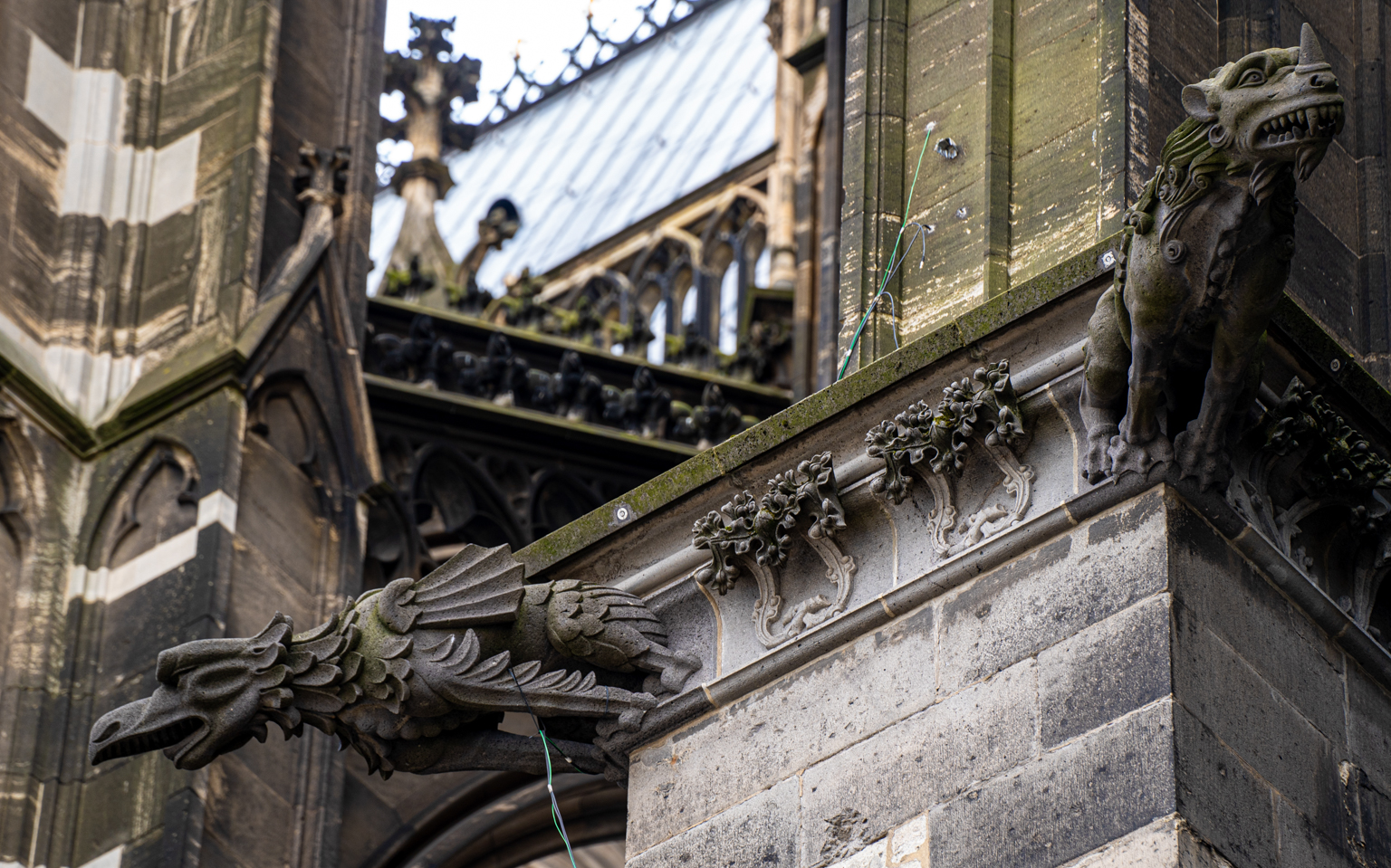
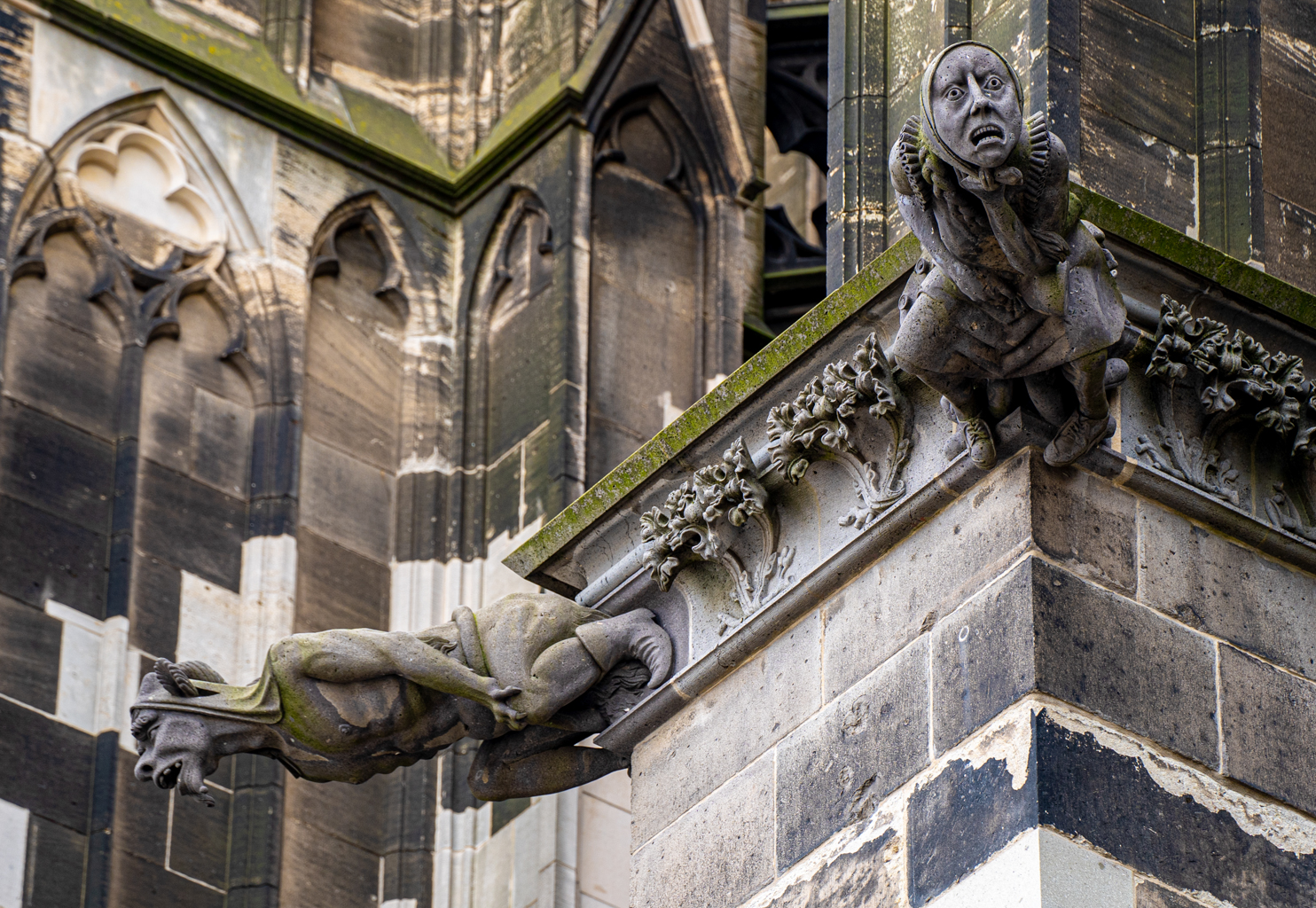
In Gothic architecture, a gargoyle is a carved figure with spout to move water away from the building and prevent damage from rainwater eroding the mortar between the bricks.

A gargoyle is often times a fantastic creature, an animal or grotesque creation.

The French word gargouille which means throat or gullet leads to the name and gargoyle calls to mind the sound of the water rushing out it’s mouth as it gargles.

A carved figure that does not act as a rainspout is called a Chimera or grotesque.

The Majesty of Koln

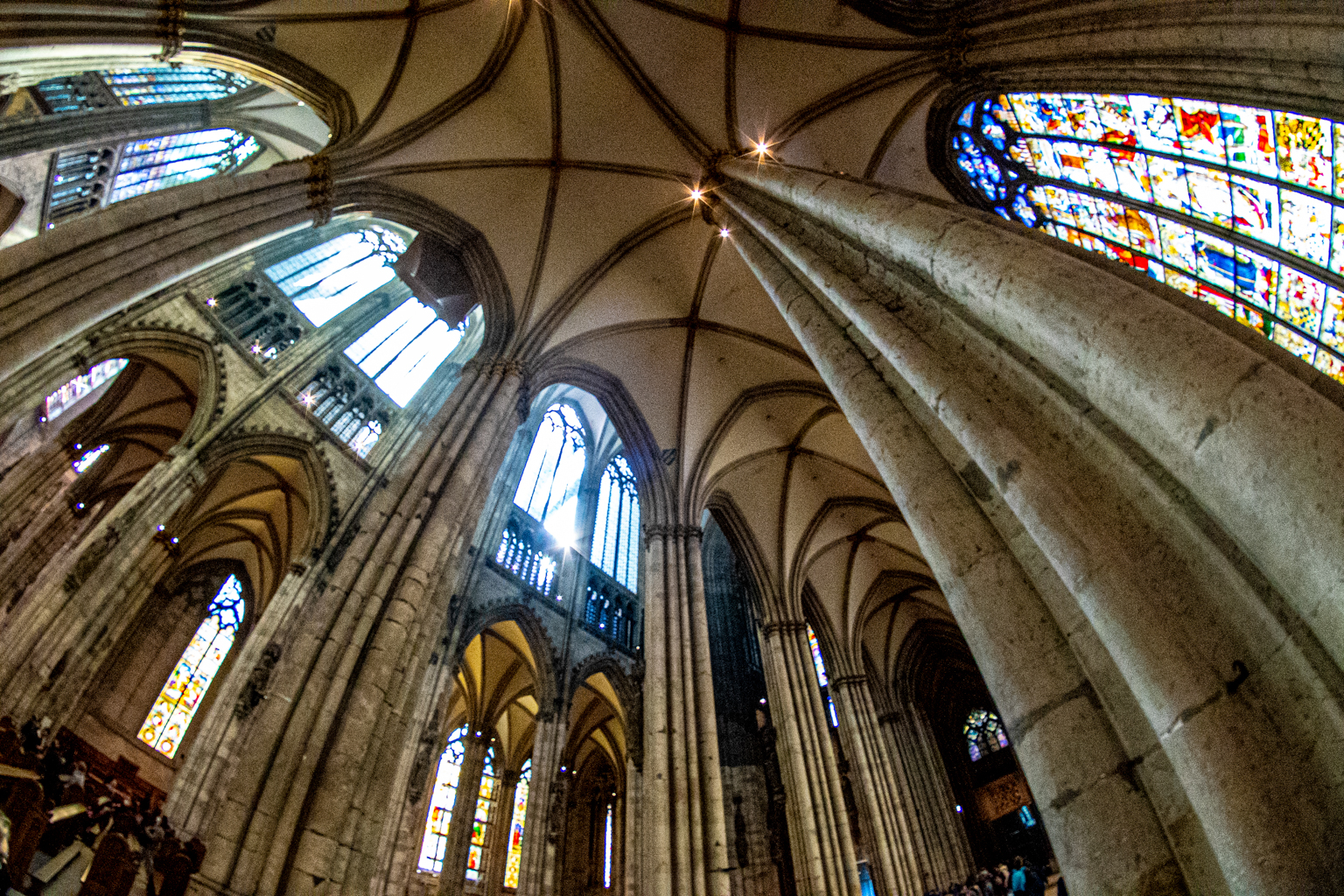
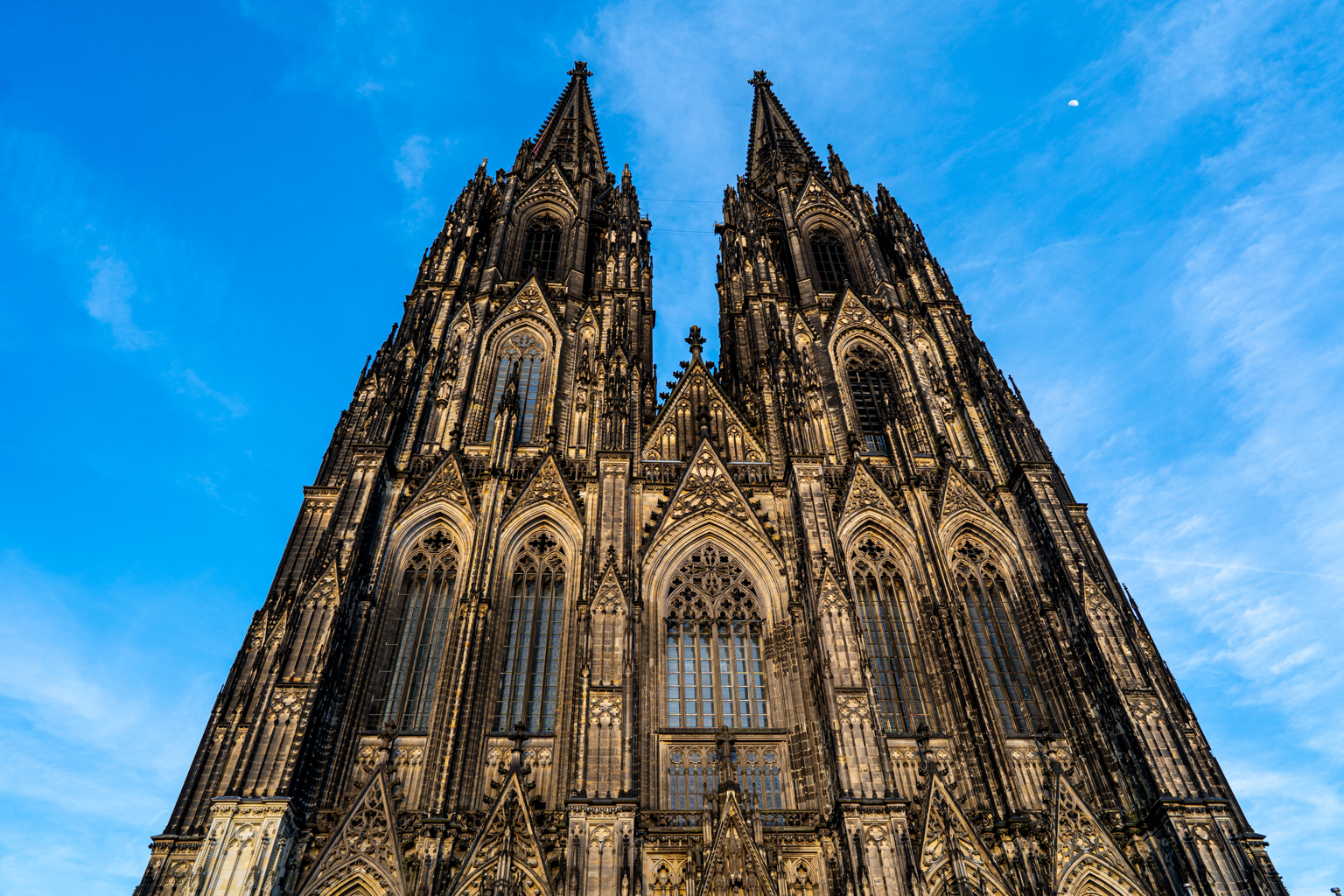
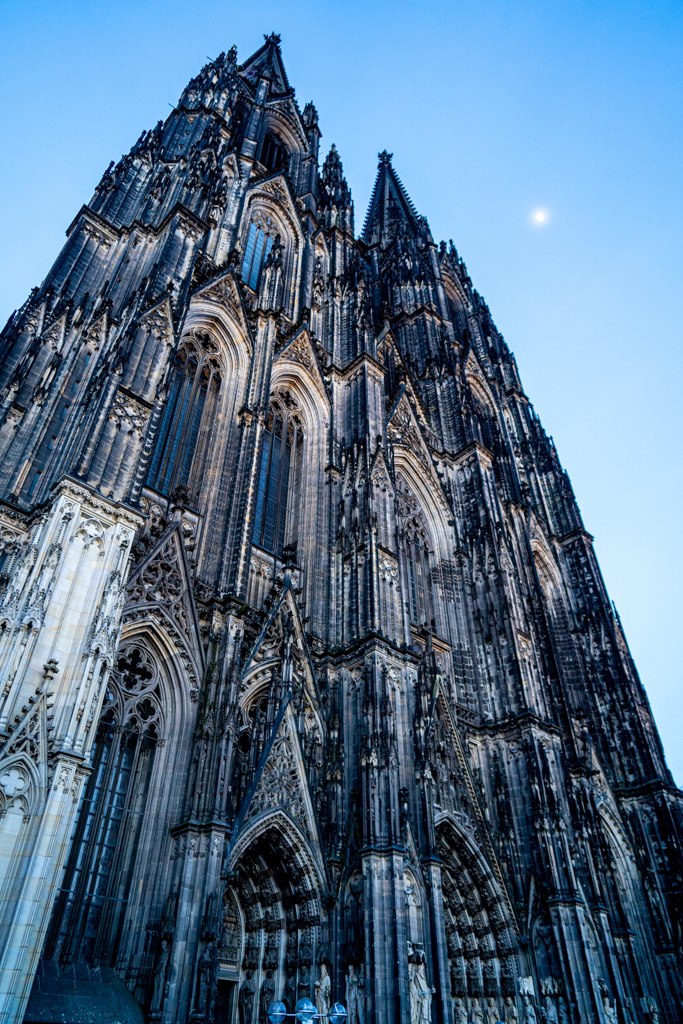
The German city of Koln or Cologne is just a short train trip from Papenburg, where we were staying. A city renowned for it’s Eau de Cologne and it’s imposing Cathedral. Kolner Dom or Cologne Cathedral is the third largest church and the tallest cathedral in the world.

During WWII, Cologne lost 93% of it’s population, mostly due to evacuation. Most of the thousand year old city center was destroyed by allied bombs. Despite recieving 14 hits from the bombing, the Cathedral still stood among the desolate landscape. There is a legend that the Cathedral was such a doo landmark for the BRitish and American bombers that they secretly conspired to not destroy it. The repairs were finished in 1956, but the Cathedral is in a constant state of repair.

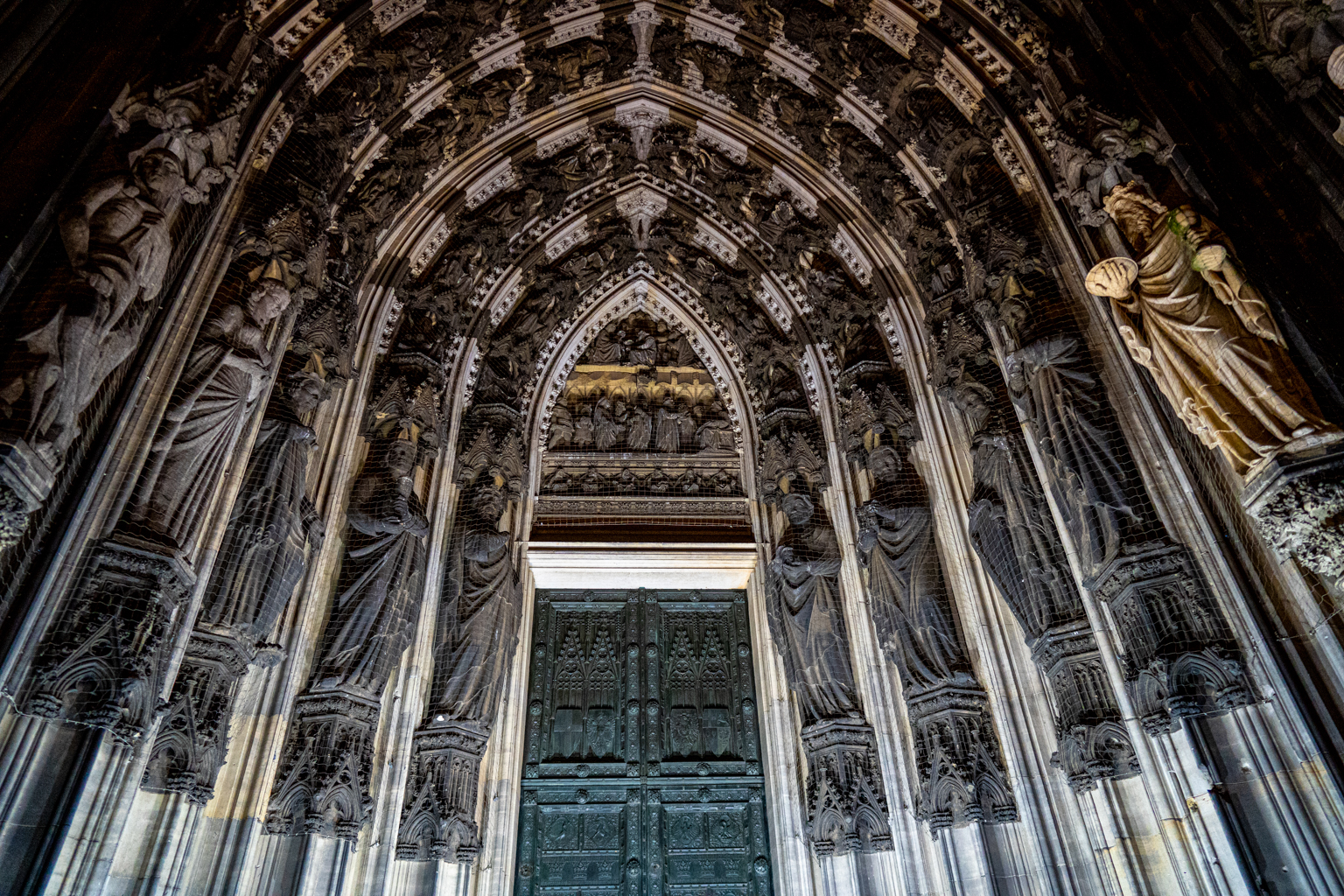
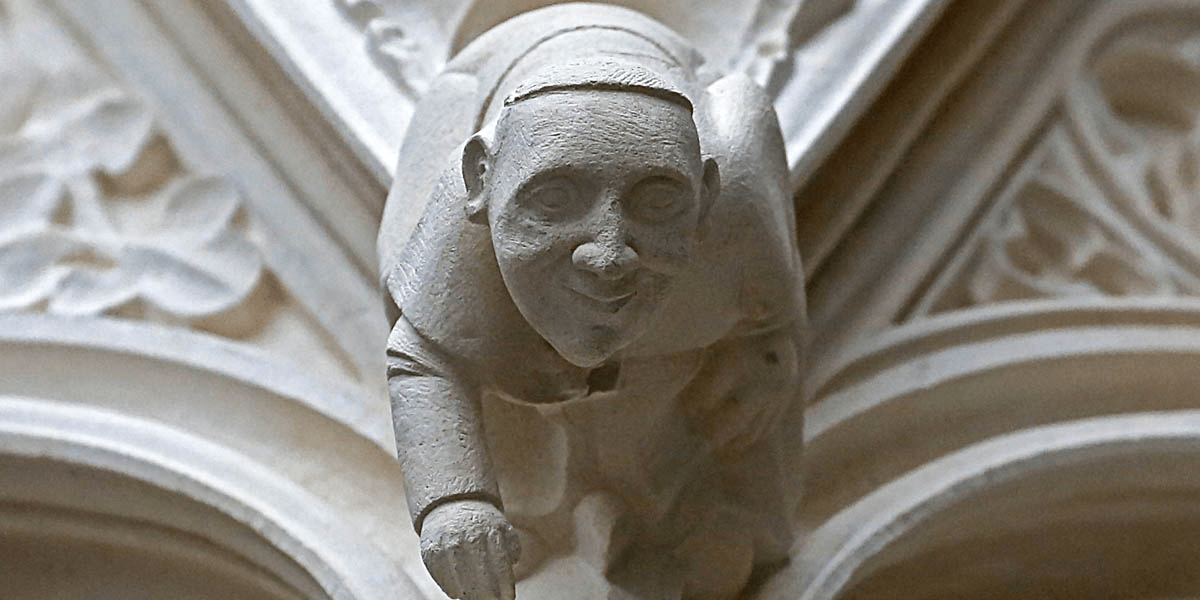
The Cathedral’s sandstone facade gets it’s grey appearance from exposure to acid rains. Among the saints and apostles covering the outside are also gargoyles, grotesques. Out of sight on the Cathedral’s roof are statues of John F. Kennedy, Nikita Khrushchev, Charles de Gaulle, a buxom Tanzmariechen, one of the high-kicking women dancers at Carnival parties, a local boxer, a handful of soccer players and the billy goat mascot of the FCKoln. The goat is named Hennes and Hennes IX is the latest incarnation. In 2018 a small gargoyle of Pope Francis was added very quietly. It took the locals a week to spot him.

The Rathaus

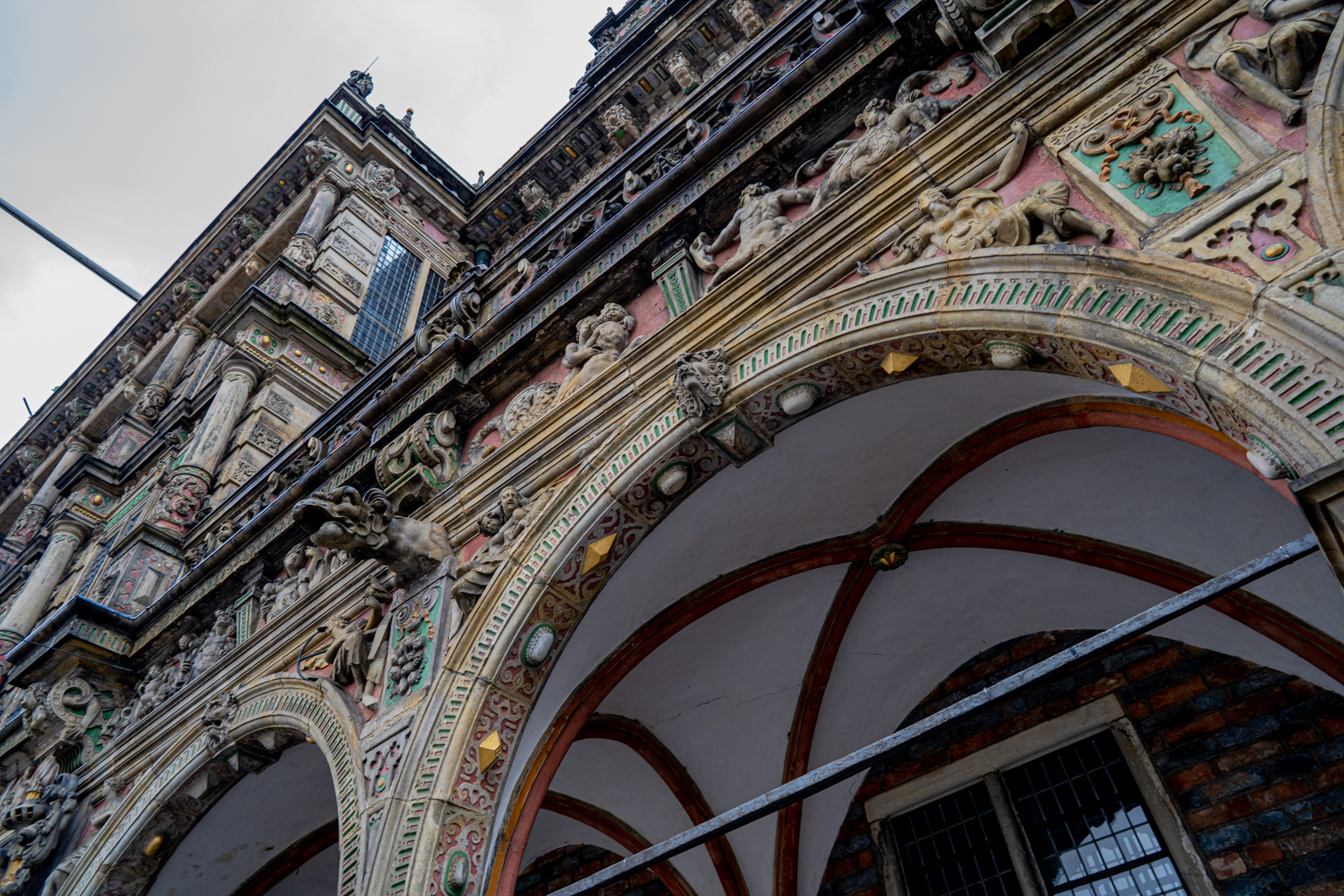
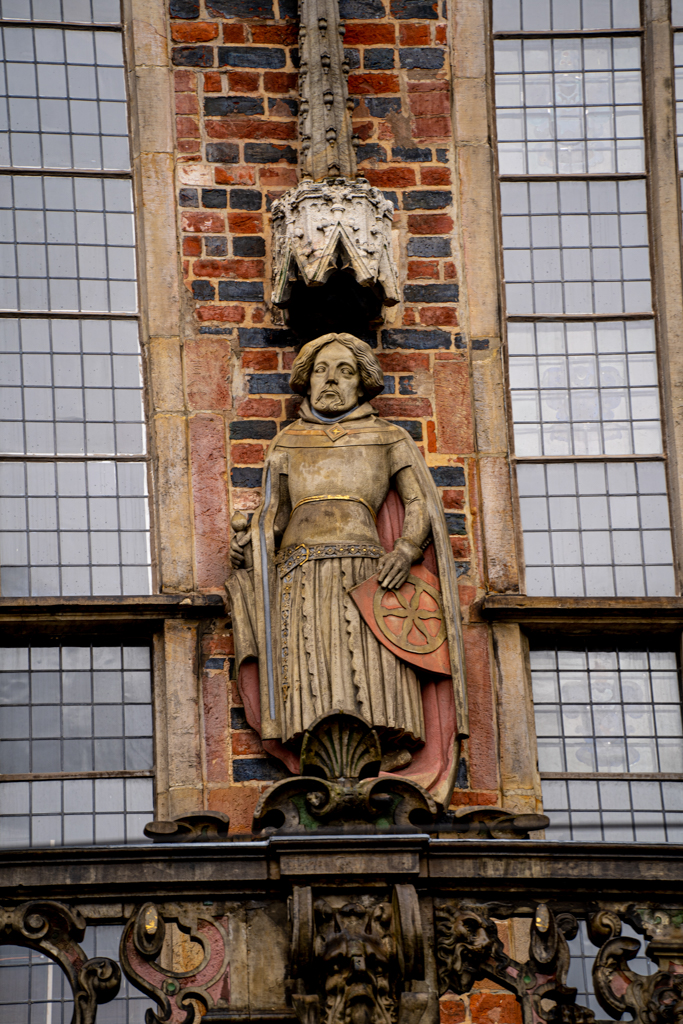
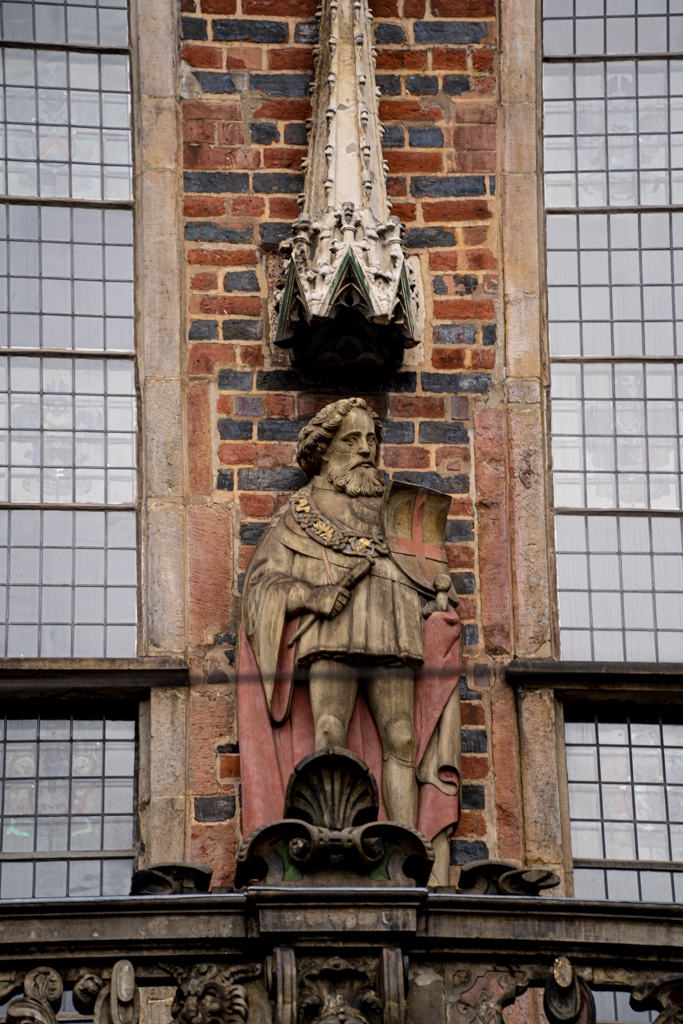
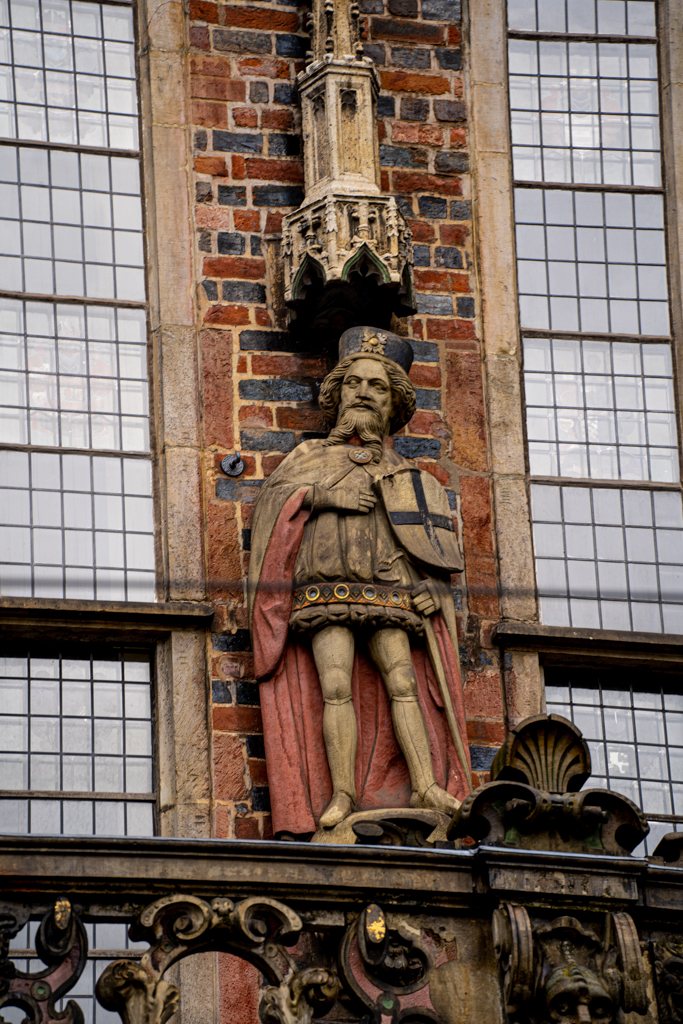
A Unesco World Heritage site, the Bremen Rathaus is one of the most beautiful buildings in Europe. The brick gothic hall was built in the 15th century. This incredible building was designed and built in 1400. While a large protion of Bremen was destryed in WWII, the Rathaus was unscathed.