Winter in Europe is a beautiful and magical time of the year. A dusting of snow covers the narrow streets as people scurry about preparing for the holiday. The city of Hamburg, Germany was one of the most wonderful Yuletide celebrations that I had seen. The city is home to over 30 different Christmas Markets where one can shop for unique gifts, enjoy homemade treats and have a warm mug of Gluhwein in a specially decorated mug. You pay a small deposit that gets returned if you give it back or you can choose to keep it.
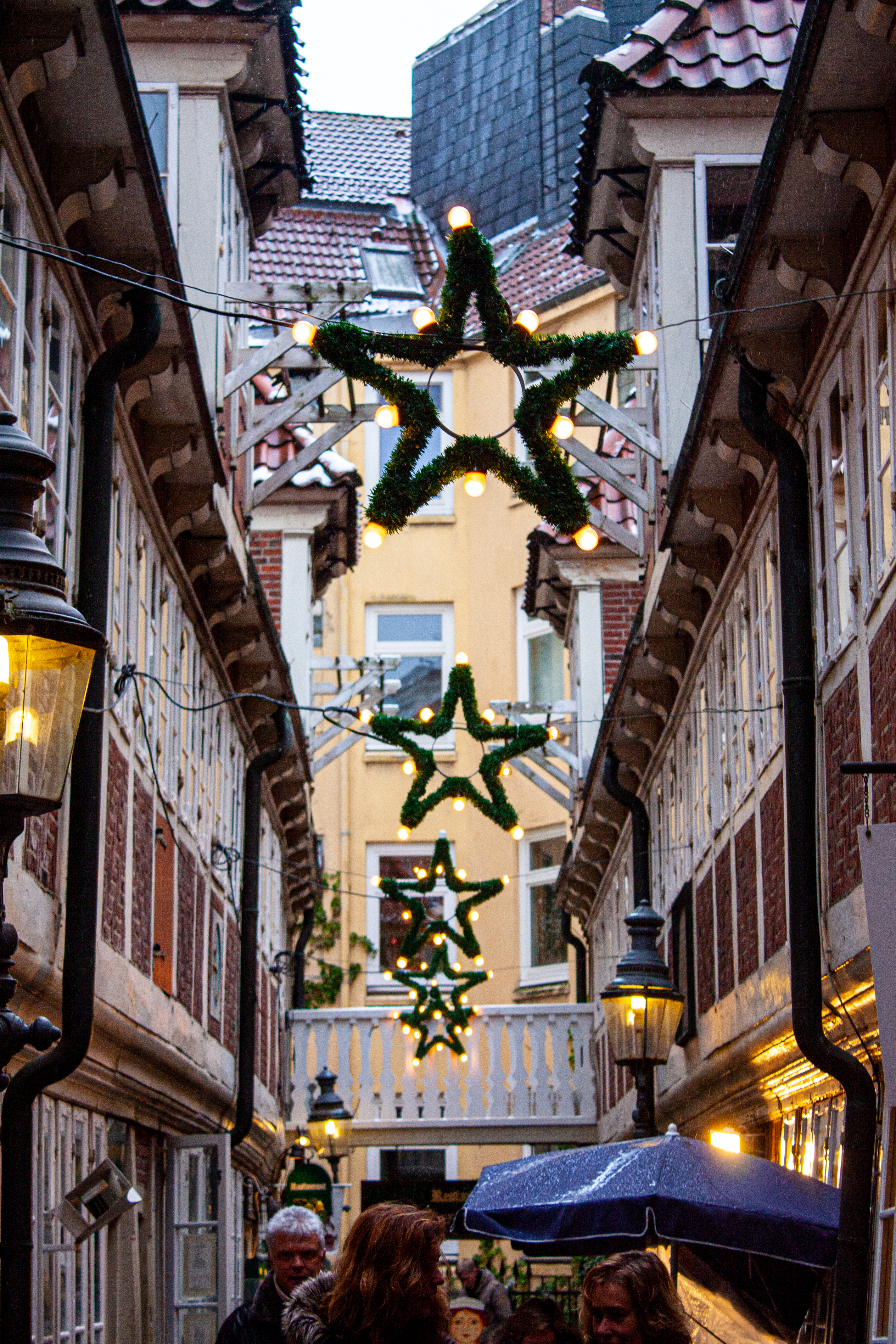
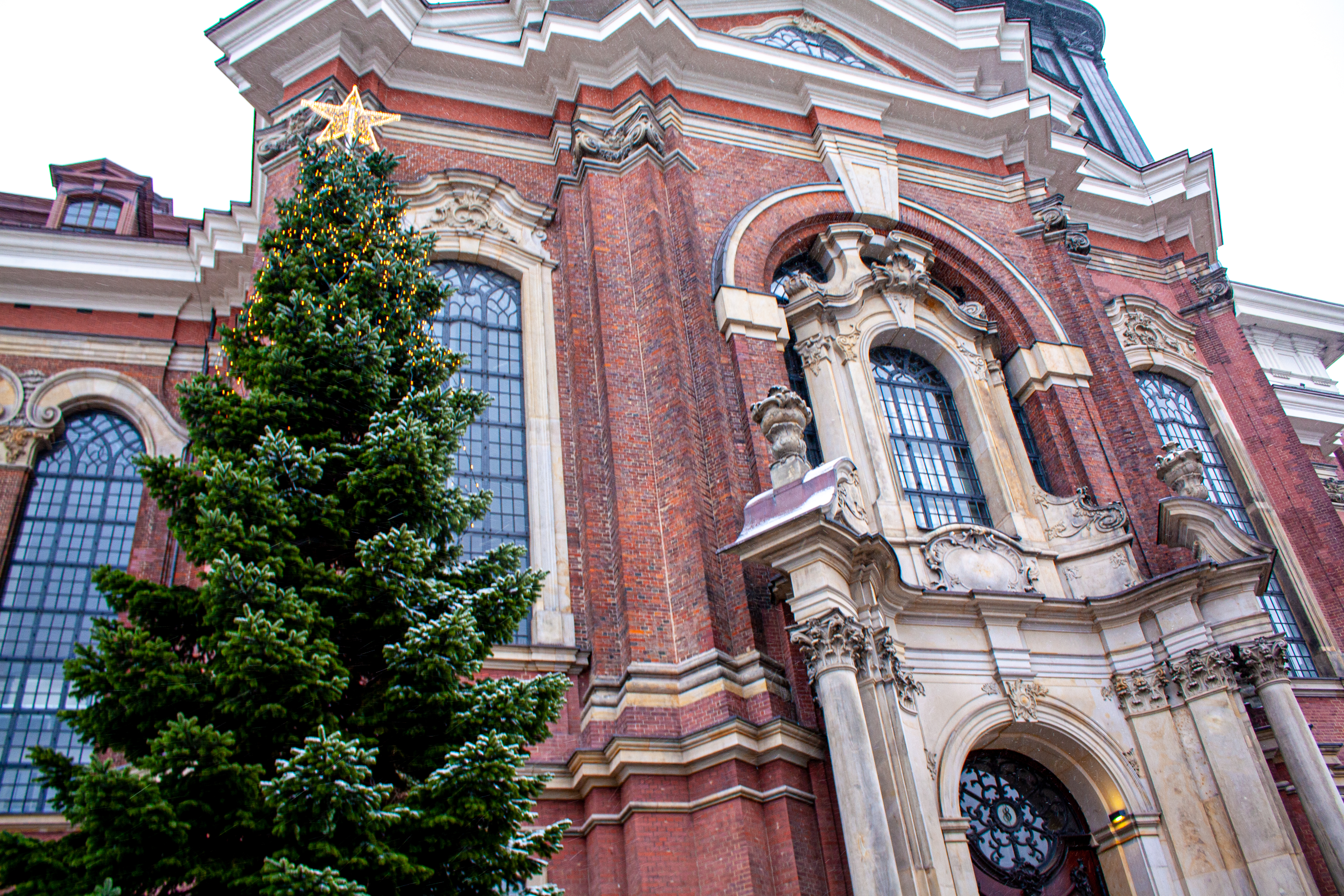
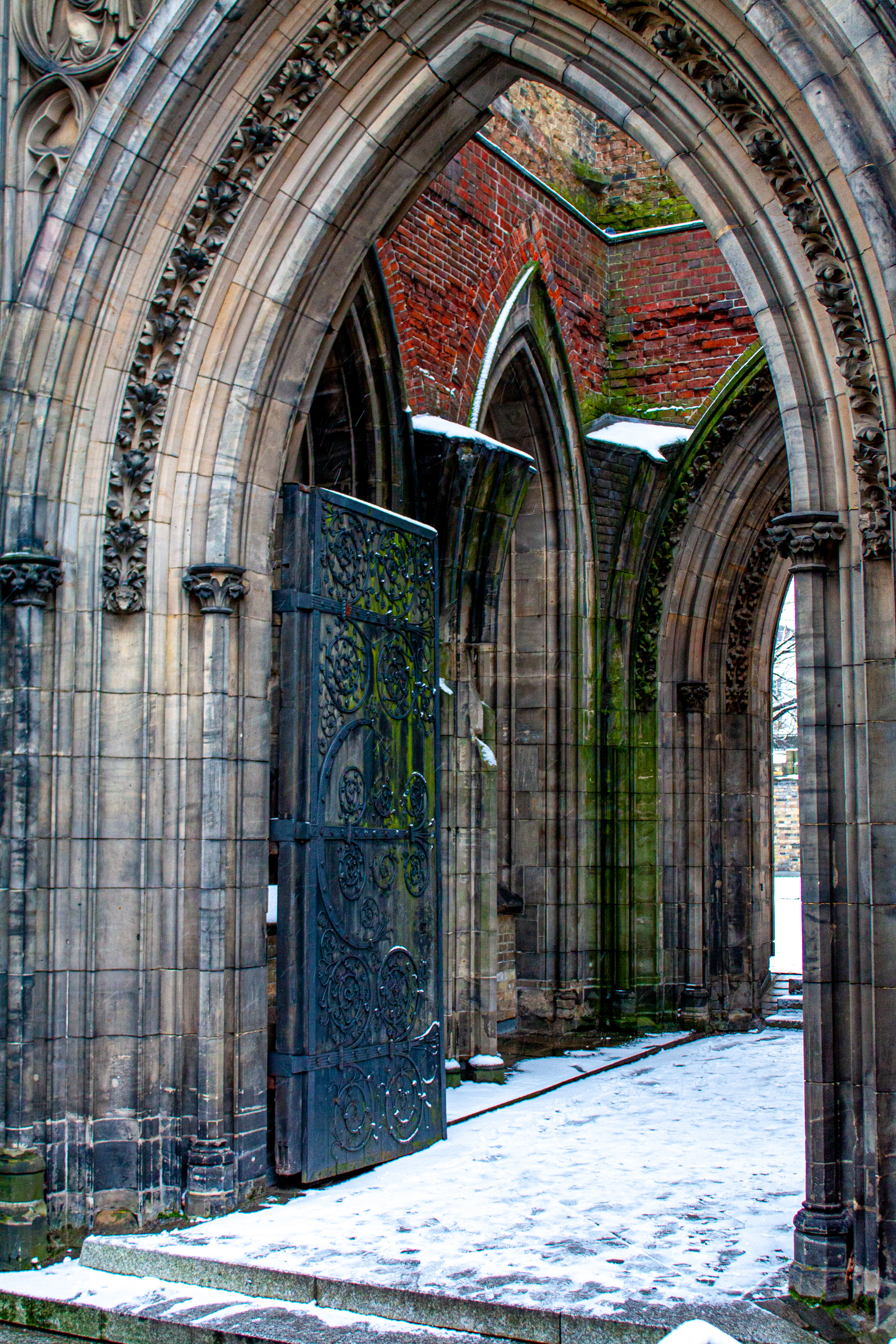
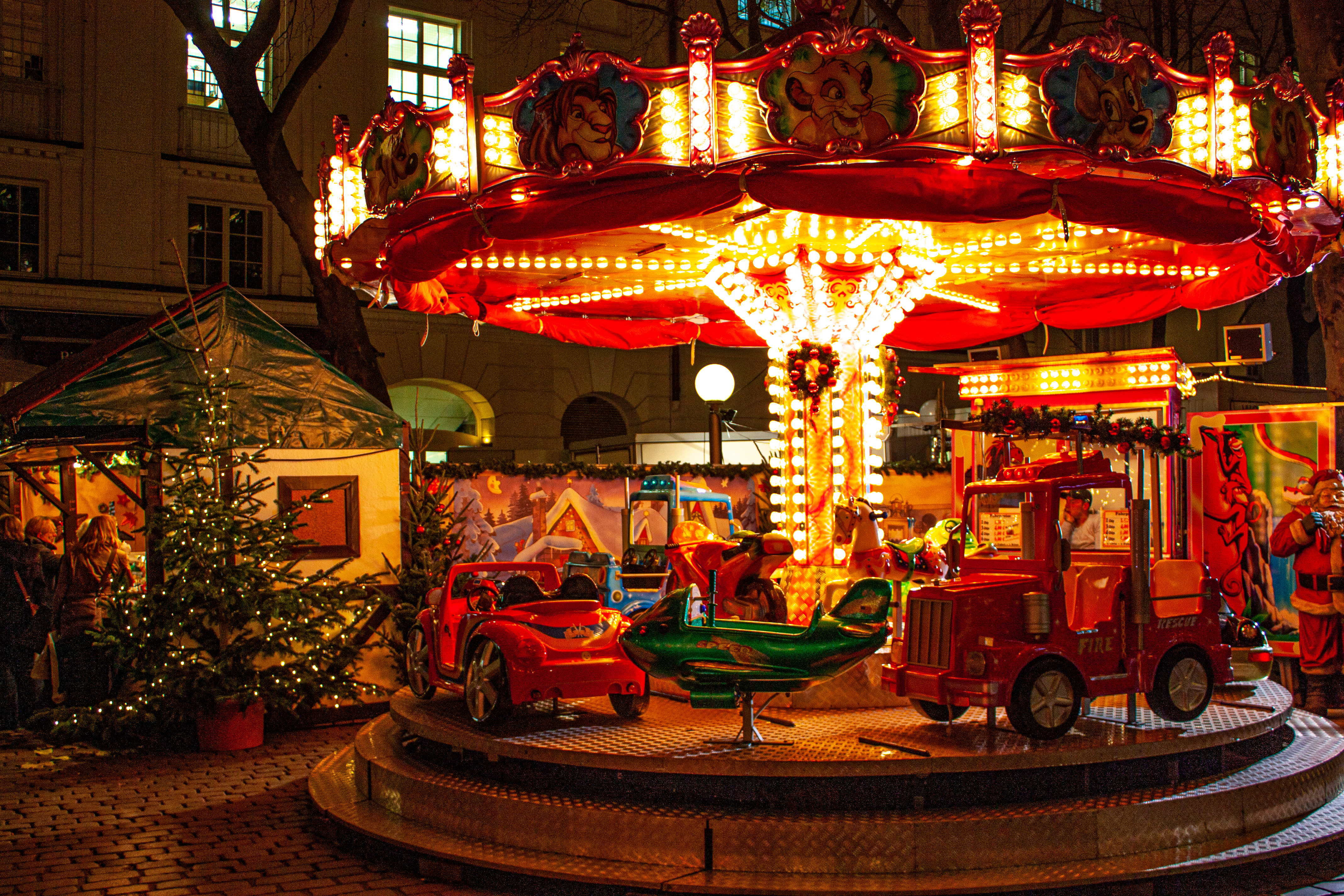
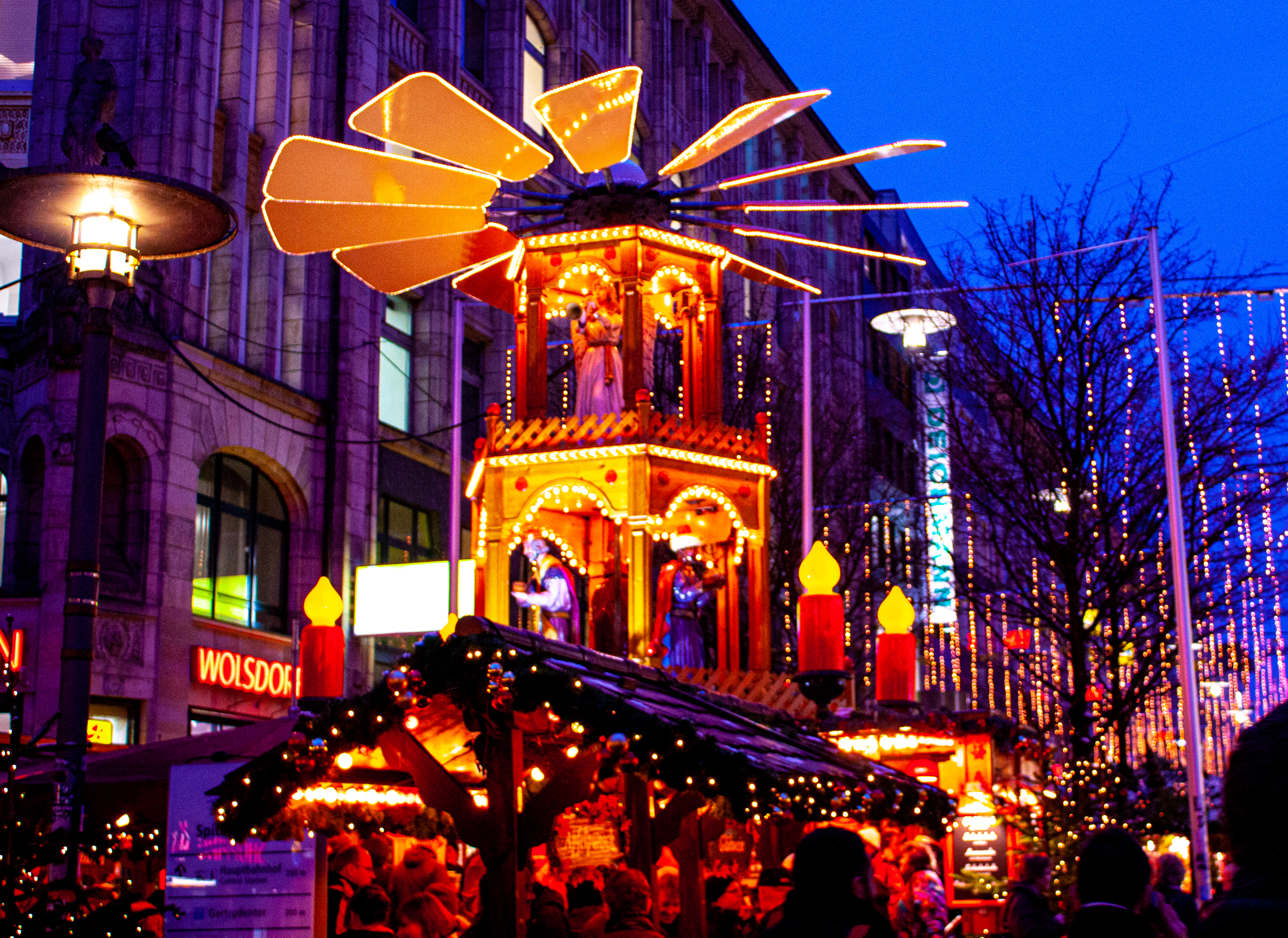
The largest of the Christmas Markets is in the City Hall Square. The ornate Rathaus serves as a backdrop for rows and rows of holiday booths and carnival rides for the children.
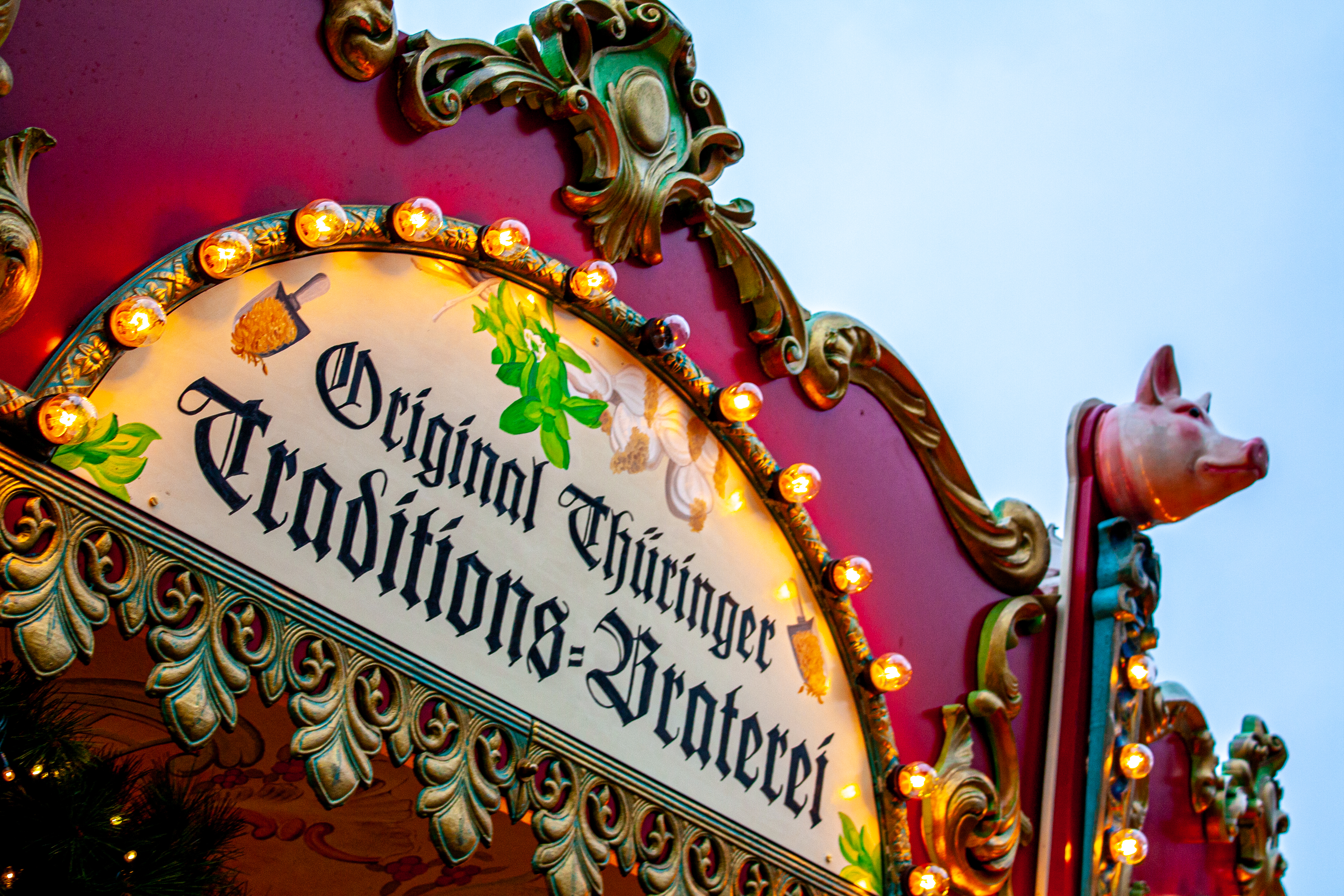
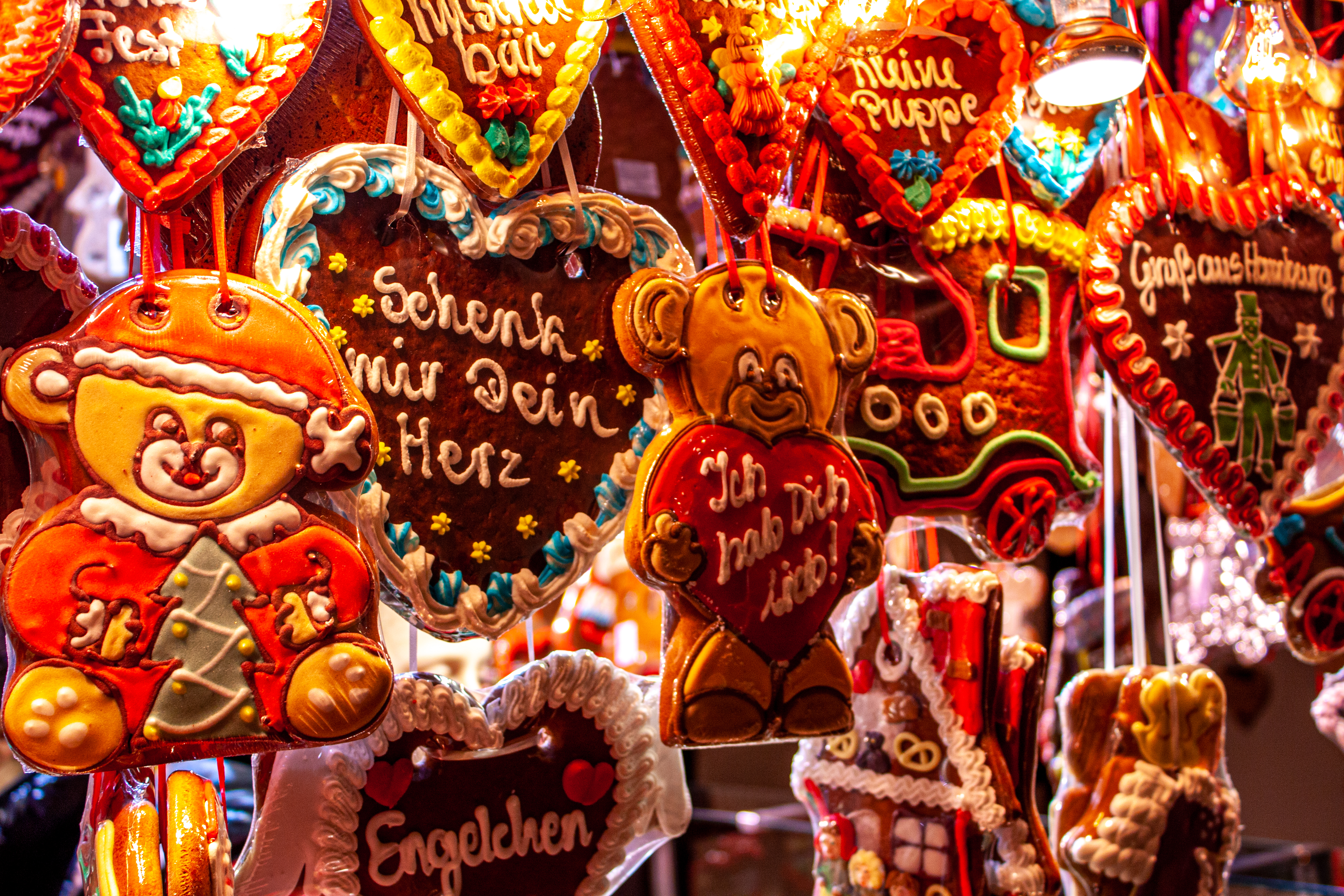
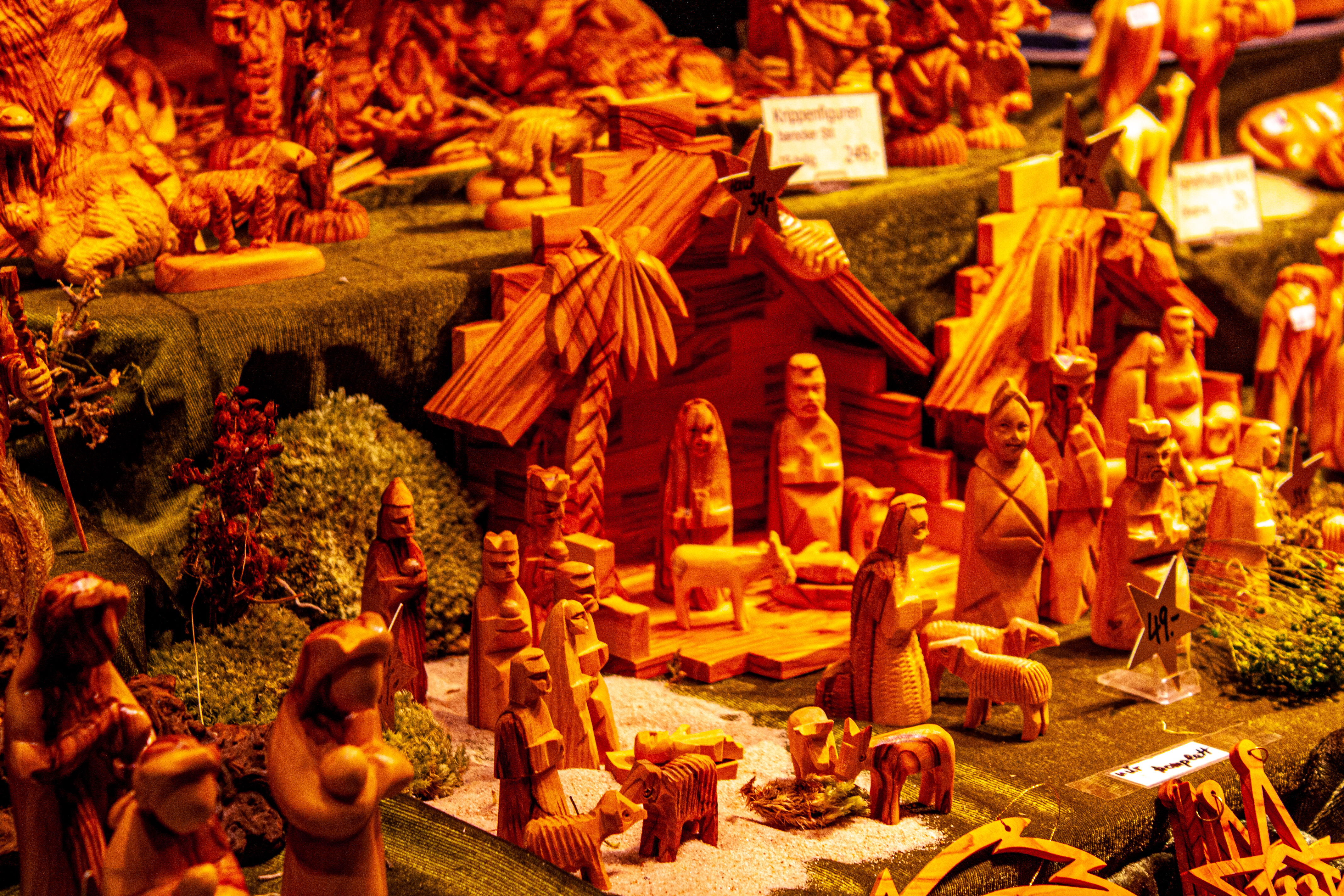
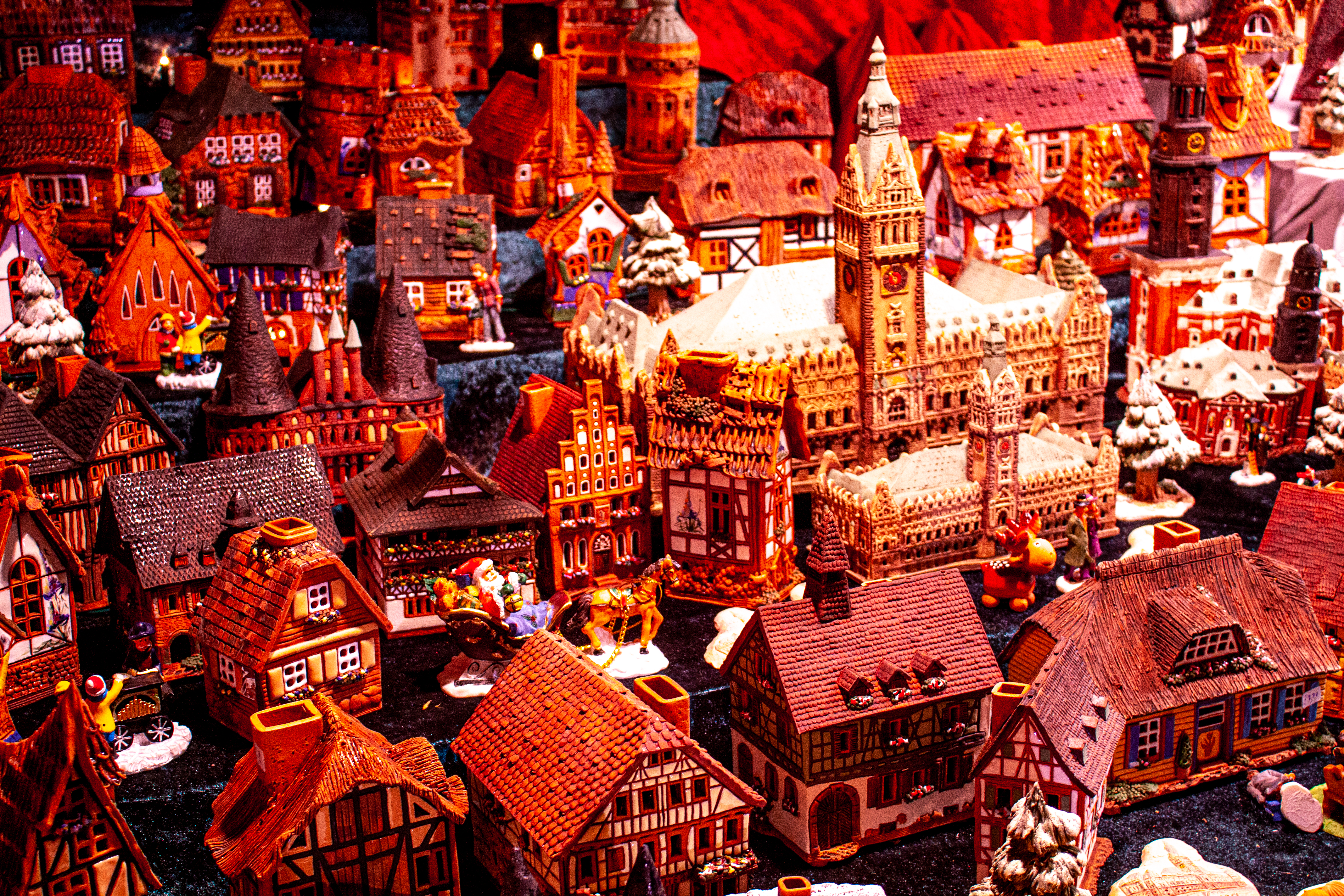
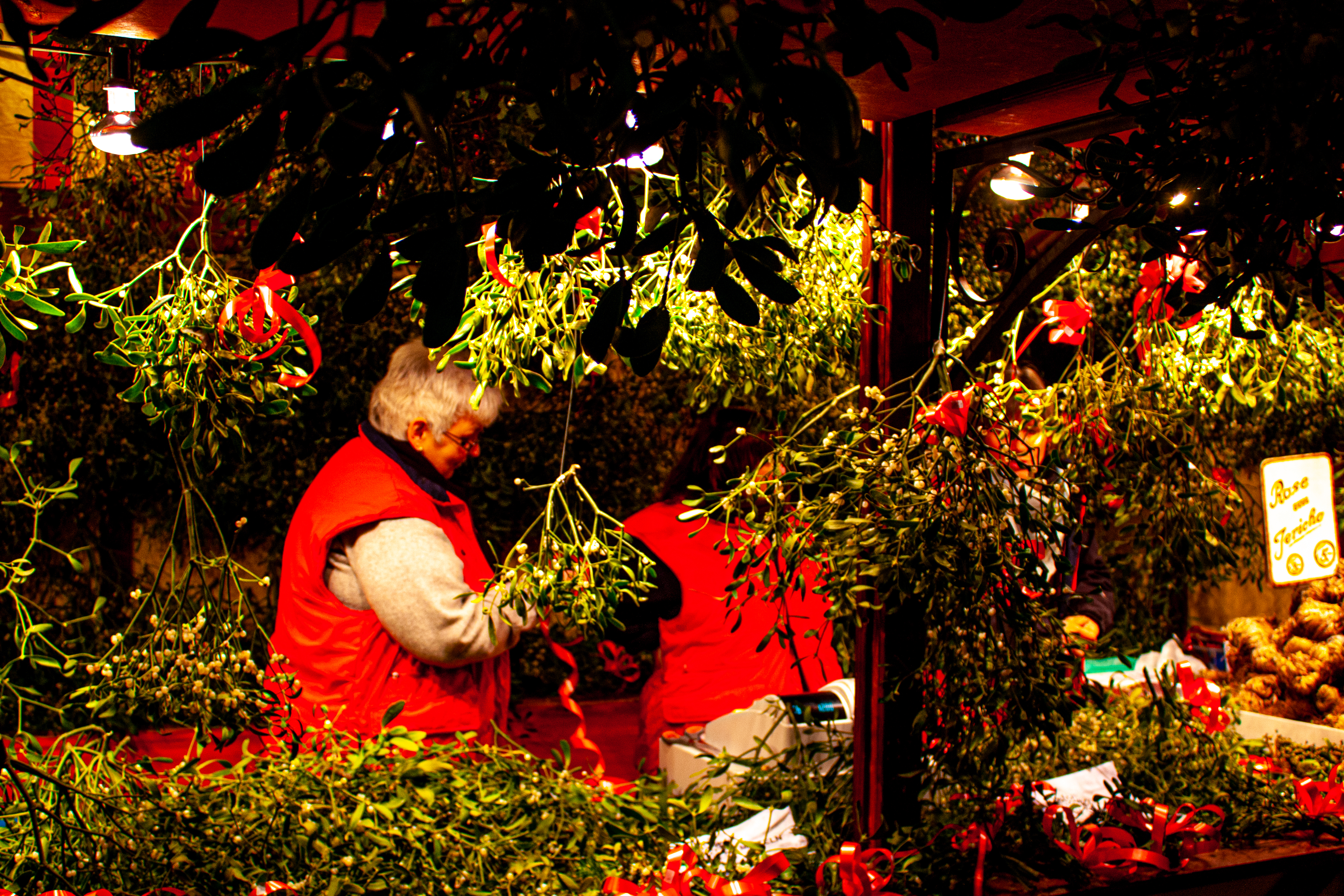
You can find everything from hand carved Nativities, decorated gingerbread cookies, handmade Kissing Balls and miniature replicas of the city’s famous buildings. The shops are laid out on different “streets”, Handwerskgasse for homemade crafts, Naschgasse for sweets and Spielzeugggasse for children’s toys.
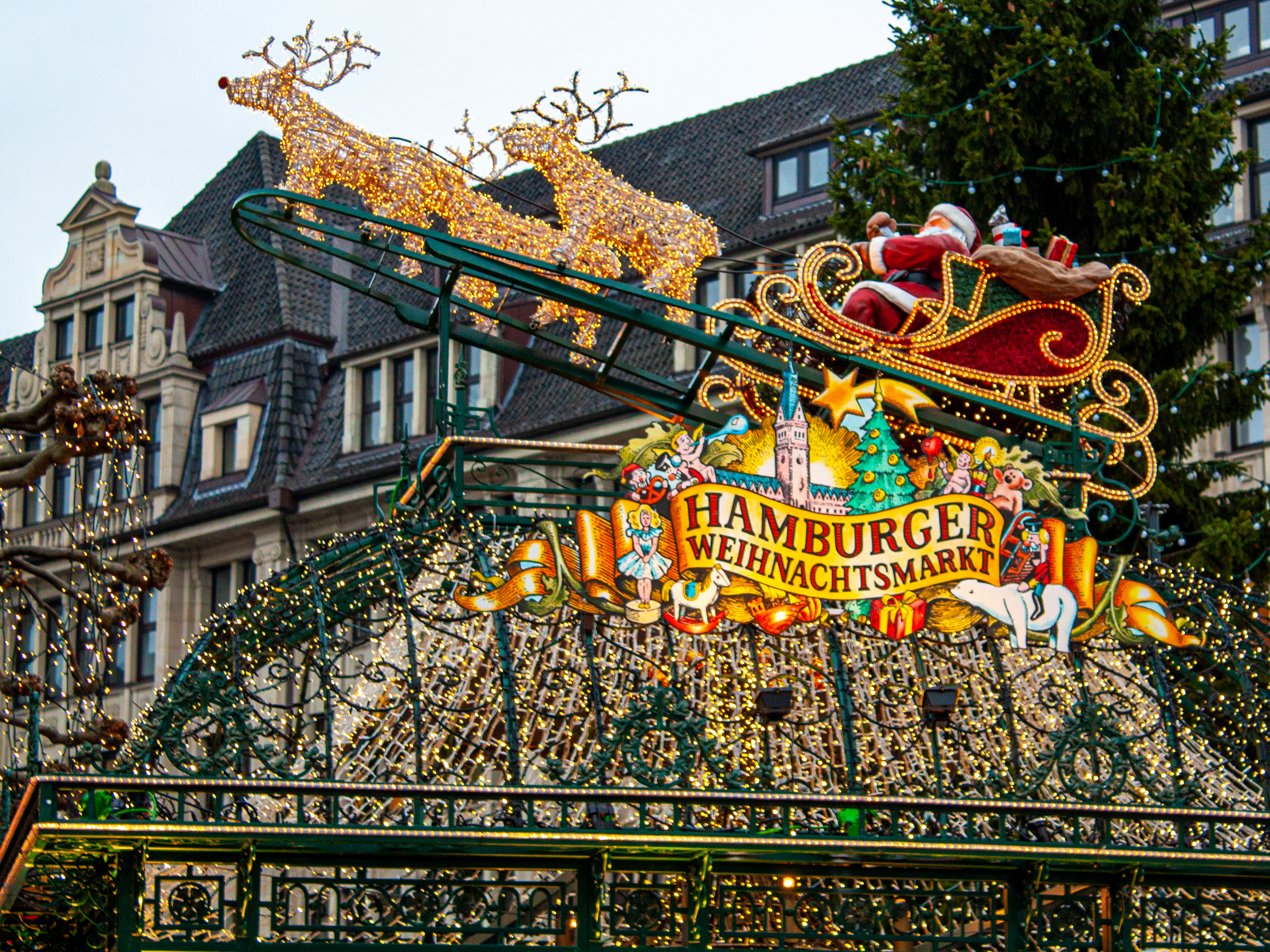
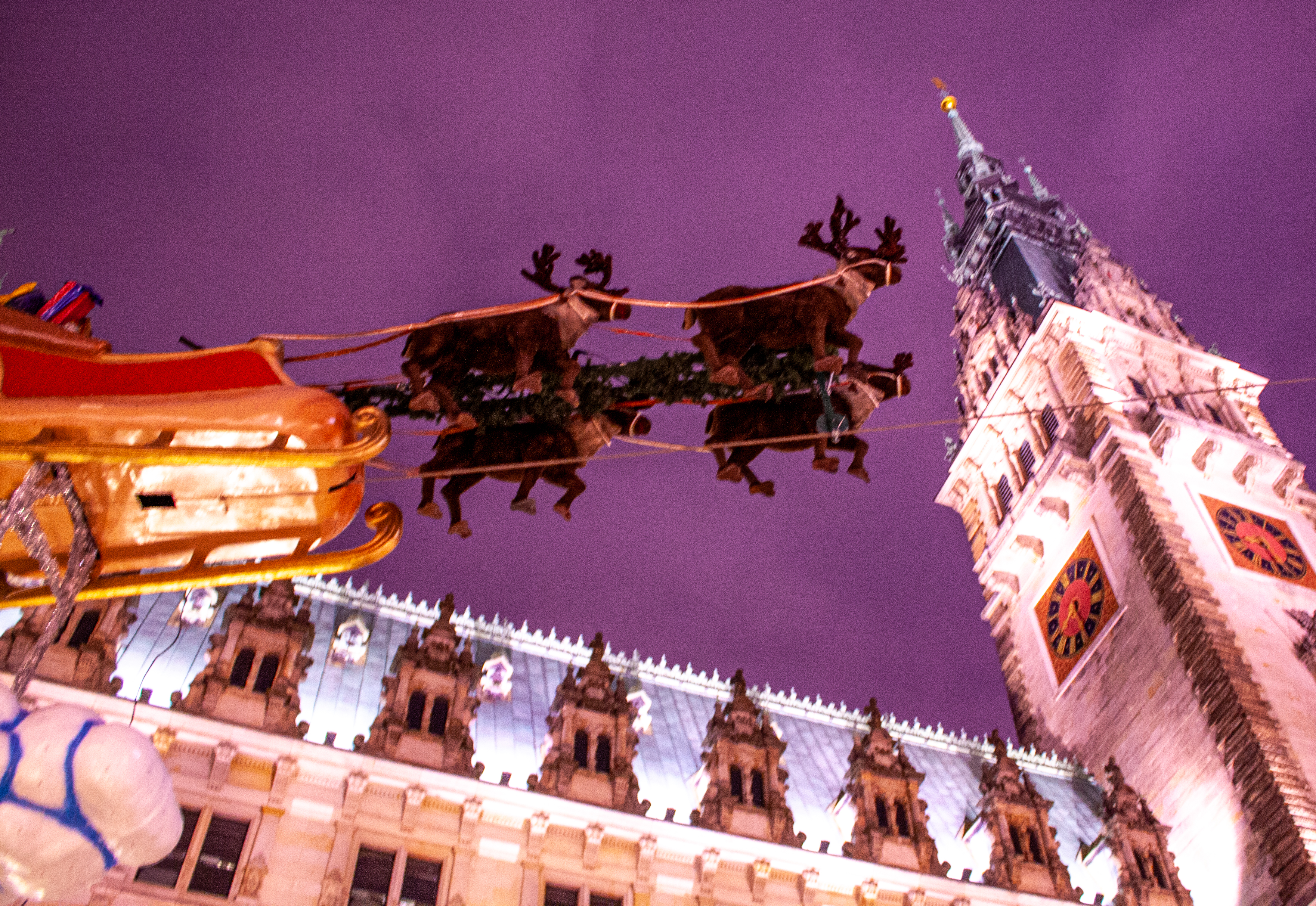
Santa Claus is well represented in Germany at Christmastime. In most of Germany, Der Weinachtsmann is Father Christmas or Santa. He didn’t appear in Germany until the 1800’s but that doesn’t make him less important to the season. The Jolly Old Elf makes an appearance over the heads of the market goers on his reindeer driven sleigh.

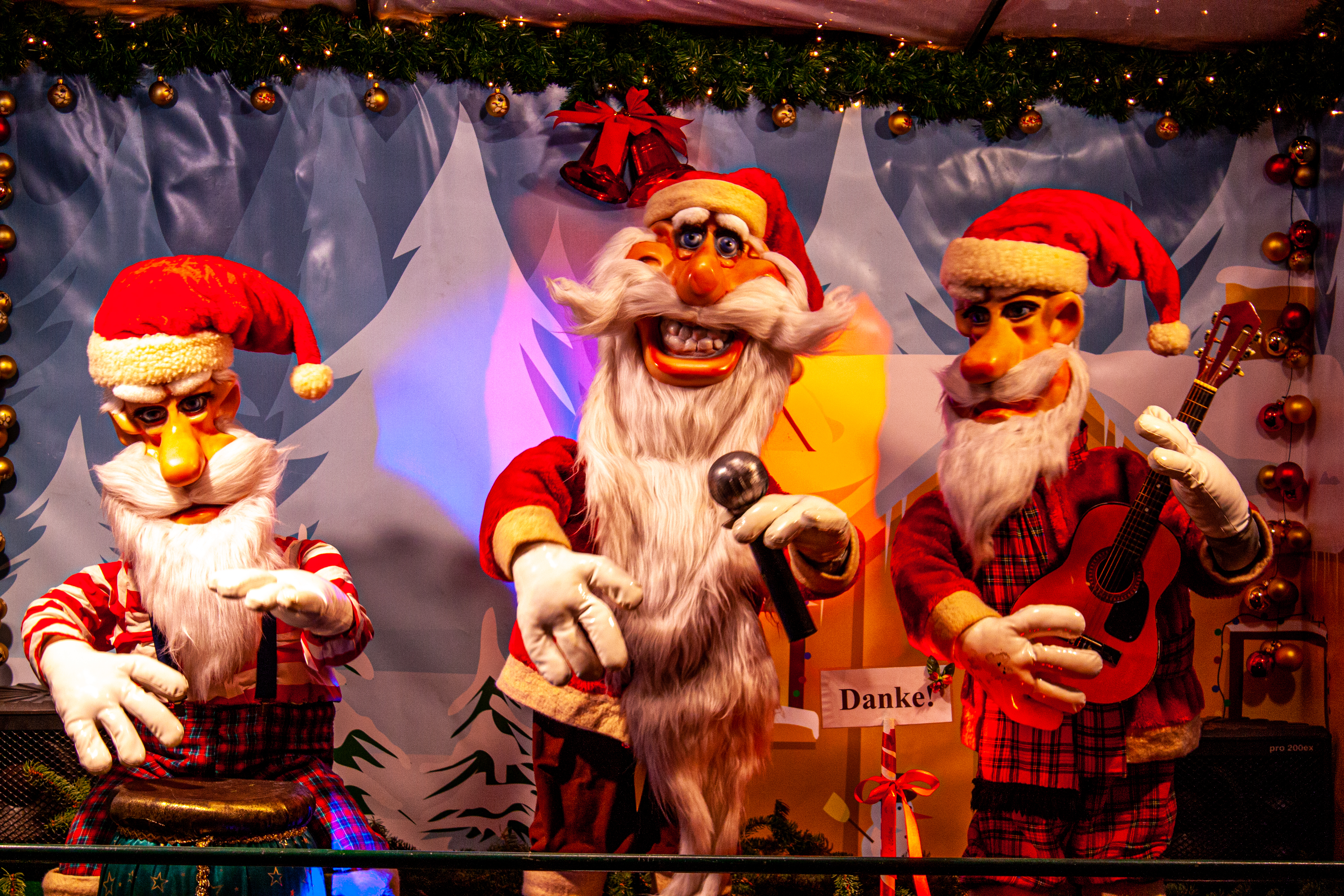
There are other Christmas Markets throughout the city and it’s impossible to see them all.

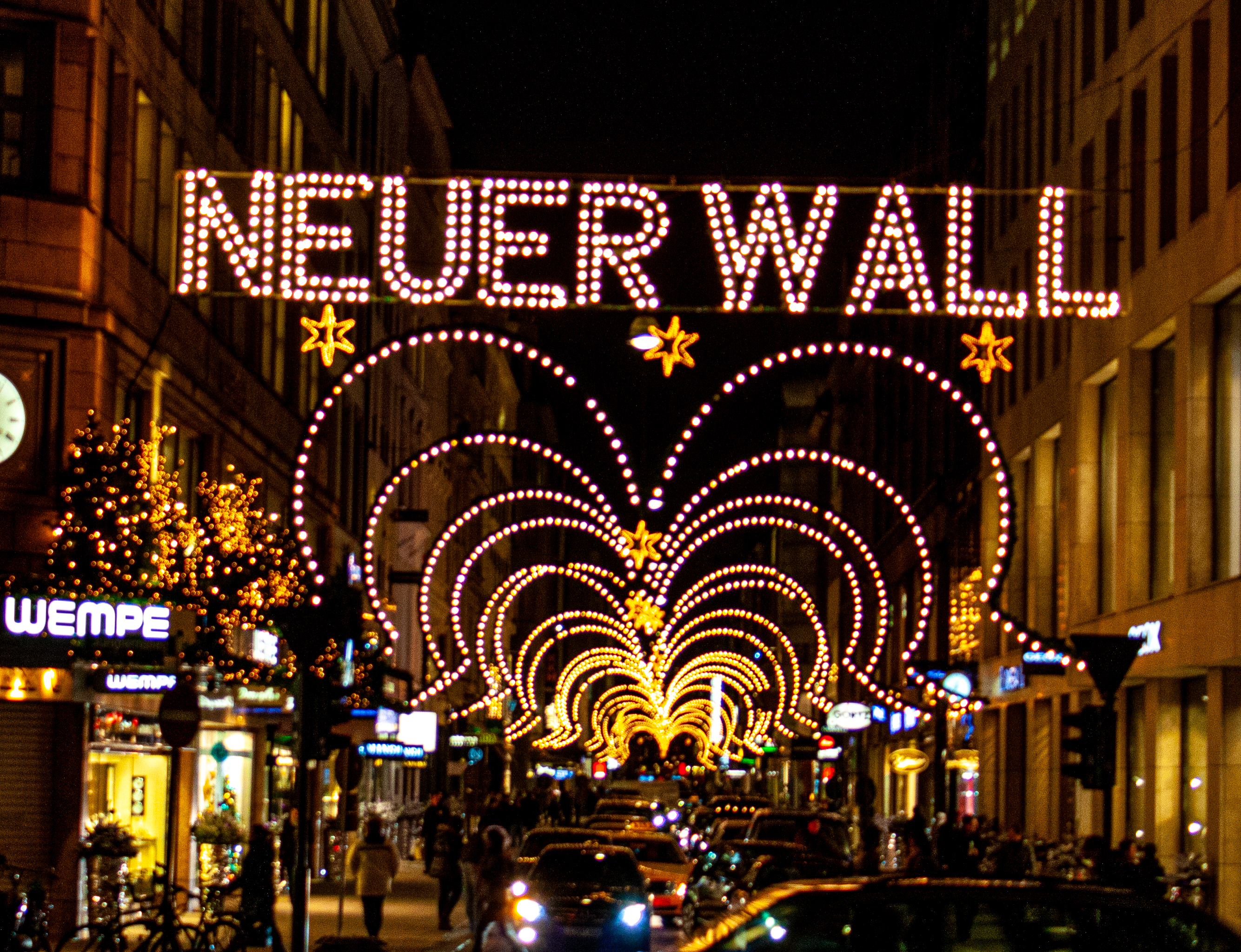
Check out these links for more information.
https://www.hamburg-travel.com/see-explore/events/hamburg-christmas-parade/
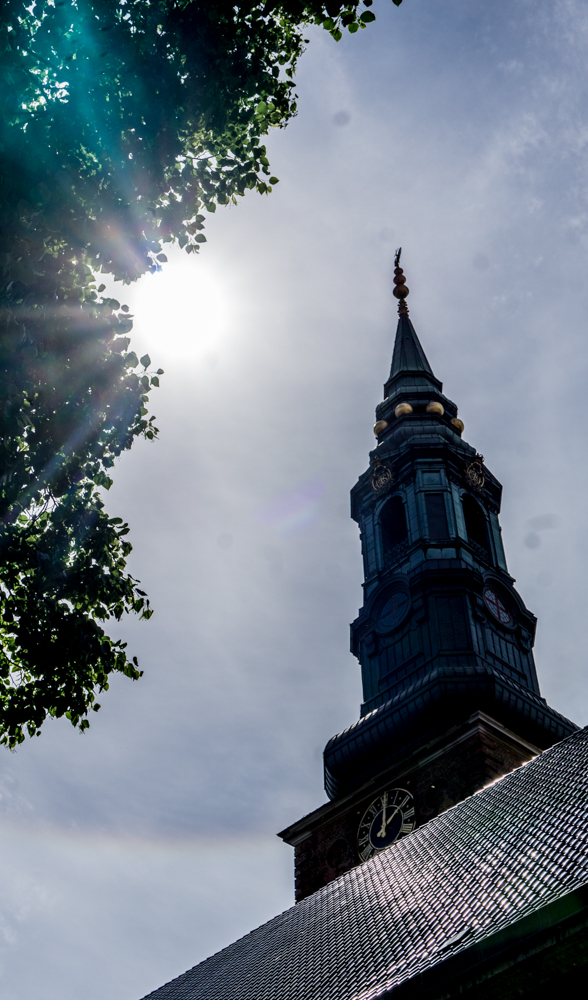
 St. Petri’s Kirke is where you can find the remains of one Johan Friedrich Struensee. When he arrived in Copenhagen at age 31 he was King Christian 7’s doctor. He considered himself an atheist and man of the Enlightenment and never set foot in the church while he was alive.
 From the Observation Deck at the Round Tower (Runtaarn) you can see the many spires of Copenhagen. The former St. Nikolaj Kirke (St. Nicholas Church) in the foreground is now a contemporary art museum.
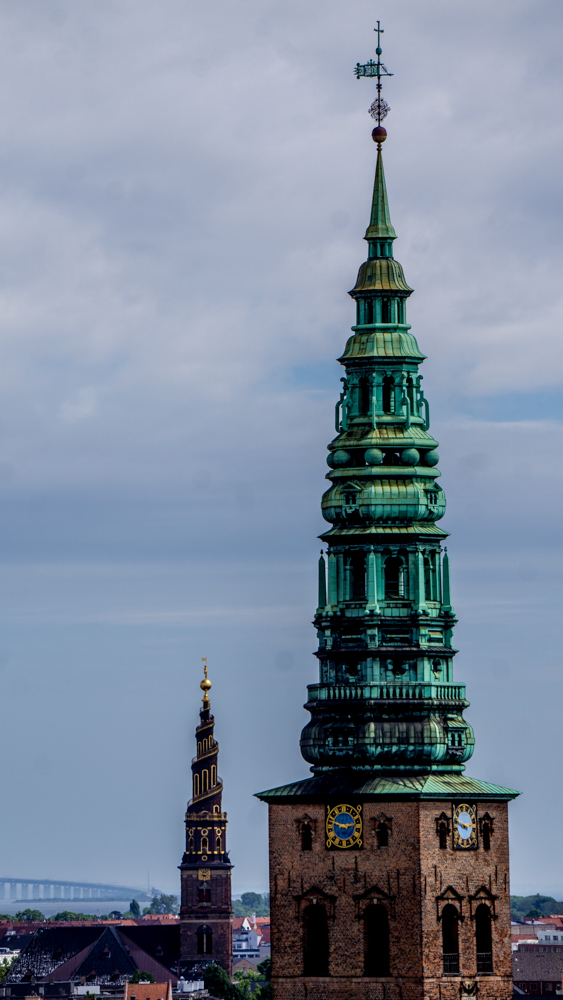 St Nicholas Church was built close to the shore, and was the church of fishermen, sailors and visiting traders. The church was named after the patron saint of sailors.
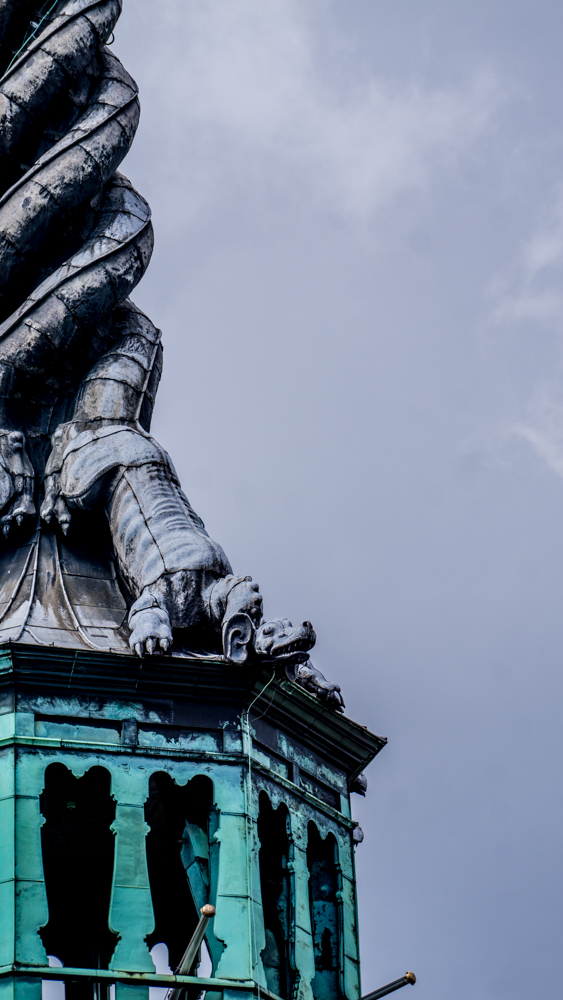
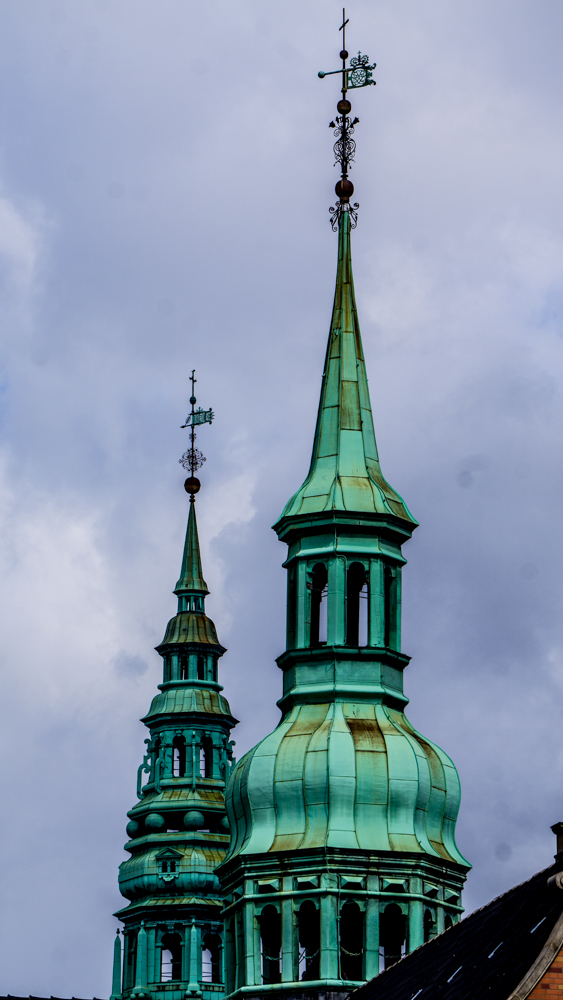 The Old Stock Exchange (Borsen) has the most interesting spire in the city. The tails of four dragons are intertwined to create the spire. The legend is that the dragon tailed spire guards the building against enemy attacks and fires. The Old Stock Exchange been spared from damage on many occasions, even when fires have broken out in neighboring buildings.
  The Danish Chamber of Commerce now resides in the building.The three crowns that top the spire represent the Scandinavian empire – Denmark, Sweden and Finland.
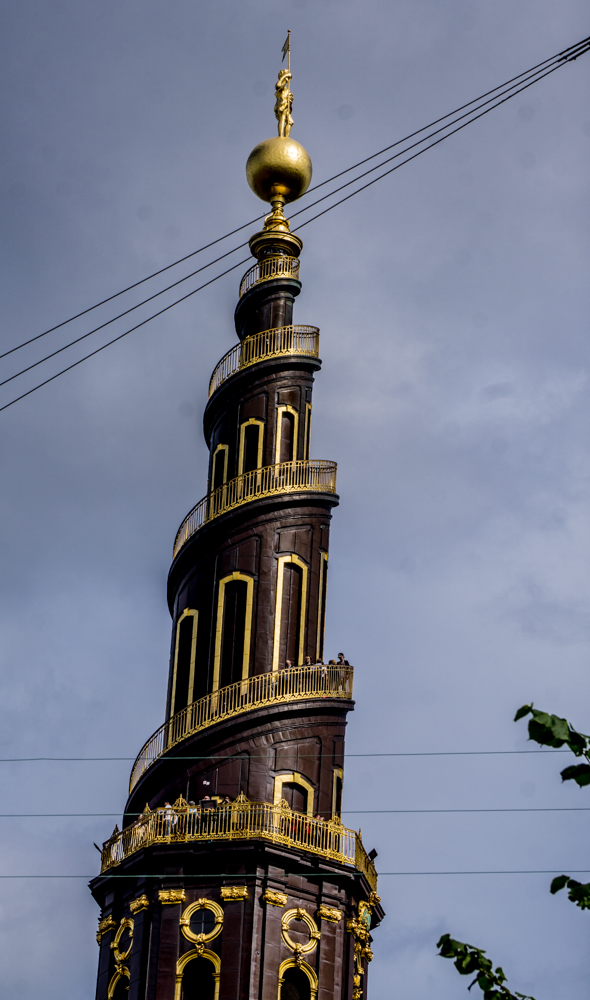
 Sitting in the Christianhaven section of the city, the Church of Our Savior has a spire with an external staircase for climbing to the top. The Church is visited by more people than any other in Copenhagen.
 The 400 steps to the top wrap around the spire 4 times. Like many fortresses the steps wind to the right. The soldiers can defend the city by holding onto the railing with there left (less dominant) hand while brandishing their swords with their right.
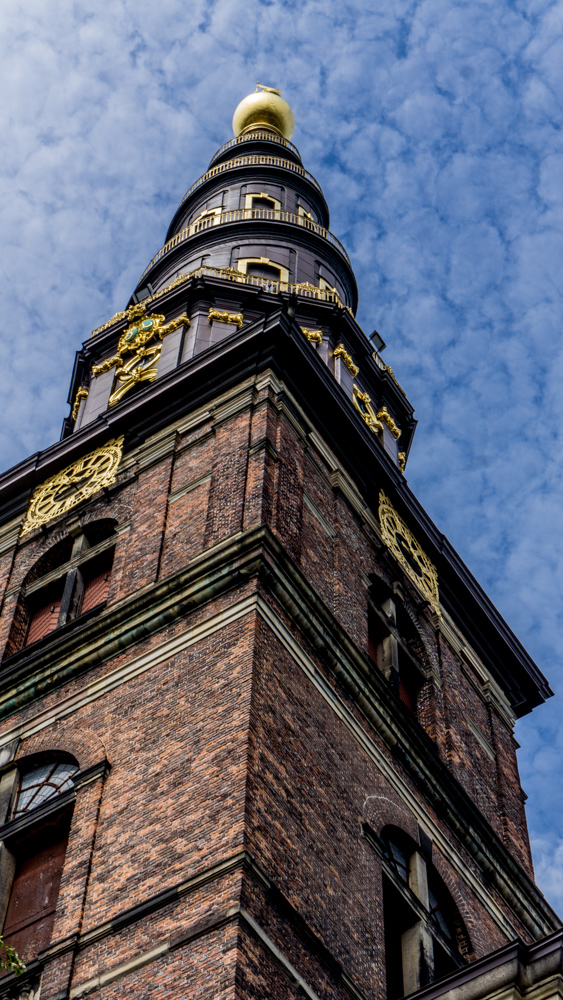 A statue of Our Savior stands on top of a globe at the top watching over the city.
 A quick train ride to the north is where you will find the spires of Kronborg Castle, also known as Hamlet’s Castle.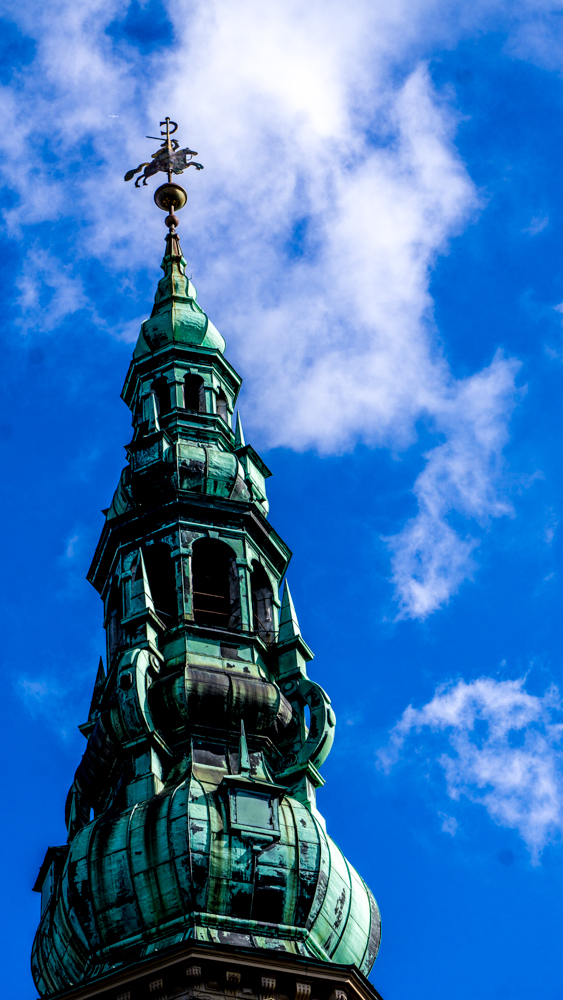
 Travels With Ackbar