
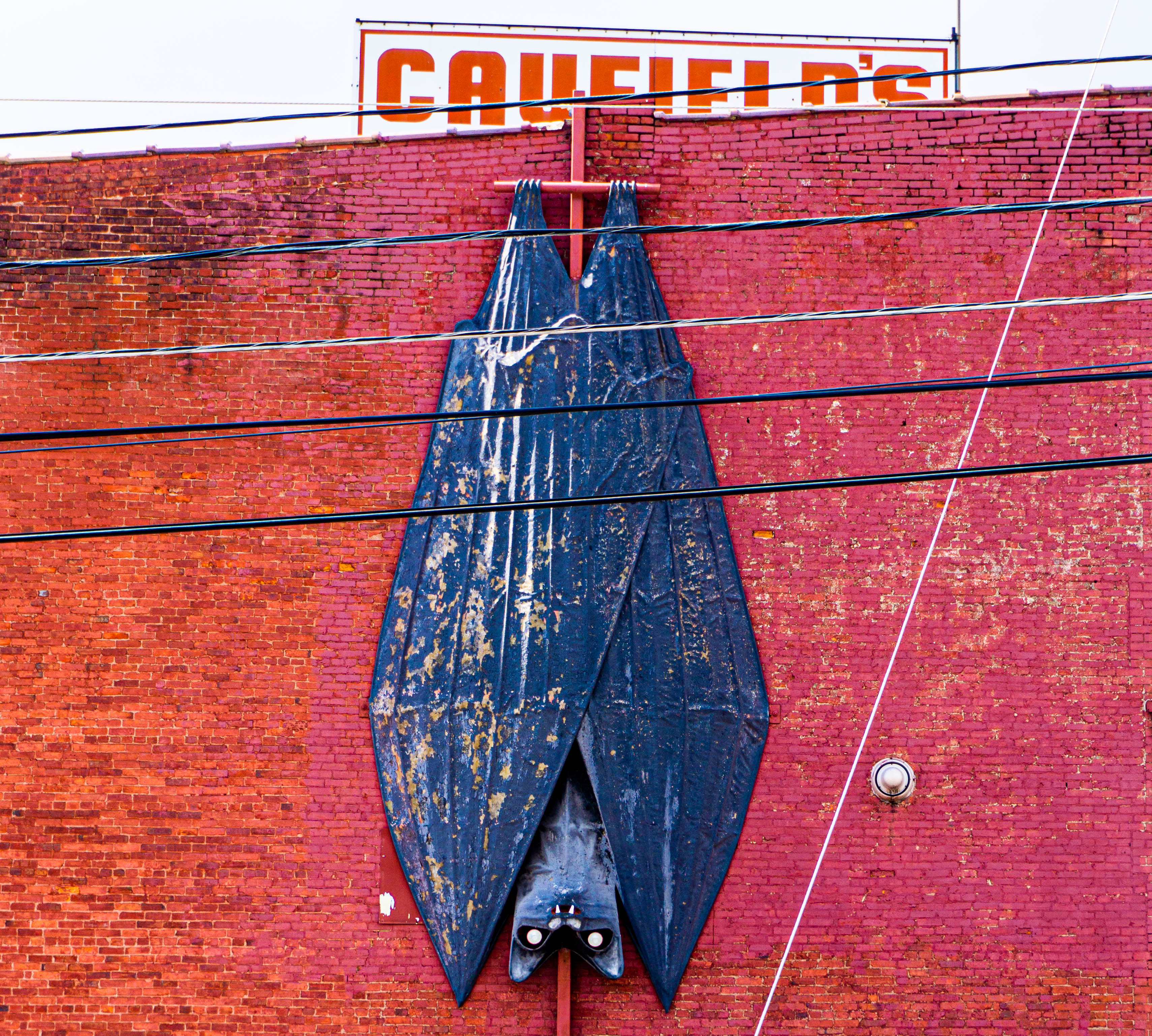

Louisville may be one of the most haunted cities in the South. The spirits of an overcrowded graveyard, A theater patron from long ago and winged monster all hang around the city.
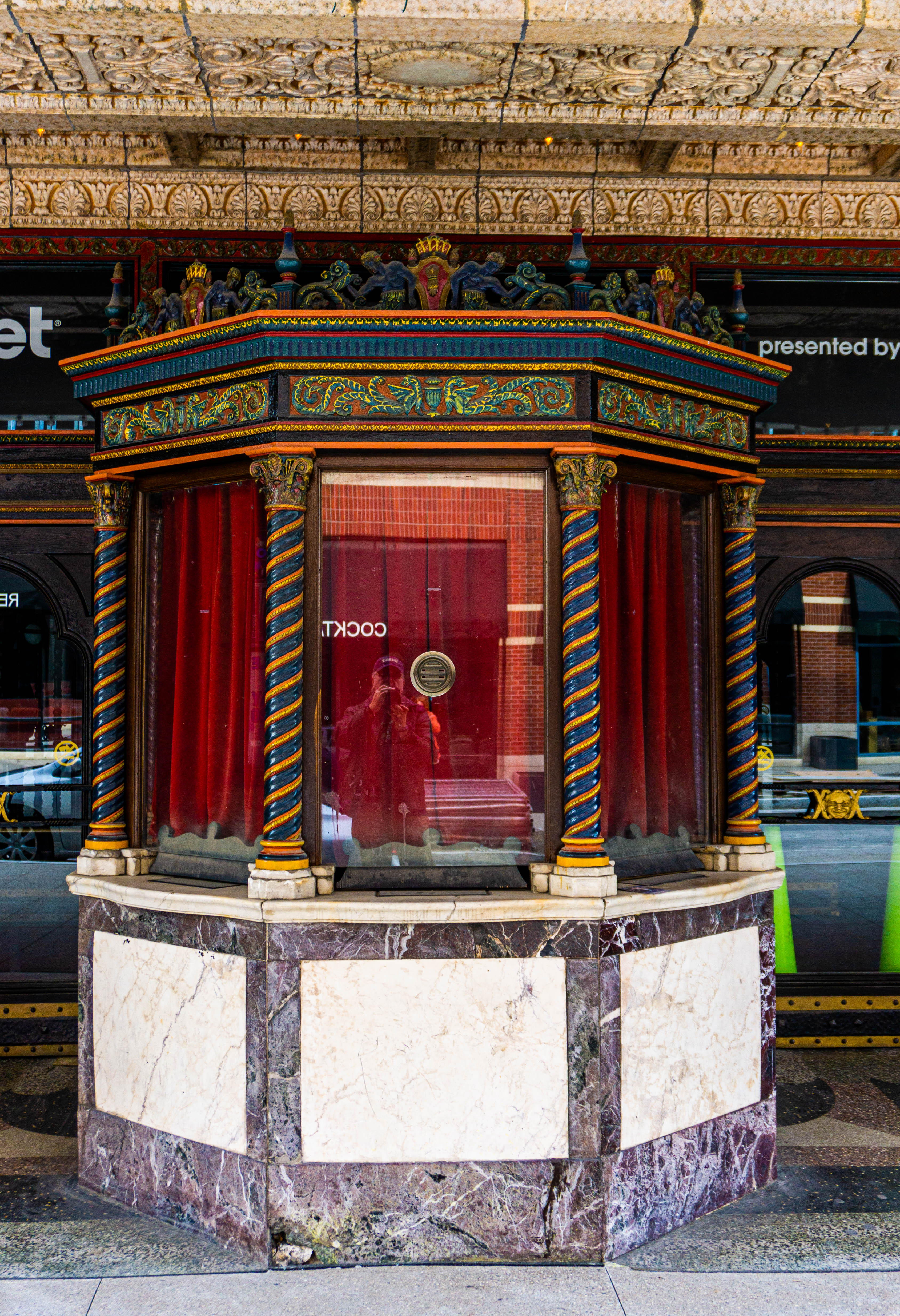


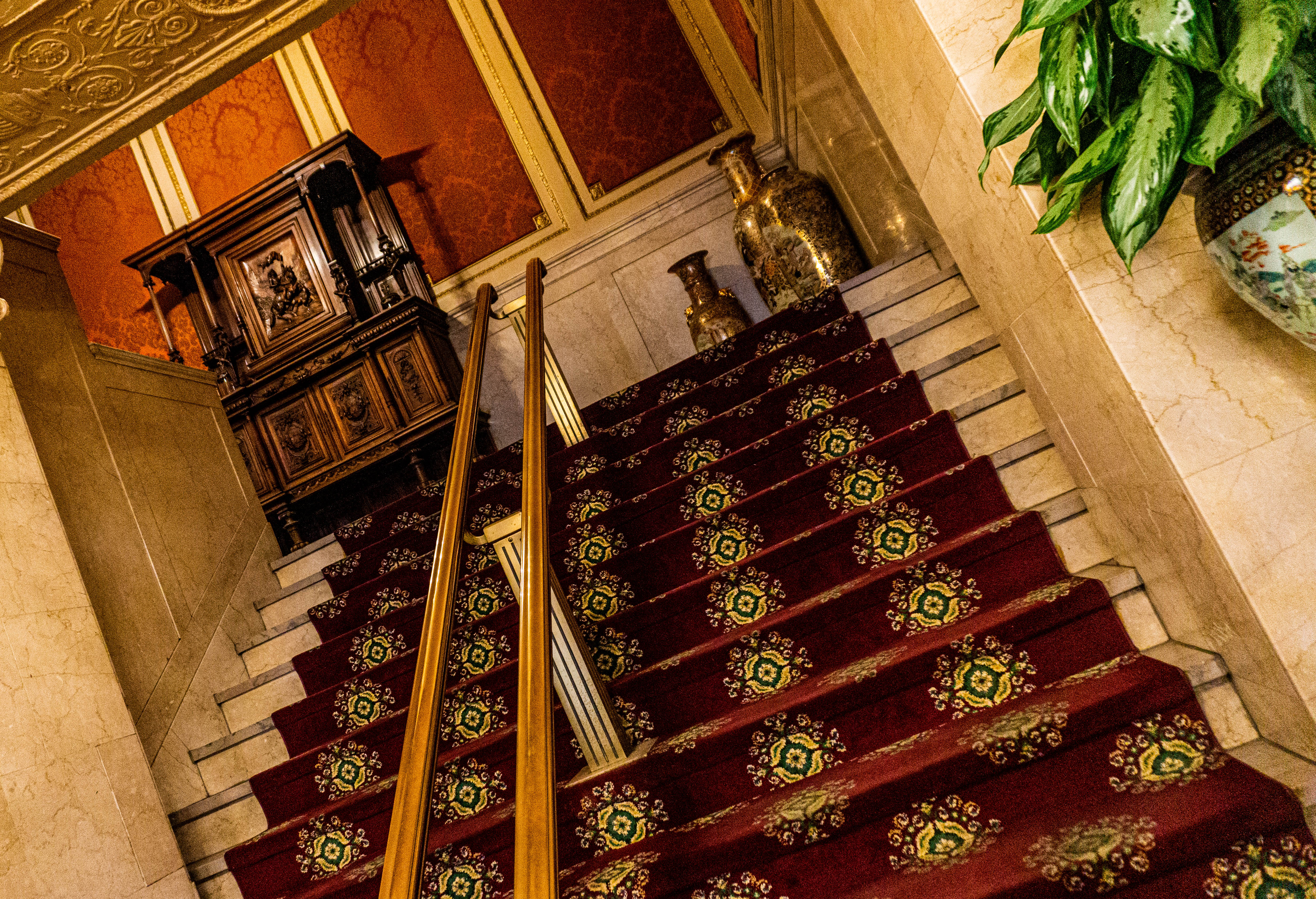
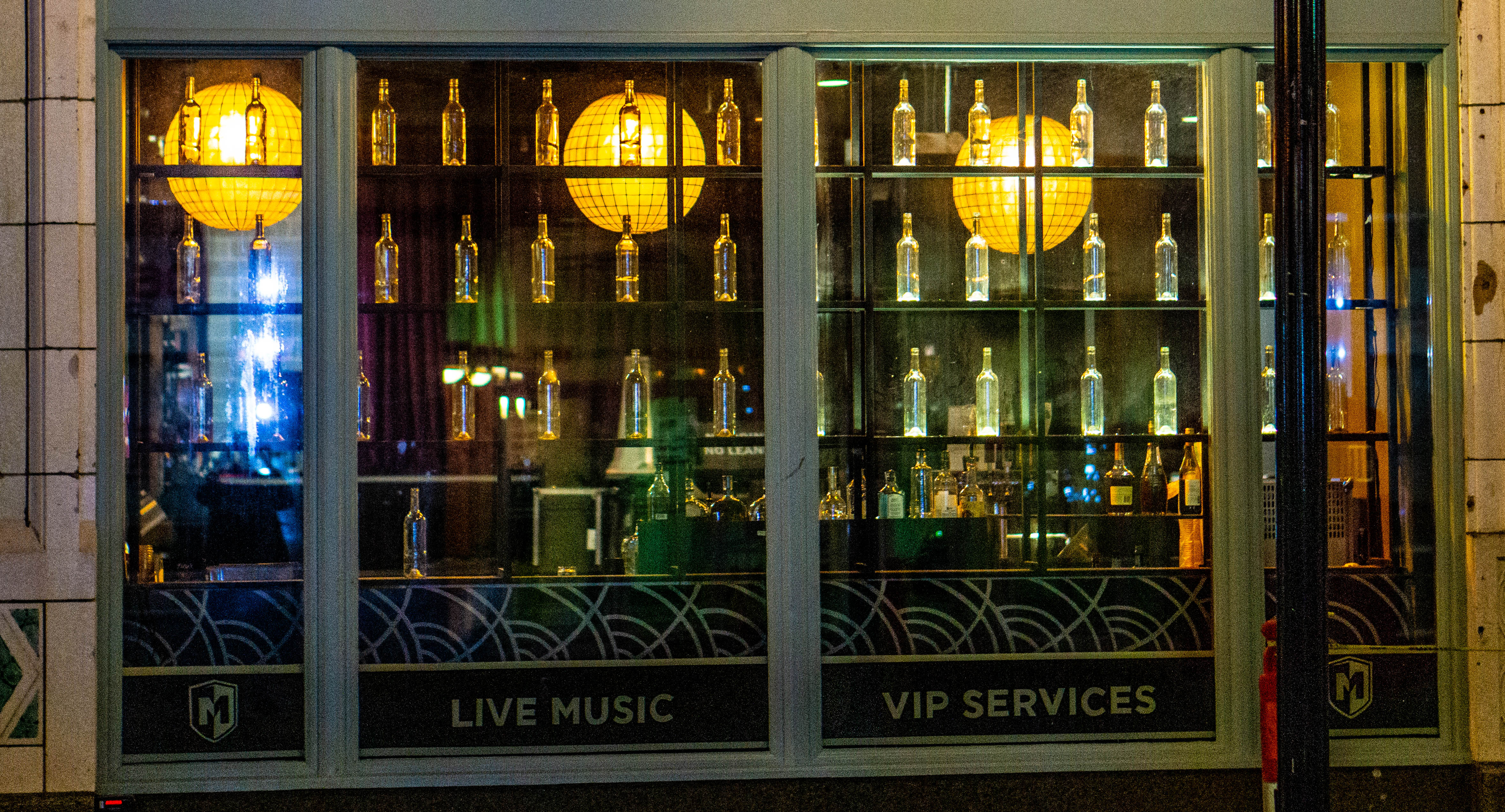
The Louisville Palace Theater first opened in 1928. The spirit of a young woman, known as The Gray Lady is often seen walking down the auditorium aisle looking for a seat. The sounds of children playing can be heard near the upstairs bar and the ghost of a projectionist named Bernard often walks in front of the spotlight. The story goes that he had a heart attack and fell down the projection booth stairs.
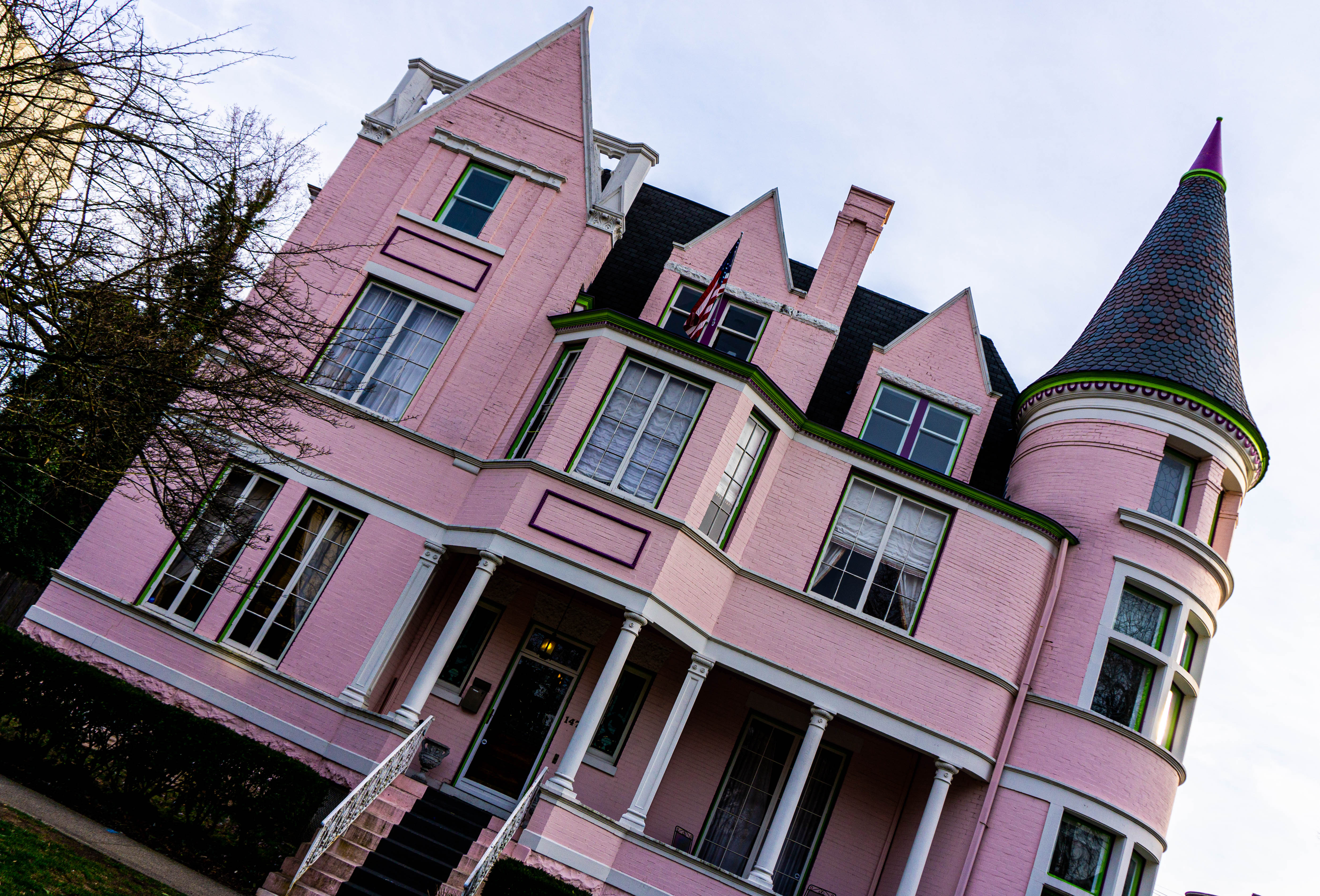
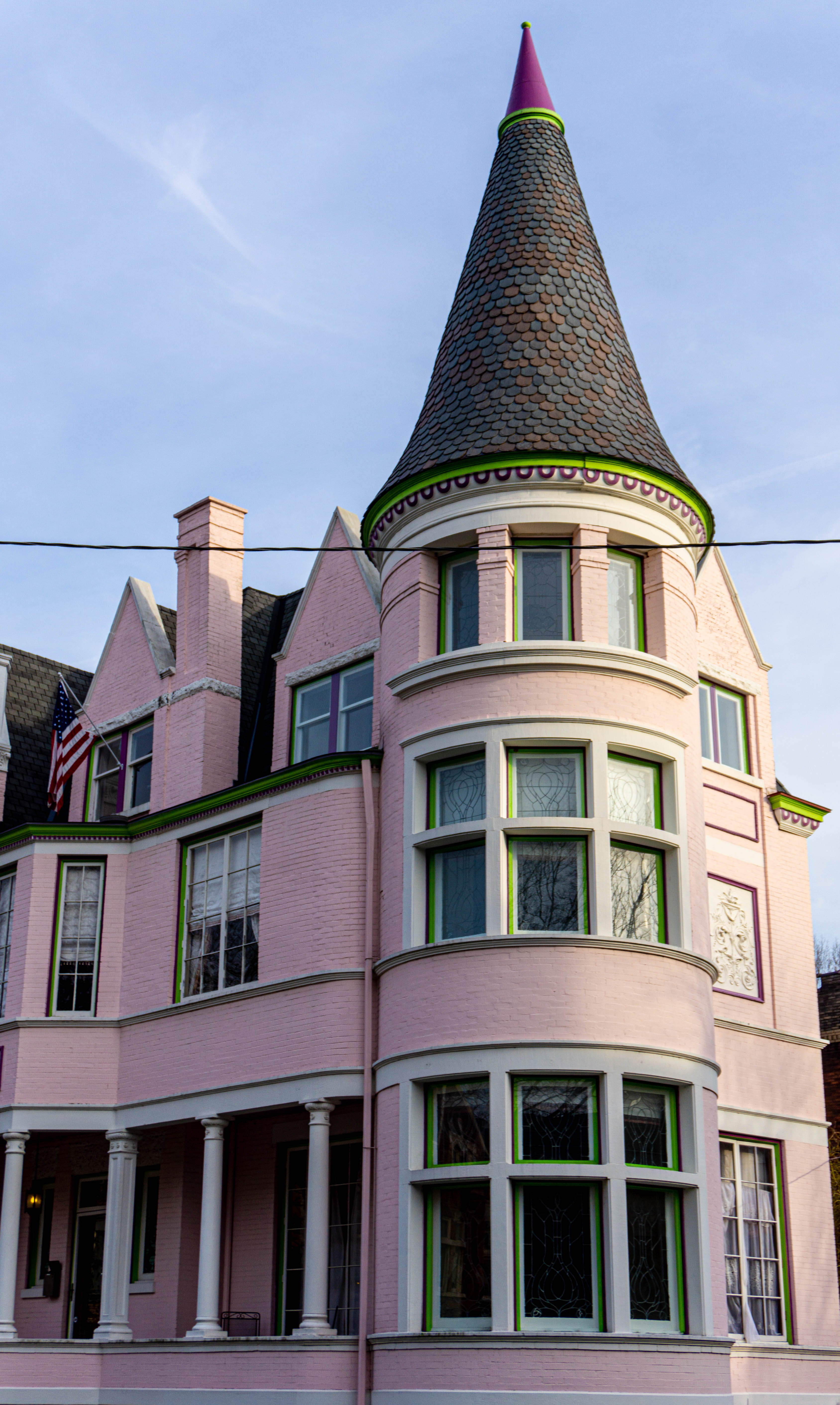
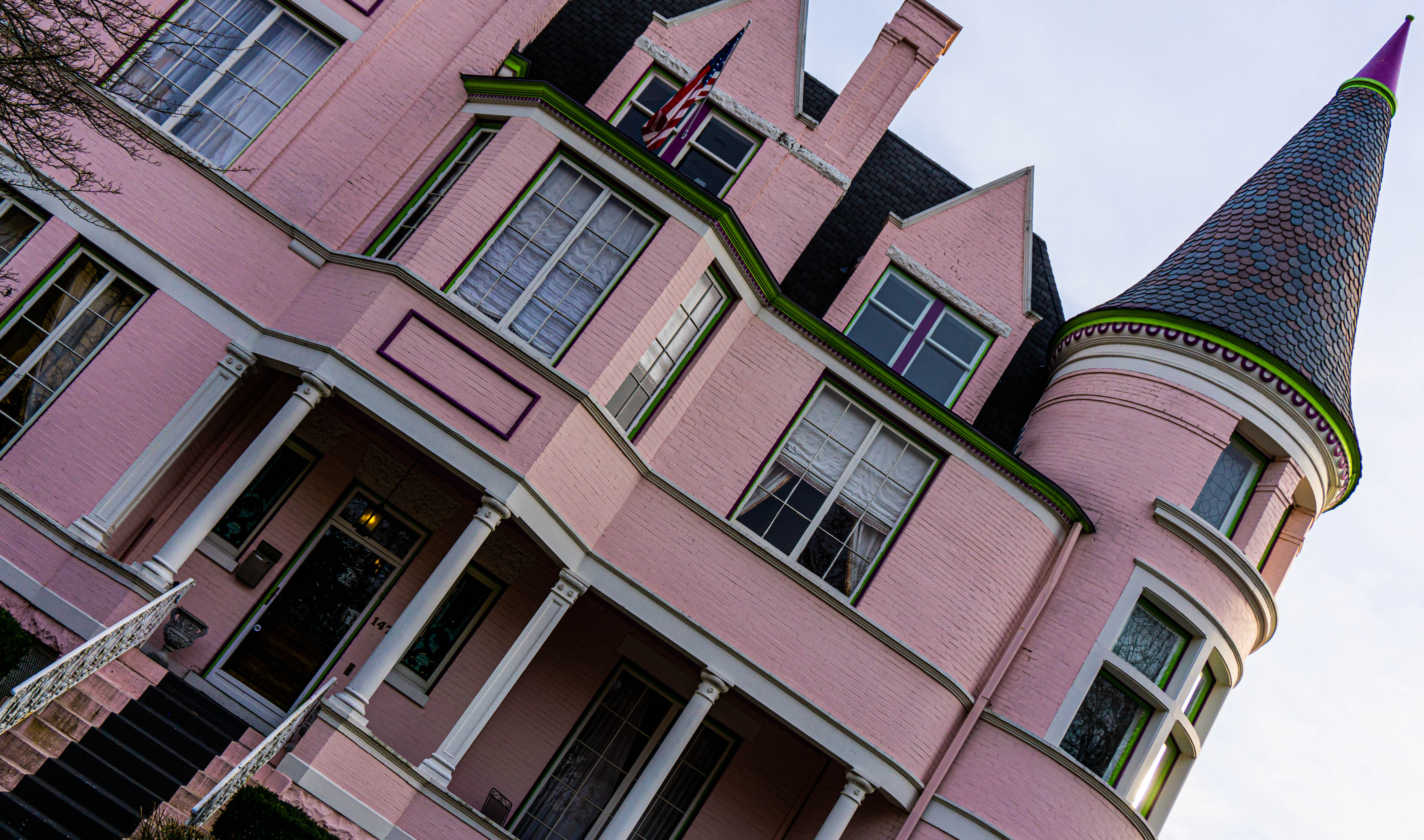
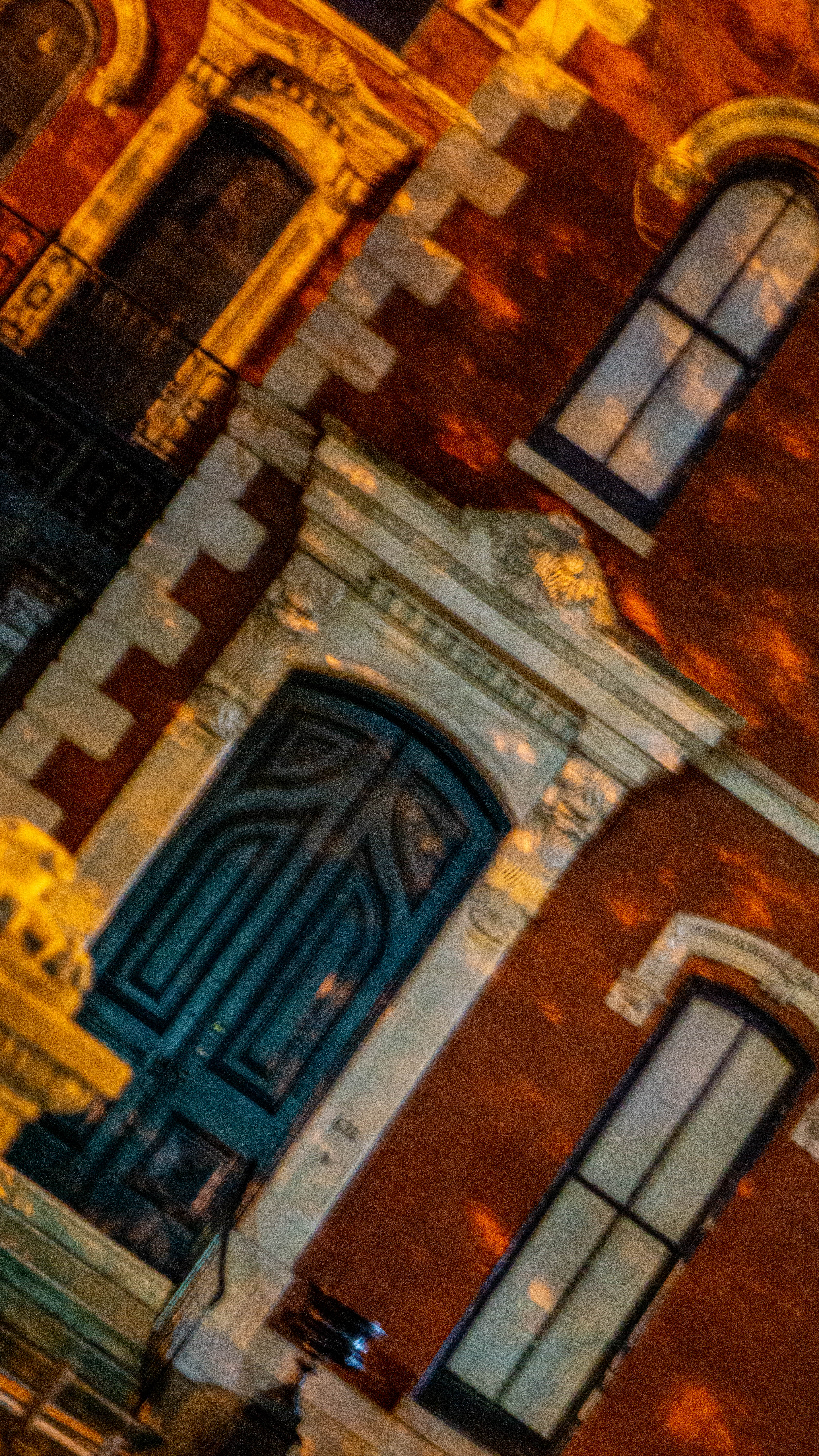
In Old Louisville, you can find “The Pink Palace”. A spirit named Avery haunts 1473 St. James Court. Local author, David Domine, has written several books on Haunted Louisville that we highly recommend. If you happen to run into him at the Louisville Welcome Center be sure to ask him about the time that saved a woman’s life by scaring her out of the bathtub. You can also visit these haunts and others on one of his Ghost Walks.
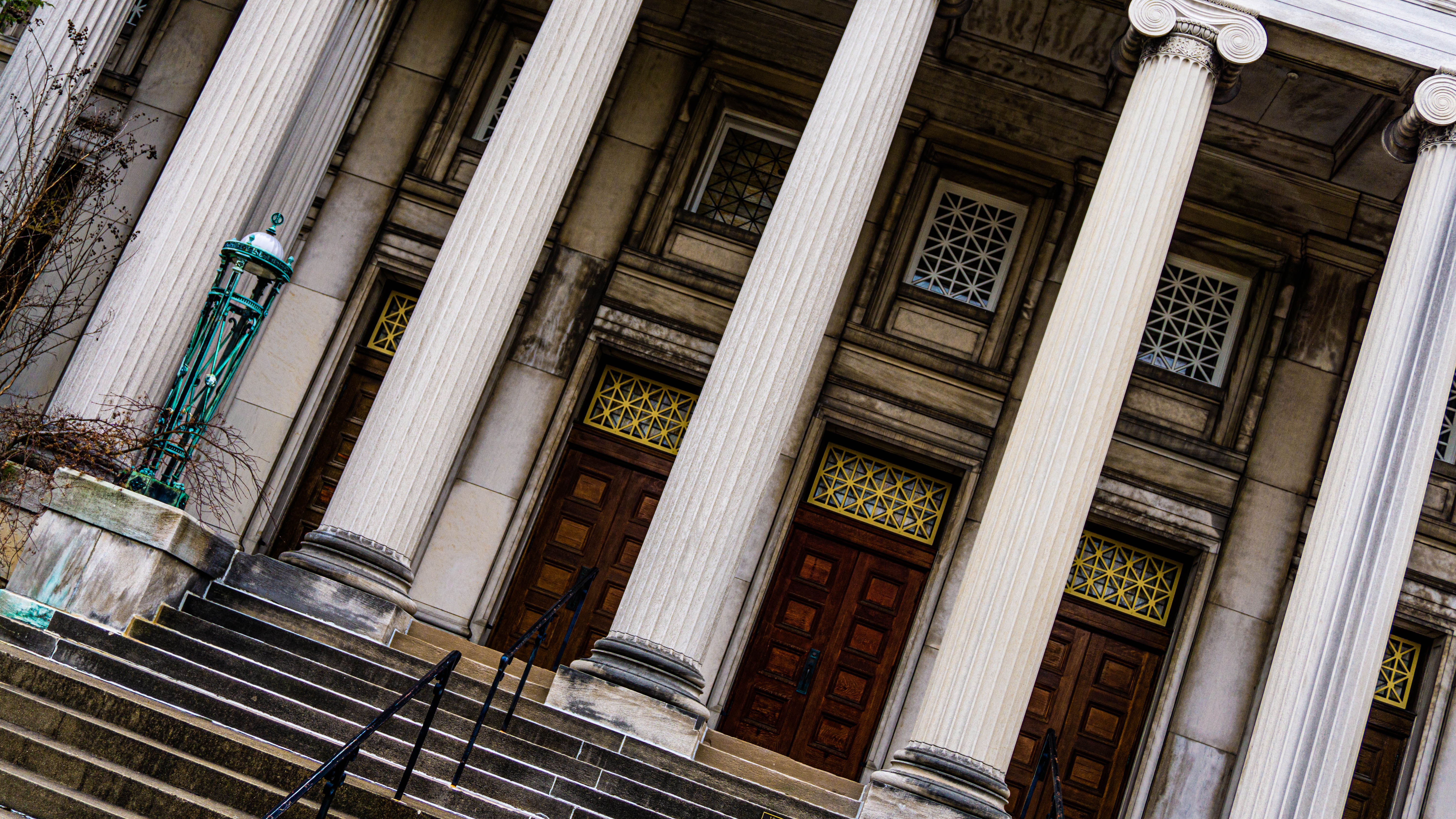
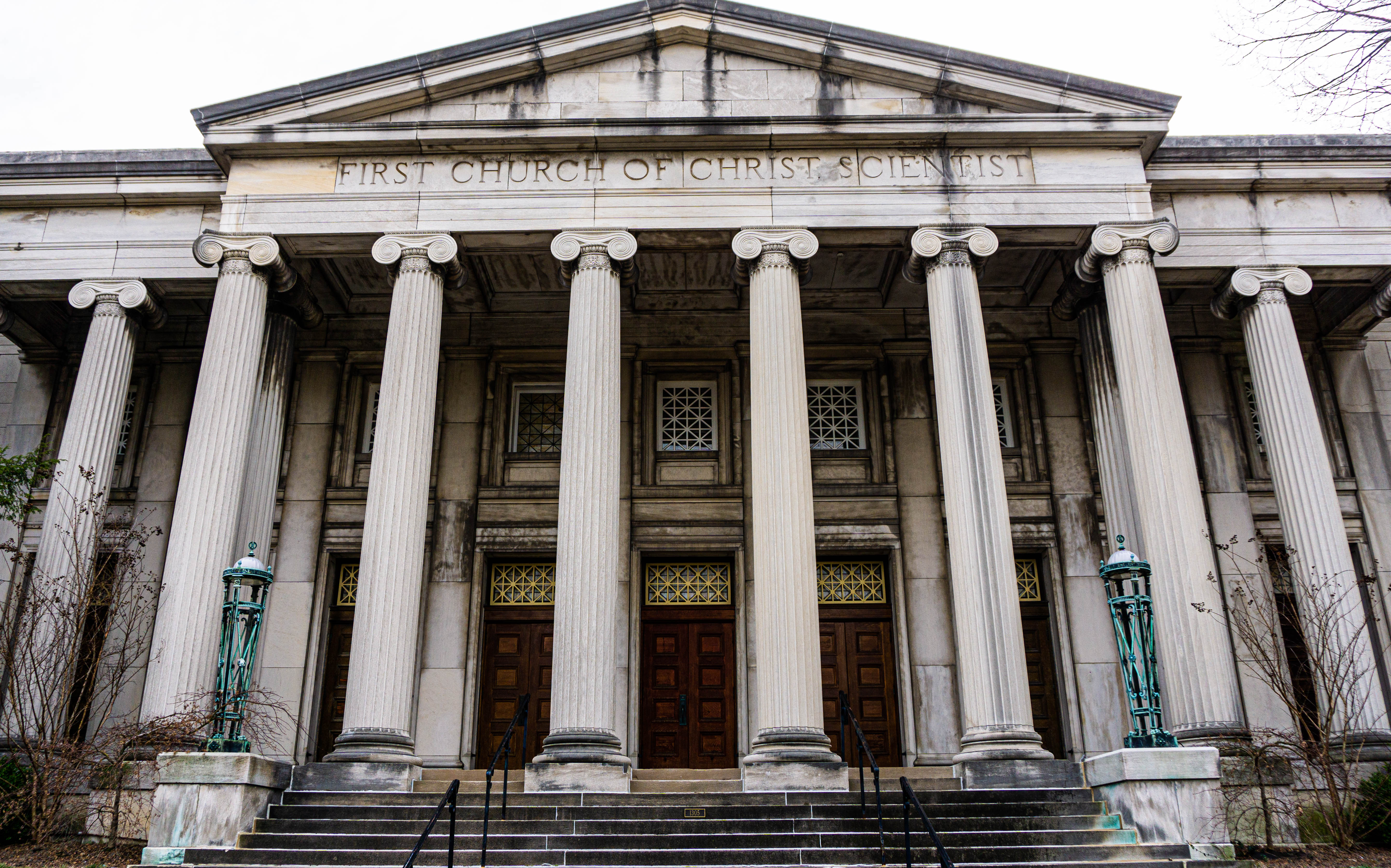
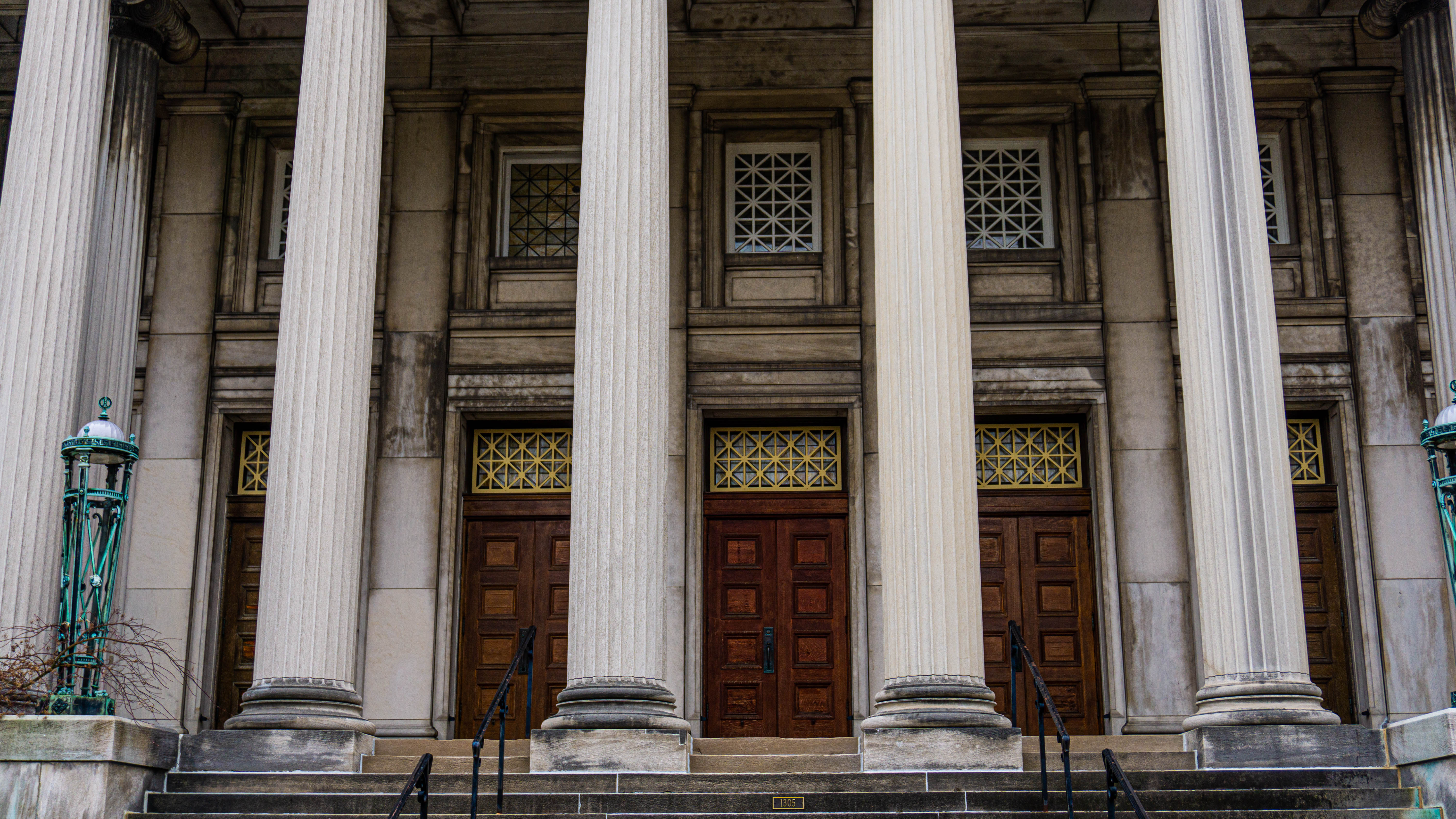
The Church of Christ The Scientist on S. Third St. is where you might see the “Lady on the Stairs”. After deciding to elope with her boyfriend, a soldier stationed at Fort Taylor, she waited and waited for him on the steps. He never showed up, as she waited for several nights, she grew despondent. The year was 1918 and her soldier boy was one of many inflicted with the Spanish Flu. He died several days later, she also became infected and passed away. Some say she still paces the stairs every night waiting for her intended.
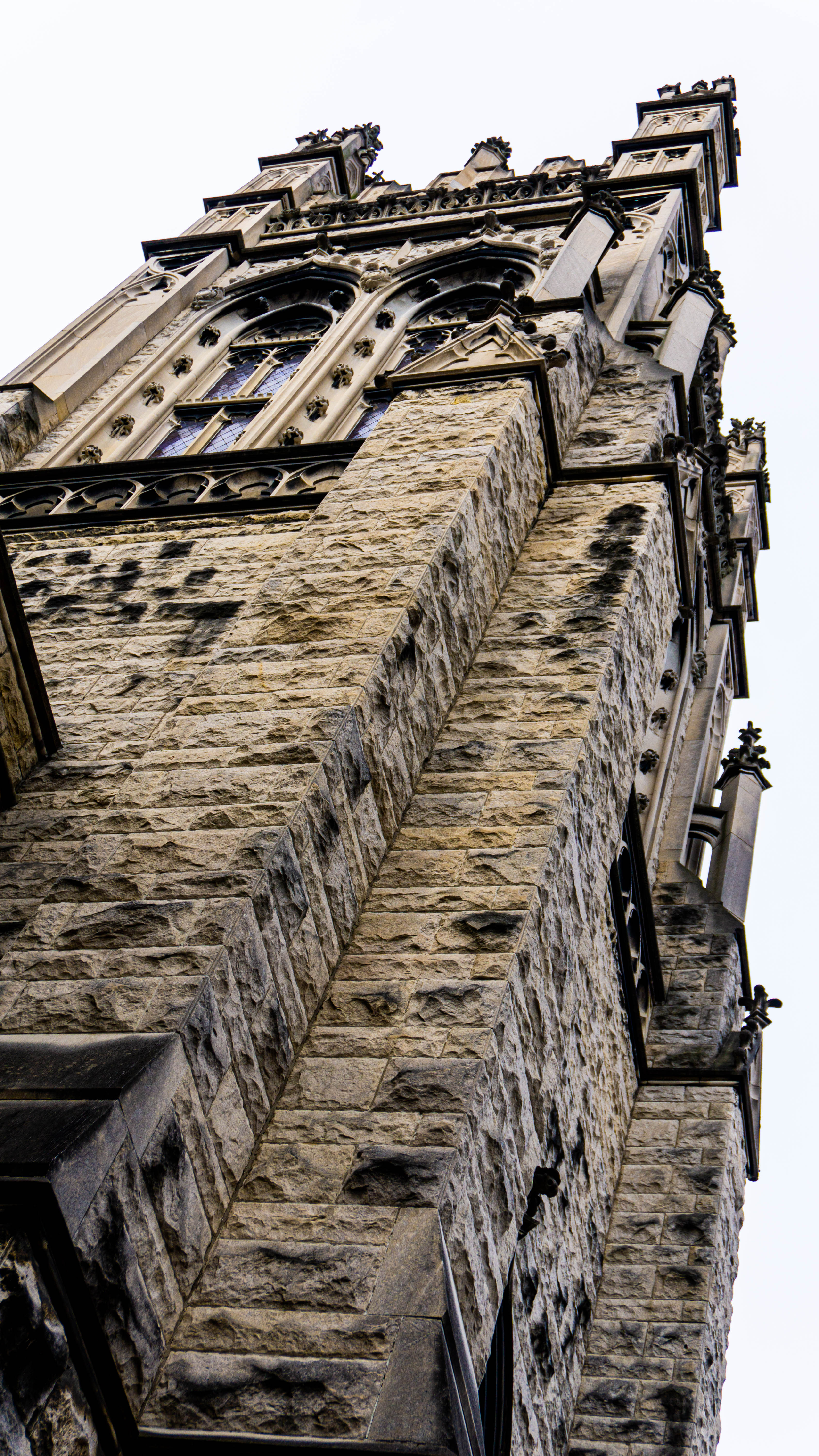

Venture past the parish graveyard for the Fourth Street Methodist Episcopal Church and you may catch a glimpse of shadowy figures in the chapel or the apparition of a woman that tends to the graves of infants. In 1858, the company that owned the cemetery began to resell burial plots by removing headstones and labelling the plots as “old graves” on their records. It wasn’t until the late 1980’s that rumors began to spread that coffins were buried so poorly buried that they stuck out of the ground. The graveyard owners were taken to prison and experts began to investigate the burials. They estimate that 7 or more bodies were interred in each burial plot.
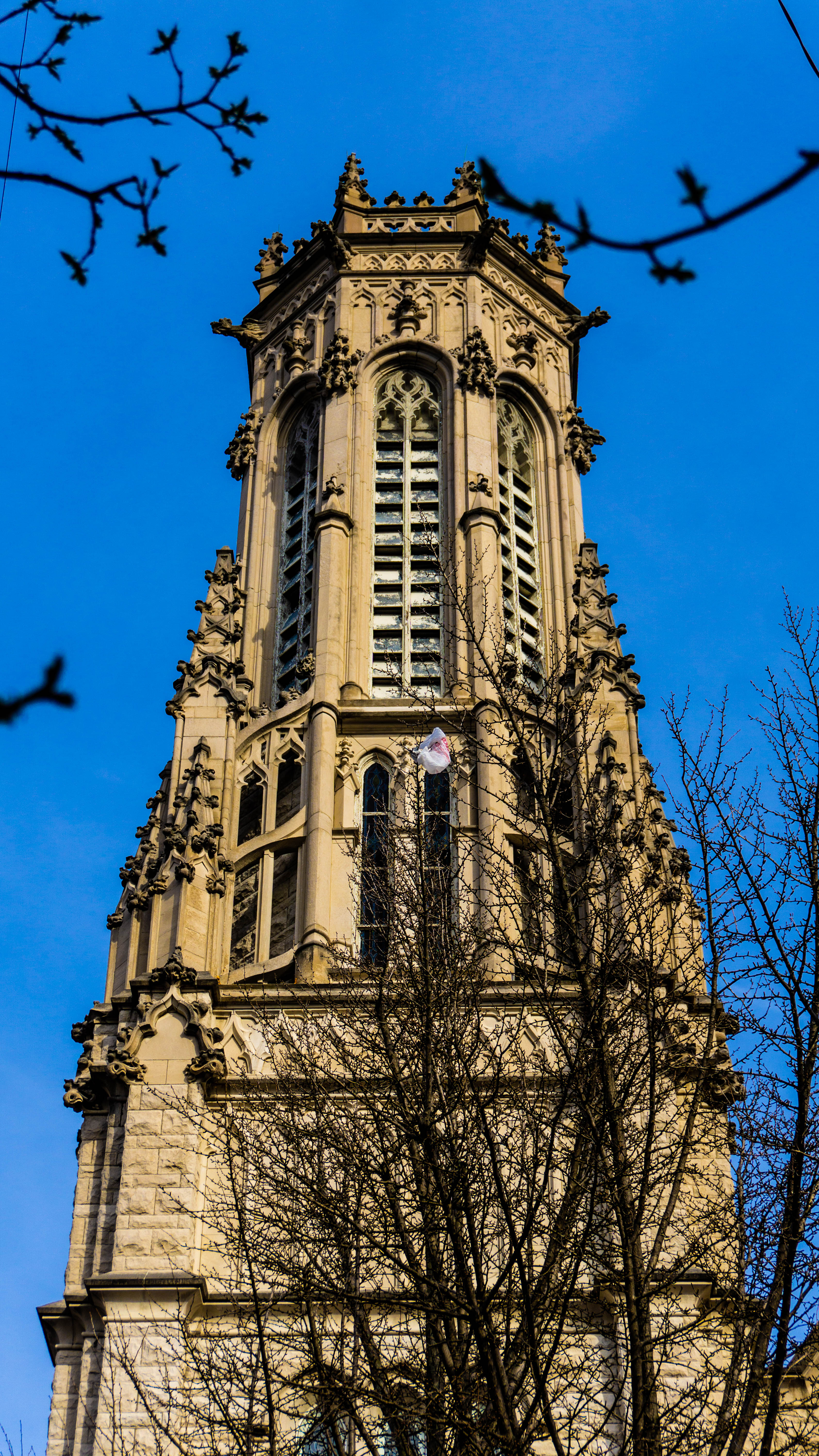
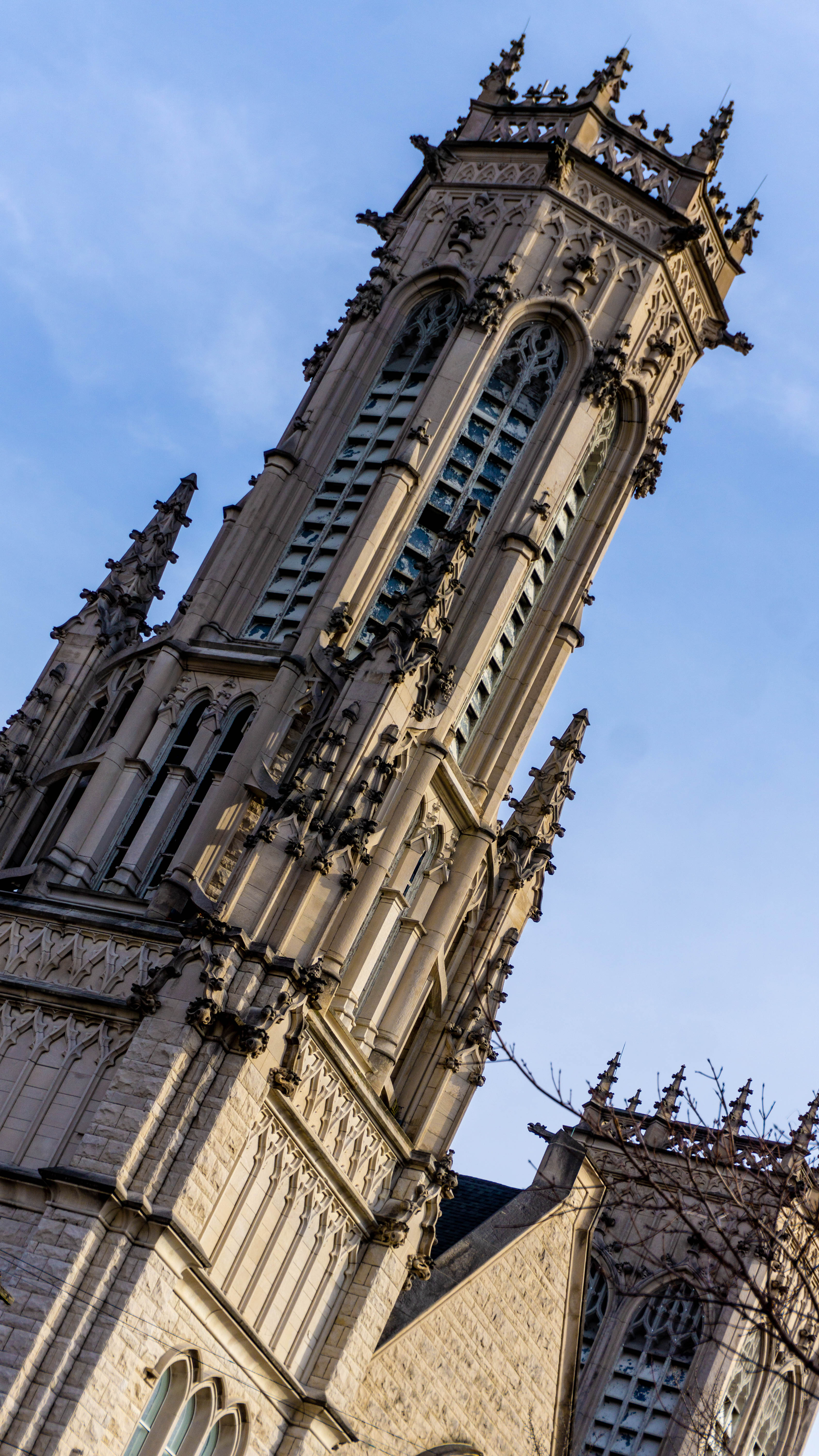

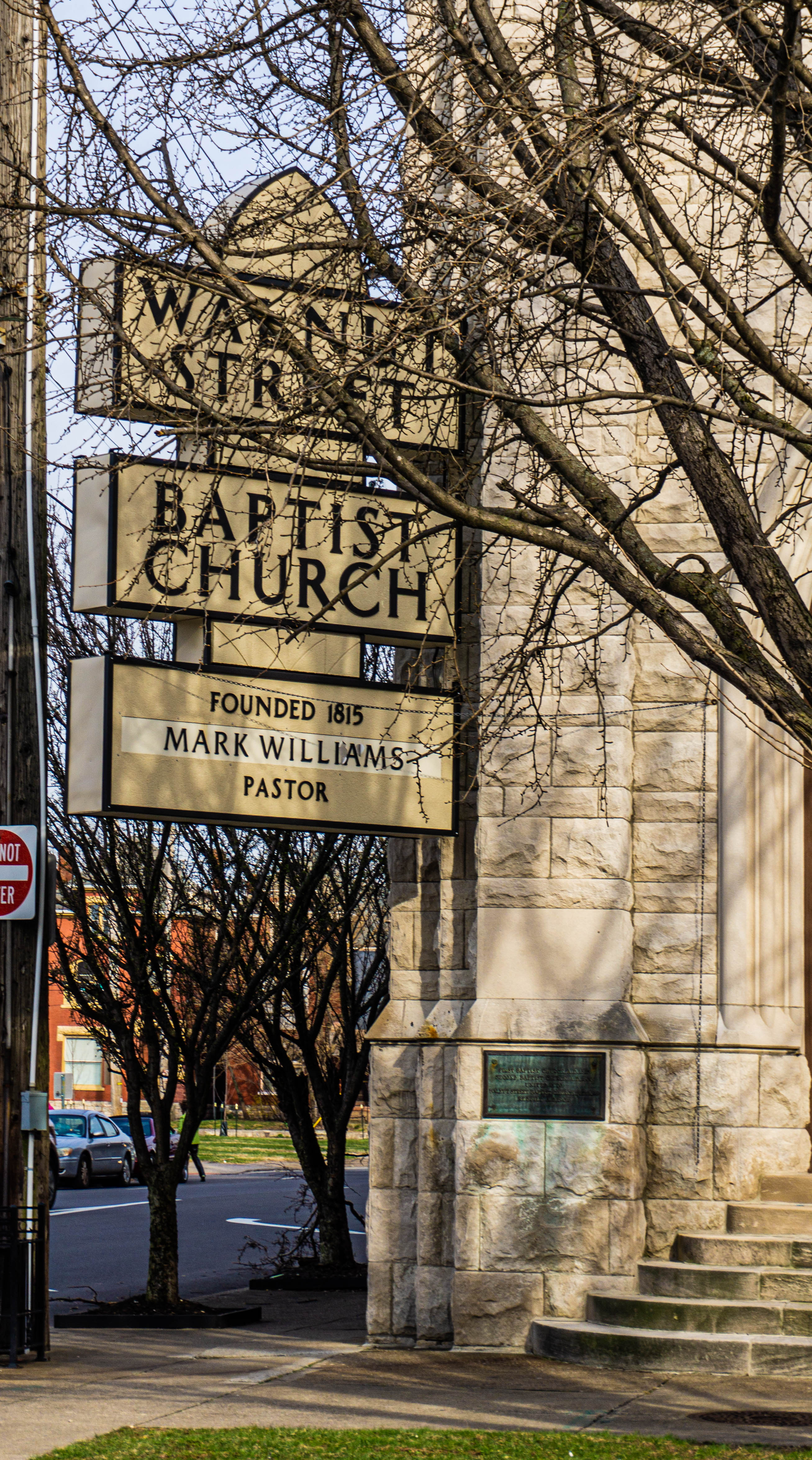
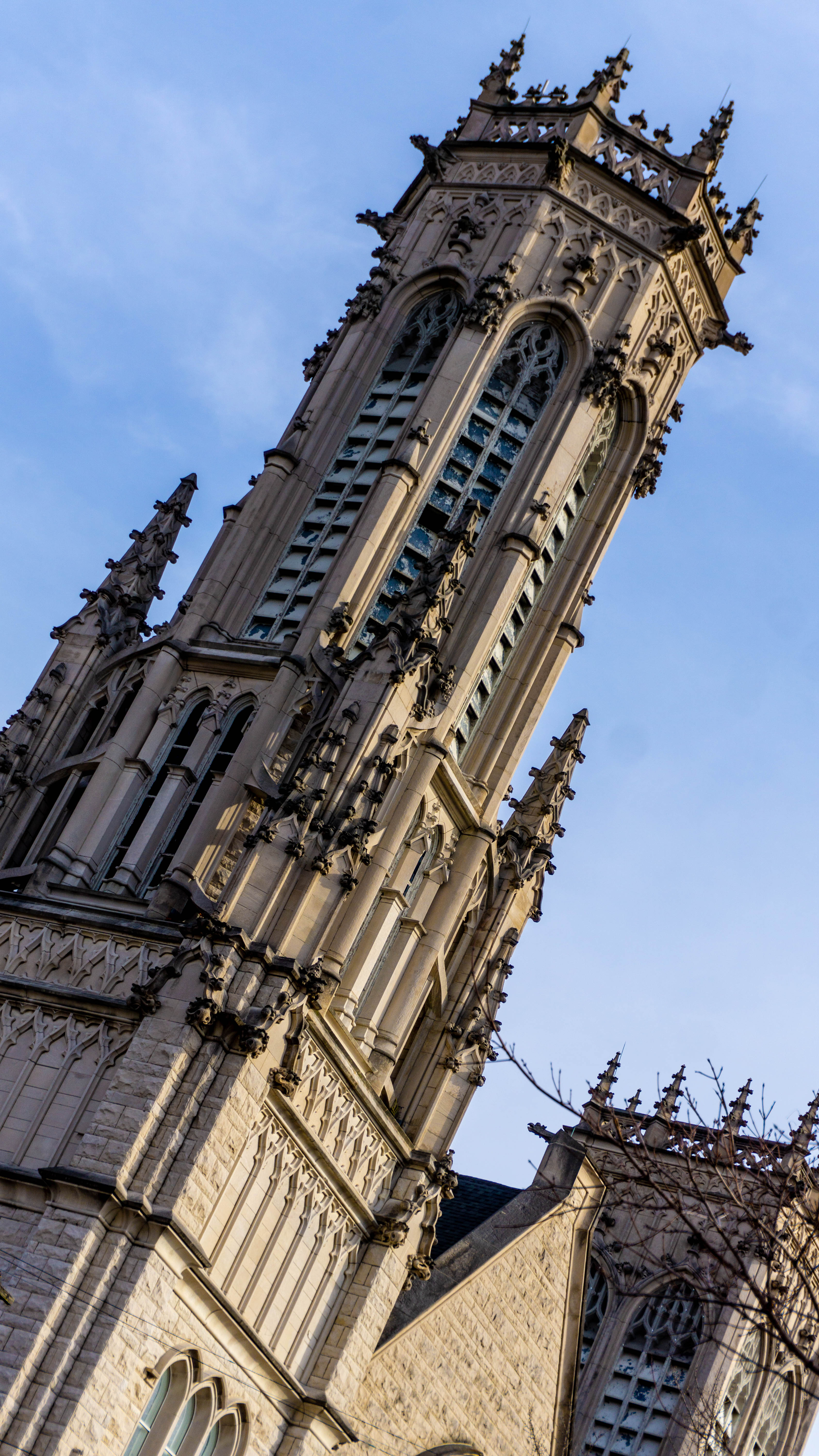
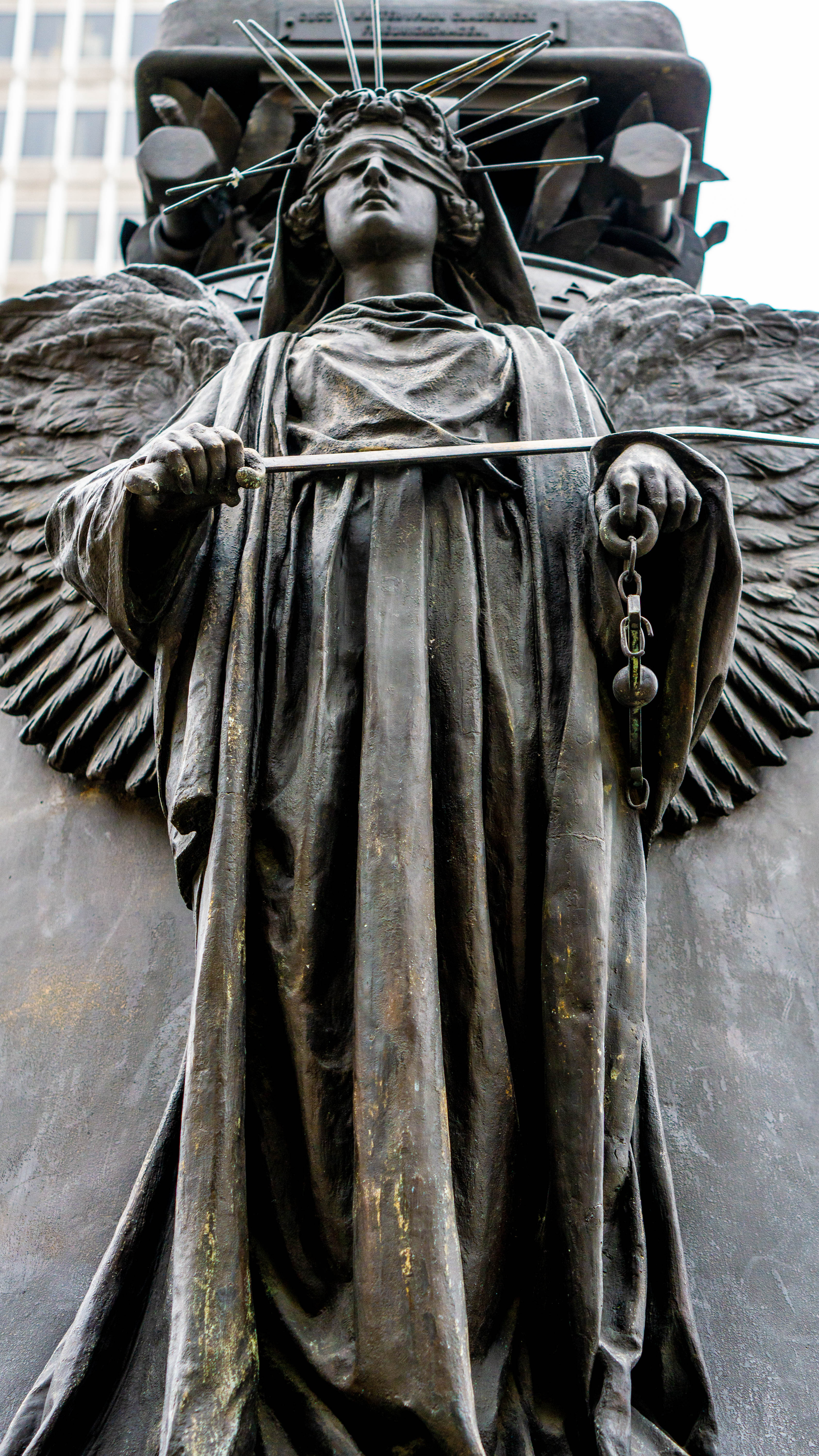
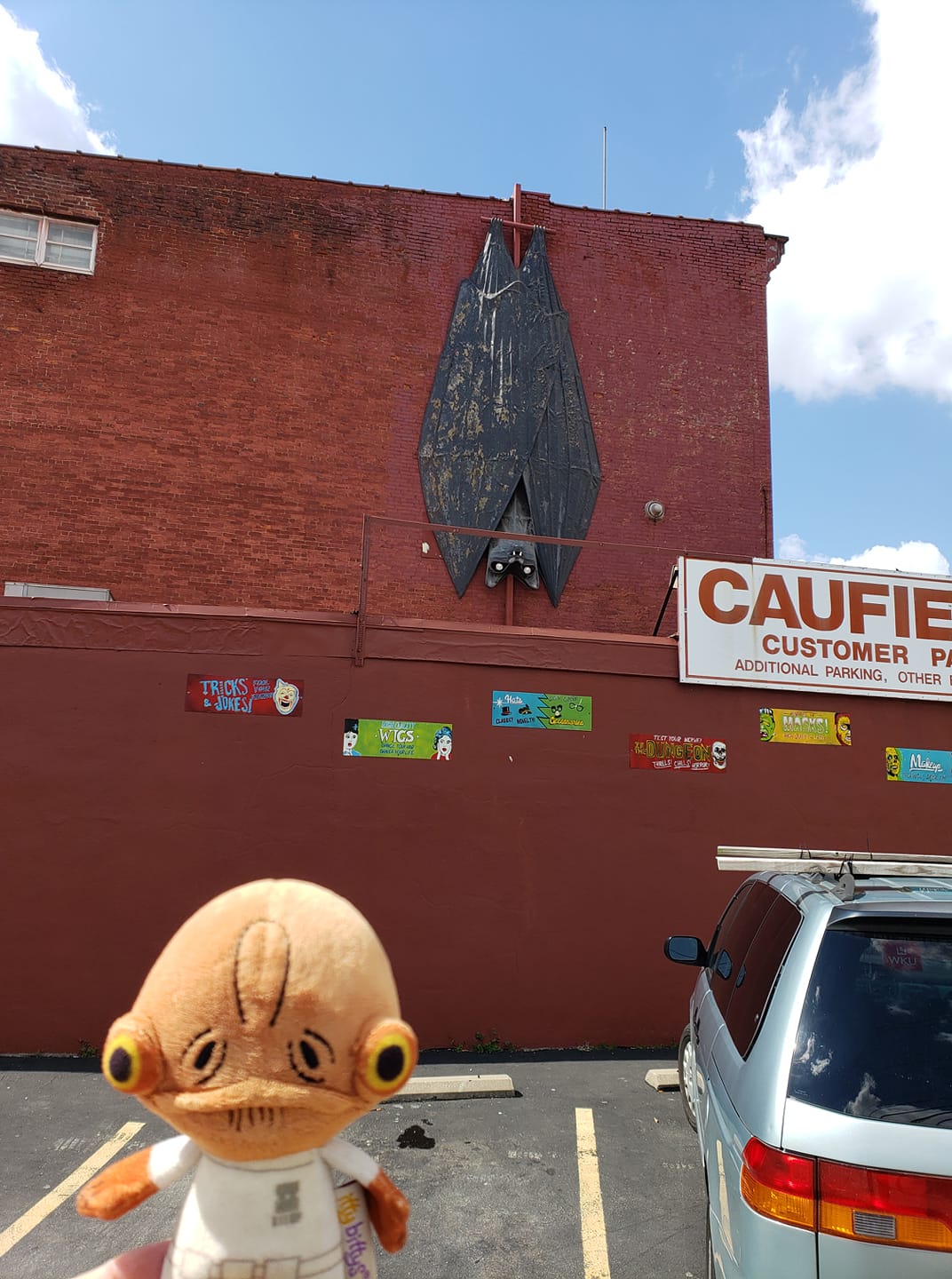
Walnut Street Baptist Church is home to a different type of haunting. In the late 1800’s, Two men saw a man flying above them in a strange contraption. The Courier-Journal reported “He worked his feet as though he was running a treadle, and his arms seemed to be swinging to and fro above his head, though the latter movement sometimes appeared to be executed with wings or fans”. By the early 1900s, the neighbors began spotting something lurking atop the building. Witnesses described the creature as human with bat like wings. This gargoyle was dubbed the Demon Leaper.
For more information on David Domine and his Haunted Ghost Tours check out…
https://louisvillehistorictours.com/virtual-louisville-tours-on-facebook-live/








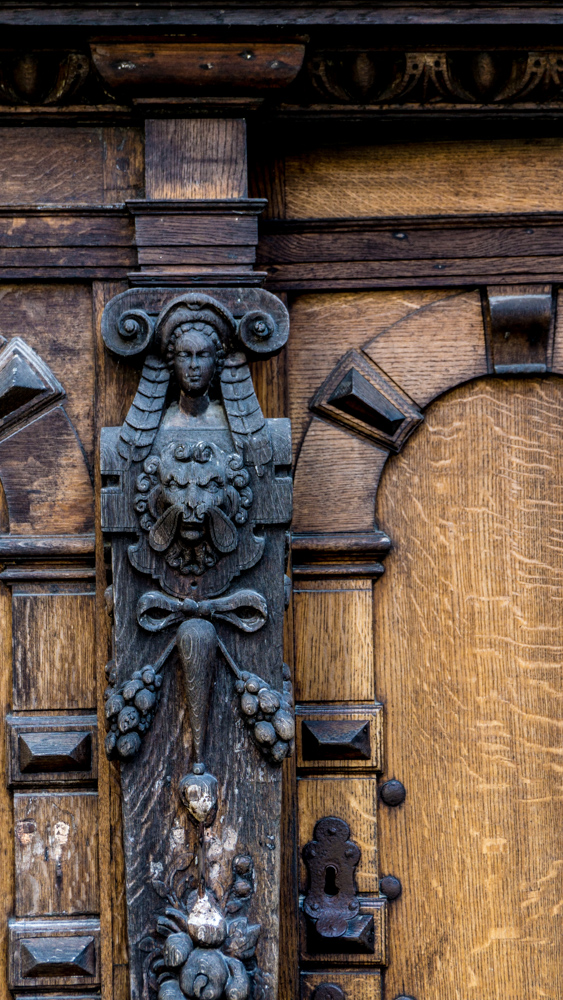 The chapel features the original pews dating back to King Frederik II.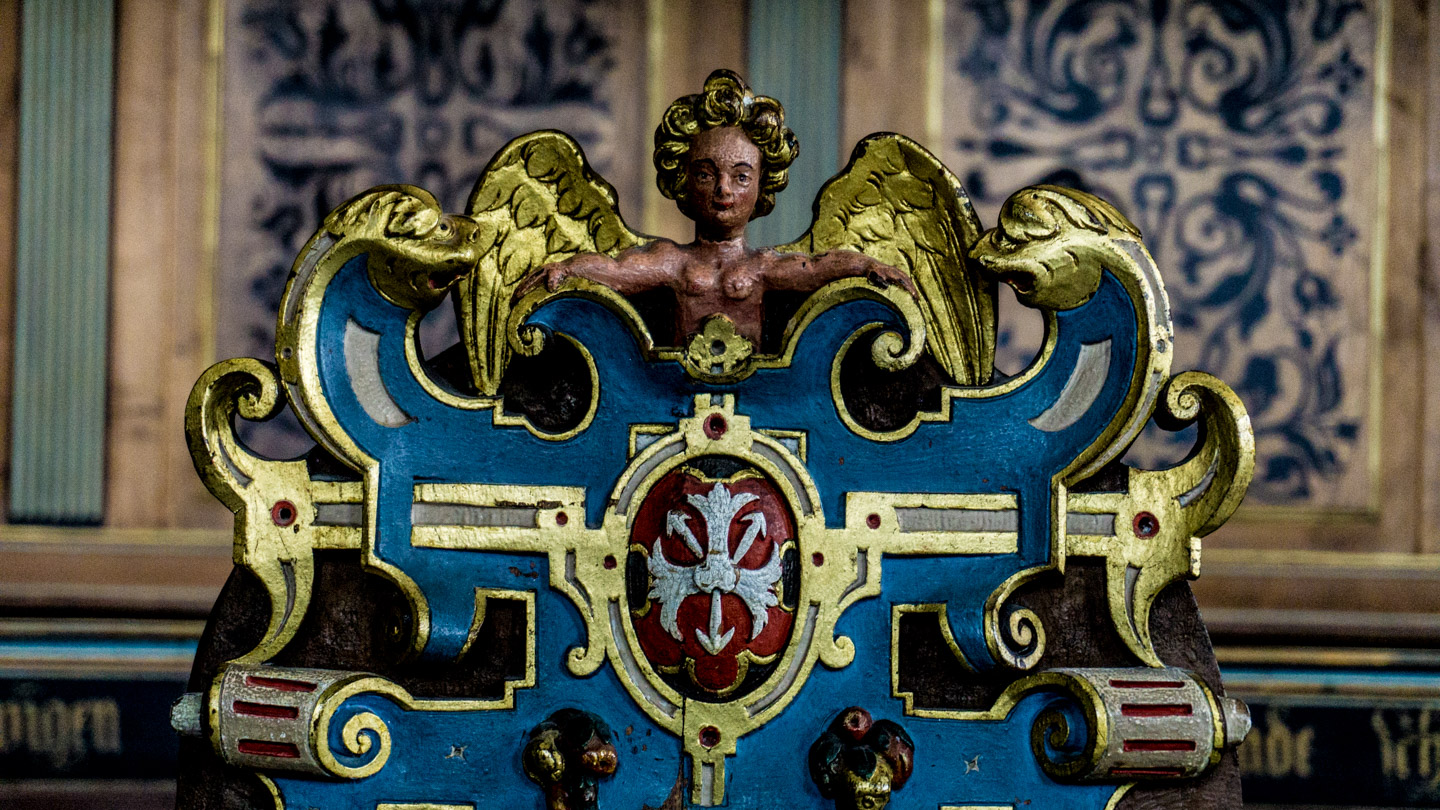
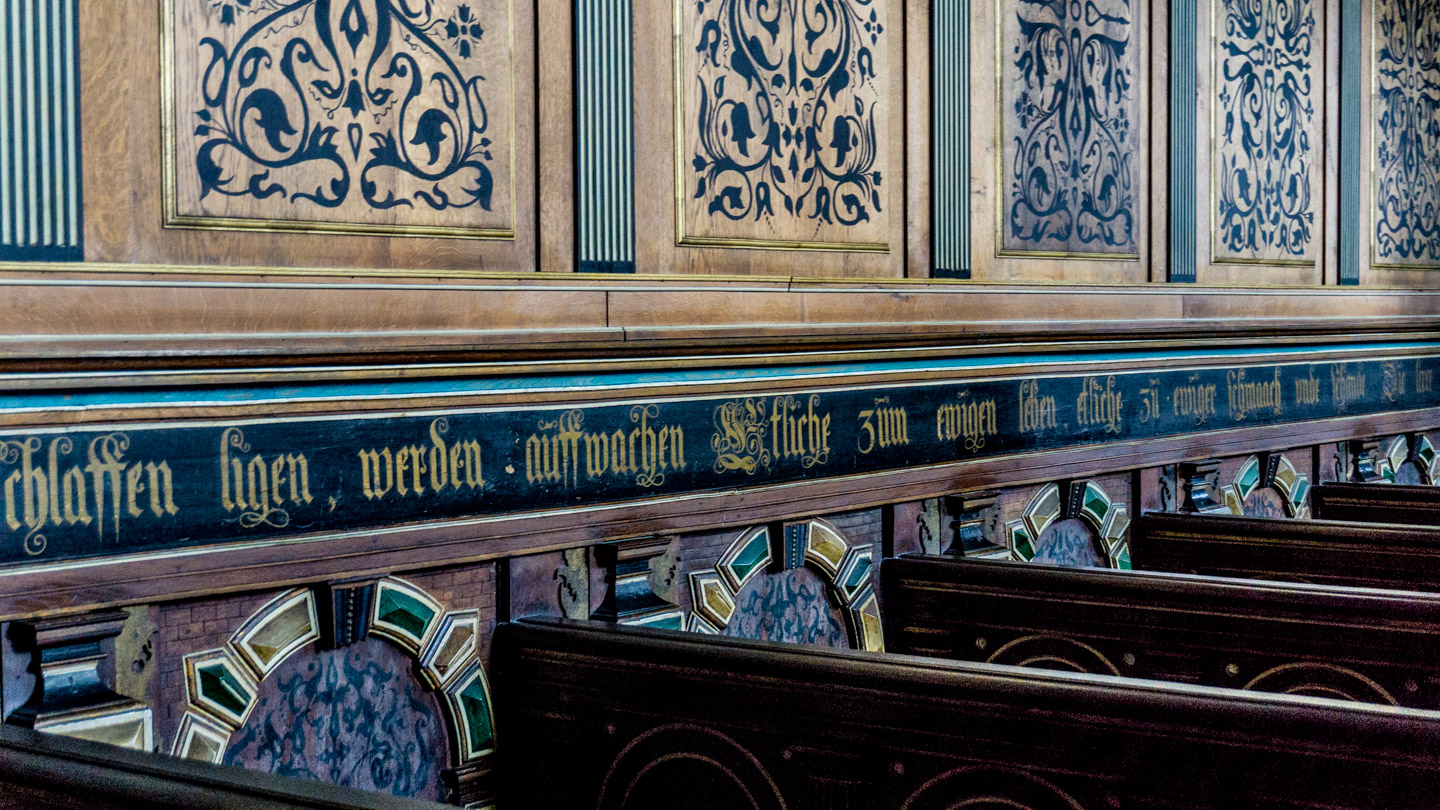
 The casements deep beneath the castle are a unique experience. Dimly lit and at times a bit treacherous, the casements are fun to explore but watch your step.
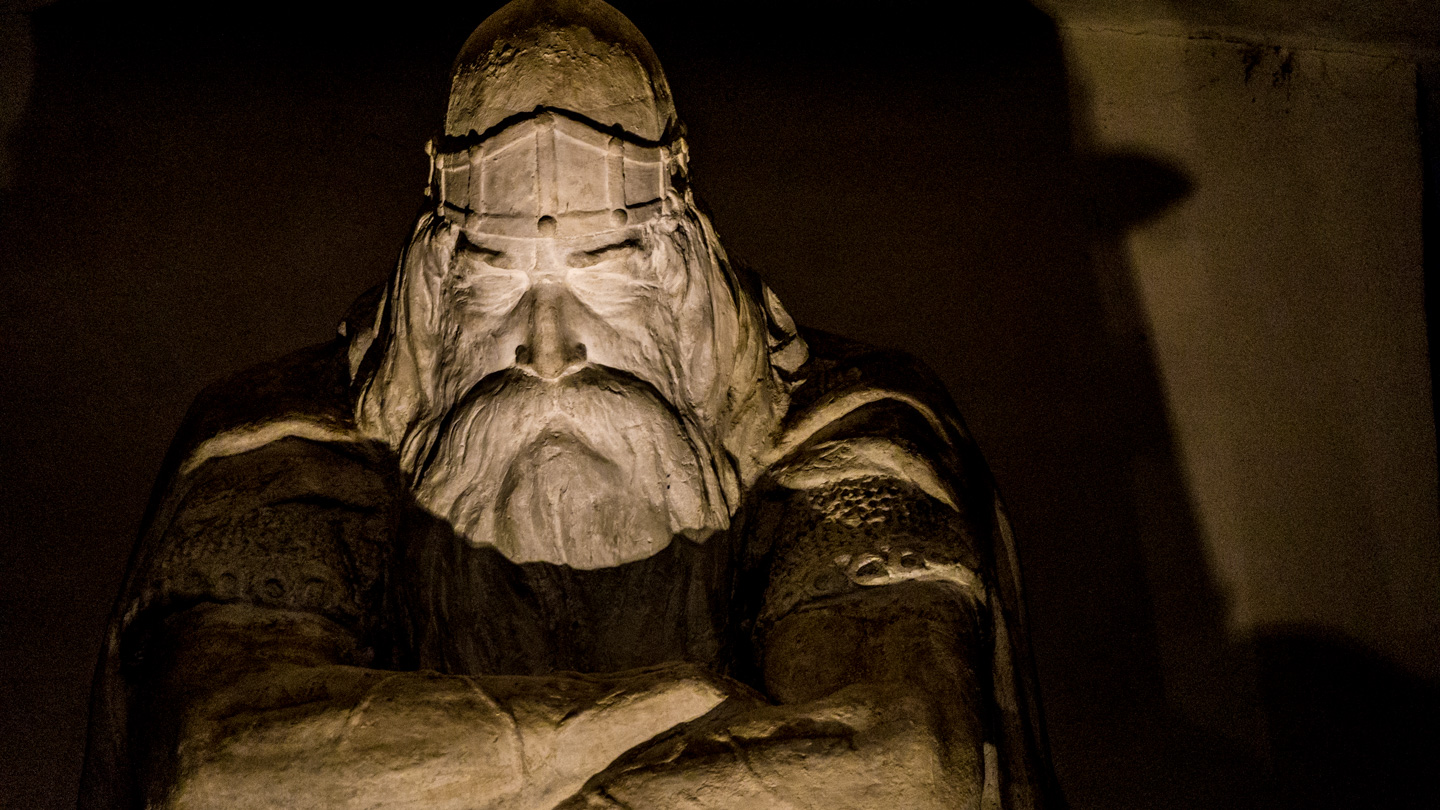
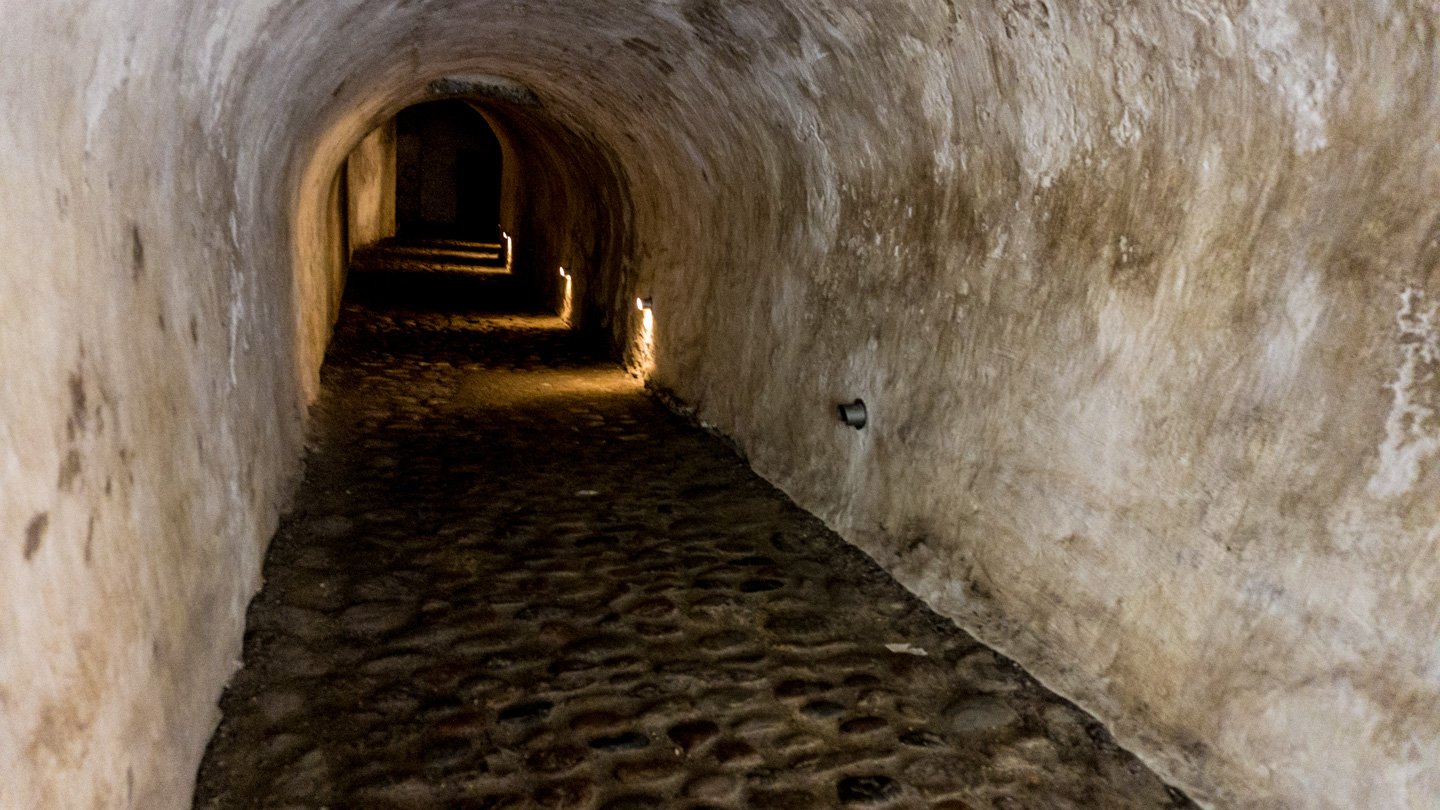 This subterranean labyrinth is where you can meet Holger. According to the myth of King Arthur, a Danish king known as Holger the Dane, was kidnapped by the sorceress, Morgan le Fay and taken to Avalon. He escaped to rescue France from danger and then traveled to Kronborg castle. Today he sleeps until he is needed to save his homeland.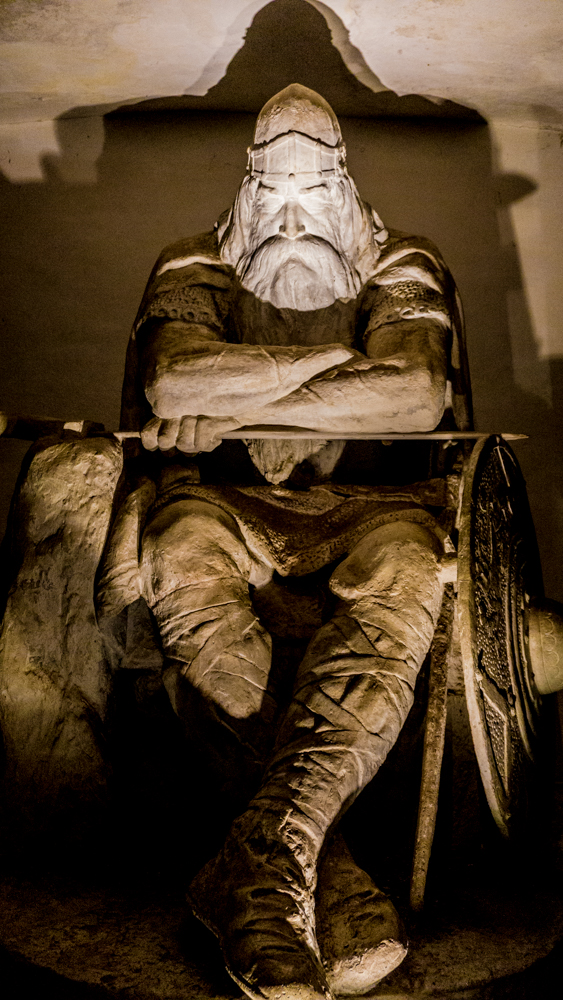
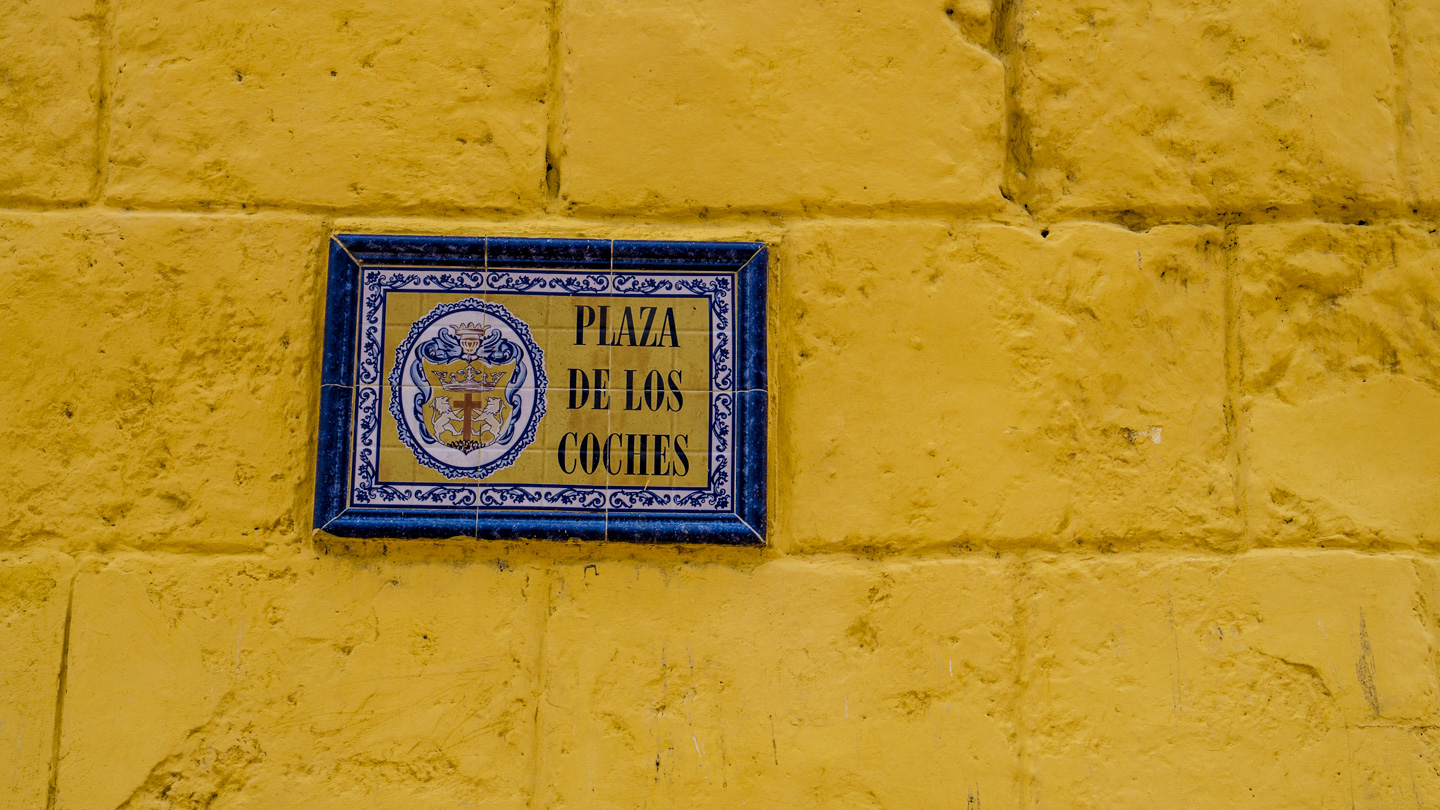
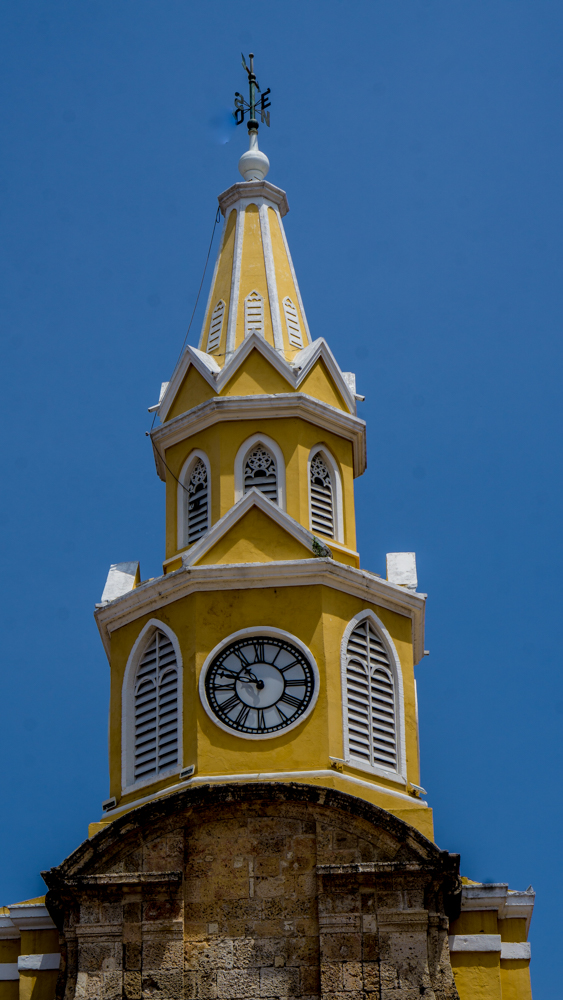 The Plaza of the Carriages (Plaza de los Cloches) next to the clock tower, was the site of the original slave market. Slaves were brought into the New World through Cartegena and Veracruz, Mexico. And yes, you can pick up a carriage ride in the Plaza de los Coches.
  If you’re on the hunt for some vintage record albums or a used copy of the South Beach Diet, this market is just for you.
 Be sure to check out the street vendors and maybe pick up a Panama hat to keep you cool. The heat and humidity are overwhelming and most people stay away during the heat of the afternoon.
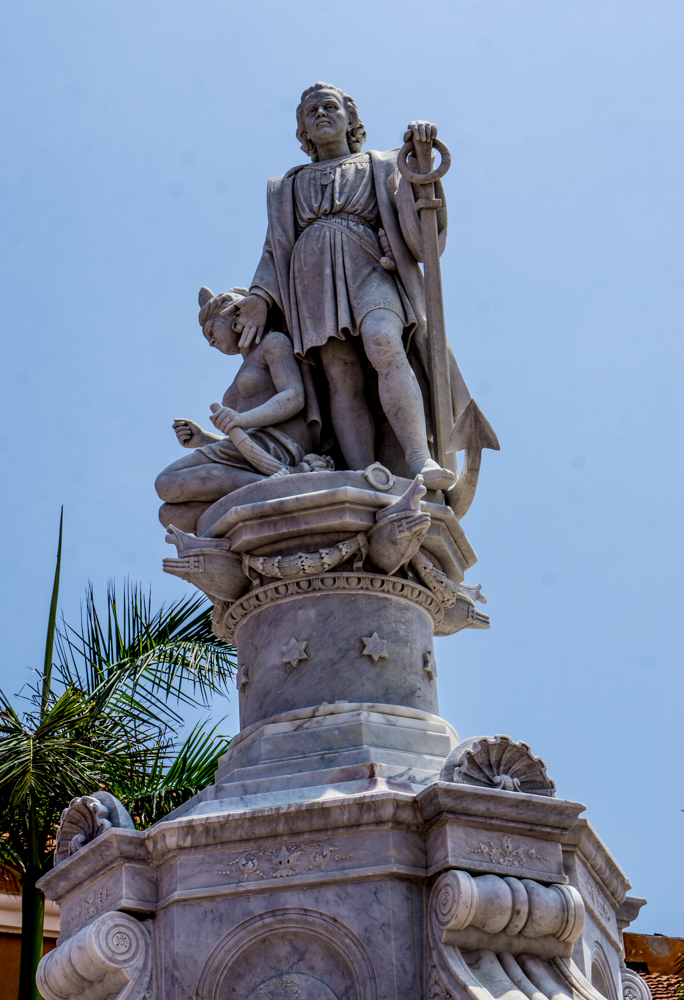
 A towering statue of Christopher Columbus stands in the Plaza de la Aruanda. Columbus explored the coast of Panama, which was part of Columbia on his fourth voyage of discovery.
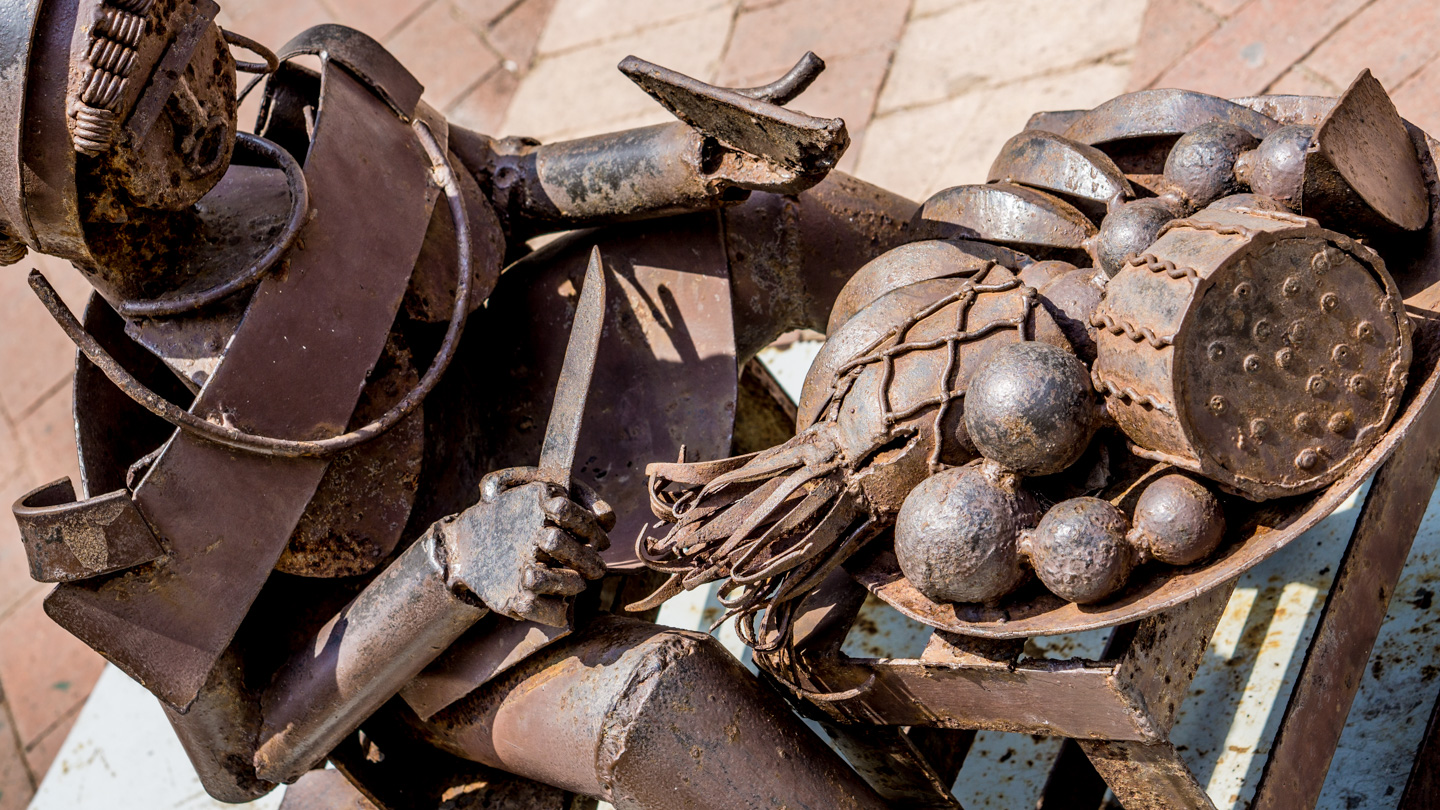
  Modern art sculptures adorn the streets and plazas. This palenquera was one of several sculptures in the Plaza San Pedro Claver.
 The Church of San Pedro Claver was built in the early 17th century. Saint Peter Claver was known as the slave of slaves by his Jesuit brethren. Unlike his brothers, Claver did not support Slavery and chose to minister to the many slaves brought through Cartegena. He would meet the slave ships before the human cargo was unloaded so that he could be the first and only friendly face they saw in the New World. San Pedro Claver was the first saint canonized in the New World.
  The $5 entry fee was well worth it to get out of the hot sun for a half hour or so. The church grounds feature heavy wood furniture offset by the gleaming white washed walls.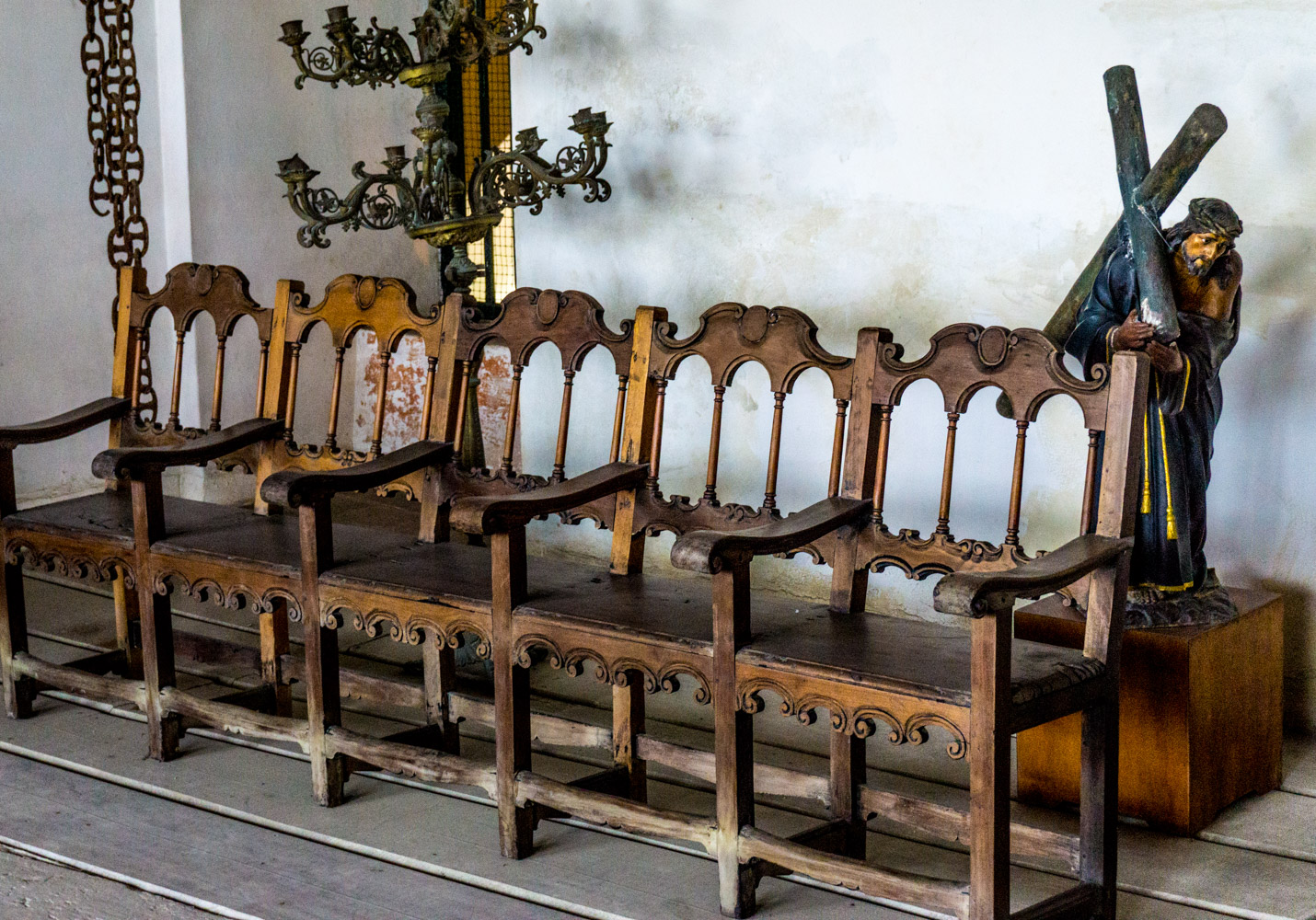
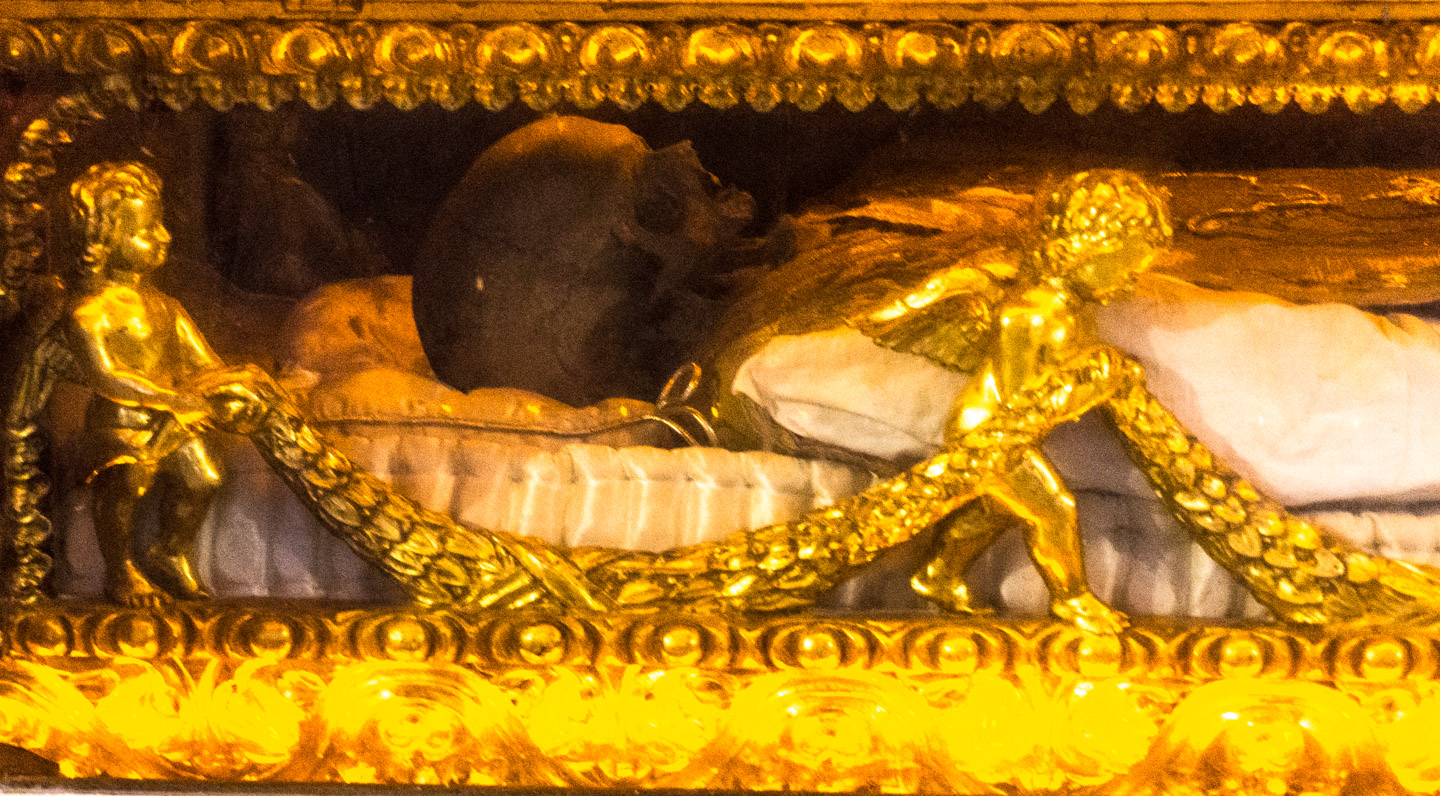
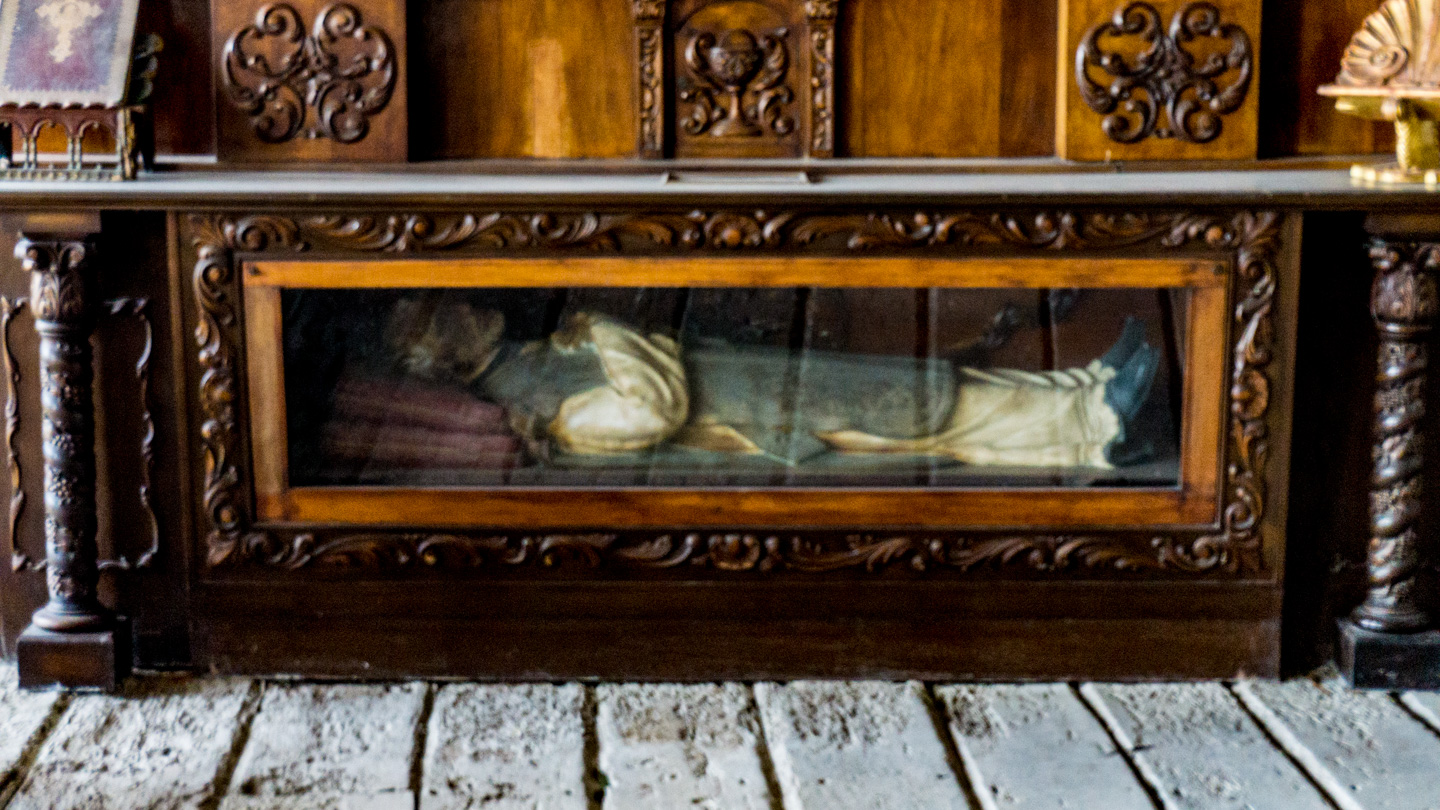 The altar is dedicated to San Pedro and his remains are visible underneath. You can check out his skull if you want to get up close and personal.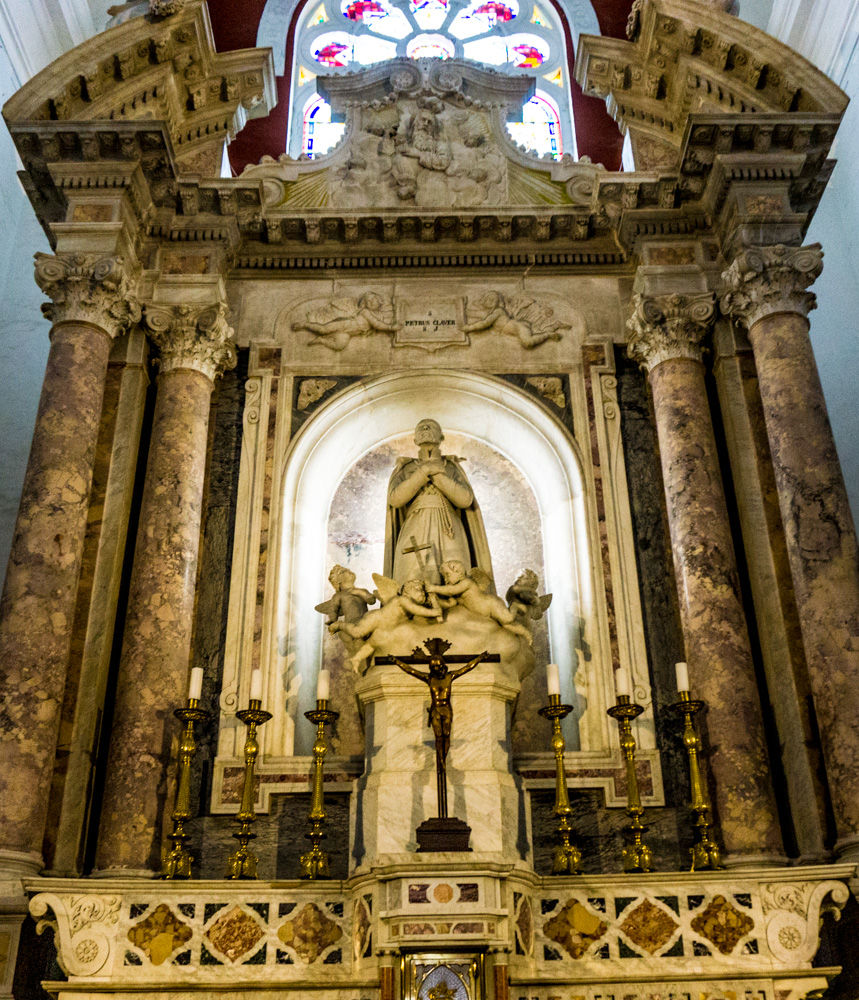
 The mausoleum in the back of the cloister houses more recent parishioners.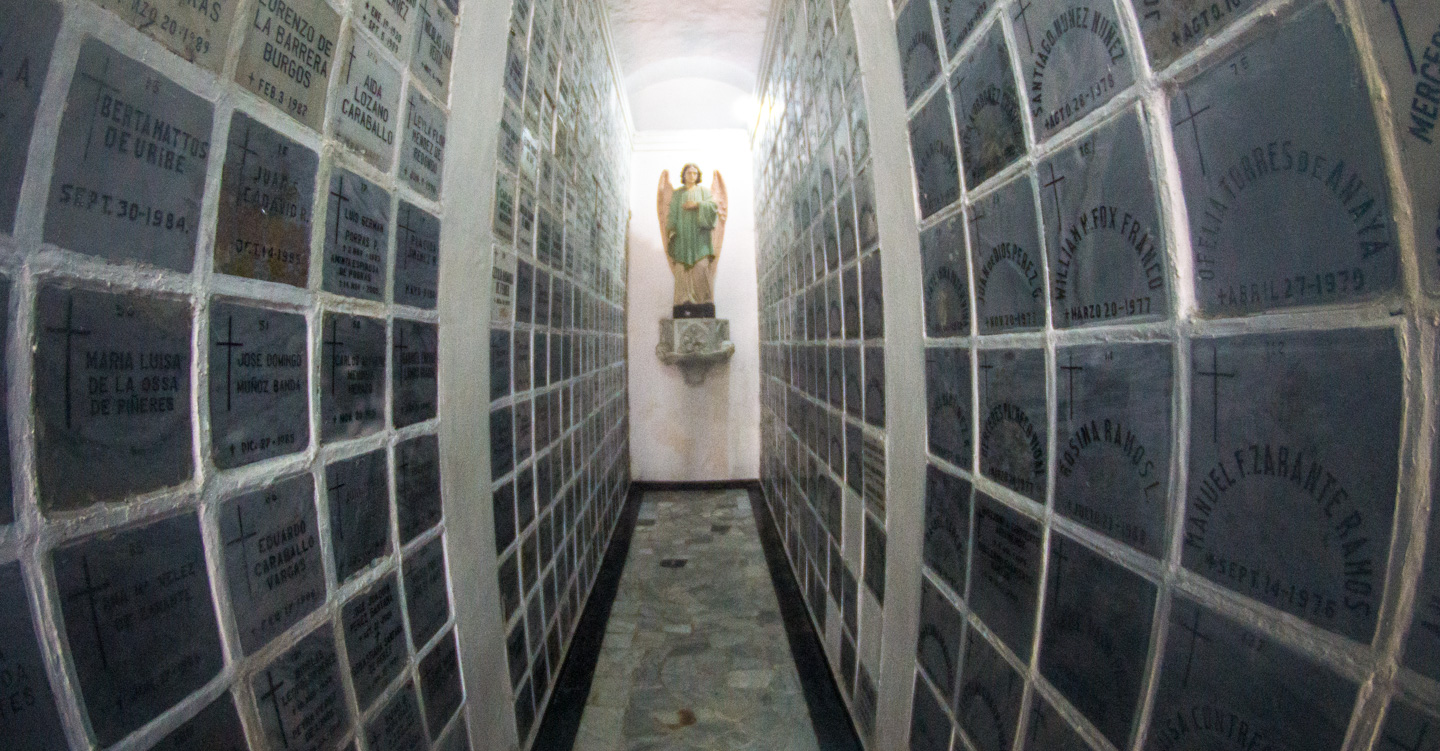
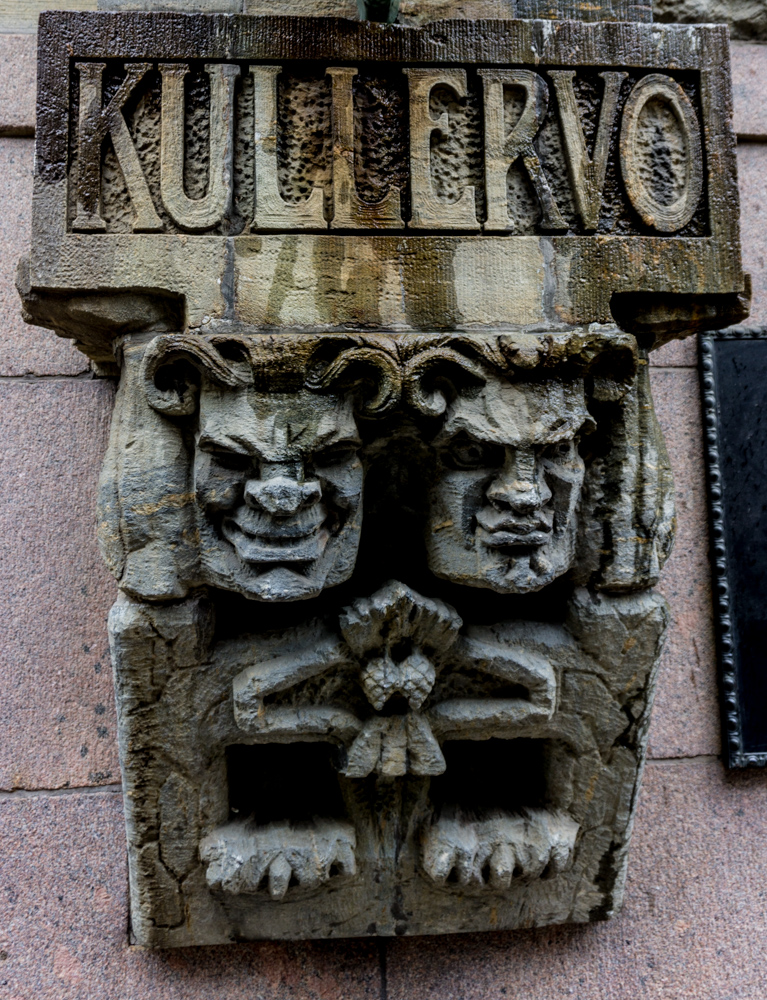 Kullervo is an orphan boy in search of a real family. In his journey he finds his real family, who he thought were slaughtered, but accidentally sleeps with his sister. When he finds out her identity he kills himself on his own sword. Not quite a happy ending.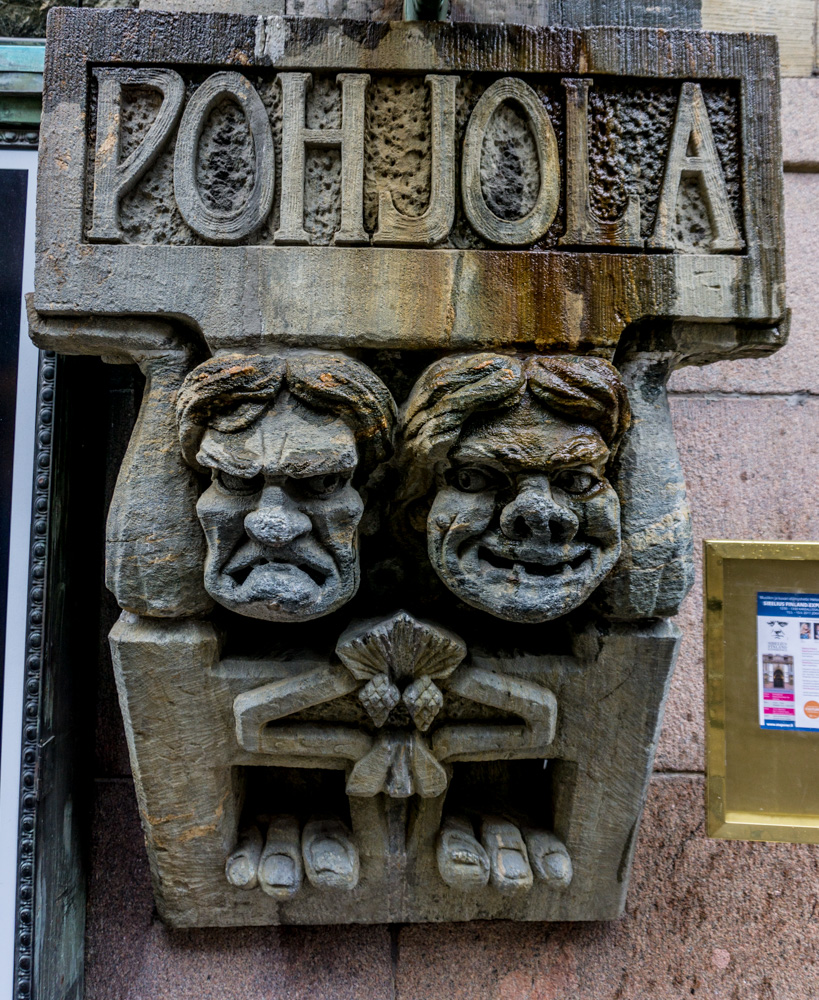
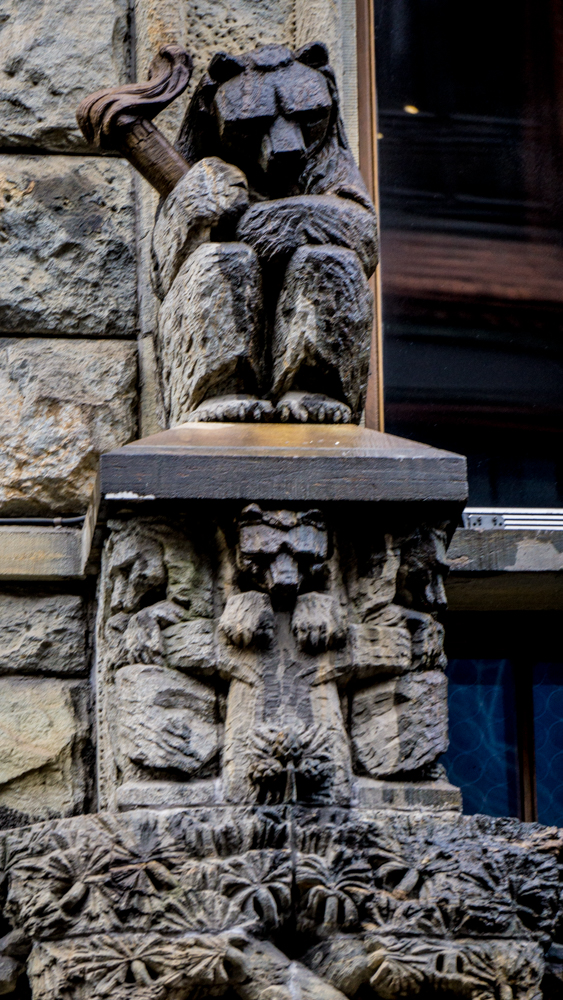
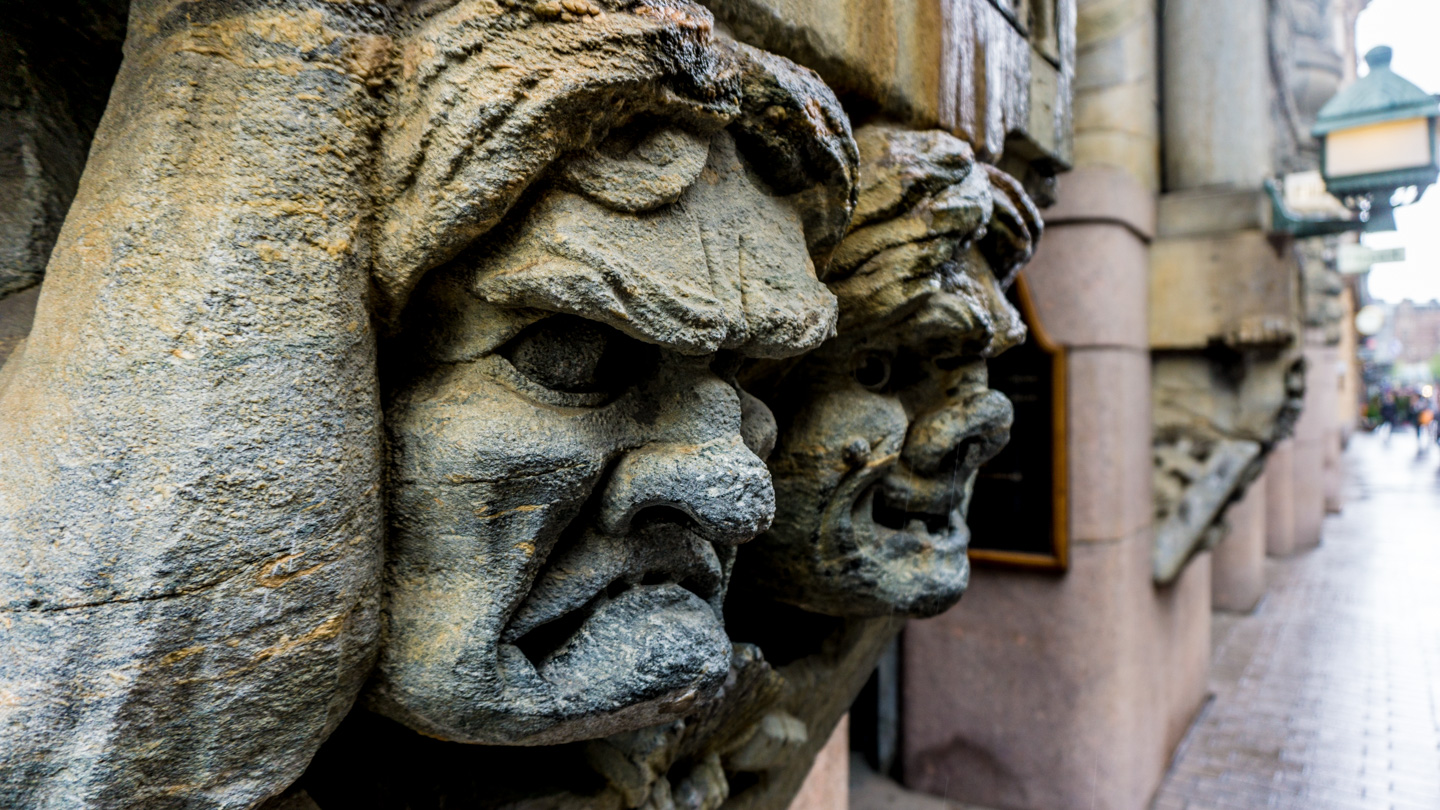
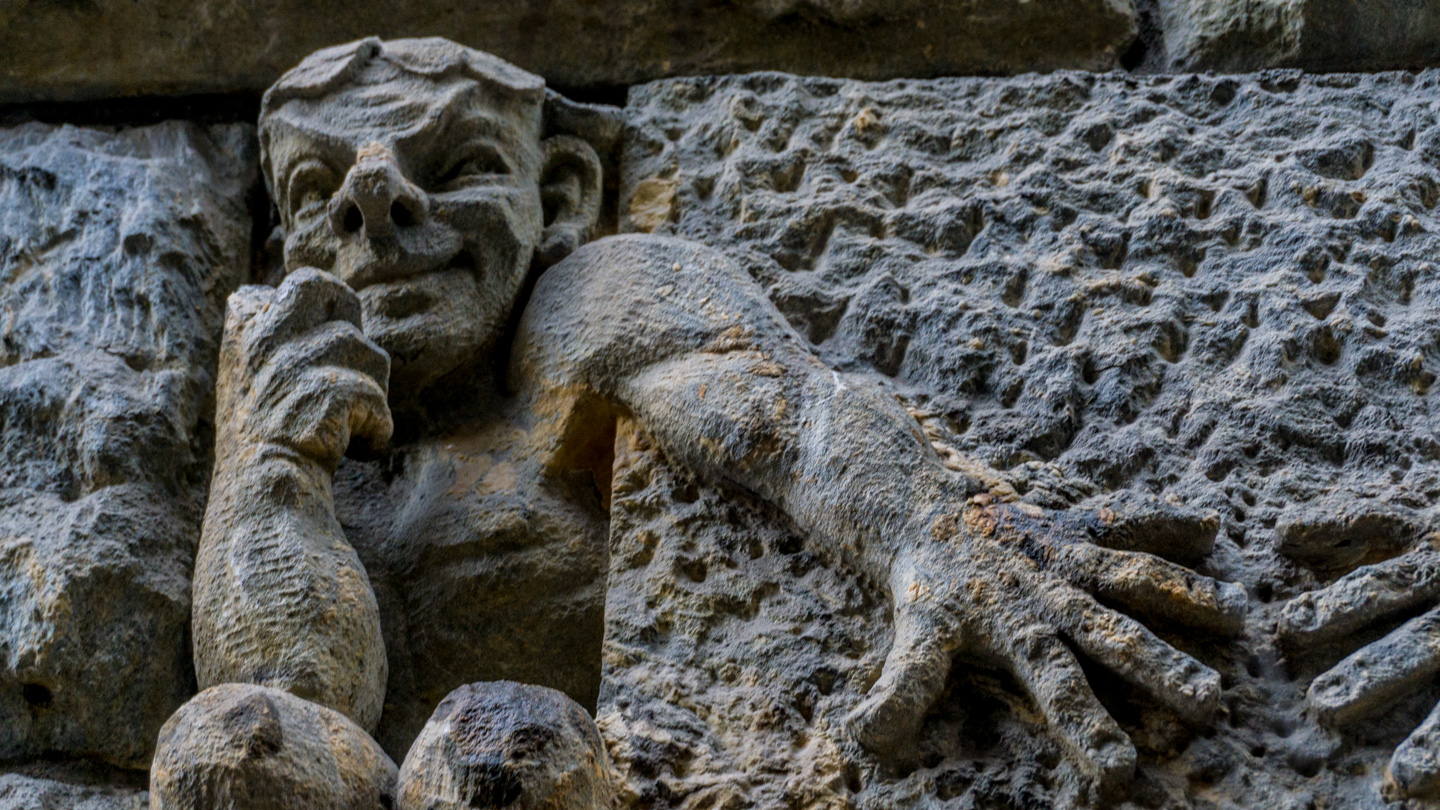 Pohjola is where many believe that the roots of the world tree are. This could account for all of the trees and squirrels across the building’s front. More broadly the word refers to any northerly direction. Given its mythological namesake, it’s no surprise that the Pohjola Insurance company agreed to decorate their building with statues of monsters, fools and animals.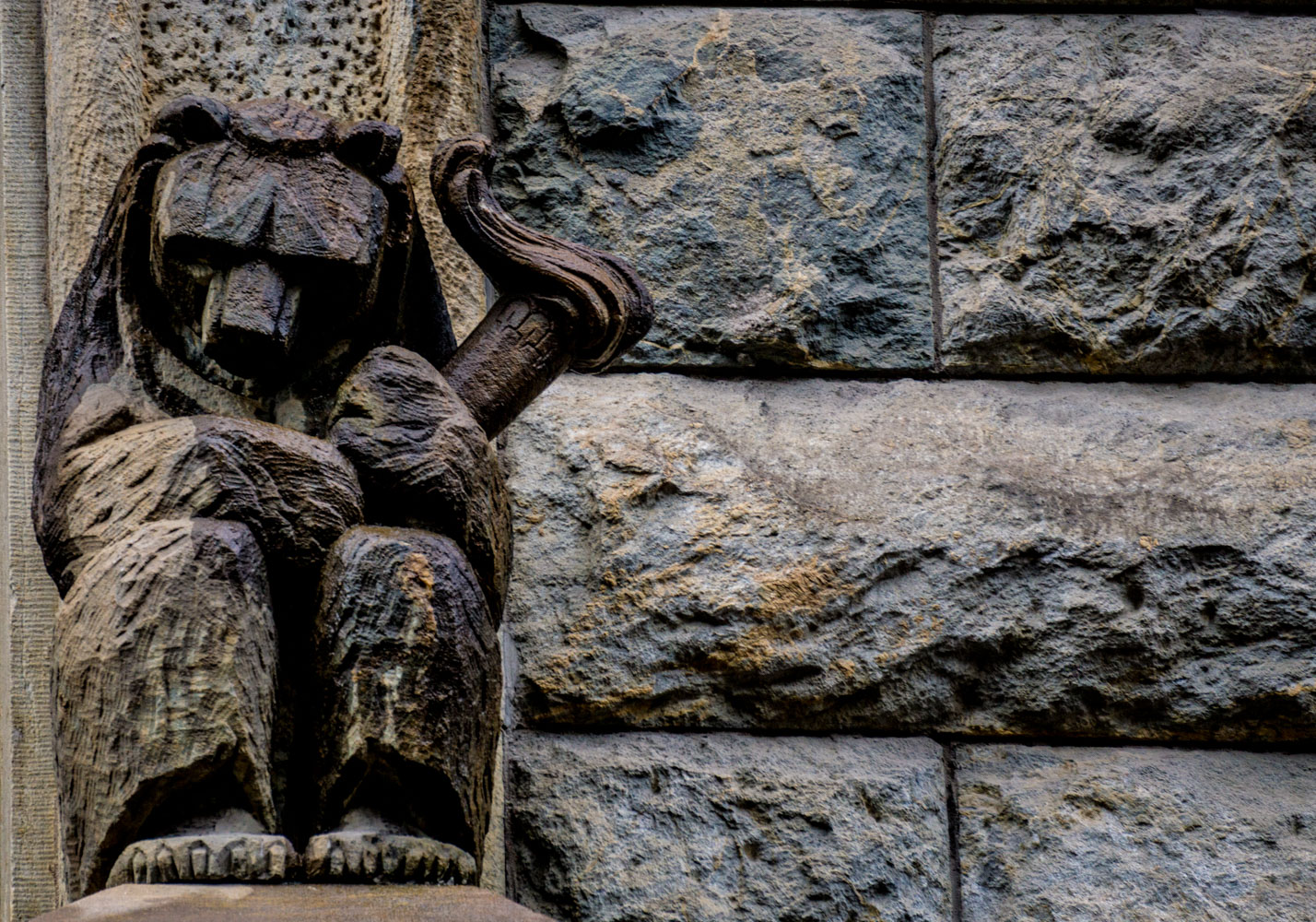
 Toompea, the upper town is where you can visit Alexander Nevsky Cathedral. During the period when Tallin was under the control of the USSR, the cathedral was much hated by the people. They saw it as a symbol of oppression and in 1924 the authorities scehduled the cathedral for demolition. Unfortunately a lack of funds caused the project to be abandoned.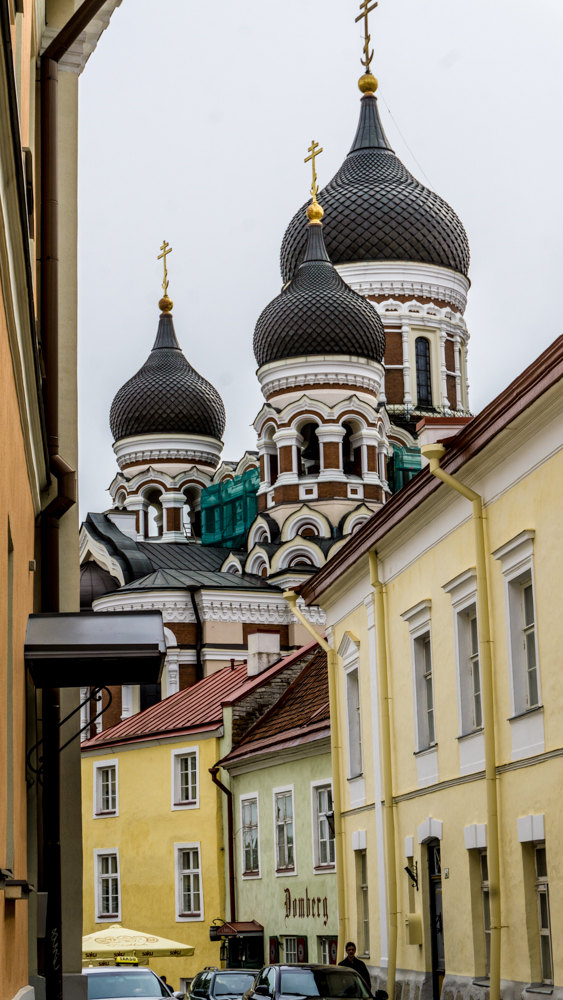
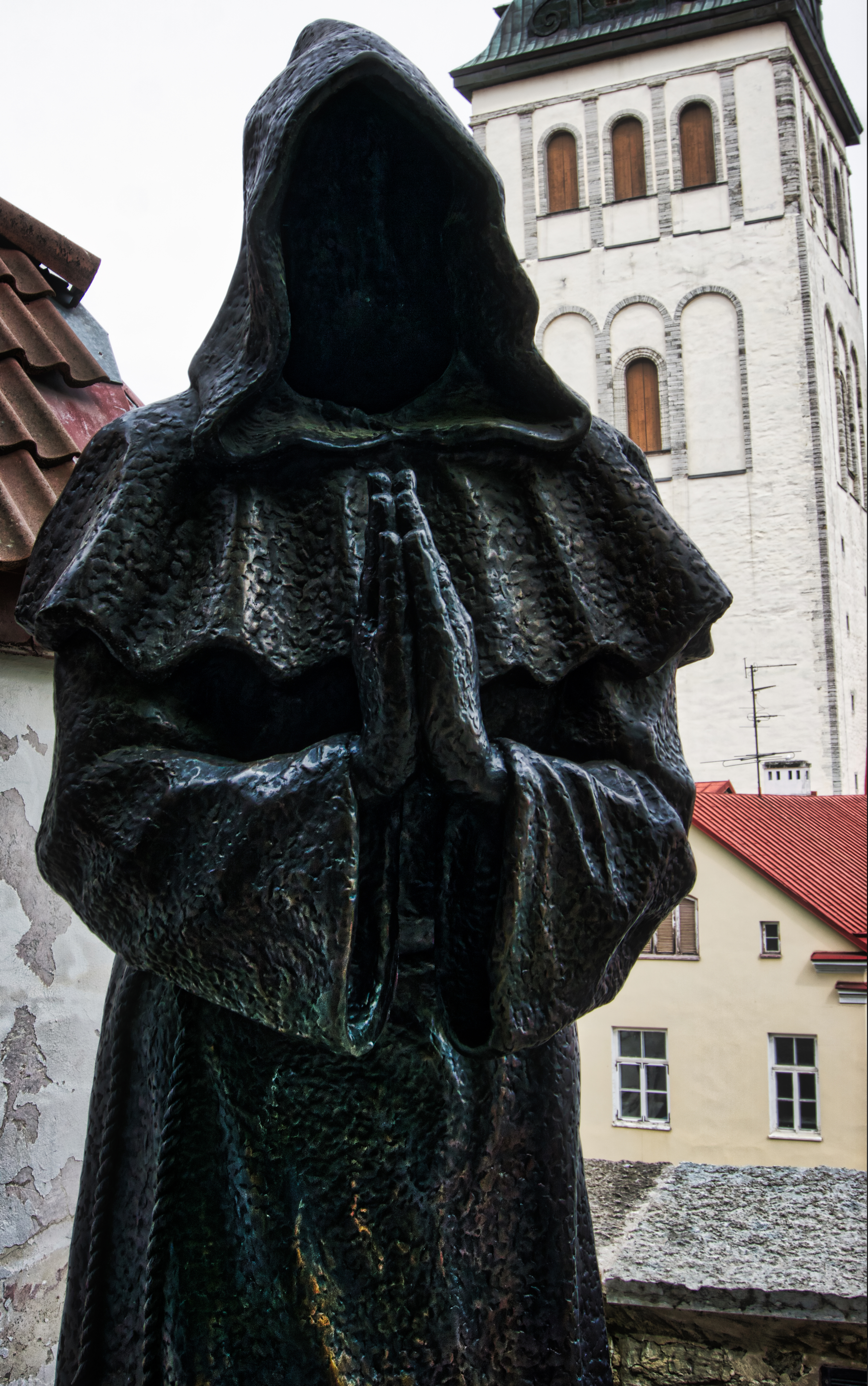
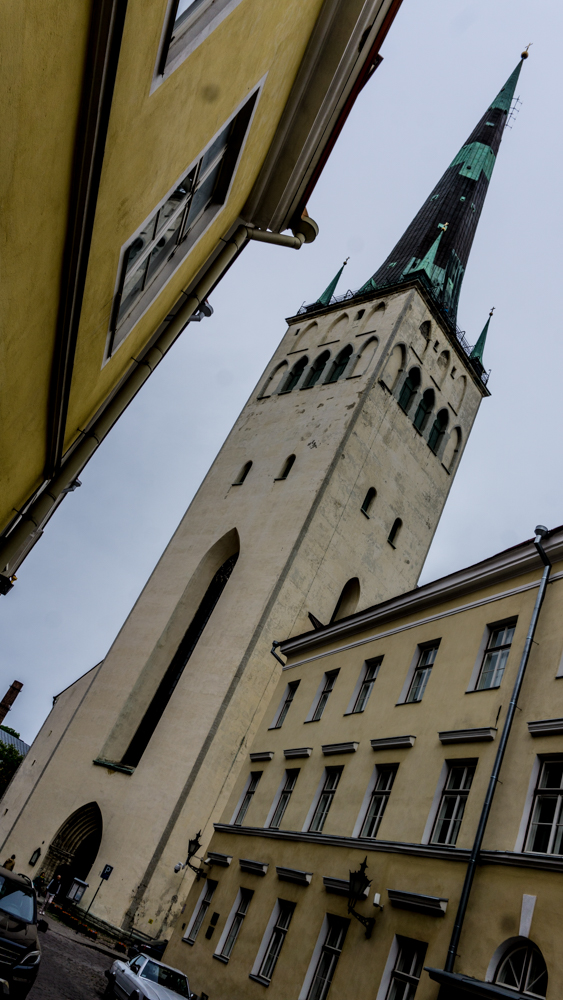
 Between 1549 and 1625, St. Olaf’s Church may have been the tallest building in the world. Up until 1991, the KGB used the church’s spire as a radio tower and surveillance point.
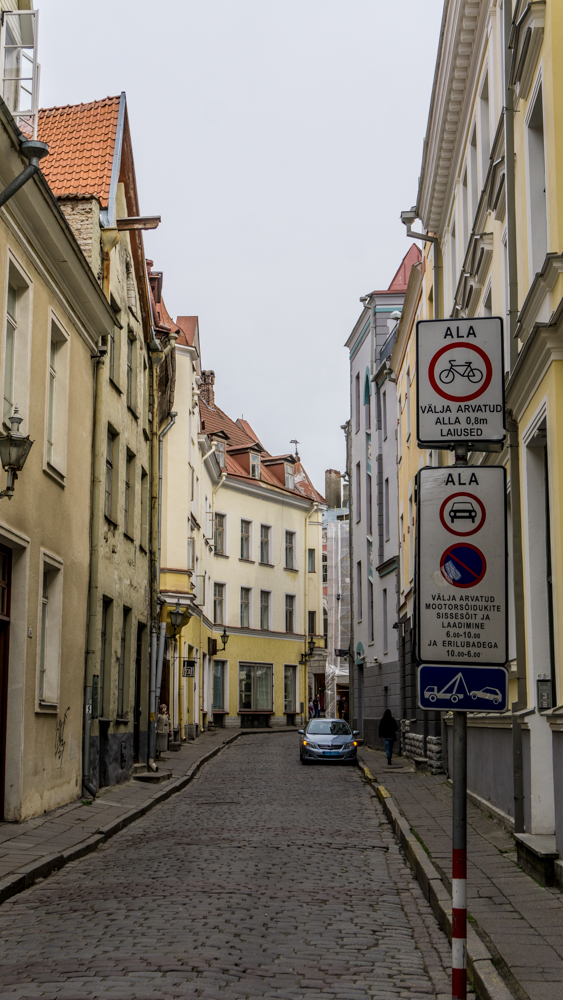
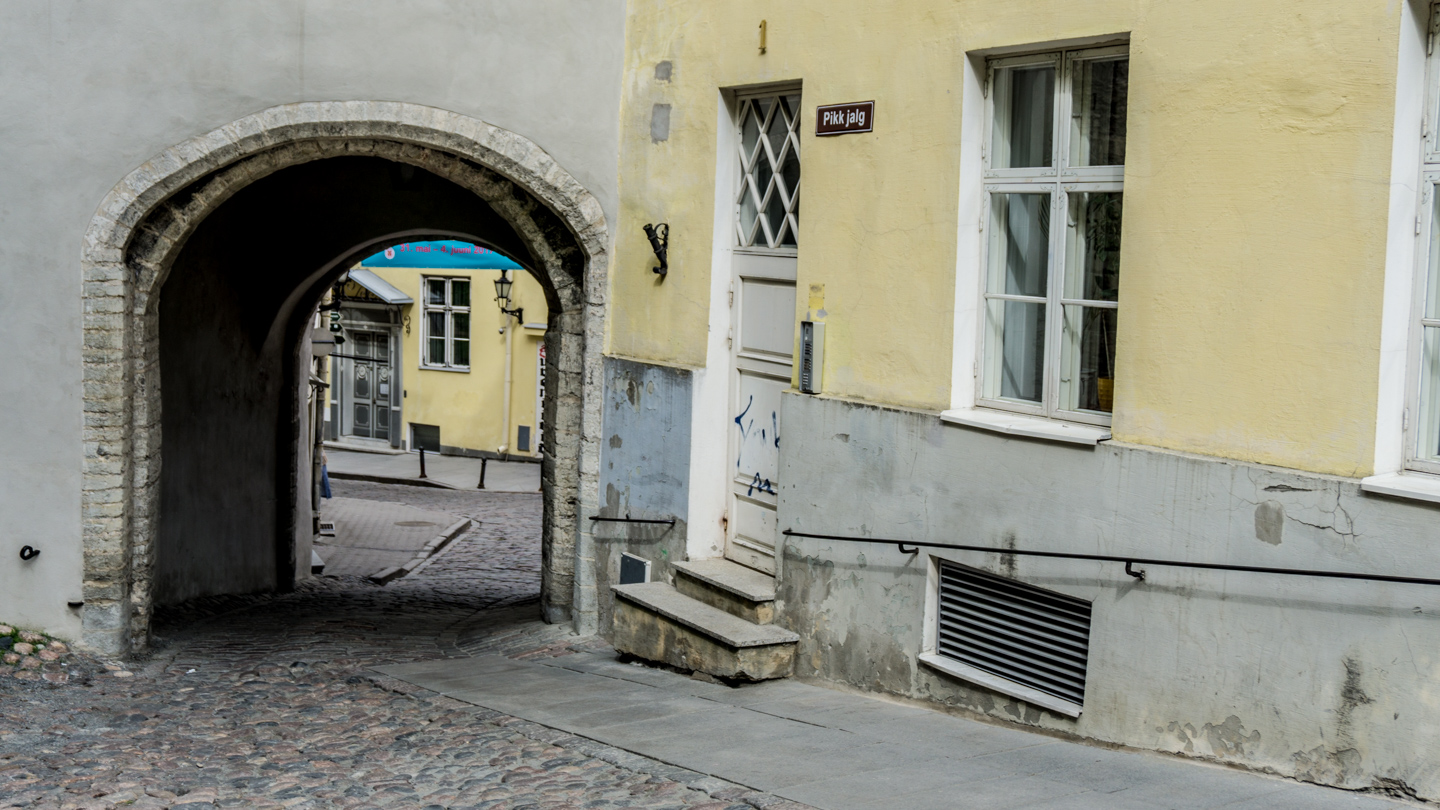
 Colorful buildings and twisting cobblestone streets are made to wander through.
  Local artists set up their masterpieces along the old city walls.
 Russian nesting dolls known as matryoshka are available for sale in many shops.
  Knitting played an important part in Estonia’s history, so much so that it wasn’t uncommon for hundreds of mittens to be knitted as gifts for wedding guests.
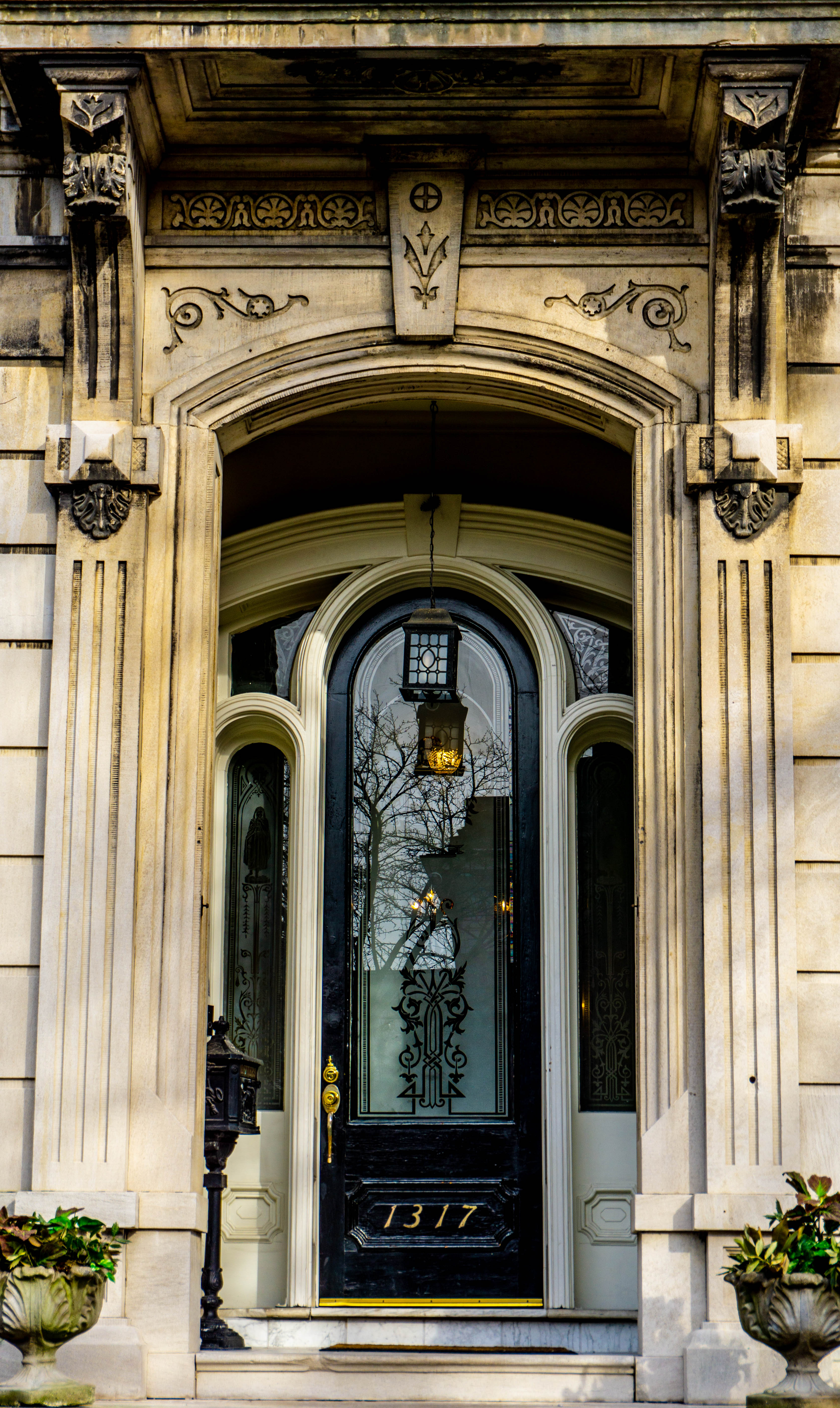
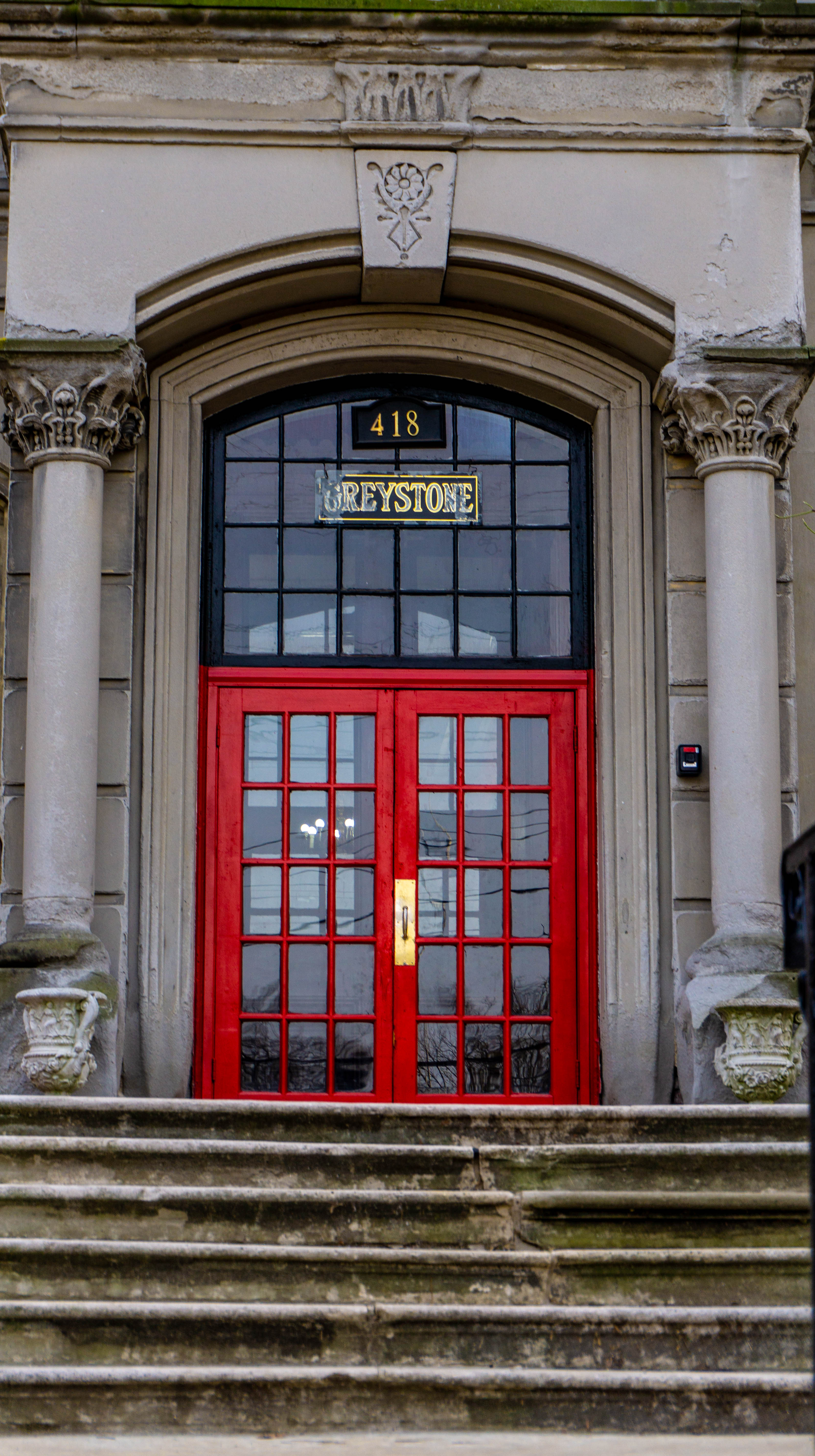
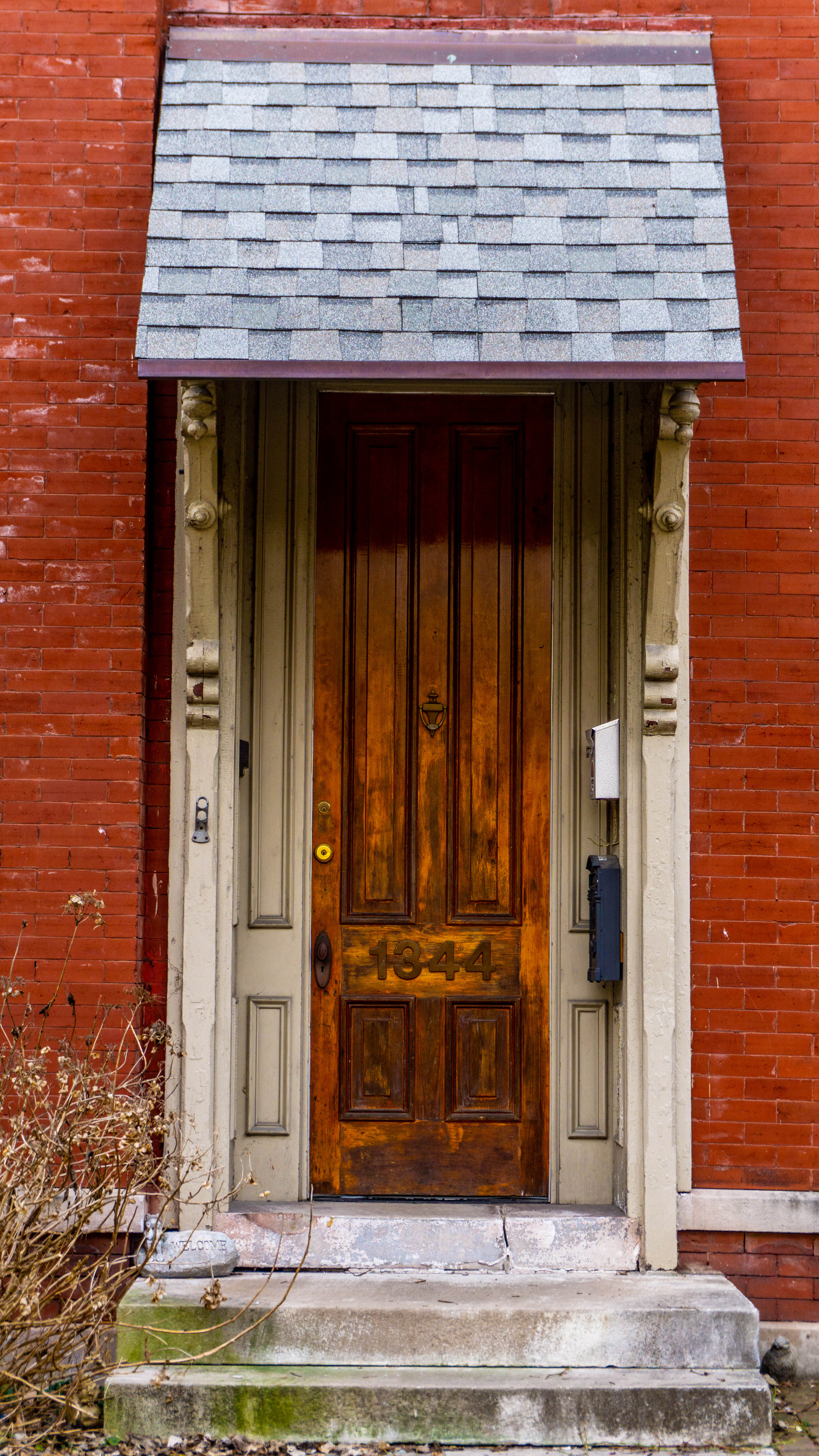
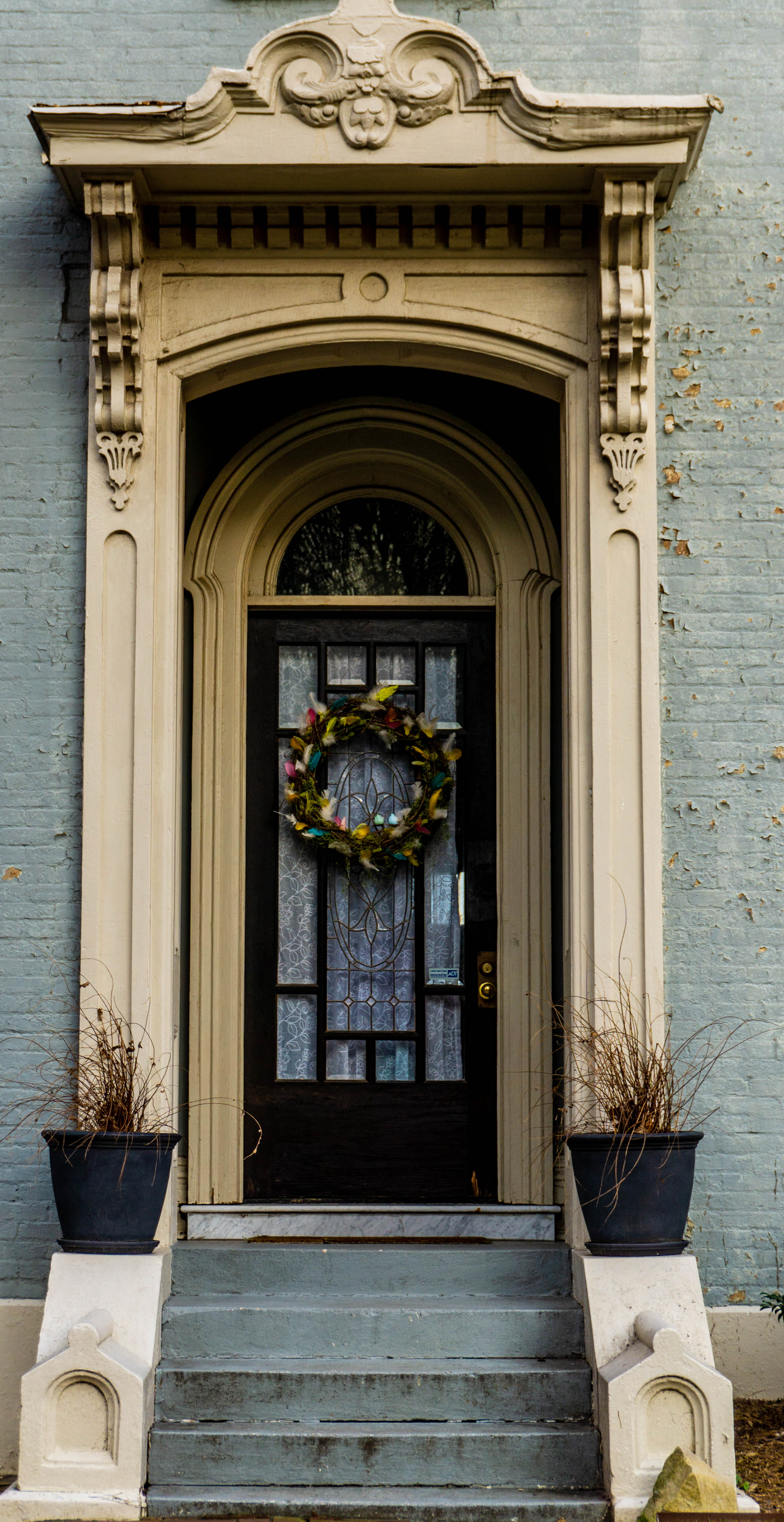
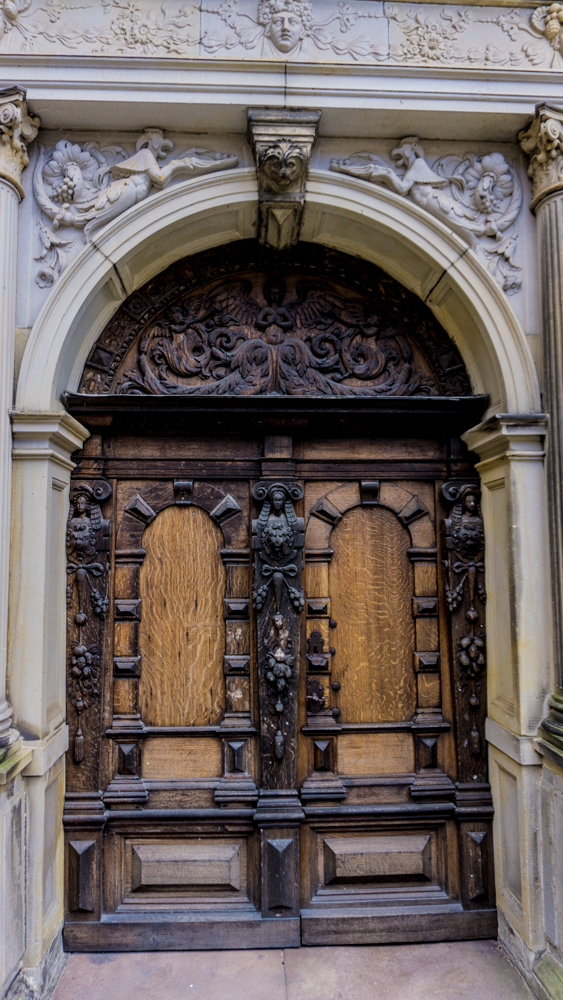
 There is something magical about the brightly decorated doors along Tallin’s city streets. Bright colors, metal and wooden embellishments turn each into it’s own work of art.


 Geirangerfjord is home to several well-known waterfalls. ‘De Syv Søstre’ (the seven sisters) dance playfully down the mountain while the ‘Friaren’ (the suitor) is said to be wooing the Seven Sisters across the way.
  Fairytales explain that the shape of the mountains is due to trolls. When the creatures are hit by sunlight, it’s said that they turn to stone. Could that be a face staring at us on the mountainside?
  The tallest of the Seven Sisters tops out at an impressive 820 feet. Be sure to visit later in the Spring when the winter snow and ice are melting to get the best views.



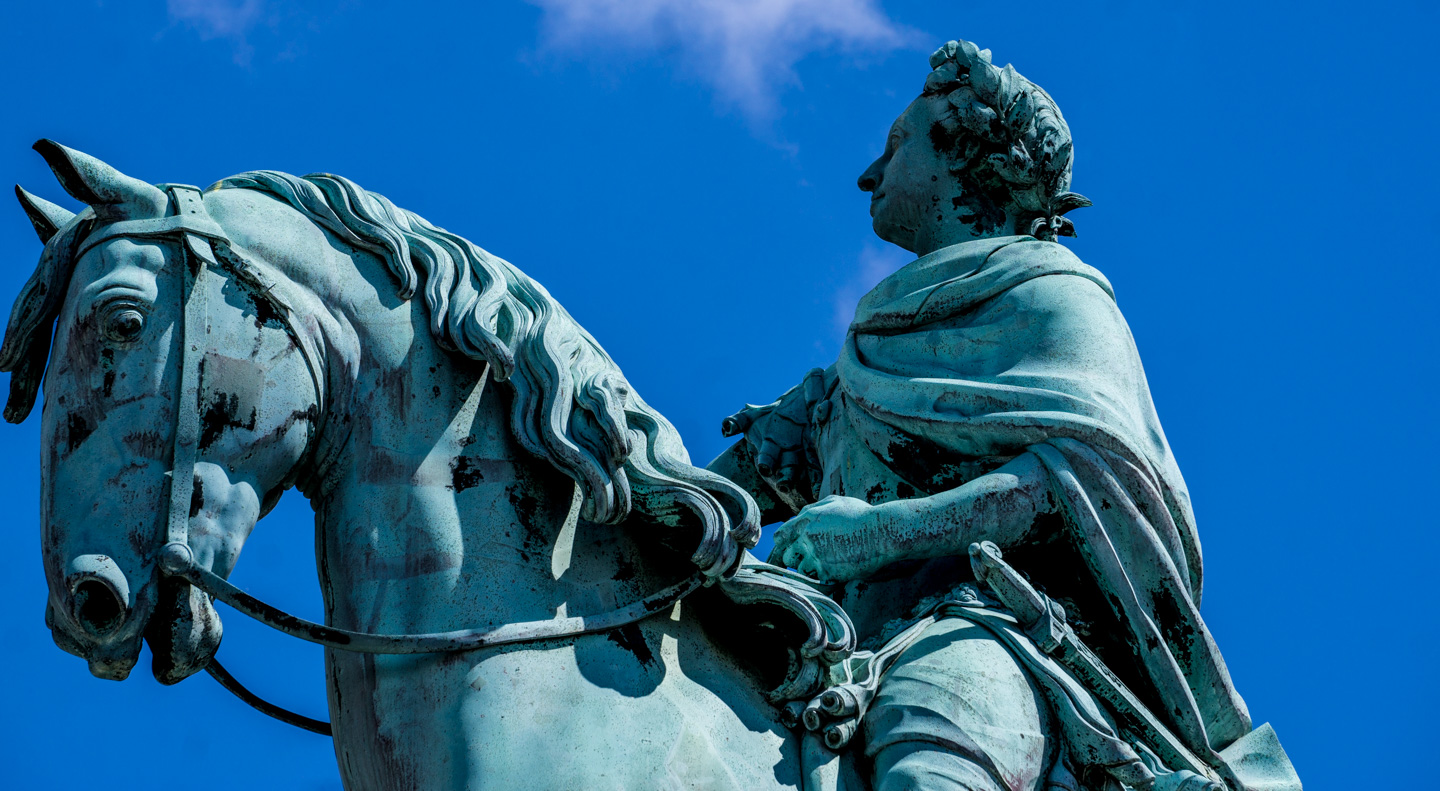 One of the highlights of a visit to Amalienborg Palace is the pageantry of the changing of the guard. Every day Den Kongelige Livgarde take to the streets and march from their barracks by Rosenborg Castle to Amalienborg. At precisely 12 noon the changing of the guard takes place. Unlike the changing of the guards in England, there are no fences separating the guards from the public.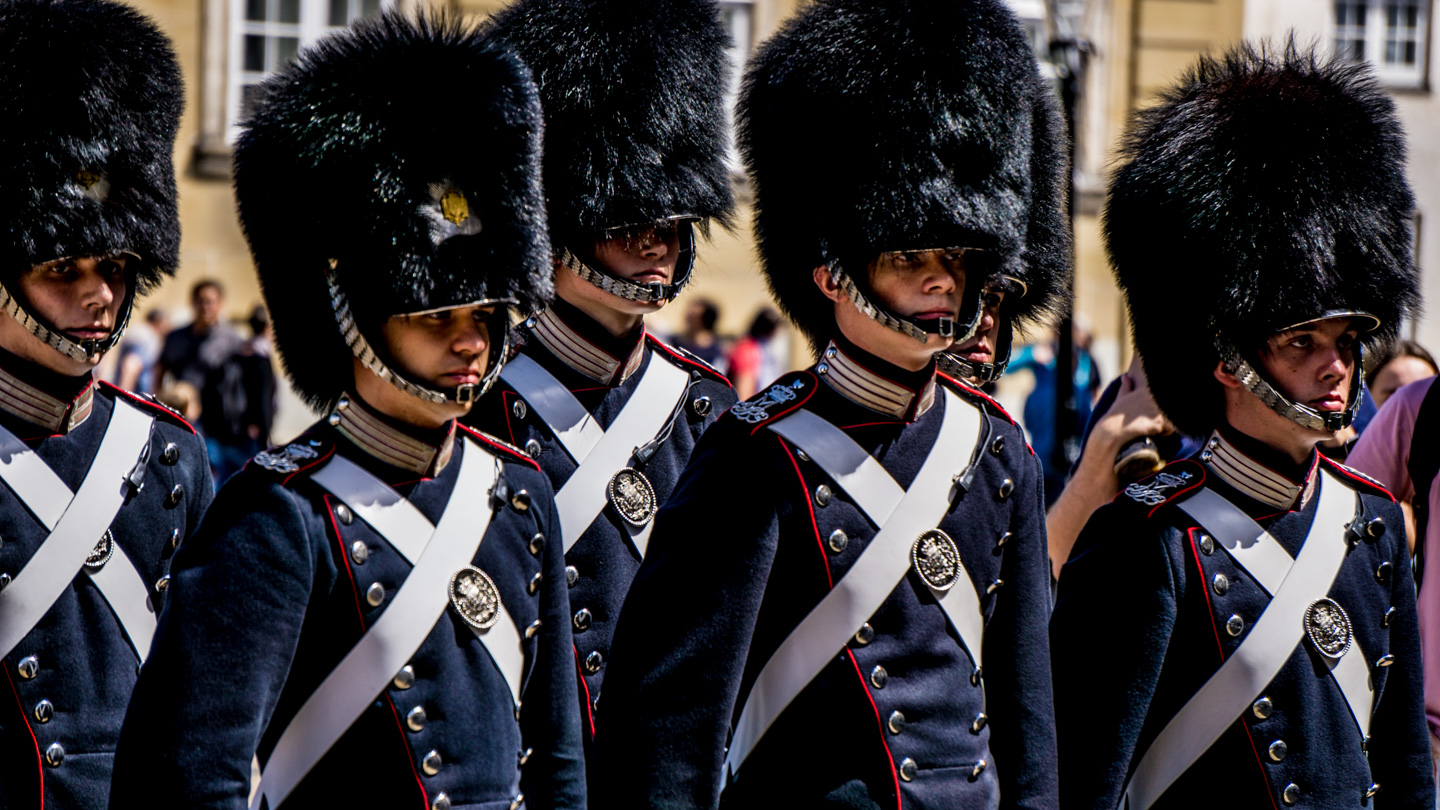
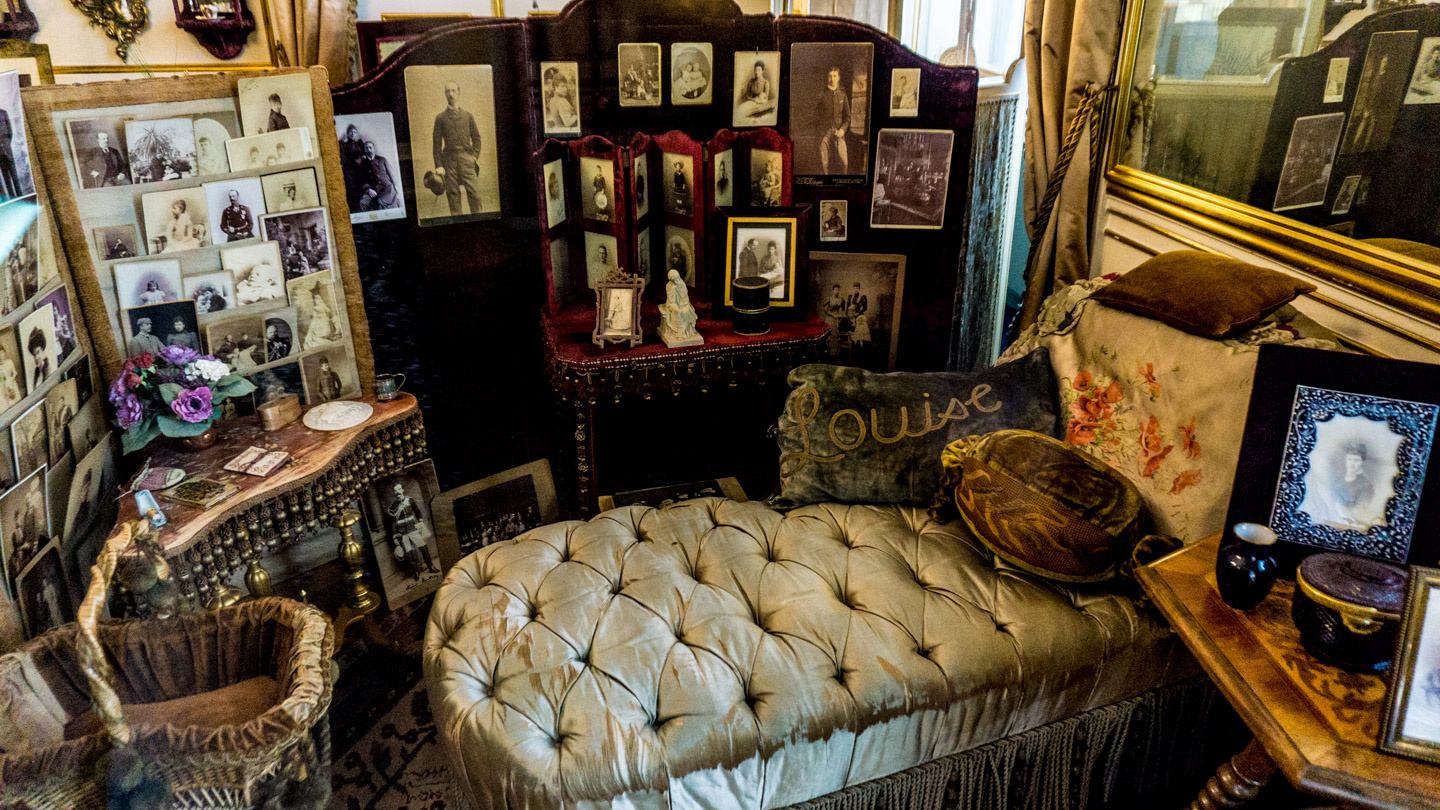
 Although you can’t drop in on to visit the Queen, you can visit one of the buildings where 4 kings of the House of Glucksborg who ruled from 1863 through 1972 resided. Among the rooms you can see are the study and drawing room of Christian IX and Queen Louise. Queen Louise was the great-great-grandmother of today’s Queen Margreth and through marriage allowed Prince Christian IX to ascend the throne. Queen Louise made sure that all six of her children married well and Queen Louise and King Christian IX became known as Europe’s Parents-In-Law. Four of their children sat in the thrones of Denmark, Greece, England, and Russia.
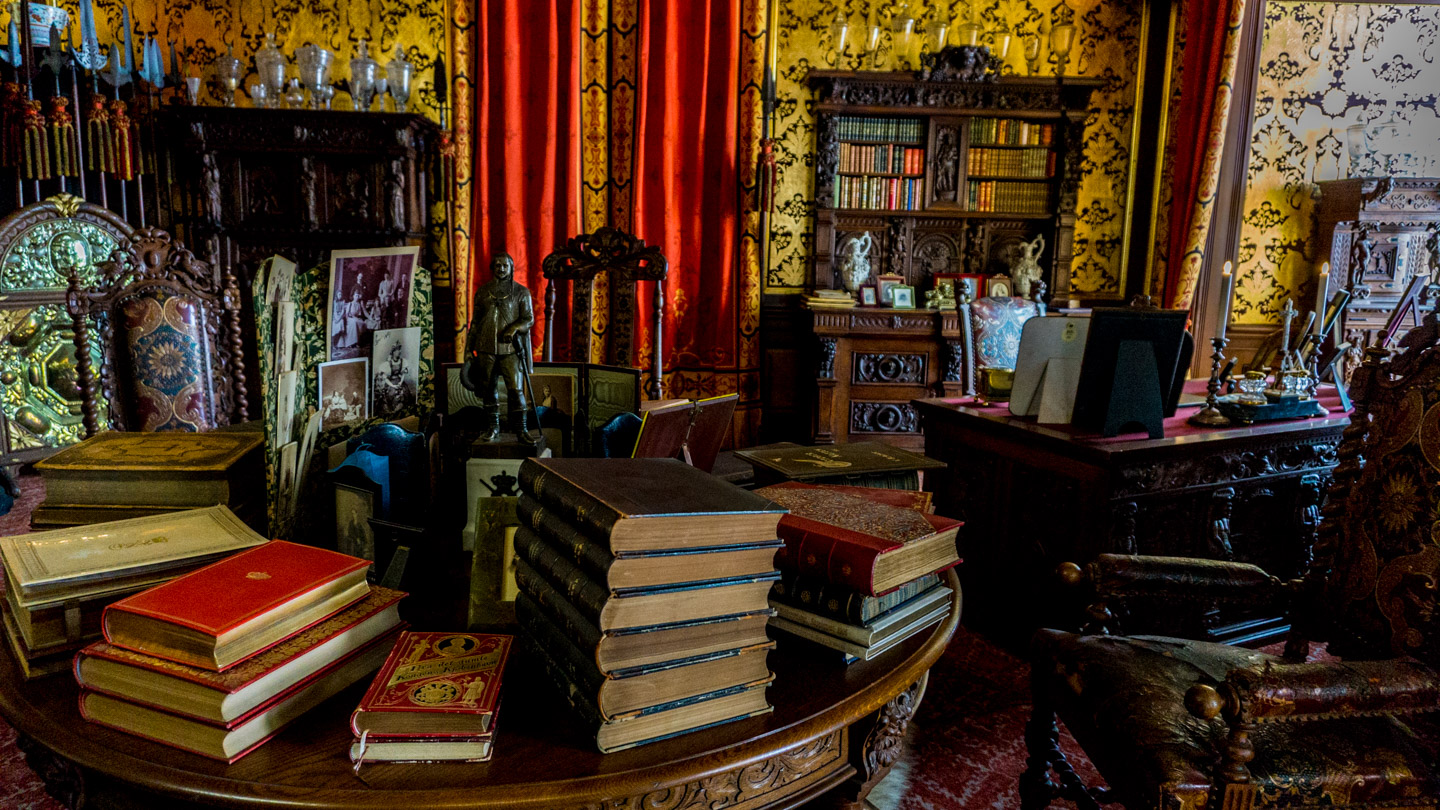 The private salon of Queen Louise is full of Victorian treasures and personal souvenirs.
  Christian IX’s study is decorated with framed photos of family. During Christian IX’s time, photographs were a new sensation and expensive. They were a status symbol and also showed how seriously Christian IX took his fame as Europe’s Father-In-Law.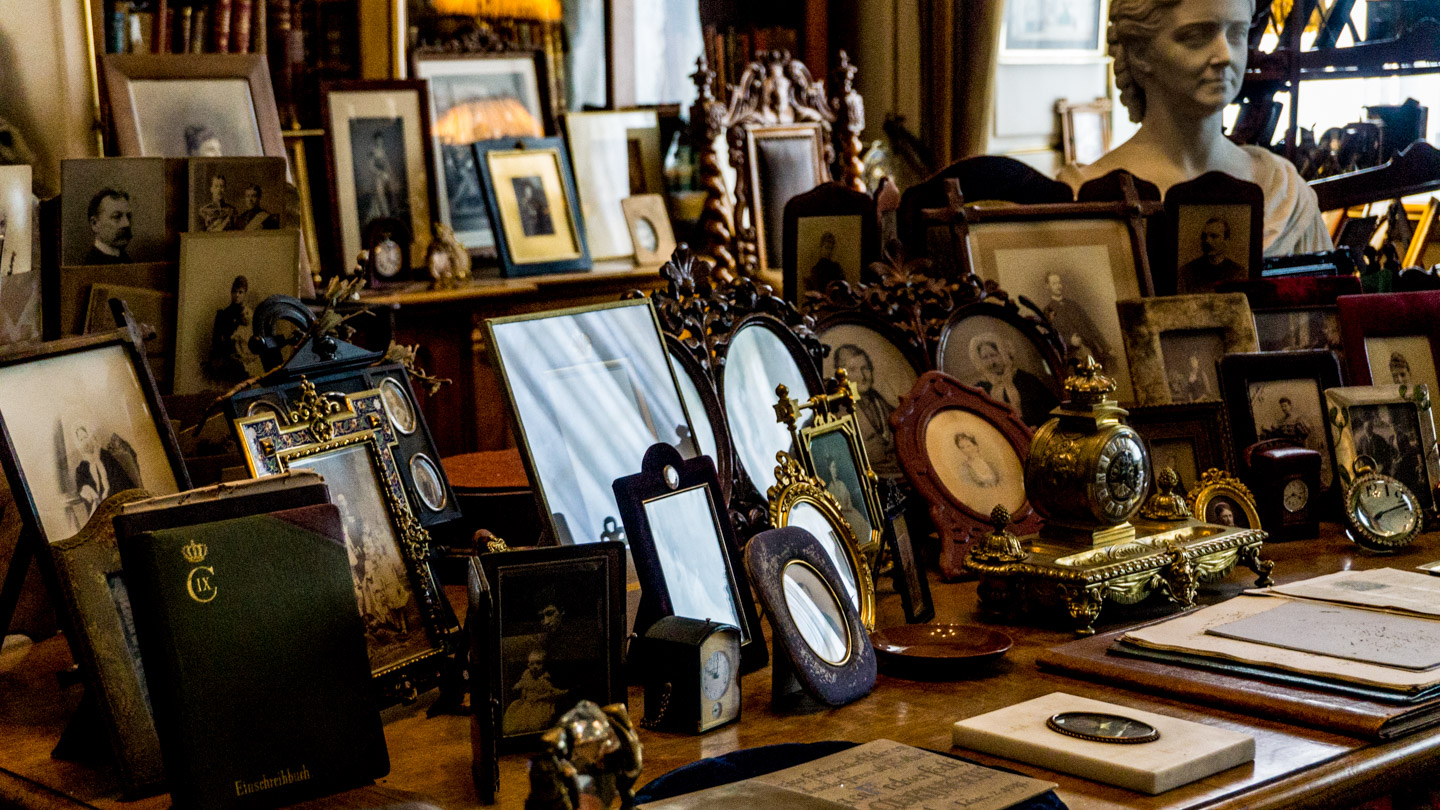
 Travels With Ackbar