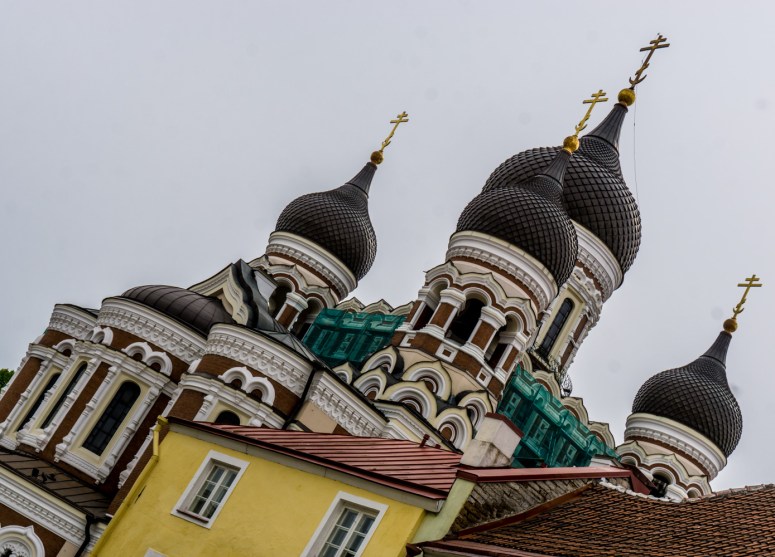
The capital of Estonia, Tallin is becoming a popular cruise ship port on the Baltic Sea. Tallin’s old town is one of the best preserved medieval cities in Europe. The earliest traces of human occupation go back to 5000 BC. Unlike neighboring towns, Tallin has never been razed and pillaged.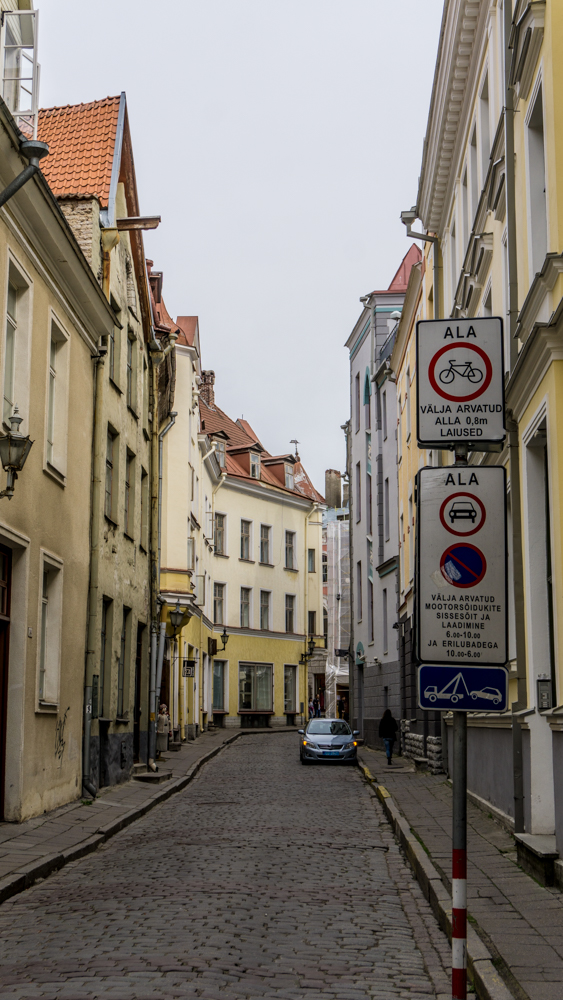 Toompea, the upper town is where you can visit Alexander Nevsky Cathedral. During the period when Tallin was under the control of the USSR, the cathedral was much hated by the people. They saw it as a symbol of oppression and in 1924 the authorities scehduled the cathedral for demolition. Unfortunately a lack of funds caused the project to be abandoned.
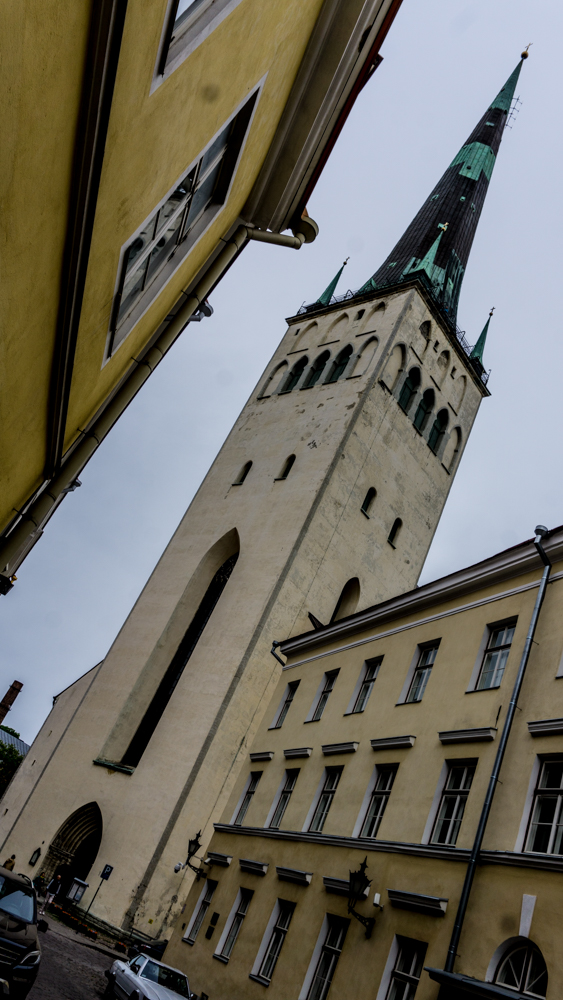
 Between 1549 and 1625, St. Olaf’s Church may have been the tallest building in the world. Up until 1991, the KGB used the church’s spire as a radio tower and surveillance point.
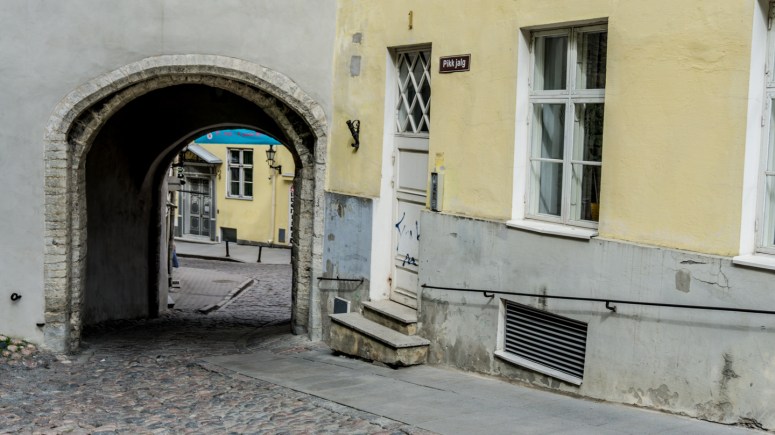
 Colorful buildings and twisting cobblestone streets are made to wander through.
  Local artists set up their masterpieces along the old city walls.
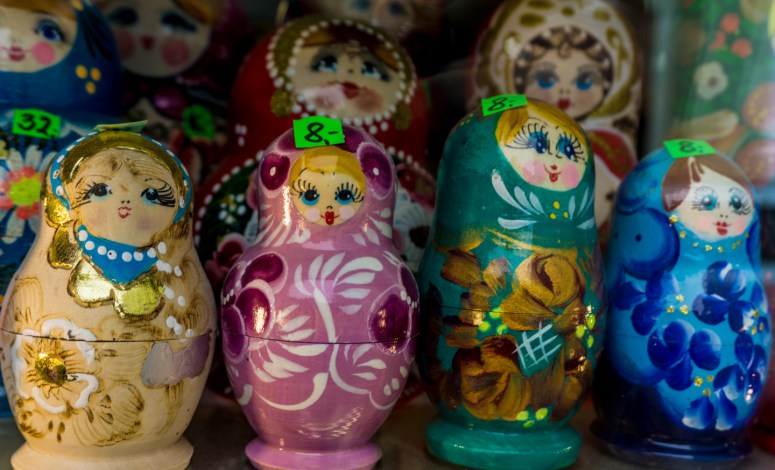
 Russian nesting dolls known as matryoshka are available for sale in many shops.
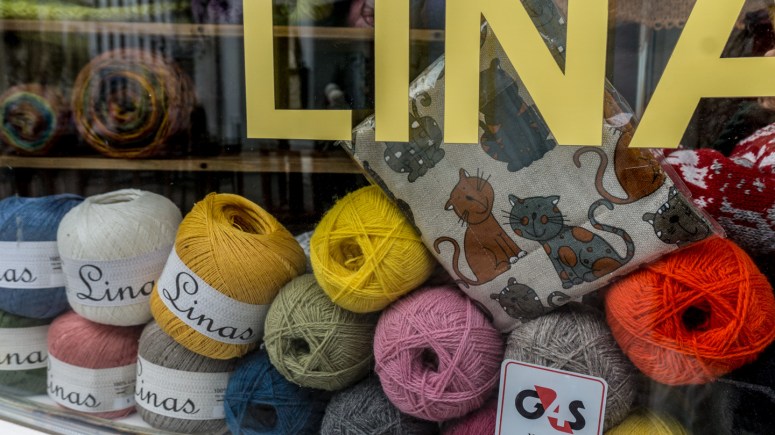
  Knitting played an important part in Estonia’s history, so much so that it wasn’t uncommon for hundreds of mittens to be knitted as gifts for wedding guests.
 There is something magical about the brightly decorated doors along Tallin’s city streets. Bright colors, metal and wooden embellishments turn each into it’s own work of art.


LINK
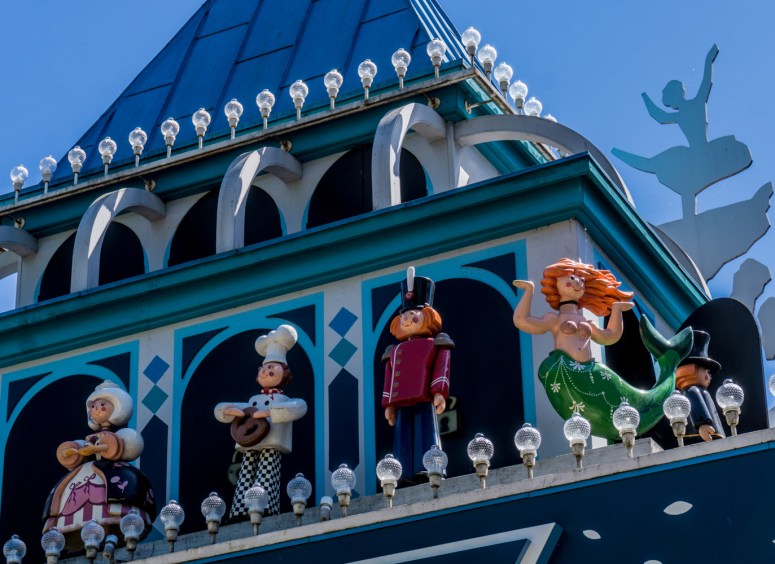

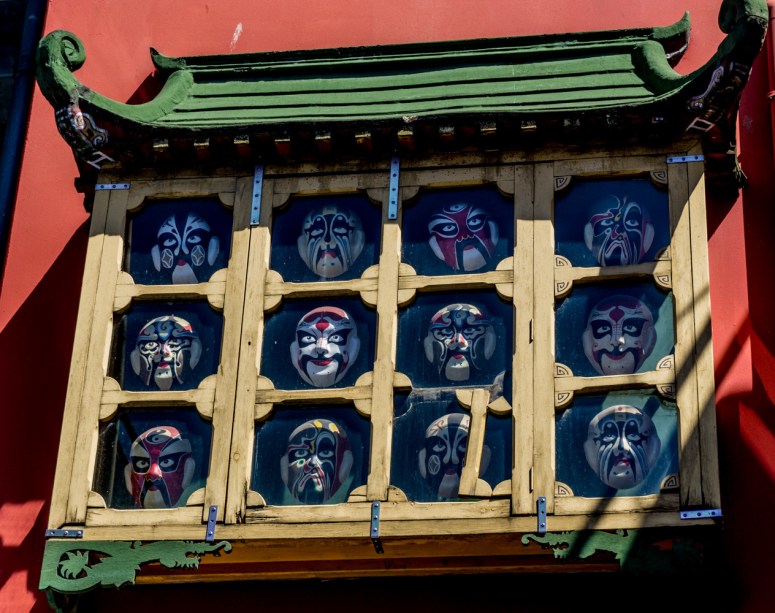
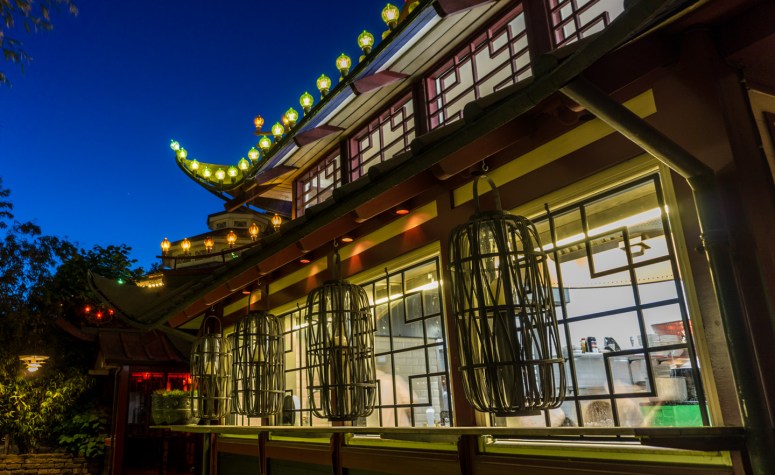
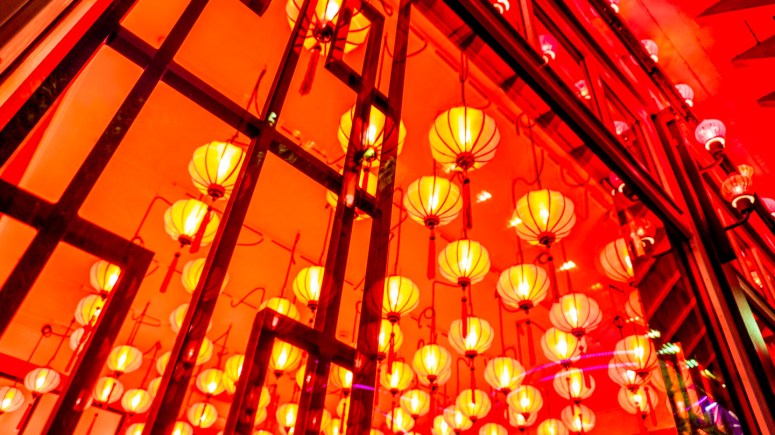
 Among the Bamboo Garden is the Japanese Pagoda, built in 1900. Originally it was known as The Chinese Tower until 2009, no one knows why the name was changed. Tea and refreshments are available for purchase inside.
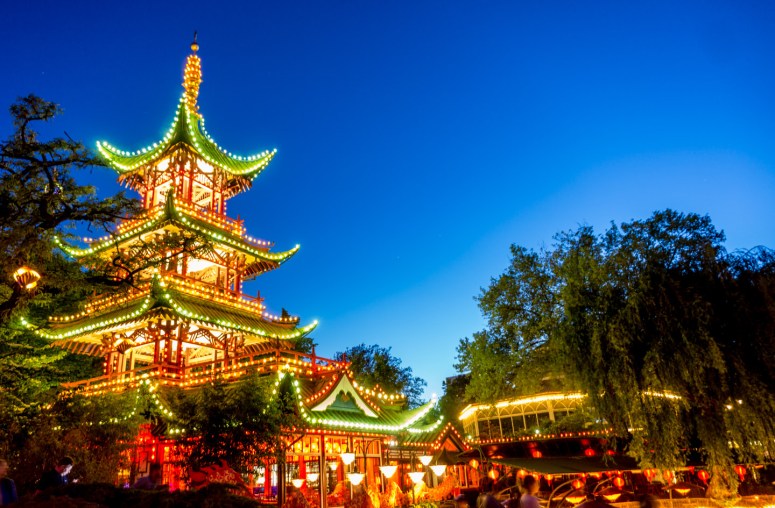 In 1874, thousands of electric lights lit up the night in the gardens, There are approx. 2,800 bulbs on The Japanese Pagoda. The Pagoda was the first of the park’s buildings to get LED bulbs. The twinkling light bulbs are often referred to as Tivoli Lights.
  The Moorish Palace in Tivoli is home to luxury Hotel Nimb designed by Knud Arne Petersen. In 1909 Wilhelm and Louise Nimb, who had created a restaurant empire
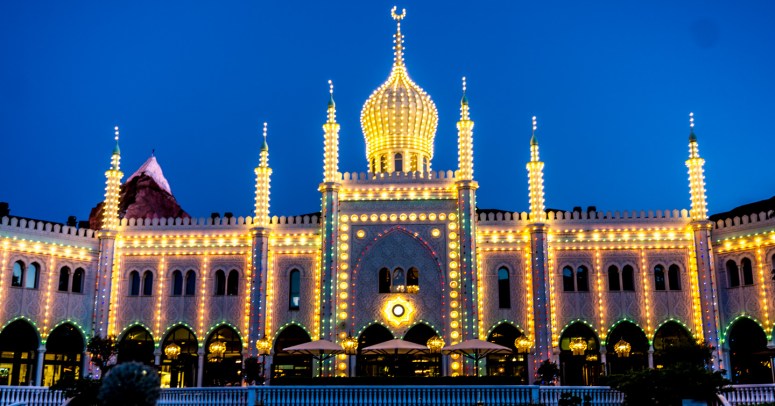 In October 2015 Hotel Nimb was awarded “Hotel of the Year” by Small Luxury Hotels (SLH) from 520 hotels across 82 countries around the world.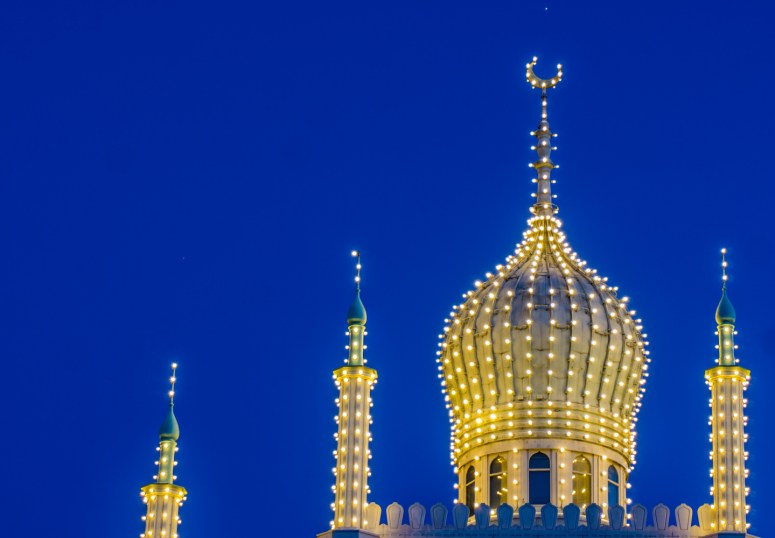







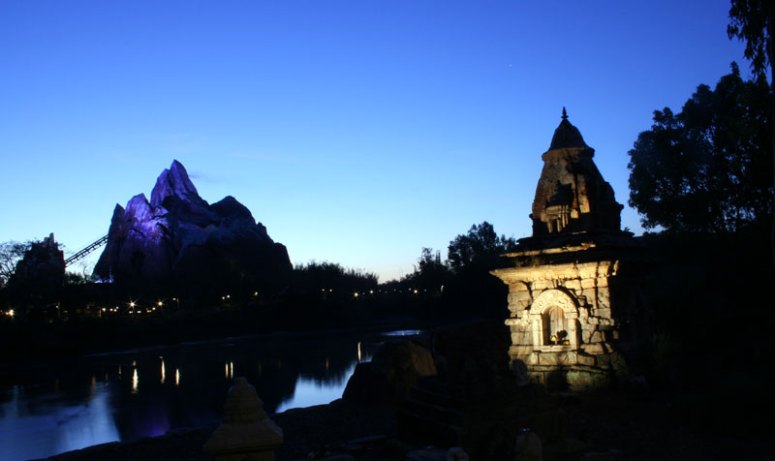 Early Morning in the village of Serka Zhong.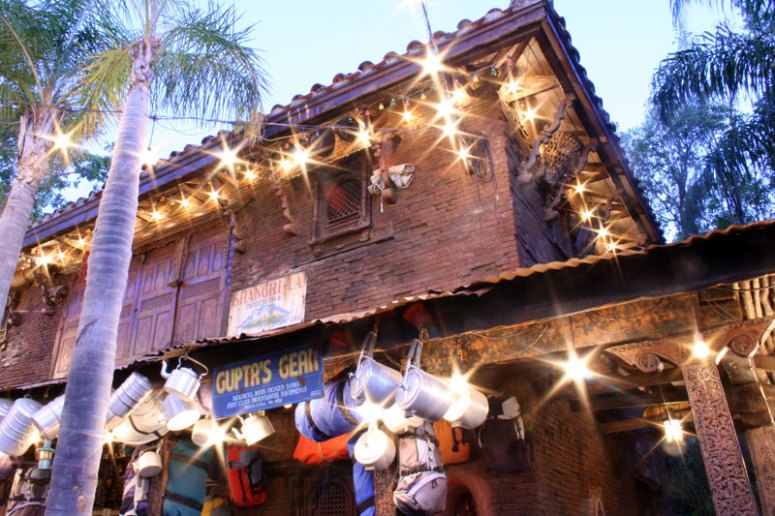



 Travels With Ackbar