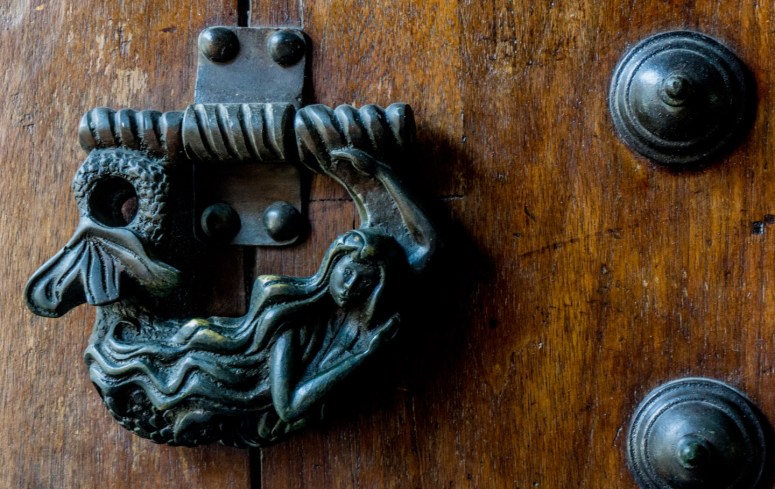
The homes of Cartegena are dressed in tropical and flowering vines. Door knockers or Aldabas reflected the status of family in residence. They spoke to the families social and economic status without saying a word. The door knocker came about in the middle ages when most people could not read or write. The pictorial images were the ultimate status symbol. Although today they are merely ornamental, they hearken back to the family’s status and wealth. 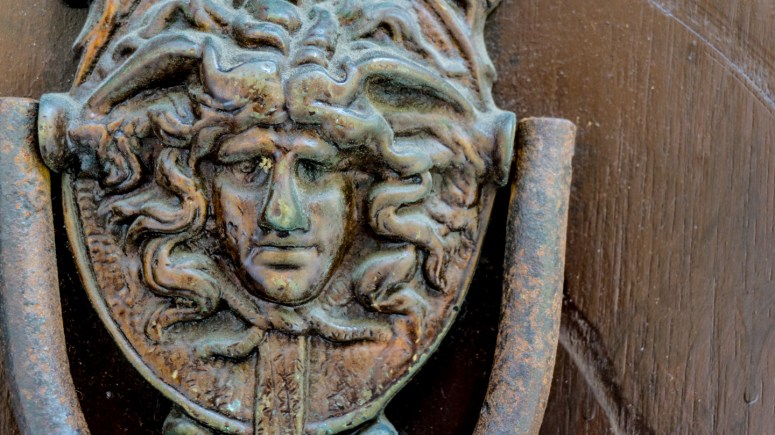 Nautical motifs that feature creatures of the sea such as fish and mermaids were used by families that made their living by the sea. Usually as merchants importing goods into the New World or traders.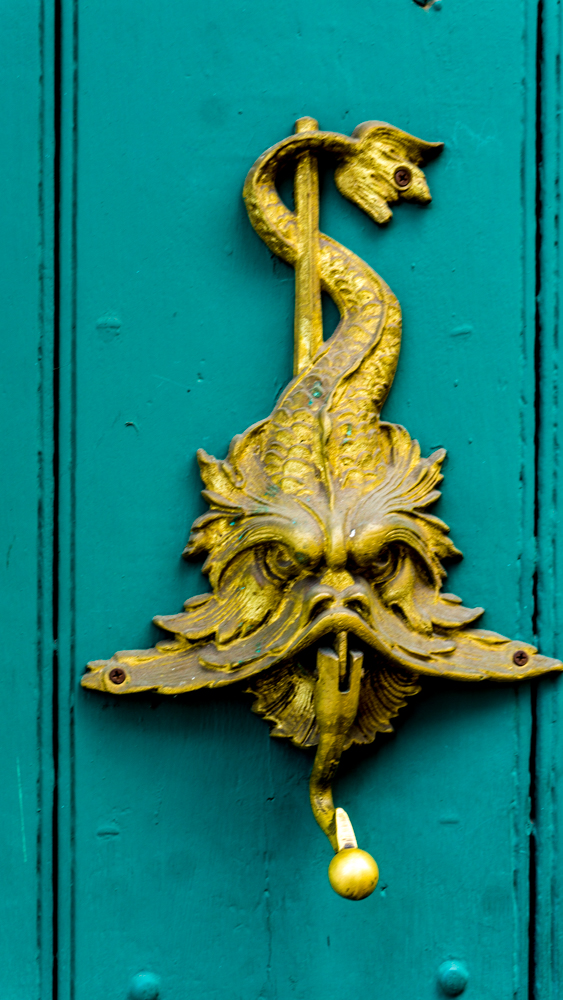
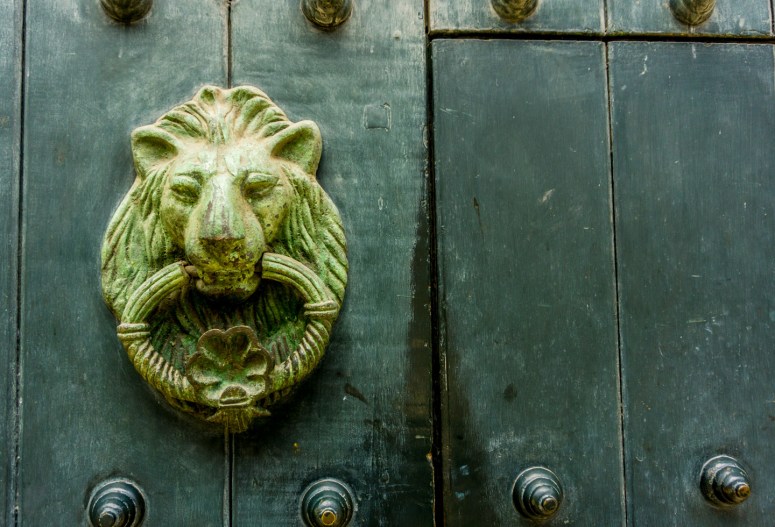
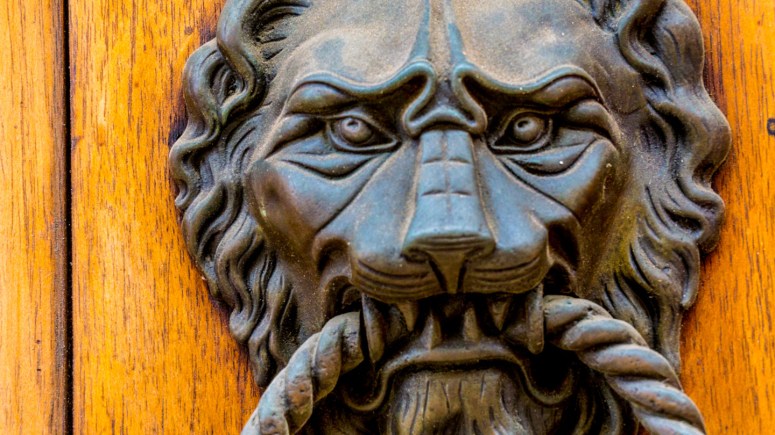
 Lions were the symbol of the military. It is the epitome of strength, pride and power. The protectors of the city lived behind these doors.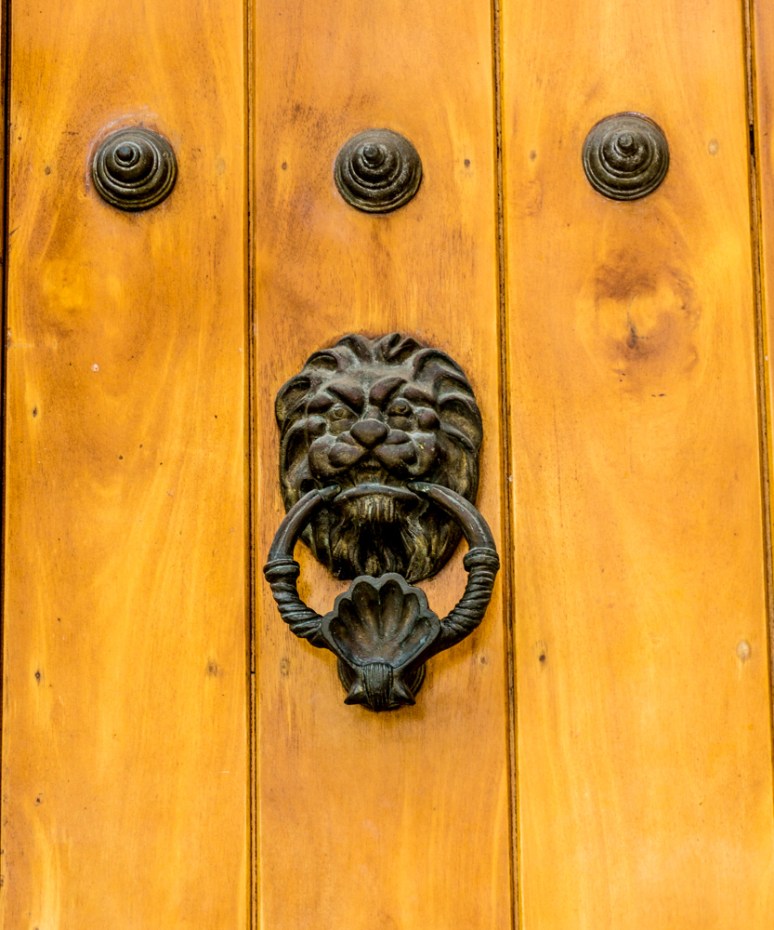
 Aldabas shaped like lizards refer back to the country’s royalty. Families with these often were members of royal family or could produce a connetion to the royals.
 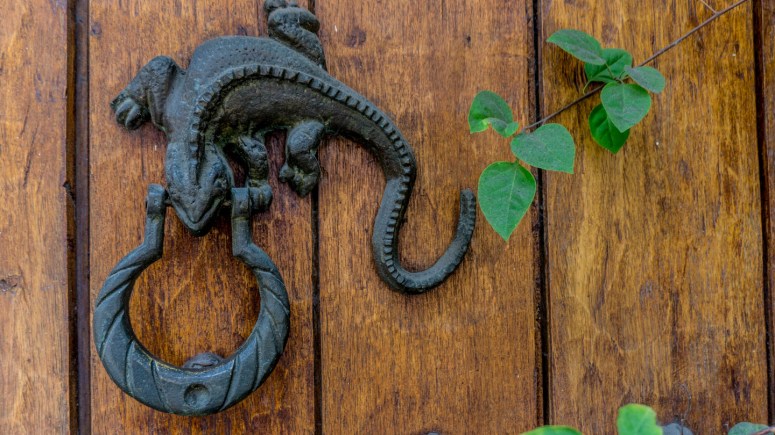 Both the size of the knocker and the material that it was made of, were also important indicators of the family’s status. The actual meaning of the different styles comes into question quite often. Where some say the Lion represents the military, others say it is meant for teachers. And if the lizard is truly a symbol of royalty, there must have been a huge royal family living in Cartegena based on the dozens of lizard aldabas that I saw. Any way you look at them, the aldabas are beautiful bits of decoration on some wonderful homes.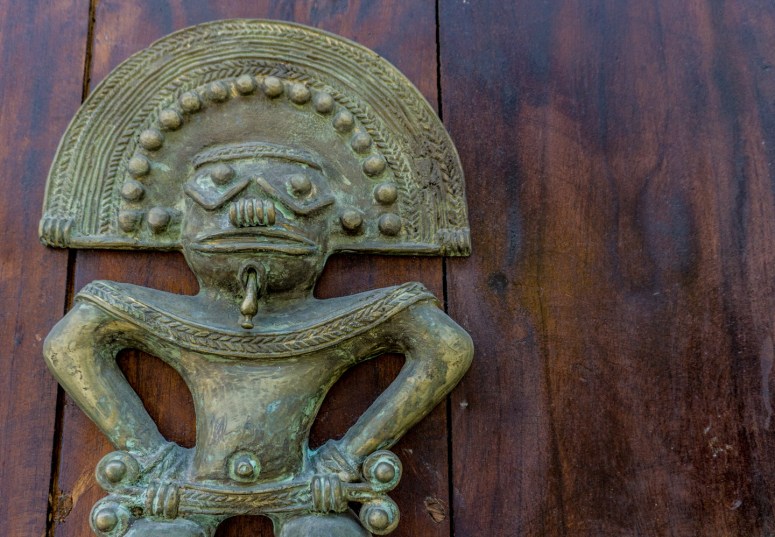
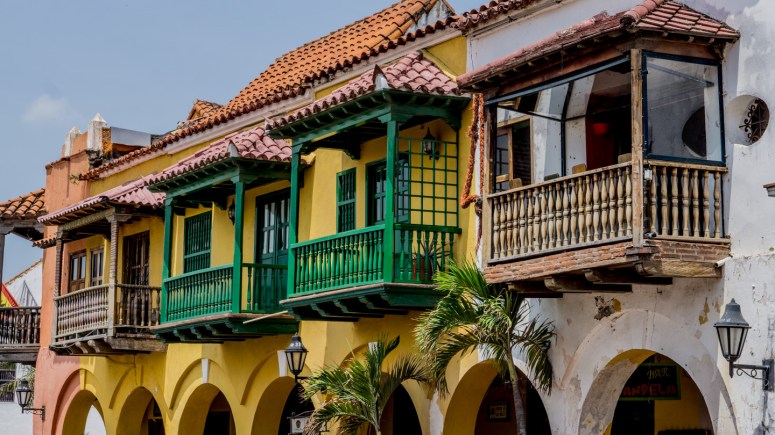
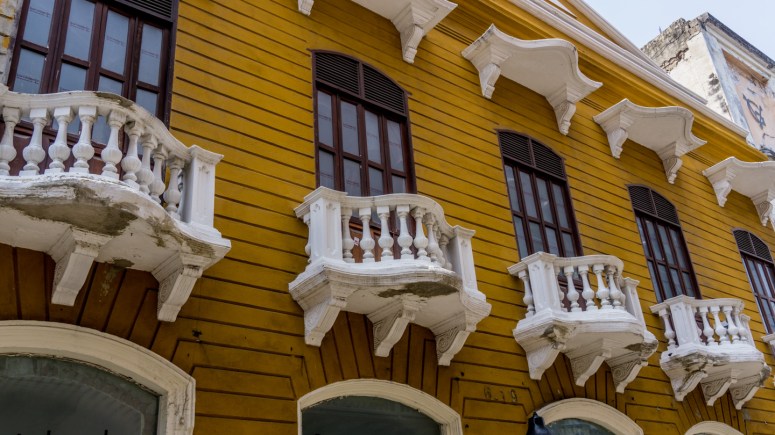
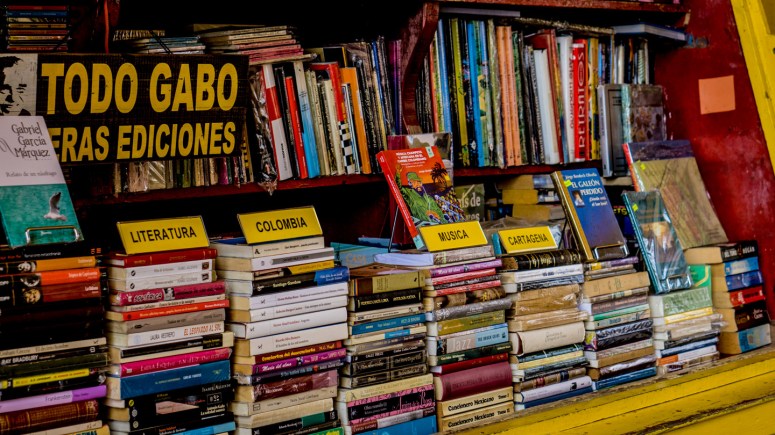 The thick walls of Las Murallas surround the Old Town. Originally built to keep out enemies, Las Murallas is in remarkable condition. Even though there are numerous guide books on Cartagena, it is better to just wander about. Colorful buildings line the streets with their open patios and balconies.
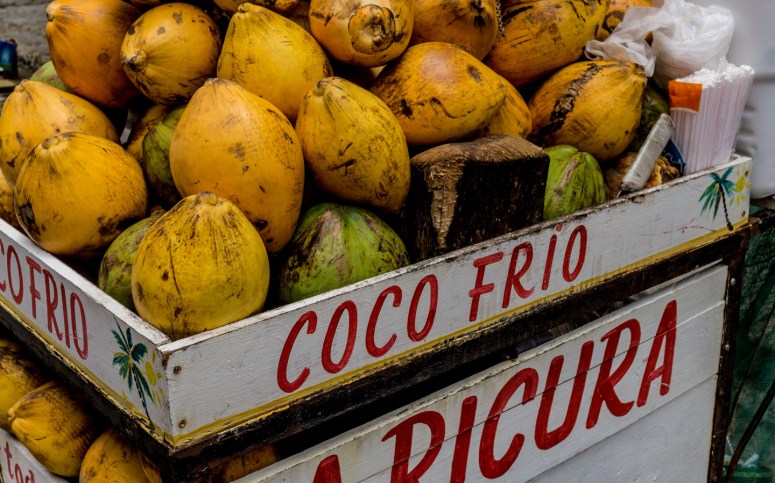
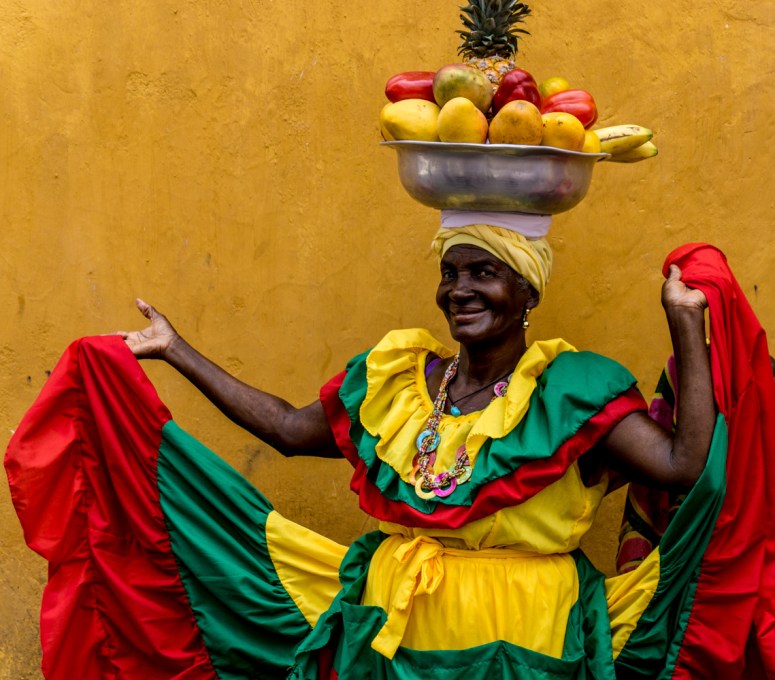
 Street vendors sell a variety of fresh fruits, ranging from coconuts to papayas and bananas. It’s safe to try some of the produce, the water in the larger cities is safe to drink and the fruits and vegetables are also safe.
 You are sure to encounter some of the brightly dressed Palenqueras. These black women were originally from San Basillo de Palenque, a small village located in southeast of Cartagena. San Basillo de Palenque was founded by runaway African slaves and is one of the first free towns in the Americas. Tourists snap up pictures of the beautifully dressed women with bowls of fruit on their heads. But beware, if you do not tip them first, they will hiss at you and hide their faces.
 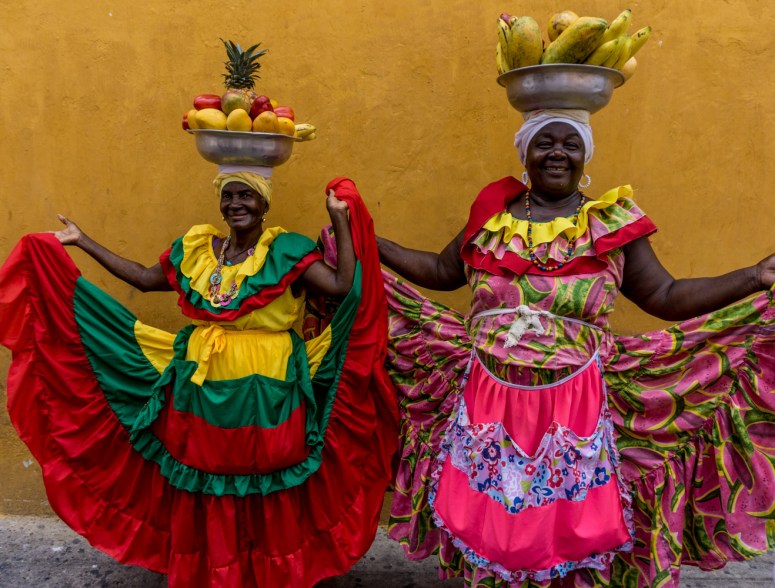 For a dollar each, I got some great shots, but as soon as the cameras stop snapping, the smiles disappear from their faces. Even though they are used to being the center of attention, they really are tired poor women who have to sit all day in the sun and heat to make some sort of living.
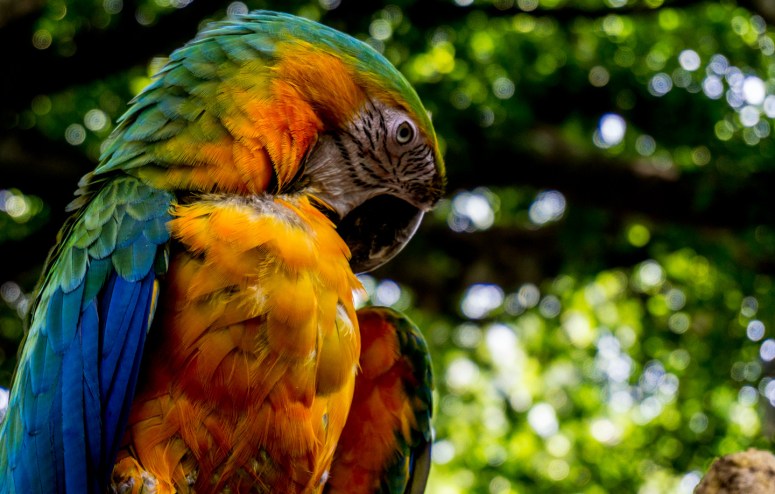
 As colorful as the tropical parrots that freely fly around, the buildings are dressed in bright yellows, blues, reds and oranges. Cartagena was one of Spain’s important ports along with San Juan and Havana.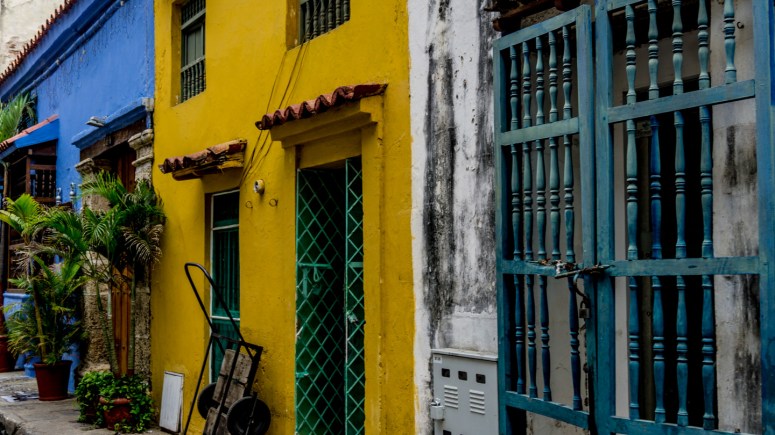

 Travels With Ackbar