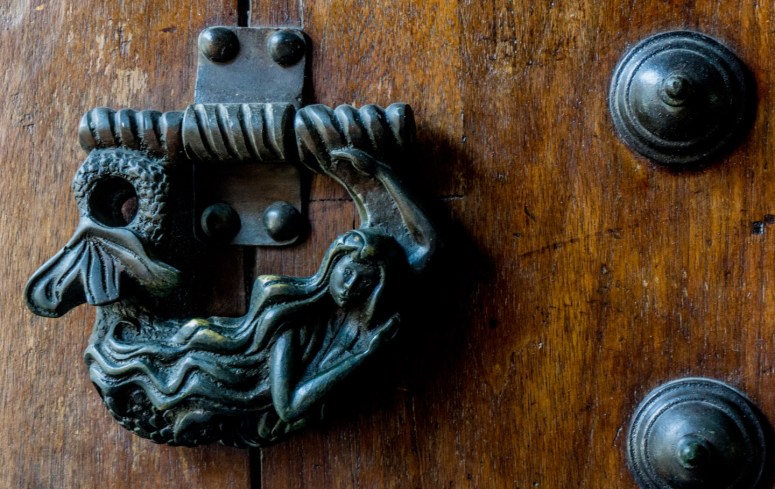
The homes of Cartegena are dressed in tropical and flowering vines. Door knockers or Aldabas reflected the status of family in residence. They spoke to the families social and economic status without saying a word. The door knocker came about in the middle ages when most people could not read or write. The pictorial images were the ultimate status symbol. Although today they are merely ornamental, they hearken back to the family’s status and wealth. 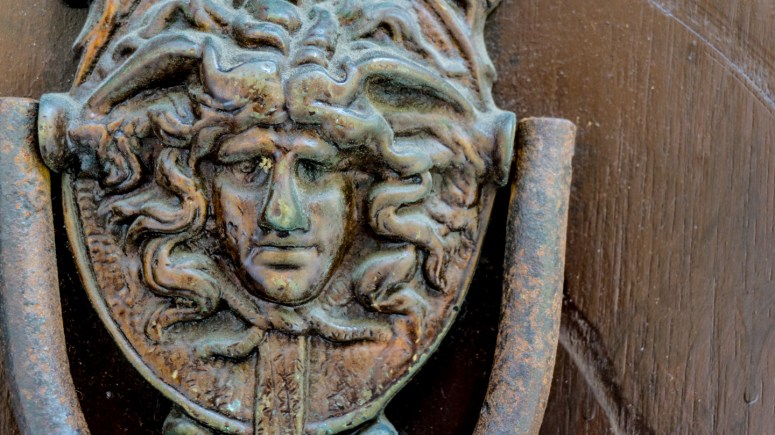 Nautical motifs that feature creatures of the sea such as fish and mermaids were used by families that made their living by the sea. Usually as merchants importing goods into the New World or traders.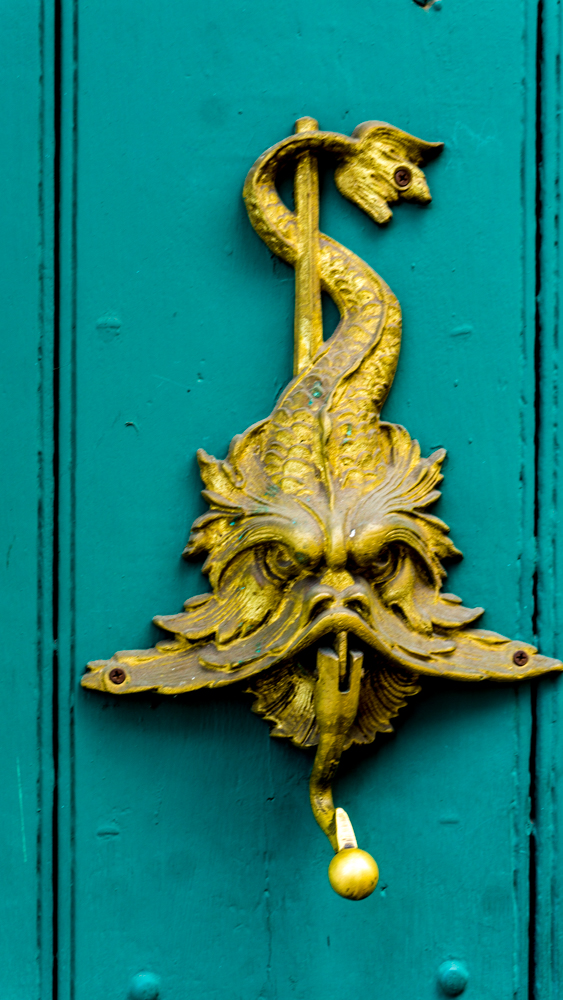
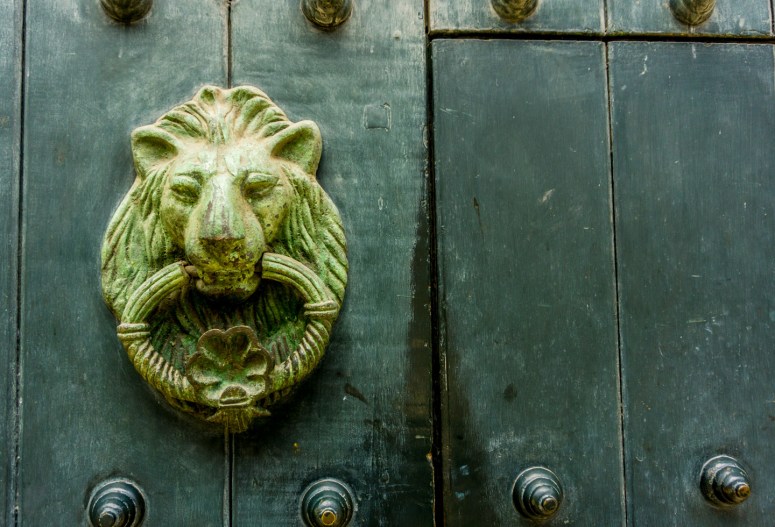
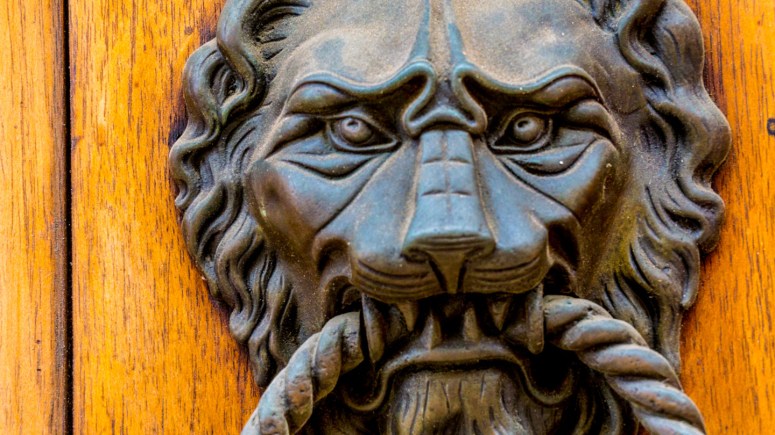
 Lions were the symbol of the military. It is the epitome of strength, pride and power. The protectors of the city lived behind these doors.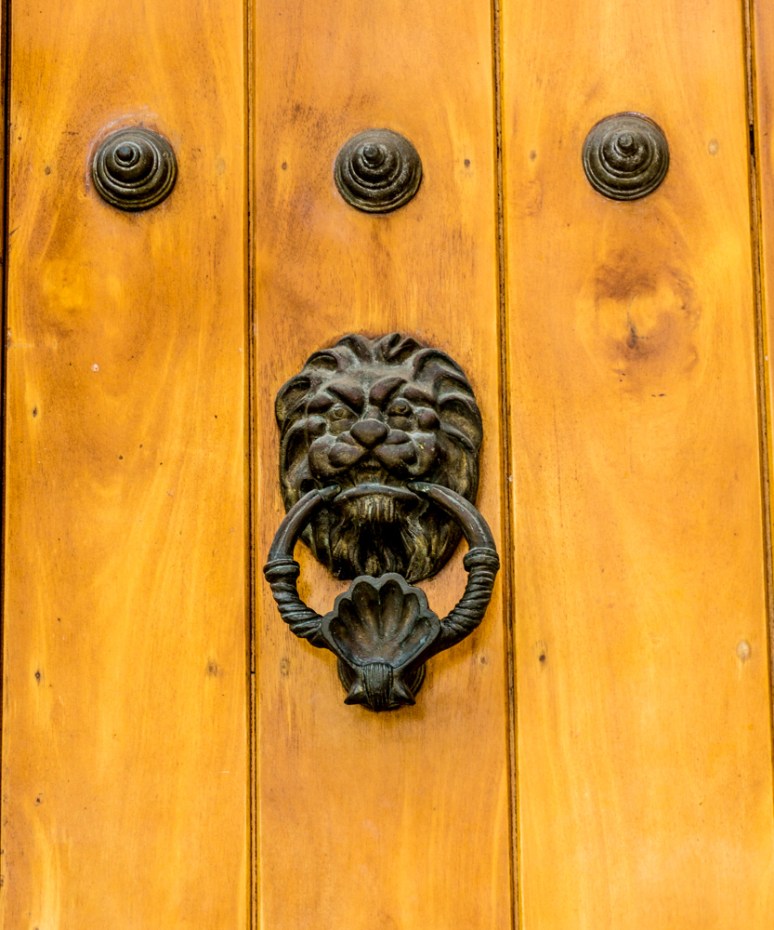
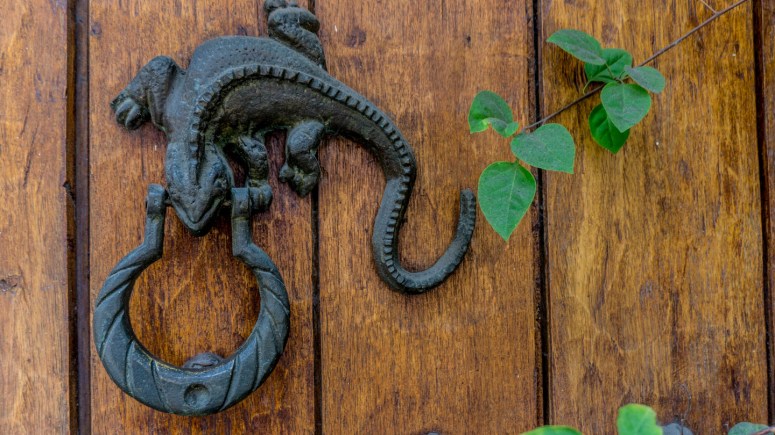
 Aldabas shaped like lizards refer back to the country’s royalty. Families with these often were members of royal family or could produce a connetion to the royals.
  Both the size of the knocker and the material that it was made of, were also important indicators of the family’s status. The actual meaning of the different styles comes into question quite often. Where some say the Lion represents the military, others say it is meant for teachers. And if the lizard is truly a symbol of royalty, there must have been a huge royal family living in Cartegena based on the dozens of lizard aldabas that I saw. Any way you look at them, the aldabas are beautiful bits of decoration on some wonderful homes.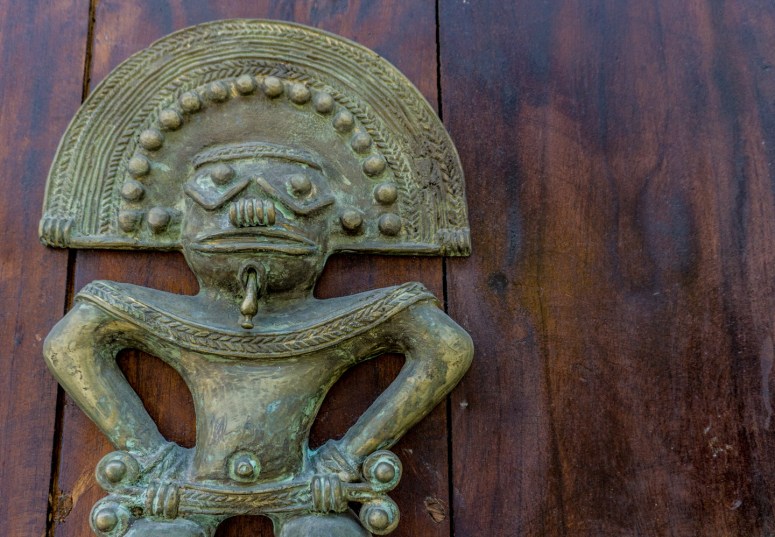
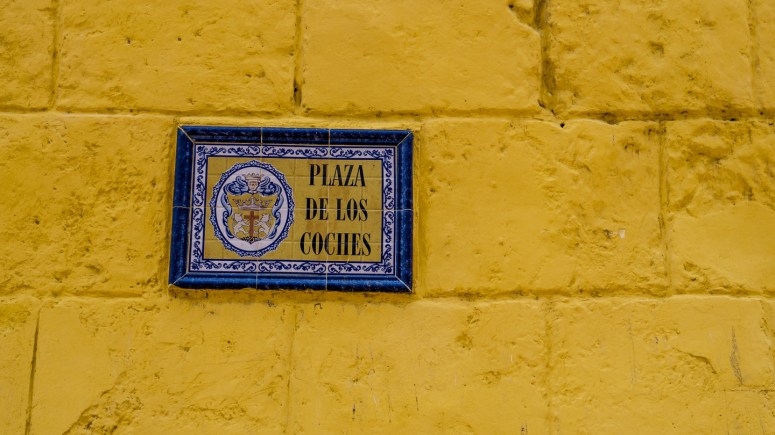
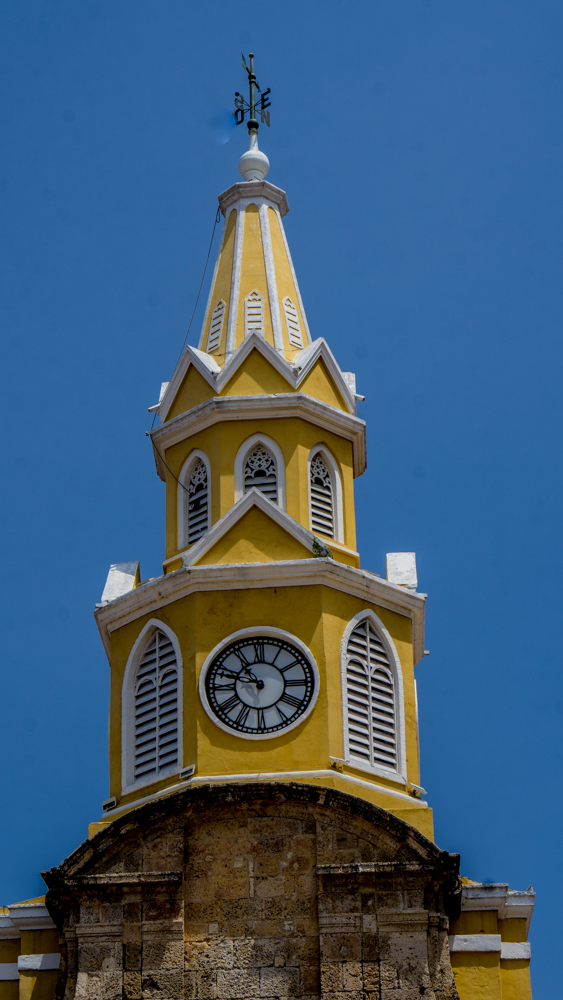 The Plaza of the Carriages (Plaza de los Cloches) next to the clock tower, was the site of the original slave market. Slaves were brought into the New World through Cartegena and Veracruz, Mexico. And yes, you can pick up a carriage ride in the Plaza de los Coches.
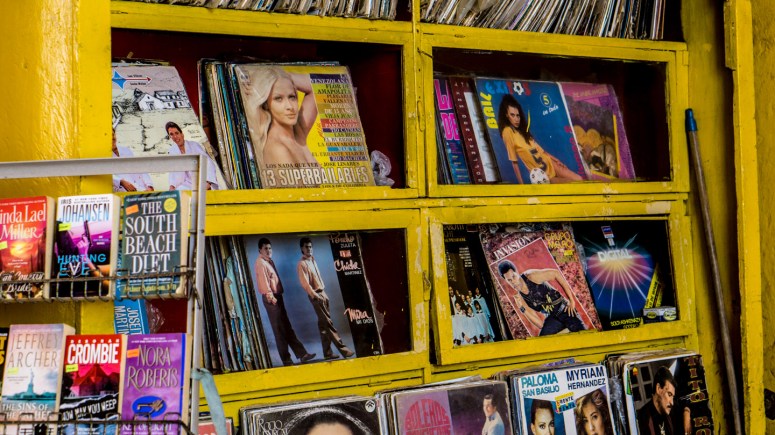
  If you’re on the hunt for some vintage record albums or a used copy of the South Beach Diet, this market is just for you.
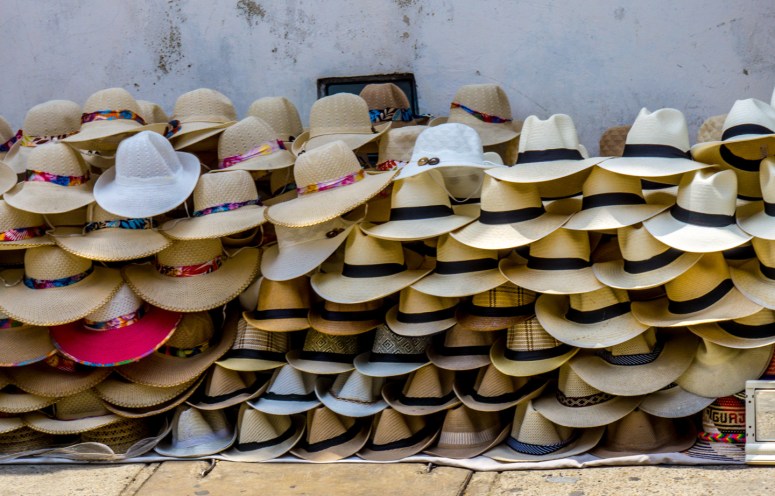
 Be sure to check out the street vendors and maybe pick up a Panama hat to keep you cool. The heat and humidity are overwhelming and most people stay away during the heat of the afternoon.
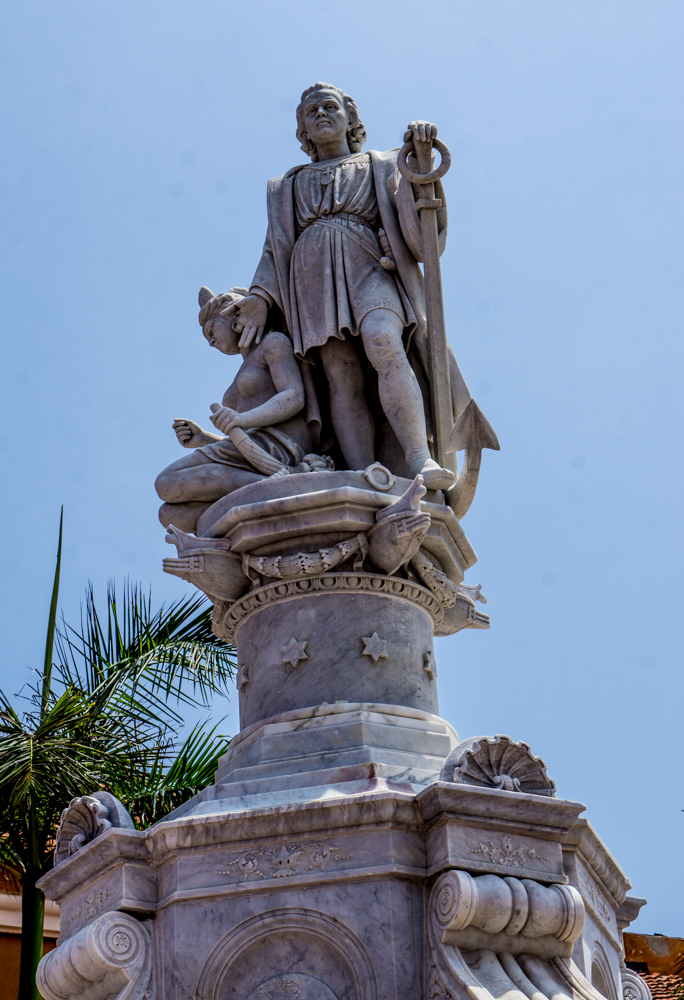
 A towering statue of Christopher Columbus stands in the Plaza de la Aruanda. Columbus explored the coast of Panama, which was part of Columbia on his fourth voyage of discovery.
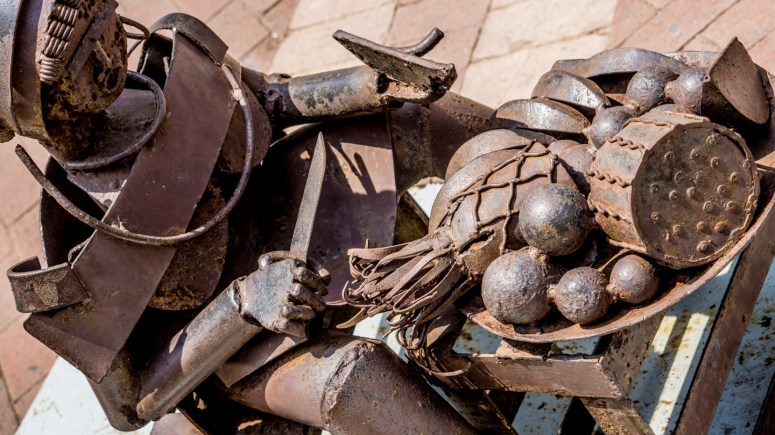
  Modern art sculptures adorn the streets and plazas. This palenquera was one of several sculptures in the Plaza San Pedro Claver.
 The Church of San Pedro Claver was built in the early 17th century. Saint Peter Claver was known as the slave of slaves by his Jesuit brethren. Unlike his brothers, Claver did not support Slavery and chose to minister to the many slaves brought through Cartegena. He would meet the slave ships before the human cargo was unloaded so that he could be the first and only friendly face they saw in the New World. San Pedro Claver was the first saint canonized in the New World.
 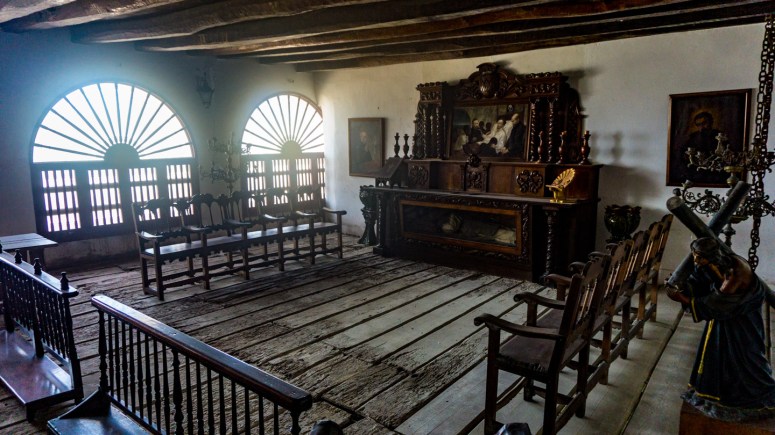 The $5 entry fee was well worth it to get out of the hot sun for a half hour or so. The church grounds feature heavy wood furniture offset by the gleaming white washed walls.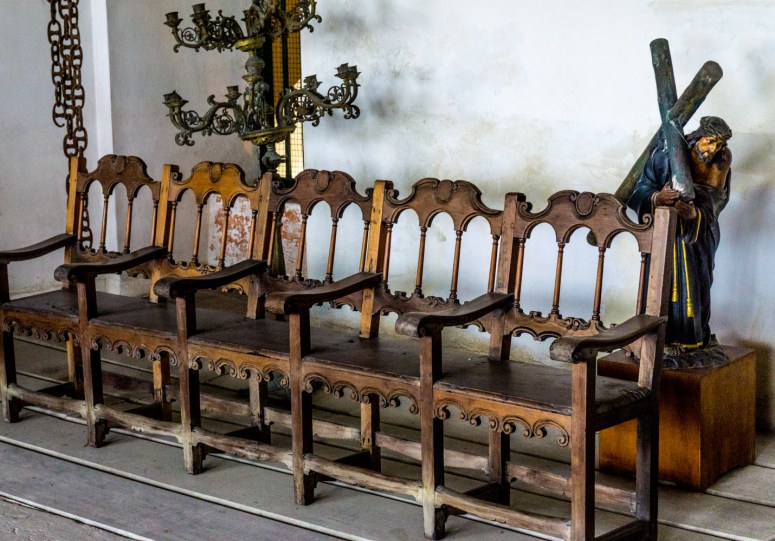
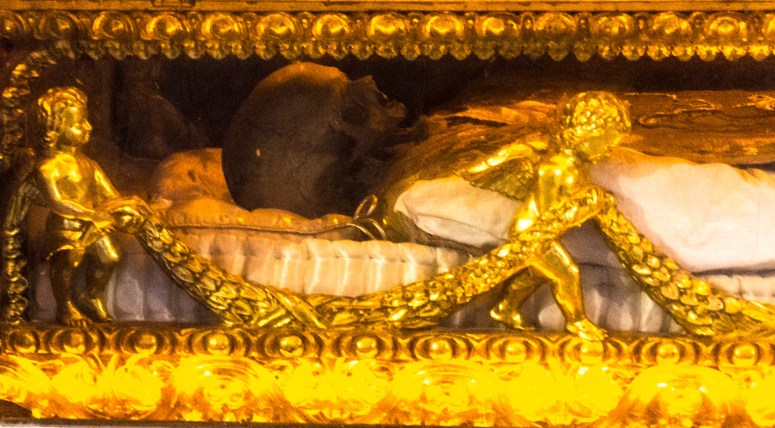
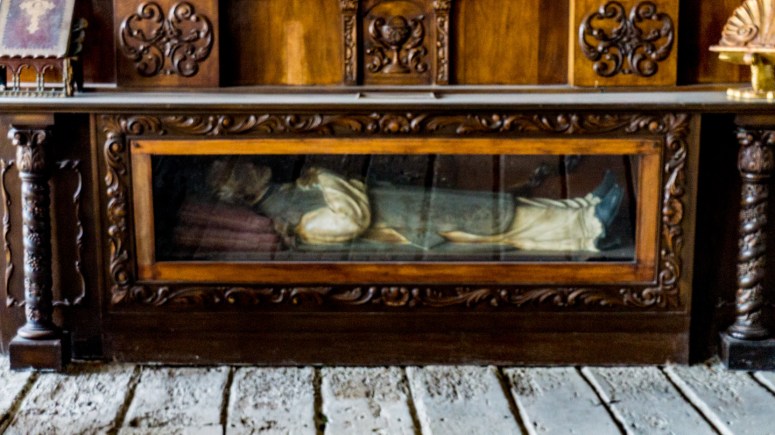 The altar is dedicated to San Pedro and his remains are visible underneath. You can check out his skull if you want to get up close and personal.
 The mausoleum in the back of the cloister houses more recent parishioners.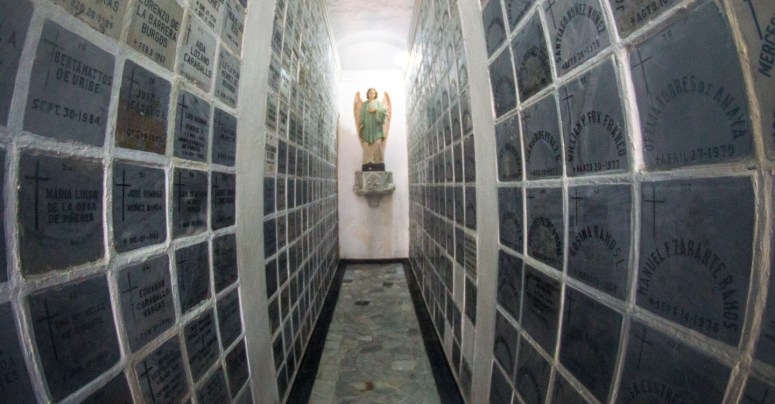
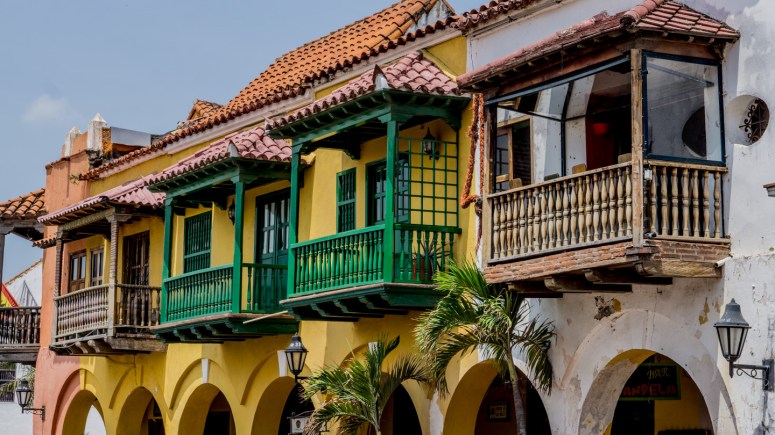
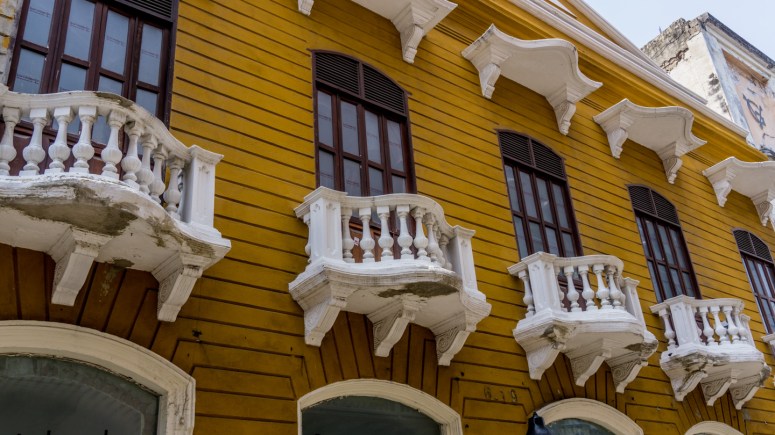
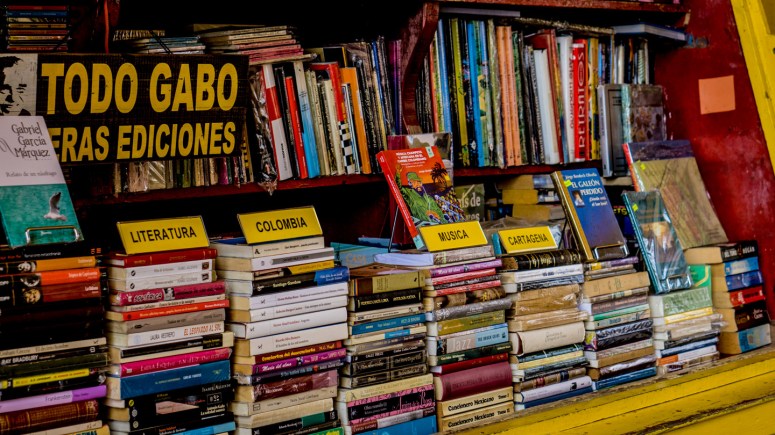 The thick walls of Las Murallas surround the Old Town. Originally built to keep out enemies, Las Murallas is in remarkable condition. Even though there are numerous guide books on Cartagena, it is better to just wander about. Colorful buildings line the streets with their open patios and balconies.
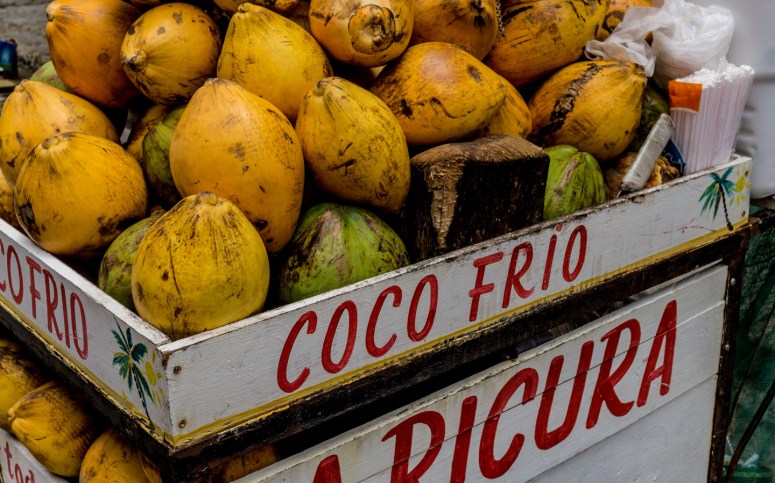
 Street vendors sell a variety of fresh fruits, ranging from coconuts to papayas and bananas. It’s safe to try some of the produce, the water in the larger cities is safe to drink and the fruits and vegetables are also safe.
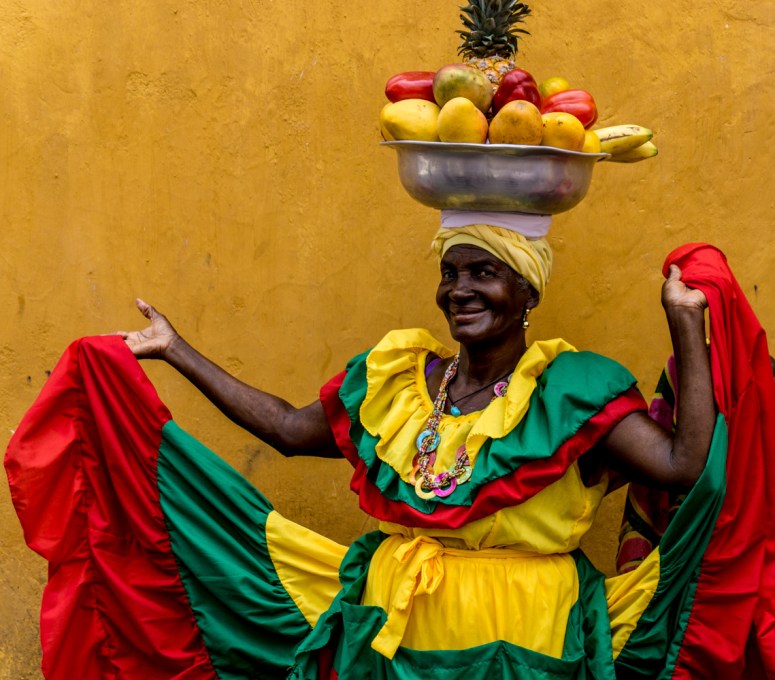
 You are sure to encounter some of the brightly dressed Palenqueras. These black women were originally from San Basillo de Palenque, a small village located in southeast of Cartagena. San Basillo de Palenque was founded by runaway African slaves and is one of the first free towns in the Americas. Tourists snap up pictures of the beautifully dressed women with bowls of fruit on their heads. But beware, if you do not tip them first, they will hiss at you and hide their faces.
 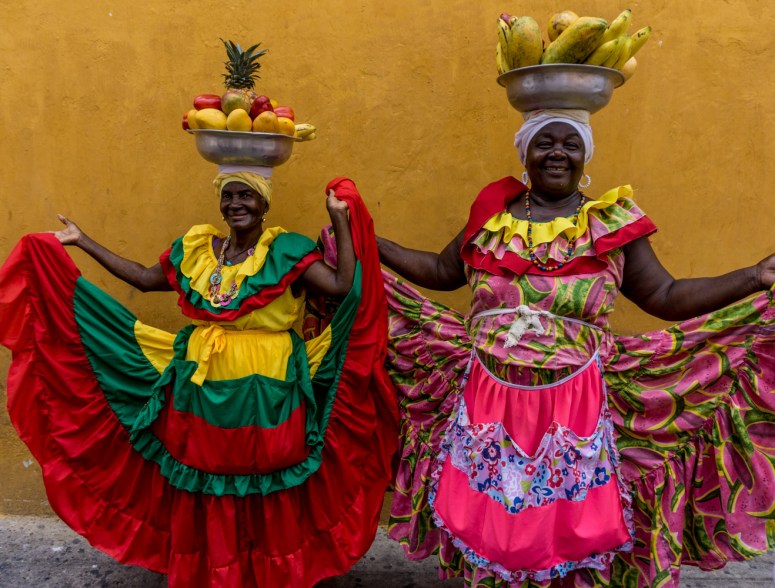 For a dollar each, I got some great shots, but as soon as the cameras stop snapping, the smiles disappear from their faces. Even though they are used to being the center of attention, they really are tired poor women who have to sit all day in the sun and heat to make some sort of living.
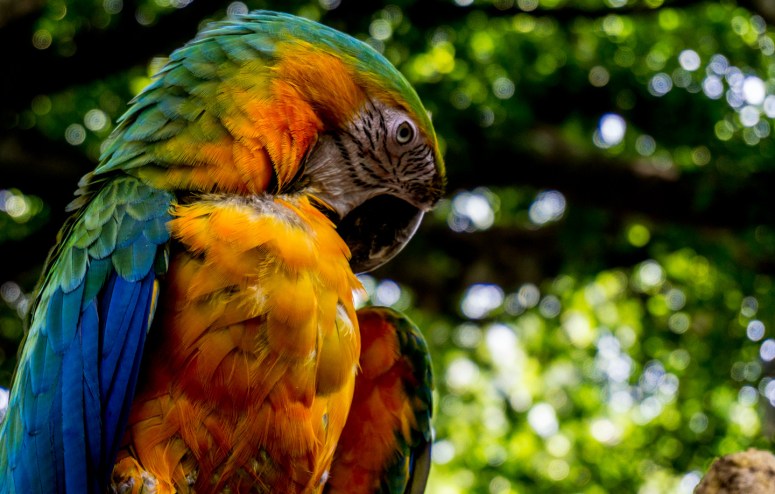
 As colorful as the tropical parrots that freely fly around, the buildings are dressed in bright yellows, blues, reds and oranges. Cartagena was one of Spain’s important ports along with San Juan and Havana.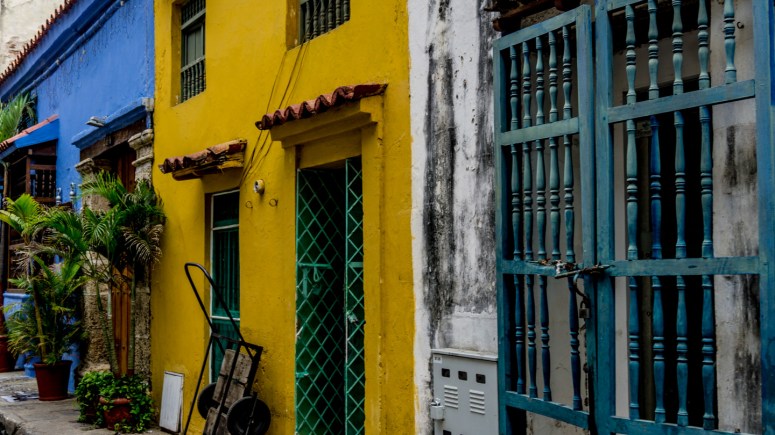

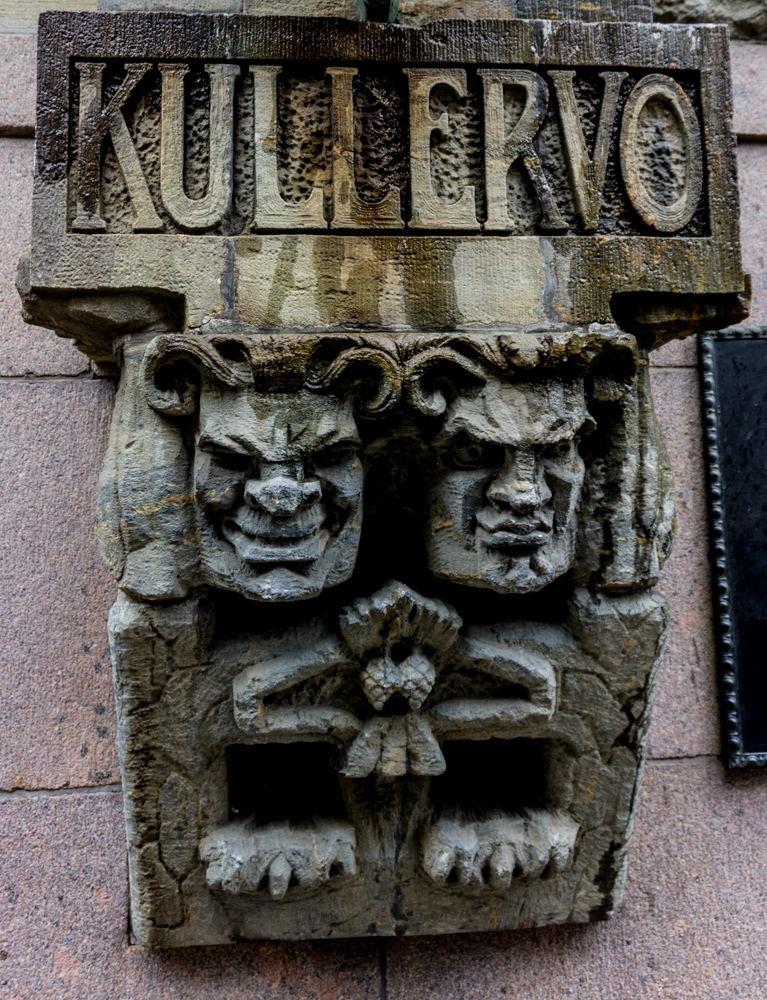 Kullervo is an orphan boy in search of a real family. In his journey he finds his real family, who he thought were slaughtered, but accidentally sleeps with his sister. When he finds out her identity he kills himself on his own sword. Not quite a happy ending.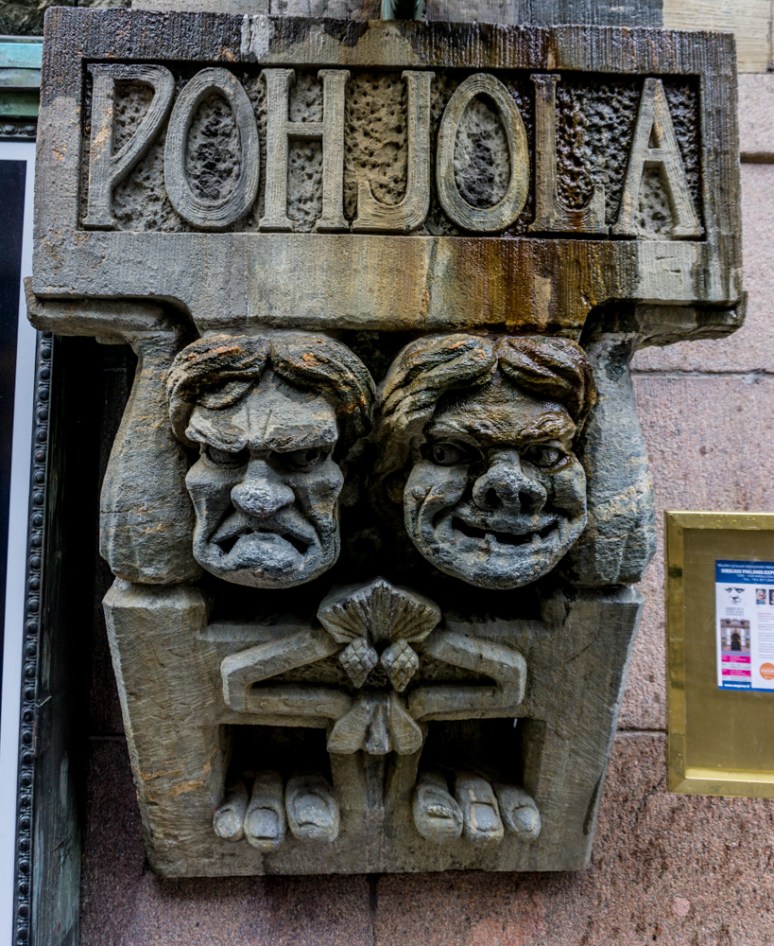
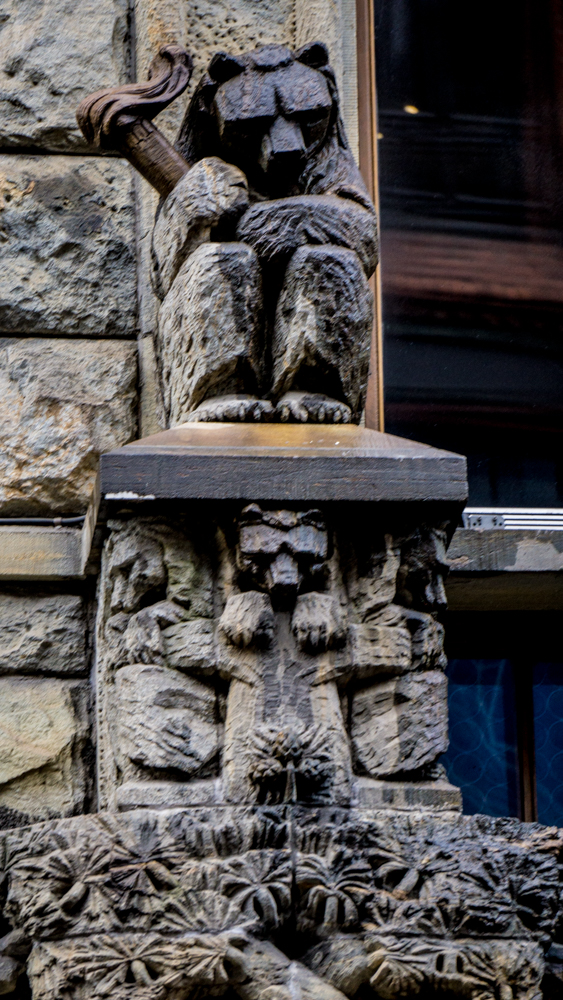
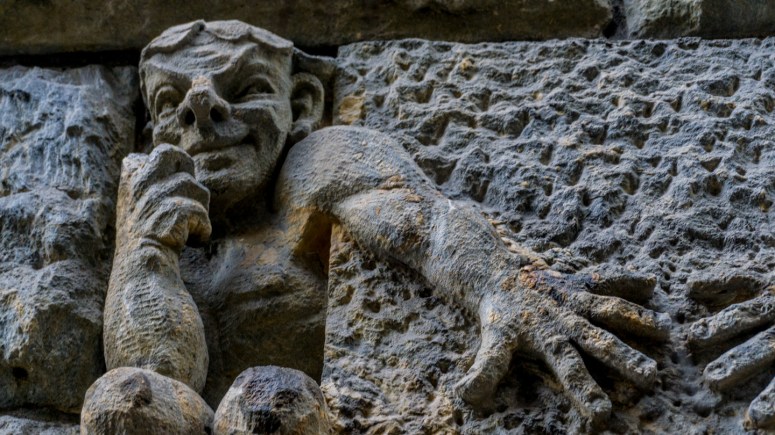 Pohjola is where many believe that the roots of the world tree are. This could account for all of the trees and squirrels across the building’s front. More broadly the word refers to any northerly direction. Given its mythological namesake, it’s no surprise that the Pohjola Insurance company agreed to decorate their building with statues of monsters, fools and animals.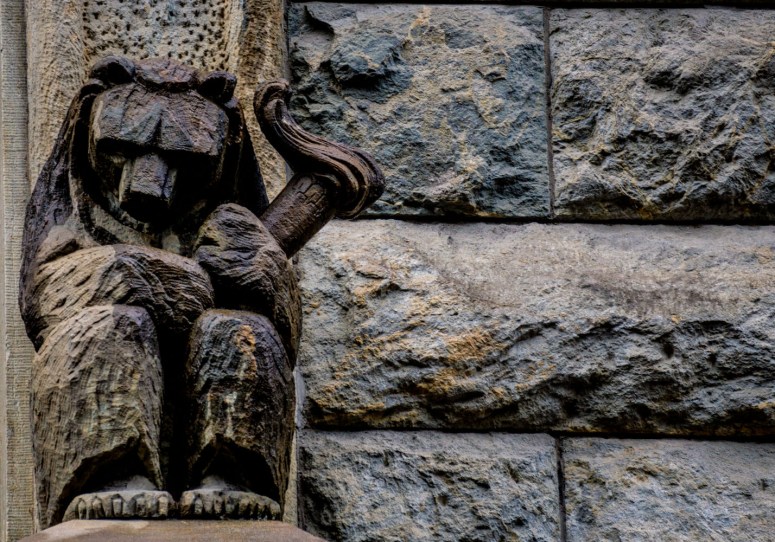

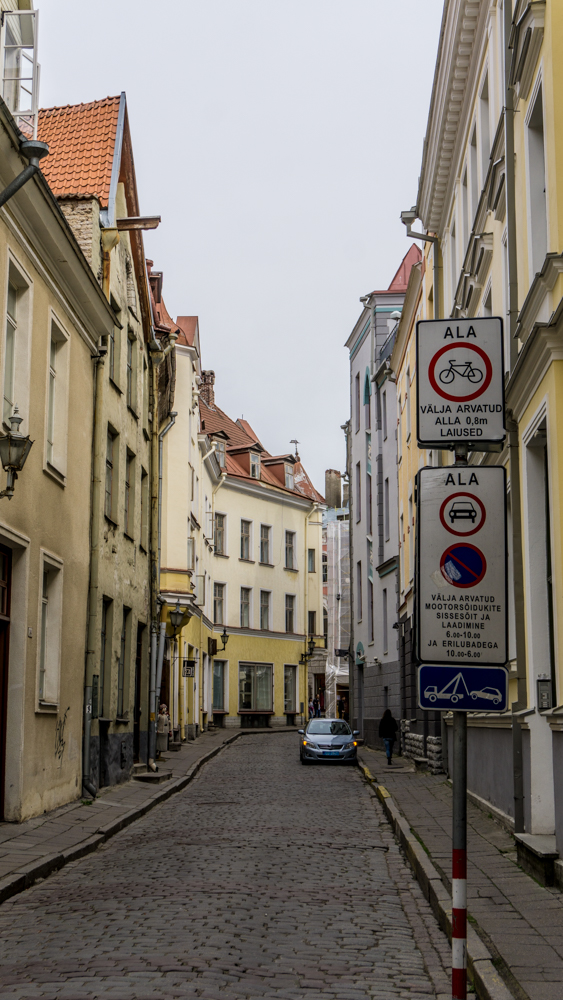 Toompea, the upper town is where you can visit Alexander Nevsky Cathedral. During the period when Tallin was under the control of the USSR, the cathedral was much hated by the people. They saw it as a symbol of oppression and in 1924 the authorities scehduled the cathedral for demolition. Unfortunately a lack of funds caused the project to be abandoned.
 Between 1549 and 1625, St. Olaf’s Church may have been the tallest building in the world. Up until 1991, the KGB used the church’s spire as a radio tower and surveillance point.
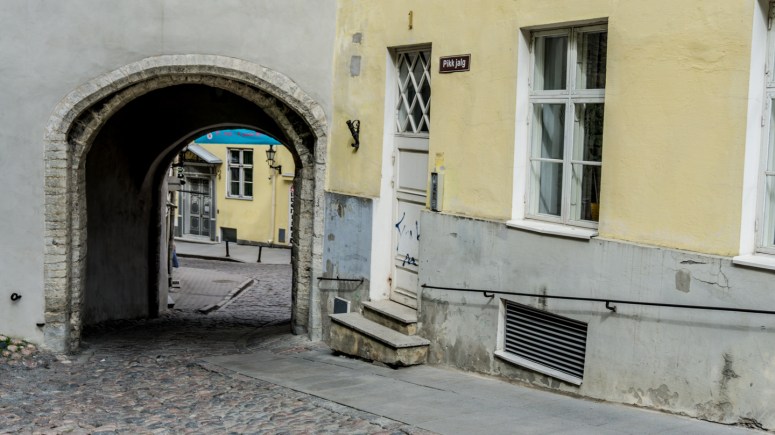
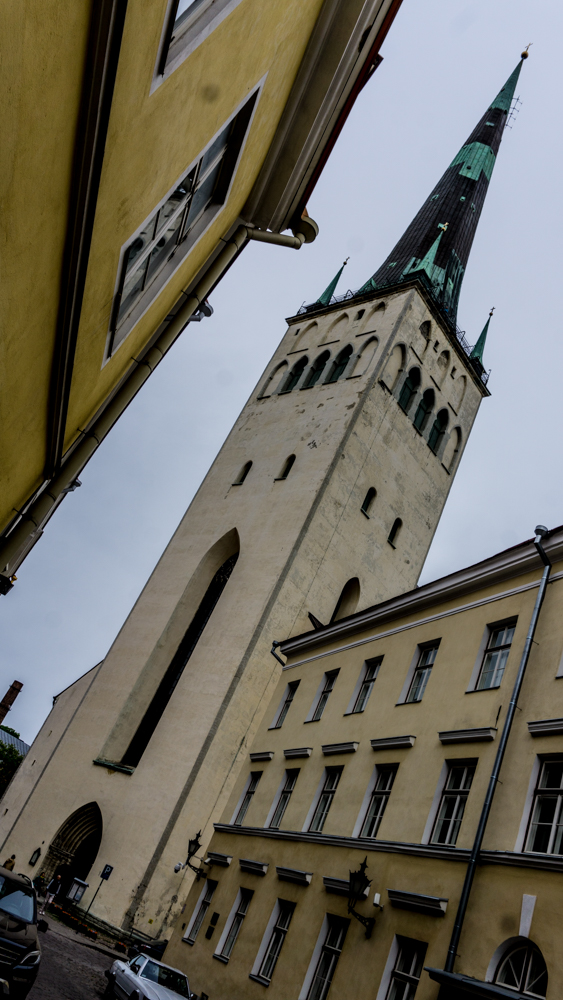 Colorful buildings and twisting cobblestone streets are made to wander through.
  Local artists set up their masterpieces along the old city walls.
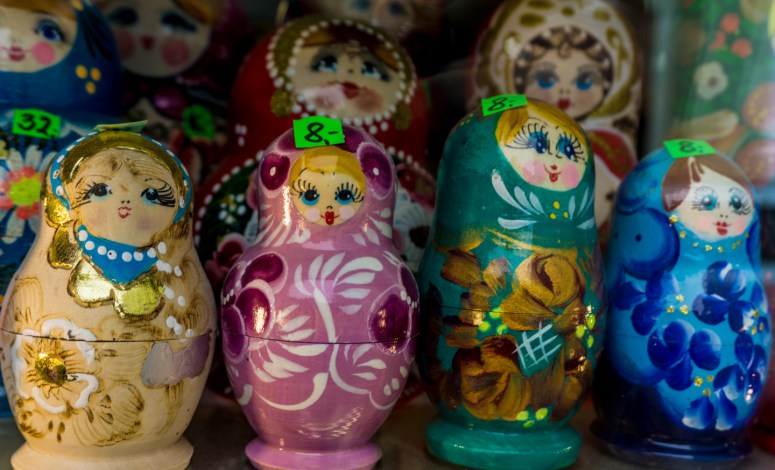
 Russian nesting dolls known as matryoshka are available for sale in many shops.
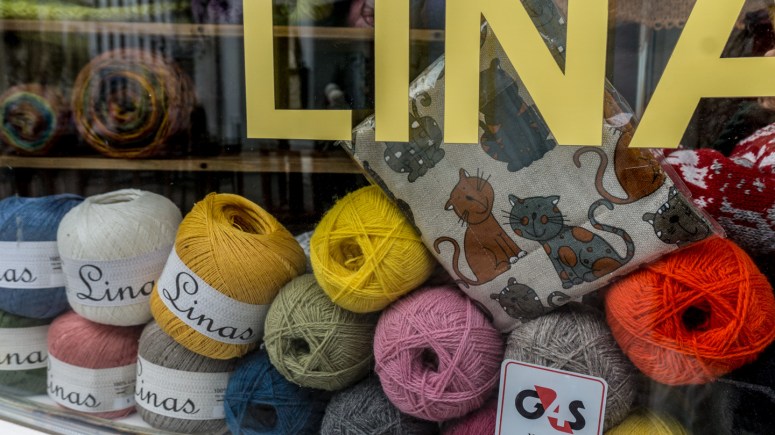
  Knitting played an important part in Estonia’s history, so much so that it wasn’t uncommon for hundreds of mittens to be knitted as gifts for wedding guests.
 There is something magical about the brightly decorated doors along Tallin’s city streets. Bright colors, metal and wooden embellishments turn each into it’s own work of art.


 Geirangerfjord is home to several well-known waterfalls. ‘De Syv Søstre’ (the seven sisters) dance playfully down the mountain while the ‘Friaren’ (the suitor) is said to be wooing the Seven Sisters across the way.
  Fairytales explain that the shape of the mountains is due to trolls. When the creatures are hit by sunlight, it’s said that they turn to stone. Could that be a face staring at us on the mountainside?
 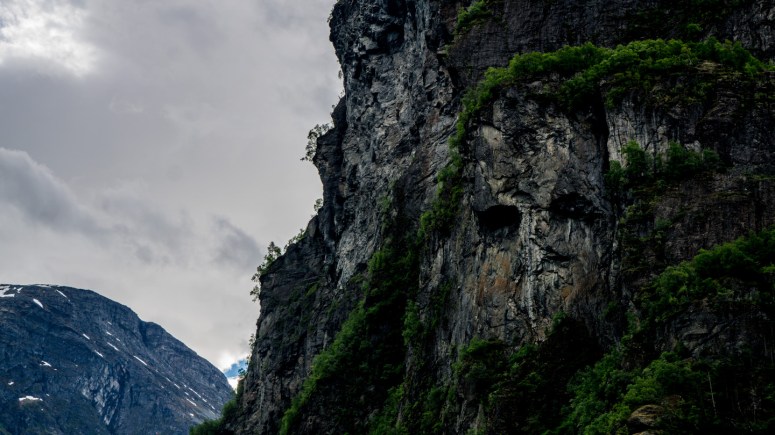 The tallest of the Seven Sisters tops out at an impressive 820 feet. Be sure to visit later in the Spring when the winter snow and ice are melting to get the best views.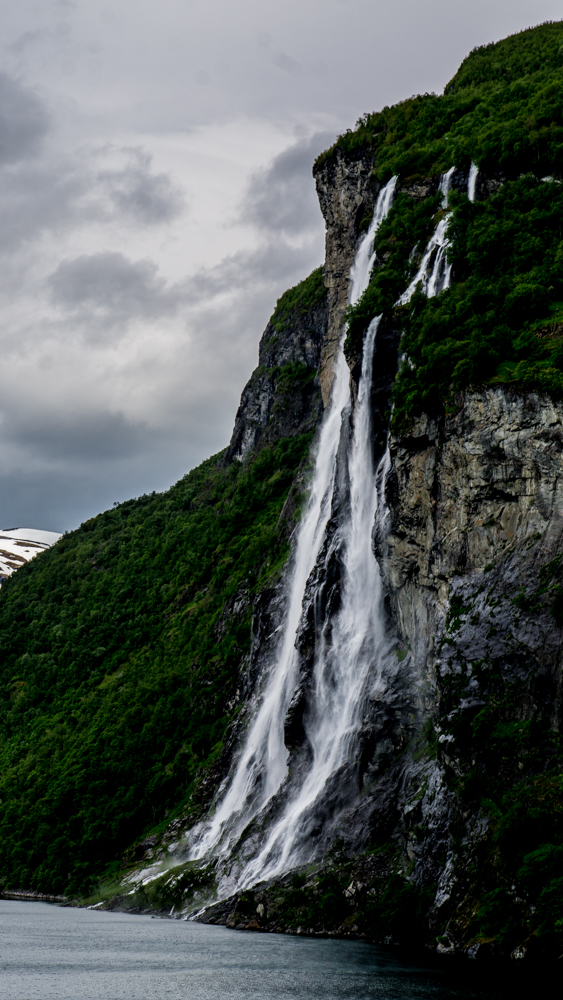



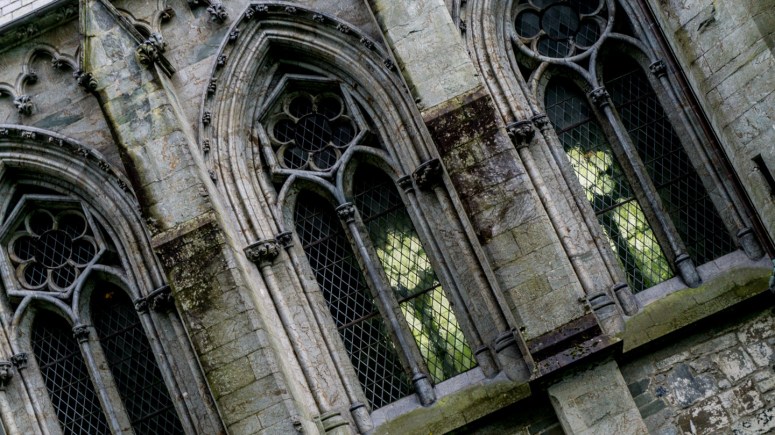
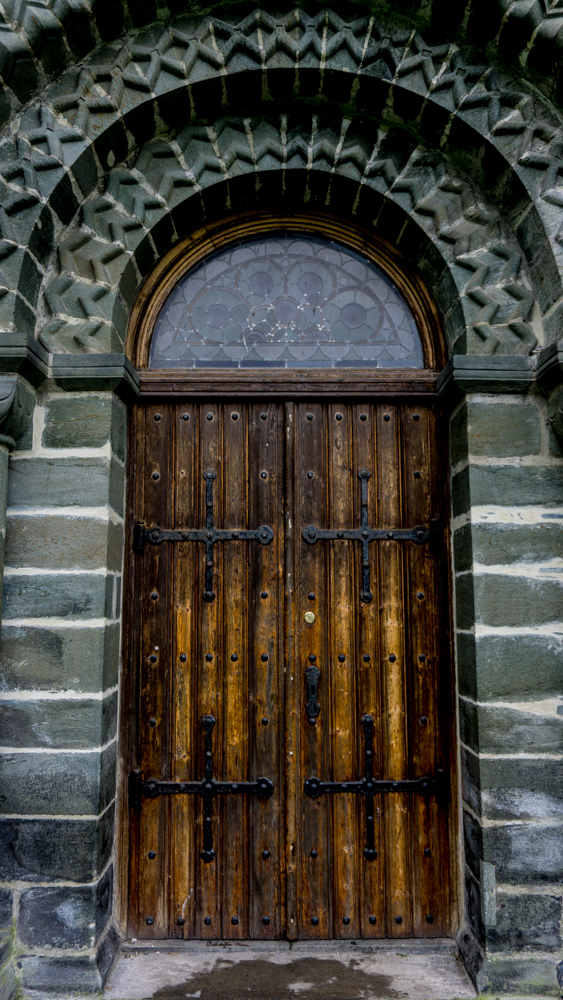 In medieval times the church was quite different than it is today. Around the church interior were different altars dedicated to different saints. Daily masses were held around these altars. The St. Swithun relic, an arm bone from an English bishop could be found in the choir. The cathedral also had several relics during this time, these included a cloth with Jesus’ blood, a piece of Jesus’ cross and other relics connected to different saints.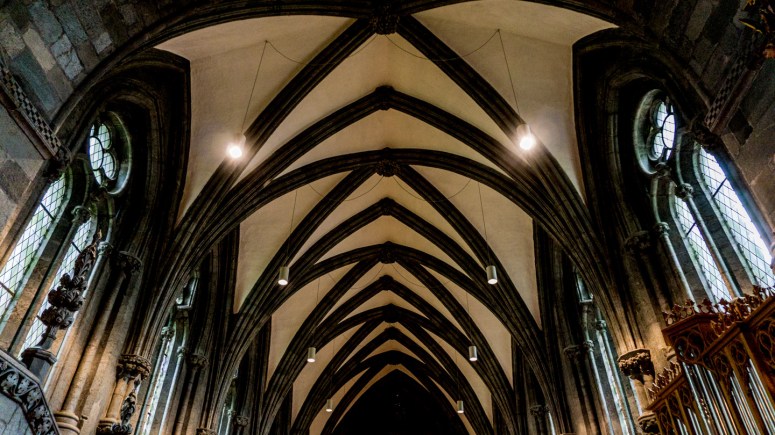
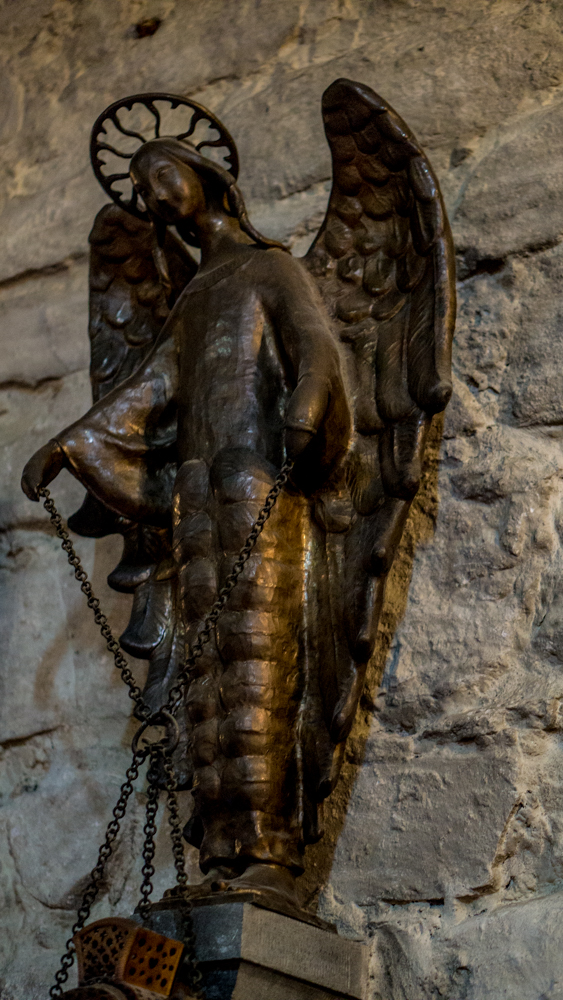
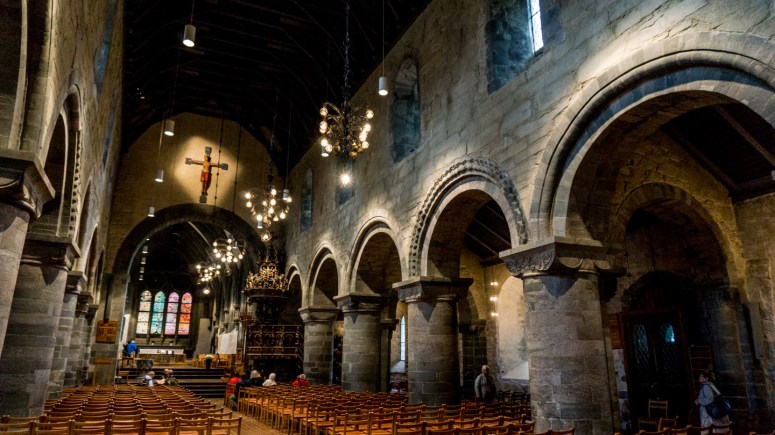 New lighting for the cathedral was installed in the 1920’s. Emanuel Vigeland designed six chandeliers in the nave and eight lamps on the side walls. The lamps were designed with an angel figurine that holds a hanging lamp.
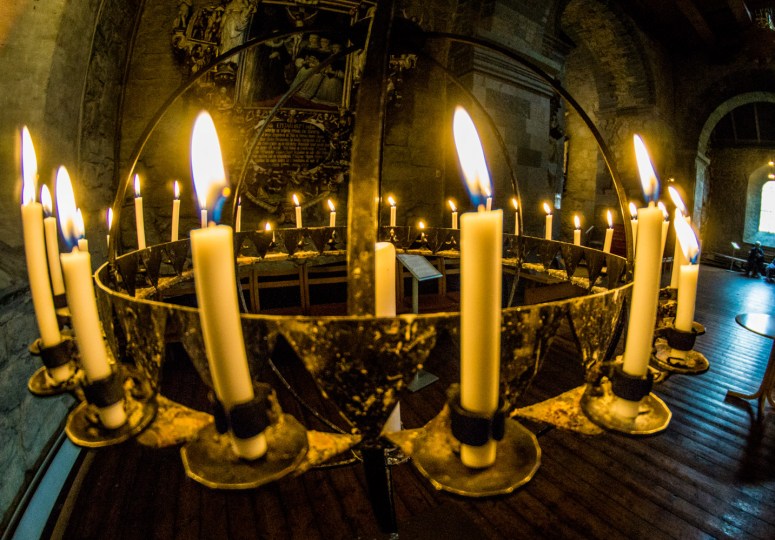
 The chandeliers look like thorn bushes and vines.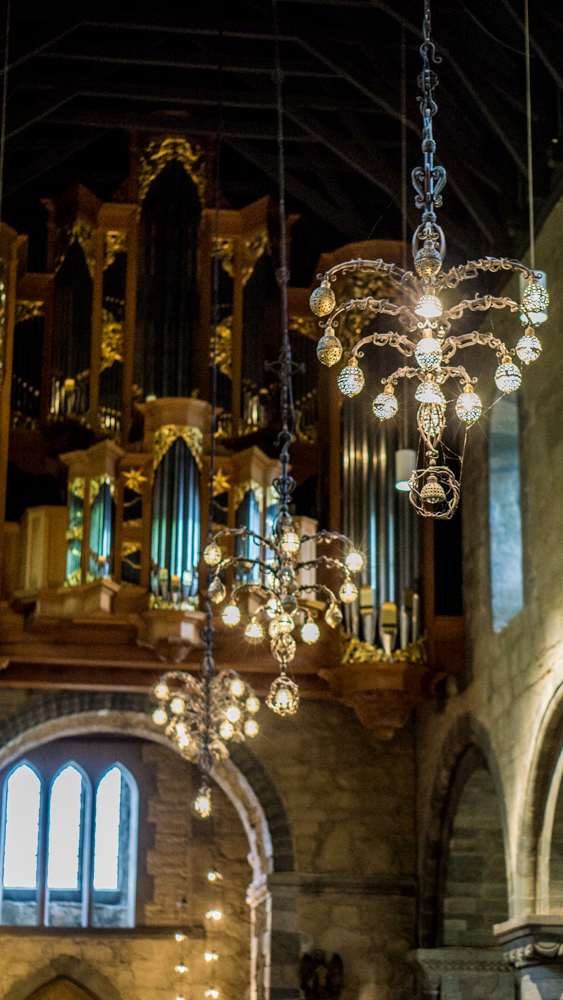
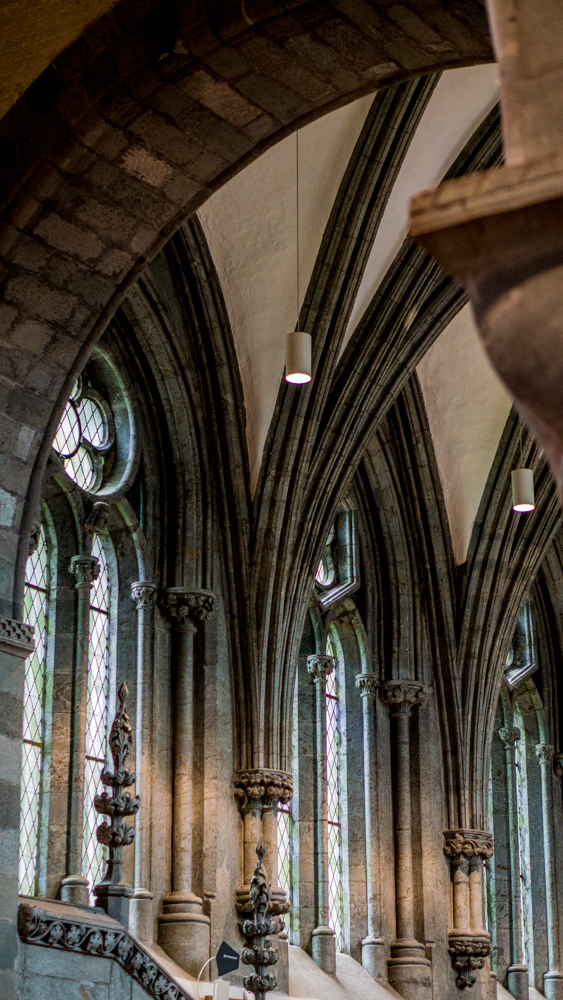
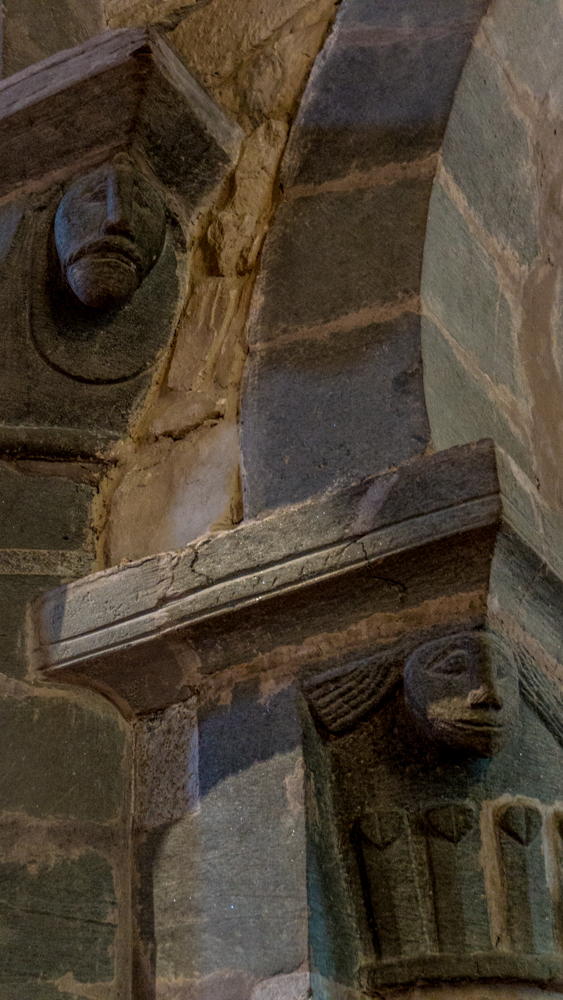
 Faces in the Medieval portion of the church reflect the Norse heritage of the craftsmen.
 The ornate pulpit was a gift from the feudal overlord Henrik Below, in 1658, created by Scottish sculptor Andrew (Anders) Smith. As one of the biggest pieces in Norwegian baroque style the pulpit is an example of cartilage baroque. The base of the pulpit is the biblical character of Samson facing down a lion.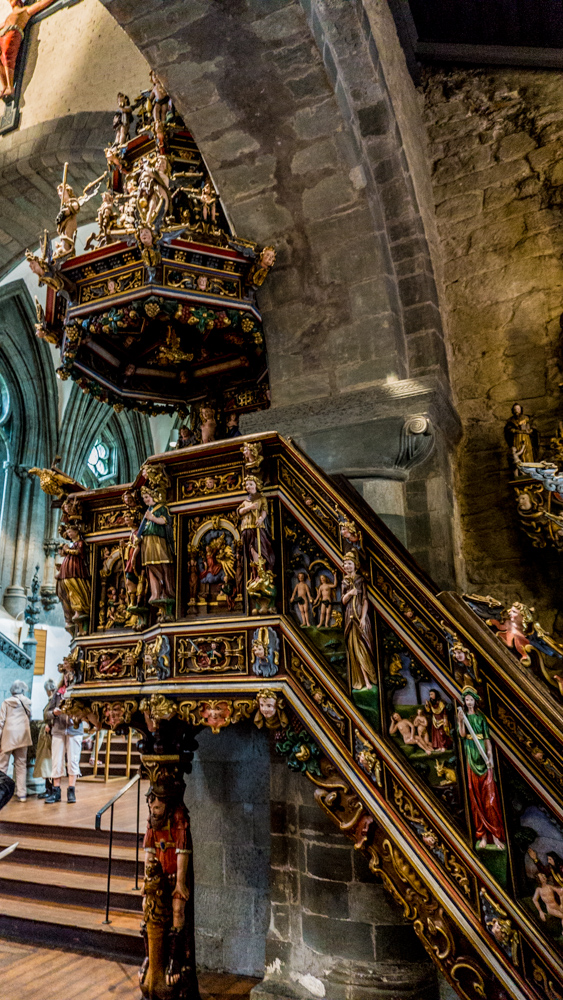
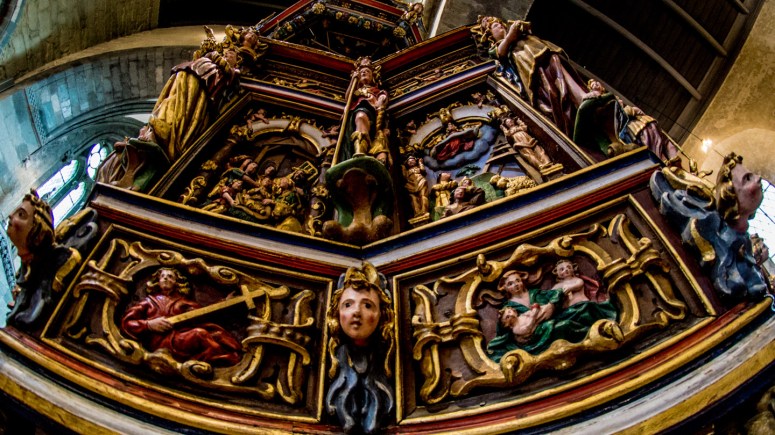 The various carvings display stories of the bible starting with the Garden of Eden towards the bottom and ending with a triumphant Jesus at the top.Since many people at the time couldn’t read, the carvings were used to tell the tales.
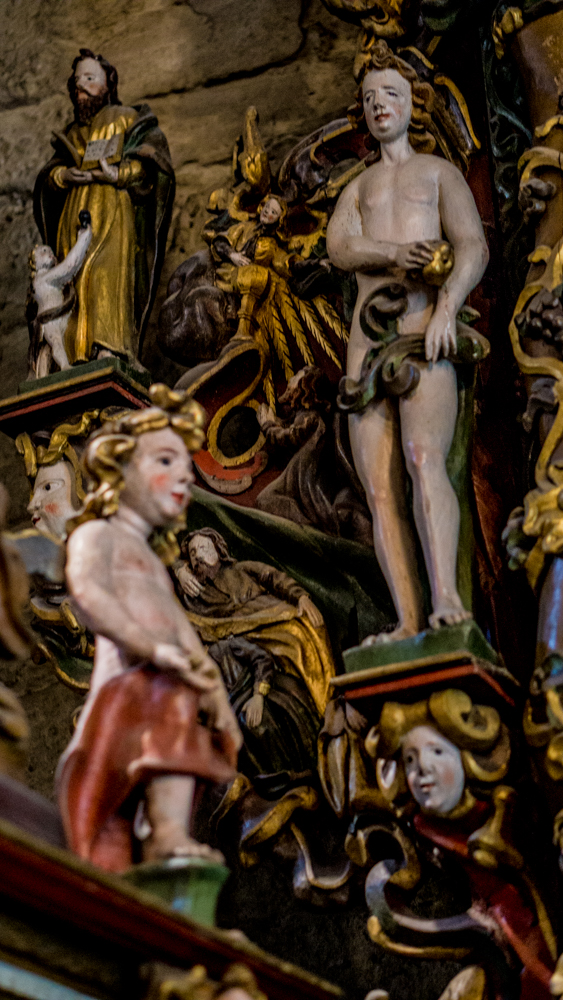 Five large and elaborately carved memorial plaques are epitaphs for known men in the community. Their hanging in the cathedral brought honor to their families. Many rich and powerful families wanted to mark their position and make their presence known within the church. These families often received preferred seats in the front rows. This practice was popular in the 1600 and 1700’s.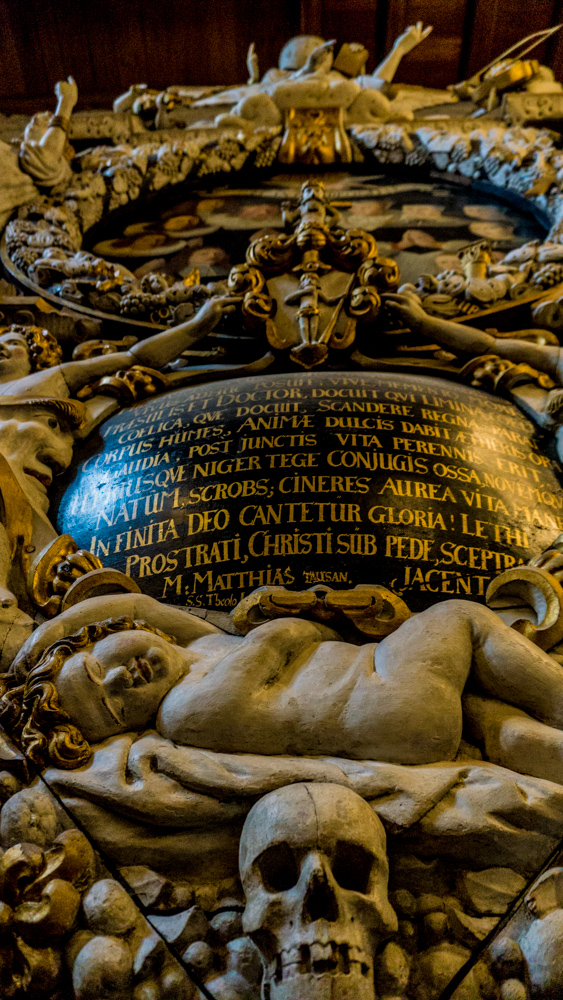
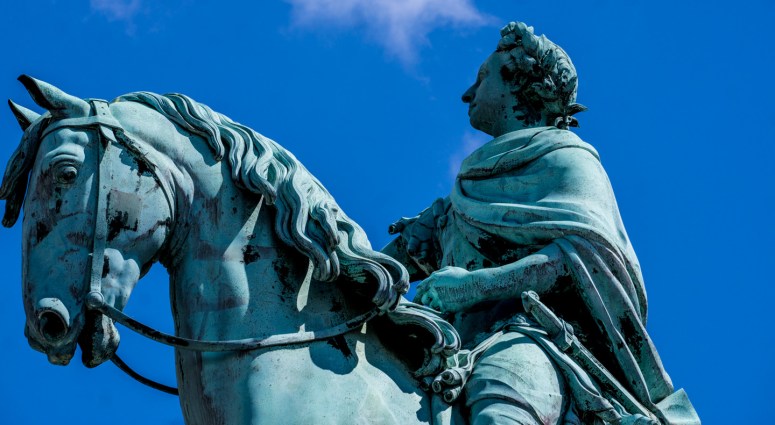 One of the highlights of a visit to Amalienborg Palace is the pageantry of the changing of the guard. Every day Den Kongelige Livgarde take to the streets and march from their barracks by Rosenborg Castle to Amalienborg. At precisely 12 noon the changing of the guard takes place. Unlike the changing of the guards in England, there are no fences separating the guards from the public.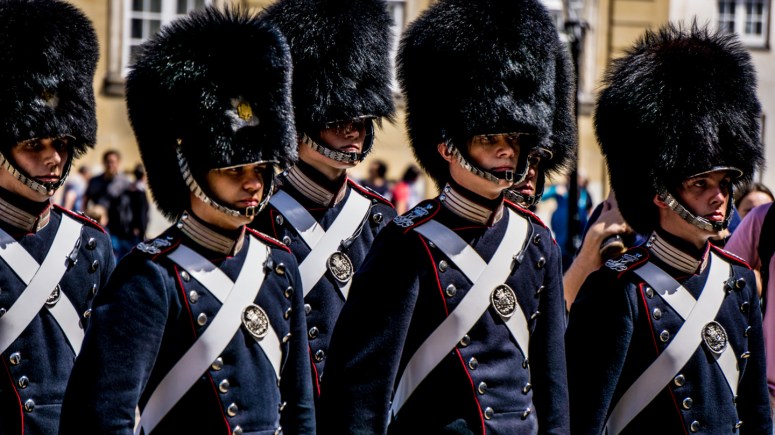
 Although you can’t drop in on to visit the Queen, you can visit one of the buildings where 4 kings of the House of Glucksborg who ruled from 1863 through 1972 resided. Among the rooms you can see are the study and drawing room of Christian IX and Queen Louise. Queen Louise was the great-great-grandmother of today’s Queen Margreth and through marriage allowed Prince Christian IX to ascend the throne. Queen Louise made sure that all six of her children married well and Queen Louise and King Christian IX became known as Europe’s Parents-In-Law. Four of their children sat in the thrones of Denmark, Greece, England, and Russia.
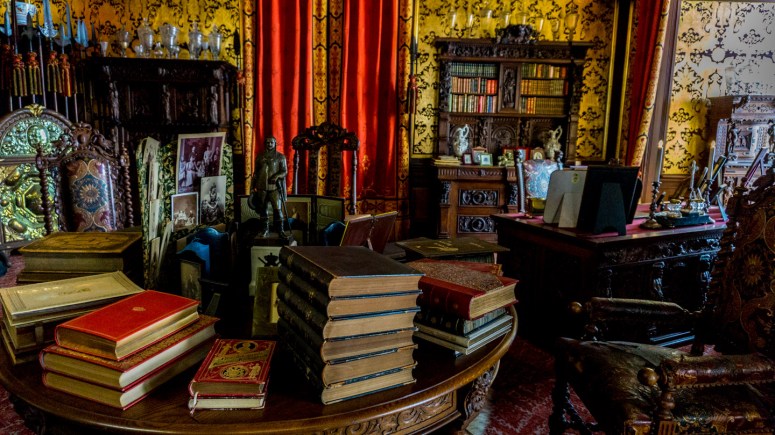 The private salon of Queen Louise is full of Victorian treasures and personal souvenirs.
 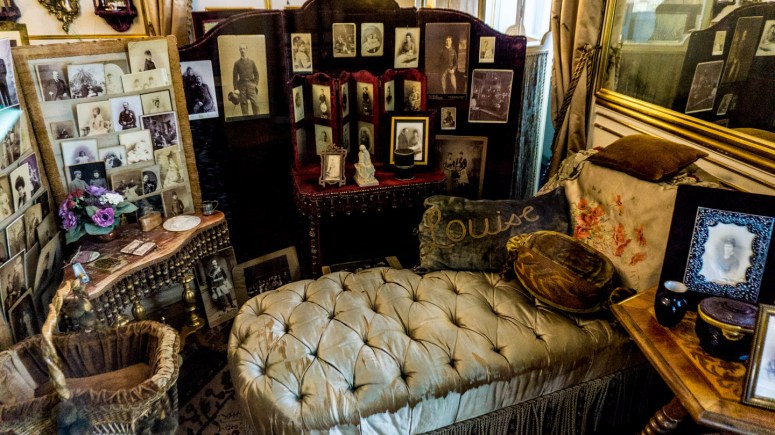 Christian IX’s study is decorated with framed photos of family. During Christian IX’s time, photographs were a new sensation and expensive. They were a status symbol and also showed how seriously Christian IX took his fame as Europe’s Father-In-Law.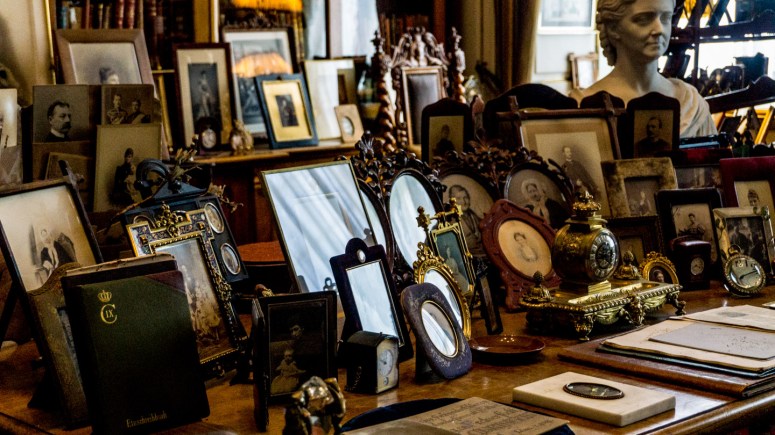
 The gold lettering over the entrance portico HERRENS ORD BLIVER EVINDELIG translates to “the word of the Lord endureth for ever.” – 1 Peter 1:25
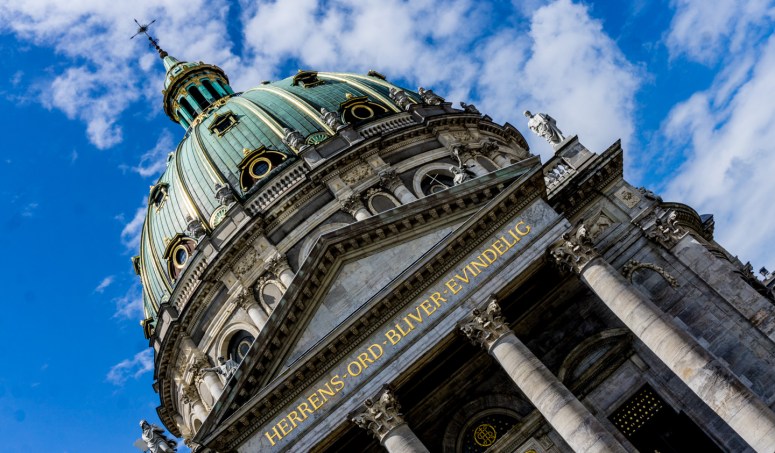 Some say the large dome was meant to rival St.Peter’s in Rome. It remains the largest dome in Scandinavia and one of the largest in Northern Europe.
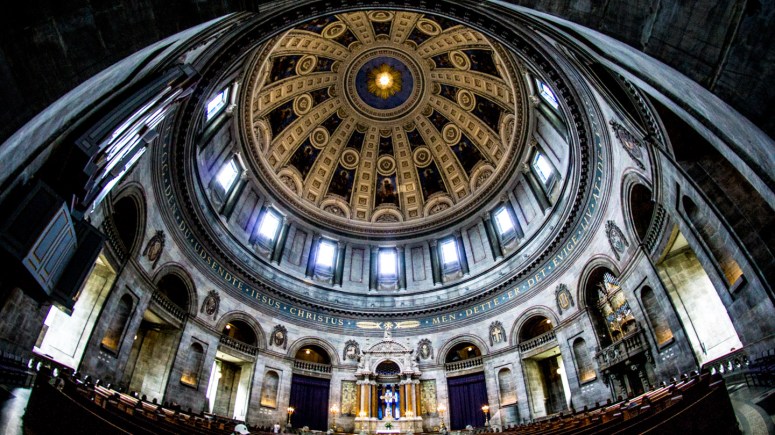 The ornate Swan Organ is no longer in use. The swan is Denmark’s official bird.

 The inner dome of the church is resting on 12 columns. The cupola is split into 12 equal parts and decorated with angels and the 12 apostles.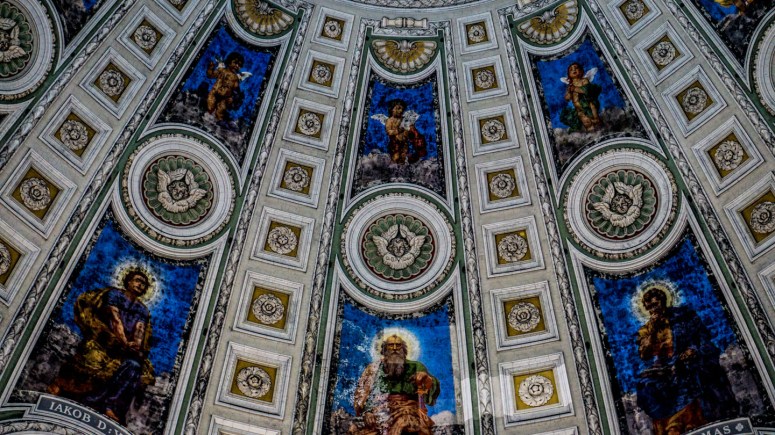
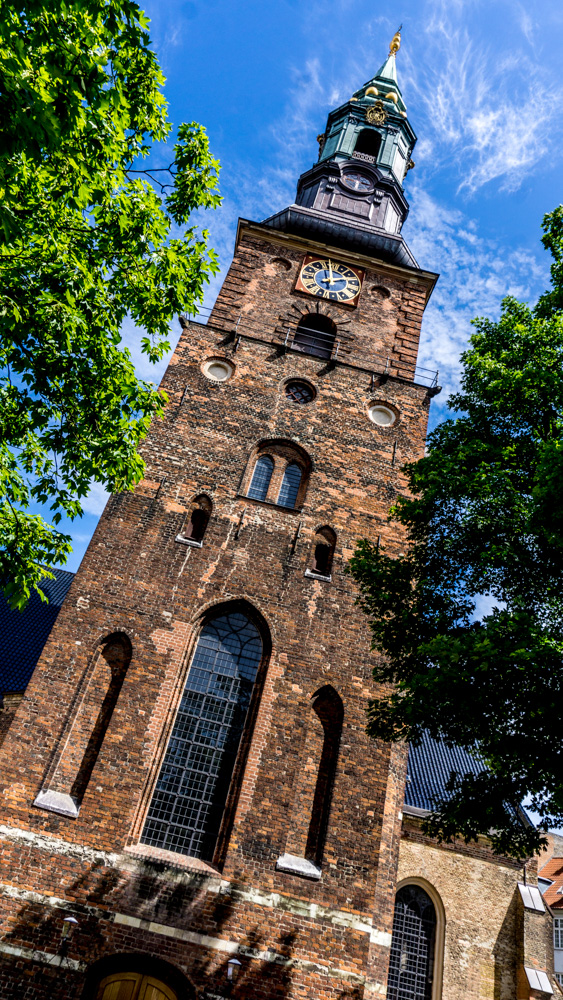 St. Petri’s Kirke is where you can find the remains of one Johan Friedrich Struensee. When he arrived in Copenhagen at age 31 he was King Christian 7’s doctor. He considered himself an atheist and man of the Enlightenment and never set foot in the church while he was alive.
 From the Observation Deck at the Round Tower (Runtaarn) you can see the many spires of Copenhagen. The former St. Nikolaj Kirke (St. Nicholas Church) in the foreground is now a contemporary art museum.
 St Nicholas Church was built close to the shore, and was the church of fishermen, sailors and visiting traders. The church was named after the patron saint of sailors.
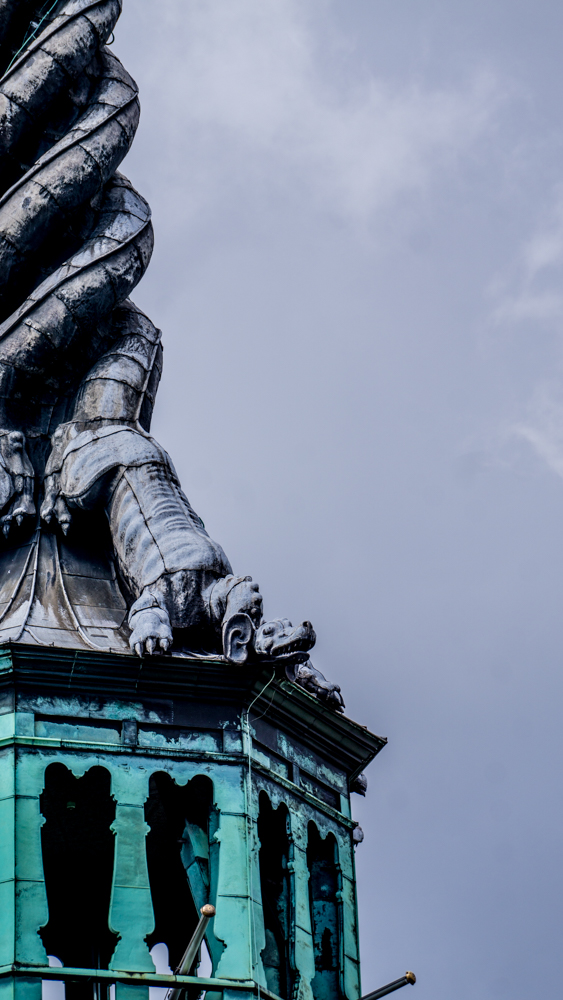
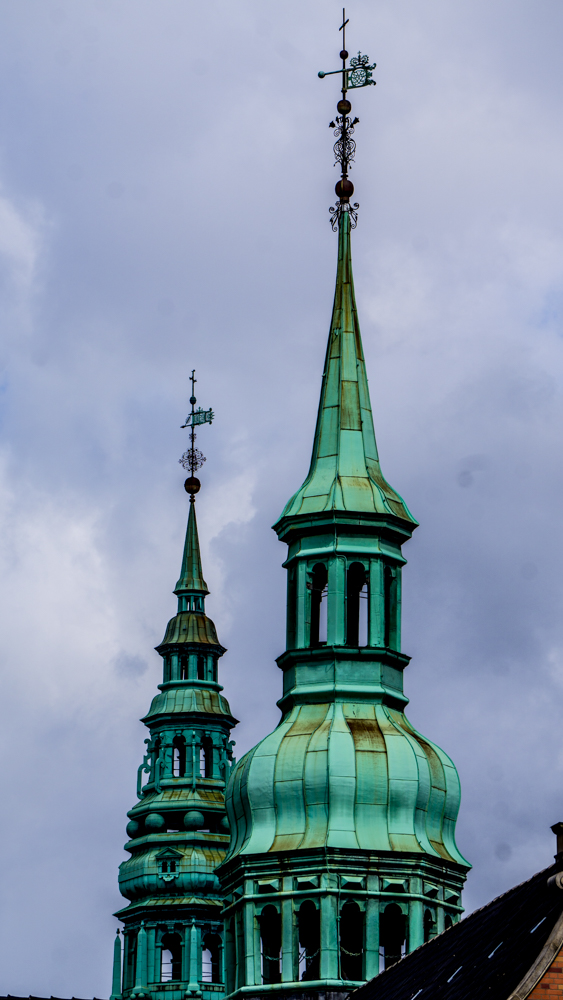 The Old Stock Exchange (Borsen) has the most interesting spire in the city. The tails of four dragons are intertwined to create the spire. The legend is that the dragon tailed spire guards the building against enemy attacks and fires. The Old Stock Exchange been spared from damage on many occasions, even when fires have broken out in neighboring buildings.
  The Danish Chamber of Commerce now resides in the building.The three crowns that top the spire represent the Scandinavian empire – Denmark, Sweden and Finland.
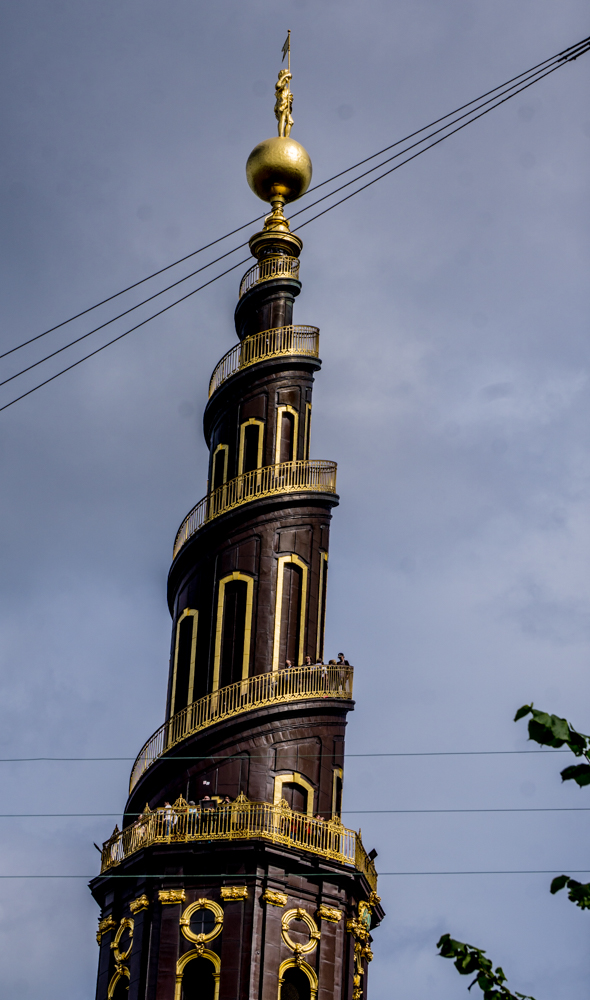
 Sitting in the Christianhaven section of the city, the Church of Our Savior has a spire with an external staircase for climbing to the top. The Church is visited by more people than any other in Copenhagen.
 The 400 steps to the top wrap around the spire 4 times. Like many fortresses the steps wind to the right. The soldiers can defend the city by holding onto the railing with there left (less dominant) hand while brandishing their swords with their right.
 A statue of Our Savior stands on top of a globe at the top watching over the city.
 A quick train ride to the north is where you will find the spires of Kronborg Castle, also known as Hamlet’s Castle.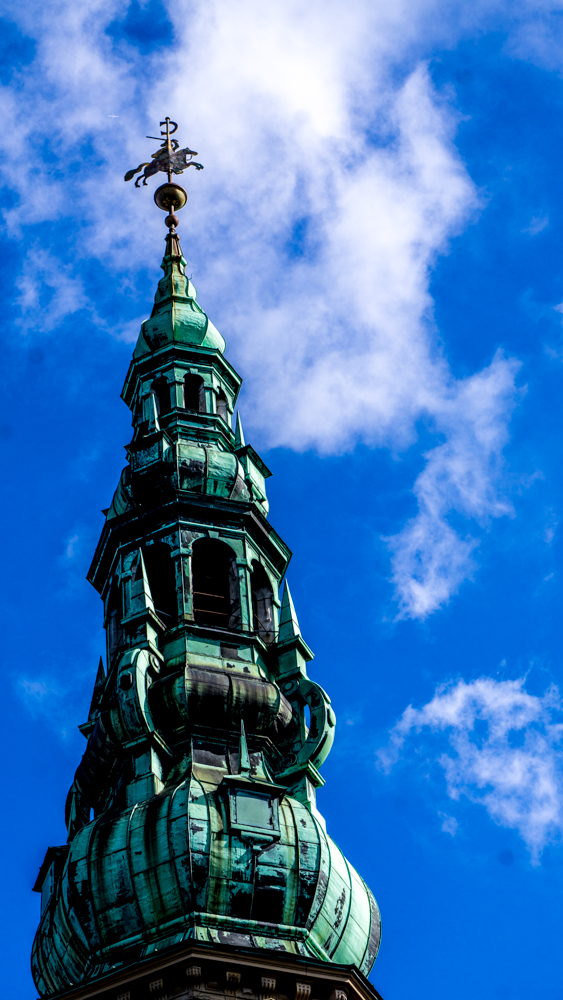
 Travels With Ackbar