Spirits of Louisville

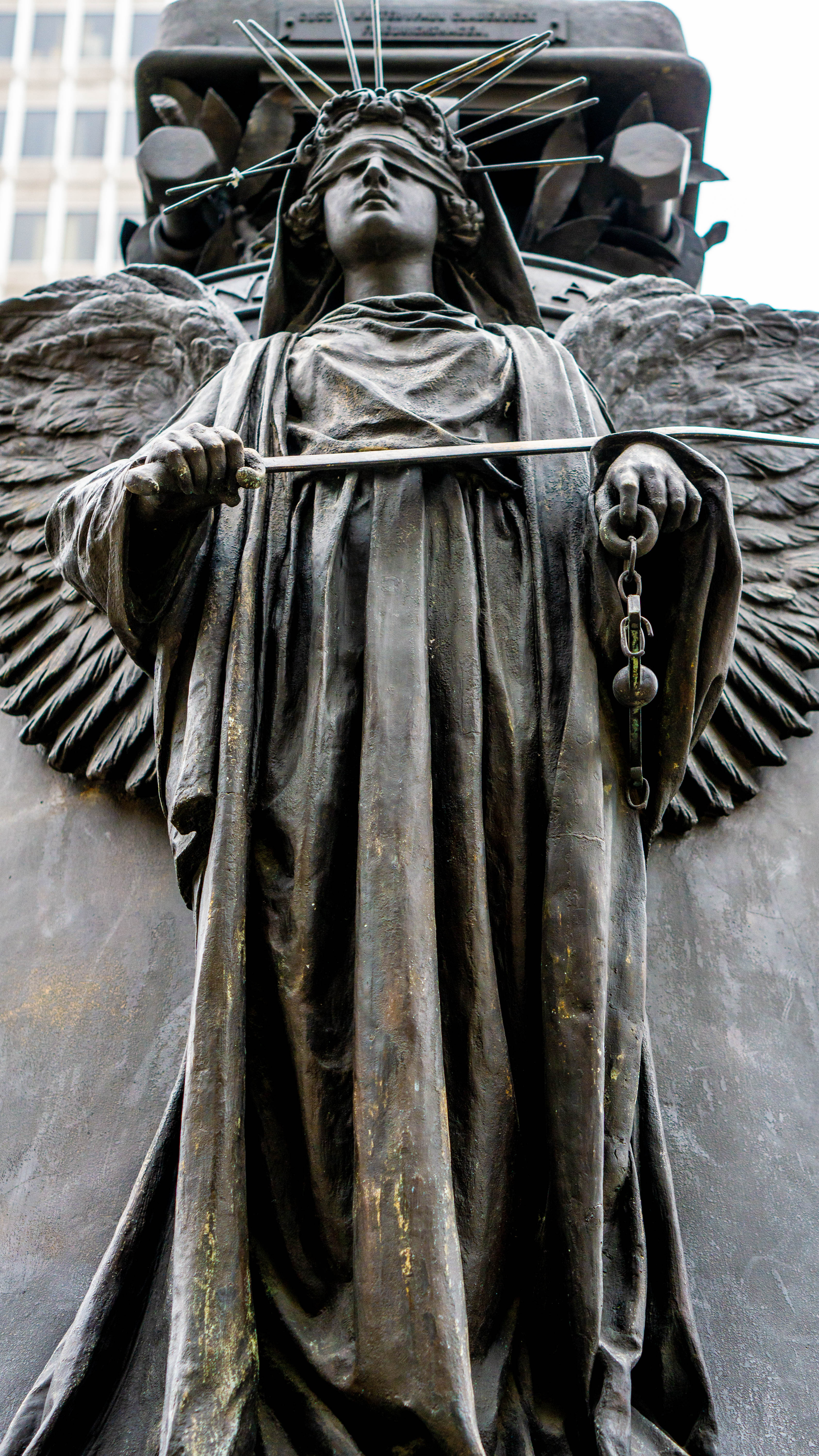
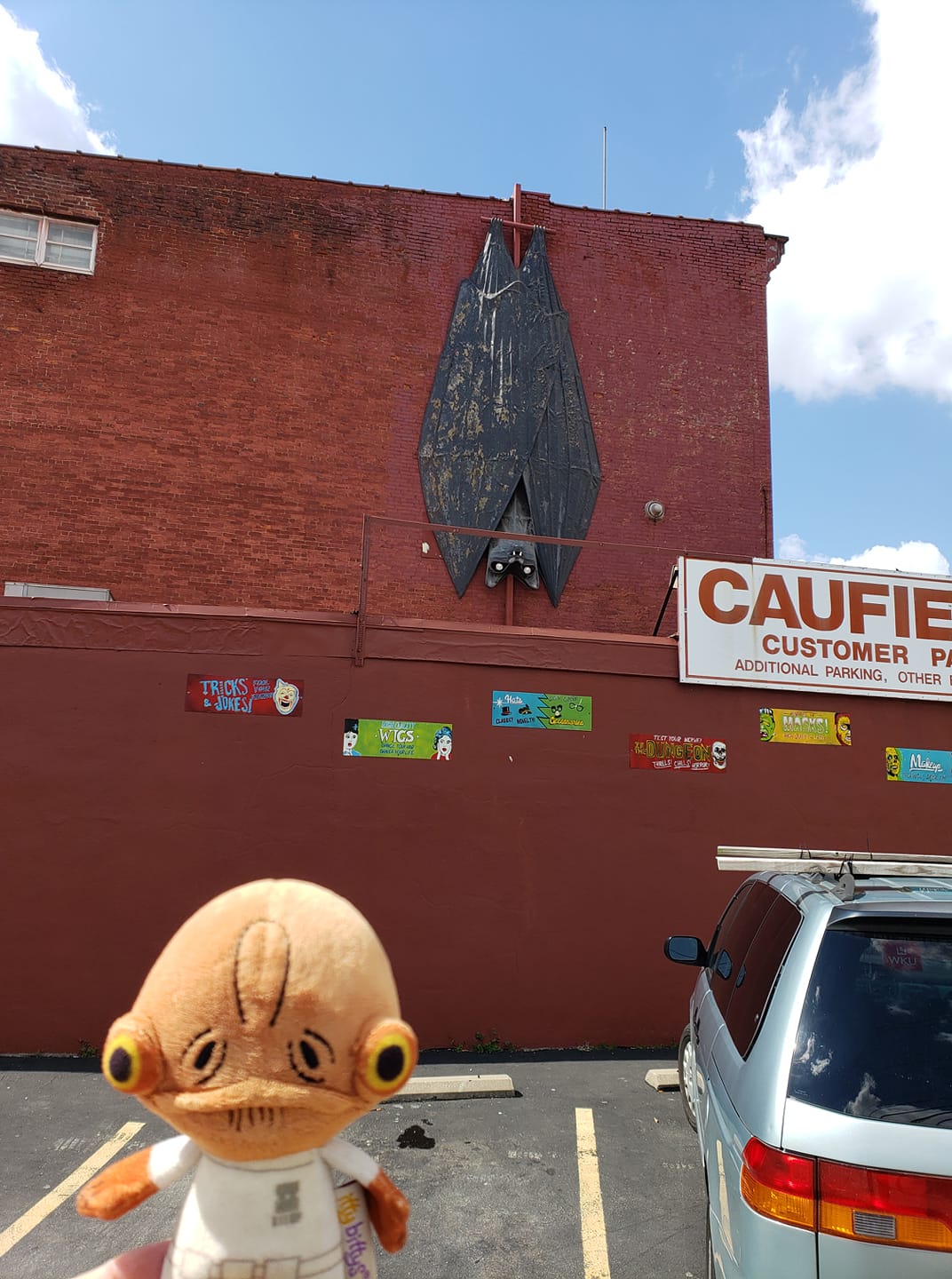
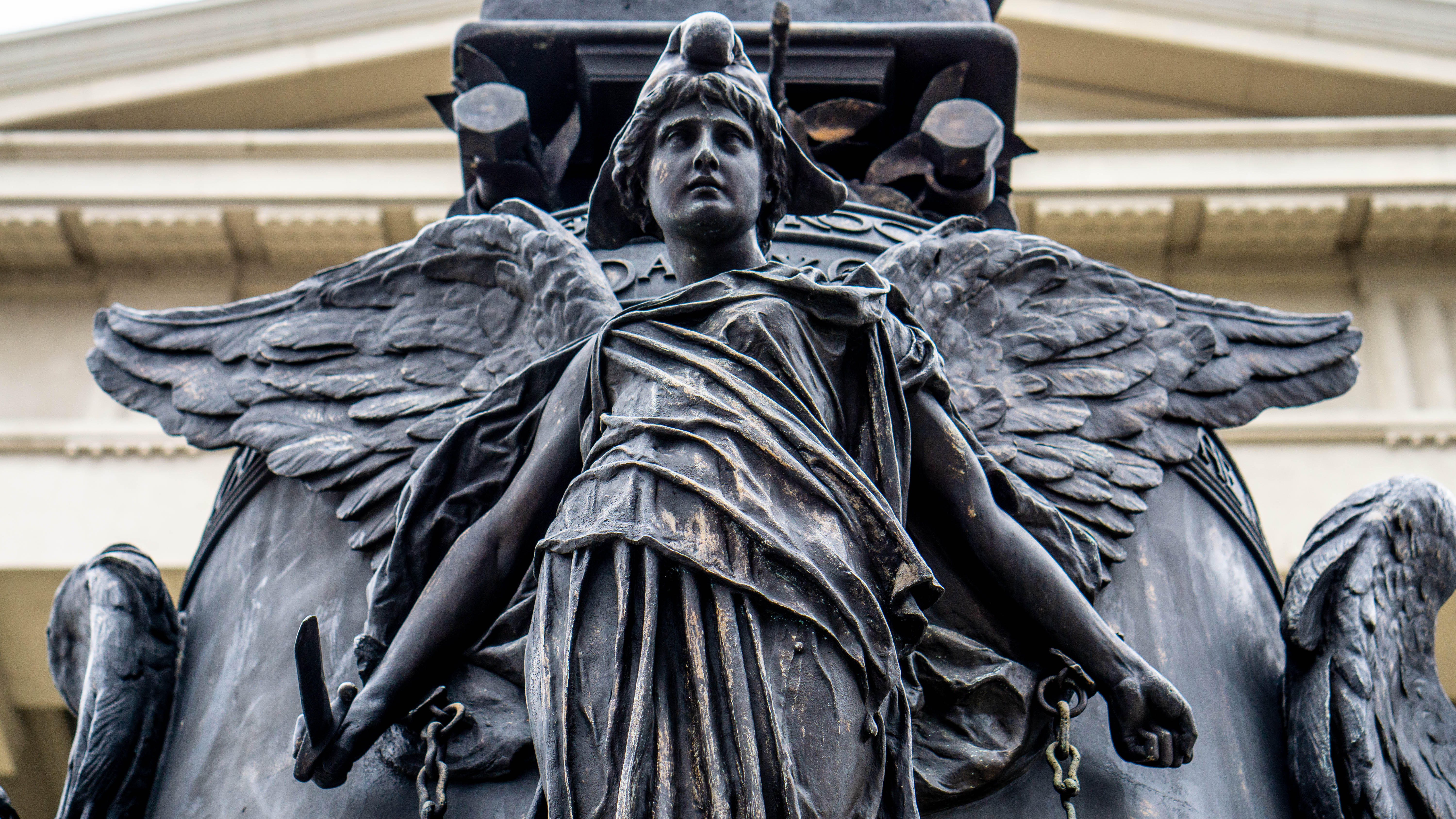
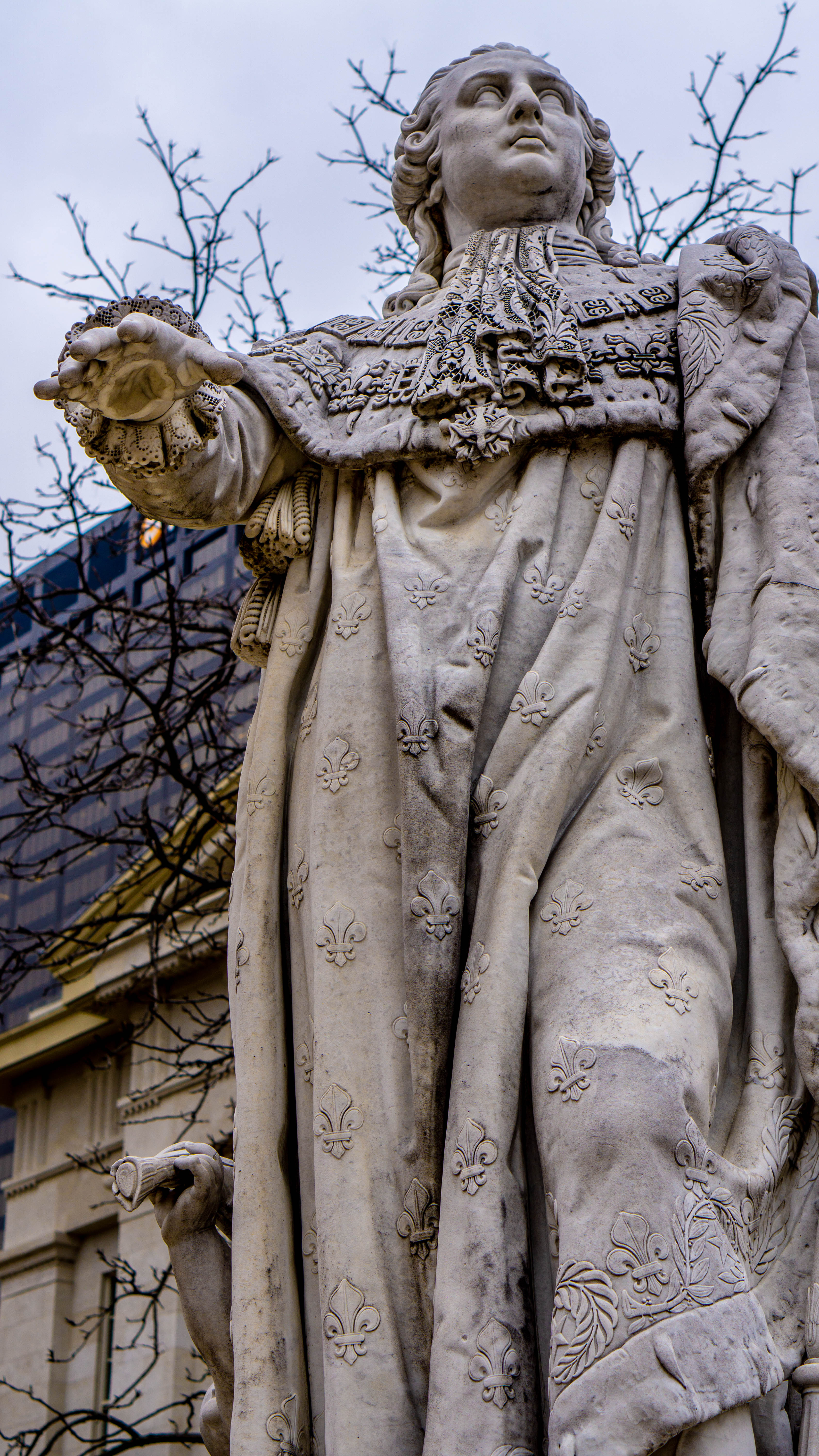
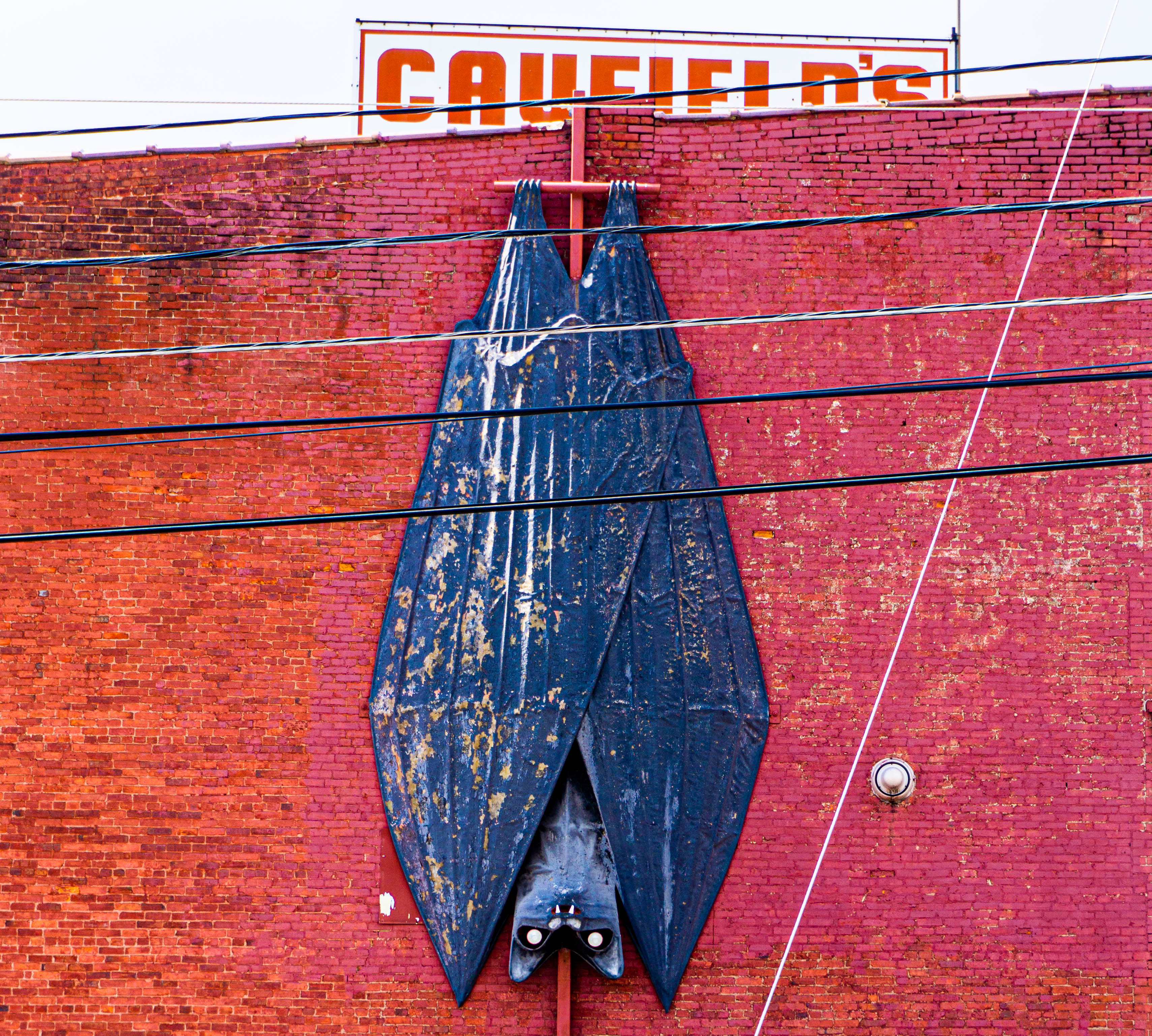
Louisville may be one of the most haunted cities in the South. The spirits of an overcrowded graveyard, A theater patron from long ago and winged monster all hang around the city.
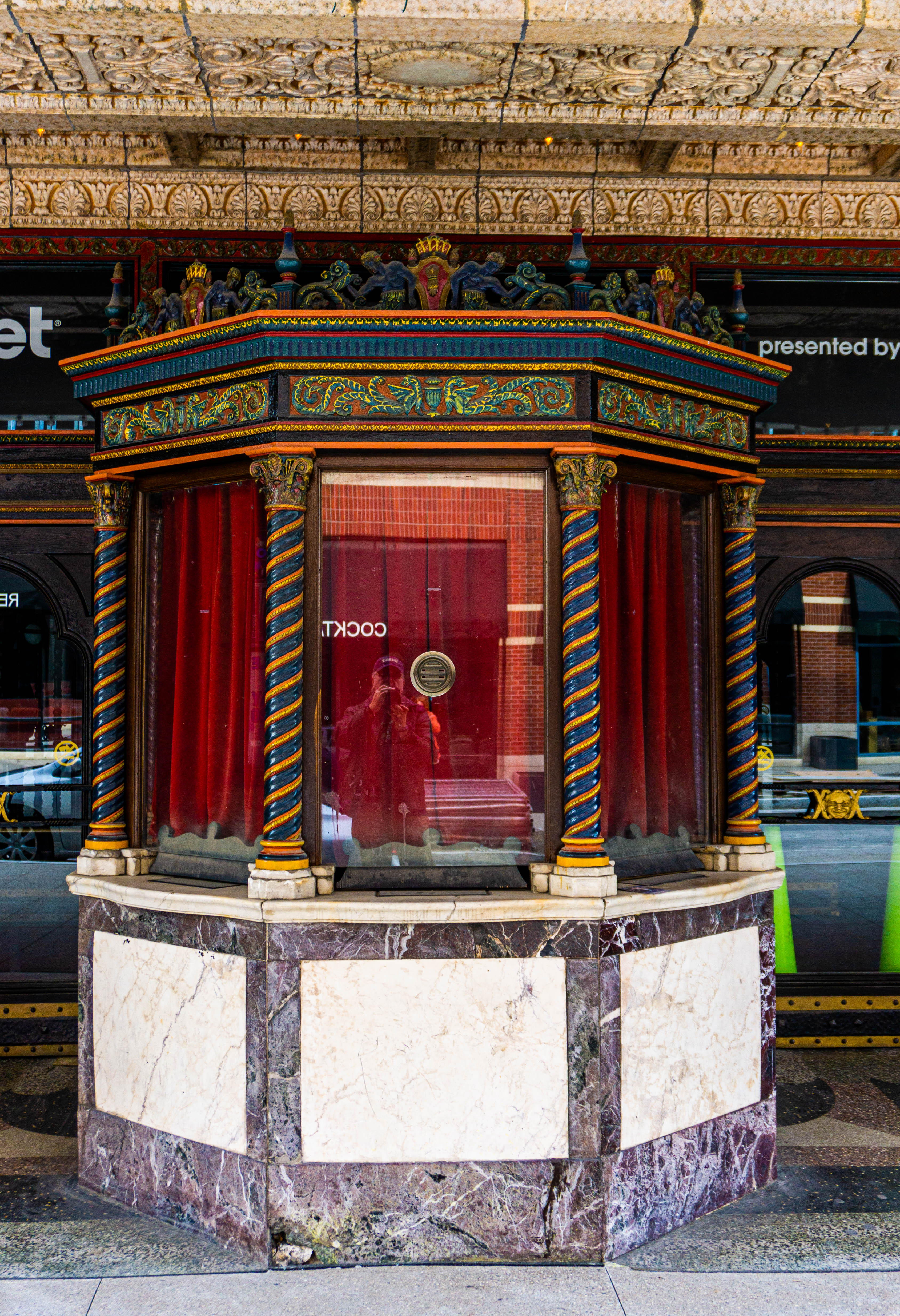
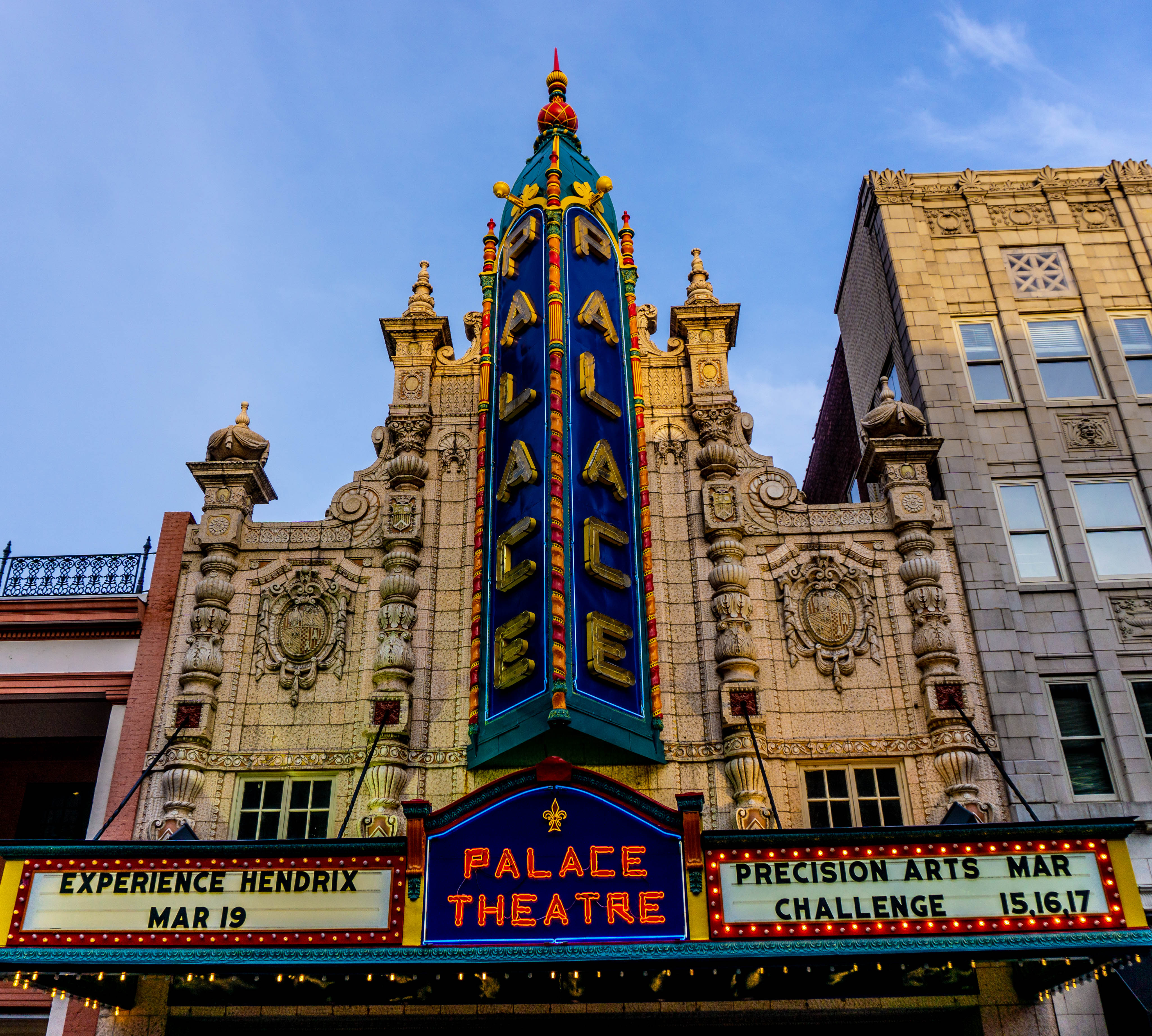
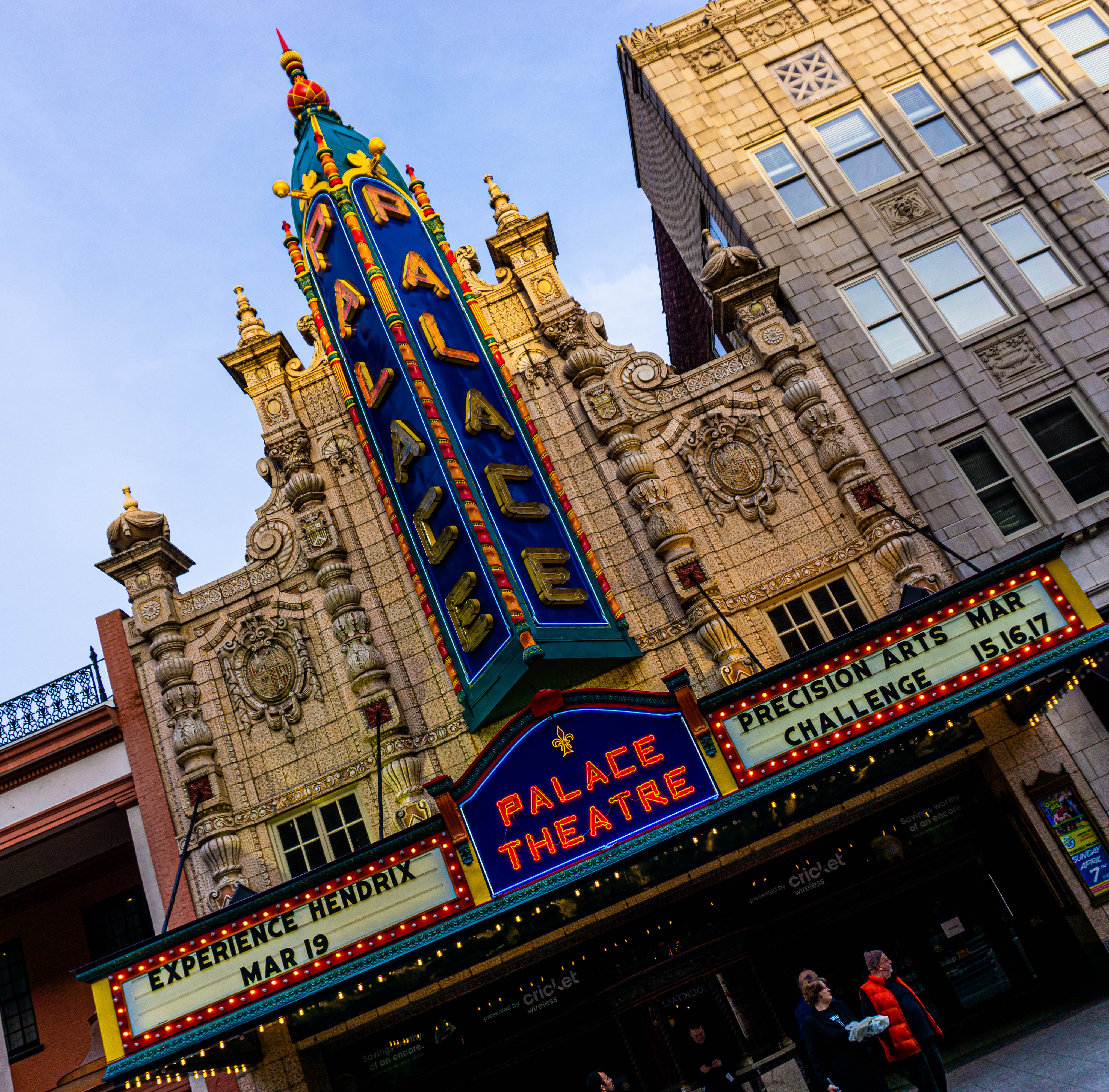
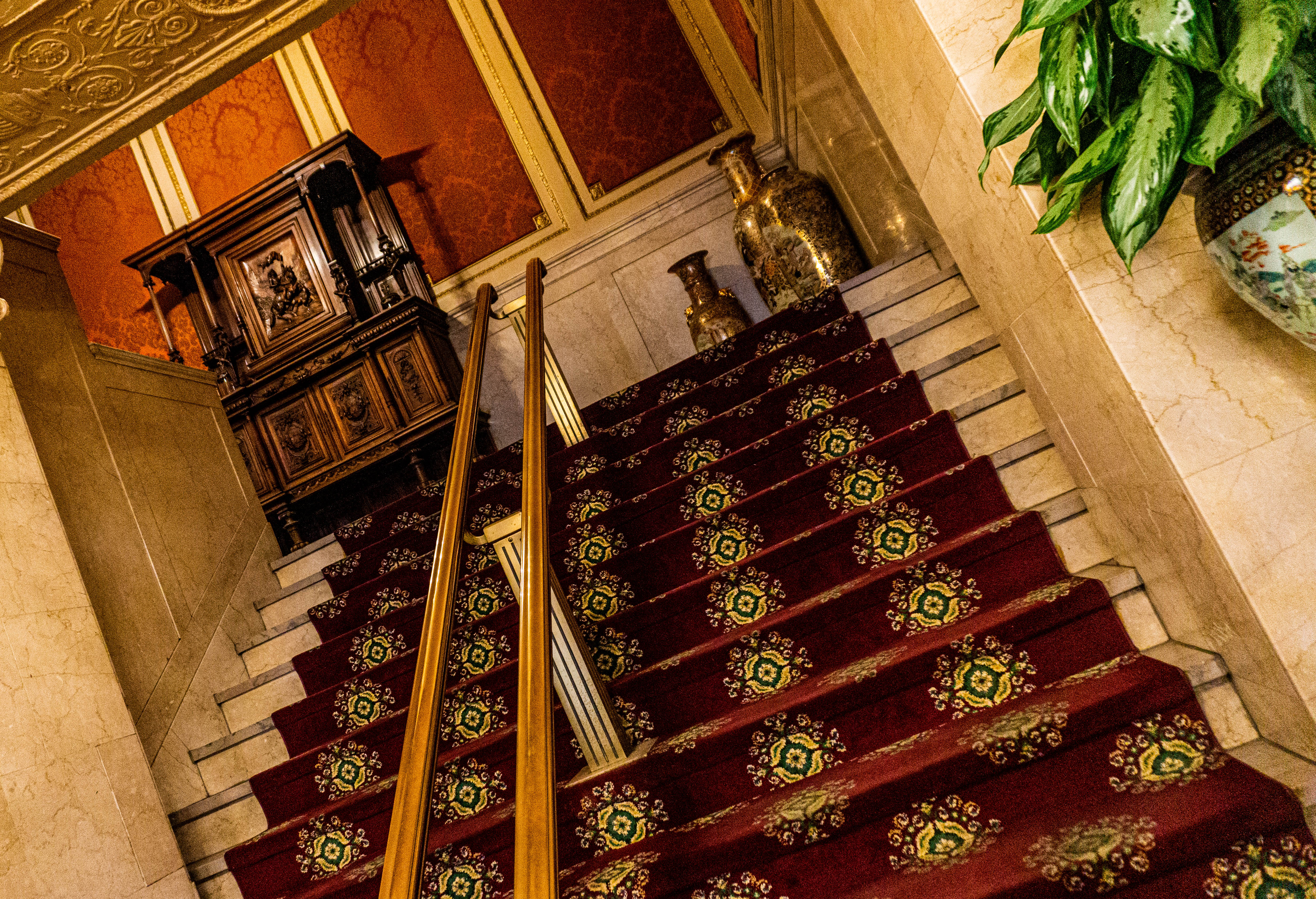
The Louisville Palace Theater first opened in 1928. The spirit of a young woman, known as The Gray Lady is often seen walking down the auditorium aisle looking for a seat. The sounds of children playing can be heard near the upstairs bar and the ghost of a projectionist named Bernard often walks in front of the spotlight. The story goes that he had a heart attack and fell down the projection booth stairs.
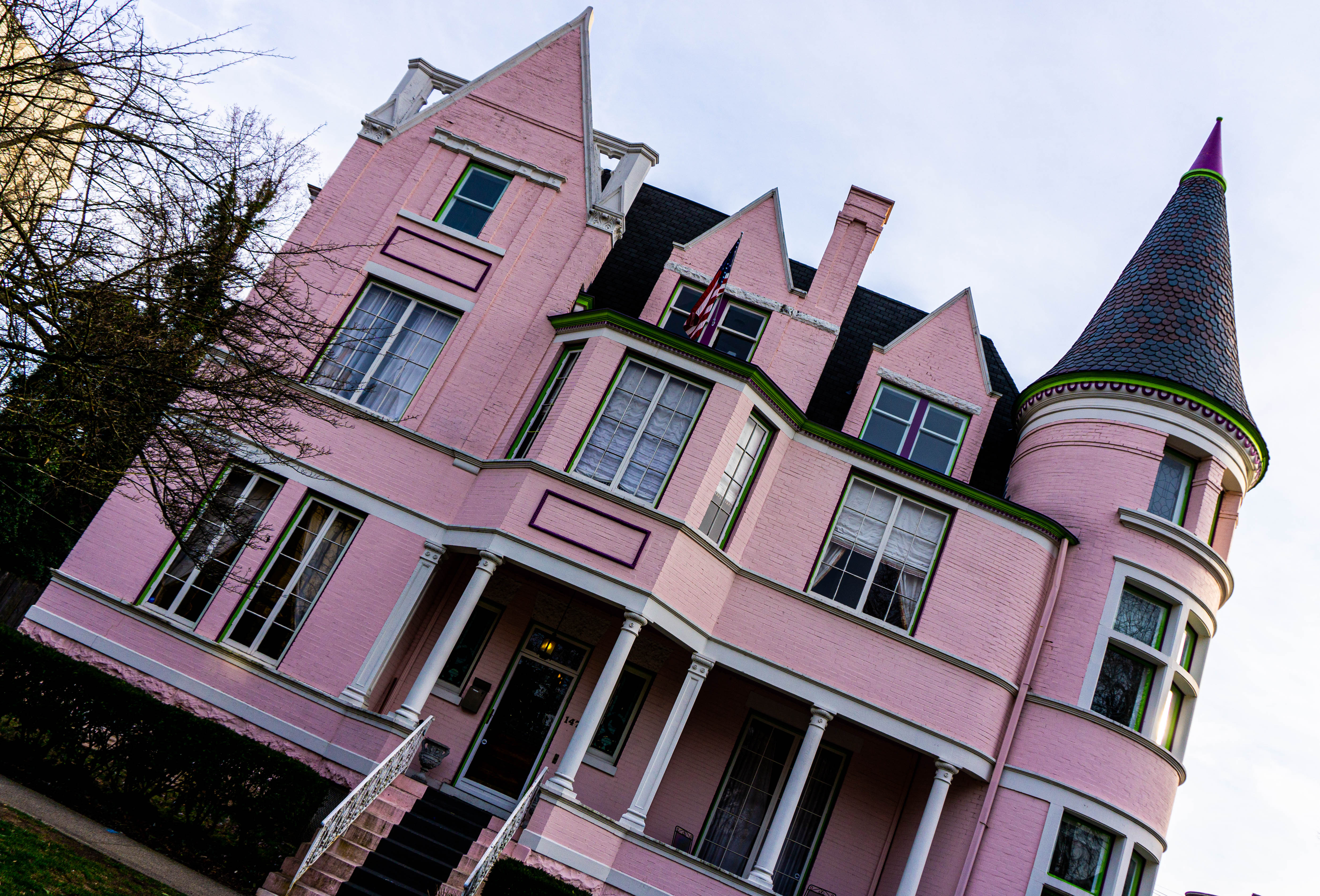
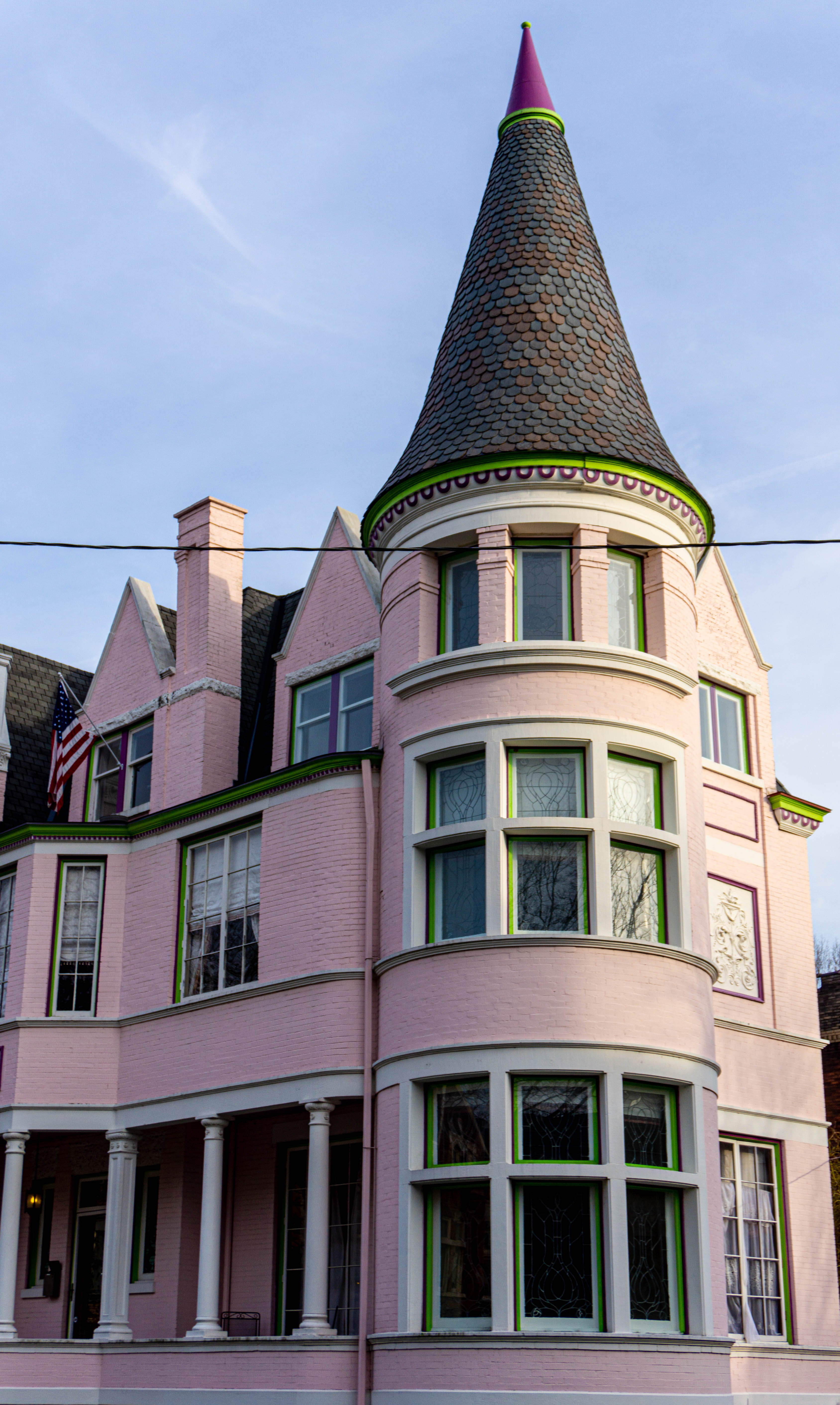
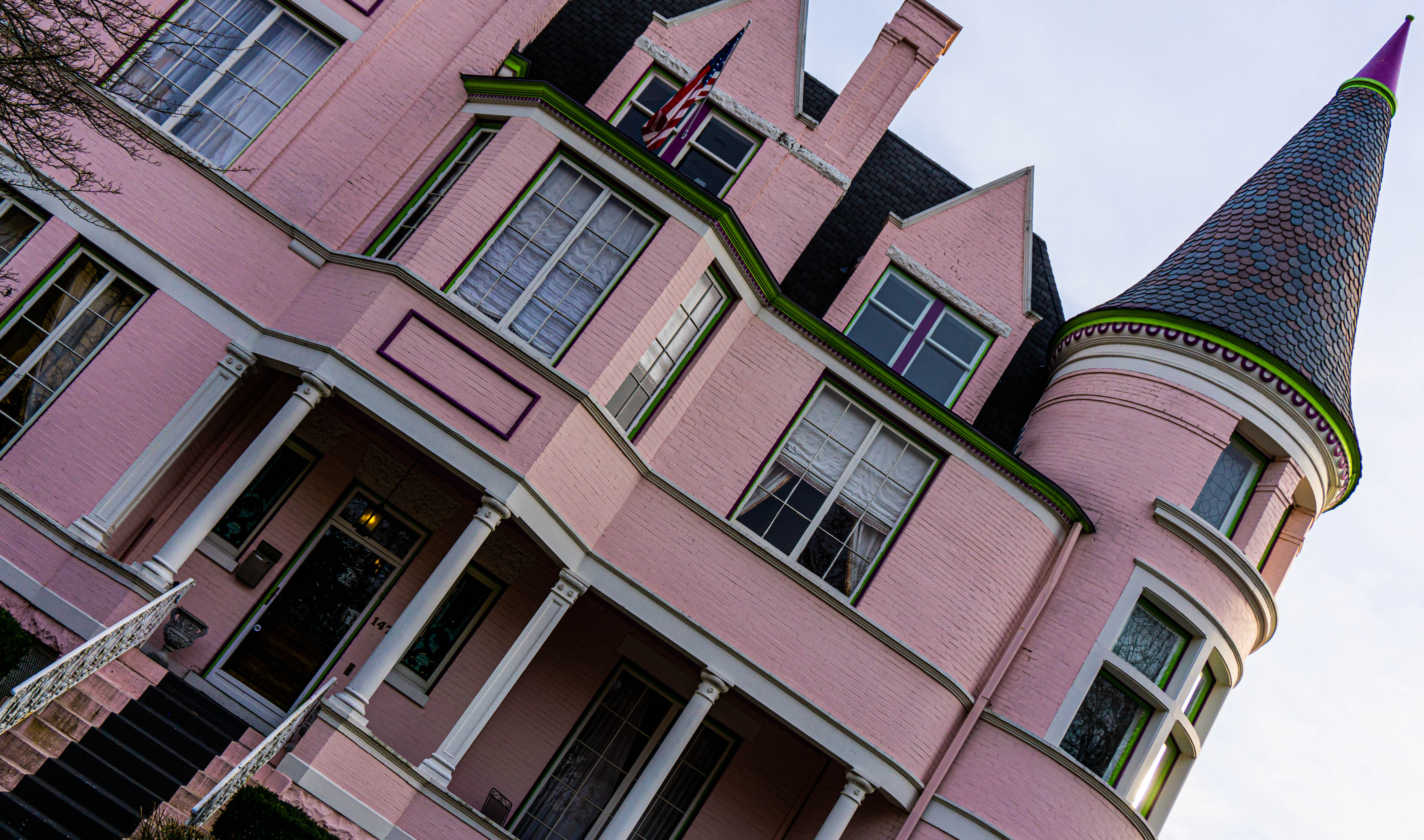
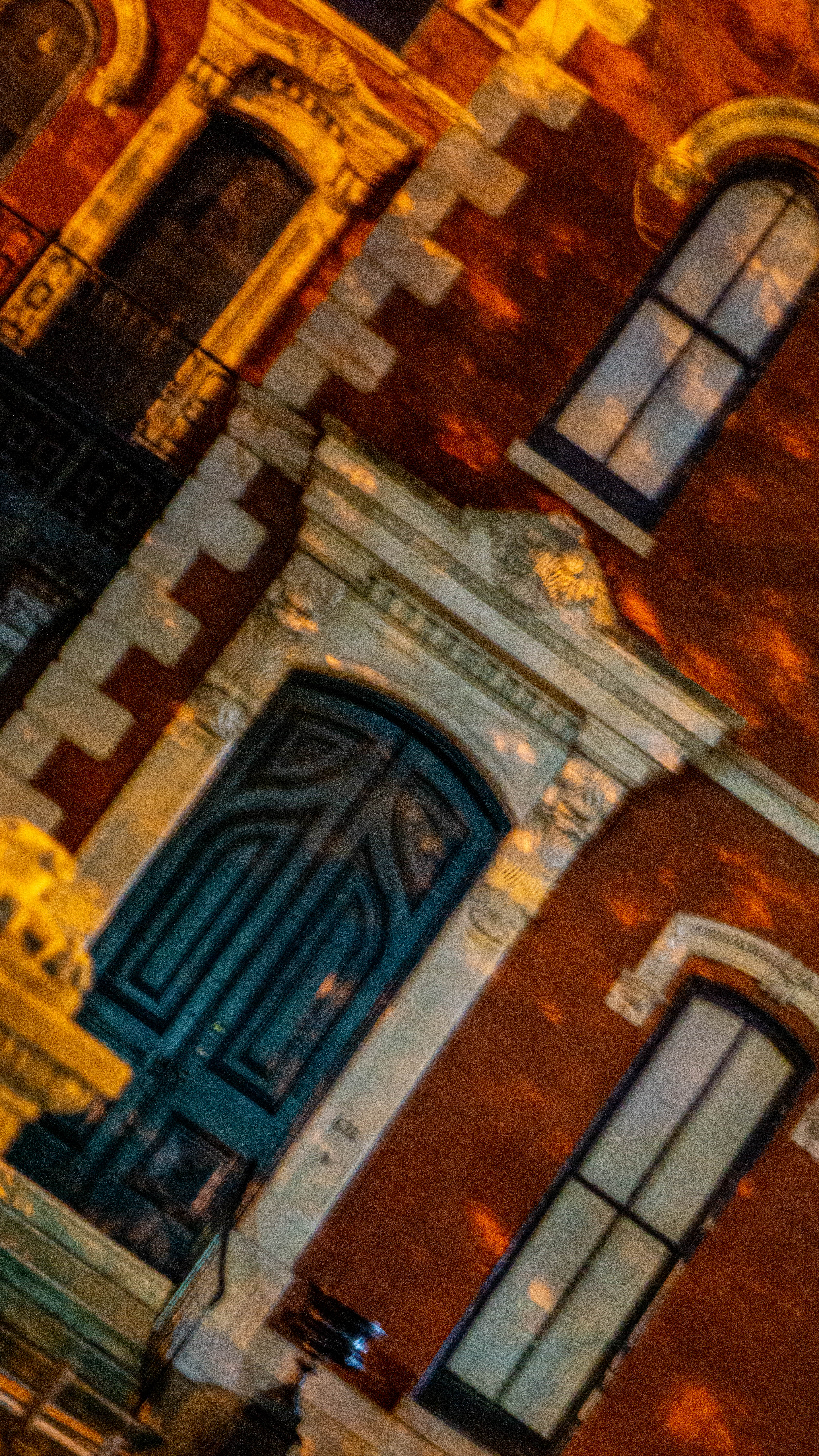
In Old Louisville, you can find “The Pink Palace”. A spirit named Avery haunts 1473 St. James Court. Local author, David Domine, has written several books on Haunted Louisville that we highly recommend. If you happen to run into him at the Louisville Welcome Center be sure to ask him about the time that saved a woman’s life by scaring her out of the bathtub. You can also visit these haunts and others on one of his Ghost Walks.
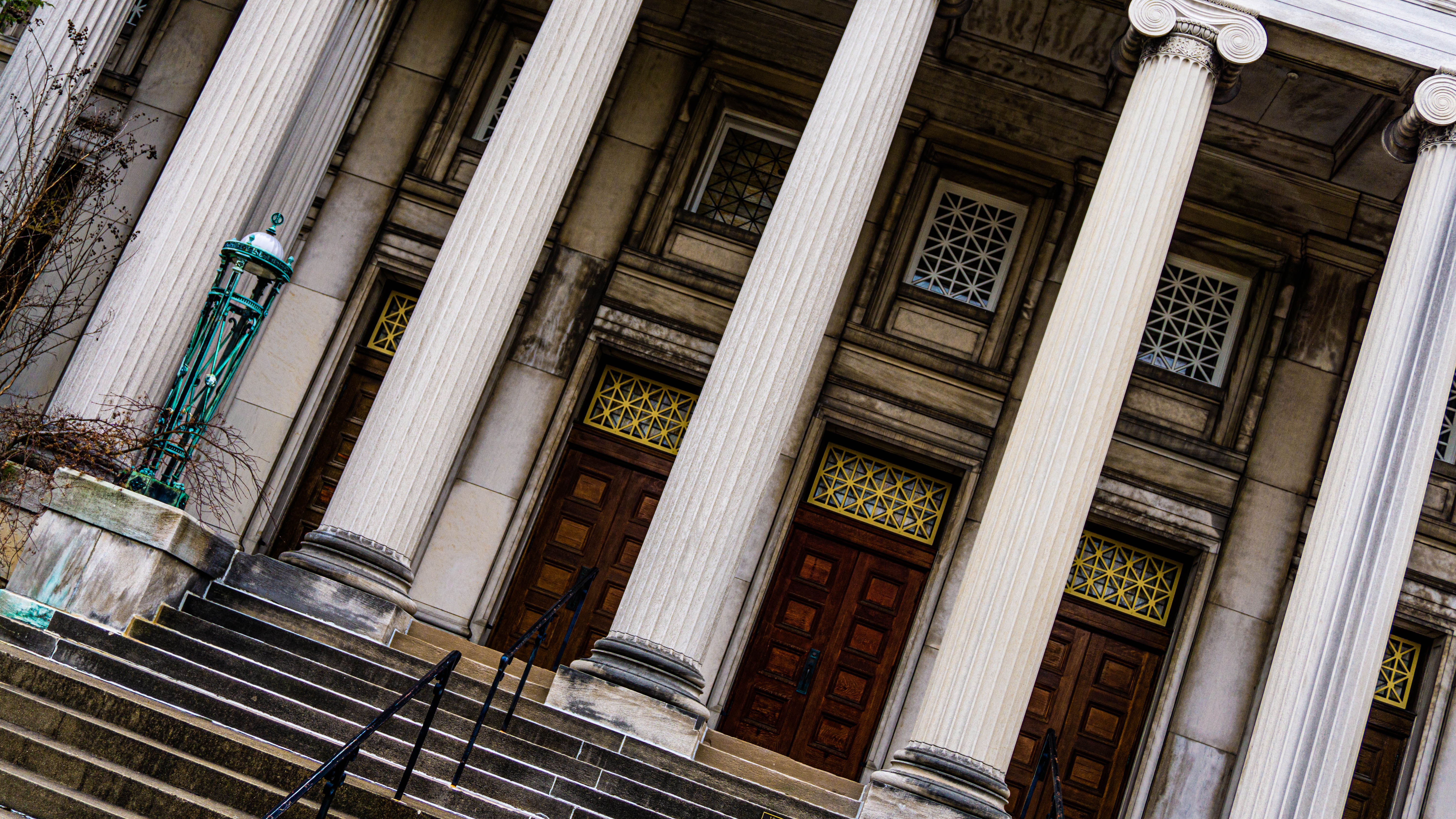
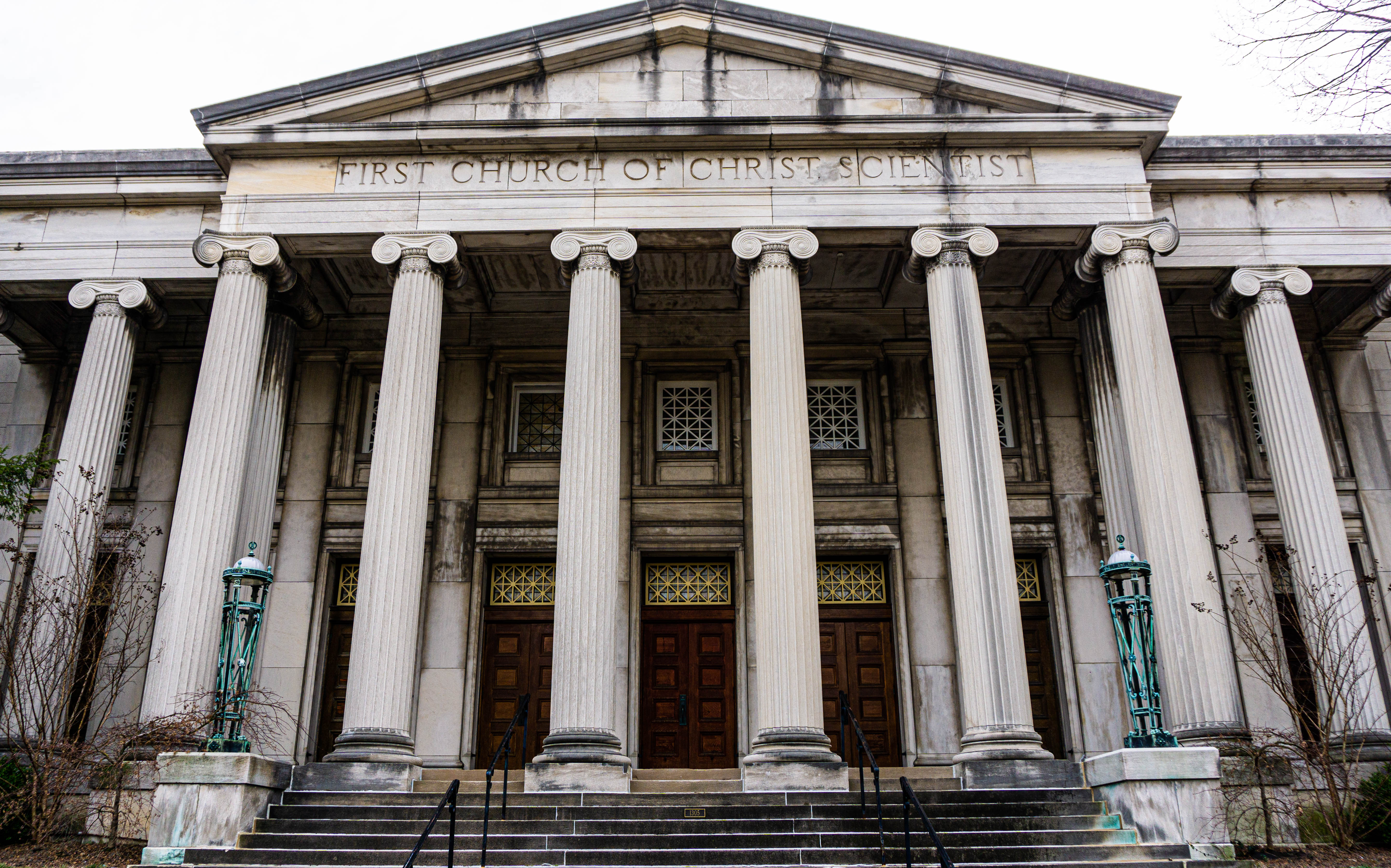
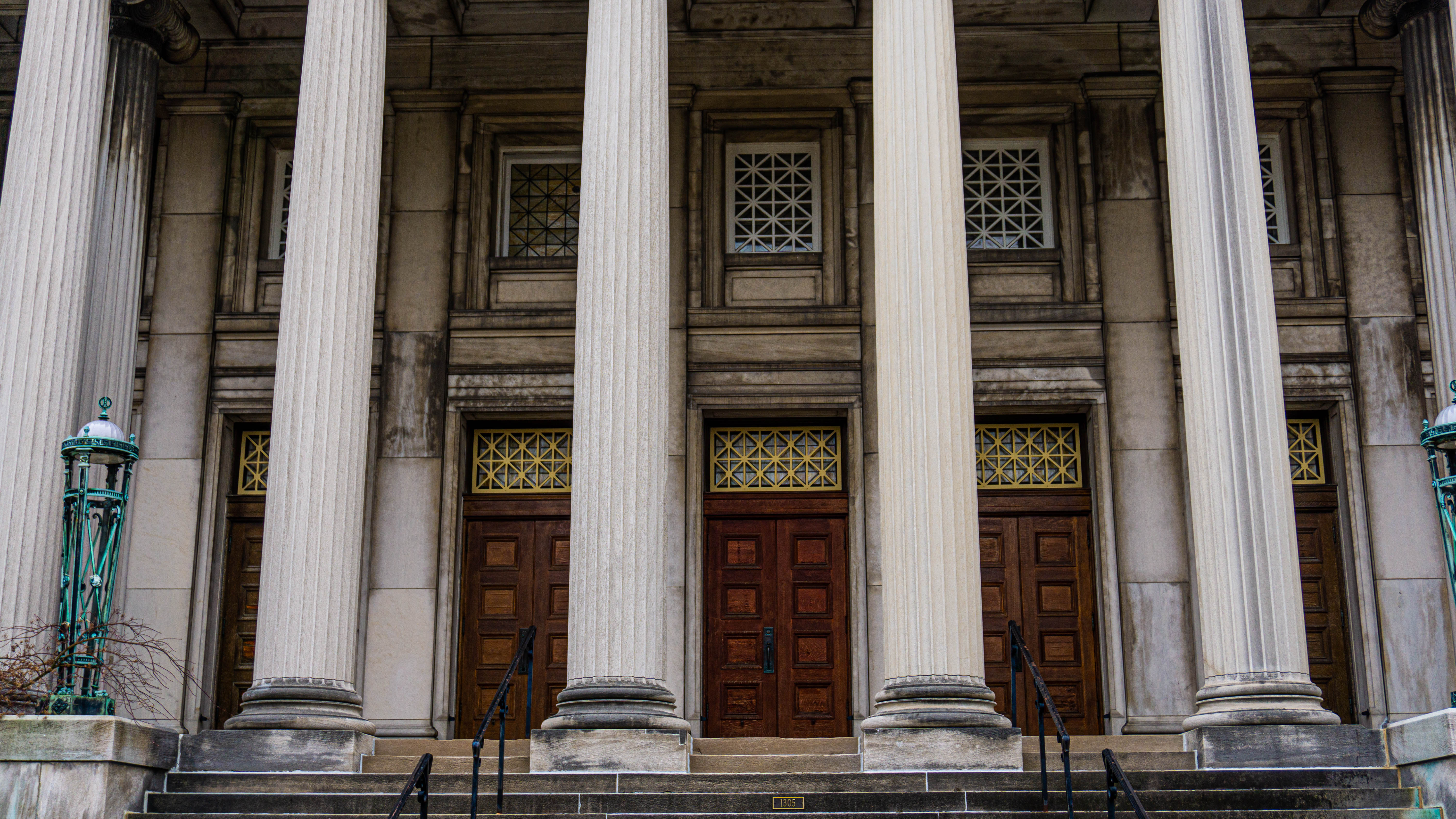
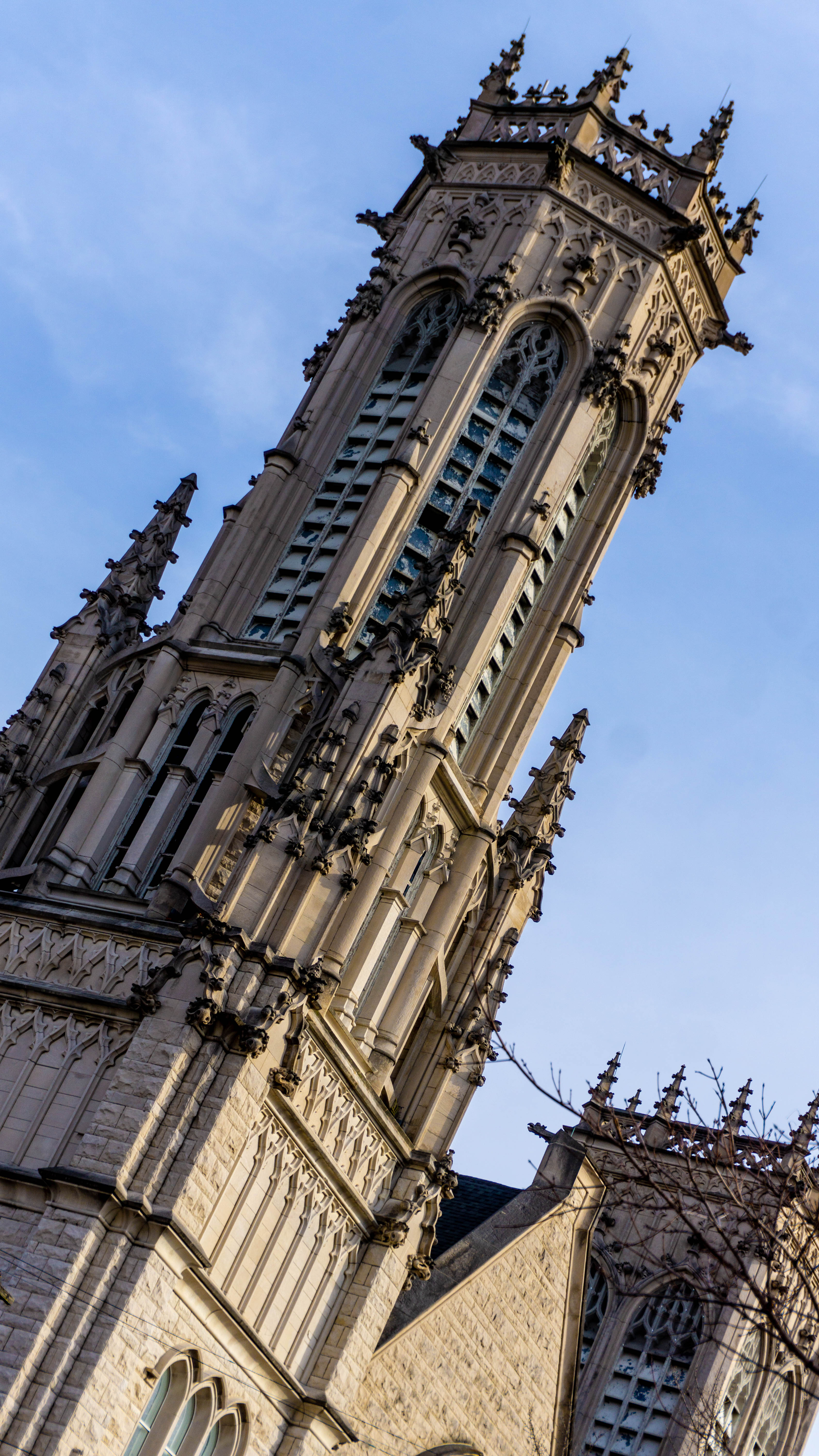
The Church of Christ The Scientist on S. Third St. is where you might see the “Lady on the Stairs”. After deciding to elope with her boyfriend, a soldier stationed at Fort Taylor, she waited and waited for him on the steps. He never showed up, as she waited for several nights, she grew despondent. The year was 1918 and her soldier boy was one of many inflicted with the Spanish Flu. He died several days later, she also became infected and passed away. Some say she still paces the stairs every night waiting for her intended.
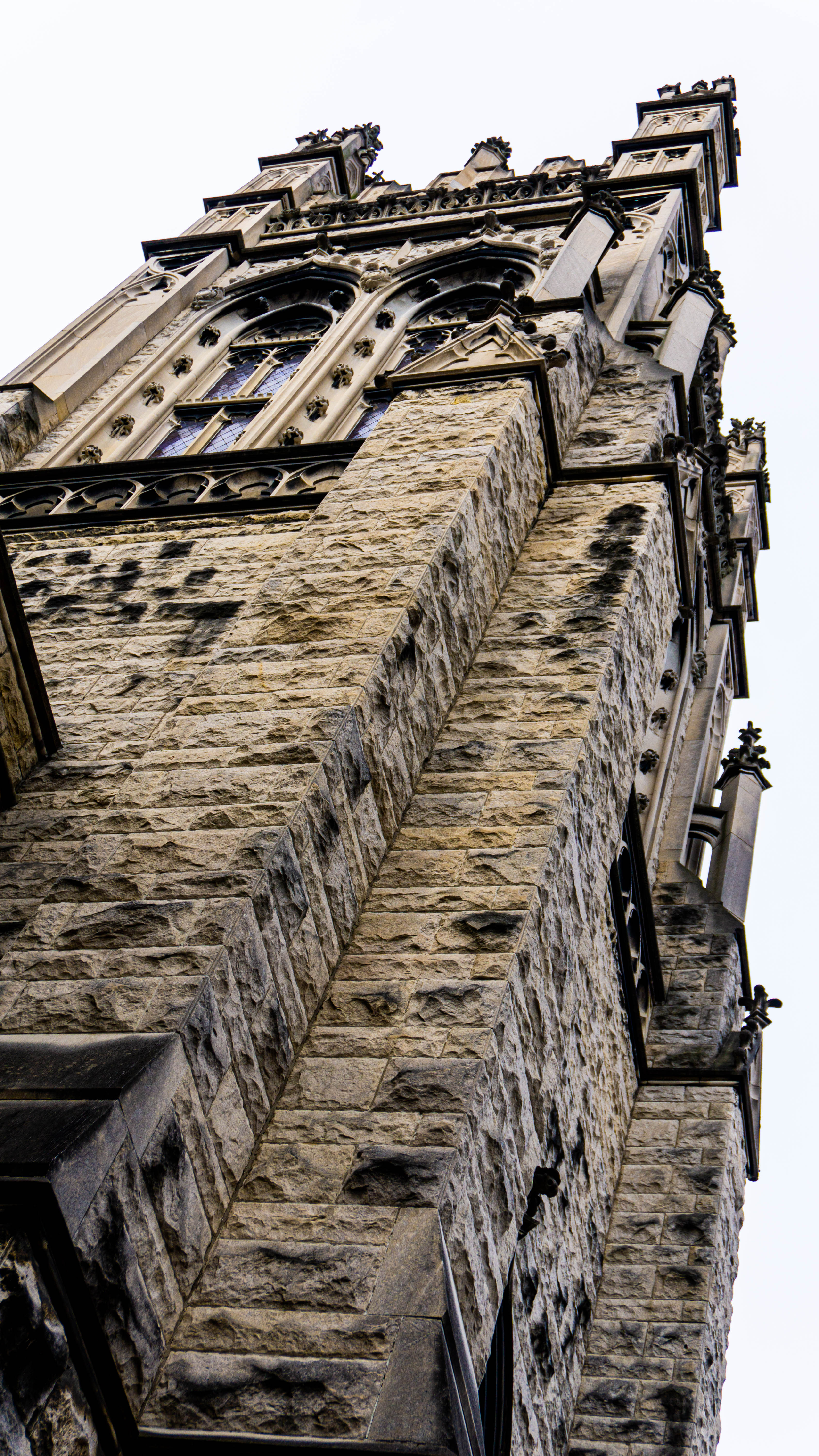
Venture past the parish graveyard for the Fourth Street Methodist Episcopal Church and you may catch a glimpse of shadowy figures in the chapel or the apparition of a woman that tends to the graves of infants. In 1858, the company that owned the cemetery began to resell burial plots by removing headstones and labelling the plots as “old graves” on their records. It wasn’t until the late 1980’s that rumors began to spread that coffins were buried so poorly buried that they stuck out of the ground. The graveyard owners were taken to prison and experts began to investigate the burials. They estimate that 7 or more bodies were interred in each burial plot.
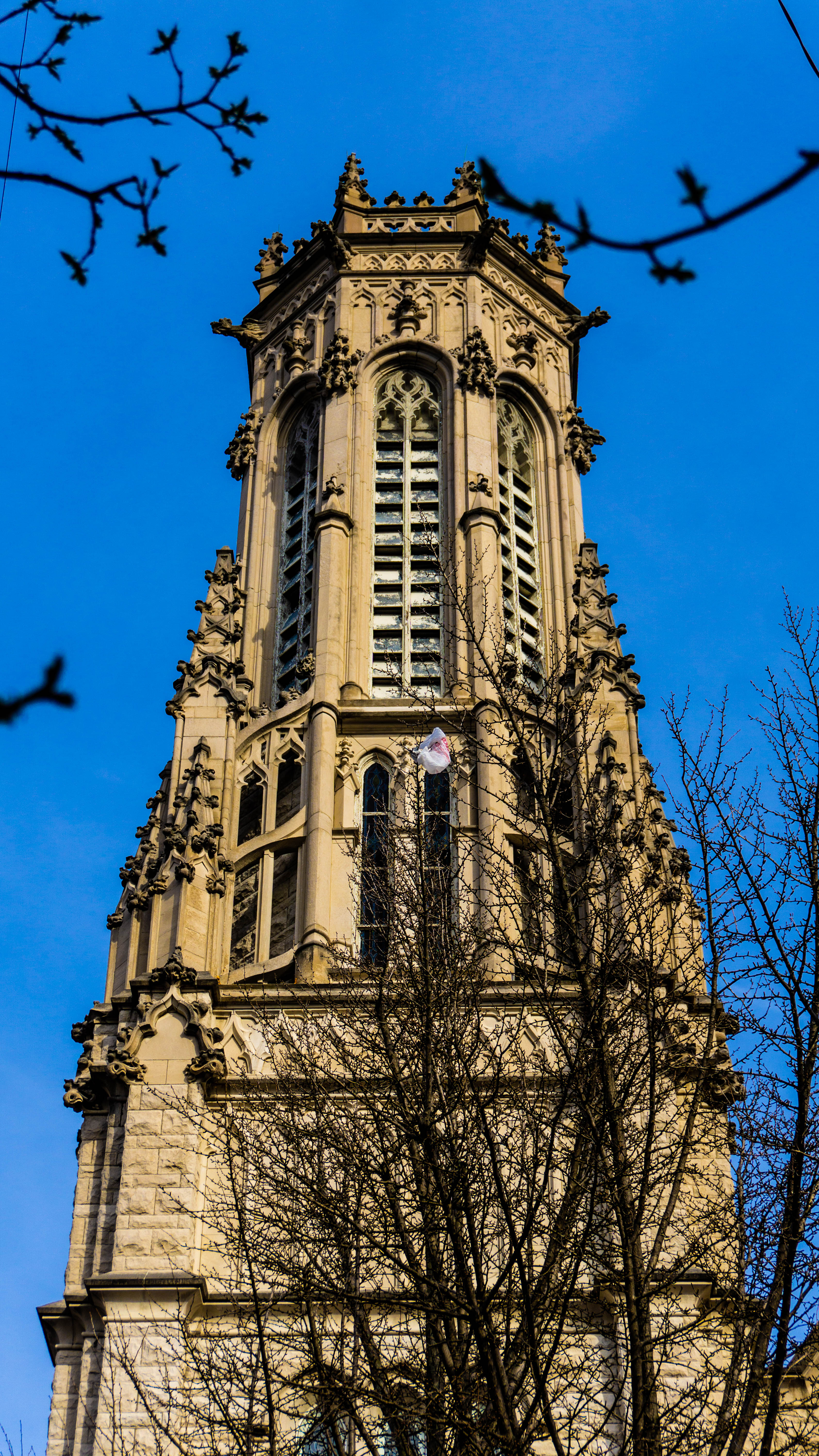
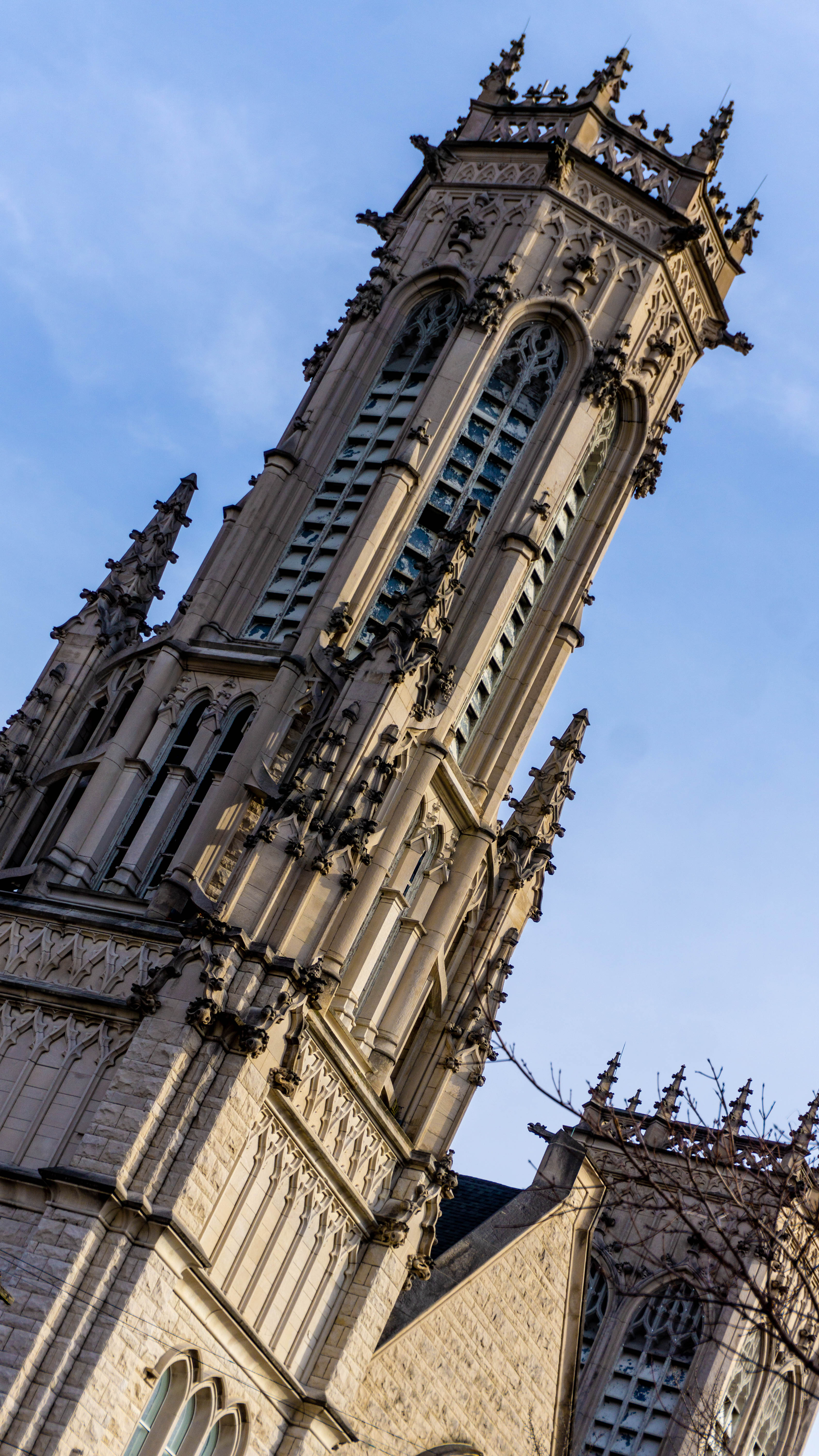
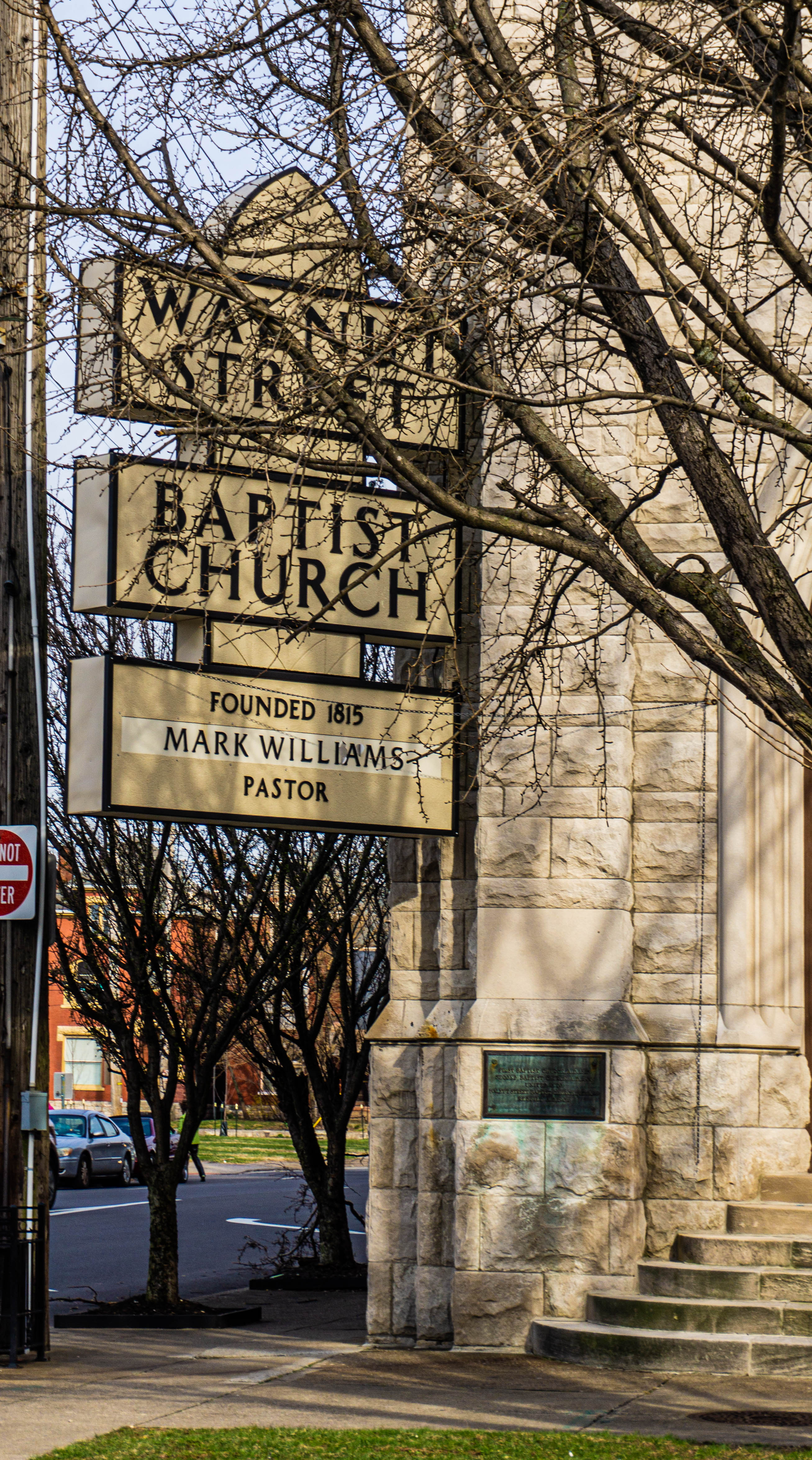
Walnut Street Baptist Church is home to a different type of haunting. In the late 1800’s, Two men saw a man flying above them in a strange contraption. The Courier-Journal reported “He worked his feet as though he was running a treadle, and his arms seemed to be swinging to and fro above his head, though the latter movement sometimes appeared to be executed with wings or fans”. By the early 1900s, the neighbors began spotting something lurking atop the building. Witnesses described the creature as human with bat like wings. This gargoyle was dubbed the Demon Leaper.

For more information on David Domine and his Haunted Ghost Tours check out…

https://louisvillehistorictours.com/virtual-louisville-tours-on-facebook-live/
Louisville: A Spirited City

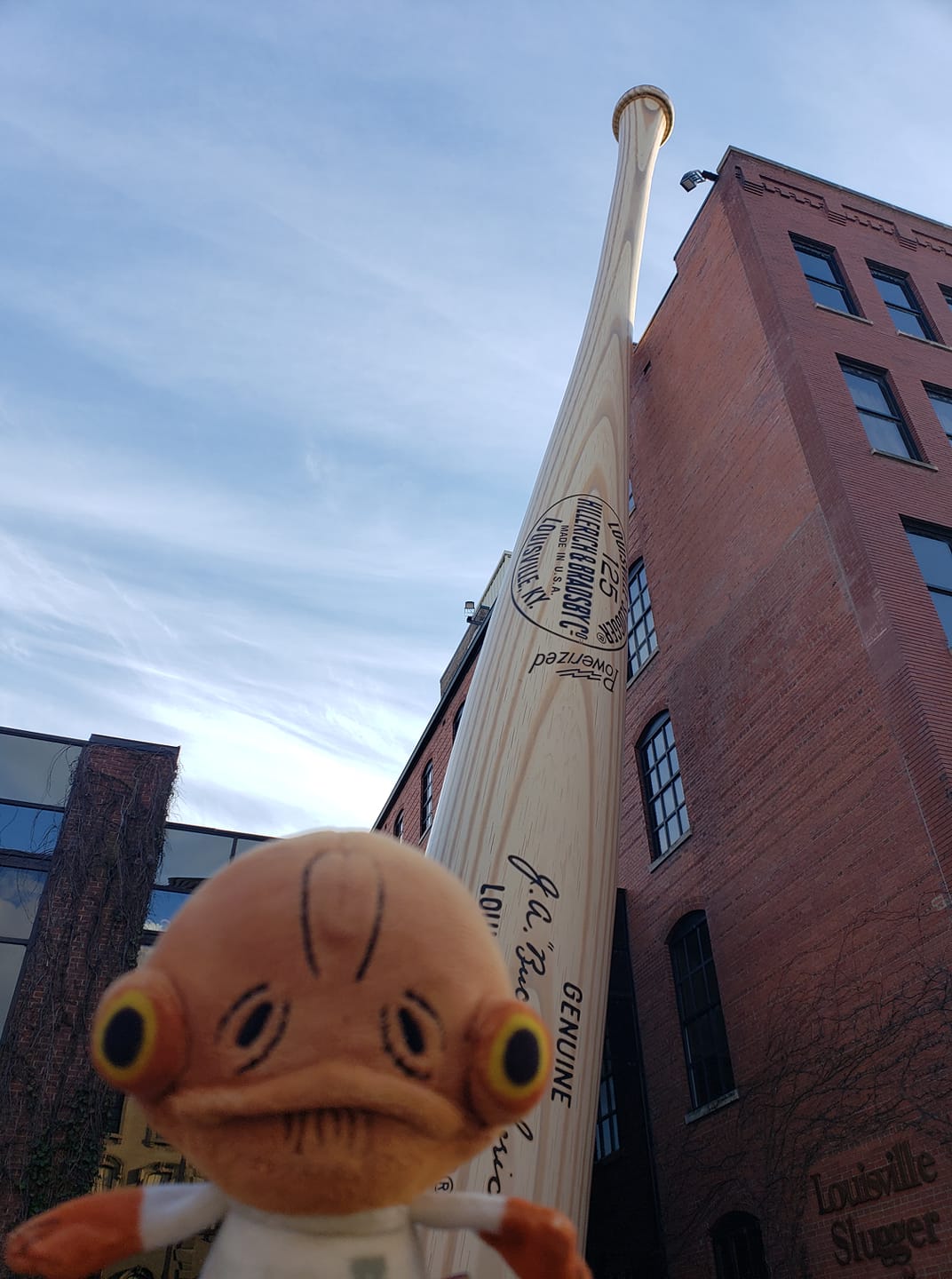
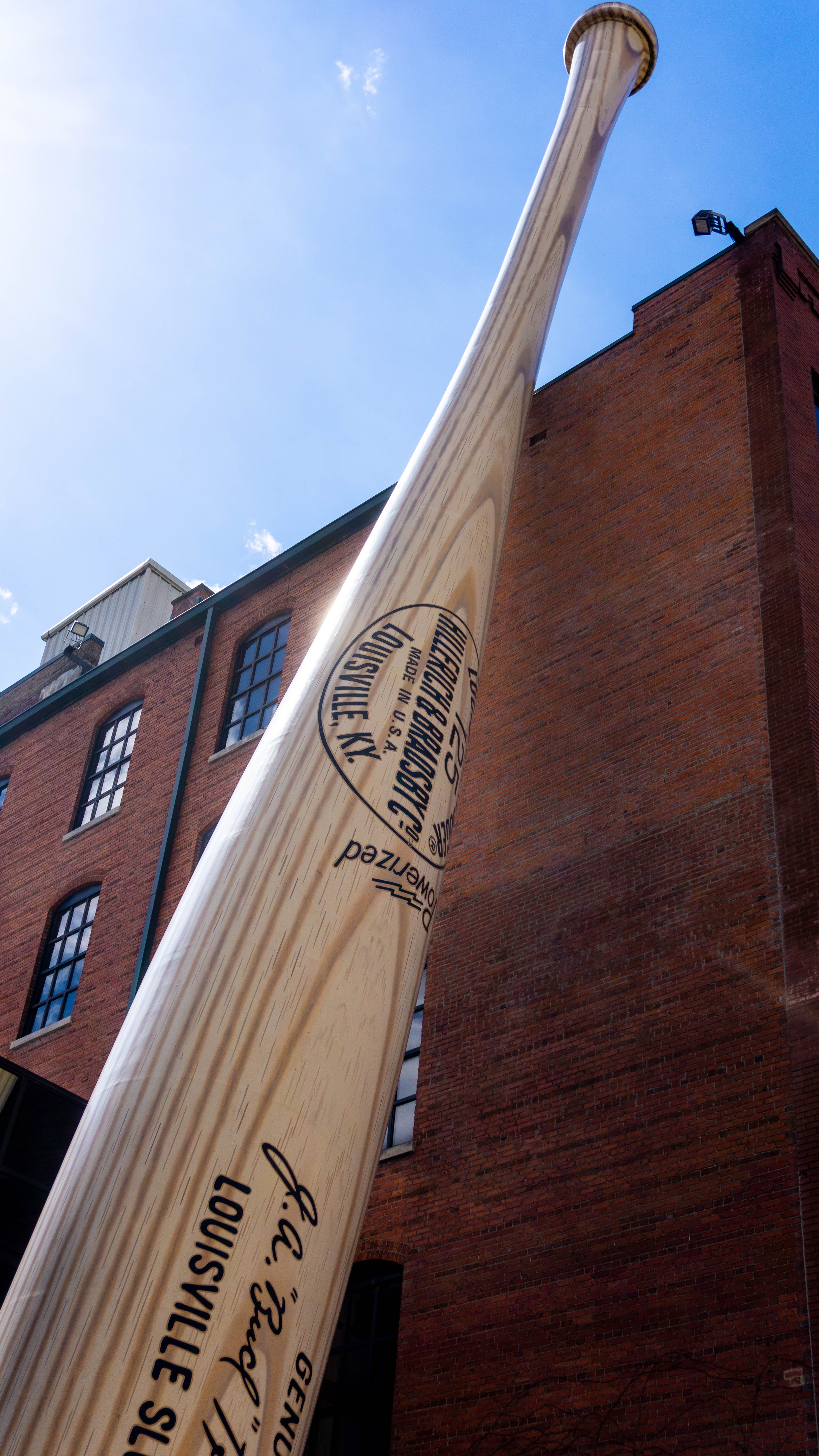
When you hear the name, Louisville, you think about bourbon, the Kentucky Derby, Muhammad Ali and the Louisville Slugger. The largest city in Kentucky, Louisville is home to over one and a quarter million people. Known as the “Gateway to the South” and “The Derby City”, Louisville has something for everyone.

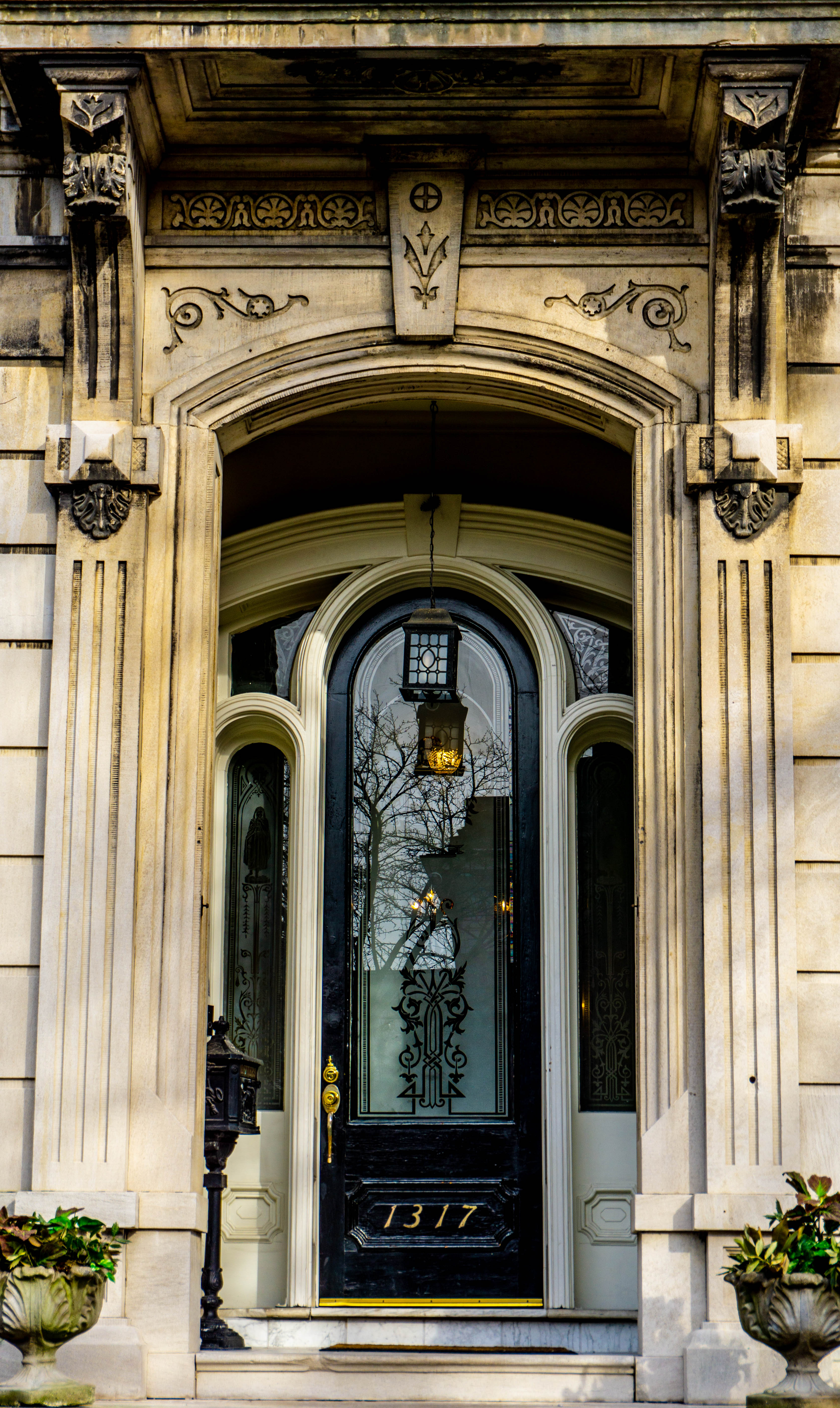
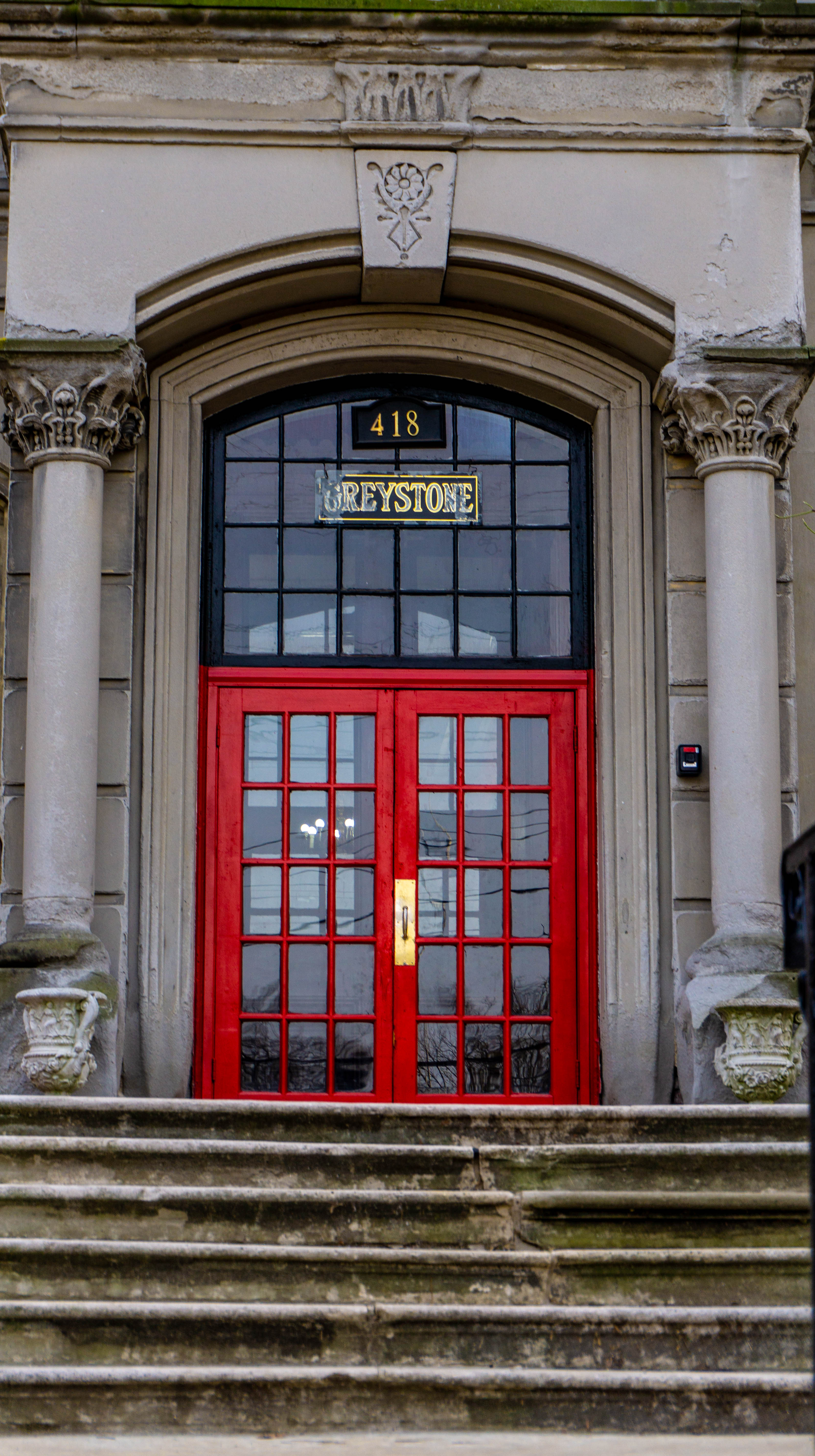
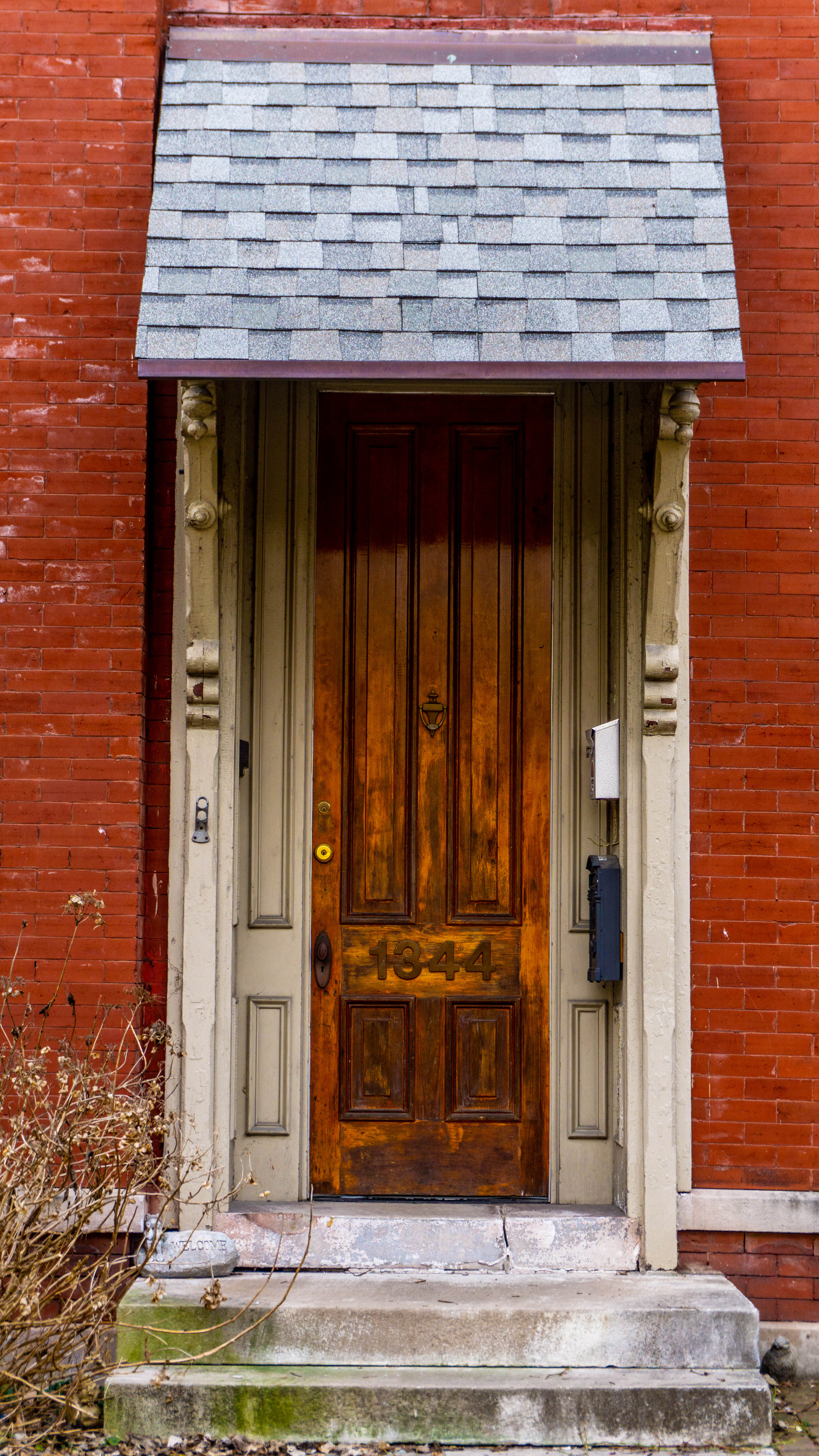
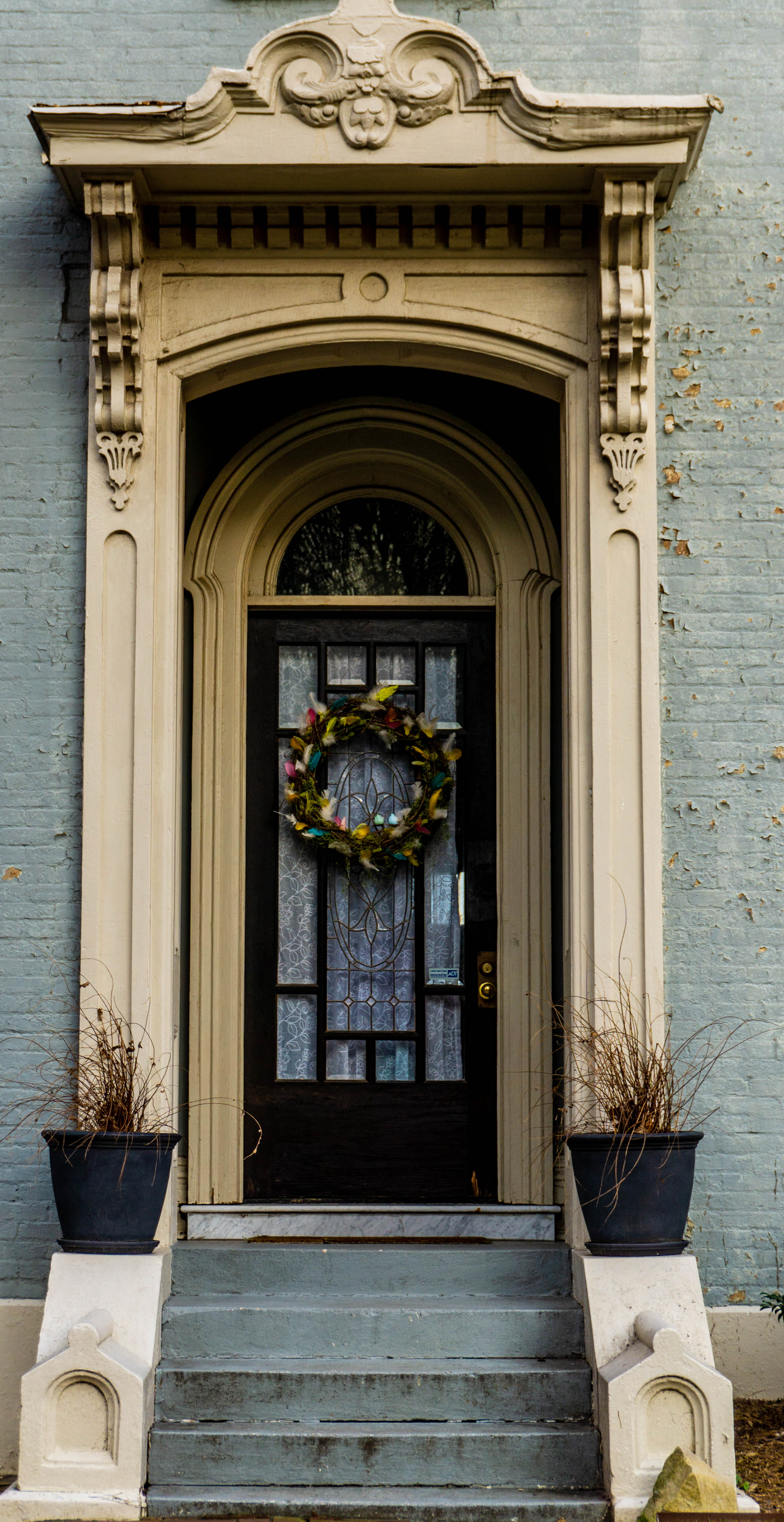
Some of the most unique architecture can be found in Louisville. Old Louisville is home to some fascinating mansions.

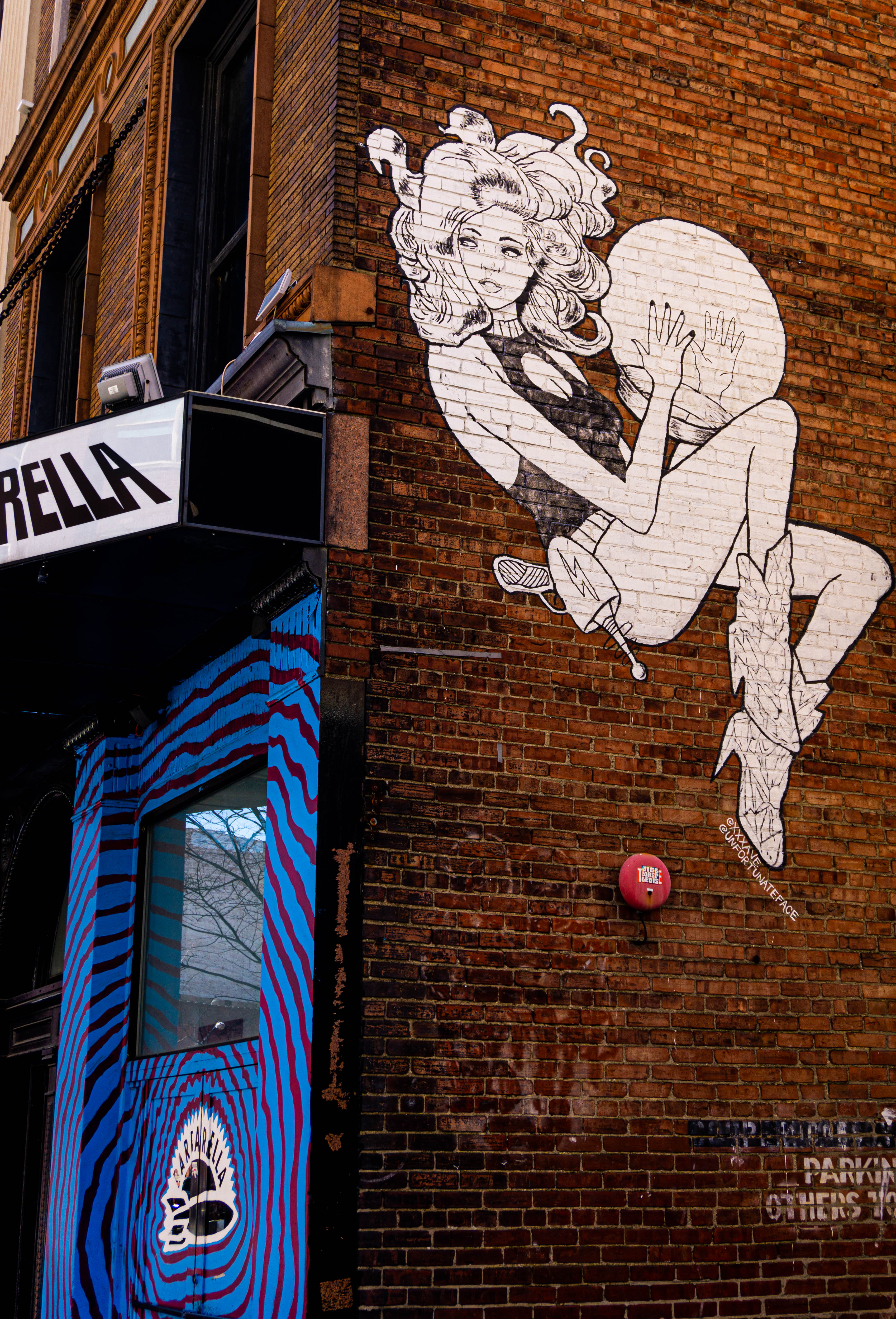
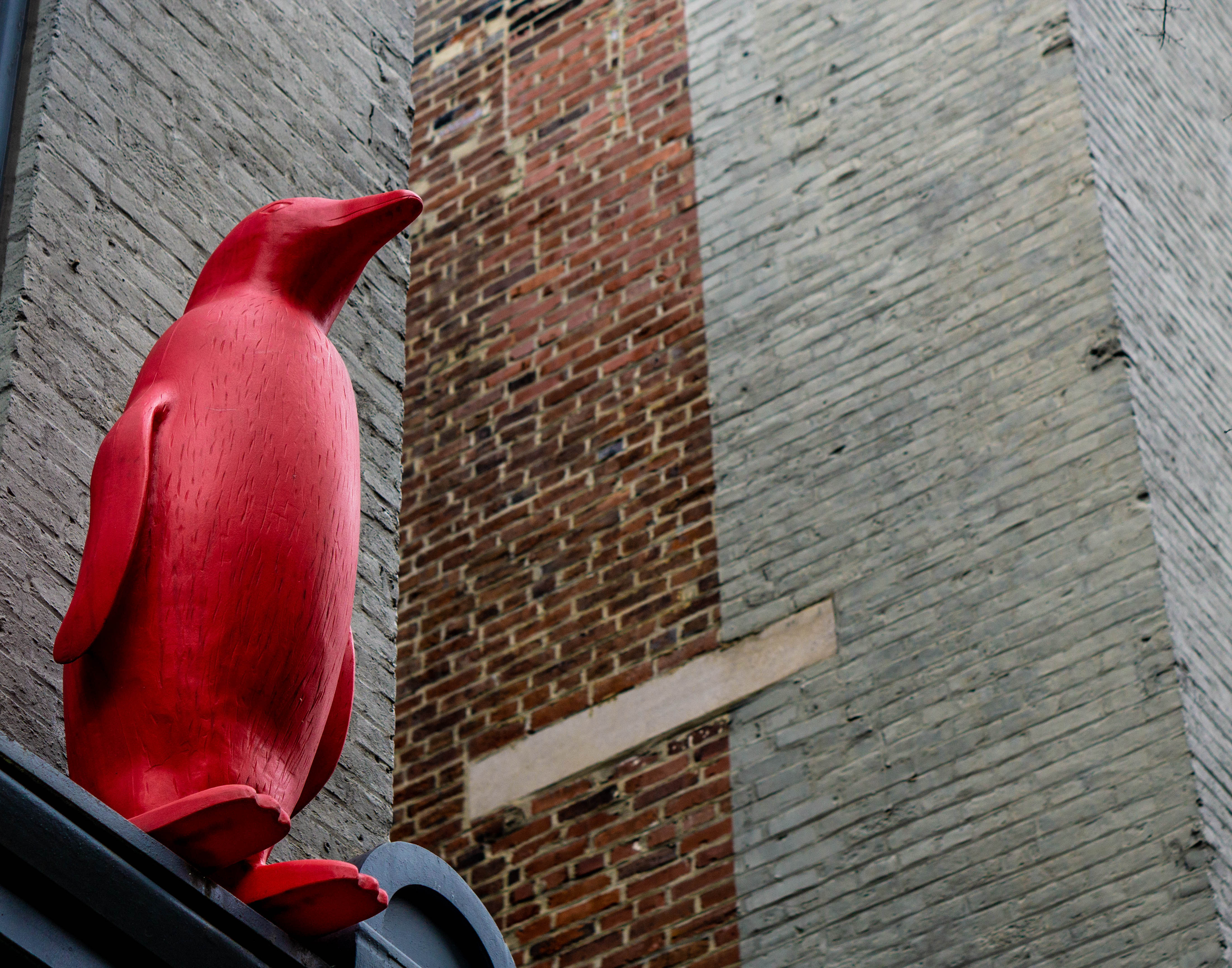
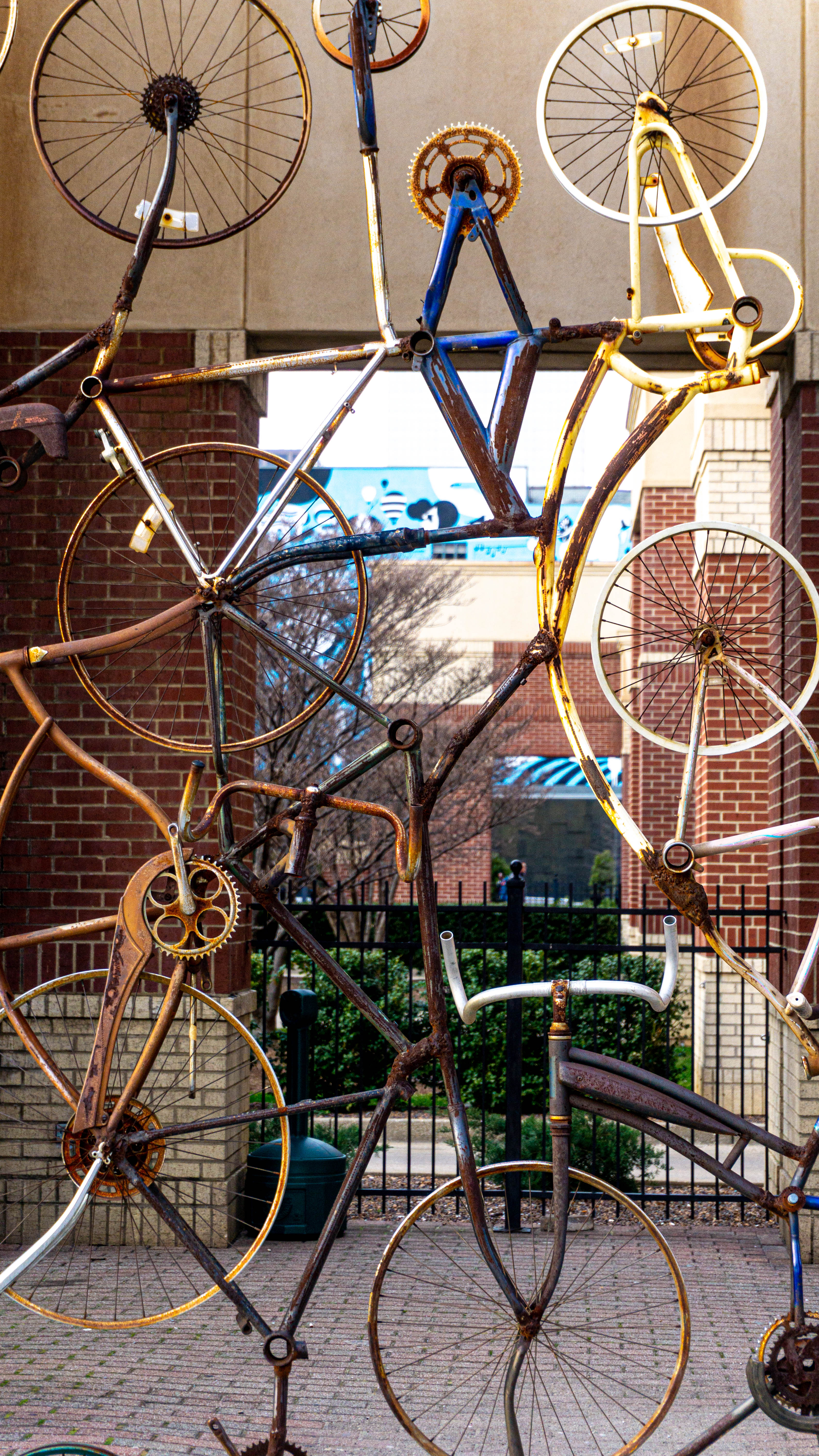
Downtown has art galleries and public sculpture on every corner.

And don’t forget the racehorses…

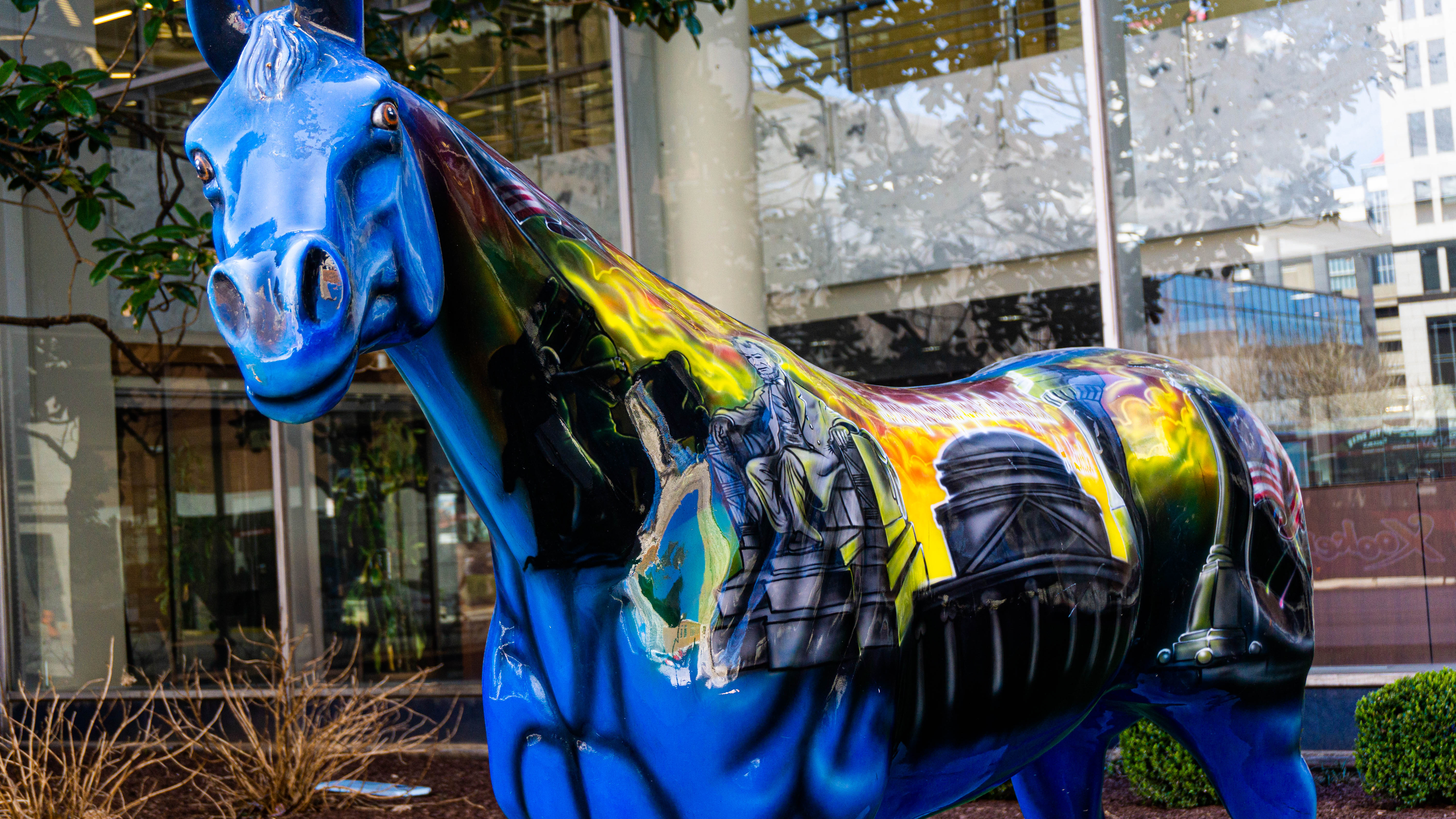
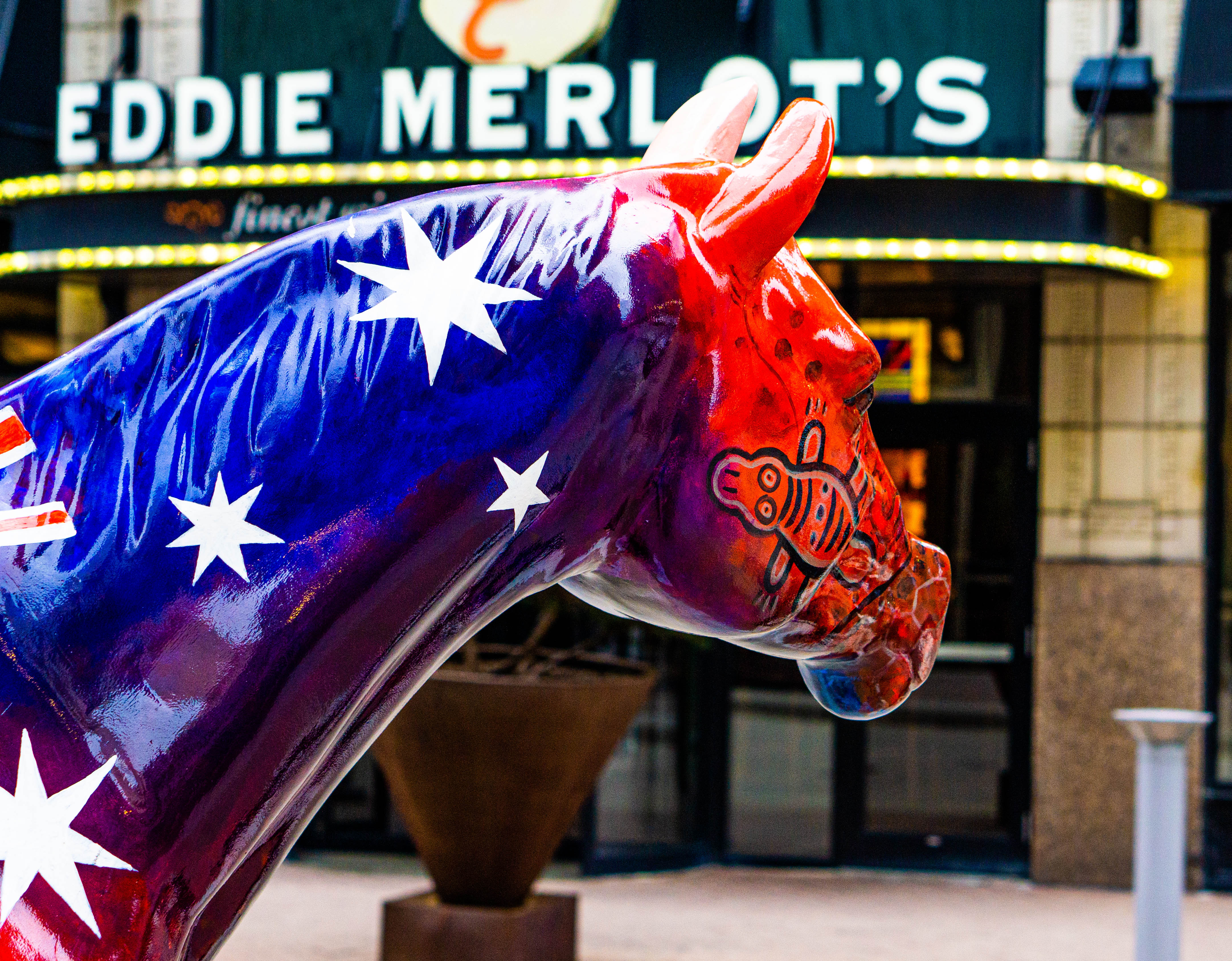
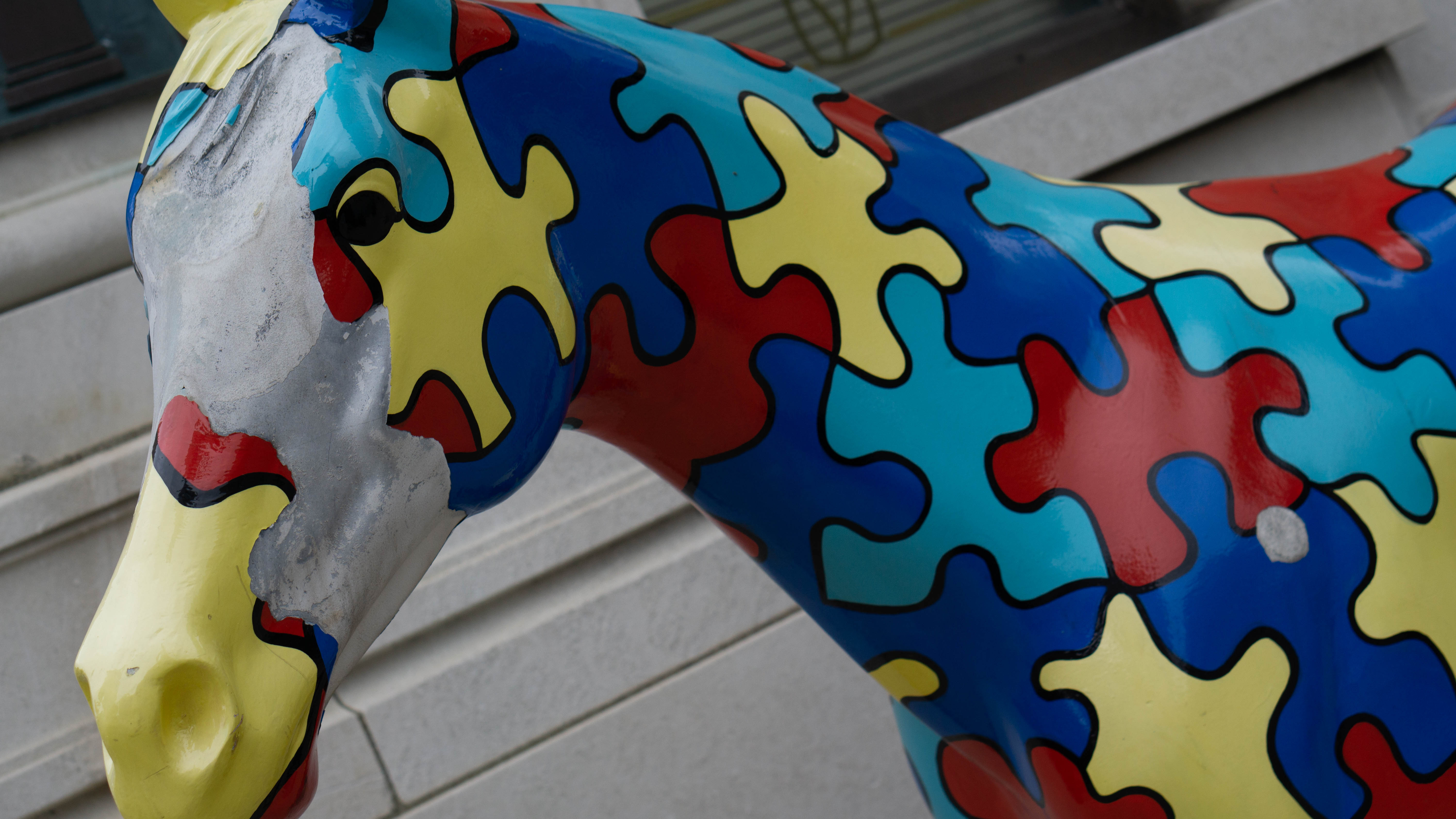
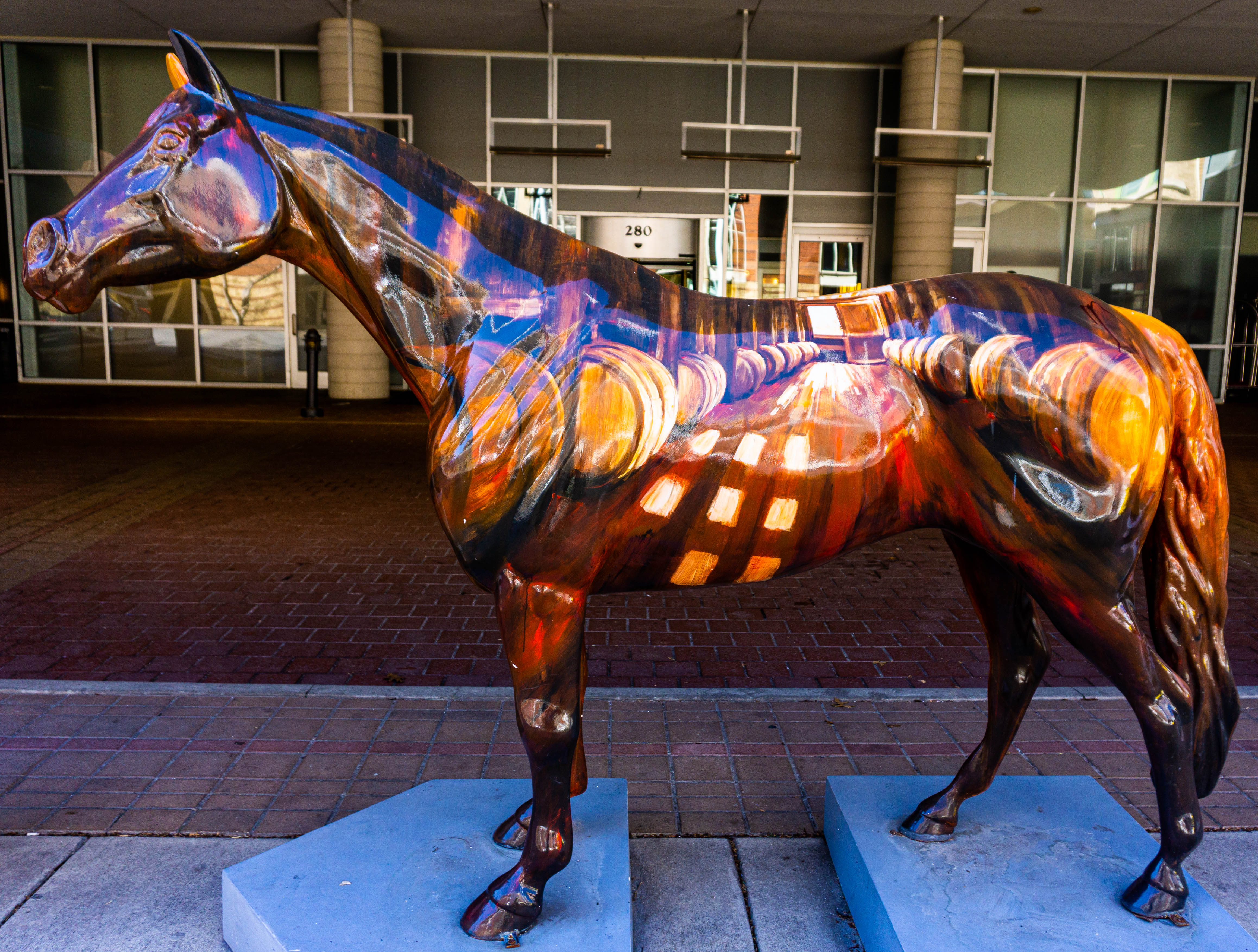
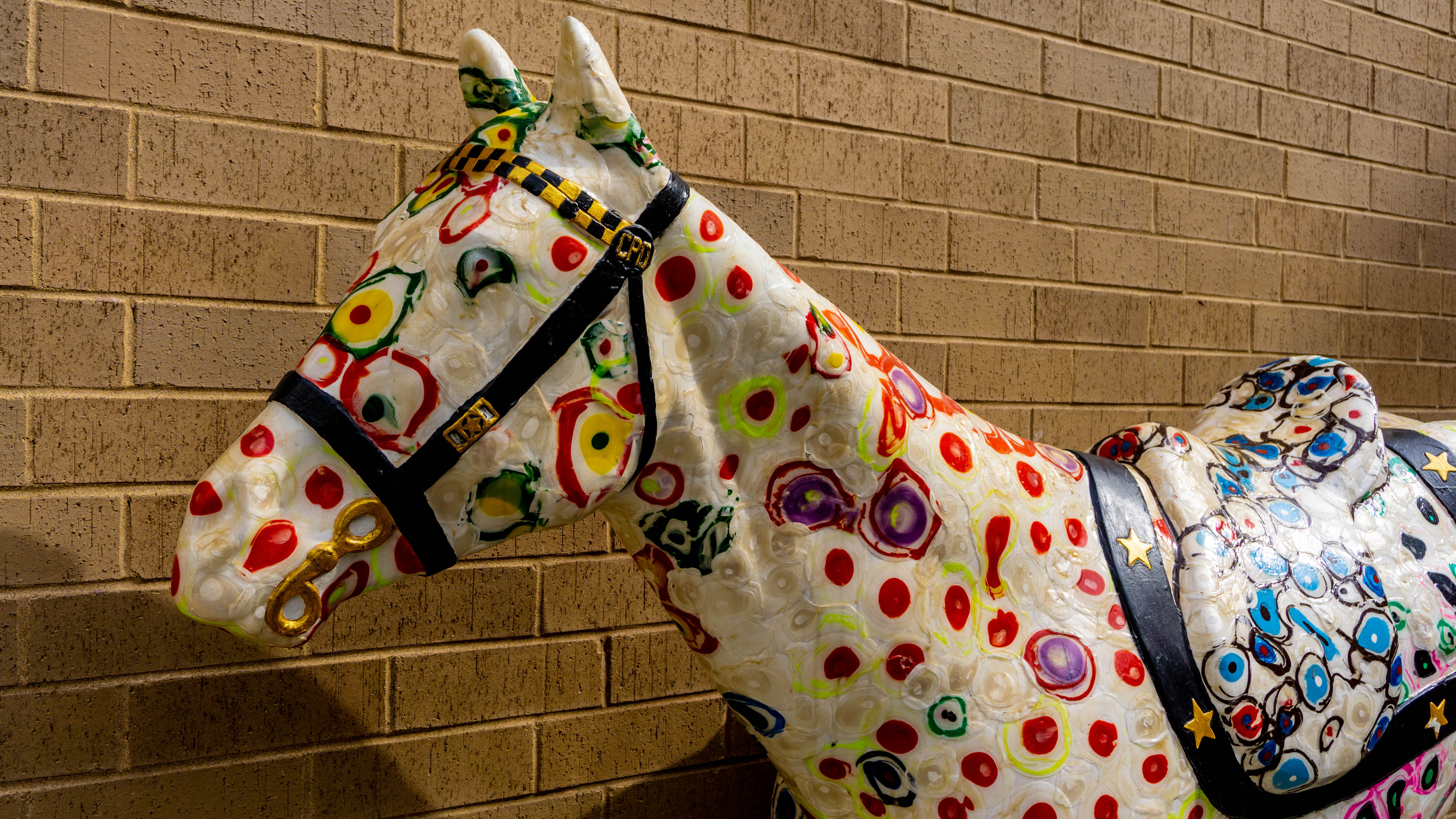
When you walk around Louisville, be sure to checkout the wonderful painted horses. Each one is unique and has it’s own story. Begun as a civic pride initiative in 2004. More horses were added in 2005 and 2015.

Kronborg Slot

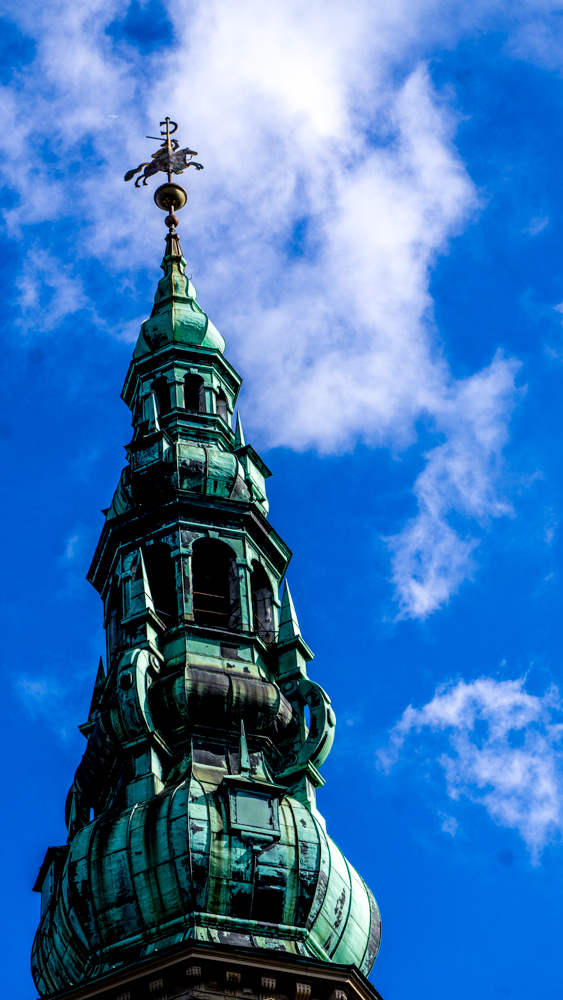
Standing guard high on a promontory in Helsingor, Kronborg Slot (Kronborg Castle) was the home of Denmark rulers until the 1600’s. CPH1_-141

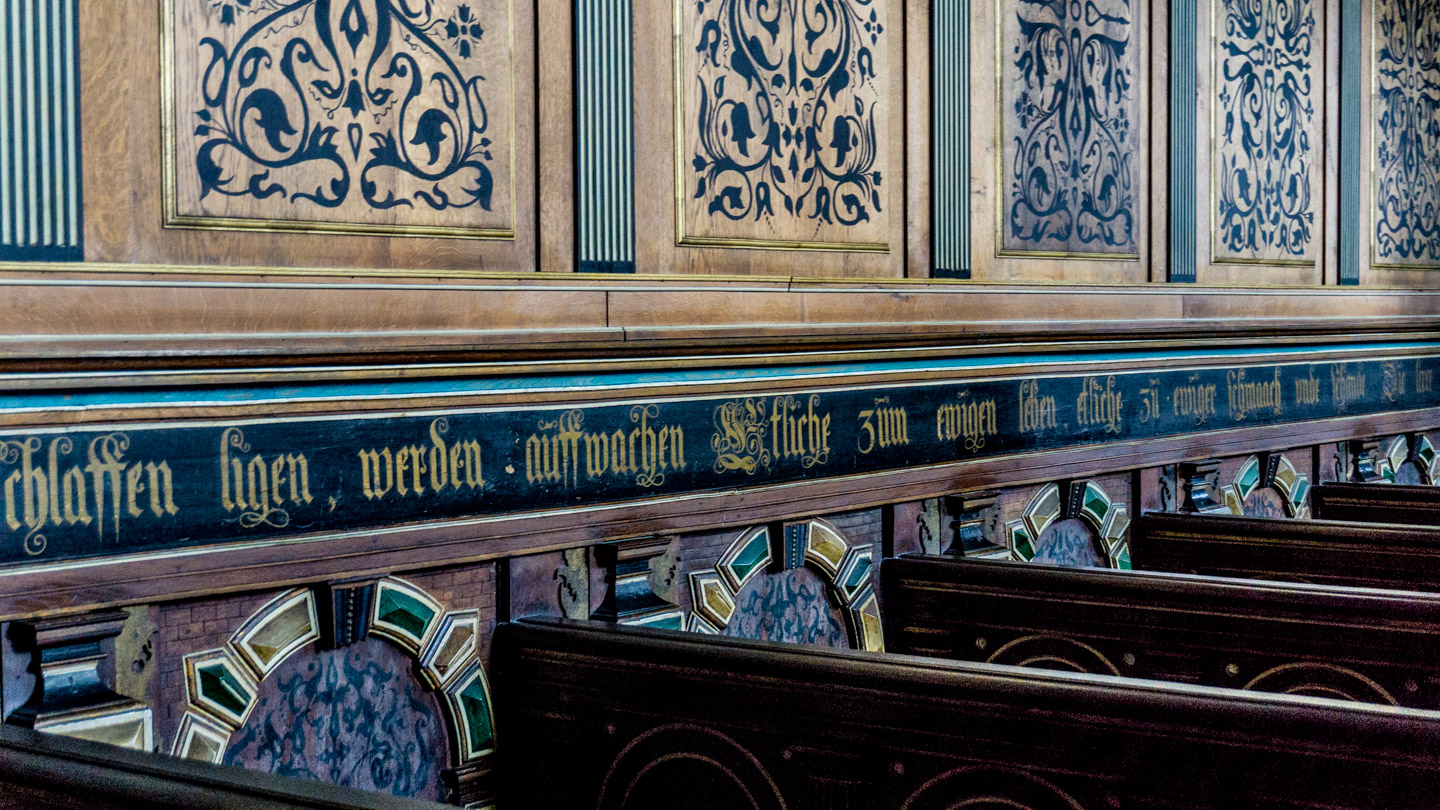
In 1785, the castle was being fitted for use as army barracks. The chapel was outfitted as a gym and fencing hall. The chapel was later refurnished with the original furniture and reinaugurated in 1843

CPH1_-285

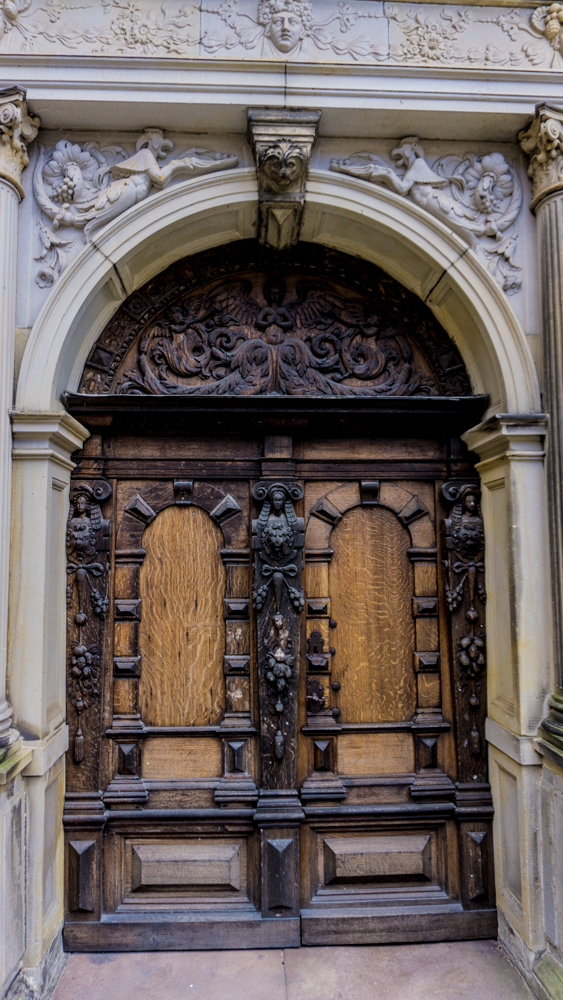
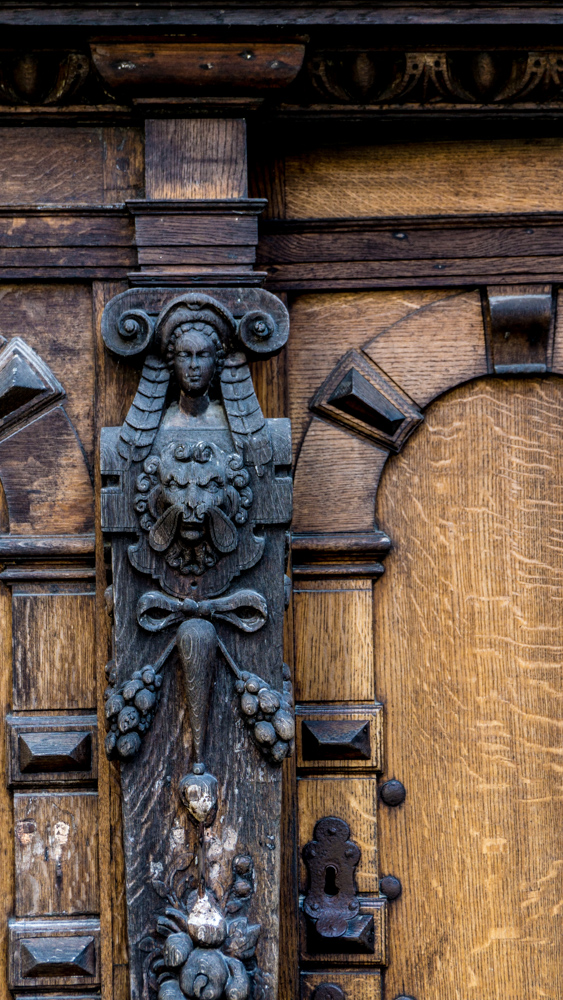
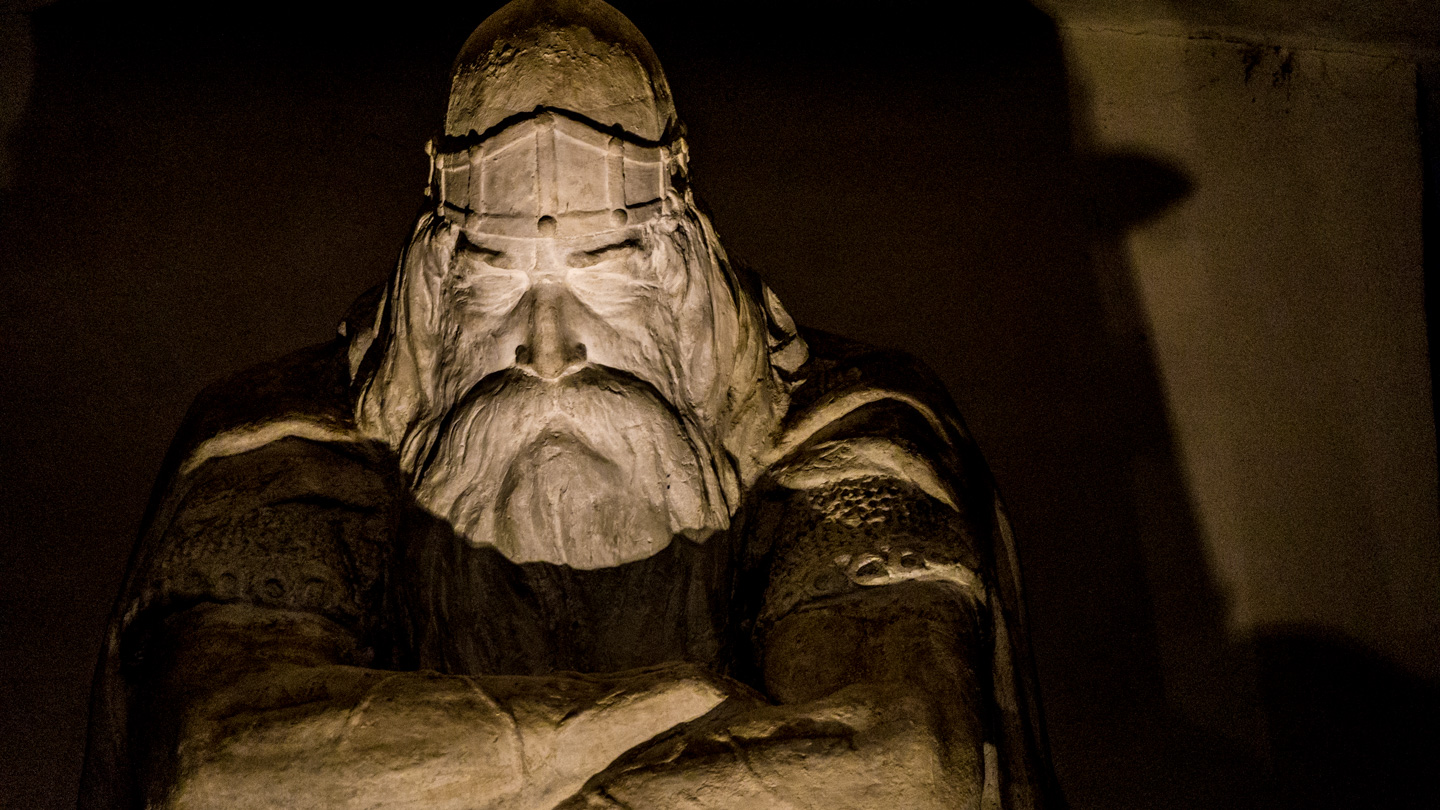
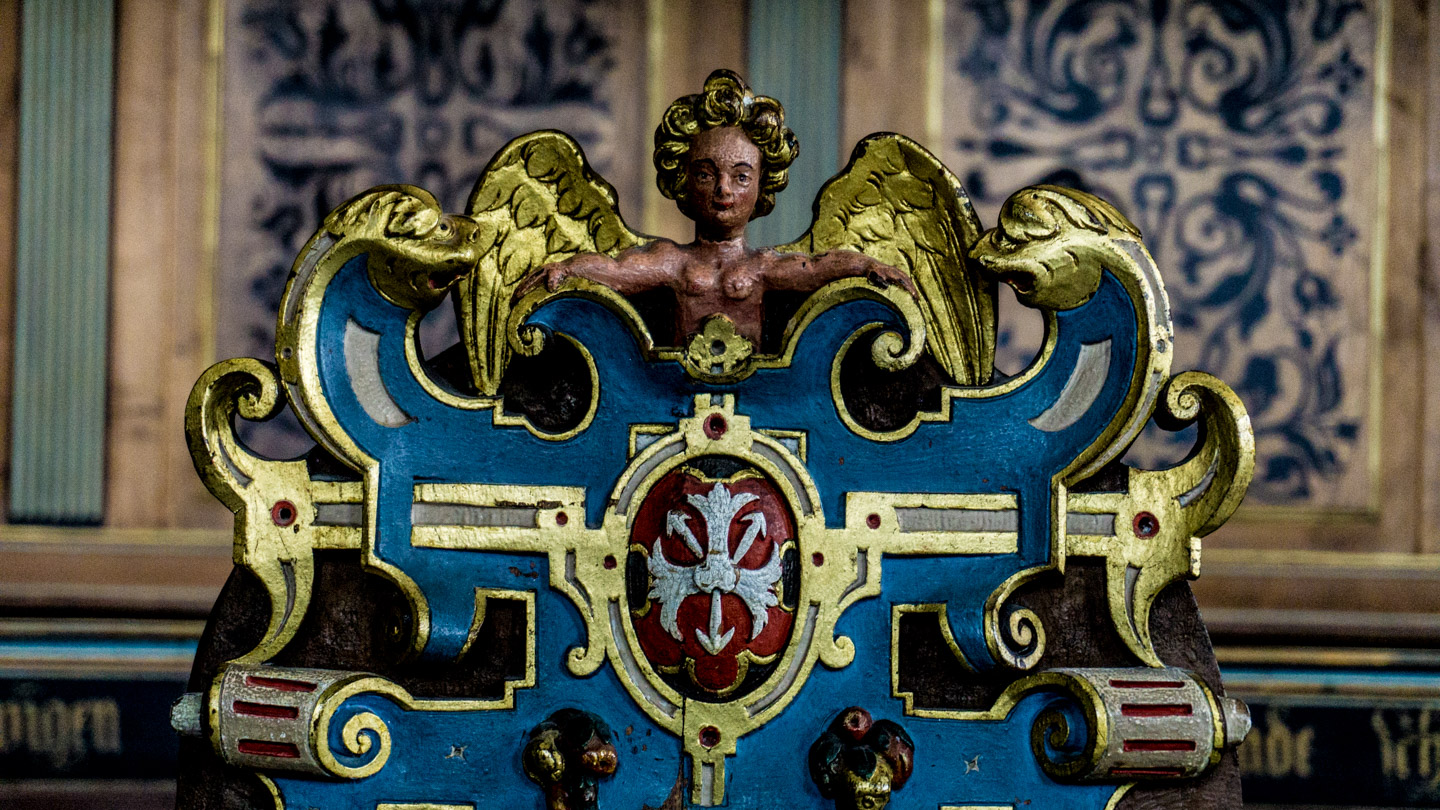
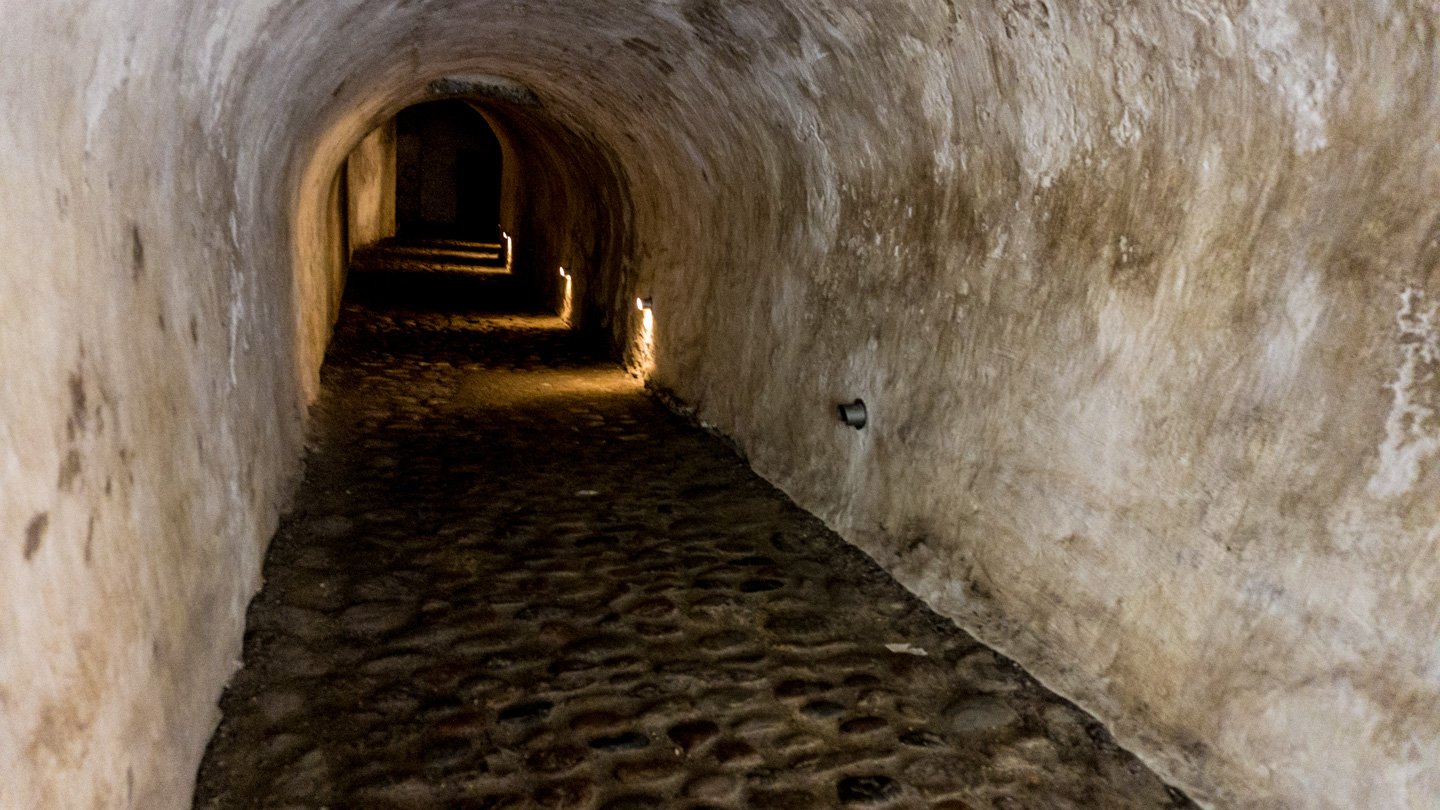
Detail of the main entrance to the chapel. CPH1_-286The chapel features the original pews dating back to King Frederik II.CPH1_-287CPH1_-139CPH1_-138The casements deep beneath the castle are a unique experience. Dimly lit and at times a bit treacherous, the casements are fun to explore but watch your step.CPH1_-288This subterranean labyrinth is where you can meet Holger. According to the myth of King Arthur, a Danish king known as Holger the Dane, was kidnapped by the sorceress, Morgan le Fay and taken to Avalon. He escaped to rescue France from danger and then traveled to Kronborg castle. Today he sleeps until he is needed to save his homeland. CPH1_-289
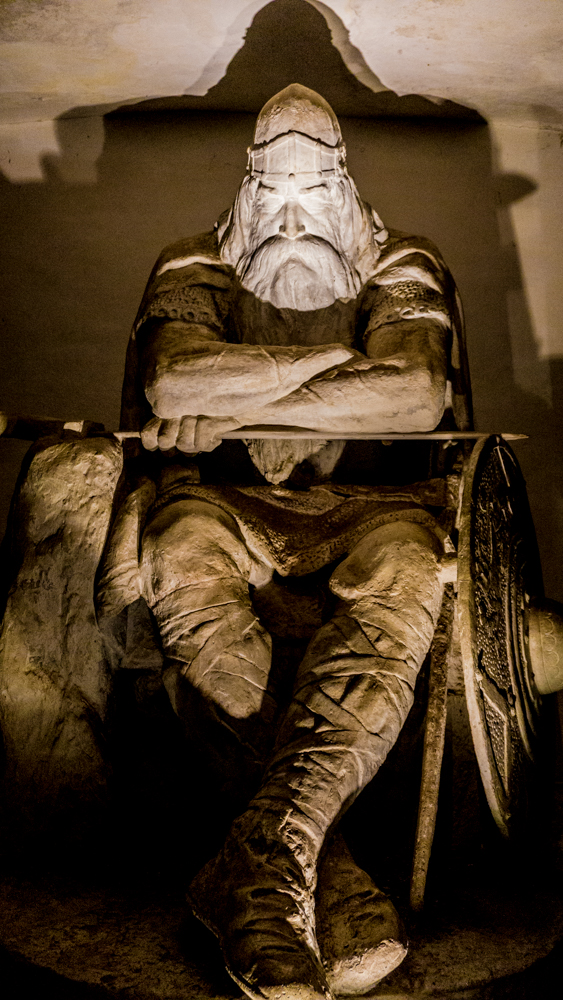
CPH1_-290

LINKS

Visit Denmark

Kronborg Wiki


Exploring the Old City of Cartegena

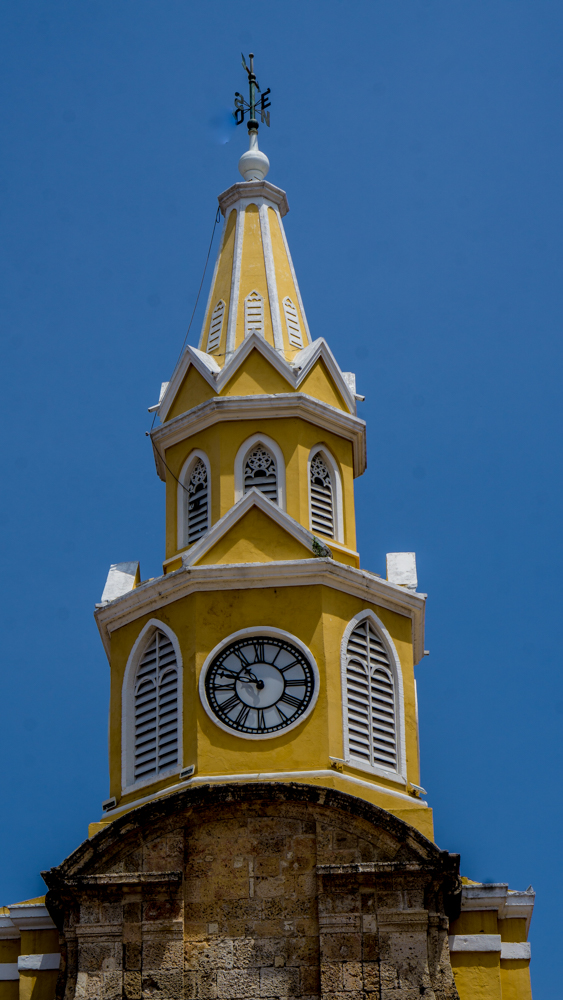
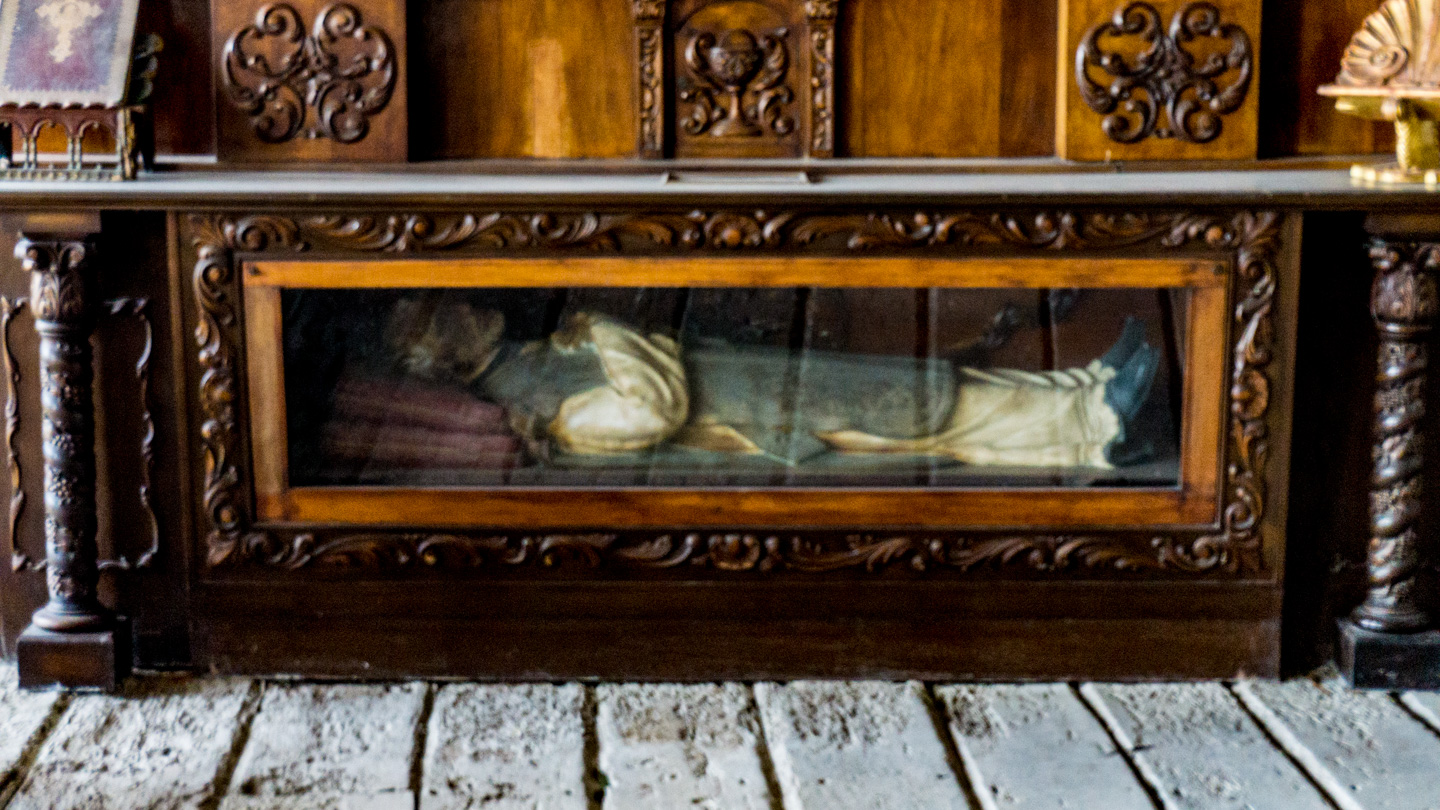
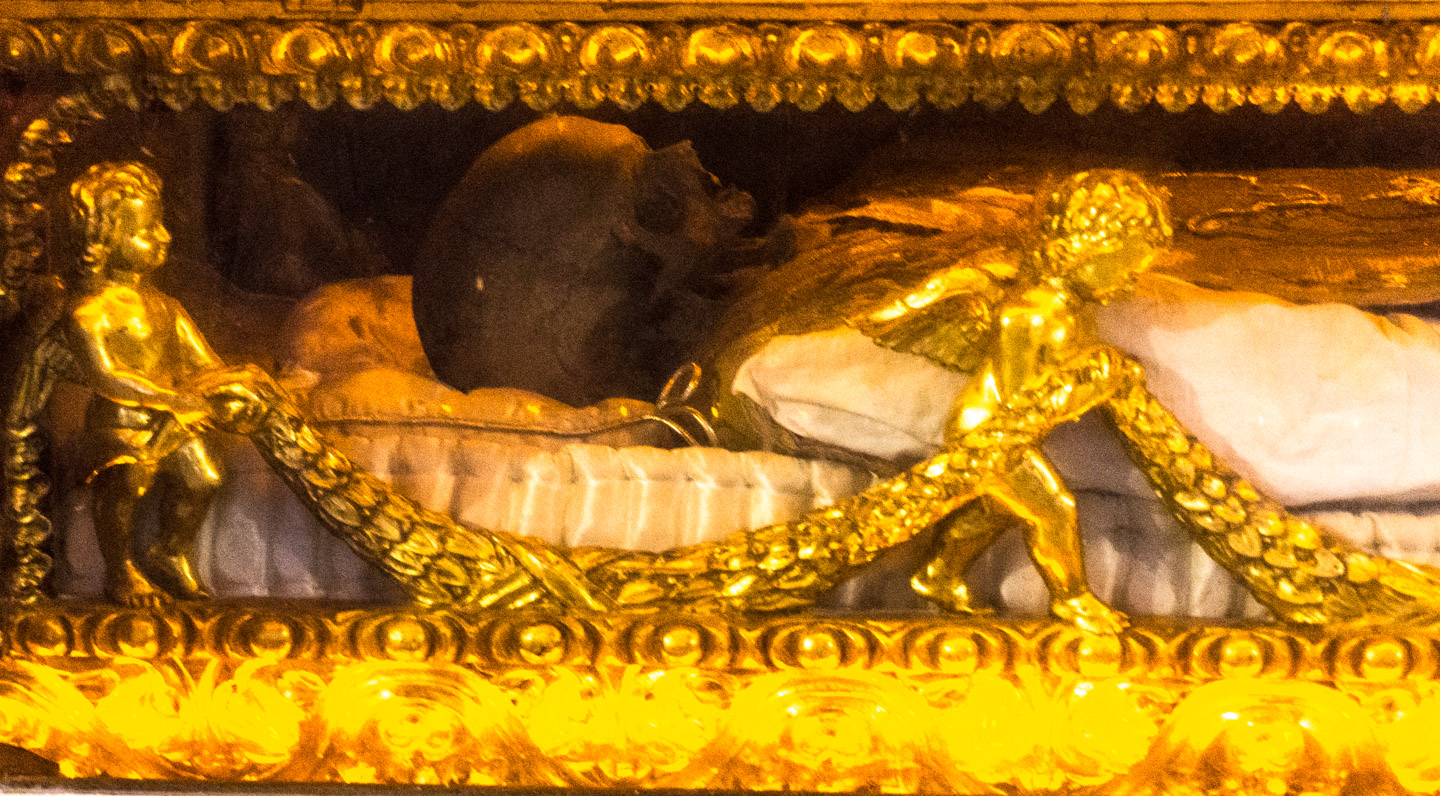
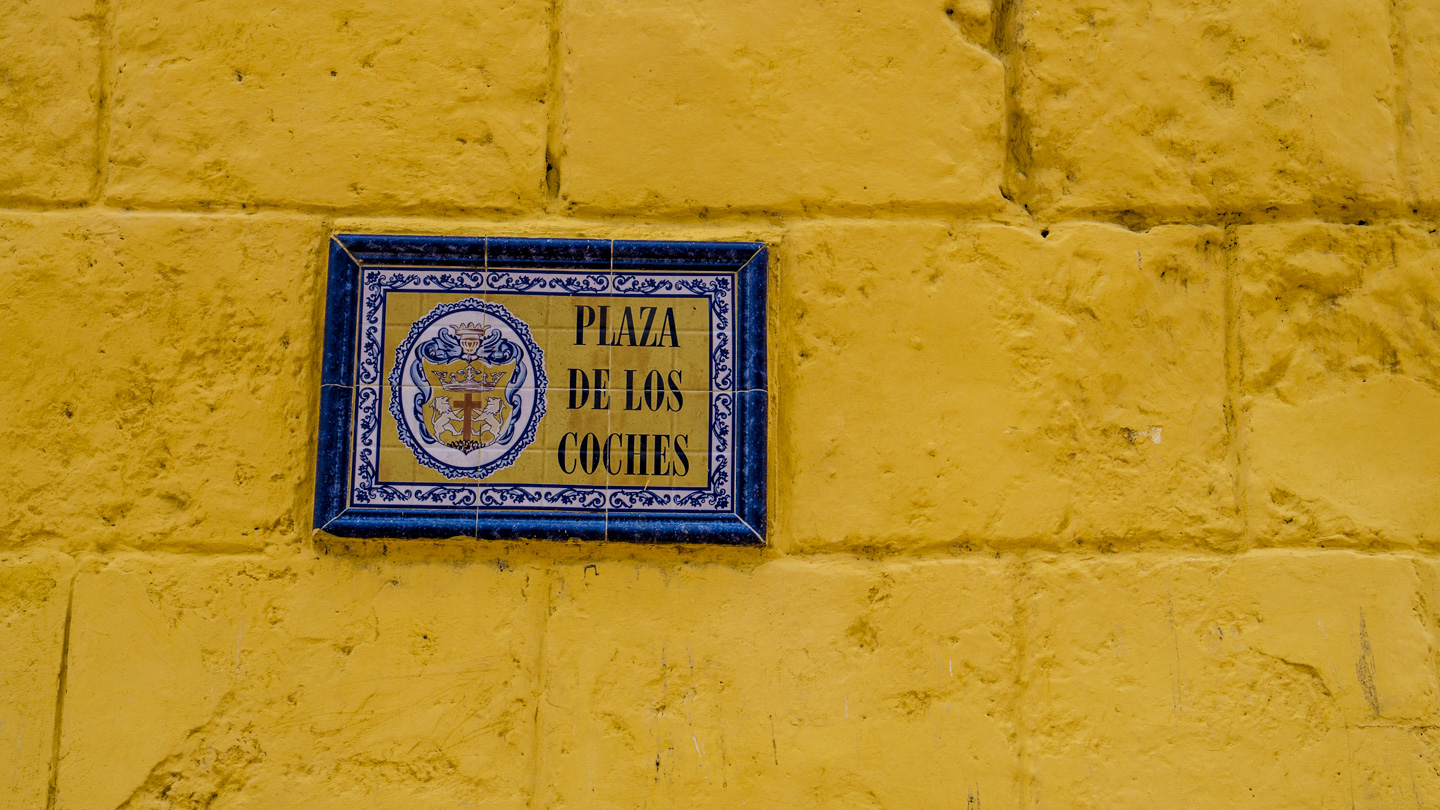
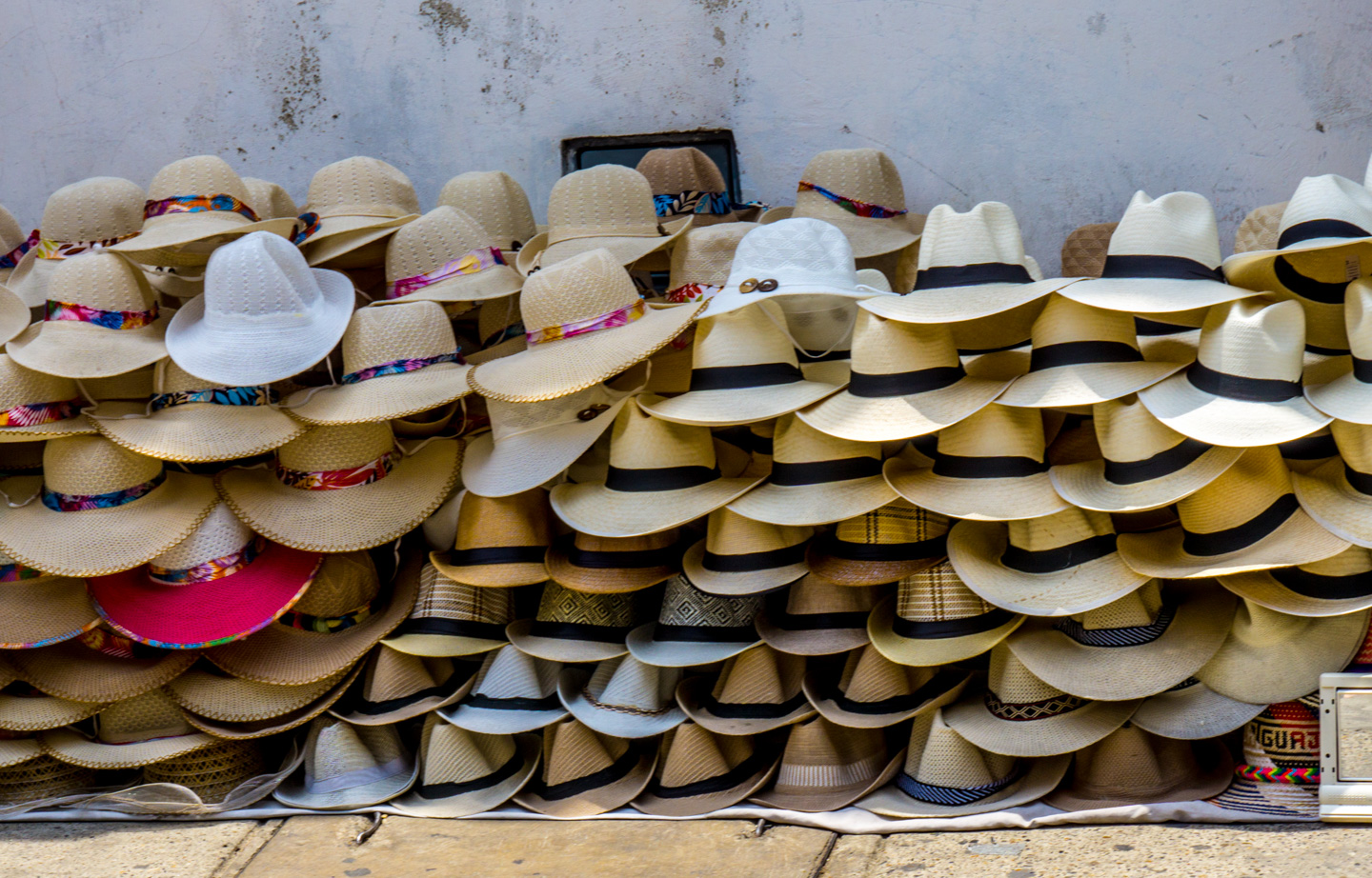
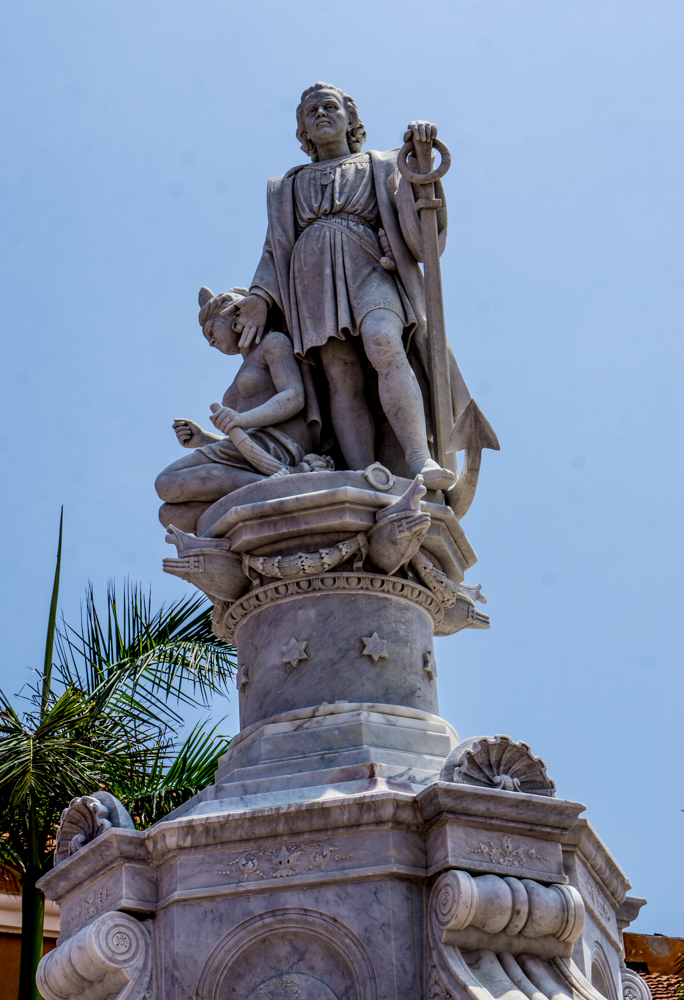
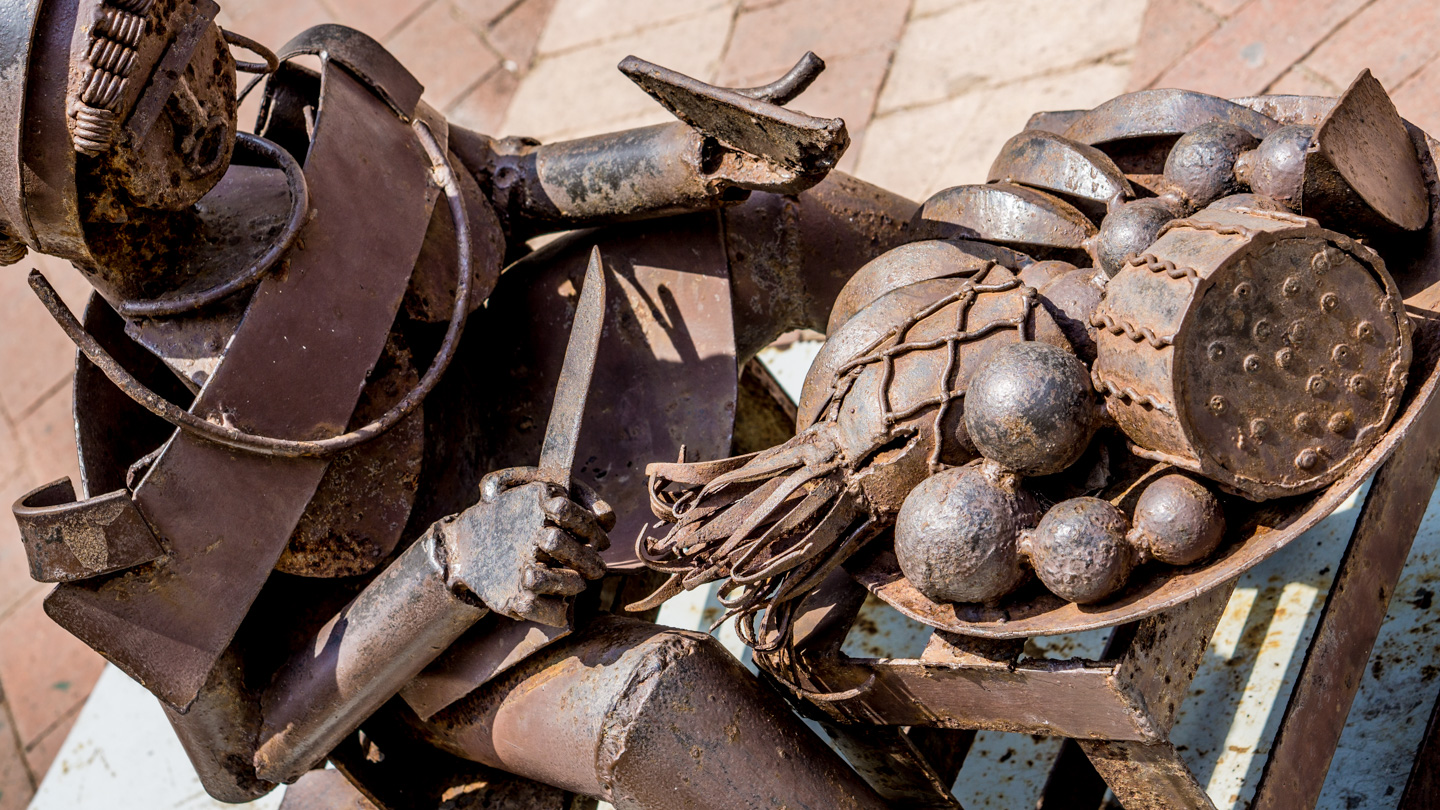
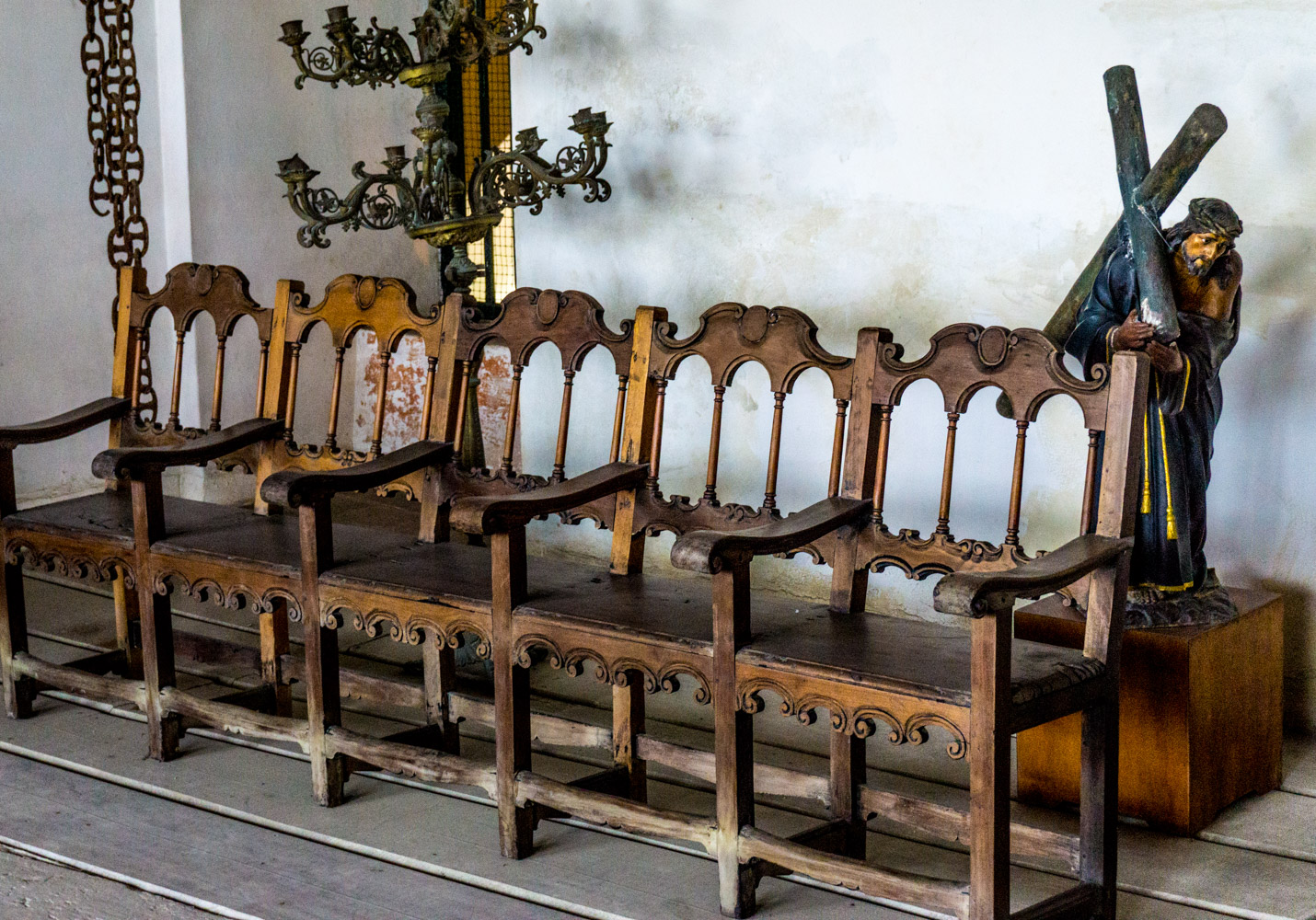
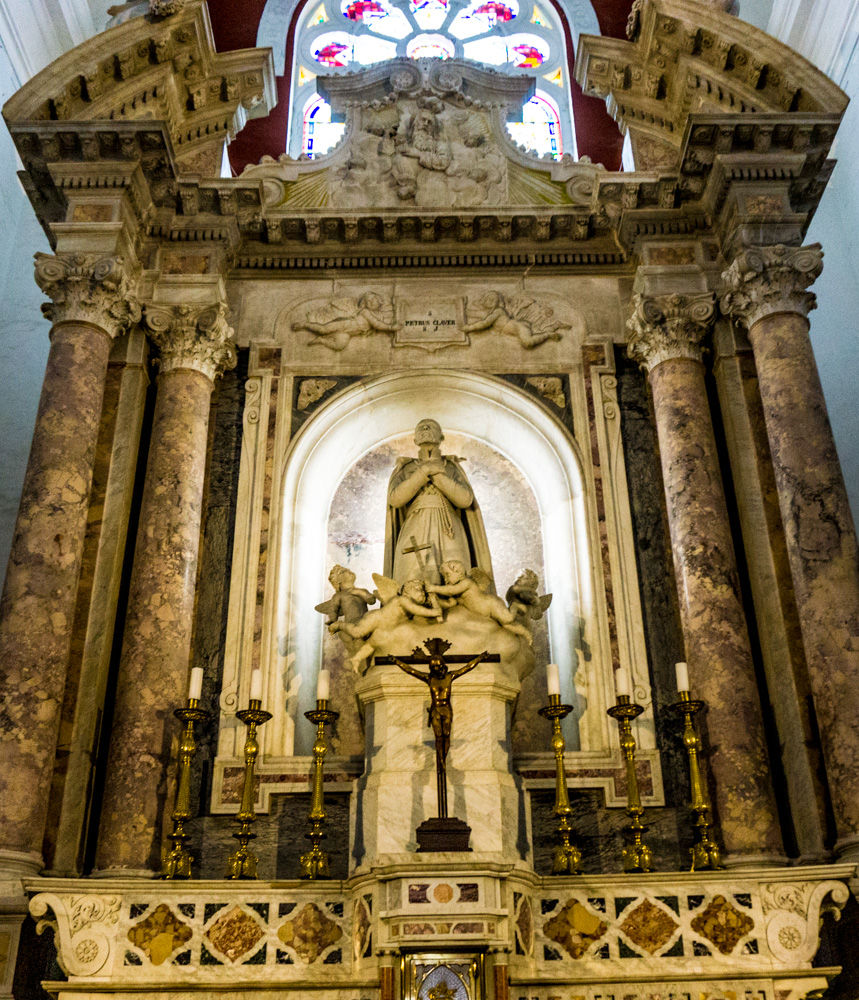
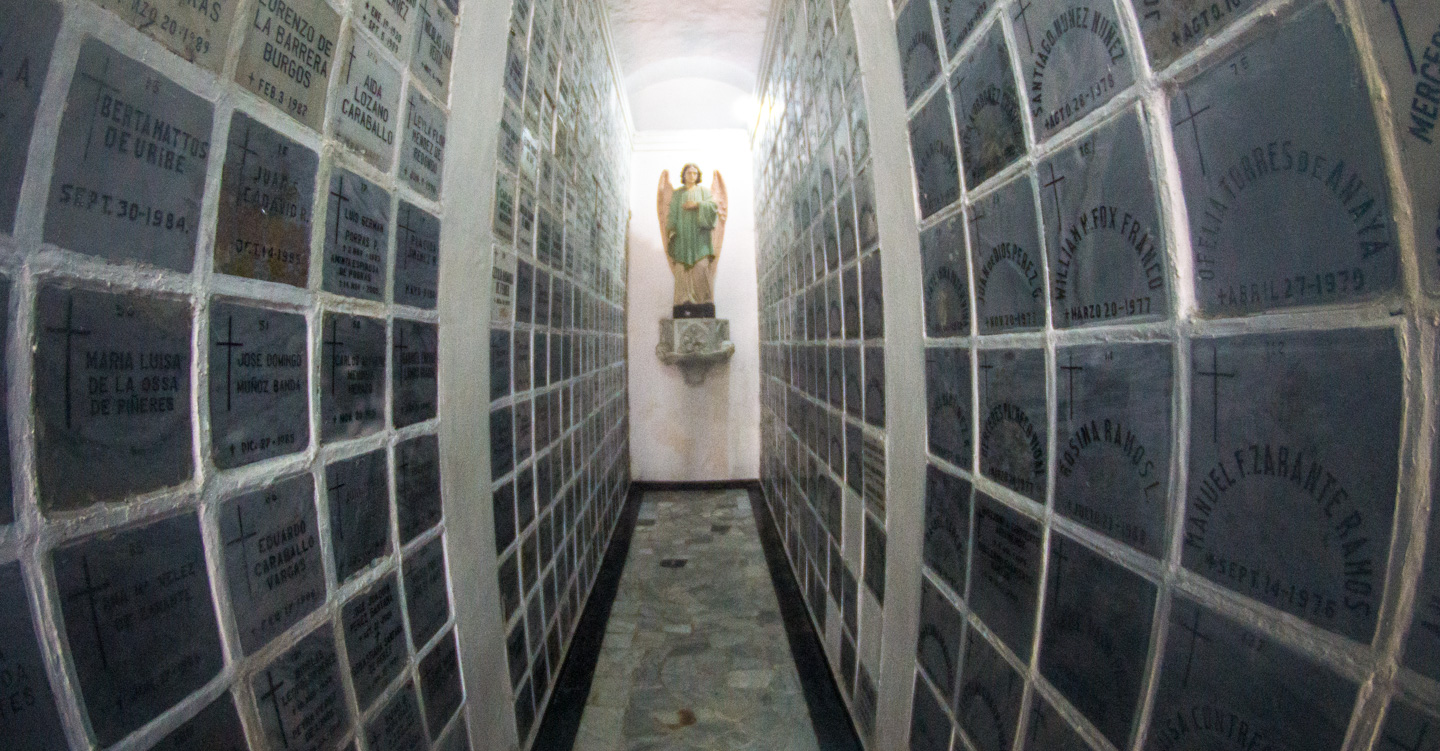
Head towards the clock tower and you will find your way to the Ciudad Vieja or Old Town. The Old Town and Ciudad Murallada, the Walled City, lie just behind.  La Puerta y la Torre del Reloj is your entry into this amazing city. Cartagena1_The Plaza of the Carriages (Plaza de los Cloches) next to the clock tower, was the site of the original slave market. Slaves were brought into the New World through Cartegena and Veracruz, Mexico. And yes, you can pick up a carriage ride in the Plaza de los Coches. Cartagena1_-5If you’re on the hunt for some vintage record albums or a used copy of the South Beach Diet, this market is just for you.Cartagena1_-3Be sure to check out the street vendors and maybe pick up a Panama hat to keep you cool. The heat and humidity are overwhelming and most people stay away during the heat of the afternoon.Cartagena1_-18A towering statue of Christopher Columbus stands in the Plaza de la Aruanda. Columbus explored the coast of Panama, which was part of Columbia on his fourth voyage of discovery. Cartagena1_-4Modern art sculptures adorn the streets and plazas. This palenquera was one of several sculptures in the Plaza San Pedro Claver.Cartagena1_-6The Church of San Pedro Claver was built in the early 17th century. Saint Peter Claver was known as the slave of slaves by his Jesuit brethren. Unlike his brothers, Claver did not support Slavery and chose to minister to the many slaves brought through Cartegena. He would meet the slave ships before the human cargo was unloaded so that he could be the first and only friendly face they saw in the New World. San Pedro Claver was the first saint canonized in the New World. Cartagena1_-8The $5 entry fee was well worth it to get out of the hot sun for a half hour or so. The church grounds feature heavy wood furniture offset by the gleaming white washed walls. Cartagena1_-9Cartagena1_-7The altar is dedicated to San Pedro and his remains are visible underneath. You can check out his skull if you want to get up close and personal. Cartagena1_-12Cartegena1_-26 The mausoleum in the back of the cloister houses more recent parishioners.Cartagena1_-11Cartagena1_-10
LINKS:

Saint Peter Claver

The Church of San Pedro Claver

Tivoli Gardens

In 1843 the King of Copenhagen granted Georg Cartensen, permission to open Tivoli Gardens. The exotic and elegant gardens were opened to guests for the first time on August 15, 1843. Fairytale write Hans Christian Anderson was among the first visitors and some say this visit inspired him to write his story, “The Nightingale”.

CPH1_-9
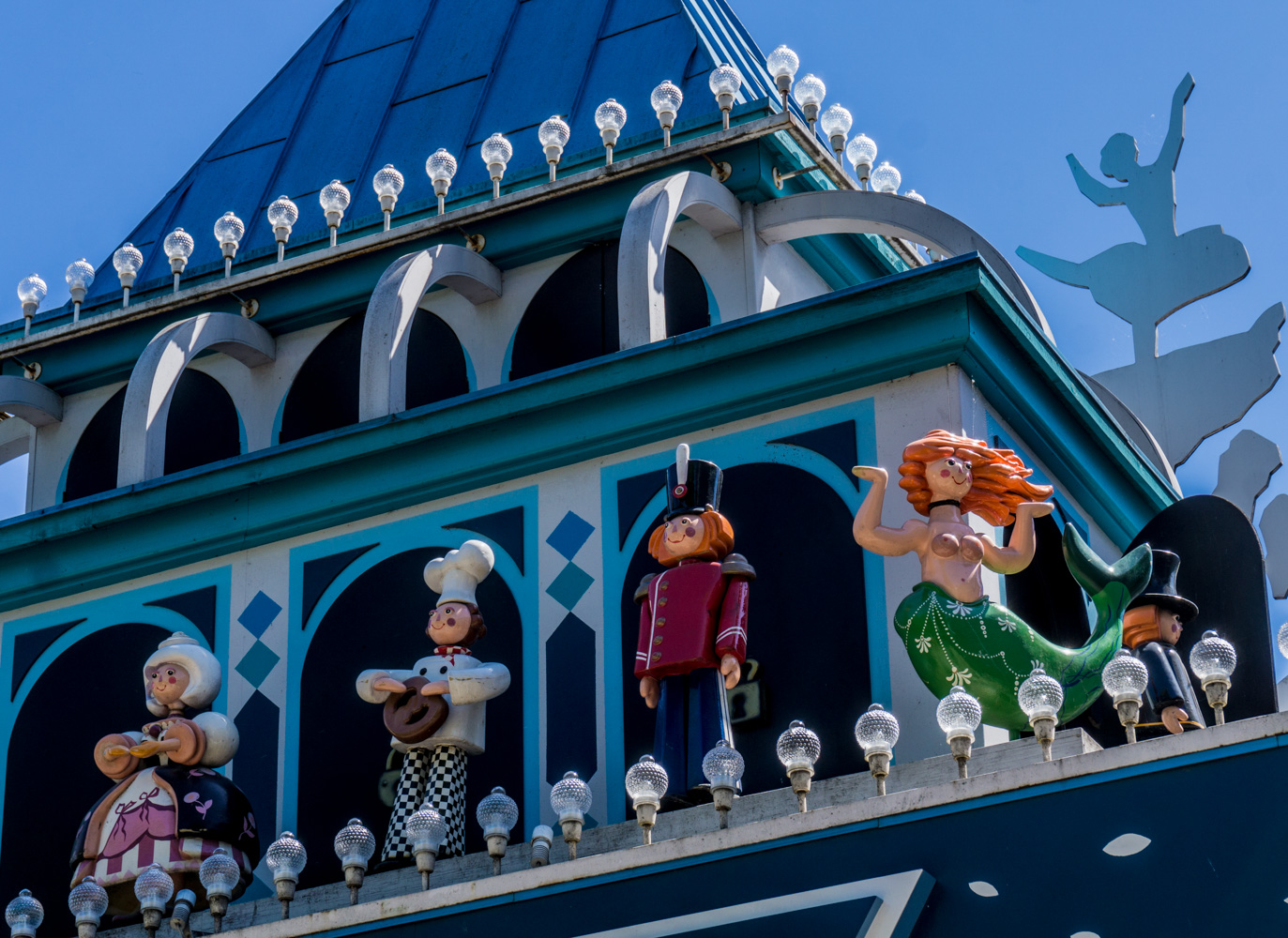
The stories of Hans Christian Andersen are featured in one of Tivoli’s popular attractions, The Flying Trunk or Den flyvende Kuffert. You may sense a similarity to Disney’s It’s A Small World.

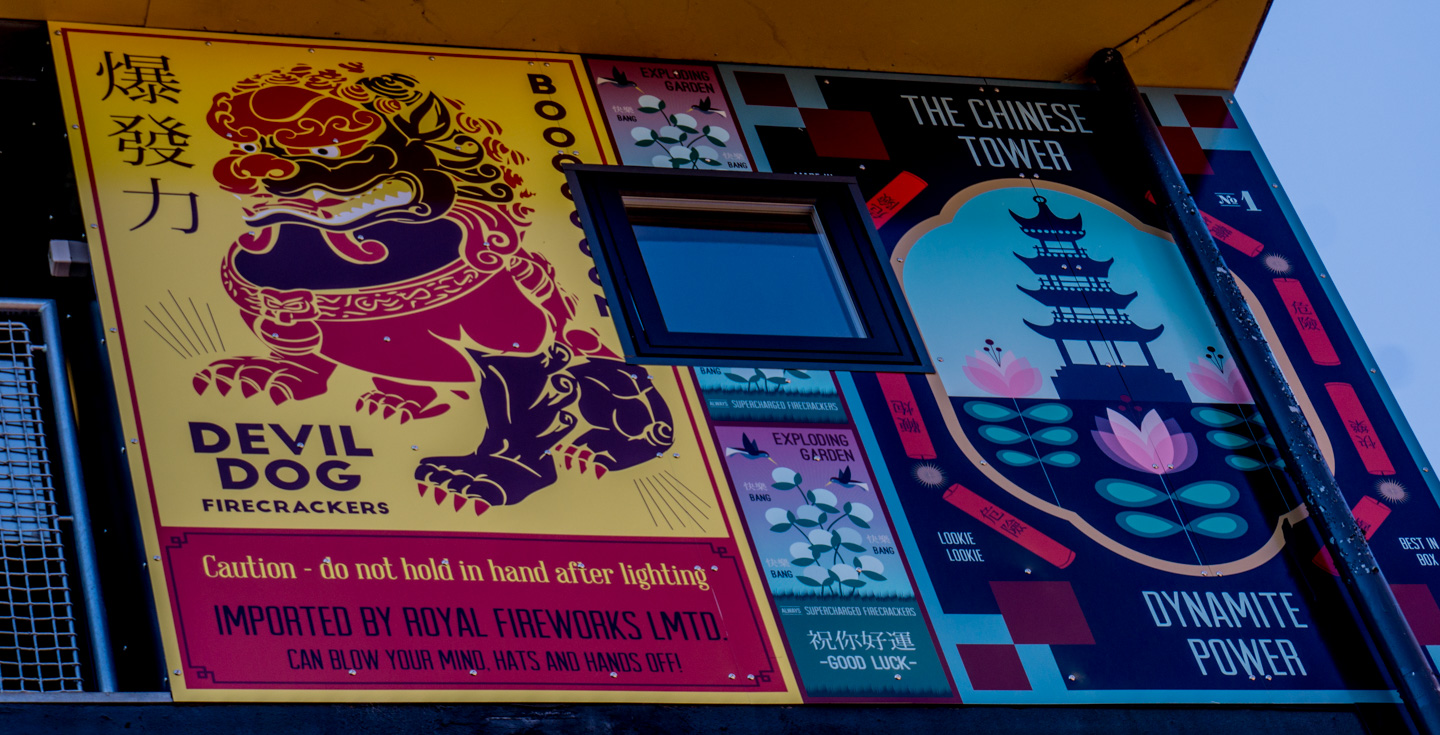
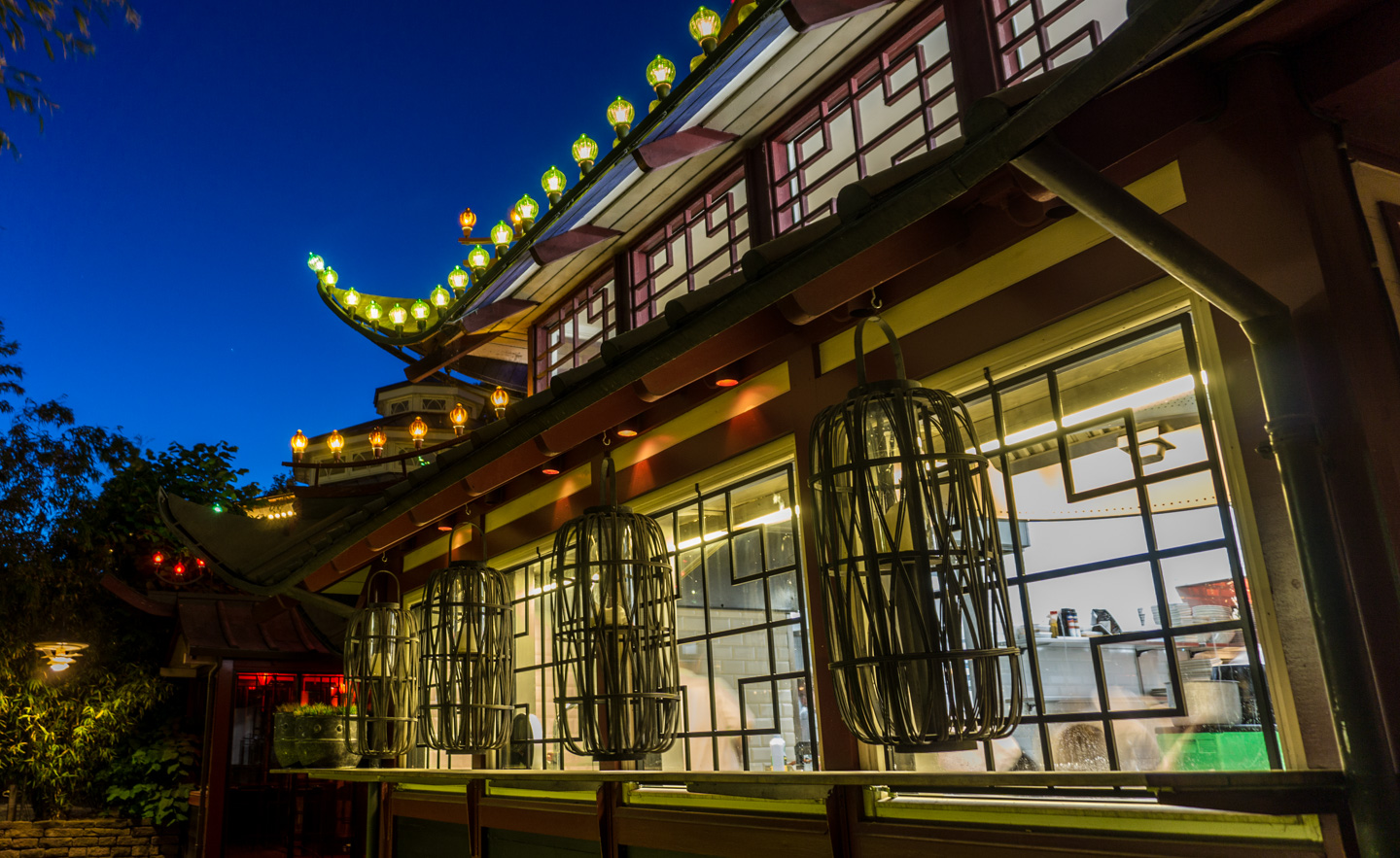
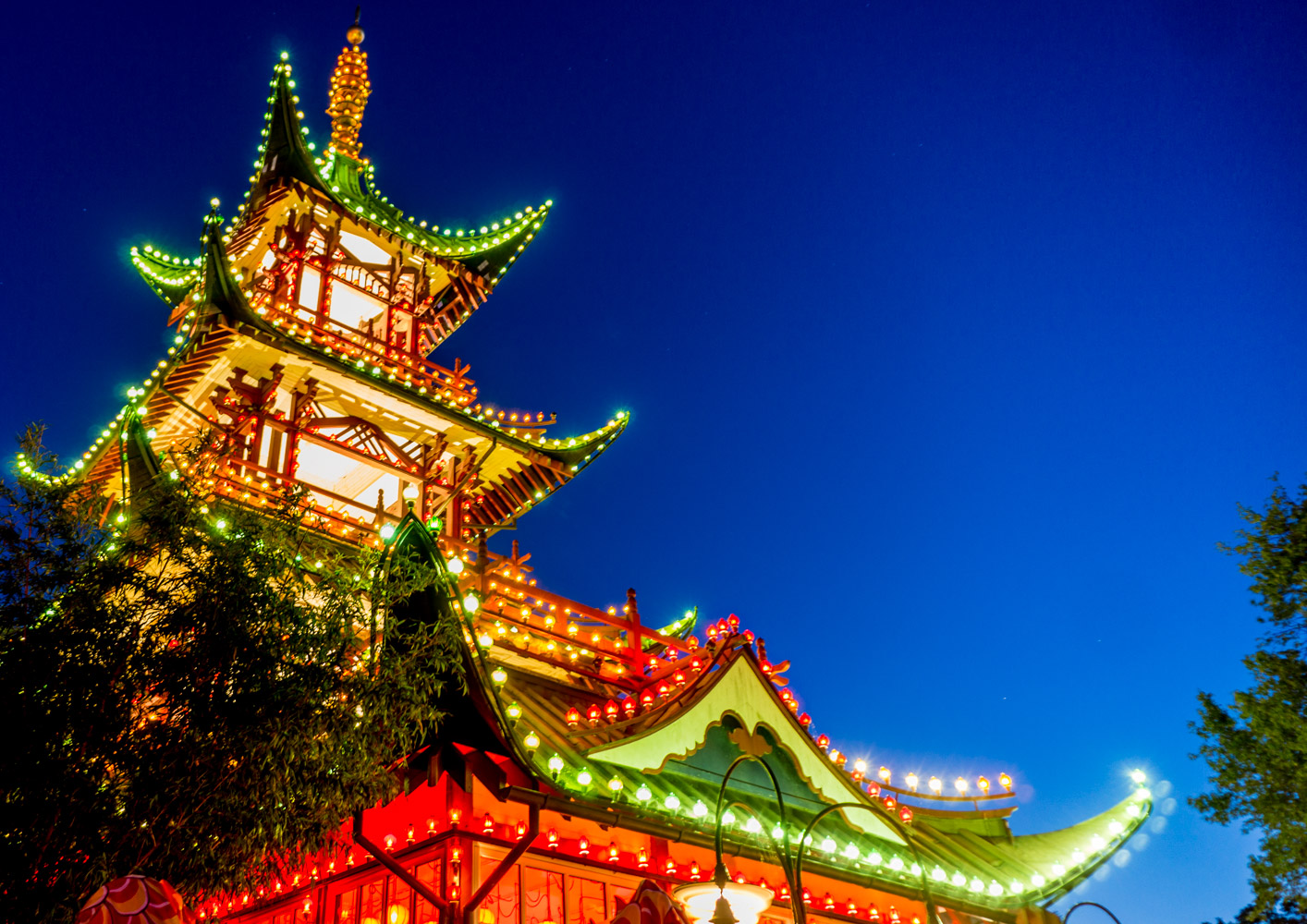
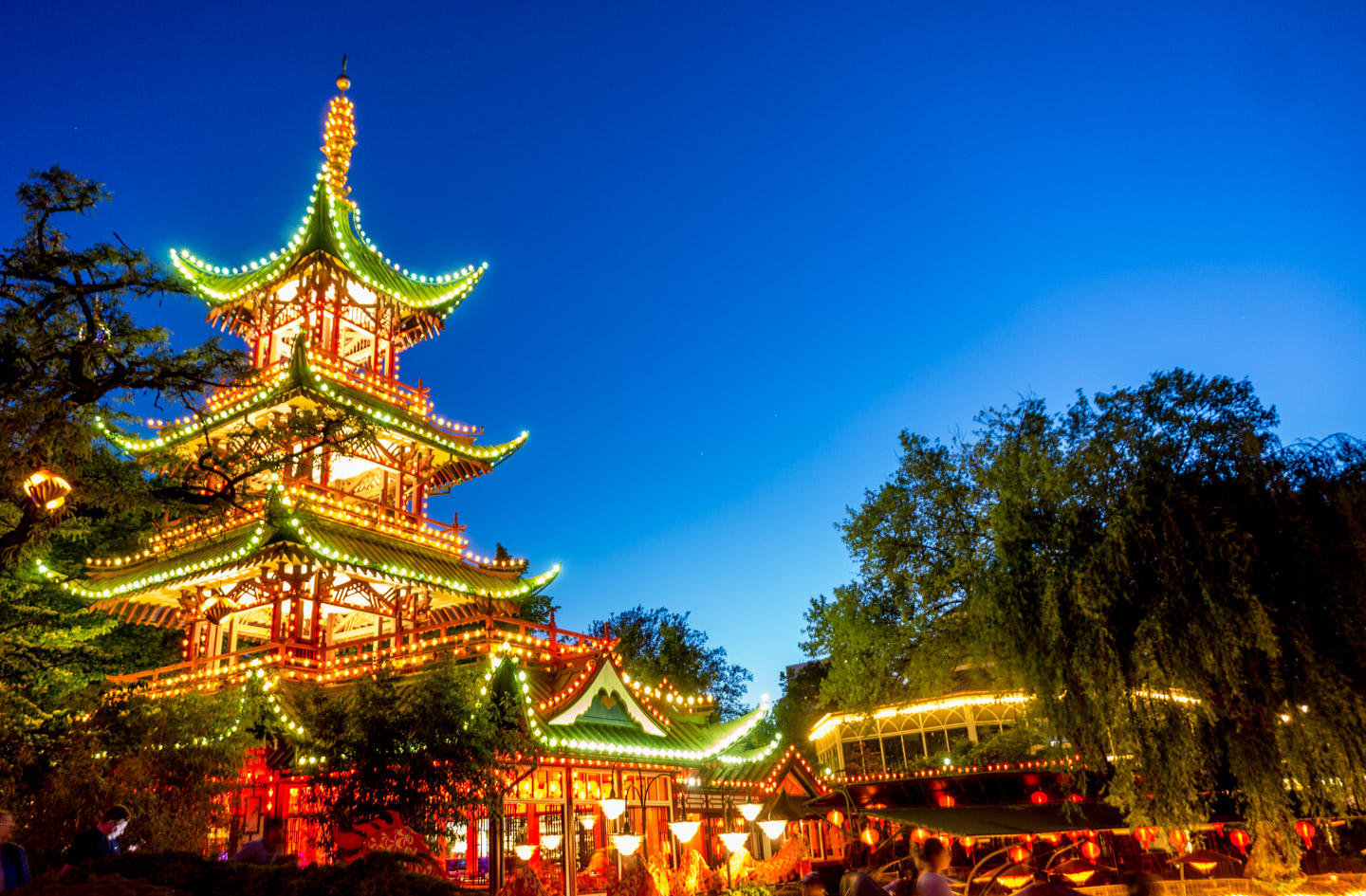
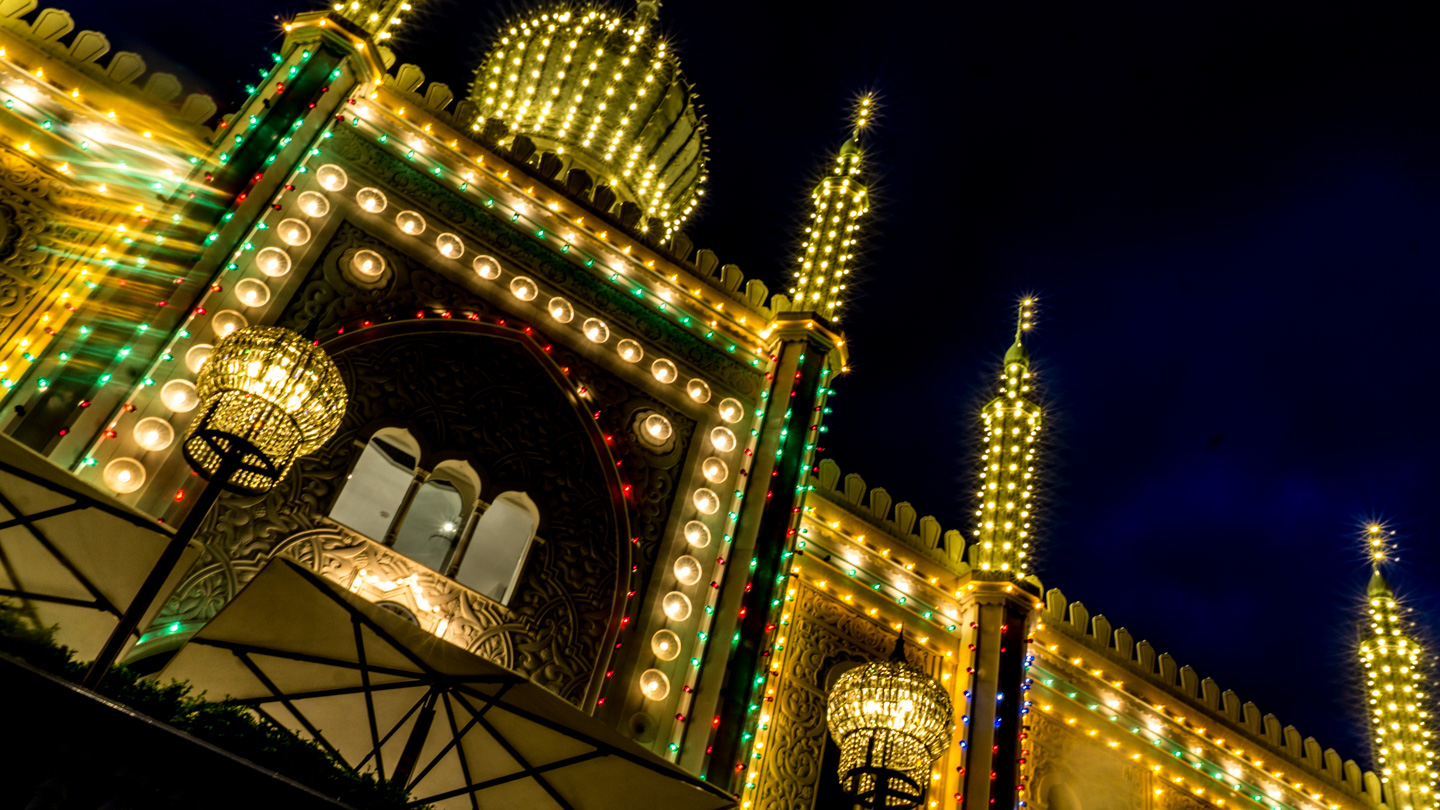
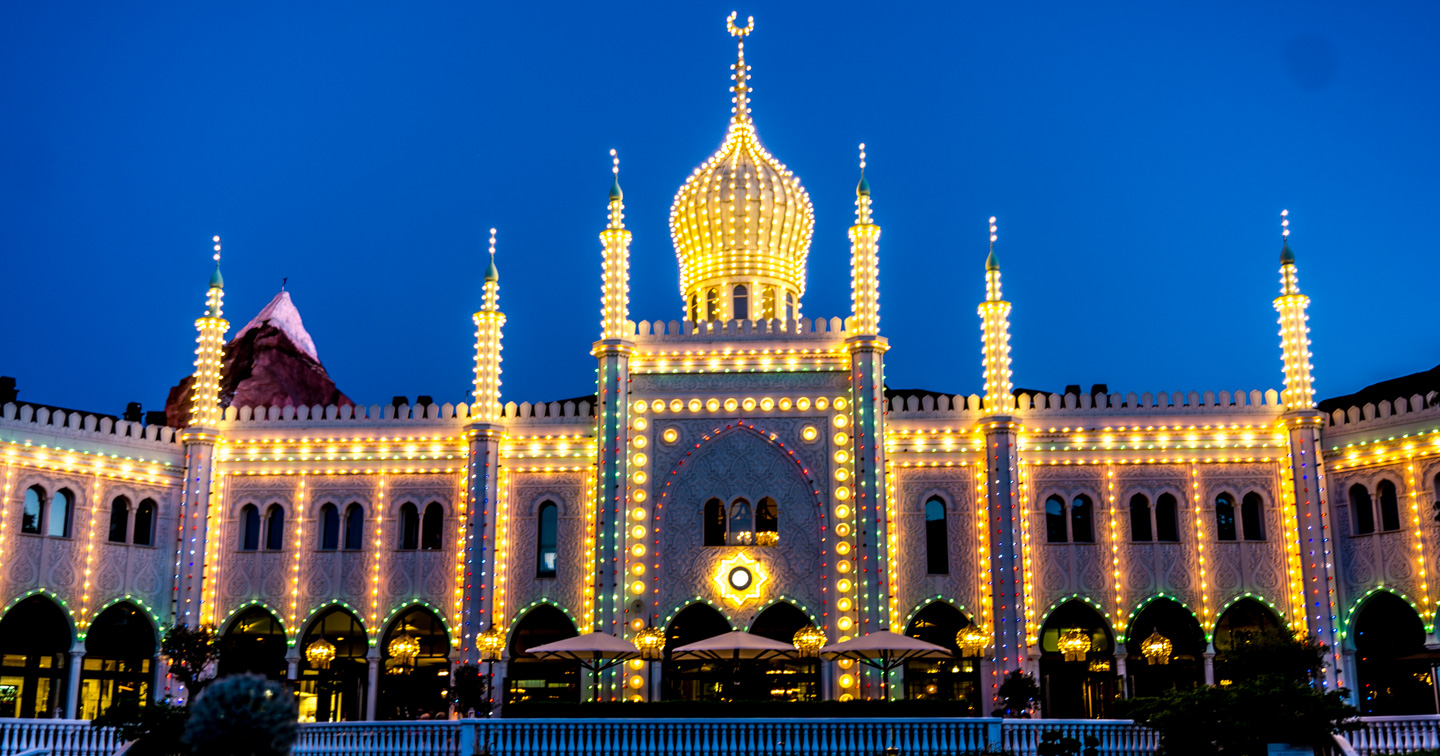
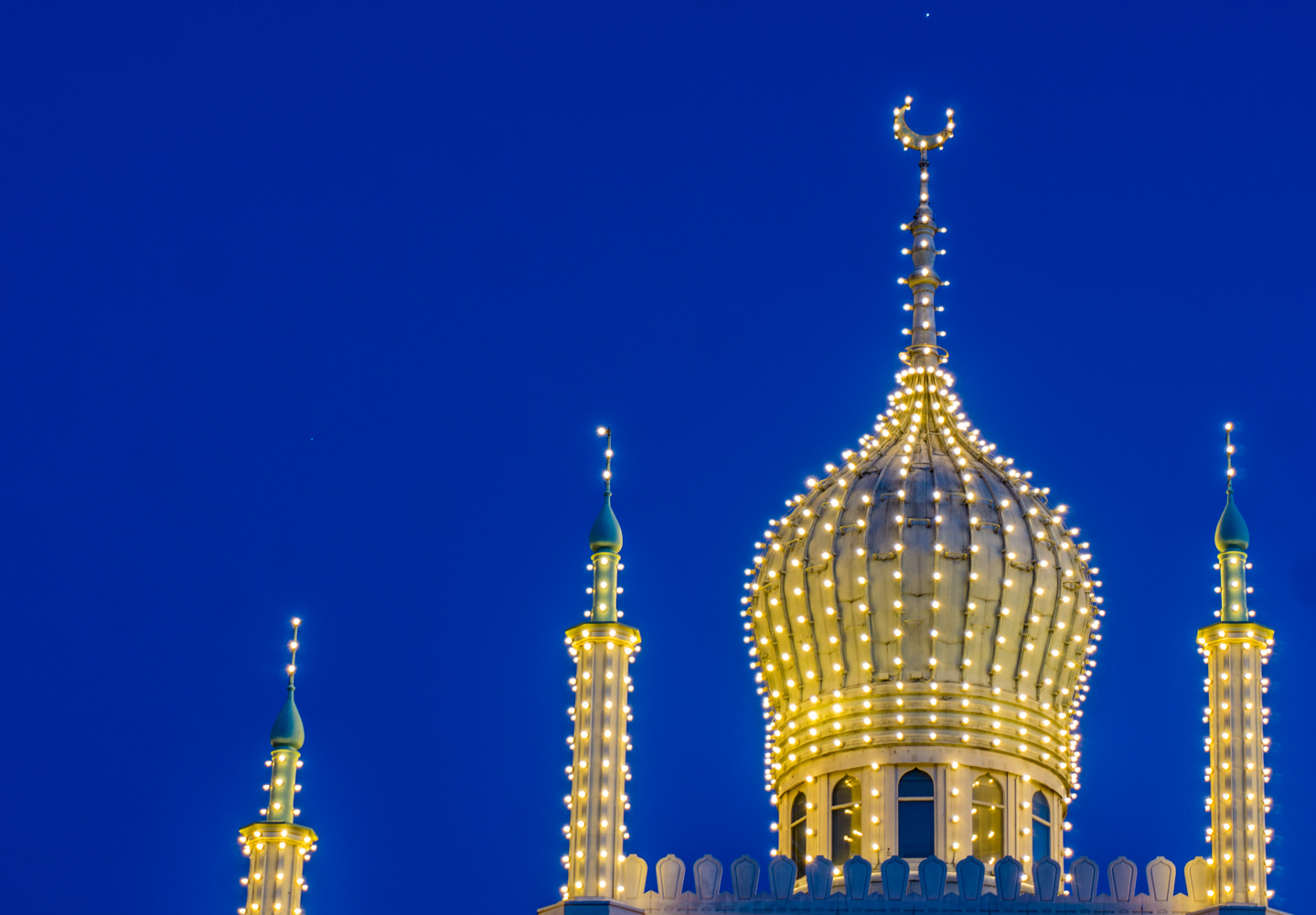
Amusement parks had gotten a reputation of being somewhat seedy, but Tivoli was a clean and orderly park with lush flowers, family friendly rides and a fun festive atmosphere. Art Linkletter visited Tivoli in 1952 with Walt Disney and remembers Walt writing down notes about the gardens, seating, rides, food and all of the details that would inspire Disneyland a decade later.CPH1_-11CPH1_-10CPH1_-31CPH1_-30CPH1_-29Among the Bamboo Garden is the Japanese Pagoda, built in 1900. Originally it was known as The Chinese Tower until 2009, no one knows why the name was changed. Tea and refreshments are available for purchase inside.CPH1_-28In 1874, thousands of electric lights lit up the night in the gardens, There are approx. 2,800 bulbs on The Japanese Pagoda. The Pagoda was the first of the park’s buildings to get LED bulbs. The twinkling light bulbs are often referred to as Tivoli Lights. CPH1_-264The Moorish Palace in Tivoli is home to luxury Hotel Nimb designed by Knud Arne Petersen. In 1909 Wilhelm and Louise Nimb, who had created a restaurant empireOlder Posts in Copenhagen were brought in to manage the restaurant Divan 2, which still exists.CPH1_-19In October 2015 Hotel Nimb was awarded “Hotel of the Year” by Small Luxury Hotels (SLH) from 520 hotels across 82 countries around the world.CPH1_-20
Links

Tivoli Gardens

Nimb Hotel

Older Posts

Yo Ho, Yo Ho – A Pirate’s Life For Me

Boom (1 of 1)

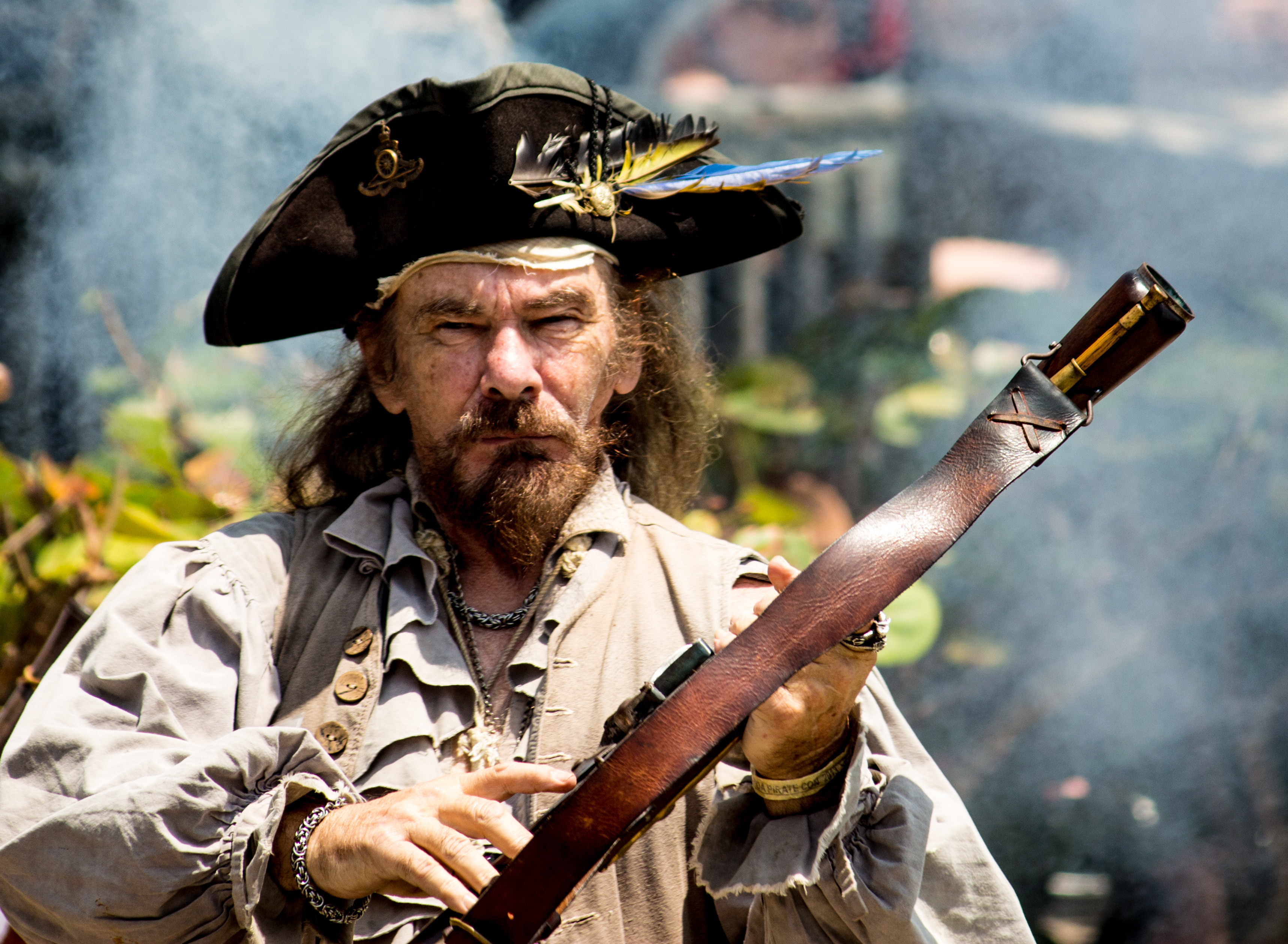
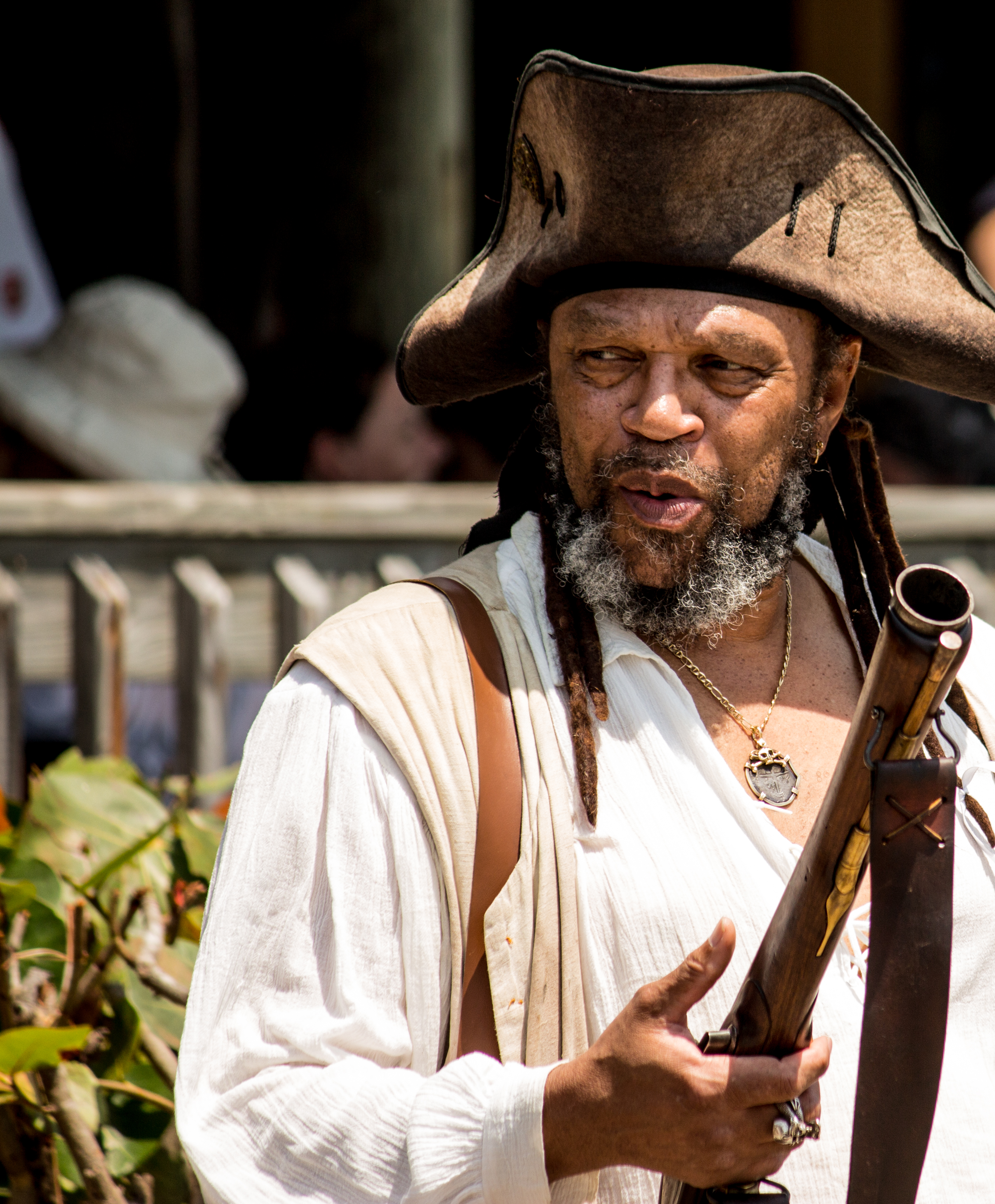
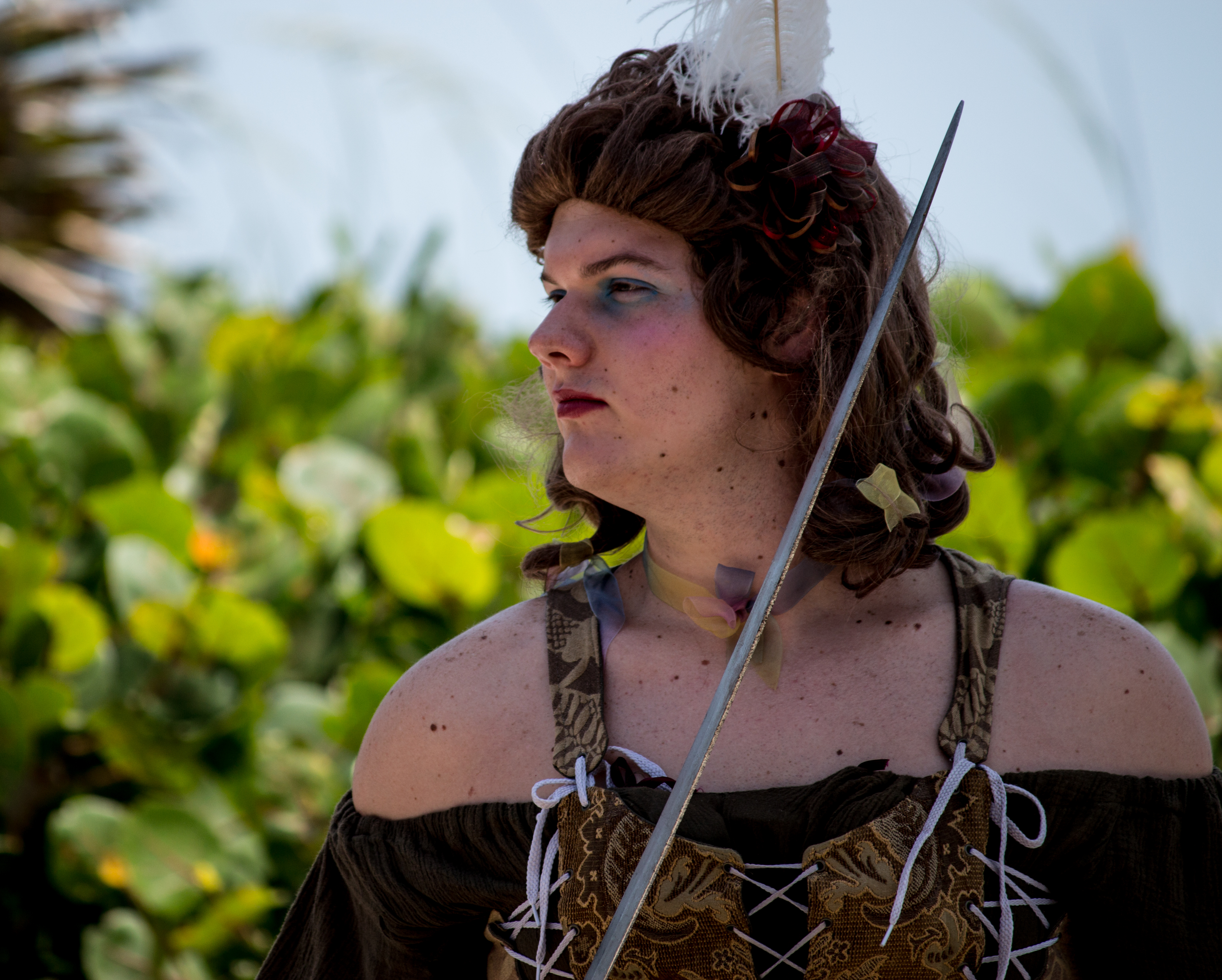
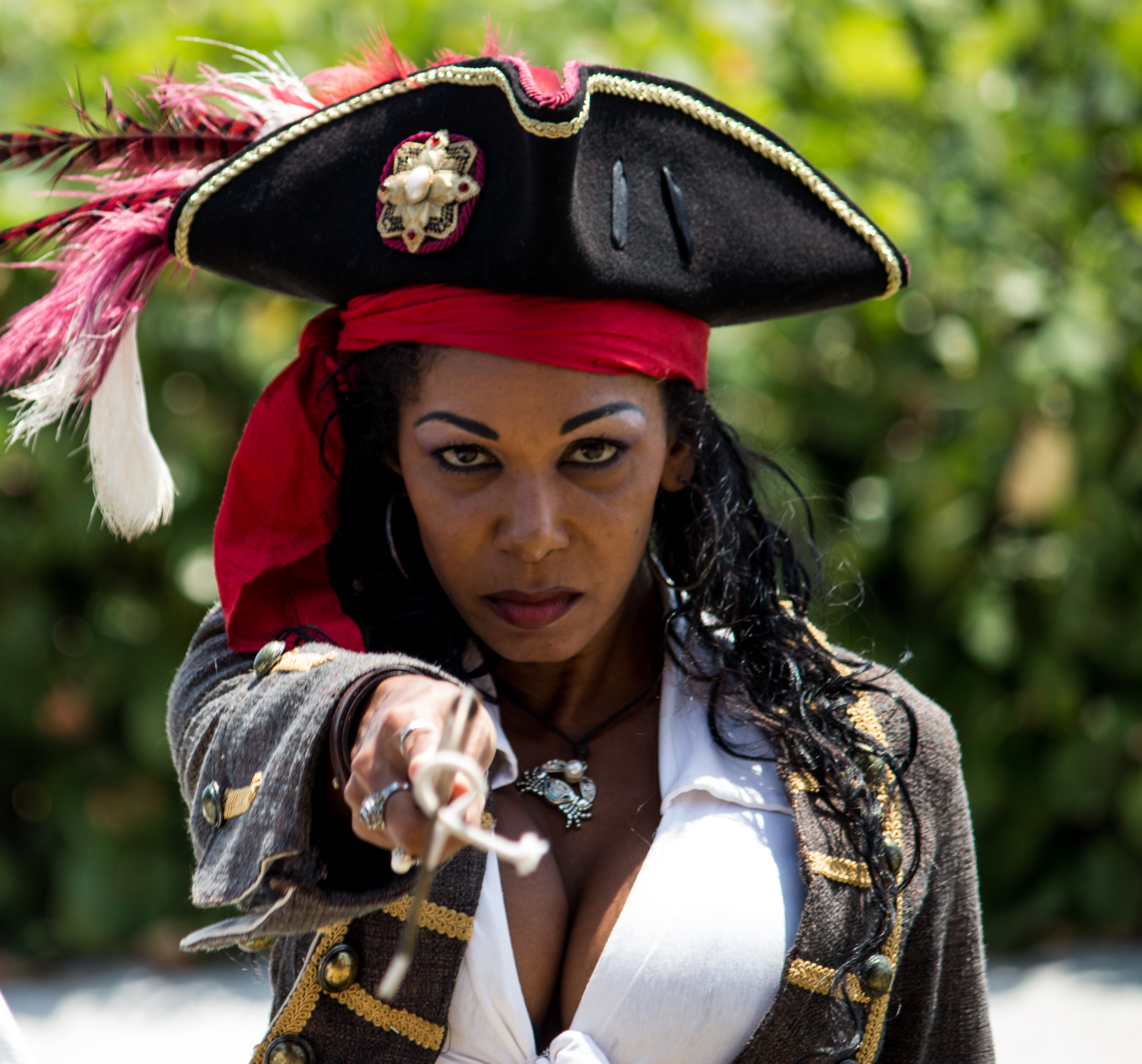
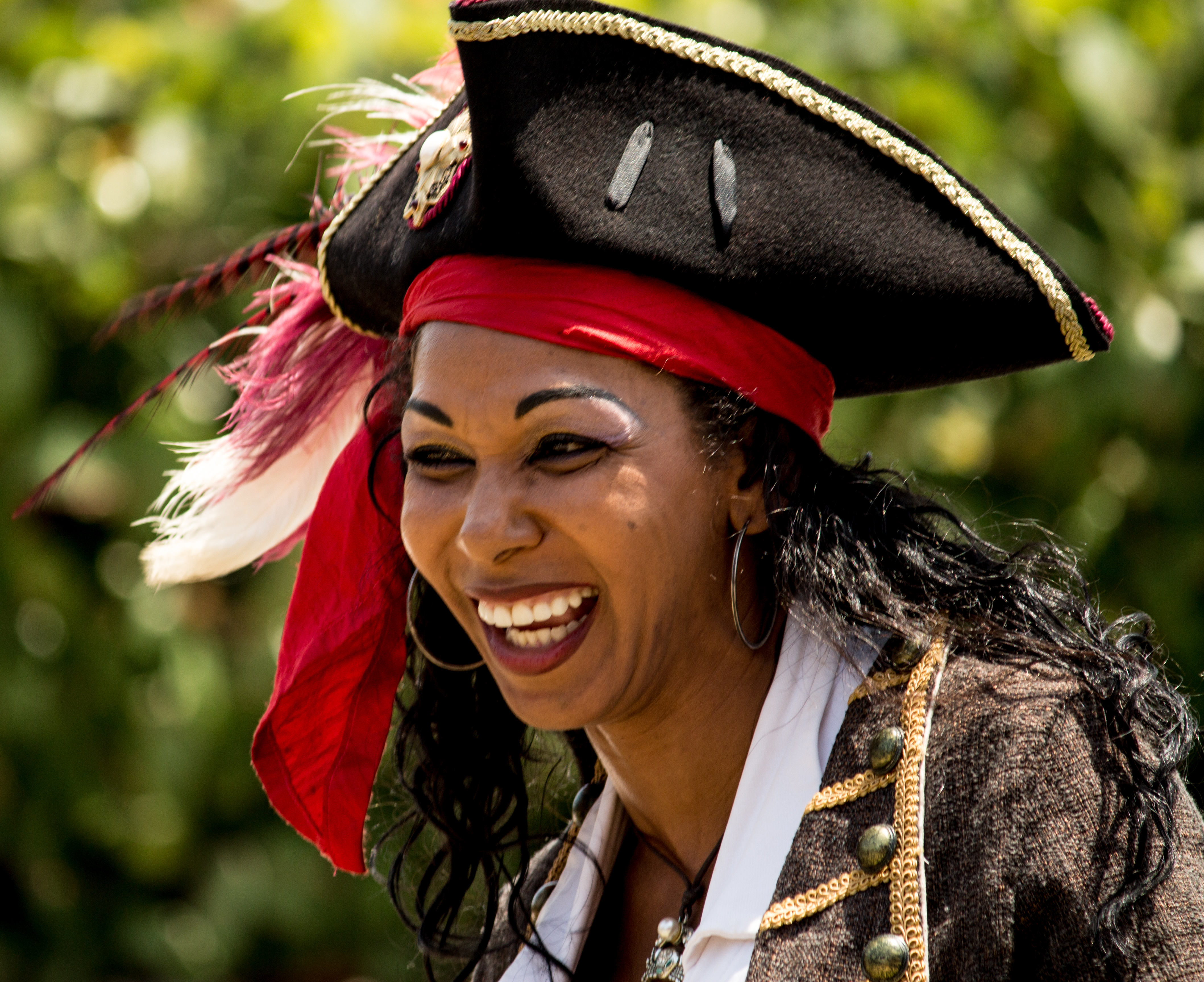
June 14th – 16th, the seaside city of Cocoa Beach was invaded by pirates. The annual Cocoa Beach Pirate Fest attracts pirates and fans from around the world.

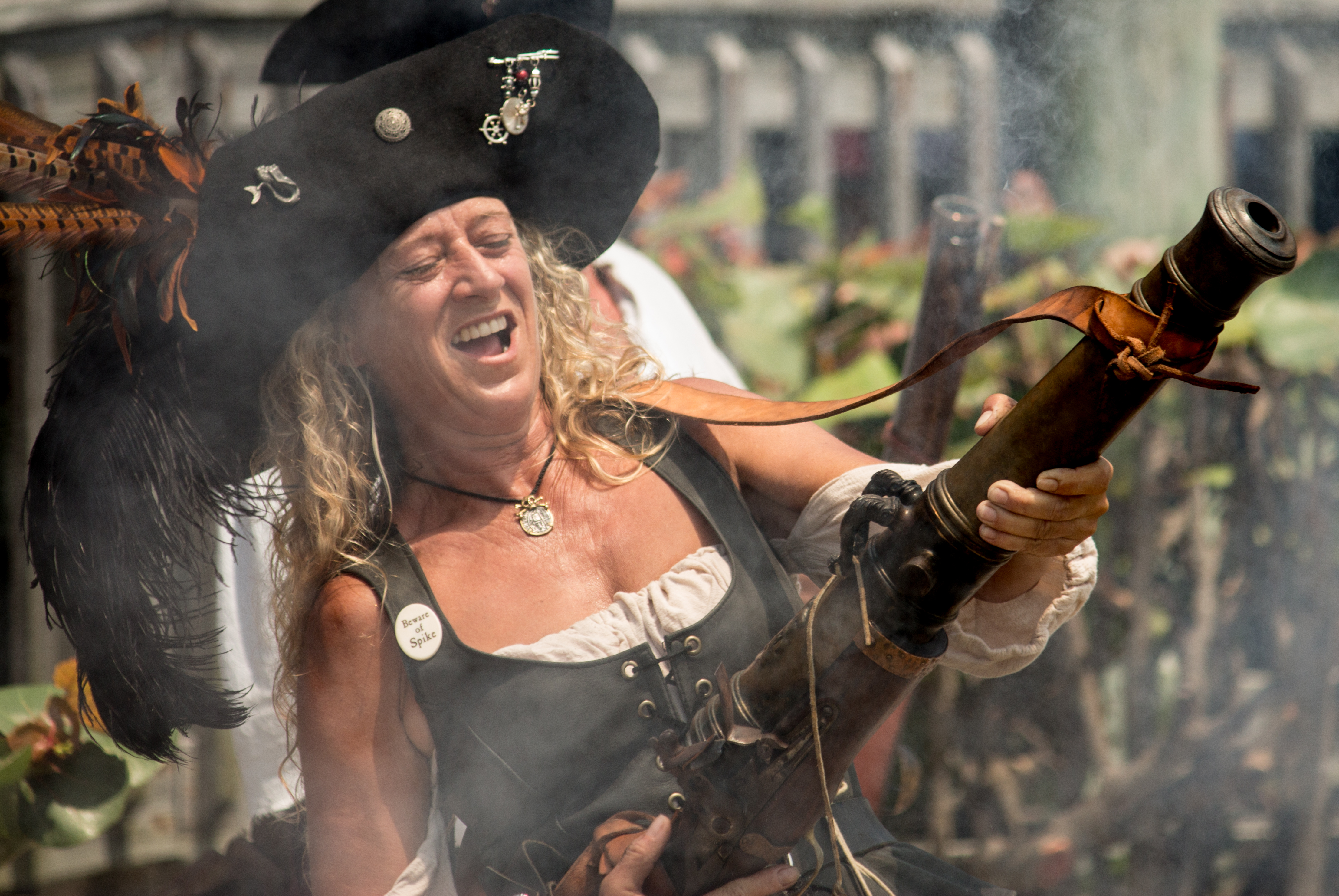
Raquel and her little cannon

Demonstrations included period firearms and cannons

A Pirate named Brave

A pirate encampment allowed guests to see how pirates may have lived off their ships.

Steadfast Steel
Steadfast Steel

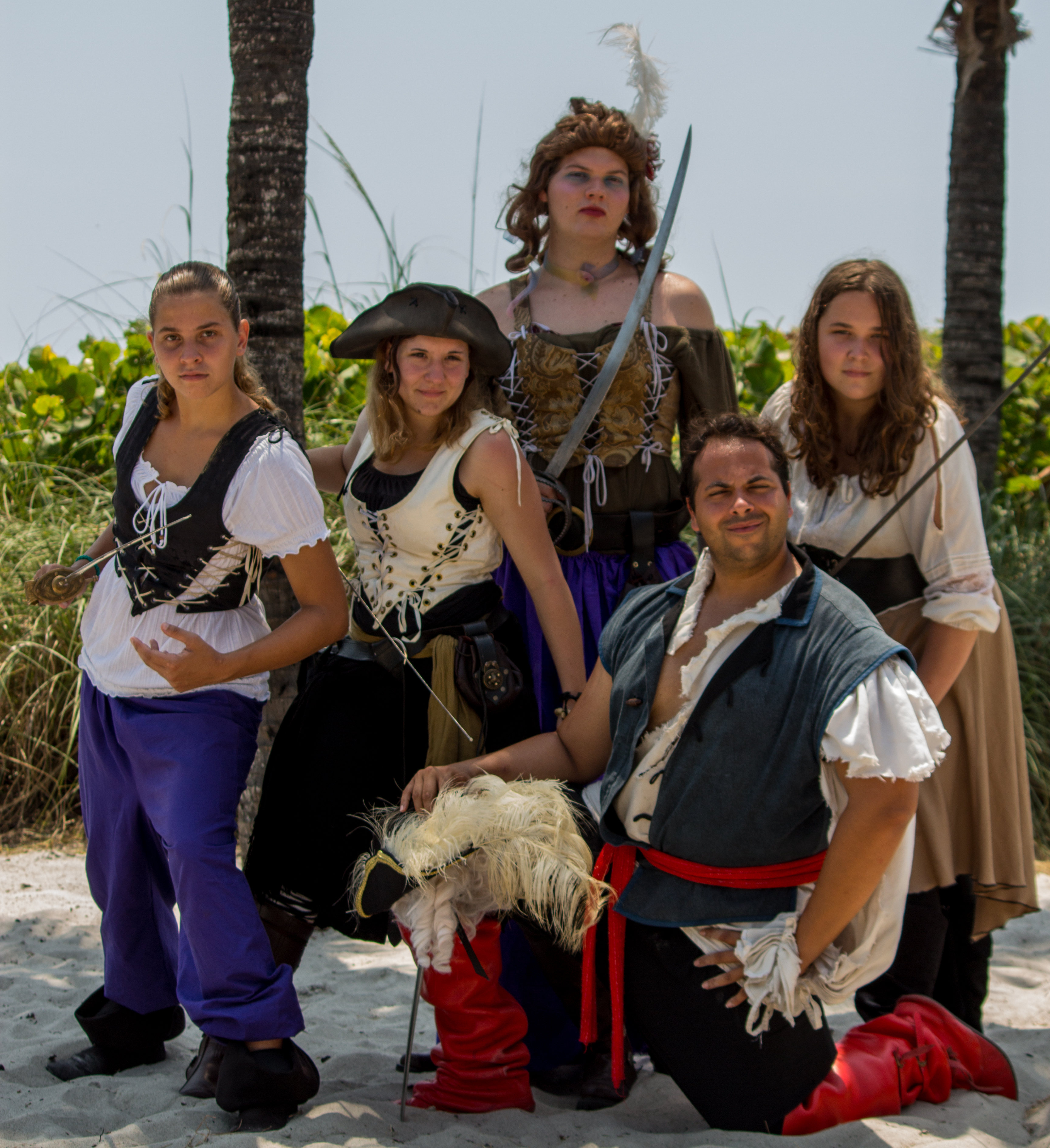
The group Steadfast Steel gave demonstrations of swordplay and combat.

Steadfast (1 of 1)-2

Pearl (1 of 1)

The lovely but deadly, Pearl

Pearl (1 of 1)-3

Undead Pirate
Undead Pirate

Chicago – That Toddlin’ Town

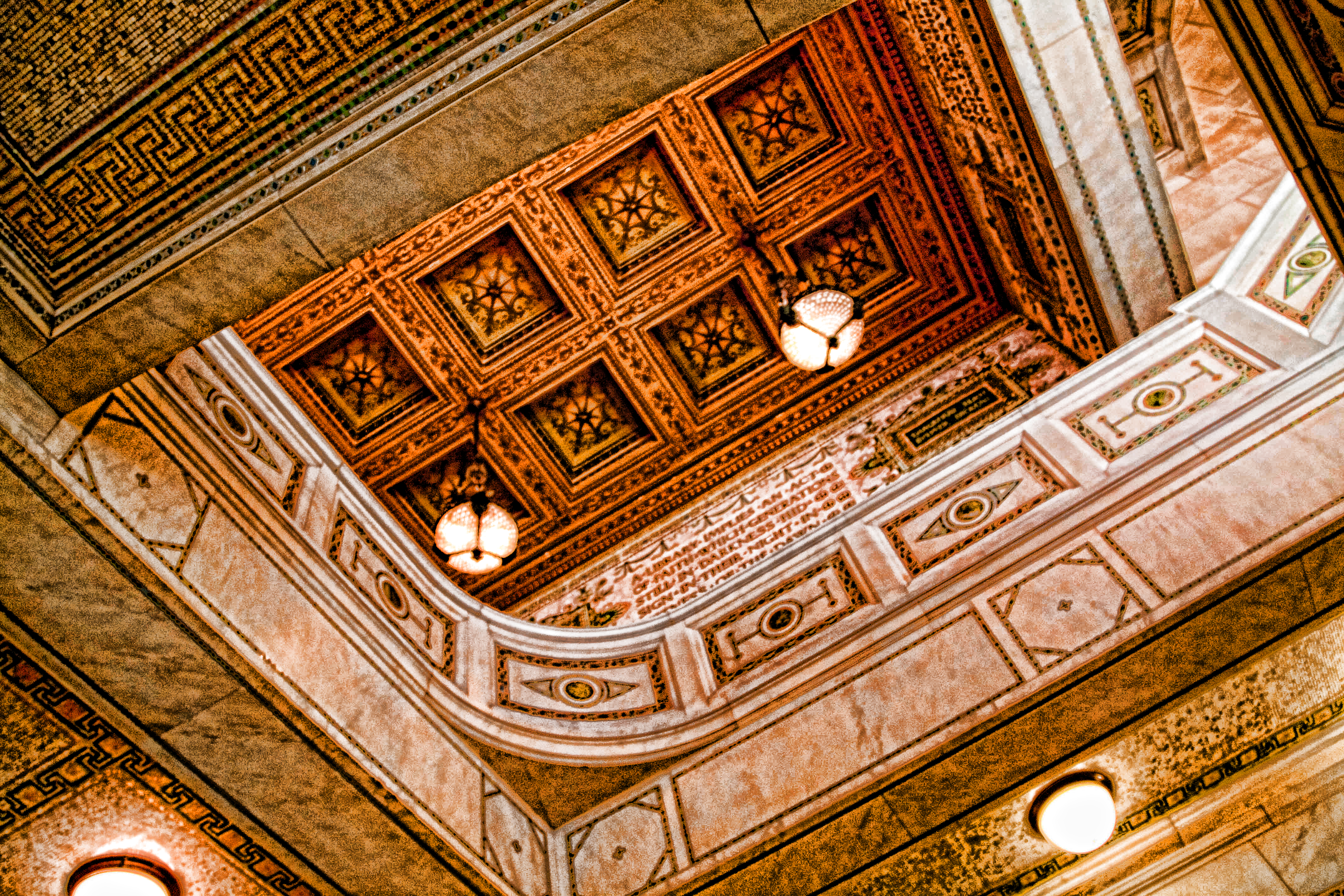
Foyer TouristChicago, Chicago, that toddlin’ town… The city of Chicago has some really unique architectural history. The Cultural Center located near the Loop and Millennium Park. when it was completed in 1897 it served as the city’s central library.

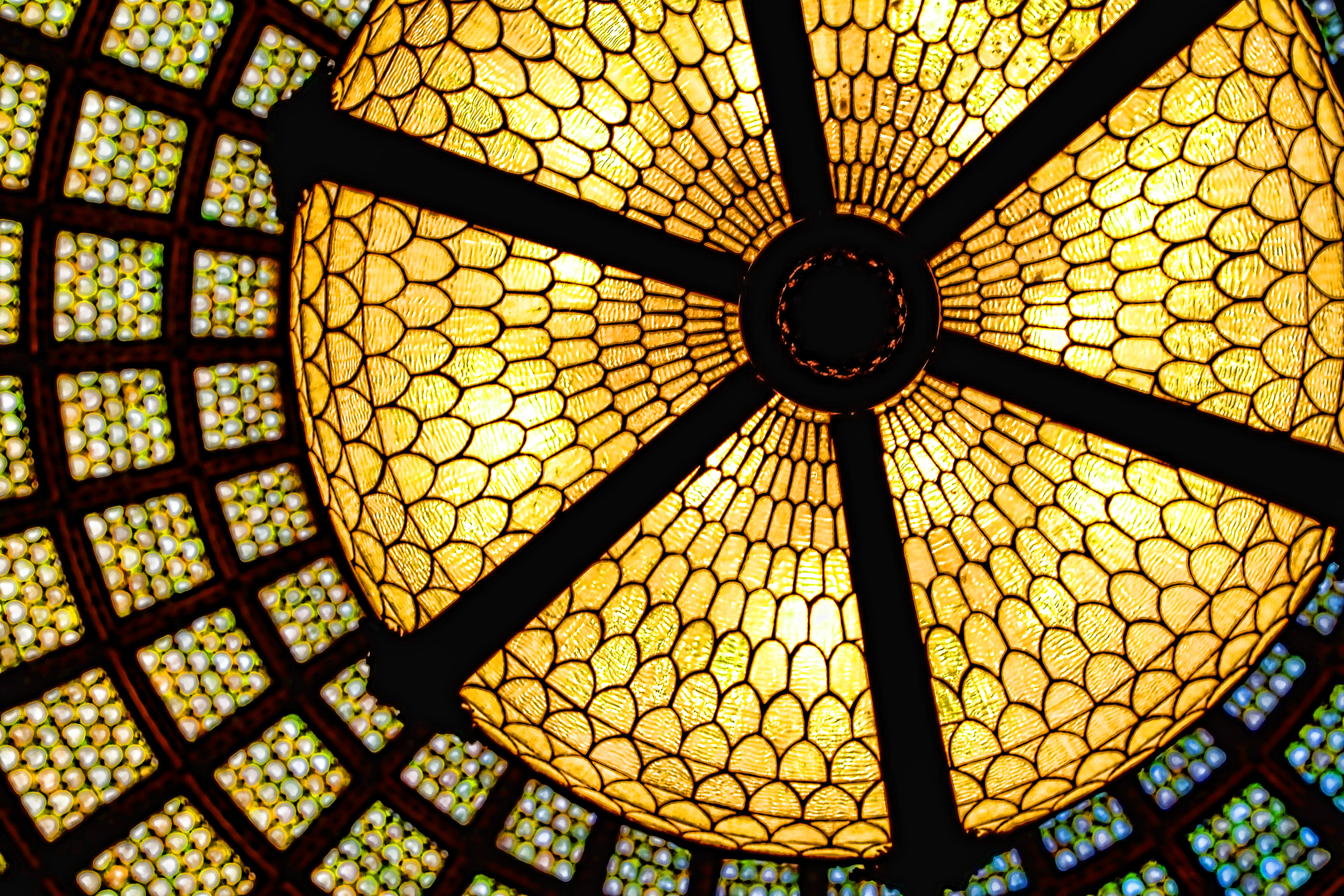
Tourist DomeThe center of the Grand Army of The Republic Memorial hall is a massive Tiffany dome. This massive installation is the world’s largest Tiffany dome and went through a major restoration in 2007.

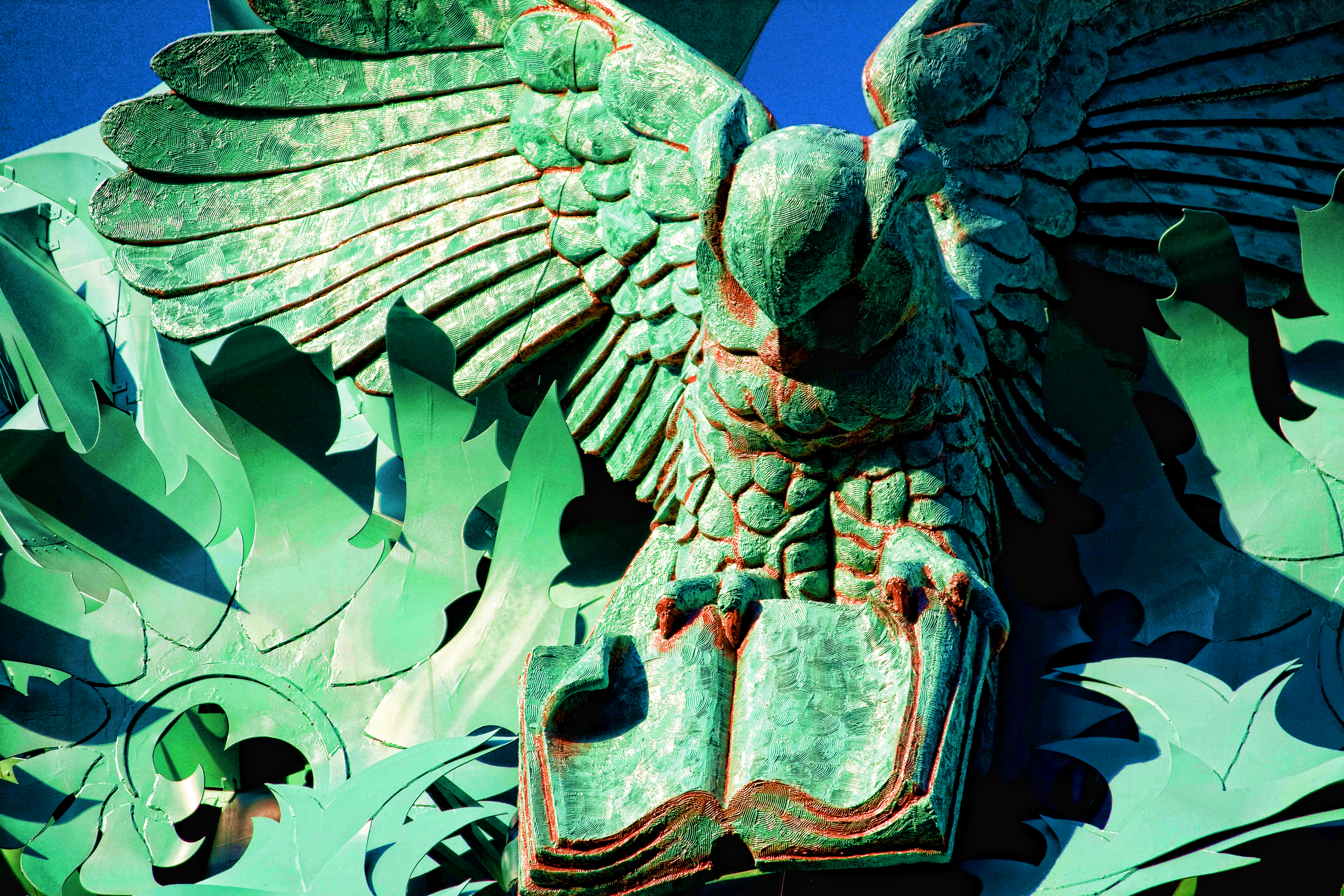
Library OwlChicago’s Harold Washington Library replaced the Central Library (now the Cultural Center) in 1987. The roof is adorned with 7 Acroteria or archiectural ornaments. On the corners and center can be found large sculptures of Owls, the symbol of the goddess of knowledge, Minerva. This Great Horned Owl sits over the center of the State Street entrance on Printer’s Row.

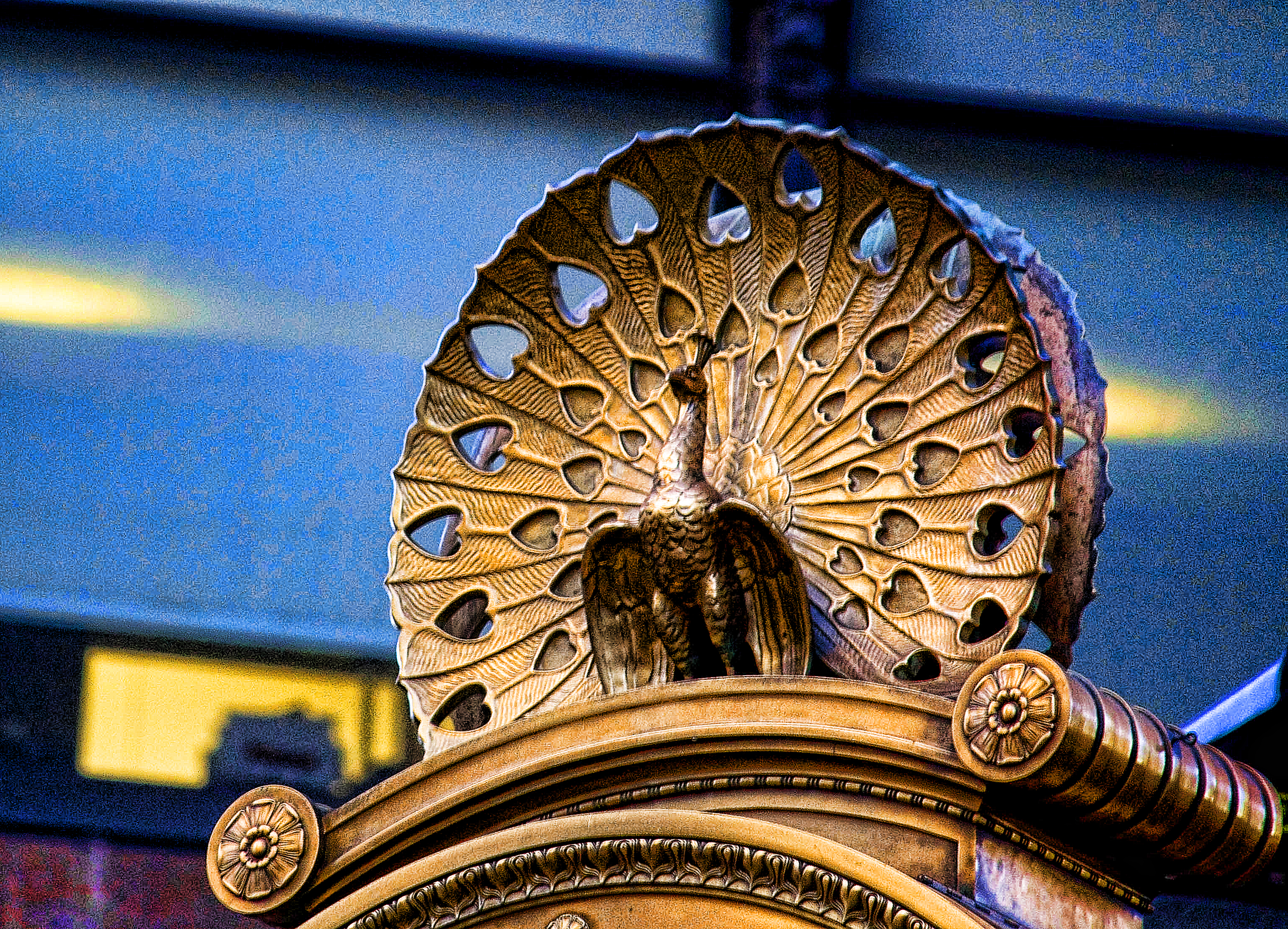
Peacock JewelersAnother bird hanging around the loop is the majestic peacock. The Jeweler’s CD Peacock store at State St. and Monroe. The House of Peacock was the first retail jewelry store in Chicago and catered to such big names as Mary Todd Lincoln, Marshall Fields and Mick Jagger. Hotel Sconce

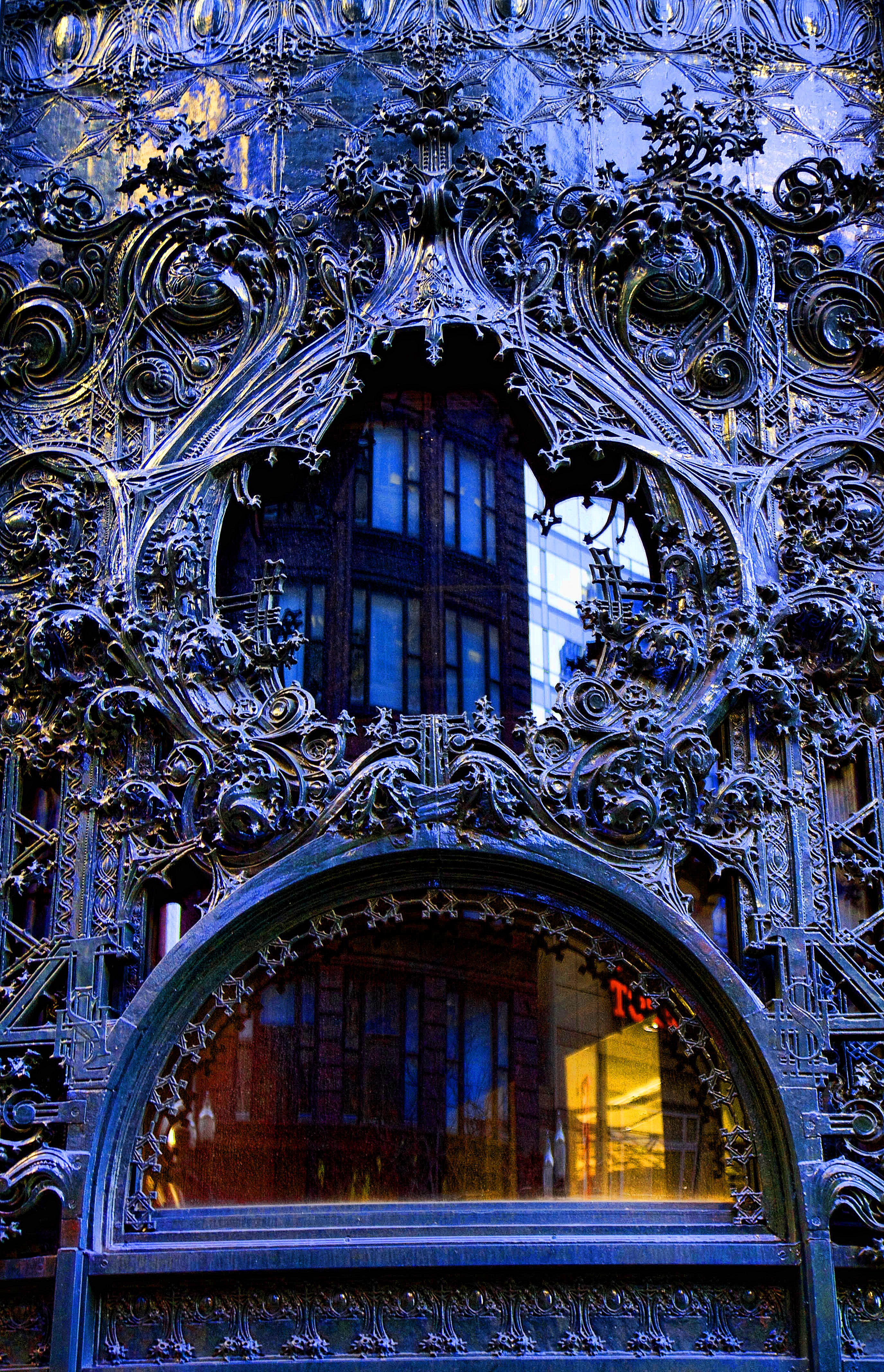
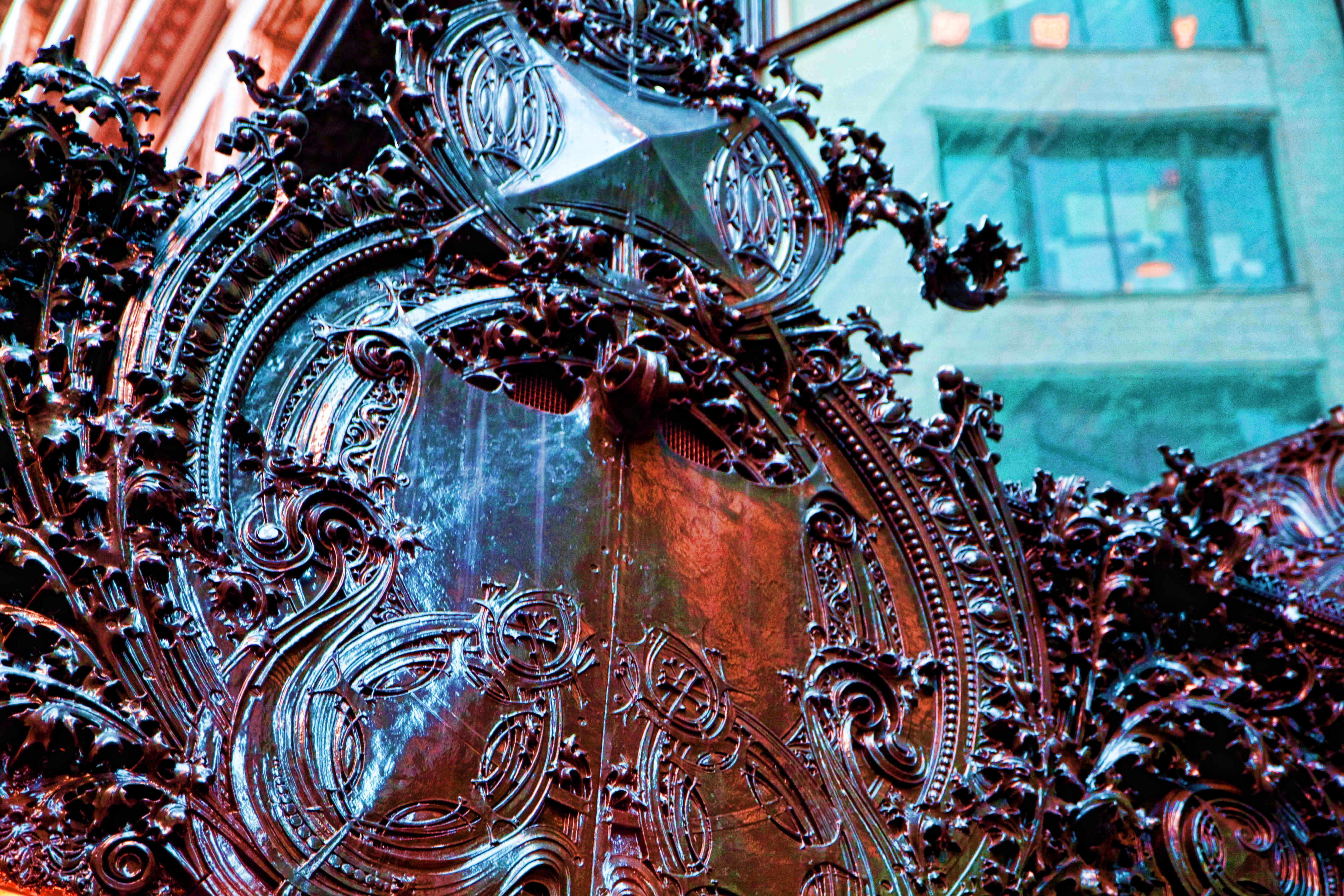
Carson Pirie 2One of the coolest facades in Chicago has to be the Carson, Pirie, Scott and Company Building. Built after the great Chicago fire, the Sullivan Center as it is known today, was built as a major retail center. Today, the building hosts a Target on the bottom floors, but the ornamentation is still intact. The ornate floral details are bronze cast iron and were meant to appeal to the female clientele.

Carson Pirie

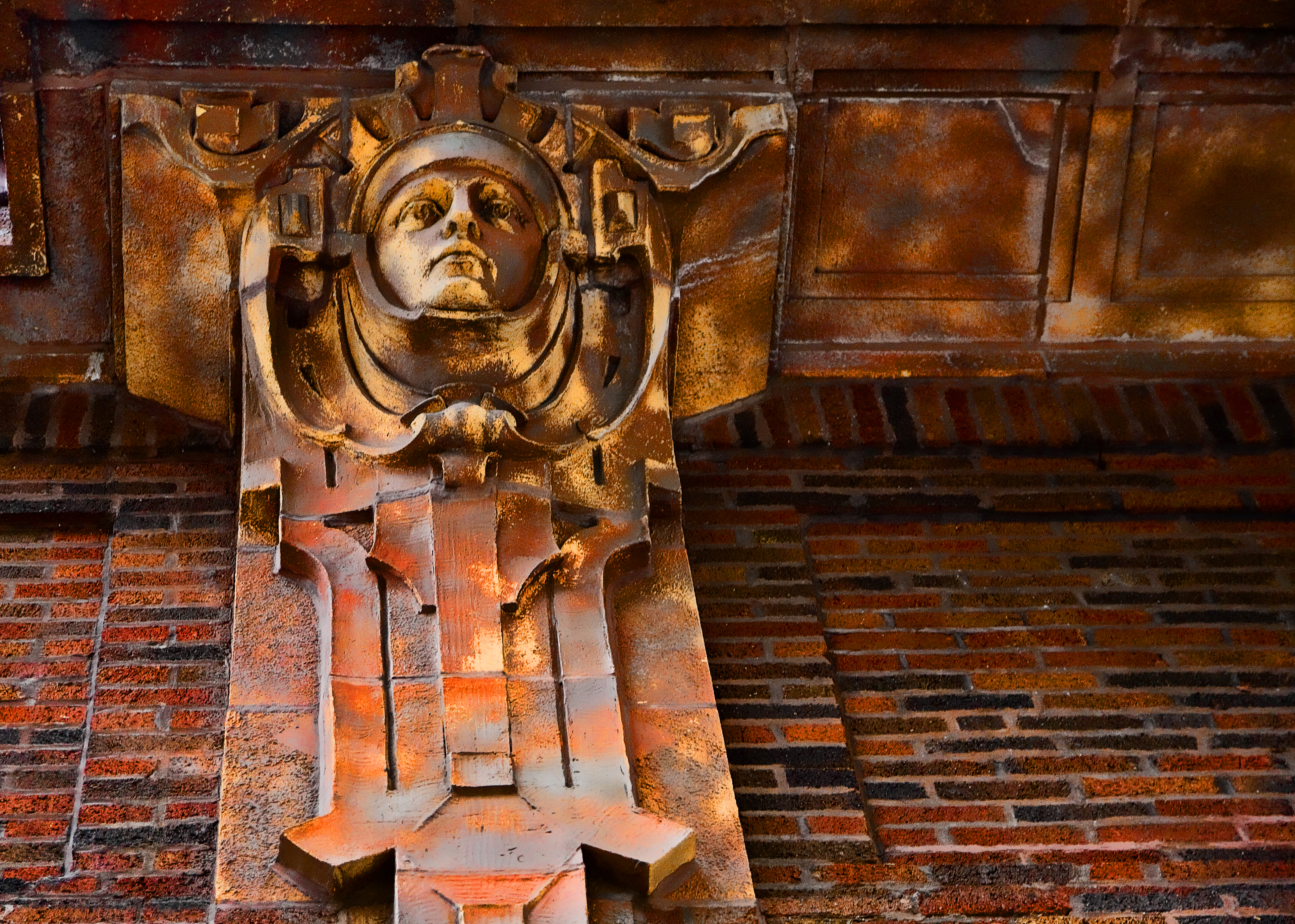
FaceMetropolitan Capital Bank on the Magnificent Mile features details from the Prairie School of the Arts and Crafts movement, Frank Lloyd Wright once had a studio at Chicago’s Tree Studios artist’s enclave.

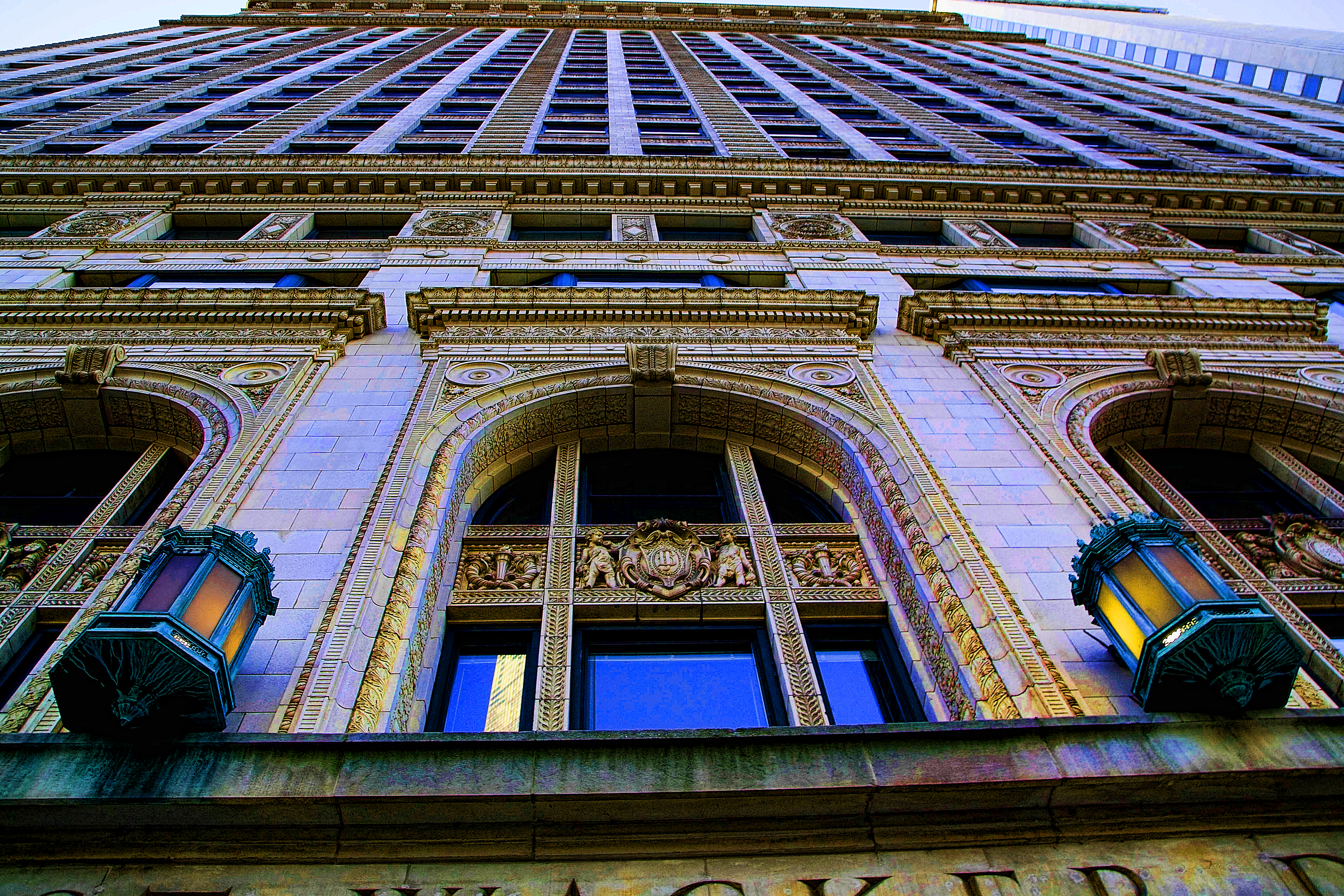
Whacker DriveAt one time, the Jeweler’s Building at 35 Whacker Drive was considered the tallest building in the US outside of New York City. Movie fans may recognize the building from Batman Begins and Transformers: Dark of the Moon.

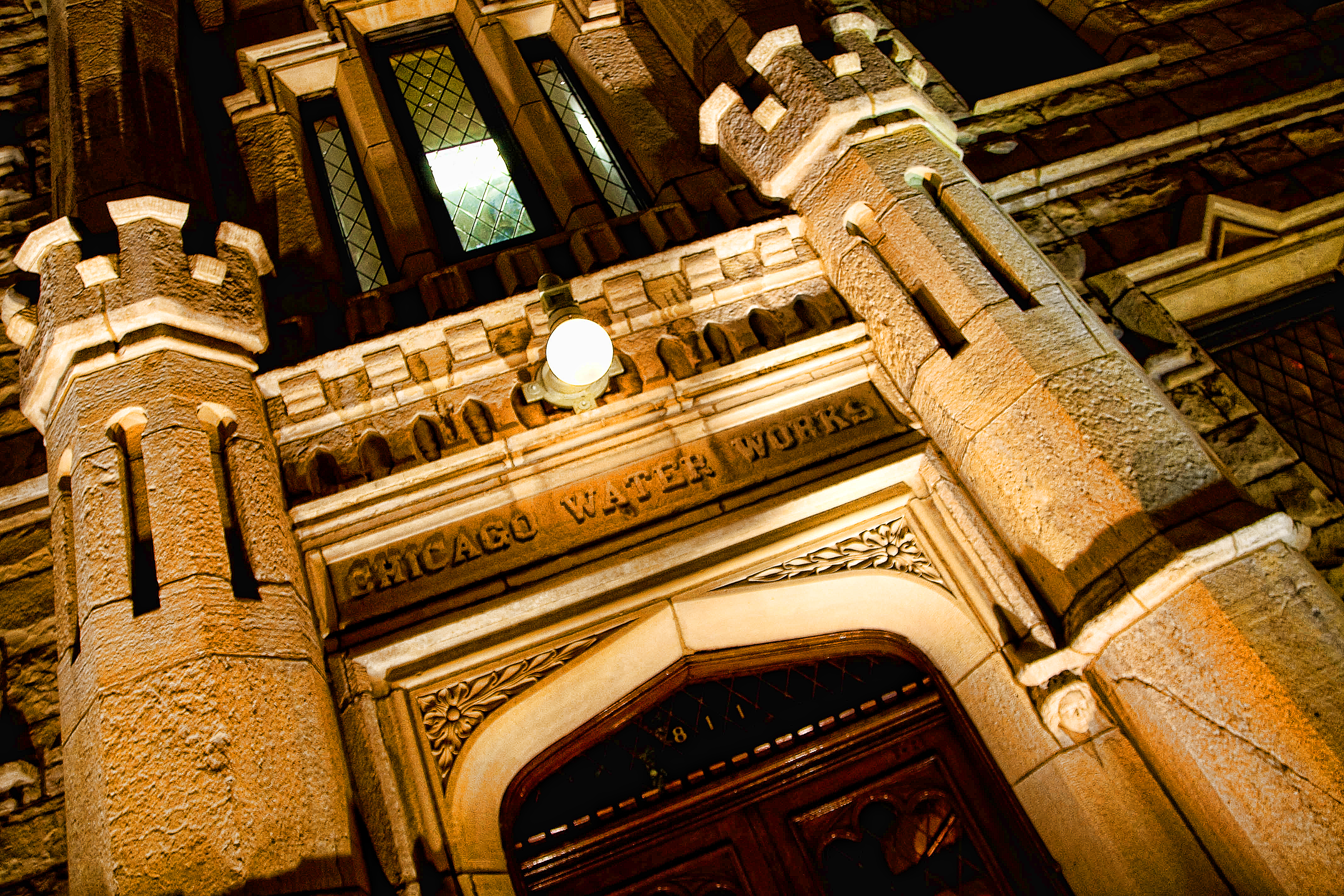
Water WorksThe Chicago Water Tower was one of the few buildings to survive the great fire. It’s tower was built to house a massive pump that would pump water directly form Lake Michigan. Built from Joliet limestone, it stands 154′ tall, Oscar Wilde said it looked like “a castellated monstrosity with pepper boxes stuck all over it.

Gargoyles TribuneThe Chicago Tribune Building completed in 1925 is adorned with gargoyles and grotesques designed by American sculptor Rene Paul Chambellan.

Boston Through A Fisheye

On my recent trip to Boston I decided to give a new lens a try. I made a point of only shooting with my new fisheye and here are some of the results.

BurrageHouse

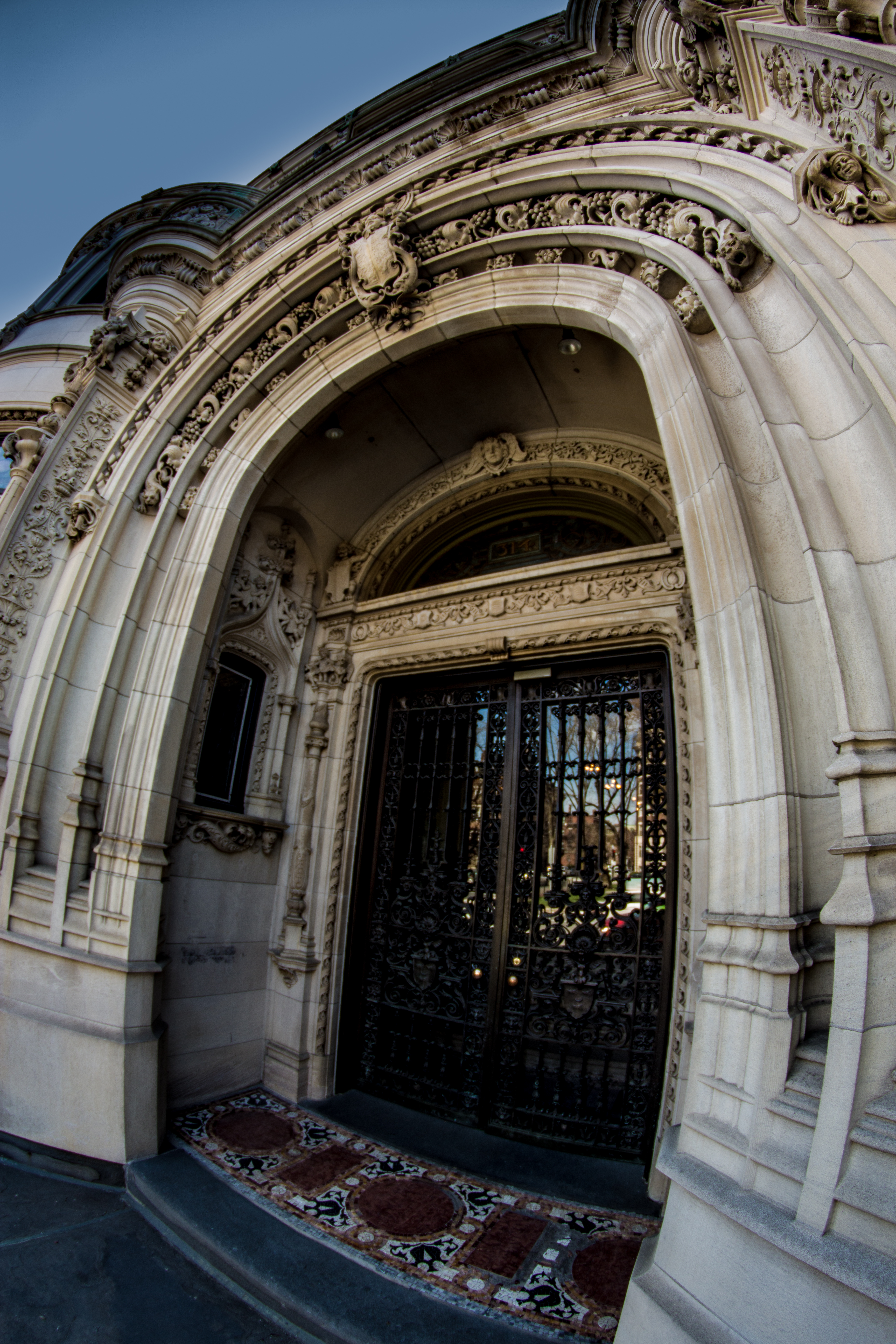
There are several buildings that have always captured my imagination, I frequently find myself returning year after year and finding new angles. One of these buildings is the Burrage House on Commonweath Ave at Hereford St. This unusual mansion is currently divided into 6 condos, former residents included New England Patriot’s Tom Brady.

BurrageHouse2

Similar homes werre built on New York’s Fifth Avenue. Modeled after Chenonceaux, a chateau located in the Loire Valley of France. Covered in Gargoyles and Grotesques, it represents the only example of the “chateauesque” style in Boston.

CommAve2

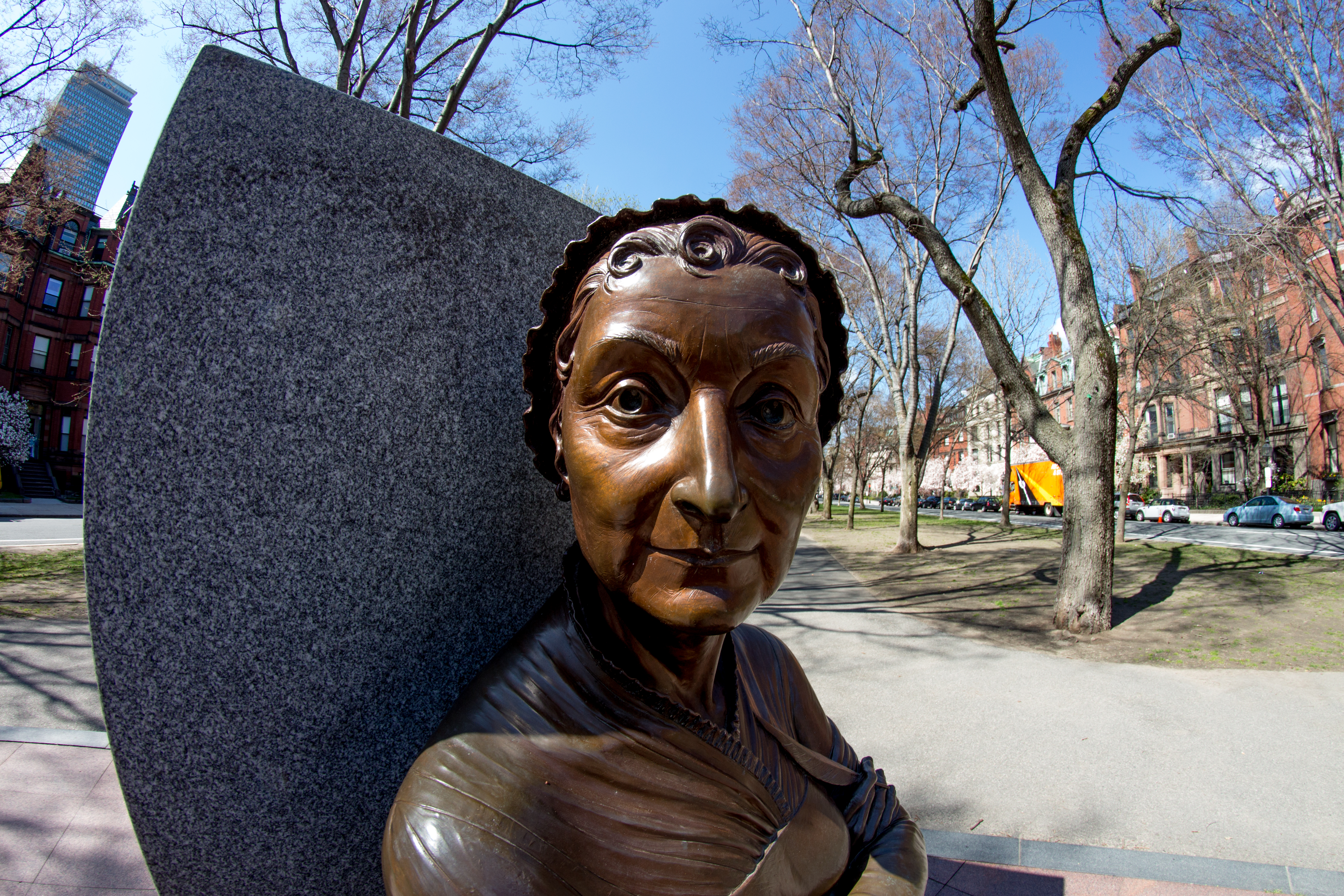
Walking along the mall at Commonwealth Ave, one encounters a number of sculptures representing some of Boston’s noteworthy citizens. Merdith Bergmann’s The Boston Women’s Memorial features likenesses of Lucy Stone, Phillis Wheatley and Abigail Adams,

CommAve

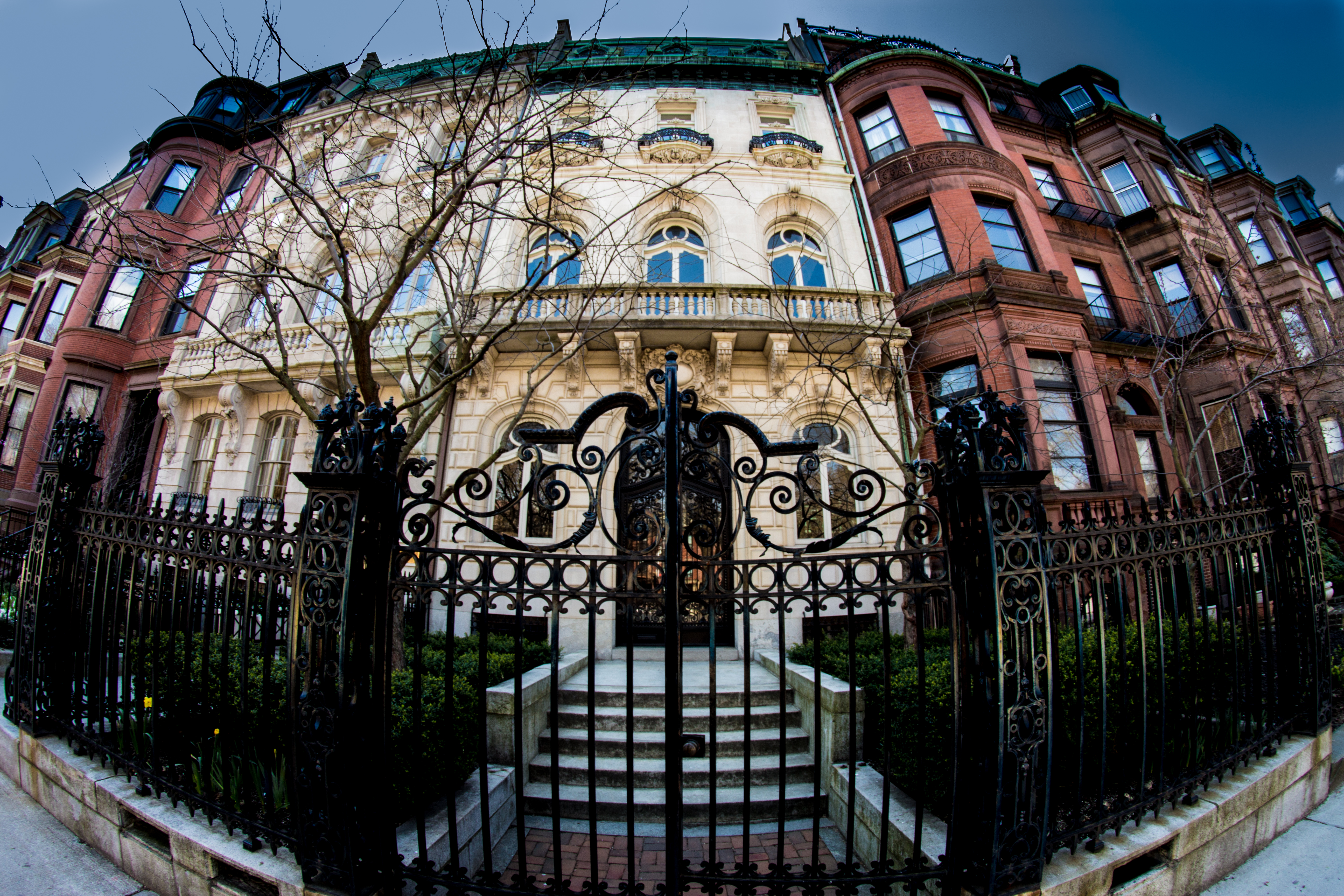
                All along Commonwealth Ave, you can see architecture ranging from the typical Boston Brownstones to the fabulous marble mansions.

PublicGarden

At the end of Commonwealth Ave, heading towards the State House, is the Boston Public Gardens. This public park features the Swan Boats, beautifully manicured lawns and one of my favorite statues.

Duckling

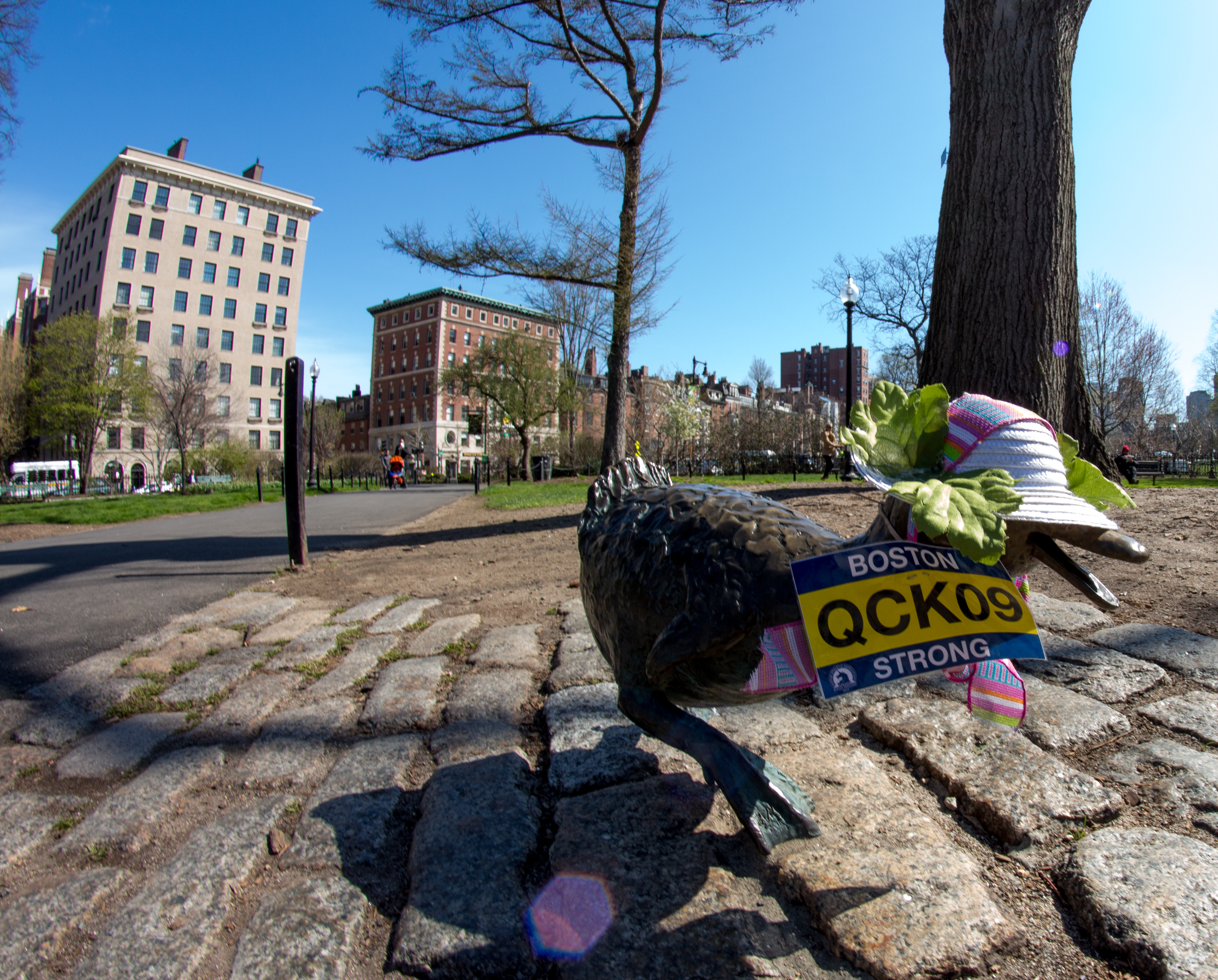
Robert McCloskey’s children’s book, Make Way For Duckings, tells the story of a pair of mallard ducks that raise their family on the Public Gardens Lagoon. Through the years, pranksters have duck napped individual ducklings, only to return them. The story is so popular that a sister to the statues was installed in Russia.  The Boston residents take great in their duckings, each spring they don straw Easter bonnets. And in remembrance of this year’s Marathon bombings, they wear their own Marathon runner’s bibs.

PostOffice

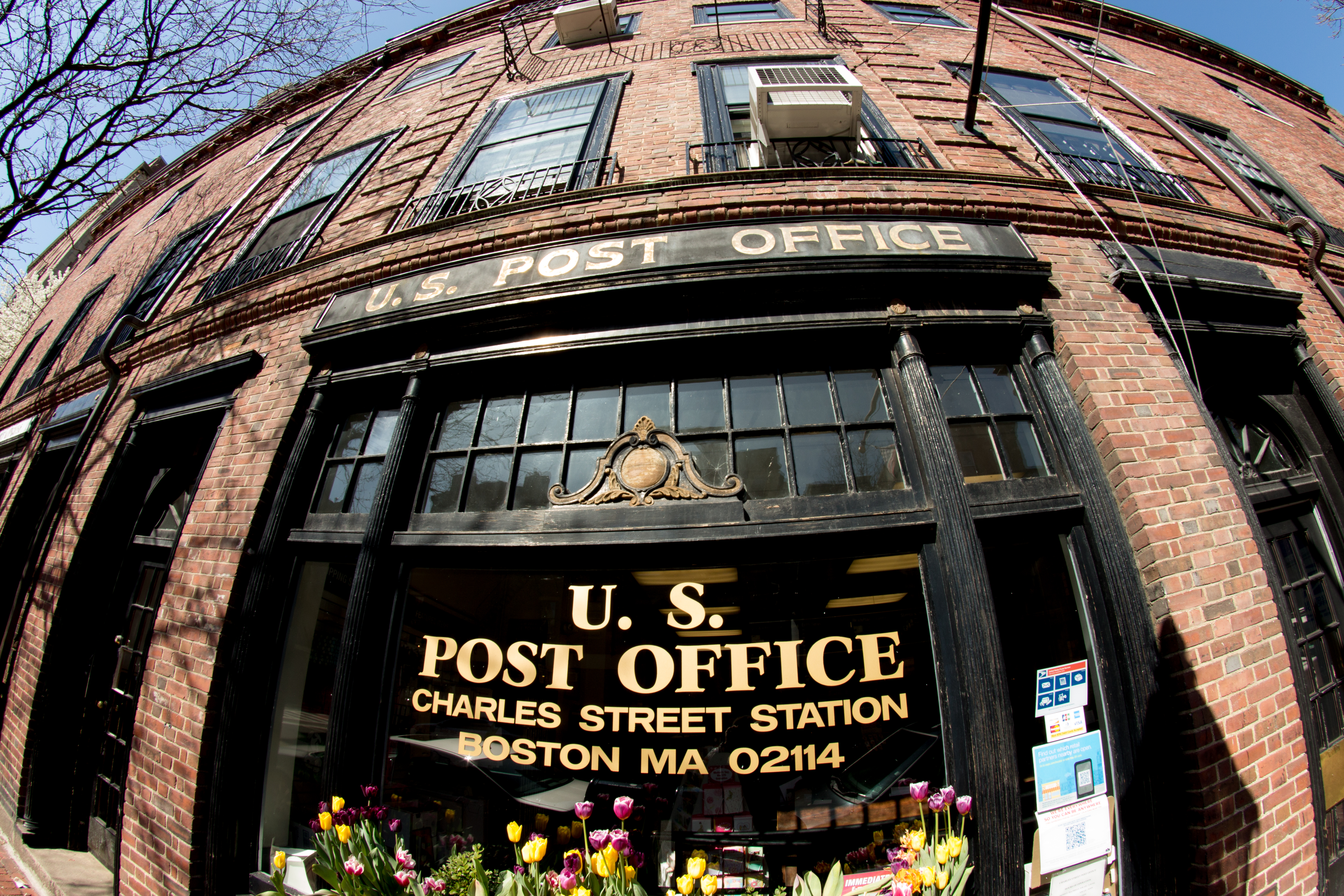
The Post Office in Beacon Hill on Charles Street, is the oldest operating Post Office in the city. This 2 window Post Office is one of the most popular in Boston , due in part to the friendliness of the customers and workers.

ScoreAntiques

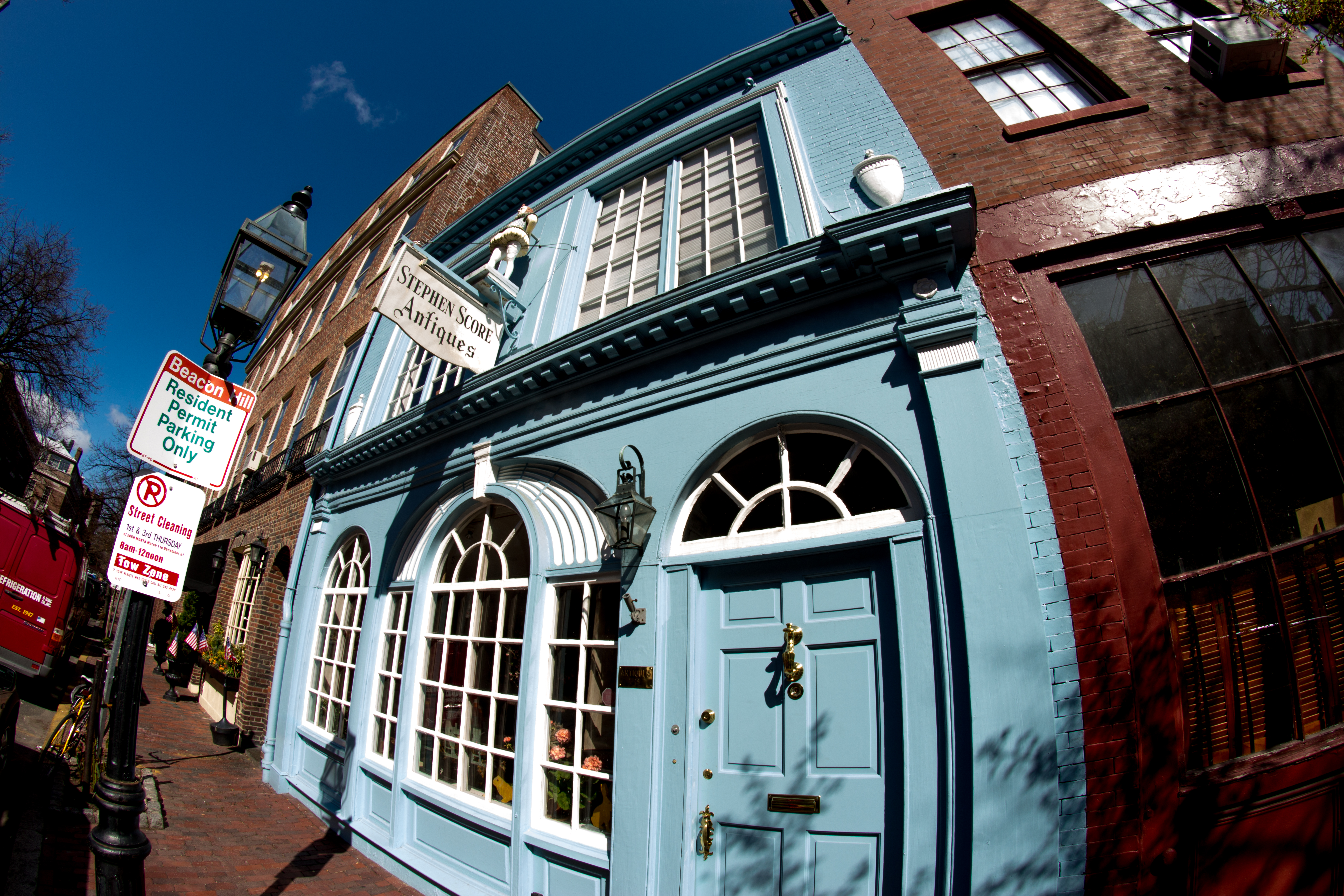
Stephen Score Antiques is nestled among 18th and 19th century buildings in the Back Bay. The vivid blue paint and the French Clown standing guard above the sign welcome you to a gallery full of antiques and fine arts. Previous owner, Israel Sack installed many of the period arcitectural details found throughout the gallery. Many were taken from an old mansion in Marblehead.
SteinartHall

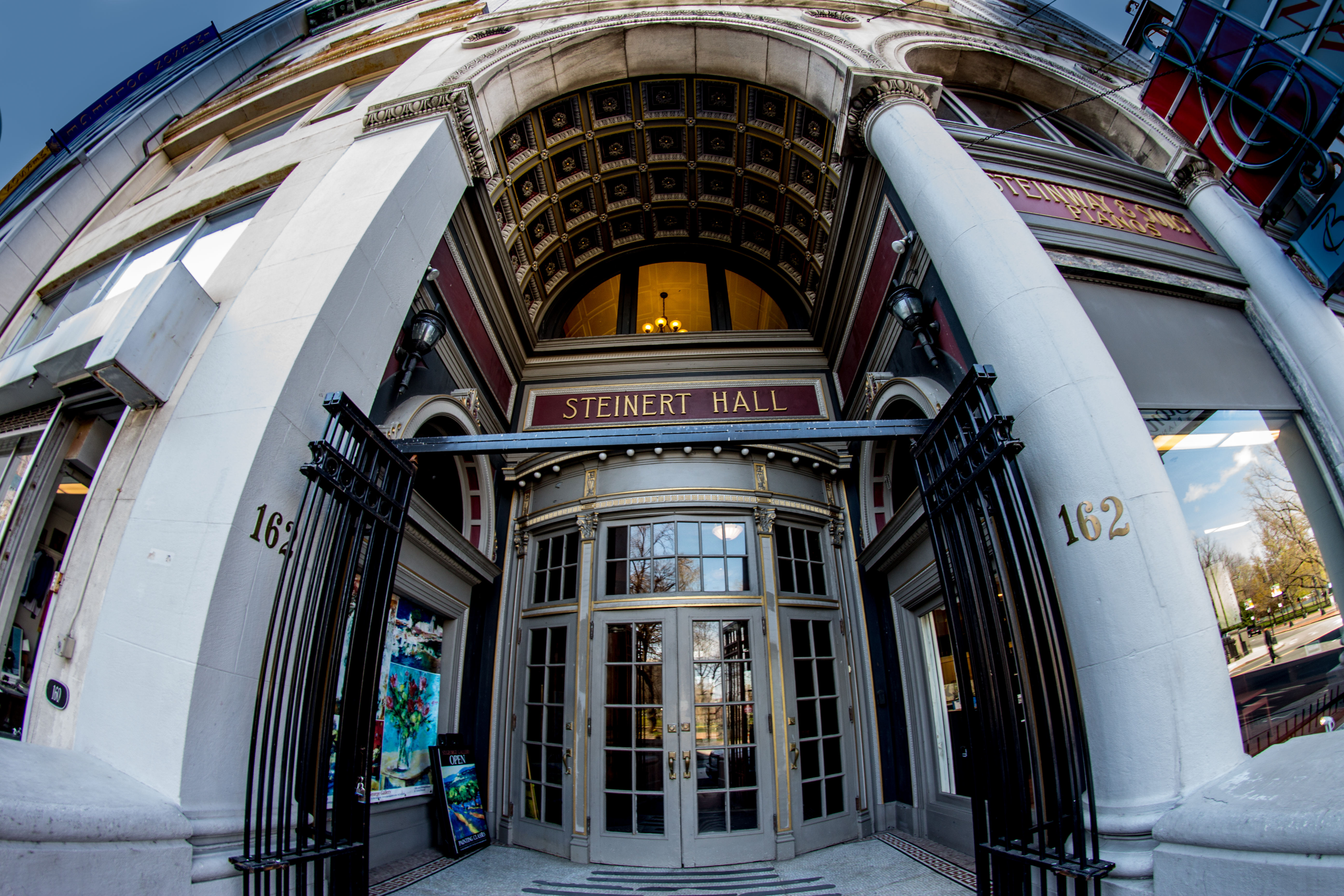
Steinert Hall on Boylston Street was built for piano dealers, M Steinert and Sons in 1896. The six story Beaux Arts style building used to feature a concert hall frequented by the elite of Boston’s arts scene.

PartyStore

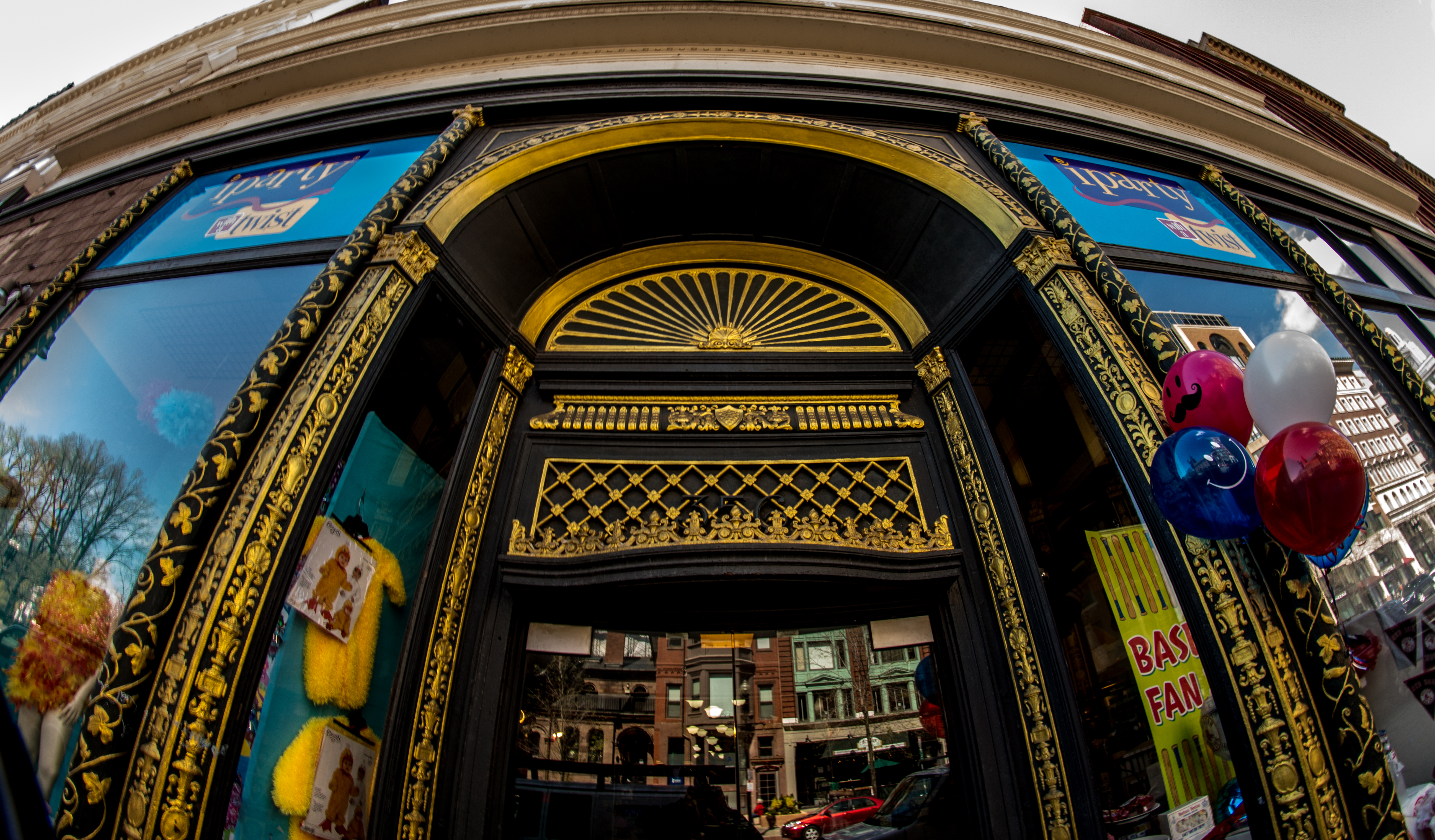
This unique facade is at 356 Boylston Street and currently houses iParty with a Twist. In a past life, this was the site of a Schrafft’s Restaurant. Schrafft’s was the kind of place you could see an old lady sipping a cocktail at one table, a group of businessmen having lunch and a gaggle of kids enjoying ice cream cones over at the counter. Schrafft’s was closed on Sunday with the exception of this one location, where Sunday church goers needed somewhere to have lunch.

TheBerkeley

The Berkeley on Boyslton Street was built in 1906 and long considered the crown jewel of Boston’s Back Bay. Designed by Désiré Despradelle, a professor of architecture at MIT had been educated at the Ecole des Beaux Arts in Paris. The magnificent facade is encased in terra cotta details and panes of glass.

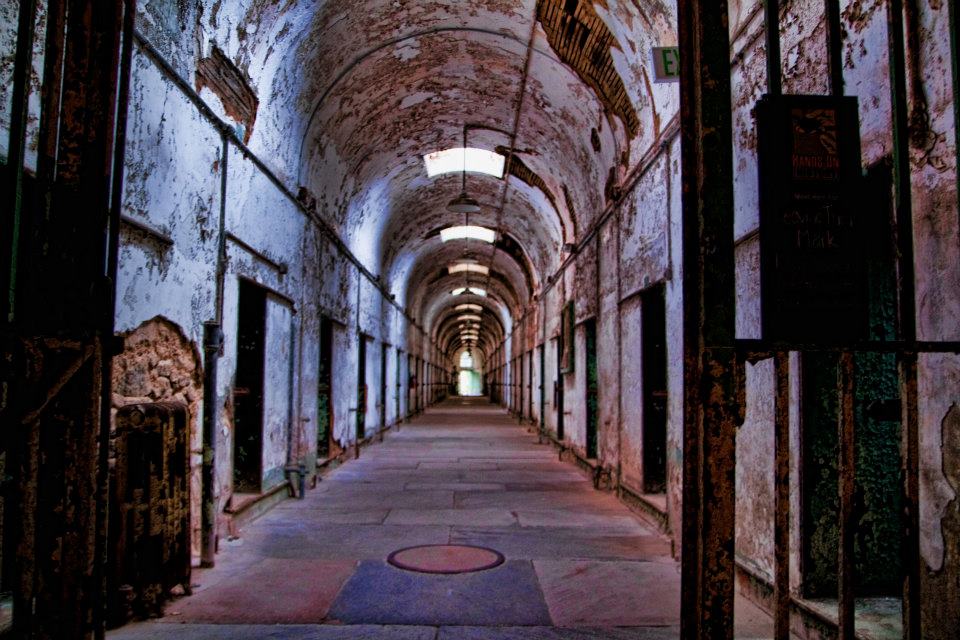
Eastern State Penitentiary

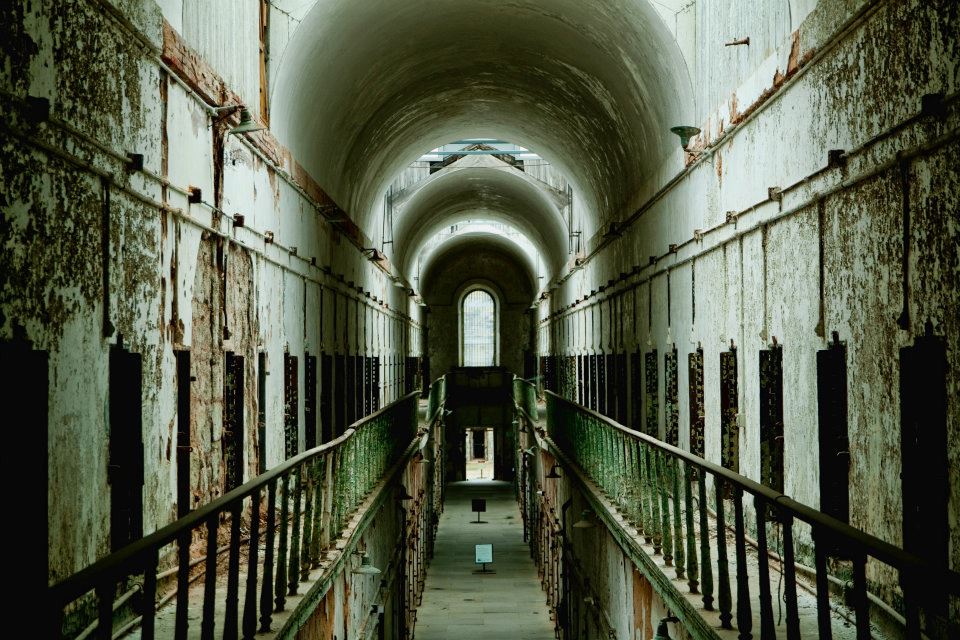
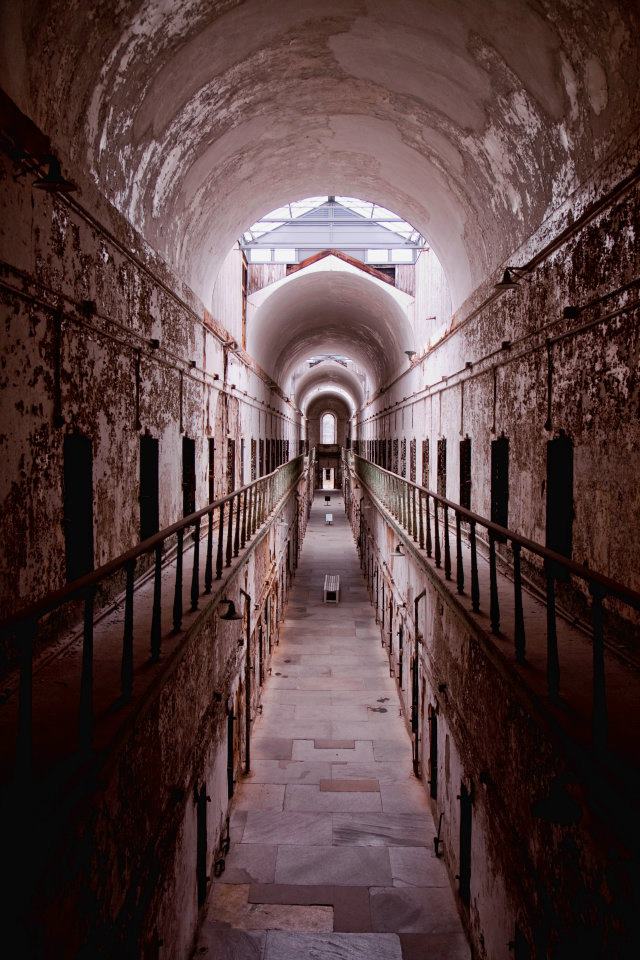
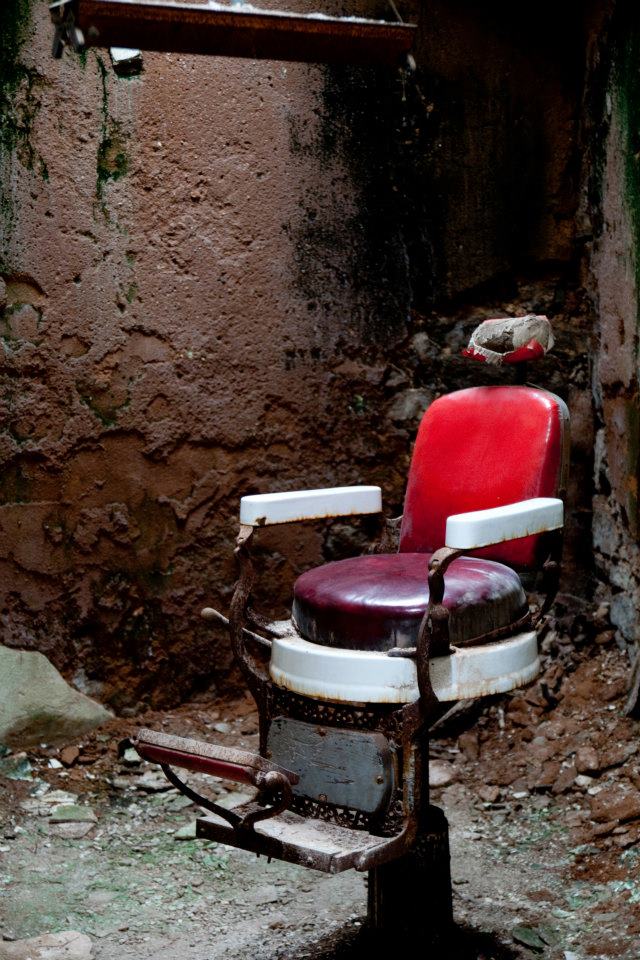
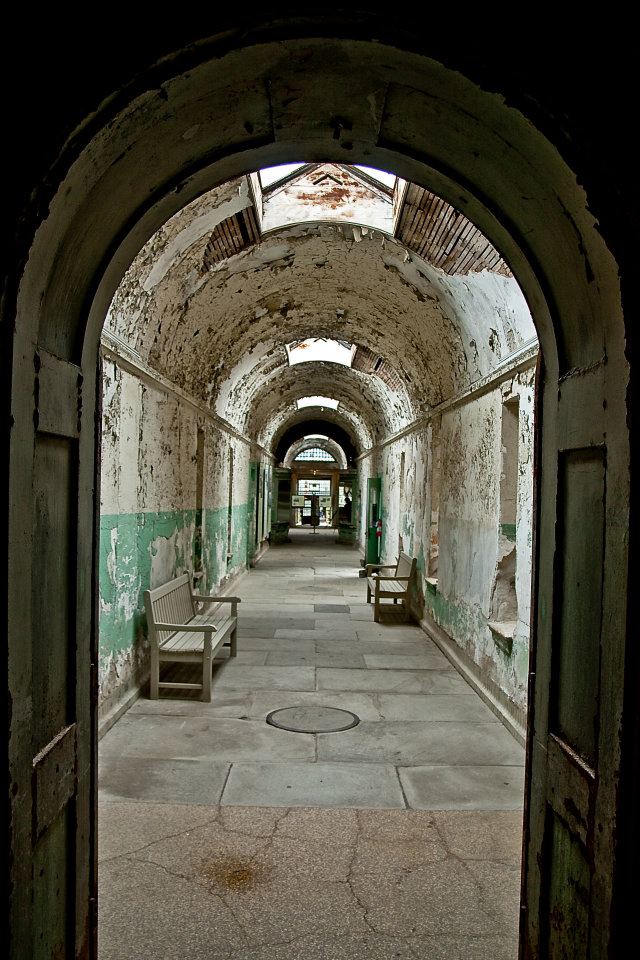
     Philadelphia’s Eastern State Penitentiary is a former prison that stressed the reformation of it’s inmates over punishment. Prisoners were completely separated from each other and never knew who was in the cell next to them. They lived in complete isolation every day, never seeing another living soul, eating, sleeping, showering and exercising alone. In reality, the guards developed cruel and hideous tortures, to show their dominance over the prison population.

     In 1966, the prison was designated a National Historic Landmark. By then end of it’s life as a prison it had abandoned the solitary concept and prisoners lived as a community until it was abandoned in 1971. One can only imagine what kind of terrors are imbedded in it’s aging walls.

     The old prison has found new life as a movie set. The decaying building has been featured in Terry Gilliam’s TWELVE MONKEYS and in 2008, TRANSFORMERS: REVENGE OF THE FALLEN.

     The possibility of actual ghosts still haunting the prison has led to paranormal investigators conducting numerous explorations of the site. GHOST ADVENTURES, GHOST HUNTERS, MTv’s FEAR and Great Britain’s MOST HAUNTED LIVE have all produced episodes at Eastern State.

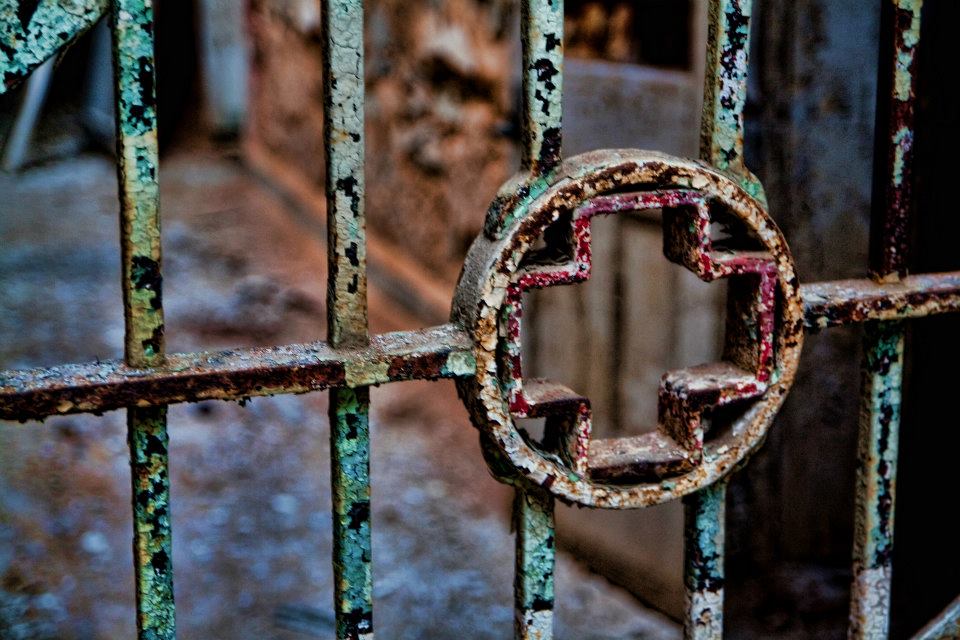
The building is in a state of preserved decay. Areas that are less safe for the average tourist are off limits.

     Among the hauntings witnessed are a shadow figure that quickly scoots away when approached and mysterious ghostly faces in Cellblock 4.

In addition to being a historical site, the building is also home to more than a dozen art installations. My favorite one was called GHOST CATS. Amongst the grounds and cells are sculptures of 39 cats, representing the colony of cats that had inhabited the prison since it was abandoned in 1971. Artist, Linda Brenner created the cats out of a clay that will slowly dissolve over time to represent the inevitable decaying of all living things.

     Eastern State had it’s share of celebrity guests during it’s prime. “Slick Willie” Sutton, a bank robber known for over 50 robbieries. One of the unusual inmates was #C-2559, a dog named Pep. The story goes that Pennsylvania Governor Gifford Pinchot was sentenced to Eastern State for murdering his wife’s cherished cat.

Perhaps the most famous or infamous of Eastern State’s residents was Al Capone. He served his first prison term of 8 months, for possession of a concealed weapon, at Eastern State. His cell was quite comfortable compared to the others, he was allowed to decorate it himself with rugs, art and antiques.

Capone was also Eastern State’s most famous paranormal victim. He claimed that he was haunted by the ghost of James Clark, the brother-in-law of Capone’s rival, murdered in the St. Valentine’s Day massacre. Fellow inmates reported hearing Capone screams nightly, begging “Jimmy” to go away and leave him alone.

     Is Eastern State Penitentiary haunted ? I can honestly say that after visiting, you certainly get a feeling of the oppressive isolation and despair felt by the inmates. EVP’s have captured disembodied voices and more than one person has seen ghostly figures in the Guard Tower. At least for a few days a year, Eastern State is definitely haunted and a scary experience is guaranteed.

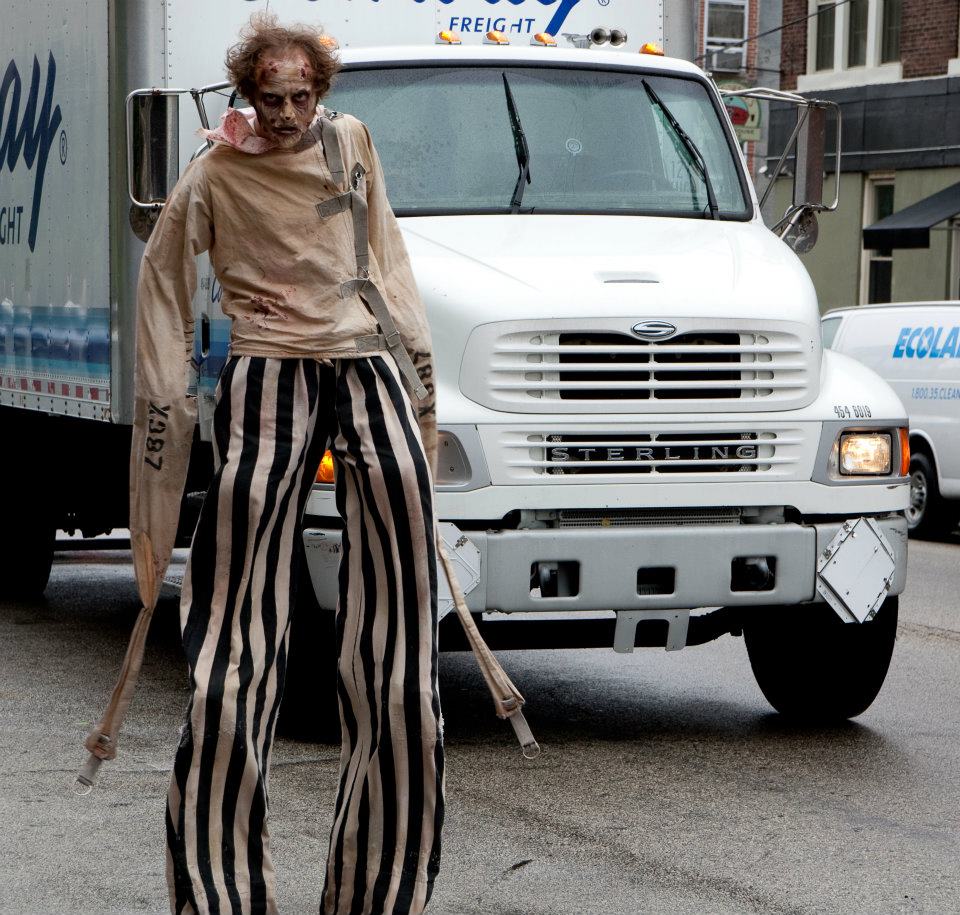
“Terror Behind The Walls” happens every Halloween. In 2012, the prison will be the host to 6 different haunted experiences. You can check it out at http://www.easternstate.org/halloween/preview

Boston: City of Angels and Demons

I grew up in and around Boston. I went to Emerson College in Boston and worked for various theatre companies around Boston.

One thing I love to do when I go home for a visit is to walk around the city. I always find something new and unique to photograph.

For a city as old as Boston, it can be magical in broad daylight.

High above Boylston Street, this Angelic face watches the masses of people below.

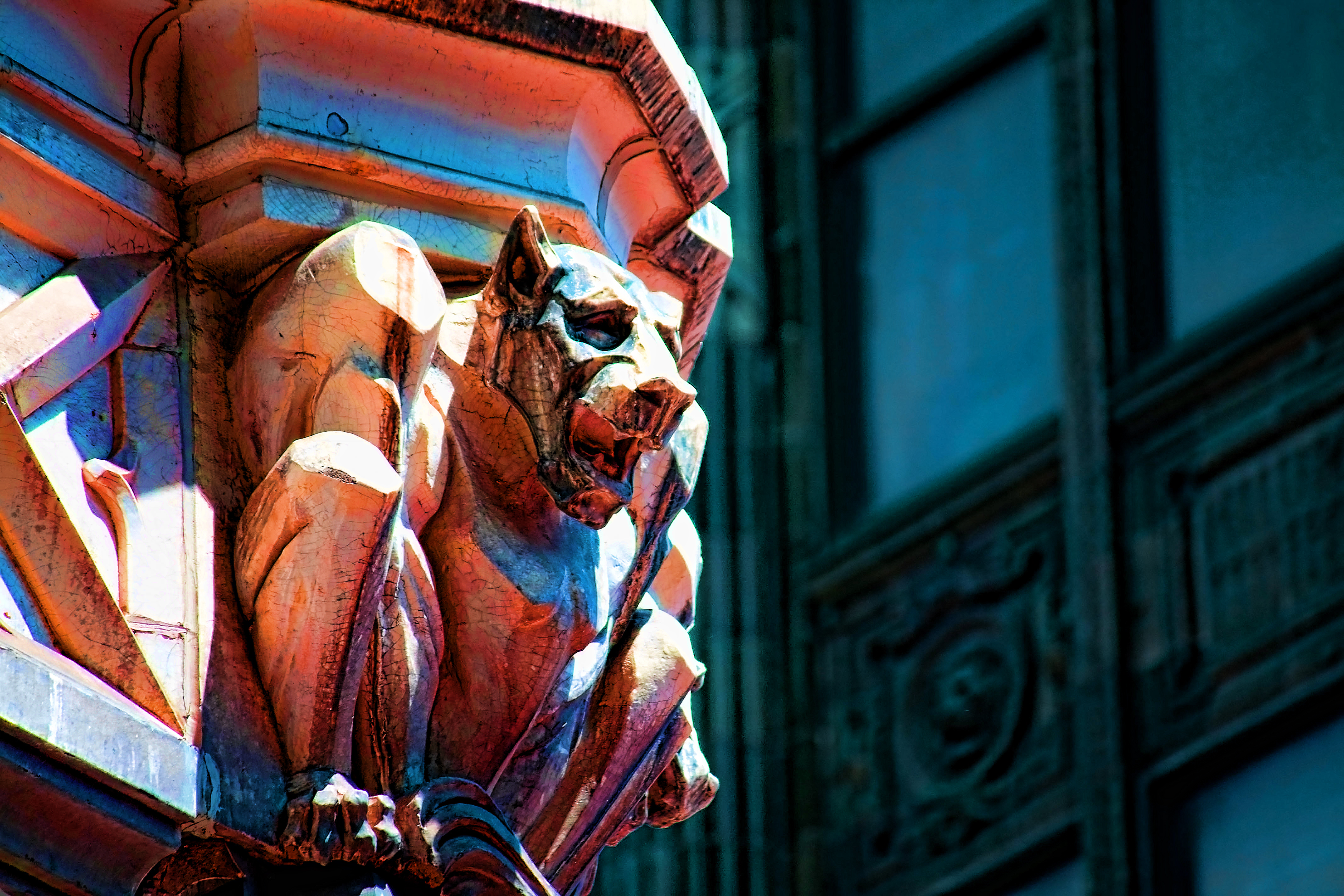
A winged Lion stands guard over the old Armory.

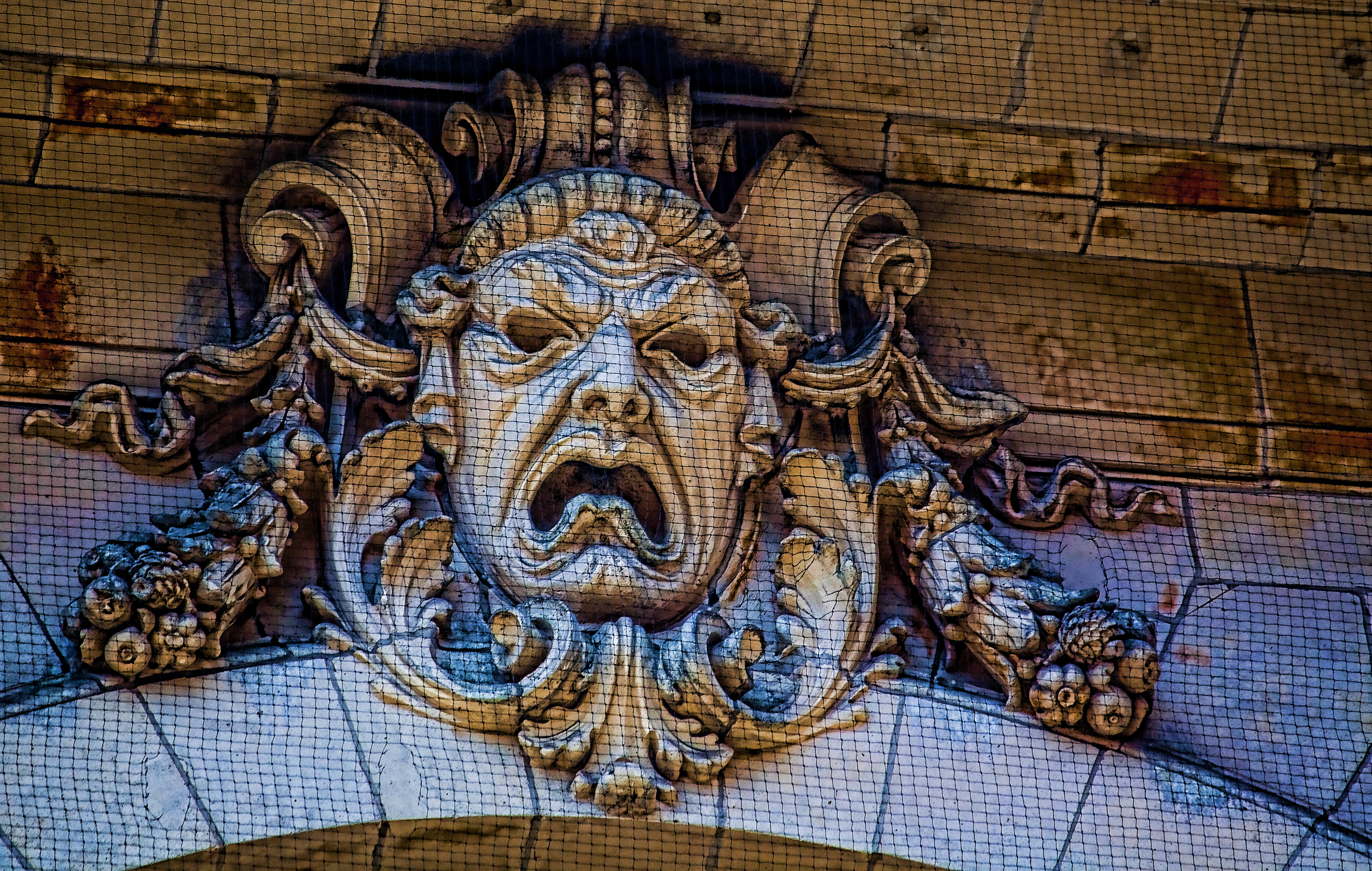
The Masks of Comedy and Tragedy adorn the Emerson Majestic Theatre. It’s hard to believe that this was once a run down movie house showing martial arts flicks. Now it’s been restored to it’s original glory.

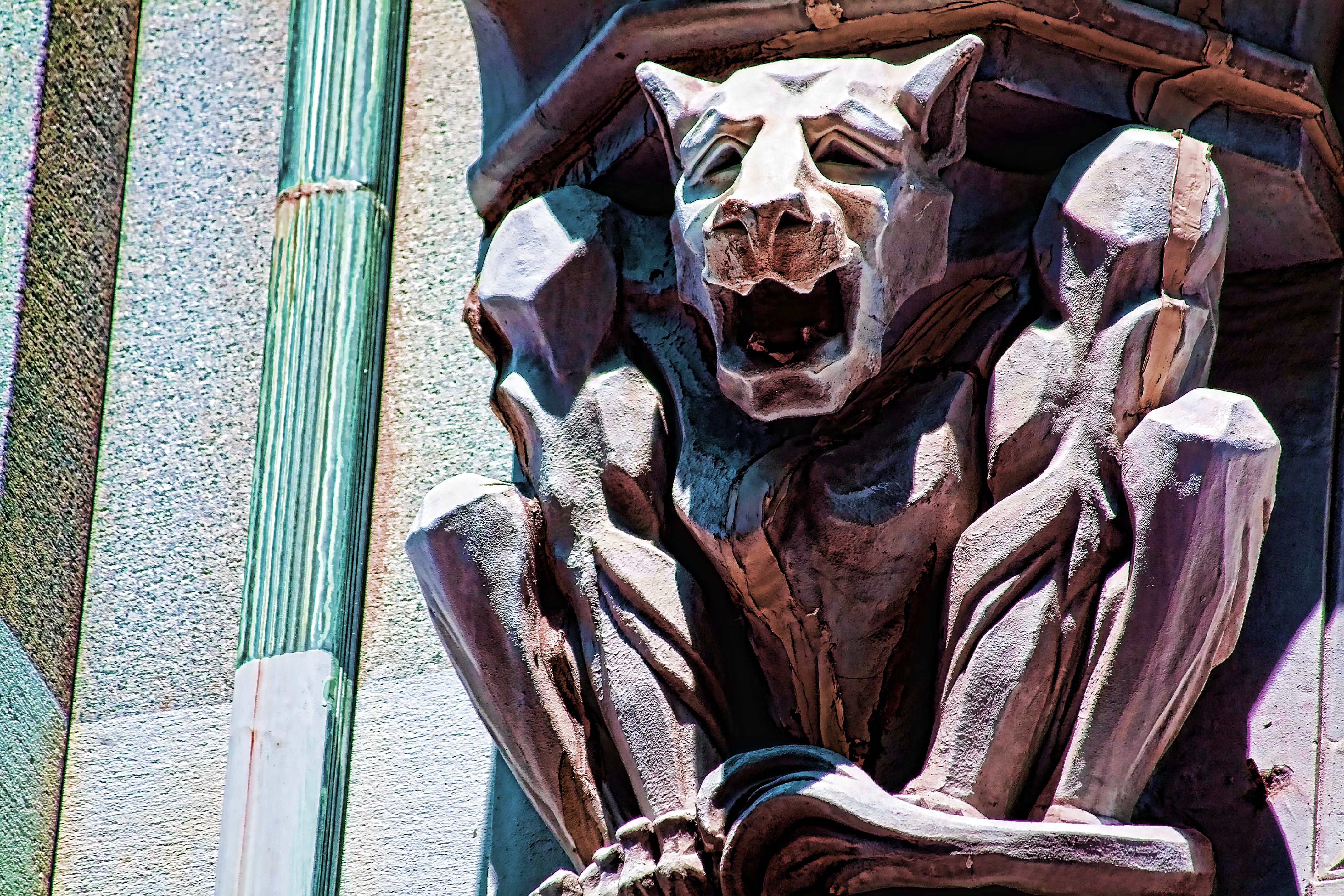
These Gargoyles stare out from their perches high above Wall St.

I imagine that they come to life at night when the city is still and all of us humans have gone to bed.