
The four-star Hollywood Roosevelt Hotel on Hollywood Blvd is one of the area’s most haunted hotels. It seems that some guests just refuse to leave. One such guest was the legendary, Marilyn Monroe.
The Roosevelt Hotel is named for President Teddy Roosevelt and was financed by Hollywood elite, Douglas Fairbanks, Mary Pickford and Louis B Mayer of MGM. Among the Hotels’ guests were Charlie Chaplin, Clark Gable, Carole Lombard and Montgomery Clift (who still paces the halls of the 9th floor.)


Among the treasures of the Roosevelt is a particular mirror that used to be in Suite 1200 during the time that her modelling career was flourishing. Some believe that she comes back to the spot where she spent some of her happiest days. In the 80’s after a lengthy renovation, a mirror from the suite was relocated to an alcove off of the main lobby near the elevators.

One day as an employee was dusting the mirror, she noticed the reflection of a pretty blond woman. She turned around to say hello, but there was no one there. But, when she turned back to face the mirror, the woman was still there.

Marilyn is not the only spirit that haunts the halls of the Roosevelt Hotel. A ghostly apparition manifests on security cameras in the hotel pool. When security goes to investigate, there is no one there, yet the camera shows the swimmer standing next to the security guards.
Caroline is a five year old girl that likes to skip around the lobby singing and 2 gentlemen haunt The Blossom Room. One is seen wearing a tux, the other is heard playing the piano. Guests have been locked out of their rooms, the switchboard receives calls from empty rooms and yes, Montgomery Clift is heard practicing the trumpet he played in “From Here To Eternity” outside room 928.
The Roosevelt Hotel is operational today and, if you dare, you can book a room and discover if it’s haunted for yourself.
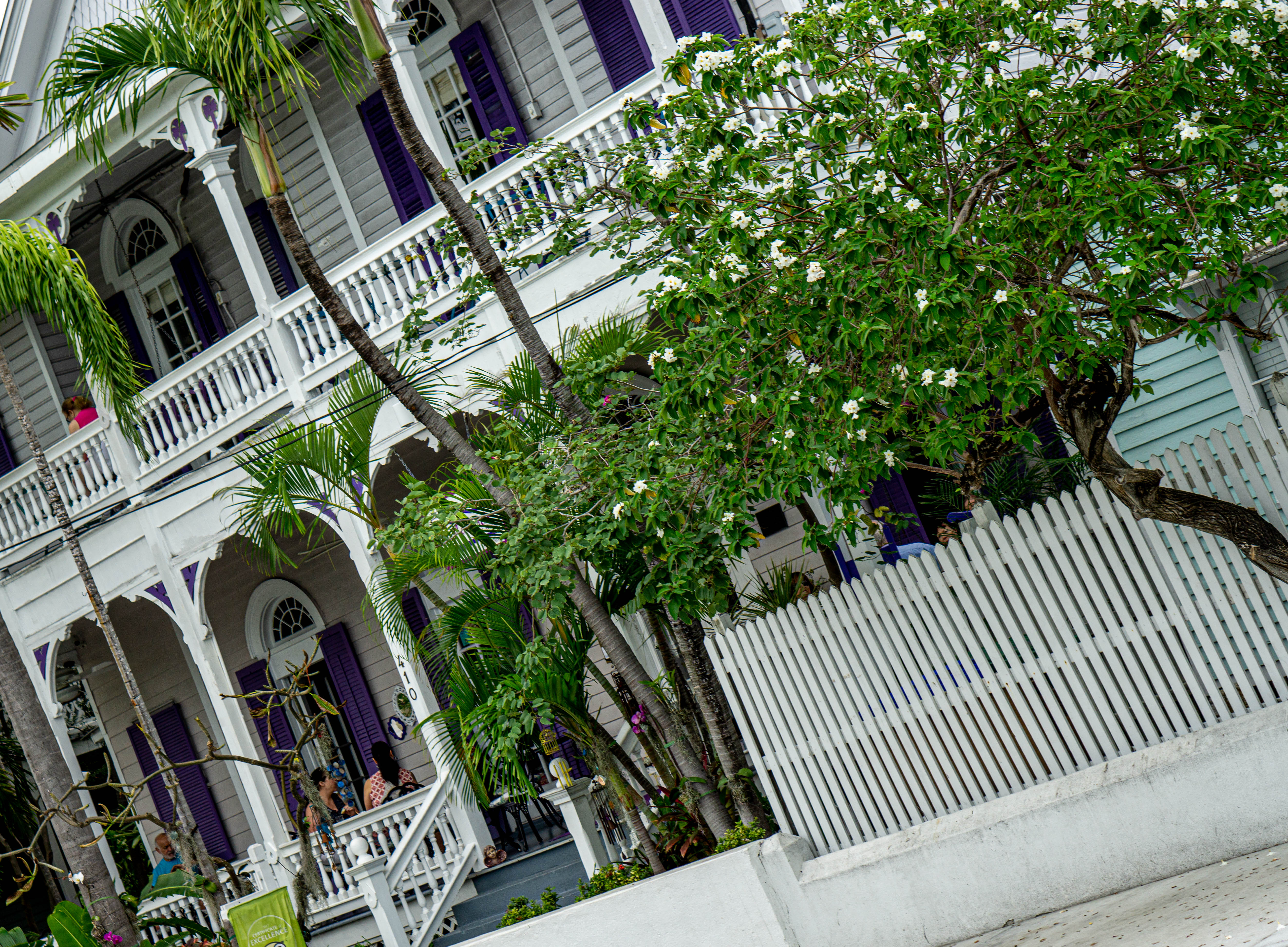
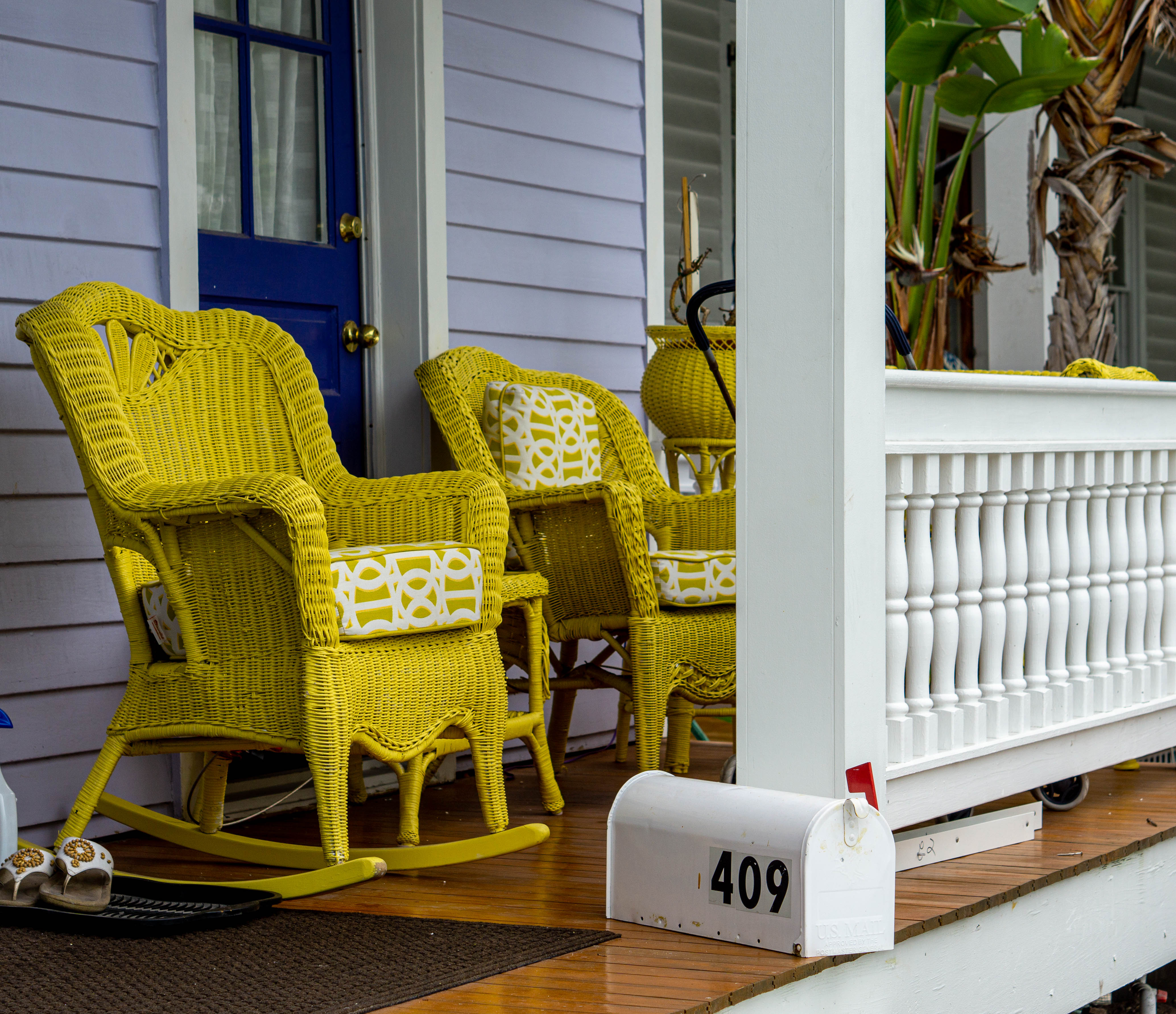
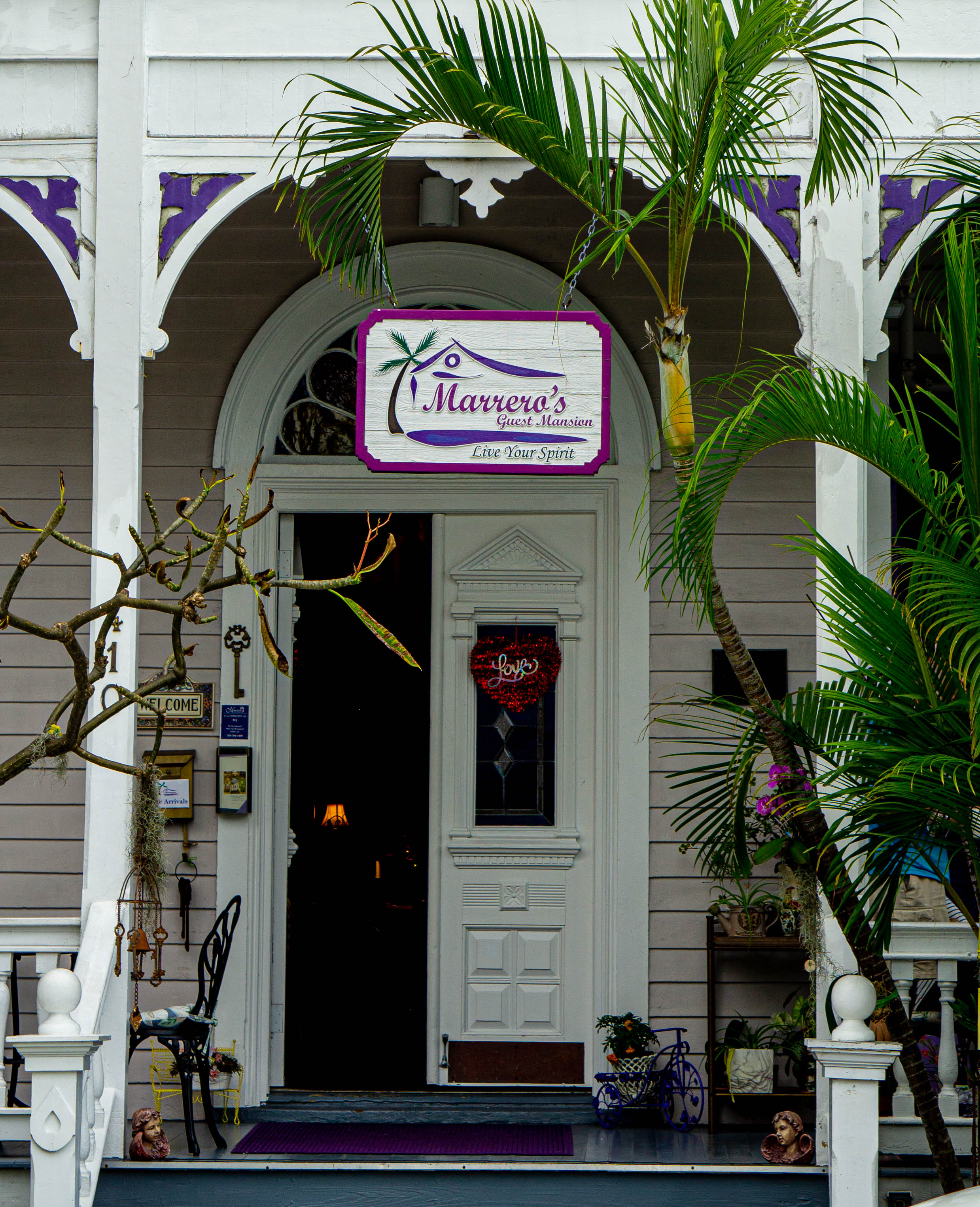

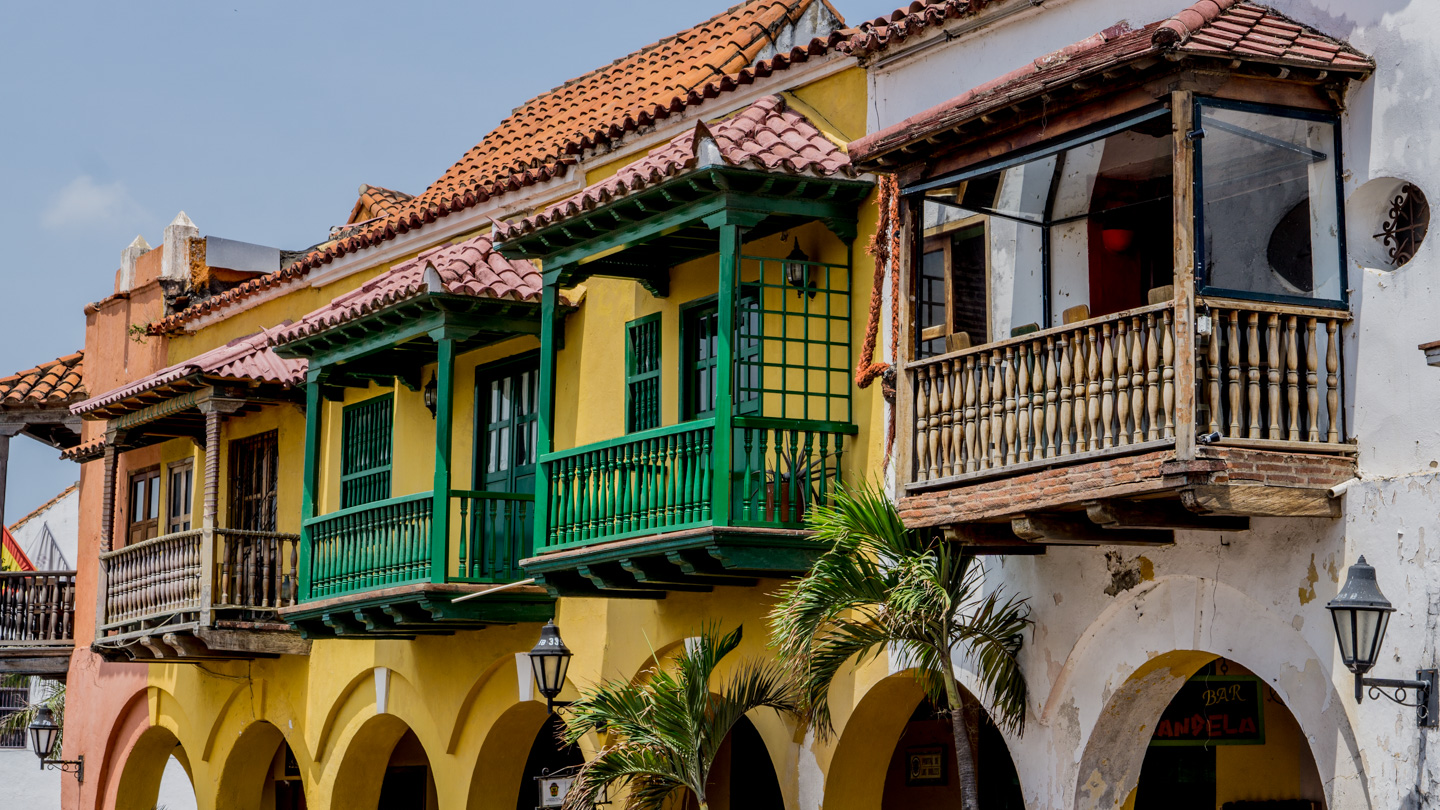
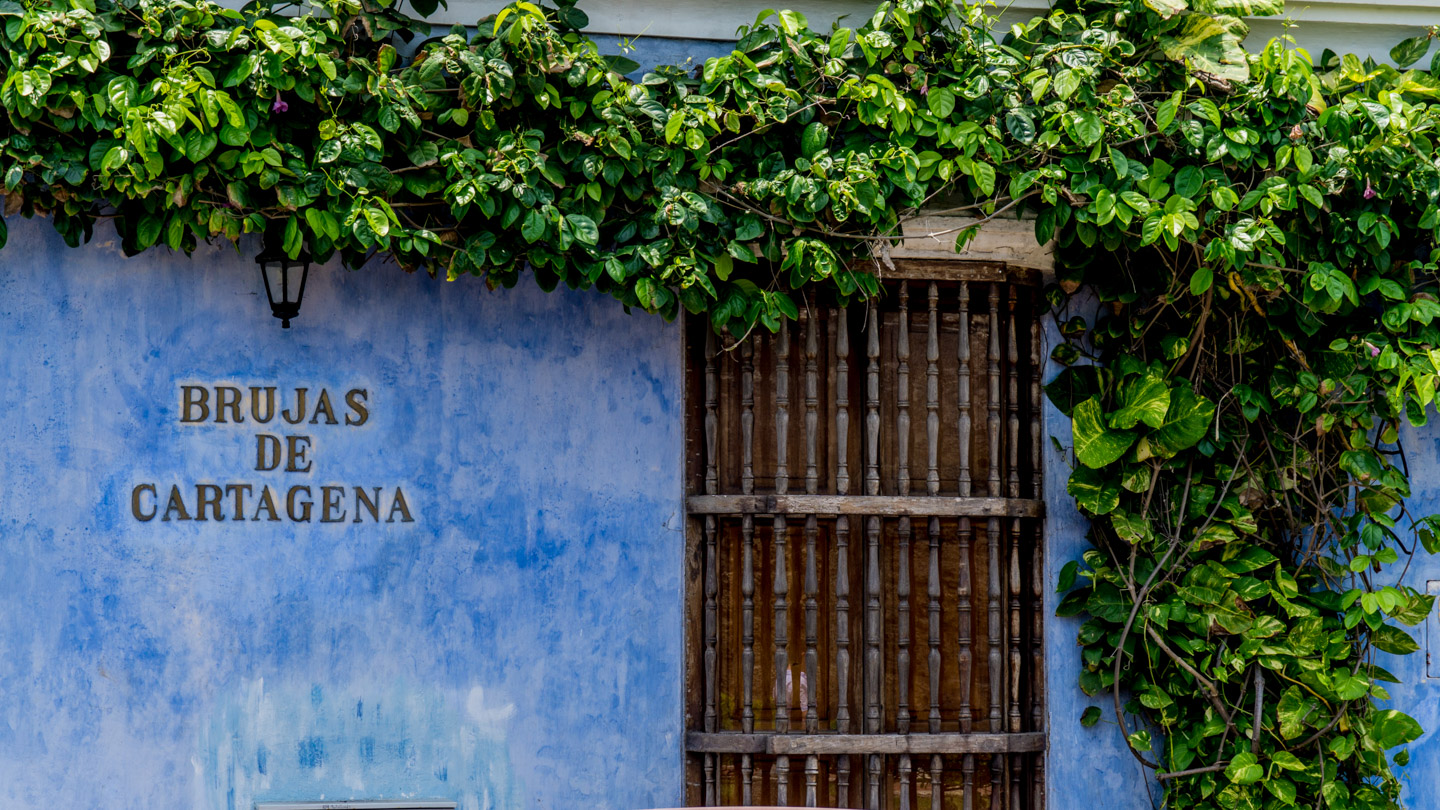
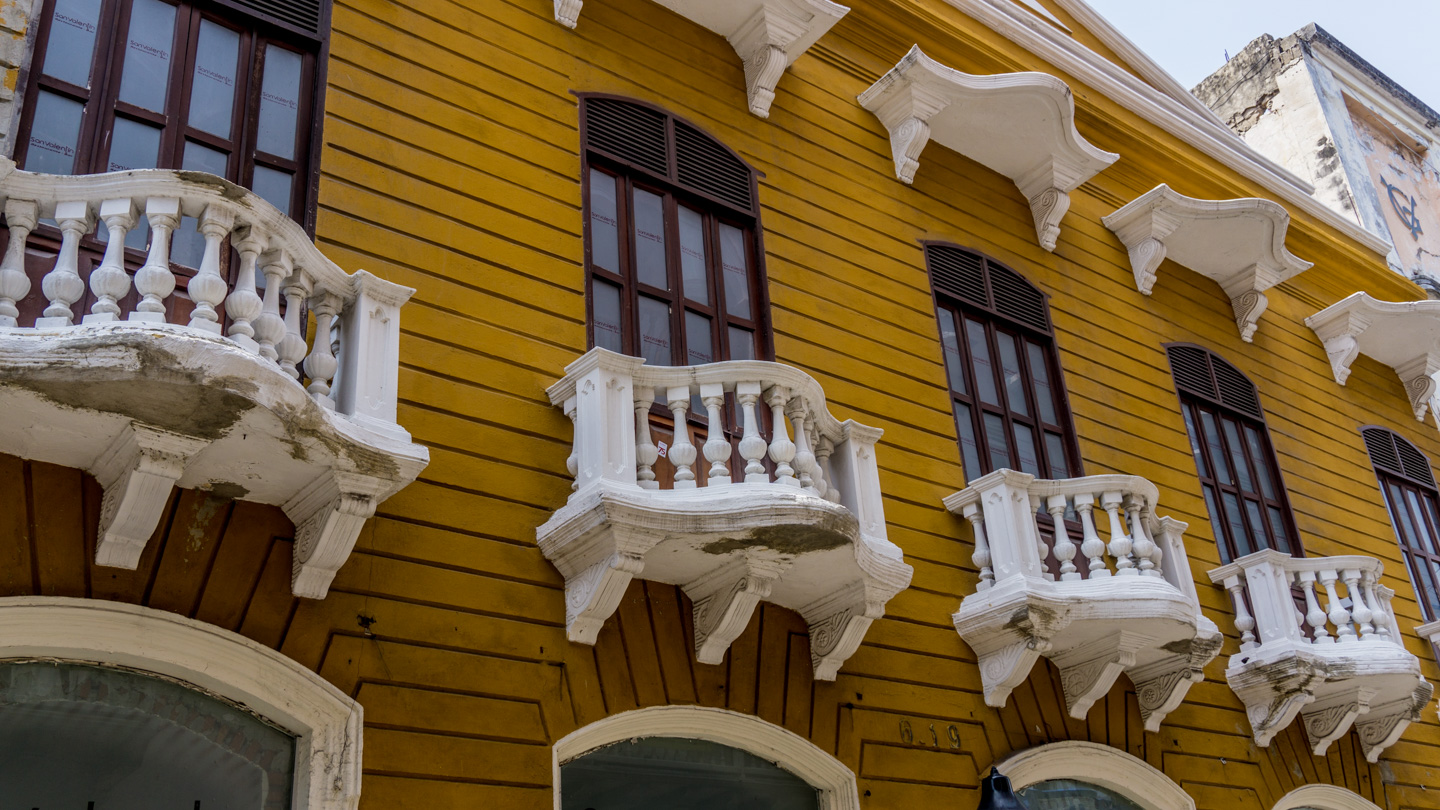
 The thick walls of Las Murallas surround the Old Town. Originally built to keep out enemies, Las Murallas is in remarkable condition. Even though there are numerous guide books on Cartagena, it is better to just wander about. Colorful buildings line the streets with their open patios and balconies.
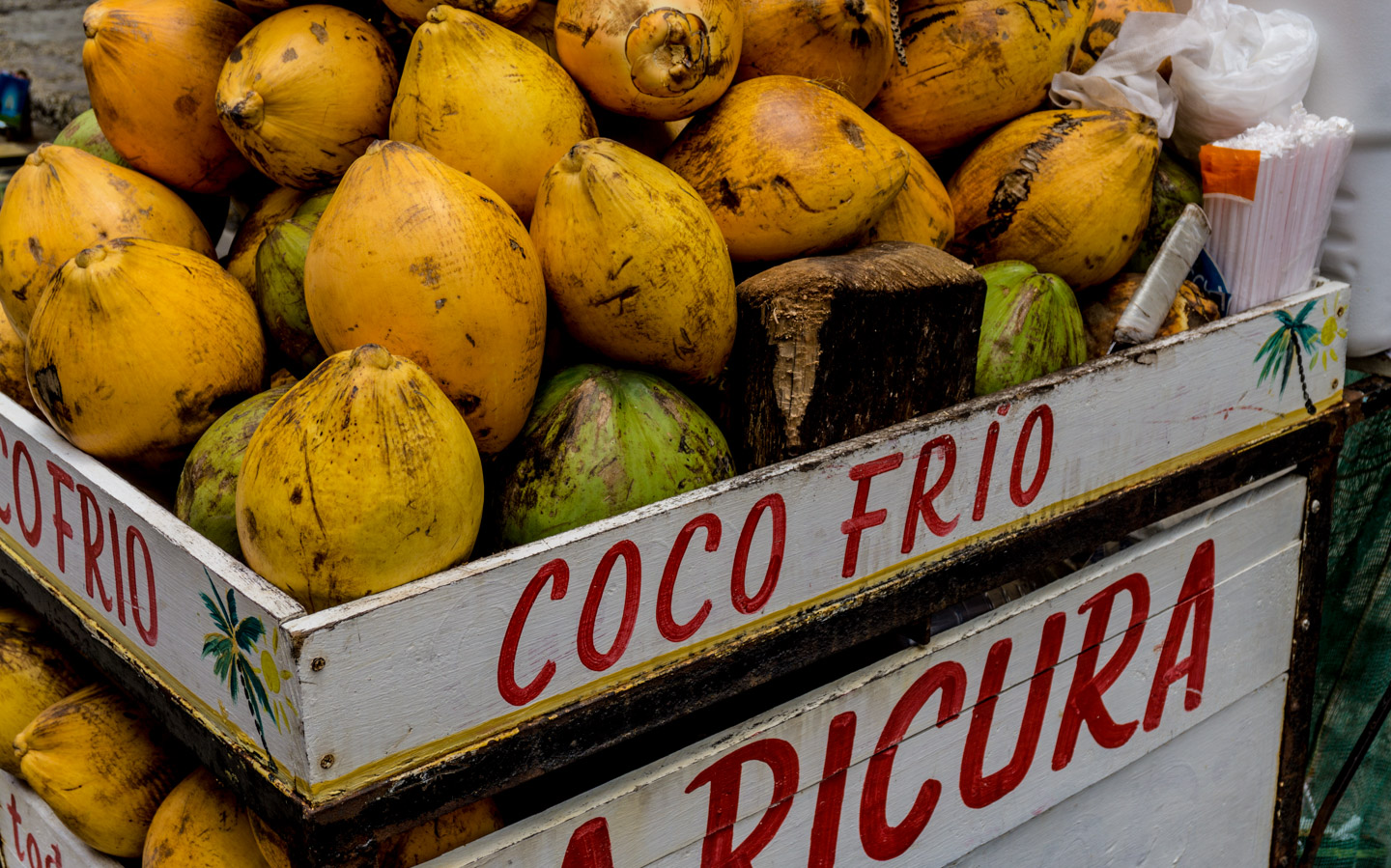
 Street vendors sell a variety of fresh fruits, ranging from coconuts to papayas and bananas. It’s safe to try some of the produce, the water in the larger cities is safe to drink and the fruits and vegetables are also safe.
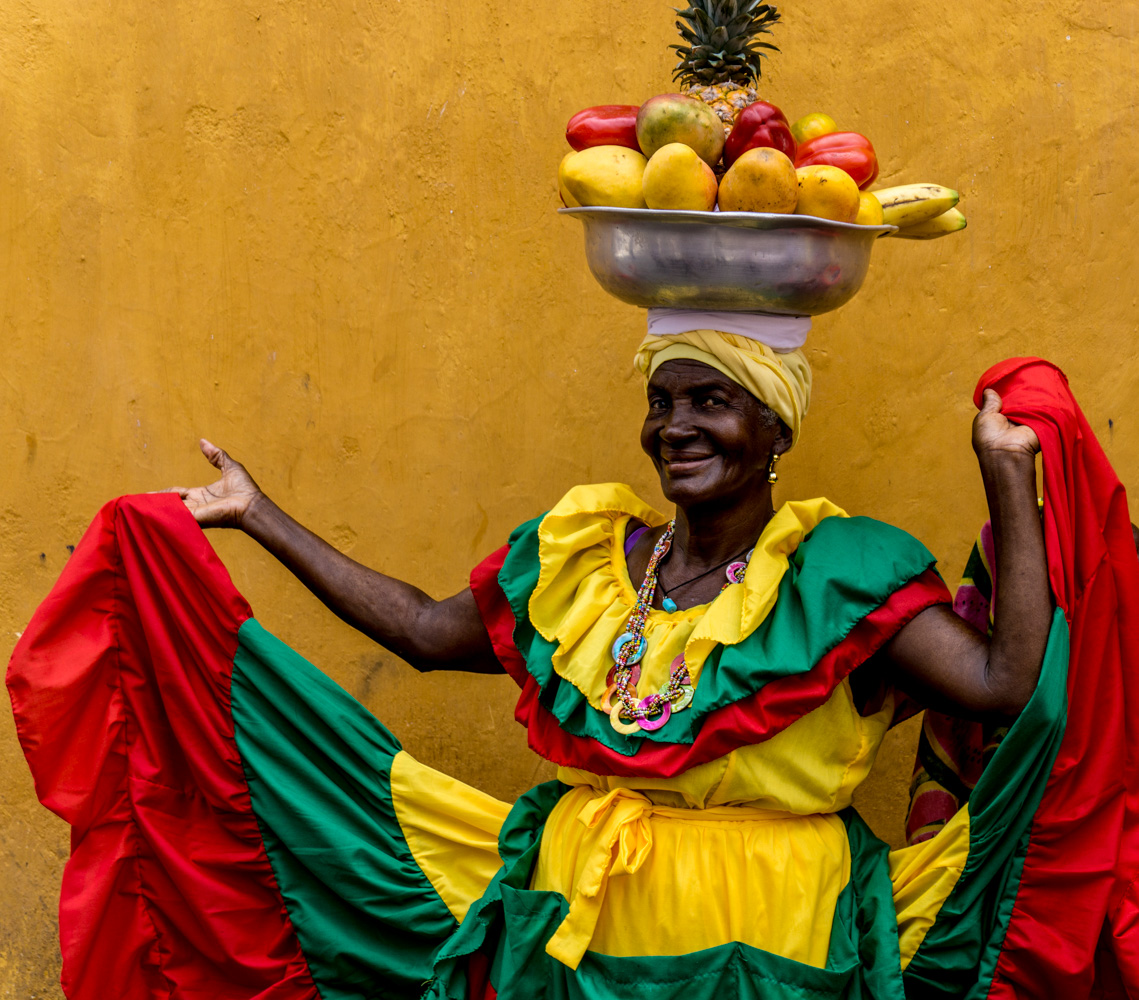
 You are sure to encounter some of the brightly dressed Palenqueras. These black women were originally from San Basillo de Palenque, a small village located in southeast of Cartagena. San Basillo de Palenque was founded by runaway African slaves and is one of the first free towns in the Americas. Tourists snap up pictures of the beautifully dressed women with bowls of fruit on their heads. But beware, if you do not tip them first, they will hiss at you and hide their faces.
 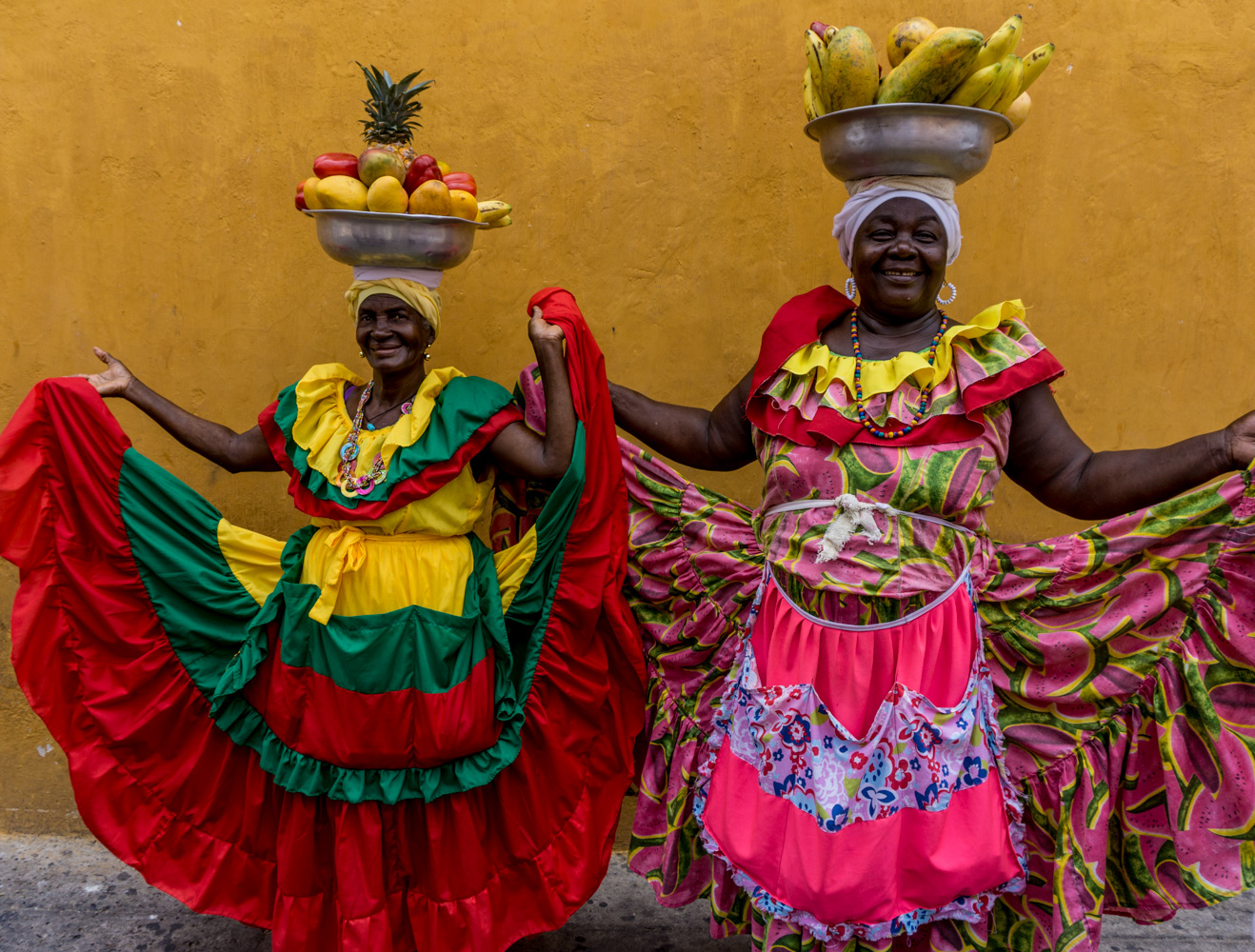 For a dollar each, I got some great shots, but as soon as the cameras stop snapping, the smiles disappear from their faces. Even though they are used to being the center of attention, they really are tired poor women who have to sit all day in the sun and heat to make some sort of living.
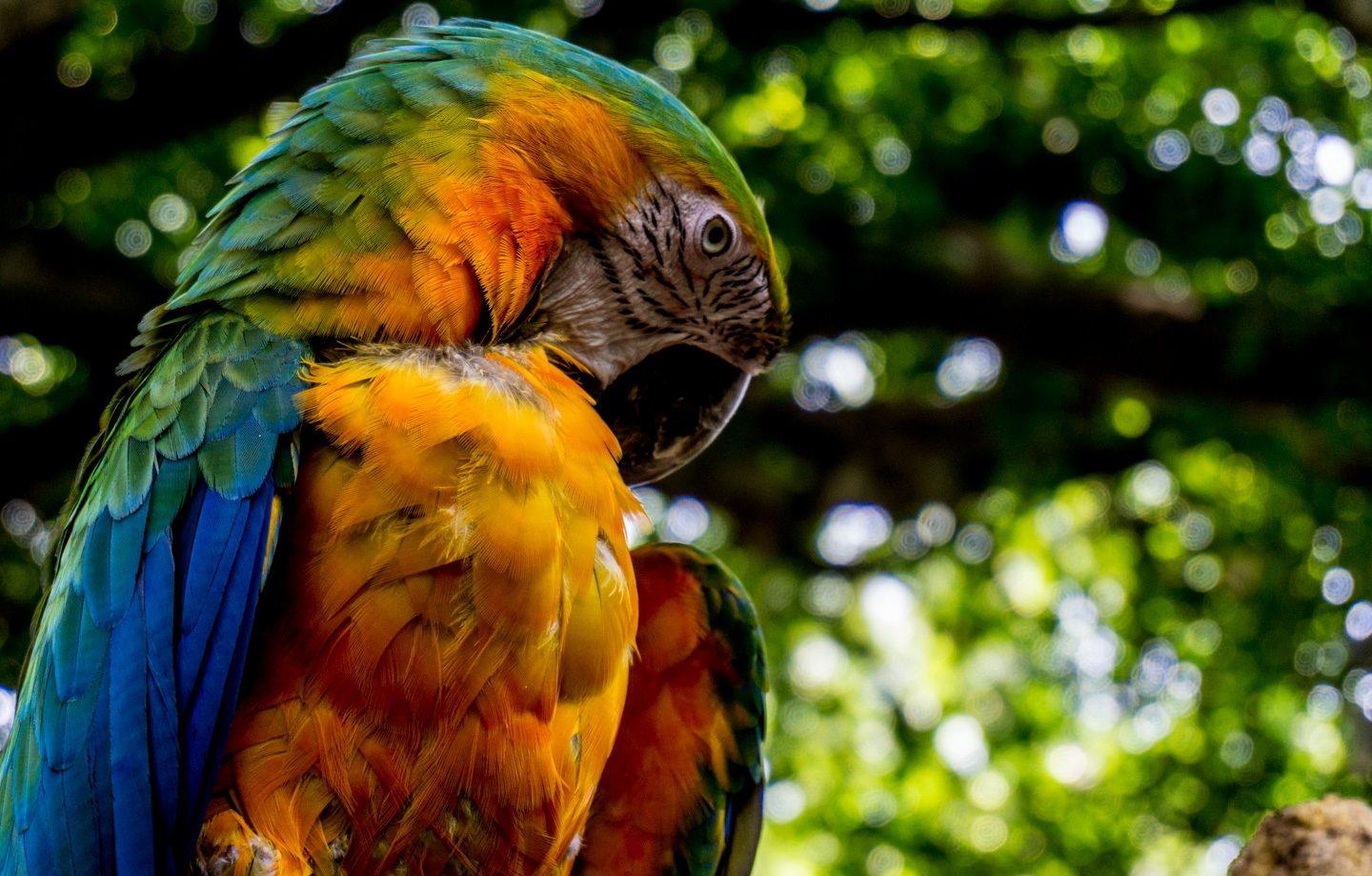
 As colorful as the tropical parrots that freely fly around, the buildings are dressed in bright yellows, blues, reds and oranges. Cartagena was one of Spain’s important ports along with San Juan and Havana.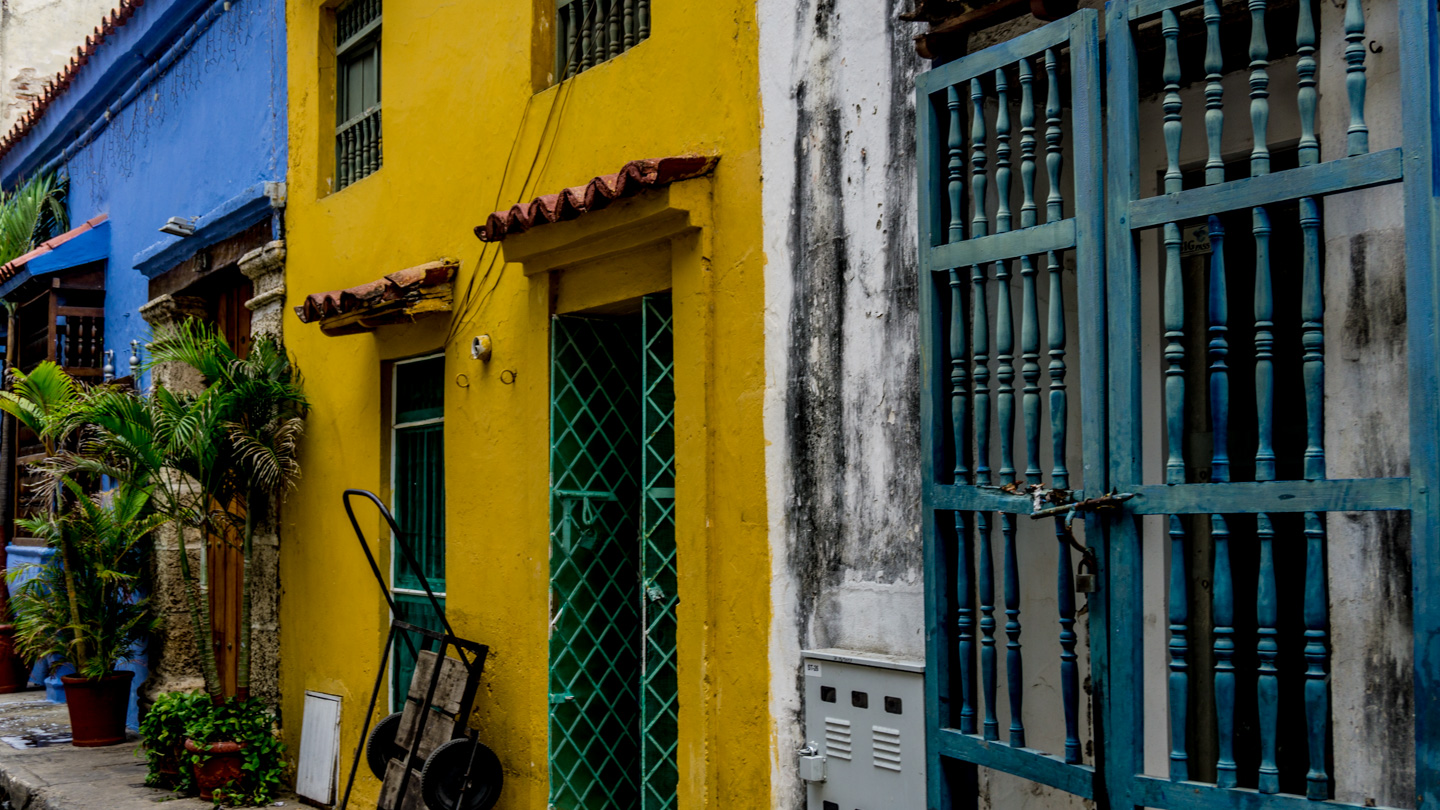










 Travels With Ackbar