The Streets of Hamburg

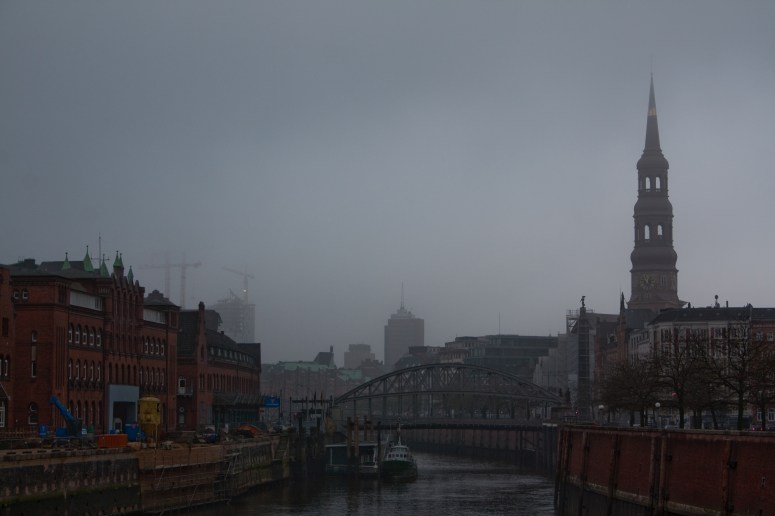
After a long drive and a less than satisfying lunch at a quaint German restaurant called Burger King, we settled in to our hotel in Hamburg, Germany. The weather was grey and dull but that didn’t keep me indoors for long. With a tourist map in hand I ventured out into the city.
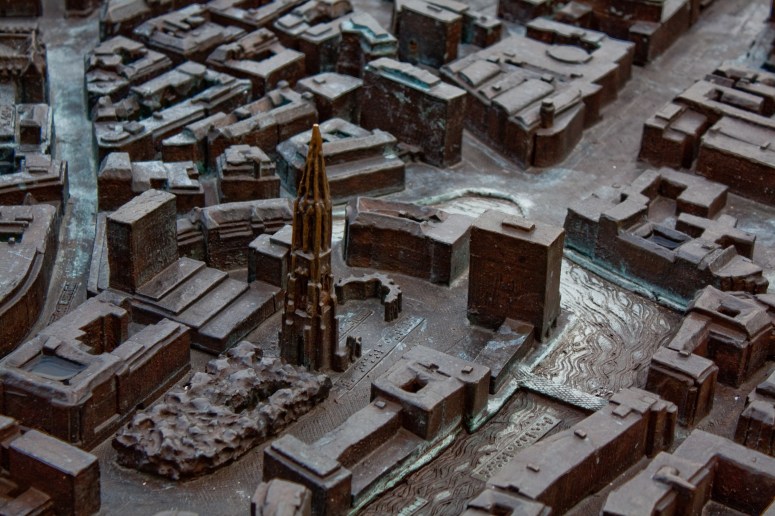
Outside the Rathaus I found this metal map of the city.
Hamburg was a very easy to navigate. You can walk anywhere or take the train and get around. I walked from one end of the city to the other several times over the few days I was there.
Throughout the city, there were reminders of it’s ancient history. Narrow alleyways opened onto the canals. Side streets still had half timbered houses and the remnants of World War I were everywhere.
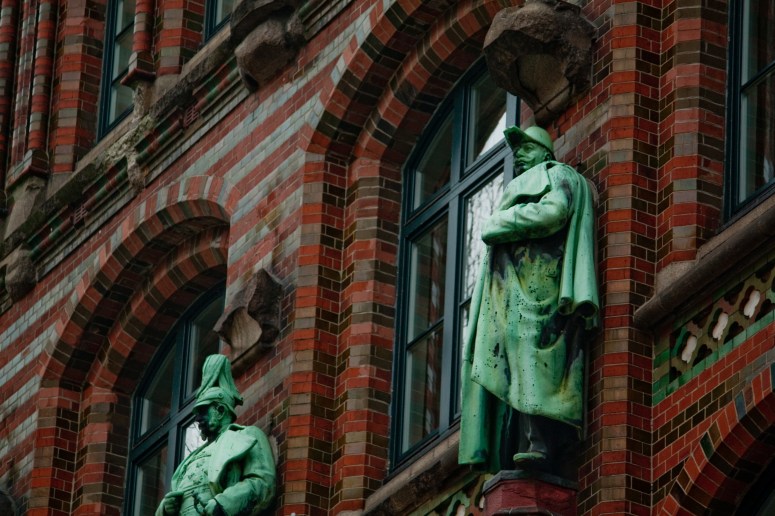
Bronze statues stand guard outside the Kontourhaus of Laisez-Hof. Otto Fürst von Bismarck, German imperial chancellor from 1862 to 1890 and
Albrecht Graf von Roon, German Field Marshall watch silently from their perches. If you want to locate them yourself they are at Location N 53°32’52” E 9°59’31”.
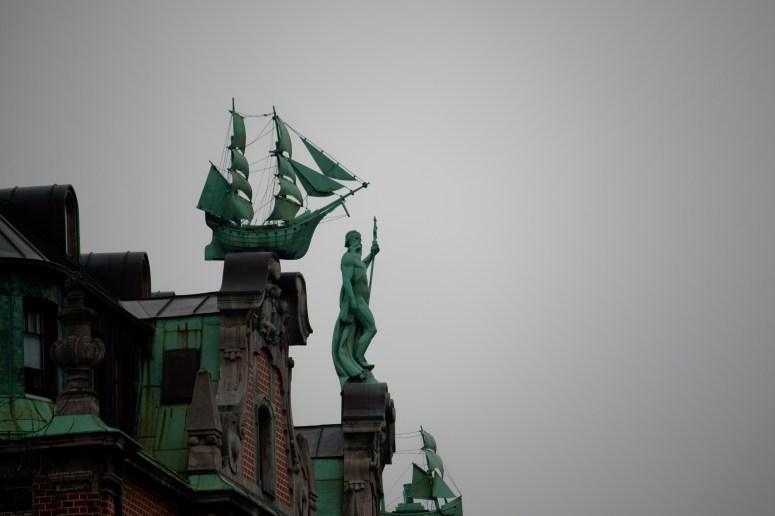
The other side of the building facing the canal had a sculpture of a sailing ship on high.
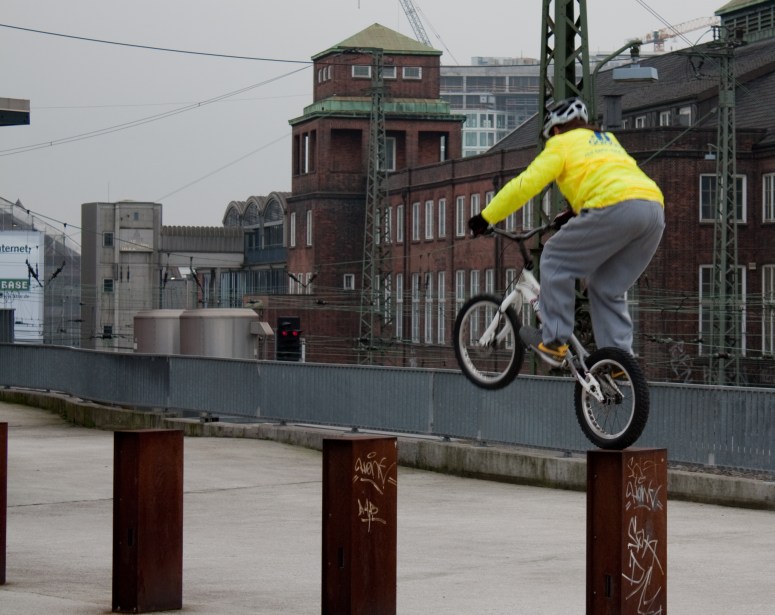
The city was full of surprises, near our hotel, I watched this guy and his friends bounce their bicycles from post to post.

24 Hours in Amsterdam

24 hours in my first foreign capital wasn’t ideal for taking in the local scene, but I made the best of it. Taking the train from Schipol Airport, we headed for the city center and started walking toward the canals.

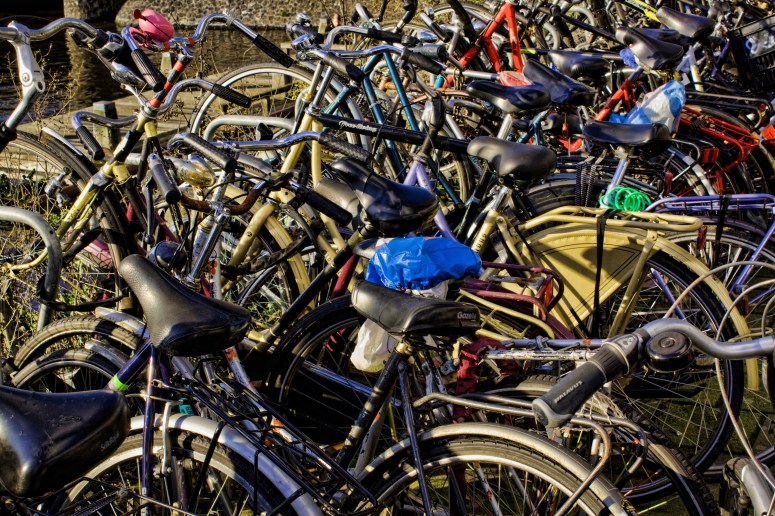
Amsterdam may be known for it’s canals, but it’s also populated with bicycles. Everywhere you go, there are bicyclists speeding down the street looking for pedestrians to run over.

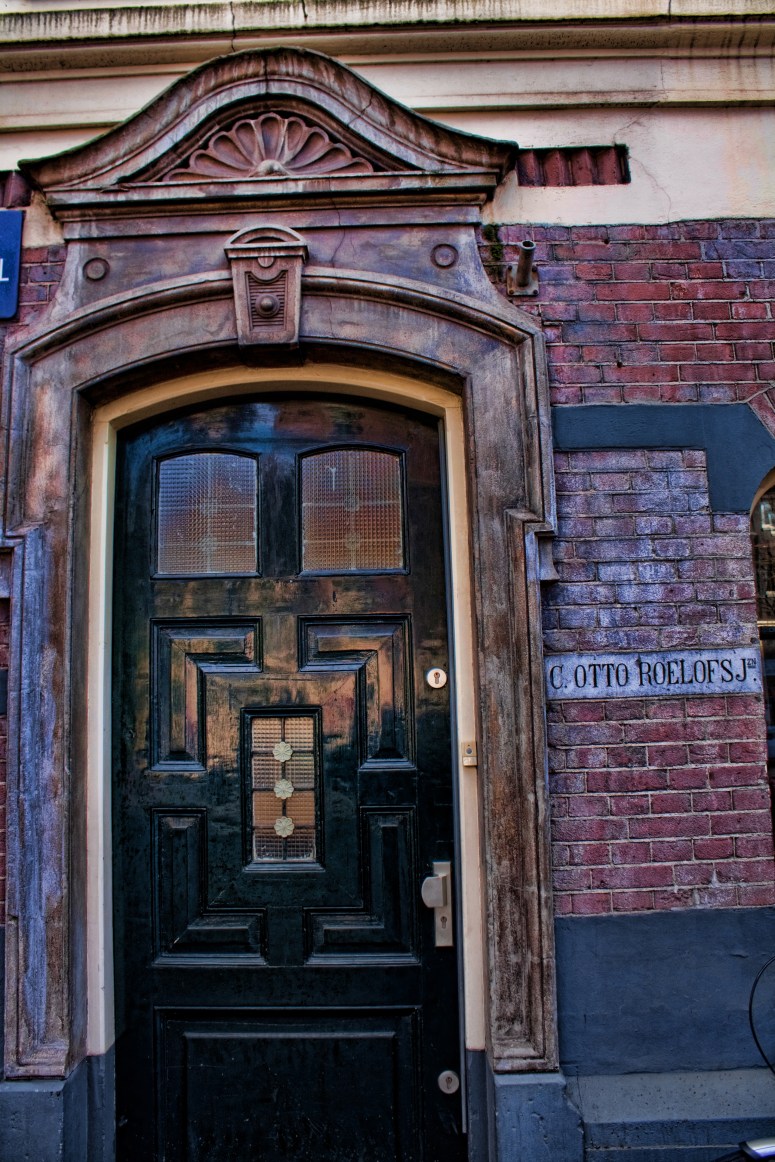
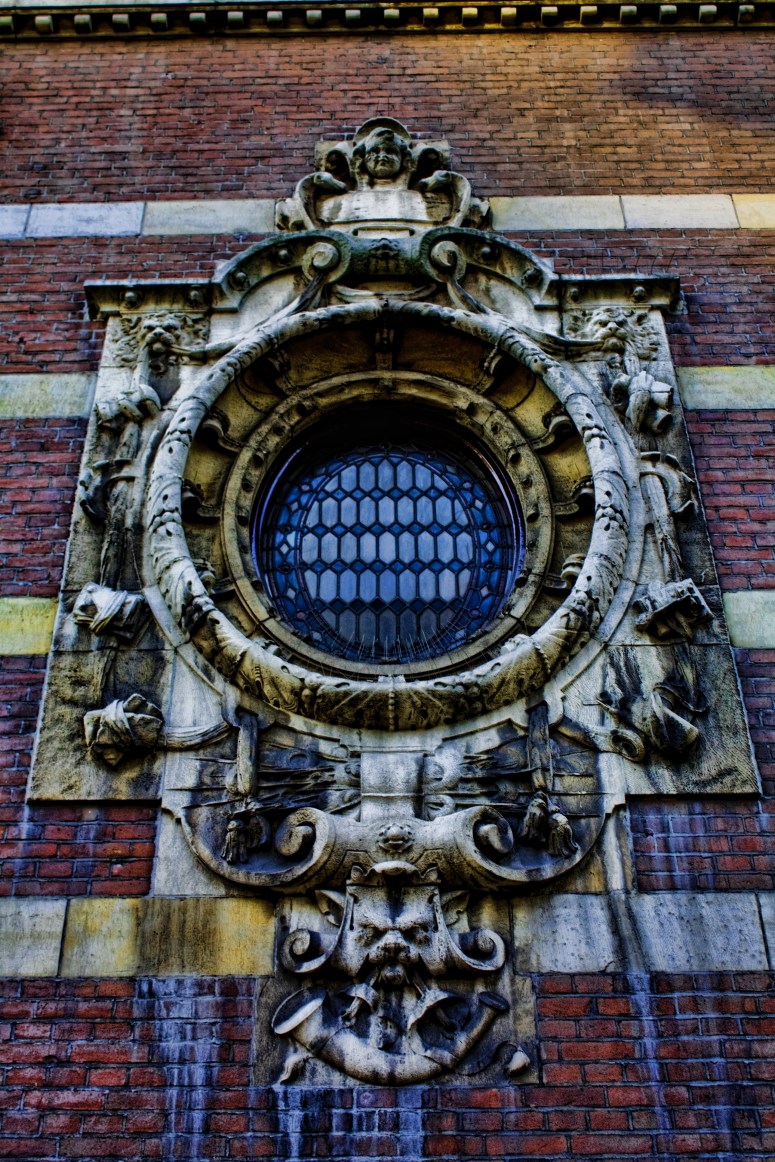
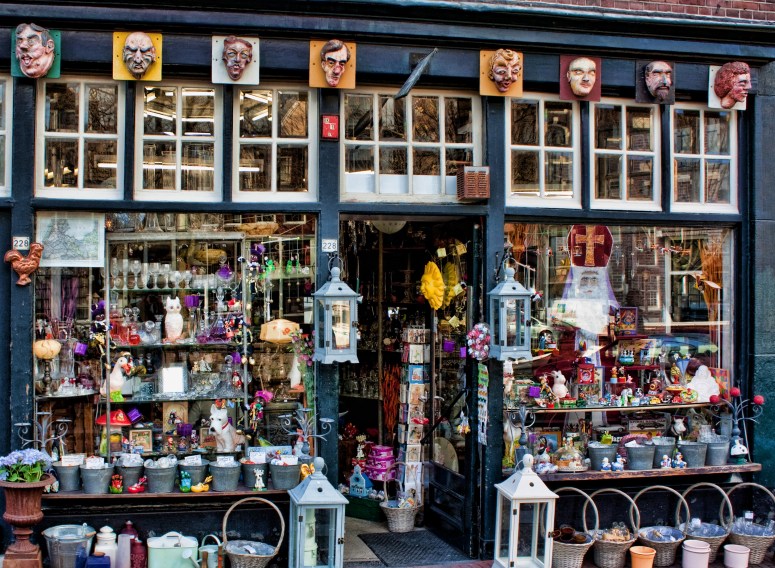
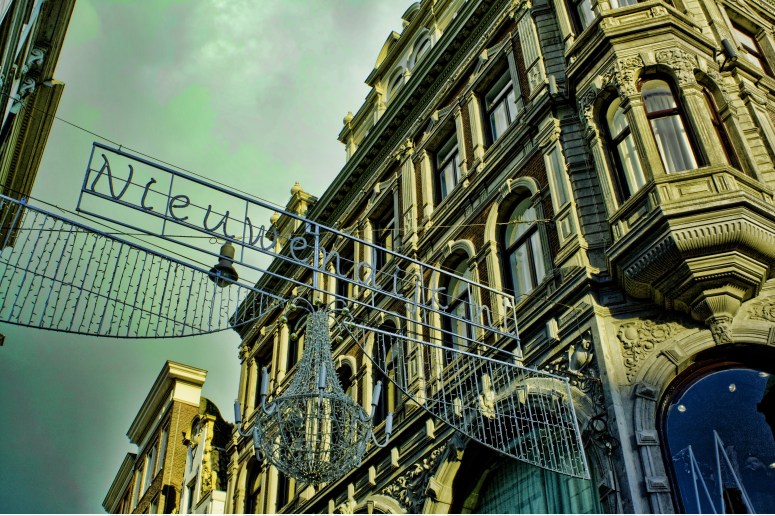
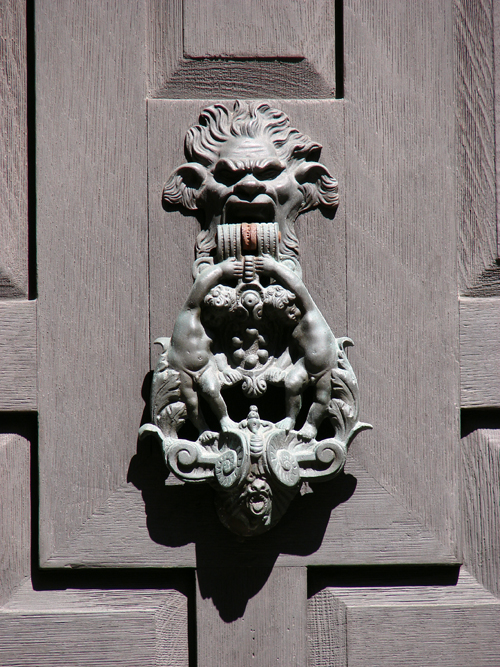
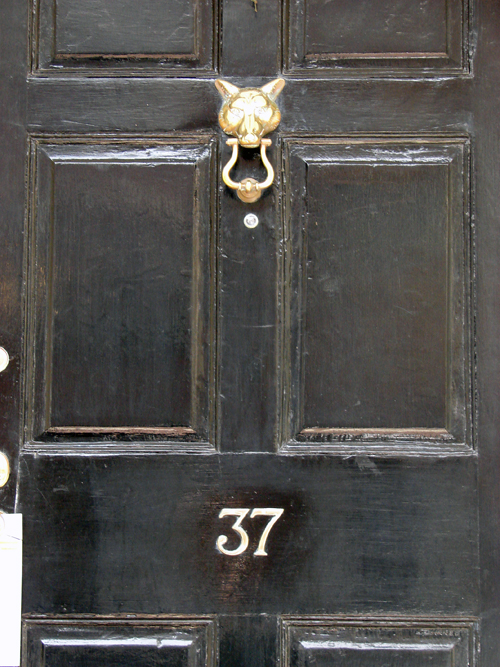
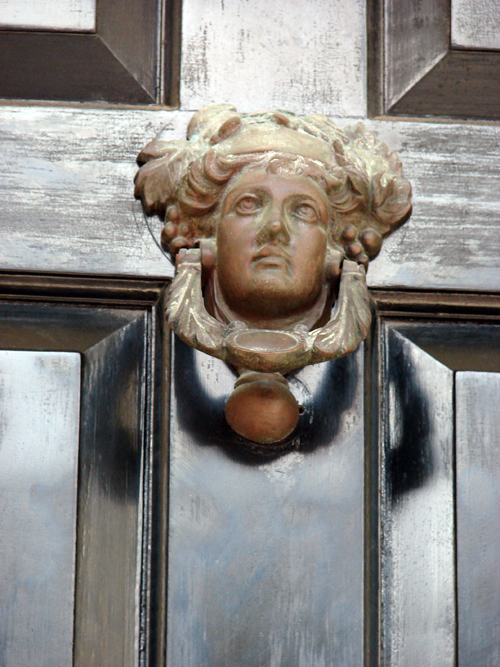
One of the interesting architectural features on Amsterdam’s streets.

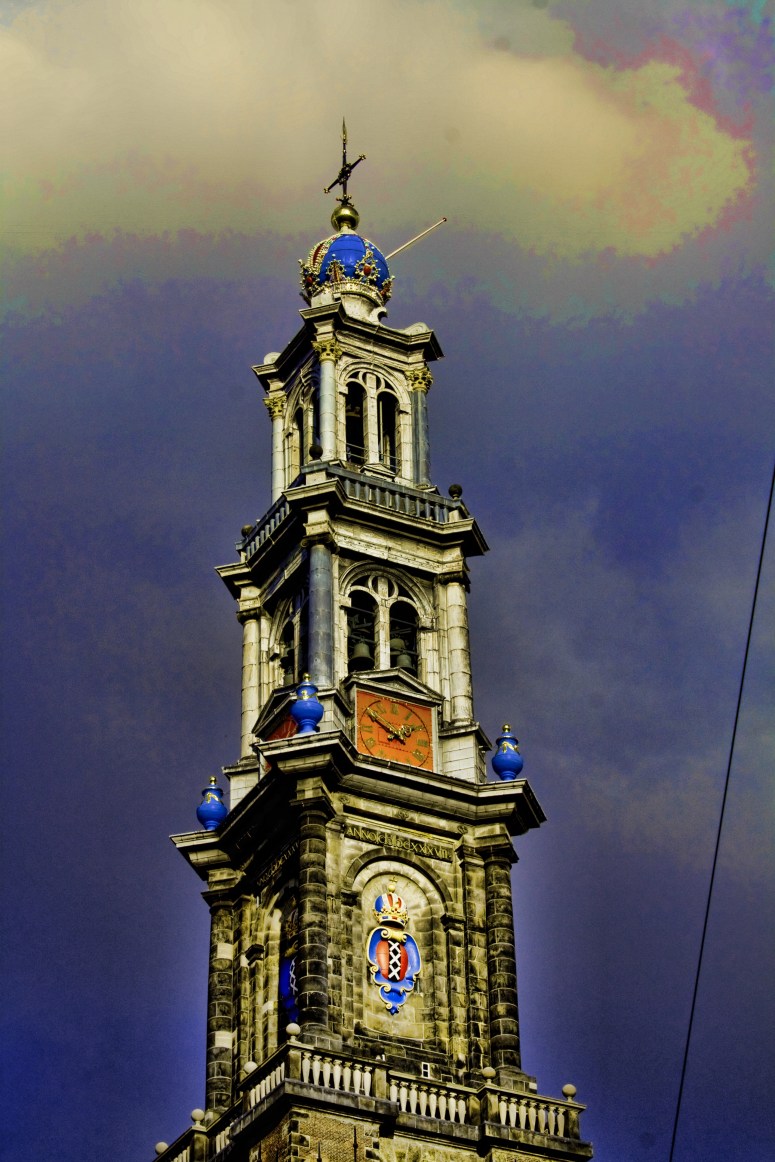
A view of the Westerkerk (Western Church) from the canal by the Anne Frank House.

The church was built in the period 1620 – 1631 by builder and architect Hendrick de Keyser. The church tower was designed by builder Jacob van Campen, with it’s 85 meters (about 280 feet) spire it is the highest church tower in Amsterdam.
On the top of the spire is a big blue crown, symbolizing the Imperial Crown of Maximilian I of Austria, ruler of a large part of The Netherlands in the 15th century. From 1906 until 2006 the crown was painted yellow. In 2006 the color of the crown was repainted in its original color blue.
Anne Frank mentions hearing the church bells of the Westerkerk in her diary.

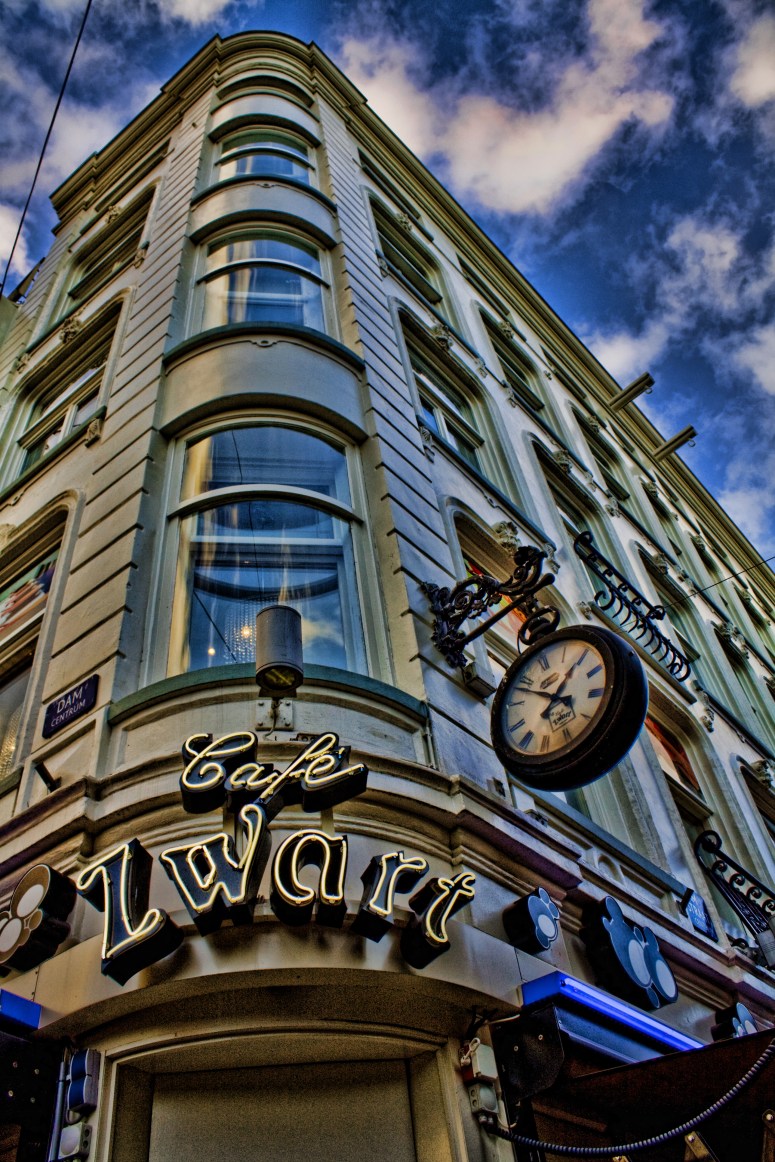
The Black Cafe

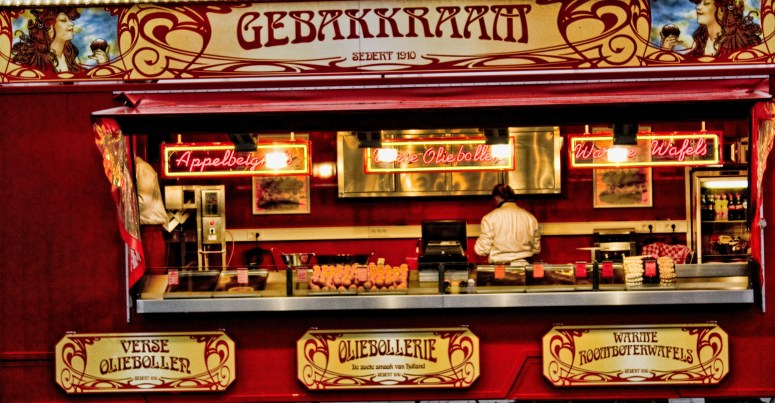
The Waffle Wagon outside Schipol Airport. If you have the chance you must try the Stroopwaffel, 2 crispy waffles with sweet syrup in between.

One whirlwind day in Amsterdam, tomorrow we are off to Germany.