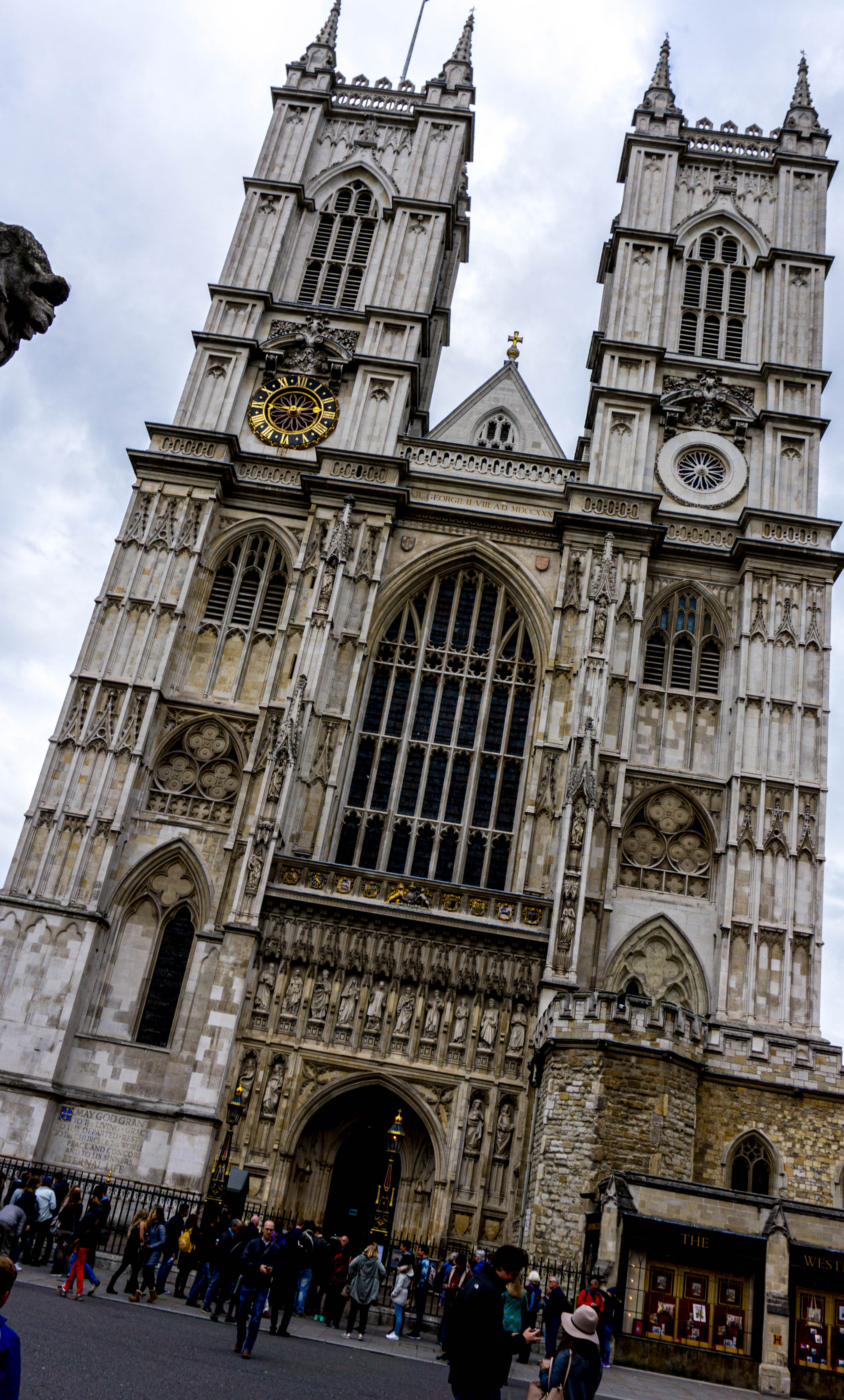
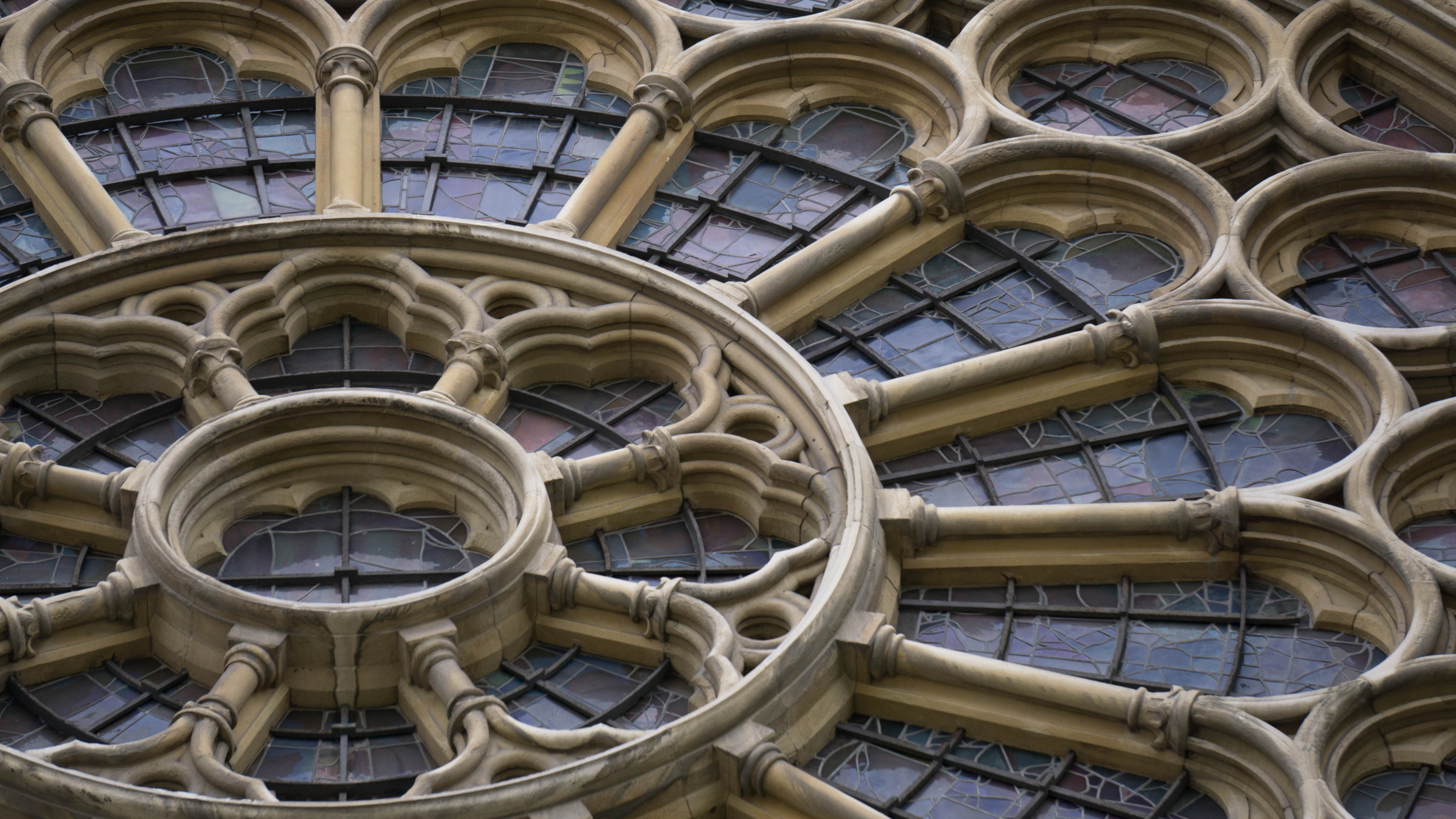
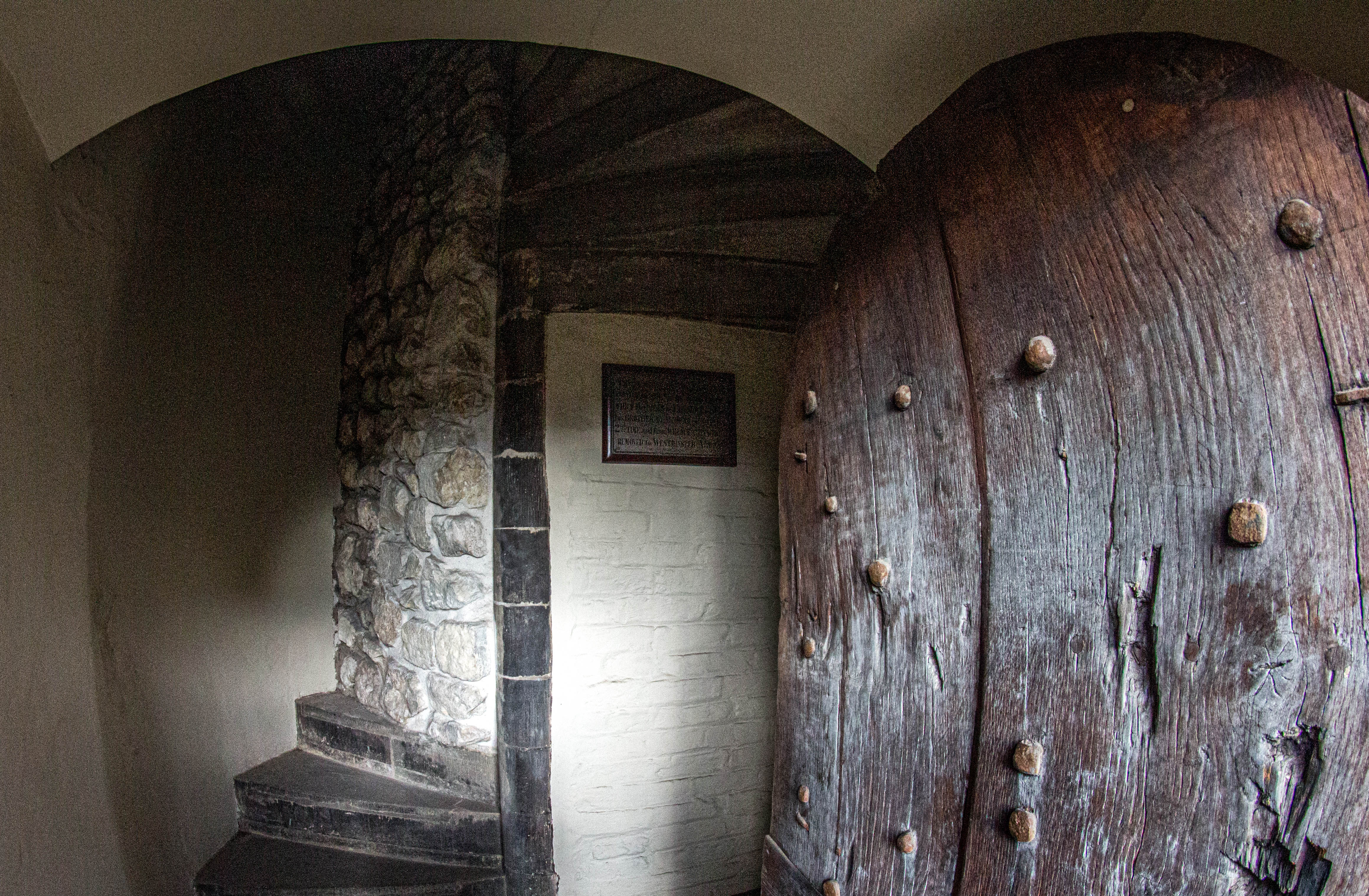
It’s inevitable that Westminster Abbey would be haunted. More than 3,000 bodies are buried on the grounds. Long ago in the 6th century the area where Westminster sits was an island on the banks of the Thames. Originally called The Collegiate College of St. Peter, Westminster Abbey is the most important churches in London.
Many people have reported seeing the spirit of a monk floating above the ground in the cloisters. It is believed that this is Father Benedictus, who served as a Benedictine monk of the abbey. The monk is said to appear around five or six in the evening. His figure appears to be solid, and he has been known to engage visitors in conversation. It is not uncommon for a guest to encounter Father Benedictus and hold a lengthy conversation before he backs up and melts into a wall.
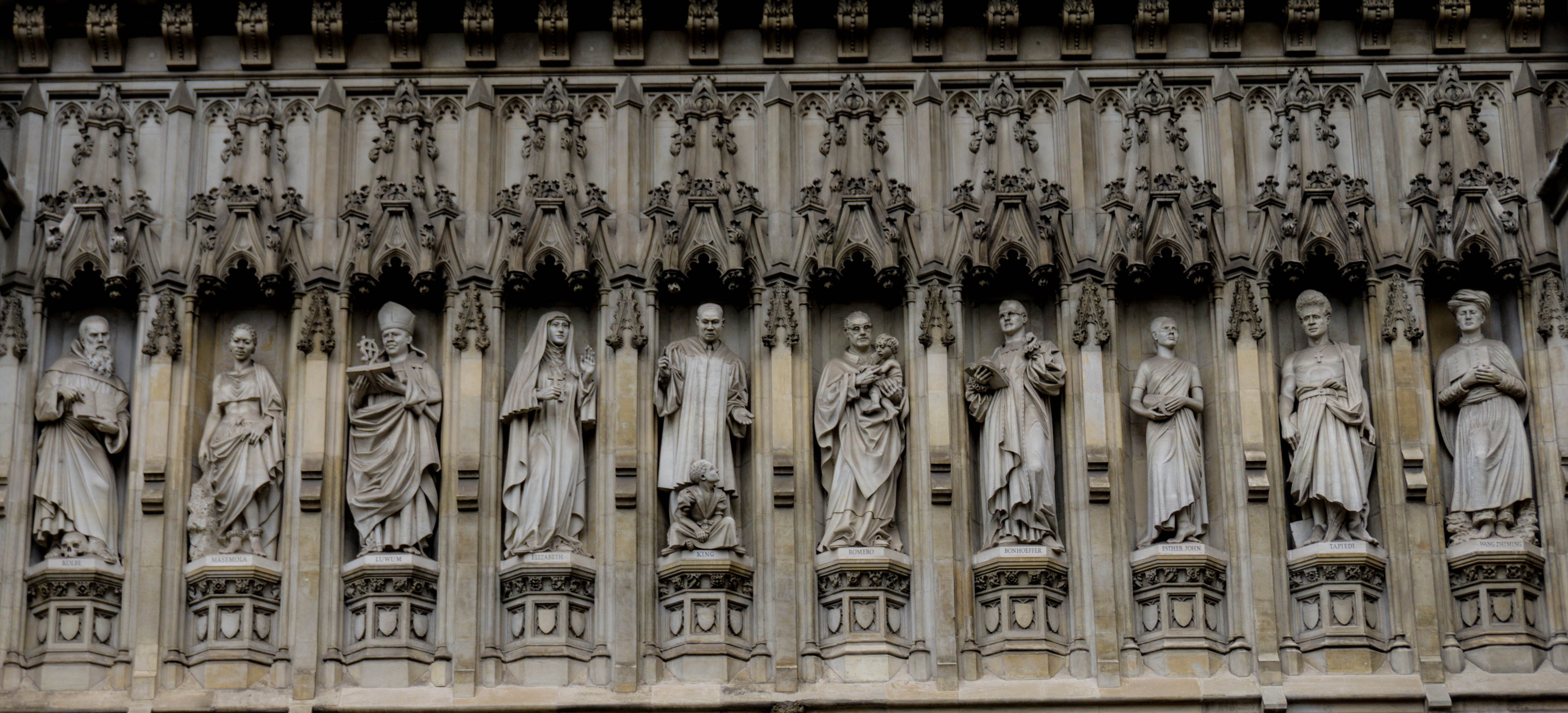

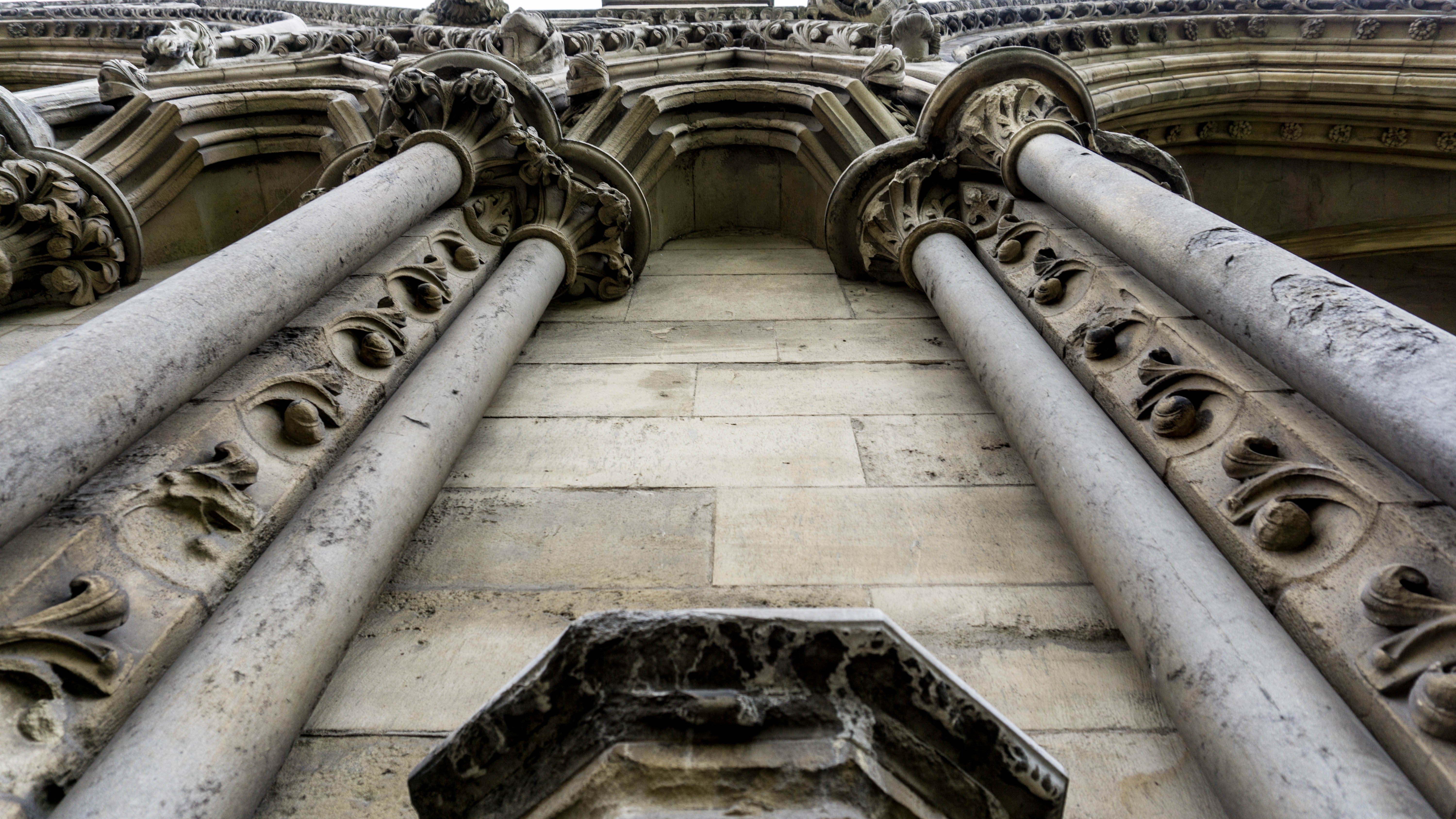
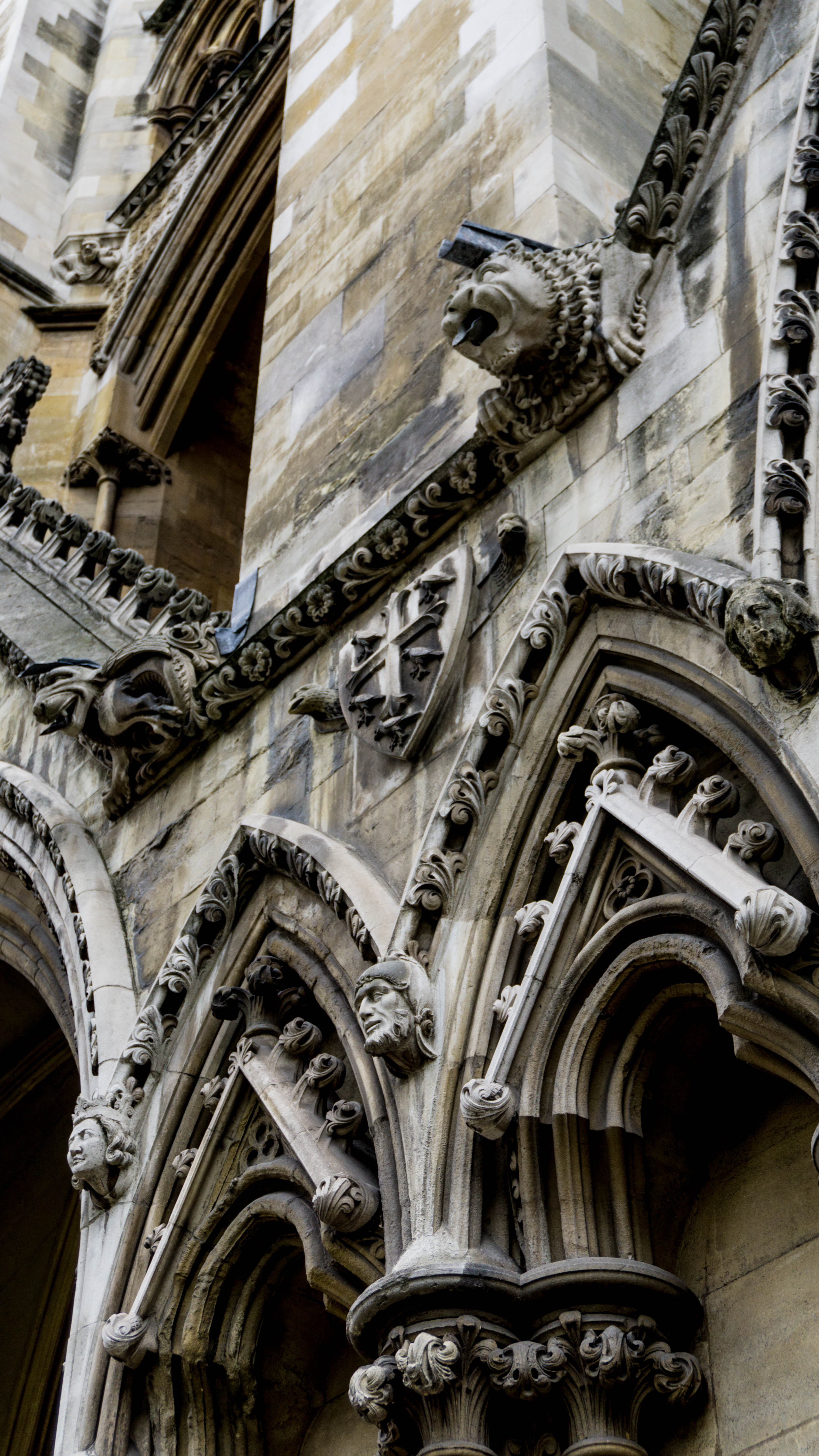
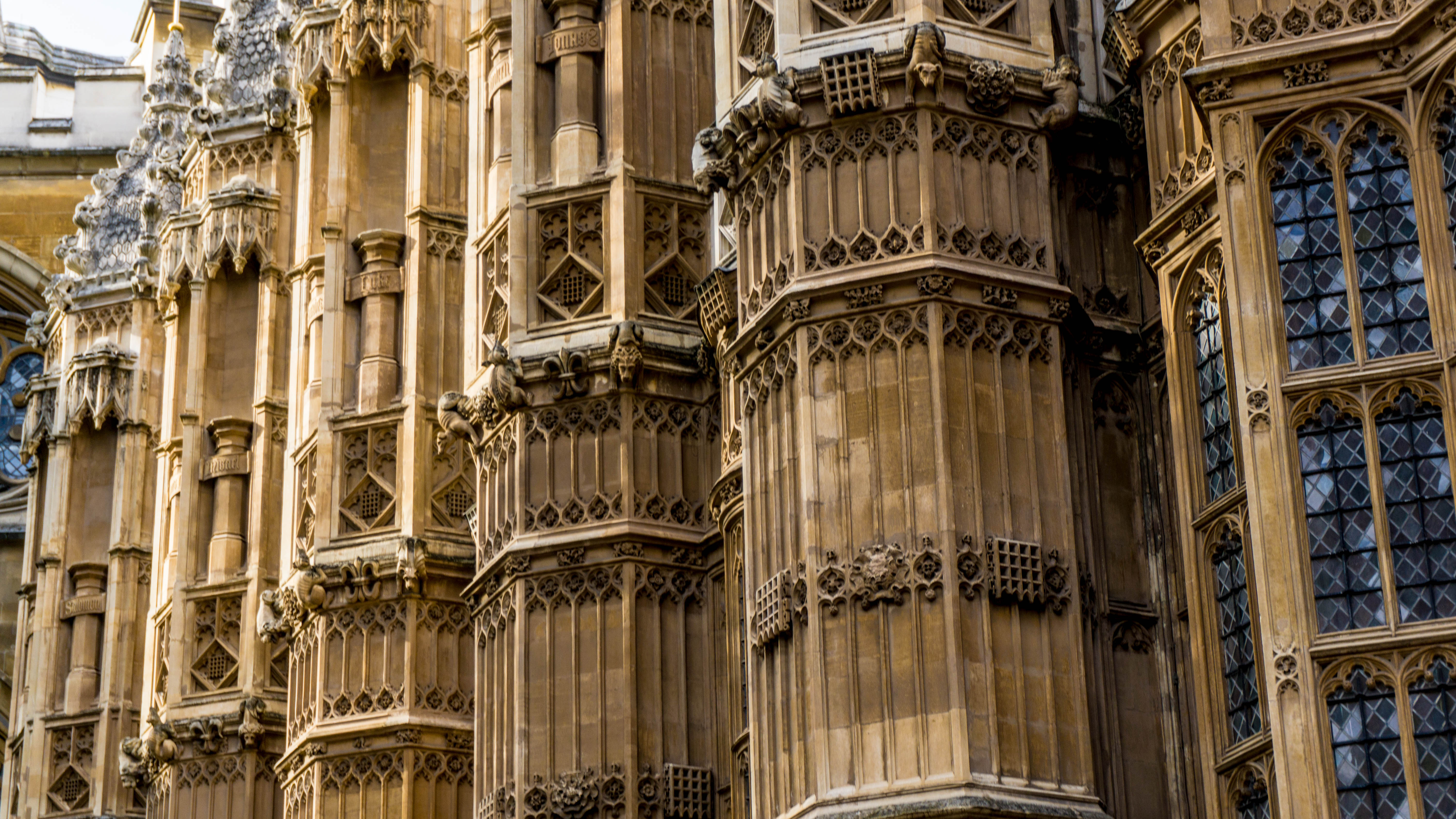
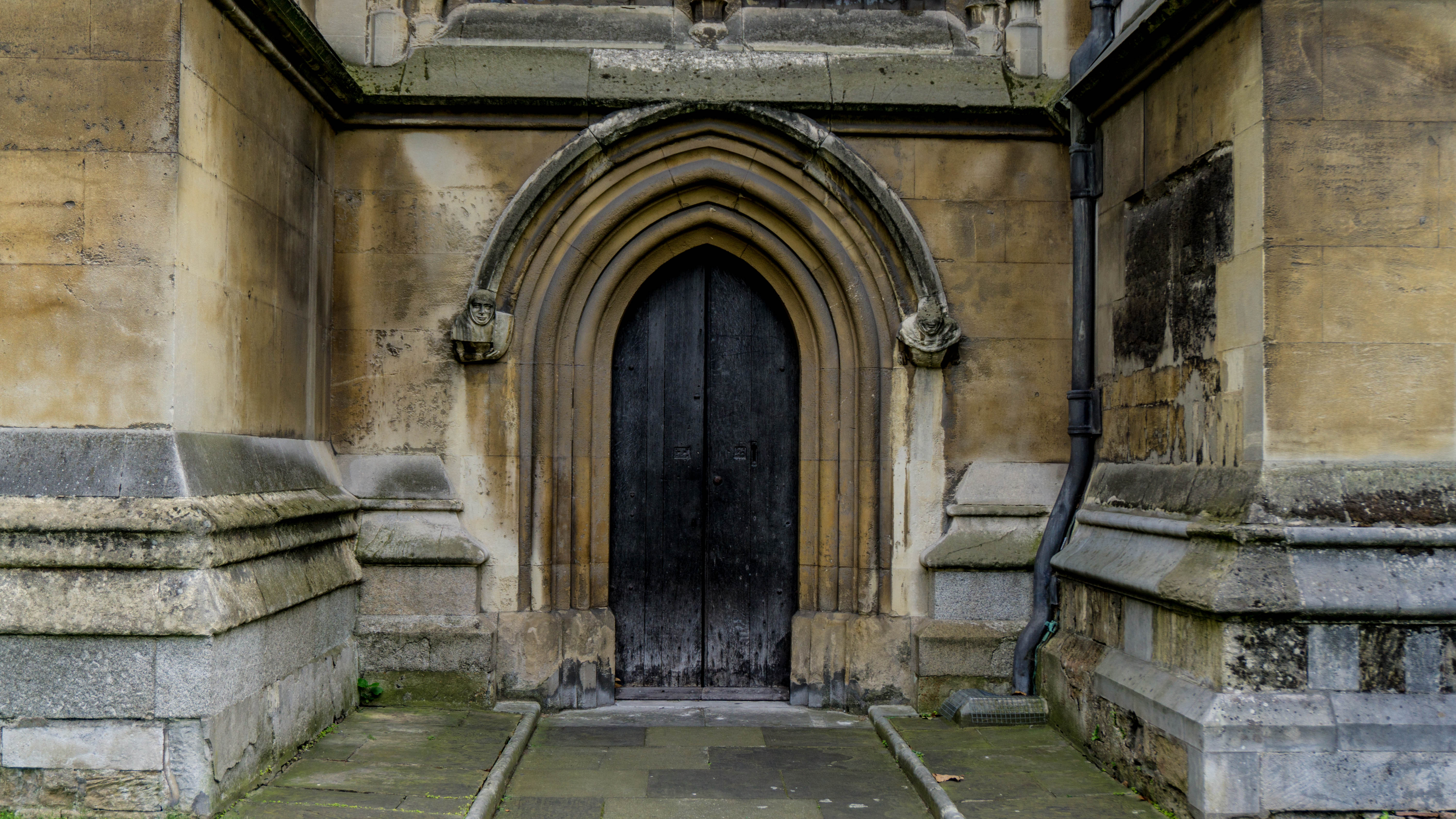
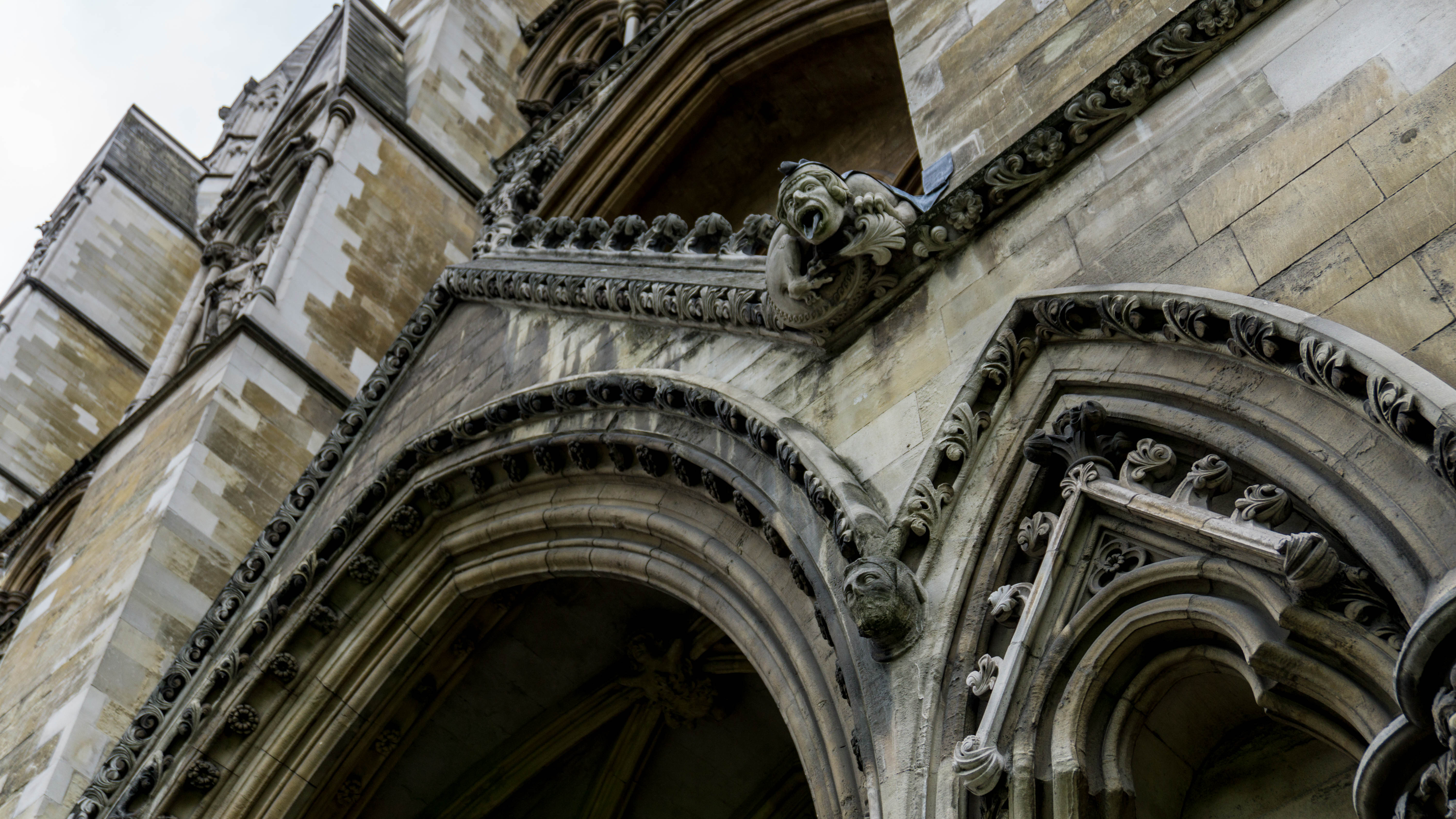
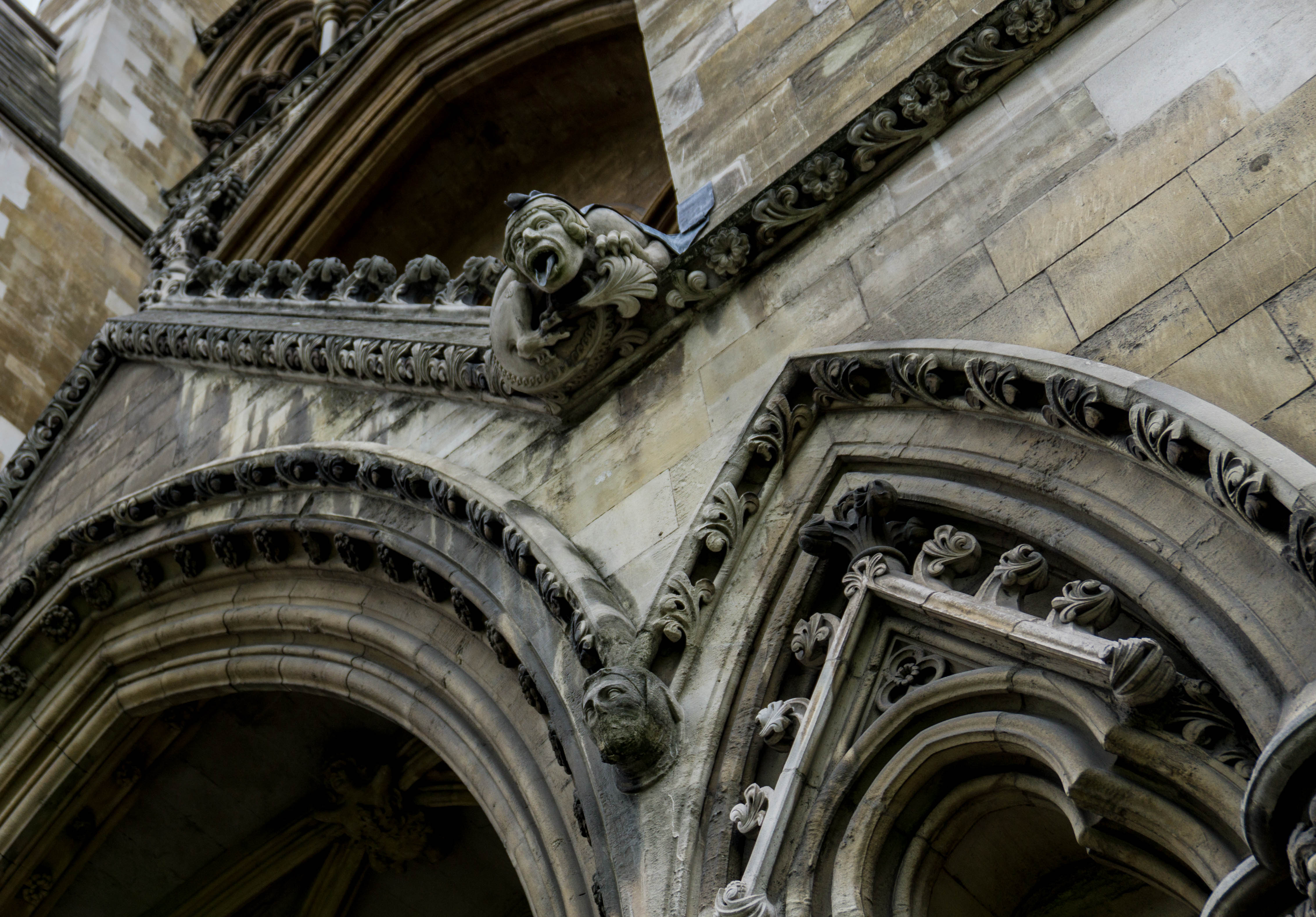
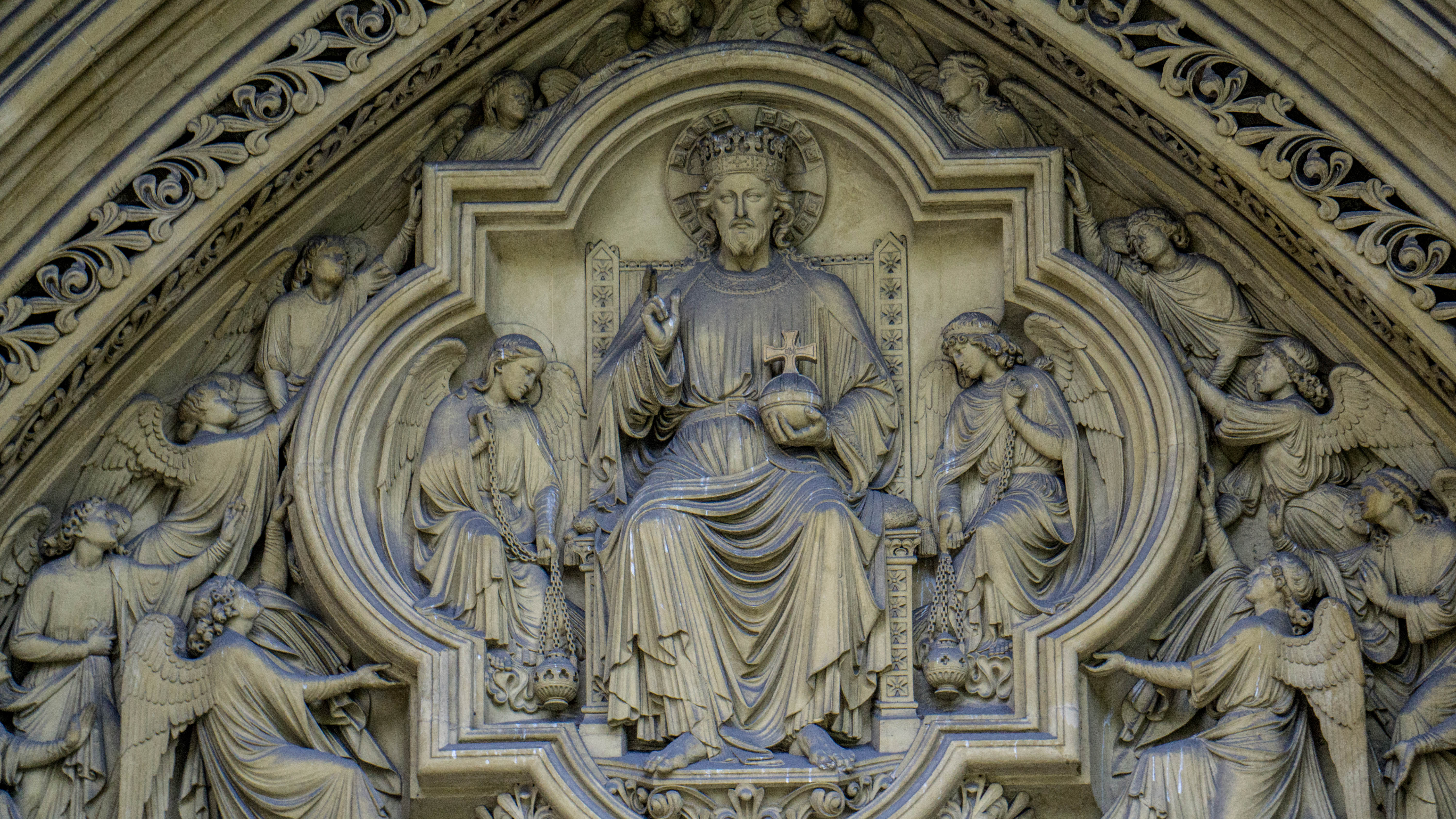
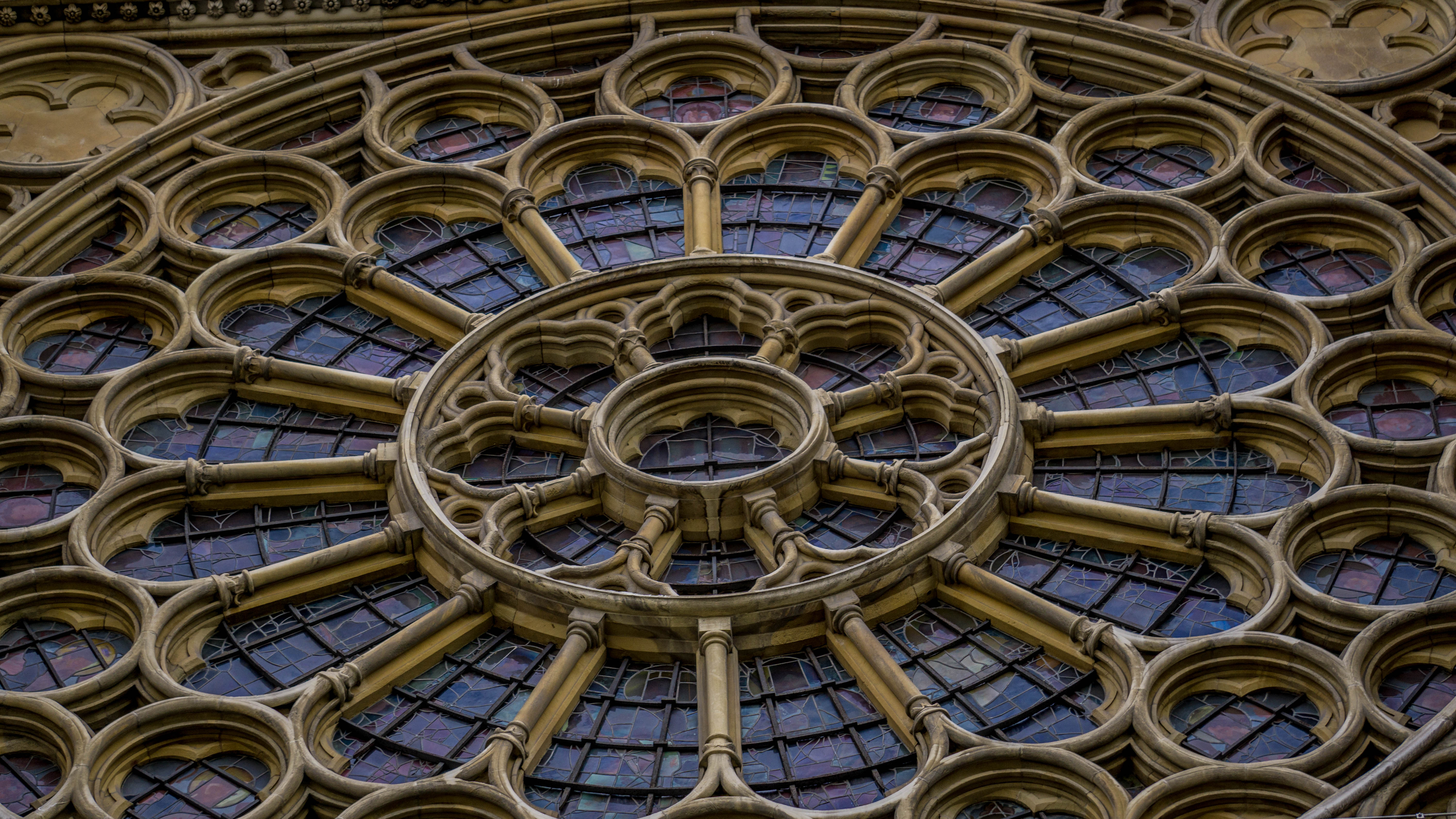
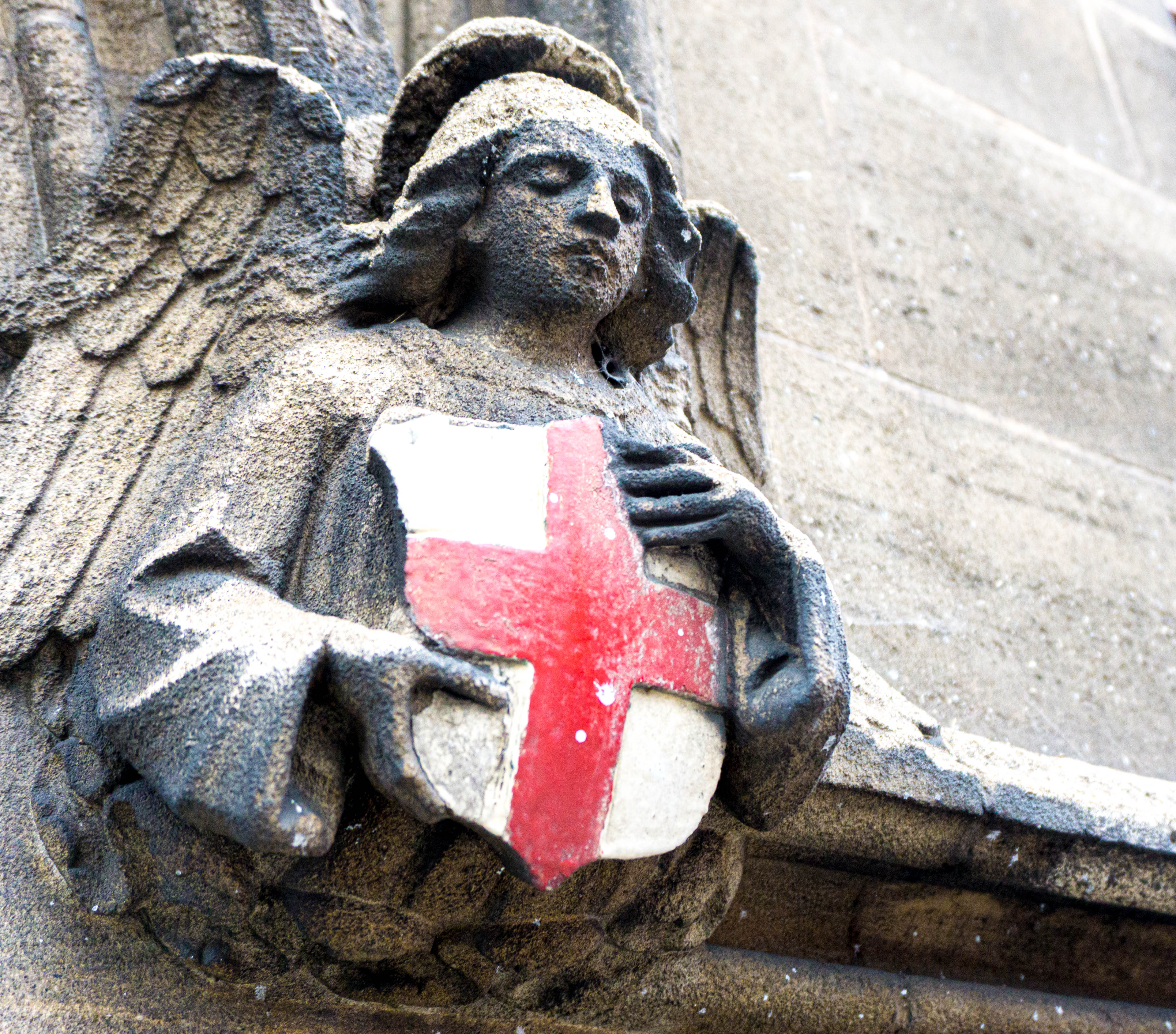
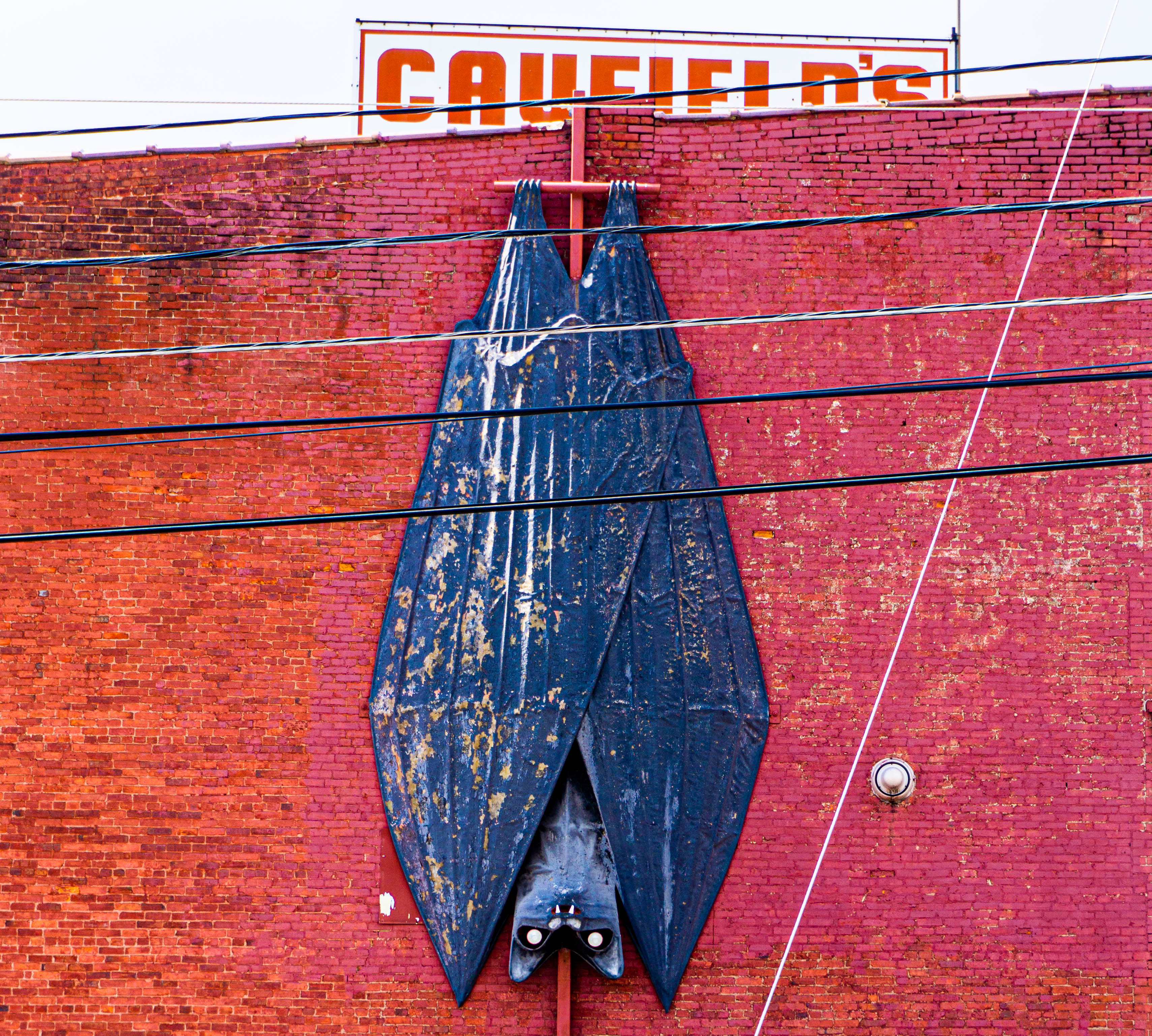
The facade of Westminster Abbey is covered in extremely detailed carvings of Saints and Gargoyles. Technically, a Gargoyle is a water spout, other creatures are Grotesques or Chimeras taking the place of architectural corbels or supports. My favorite is a sculpture of a little bat.
Within the Abbey lies the Tomb of the Unknown Warrior, a memorial to the soldiers who died in World War 1. On 11th November 1920, an unidentified soldier’s body was given a royal funeral and buried in soil brought form the battlefield in France. Underneath a marble stone quarried in Belgium the unknown warrior lies in eternal rest. On occasion, once the crowds have left the Abbey and the halls are silent, a spectral soldier appears next to the tomb. He materializes slowly and stands quietly for a time with his head bowed. After a few minutes he simply dissolves into thin air.
If you’d like to visit The Abbey for yourself, you can find all of the important information here




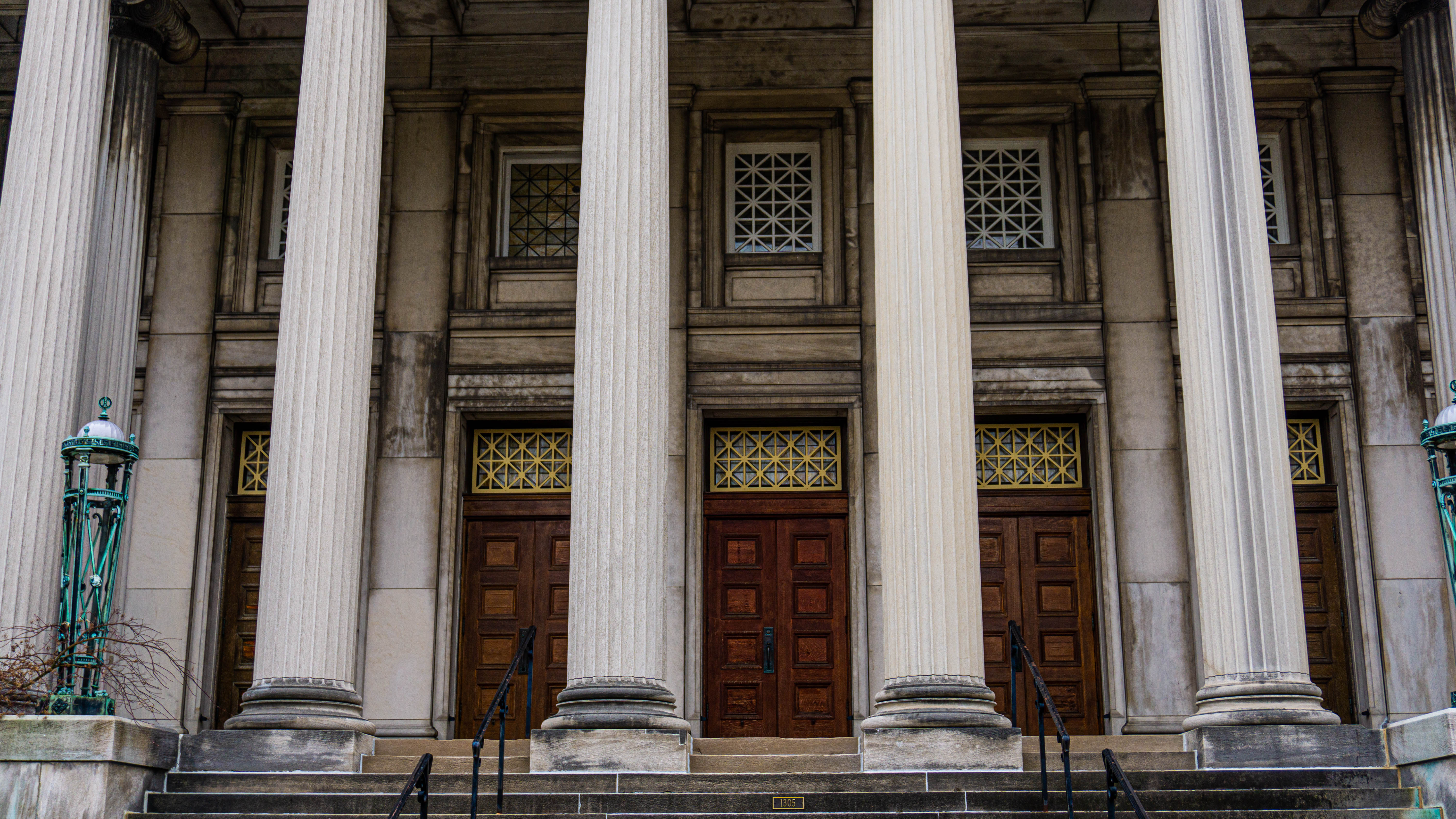
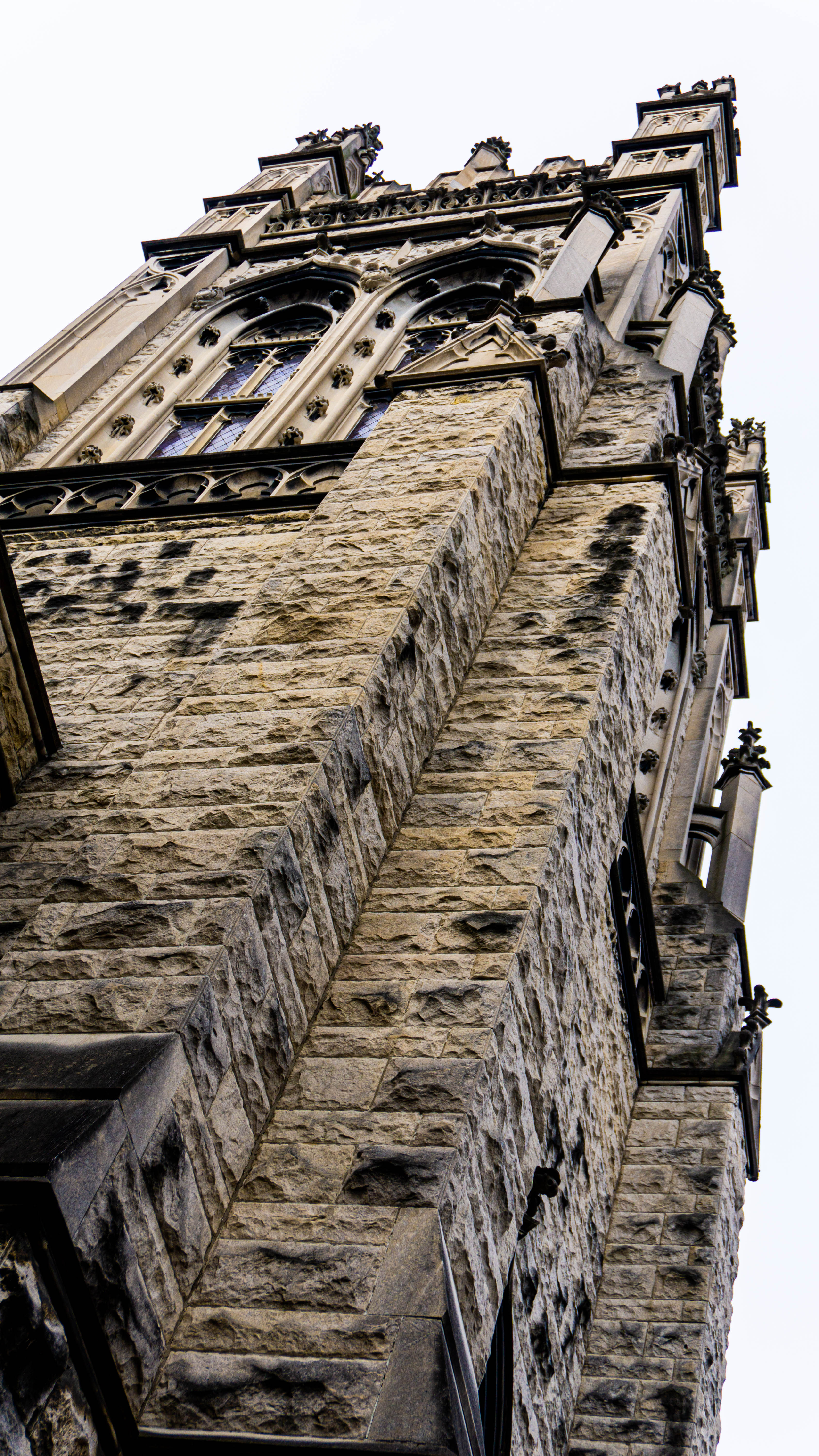

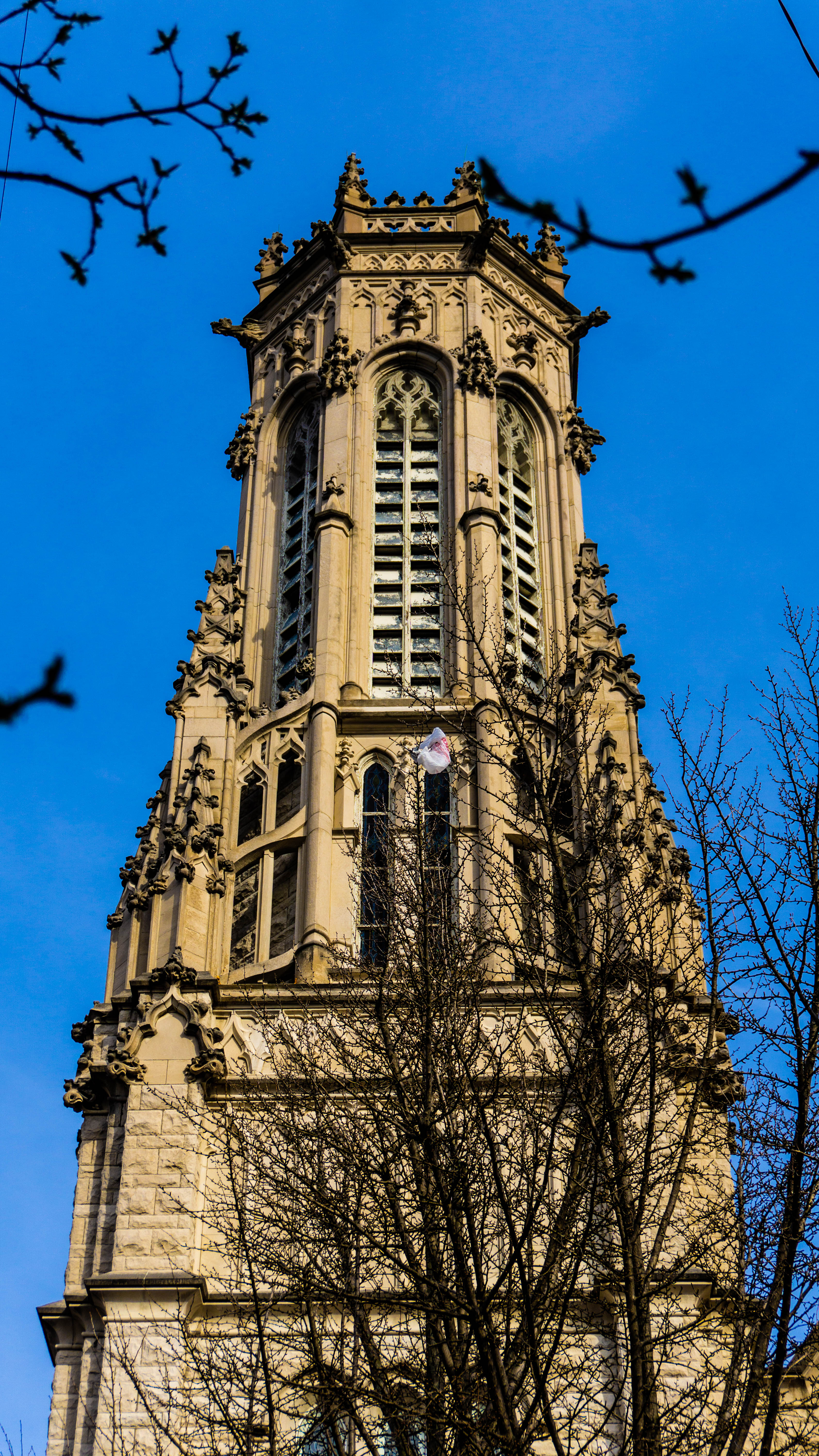
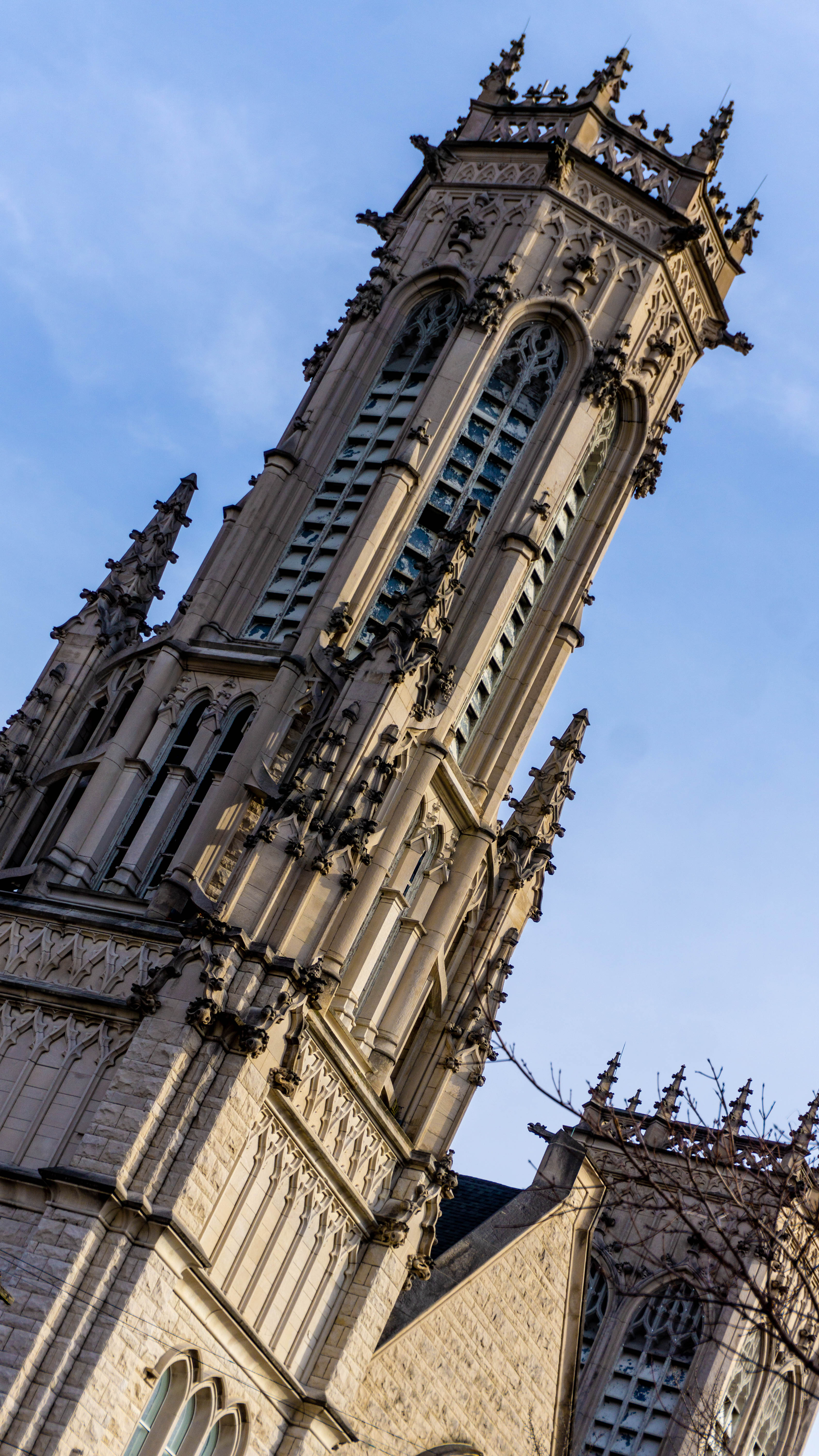

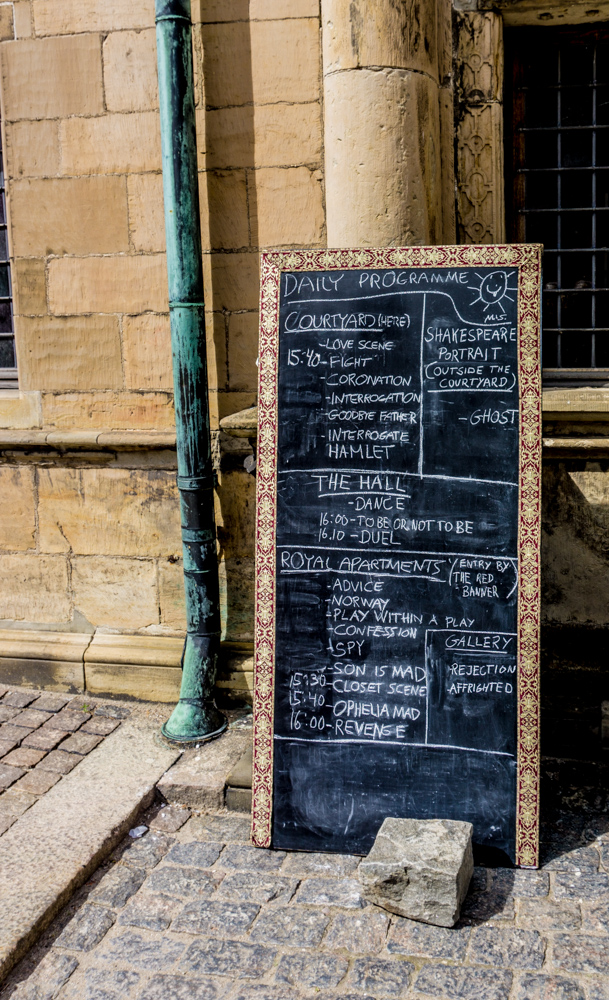
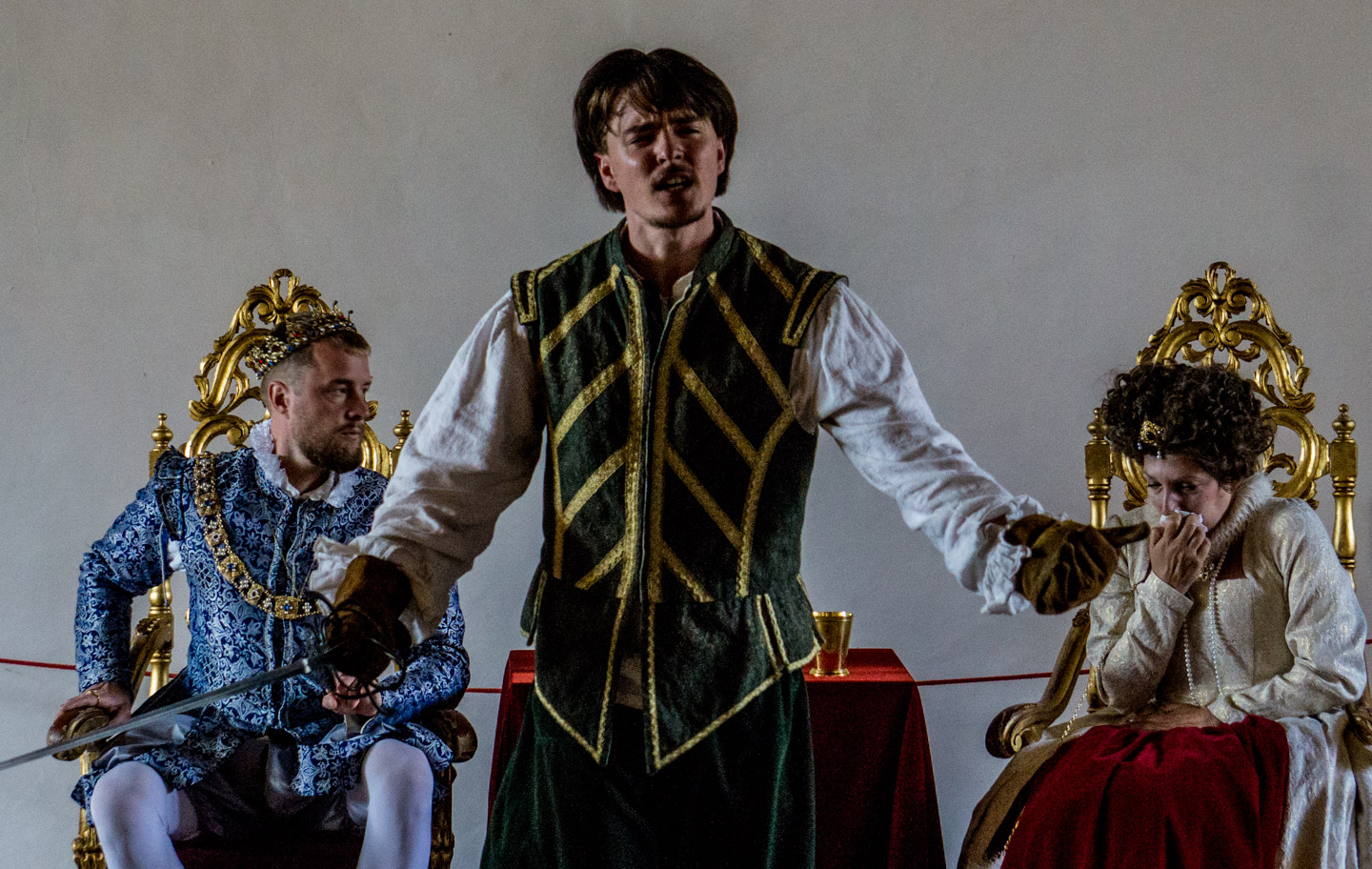
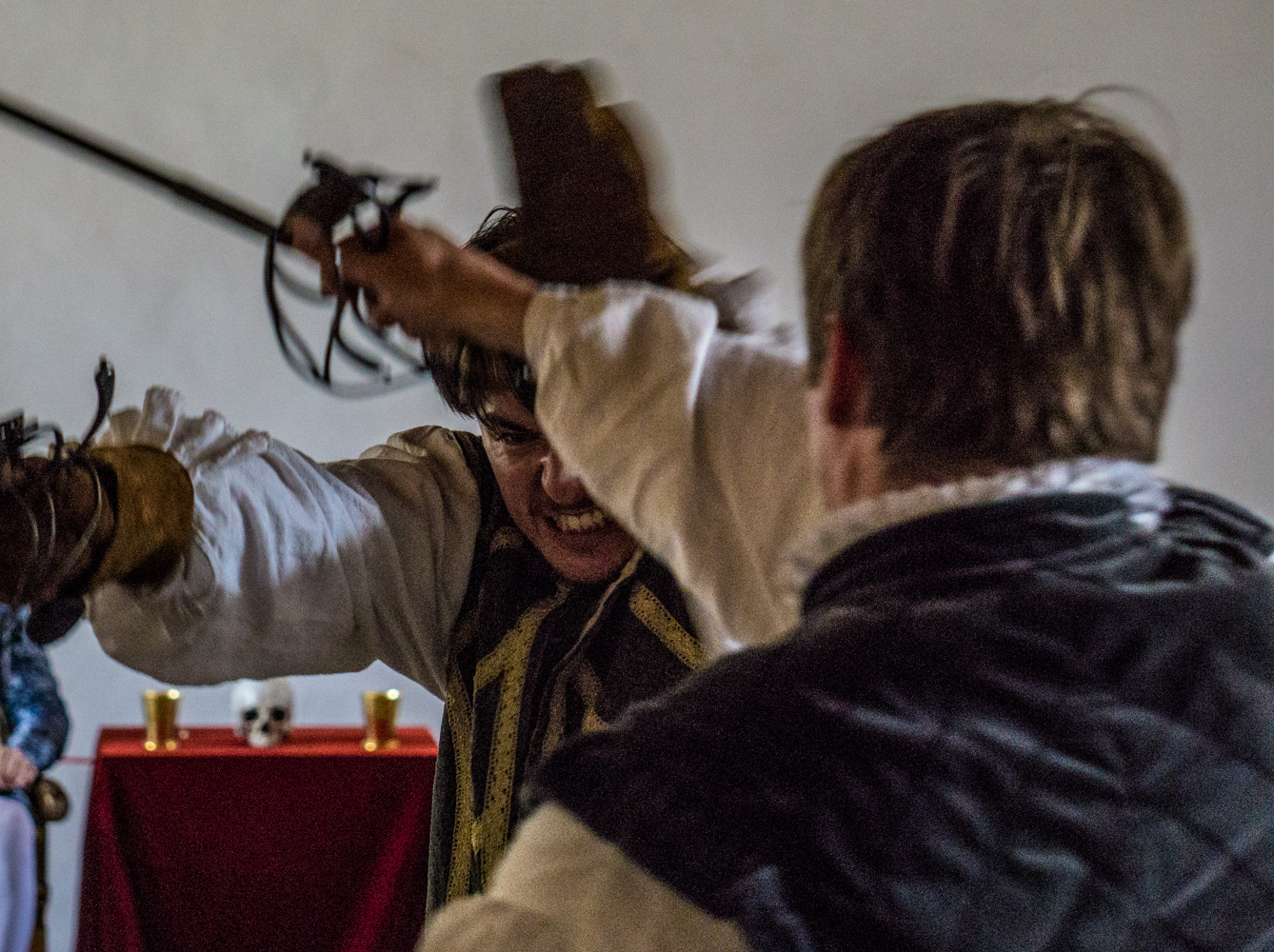
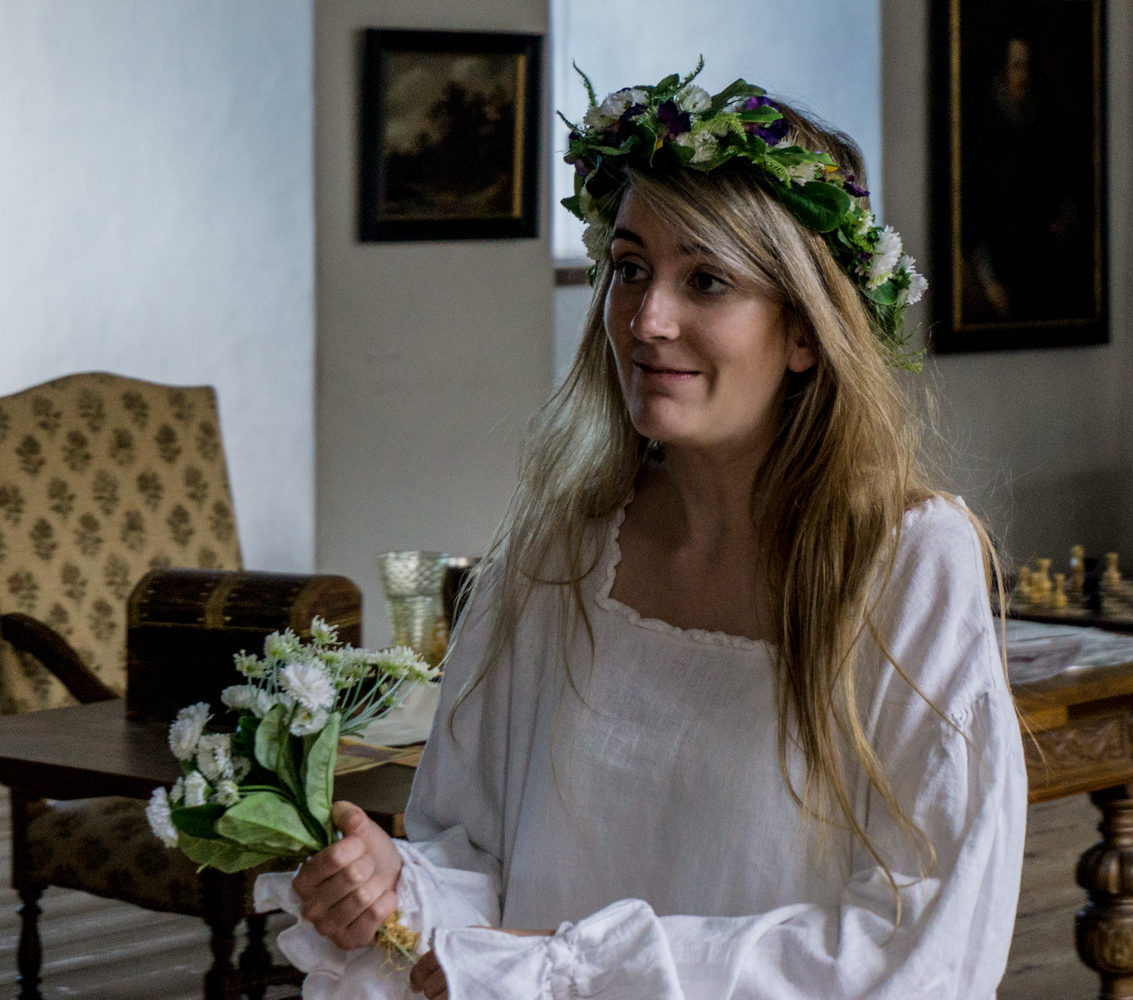 “Good-night, ladies, good-night, sweet ladies, good-night, good-night.”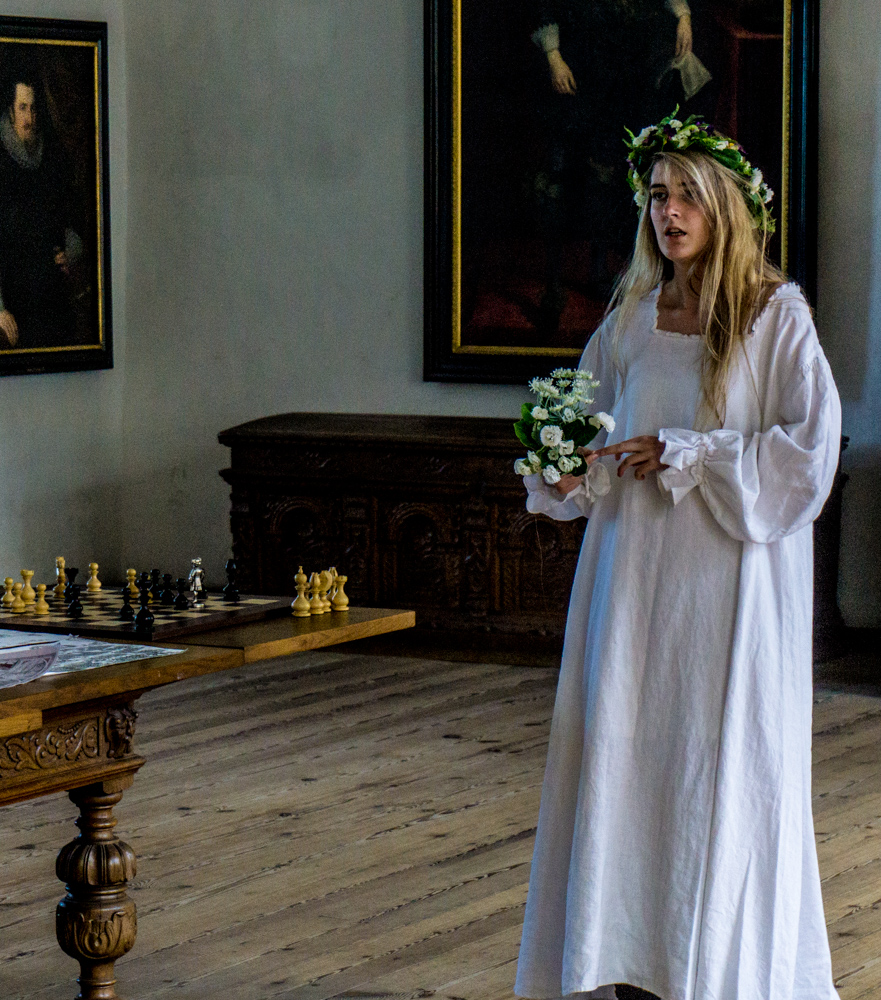
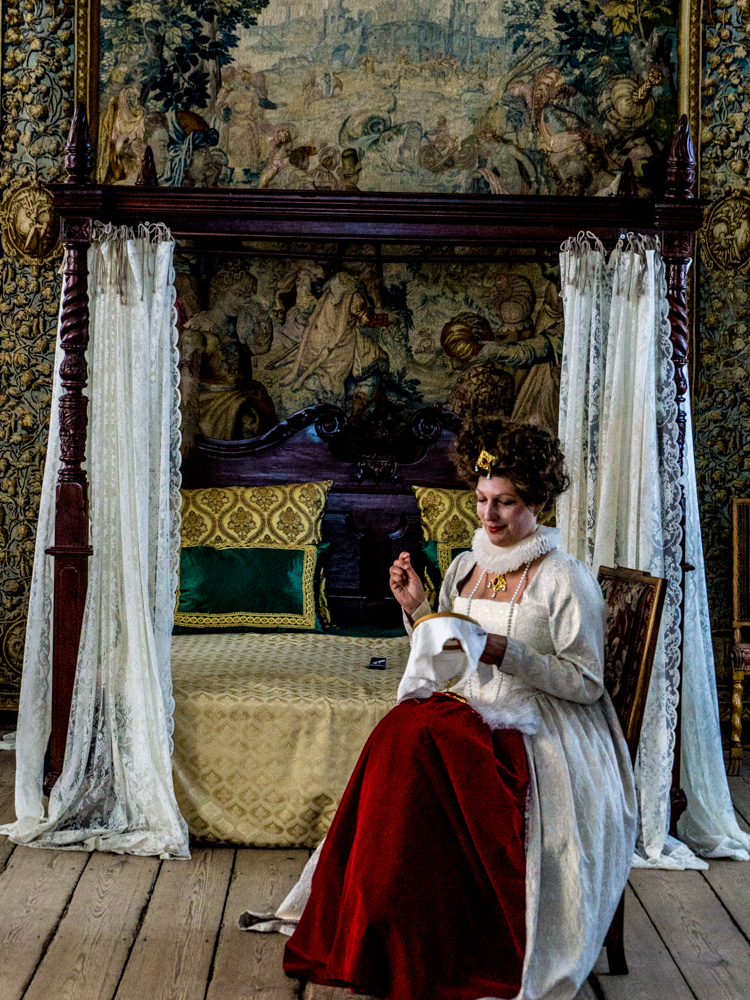
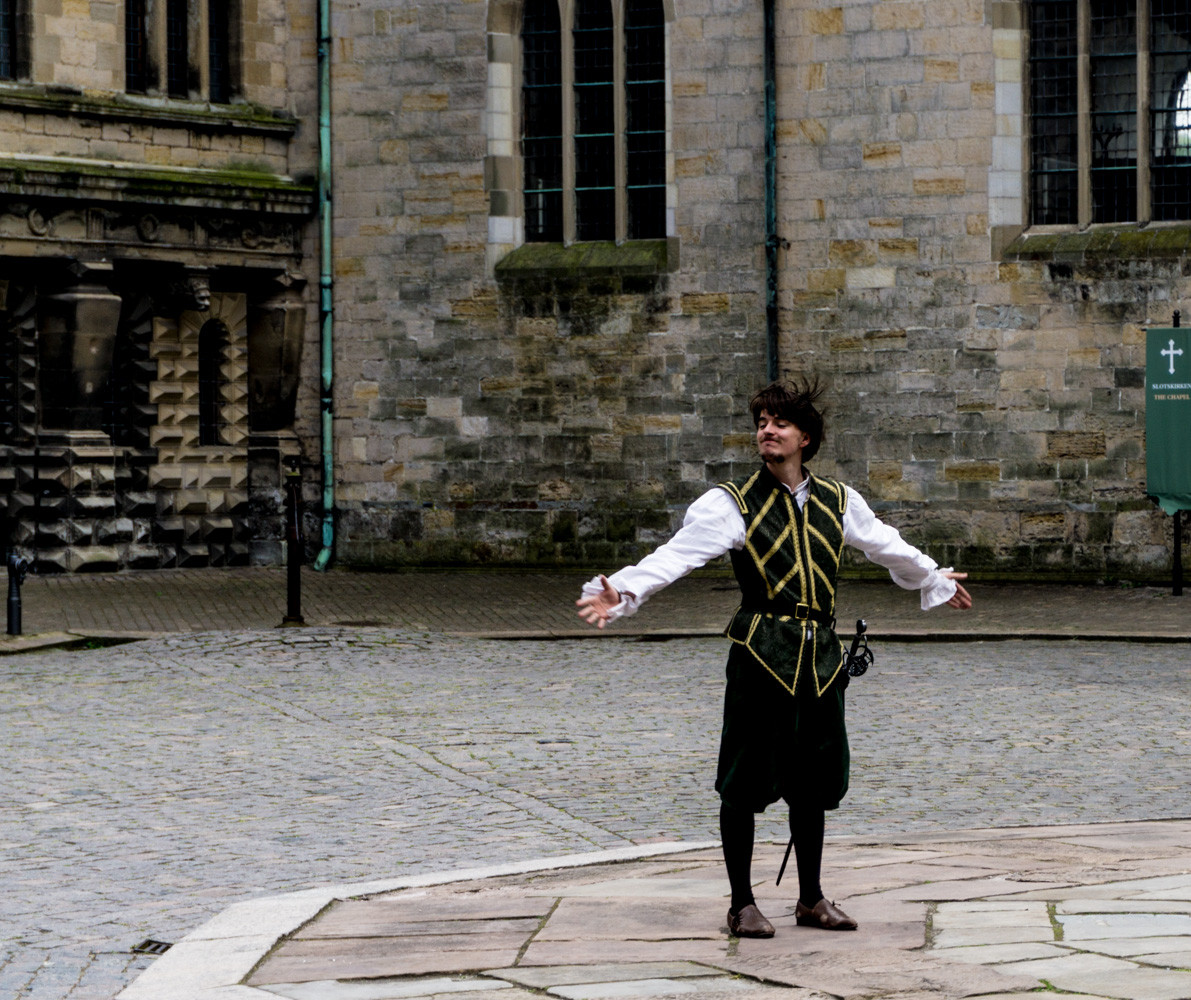 “
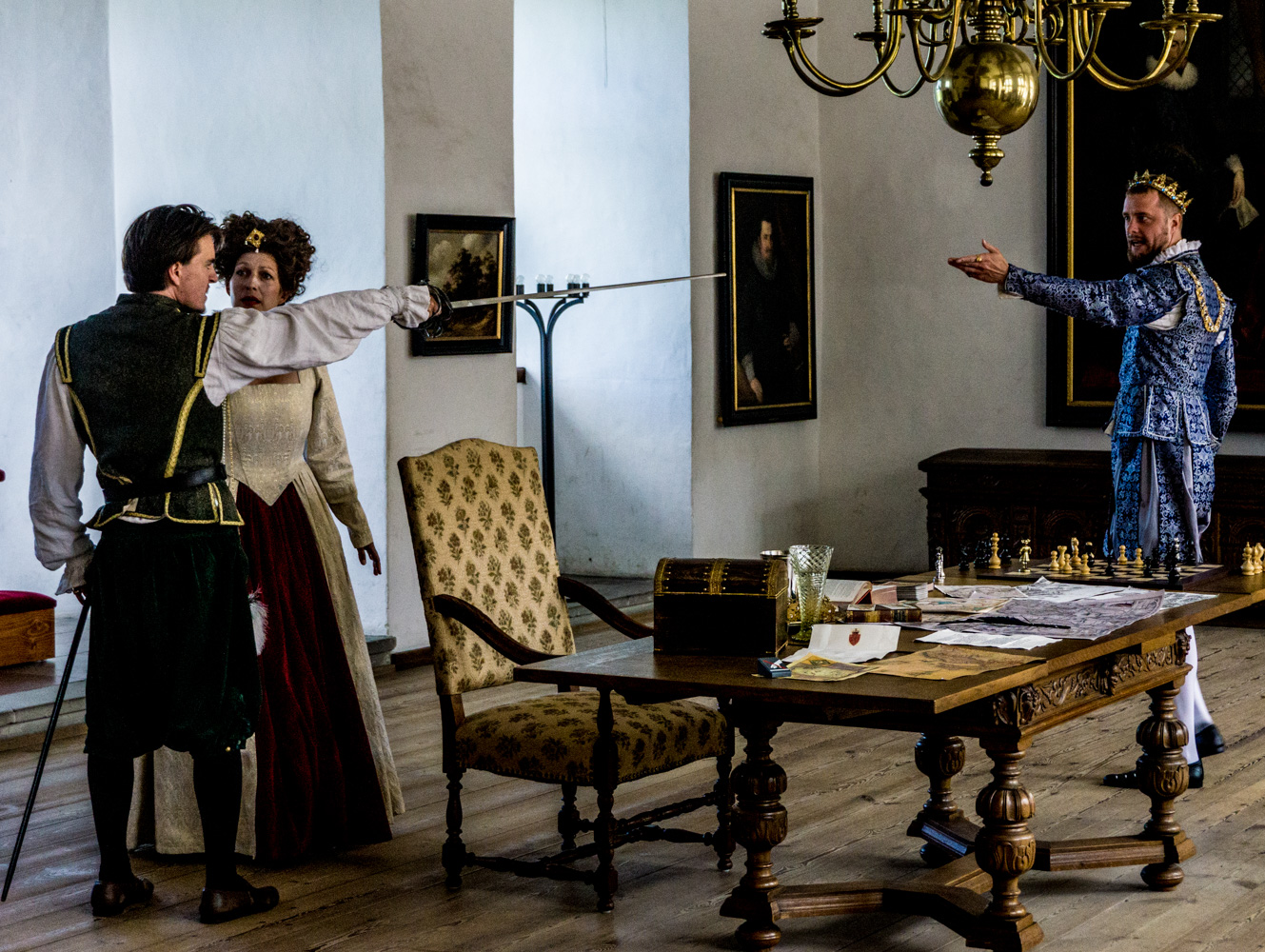
“
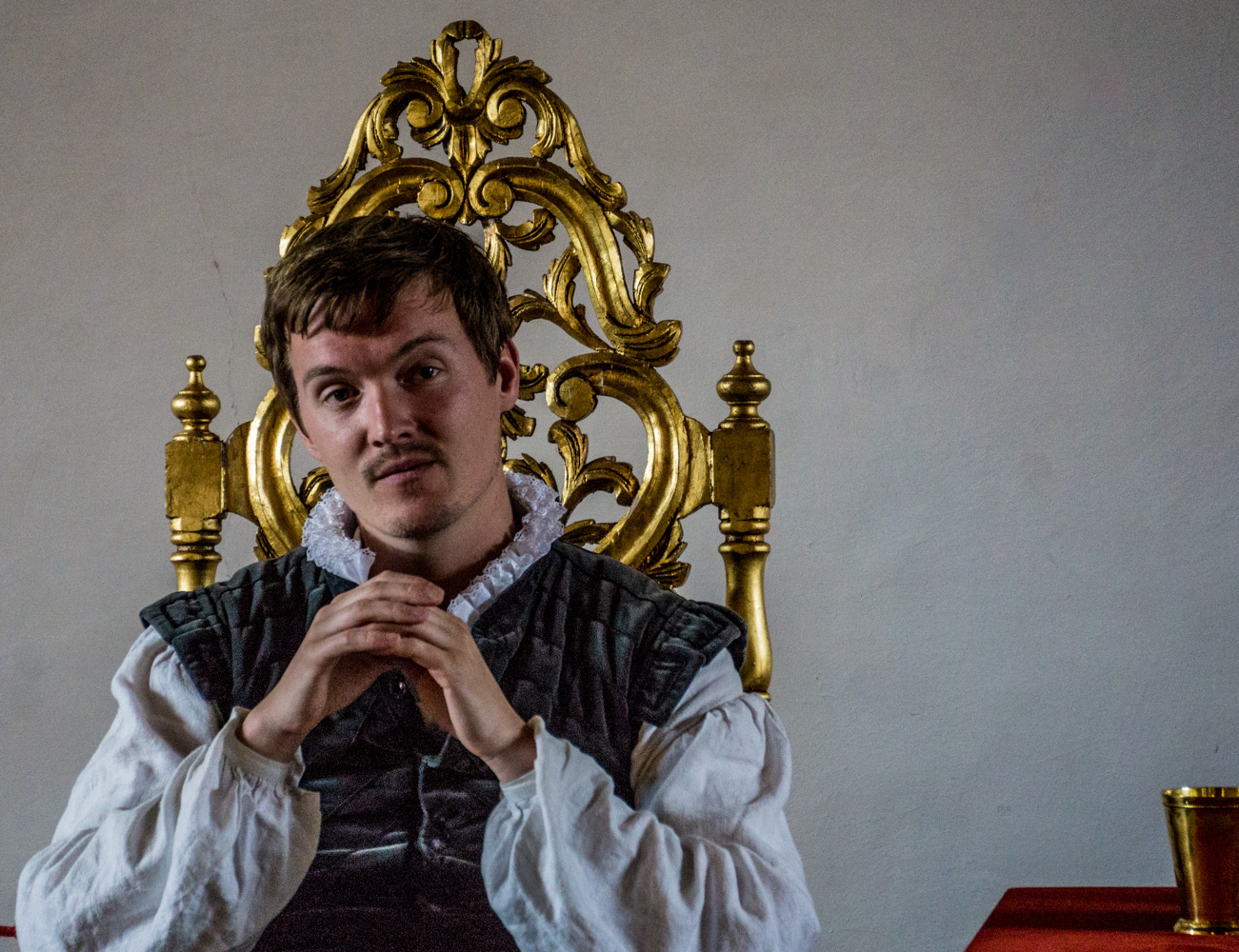

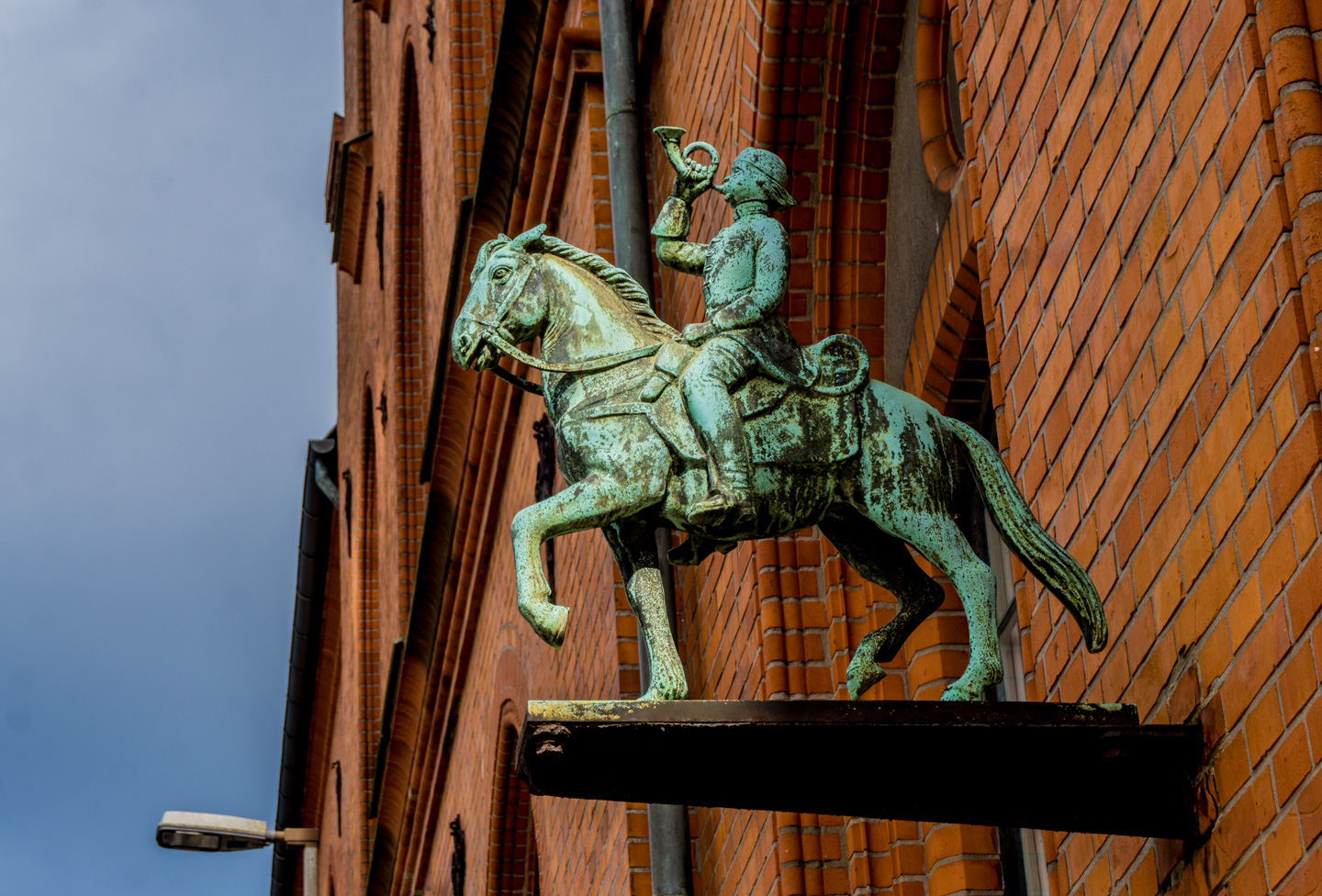 Hop one of the convenient trains from the central train station in Copenhagen and an hour later you’ll be visiting the town of Helsingor in Northern Zealand.
  Kulturhavn Kronborg is an area dedicated to the arts, live music, theatre and art all play a part in the culture of the region.
  This fish sculpture is made entirely out of garbage found in the bay. Look clsely and you’ll find everything from plastic beach pails to hubcaps to watering cans to children’s toys. All items that were tossed in the water and retrieved for art.
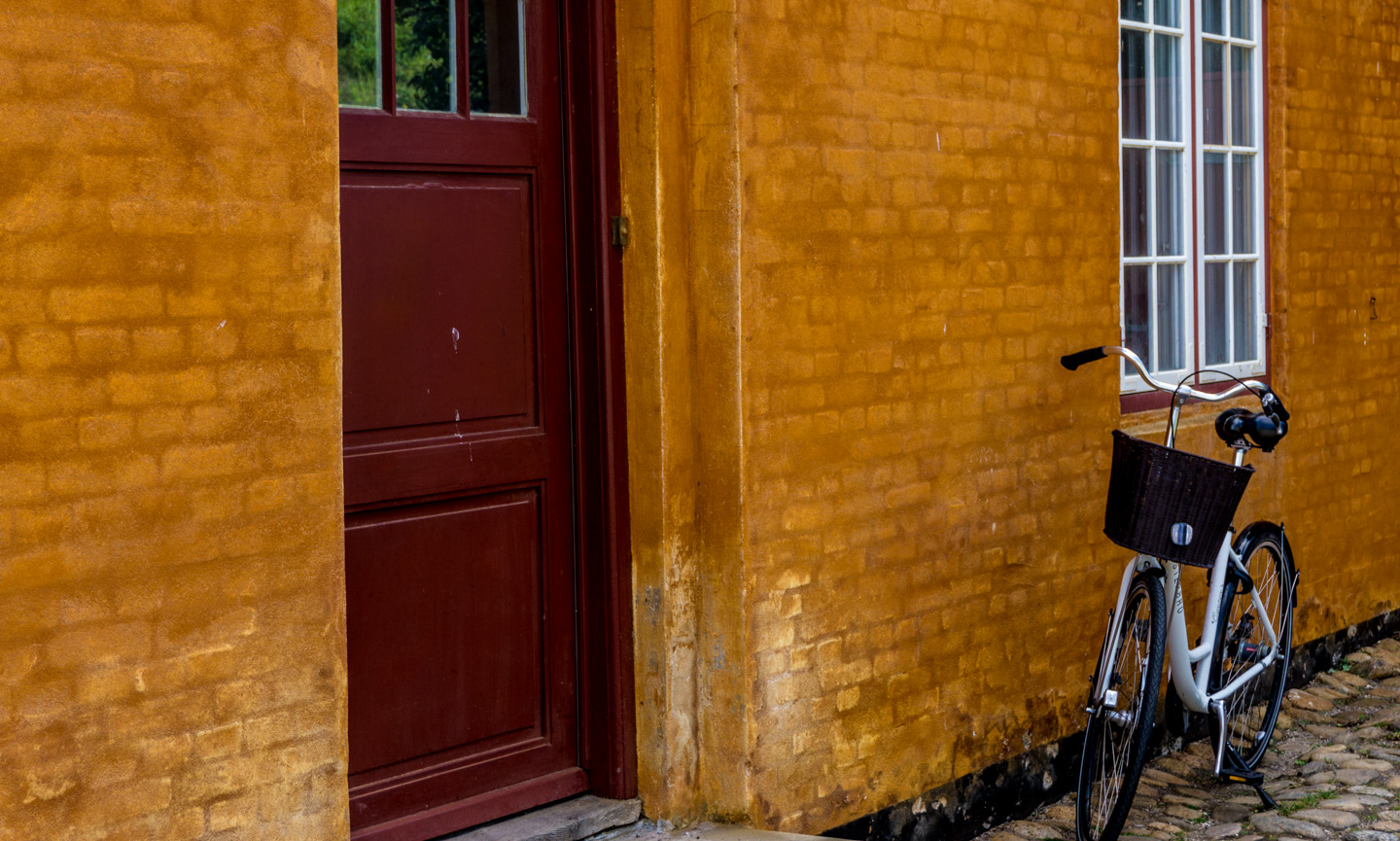
  The narrow cobblestone streets are perfect from exploring on foot or on bike.
  Han, Danish for Him, is the little brother of Copenhagen’s Little Mermaid. Artists Elmgreen & Dragset use the same pose as his more famous sibling, but he has 2 legs instead of a tail. If you watch closely, Han’s eyes blink for a split second once every hour as he stares out into the harbor.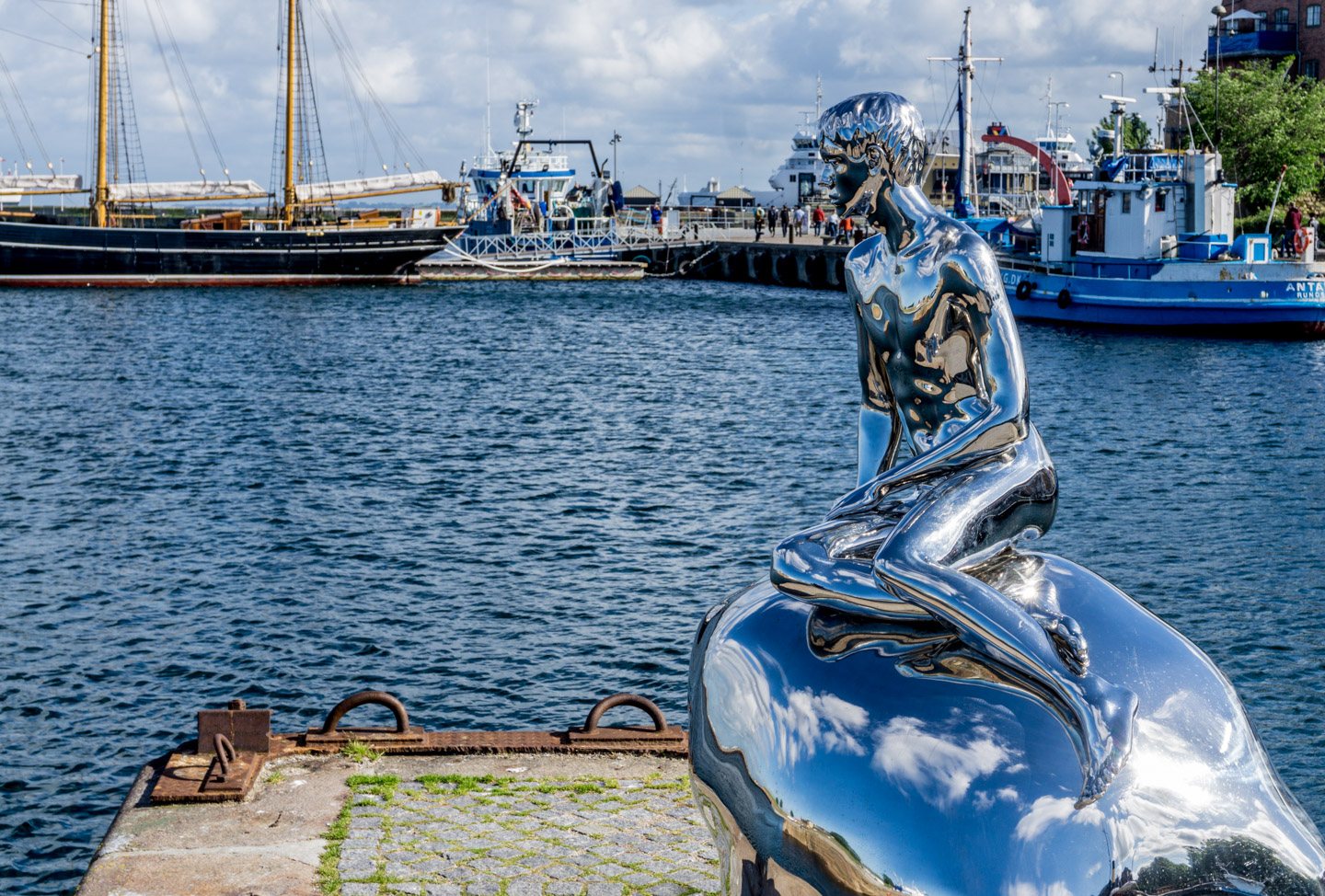
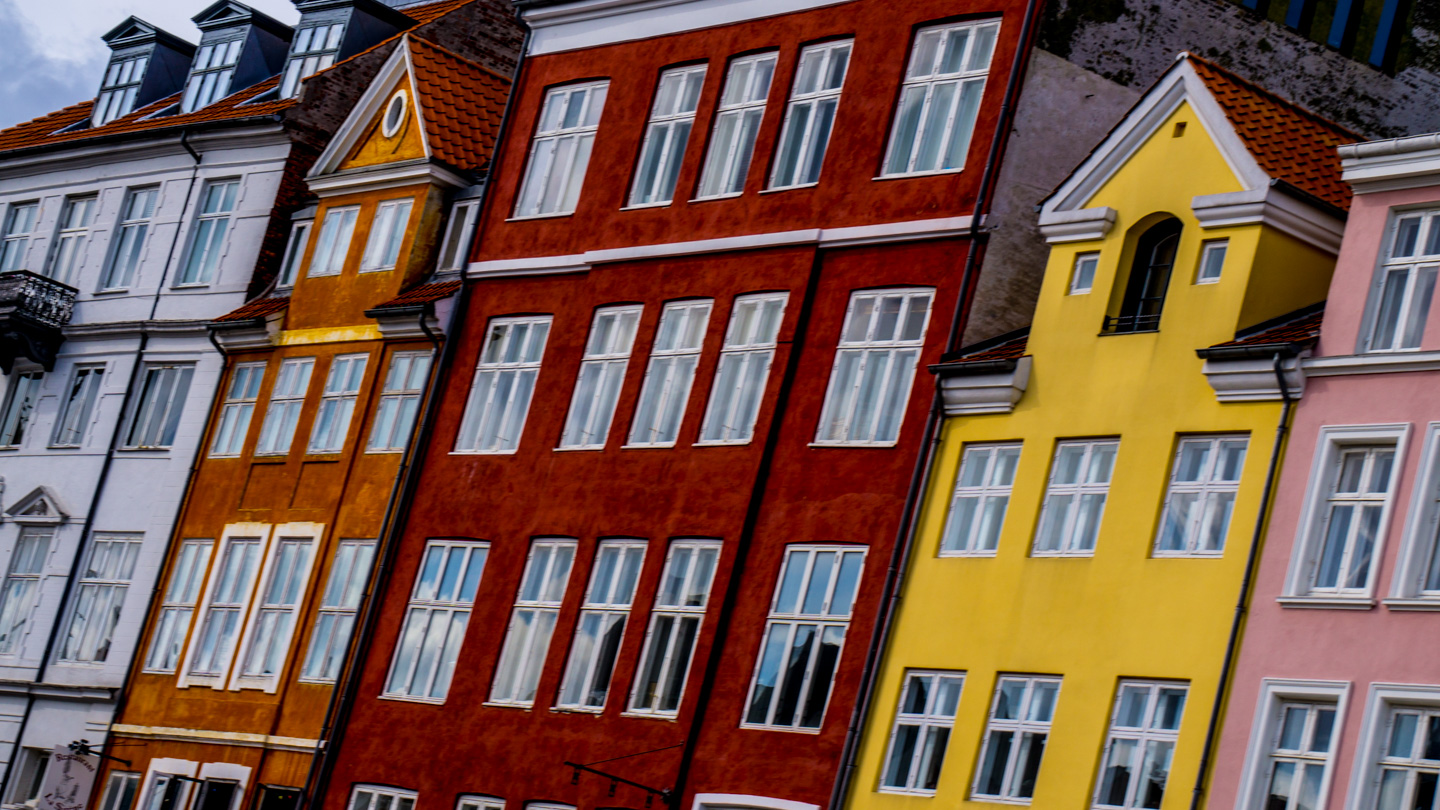
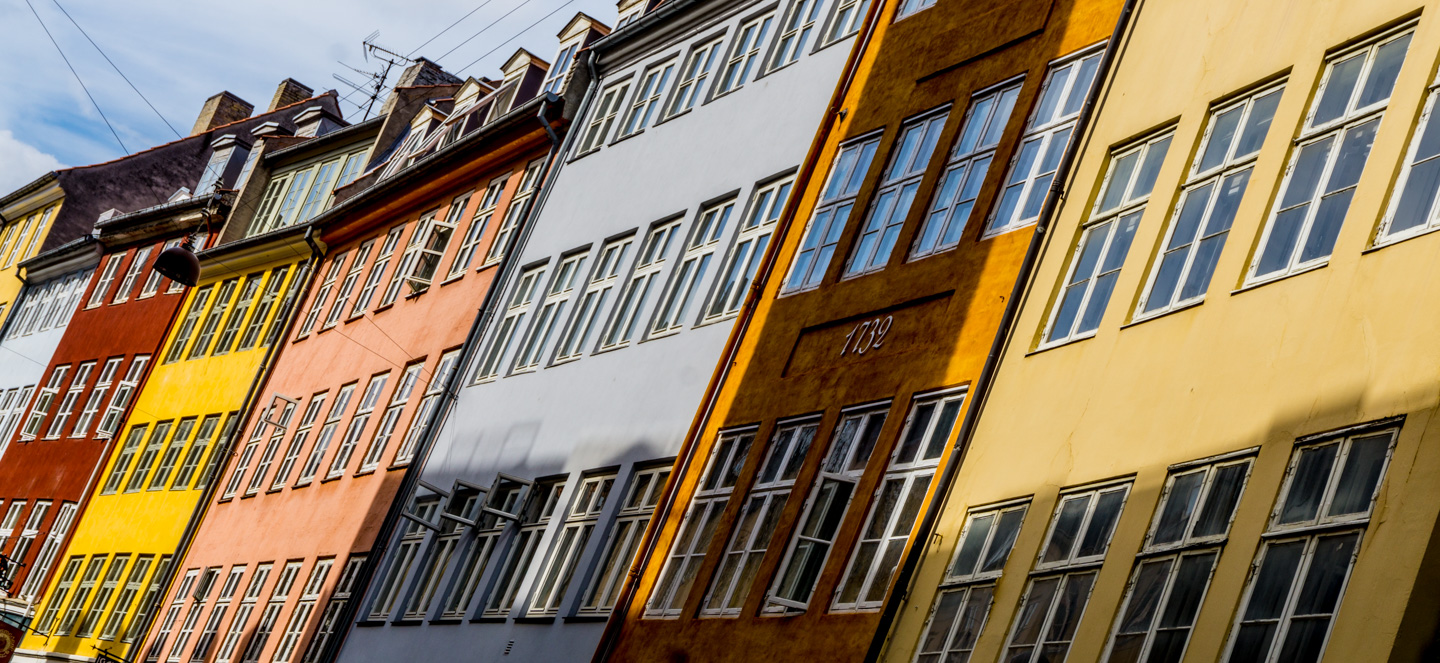 The brightly colored buildings are home to restaurants, shops and clubs. Once a notorious red light district, activities today range from getting a new tattoo to cruising along the canals on a flat boat.
 At one time the area was frequented by sailors who came for the seedy taverns and loose women. Today, the area is a vibrant neighborhood where you can enjoy one of the bars and restaurants or purchase a bottle of wine and sit on the wall overlooking the canal. This stretch is referred to as the longest bar in Scandanavia.
 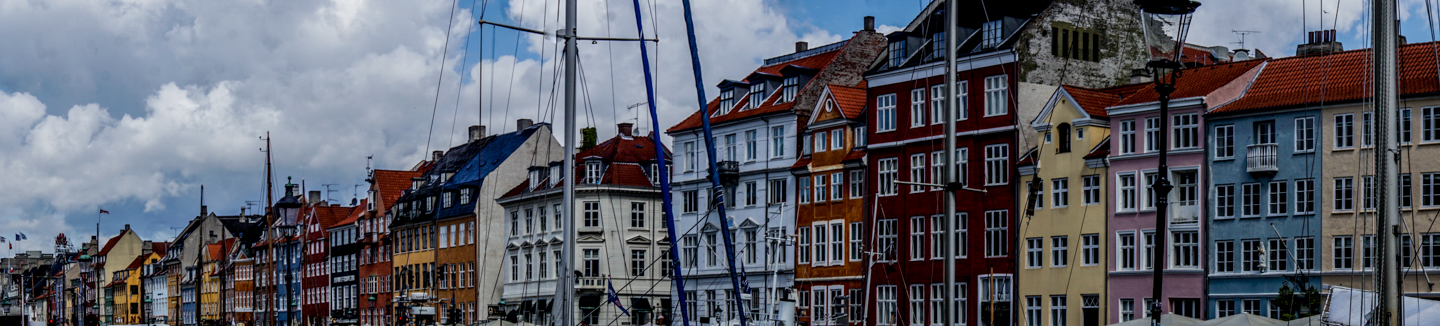 In the old days, the neighborhood was split into the Sunny Side and The Shady Side. Today both sides are family friendly.
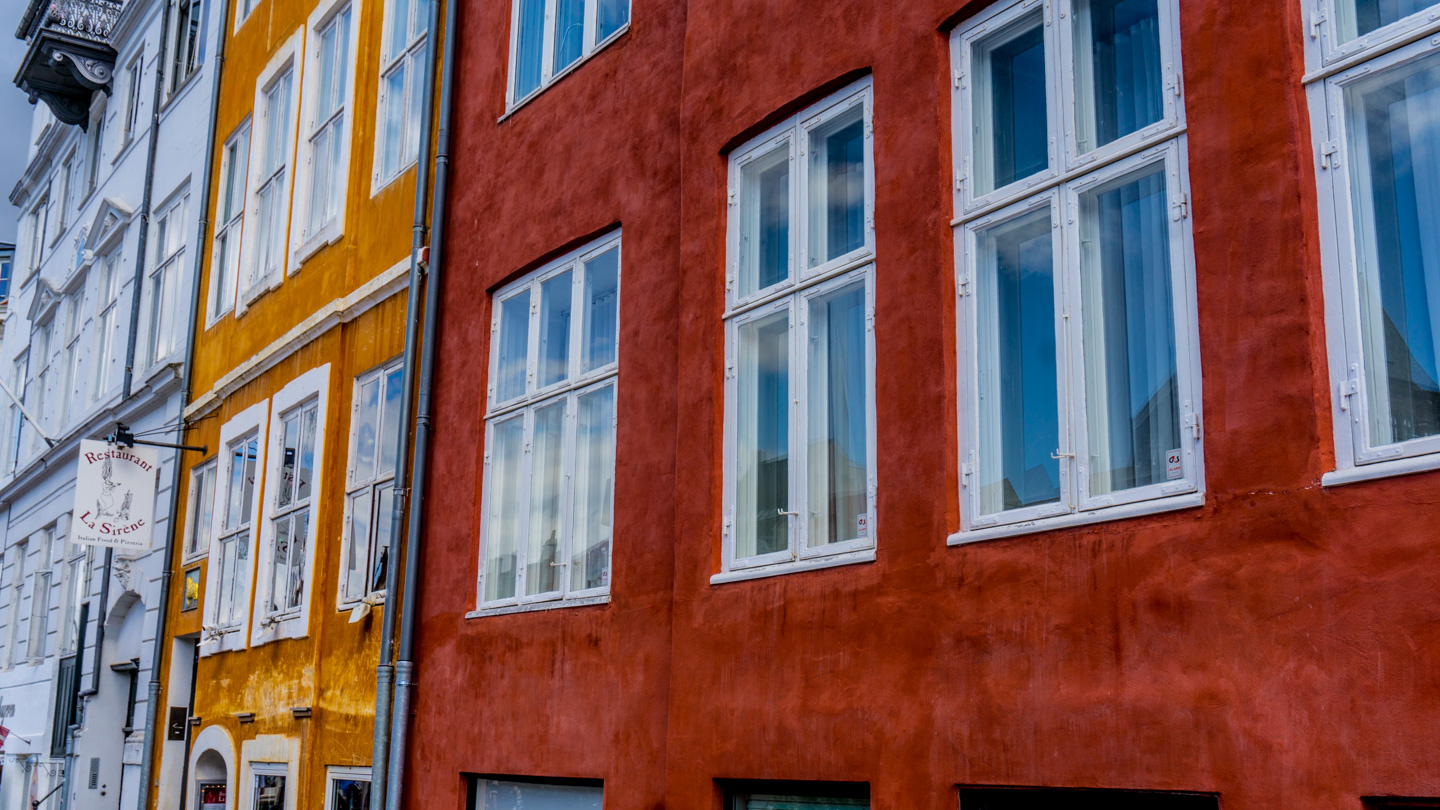 One of the unique restaurants is called KOMPASSET (The Compass) – the building used to house several manufacturers of compasses. KOMPASSET features a menu of smørrebrød/open sandwiches and craft beers from local breweries.
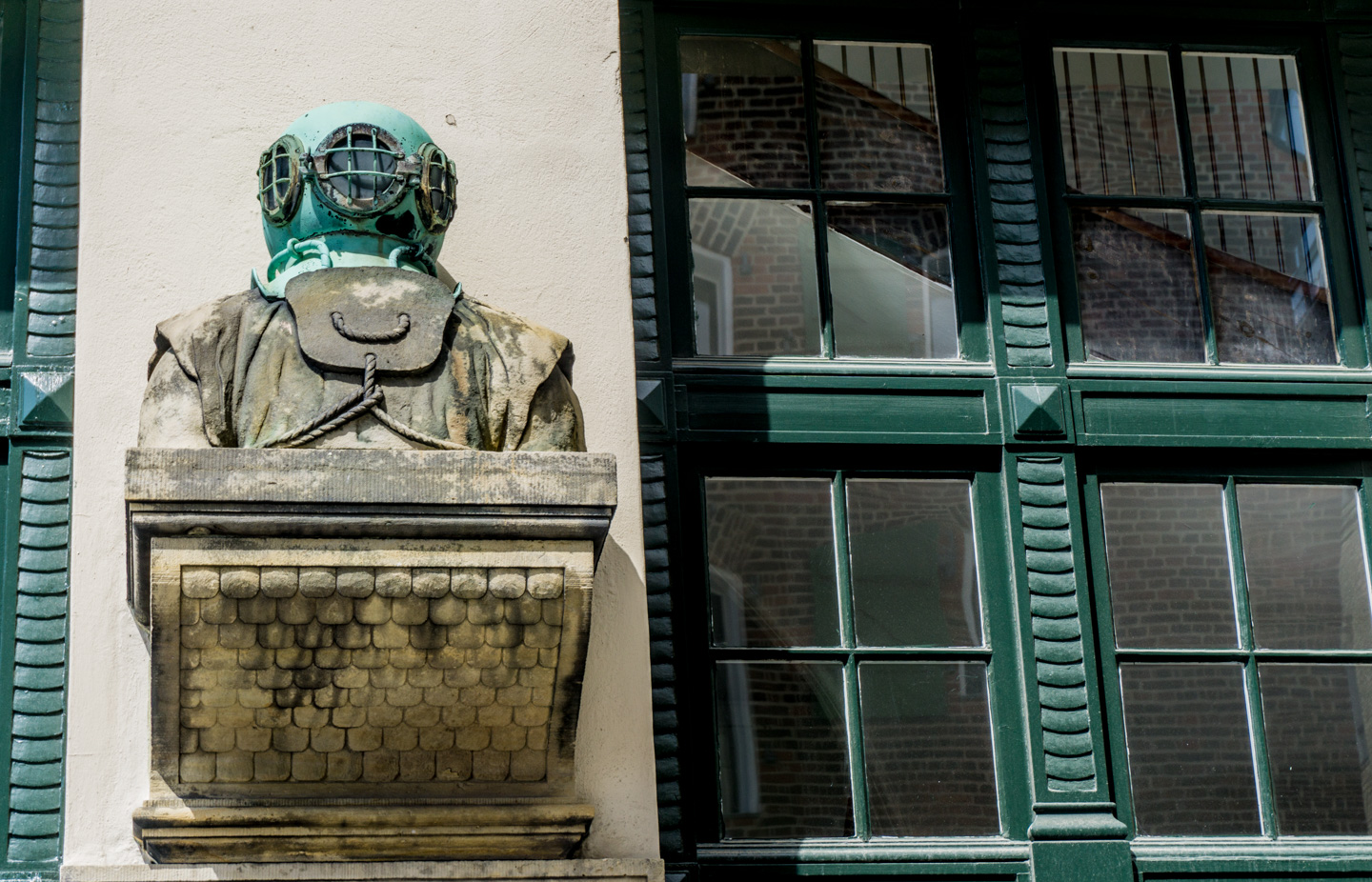
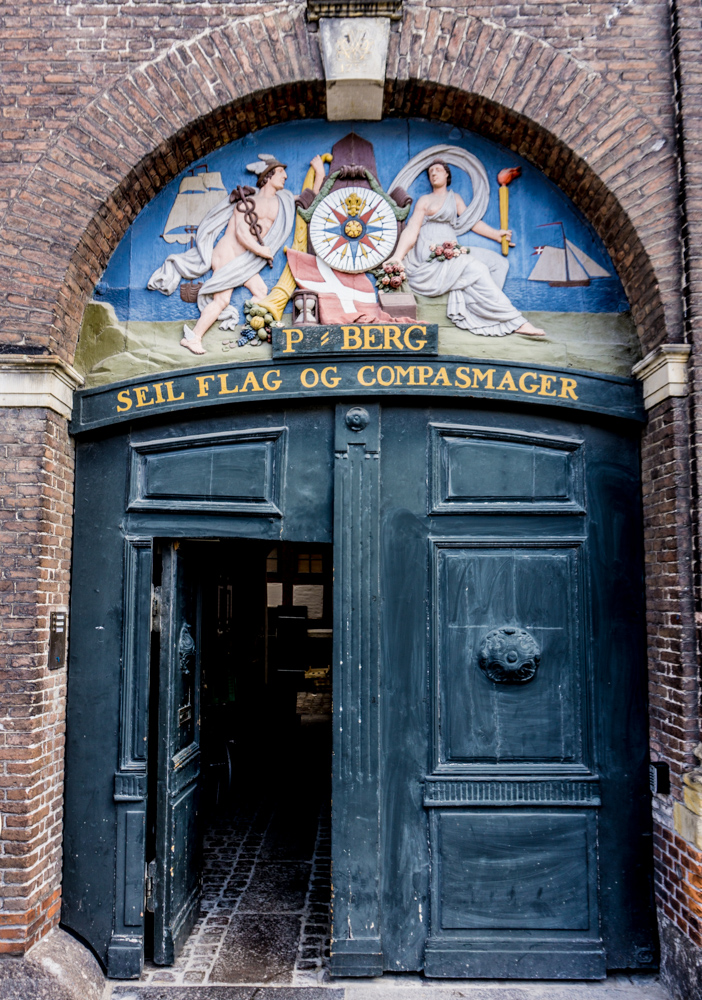 As you walk along the waterfront, don’t forget to look up. This building features a diving helmet as a monument to Em. Z. Svitzer Bjergnings Enterprise, a marine salvage company.
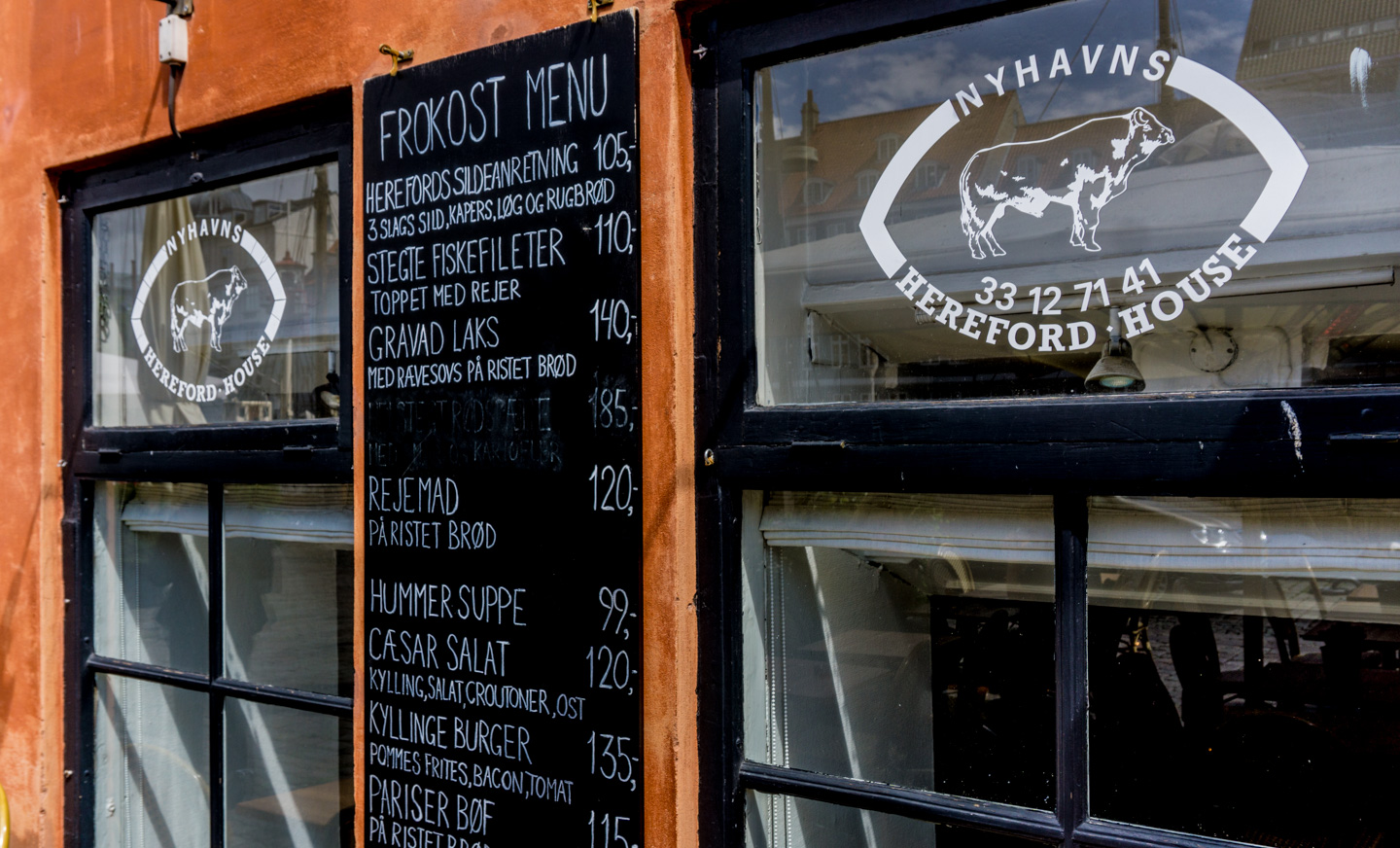
 In the mood for a burger, try Hereford House, but don’t be surprised at the price. A burger and beer can set you back more than $20 USD.
 For the adventurous drinker, the ideal place to order a shot of Fisk “Fisherman’s Friend” vodka, Ga-Jol liquorice vodka, Akvavit or Gammel Dansk is the Fisken Pub. Located in the basement of the Skipperkroen Restaurant, the abundance of nautical decor gives you the feeling of what it may have been like to visit here 350 years ago.
 Hyttefadet is a good little restaurant for a quick Danish lunch of an open faced salmon sandwich and a beer. Sit back and watch the world go by.
  Nyhavn 17 is a more elegant dining choice.
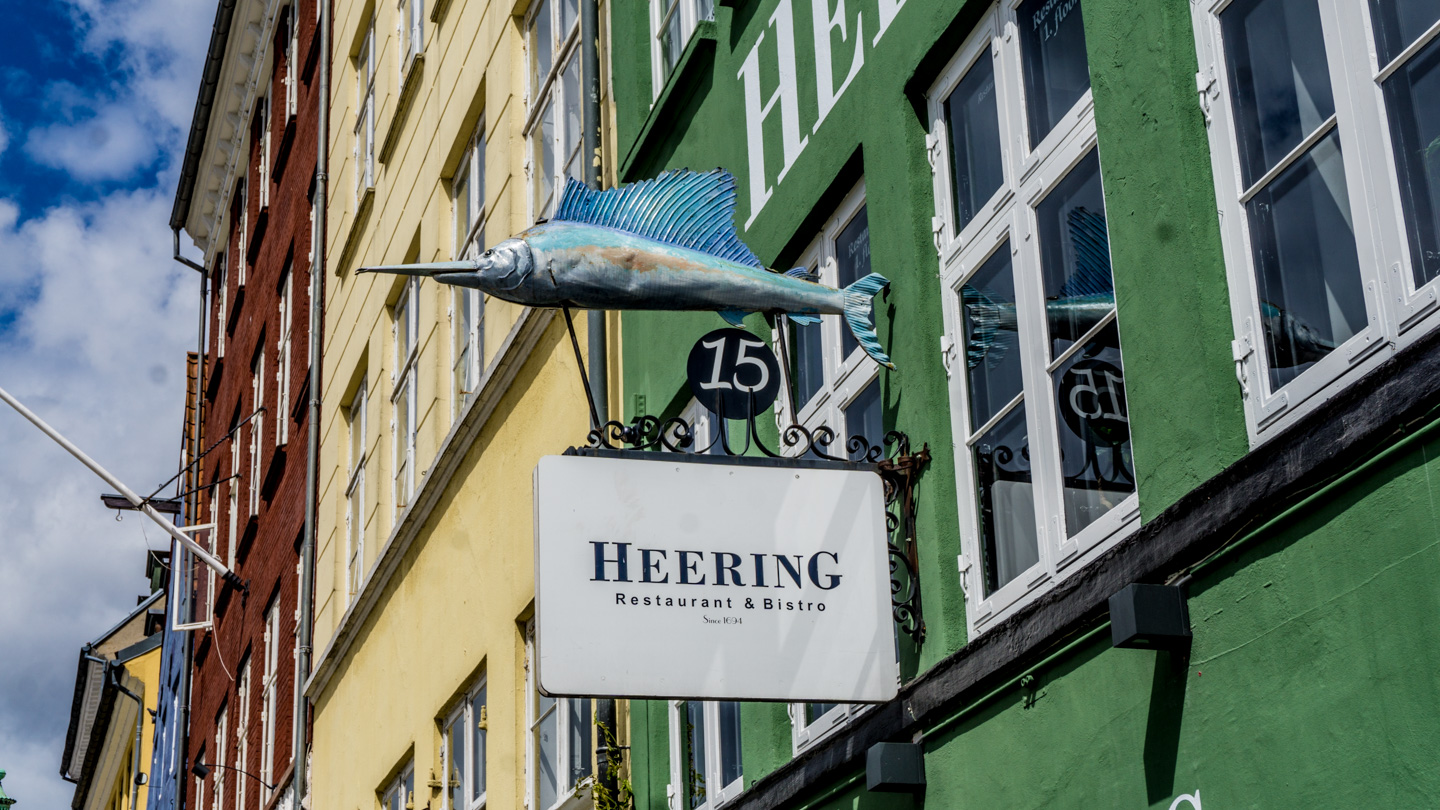
  Heering is a cozy restaurant, known for traditional Danish entrees as well as European Bistro specialties. The inside is very small and don’t be surprised if your dinner is interrupted by servers poking you to move out their way as you eat.
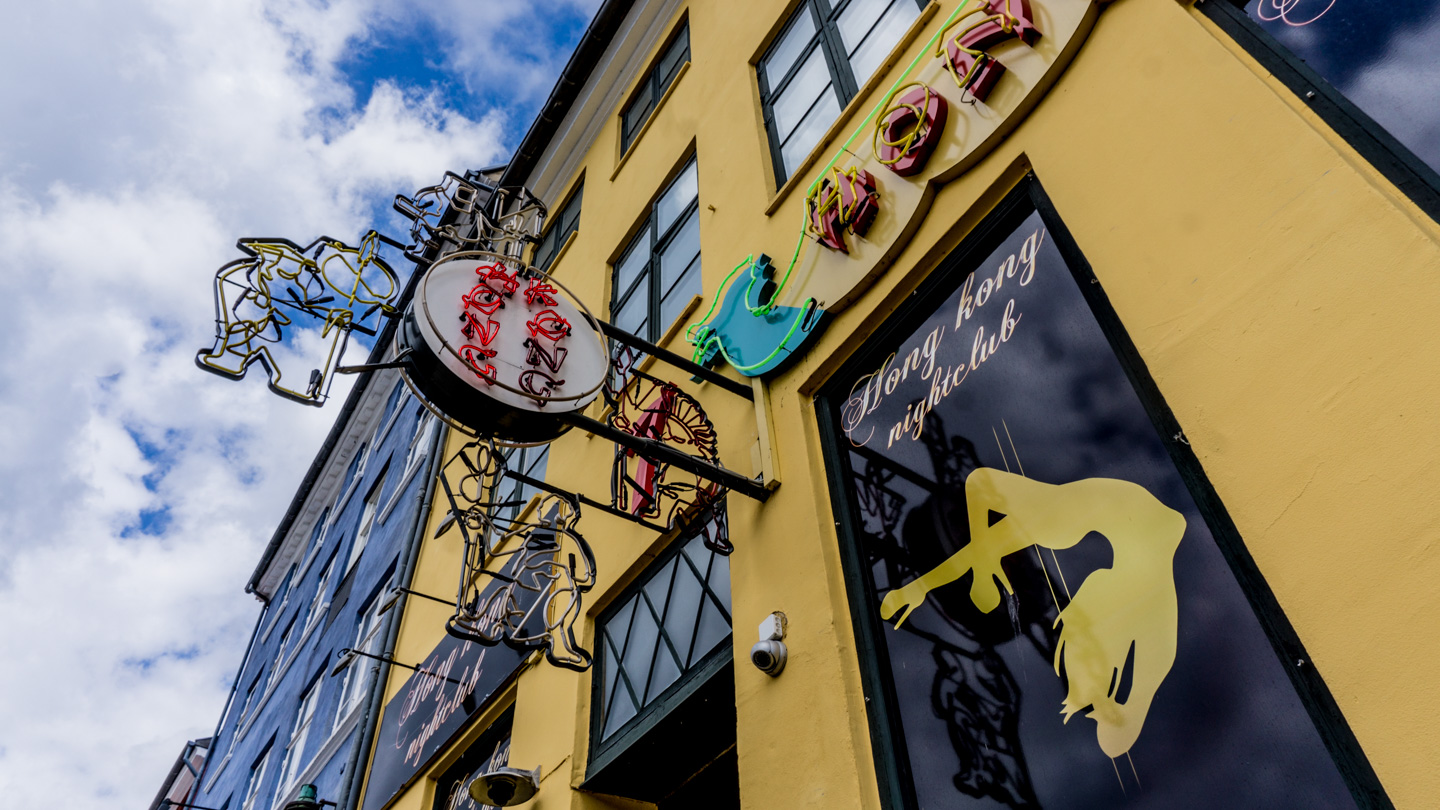
 Hong Kong is one of the old school strip clubs and bars in Copenhagen. If you’re looking for a local dive bar with a rough clientele, this may be the spot for you.
 If you visit Copenhagen, a trip to Nyhavn is well worth a few hours of your time.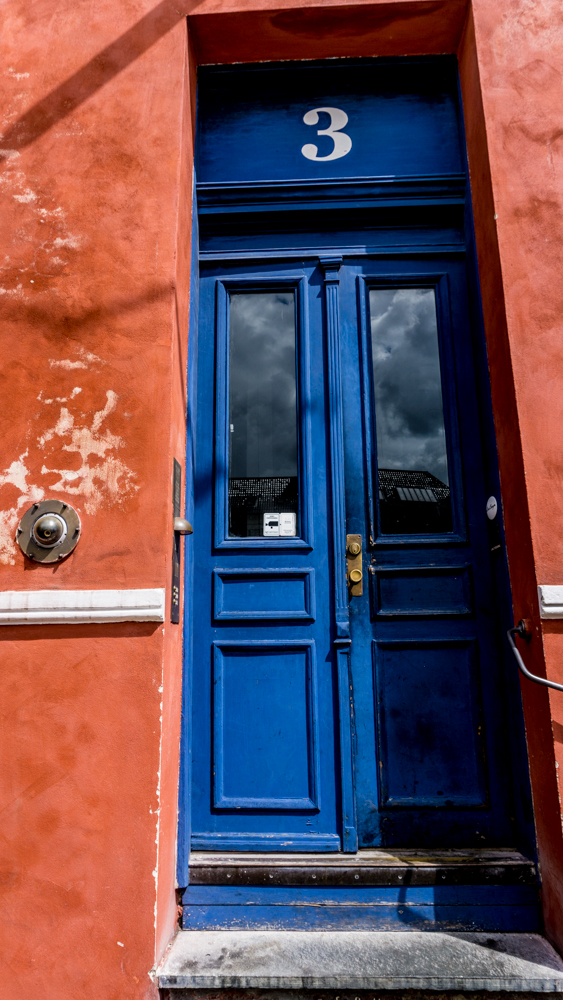
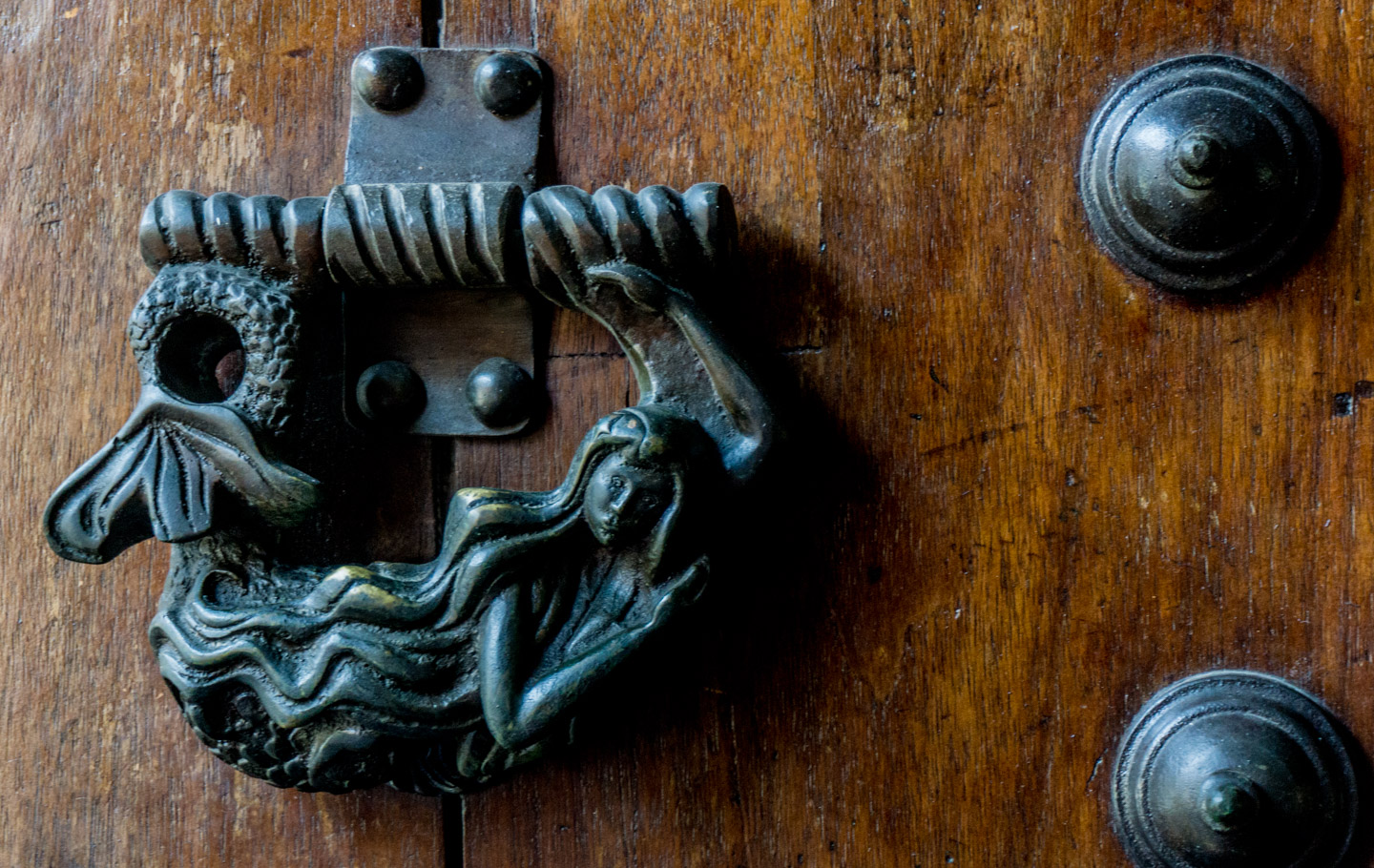
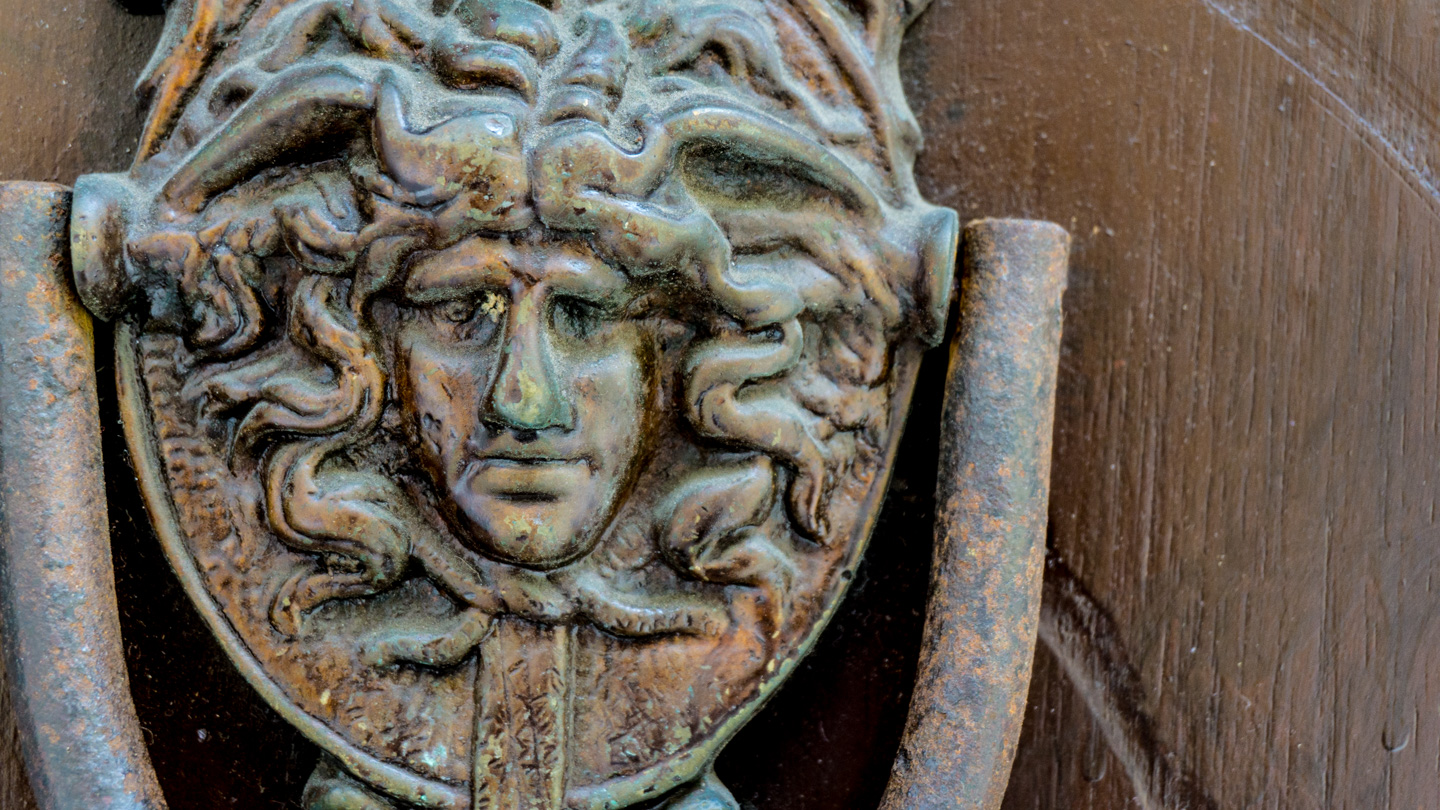 Nautical motifs that feature creatures of the sea such as fish and mermaids were used by families that made their living by the sea. Usually as merchants importing goods into the New World or traders.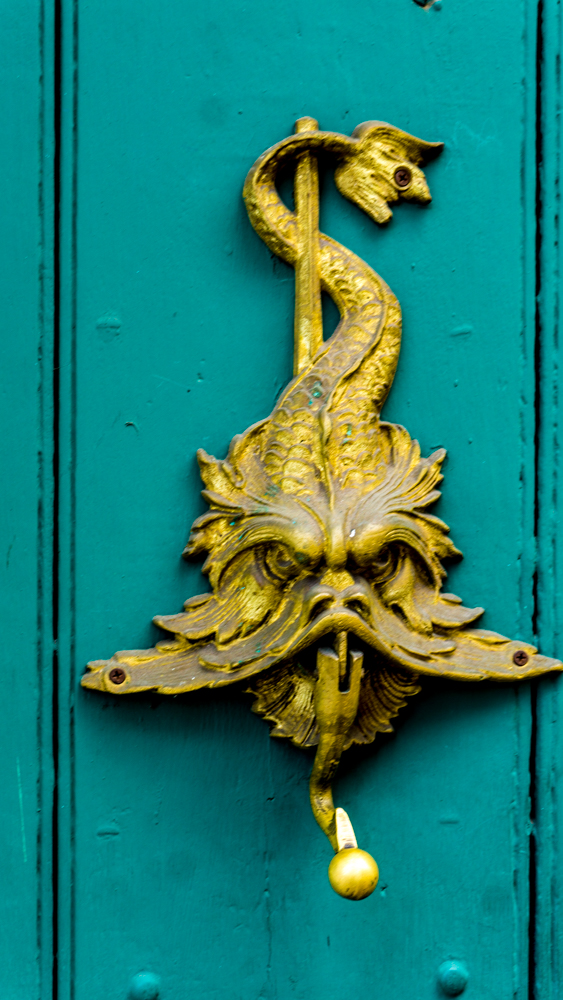
 Lions were the symbol of the military. It is the epitome of strength, pride and power. The protectors of the city lived behind these doors.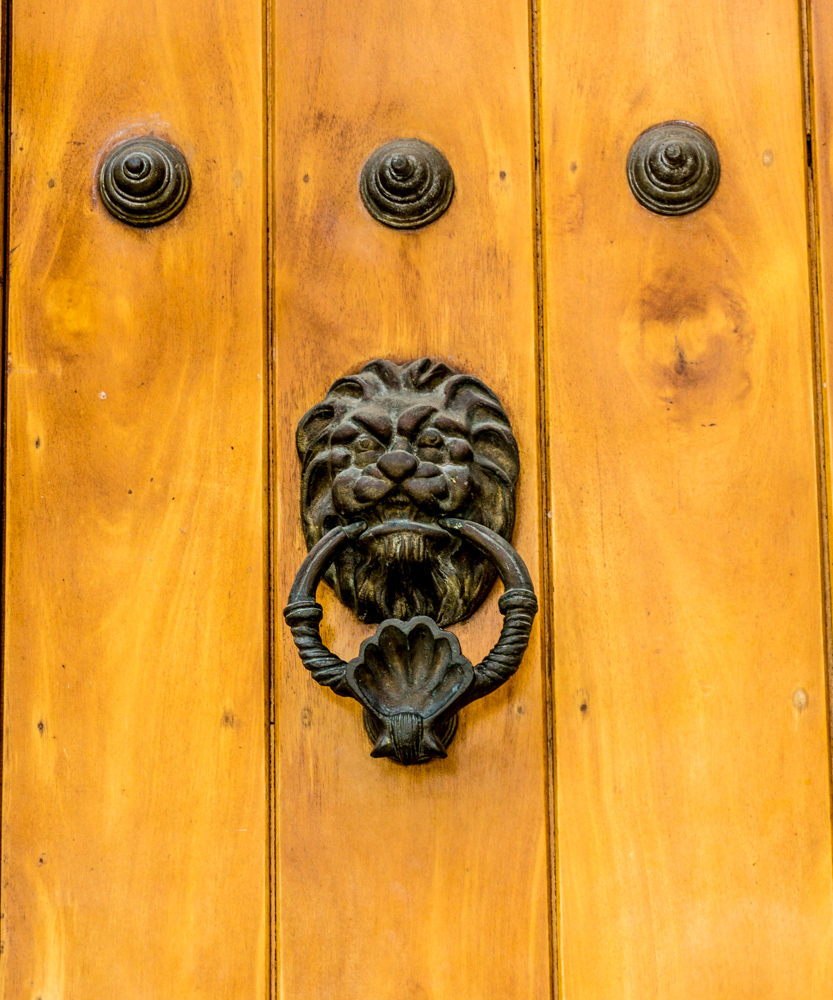
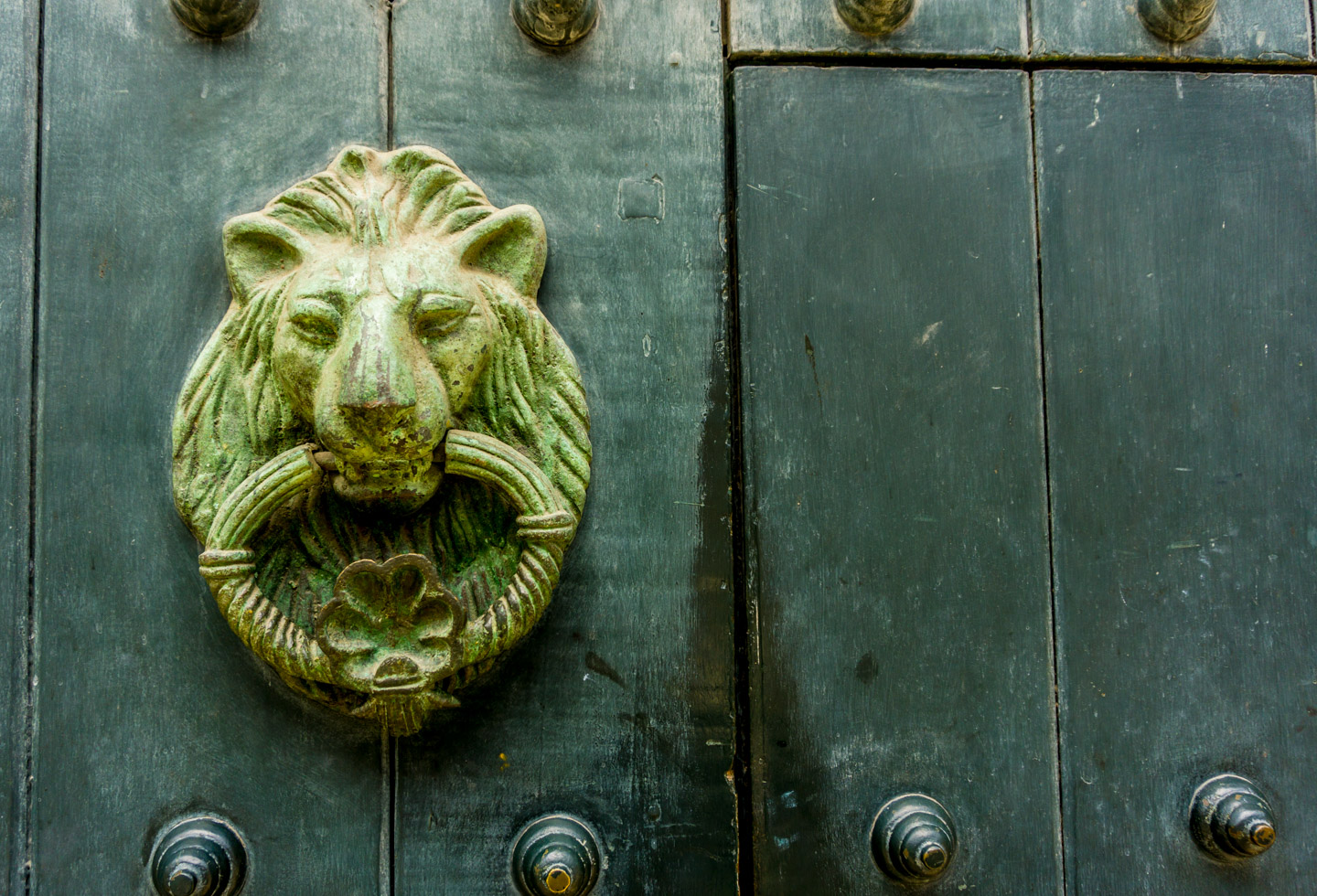
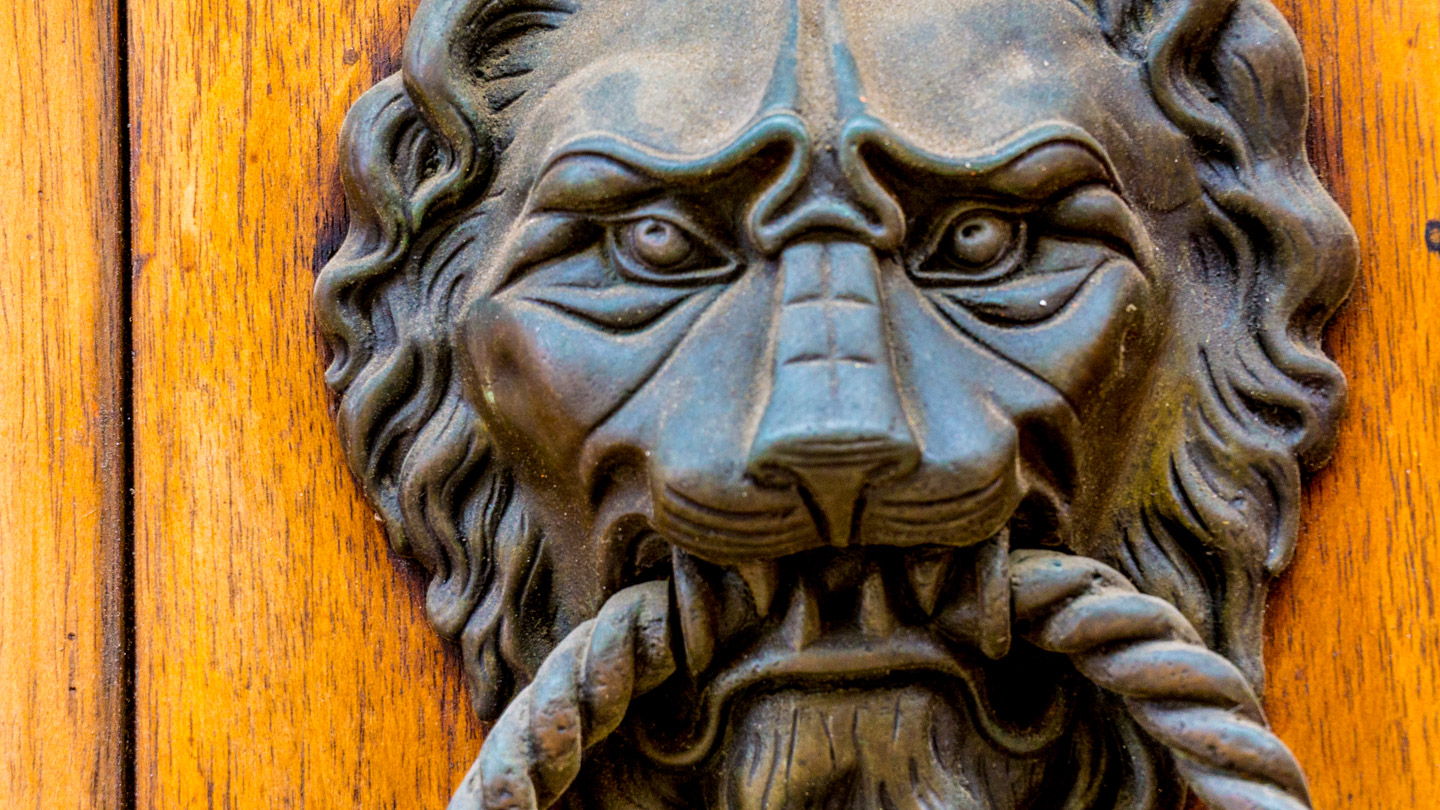 Aldabas shaped like lizards refer back to the country’s royalty. Families with these often were members of royal family or could produce a connetion to the royals.
 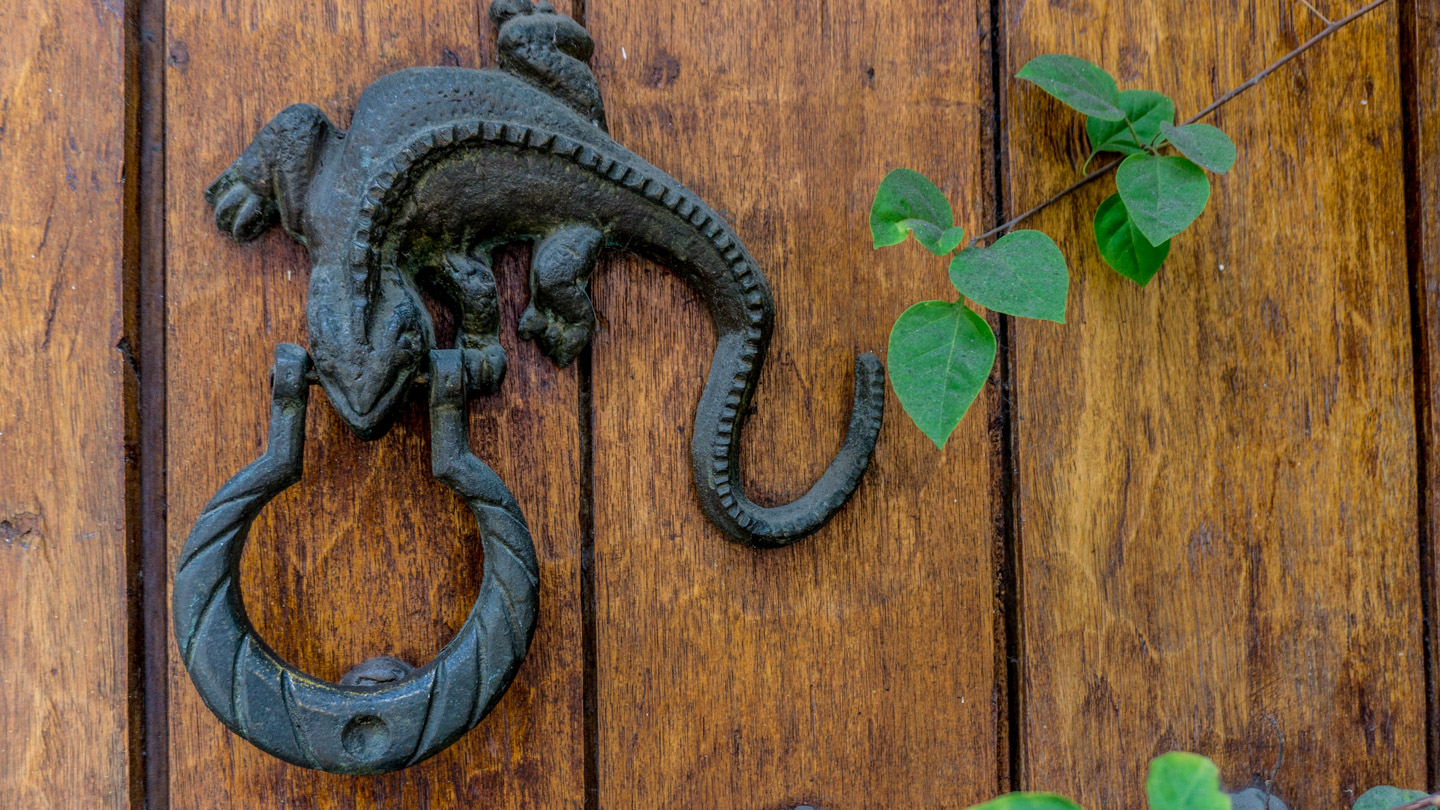 Both the size of the knocker and the material that it was made of, were also important indicators of the family’s status. The actual meaning of the different styles comes into question quite often. Where some say the Lion represents the military, others say it is meant for teachers. And if the lizard is truly a symbol of royalty, there must have been a huge royal family living in Cartegena based on the dozens of lizard aldabas that I saw. Any way you look at them, the aldabas are beautiful bits of decoration on some wonderful homes.
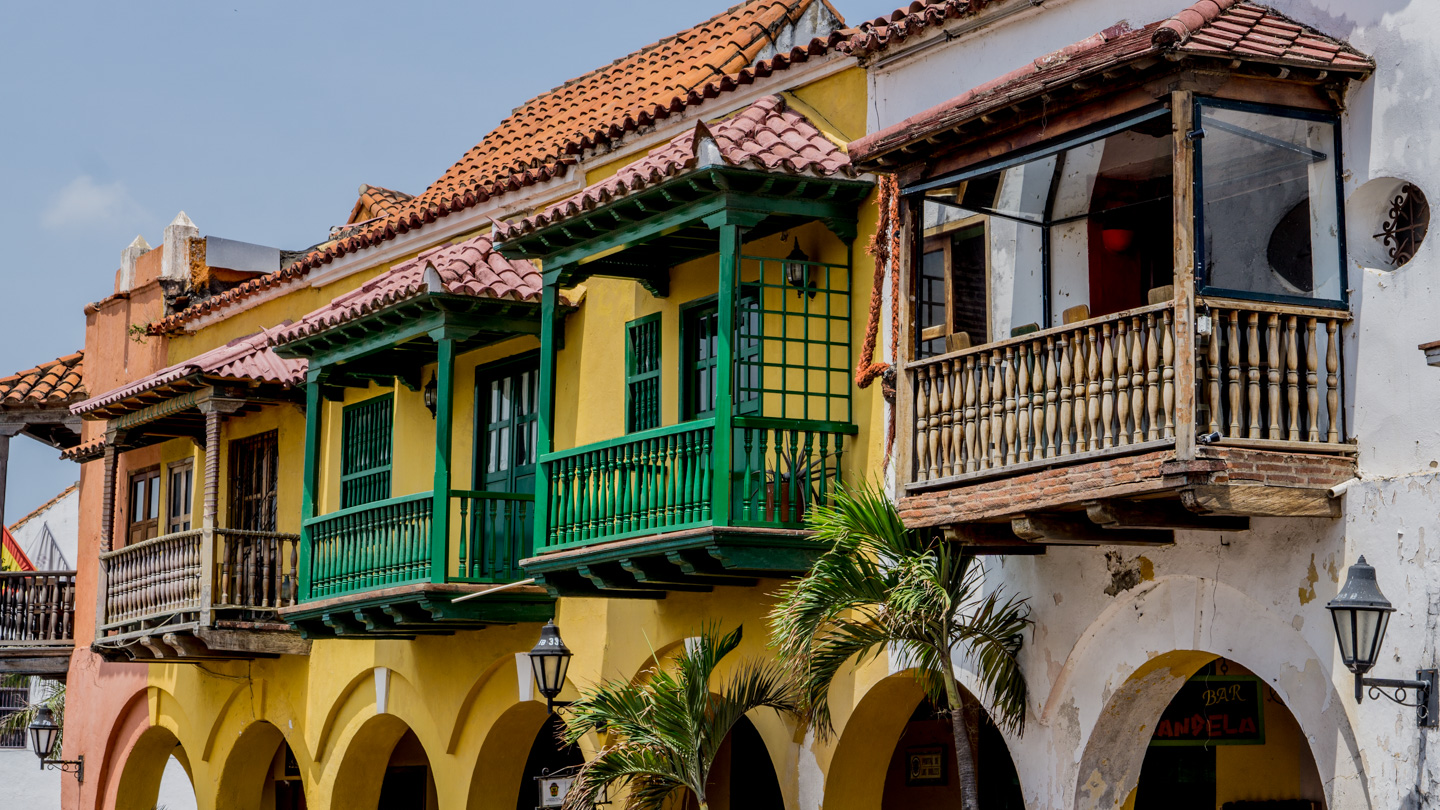
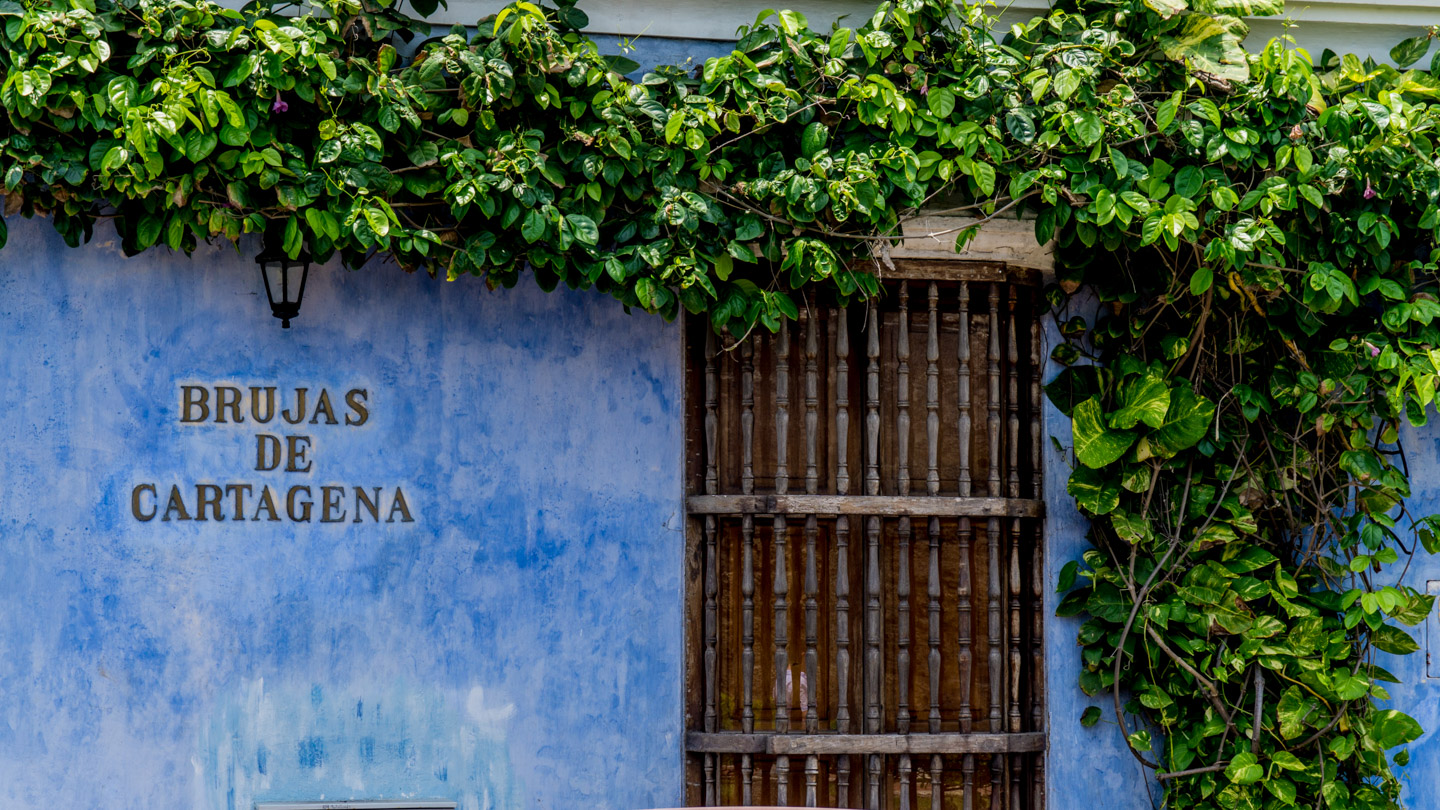
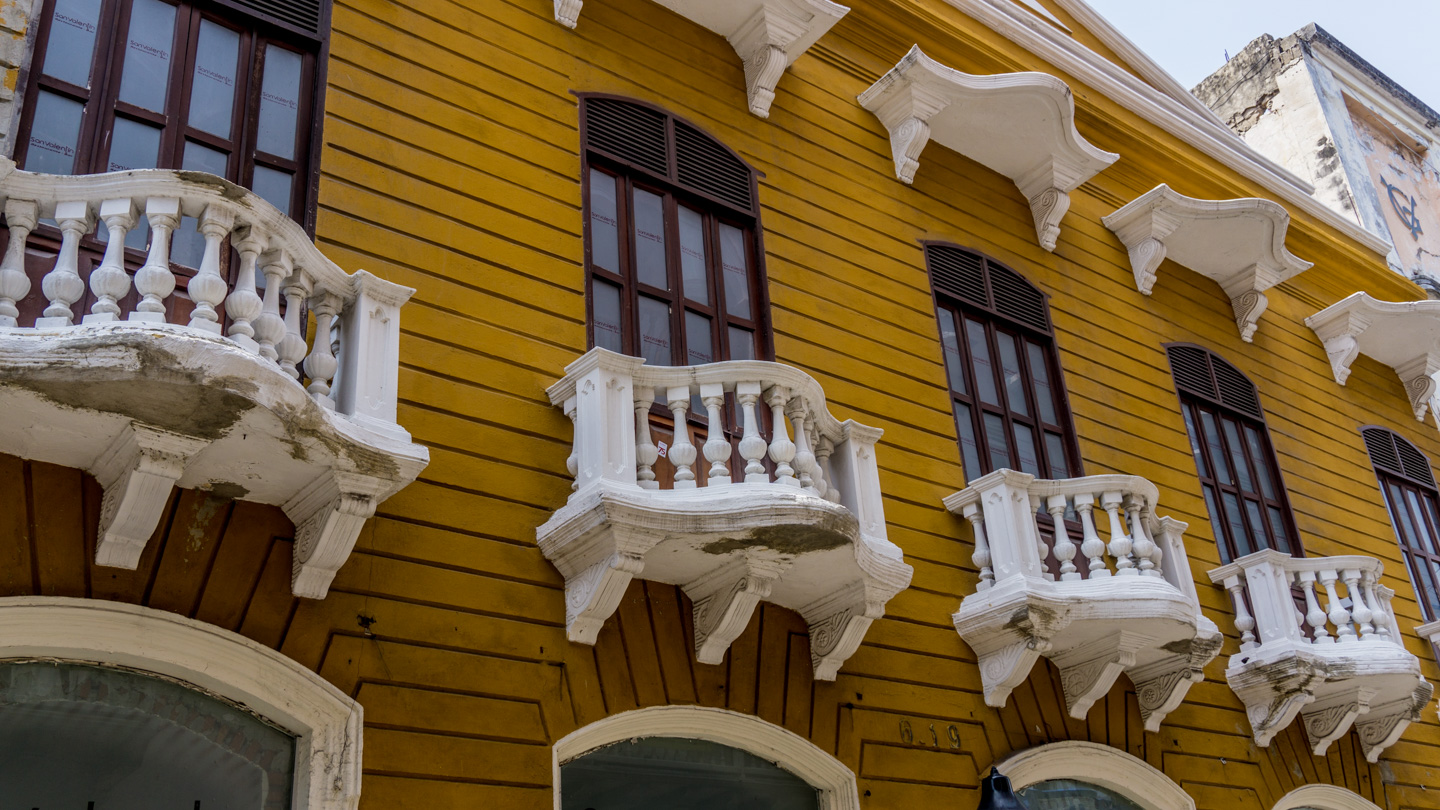
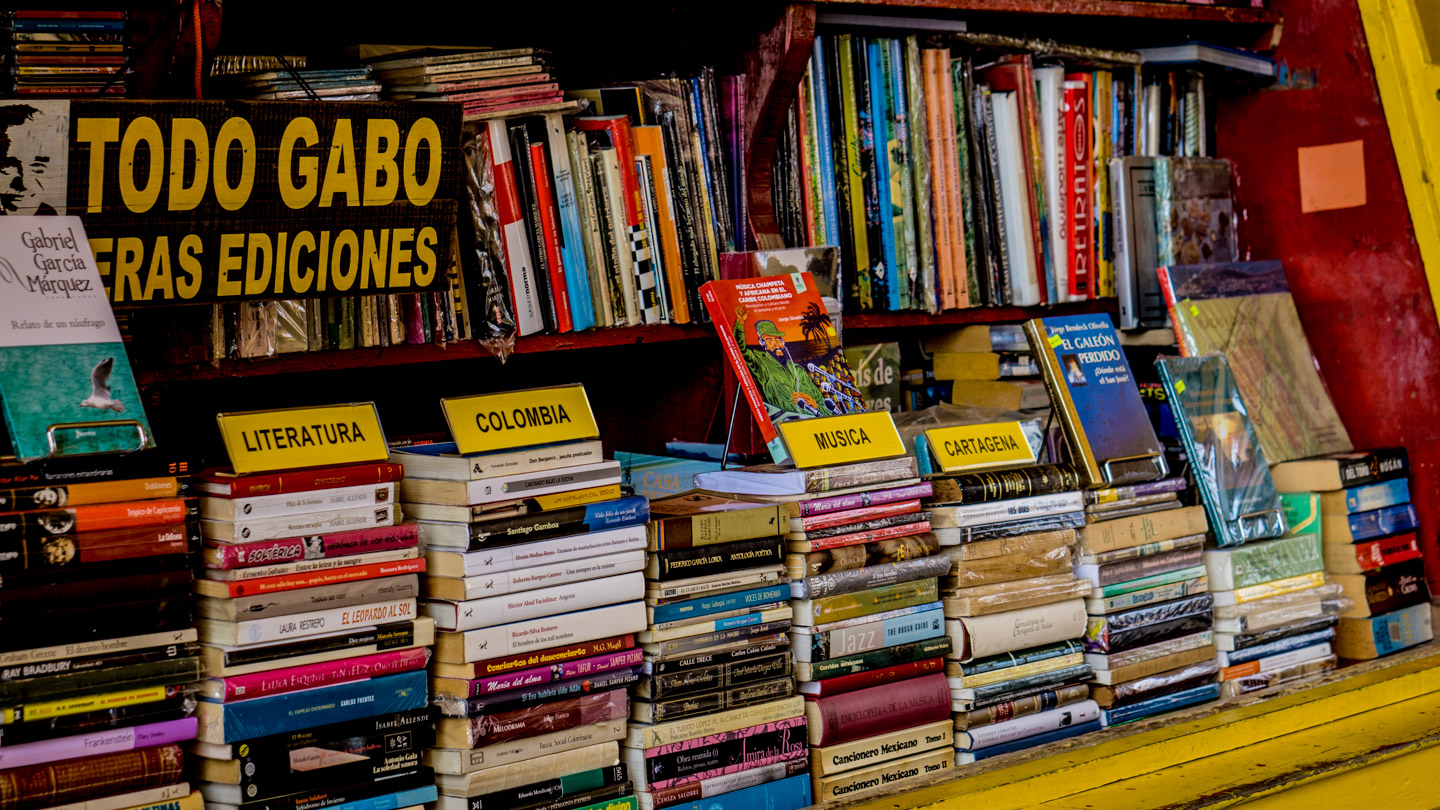 The thick walls of Las Murallas surround the Old Town. Originally built to keep out enemies, Las Murallas is in remarkable condition. Even though there are numerous guide books on Cartagena, it is better to just wander about. Colorful buildings line the streets with their open patios and balconies.
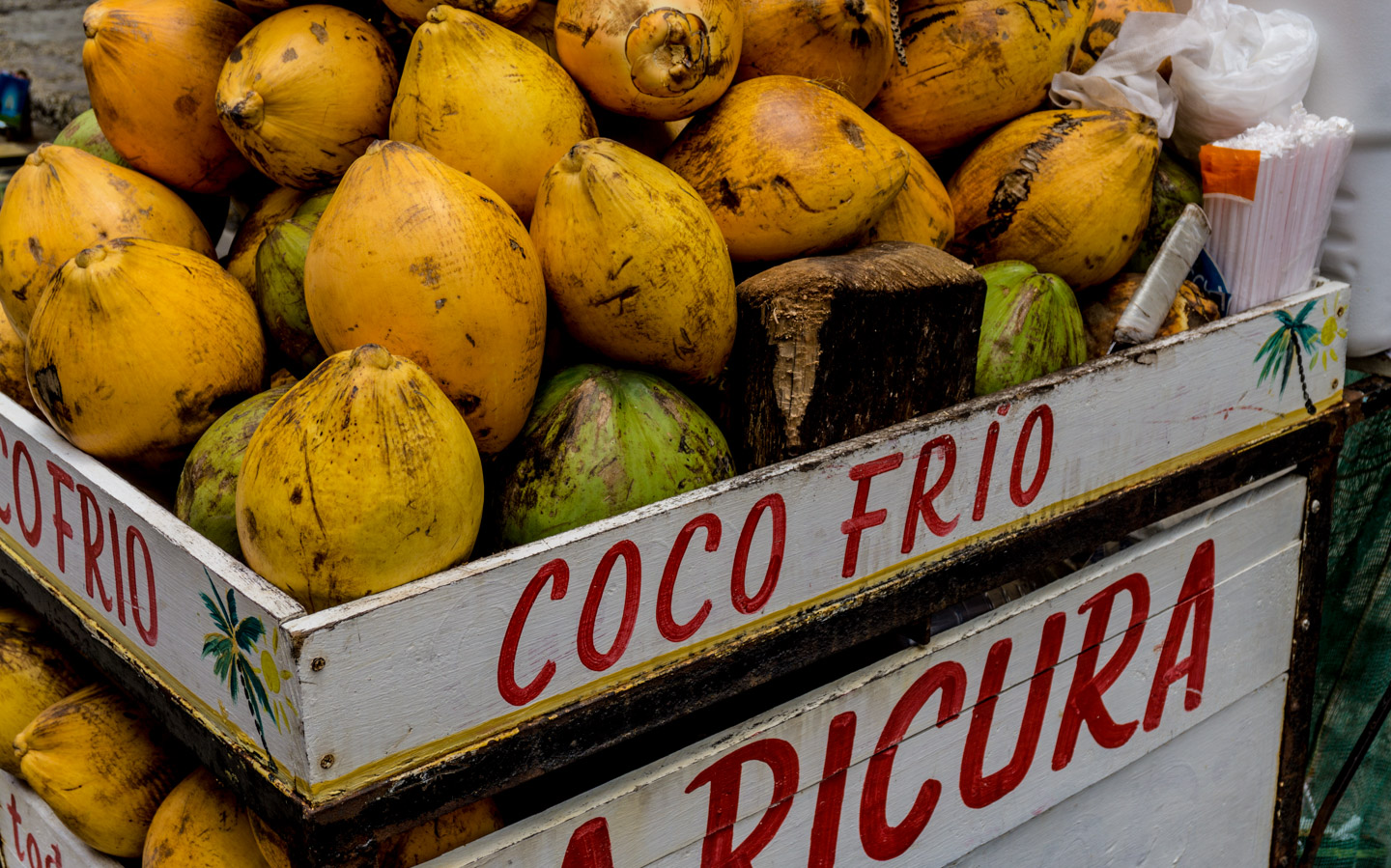
 Street vendors sell a variety of fresh fruits, ranging from coconuts to papayas and bananas. It’s safe to try some of the produce, the water in the larger cities is safe to drink and the fruits and vegetables are also safe.
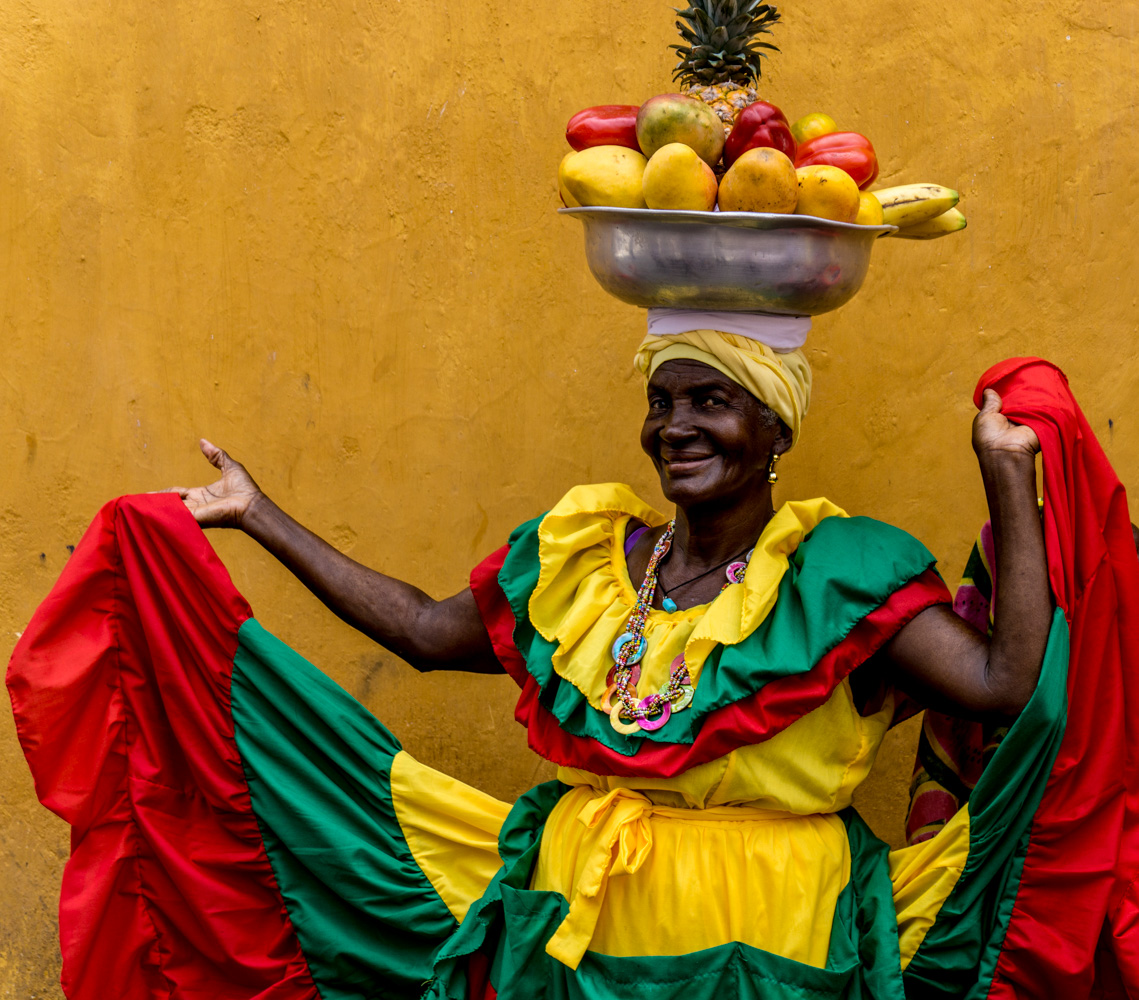
 You are sure to encounter some of the brightly dressed Palenqueras. These black women were originally from San Basillo de Palenque, a small village located in southeast of Cartagena. San Basillo de Palenque was founded by runaway African slaves and is one of the first free towns in the Americas. Tourists snap up pictures of the beautifully dressed women with bowls of fruit on their heads. But beware, if you do not tip them first, they will hiss at you and hide their faces.
 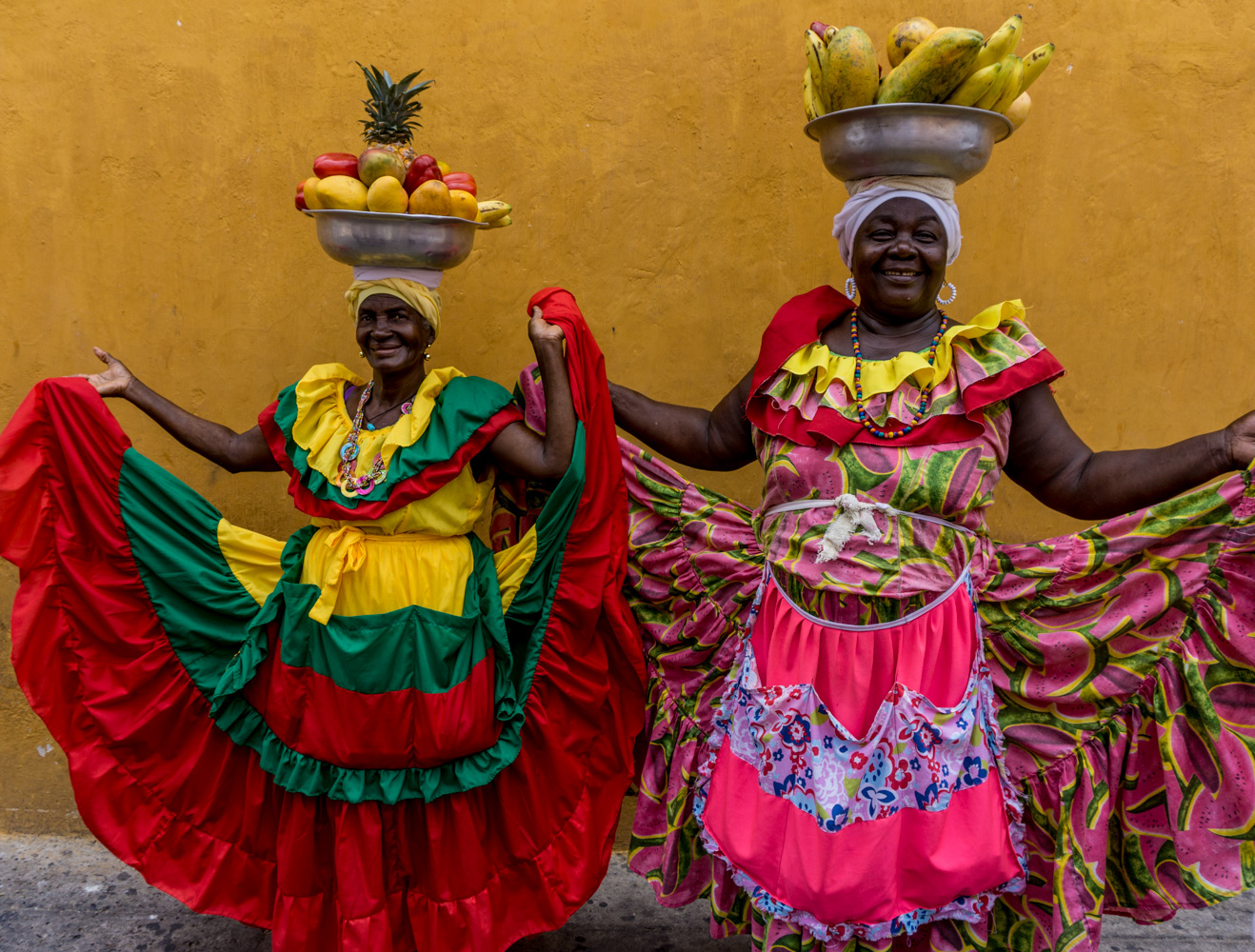 For a dollar each, I got some great shots, but as soon as the cameras stop snapping, the smiles disappear from their faces. Even though they are used to being the center of attention, they really are tired poor women who have to sit all day in the sun and heat to make some sort of living.
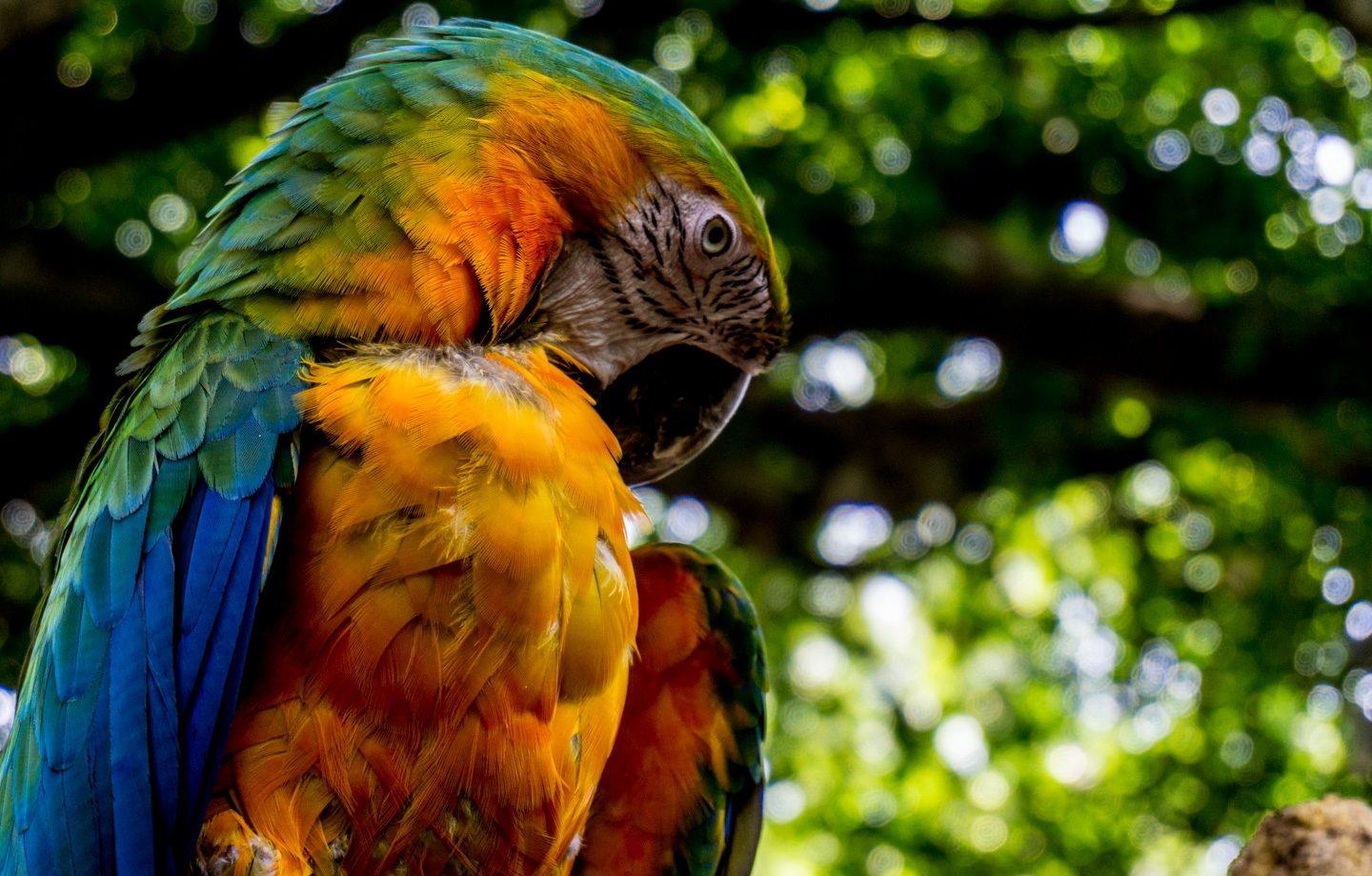
 As colorful as the tropical parrots that freely fly around, the buildings are dressed in bright yellows, blues, reds and oranges. Cartagena was one of Spain’s important ports along with San Juan and Havana.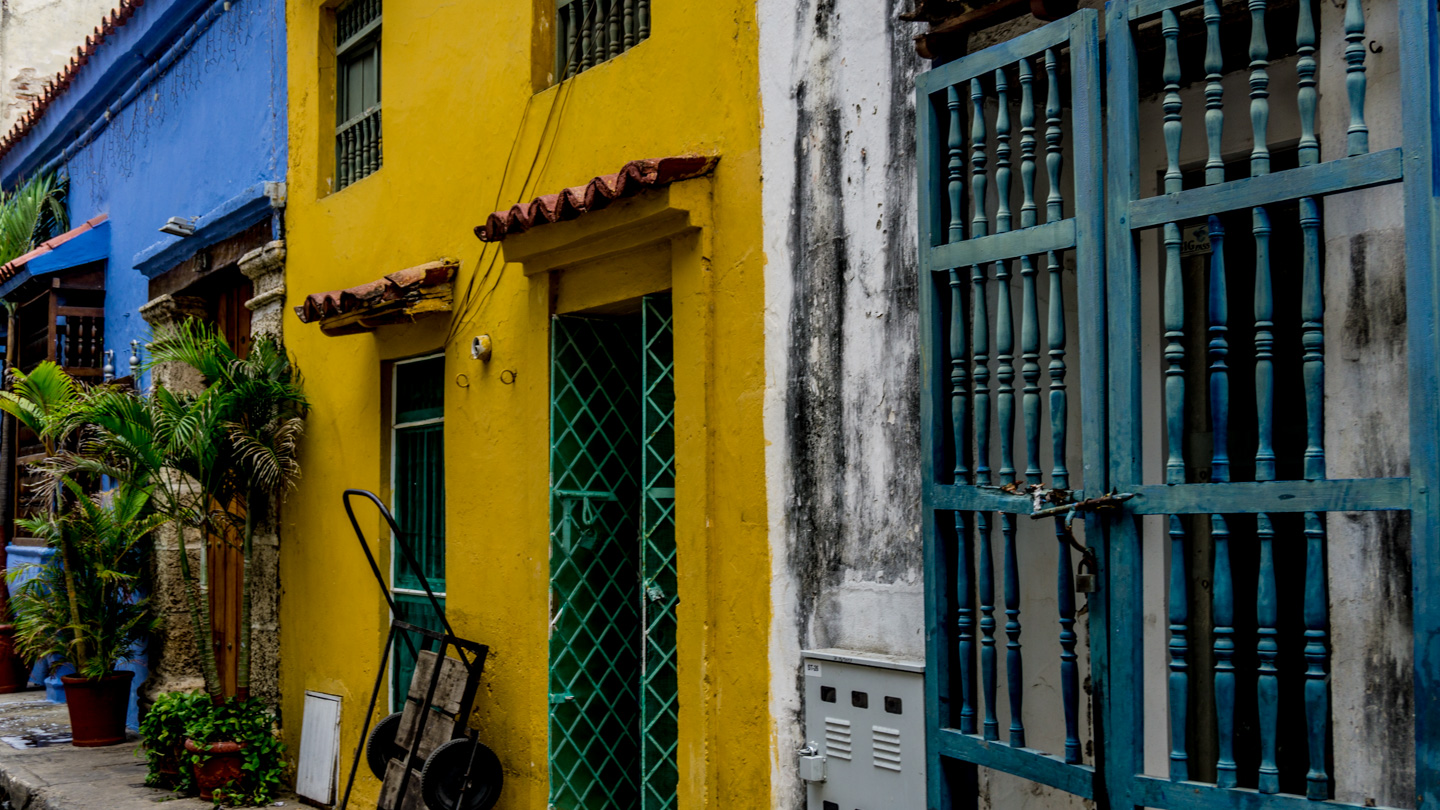

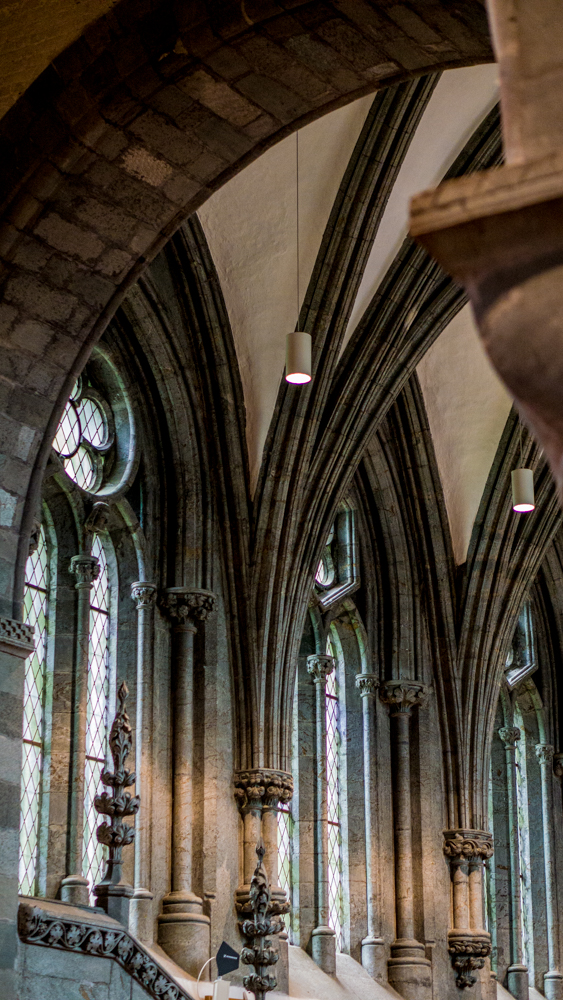
 In medieval times the church was quite different than it is today. Around the church interior were different altars dedicated to different saints. Daily masses were held around these altars. The St. Swithun relic, an arm bone from an English bishop could be found in the choir. The cathedral also had several relics during this time, these included a cloth with Jesus’ blood, a piece of Jesus’ cross and other relics connected to different saints.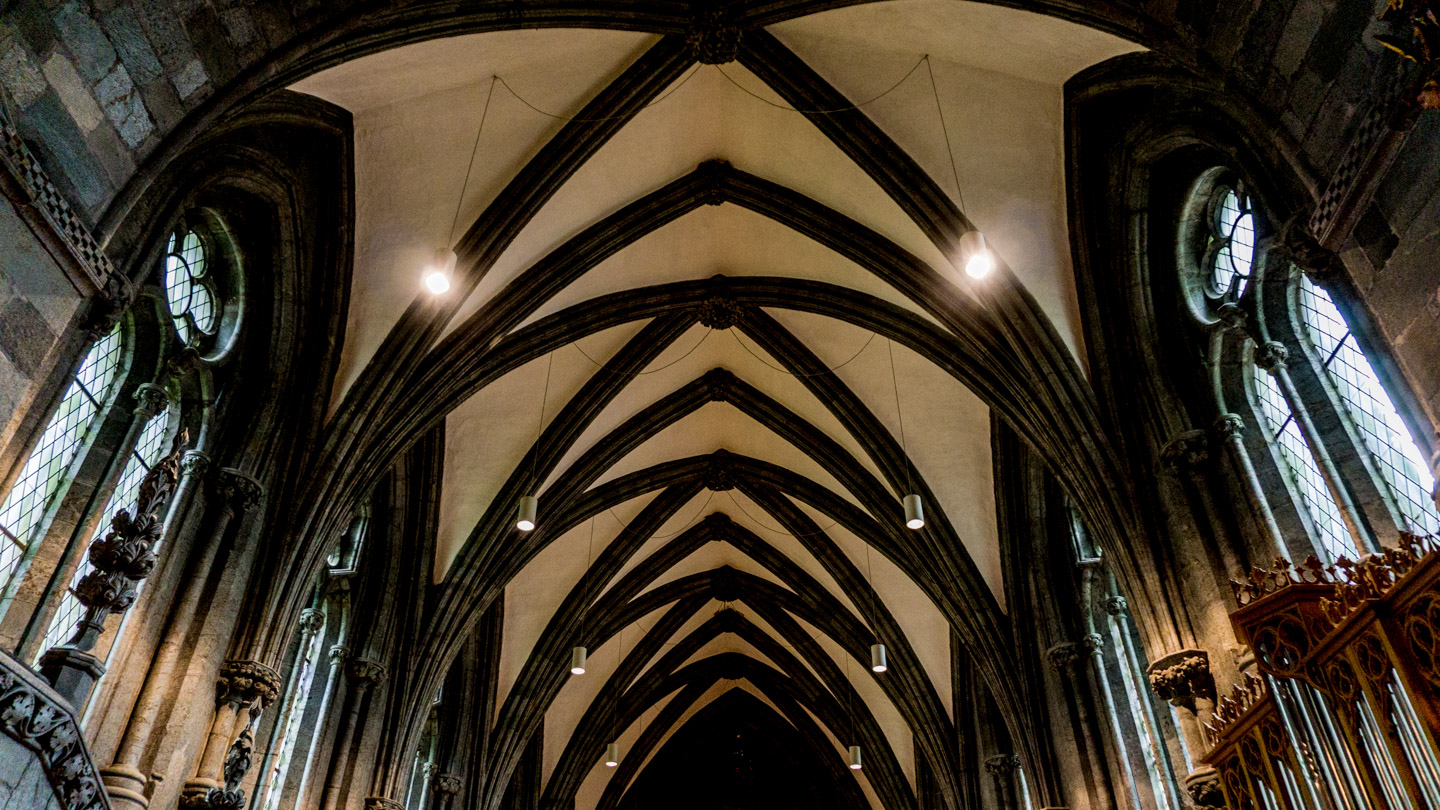
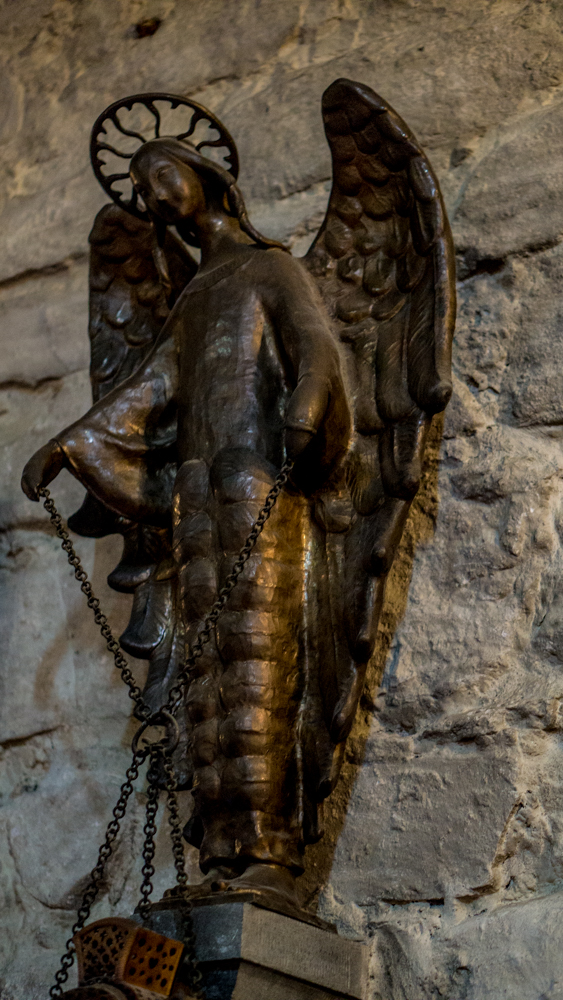
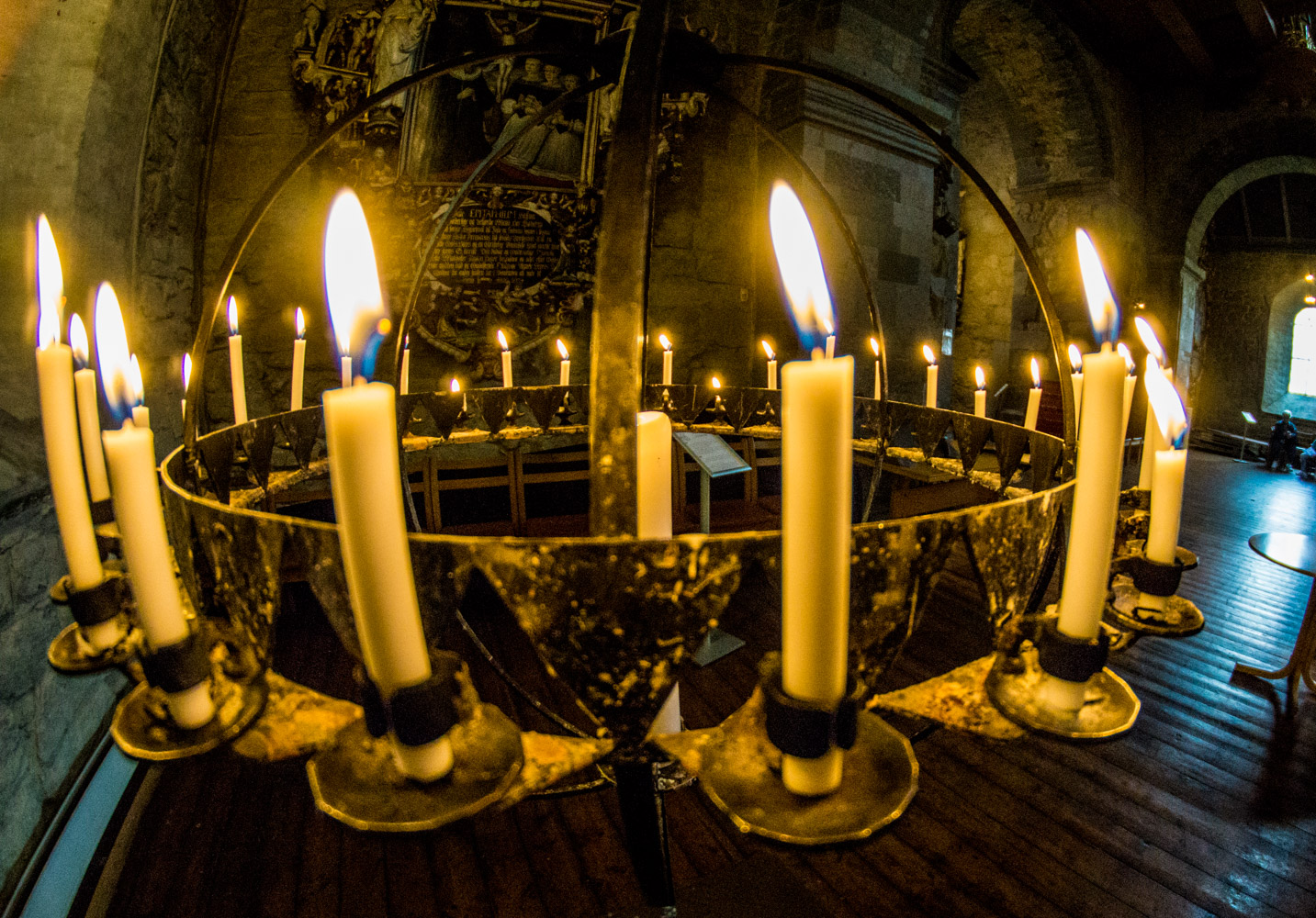
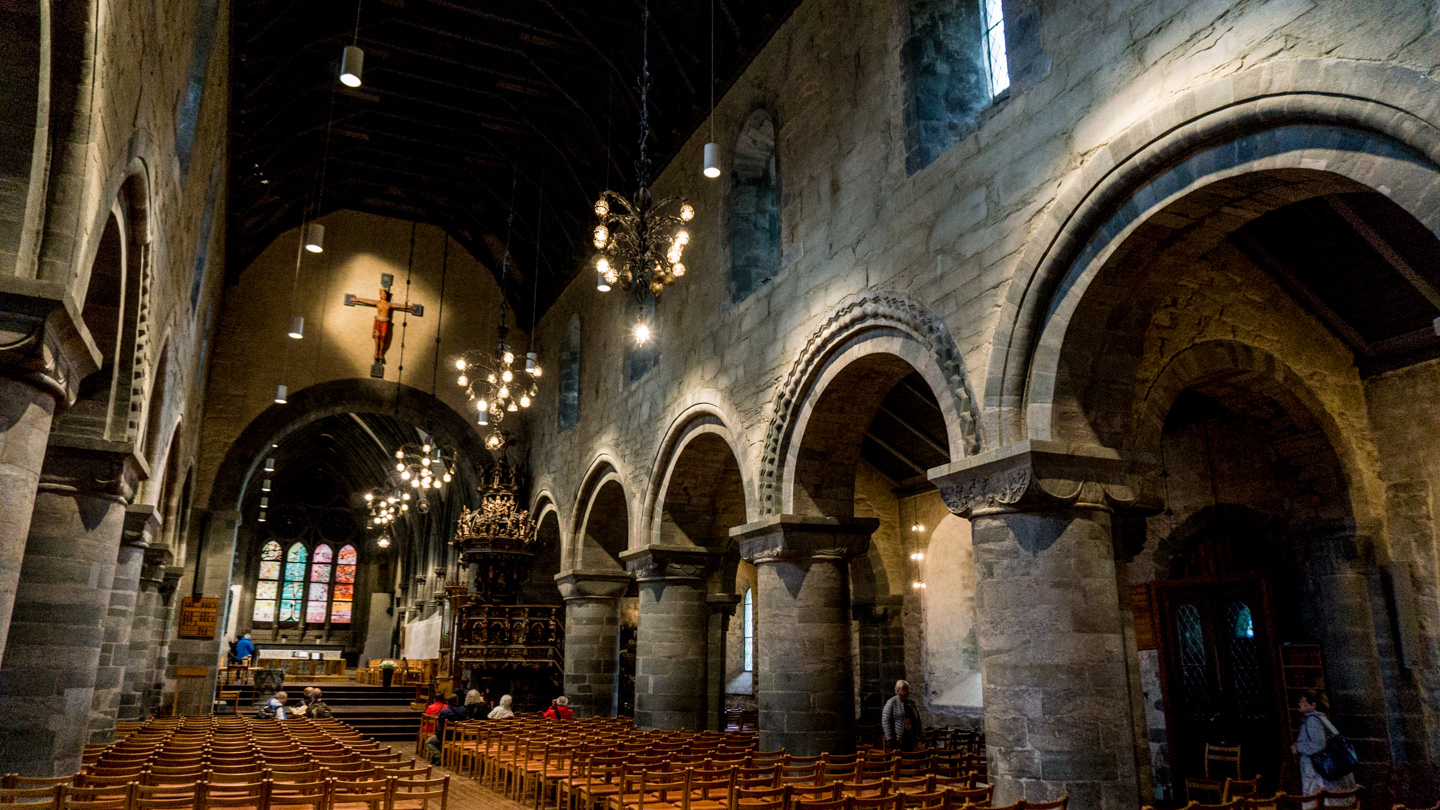 New lighting for the cathedral was installed in the 1920’s. Emanuel Vigeland designed six chandeliers in the nave and eight lamps on the side walls. The lamps were designed with an angel figurine that holds a hanging lamp.
 The chandeliers look like thorn bushes and vines.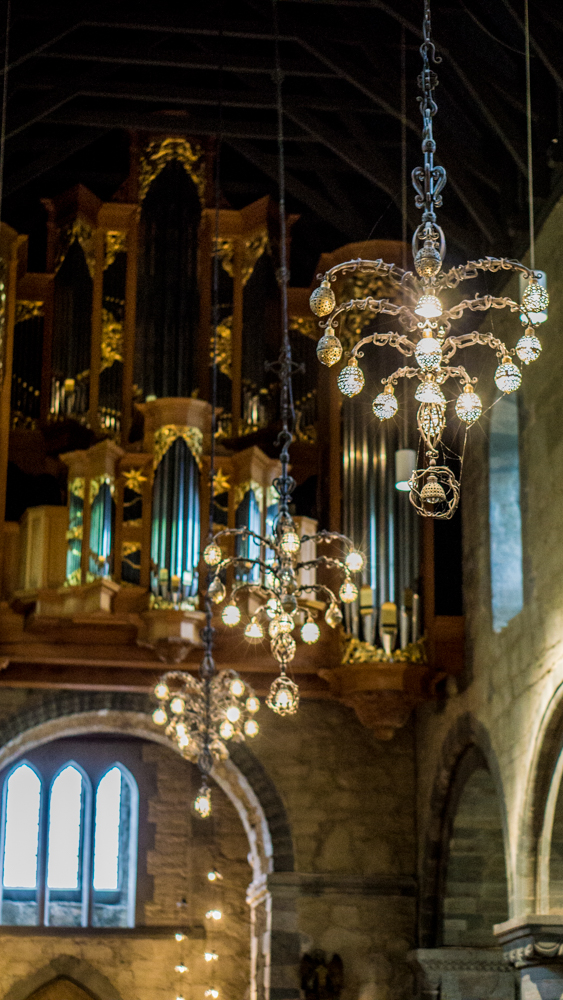
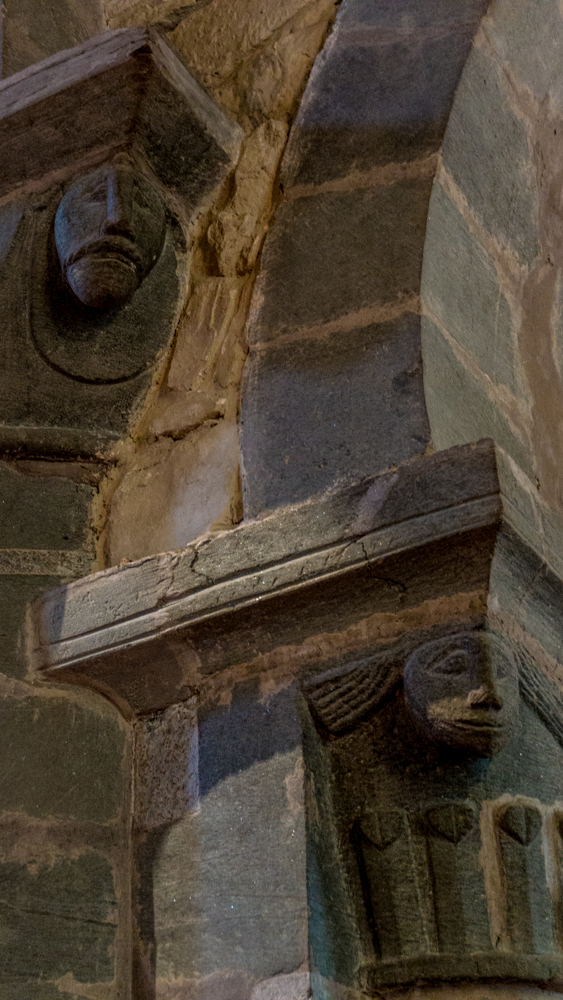
 Faces in the Medieval portion of the church reflect the Norse heritage of the craftsmen.
 The ornate pulpit was a gift from the feudal overlord Henrik Below, in 1658, created by Scottish sculptor Andrew (Anders) Smith. As one of the biggest pieces in Norwegian baroque style the pulpit is an example of cartilage baroque. The base of the pulpit is the biblical character of Samson facing down a lion.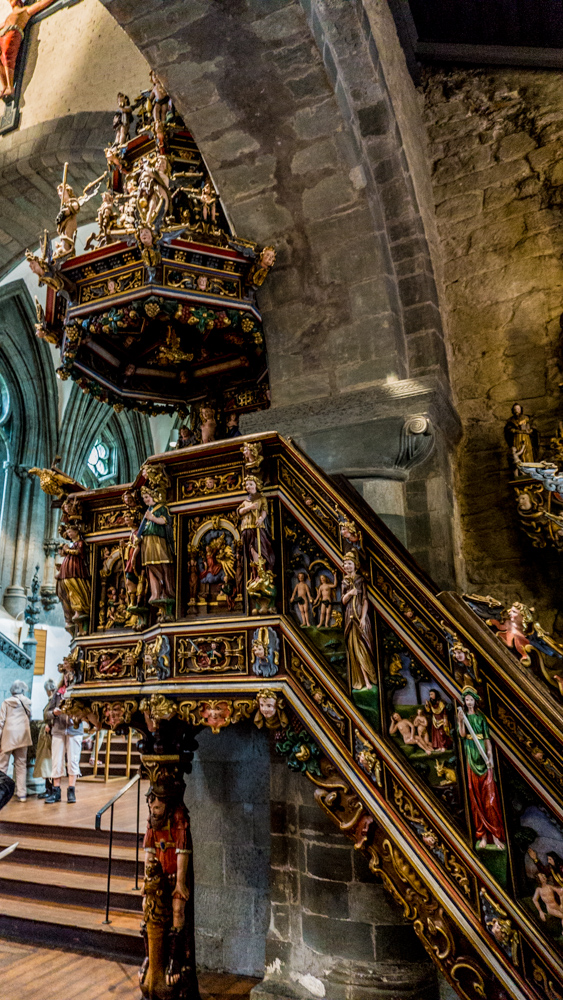
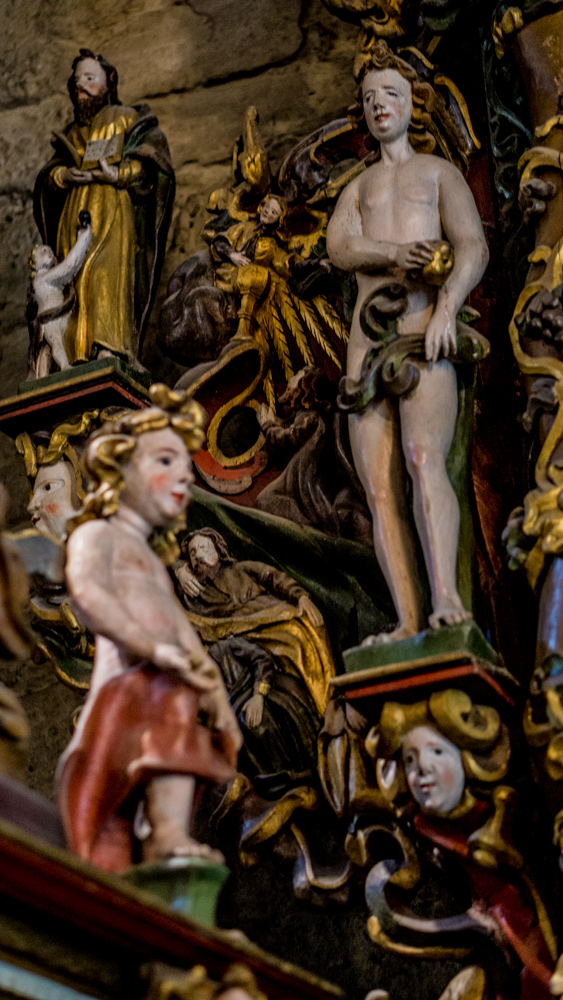
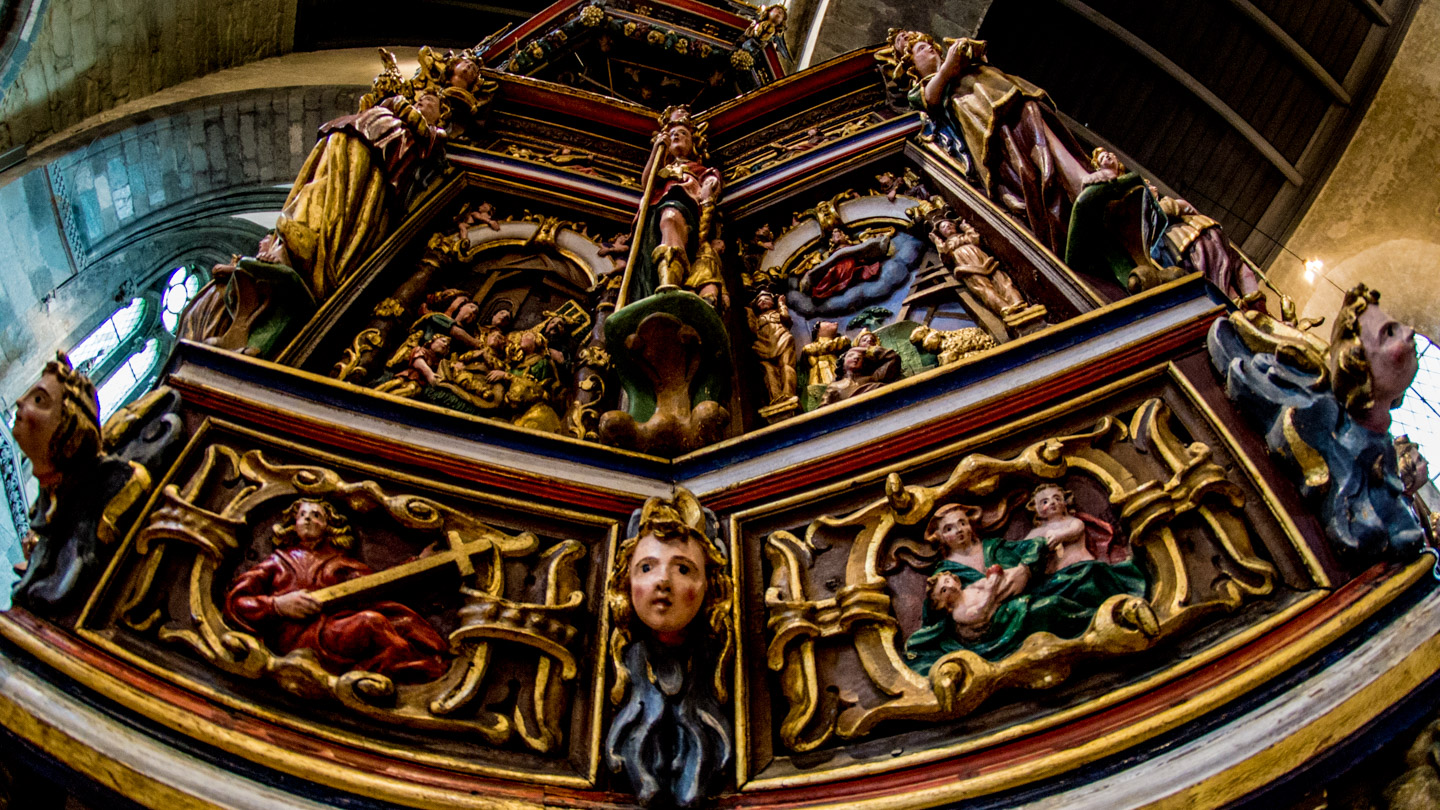 The various carvings display stories of the bible starting with the Garden of Eden towards the bottom and ending with a triumphant Jesus at the top.Since many people at the time couldn’t read, the carvings were used to tell the tales.
 Five large and elaborately carved memorial plaques are epitaphs for known men in the community. Their hanging in the cathedral brought honor to their families. Many rich and powerful families wanted to mark their position and make their presence known within the church. These families often received preferred seats in the front rows. This practice was popular in the 1600 and 1700’s.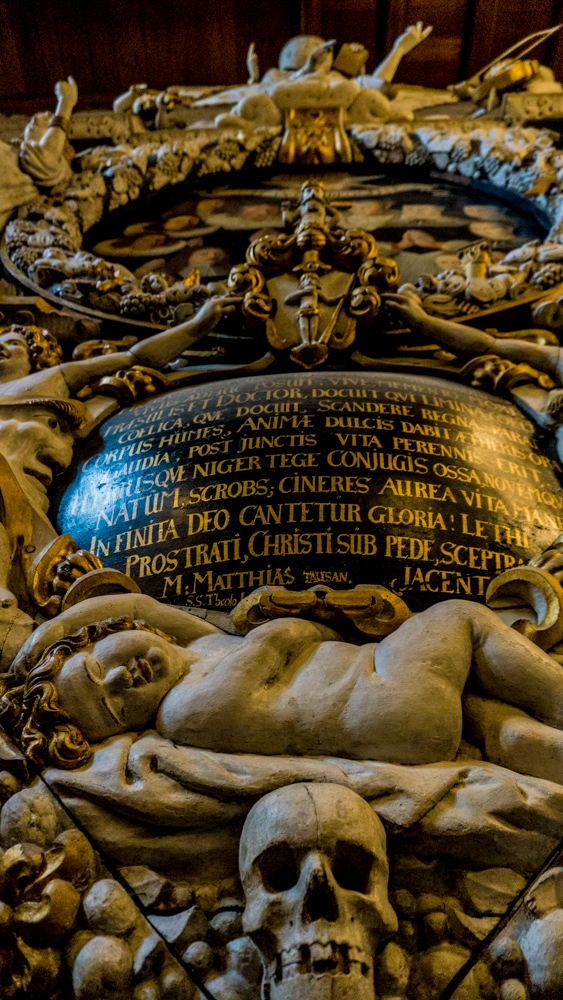
 Travels With Ackbar