In “The City of Spires”. the oldest building in Central Copenhagen is Saint Peter’s Church. Sankt Petri Kirke is in Copenhagen’s Latin Quarter. Built in mid-15th Century, originally was one of four Catholic Churches, today the congregation is made up of German speaking Lutheran-Evangelicals.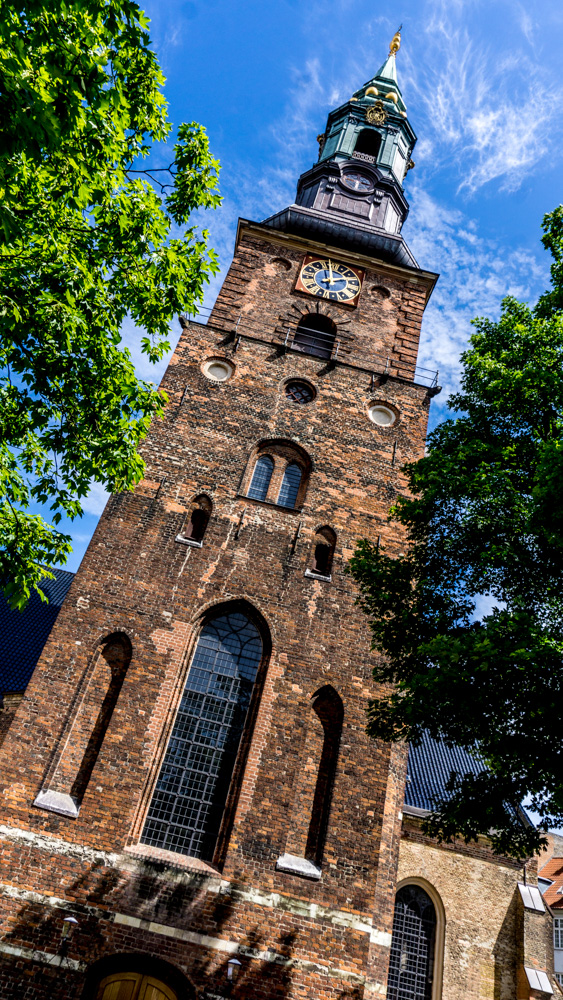 St. Petri’s Kirke is where you can find the remains of one Johan Friedrich Struensee. When he arrived in Copenhagen at age 31 he was King Christian 7’s doctor. He considered himself an atheist and man of the Enlightenment and never set foot in the church while he was alive.
After his affair with Queen Caroline Mathilde was discovered, he was sentenced to death by beheading on April 28th 1772. The body was dismembered and the parts taken to Gallows Hill. In 1885, some human bones were dug up at the site, which then belonged to Vestre Kirkegård (the cemetery). The human remains that were found belonged to several people, some showed evidence of being hacked with an axe. Thought to belong to Struensee, they have resided in a child’s coffin in the crypt under the church.
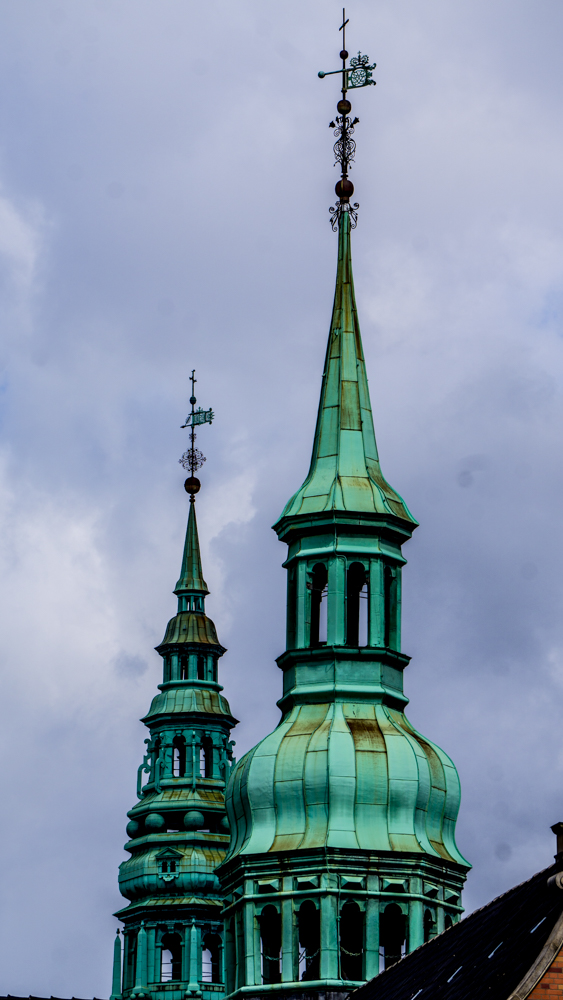
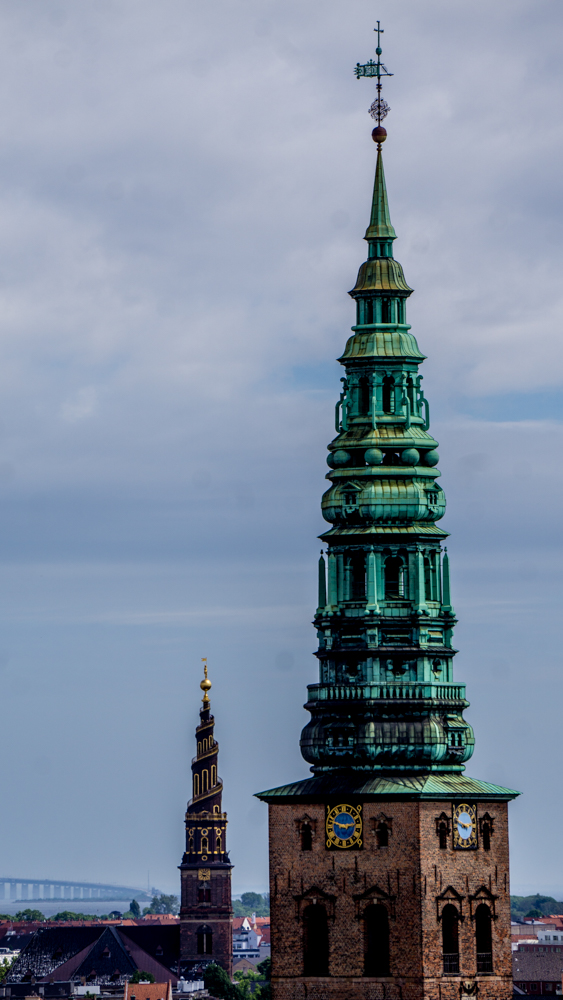
 From the Observation Deck at the Round Tower (Runtaarn) you can see the many spires of Copenhagen. The former St. Nikolaj Kirke (St. Nicholas Church) in the foreground is now a contemporary art museum.
 St Nicholas Church was built close to the shore, and was the church of fishermen, sailors and visiting traders. The church was named after the patron saint of sailors.
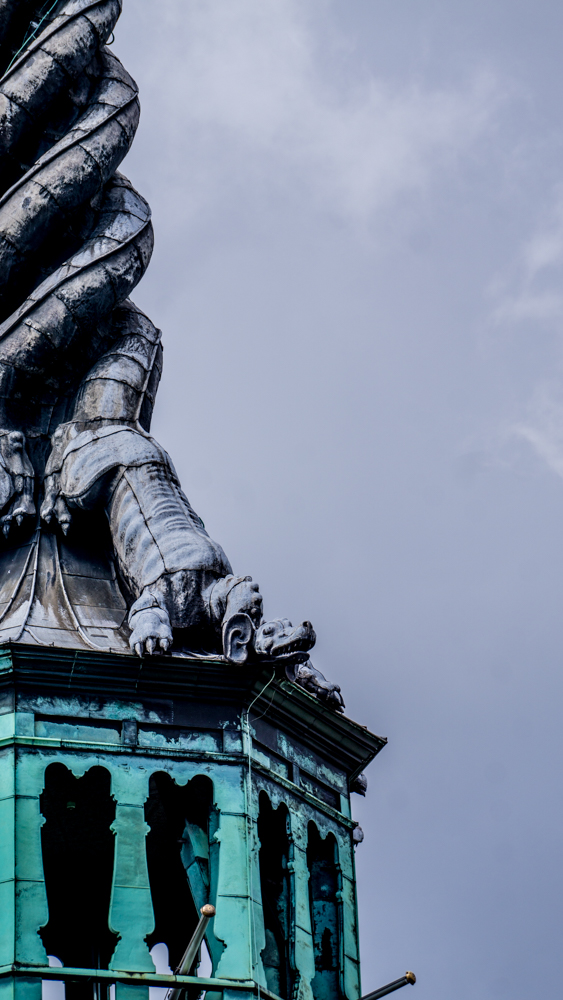
 The Old Stock Exchange (Borsen) has the most interesting spire in the city. The tails of four dragons are intertwined to create the spire. The legend is that the dragon tailed spire guards the building against enemy attacks and fires. The Old Stock Exchange been spared from damage on many occasions, even when fires have broken out in neighboring buildings.
  The Danish Chamber of Commerce now resides in the building.The three crowns that top the spire represent the Scandinavian empire – Denmark, Sweden and Finland.
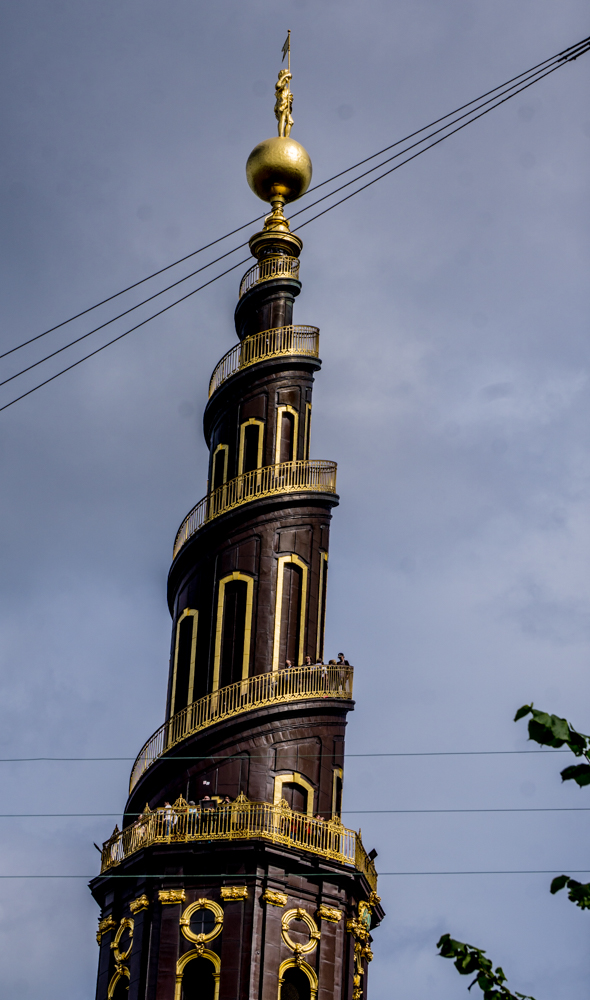
 Sitting in the Christianhaven section of the city, the Church of Our Savior has a spire with an external staircase for climbing to the top. The Church is visited by more people than any other in Copenhagen.
 The 400 steps to the top wrap around the spire 4 times. Like many fortresses the steps wind to the right. The soldiers can defend the city by holding onto the railing with there left (less dominant) hand while brandishing their swords with their right.
 A statue of Our Savior stands on top of a globe at the top watching over the city.
 A quick train ride to the north is where you will find the spires of Kronborg Castle, also known as Hamlet’s Castle.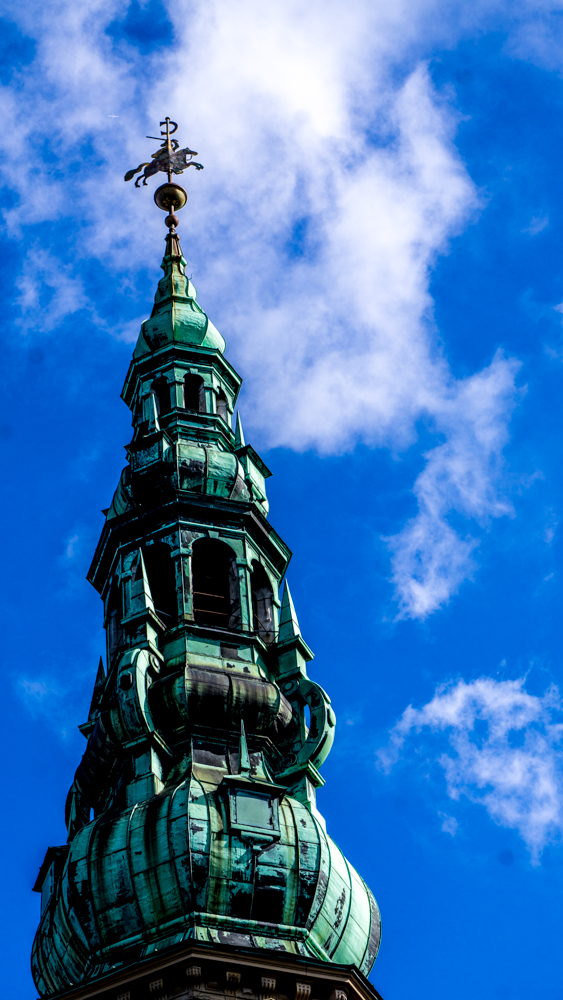
LINKS
 Colorful murals line the outer walls and every street corner in this quirky artistic community. There is theatre, live music and many other types of artistic expression within these walls.
  The people of Christiania forbid, guns, violence, hard drugs and cars. Fireworks, biker’s colors and bullet proof vests are also discouraged.
 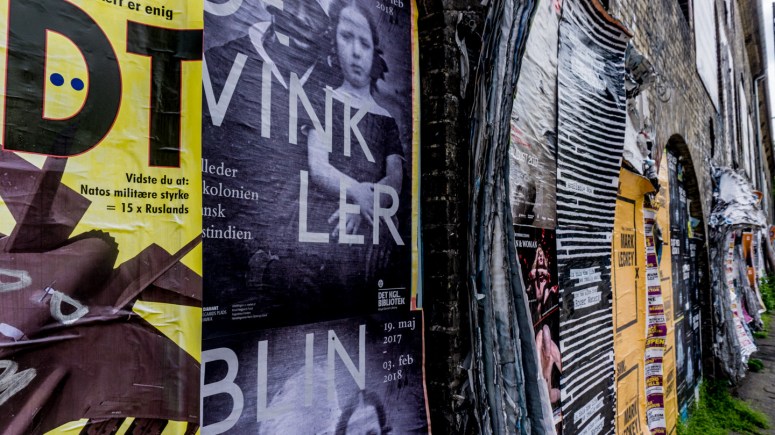 In researching my visit to Christiania, there were quite a few websites cautioning against taking photographs in the neighborhood. Before 2017, an area known as Pusher Street was the site of many Marijuana dealers. Although marijuana is illegal in Copenhagen, the dealers were afraid that photographers would turn them in to the police for illegal activities. An incident in 2016 in which a police officer was injured by a gun shot caused the community to shut down Pusher Street.
 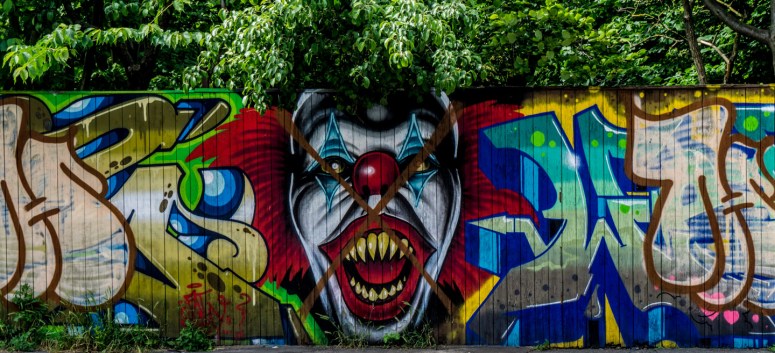 Christiania is a mix of homemade houses, workshops, art galleries, music venues and organic restaurants. The town exists as a society within a society, you cannot buy a house in Christiania. You have to apply for it and if you are successful it is given to you.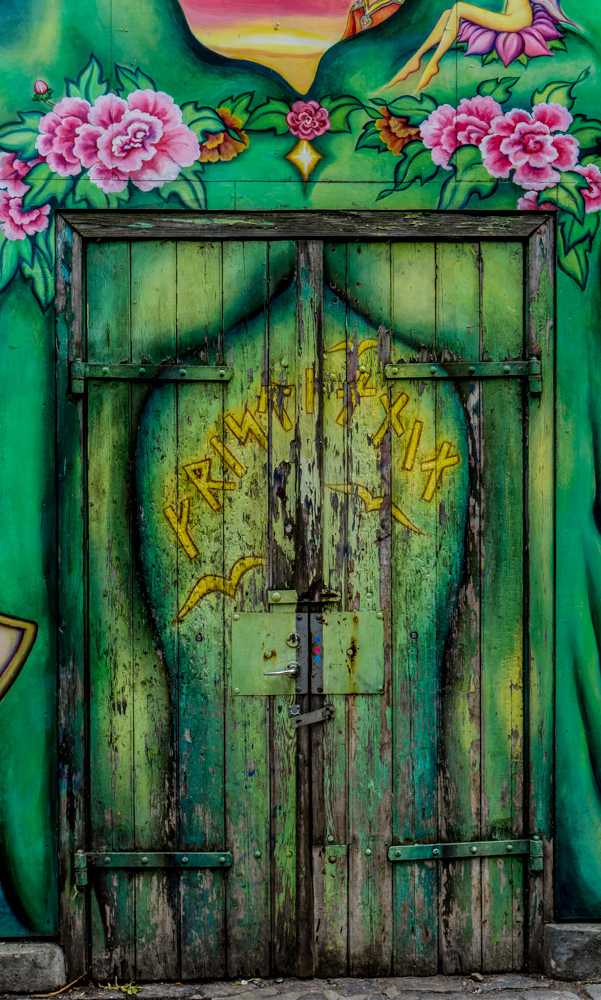
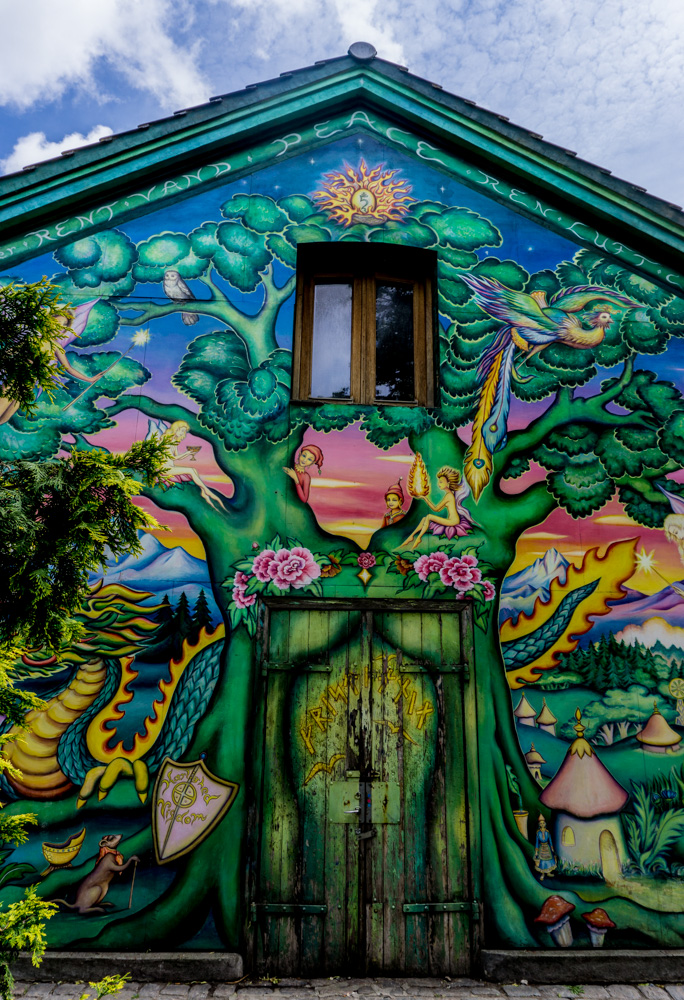
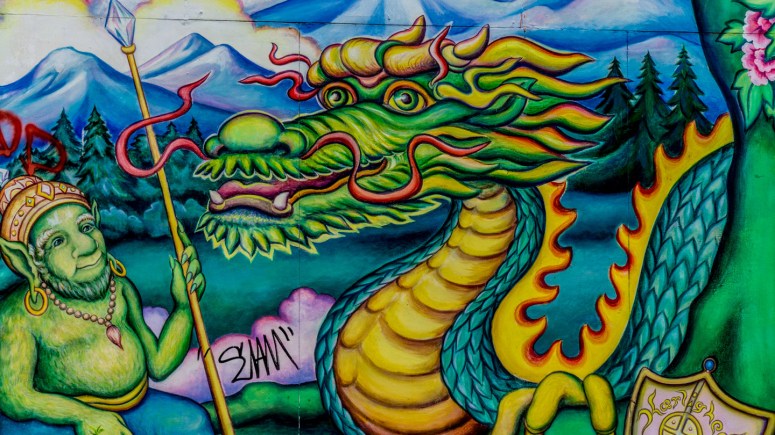 Remember, there be dragons here!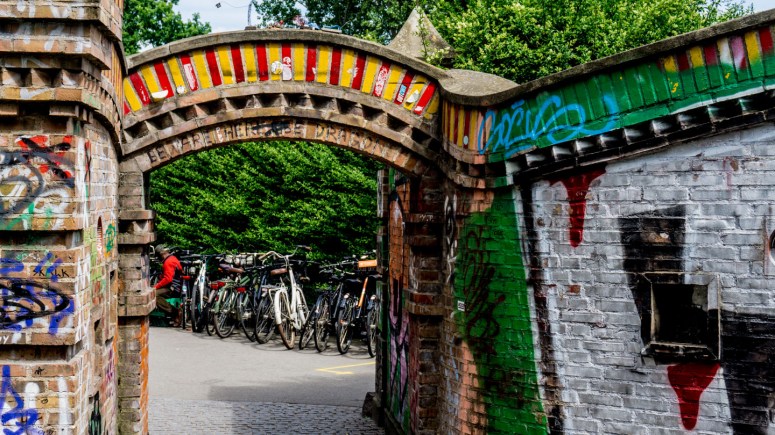
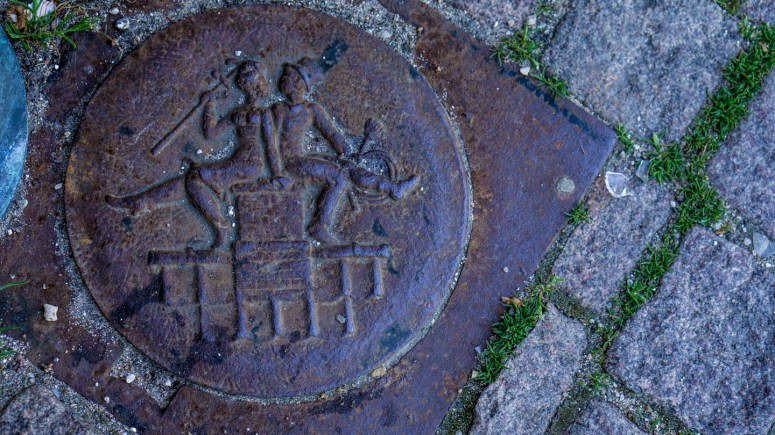
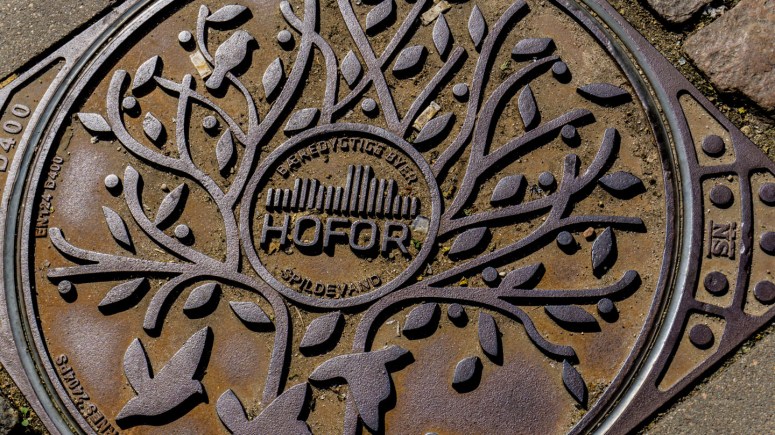 Seen in Helsingor, home of Hamlet’s Kronborg Castle
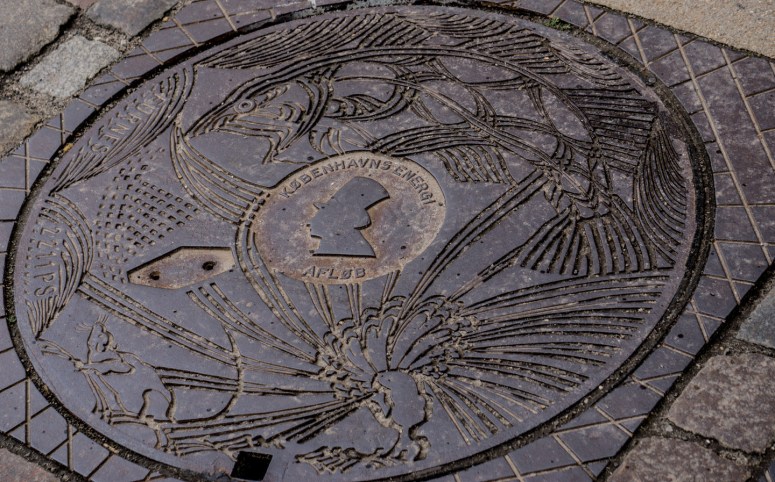 This one tells the story of the Steadfast Tin Soldier. The empty spot had a depiction of the one legged soldier. In the story he is about to be eaten by a fish after falling off of his shelf. Hans Christian Andersen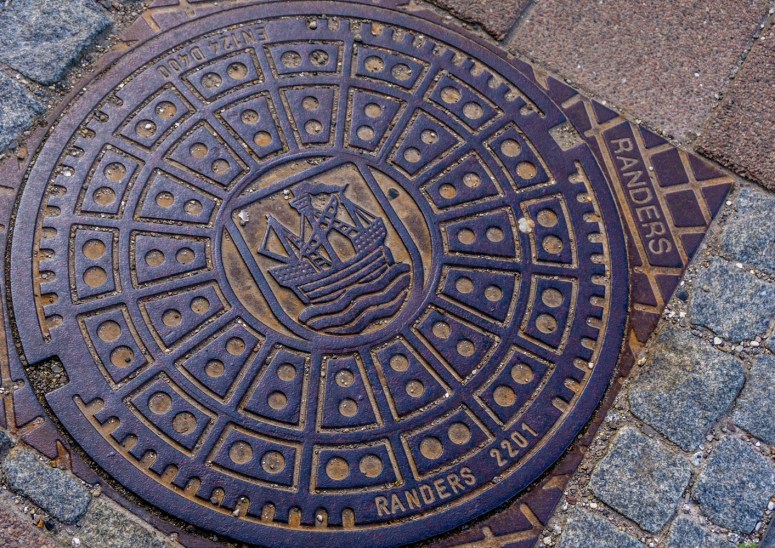
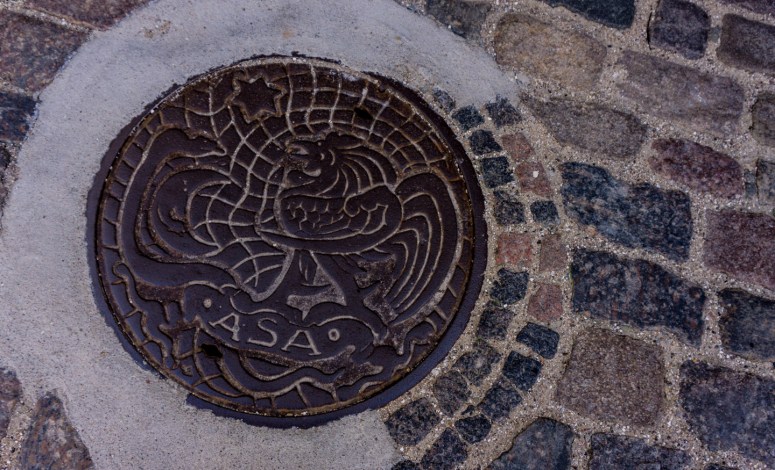
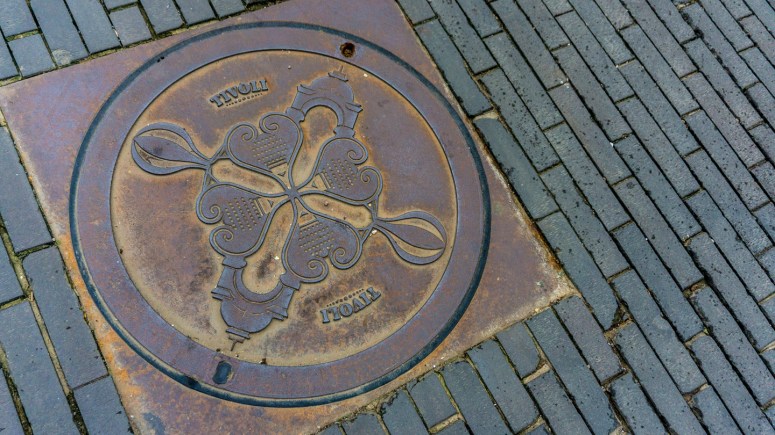
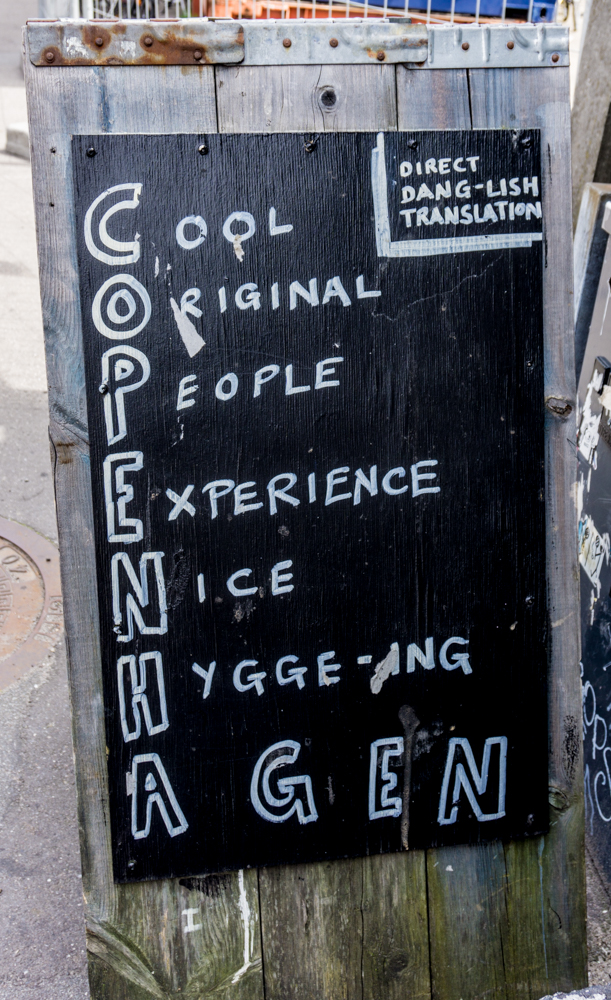
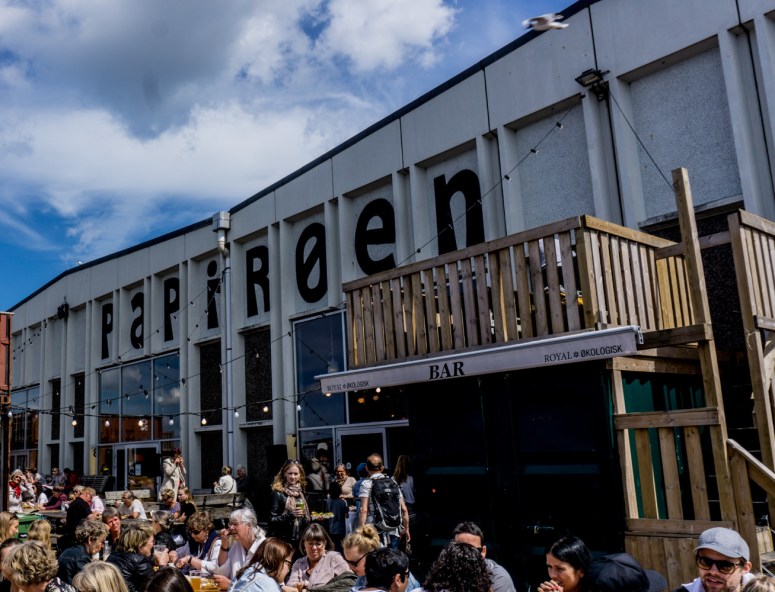
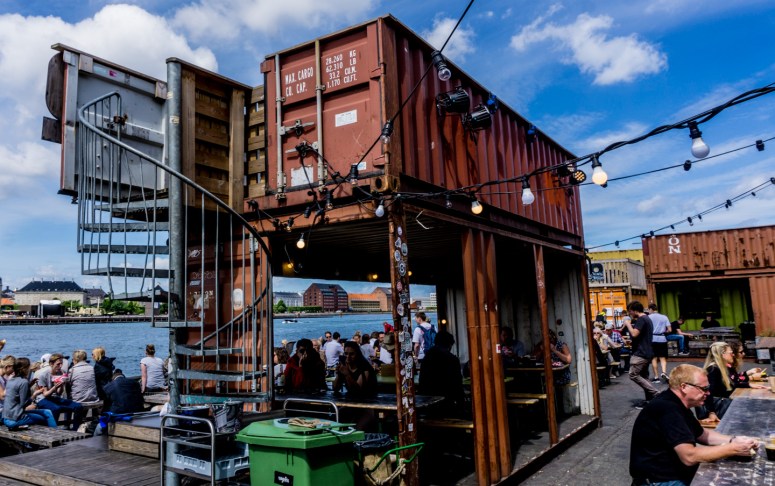
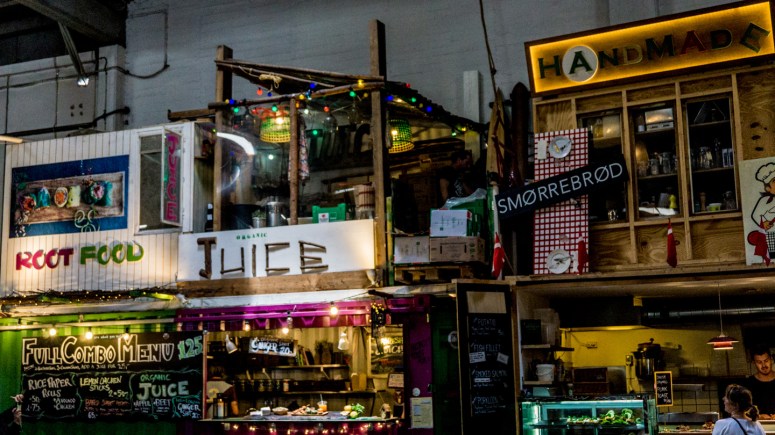
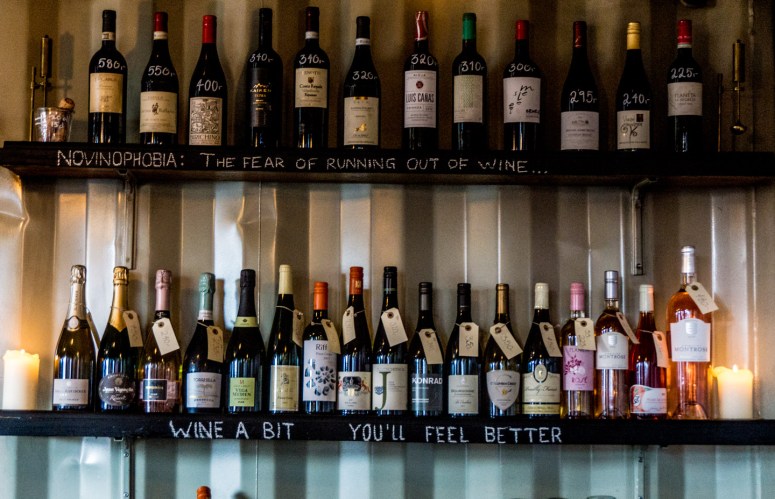
 The Surf and Turf Burger was one of the best that I have had. A juicy beef patty was covered in sauteed prawns (or shrimp to you and me).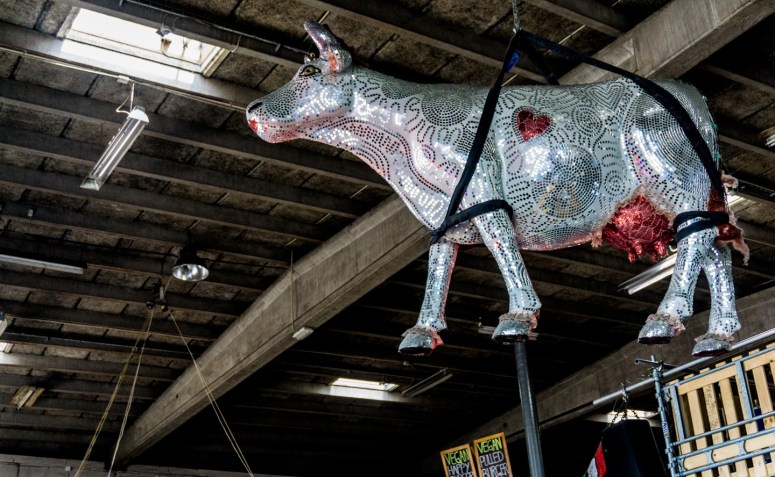


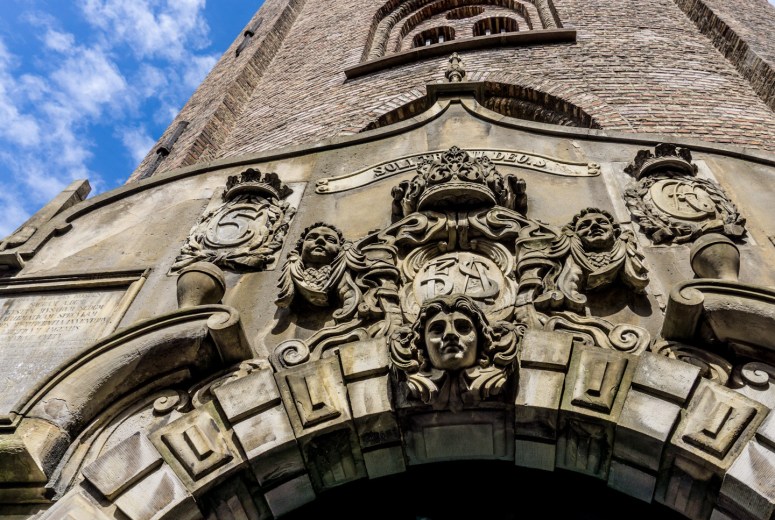
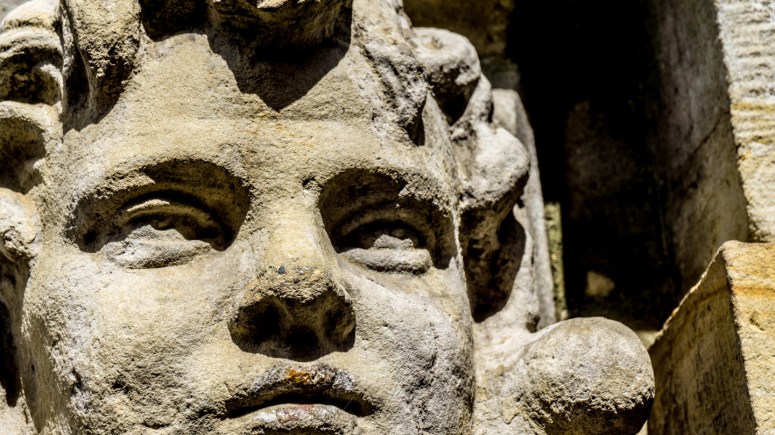 The Gateway to the tower features the monograms of several Danish monarchs.
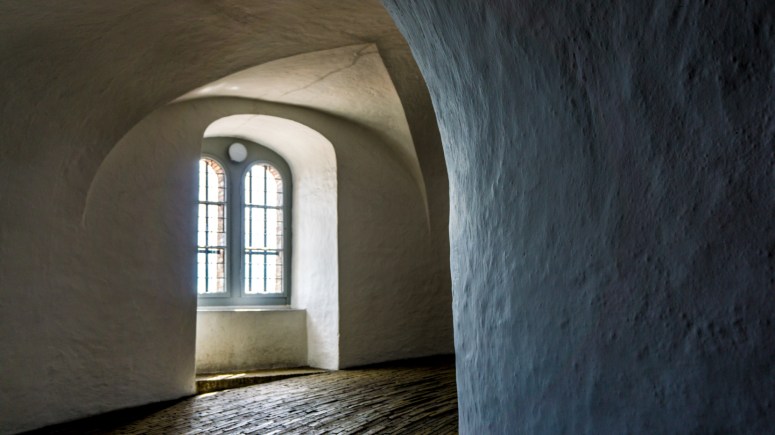
  Danish Astronomer Tycho Brahe inspired the building of the Round Tower some decades after his death in 1601. An interesting fact about this man is that Brahe lost part of his nose in a duel with a fellow nobleman. He received a prosthetic nose said to be of gold or silver held onto his face with paste. In 2010, his body was exhumed and the nose was found to be made of brass.
 Although it was never used as the church’s tower, the chapel of the Trinity Church is part of the Round Tower complex.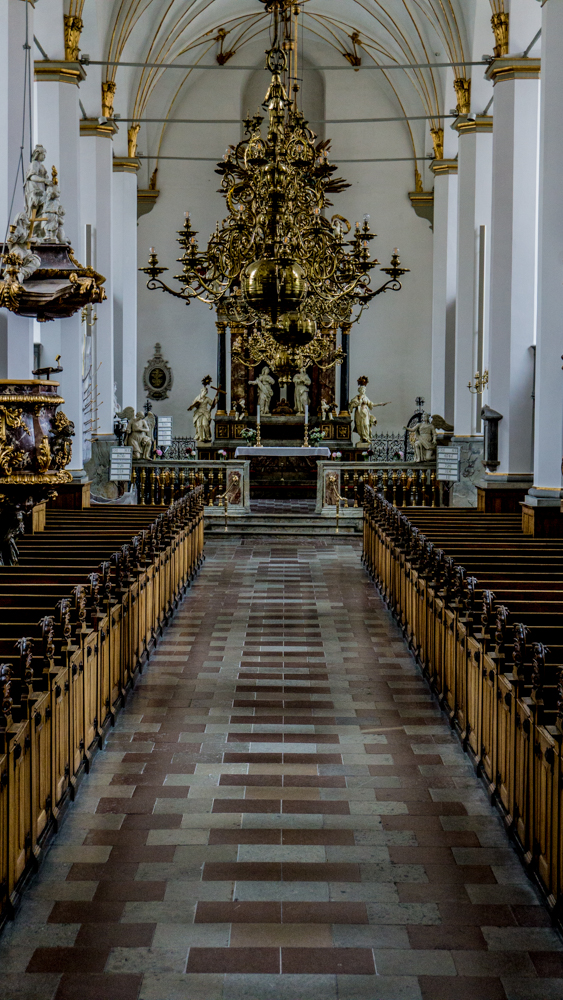


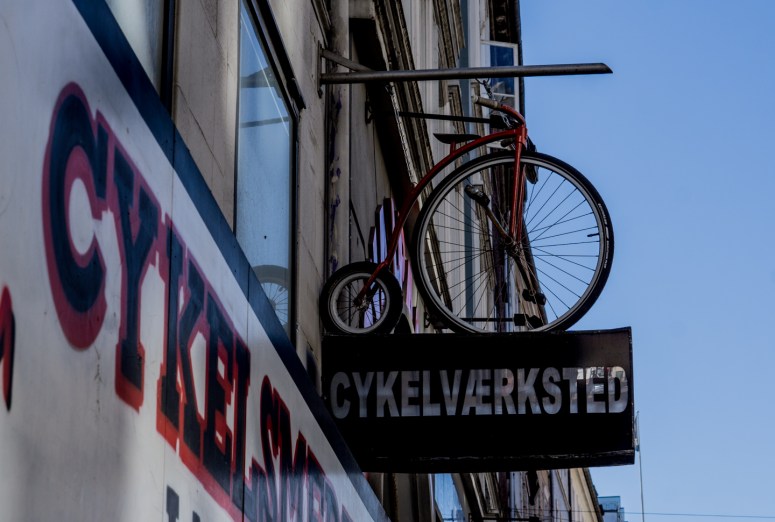
 Bicycle rentals and repair
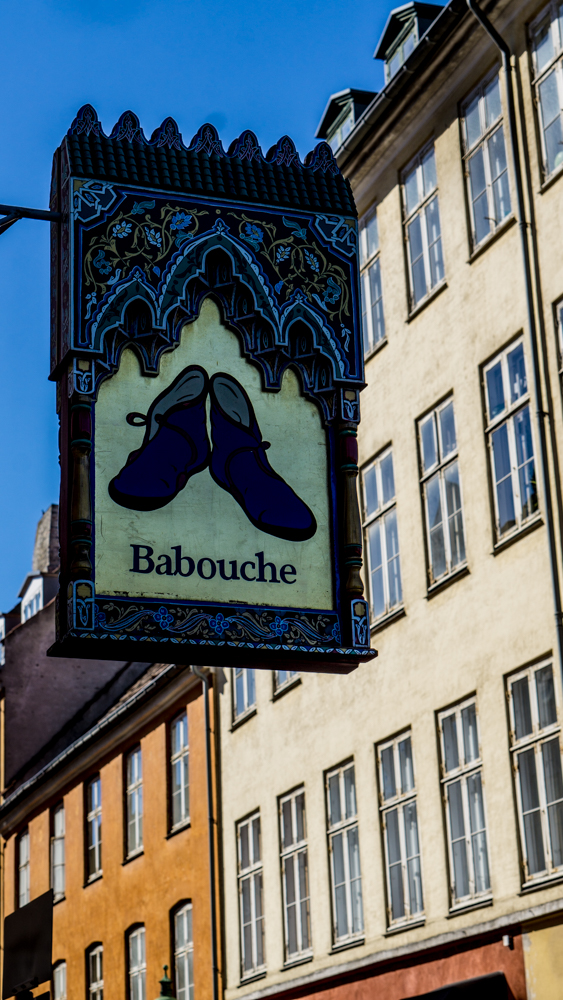
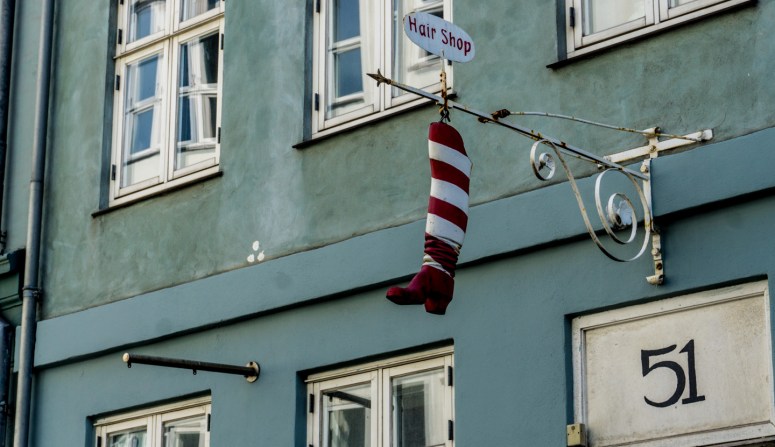
 An unusual sign outside of a Barber Shop. I’m not sure what the significance of the boot is, but the red and white stripes harken back to the days when Barbers also did blood-letting and other surgical procedures. In addition to getting a quick trim, the friendly Barber could also pull a bad tooth.
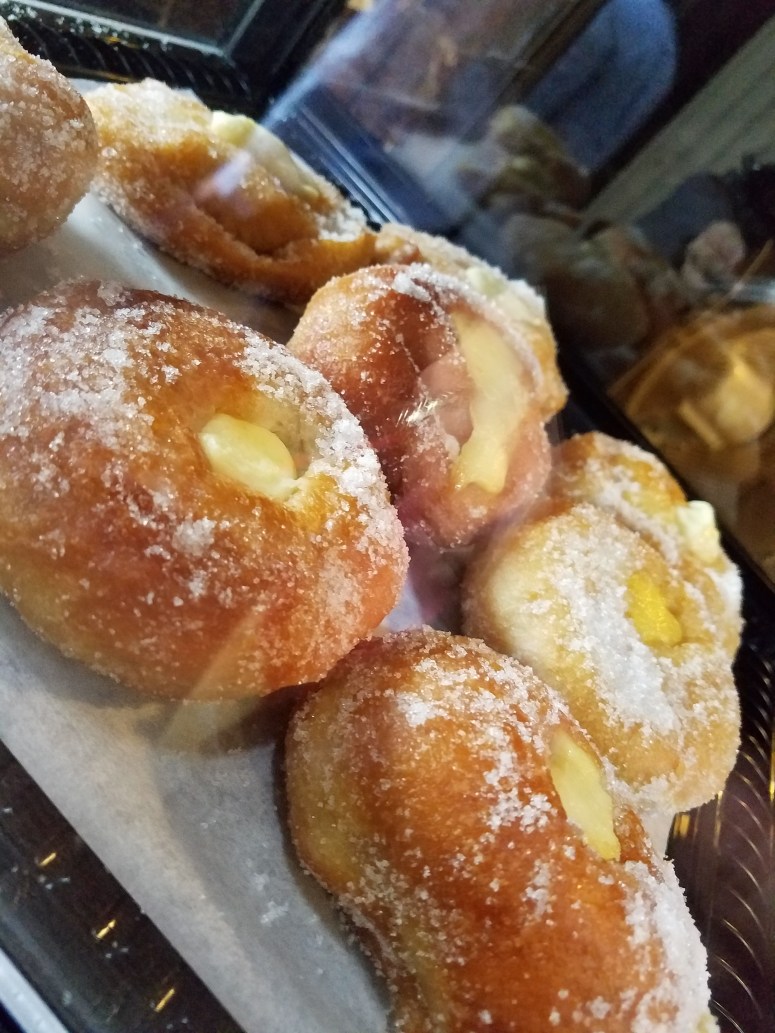
  That’s not a pretzel but a Kringle. A Danish pastry filled with almond paste and custard and topped with sugar and almond flakes. The crown on top signifies that bakery is approved by the King.
 A Locksmith works here.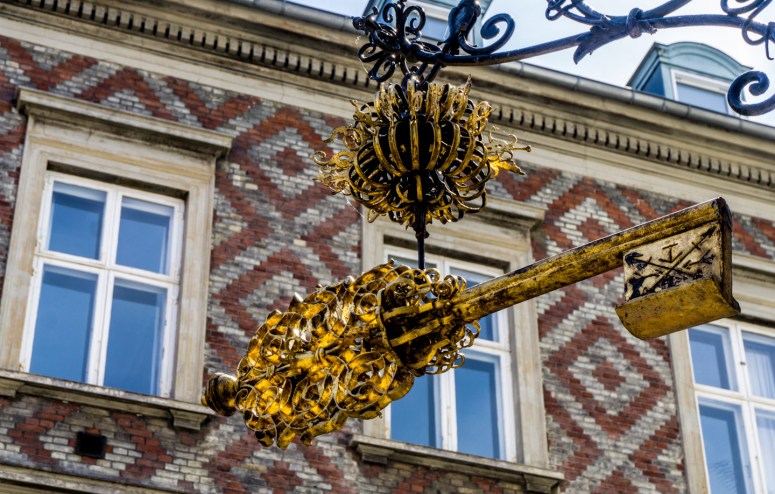
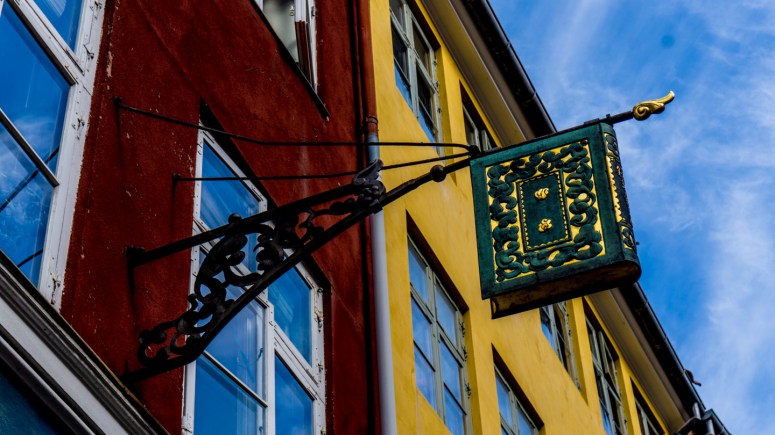
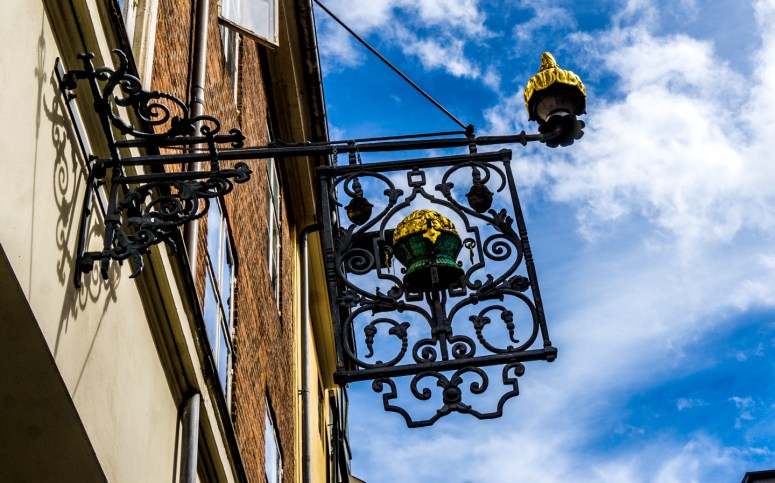 Bookseller
 Restaurants in Nyhaven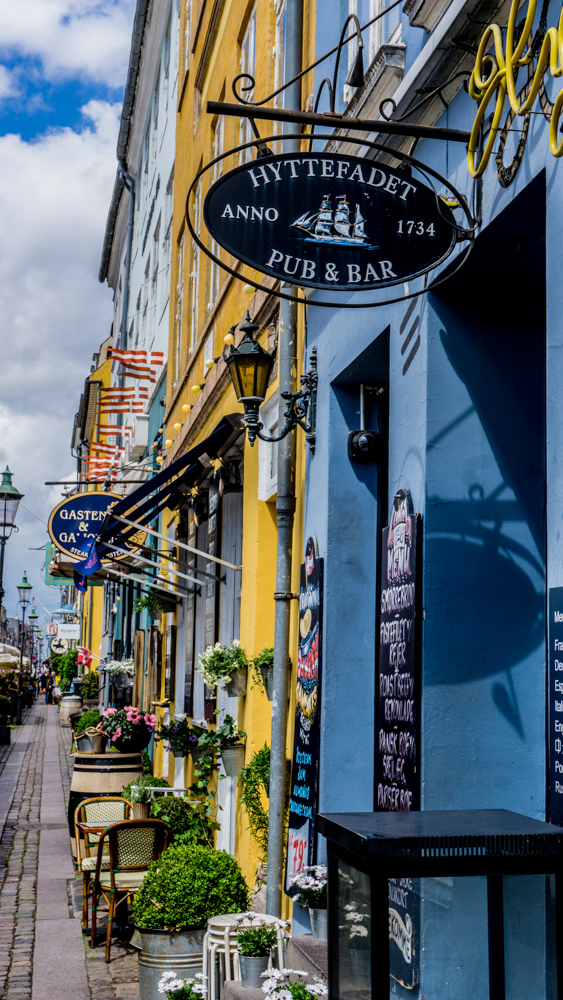
 Tattoo Parlor
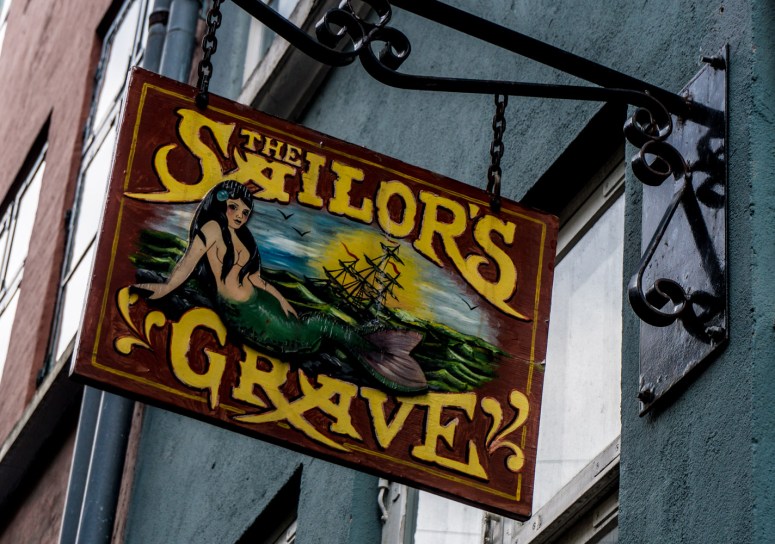 British Style Pub
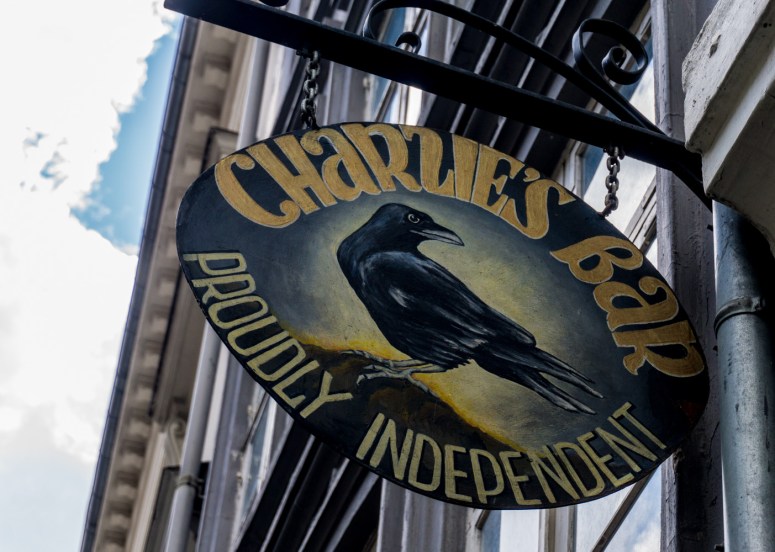 Krog’s Restaurant opened in 1910 and is considered one of Copenhagen’s best and most beautiful restaurants.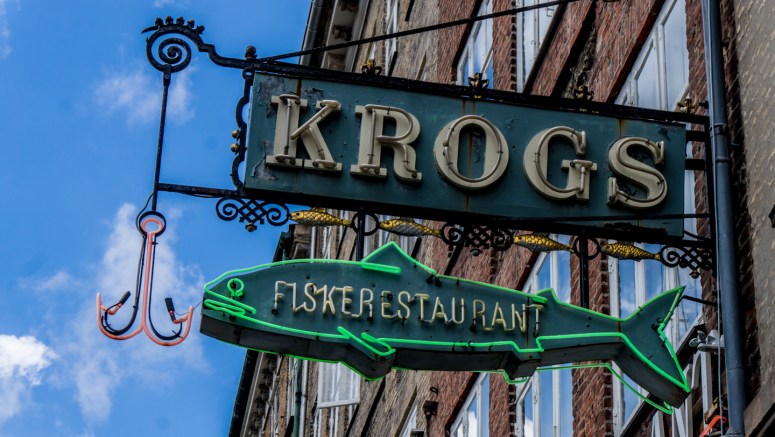
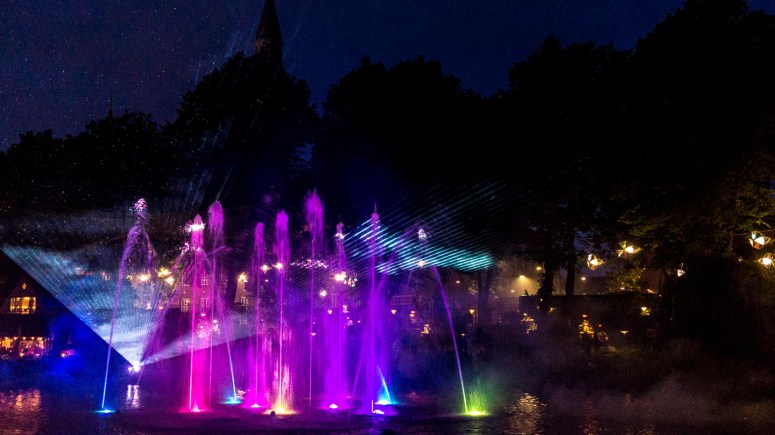
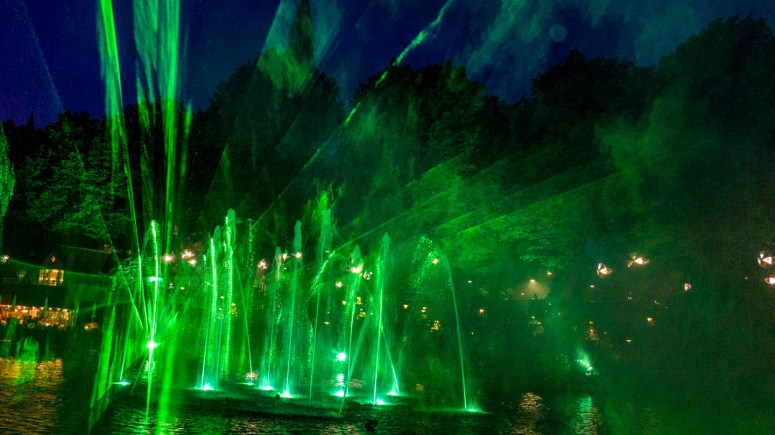
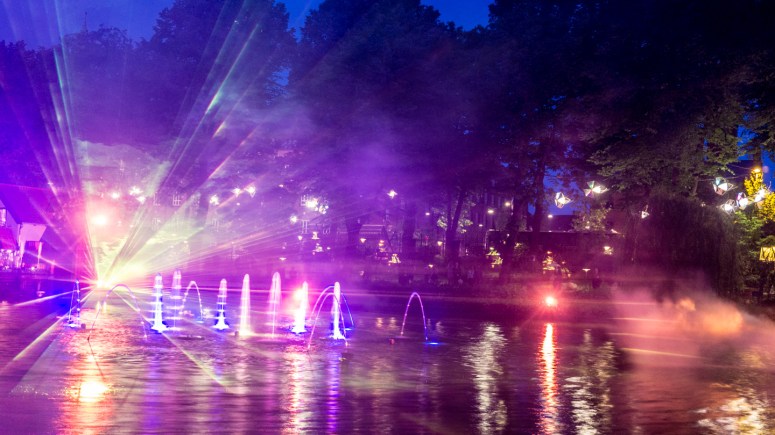
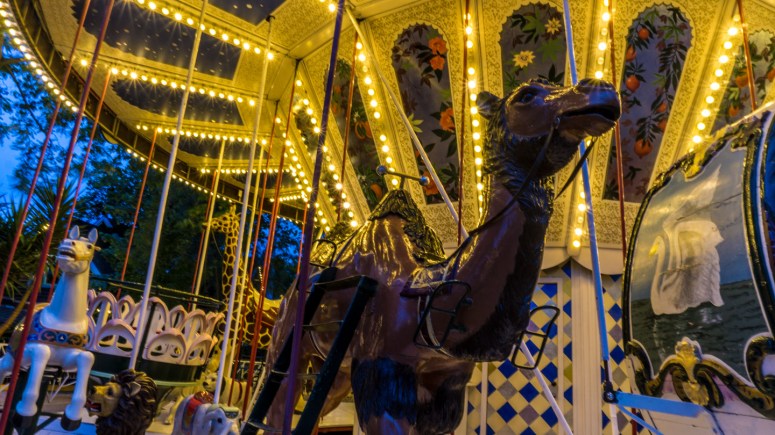 Tivoli’s Carousel features both tall and small animals so that you can choose your vantage point.
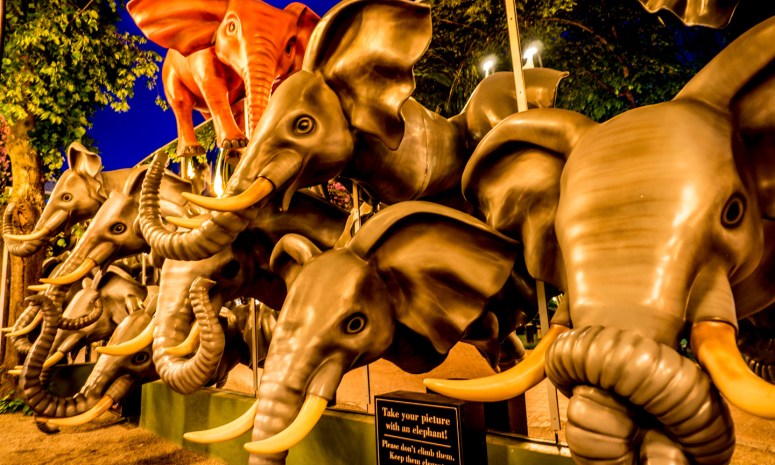 A wall of Elephants as you exit the park.
 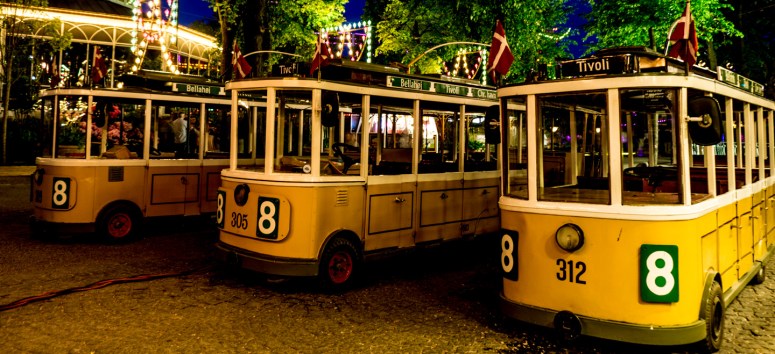 The Trolley cars have been an institution at the gardens since 1969. Hop on one to get a tour of the gardens.

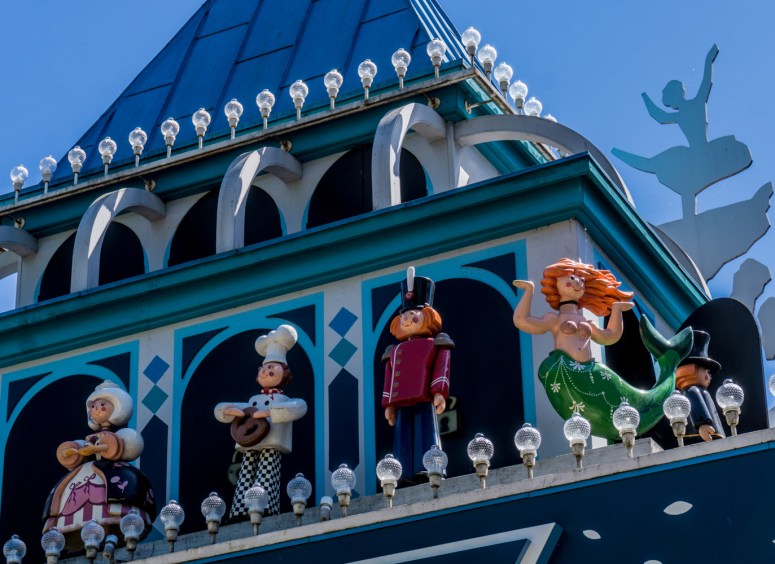

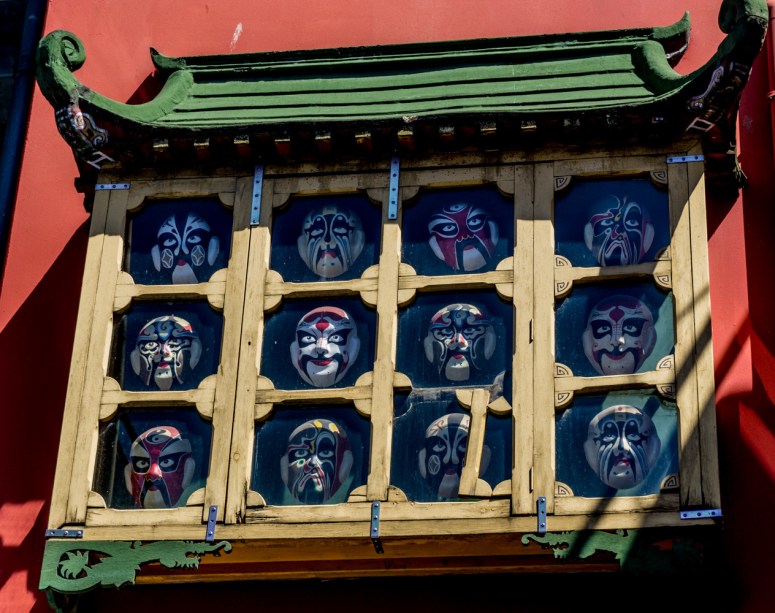
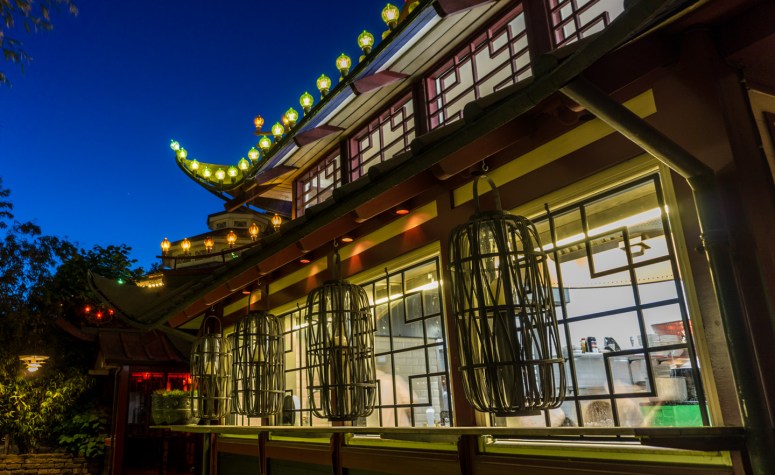
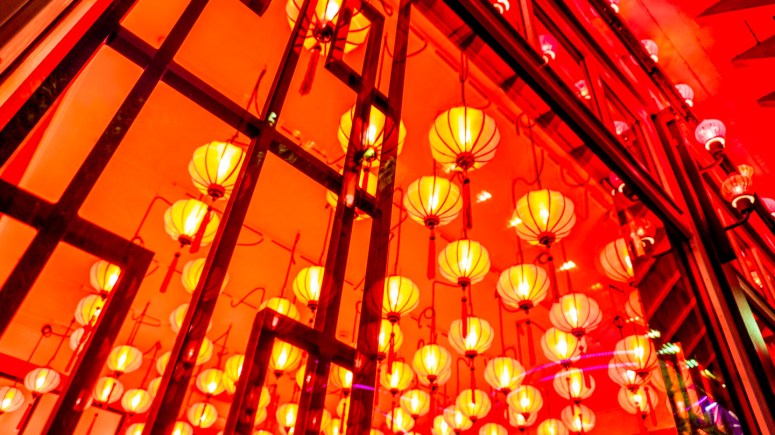
 Among the Bamboo Garden is the Japanese Pagoda, built in 1900. Originally it was known as The Chinese Tower until 2009, no one knows why the name was changed. Tea and refreshments are available for purchase inside.
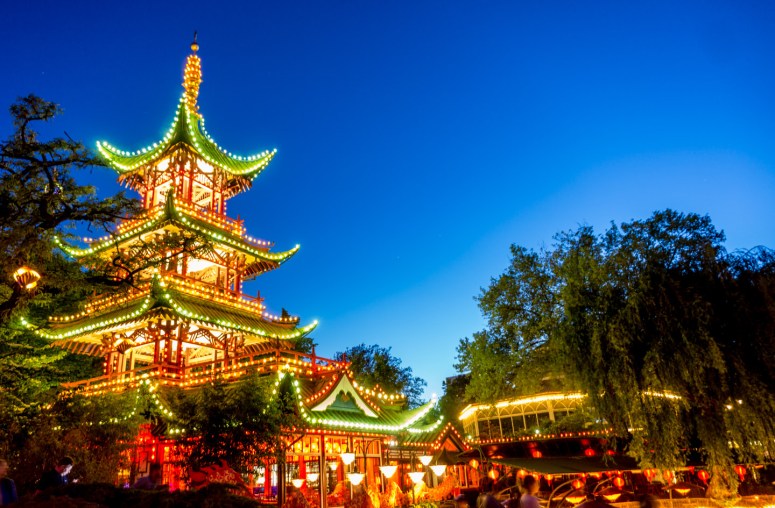 In 1874, thousands of electric lights lit up the night in the gardens, There are approx. 2,800 bulbs on The Japanese Pagoda. The Pagoda was the first of the park’s buildings to get LED bulbs. The twinkling light bulbs are often referred to as Tivoli Lights.
  The Moorish Palace in Tivoli is home to luxury Hotel Nimb designed by Knud Arne Petersen. In 1909 Wilhelm and Louise Nimb, who had created a restaurant empire
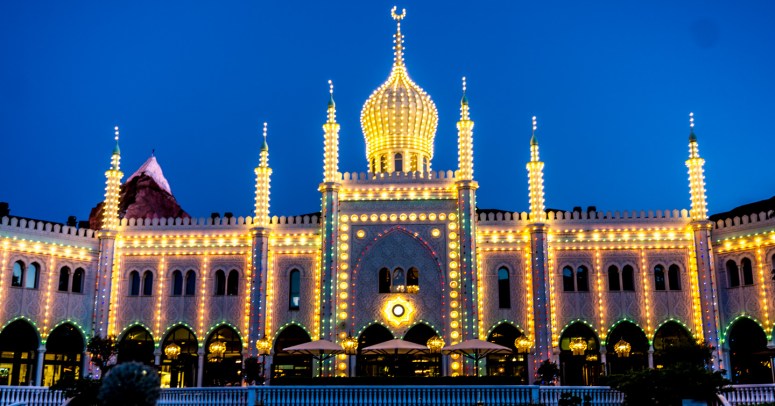 In October 2015 Hotel Nimb was awarded “Hotel of the Year” by Small Luxury Hotels (SLH) from 520 hotels across 82 countries around the world.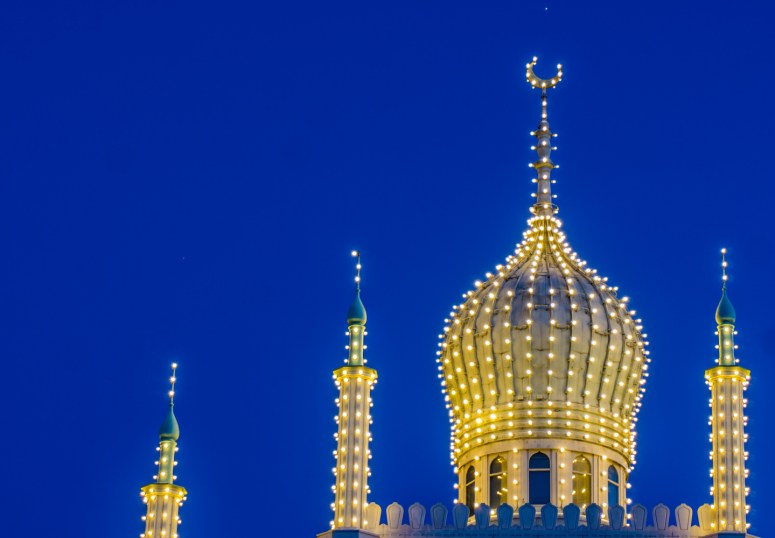
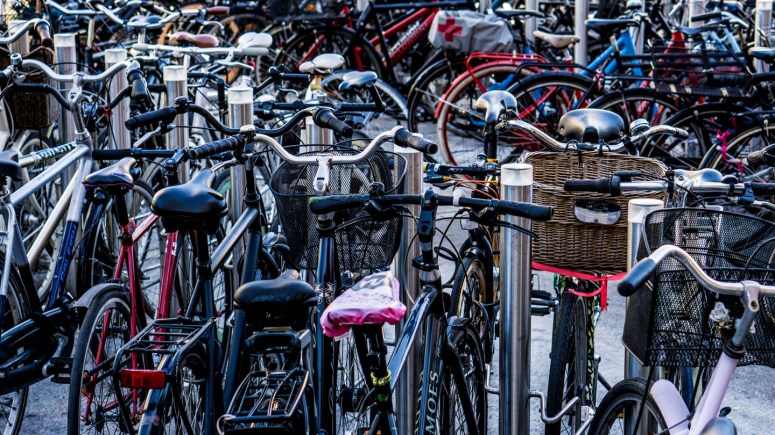 Copenhagen is an incredibly walkable city and has great public transportation. Since buying a car becomes with an 180% tax, most residents walk, ride the bus or bike. My hotel – The Richmond was centrally located right near the train station and Tivoli Gardens.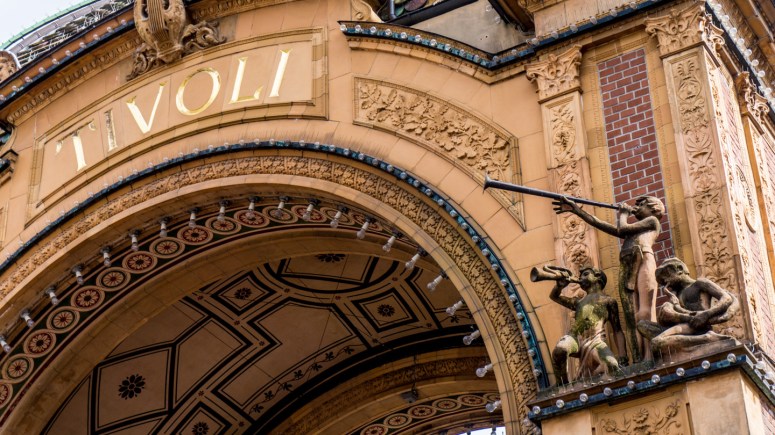
 The weather in June was great, unlike the 90+ temps back home, Copenhagen was very comfortable and cool. The days were long and by long I mean sunrise at 4am and sunset at 11:30pm. I found that most people spoke English very well and everyone was friendly and helpful.
 Travels With Ackbar