Chicago – That Toddlin’ Town

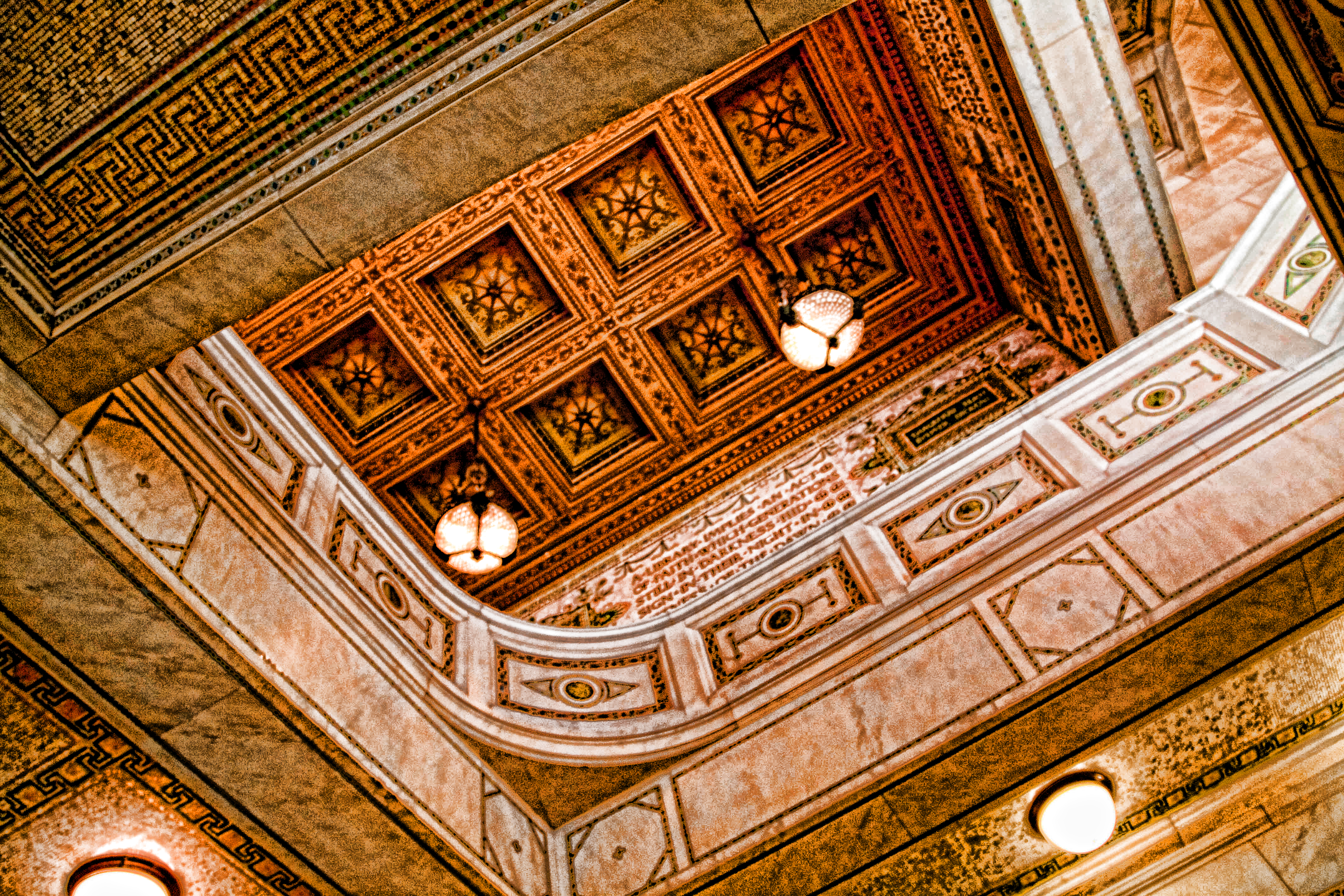
Foyer TouristChicago, Chicago, that toddlin’ town… The city of Chicago has some really unique architectural history. The Cultural Center located near the Loop and Millennium Park. when it was completed in 1897 it served as the city’s central library.
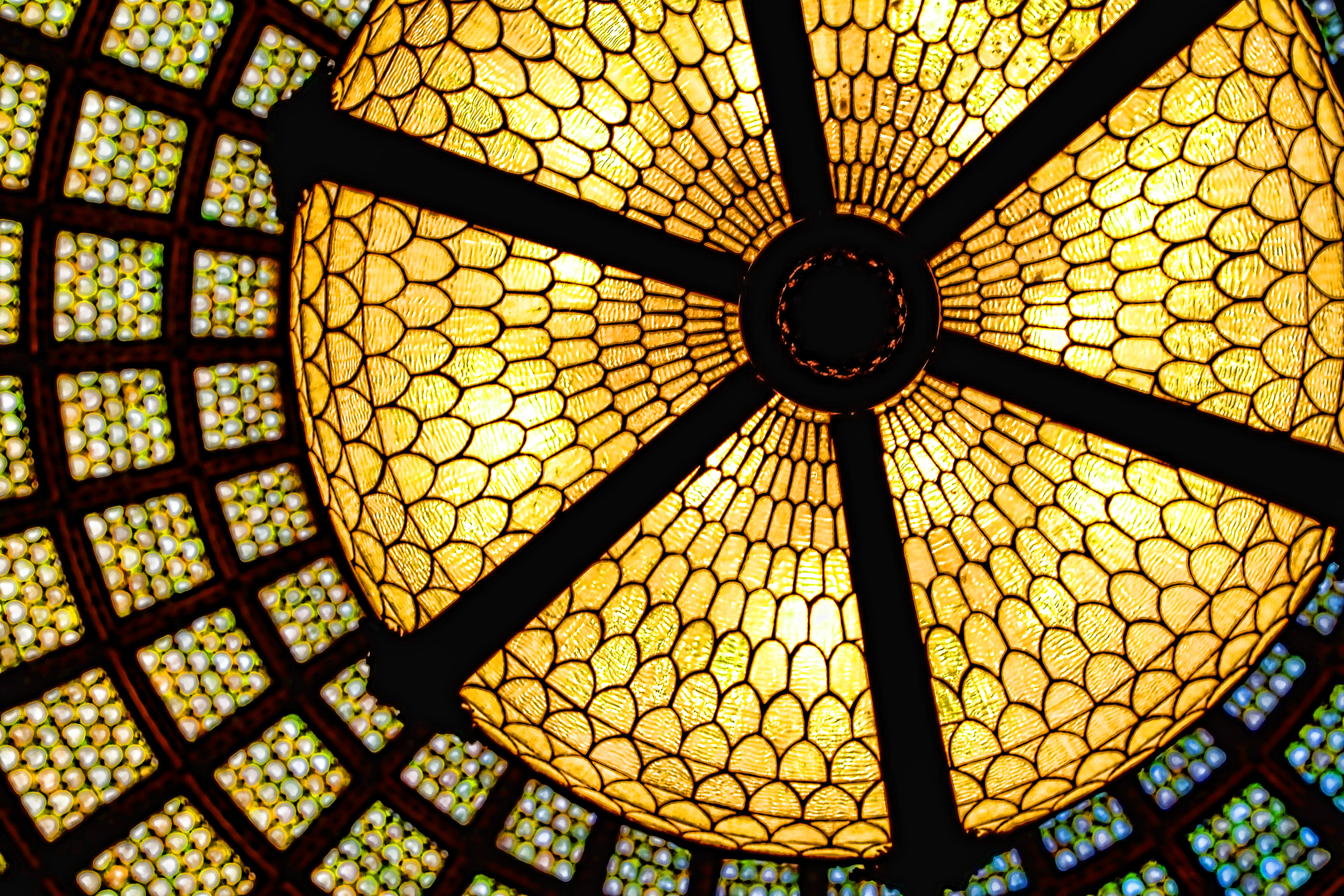
Tourist DomeThe center of the Grand Army of The Republic Memorial hall is a massive Tiffany dome. This massive installation is the world’s largest Tiffany dome and went through a major restoration in 2007.
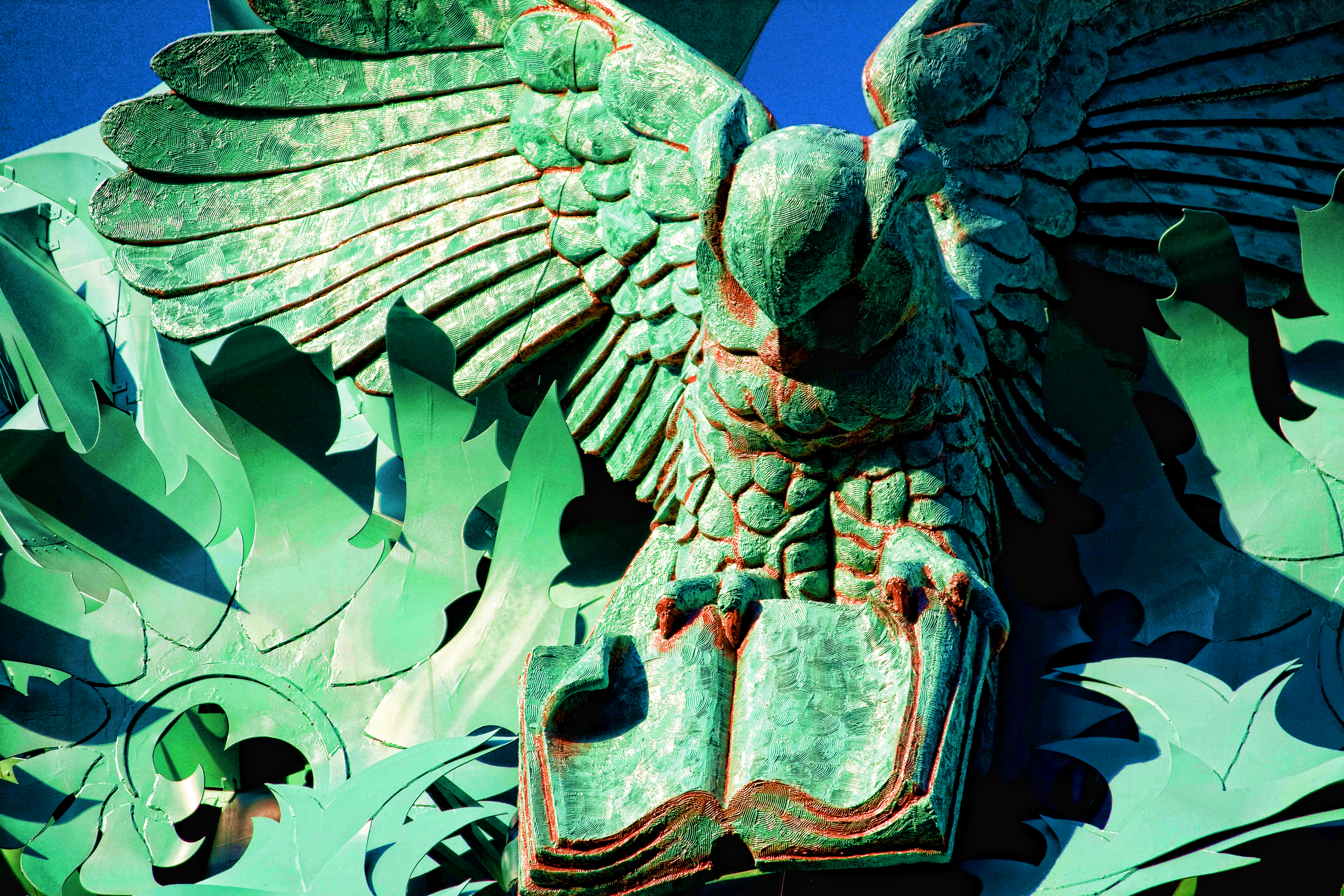
Library OwlChicago’s Harold Washington Library replaced the Central Library (now the Cultural Center) in 1987. The roof is adorned with 7 Acroteria or archiectural ornaments. On the corners and center can be found large sculptures of Owls, the symbol of the goddess of knowledge, Minerva. This Great Horned Owl sits over the center of the State Street entrance on Printer’s Row.
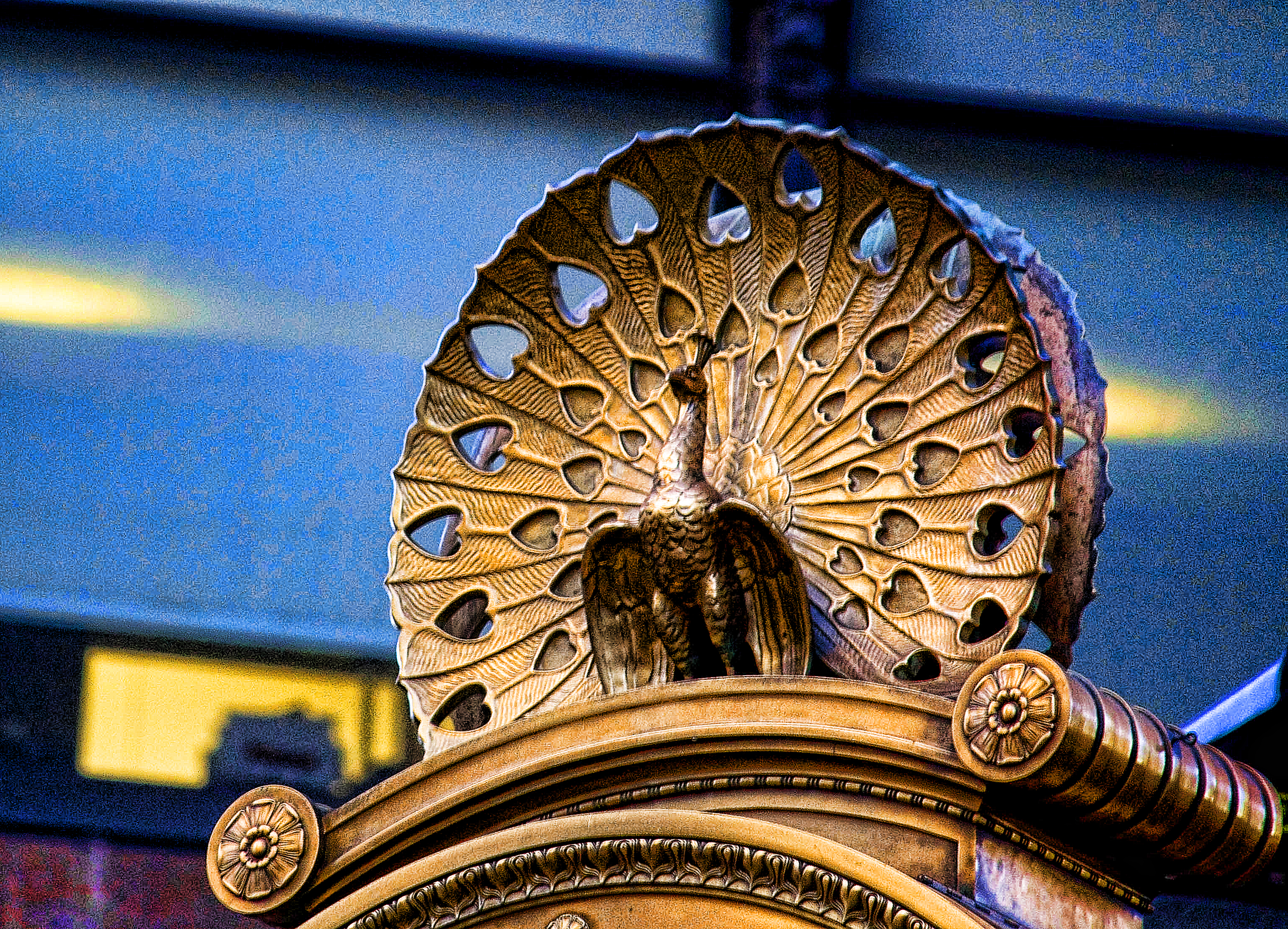
Peacock JewelersAnother bird hanging around the loop is the majestic peacock. The Jeweler’s CD Peacock store at State St. and Monroe. The House of Peacock was the first retail jewelry store in Chicago and catered to such big names as Mary Todd Lincoln, Marshall Fields and Mick Jagger. Hotel Sconce

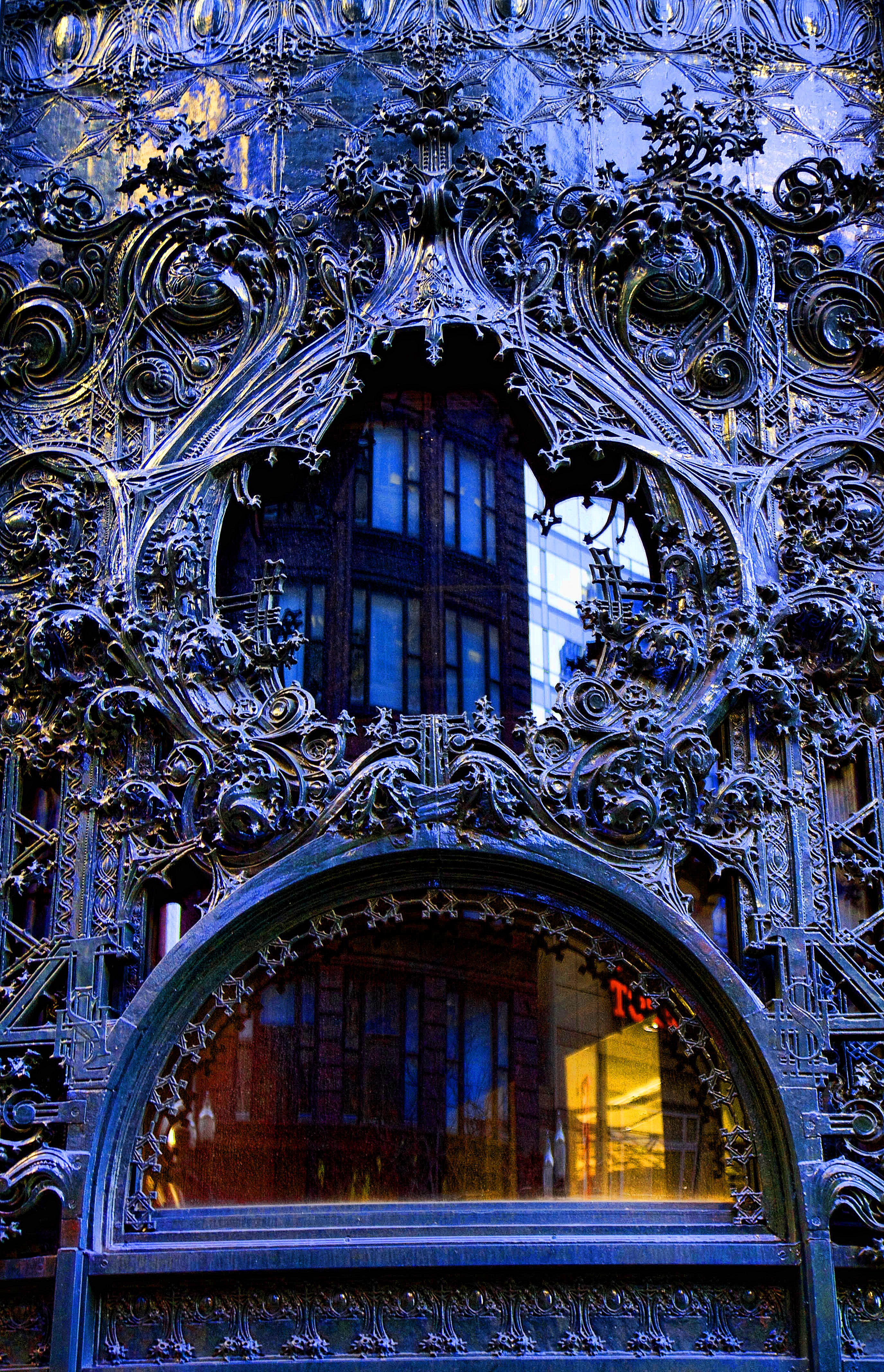
Carson Pirie 2One of the coolest facades in Chicago has to be the Carson, Pirie, Scott and Company Building. Built after the great Chicago fire, the Sullivan Center as it is known today, was built as a major retail center. Today, the building hosts a Target on the bottom floors, but the ornamentation is still intact. The ornate floral details are bronze cast iron and were meant to appeal to the female clientele.
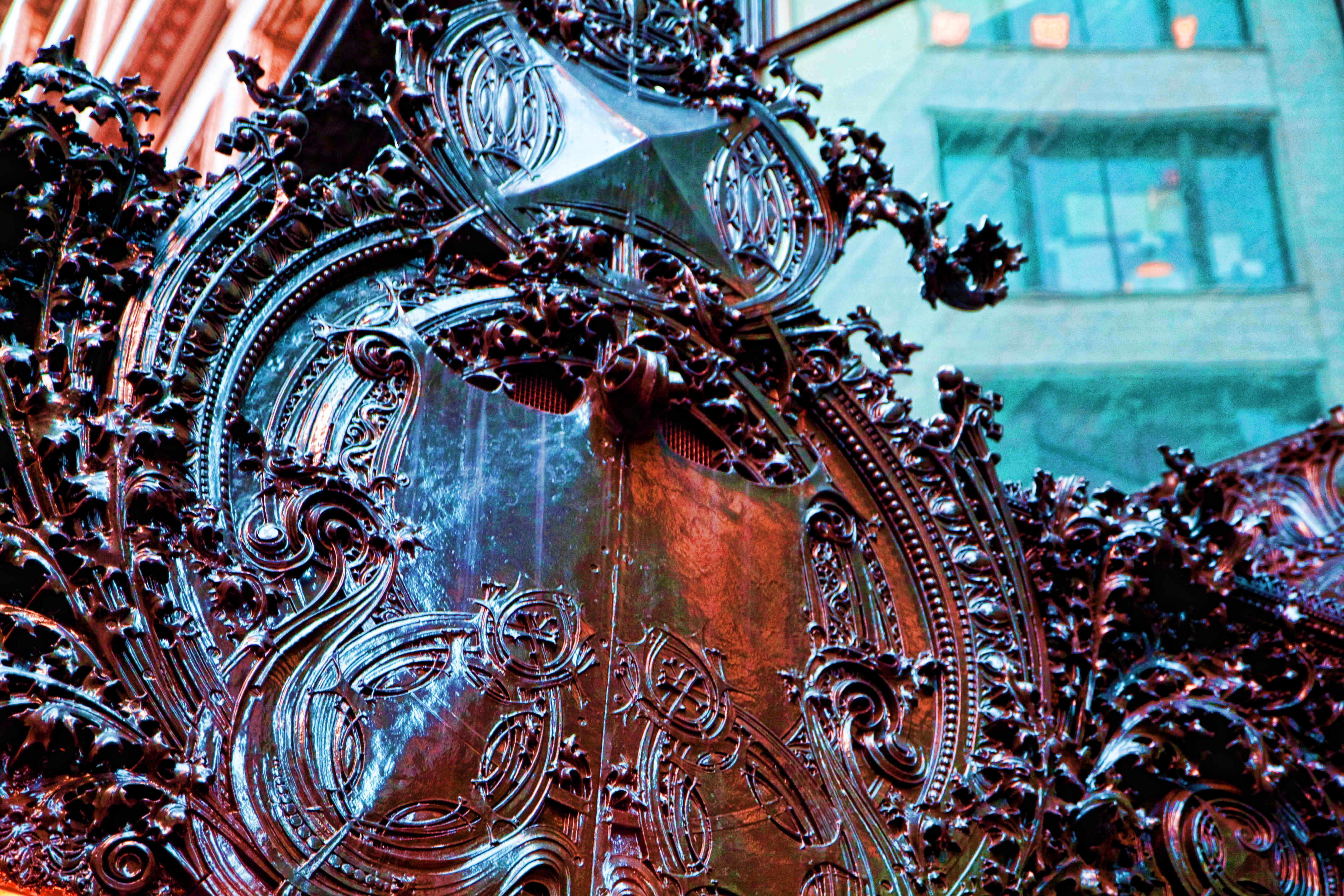
Carson Pirie

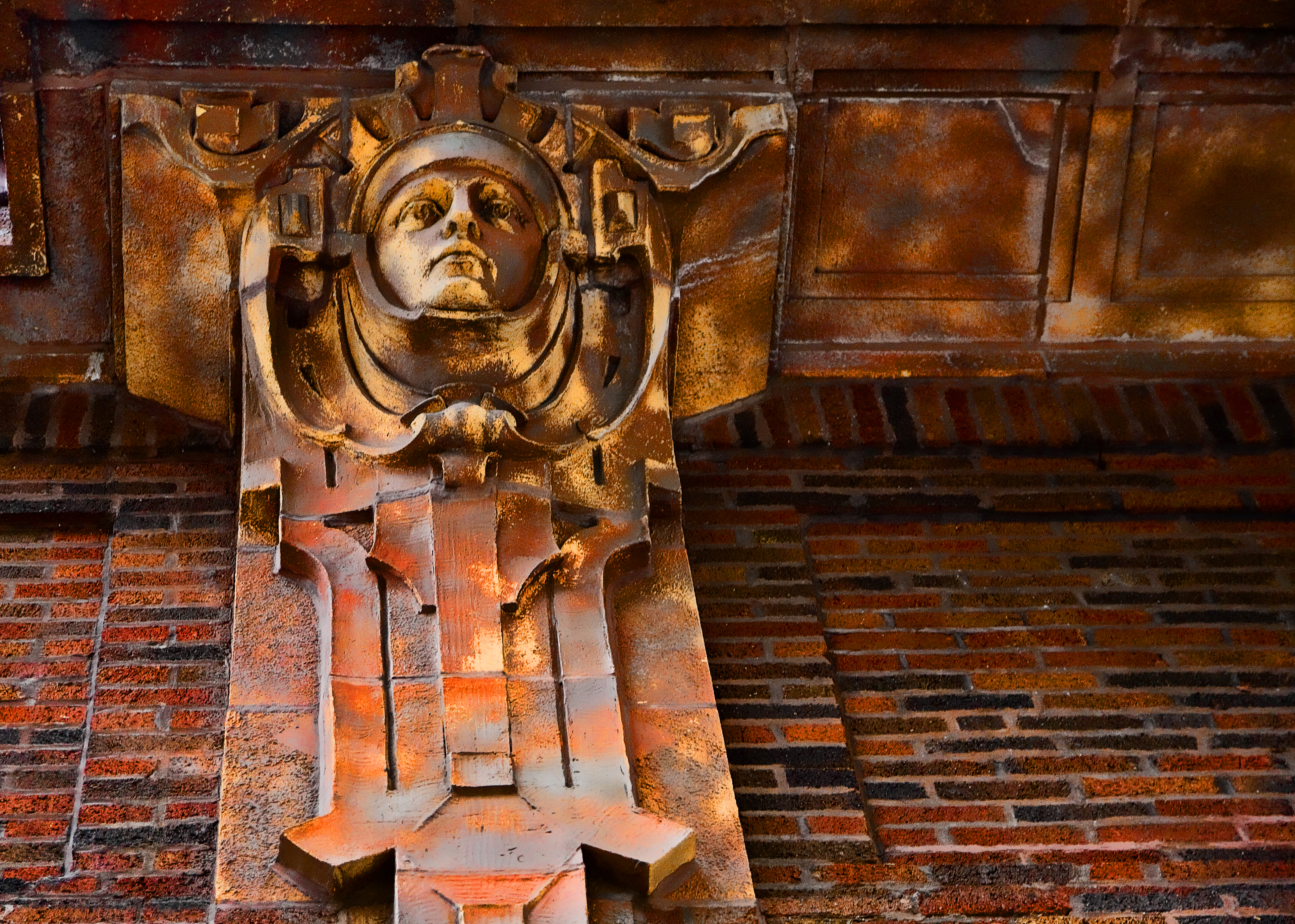
FaceMetropolitan Capital Bank on the Magnificent Mile features details from the Prairie School of the Arts and Crafts movement, Frank Lloyd Wright once had a studio at Chicago’s Tree Studios artist’s enclave.
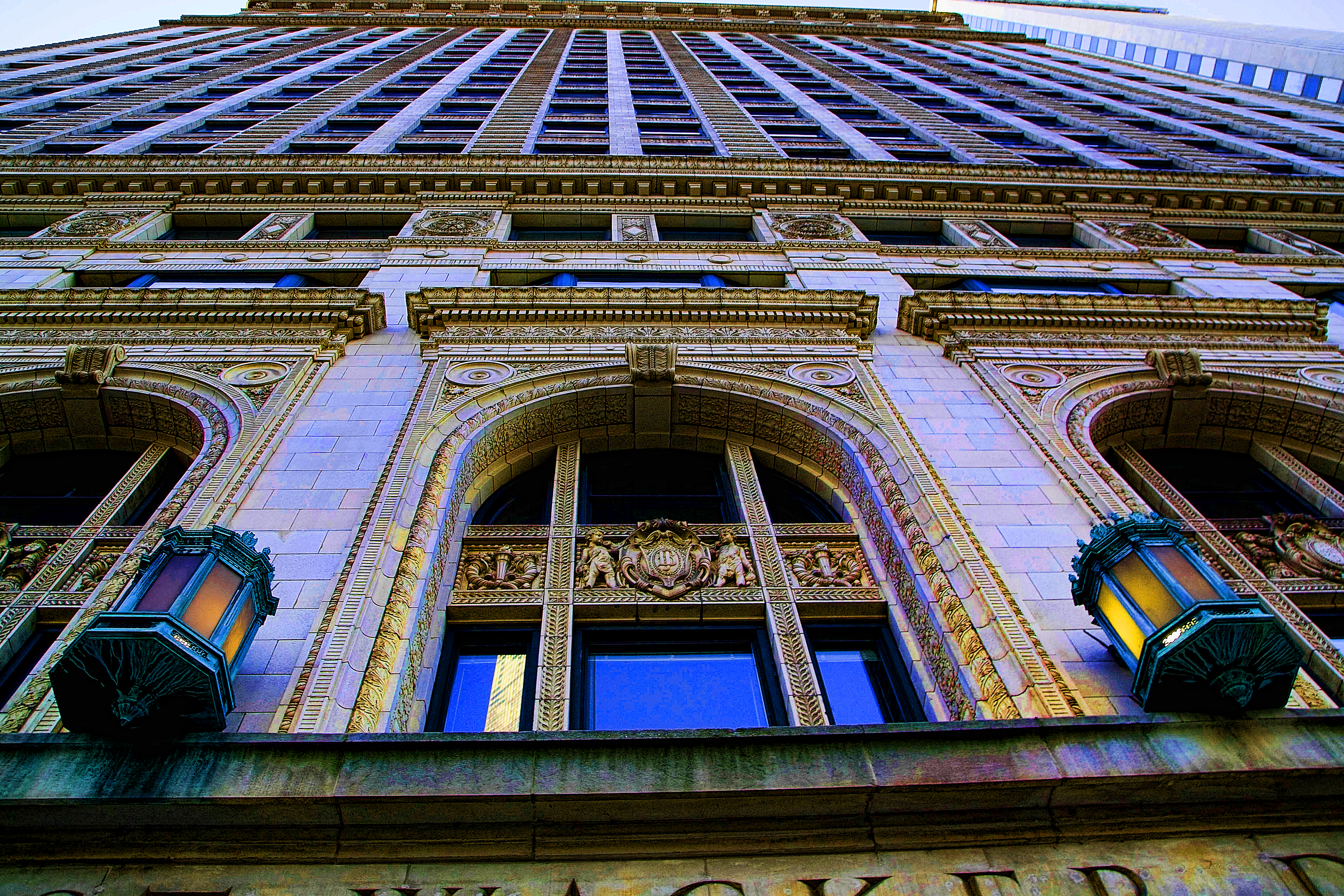
Whacker DriveAt one time, the Jeweler’s Building at 35 Whacker Drive was considered the tallest building in the US outside of New York City. Movie fans may recognize the building from Batman Begins and Transformers: Dark of the Moon.
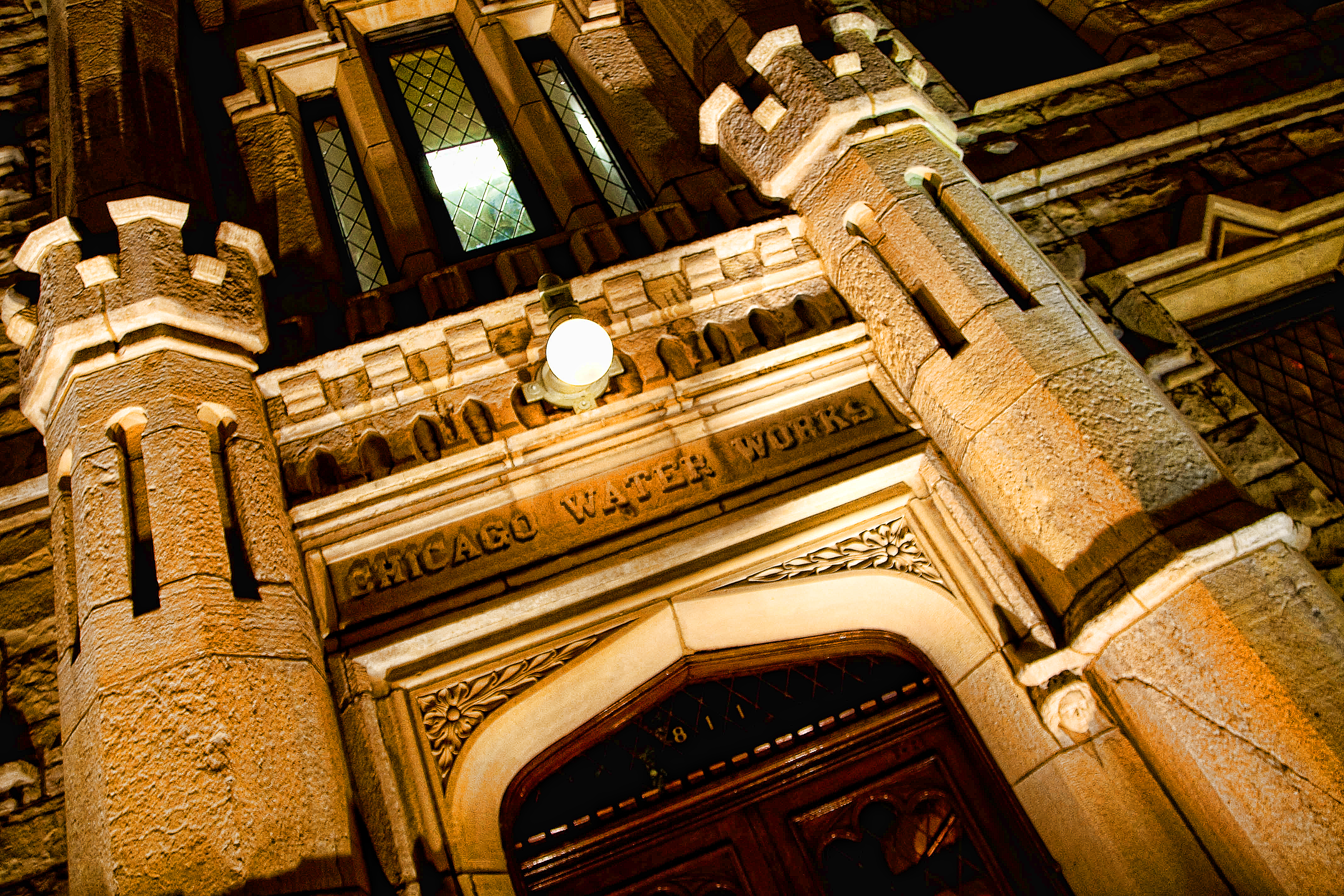
Water WorksThe Chicago Water Tower was one of the few buildings to survive the great fire. It’s tower was built to house a massive pump that would pump water directly form Lake Michigan. Built from Joliet limestone, it stands 154′ tall, Oscar Wilde said it looked like “a castellated monstrosity with pepper boxes stuck all over it.

Gargoyles TribuneThe Chicago Tribune Building completed in 1925 is adorned with gargoyles and grotesques designed by American sculptor Rene Paul Chambellan.
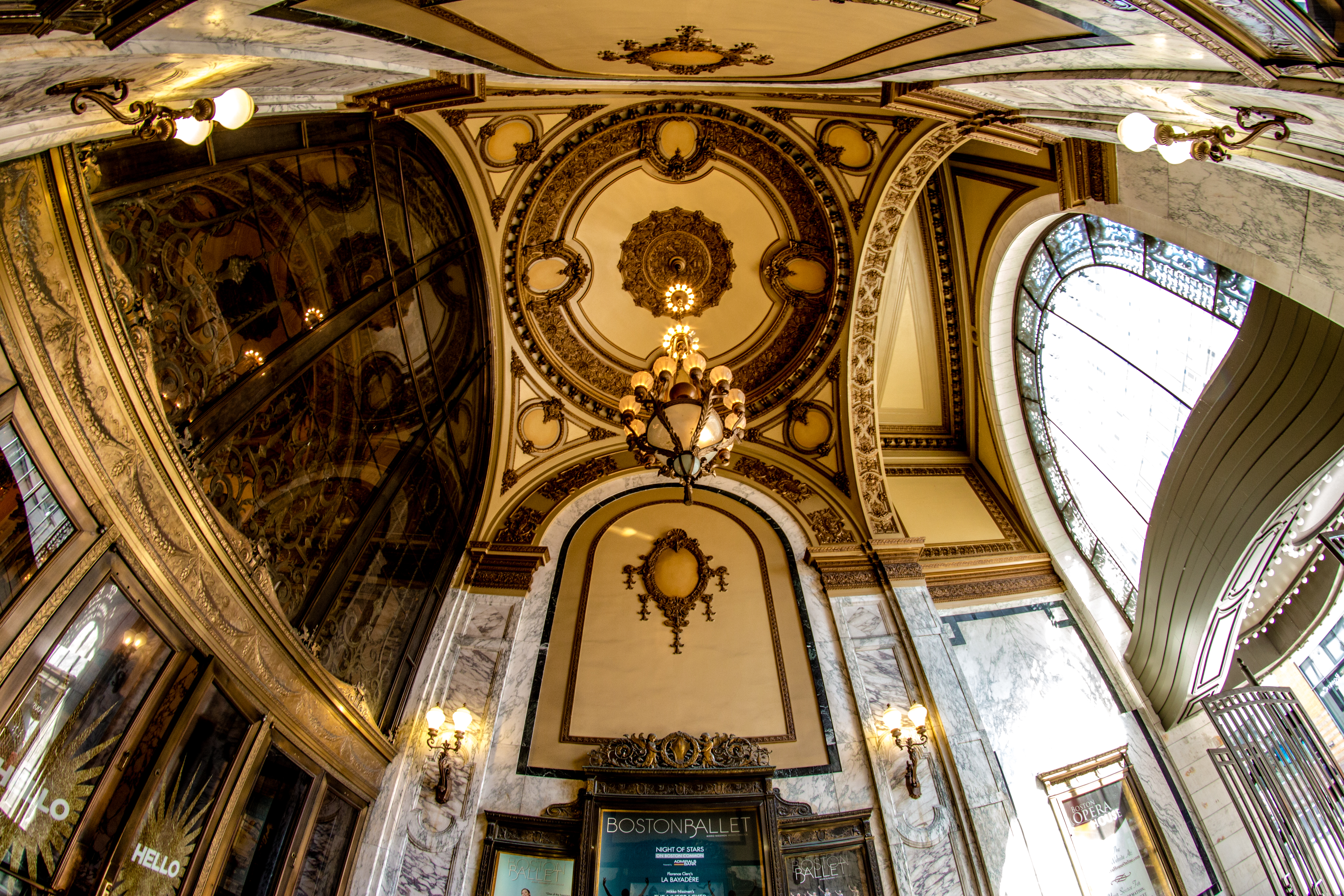
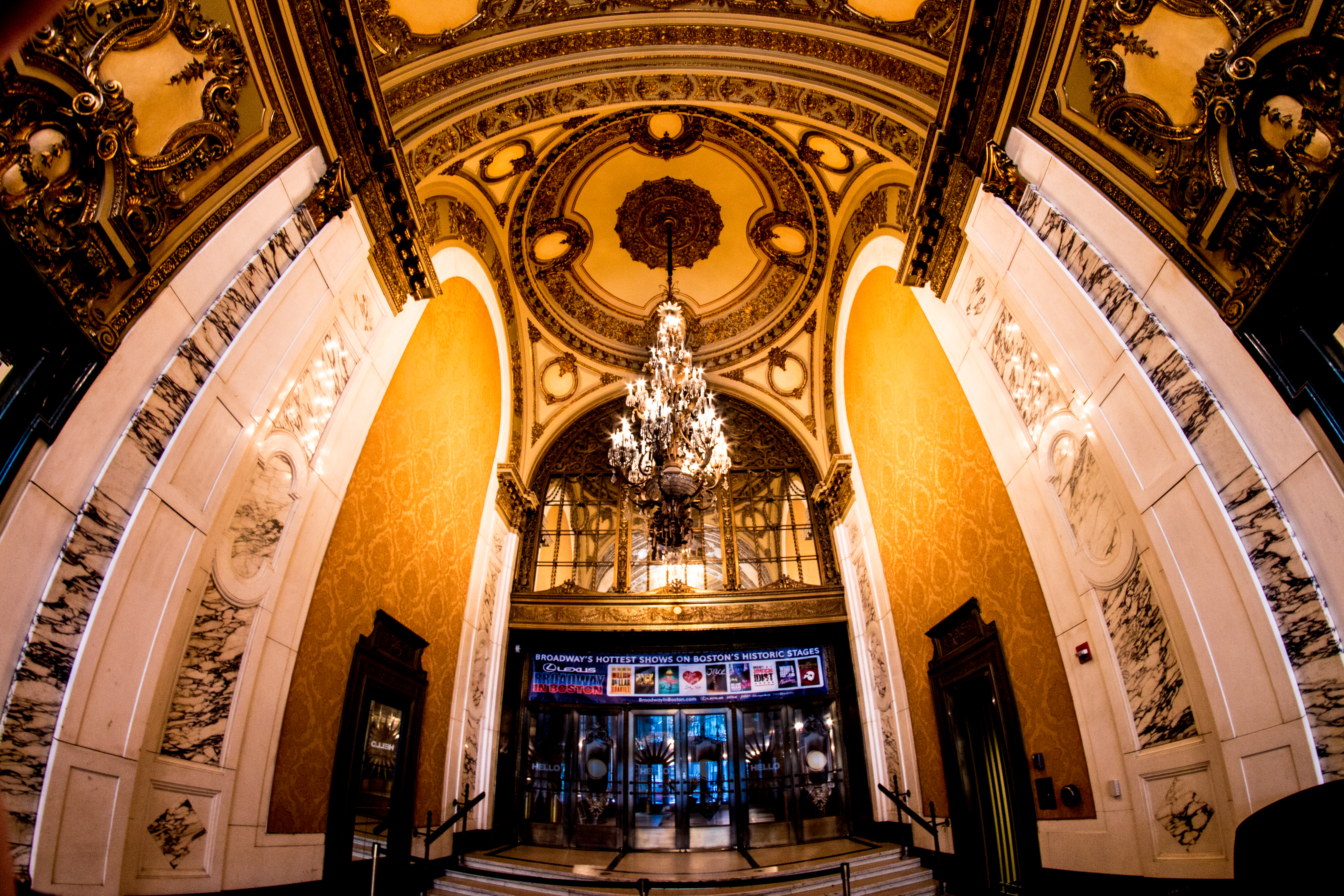
The Boston Opera House

OperaHouseThe Boston Opera House began it’s life as a Vaudeville Circuit Theatre in the 1920’s. It was designed as a mixture of Italian and French architecture. By the 1960’s it was a movie house until the Opera Company purchased it.

OperaHouse2In 2002, a major renovation occured that involved a rare assembly of old-world craftsmanship and highly-skilled trades went to work restoring sculptural plaster, gold leaf finishes, Carrara marble, paintings and tapestries, grand staircases, chandeliers, walnut and oak paneling. The restoration included replication of historic carpet, seating and silk wall panels. When the historic patterns for the silk wall panels proved too large for modern looms, a loom was custom-built to create the historic pattern.

OperaHouse3


Never Again

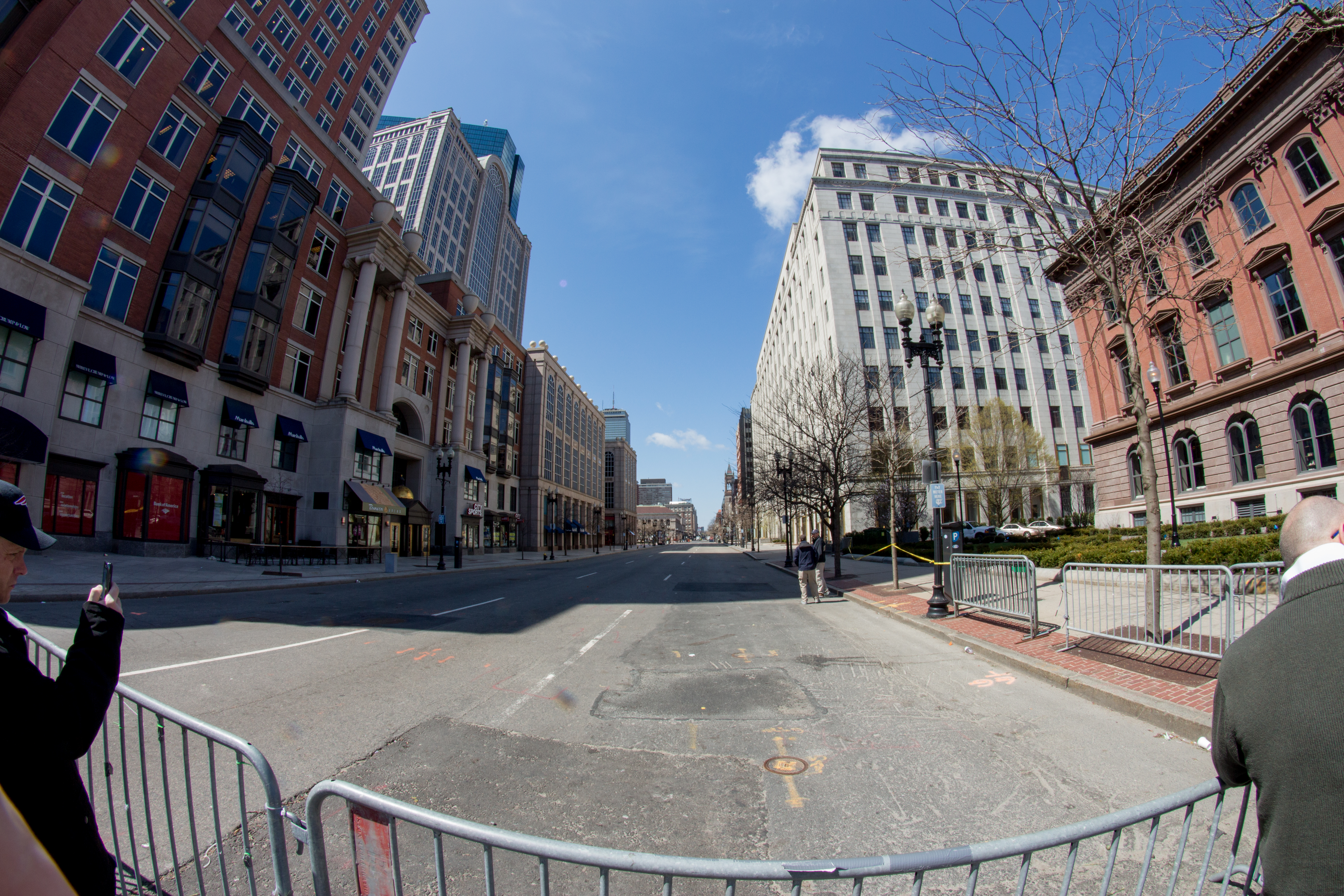
BoylstonOn Monday April 15th a tragedy like no other befell my beloved Boston. A week later the site of this horrible event is still deathly still, normally the busy center of the city.

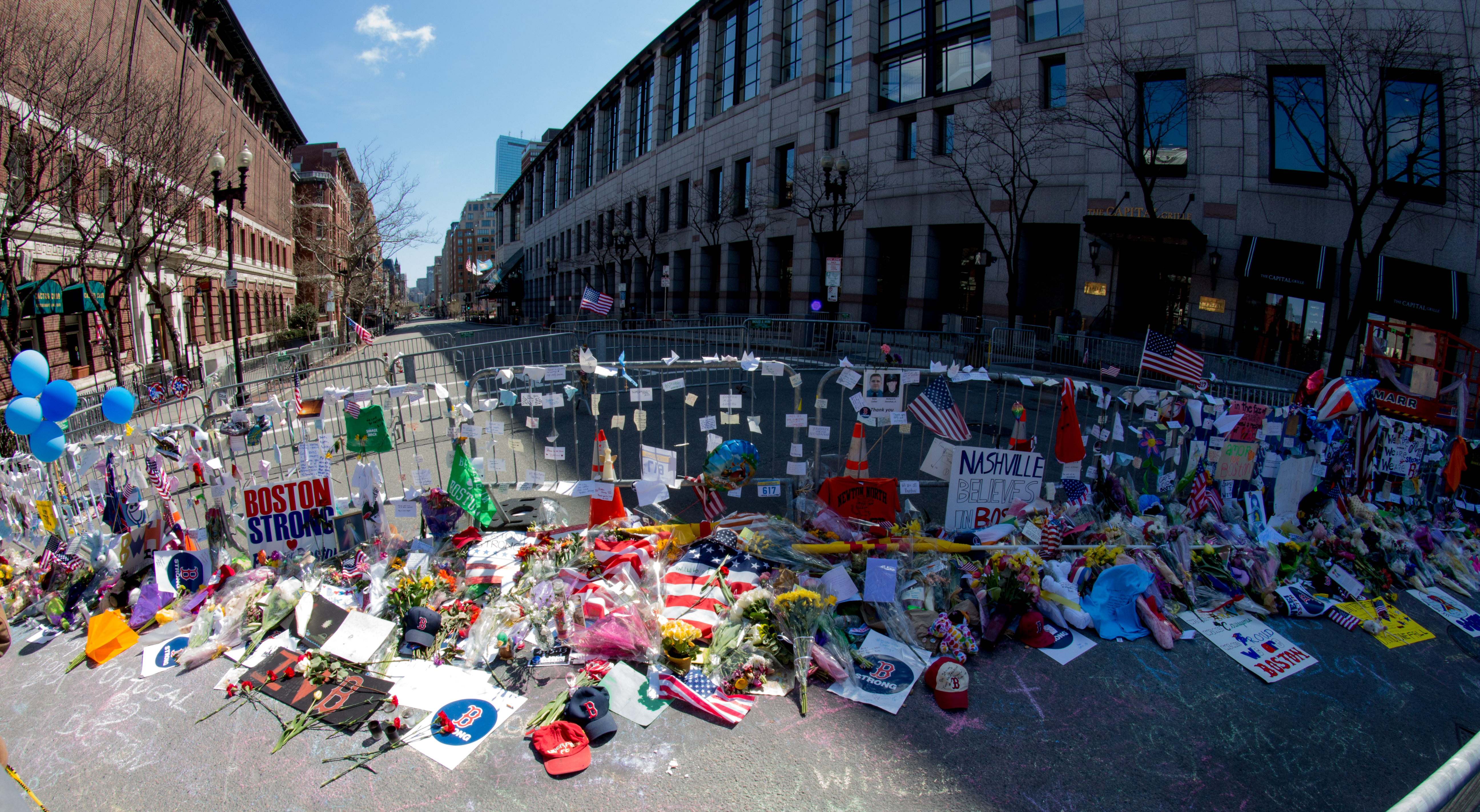
Memorial 2Strangers from all over the world gathered to lay momentos and prayers. Boston Strong echoed across the land, even those damn NY Yankees paid us tribute.

NiketownA pile of chalk outside the closed Niketown store, allowed anyone that wanted, to leave a personal message of hope and support.

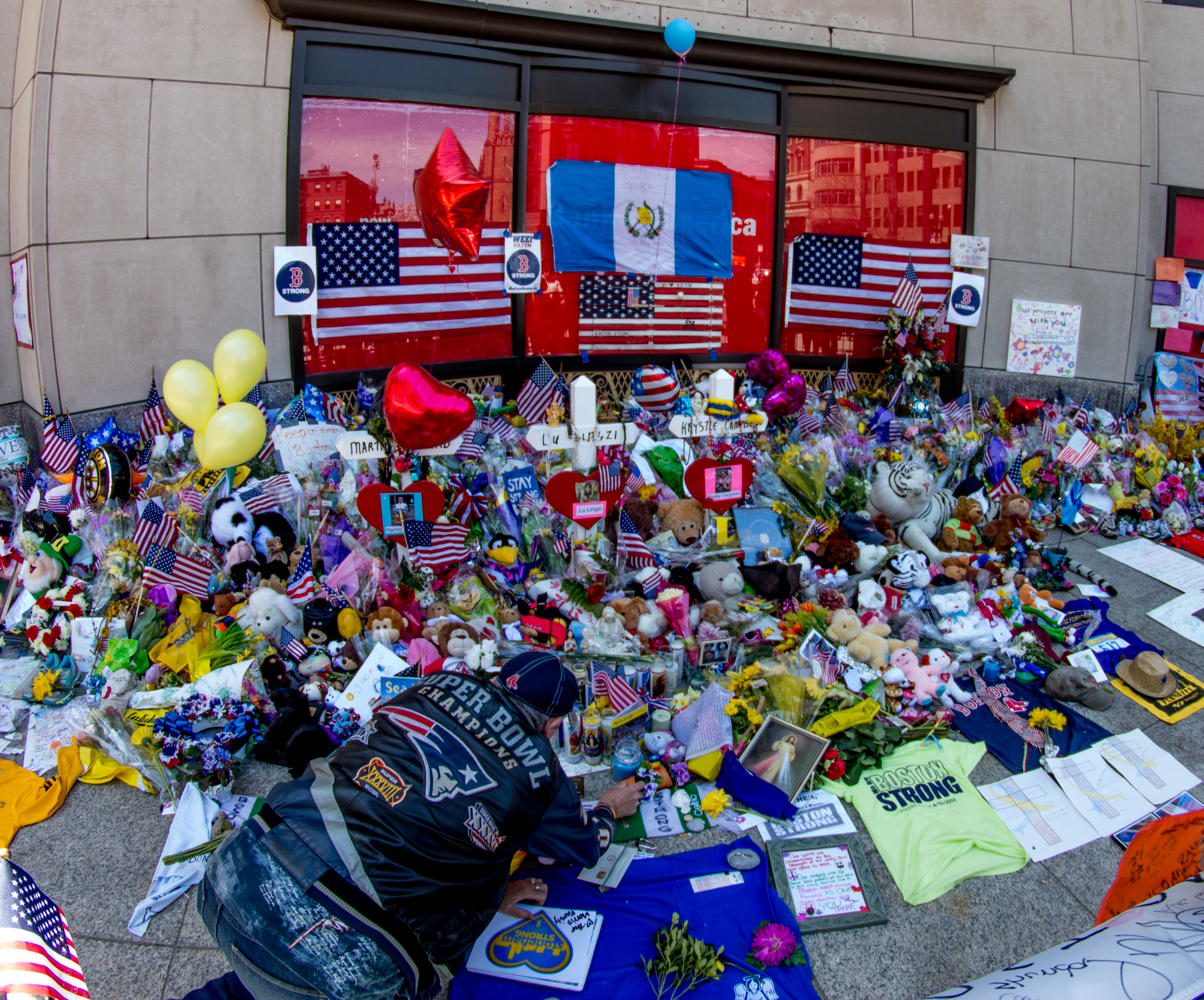
MemorialOne of the memorials was growing steadily and had to moved to a new location. Every piece of tribute was carefully replaced several blocks away. Stuffed animals, worn out running shows, Marathon medals, flowers, prayers all laid out with perfect respect.

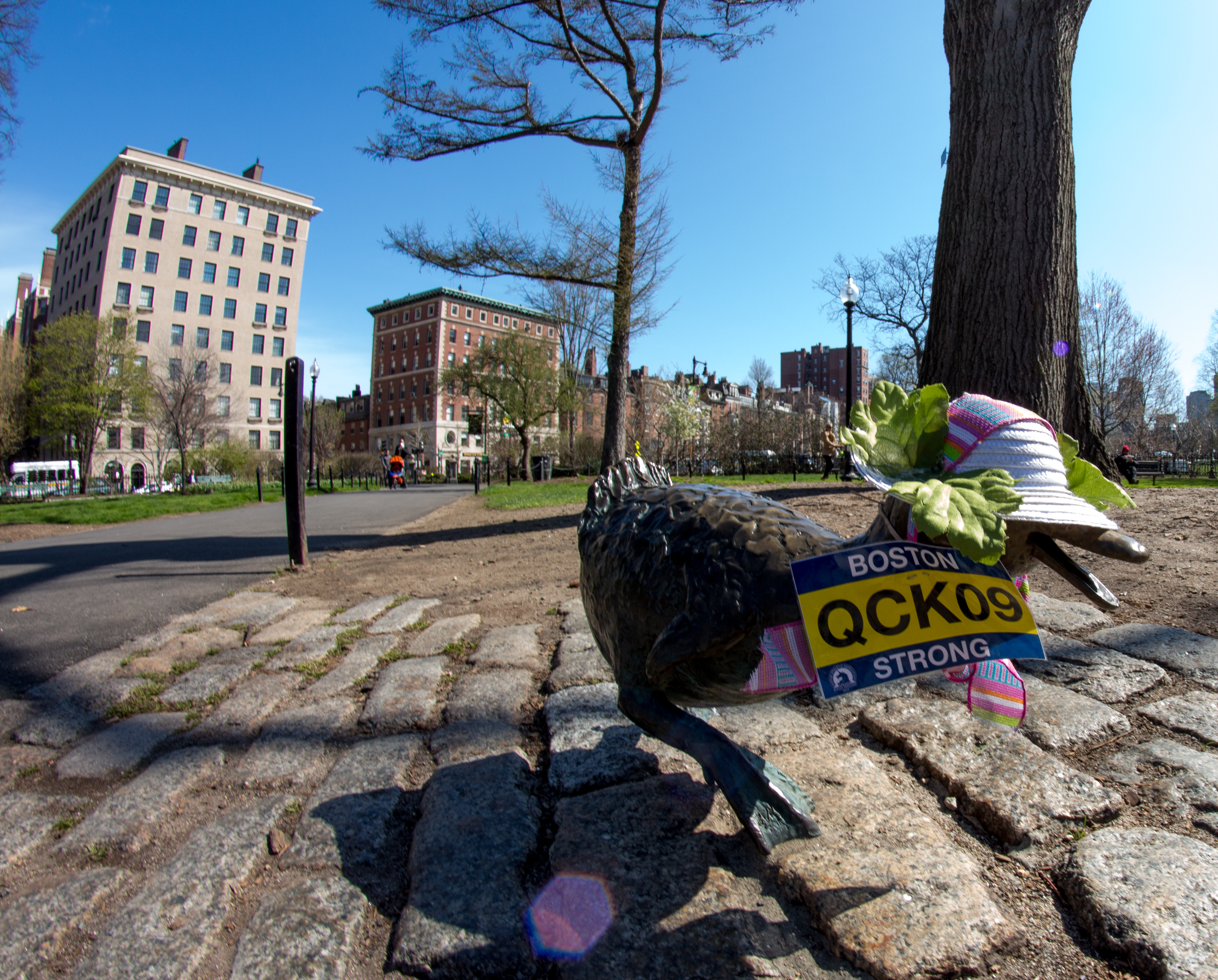
DucklingEven the little ducklings of Boston’s Public Gardens showed their support. Duck You !

Boston Through A Fisheye

On my recent trip to Boston I decided to give a new lens a try. I made a point of only shooting with my new fisheye and here are some of the results.

BurrageHouse

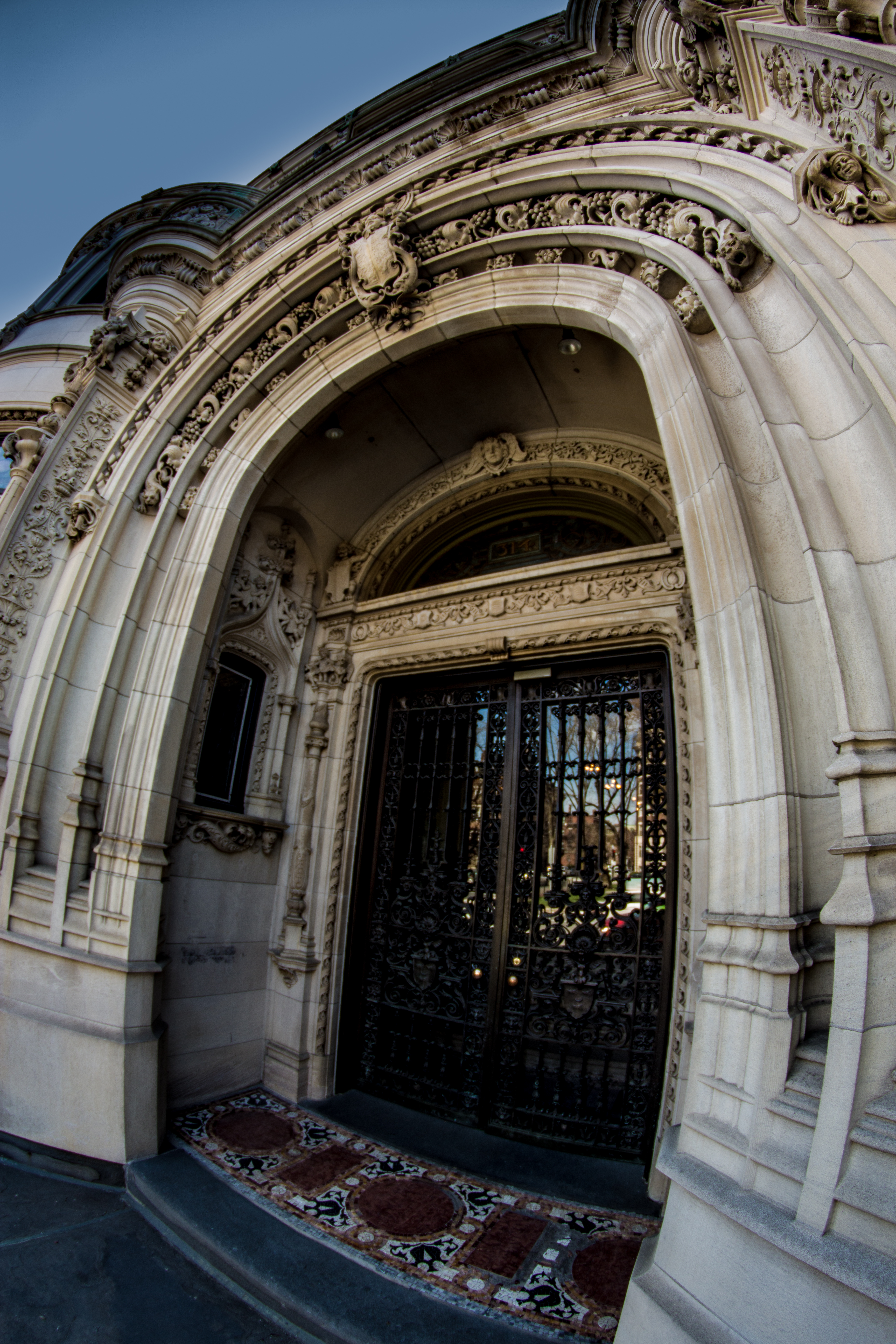
There are several buildings that have always captured my imagination, I frequently find myself returning year after year and finding new angles. One of these buildings is the Burrage House on Commonweath Ave at Hereford St. This unusual mansion is currently divided into 6 condos, former residents included New England Patriot’s Tom Brady.

BurrageHouse2

Similar homes werre built on New York’s Fifth Avenue. Modeled after Chenonceaux, a chateau located in the Loire Valley of France. Covered in Gargoyles and Grotesques, it represents the only example of the “chateauesque” style in Boston.

CommAve2

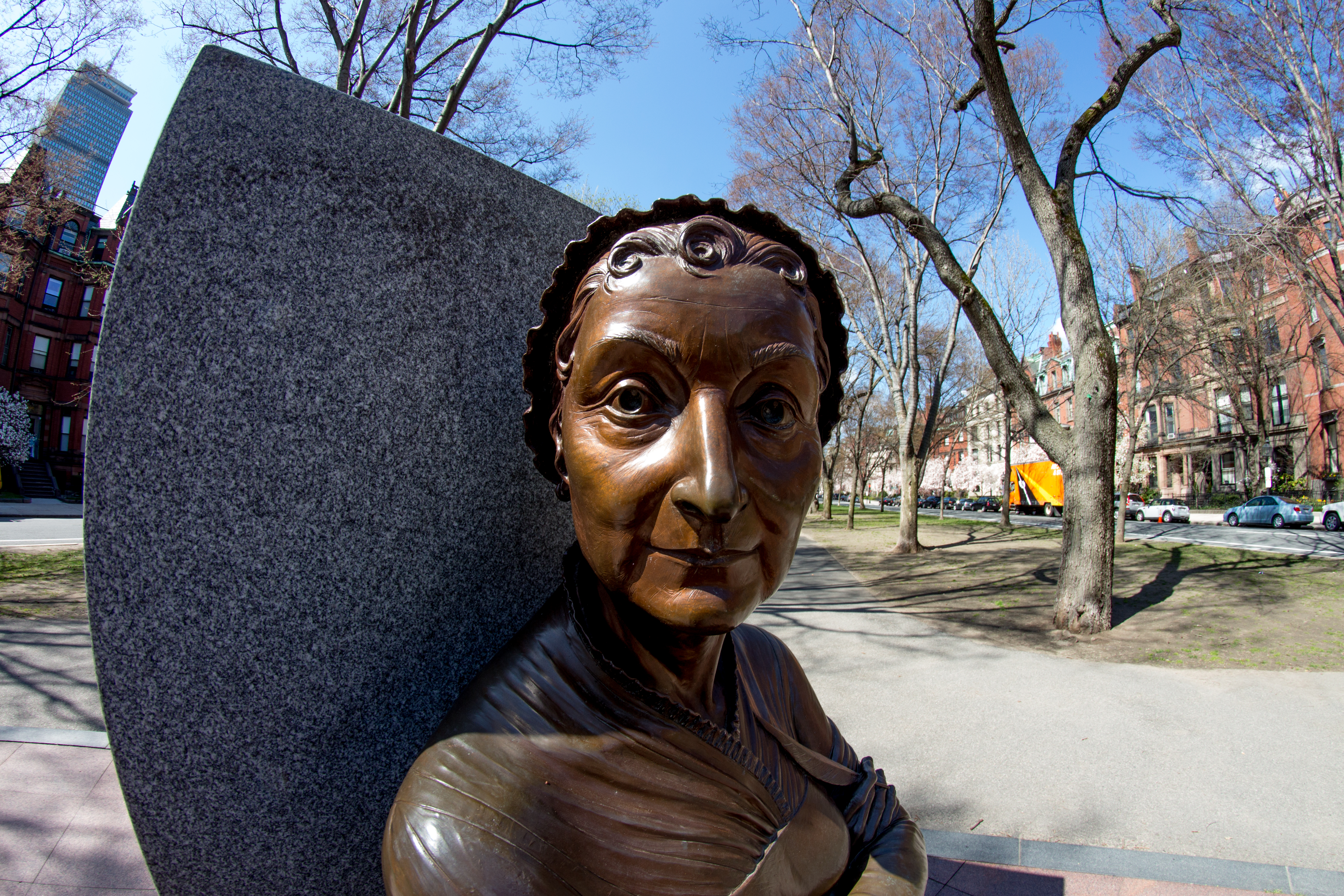
Walking along the mall at Commonwealth Ave, one encounters a number of sculptures representing some of Boston’s noteworthy citizens. Merdith Bergmann’s The Boston Women’s Memorial features likenesses of Lucy Stone, Phillis Wheatley and Abigail Adams,

CommAve

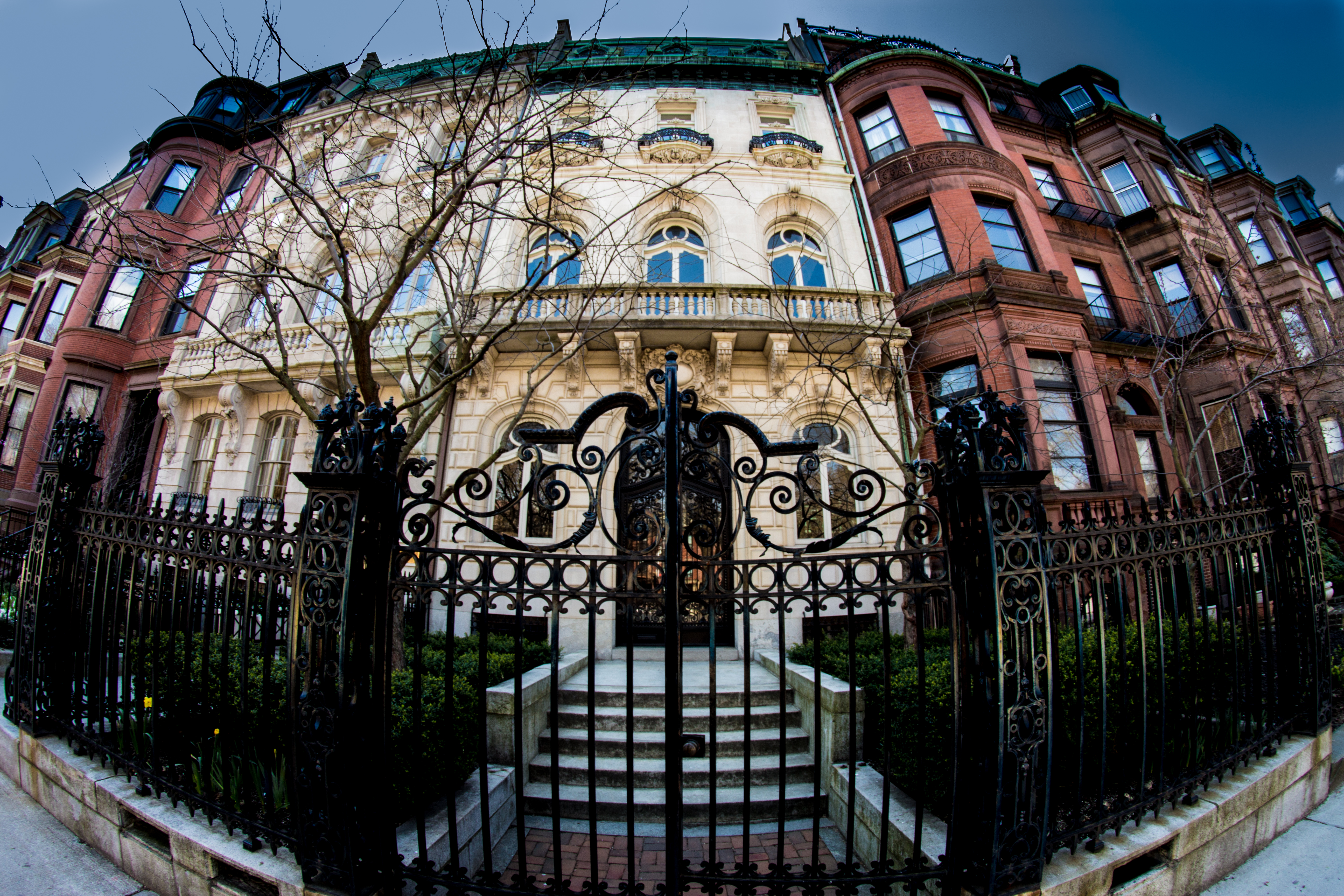
                All along Commonwealth Ave, you can see architecture ranging from the typical Boston Brownstones to the fabulous marble mansions.

PublicGarden

At the end of Commonwealth Ave, heading towards the State House, is the Boston Public Gardens. This public park features the Swan Boats, beautifully manicured lawns and one of my favorite statues.

Duckling

Robert McCloskey’s children’s book, Make Way For Duckings, tells the story of a pair of mallard ducks that raise their family on the Public Gardens Lagoon. Through the years, pranksters have duck napped individual ducklings, only to return them. The story is so popular that a sister to the statues was installed in Russia.  The Boston residents take great in their duckings, each spring they don straw Easter bonnets. And in remembrance of this year’s Marathon bombings, they wear their own Marathon runner’s bibs.

PostOffice

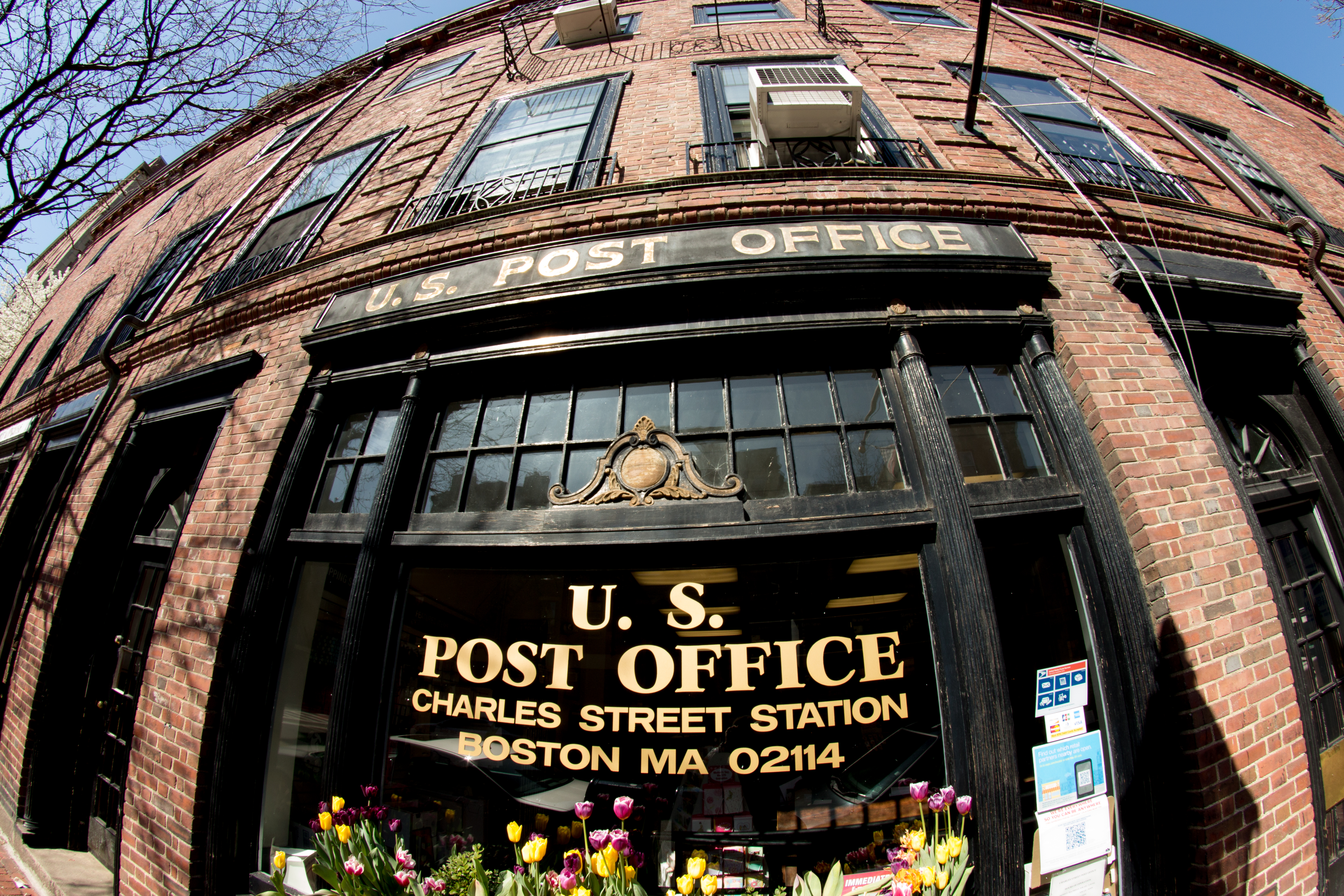
The Post Office in Beacon Hill on Charles Street, is the oldest operating Post Office in the city. This 2 window Post Office is one of the most popular in Boston , due in part to the friendliness of the customers and workers.

ScoreAntiques

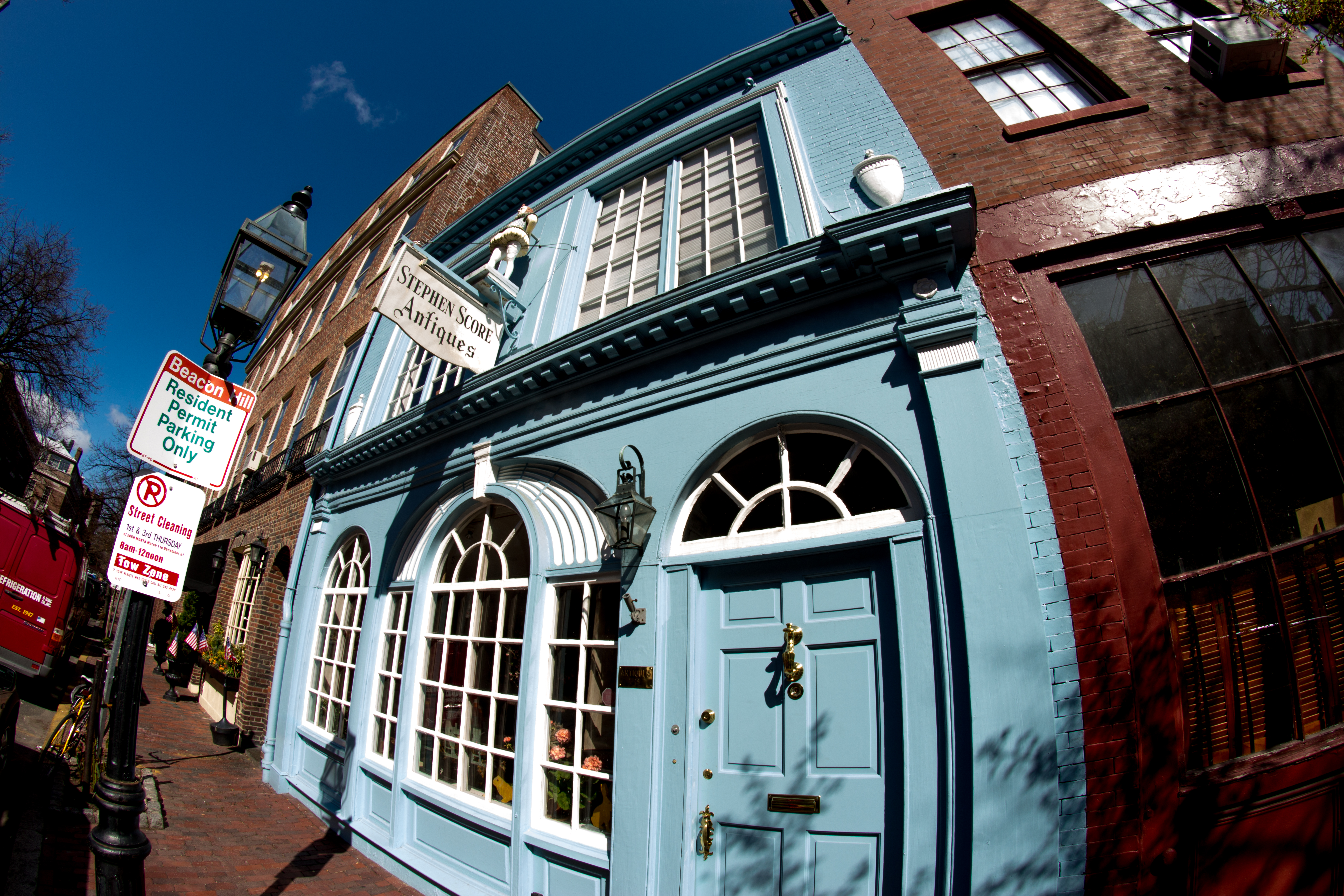
Stephen Score Antiques is nestled among 18th and 19th century buildings in the Back Bay. The vivid blue paint and the French Clown standing guard above the sign welcome you to a gallery full of antiques and fine arts. Previous owner, Israel Sack installed many of the period arcitectural details found throughout the gallery. Many were taken from an old mansion in Marblehead.

SteinartHall

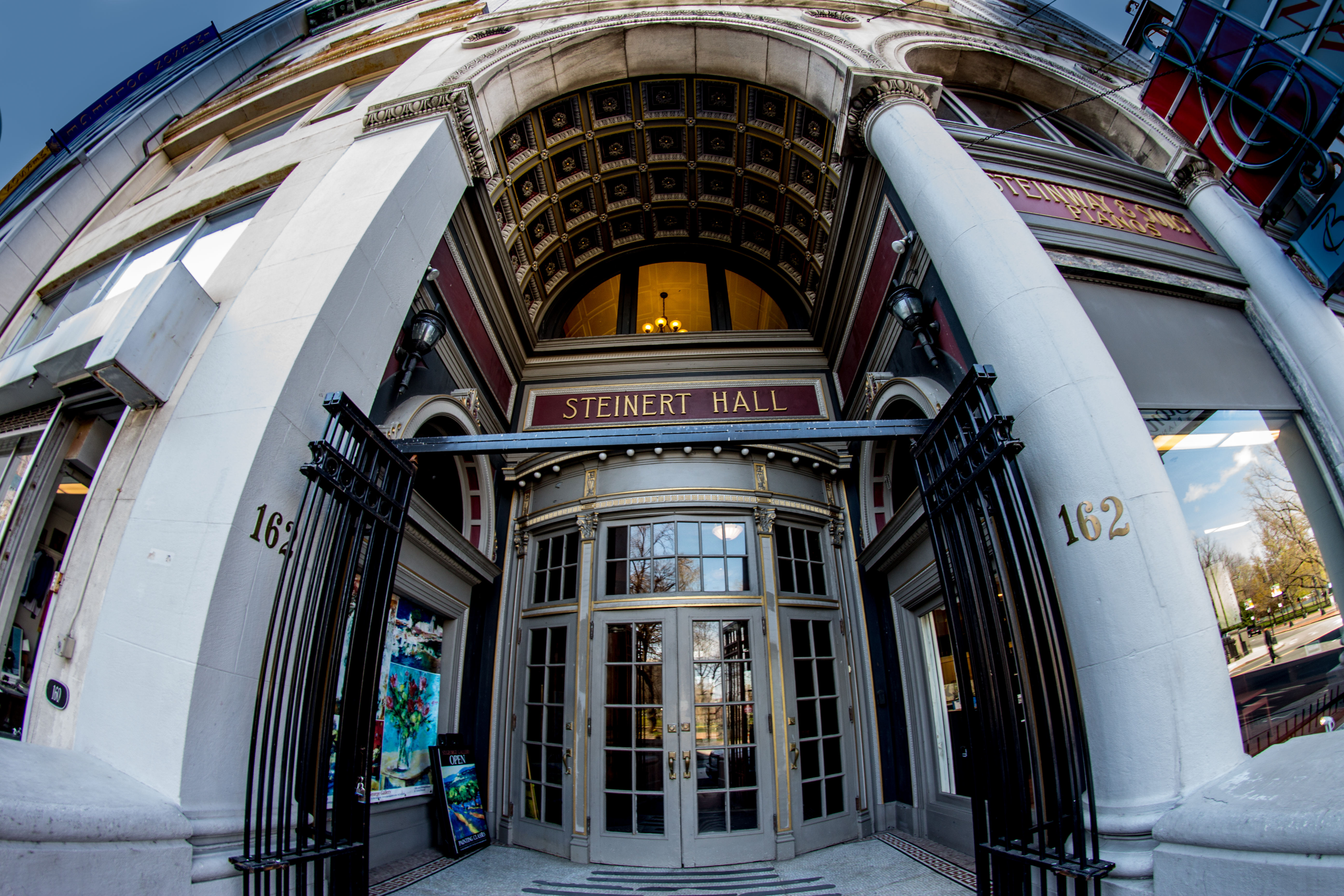
Steinert Hall on Boylston Street was built for piano dealers, M Steinert and Sons in 1896. The six story Beaux Arts style building used to feature a concert hall frequented by the elite of Boston’s arts scene.

PartyStore

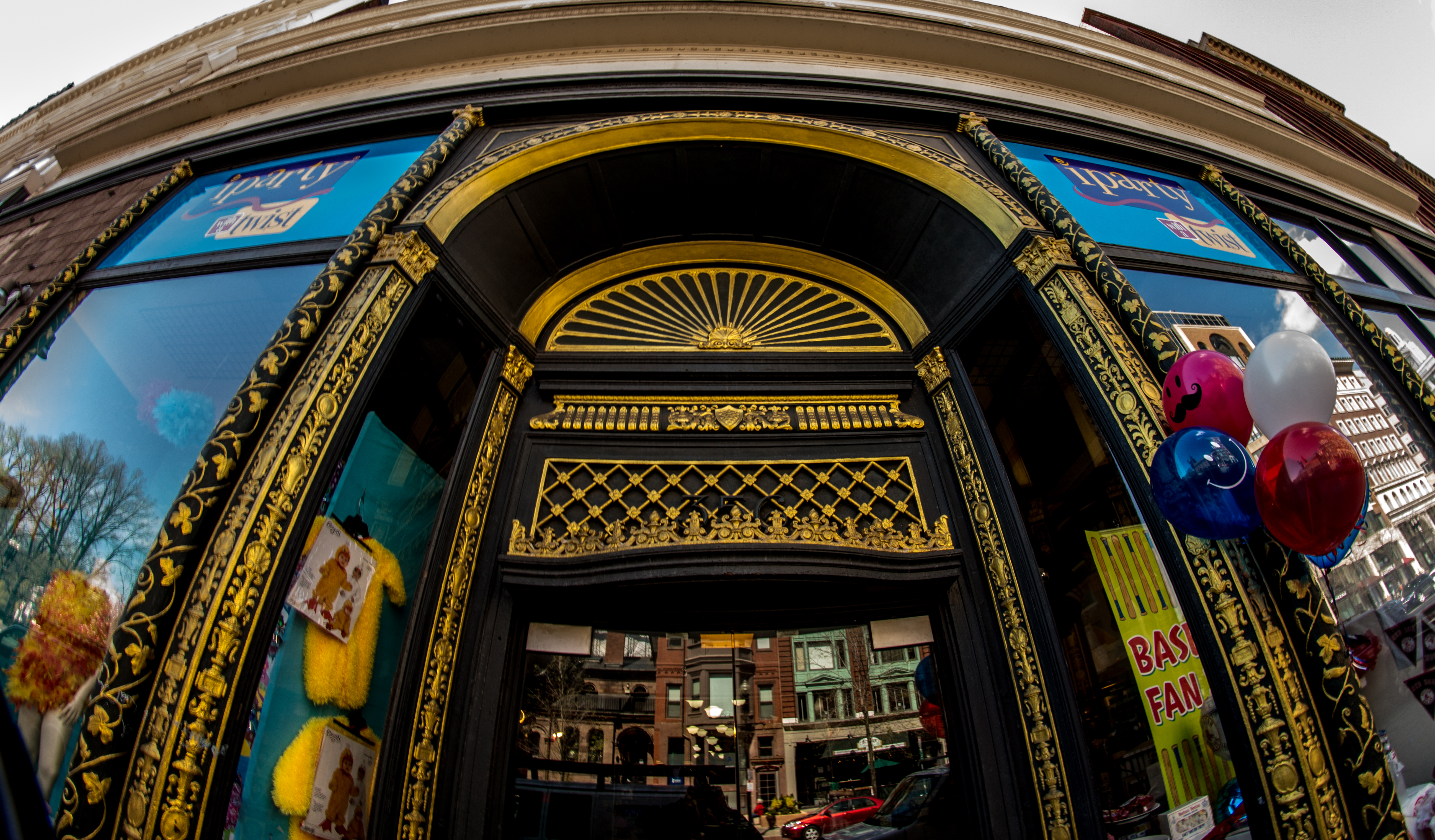
This unique facade is at 356 Boylston Street and currently houses iParty with a Twist. In a past life, this was the site of a Schrafft’s Restaurant. Schrafft’s was the kind of place you could see an old lady sipping a cocktail at one table, a group of businessmen having lunch and a gaggle of kids enjoying ice cream cones over at the counter. Schrafft’s was closed on Sunday with the exception of this one location, where Sunday church goers needed somewhere to have lunch.

TheBerkeley

The Berkeley on Boyslton Street was built in 1906 and long considered the crown jewel of Boston’s Back Bay. Designed by Désiré Despradelle, a professor of architecture at MIT had been educated at the Ecole des Beaux Arts in Paris. The magnificent facade is encased in terra cotta details and panes of glass.

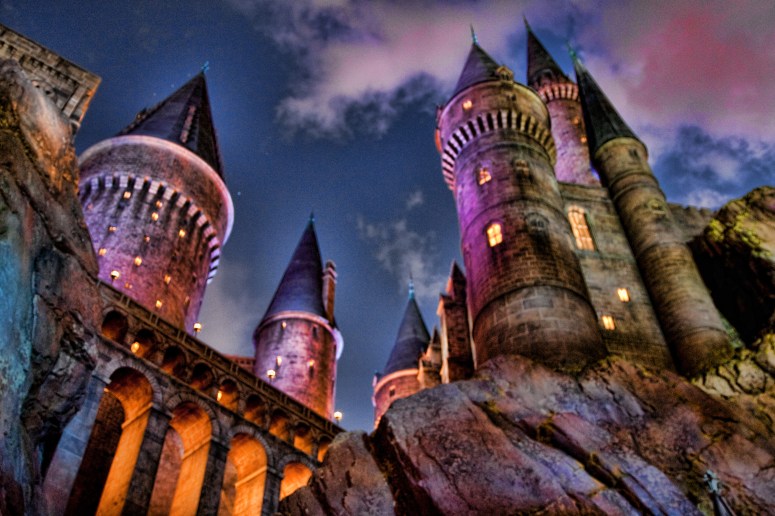
Castle Hogwarts

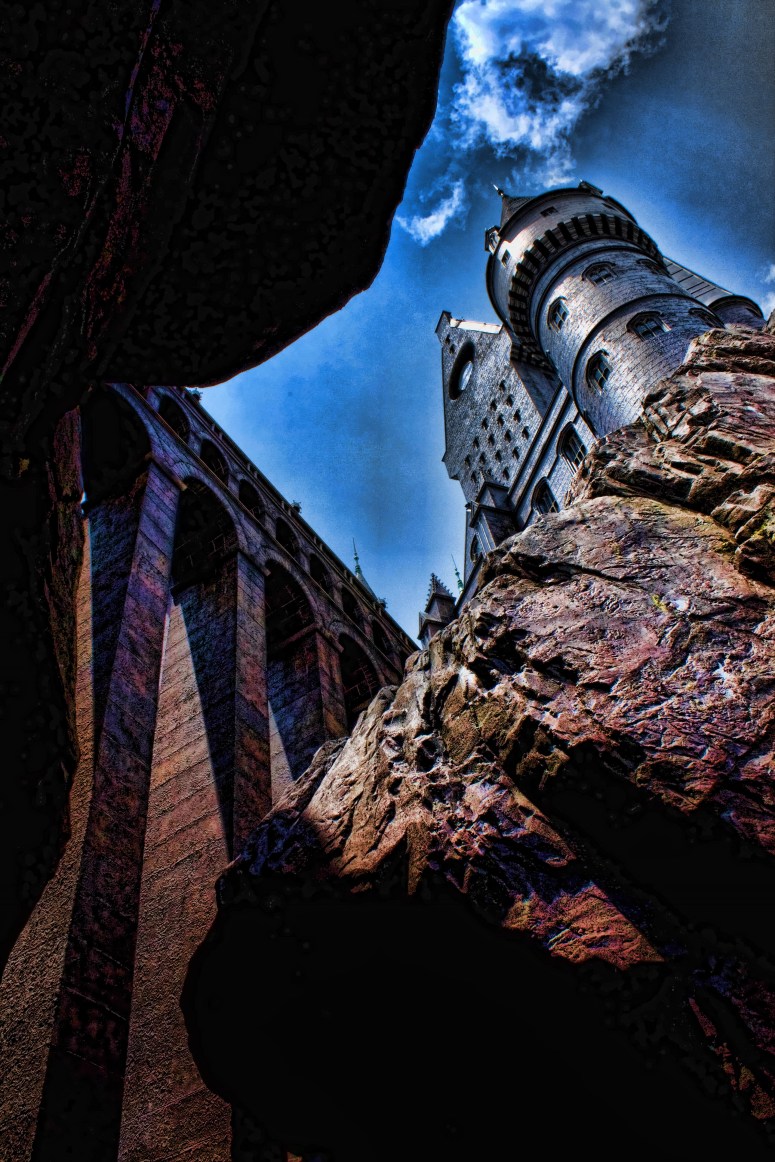
High above the town, looms the magnificent castle of Hogwarts Wizarding School.
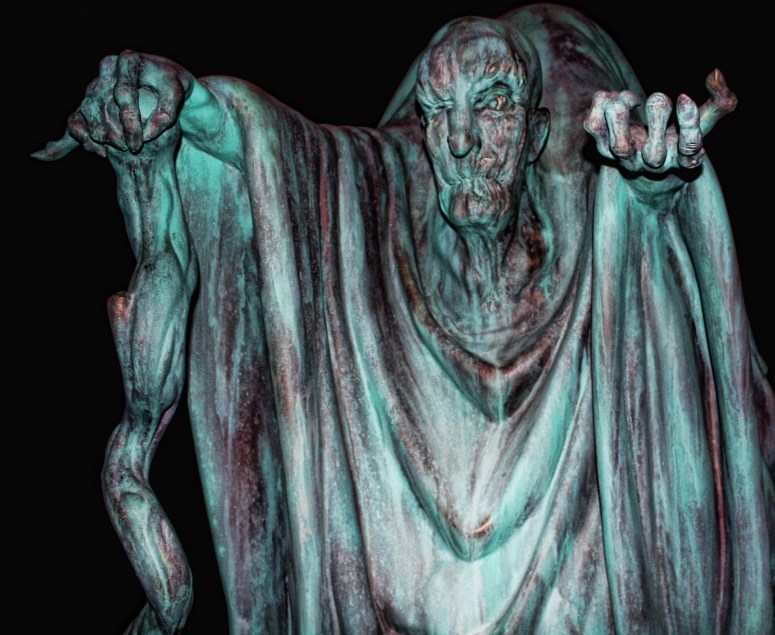
We enter the Castle via the massive underground labyrinth. You never know what you may find in the basement of Hogwart’s. This statue of a Hunchbacked Witch figures into Harry Potter’s tale.
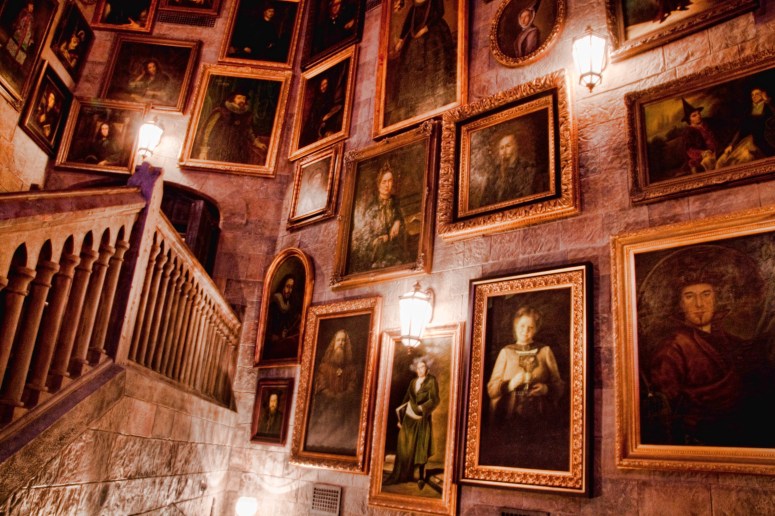
Roaming the twisting and turning corridors of Hogwarts castle you are sure to see some amazing things. These portraits aren’t content to smile pretty, they talk to each other and even leave their frames to visit their neighbors.
Our day at the school has come to end as the night envelopes the castle.

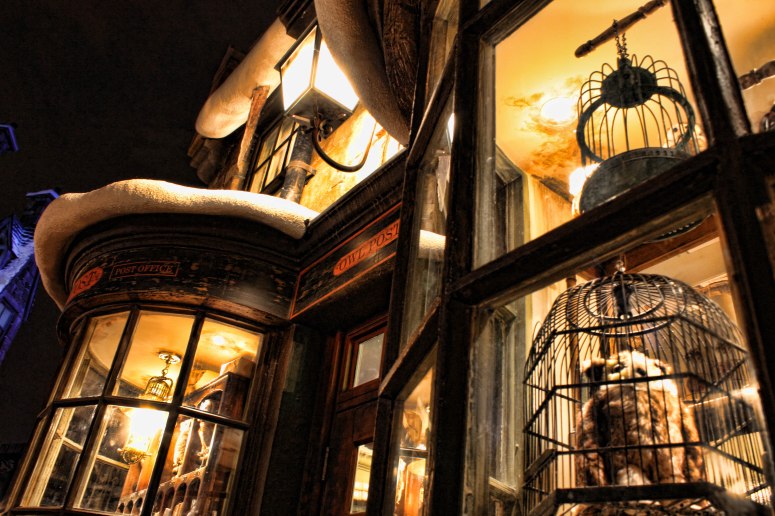
We make our way back though the dark streets of Hogsmeade.
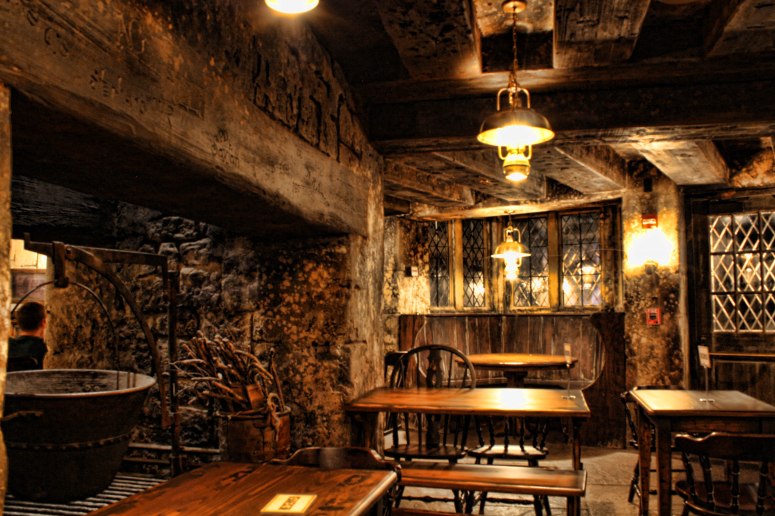
Perhaps we have time for one last drink before we leave. It’s a rather quiet evening at the Hogshead tavern in the town. Normally, the place is bustling with witches and wizards.
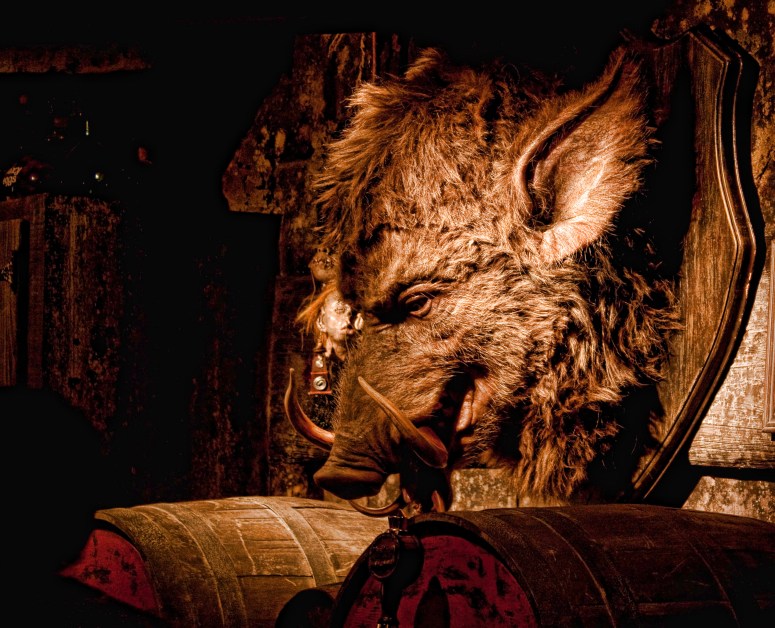
The namesake of the Hog’s Head Tavern. Here’s a tip, tip the bartender and you may see something fun.
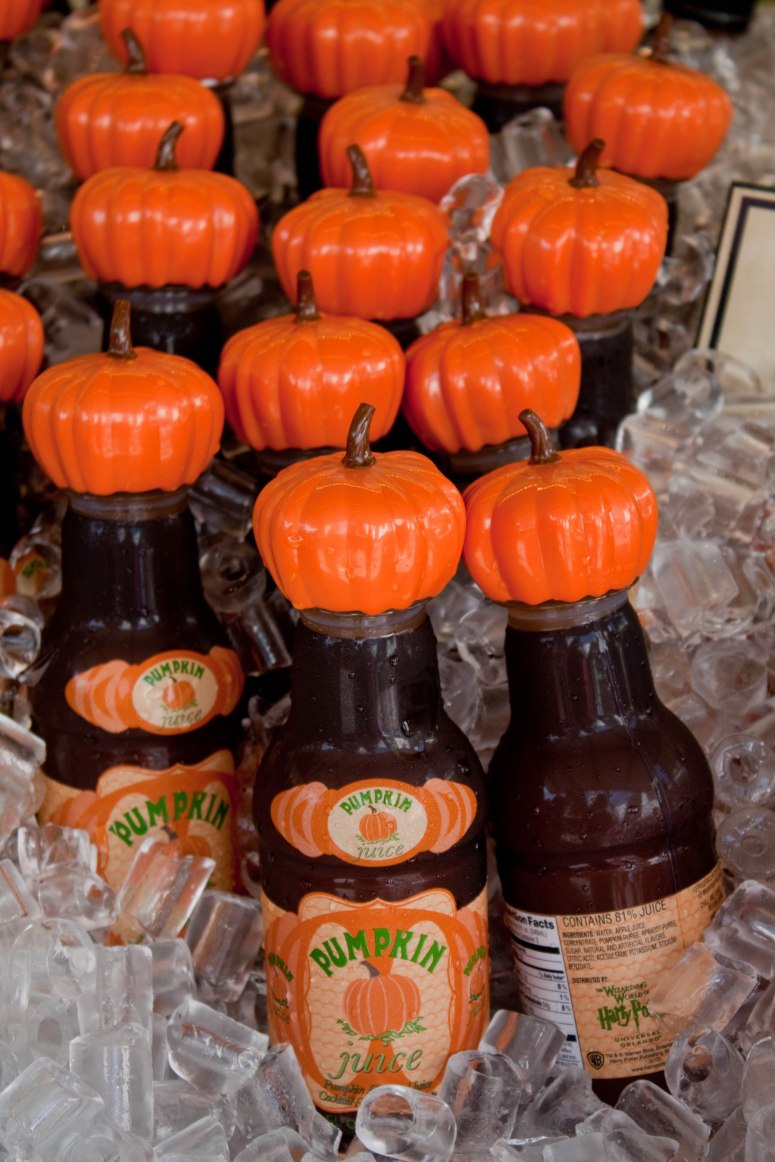
After a delicious frozen Butterbear, we grab an ice cold Pumpkin Juice for the walk back to the Hogwarts Express and reality.

Christmas in July (in Germany)

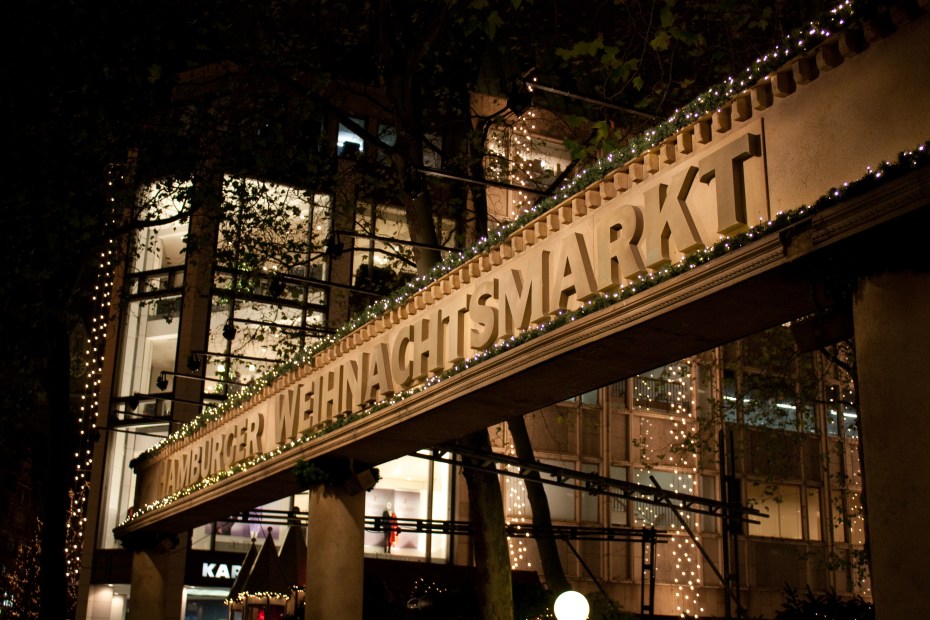
Being in Germany around the holidays was alot of fun. There were several Weinachtsmarkts or Christmas Markets around the city and we hit every one.
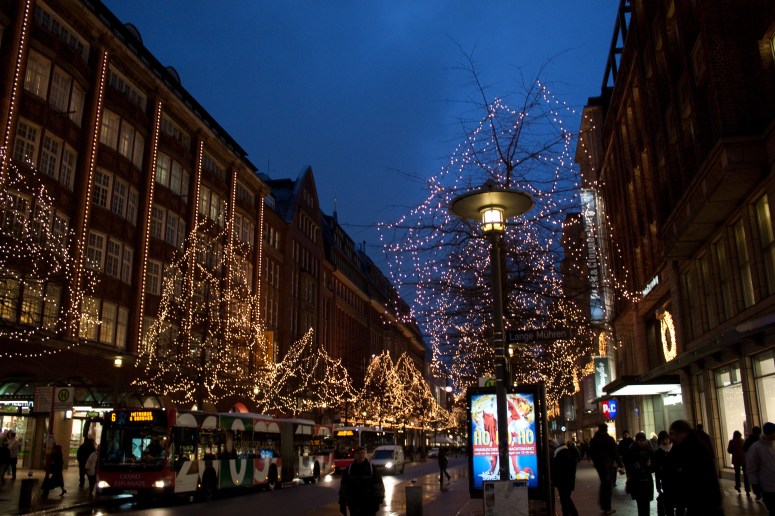
Monckebergstrasse was lit with twinkling lights.
On Spitaler Strasse, a giant Weinachtspyramide took centerstage.
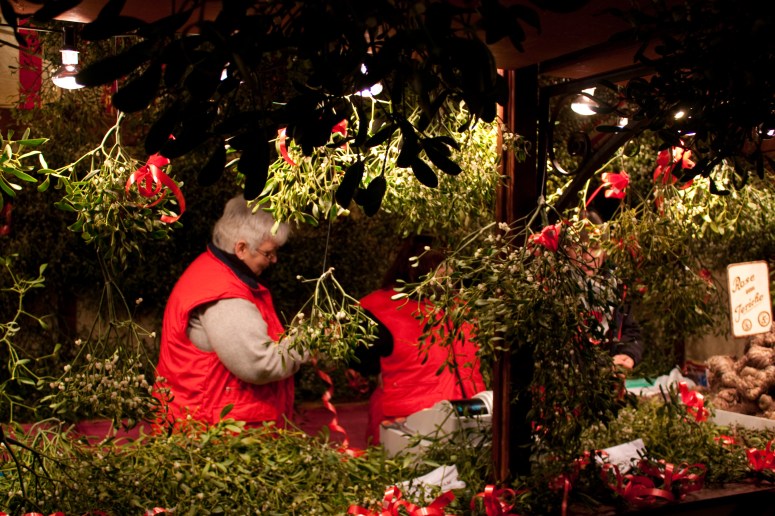
At the largest of the city Markets in front of the Rathaus, vendors sold everything from candles and leather sketchbooks to mistletoe.
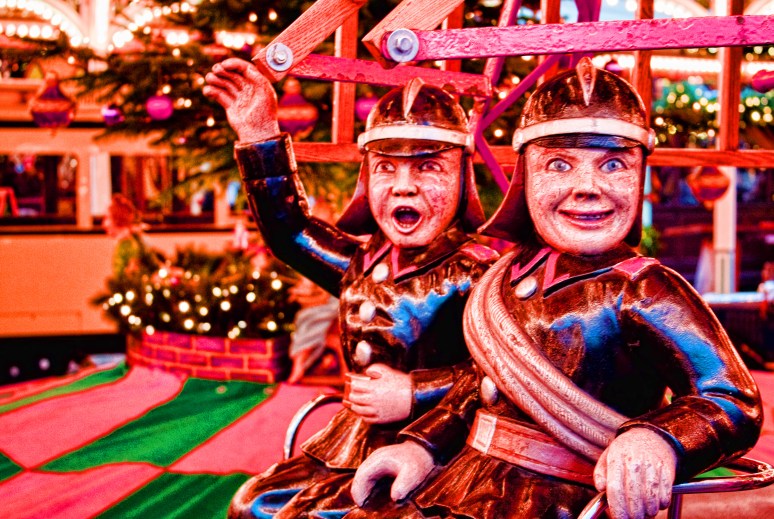
On a side street, a carousel with some very familiar characters was set up.
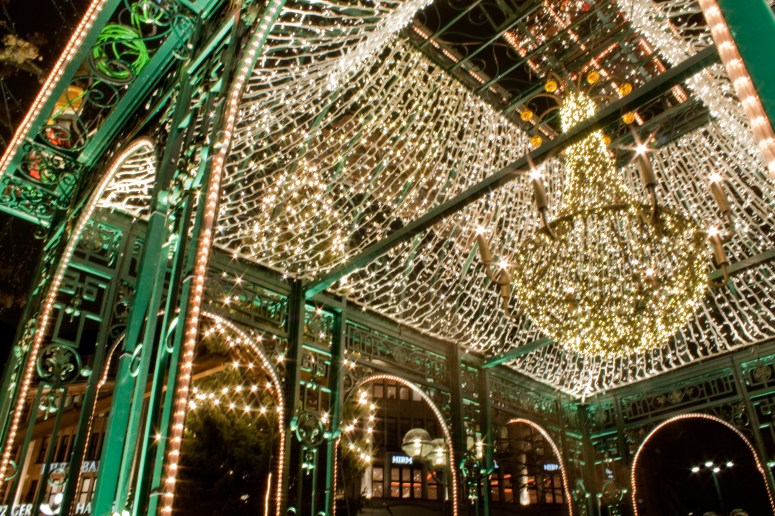
A canopy of Christmas lights at the Rathaus Weinachtsmarkt.
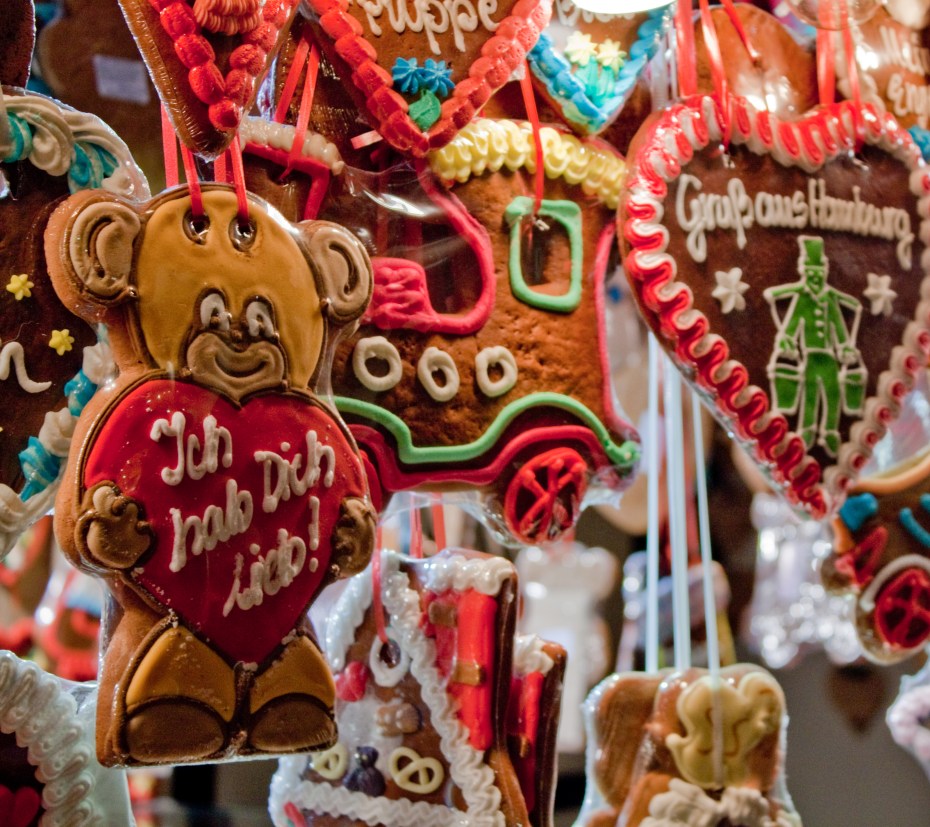
Gingerbread Cookies to hang on your Christmas Tree.
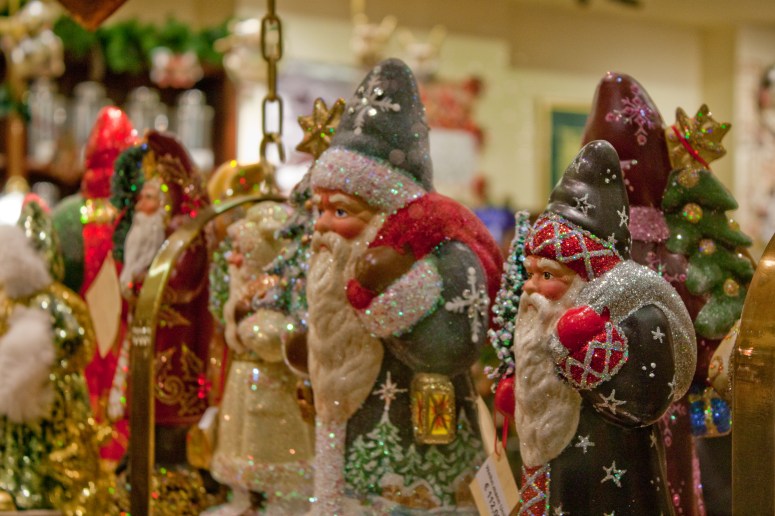
Santas in every shape and size
The carousel at Rathaus Markt
The highlight of the Rathaus Weinachtmarkt was the arrival of Santa Claus. Santa rode a motorcycle across a wire while and Angle was suspended underneath in a cloud.
A trio of animated Santas outside St. Petri’s.

The City of Warehouses

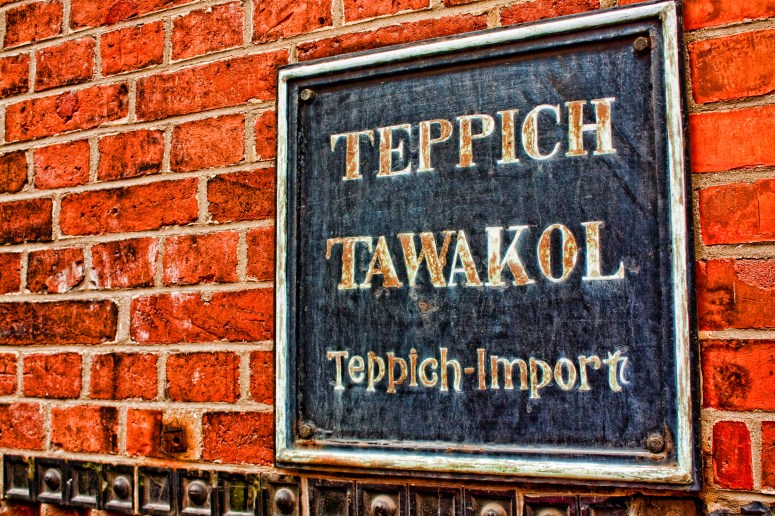
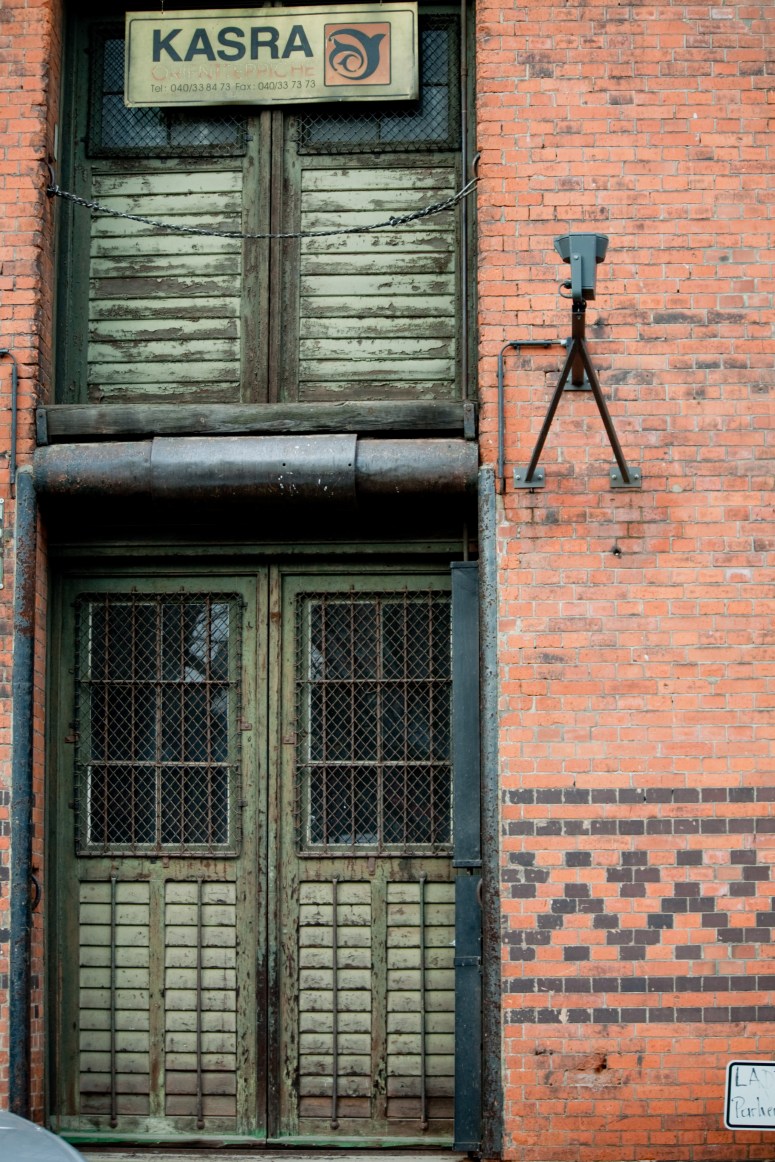
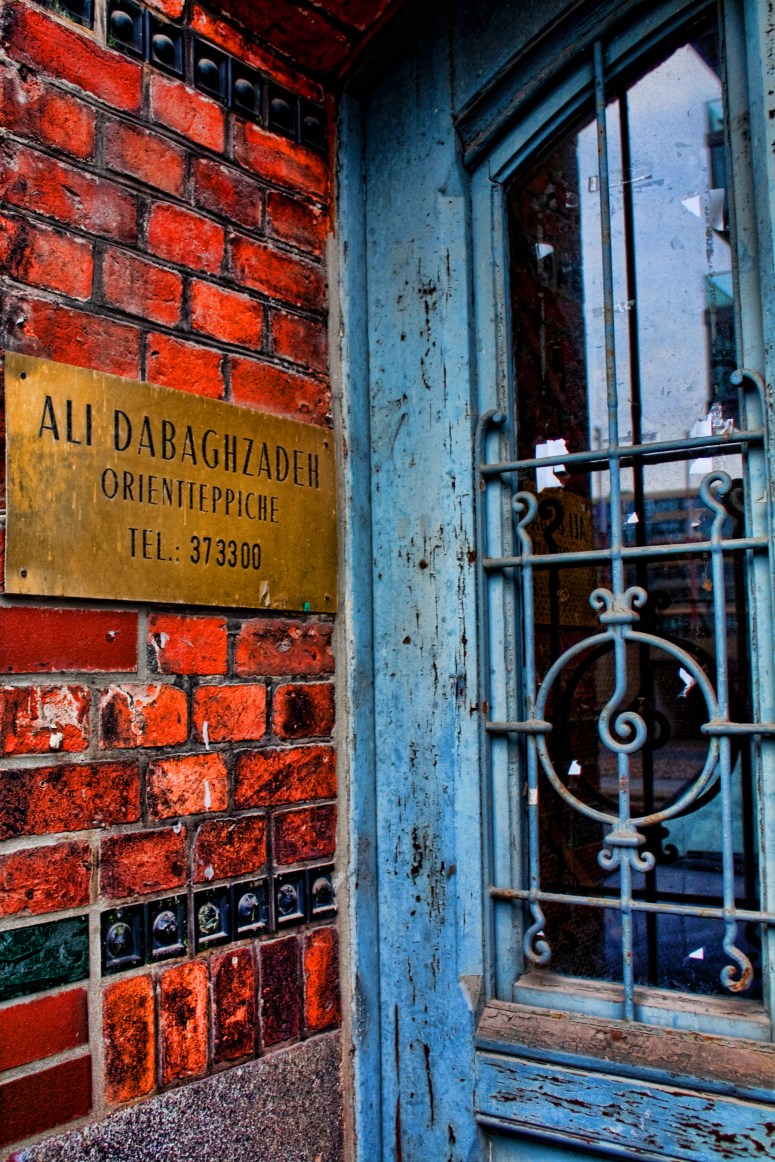
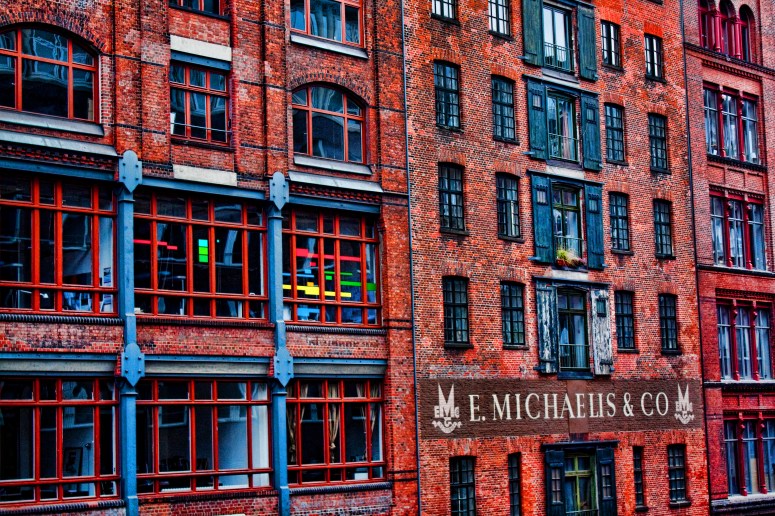
The Speicherstadt or City of Warehouses is where goods like carpets, coffee, tea, cocoa and spices were imported and stored. Today you can walk around the massive red brick buildings or take a boat ride along the canals.
The companies that operate out of the Speicherstadt are responsible for 1/3 of the world’s carpets.

The Rathaus

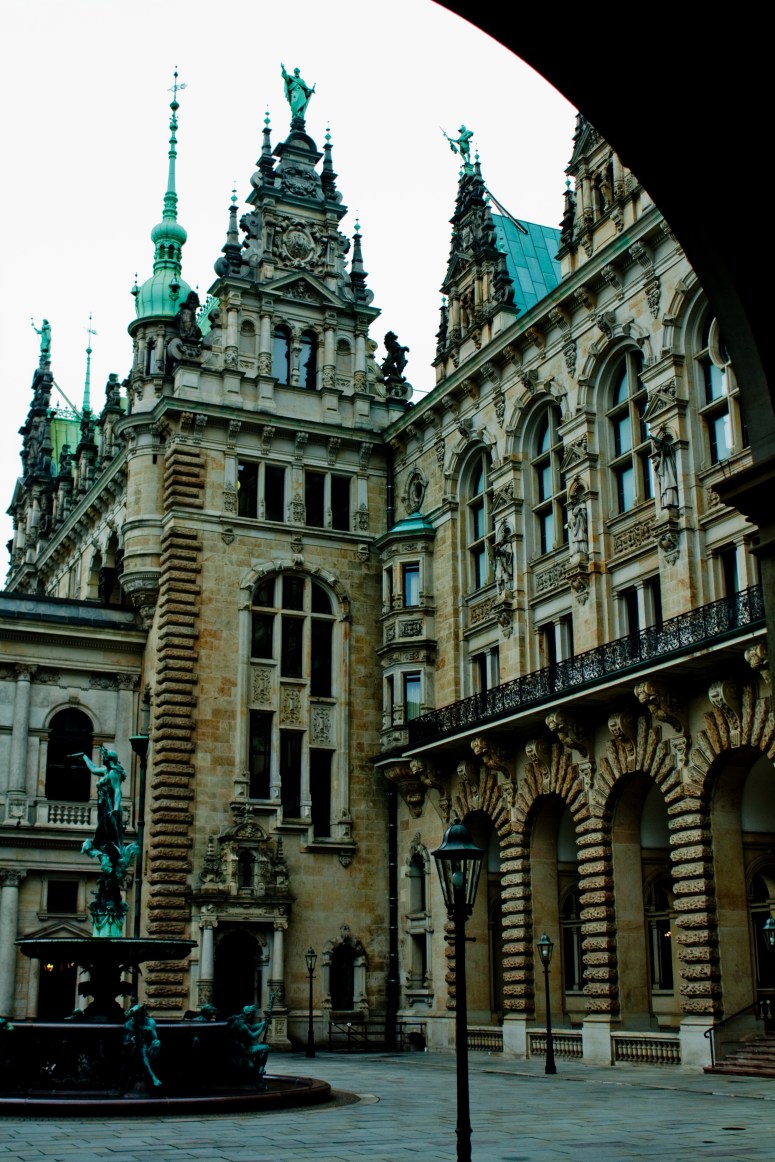
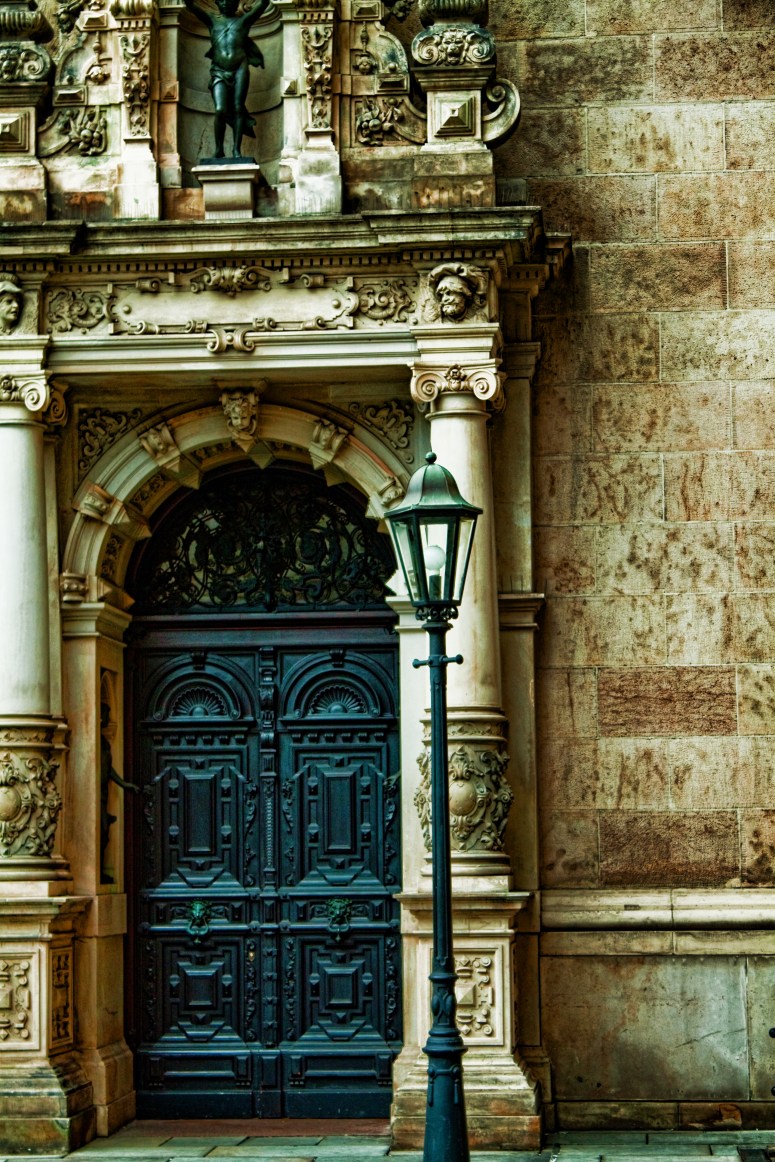
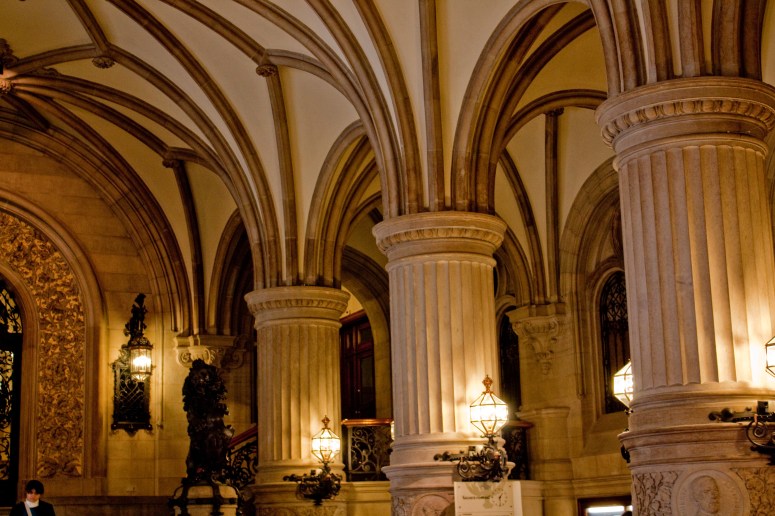
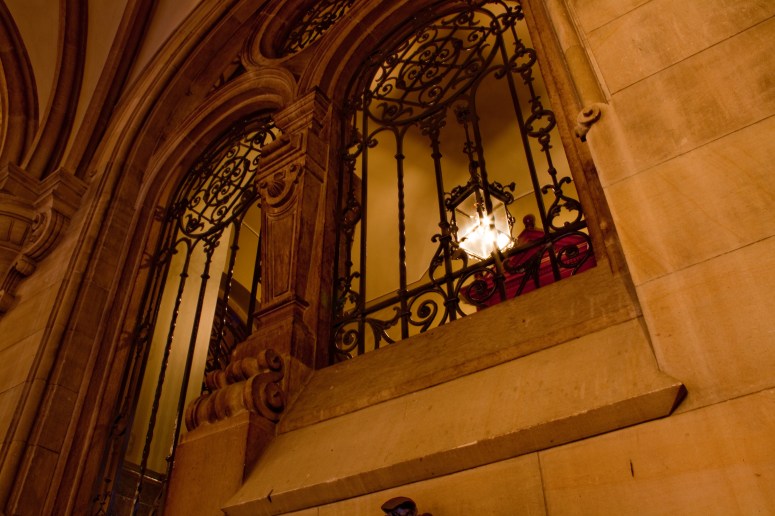
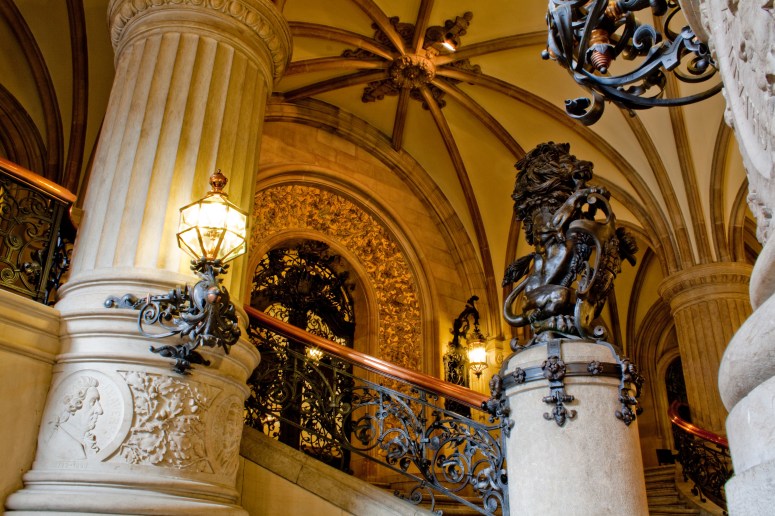
In the center of Hamburg is the ornate Rathaus or City Hall. When the original City Hall was destroyed by fire, the new building took 44 years to build. The Rathaus has rooms numbering 647, the latest room was discovered in 1971 when a document fell behind a filing cabinet and unknown door was found.
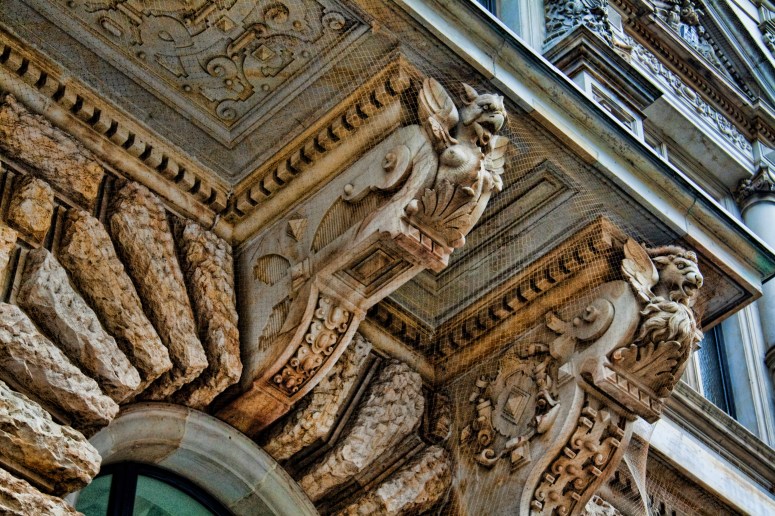
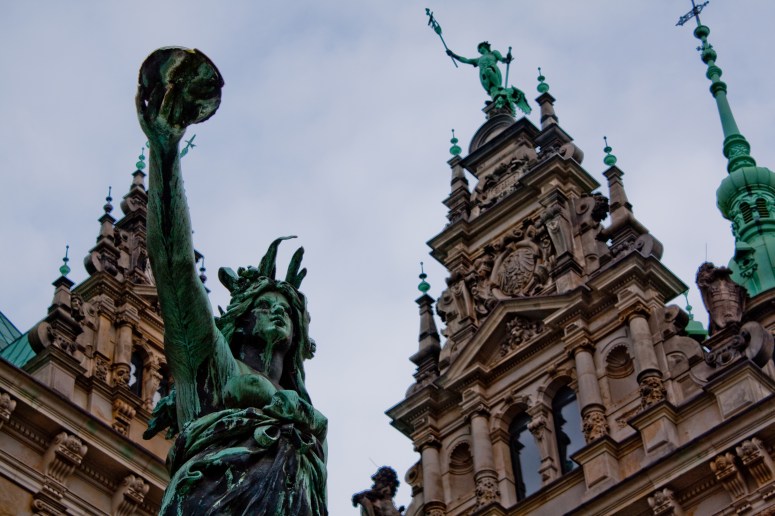
Adorning the facade of the building are statues of saints, benefactors, gods and goddesses, real and imaginary animals.
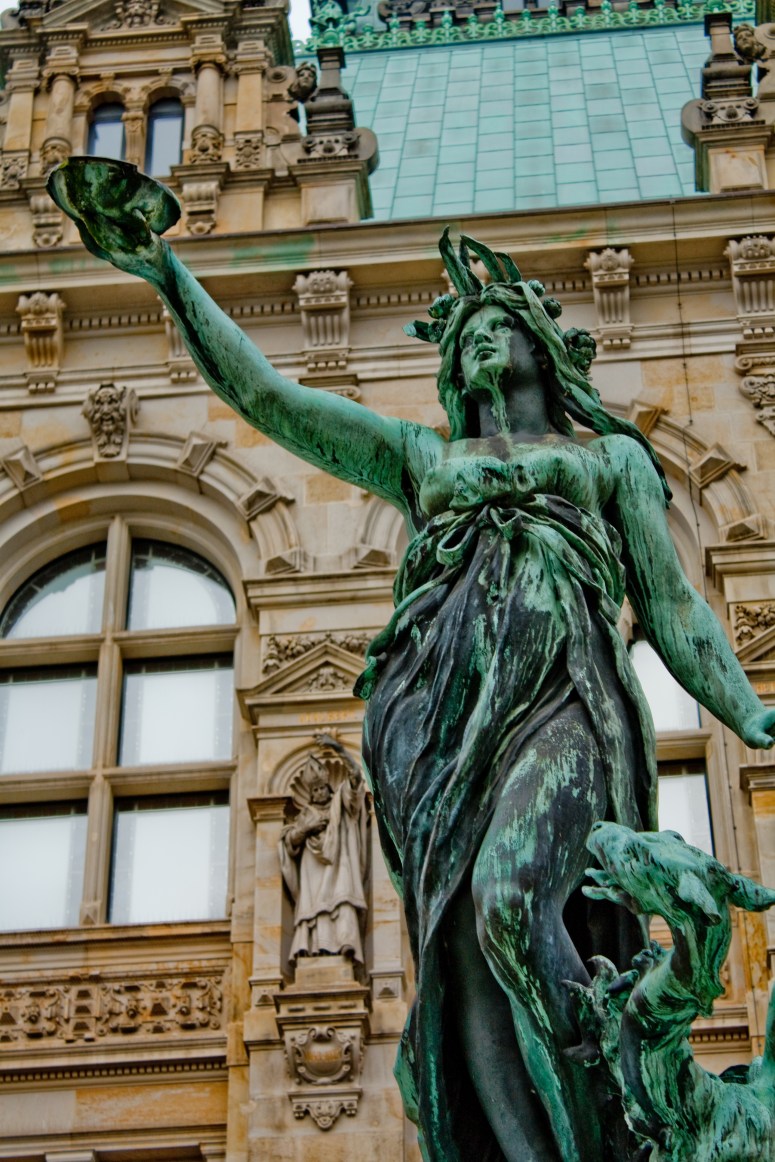
In the Rathaus courtyard is a statue of the Goddess Hygeia. Hygieia as the goddess of health in Greek mythology and its surrounding figures represents the power and pureness of the water. It was built in remembrance of the cholera epidemic in 1892.

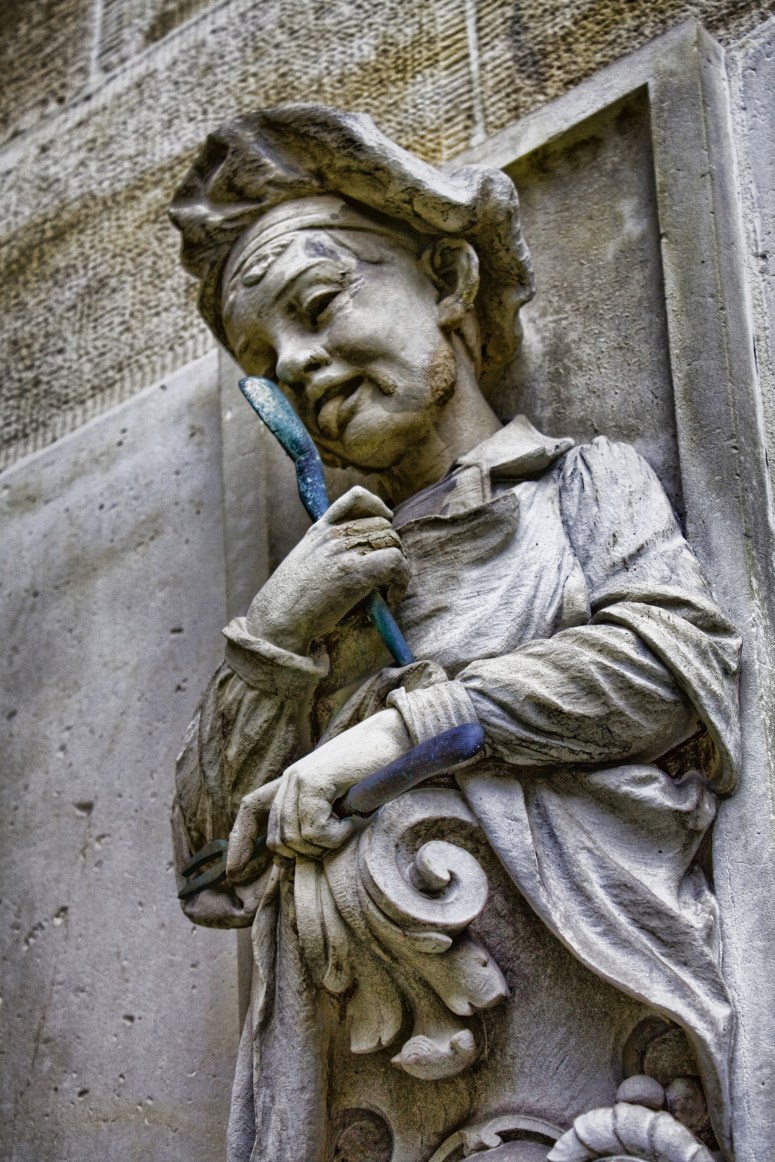
One of the unique figures inside the courtyard was this little baker licking his spoon. No one seems to know anything about him or why he is there. Maybe he was the son of the Burgermeister’s Chef and he grew up in the Rathaus kitchen.
Inside, you can take tours in German, French or English.

Hummel, Hummel

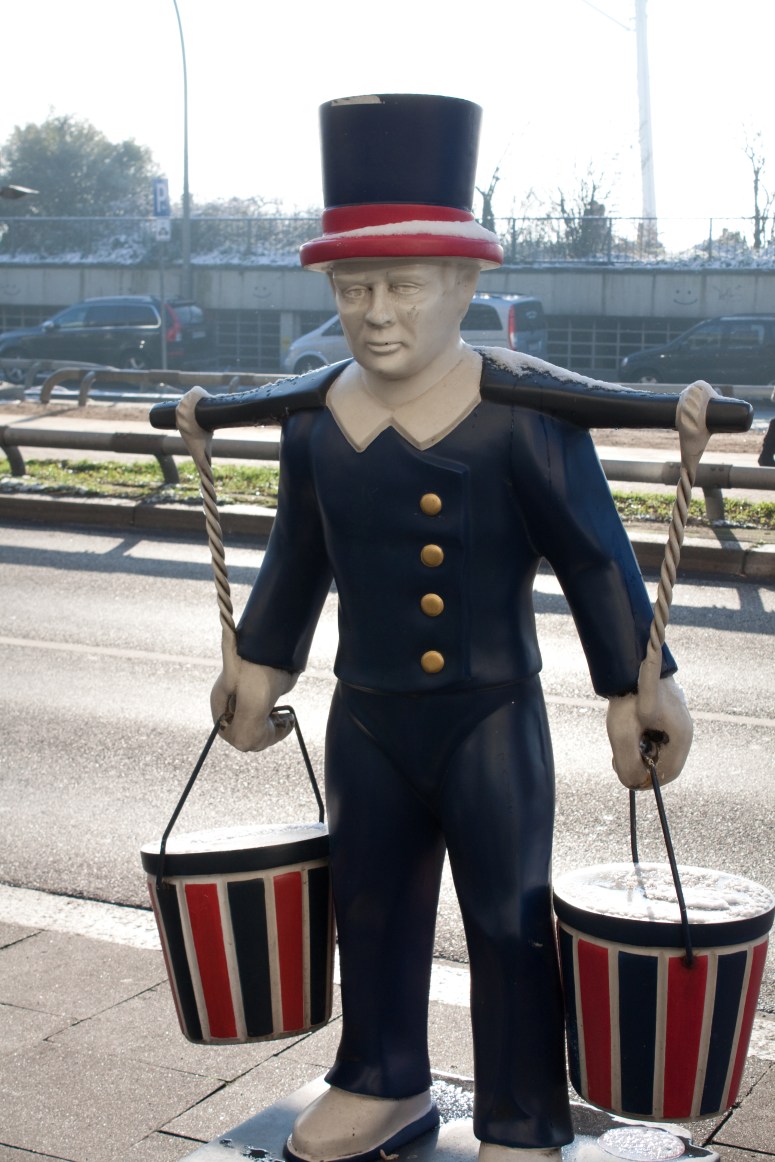
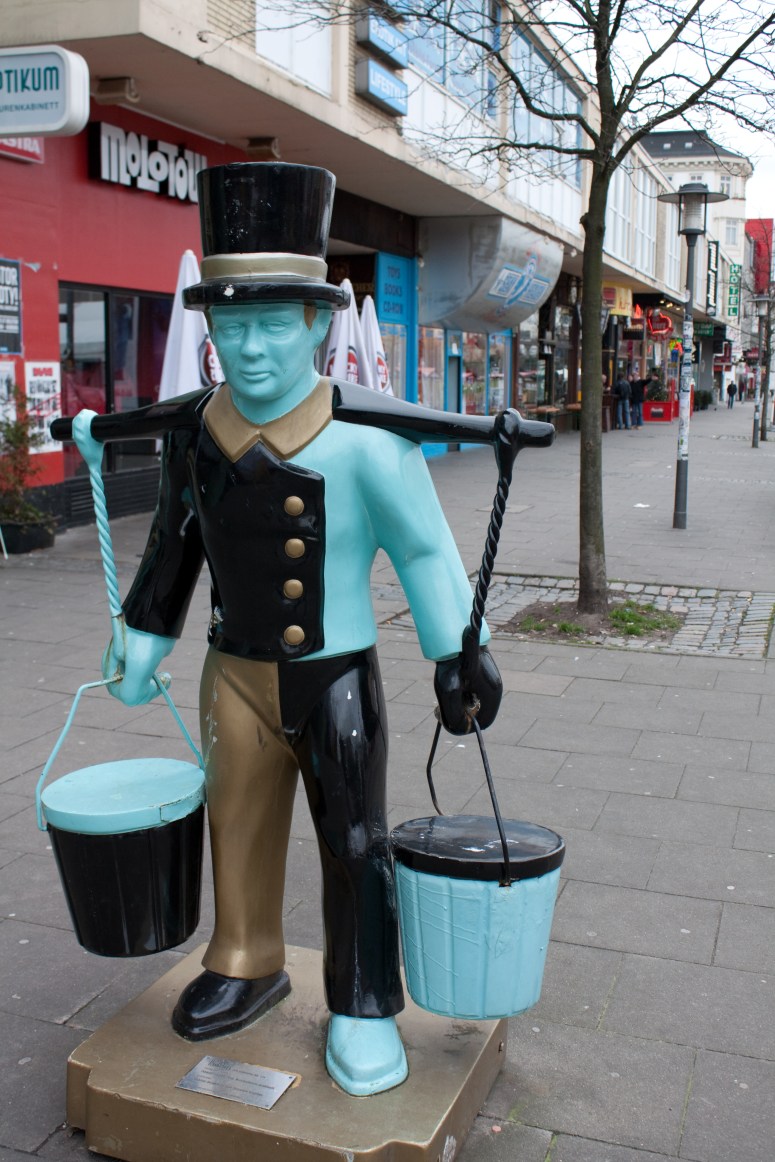
In Hamburg, Hummel, Hummel was a cranky water carrier. As Hummel would carry water through the streets, the children would run behind him shouting “Hummel, Hummel!” in order to annoy him. Hummel would shout back “Mors, Mors!”, an abbreviation of either “klei di an’n mors!” (go scratch your a**! or “Klei mi an’n Mors” (Kiss my a**! )
in 2003, a hundred figures of Hummel were displayed all over the city.
The original Hans Hummel lived in the early 1800s, and was actually named Johann Wilhelm Bentz. He is said to have worked than any man before him shuffling around Hamburg with his burden. Children of the city mocked him by calling him “bumble-bee

St. Nikolai

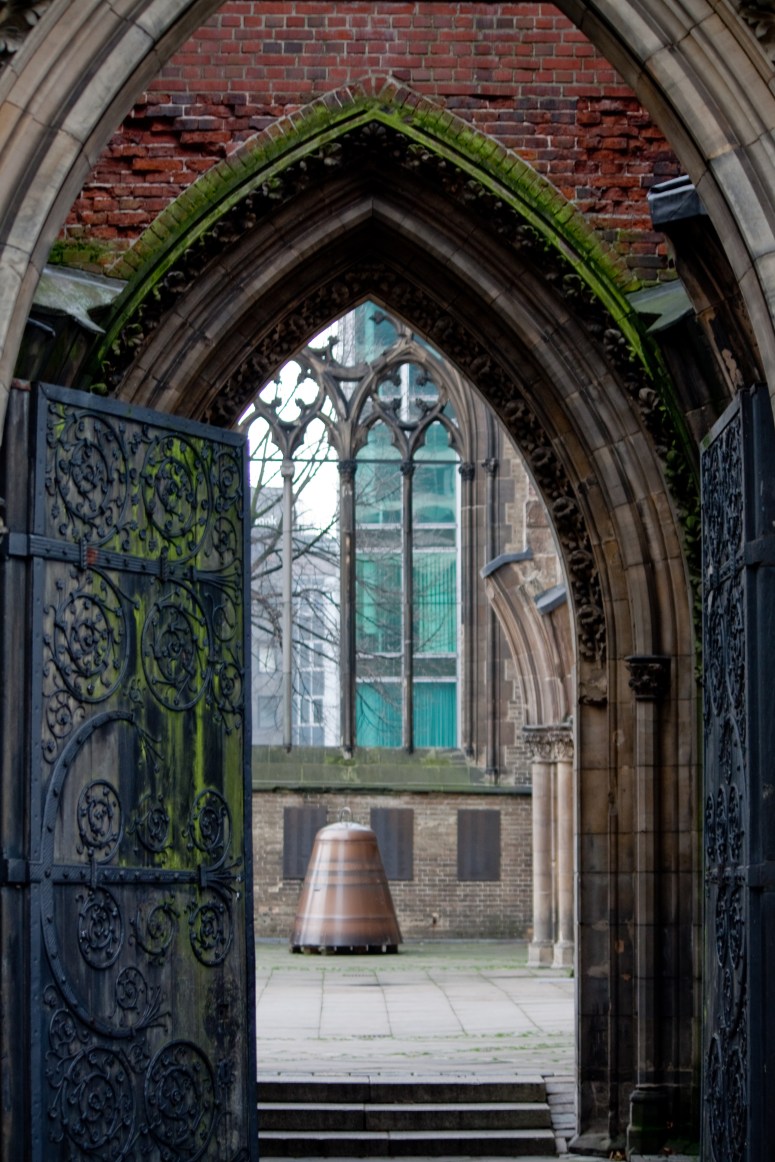
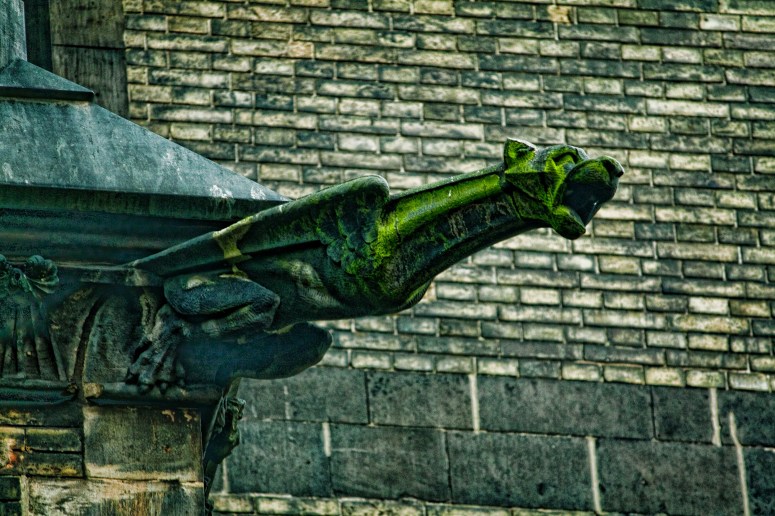
The Gothic Revival Church of St. Nicholas (St.-Nikolai-Kirche) was formerly one of the five Lutheran main churches in the city of Hamburg. It is now in ruins, serving as a memorial and an important architectural landmark. When
The church was the tallest building in the world from 1874 to 1876 and is still the second-tallest building in Hamburg.
The current condition of the Church of St. Nicholas is the result of air raids during World War II. The clearly visible spire of the Church of St. Nicholas served as a goal and orientation marker for the pilots of the Allied Air Forces during the extensive air raids on Hamburg. On 28 July 1943 the church was heavily damaged by aerial bombs. The roof collapsed and the interior of the nave suffered heavy damage. The walls began to show cracks, yet neither they nor the spire collapsed.
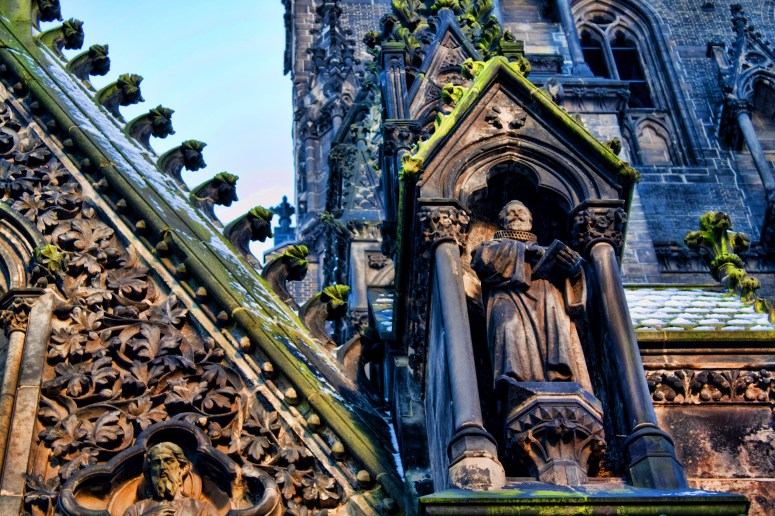
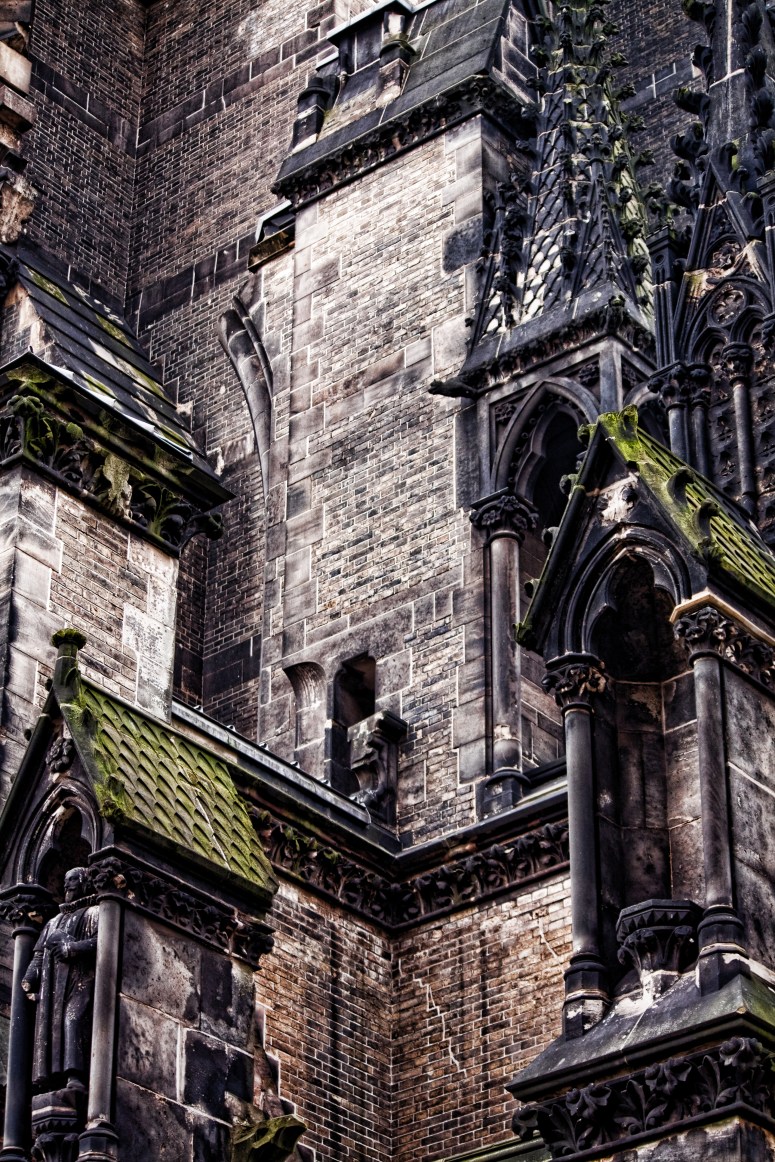
The English architect George Gilbert Scott, who was an expert for the restoration of medieval churches and an advocate of the gothic architectural style, was commissioned to devise a new design. He designed an 86 meter-long nave, with a 28 meter-high vault. The architecture was strongly influenced by French and English gothic styles, though the pointed spire is typically German. The amount of sculptures made from sandstone in the interior and on the spire was unusual.
I made several trips to St. Nikolai while I was in Hamburg. It was a reminder that not even something sacred can escape the destructive powers of war.
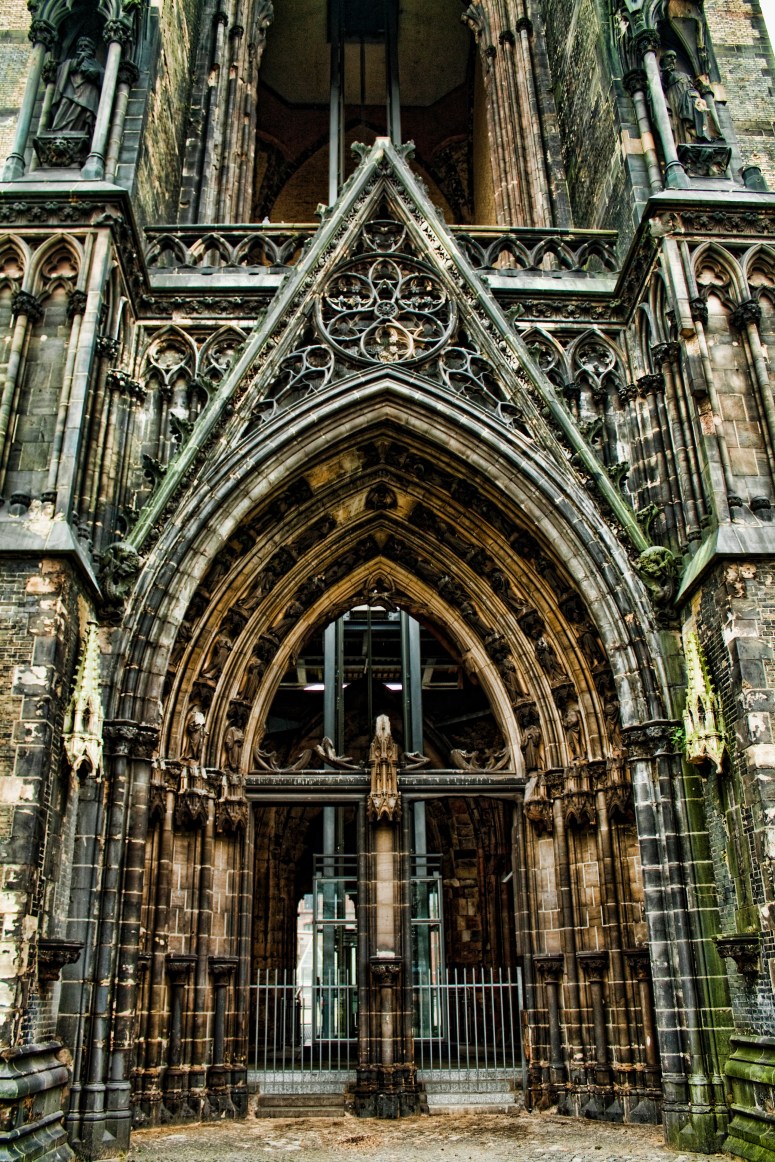
The once grand church doors now open onto rubble and debris.
Even though much of the Church now lay in ruin, it is still very beautiful and impressive.