
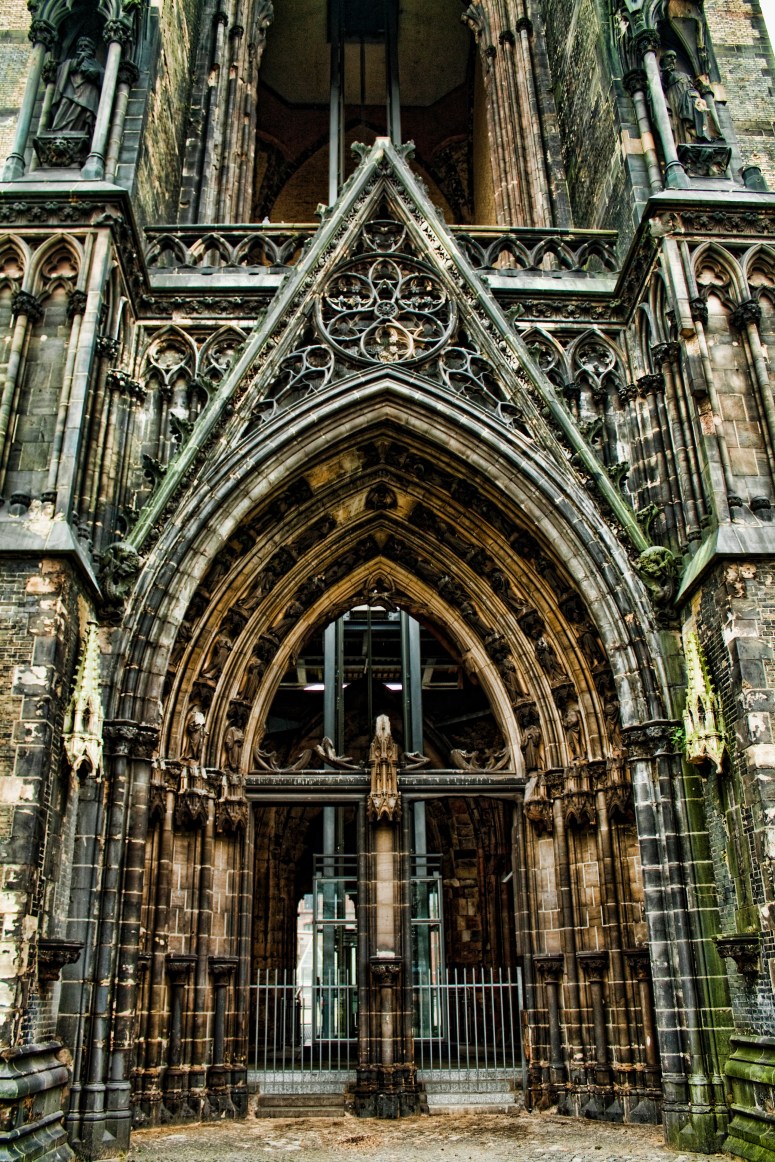
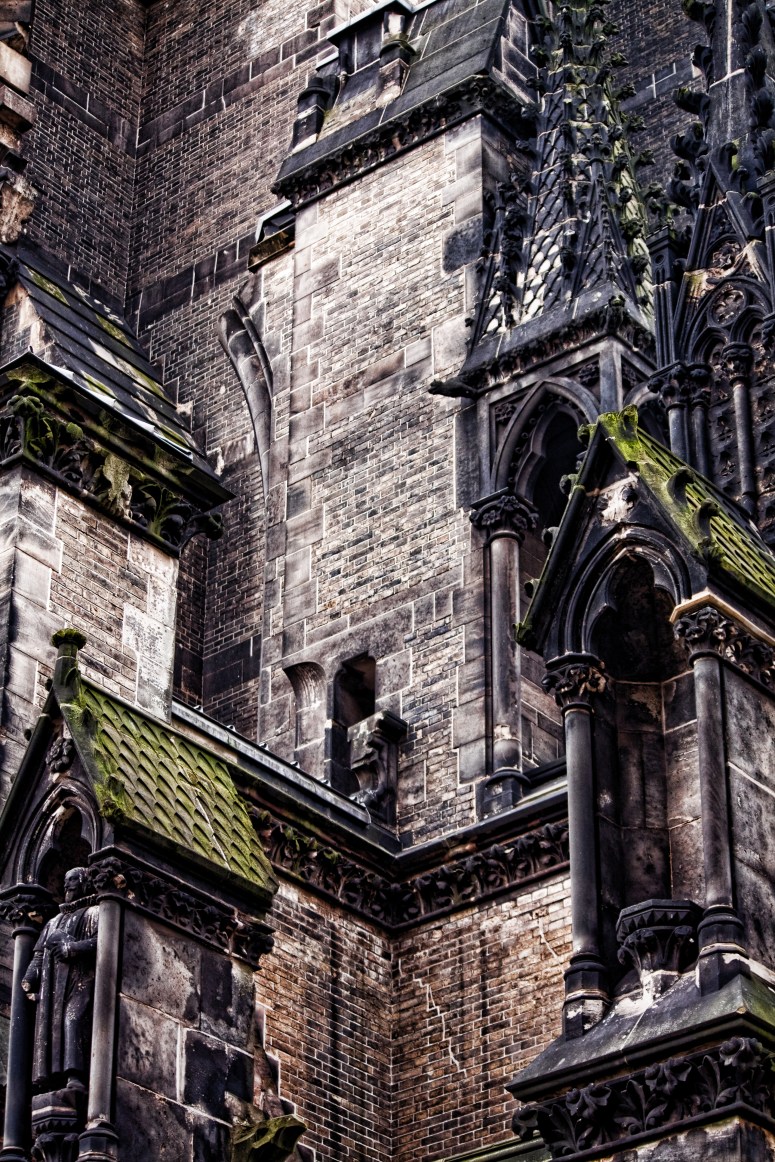
The Michel

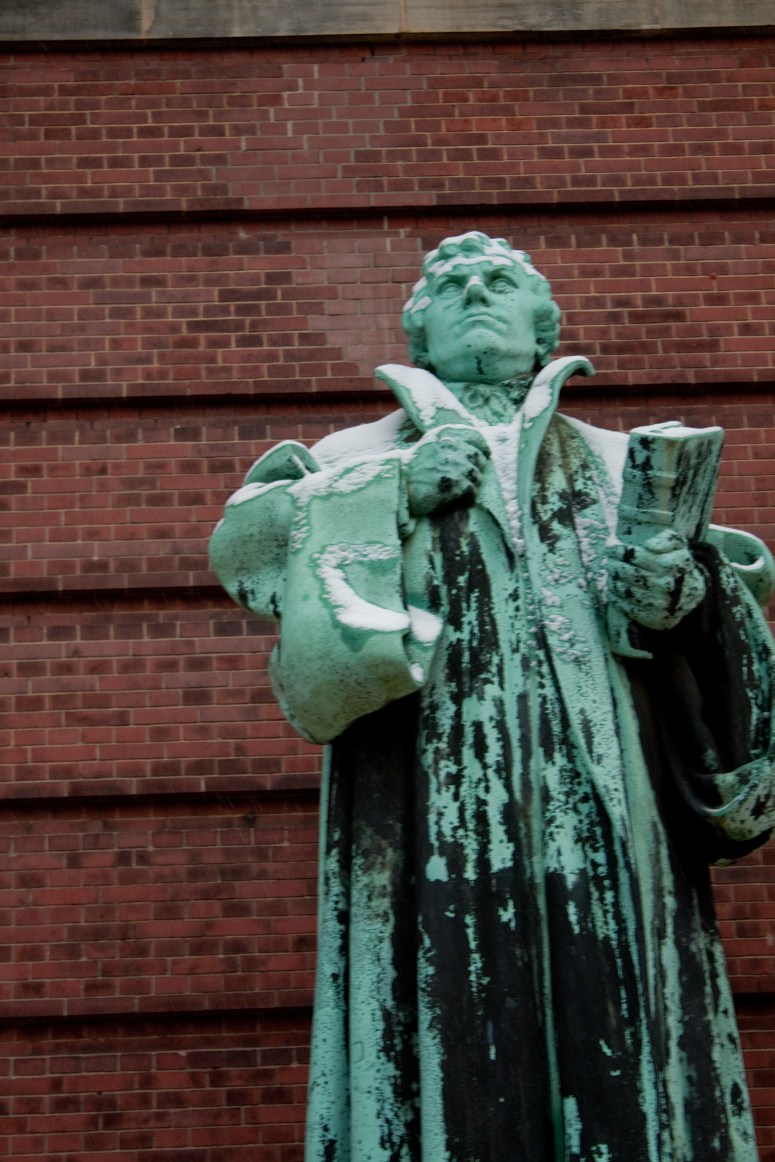
A Statue of Martin Luther stands watch outside of St. Micheal’s. Unlike St Petri, St. Michael’s welcomes visitors and offers a stunning view of the city from it’s bell tower.
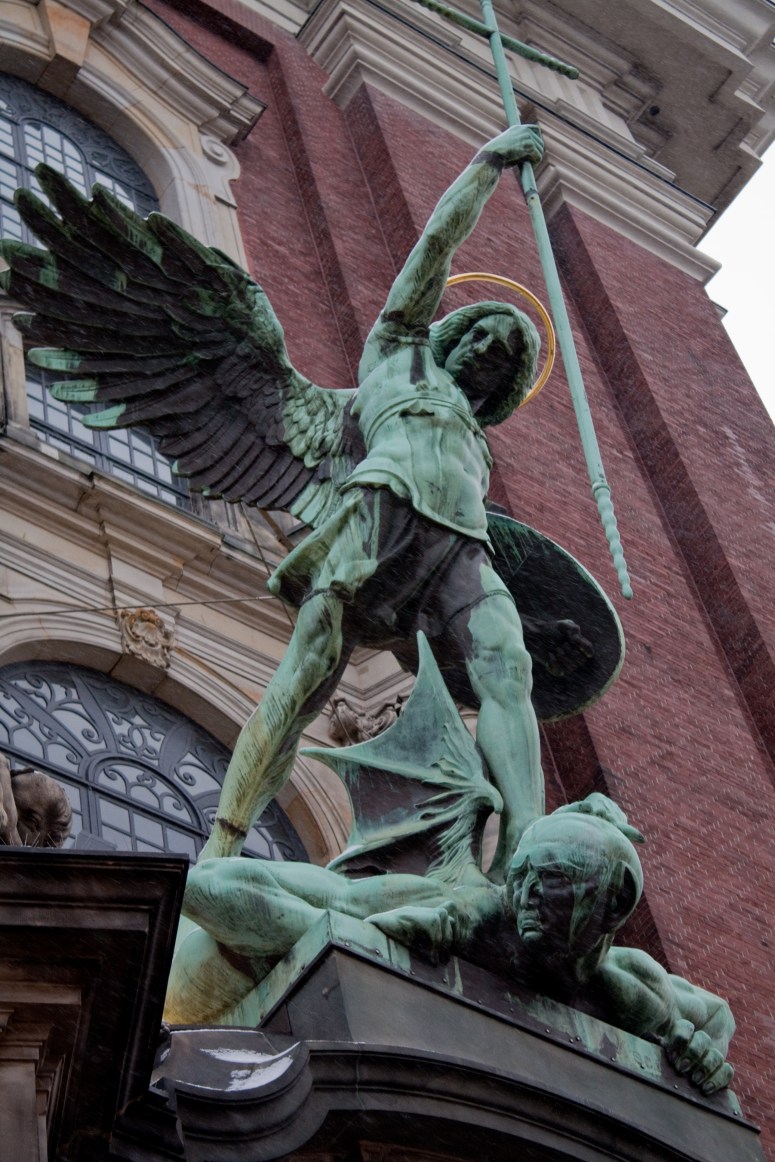
St. Michael’s victory over the Devil looms over the main entrance. If this statue doesn’t scare you enough to go to church, I don’t know what will.
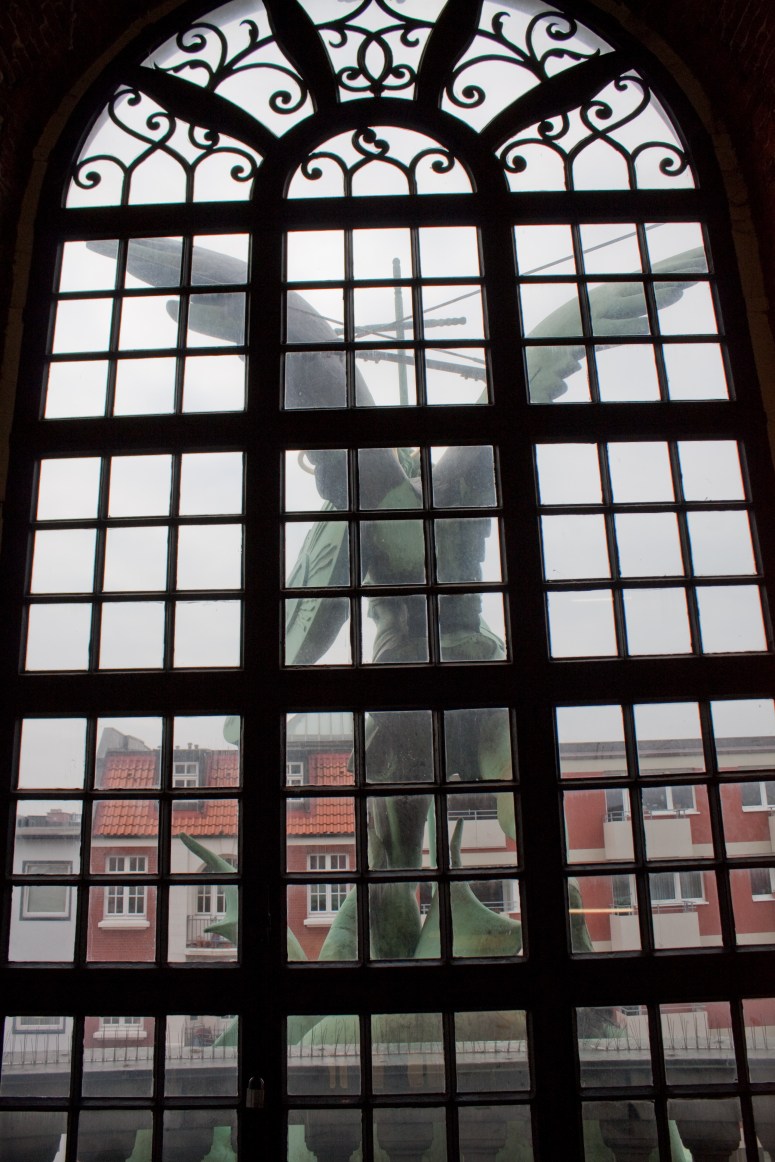
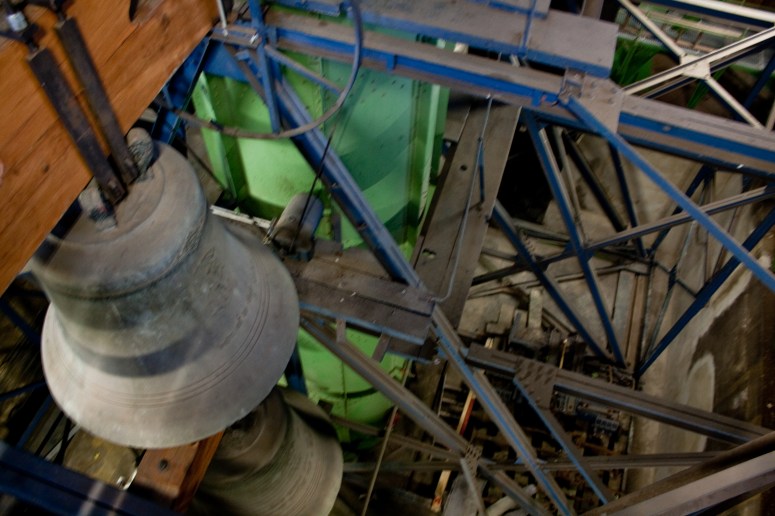
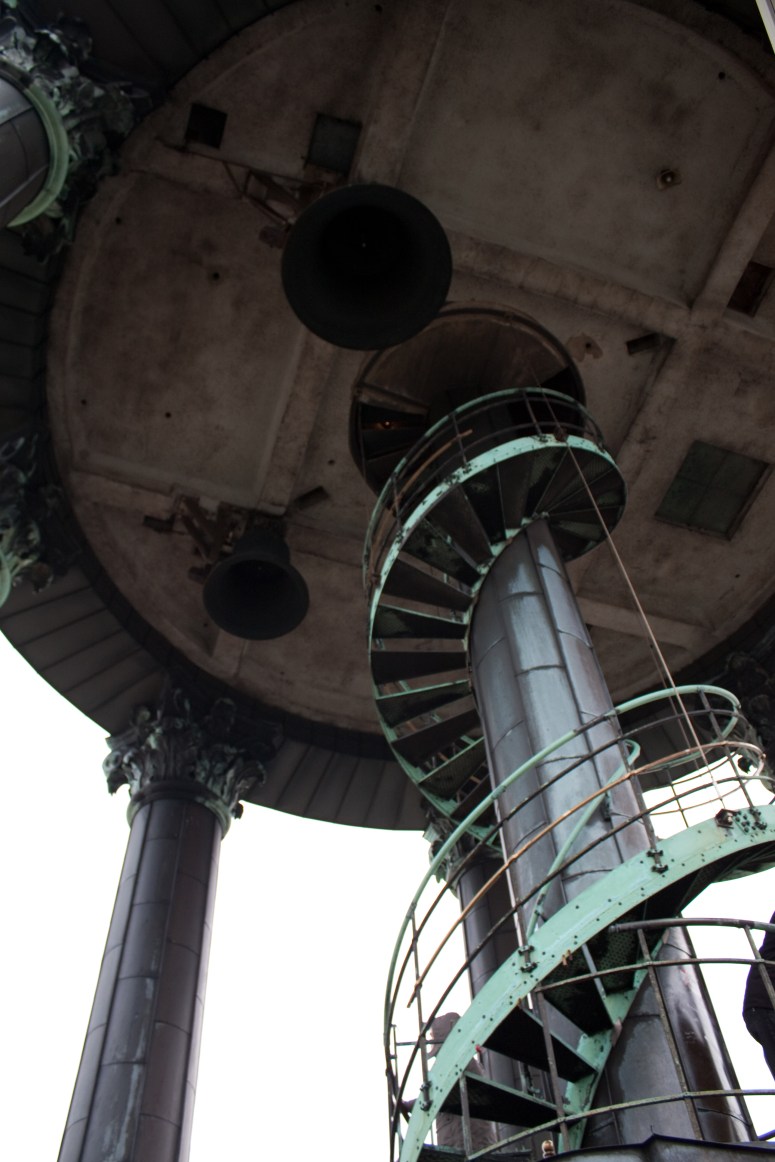
If you take the stairs to the bell tower (Instead of the elevator) you get a great view of this work of art from behind.
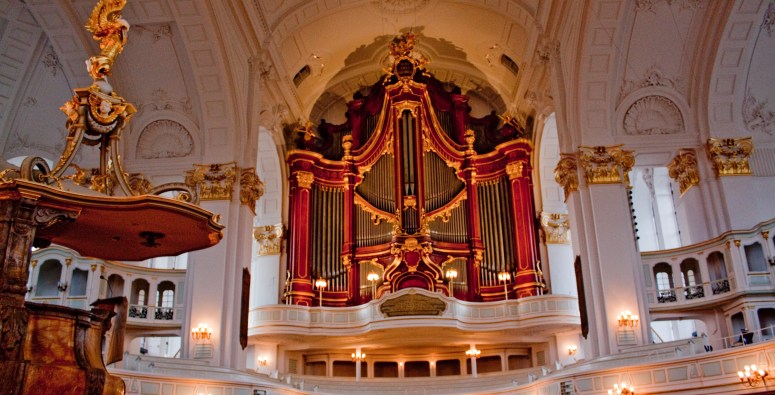
A massive pipe organ dominates the main Church.
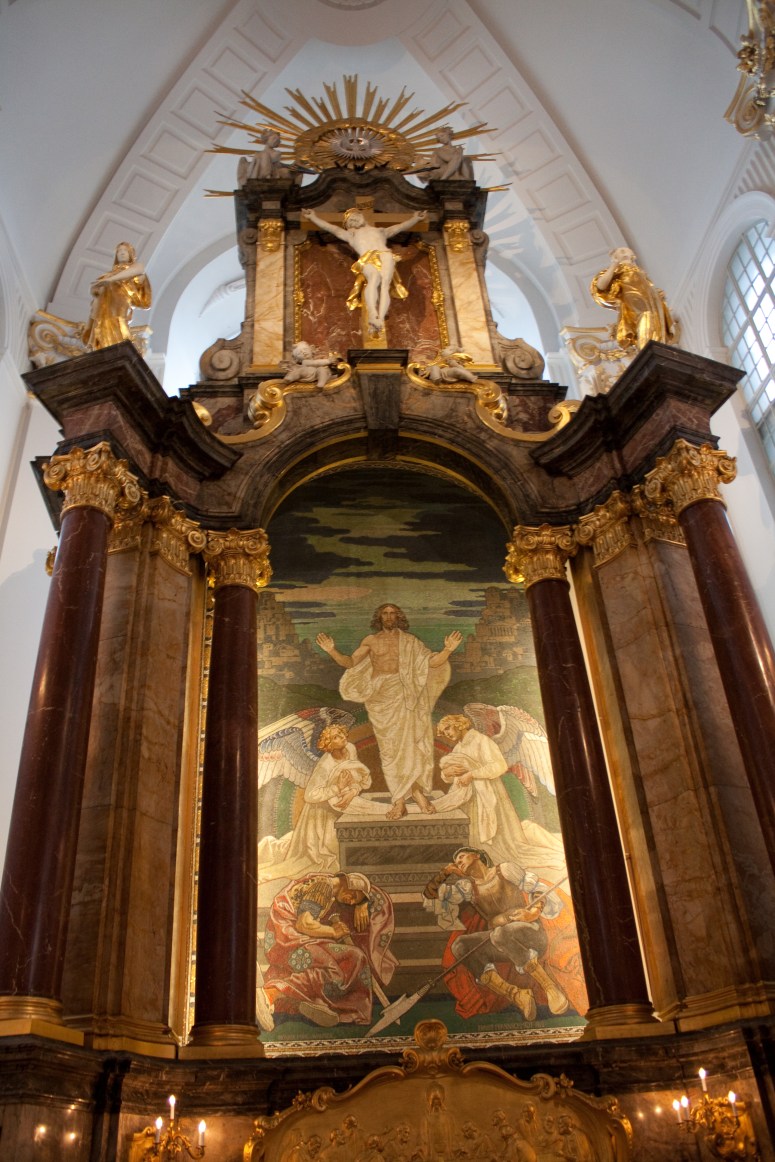
The main Altar
I would suggest you take the elevator UP and the stairs DOWN and not the other way around, it was one long climb.
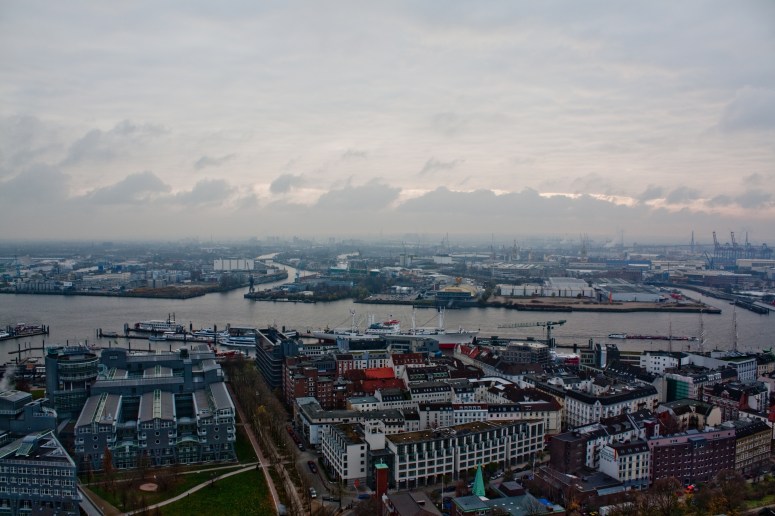
From the Observation Deck there is another climb even higher. The view was worth the trip.
Looking out towards the ship yard and river.
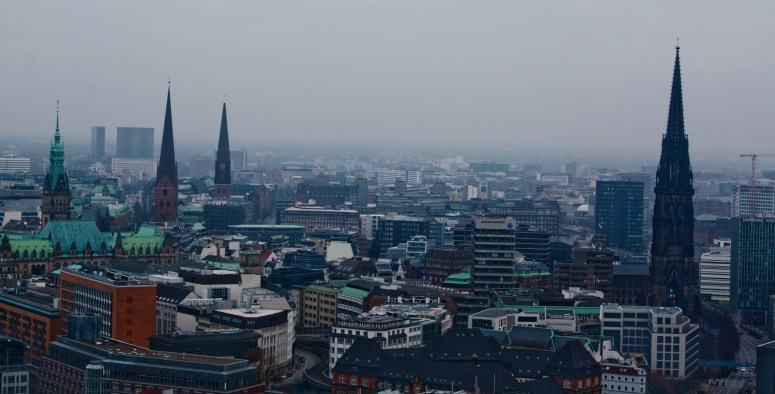
The view towards the Old City. The Rathaus is the spire on the far left, next is St. Petri’s, St. James and St. Nikolia’s.

St. Petri’s in Monckbergstrasse

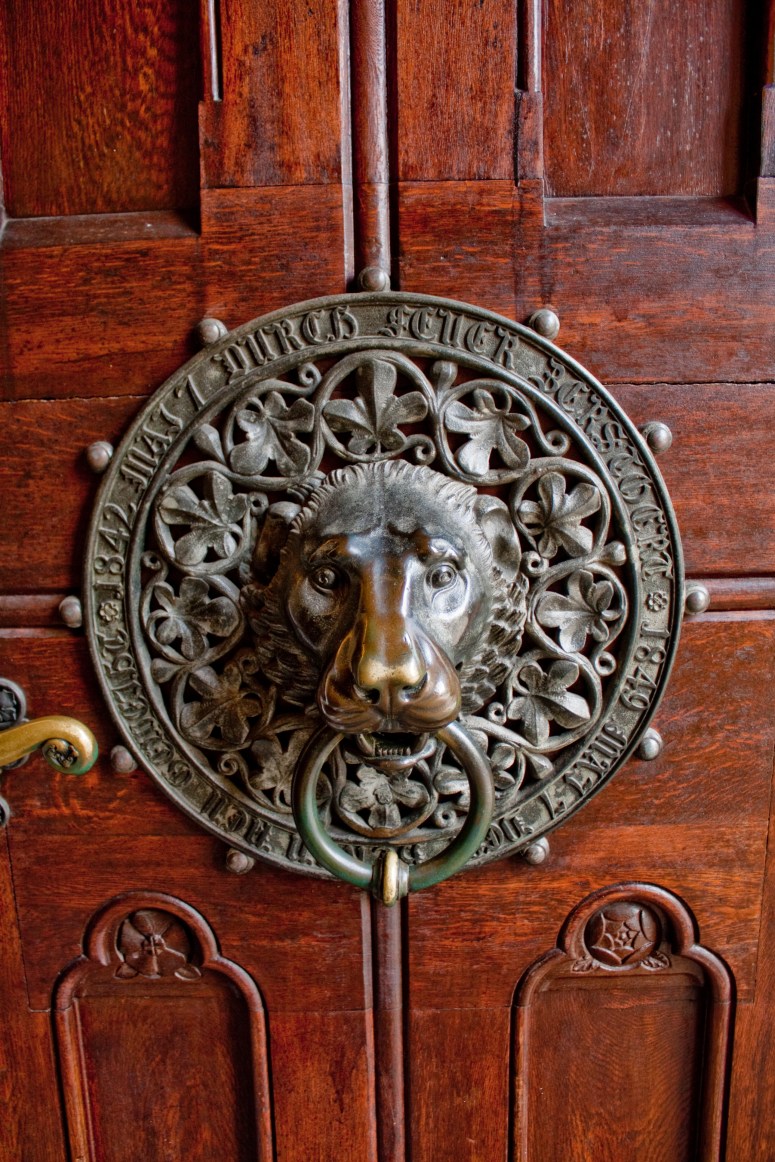
The Church of St. Peter’s in Hamburg dates back as far as 1195. Napoleon used the Church as horse stable. It survived WW I mostly intact. The bronze lion-head door handles, the oldest work of art of Hamburg, date from the foundation of the tower in 1342. Don’t try to go inside, unless you’re there for Mass, they have a sign telling sightseers to go to another church, St. Michael’s, if they only want to look around.

The Under Water Bridge

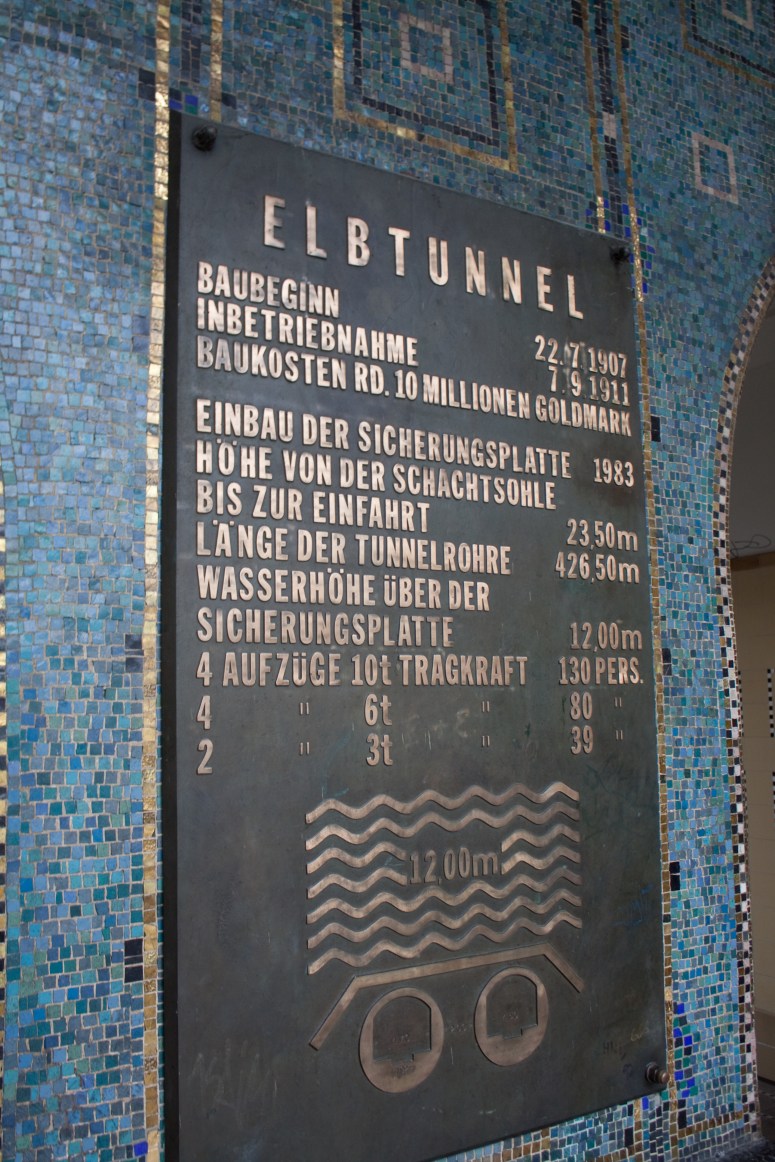
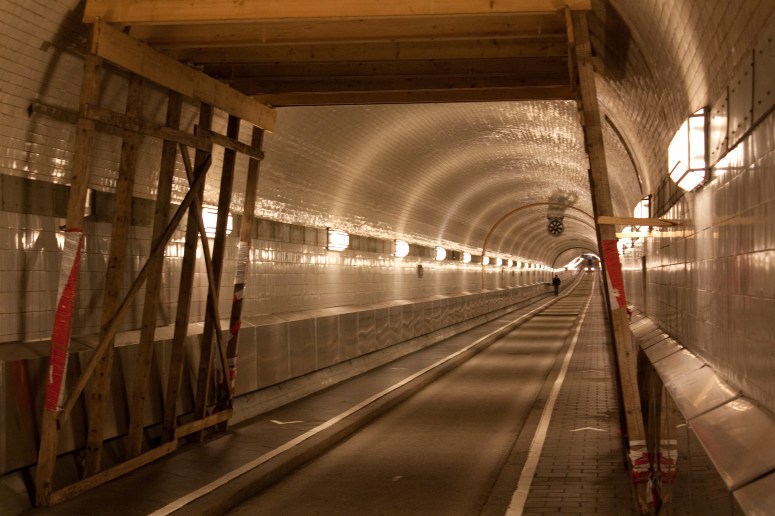
I found a short cut from the shipyard where we were staying to the city of Hamburg. Would you believe there is a bridge that travels underwater ? The old Elbe tunnel, opened in 1911, is one of the oldest still operating tunnels in Europe.
The tunnel features two 20 ft diameter tunnels 80 ft underground, the tunnels have matching elevators on both ends. The four elevators on either side are capable of carrying two cars at a time. From street level you can climb the stairs down to the tunnels or ride the elevator.
Unlike most urban structures, the tunnel remains clean and bright (or at least bright for being 80′ under water. Terra Cotta tiles depicting sea creatures, garbage and rats (all things you may find in the tunnels). If you’d like to spend private time in the tunnels, you can even rent the tunnel out for private events.

Random sights in Hamburg

Fire Exit Keep Clear
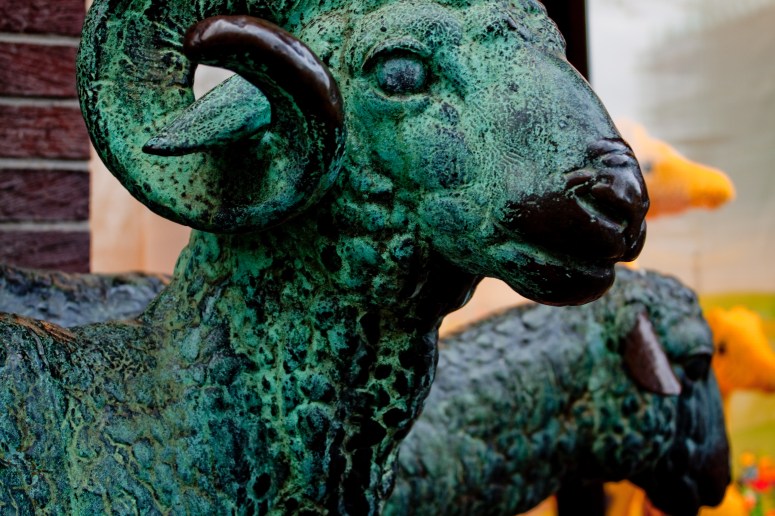
A Ram statue outside the Galeria Kaufhof on Monckebergstrasse

Colorful facades on Reichenstrasse – O Ren Ishii, a Vietnamese restaurant and Rackow Schule, a language school in Altstadt.
Clock tower on Bei St.Annen.
At the edge of Hamburg’s Counting House District (“Kontorhausviertel”) is Zippelhaus, one of the last of the old-style Counting Houses (“Kontorhauser”) of Hamburg.
Before the 20th Century, Hamburg’s Counting Houses were little more than modern variants of the old Merchant House, in widespread use since the 13th Century: a multi-story townhouse with shop/office space on the first floor or two, above which were several levels of living quarters.
Zippelhaus was one of the last of Hamburg’s old-style Counting Houses, modeled on the Merchant House and built to serve both commercial and residential purposes.
A few years after Zippelhaus was completed, the form and function of Counting Houses changed—they were to become the modern-day office building, pure and simple. After 1900, Counting Houses were built to serve purely commercial purposes, and were placed in purely commercial zones.
Today Zippelhaus (Onion House) is the home of an excellent restaurant.
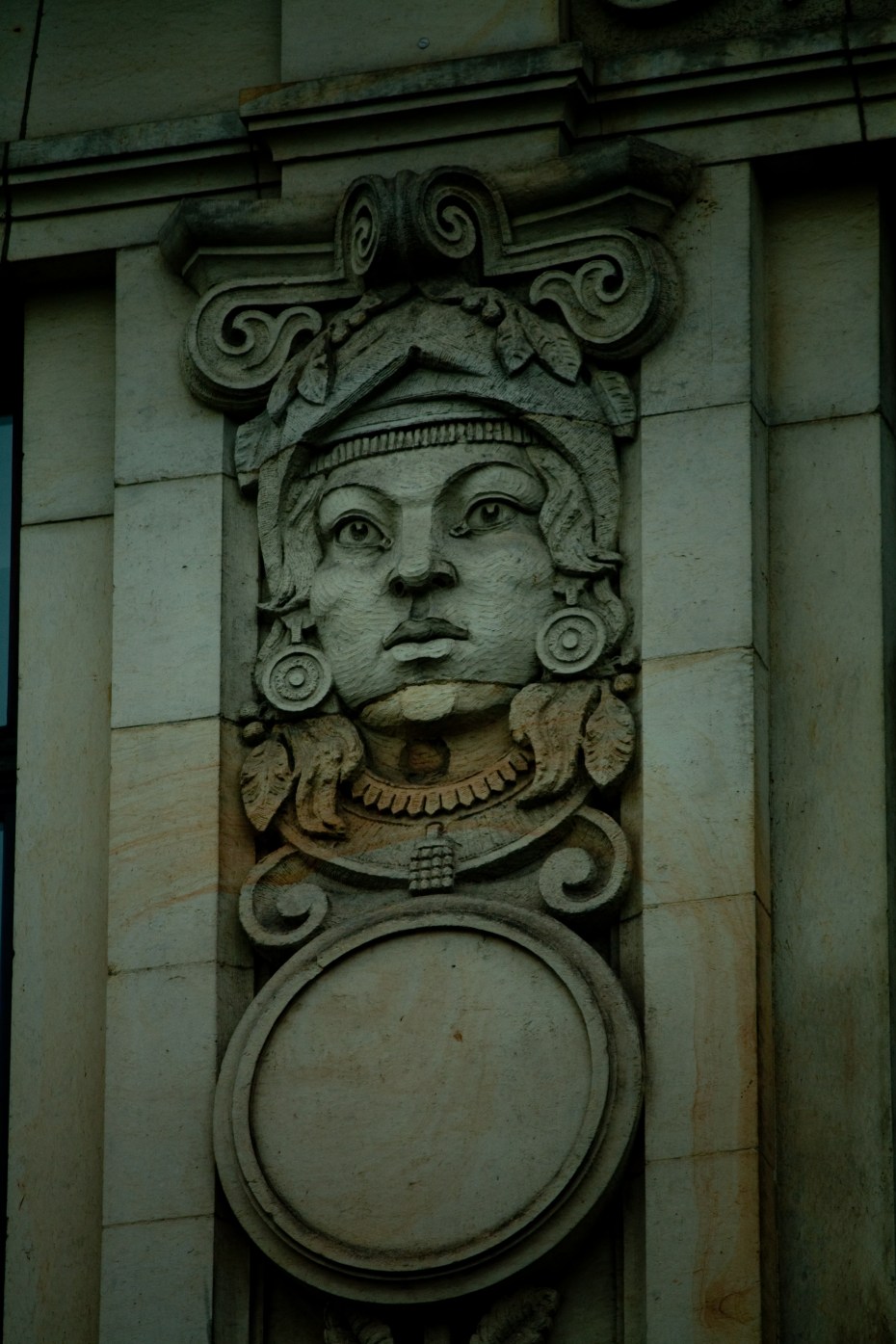
Asia-Haus – The architect George Radel built this office building for the merchant Theodore Lind in two phases 1900 and 1909. Menacing-looking mask motifs in the richly ornamented facade refer to trade with the Far East.
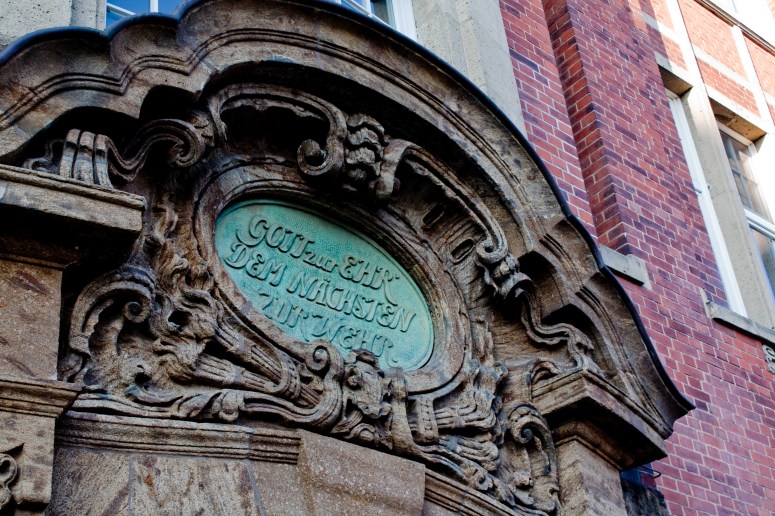
This inscription on the Fire Station reads…To the glory of God,to the defense (against fire) of your fellow human being (of your neighbor).


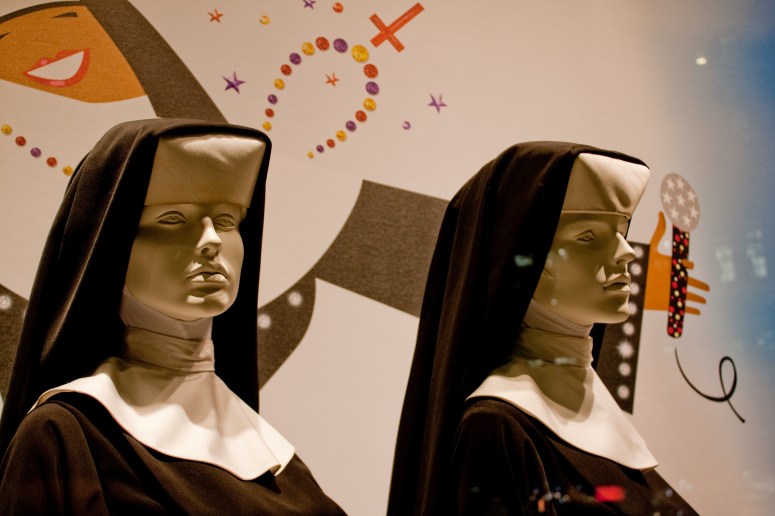
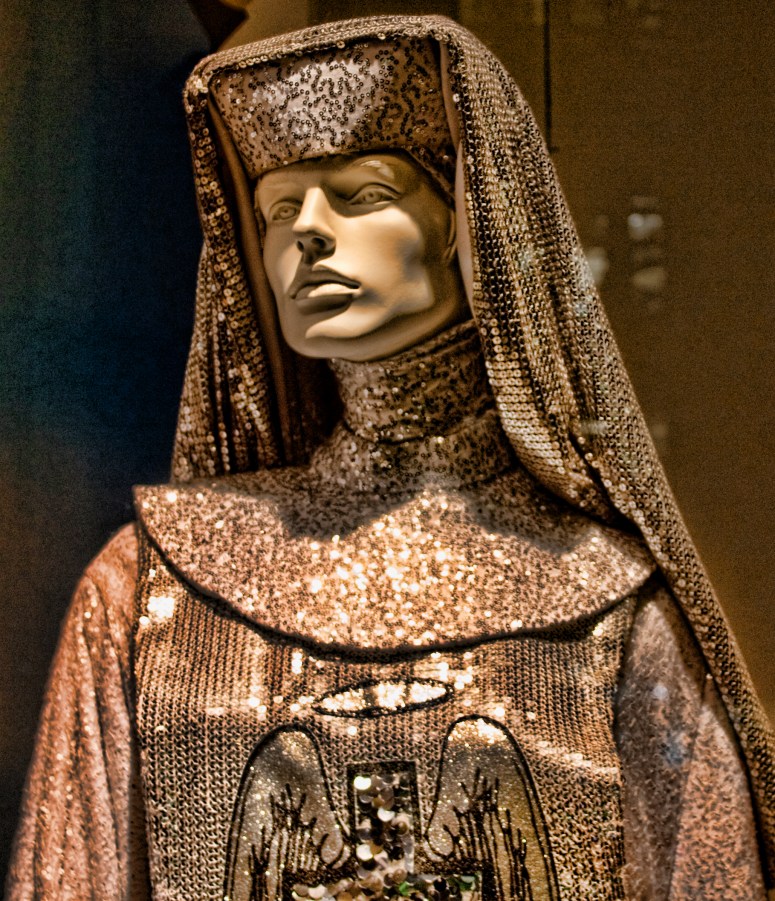
The Best Dressed Nuns

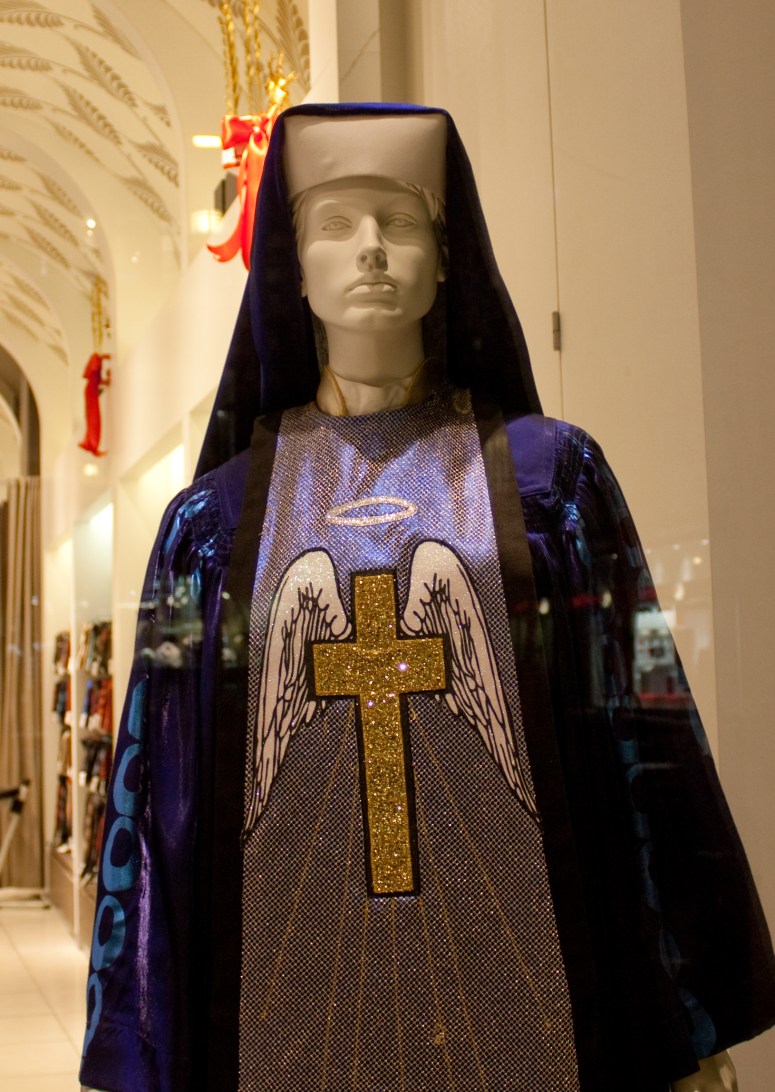
The new musical Sister Act was premiering in Hamburg and one of the department stores had this display of the costumes.
I could only imagine the nuns at St. Gregory’s wearing these at Mass on Sundays.

I bet Sr. Mary Catherine would rock this ensemble.

The City of Warehouses

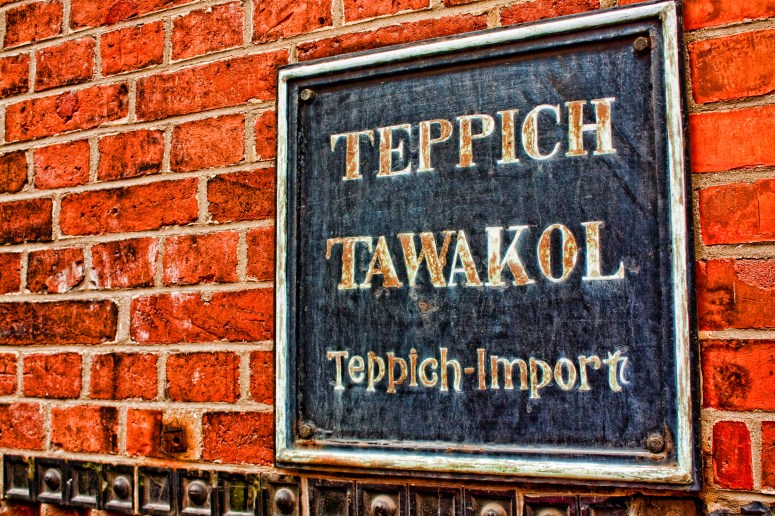
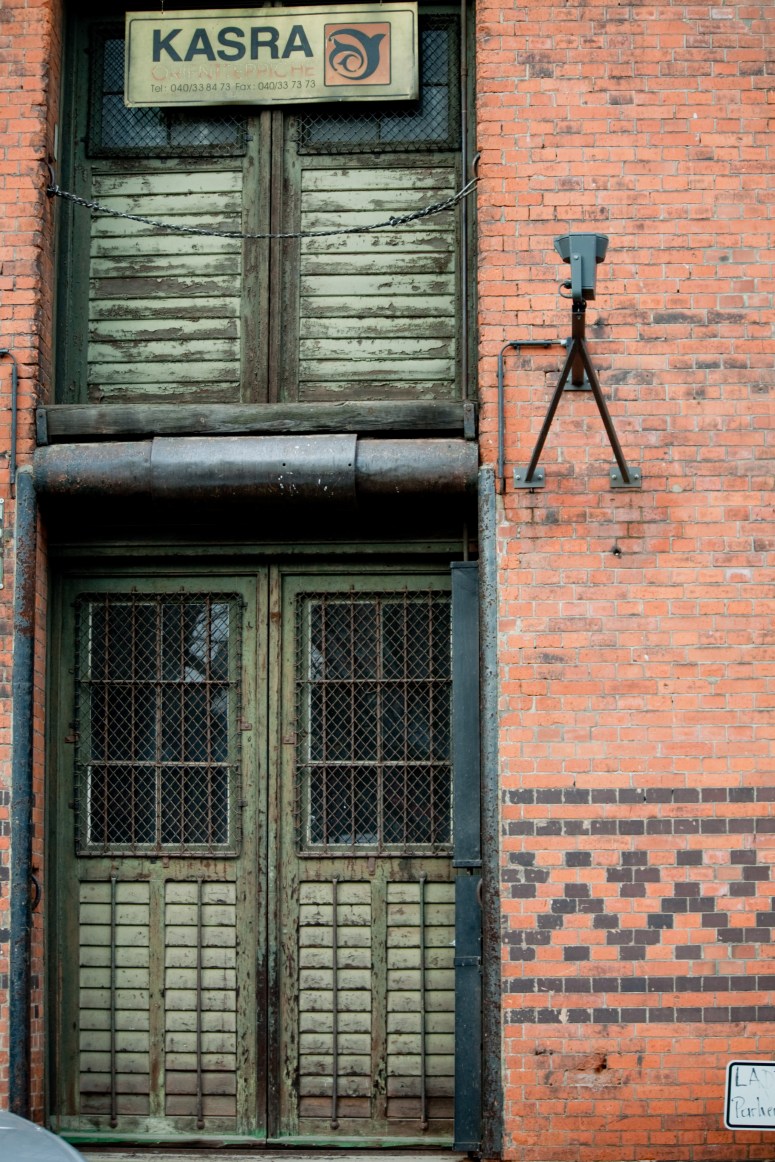
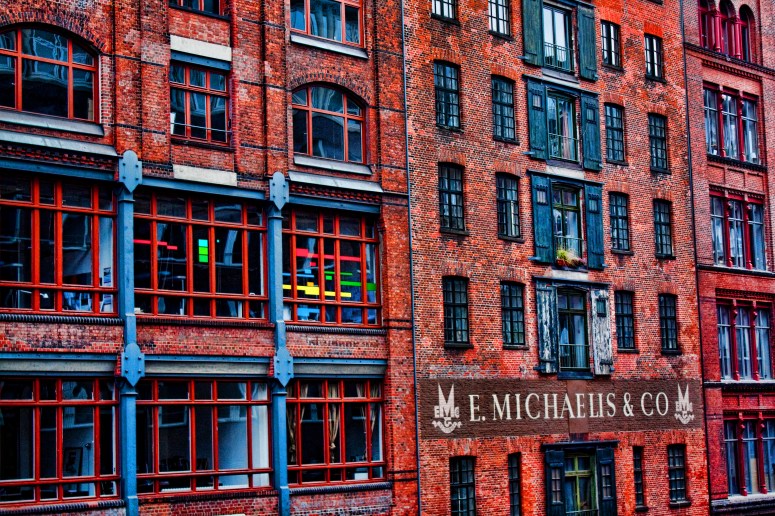
The Speicherstadt or City of Warehouses is where goods like carpets, coffee, tea, cocoa and spices were imported and stored. Today you can walk around the massive red brick buildings or take a boat ride along the canals.
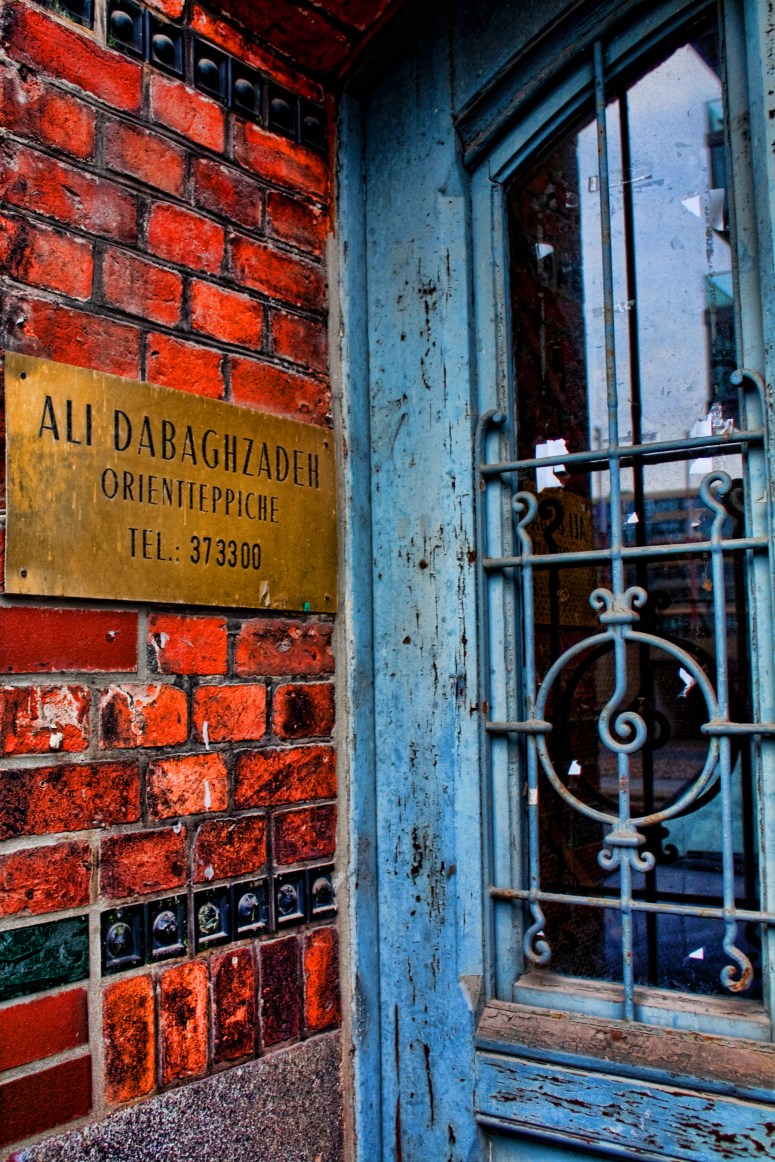
The companies that operate out of the Speicherstadt are responsible for 1/3 of the world’s carpets.

The Rathaus

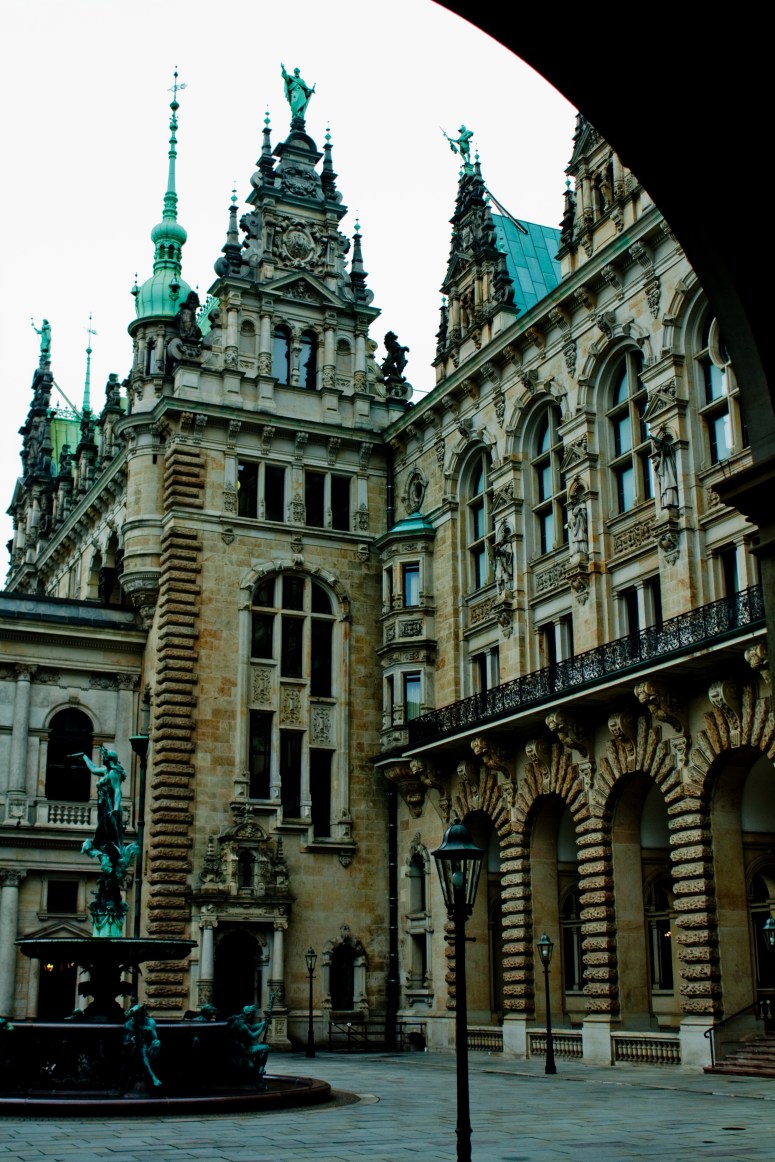
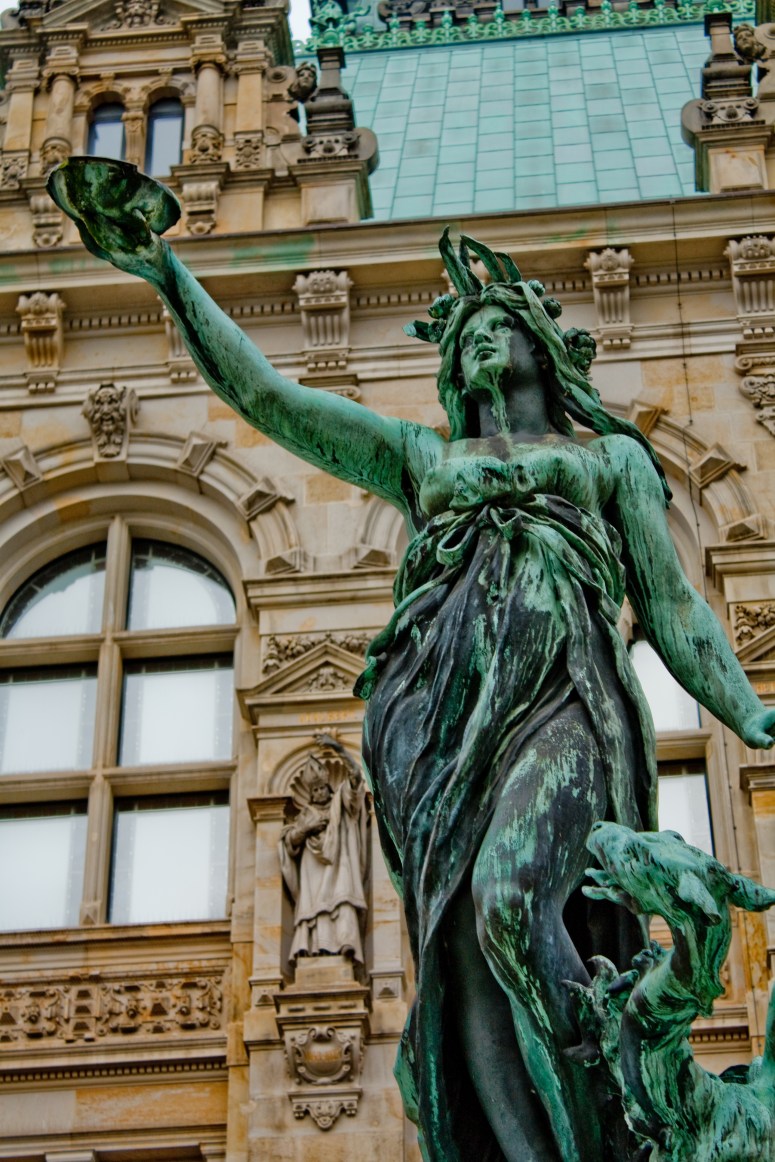
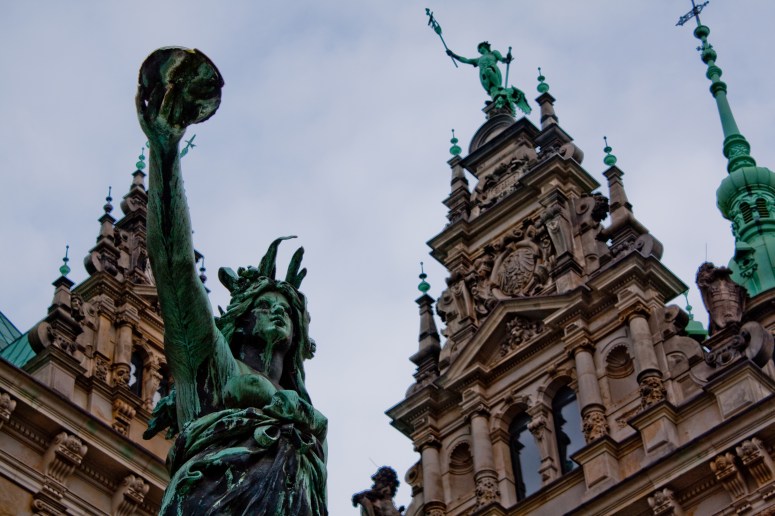
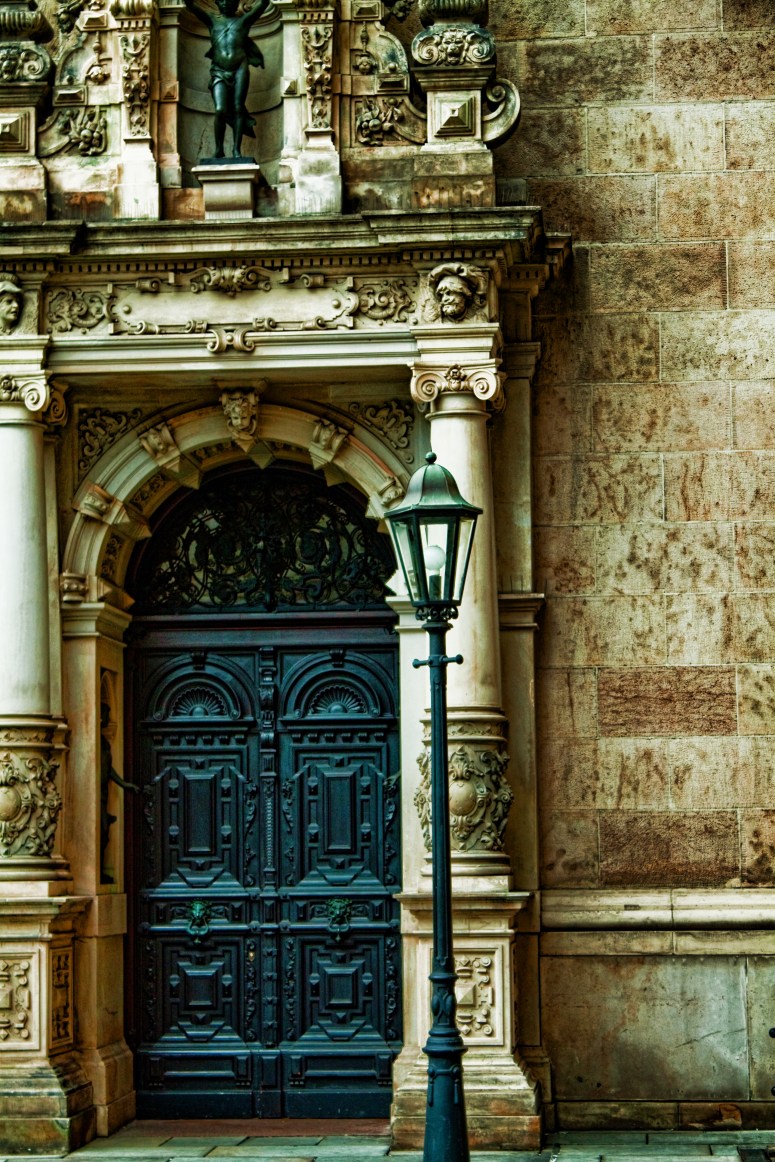
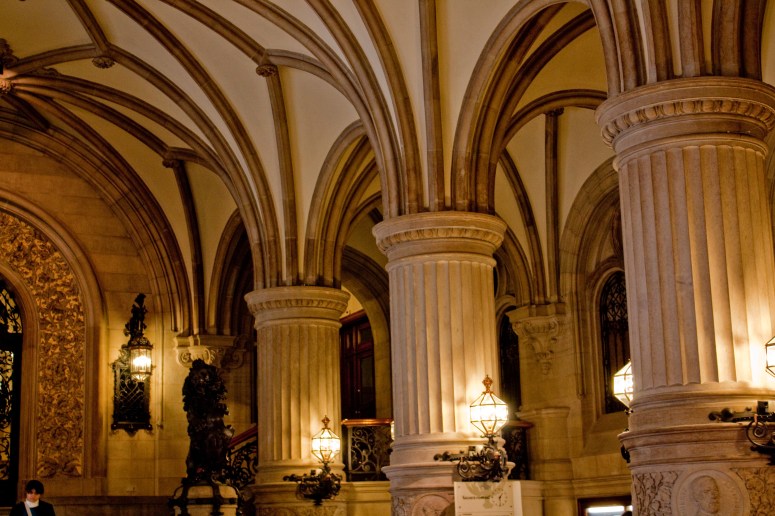
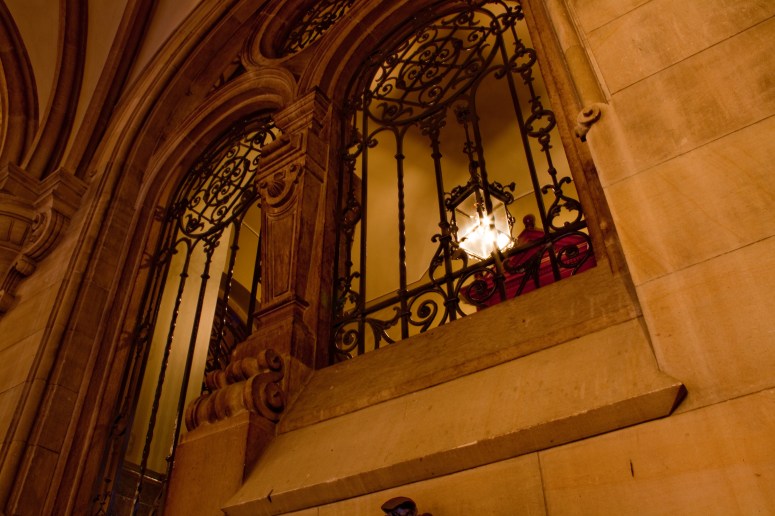
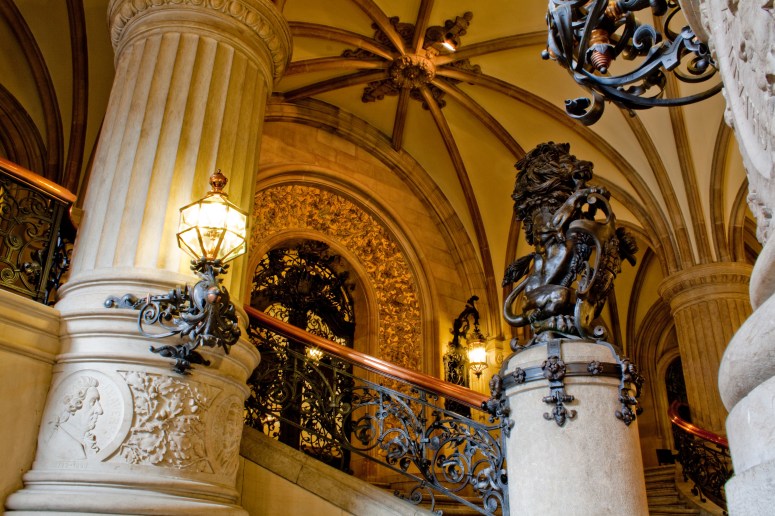
In the center of Hamburg is the ornate Rathaus or City Hall. When the original City Hall was destroyed by fire, the new building took 44 years to build. The Rathaus has rooms numbering 647, the latest room was discovered in 1971 when a document fell behind a filing cabinet and unknown door was found.
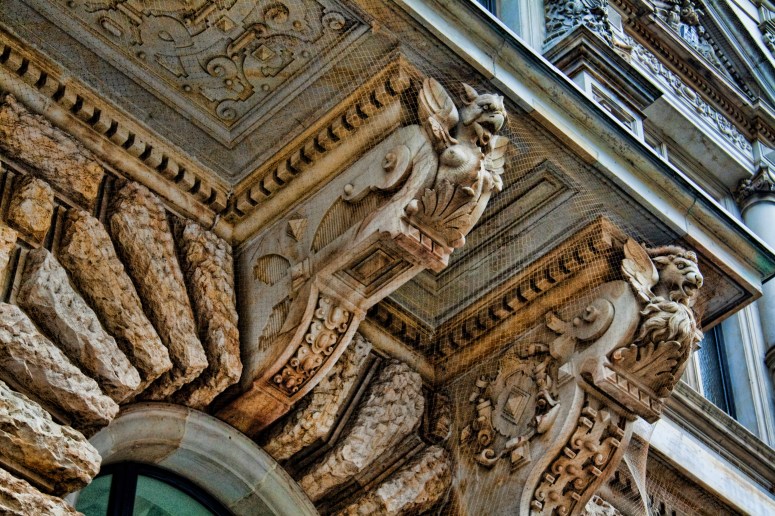
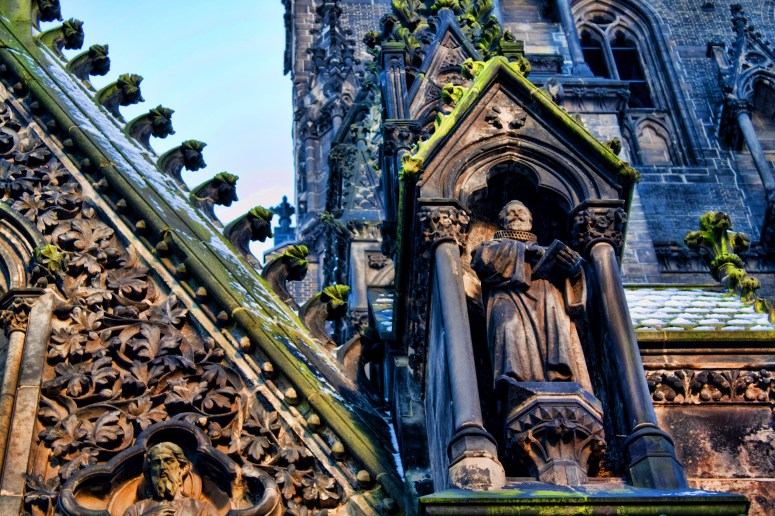
Adorning the facade of the building are statues of saints, benefactors, gods and goddesses, real and imaginary animals.
In the Rathaus courtyard is a statue of the Goddess Hygeia. Hygieia as the goddess of health in Greek mythology and its surrounding figures represents the power and pureness of the water. It was built in remembrance of the cholera epidemic in 1892.

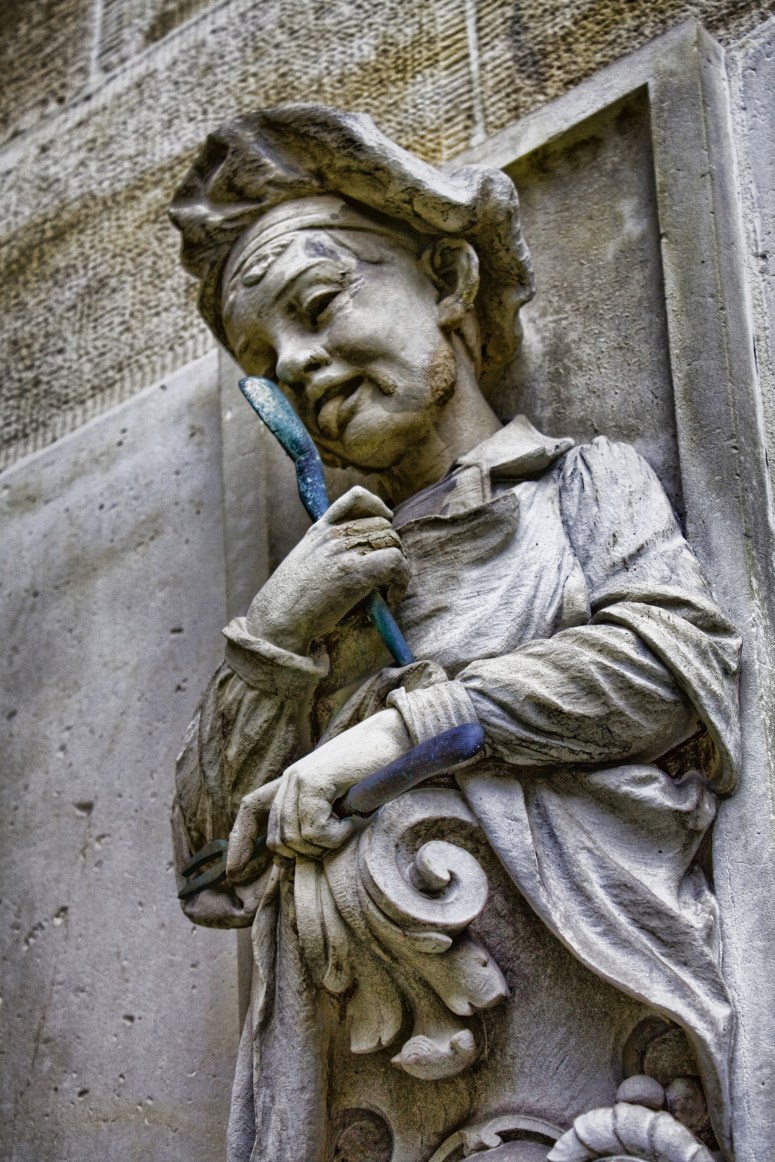
One of the unique figures inside the courtyard was this little baker licking his spoon. No one seems to know anything about him or why he is there. Maybe he was the son of the Burgermeister’s Chef and he grew up in the Rathaus kitchen.
Inside, you can take tours in German, French or English.

Hummel, Hummel

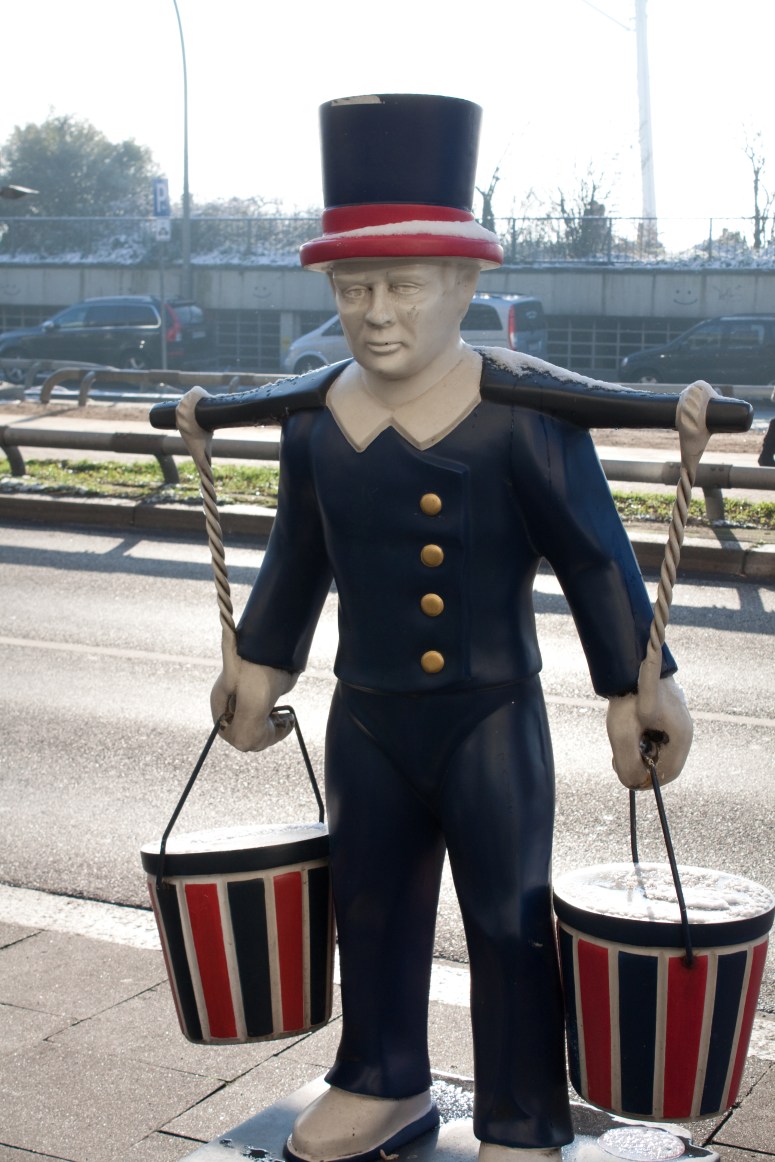
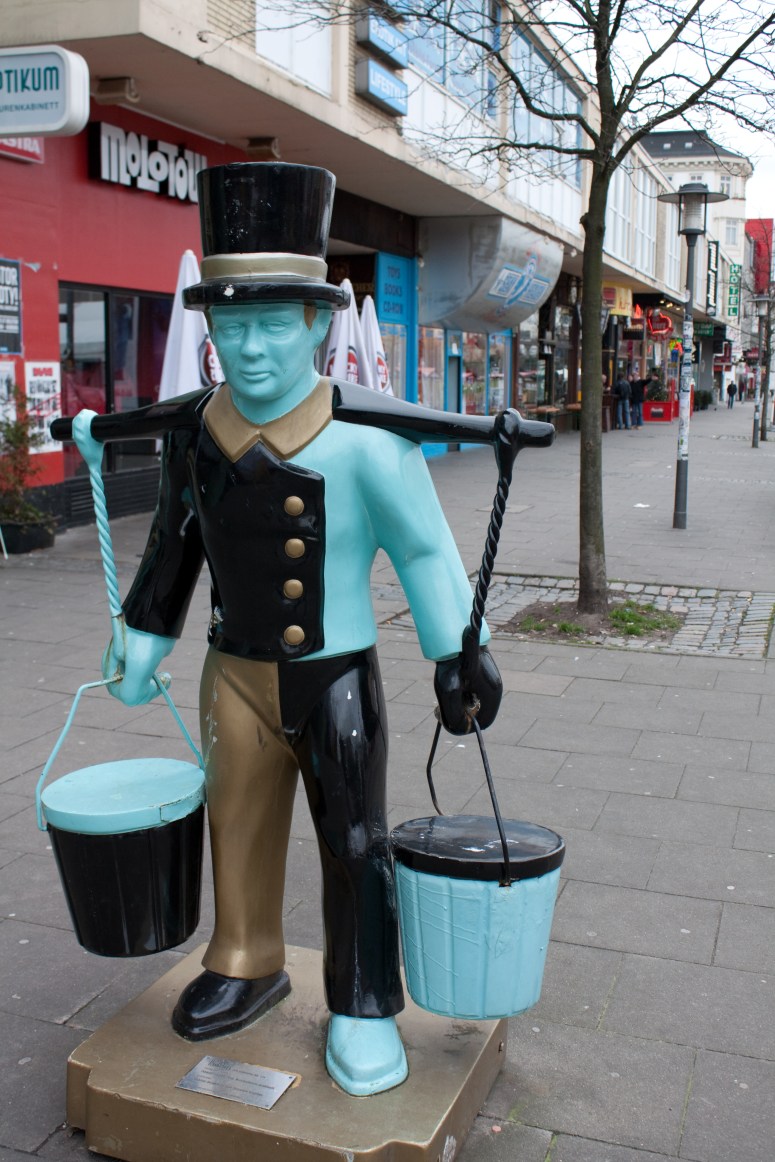
In Hamburg, Hummel, Hummel was a cranky water carrier. As Hummel would carry water through the streets, the children would run behind him shouting “Hummel, Hummel!” in order to annoy him. Hummel would shout back “Mors, Mors!”, an abbreviation of either “klei di an’n mors!” (go scratch your a**! or “Klei mi an’n Mors” (Kiss my a**! )
in 2003, a hundred figures of Hummel were displayed all over the city.
The original Hans Hummel lived in the early 1800s, and was actually named Johann Wilhelm Bentz. He is said to have worked than any man before him shuffling around Hamburg with his burden. Children of the city mocked him by calling him “bumble-bee

St. Nikolai

The Gothic Revival Church of St. Nicholas (St.-Nikolai-Kirche) was formerly one of the five Lutheran main churches in the city of Hamburg. It is now in ruins, serving as a memorial and an important architectural landmark. When
The church was the tallest building in the world from 1874 to 1876 and is still the second-tallest building in Hamburg.
The current condition of the Church of St. Nicholas is the result of air raids during World War II. The clearly visible spire of the Church of St. Nicholas served as a goal and orientation marker for the pilots of the Allied Air Forces during the extensive air raids on Hamburg. On 28 July 1943 the church was heavily damaged by aerial bombs. The roof collapsed and the interior of the nave suffered heavy damage. The walls began to show cracks, yet neither they nor the spire collapsed.
The English architect George Gilbert Scott, who was an expert for the restoration of medieval churches and an advocate of the gothic architectural style, was commissioned to devise a new design. He designed an 86 meter-long nave, with a 28 meter-high vault. The architecture was strongly influenced by French and English gothic styles, though the pointed spire is typically German. The amount of sculptures made from sandstone in the interior and on the spire was unusual.
I made several trips to St. Nikolai while I was in Hamburg. It was a reminder that not even something sacred can escape the destructive powers of war.
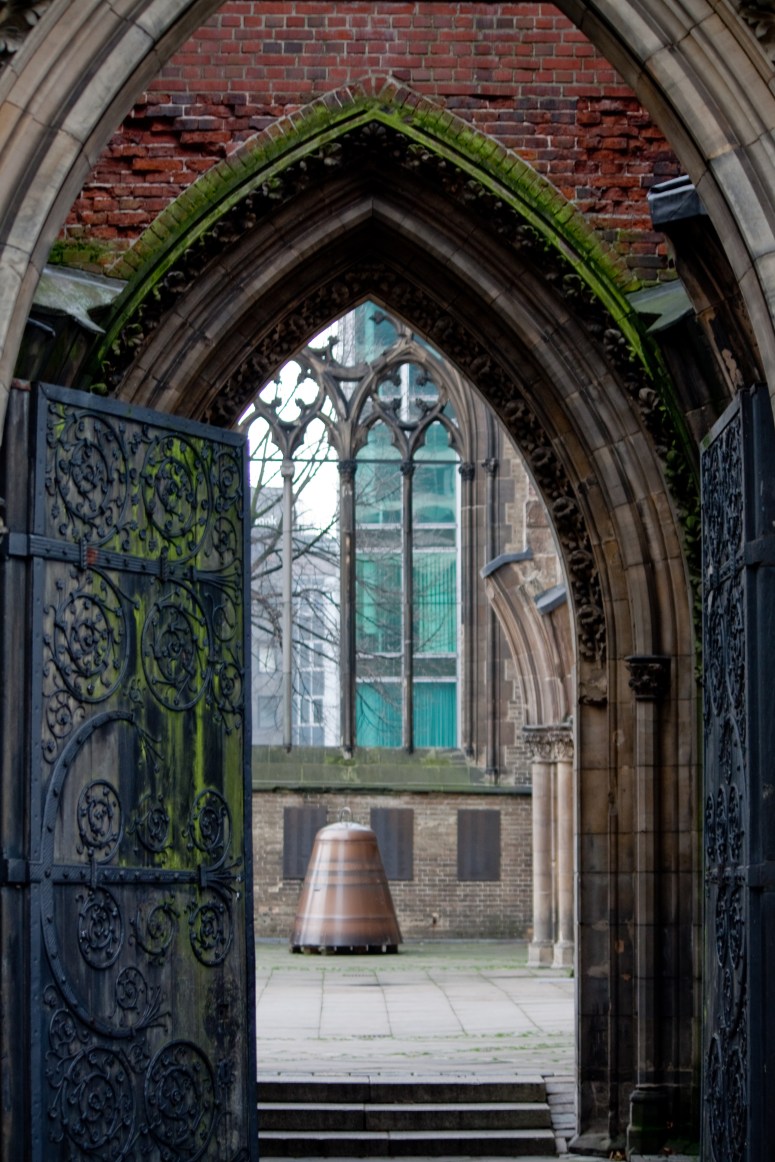
The once grand church doors now open onto rubble and debris.
Even though much of the Church now lay in ruin, it is still very beautiful and impressive.

The Streets of Hamburg

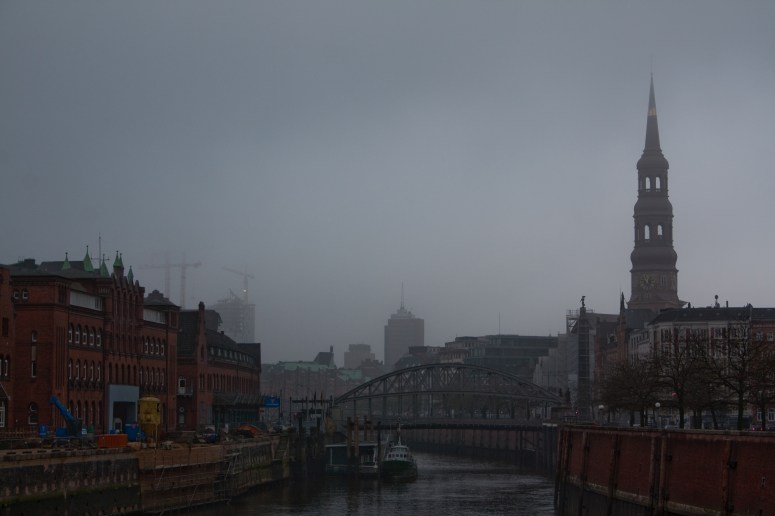
After a long drive and a less than satisfying lunch at a quaint German restaurant called Burger King, we settled in to our hotel in Hamburg, Germany. The weather was grey and dull but that didn’t keep me indoors for long. With a tourist map in hand I ventured out into the city.
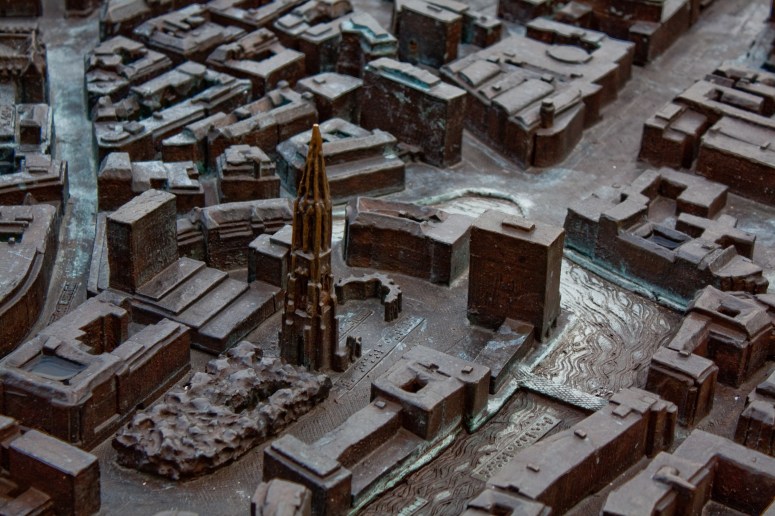
Outside the Rathaus I found this metal map of the city.
Hamburg was a very easy to navigate. You can walk anywhere or take the train and get around. I walked from one end of the city to the other several times over the few days I was there.
Throughout the city, there were reminders of it’s ancient history. Narrow alleyways opened onto the canals. Side streets still had half timbered houses and the remnants of World War I were everywhere.
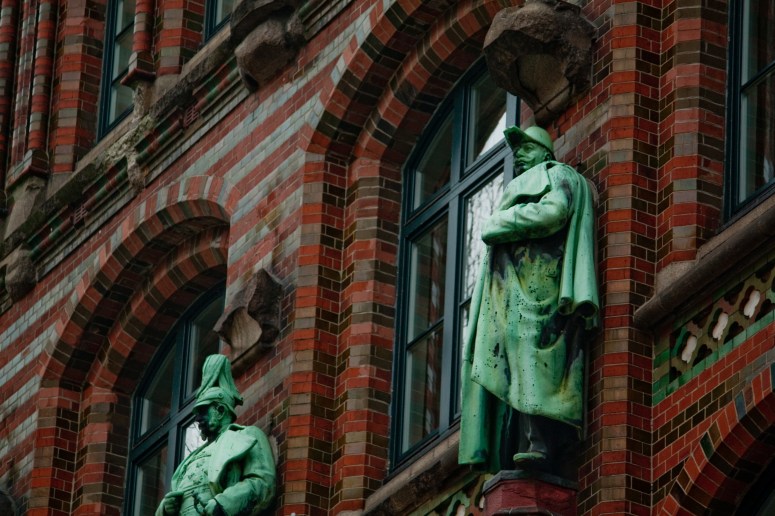
Bronze statues stand guard outside the Kontourhaus of Laisez-Hof. Otto Fürst von Bismarck, German imperial chancellor from 1862 to 1890 and
Albrecht Graf von Roon, German Field Marshall watch silently from their perches. If you want to locate them yourself they are at Location N 53°32’52” E 9°59’31”.
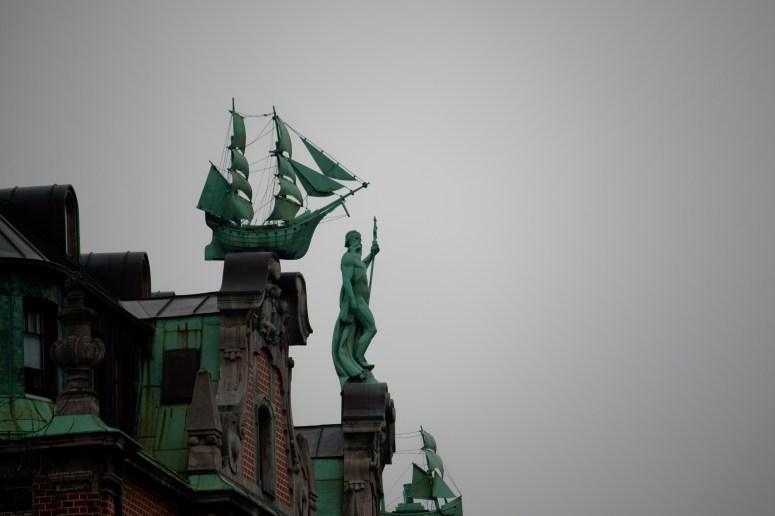
The other side of the building facing the canal had a sculpture of a sailing ship on high.
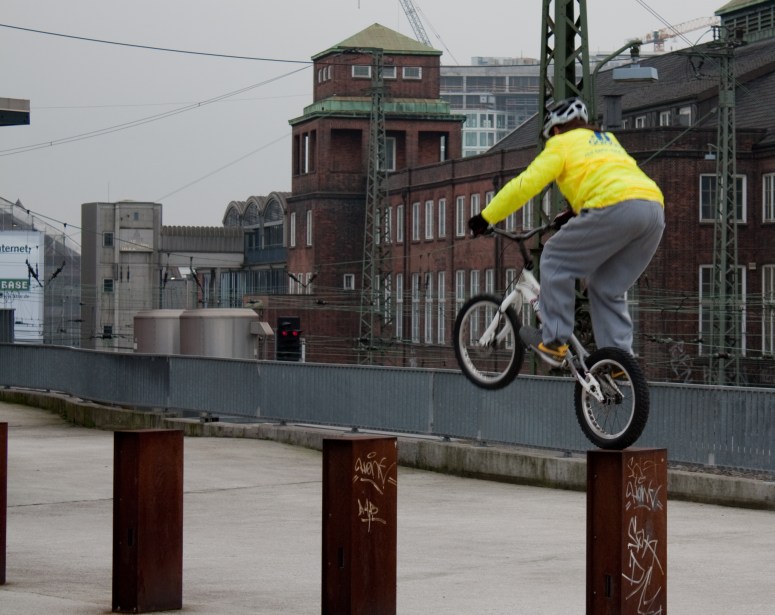
The city was full of surprises, near our hotel, I watched this guy and his friends bounce their bicycles from post to post.